It’s happy hour in the heart of Savannah’s historic City Market, where the American Prohibition Museum is surrounded by bars, cafes and restaurants…serving alcohol–a decided irony for the two museum attendants who may be wondering whether they will ever attract any patrons, sober or otherwise.
*This photograph is a small part of a much bigger story about Savannah, Georgia…with pictures and words entitled L’Chaim–yet another irony, given the universality of the word when toasting with an alcoholic beverage!
A second pass through historic Savannah on our way north left us with a day to cover a small part of the city left unseen from our last visit. Previously, Leah and I had budgeted two days in Savannah–between Thanksgiving and Christmas–as we ever-so-slowly slipped into our winter’s hibernation in Florida. Additionally, our obligation to celebrate Dad’s 93rd birthday in West Palm Beach (Happy Birthday, Dad!) on December 11th didn’t leave us much wriggle room for extra time.
Nevertheless, our first visit was rewarding, with memorable stops to: Bonaventure Cemetery, a fabled 18-century burial ground;
the revival of River Street, along the Savannah River;
neighboring City Market, an 18th-century open-air marketplace;
Forsyth Park, with its famous oak-lined pathway…
leading to legendary Forsyth Park Fountain;
and finishing at the landmark Gothic-Revival Cathedral of Saint John the Baptist, the centerpiece of the historic district.
But Savannah’s geo-positioning (part of the I-95 corridor) made it an easy transition point for routing our return home, and a welcoming destination for a second helping of Southern hospitality…and of course, we were not disappointed.
“So, we have another day here,” announced Leah. “How would you like to spend it?”
“You’re probably gonna laugh,” I stated seriously, “but just like Charlotte, there’s lots of Jewish heritage in Savannah, and there’s a historic congregation in the historic district we could check out.”
“But it’s Saturday, so there’s no way we’re getting in during the Sabbath,” she forewarned, so the best you could expect is an outside picture of the building.”
“Unless we attend services.” I added. “C’mon, it’ll be spiritually enlightening, and you can pray we made the right choice by relocating to St. Augustine.”
We arrived at Congregation Mikve Israel, walked past a uniformed police officer, and through the anointed doors…
where we were met by welcoming ushers who immediately apologized for the temple’s appearance, and offered us a program outlining Catherine’s Bat Mitzvah. We were twice surprised.
Ordinarily, we would have taken a seat at the back of the temple making it easy to leave at our earliest convenience, but it seems that God had other plans for us.
We crossed a chuppah of scaffolding shrouding one-half of the sanctuary’s neo-Gothic architecture, and placing the back rows of the pews off-limits.
Instead, we took a seat closer to the altar among other congregants, while feeling somewhat out of place.
We opened our siddurim to the selected text announced by Rabbi Haas, and subsequently followed the service to its conclusion, as it was meticulously led from the bimah by Catherine.
While chanting familiar prayers with familiar melodies, I reflected on the original forty-two Sephardim and Ashkenazim who disembarked from the William and Sarah in 1733–having sailed aboard a London vessel bound for Oglethorpe’s fledgling colony in Georgia with their precious Sefer Torah in tow–
1733 Torah
in search of religious freedom and a fresh start.
1737 Torah
As we prepared to exit after the last refrain of Adon Olam had echoed through the hall, we were approached by an elder of the congregation who encouraged us to stay behind and enjoy lunch with the other members in celebration of Catherine’s mitzvah.
There was no way of turning down Jack’s invitation. He wasn’t taking “no” for an answer. We feasted on lemon chicken, orzo with roasted vegetables, artisan lettuce with dressing, mixed fruit salad, and challah. The company at our table was as delightful and fulfilling as the meal.
During dessert…
we lamented over a missed opportunity to learn more about Mikve Israel’s storied history, given that tours only occur on weekdays. However, a temple docent–conveniently seated at our table–volunteered to escort us to the second floor for a personal inspection of museum exhibits…
“… May the same wonder-working Deity, who long since delivering the Hebrews from their Egyptian Oppressors planted them in the promised land – whose providential agency has lately been conspicuous in establishing these United States as an independent nation – still continue to water them with the dews of heaven and to make the inhabitants of every denomination participate in the temporal and spiritual blessings of that people whose God is Jehovah.”
and museum artifacts…
As serendipitous as this adventure was, I knew as I descended the stairs…
that I was meant to tell the story of Mikve Israel’s descendants: about their unwavering regard for their American Revolutionary roots, their continuing crusade for community; and their unconditional code of acceptance and inclusion.
Leah and I were invited to return and sample real Southern Jewish hospitality the next time we pass through Savannah, and I think that’s an invitation that I can easily accept, regardless of the obstacles.
covering thirty-six acres of mixed-use development,
and creating the largest artists’ haven amidst the palms of sunny Florida.
Originating in 1999 as a non-profit guild representing local Manatee County artists, theirs is a mission to build a community where artists live and work while enhancing quality of life and creating a harmonious environment.
Notably refreshing, Divine Access Gallery specializes in contemporary folk art,
filling each room of the house with whimsy, kitsch, and funky artwork…
that captures an aesthetic worthy of eclectic and uncustomary collections.
Centrally located, it’s a short stroll from the Riverwalk, the ballpark, and downtown Bradenton.
and stripped naked of everything except the courage they needed to accept their new fate.
As families in West Africa, they relied on each other, but far from home on distant shores those bonds were broken. Husbands and wives, sons and daughters, brothers and sisters were separated and independently prepped for sale, bringing new meaning to groomedfor success.
The slave mart in Charleston, was the go-to destination…
for traders to wrangle the best price,
as human beings resigned themselves to their new owners and an unfathomable situation.
Imagine the shock and despair they must have felt, rolling down the Avenue of Oaks at Boone Hall Plantation for the first time in slave carts,
wondering about the cluster of buildings by the side of the road…
that would become their future shelter…
as they approached the paddock…
and the manor house.
Boone Hall Plantation of Mount Pleasant, SC continues today as one of America’s oldest working farms, still producing crops after nearly 340 years of activity.
Also noteworthy, Gullah-Geechee heritage continues with sweetgrass basket-coiling skills that have sustained through five generations of descendants of slaves.
Original roadside stands from the “hayday” of basket production still dot the Route 17 landscape, luring everyday customers and tourists to inspect the wares.
However, the trend has traveled to the Charleston City Market,
where the demonstration of sweetwater basket-making is routine…
and sales are brisk,
with up to 300 weavers who remain dedicated to the craft.
At this time, dwindling supplies of lowcountry sweetgrass are protected, and can only be harvested by bonafide ancestors…
guaranteeing a steady stream of basketry to remind us how sweet the courage of a people can be, and how crooked their path to freedom.
Every student of science, history and commerce knows the importance of Thomas Edison’s contributions (2332 worldwide patents),
and how through his imagination and industry…
Kinetoscope Projector
he single-handedly reshaped the 20th century.
No less famous and equally as successful, Henry Ford’s lifetime commitment to automotive innovation was without peer.
Now put the two titans together…
as next-door neighbors within their Ft. Myers, FL winter compound…
beside the Caloosahatchee River…
and the sum exceeds the parts. Adding John Burroughs, the nation’s leading naturalist and conservationist of his time to the party,
Edison, Burroughs, Ford
resulted in the birth of the car-camping movement in America as we know it today: motoring across the country in search of fulfilling outdoor recreation and adventure.
Better known as The Vagabonds, the caravan later included tire magnate, Harvey Firestone, who would travel with the pack across America for the next ten years, taking vacations in an elaborate Packer and Ford motorcade that always included Edison’s battery of batteries to light the campsite,
a Ford chuckwagon attended by Firestone’s personal chef,
and a pack of newspapermen and paparazzi who would record The Vagabond’s every step and conversation.
Edison’s inventions are presented in historical perspective in a comprehensive on-site museum space that credits Ft. Myers as an inspirational Eden for Edison’s genius.
Additionally, by recreating his West Orange, NJ laboratory in Ft. Myers,
Edison could work uninterrupted throughout the year, never missing an opportunity to tinker or embellish on an idea, while enjoying the comforts of a home…
and grounds…
that he designed in 1886,
and Mina attended until his death in 1931.
Henry Ford acquired the neighboring bungalow known as The Mangoes in 1916,
and the two titans drove each other to continuing heights of excellence in achievement.
But of all their noticeable accomplishments, their mutual love of country living coupled with the enormous publicity generated by their expeditions most certainly inspired an army of auto owners and outdoor enthusiasts to follow their example.
Thus, The Vagabonds paved the way for the popularity of motor camping, and gave rise to a recreational industry that advances the dream of this sojourner’s lifestyle: where the highway is my lifeline and my Airstream is my cradle.
Note: Historic photos courtesy of Edison and Ford Winter Estates collection.
Apparently, the citizens of Naples, FL have the deepest pockets of any town in America thanks to the highest concentration of billionaires who own part-time residences along the deep water coastline of Port Royal.
Such was the claim of First Officer Owen, who was overheard aboard the top deck of the Naples Princess…
during a two-hour pleasure cruise from the top of Naples Bay, past Bayview Park,
and through the channels of decadence bound by the beach on the Gulf of Mexico…
and Keewaydin Island.
John Glenn Sample came to Naples in 1938 with a vision that would compete with Henry Flagler’s development of Palm Beach during the early 1900’s. Unimpressed by the titans of industry who would flock to the East Coast of Florida to sip fine whiskey and smoke Cuban cigars against a backdrop of crashing waves, Sample determined that the tranquil surf and serene surroundings of the Gulf Coast was better suited for peace and relaxation.
Not to be outdone by the co-founder of Standard Oil, Sample gobbled and cobbled two square miles of mangroves and marsh along Naples Bay for $13,700. During the 1950’s, Sample exhausted the $3.5 million he earned from the sale of his Chicago advertising agency by bringing heavy earth-moving equipment and dredging machinery to town, and subsequently rearranged his property into fingers reaching out to deep water access amid the warm currents of the Gulf of Mexico.
Early on, Sample priced his Port Royal lots between $7,500 and $12,000, and spec homes were priced between $22,000 and $25,000. By the 1960’s, Port Royal lot prices had ballooned to $30,000 and Port Royal homes were selling for $60,000.
Yet despite premium prices, Sample was holding out on hawking his holdings; the litmus test to buy property from Glenn Sample was that he must like you, because selling to a buyer was much more than “show me the money!” A prospective homeowner/neighbor had to supply letters of recommendation, and pass the like-mindedness quotient.
Today, only a few of the original 3,000 square foot homes remain, having been replaced by maximum-sized mansions of shimmering glass and steel.
And of those still standing and available as teardowns for $4M, they are being replaced by new construction that defies understanding–exceeding unimaginable dimensions, and approaching $100M to complete.
Port Royal royalty includes celebrities from sports fame, media, and entertainment. Generational offspring of corporate giants who colonized the enclave (Briggs-Stratton, Kodak, Collier Publishing, etc.) continue to live a life of quiet luxury, as does the former treasurer of Estonia who proudly flies his country’s flag.
But of all known Port Royal billionaires (there are many property owners who cloak their identities behind holding companies), none is more deserving than Dick Portillo, better known as Chicago’s King of Hot Dogs.
Starting out in 1963 with $1100 in savings intended as a down payment for a house, Portillo convinced his wife to invest in a small trailer called The Dog House on North Avenue in Villa Park. Running water came from a garden hose attached to another building.
Not knowing how to cook, Portillo learned the business by visiting competing restaurants with his two young children in tow and asking questions until he perfected his technique and grew the business: to his first drive-thru in 1983; to offering nationwide shipping to all 50 states; to 38 locations in Illinois, Indiana, Arizona and California;
to eventually selling to Boston-based Berkshire Partners in 2014 for $1B, and acquiring an anchor for his $10,500,000 Westport yacht.
For the past eleven months, I have suffered from an acute case of Restless Body Syndrome (RBS)–unable to stay in one place for more than an average of three to four days. And to my knowledge, there is no known antidote for this kind of wanderlust.
While there is much to be said for having a home with all the trappings of comfort and familiarity (for which I am grateful), I nevertheless feel a natural compulsion to feed my travel addiction–at times surrendering to the physical and psychological cravings of visiting someplace new on a regular basis.
Fortunately, there are hundreds of support groups around the country–known as RV parks and resorts–that are very accepting of those among us who are afflicted with RBS, and assuage us with electric, water and sewer, and occasionally, high-speed internet.
A ten-step program has been developed by self-help travel gurus to combat the irritation associated with RBS:
Subscribe to Travel and Leisure, and National Geographic.
Leading pharmaceutical firms have been quietly conducting cutting-edge research to advance a cure for RBS. And there is widespread speculation that a vaccine is being developed for the travel bug.
Additionally, Congress is contemplating passage of the Rio Grande Act, whereby an extremely narrow Wal-Mart will be built along the entire Texas-Mexico border for RBS out-patients to shop, duty-free.
Until then, I offer my services as your tour guide for a random retrospective of my many homes from March 2017 to present.
Towaco, NJLigonier, PALewisburg, WVNew Orleans, LASan Antonio, TXBig Bend NP, TXGrand Canyon NP, AZZion NP, UTEstes Park, COWest Yellowstone, MTBanff NP, Alberta, CANCorvallis, ORKlamath, CAHat Creek, CAQuincy, CALas Vegas Massacre, NVValley of Fire, NVJoshua Tree, CAMt. Pleasant, SCDelray Beach, FLMelbourne, FLBradenton, FL
John Ringling was one of the early 20th century’s most prolific collectors of art, and his Museum of Art, opened in 1931 has become his true legacy. Soon after marrying Mable in 1905, the Ringlings became avid collectors, acquiring paintings, furniture and tapestries from the estates of other established patrons of art. In 1924, the Ringlings met Julius Böhler, a prominent Munich art dealer, and developed a long-standing relationship that would ignite the Ringlings’ growing interest in collecting art.
The Ringlings had been traveling through Europe for years and had fallen in love with Baroque art. In 1925 John hired architect John H. Phillips to design and build a museum on his Sarasota property to house his ever-growing collection.
What Phillips designed was a U-shaped pink palace with 21 galleries to house Ringling’s treasure trove of paintings and art objects, highlighted by a collection of masters that would eventually include Velazquez, El Greco, Van Dyke, Veronese, Tiepolo, Gainsborough and Rubens.
Paired perfectly with the Renaissance-style of the Museum, the Museum of Art’s Courtyard embodied the ideals of the Renaissance garden.
Its long loggias…
…flank a central courtyard that features an impressive group of early twentieth-century bronze and stone casts of famous Classical, Renaissance, and Baroque sculptures, among them, at its heart, Michelangelo’s David from Palazzo Vecchio in Florence.
Ringling hoped that by building the Museum he would make Sarasota a cultural and educational center. To achieve his vision he began buying comprehensive collections with prestigious provenances, beginning with the purchase of three rooms complete with furnishing, paintings and architectural finishes from the Astor Mansion and a villa in the Tuscan countryside.
He also purchased four tapestry paintings, oil on canvas, by the Flemish master Peter Paul Rubens from the Duke of Westminster. Today these magnificent paintings welcome you as you enter the Museum’s gallery, and are the foundation of the Museum’s extraordinary Baroque collection.
Between 1925 and 1931, Ringling acquired more than 600 Old Master paintings from the Late Medieval thorough the 19th century. His purchase of Rubens’ Pausias and Glycera was considered so significant that Art Digest reported on it.
In 1928, Ringling made another significant acquisition that was to form the core of his classical antiquities collection: 2800 objects of Greek, Roman, and Cypriot antiquities from the Metropolitan Museum of Art in New York. Excitement about his collection was growing in art circles; the New York Times did a full-page article about the purchase, praising not only the collection, but the Museum and its surroundings as well.
The Depression and local real estate market collapse contributed greatly toward Ringling’s financial demise. It’s been reported that Ringling died in 1936 with only $311 in the bank. Although Ringling bequeathed his museum to the people of Florida–hoping to establish Sarasota as a cultural beacon–his creditors and legal wrangling would delay the settling of his estate for a decade.
Funds were poorly managed and the endowment Ringling left languished and barely grew. The Museum was only occasionally opened between 1936 and 1946 and not properly maintained. Gradually, the care that the buildings required were either put off or handled piecemeal.
But while the Museum struggled with a lack of finances, a series of Directors continued to foster its artistic growth, most notably A. Everett (Chick) Austin, Jr. the charismatic former Director of The Wadsworth Atheneum in Hartford, Connecticut who became the Museum’s first Director and Curator in 1946 and served until his death in 1957.
Today, thanks to continuing community support, the Museum has increased its gallery exhibition space. And under visionary leadership, the Museum has increased its artistic relevance, and national prominence by showcasing emerging talents in the international arts community.
Under Florida State University’s stewardship, the Museum of Art has exciting plans for new acquisitions and exciting exhibitions and programs, finally fulfilling John Ringling’s dream of delivering a great cultural center to Sarasota citizens.
Charles Thompson, manager of Buffalo Bill’s Wild West Show (later acquired by the Ringlings) had built Palms Elysian along Sarasota Bay by 1893…
to bolster his initial purchase of 154 acres for $1650. Thinking that Sarasota could be a great destination for the winter circus season, and a worthy land development opportunity, Thompson persuaded John and Charles Ringling to explore the area in 1911, and convinced John to purchase the home and 20 acres of waterfront property from mutual friend and General Agent of New York Railroad, Ralph Caples, who only three months earlier had acquired the estate from Thompson. By then, Palms Elysian had become a showplace of a home in an area surrounded by log cabins and fishing huts.
John and Mable continued to winter at Palms Elysian through the 1920s, with John and Charles becoming more involved in Sarasota real estate speculation and development, scooping up Bird Key, St. Armands Key and Longboat Key, and owning as much as 25% of the entire Sarasota area.
It was time to replace Palms Elysian with a home befitting the thirteenth wealthiest man in America.
John and Mable’s extensive travels throughout Italy provided her with plenty of inspiration for their proposed palazzo on the bay. Gleaning architectural details from Doge’s Palace and the Bauer-Grünwald Hotel in Venice, Mable turned her drawings and notes over to leading New York architect Dwight James Baum for a cohesive design, and commissioned Owen Burns to build Cà d’Zan (House of John, in Venizzi dialect), a 36,000 square foot Venetian Gothic-styled residence where Palms Elysian once stood.
Construction began in 1924. Every aspect of the building, inside and out, was painstakingly overseen by Mable–from the terra cotta mix and the tile glaze, to the decorative furnishings and flourishes of modern living during the Roaring Twenties.
All the while, John Ringling’s investments (entertainment, real estate, railroads, oil, and cattle) had amassed a fortune of $200 million, and landed him on the cover of Time Magazine.
Cà d’Zan was completed and fully furnished before Christmas 1926 at an astonishing cost of $1.5 million ($21 million today). With 41 rooms and 15 bathrooms, the Ringling’s new home featured a crystal chandelier from the original Waldorf-Astoria Hotel, Florida’s first residential elevator by Otis, an Aeolian organ with 2,289 pipes built into a wall rising two stories,
and an 82-foot-high tower with an open-air landing and a high-domed ceiling.
A similarly-styled gate marked the official entrance to the opulence of Cà d’Zan and The Ringling estate,
where Mable would greet her celebrity guests–the likes of Will Rogers, Jimmy Walker, Flo Ziegfeld, and Billie Burke.
Their stroll continued through lush gardens punctuated by Italian statuary,
past Mable’s rose garden,
and down the pathway marked by a zodiac compass mosaic,
until they reached the jewel on the bay.
Leah and I elected to tour the mansion in two parts, with a small group guided by docents who led us through four floors of fresco art, enormous Italian Renaissance paintings and tapestries, French Baroque furniture, and the Belvedere tower.
However, interior photography was not allowed. I felt like my hands had been tied.
I would have liked to photograph the deep tub in Mr. Ringling’s bathroom–with both freshwater and saltwater taps–carved out a single slab of Sienna marble to accommodate his 6′ 2″ frame.
Consequently, I have no image of the equally impressive 16-foot long German Silver sink installed in the kitchen pantry as a measure of protection for Mable’s oversized collection of Lenox bone china and hand-painted pottery displayed in the many pantry cabinets.
I was also miffed that I couldn’t capture the coffered ceiling of smartly painted Florida pecky cypress in the solarium amid the jeweled tones of the Venetian black glass skylights.
And it was disappointing being unable to record the light flooding through the windows that wrap around the 4th-floor guest bedroom once preferred by Will Rogers, which set the paneled walnut ceiling aglow.
However, with a climb to Belvedere Tower and the photo ban lifted, the lens cap came off, and I was free to enjoy the expansive 360° views…
across Mable’s lush gardens,
and over a rooftop clad in antique Spanish barrel tile from Barcelona buildings personally salvaged by John Ringling and cargo-shipped to Miami.
Legend has it that John Ringling would walk his guests to the top of the tower to show off his Longboat Key land holdings as far as the eye could see.
I must have lost all track of time while shooting to my heart’s content, because when I finally put my camera down, I noticed that I was standing alone, and the tour had moved on without me.
Down the spiral stairs I ambled,
only to discover the tower door locked from the inside. I pounded on the iron-clad door in vain, eventually realizing that nobody could hear me. I considered my limited options: I could look out over east side of the tower, hoping that I could be discovered from below…
…nah…or I could try Leah’s cell phone, and hope that she’d taken it off vibrate. It rang and rang and rang…
9-1-1 was another consideration, but quickly discounted when Leah finally answered on the fifth ring.
“Hello? Why are you calling me?” was all she wanted to know.
“Take a look around you. Do you see me anywhere?” I started.
“No, but I figured you’re off taking pictures somewhere ’cause that’s what you do,” she intoned.
“Well not this time,” I revealed. “This time I’m stuck at the top of the tower with the door locked, and no way of getting down. So do you think you could manage to alert the docent or security, and maybe they could find their way up here to rescue me,” I mentioned calmly.
“I’ll see what I can do. Bye.” and she was gone.
An extra five minutes on the tower landing, and I was still enjoying the view. But when five minutes turned to ten, I called Leah again to make sure I wasn’t being punished or forgotten. This time she answered right away.
“Hi. Remember me?” I was 100% sarcastic.
“I don’t know what to tell you. They said they were on their way,” she quasi-sympathized.
Moments later, I heard the door unlatch. The door swung open, and there was our security escort together with the guide–both looking relieved and embarrassed.
“I’m so sorry,” stated the docent. “I don’t know how something like this could have happened. In all my years of running tours through this house, this has never happened before. Thank goodness, you’re alright,” she gushed.
I followed her down four flights of stairs, with security only steps behind me, probably watching closely to guarantee I didn’t get lost. The tour was officially over.
I rejoined Leah at the back of the palazzo, where we sat for a few minutes on the inlaid marble terrace looking out across the water,
and imagined Mable being rowed around the bay in her authentic Venetian gondola, while contemplating her next trip to Italy.
But her time at Cà d’Zan was brief and bittersweet. She would only have three years at her beloved retreat before succumbing to Addison’s disease with complications from diabetes in 1929.
Although she lived to be 54, for Mable it was la dolce vita.
For anyone who ever wanted to run away and join the circus, ground zero is located in Sarasota, FL, where a legacy built by John and Mable Ringling continues to simmer in a culturally rich pot that still stirs the imagination.
It’s hard to believe that Sarasota, once a sleepy fishing village on the Gulf Coast of Florida at the turn of the 20th century, has become a shining example of shimmering glass towers and manicured mansions on the bay,
and a cultural capital of fine and performing arts in America–
born from a prophecy envisioned by circus impresario John Ringling, and fueled by The Greatest Show on Earth.
However, after 146 years of touring across America, the curtain has come down on the entertainment extravaganza, and the big top has folded forever after its last show on May 21, 2017.
According to Kenneth Feld, chairman and CEO of Feld Entertainment, the circus could no longer compete as the spectacle that had endured for so many generations. Plagued by prolonged battles with animal rights activists, rising operating costs, and children more enamored by super heroes, the circus had lost its lustre and cultural relevance.
Fortunately, for those of us who still remember the taste of roasted peanuts, and the sweet smell of cotton candy wafting in the air, a visit to Ringling Museum of the American Circus…
provides a venue to a bygone era, when the thrill of the circus parade would send spirits soaring, and unrelenting children reigning havoc on parents, until they were promised tickets to the latest and greatest show.
Established in 1948 by Chick Austin, Jr., Ringling’s first museum director, the circus museum displays Ringling memorabilia from the time the Ringling brothers purchased the Barnum and Bailey act in 1907.
The collection features beautifully carved circus wagons,
Harp and Jesters Calliope Wagon, circa 1915Griffin and Venetian Bandwagon, circa 1907Hagenbeck and Wallace Lion Tableau Bandwagon, circa 1904-1905Elephant Bandwagon, circa 1906Italian Percussion Bandwagon, circa 1915
props…
Zacchini Repeating Firing Cannon, circa 1960s
posters…
and costumes…
Emmett Kelley’s Weary Willie clown shoes, circa 1942
donated from local circus families, who eventually resettled in Sarasota after John Ringling moved the Circus Winter Quarters to town in 1927.
The museum features elaborate animal carvings, past…
and present, with active carving studios onsite for miniatures…
and life-size creations.
But the shining star of the show has to be the newly refurbished train carriage, named Wisconsin…
a customized rolling office and home of grand design and furnishings built by Pullman,
which allowed John and Mable Ringling to criss-cross the nation, always in search of fresh talent and new acts for the big top.
The Ringling Museum of the American Circus features a rich folklore that honors the performers of a Golden Age, and celebrates an iconic American institution once hailed as the Mecca of family entertainment.
The museum is also a testament to five hard-working brothers born in Iowa to German immigrants, who rose from the ranks of penny actors to build a circus empire that lasted long after John Ringling’s death in 1936 until its recent demise…
and sadly, has become just another blip in the timeline of American amusement.
Traditionally, every professional team sport in America routinely celebrates a season midpoint known as the All-Star game….except for football. And for the most part, these exhibition events typically showcase the finest talent of the league franchises, usually selected by fans and coaches to honor the athletes who have amassed the season’s best stats…except for football.
Instead, the NFL currently slips its All Star game (called the Pro Bowl) between the Conference Finals (which determines the winners of the AFC and NFC) and the Super Bowl. As for talent, after excluding football’s best players heading to Super Bowl LII (Philadelphia Eagles vs. New England Patriots), player selection for this year’s Pro Bowl has been determined by fans, players and coaches in equal parts.
Pro Bowl enthusiasm among hand-core fans has flagged in recent years, now that warm and fuzzy football has replaced hard-nose hitting on gameday. The NFL punted the problem to the Players Association, who conceded that members may voluntarily decline to play due to injury concerns. But the league tackled player indifference by raising the stakes and incentivizing competitive play, with $64,000 awarded to every player on the winning side, while losers receive $32,000.
Thankfully, only the Super Bowl remains, before football passes the sports mantle to hockey, basketball, and the Winter Olympics. Fortunately for me, a very laid-back sports fan, uneven internet access and poor TV service from coast to coast prevented me from following the colossal collapse of the New York Giants (3-13), a four-time Super Bowl champion, and a perennial contender.
Nevertheless, with the Pro Bowl temporarily relocating from Hawaii’s Hula Bowl to Orlando’s newly renovated Camping World Stadium…
I decided to treat Leah to a last day of football. However, neither of us was counting on a day of downpours.
Rain was a constant interruption throughout the game–from the moment we arrived for the opening snap…
to the time we returned to the parking lot with minutes to play, and the AFC squad advancing to the goal line for an eventual 24-23 win.
In between, there were a few things to cheer about.
And then there was football, too.
The Pro Bowl was a game of two different halves, with the NFC holding a 20-3 half-time lead, capitalizing on dominant drives over darkening skies.
Meanwhile, preparation for half-time festivities devolved into occasional swordplay on the sidelines,
However, sword order was eventually restored after Dancing with the Stars winner Jordan Fisher emerged…
and took the makeshift stage for ten minutes of coordinated music and mayhem,
eventually finishing with a flourish.
When the game resumed, it seemed as if a different NFC squad had taken the field,
allowing the AFC to roar back under increasingly sloppy conditions.
Naturally, the biggest score of the day occured at the concession stand, when food vendors raided my wallet for $32 in exchange for a cheesesteak, fries, Coors Lite, and a bottle of water.
But despite the puddles and the pouring rain,
we put on our game faces,
and managed to convince ourselves that all of this was time and money well spent.
We were breezing through National Park Highway with the winds of Rainier at our backs,
heading through Ashford, WA on the way to Mt. St. Helens (see: Beauty and the Beast),
when the sight of a 17-foot grazing giraffe (Aspen Zoe) craning over a split-rail fence caught our attention,
causing us to catch a second look.
The open field before us provided a perfect pedestal for oversized sculptures.
The allure of a hidden sculpture garden amid the cedars and firs of the Cascades was galvanizing, and had us hooked.
Oscar–18-feet long by 12-feet high
We felt magnetically drawn to the magical monstrosities, and compelled to turn into the gravel driveway for a closer look, sharing the parking lot with The Angel from Hell.
The gatekeeper was generous, allowing us passage,
and we were free to roam through Recycled Spirits of Iron Sculpture Parkfor a small donation.
I turned to Leah, pointing to the bird…
“Check it out. Toucan get in for the price of one!” I mused.
“Your jokes are a bit rusty,” she retorted.
“True,” I countered, “but at least I beaked your interest.
We paused at our first fish-out-of-water encounter to admire the mechanical calculus of mashing a gearhead, cogs and sprockets together with a wheel here, and a drain cover there, and accented with a fan blade for a fin, and a saw blade for a snout, wrapped around an exoskeleton of grating.
“How many horseshoes do you think it took to fabricate the skin?” Leah wondered aloud.
We stepped around for a different perspective.
“Why don’t you ask the artist,” volunteered a robust woman wearing a calico print apron and approaching us from the porch. Indicating afar with her pointer finger, “That’s my husband on the tractor out there, just about finishing up the front yard cut. He’d be happy to meet-cha by the garage, cuz he loves talking about his art.”
Dan Klennert was hungry for conversation, and passionate about his process of collecting junk.
He walked us through the nerve center of his creative cocoon, where all things junk were separated according to subject and size, and stacked in stalls that reached to the rafters.
There are scores of “works in progress” scattered throughout the warehouse that originated on the whim and inspiration of a stray piece of driftwood, or the basin of a wheelbarrow, or the rotary cage of a lawnmower.
Dan is a junk whisperer of sorts. As he sifts through new collections of scrap that he regularly inherits from area farmers and ranchers, he gets a “tingle of inspiration” when he comes across something special.
“This here’s gonna be a whale,” Dan claims, showing us the sweep of the bough with the sweep of his hand. “And this eagle I got started on, I’m still waitin’ on the perfect piece that gonna be his wings.”
“I grew up in a small town called Crookston, MN,” he recalls, “and as a kid, I loved to draw. When I was seven, my family moved to Seattle. That’s when I started pulling my red wagon around the neighborhood, and collecting things from junk piles. I wasn’t much of a student then, but Friday was always my favorite day of the week, because Friday was art day at school.”
Dan became a mechanic by age 22 and learned from a foreman “how to glue two pieces of metal with a welder.”
“I found a way to put together the two things I loved most, scrounging and art,” confides Dan.
Leah and I continued our tour of the property, where the playful…
and the whimsical…
intercepted with the spiritual…
the arcane…
and the carnal…
Adam and Eve
But it’s safe to say that Dan Klennert has found his Eden on earth. His four-acre niche has given him a place to park the variations of a mechanical mind that melds an anchor to a sprinkler to imagine a snail, as he earnestly nudges the nuance of ex-nihilo–creation out of nothing.
Yesterday marked a historic moment in our personal timeline, given the 10-plus months since Leah and I have actively roamed the continent in search of new adventures and discovery in our Airstream. And yesterday’s achievement–seemingly overshadowing all previous accomplishments to date–will most likely define all others to come for the duration of our travels. While this statement smacks of grandstanding and hyperbole, the relative importance of this achievement cannot be overstated.
First some background and a confession. I never wanted a truck to pull our Airstream. Afterall, when the trailer is off-hitch, the truck would become our daily ride. And driving a truck around town wasn’t my style…er, I mean, I was somewhat intimidated by driving such a behemoth.
I fought the notion that only a truck could safely tow our 7200-pound capsule, and actively researched the specs of all late-model SUV’s that matched the appropriate torque and towing capacity for our trailer: I weighed in on internet forums to glean the best information relative to our Airstream size; I emailed with others who made similar trips, under similar conditions with equipment modifications; and we attended New York’s Auto Show in April 2016 with every intention of narrowing our options.
But browsing through so many choices in one place only muddied the motoring waters, and raised the level of my unawareness. There were so many considerations: fuel economy, gas vs. diesel, storage capacity, safety, reliability, comfort level, audio, GPS, and of course, price.
After test-driving a Grand Cherokee, Audi Q7, Infiniti QX-80, Nissan Armada, GMC Denali, VW Touareg, and Ford Expedition, I was beginning to have serious doubts about my original premise: SUV over truck.
When all was taken into consideration, I manned up, and went with the Ford F-150.
To me, it was the smartest choice of all available choices.
“I’m so excited for you, dear,” Leah pretended. “But you’ll never catch me behind the wheel of that thing. It’s huge. All I can say is, ‘You’re on your own.'”
If a man is measured by the size of his truck, then Leah unwittingly hit the jackpot. However, her driving abstinence left me blue.
Over time, the F-150 ride felt like any other ride. My reticence and apprehension soon melted away in favor of a solid understanding of the technology I relied on to negotiate the truck’s box-like bulkiness through traffic.
Or so I thought…
A close encounter with a concrete sidewall in a cramped Philadelphia parking lot while attempting to steer through a narrow exit ramp left me as crushed and broken as the aluminum door panel.
While the front-end was willing, the back-end was not.
Fortunately, time, insurance, and $6,000 heals almost everything…except one’s memory and ego.
Even today, I believe that Leah delights in recounting my failure in Philly.
But that’s ancient history.
Time has lapsed, and 34,000 miles later–and true to Leah’s word–I can personally attest for every turn of the truck’s odometer. In the course of our travels, we have run into many couples who share the driving, and have discovered many women who drive exclusively for whatever reasons, but Leah seems to be the only one I know who tells me how to drive while never sitting behind the wheel, except to wipe the windshield…
…until now.
Having been incapacitated by a sinus infection and subsequent flu for the past two weeks, and with laundry by my bedside mounting to levels exceeding the ground elevation of the state of Florida, it was time to visit the washing machines. Normally, in all other instances, for convenience sake, I would schlep the top-heavy wire basket to the truck, and drive to the laundromat, whether down the road, or around the corner.
But yesterday, I was in no condition; I could barely move. While I was languishing in my delirium, I thought I’d heard the F-150 roaring awake. The 5-liter V-8 was growling through its idling phase, and maching on my migraine. I momentarily managed to pull myself from bed, and peered through the broken velcro bonds of the curtains just in time to see the F-150 cautiously backing out, and lunging forward into the lane.
In disbelief, I gathered my senses, and texted Leah, “I’m calling 9-1-1. The truck is gone.”
Twenty minutes later, I was stirred awake by the ping of my phone with Leah’s response, “Yup.”
“Thank goodness,” I noted to myself, before returning to my coma.
Hours later, Leah returned with a basket of folded laundry.
“You took the truck,” I asked/celebrated.
“I did,” she remarked. “No big deal.”
And that’s where I left things–not even a mention about the 300 feet distance from the Airstream to the facilities.
Today, when I awoke, there was little improvement in my health–all my original symptoms were still firing like a well-tuned sick machine (see: Quarantine Capsule). After more than two weeks of feeling lousy, I wondered if this was the new normal.
“We’re low on milk and you definitely need another box of tissues,” exclaimed Leah.
“Looks that way,” I managed.
Incredulous, “I can’t believe you went through a box of tissues in one day! Anyway, I guess I’m going to Publix on my own, since you sure don’t look like you’re up to driving me there,” Leah volunteered.
“So, are you thinking about taking the truck?” I posited.
“I don’t think I’m ready to take the truck out in traffic yet. So, maybe I’ll ride my bike to the store, or just walk,” she confessed.
And that’s what she did.
I suppose my role as the dominant driver is as secure as ever.
For the past couple of days, while the world continued spinning on the outside, our heads and stomachs were spinning on the inside, so Leah and I felt it only right to isolate ourselves inside our thin protective layer of Airstream aluminum. However, yesterday, we broke the seal of our quarantine capsule long enough to scoop up the provisions scattered across the lawn of our RV dock dropped by the Red Cross airlift (just kidding)–only to button up again, and shamelessly drift back to our TV bingeing (not kidding).
In actuality, we momentarily left the recycled air of the Airstream on Wednesday, to venture across the highway to the Urgent Care Center. My cold symptoms and sinus headaches were no better after a week in Mexico, so it was time for medical intervention. And Leah was now reporting symptoms of her own, and blaming me for sharing.
After taking a number and waiting patiently in a room full of sick people wearing yellow face-masks, it was my turn to to be treated…soon.
“Why are you here?” intoned Nurse Ratched, speaking through a yellow face-mask of her own.
“Congestion and sinus headache,” I coughed.
“May I see your ID and insurance card, please,” asked the intake operative.
I offered my Driver License and Medicare Card–my first time using it.
“Just so you know, you’re responsible for the $42 surcharge not covered by Medicare,” she alerted.
Offering another card, “But I have my supplemental insurance from EmblemHealth. This should cover it.”
“I’m sorry but your supplemental insurance is not valid for the balance,” she argued.
“No need for an apology. EmblemHealth is a bonafide payer. Trust me. They’re supposed to cover the Medicare balance,” I insisted.
Nurse Ratched seemed annoyed that she wasn’t collecting any money from me. She pecked some data into her computer monitor, and eventually provided me with a yellow mask and a pile of papers to fill out before being seen.
After an hour, Dr. B confirmed, “You’re got acute sinusitis. I’m treating it with a 6-day steroid pack, and an antibiotic, but only to be taken if symptoms continue after a week.”
“I guess I’m off the hook for your cold, since a sinus infection isn’t contagious,” I declared.
Usually, within the confines of a small park, there are self-appointed watchdogs who keep tabs on the comings and goings of all park residents with a perfunctory wave, but I don’t think anybody missed us, or even noticed when we returned from our brief encounter. We’ve survived here in relative obscurity since pulling into the Timberlane RV Park and Resort of Bradenton a few days ago.
Usually, after setting up camp, we’d walk among the giant coaches and 5th wheels to compare and contrast, wave to our fellow campers in arms, and find common ground: the office, the laundry, the social hall. But not here. And even if we were up to it, the freezing temperatures in central Florida have driven the most ardent RV residents into the hive of their own tiny houses, leaving us with little chance of introducing ourselves–all of us waiting for Florida’s Big Thaw and Saturday’s potluck dinner, scheduled for 4PM.
Thursday and Friday were true days of recovery. Leah lounged under blankets in the front of the Airstream (the bedroom), catching up on Shameless, while I stretched out in the rear of the Airstream (beside the dinette), streaming episodes of The Marvelous Mrs. Maisel.
Occasionally, there were moments of silence and relief, but more often than not, the reflexes between us were too strong to hold back, and the Airstream would erupt into uncontrollable and otherworldly jags of coughing, sneezing, hacking, expectorating and farting. I wondered if our noises echoed beyond our asylum, and if the neighbors suspected if something inhumane was going on under their noses, like the tragedy in Perris, CA.
But then the cabin would go quiet, and I figured we were safe from watchdog surveillance. As gross as it sounds, the hardest decision during those two days was figuring whether to swallow or spit.
Now it’s Saturday, and recovery is on the horizon. Residents are already parading to the social hall with specialty, home-made, wrapped dishes in hand, in eager anticipation of creating new best acquaintances for another snowbird season.
I hope they like supermarket chocolate chip cookies.
It’s hard to imagine going away to a resort to relax, and then being sidelined because of a cold. But after a day of Ubers, planes, and transport vans, we finally arrived at Hacienda Tres Rios–north of Playa del Carmen on the Riviera Maya–for a week of fun,
and all I could muster was a trip to the hotel convenience store for antihistamine pills before I was ready to collapse. It seems that running around the continent for nearly ten months had compromised my resistance, and was now threatening to compromise my vacation.
Saturdays at the resort have always been a busy day of transitioning, as the staff warmly welcomes new arrivals with chocolate-covered strawberries and mimosas, while firmly ushering last week’s guests through the check-out process and out the door.
After checking in, we killed time at the buffet, waiting for our room to be ready. It was an excellent opportunity to people-watch and predict who among us would be the chosen people we see again and again throughout the week. Of course, it’s always the loudest guests who make a lasting impression, and this week would be no exception. Sitting at the farthest end of the room, three overweight, middle-aged woman were easily heard above the dining room din, kibitzing with the waiter, and on their way to getting shit-faced with yet another round of drinks.
Eventually, a bellman escorted us to our accomodations–a top floor room with an ocean view, or so we were told.
Standing on the balcony, I strained my eyes past the clearing where the last building stood, and that’s when I discovered the deception; the hotel had determined that the miniscule ribbon of gray beyond the mangrove canopy qualified as a view of the ocean.
But I was in no shape to argue. All I could think about was getting into bed with a small hope of shaking this nasty hand that was reaching past my scratchy throat and squeezing my sinuses. That’s when our next-door neighbors arrived, and headed straight for the balcony. I immediately recognized the drunken cackling and the pitchy singing. Standing on my side of the dividing wall, I peered around the other side unnoticed to have a peek, and sure enough, each one held a drink in one hand and a lit cigarette in the other, confirming my worst nightmare.
“This can’t be happening!” I quickly re-entered the room, and shut the terrace door to keep the cigarette smoke from seeping through the opening. “With 272 other rooms spread out through the resort, this is where they’re staying?” I moaned in resignation.
“Well, not if I have something to say about it,” declared Leah.
She grabbed the phone, and dialed the front desk downstairs.
“Tell them about the smoking,” I coached, “because obnoxious is too subjective.”
Leah asserted, “I’m calling from 1307. We just arrived, and already the cigarette smoke from the people next door is drifting into our room from the balcony, and it’s intolerable. So you need to find us another room.”
“I’m very sorry that you are being inconvenienced, ma’am” the desk clerk regretted, “but we are unable to accomodate you because of the volume of registrations at the moment. However, if you could be patient with us, we should be able to make other arrangements tomorrow after check-out time, when we’ve had a chance to review our room inventory,” the advised.
“What time, tomorrow?” Leah zeroed in.
“If you come to the desk at 9:00 am, we will be happy to help you,” she elaborated.
Meanwhile, a slurred rendition of Shape of You vibrated through the shared door between the rooms.
“Damn! I used to like that song,” I aired, “and now it’s ruined forever.”
The clatter of their high heels on marble floors resonated throughout the night, and imprinted on my sinus headache. As I lay awake in bed with a box of tissues by my side, I wondered how many costume changes they could go through in one evening, and cursed the day Ed Sheeran had become popular.
A new day for a fresh start, Leah and I packed the last of our belongings and shlepped our bags to the front desk. We previewed a room on the top floor of another building and unconditionally accepted the exchange.
Not too shabby–an ocean view with a whirlpool tub on our new balcony, and a chance to reboot our vacation. Ahhhh…
…choo!
Feeling sick and tired of feeling sick and tired, Leah and I consulted the concierge to schedule enough activities through the week to balance my boredom with my recovery.
After settling into room 4302, we met up with Salvador, our trail guide who escorted us through the Nature Park on mountain bikes.
We wove our way around the mangrove forest through a labyrinth of sandy trails recognizing white, red, black, and buttonwood mangroves–the four distinctive varieties that flourish in this tropical environment. On the way to the many cenotes,
we identified a plethora of termite burls, several songbirds, a vulture and an iguana.
Of the ten cenotes on the property, we visited Cenote Tortuga;
Cenote Hondo;
Cenote Viejo;
and Cenote Orchideo…
where we were greeted by a small school of Garra Rufa,
eager to perform ichthyotherapy for free.
On Monday, we spent our morning with sales agent, Ricardo (At Your Service, Too), and our afternoon with Manuel, who guided us from Cenote Aguila,
down the Rio Selva…
to the ocean.
On Tuesday, we took a behind-the scenes-tour of the kitchen with Celia, the kitchen supervisor. She invited us into her casa to showcase the operation and preparation of all food within the hotel:
by the numbers…Walk-inFish PrepButcheringDeli and garnishBakerySoupsPastaGrilling and fryingBartendingChina and crystal
Celia’s staff works hard–six ten-hour days every week–and is committed to ensuring a healthy and tasty experience with fresh ingredients and a variety of international cuisines. She acknowledges us by placing her hand on her heart–a sanitary salute of sorts to thank us for the opportunity to serve.
On Wednesday, we travelled by hotel shuttle to Playa del Carmen,
for a stroll up and down 5th Avenue–a pedestrian marketplace stretching 20 blocks, and lined with fashionable shops,
Where’s Leah?
eateries, tequilarias, t-shirt mills, modern malls, massage stations, tchotchke kiosks, tourist stands, Mom-and-Pop Mexicana, and pharmacias, etc.
I’ll have a week’s worth of Cialis, and a half-pound of hard salami, por favor.
By Thursday I was dying. After five days of dosing Sensibit D (an antihistamine decongestant), my body had betrayed me, turning my free-flow nose into a gripping sinus headache.
But that didn’t stop me from touring the Cancun Brewery with Leah and The Ed Sheeran Trio. Hiding behind the green wall of an unassuming building,
a shiny brewery has taken shape in the middle of Tres Rios jungle. According to Brandon, brewmaster from Michigan,
a Sunset Group partner bartered a warehouse, utilities and unlimited clean water in exchange for craft beer supplied to all Sunset Group hotels.
Additionally, production runs of Pale Ale, Hefeweizen, and Pilsner are crafted in short batches of kegs and cans to satisfy Riviera Maya’s thirst from Cancun to Tulum.
To some extent, I felt sorry for Brandon, as he was peppered with ridiculous comments, questions, and suggestions from my ex-neighbors, yet good-naturedly responded to everything that came his way. Then I stopped myself when I realized that here is a guy who otherwise, would still be living in Michigan, but instead comes to work in shorts and flip flops, and gets to drink cerveza for a living.
Adios, Cancun Beer.
Friday was a good day to lay low and do nothing in preparation of an early departure on Saturday.
Lounging by the pool, I reflected on the past week, thinking about the activities I’d missed out on: snorkeling at Yal-ku in Akumal; diving Santa Rosa reef at Cozumel; and exploring the ruins of Coba or Tulum. While all of that would have made for an exciting itinerary, it wouldn’t have made for a relaxing vacation, and maybe that’s what my body was really craving.
Every day discovering something brand new
The sun felt good on my face, as I moved in and out of consciousness–half awake, half-asleep–my body floating through a cenote abloom with fragrant orchids,
In the distance, a hypnotic song was playing–a lilting melody of love that grew louder and louder with every new verse–until I snapped awake. The Three Little Mermaids were at it again, wading in the pool with a drink, and killing me softly with an execution of Shape of You.
No matter. It was time to rise, and the perfect segue to a late-afternoon hot-stone massage we had scheduled as our reward for enduring Ricardo’s two-hour spiel (At Your Service, Too).
By evening, we were totally relaxed and ready to celebrate our mock 13th anniversary over a langoustine dinner and a special treat from the pastry chef.
It was everything I needed to forget about the miserable cold that plagued me through this vacation.
Many have asked, “Why on earth do you call it a vacation, when you’ve been on a vacation for the past ten months?”
To which I answer, “Who cares what it’s called!”
Come on now, follow my lead I may be crazy, don’t mind me…
Leah and I sat in beautifully hand-carved, yet wildly uncomfortable rattan chairs over a Mexican buffet breakfast that could best be described as Meh-ican. Sitting across the table from us was Ricardo, a familiar host and representative of the developer, who was writing upside down with his Mont Blanc pen, while presenting all kinds of facts and figures about the local hospitality game.
“40,000 hotel rooms in Cancun and 40,000 hotel rooms in all of Riviera Maya stretching from Puerto Morales to Tulum,” he regaled, “and here we are, at Tres Rios, right in the middle of this amazing paradise.”
Ricardo was finding his groove. He was flashing pages of a promotional real estate magazine and rattling off stat after stat as he actively drew a map of the Quintana Roo coastline on the backside of a resort brochure. For every detail added, Ricardo would reinforce his point by circling the Riviera Maya caption at the top of his masterpiece, until it resembled a paddleboard floating on a cartoon sea. With bold retraces and multiple underscores from his pen, he emphasized the unprecedented low, low prices that wouldn’t last unless we acted today!
Ricardo’s presentation was polished and professional, needing only one new breath of air every five minutes or so to sing the virtues of founding membership privileges, and the accorded rights and benefits granted to ground-floor go-getters who were willing to take advantage of a great deal when they saw one.
Ricardo has been honing his razor-sharp delivery skills for the past 25 years, having moved from Jalisco in search of an opportunity, and finding sponsorship with the Sunset Group, a controversial band of land speculators and developers from Mexico, who have since built four resorts from Cancun to Playa by selling timeshares to curious vacationers who couldn’t resist the notion that a Mexican vacation would fulfill their sun-starved lives.
Hacienda Tres Rios has become their biggest venture to date. Once an active Nature Park, the preserve fell on hard times after the devastation of Hurricane Wilma in 2005, and ultimately closed. In exchange for the right to convert the dormant property into a resort, the Secretariat of the Interior secured a commitment from Sunset Group to restore the mangrove habitat and preserve the original eco-park concept.
Ten cenotes (some fresh water, and some brackish) are scattered throughout the property, with miles of bicycle paths carved into the jungle, providing access to swimming and snorkeling, while a short hike to Cenote Aguila offers a chance to kayak or snorkel down Rio Selva to the sea.
Subsequently, steps have been taken towards self-sufficiency: with completion of a mangrove and orchid nursery, a water desalination plant and inverse osmosis system, solar panel installations for sustainable energy production, and a local farm-to-table concept that cultivates flowers, fruits and vegetables for all resort restaurants. Sunset World has transformed Tres Rios into Mexico’s first green resort years later, and is now the standard-bearer of all future hotel development in the vicinity.
As members of a sister resort in Playa del Carmen, Leah and I were invited ten years ago to inspect the property at Tres Rios and sample the spa hospitality. We returned the same evening to enjoy a Mexican fiesta on the beach, but not before we were spritzed with organic mosquito repellant, which really seemed to keep the bloodsuckers away. It was great fun at the time, and seemed like an experience worthy of repeating.
Subsequently, Ricardo and I negotiated on a one-bedroom suite for a one-week share that for many different reasons has been visited only four times in the past ten years.
Today, the Sunset organization prepares to finance Phase Two at Tres Rios, promoting luxury interval ownership, and beyond (future development of single unit residencies, and a marina with ocean access), so Ricardo sits across from us, giving his all–dazzling us with his artful cartography and adroit calligraphy–with every intention of leveraging our single week of ownership into a one-month obligation, which will help to defray the cost of the elaborate June Quinceañera his daughter has been planning for nearly a year.
But Leah and I never had any intentions of upgrading. Never. We were there for the sole purpose of exchanging our two hours of attendance for an hour of spa treatments. While our massages are presented as a gift for our precious time, realistically, it’s little more than a simple lure that’s part of a much larger marketing strategy.
It was a monumental match of wills: Ricardo’s relentlessness versus our resilience. After an obligatory walk-thru of the newly appointed model apartment (which was roomy, luxurious, and fashionable) we moved through a display and awards room to reach an open conference room populated with small tables surrounded by high-back leather chairs. This was to be the setting for Round 3. While the chairs were more comfortable, the air temperature inside was rather chilly, prompting a request from Leah for a blanket before she bolted.
When Ricardo sensed that things weren’t going his way, he called for an assist from Patrick, his manager, who from gracious introductions revealed himself to be a 40-year old Irishman with a Mexican accent. The sales pitch devolved even farther after he further explained his unusual heritage: his Irish father met his Mexican mother while vacationing. They subsequently married; lived in Dublin until Patrick turned four; and under duress from his mother, his father returned to Mexico, where Patrick was schooled and his parents eventually divorced, although on good terms.
His father currently lives in Ireland, where he crafts granite fountains with Mexican stylings, and has sold one of his designs to Bono for his home on Killiney Hill. The conversation turned to our love of U2’s music, our mutual excitement of seeing them entertain live on stage, and Patrick’s fascination with my look-alike appearance to Bono.
Out of the corner of my eye, I knew that Ricardo was defeated. Unable to participate in our repartee, he sat silently and sulked, perhaps wondering if he could ever recover. I signaled to Patrick that we were passing on the offer, and just like that, the transaction was finished and so was Ricardo’s energy.
In a last ditch attempt to win the sale, he severely undercut his original bid. And like a Hail, Mary pass floating into the endzone, he threw in all kinds of extras with no charge to us, but we stood strong; we would not be swayed.
In the end, we shook hands as friends–Ricardo, the fallen gladiator, vanquished in the sales arena, and me, the victor with my wallet still intact.
The descendents of the Mayans are a happy people. Who wouldn’t be, with 300 days of sunshine per year, average temperatures of 75°F/24°C during winter,
and ocean swimming available all year round in turquoise waters that hover between 79°F/26°C and 84°F/29°C.
Of course, it was only a matter of time before money interests would step in to capitalize on a tropical paradise that was ripe for the picking.
Today, Cancun International Airport connects with 122 airports around the world, bringing over 5 million tourists to the Riviera Maya in 2017, and making Playa del Carmen and Tulum the fastest growing cities in Mexico.
But it all started from humble beginnings. Some say that Jacques Cousteau, the celebrated oceanographer first realized the potential of this area in the early 1960s. After anchoring the Calypso off the nearby island of Cozumel, he shot a documentary film that captured the wealth of sea-life thriving across the Palancar reef, the second largest coral reef biome on the planet, which resulted in an unintended flood of underwater activity from diving enthusiasts around the world, thus becoming the premiere scuba destination in the Western Hemisphere.
My earliest experience in the Yucatan Peninsula dates back to June 16, 1975, when I bounced across cratered jungle roads from Merida to Chichen Itza and Uxmal in a battered VW beetle, in search of Toltec truths once touched upon in college curriculum. This excursion/honeymoon–an elaborate anthropology and archeology tour arranged by a Mexican travel agency that rented cars and booked hotels–came with a fine-print disclaimer that later took on significant ramifications when our Bug broke down on the edge of a coastal clearing that became a colossal construction zone known as Cancun.
At first, the challenge of finding someone/anyone who could speak English was resolved after discovering the bilingual General Manager of the Sheraton Hotel (Cancun’s first and only hotel at the time) sitting in the town’s only restaurant enjoying his tamales. He negotiated a time for us to use one of two known local telephones connected to civilization–one in the restaurant, the other in the pharmacia–so we might call the Meridan agency to report our breakdown.
Several construction contractors were already patiently waiting their turn to call Mexico City for payroll and supplies, all the while drinking shots of tequila and trading gossip while their road crews were laboring 24/7 to carve the future streets of Cancun. The drone of heavy machinery and the scent of hot diesel hung in the humidity amid the occasional peal of electronic church bells tolling away the hours.
Eventually, our Sheraton translator secured a line to Merida, where we further learned that we were responsible for the VW no matter what. The car had to be repaired; it could not be abandoned, and no replacement would be available.
The new challenge was to identify a Mayan mechanic in the middle of nowhere who was VW savvy, and had a surplus of makeshift parts that could be gerryrigged to fix a transmission stuck in reverse. By now, the moon was rising over the mangroves, with little chance of making Akumal by daybreak.
The GM excused himself to network around the restaurant on our behalf, while we finished our simple meal, and to our astonishment located a local Mexican versed in lawn mower repair who offered to examine our 1965 Clasico.
Amazingly, we were on the road by 4:00 am, barreling through the dark night, charging toward our next reservation south of border, trying to make up for lost time, when I reflexively slammed on the brakes in just enough time, with just enough road to spare, and just enough tread to wear, to come bumper to bovine, narrowly avoiding a black cow lounging in the middle of a two-lane highway.
Steering clear of the cow provided an adrenaline rush that would last throughout the day, notwithstanding the bottle of Tequila we drained after finally arriving at the Place of the Turtles by dawn.
Once we checked into our room, we spent the entire day at the beach, watching in awe as leatherback hatchlings emerged from the sand and found their way to the sea.
That’s the moment I feel I fell in love with the Mexican Caribbean, and continue to return to this day.
Leah and I had counted down to the last possible day when we could tour Kennedy Space Center (KSC) while still parked at Melbourne’s Land Yacht Harbor,
an Airstream-only campground (with a sprinkling of some other brands–SOBs), mostly occupied by retirees and their vintage motorhomes,
and trailers.
At first, the weather on the Space Coast was uncooperative–cold and rainy–but we were determined to time our visit in conjunction with a SpaceX Falcon 9 rocket launch–the first scheduled launch of the year, where the rocket’s reusable first stage would attempt a controlled landing back at Cape Canaveral Air Force base. Of course, we were departing for Playa del Carmen on Saturday, so we had also run out of time.
With a break in the weather, we would make a day of it at KSC,
and apparently, so would thousands of other visitors. With the rest of the country seemingly paralyzed by meat locker temperatures the first week of 2018, we felt fortunate to feel the sun through brisk winds and crisp air.
After mapping our itinerary for the day at the nearby Visitor Center, we filed past the admission gate…
through a labyrinth of attractions dedicated to Mars exploration…
and a dedication to fallen explorers…
in search of an Astronaut Encounter…
with Heidi Piper…
a mission specialist, credited with flights aboard Atlantis in 2006 and Endeavor in 2008 to expand the systems and living quarters aboard the International Space Station. In addition to following her career from Navy to NASA, her presentation included factoids about the Shuttle and the shittle, detailing the water-recycling and freeze-drying properties of the squateroo.
Following a profound 3D IMAX film on space exploration–as only Captain Picard, aka Sir Patrick Stewart could narrate–we gravitated to the Orbit Cafe…
where freeze-dried ice cream was not an option on the menu (albeit, available at the gift shop).
From there, it was an hour-long queue…
with enlightening graphics along the way,
for the tour bus…
that carried us to the Apollo/Saturn V Center, with drive-by glimpses of the Vehicle Assembly Building,
and a launch pad along the way.
After experiencing a multimedia simulation of the Apollo 8 lift-off,
we were giddy with excitement to witness the technology that captured Kennedy’s imagination and took us to the moon. But nothing prepared us for the enormity of the Saturn V rocket stretching across a football stadium-sized hanger.
Measuring 111m/363 ft long,
we slowly strolled the length of the boosters, making our way through the different stages suspended above our heads…
before approaching the grounded command module,
which dwarfed the Apollo 13 L.E.M. hovering above us.
Behind a bordering wall, the Apollo 14 capsule rested on a protected pedestal in a dimly lit room which seemed to heighten the drama.
We transitioned to a multi-sensory surround presentation of a space shuttle launch, culminating in a dazzling, thunderous lift-off that shook our core. When the exhaust plume cleared, the projection scrim rose for the big reveal…
giving all of us a true appreciation for the engineering wizardry that could shoot a glider strapped to a rocket into space,
and have it safely return to earth…flying a total of 33 missions and over 126,000,000 miles before retiring!
And how apropos, that the mission transport vehicle selected by NASA should feature an Airstream to introduce our astronauts into space?
Unfortunately, the SpaceX mission that we so wanted to witness was put off until Sunday, when a worthier weather window made the wonder more winsome.
This is how the launch looked to us from Mexico, where we streamed it in awe.
Sometimes things don’t always go as planned. And sometimes there are insufficient numbers of military acronyms to express the frustration that Leah and I felt as we searched in vain for Airstream storage in anticipation of a spontaneous week away to Playa del Carmen, Mexico.
With the weather in central Florida turning colder by the day–not to mention the deep freeze that had tied up all the Northeastern states in an icy straight jacket–the thought of lounging on the Mayan Riviera, and sipping a Corona, while paying homage to Kinich Ahau left usas starry-eyed as Donald Trump during a total solar eclipse.
All that we required was a place to drop the Airstream, although more easily said than done. Leah and I initially made a round of investigatory calls after strategically determining that the best place to leave our Airstream would be somewhere within the Palm Beach vicinity, since we were flying out of Ft. Lauderdale and relocating to Bradenton. From there, it would take under four hours to cross Alligator Alley to our last long-term residence before making our move North beyond the winter thaw.
“Sorry, but we’ve got nothing here!” or “Unfortunately, we’re completely full!” were recurring answers from facility reps who bothered to answer the phone or conveyed the common courtesy of returning our voice mail.
“So now what?” Leah lamented.
This was an unexpected SNAFU (Situation Normal, All Fucked Up).
“A small setback. I guess we should work our way South, and consider calling storage centers in Lake Worth,” I proposed.
After a time, Leah landed a reservation with Public Storage, the largest brand of self-storage services in the U.S., with more than 2200 storage rental facilities nationwide, and net sales of $2.5B. Like all short-term rentals, we would be charged a monthly rate despite needing only 10 days of parking for our Airstream.
Oh, well. At least we’ve secured a space!
Finally, a move-in reminder arrived to Leah’s e-mailbox:
We’re looking forward to seeing you on 01/05/2018, when you have a reservation for moving your stuff into storage.
Please be sure to arrive at least 30 minutes before closing time on your move-in date to make sure you have enough time to complete your rental. The location’s office hours are:
Monday – Friday: 9:30 AM – 6:00 PM Saturday/Sunday: 9:30 AM – 5:00 PM.
Read our blog for ideas, inspiration, and organization from storage experts.
Looking forward to meeting you here, Your Public Storage Team
We picked up I-95 South from Melbourne, Florida, and drove 120 miles to Lake Worth on the morning of January 5, until we arrived at Public Storage two hours later. Typically, like all other arrangements we’d made thus far, Leah entered the office to complete the transaction, while I waited in the F-150 with the trailer coupled behind me. Ten minutes later, I answered a call from Leah through the console.
“What’s up? I asked.
“You’re not going to believe this,” she began, “but we don’t have a storage space!”
“WHAT? Are you fucking kidding me?” I answered, incredulous of our situation.
“I know,” she blurted. I could hear the venom in her voice. “Just a minute, I’m not finished with them!” she fumed.
We were no longer engaged in conversation. Instead, with the call still open, I was now listening to Leah’s explosive exchange on the other side with the center’s manager.
“This is bullshit! You’re telling me after my husband drove two hours to get us here, that even though you issued me a confirmation for a parking space, you’re not gonna honor my reservation?”
Asorny, the regional supervisor, responded, “Technically, the reservation didn’t come from me; it came through the reservation center. But with our new system, the reservation center has no way of knowing the individual site’s inventory levels. That’s why we encourage our customers to always inspect the site first.”
“That’s the stupidest thing I’ve ever heard,” Leah levied. “How on earth can you promise something you don’t have? Well, you better find us something elsewhere, ’cause I’m not leaving until you do!” Leah asserted.
Now speaking to me, “I’ll call you back.” And the phone went dead.
For the moment, we were holding steady at SUSFU (Situation Unchanged: Still Fucked Up)
Another ten minutes passed, and Leah, dejected, climbed into the truck.
“Not good,” she announced. “They called around, and there was nothing.”
“What did they say?” I was curious, although it really didn’t matter anymore.
“They said, ‘Sorry ma’am, but you’re on your own.'” lamented Leah.
At that moment, we crossed over to TARFUN (Things Are Really Fucked Up Now). I seemed as if I was flying a silver albatross that had lost its landing gear, and it was getting late in the day.
Suddenly, a tap on the passenger window by a tiny, middle-aged Hispanic woman took us by surprise. Somehow she inferred that we were desperately in need of storage. She reiterated in broken English about another nearby facility on Congress St. that would have space for us, but she couldn’t recall the name.
Without the name of the place, we couldn’t call ahead; we would have to see for ourselves. Given our situation, it was too good a lead to ignore, so we followed her directions, and easily located Easy Storage a mile away…
But they were full, which now placed us in the TARFU (Totally and Royally Fucked Up) zone.
After another round of phone calls, we chased down two additional dead-ends which carried us to the far reaches of town, somewhere between Disheartened Drive and Discouraged Court.
Yet we soldiered on. A cold call to Storage Rentals of America at 7000 Military Trail in Riviera Beach seemed promising. Jim, the manager confirmed that a 10 x 30 foot parking space was presently available for a reasonable fee.
And so, back again, up I-95 North we trudged, only to discover that the available space beside the building would never permit the severe turning radius required to back up the Airstream. Jim knew it the moment he saw us drive past the office, but felt he had to break the news to us personally, despite my struggle to find a 50-foot parking spot on a nearby road away from traffic with limited turn-around access.
Not knowing what else to do at the moment, I assumed the BOHICA (Bend Over, Here It Comes Again) position.
Resuming our way back to nowhere in particular, we passed Life Storage, and called them on a lark. We were transferred to RJ at Delray Beach, who guaranteed us a 10 x 30 foot space near the security gate for $141.00. It was worth a shot. Like a pinball in search of an elusive target, we bounced back to I-95 South for a date with RJ, who’d be expecting us with open arms.
We eventually arrived at the location at 4 pm, only to discover the office locked with a hastily written note taped to the door, declaring: “Back at 5”.
Leah was on the edge of tears. “I’m about to lose it,” she confessed. “We were just on the phone with this guy. He was expecting us.”
“And who goes out to lunch at 4, anyway?” I chimed in.
Cautiously steering around the unsecured cramped lot without noticing without any discernible space for the Airstream left me limp. I knew at that moment that we were approaching FUBAR (Fucked Up Beyond All Recognition) status.
A last ditch call to the Life Storage reservation center revealed that we had inadvertently mapped the tertiary location, when the full-range storage center was a mere half-mile away. I took a deep breath, and u-turned across six lanes of rush hour traffic to finally arrive at the bonafide destination.
RJ was waiting for us, and escorted us to the space. To his credit, the space was open and available, but tight, requiring the skill set of a neurosurgeon to negotiate the pass. However, before I panicked and pushed the FUBUSH (Fucked Up Beyond Unbelievable: Situation Hellzone) button, I would give it my best effort, because this was our last chance to ditch the hitch.
I’m happy to report that the angel who whispered directions in my ear delivered me to the promised land–helping me to navigate the back end of the Airstream between the Isuzu on the right…
and the Avenger on the left–
despite limited swing clearance from the front of the F-150.
When all the paperwork was finally completed, and the Airstream was left behind, Leah boarded the F-150, and we were on our way to visit a nearby friend in Delray Beach, who would listen to our recounted quest before awakening to an early morning departure the following day.
It was then that Leah shared the news:
“RJ wanted you to know,” she emphasized, “that what you did back there was some of the finest parking he had ever seen.”
That’s the moment I realized that we would never be selling this Airstream!
With our travels slowing while we hunker down in Florida during the impending winter months, Leah has redirected her focus and efforts inward. She has contemplated doing something with her hair after growing it out for the nine months we’ve been on the road–originally citing the ease of pulling it back or putting it up when we were spending a fair amount of time enjoying the great outdoors–but recently she’s grown tired of her look, thinking that a change might boost her self-image.
I have learned long ago to always offer a compliment when asked to comment on how something looks. For example, on the occasion when Leah would buy a new article of clothing that I know she likes, it’s always easier to agree with her purchase.
“What do you think of this?” Leah might ask.
The safest response is usually: “I like it if you like it.”
…although, sometimes a question could provoke unwanted friction, and would demand tightrope accuity: “So what do you think about this dress on me? Do you think it makes me look fat?” she’ll ask, primping in front of the mirror while admiring the line or the color.
This is a quicksand question for which there is never a delicate answer. And the trap couldn’t be more obvious. Answering “No dear, of course not. The dress is very slimming!” can only complicate things, and warrants a surefire response: “Great! But you think I’m fat!”
However, by stating the obvious and acknowledging the pitfall, it’s possible to defuse the situation, and escape unscathed: “Only a fat suit could make you look fat, dear.”
Yet when it comes to offering “solicited” advice, I’m usually on terra firma, and free to speak my mind.
“I’m thinking about changing my hair,” began Leah, “and I’ve been thinking about getting lilac highlights. Whaddaya think?”
Of course, she’s asking the right person, because lilac highlights is something I happen to know a lot about. In fact, not a day goes by when someone doesn’t ask me about lilac highlights.
I considered my words. “I think that if you do it, and like it, it’s a great look for you. But if don’t, you’ll be miserable until the color fades away,” I replied cautiously and conclusively.
“Well, I have to do something,” Leah continued, “so why not risk it? I’m making a hair appointment at the next place we visit!”
The day of reckoning arrived the other day.
“You need to drive me to the salon for my 9:30 appointment,” informed Leah.
“Okay,” I relented. “Have you figured out what you have in mind yet?”
“I’m not too sure,” Leah confessed, “I have a few ideas, but nothing certain. We’ll see. Come and get me in a couple of hours.”
I went out for breakfast, and reflected on the direction that Leah might go. I didn’t expect anything radical, because Leah’s not that kind of person. She seldom wears makeup and eschews the glitz and glamour in favor of the practical and casual. Besides, as I often remind her, she’s beautiful and doesn’t need it. Once in a while, a touch of color on her lips tells me that we’re dressing up for a night on the town.
Still, when we met nearly 13 years ago,
Leah was periodically dying her hair to chase away gray tones in a Sisyphean effort to postpone the inevitable.
She continued to be a honey blonde until she was diagnosed with breast cancer three years ago, and made a conscious decision to go gray after chemotherapy. While Leah fortunately kept her hair during treatment, the fear of losing it by introducing harsh chemicals soon after was considered too risky.
Leah’s hair remained short, and the temptation to go back to blonde eventually faded to resignation…that maybe going gray didn’t suck so bad after all. Friends and family offered encouragement and compliments on the amazing color long-hidden by the hair dye. Over time, Leah embraced the color and the look.
Meanwhile, Leah’s hairdresser was documenting the makeover…
I could have stayed at the diner, and waited for the phone call, but I drove back to the salon and waited inside the F-150 in eager anticipation.
When the phone finally rang–more than two hours since dropping Leah at the door–I played coy.
“I’m just finishing up, here. You can come and get me any time.” she propositioned.
There was an inviting lilt in her voice.
“Are you pleased with the result?” I asked, not wanting to appear too anxious.
“You’ll see,” she teased, “I just can’t believe that it’s me.”
“Well, in that case, I’m already parked outside, and it’s time for the big reveal,” I declared.
She exited the salon, and stepped inside the truck cab. “How do you like it?” Leah asked hesitantly.
I immediately forgot all the sage advice I’d ever followed to hedge against potential fall-out.
“I love it!” I blurted out.
“You do?” she second-guessed, looking for confirmation.
“Absolutely! It’s stunning,” I gushed. “But where’s the lilac highlights?”
“Good. The hairdresser said that it would get all over my pillow, and it would fade after only a couple of weeks. Besides, she said it’s what all the teens are doing these days. Anyway, we decided it would be better if I worked with what I had. So, all the highlights are my natural color, and she worked her magic to match the rest underneath the gray. Nothing too extravagant, just enough, don’t ya think?” Leah explained.
That’s when I realized that there was nothing wrong with a little glitz and glamour in our lives, and I was somewhat hopeful that some of it would rub off on me.
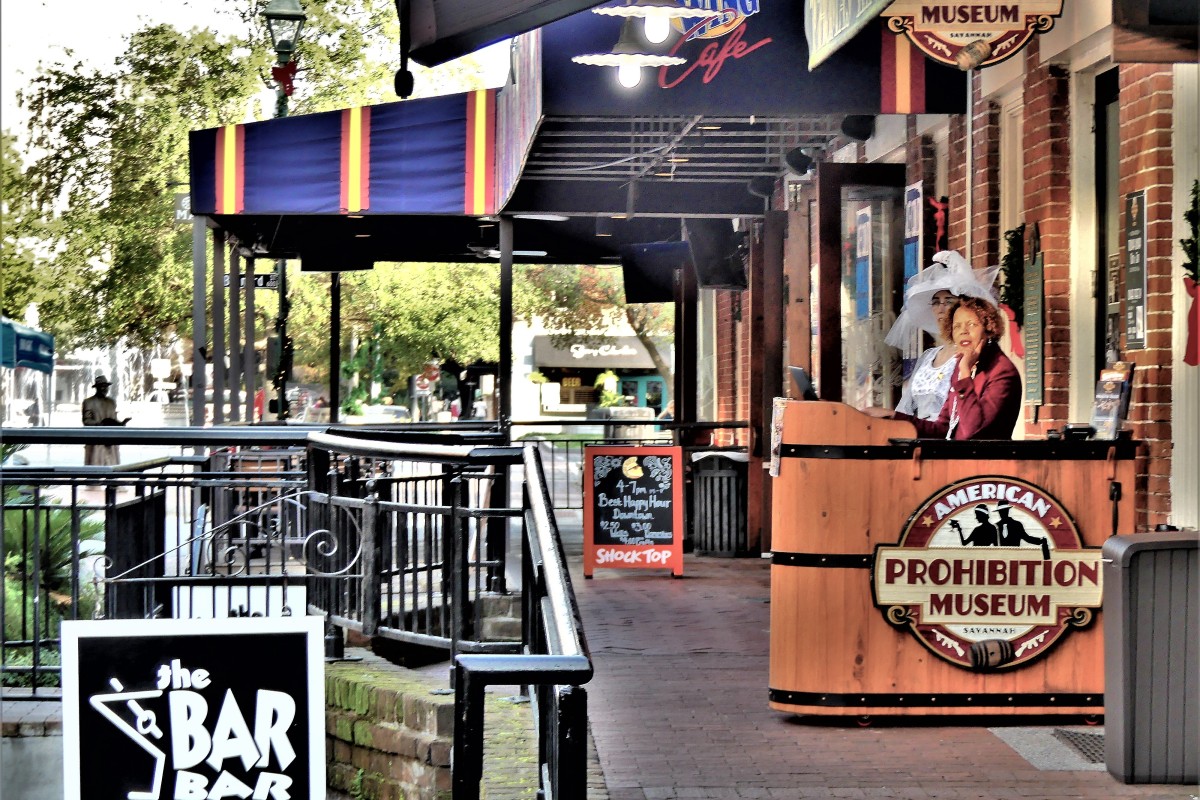


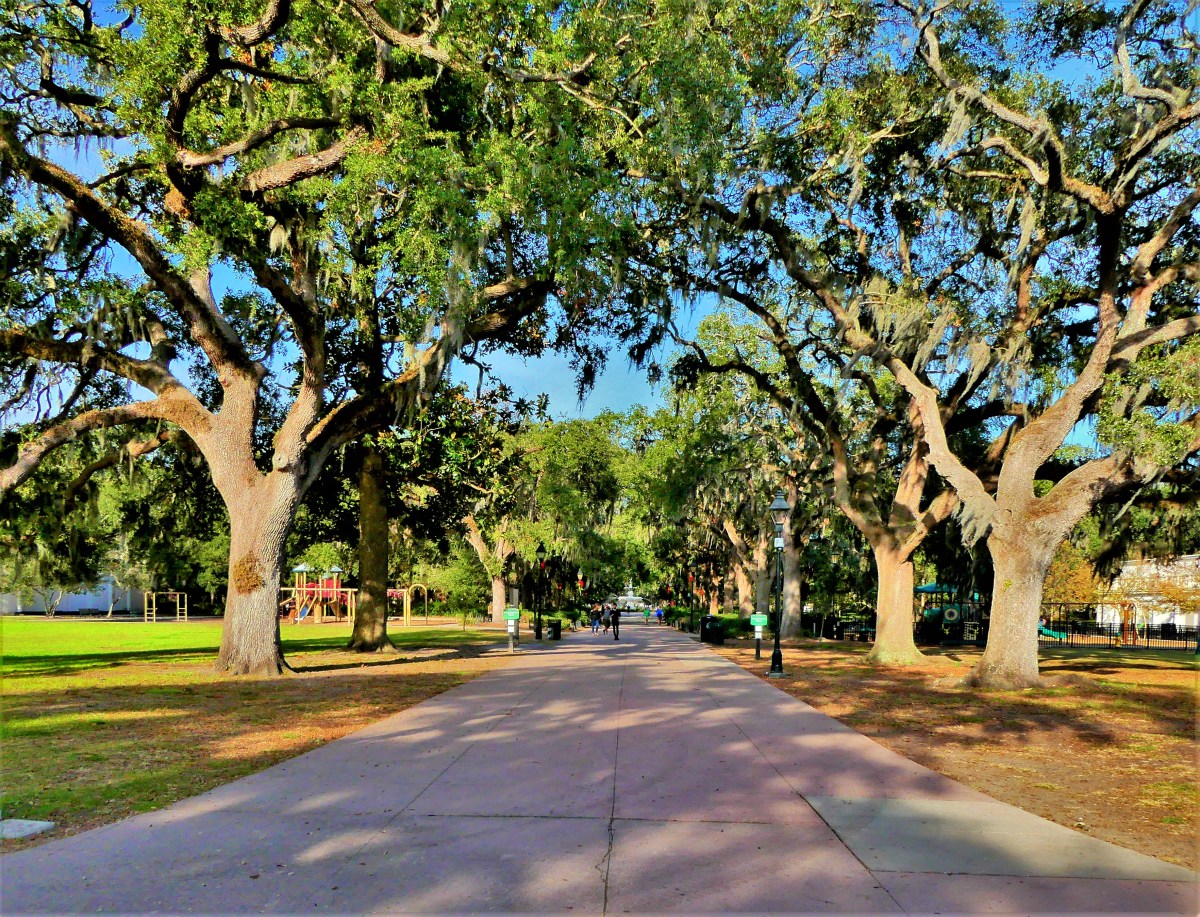


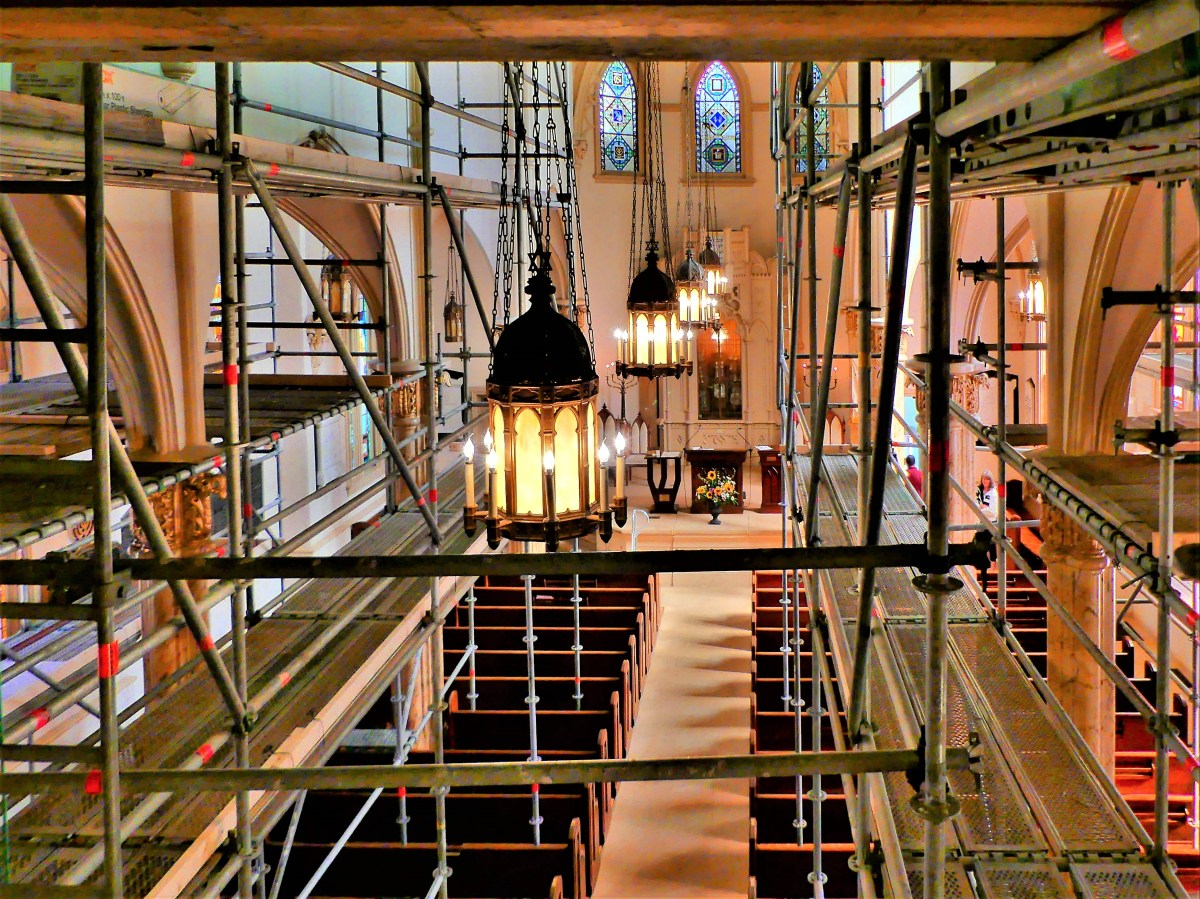
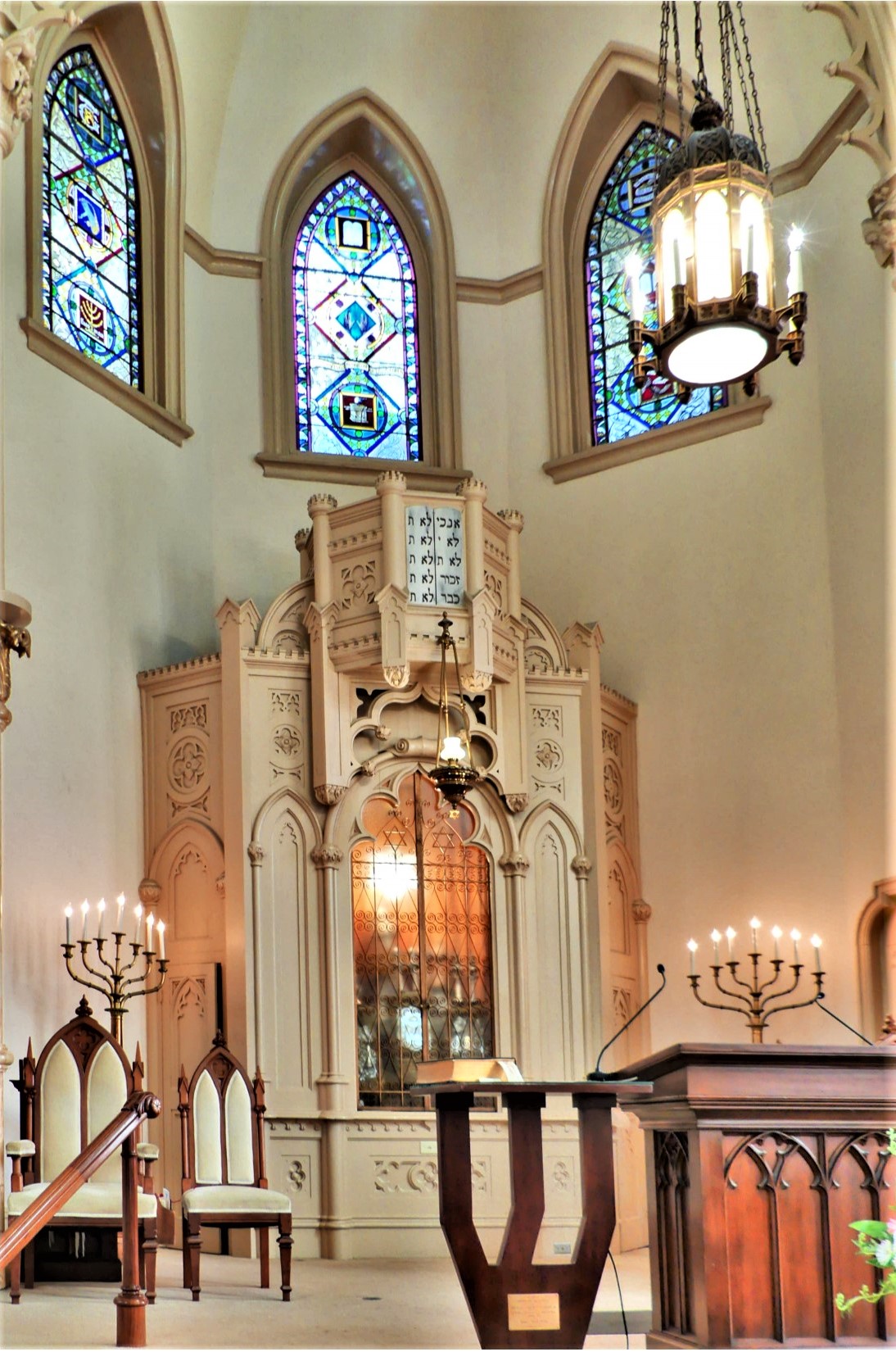


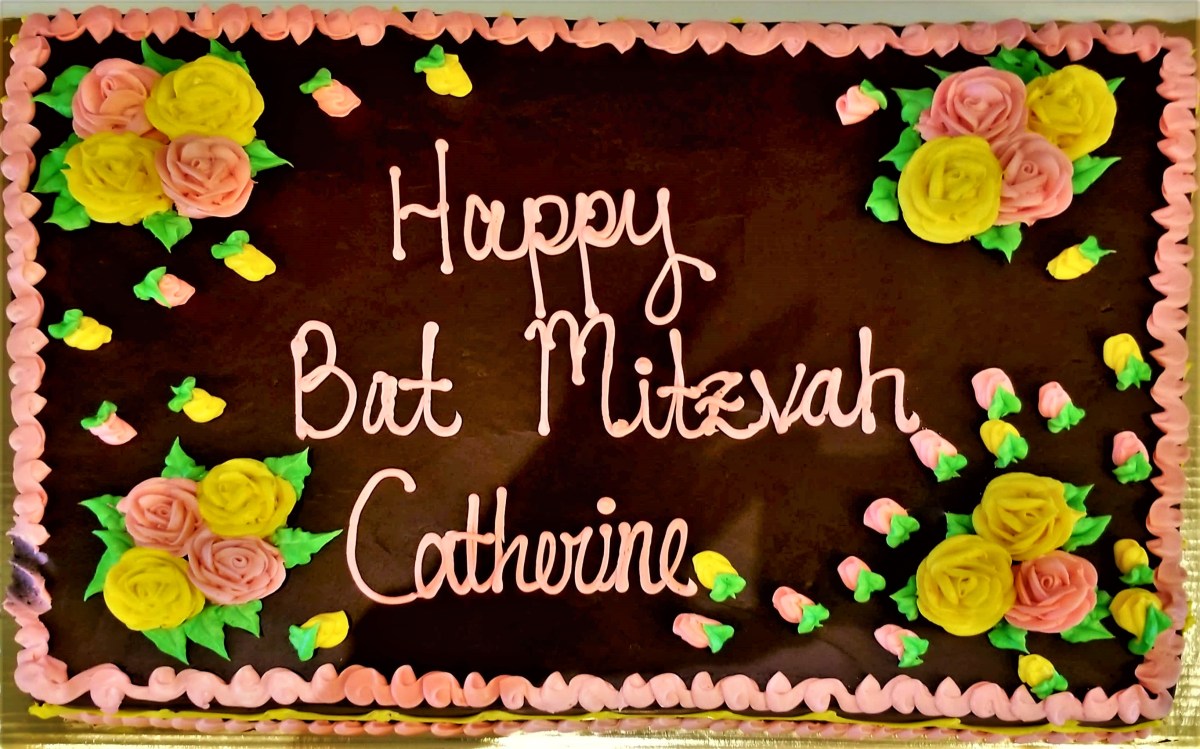

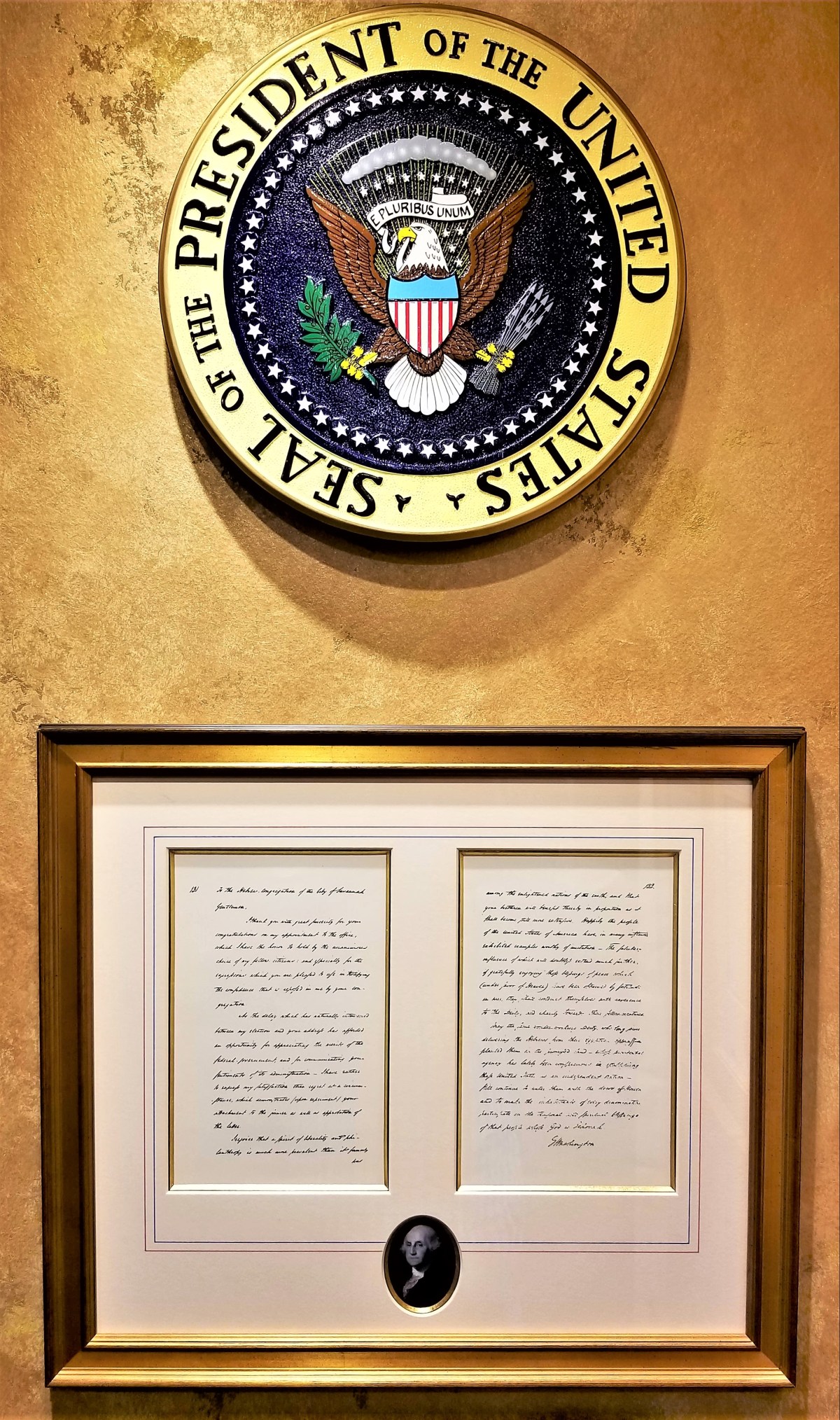


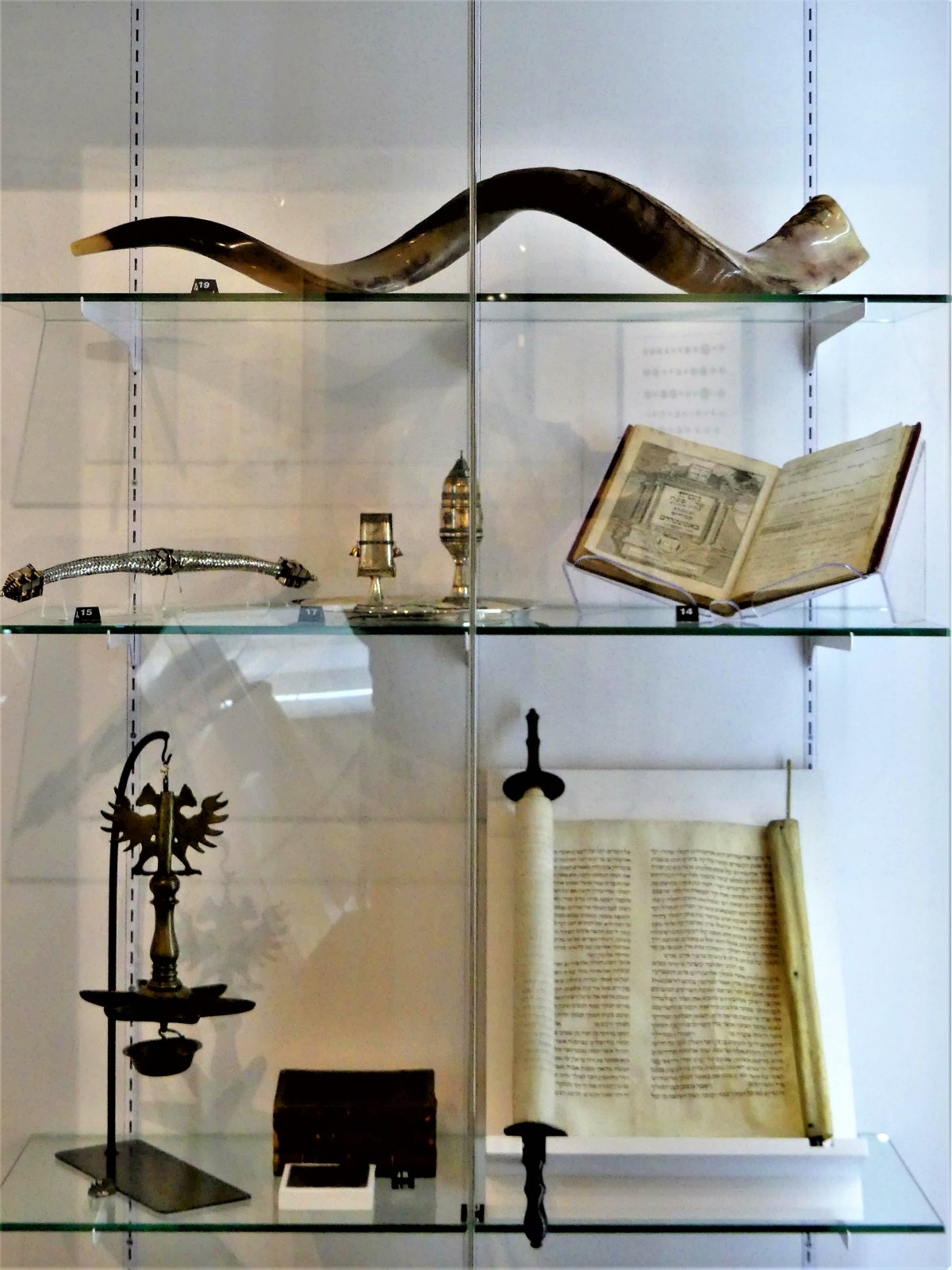

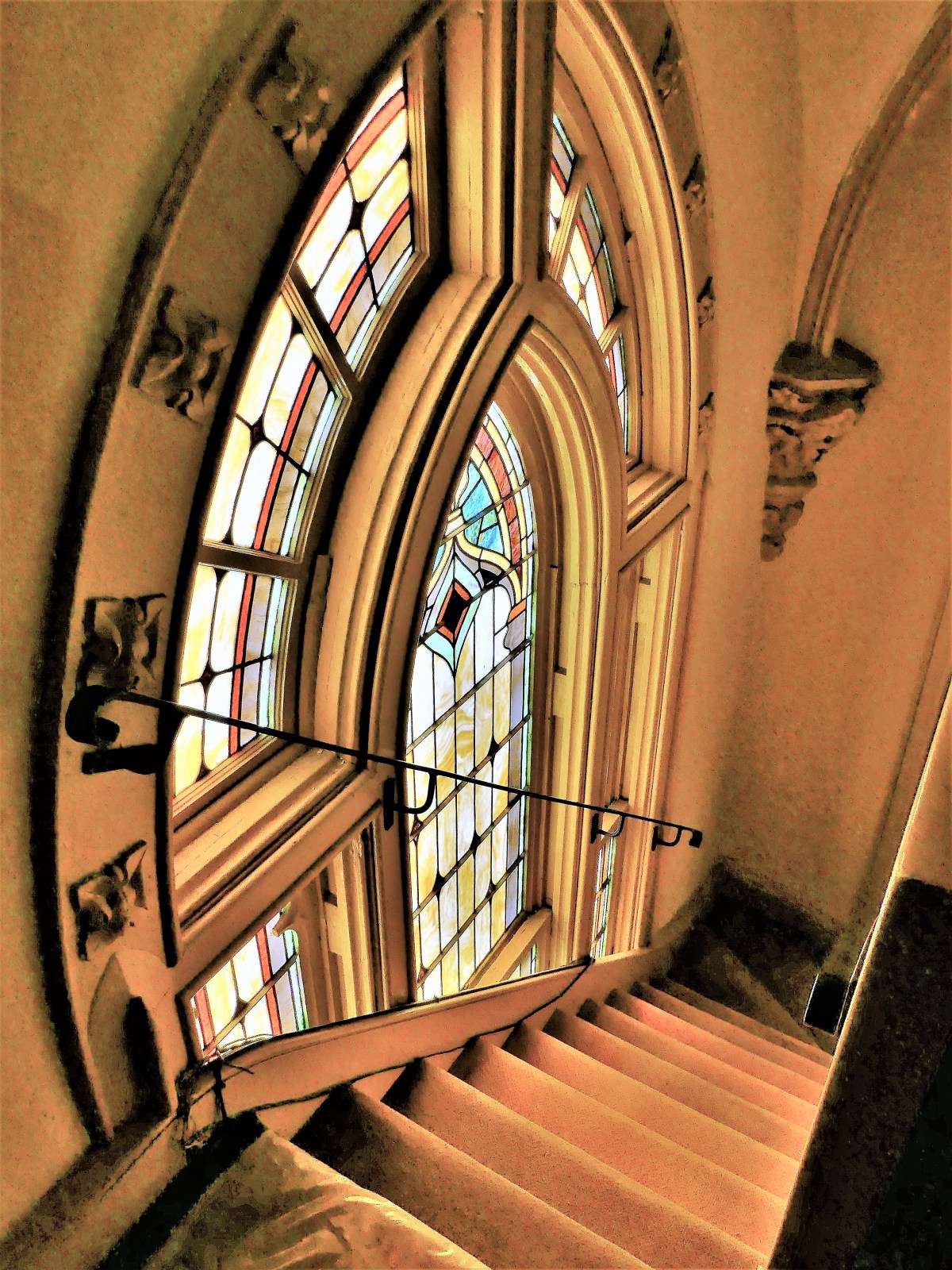


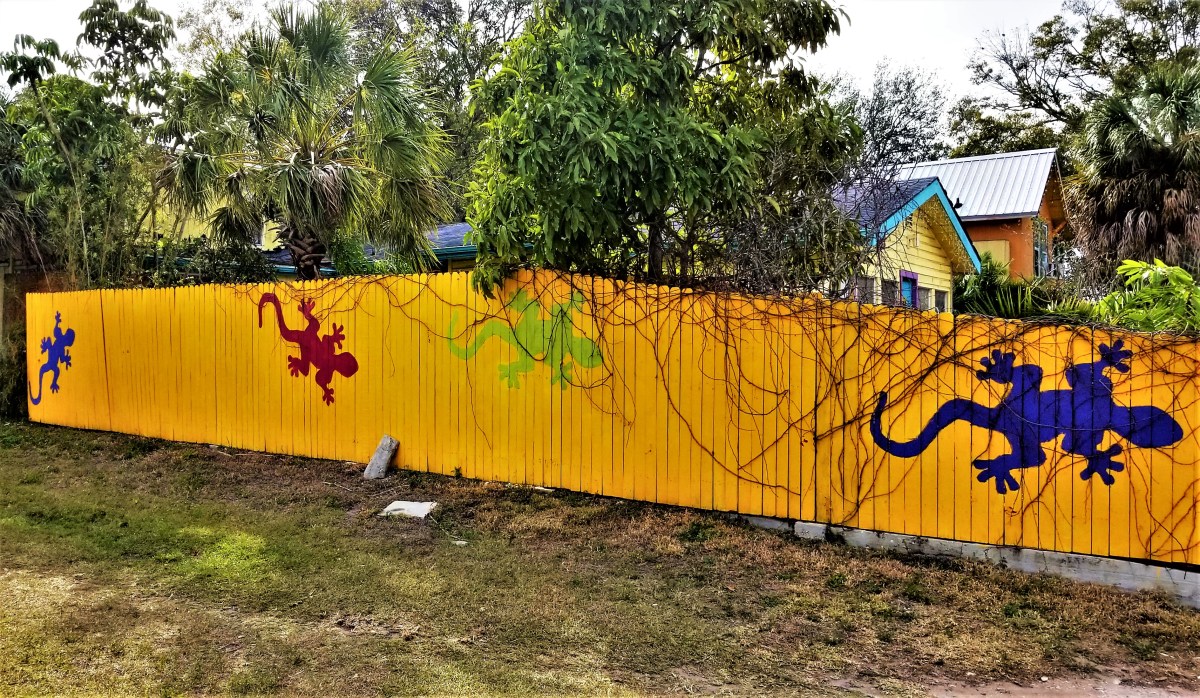
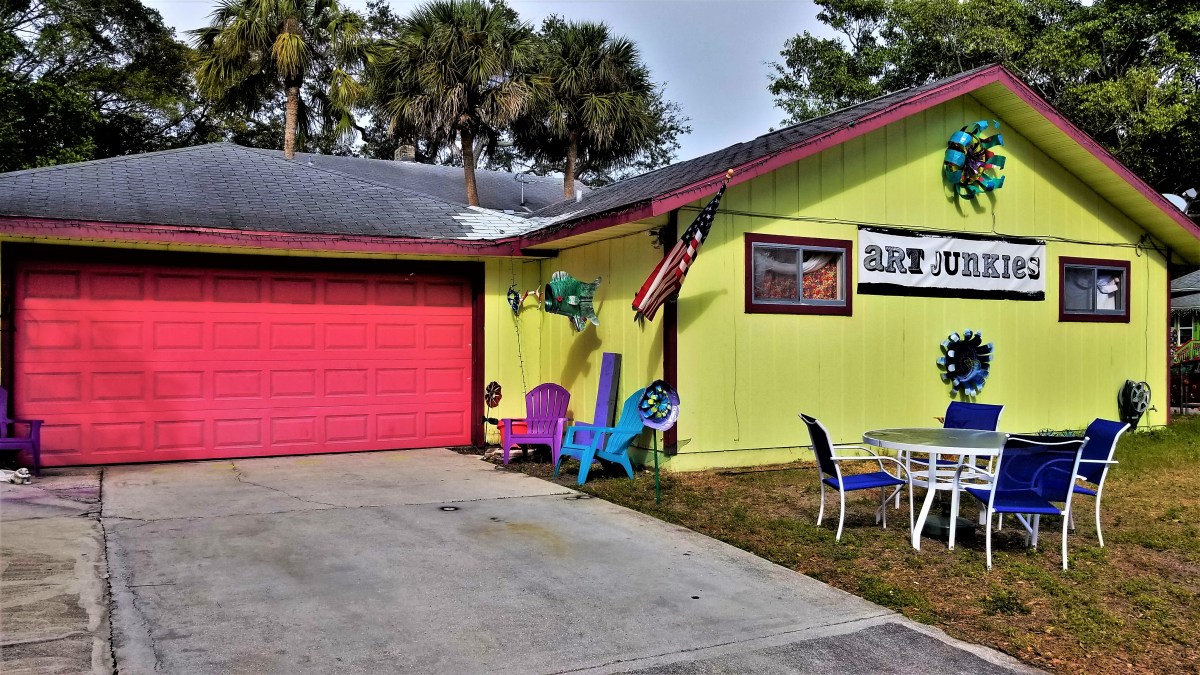


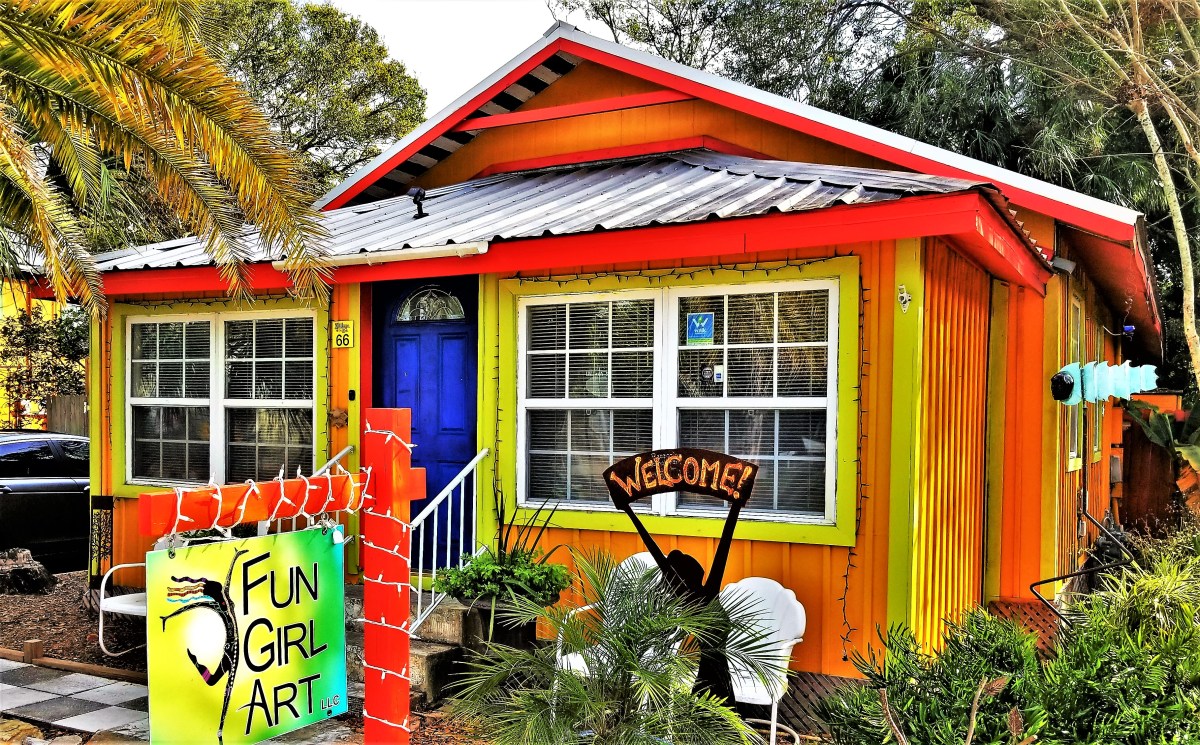
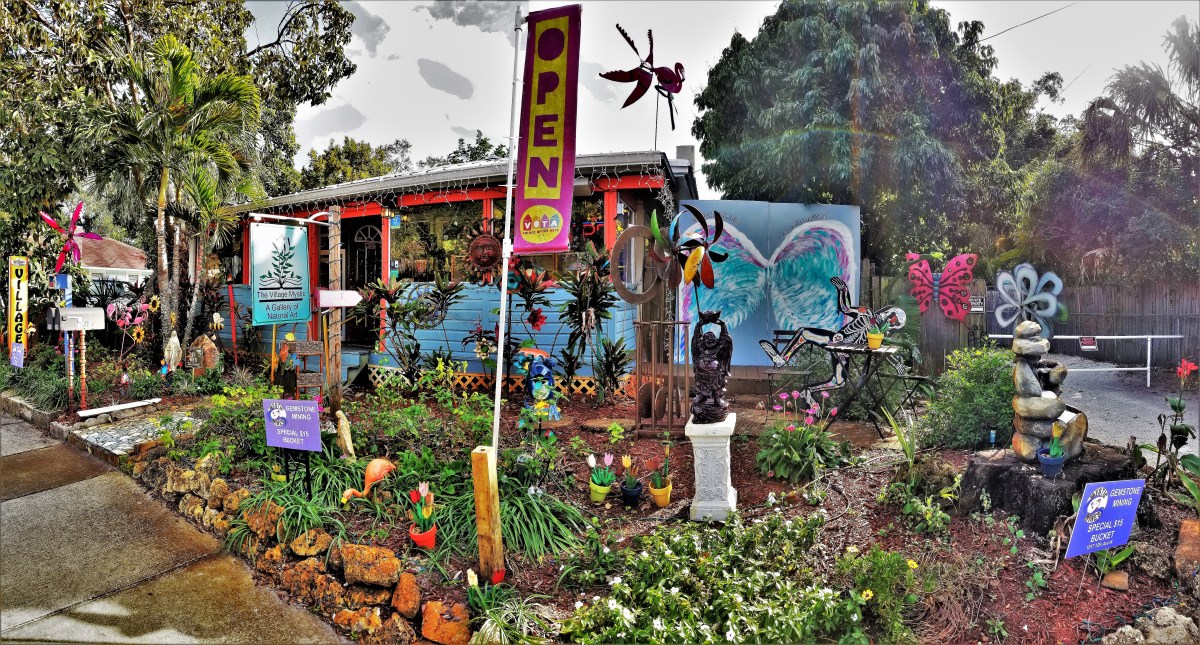
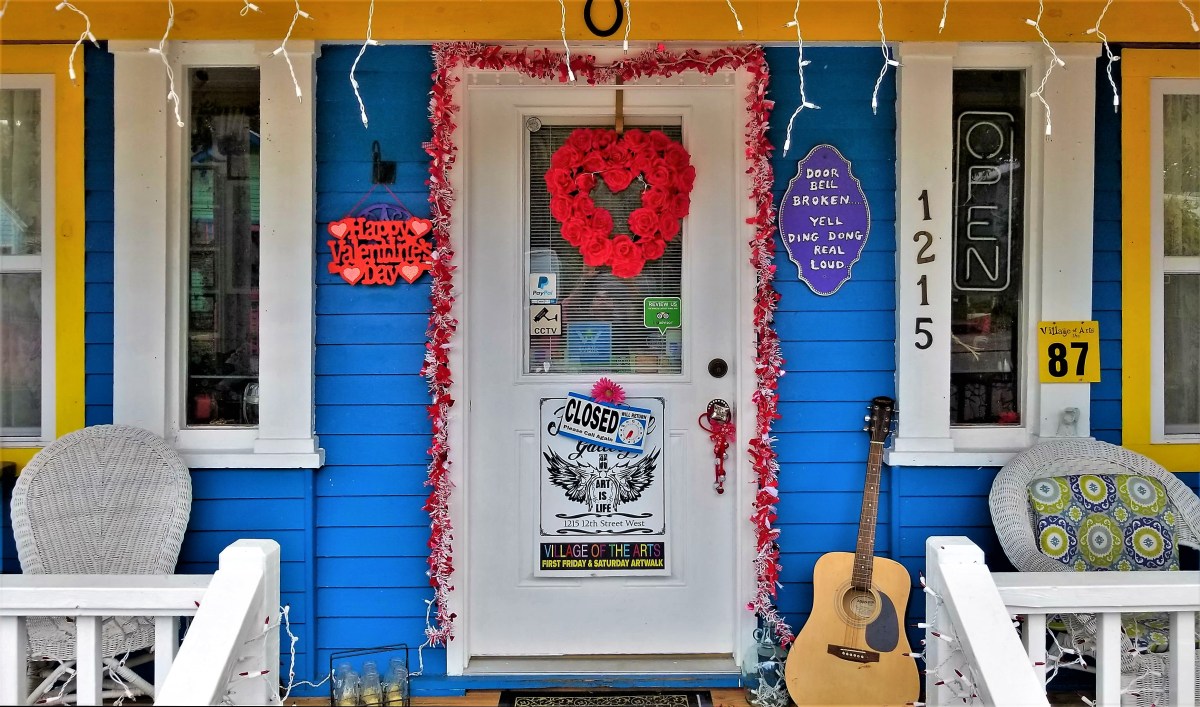
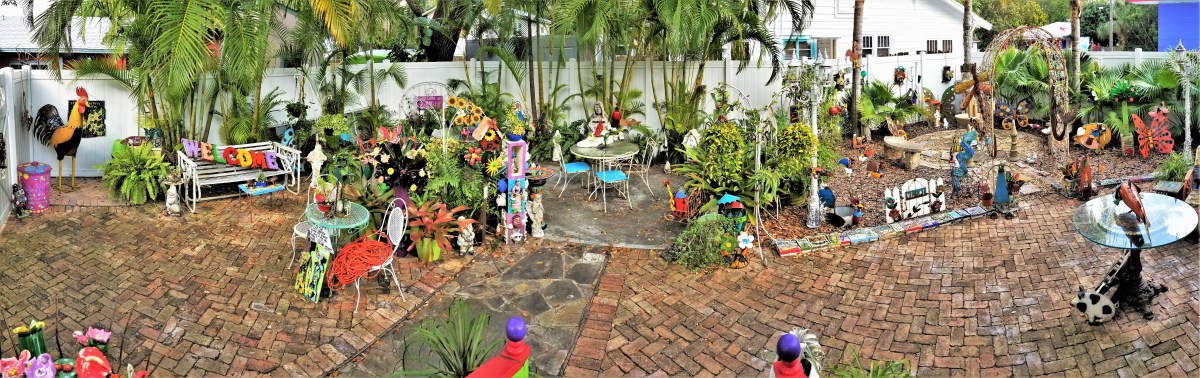
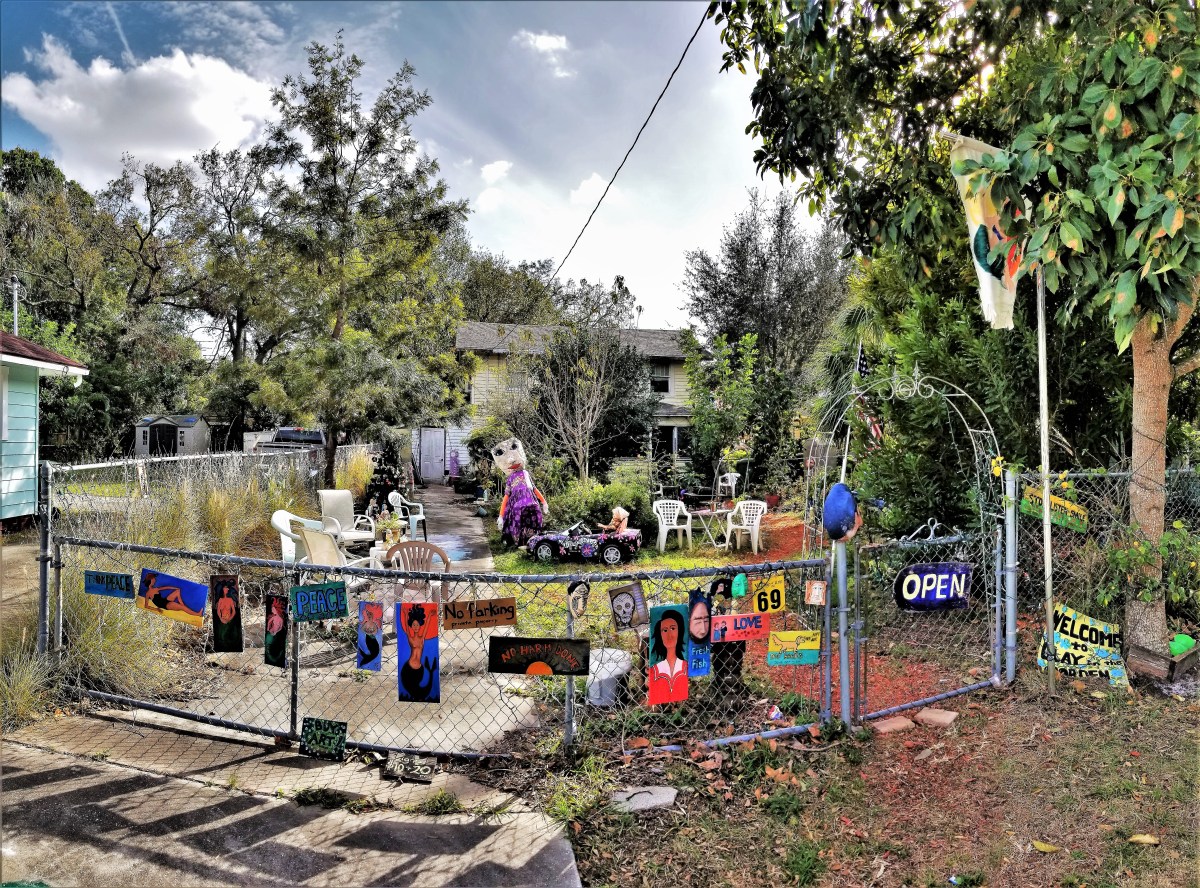


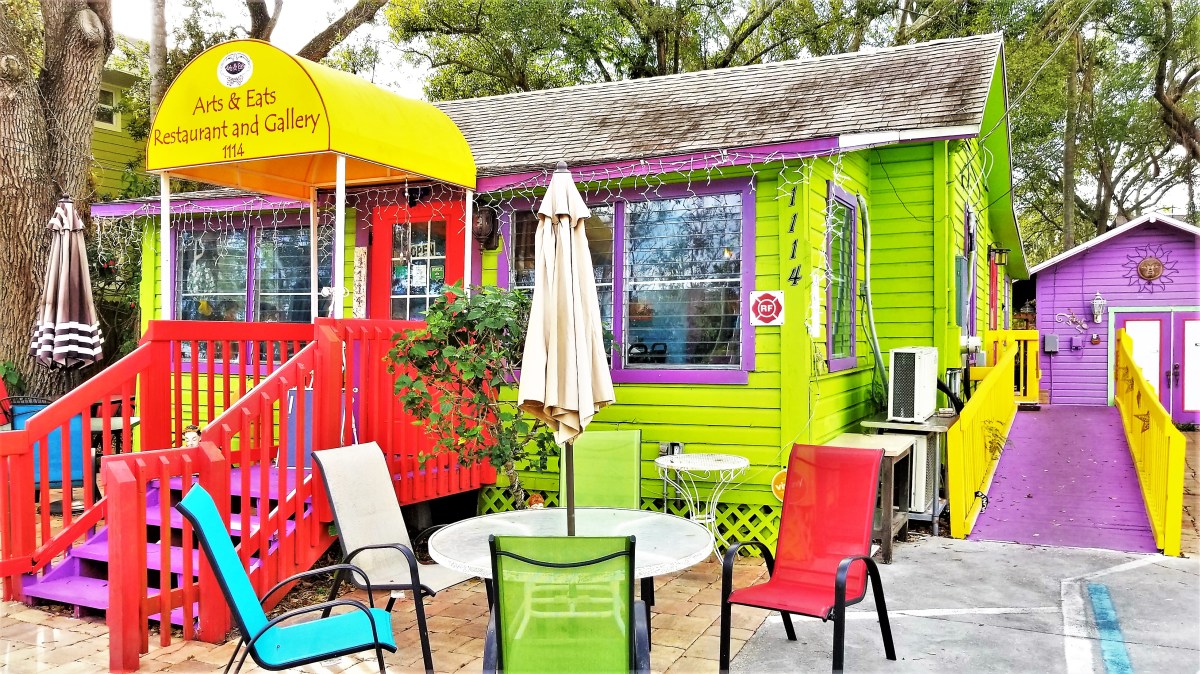
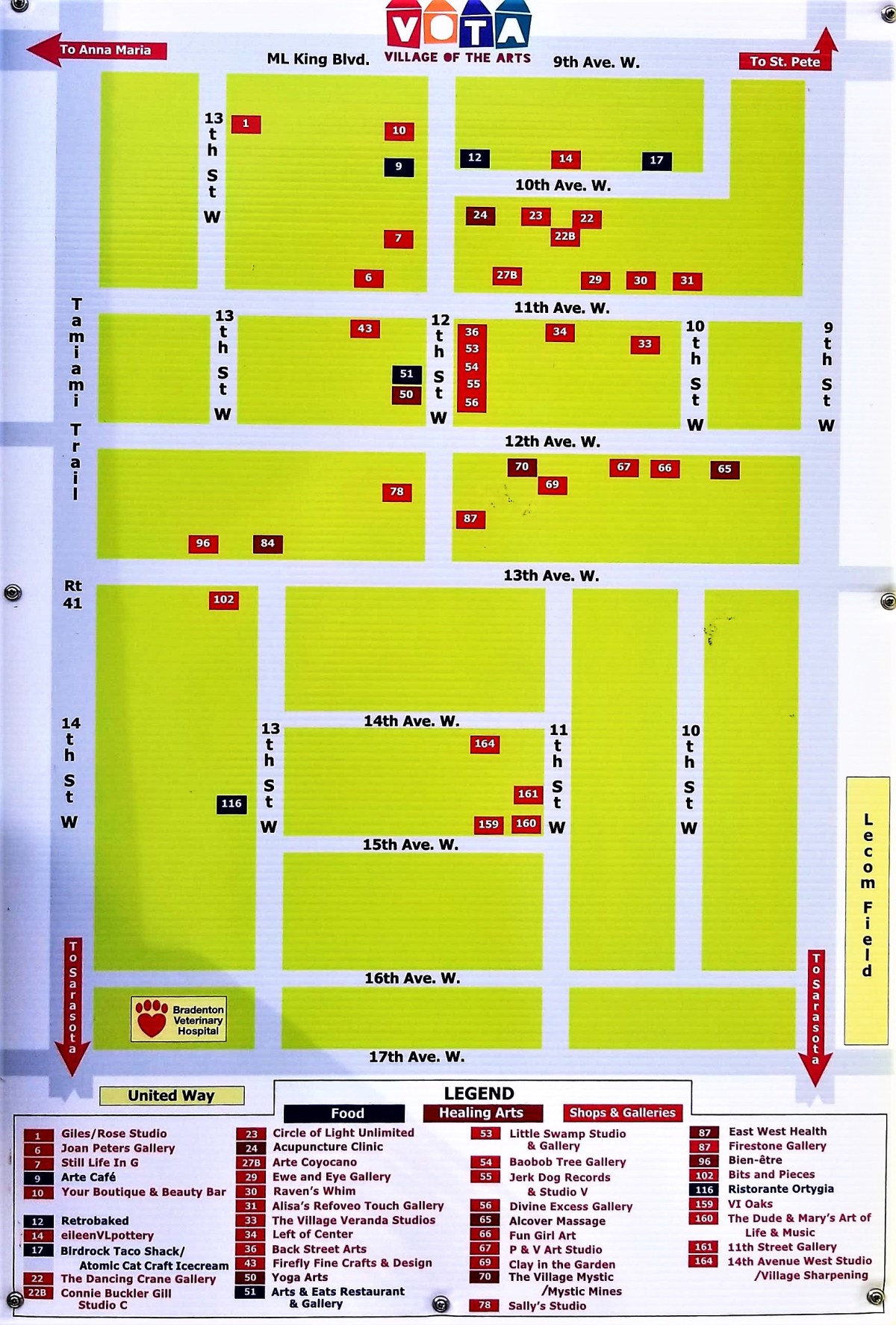

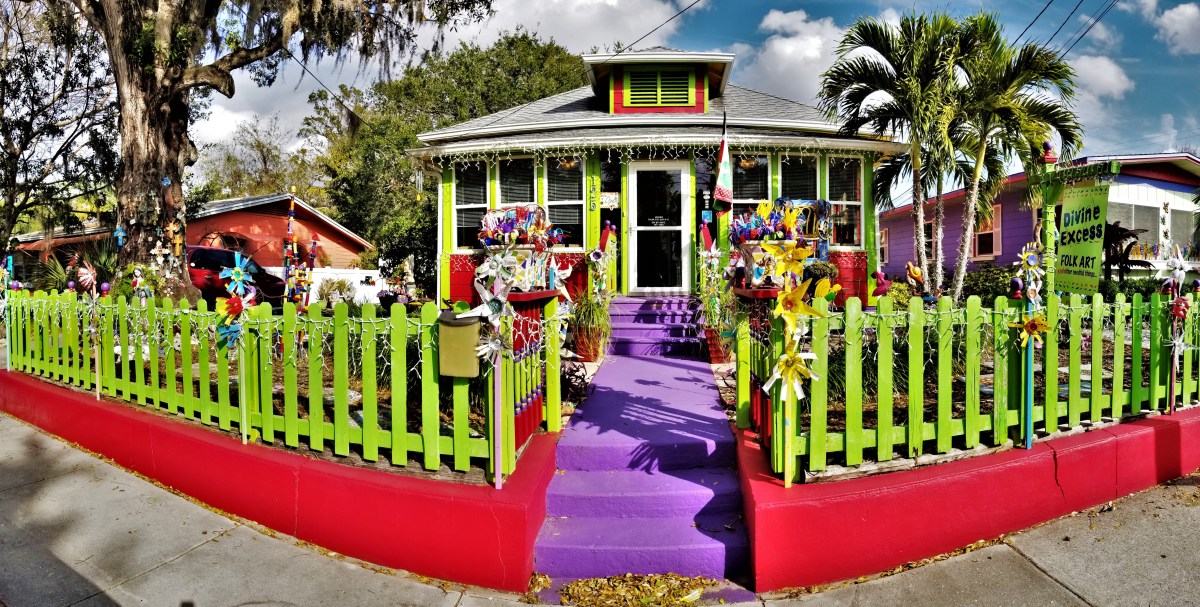
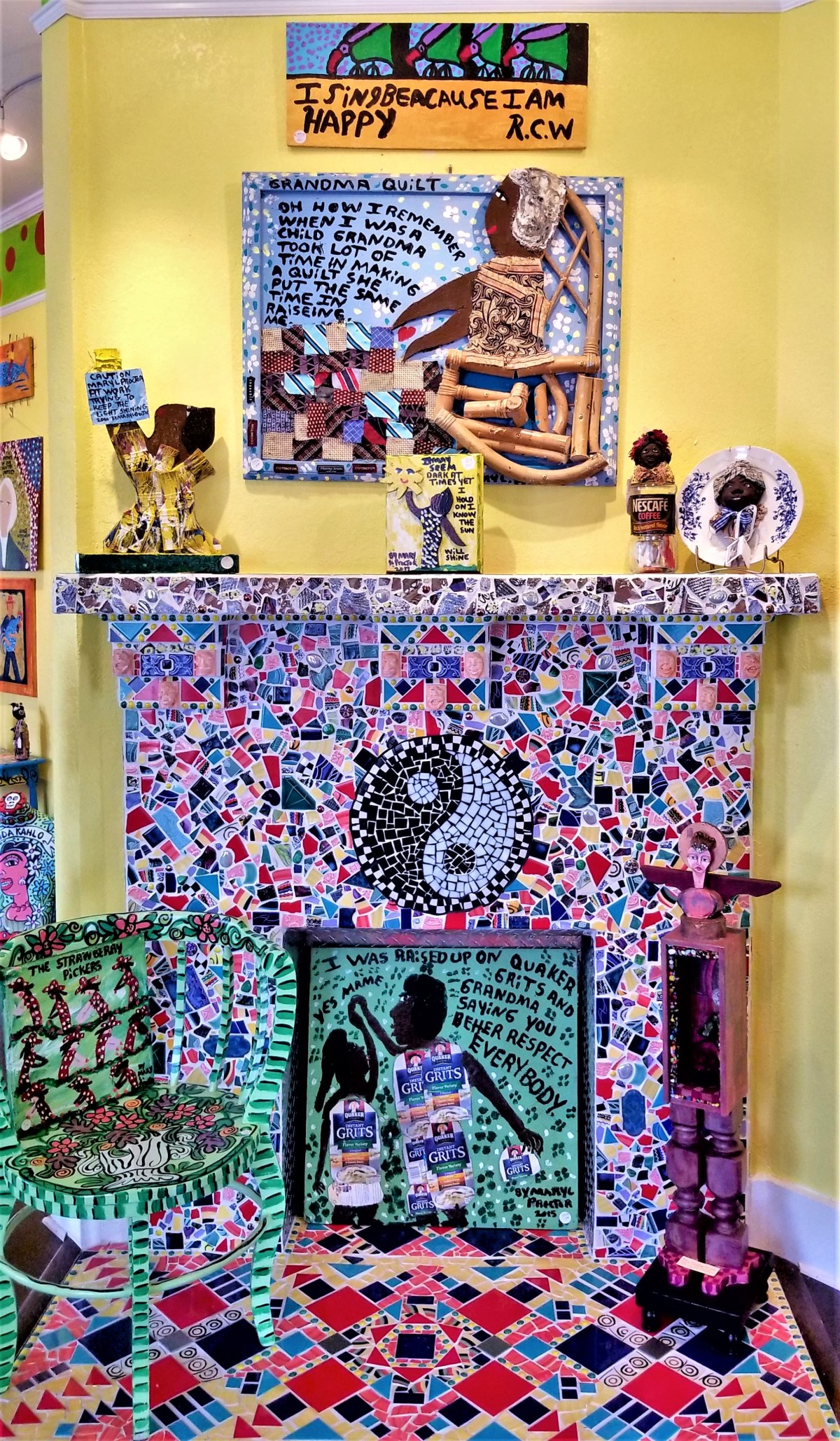
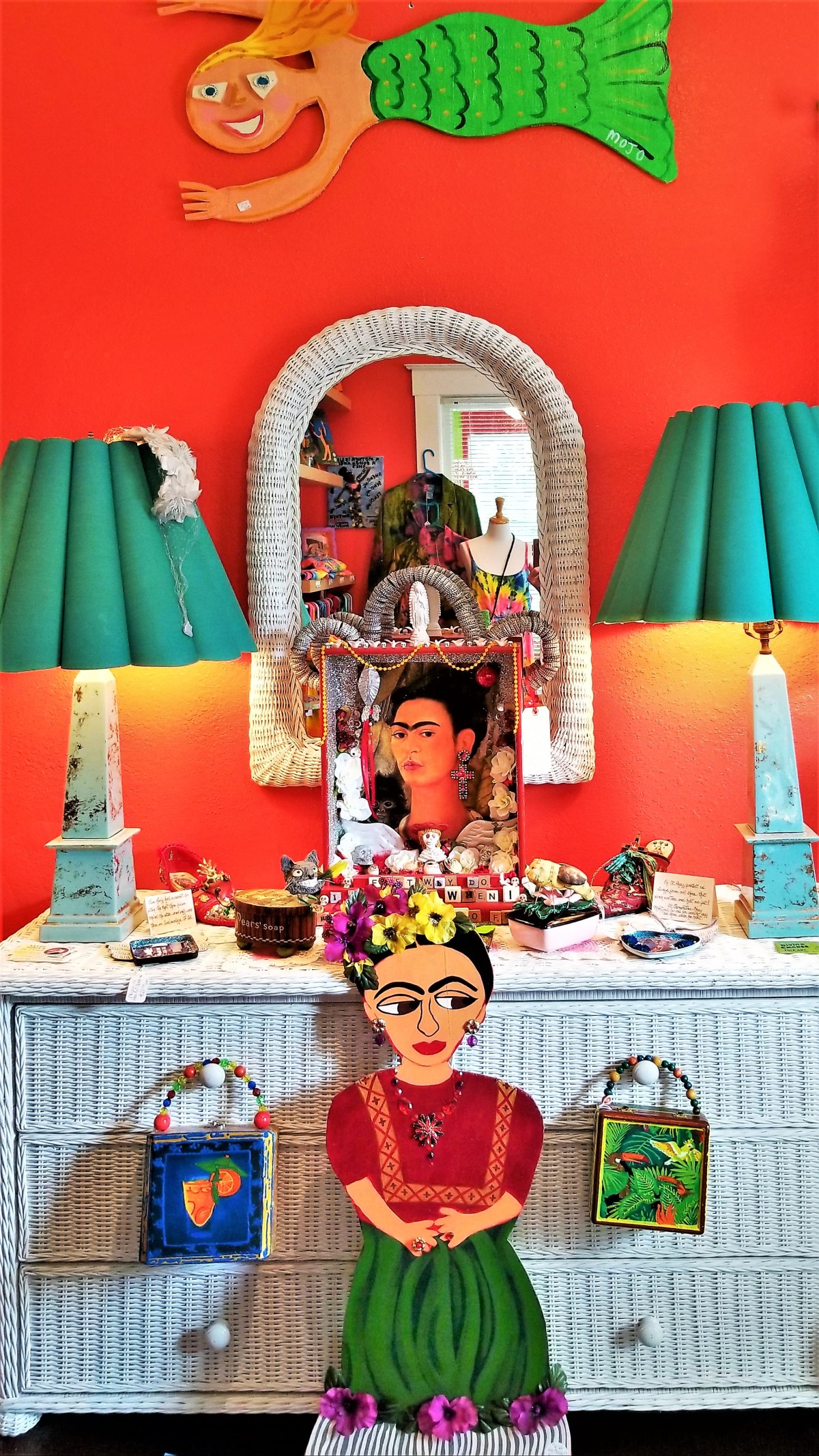
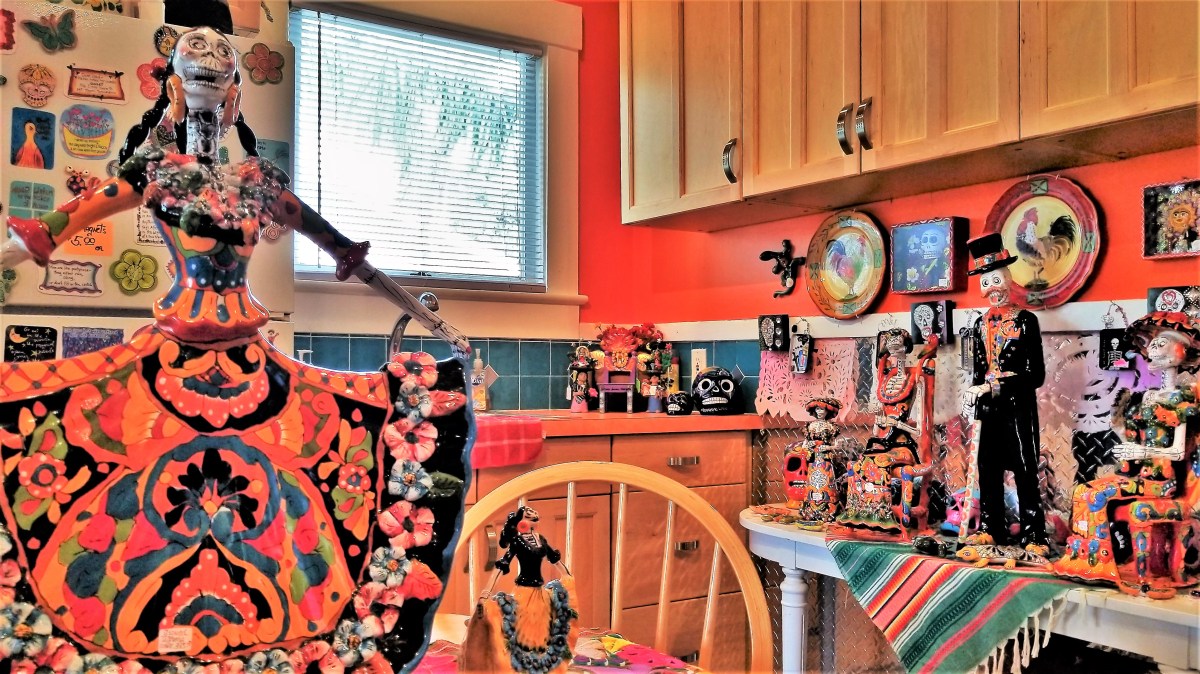
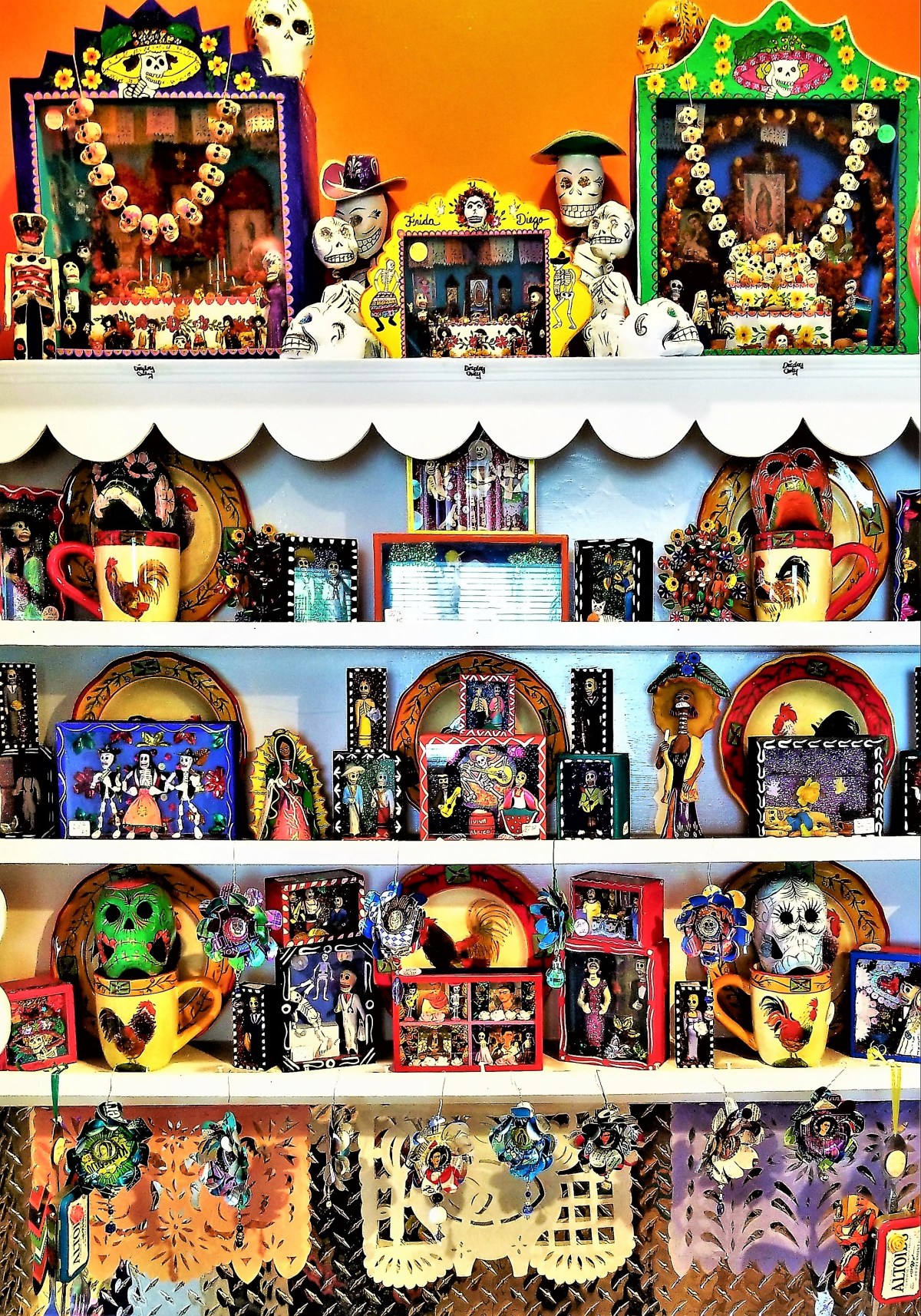

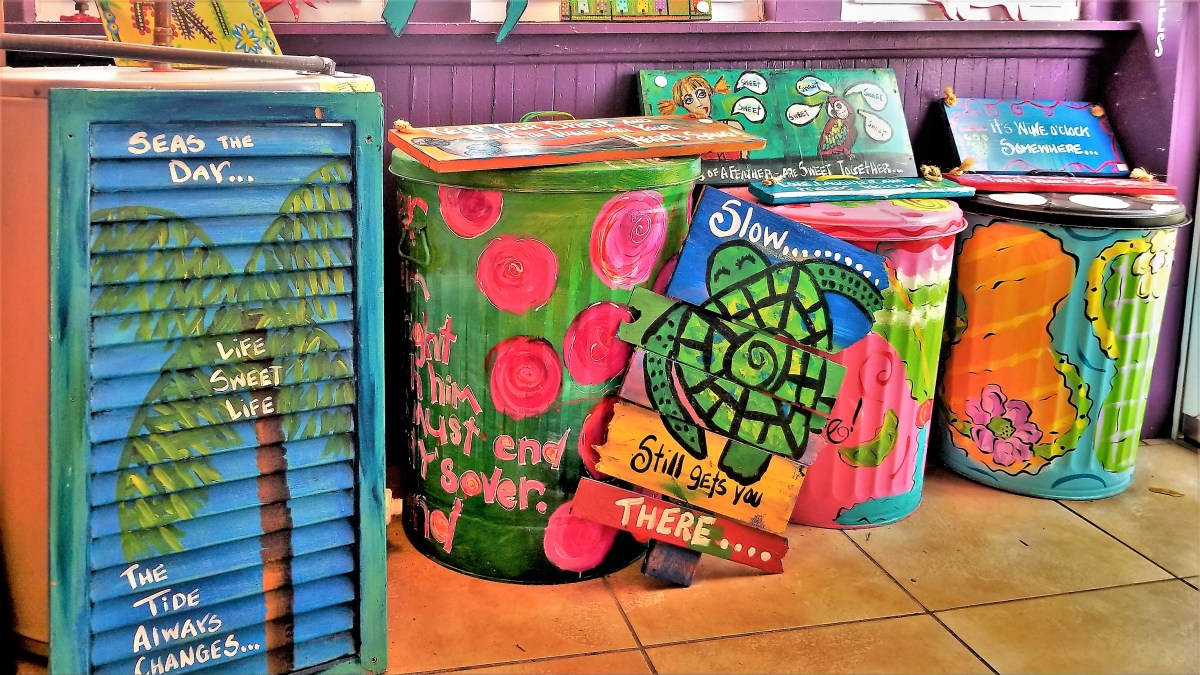



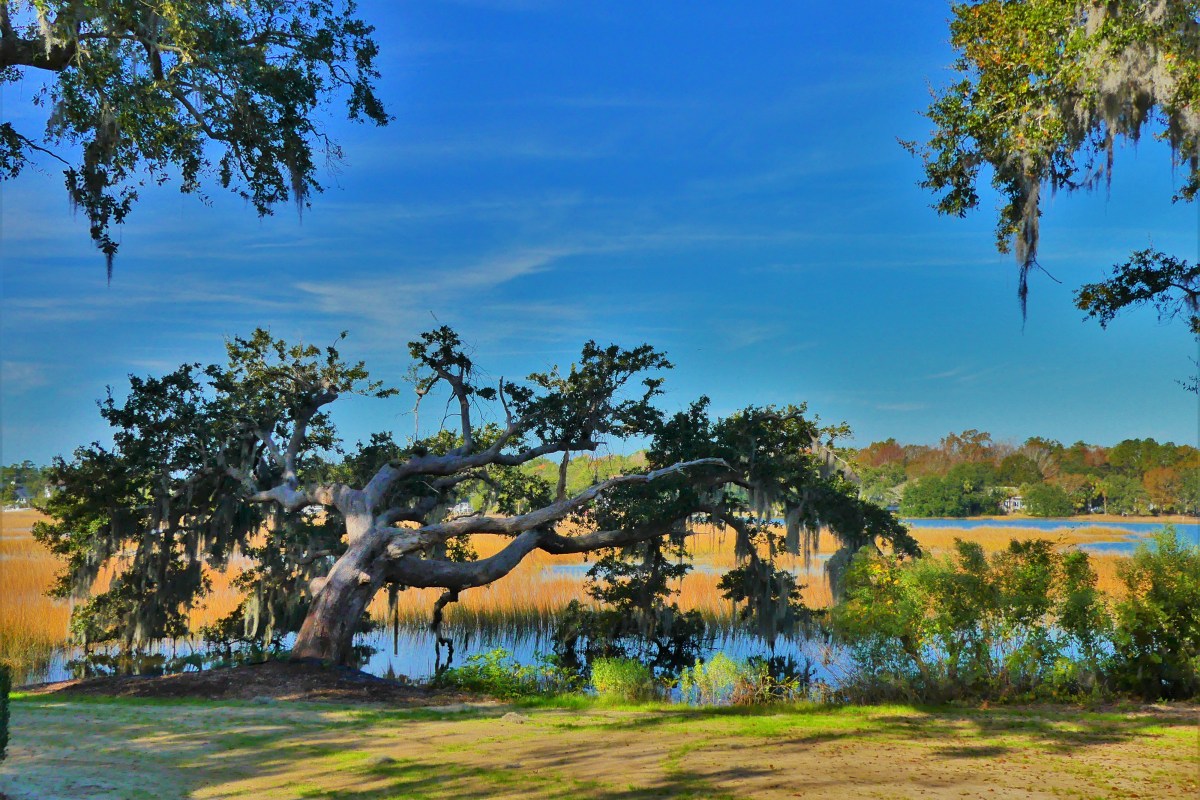


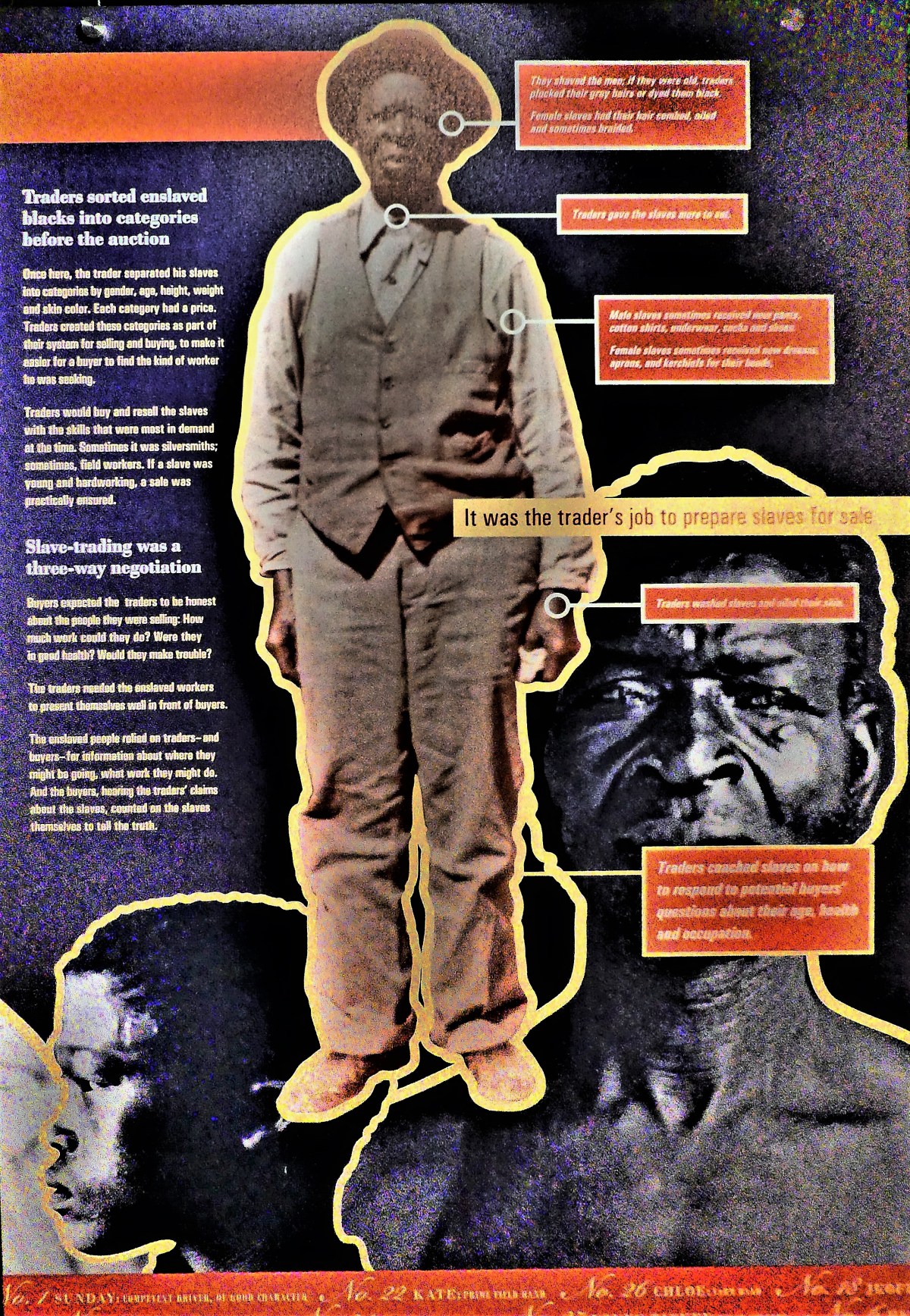


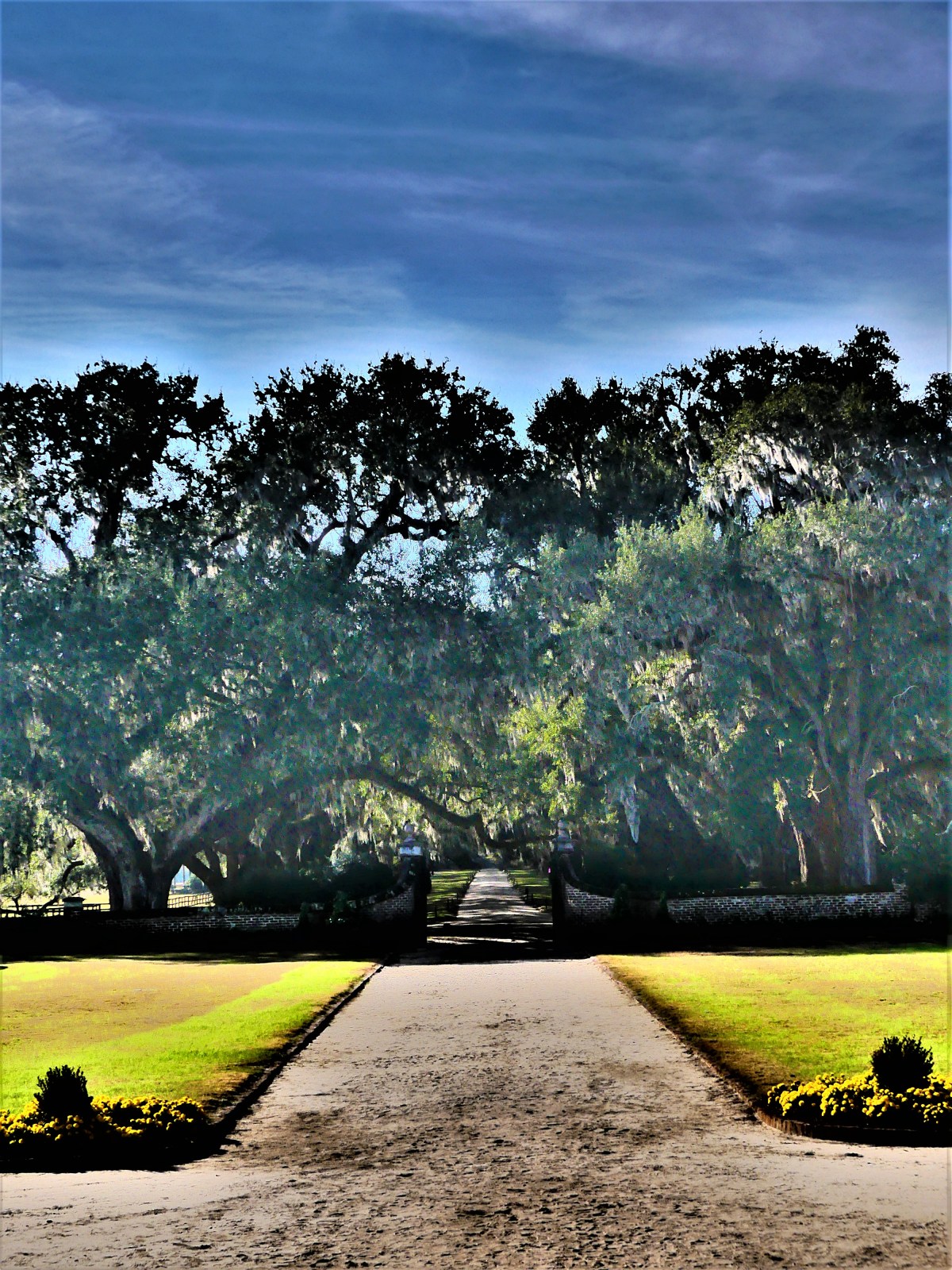


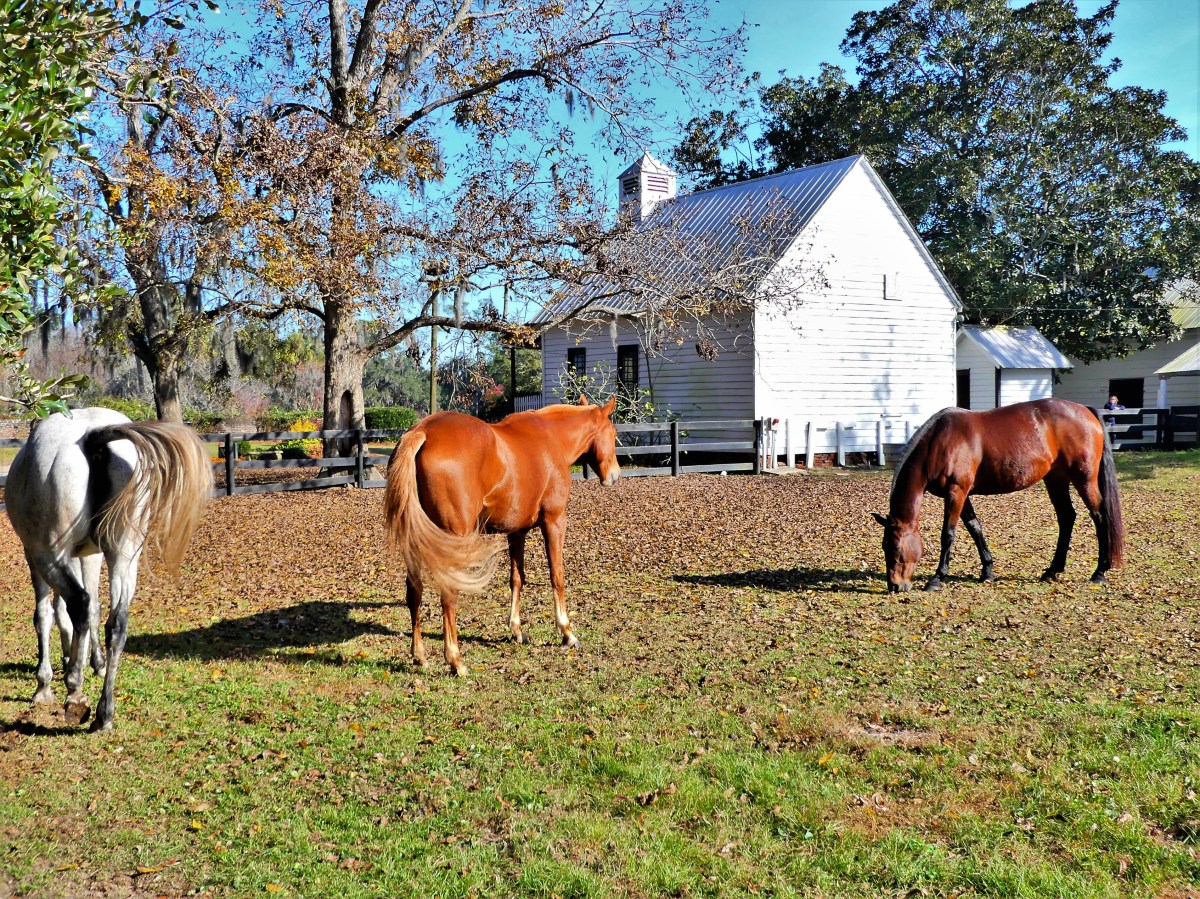
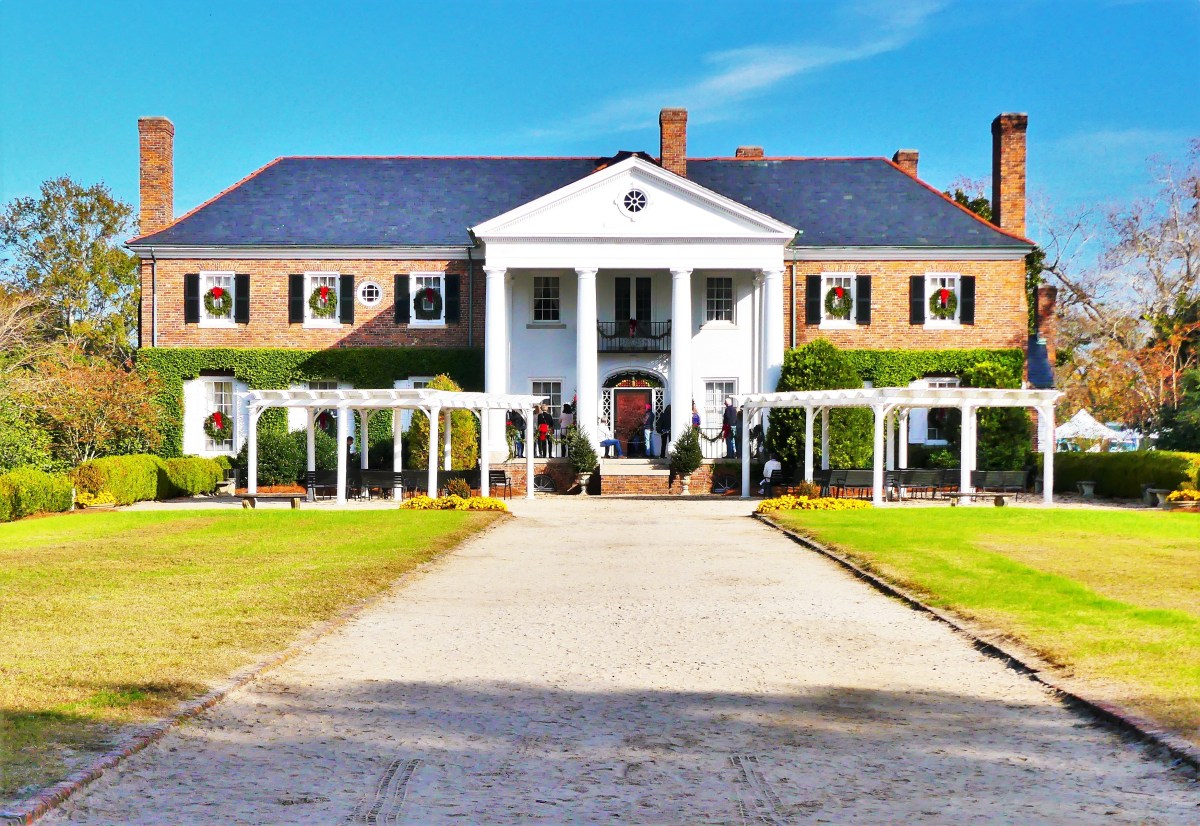
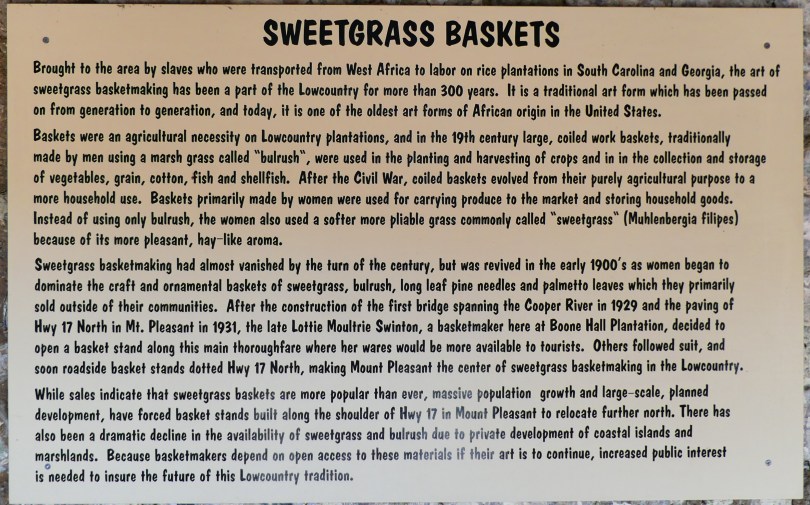
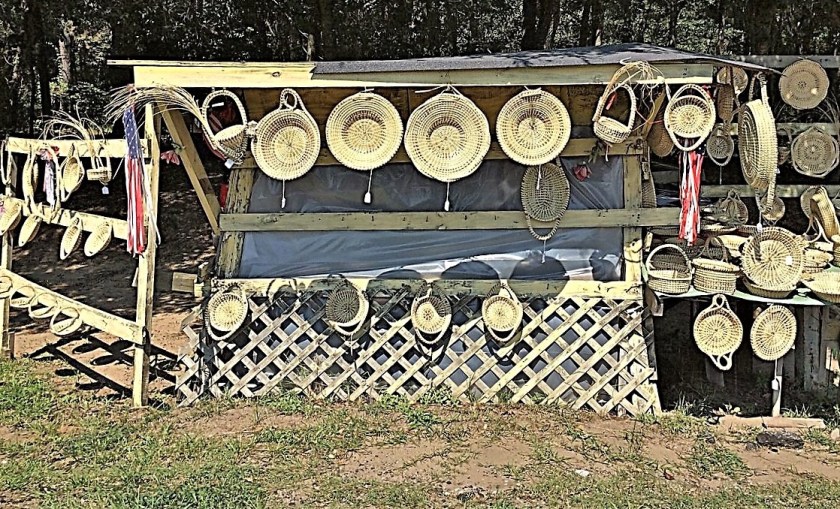


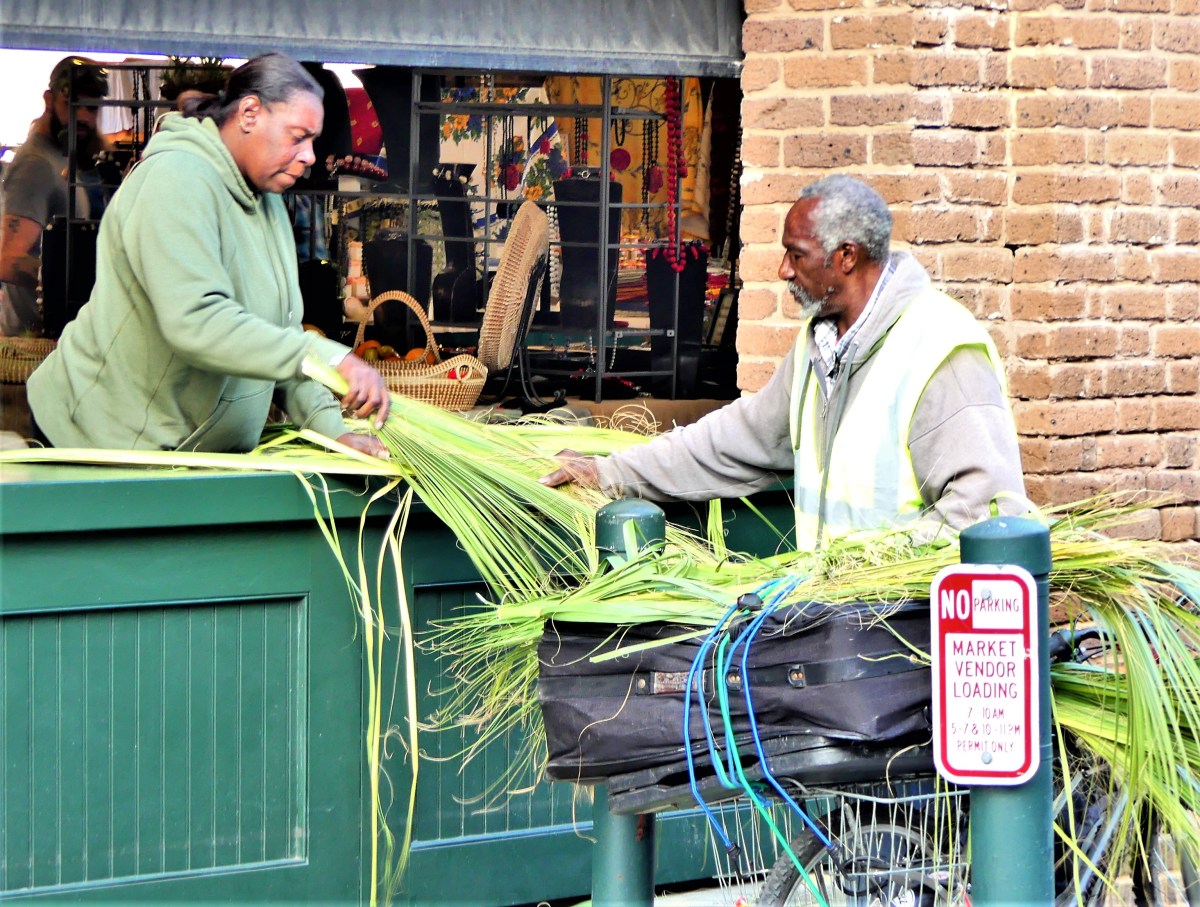

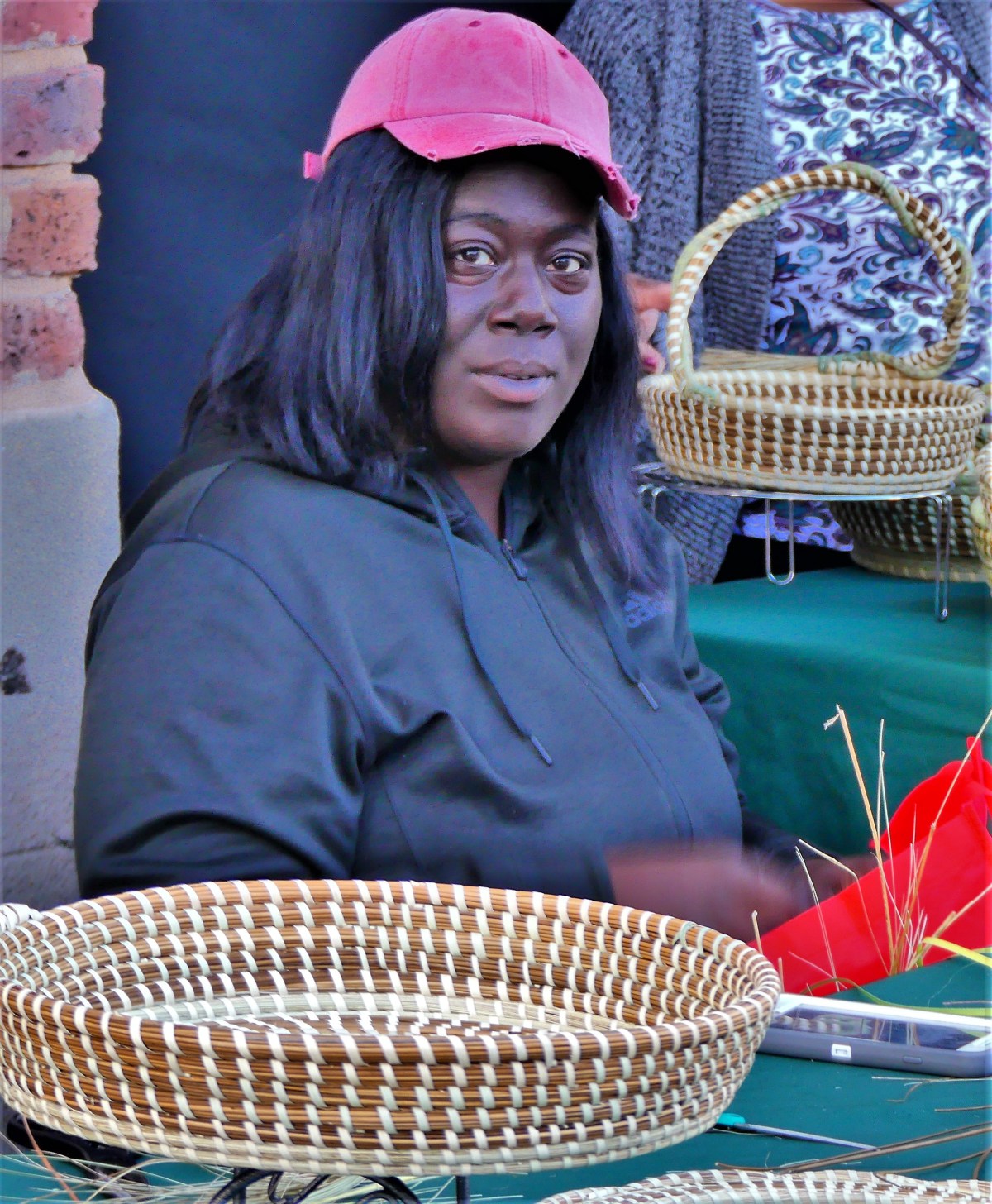
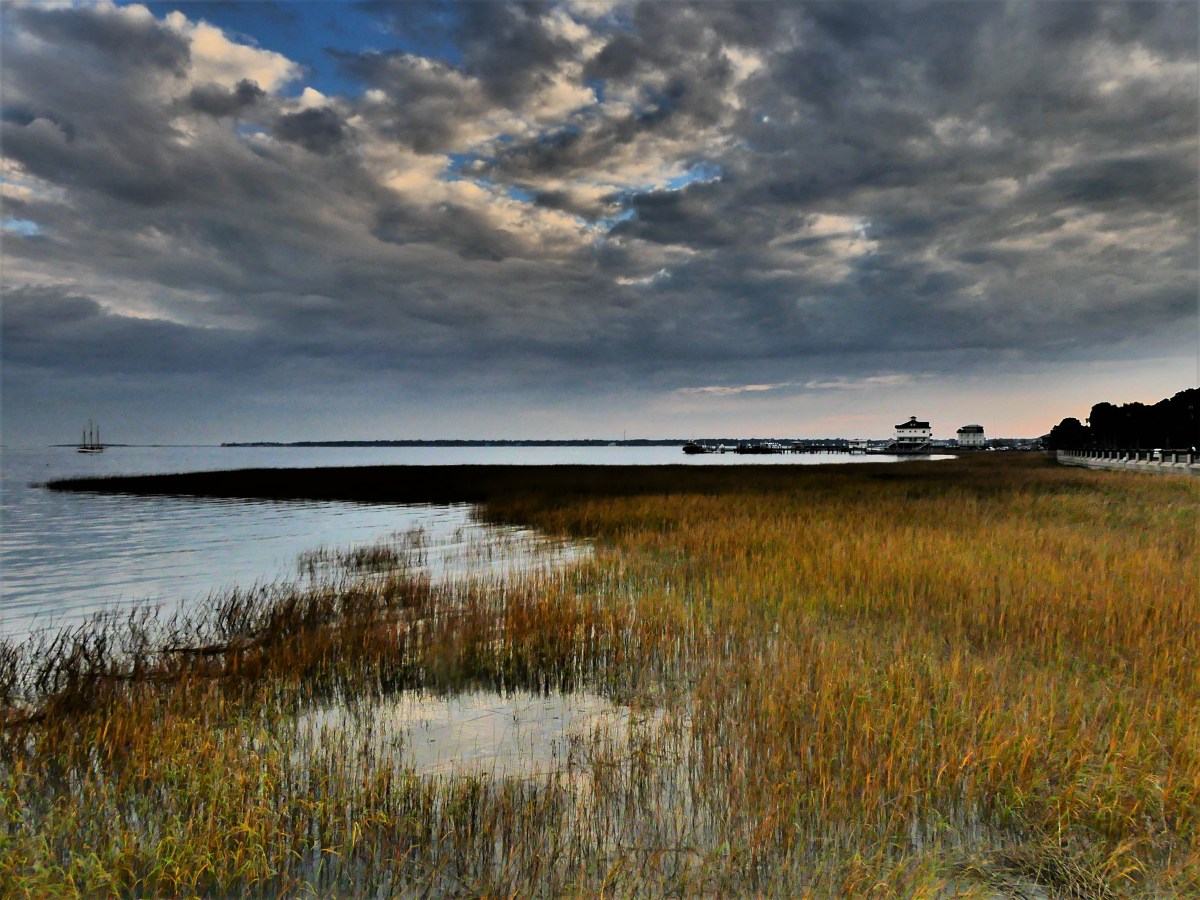
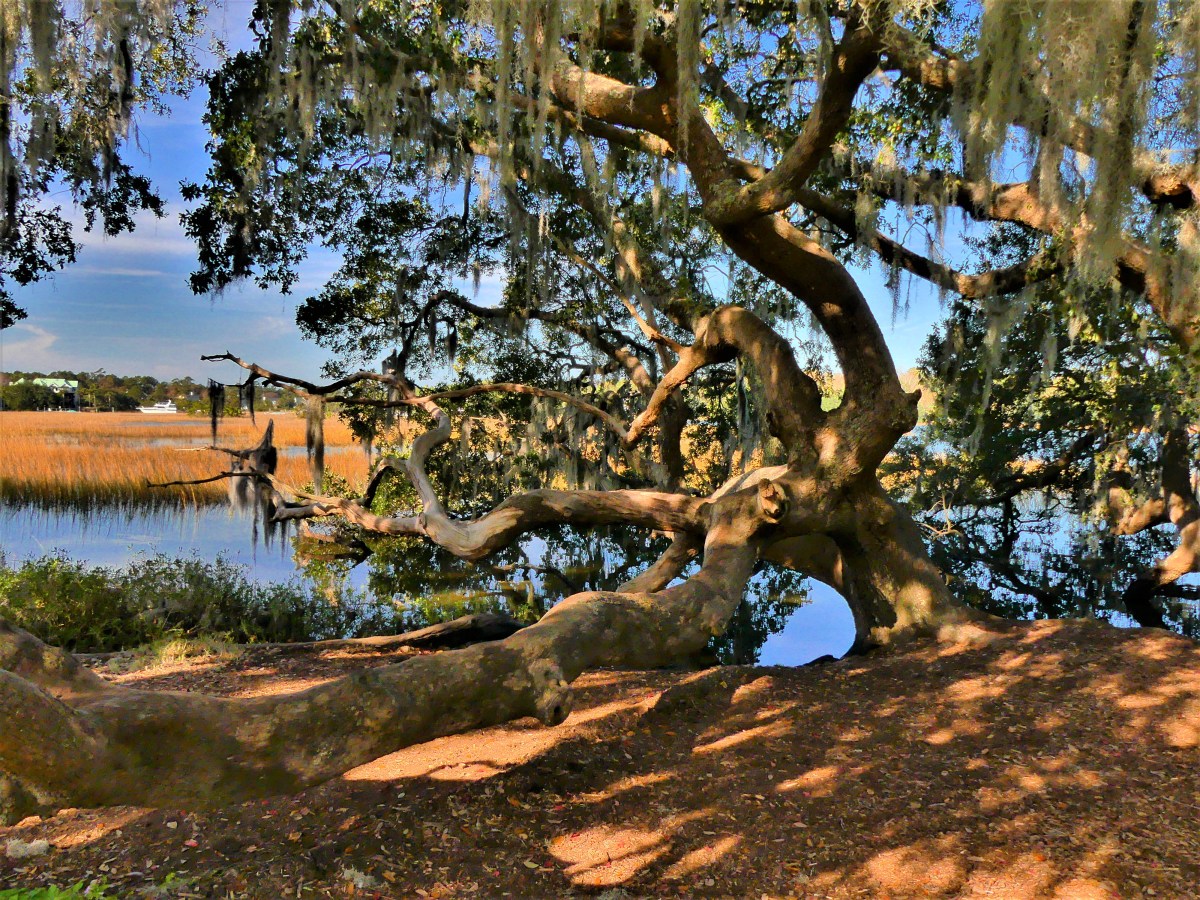
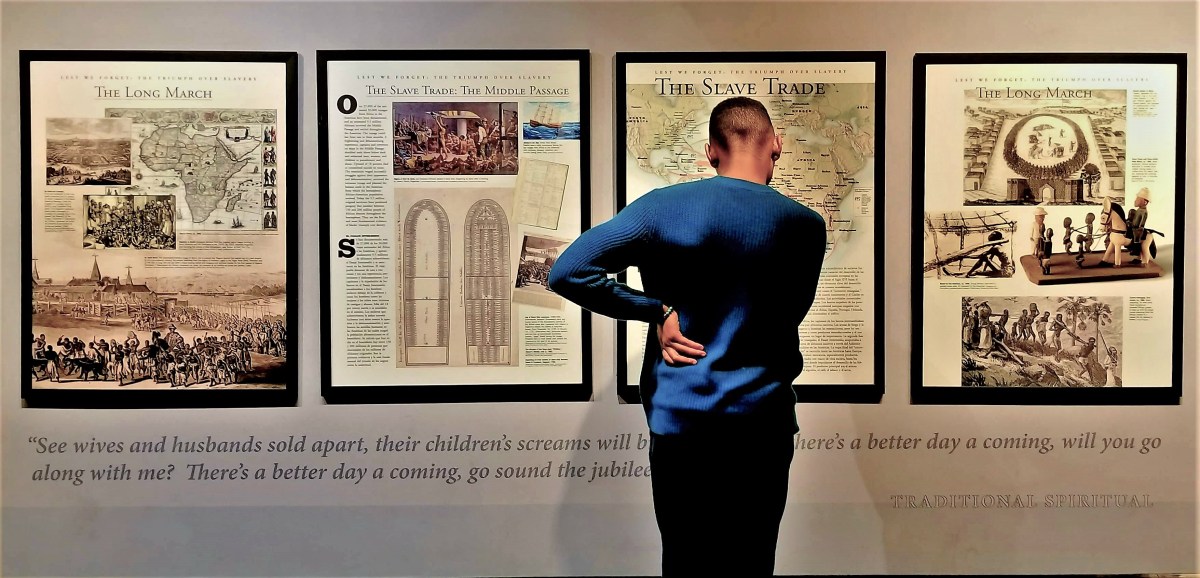

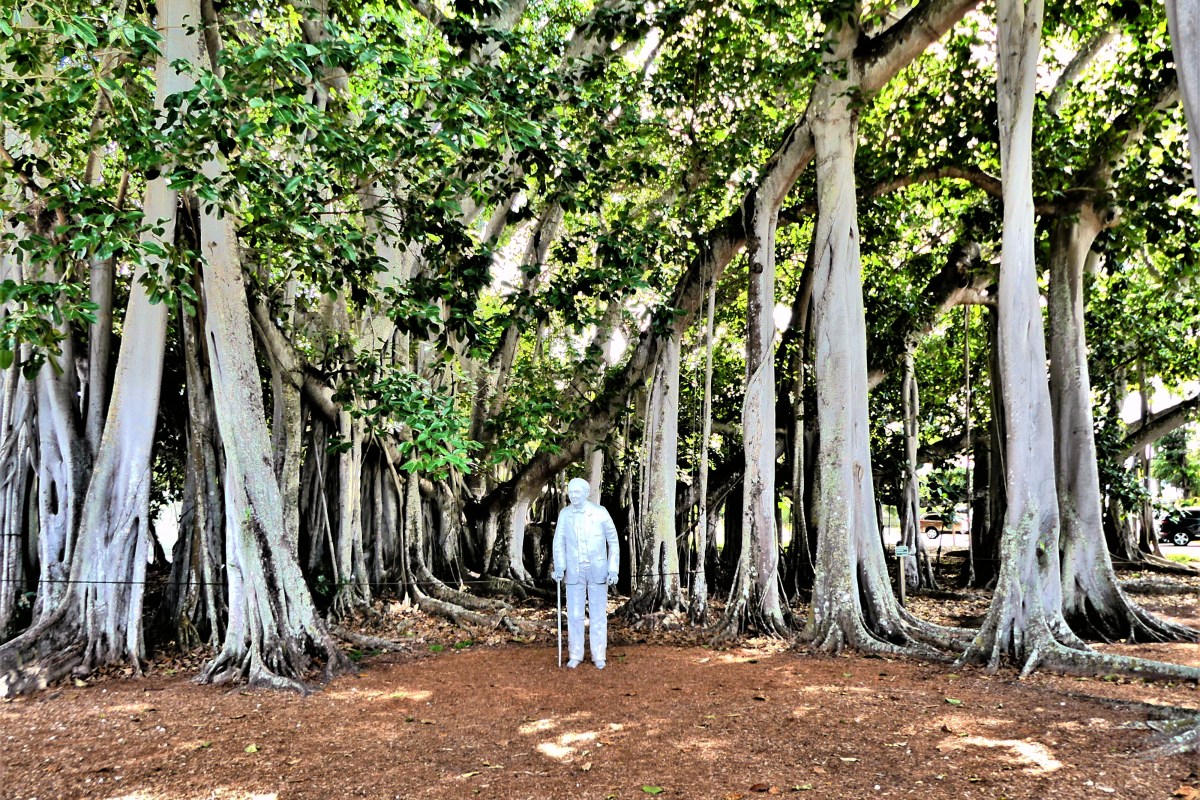
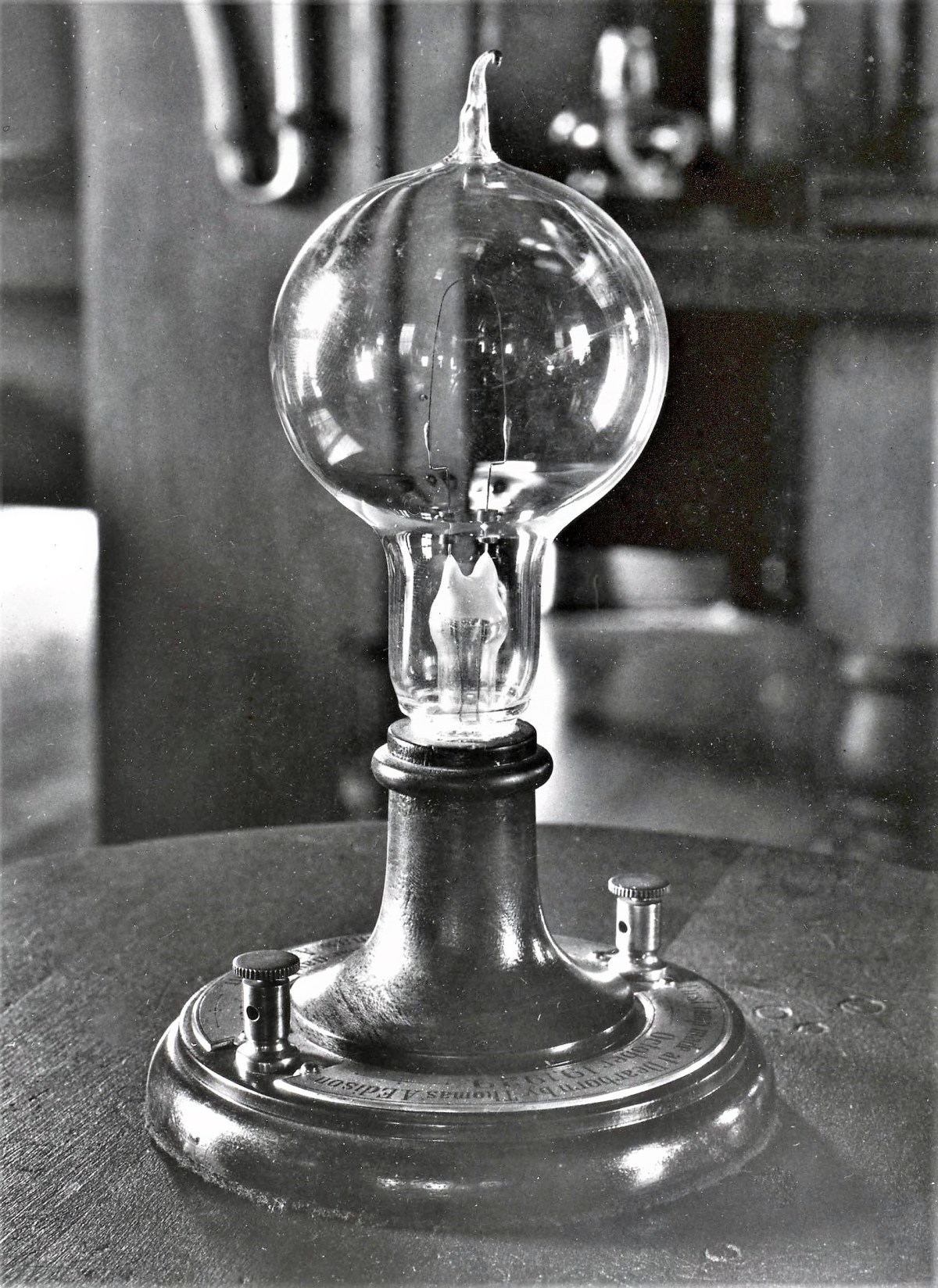
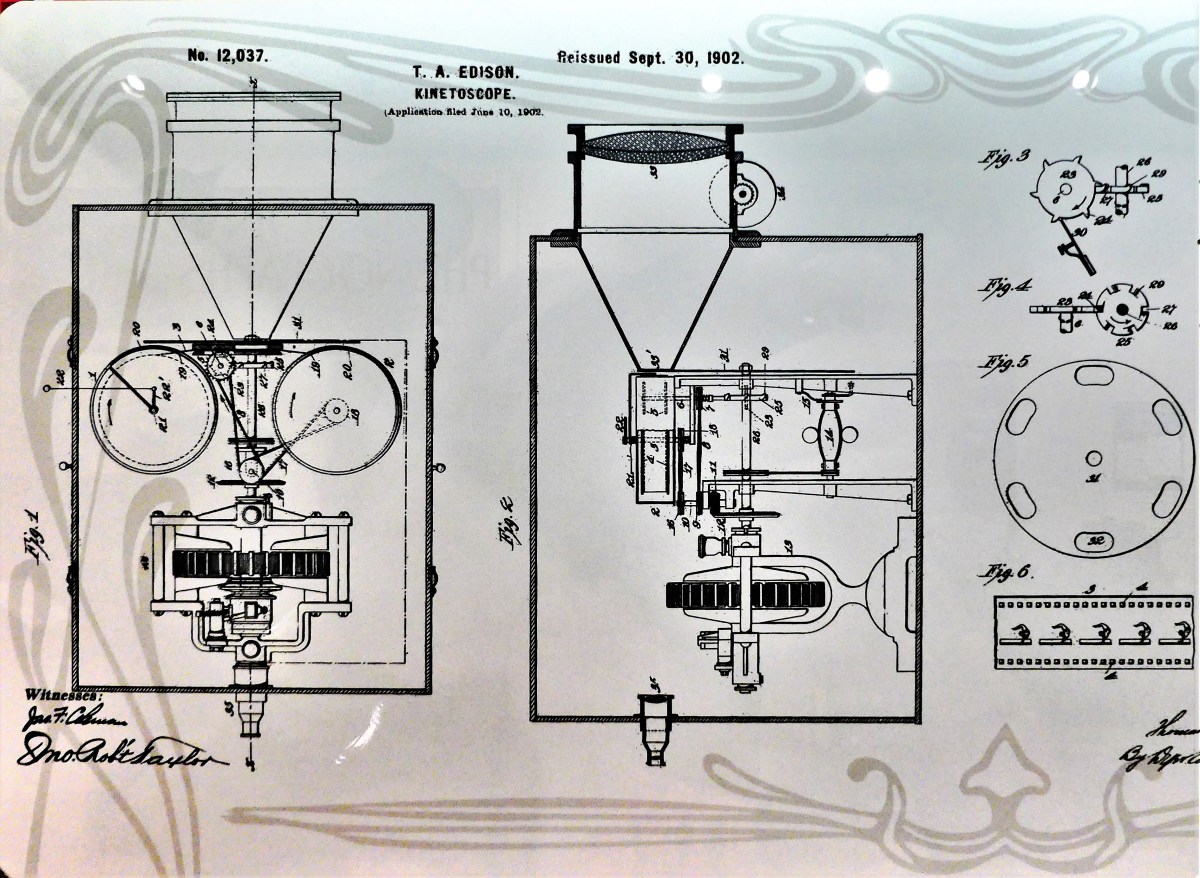


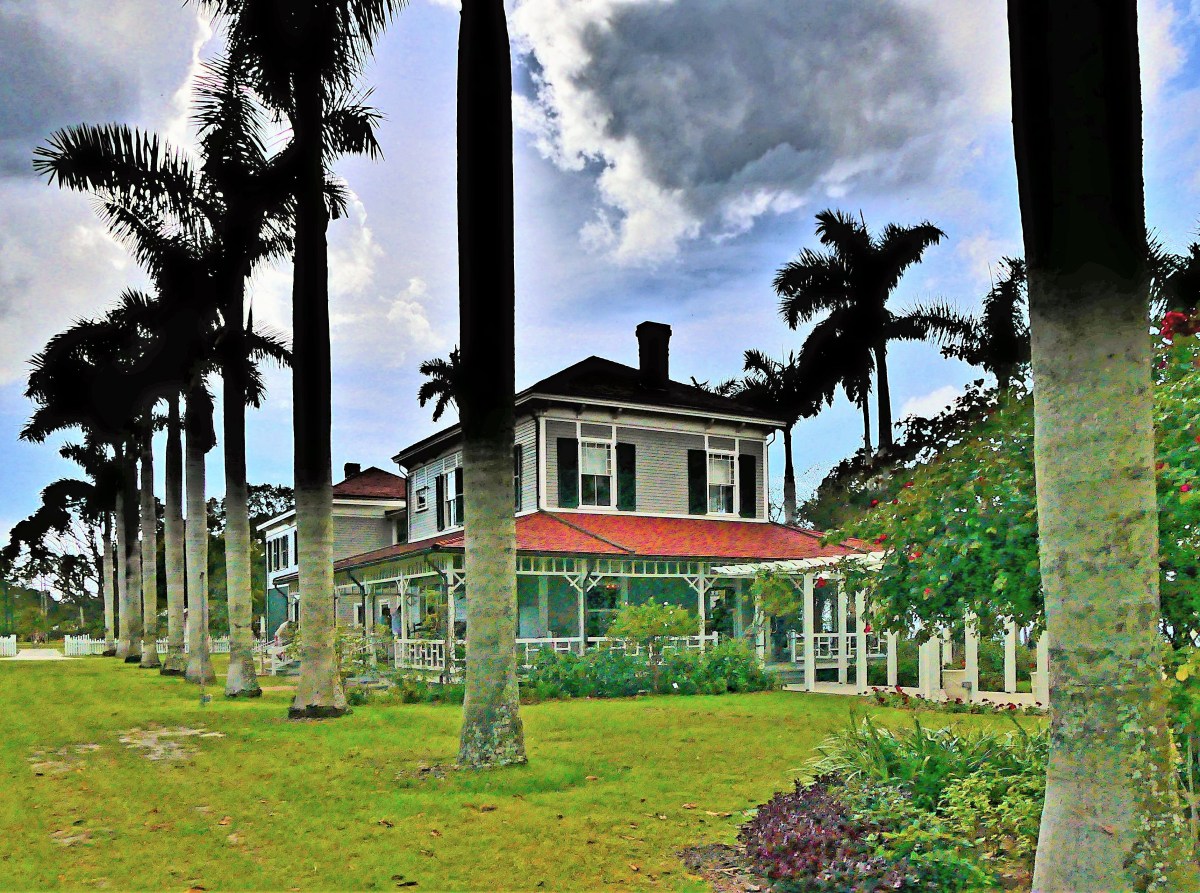
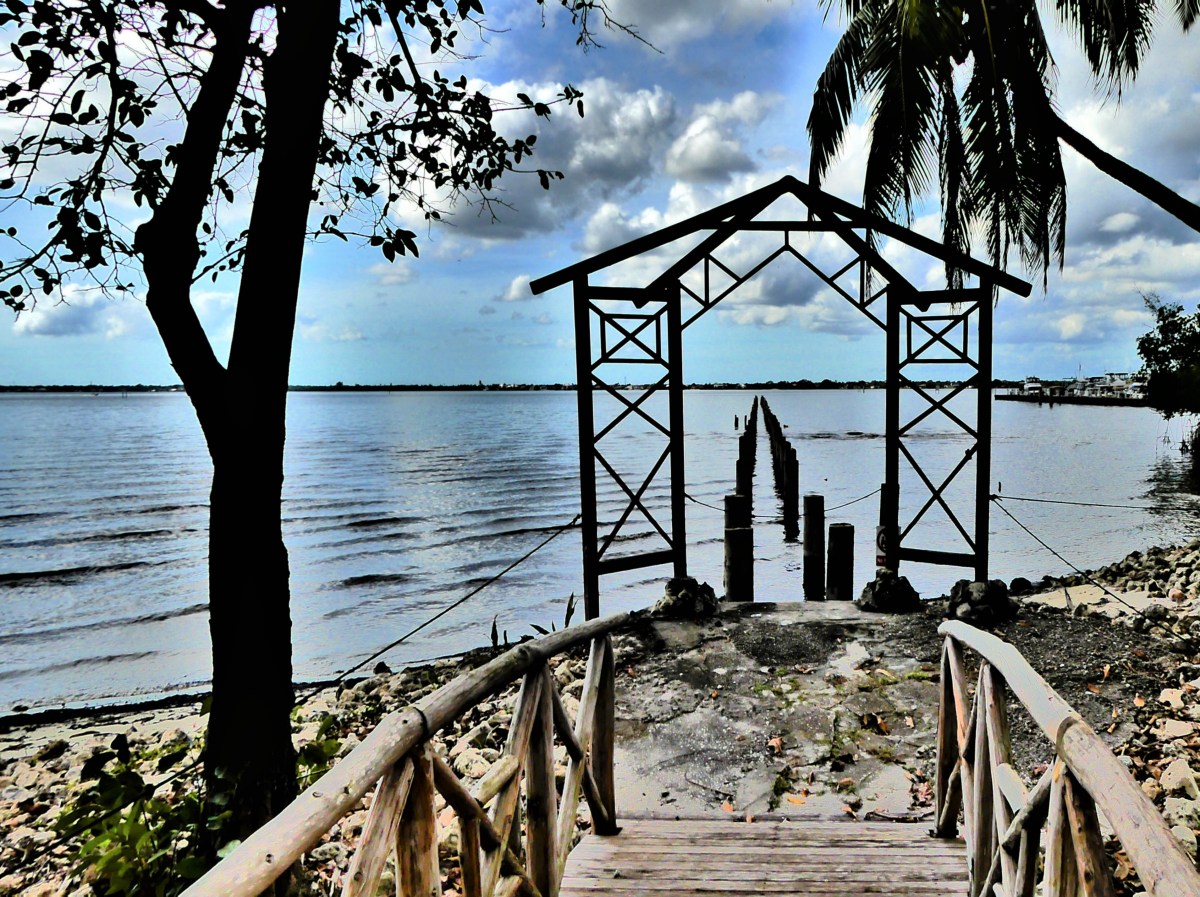


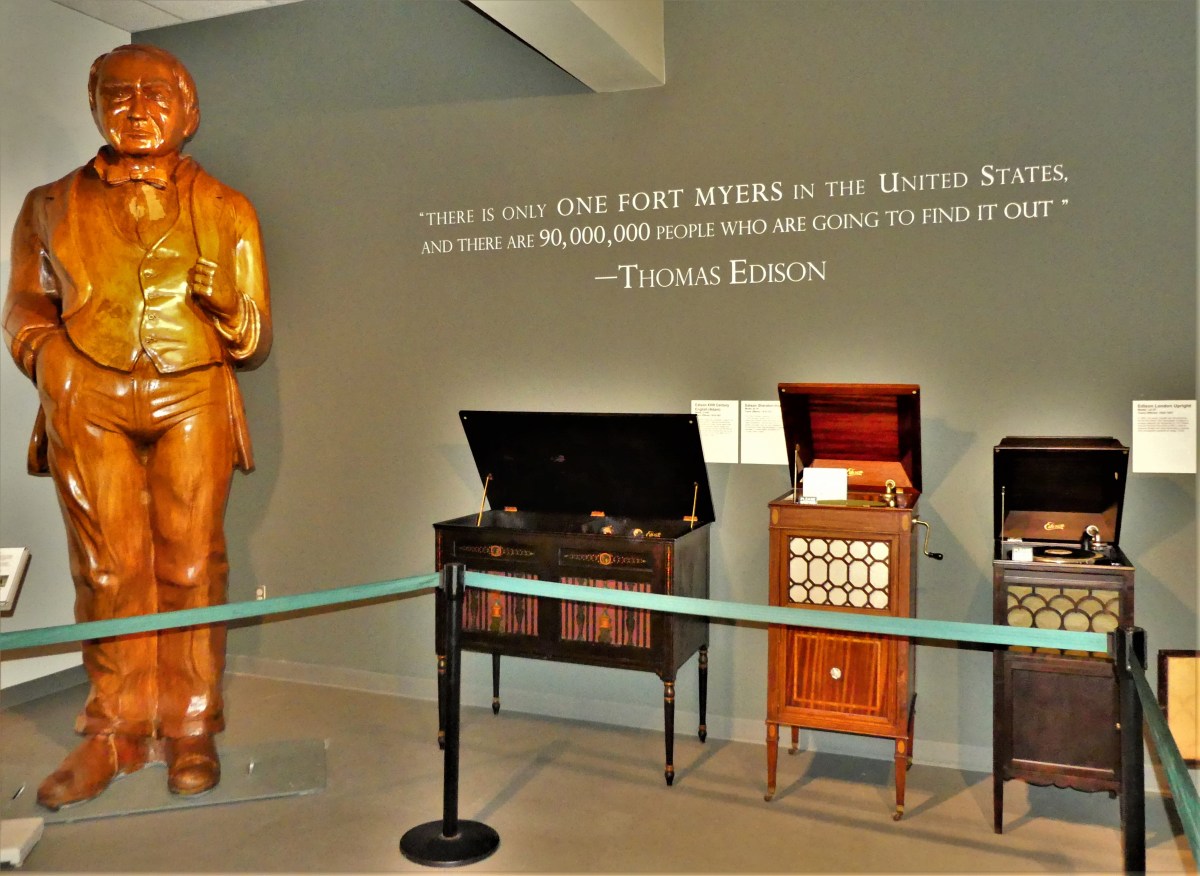


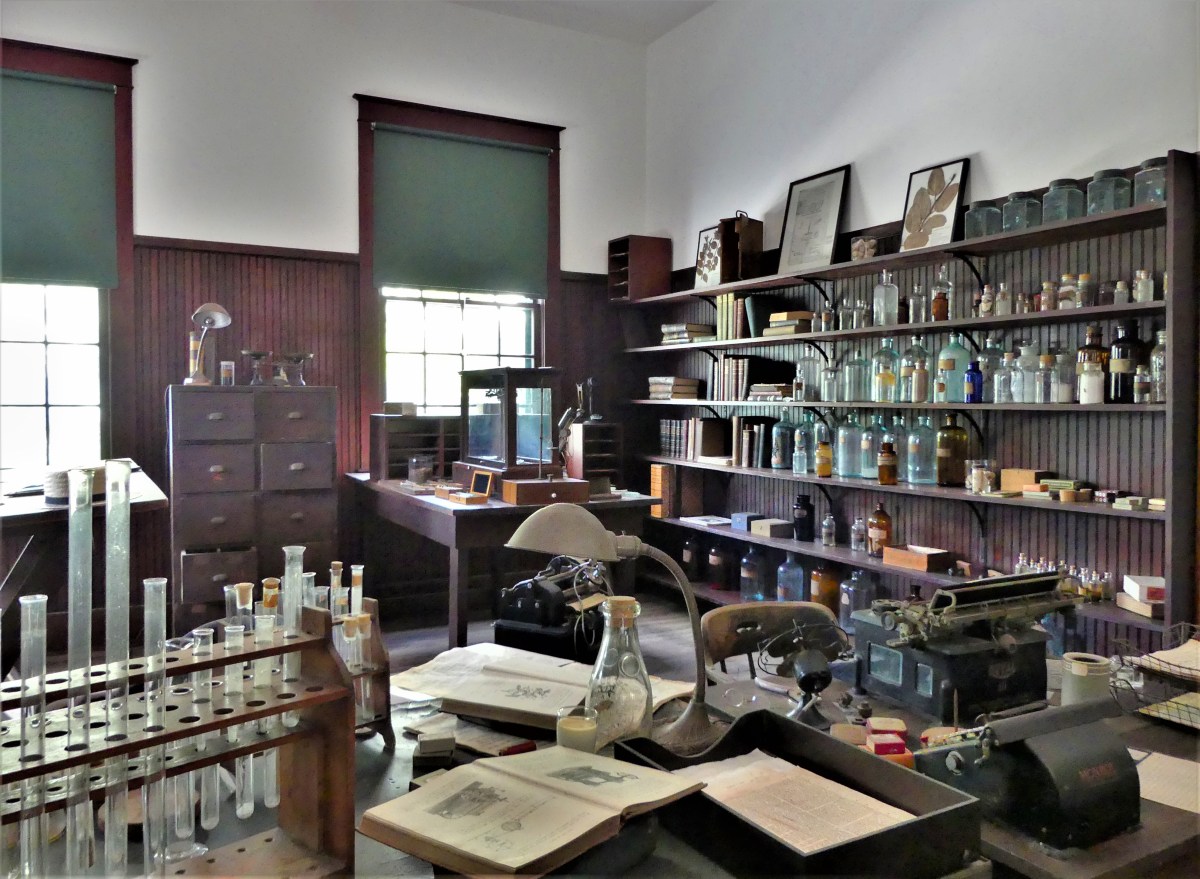


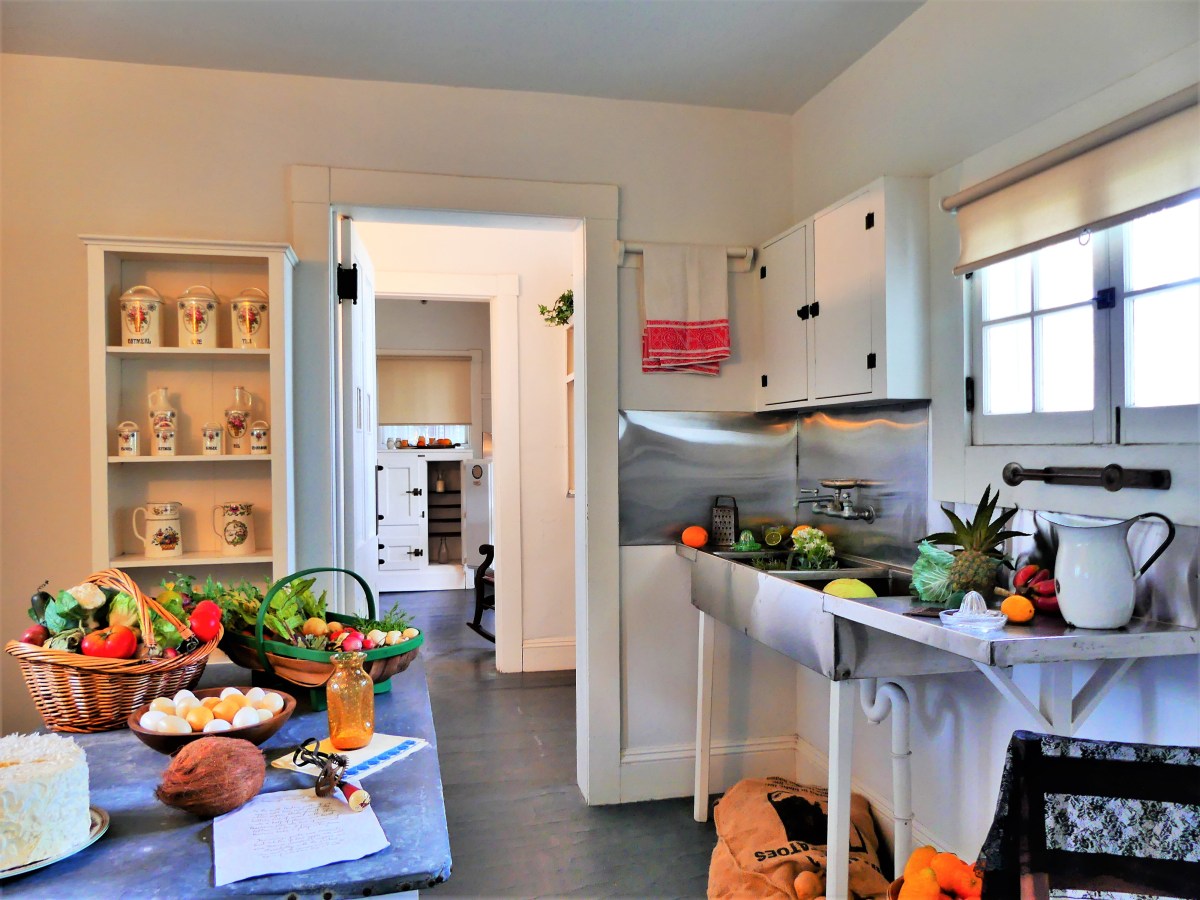


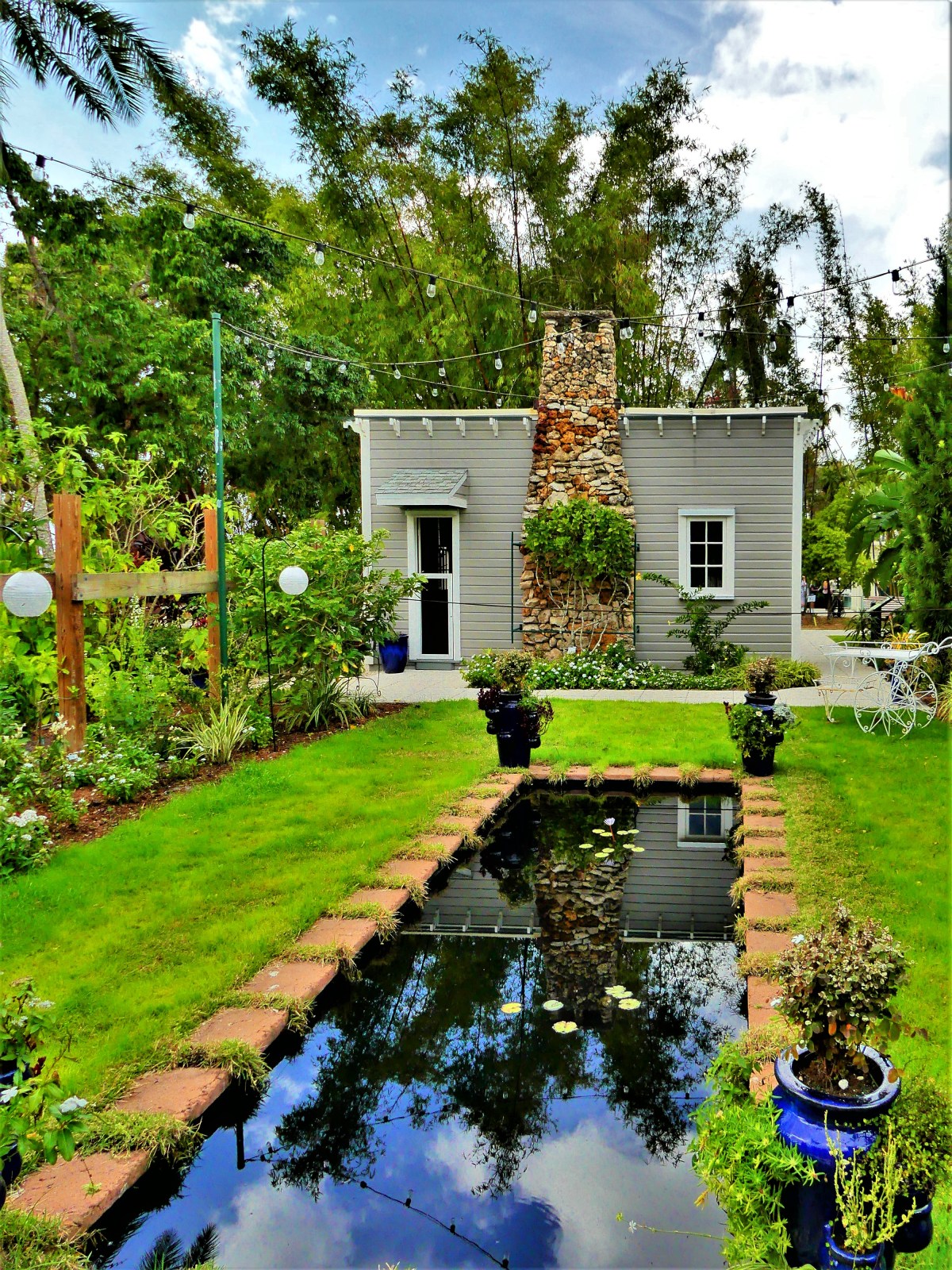
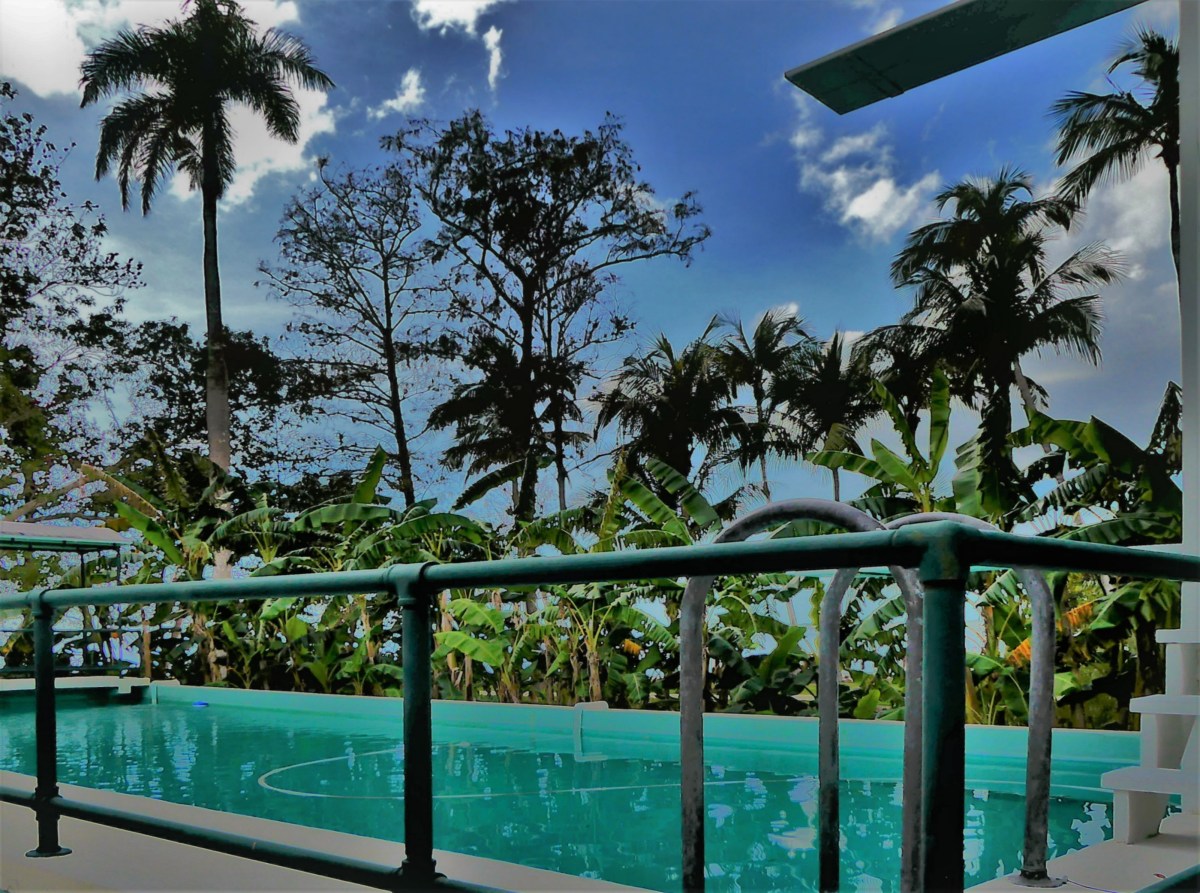


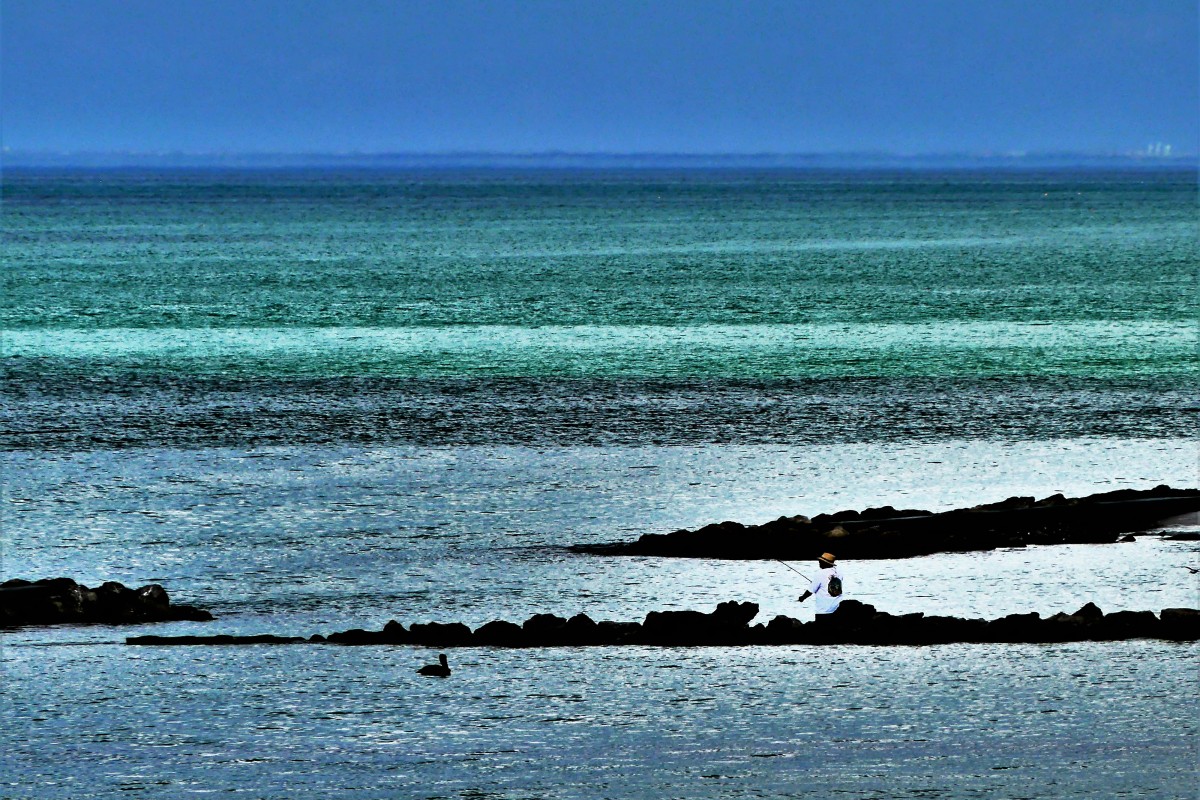
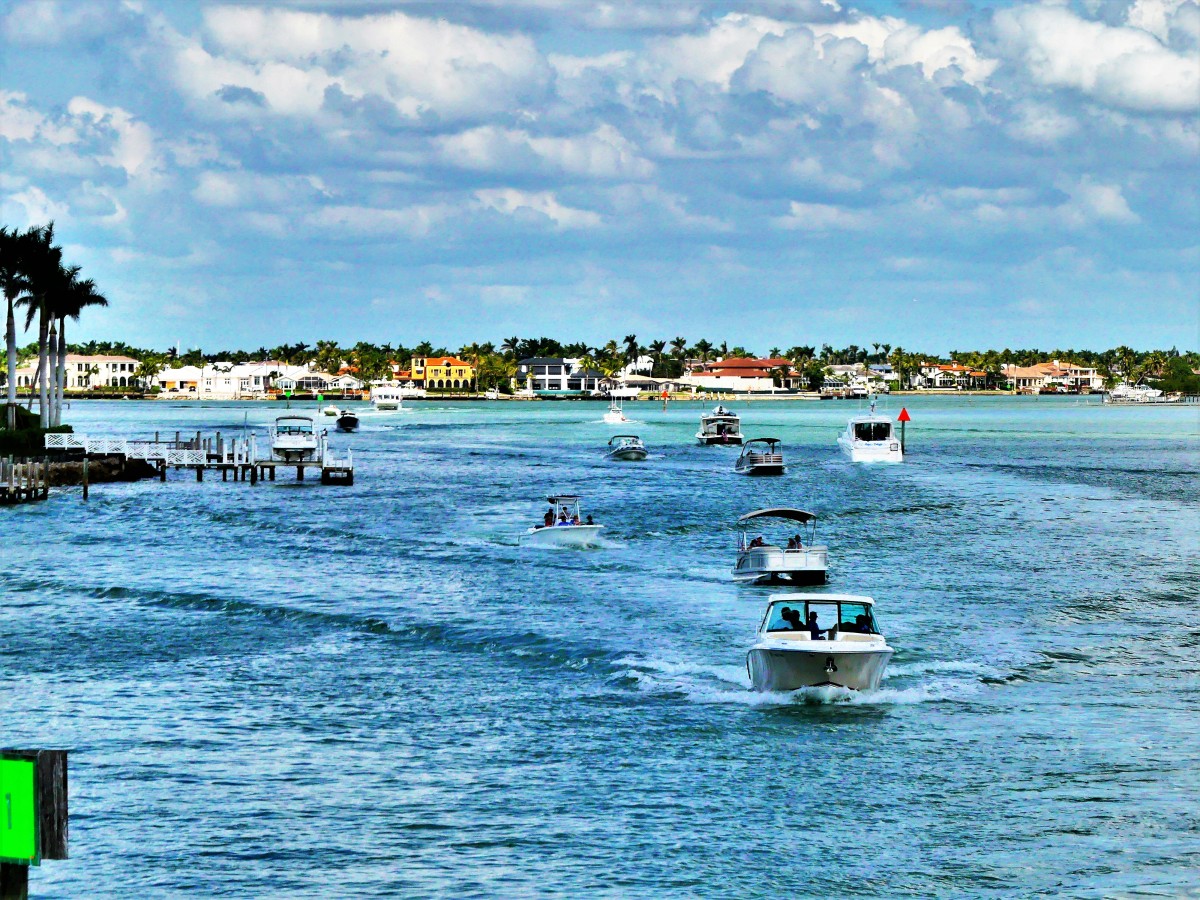
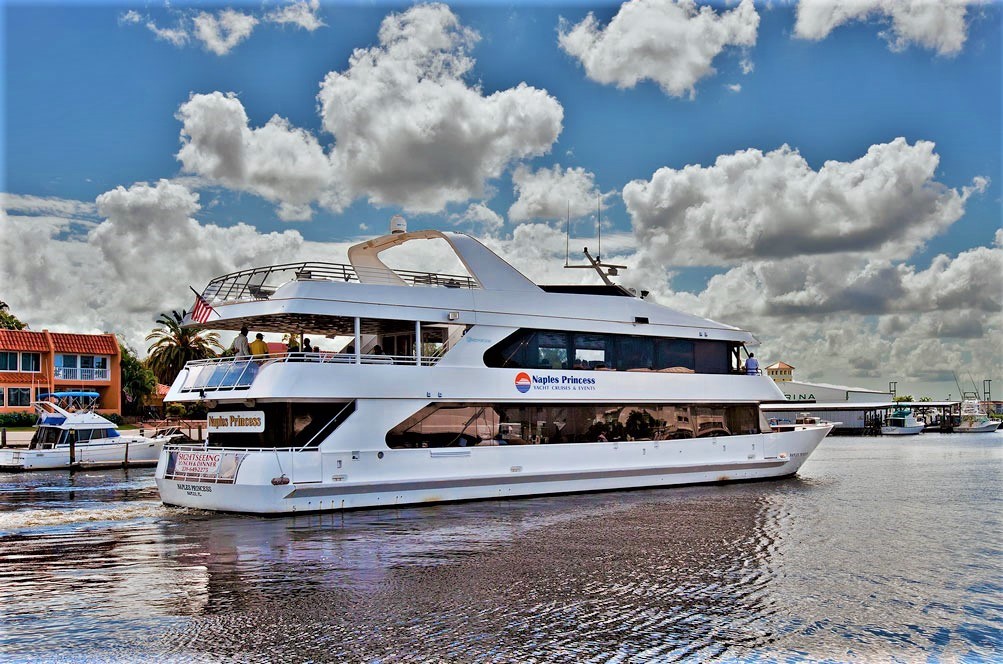
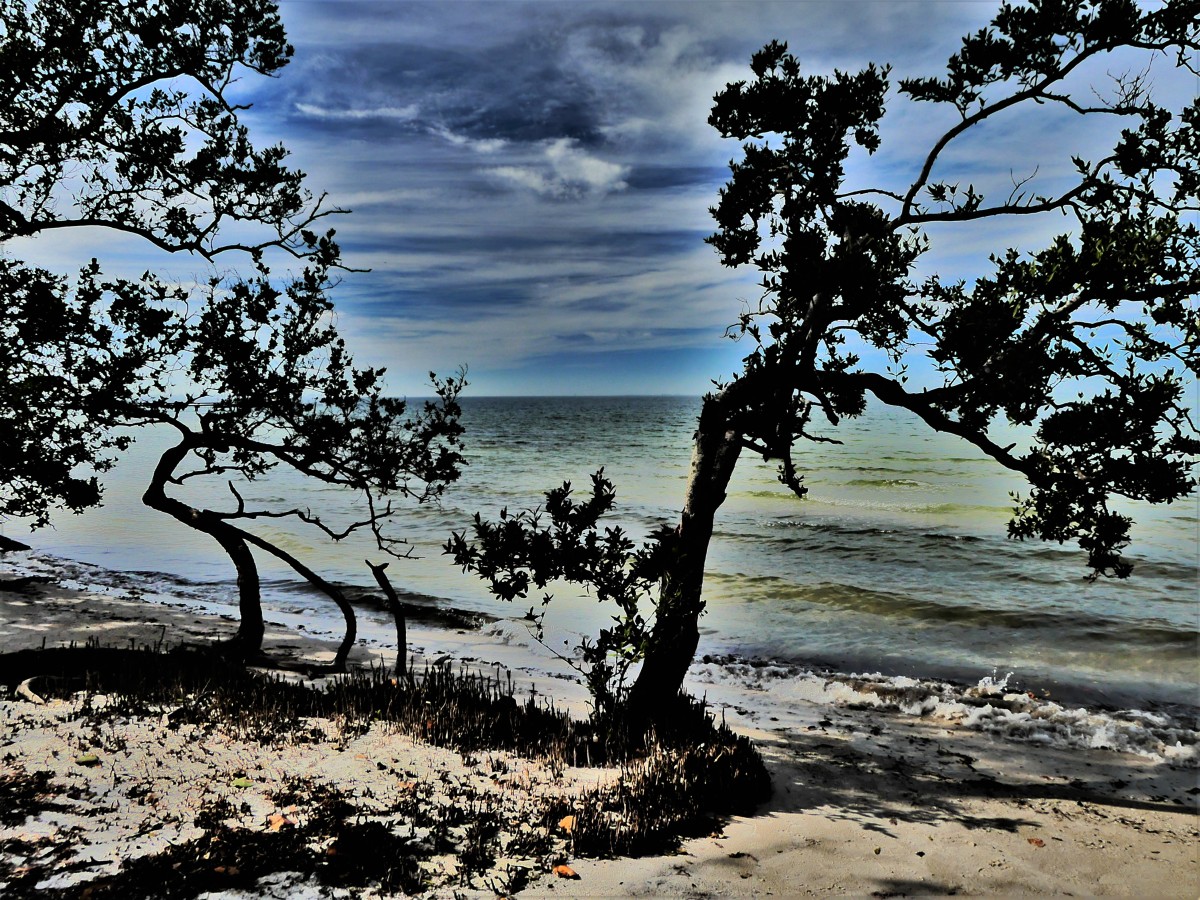
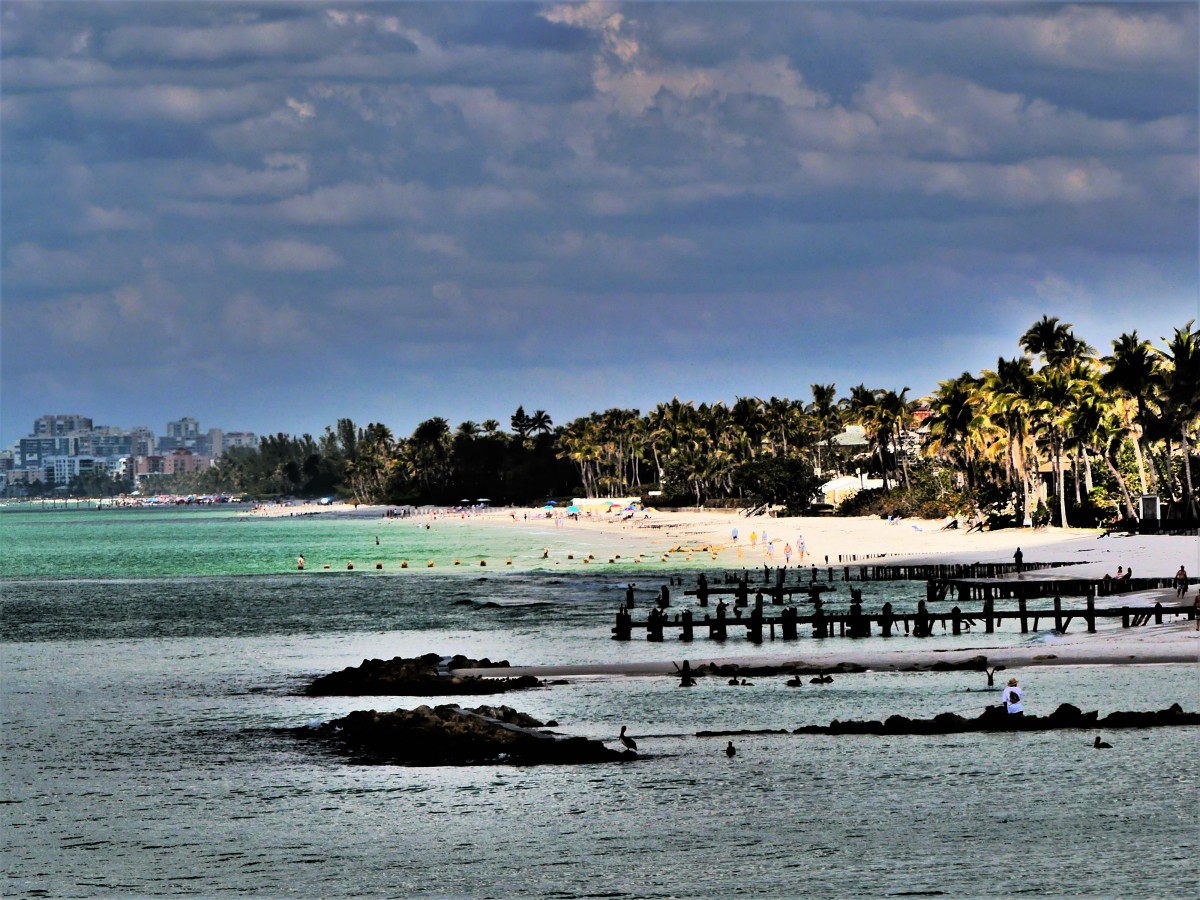
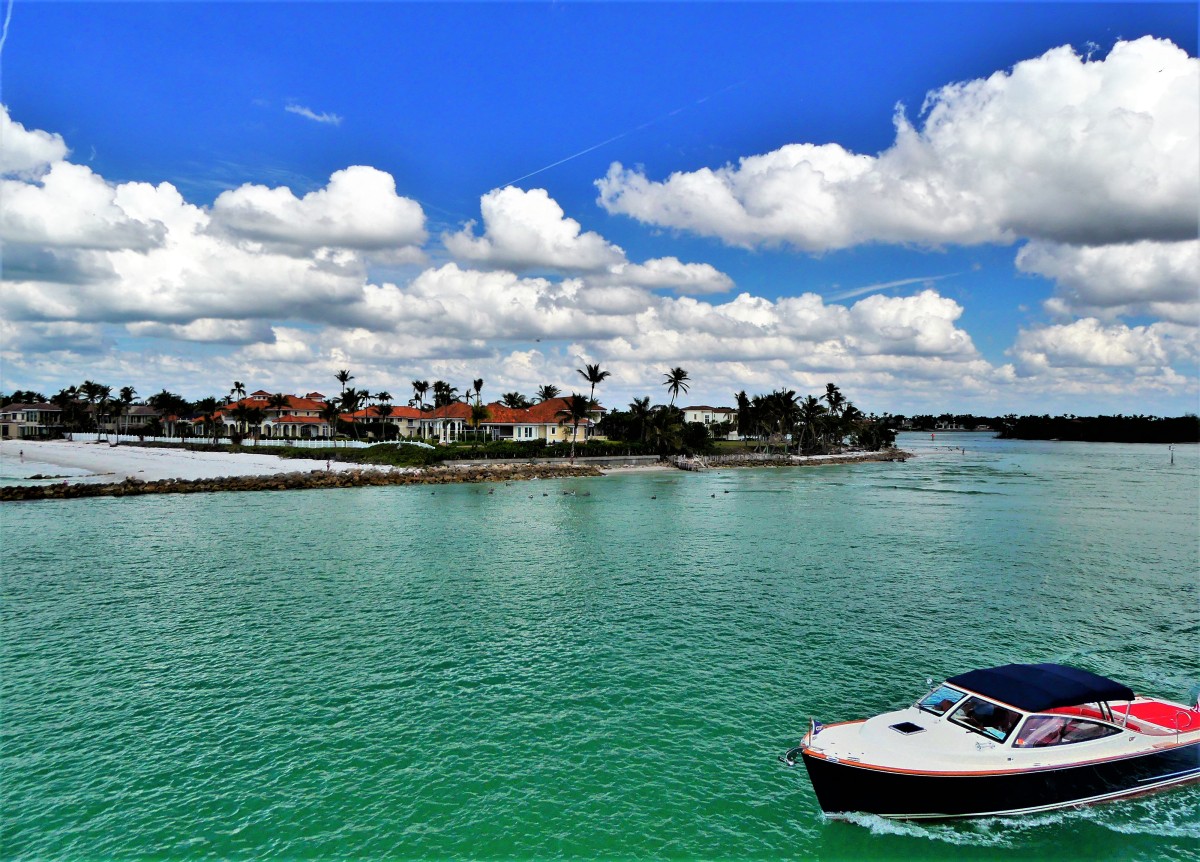
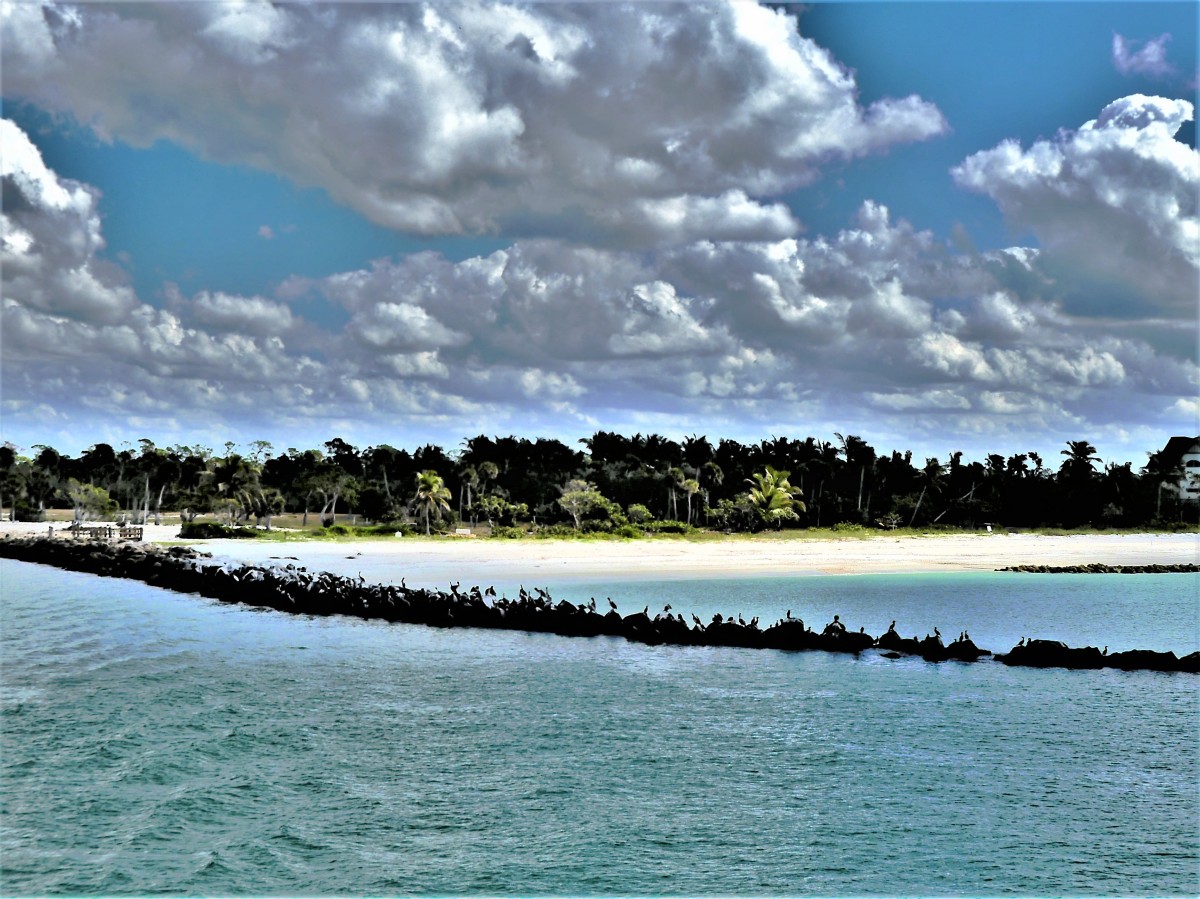
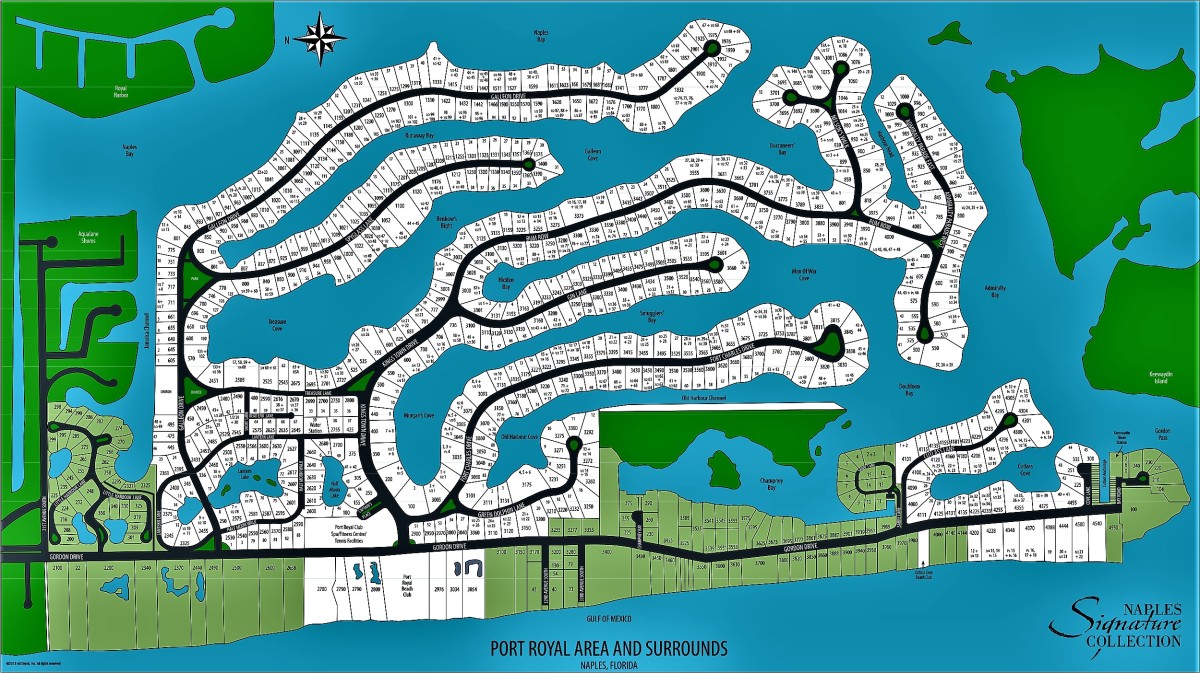
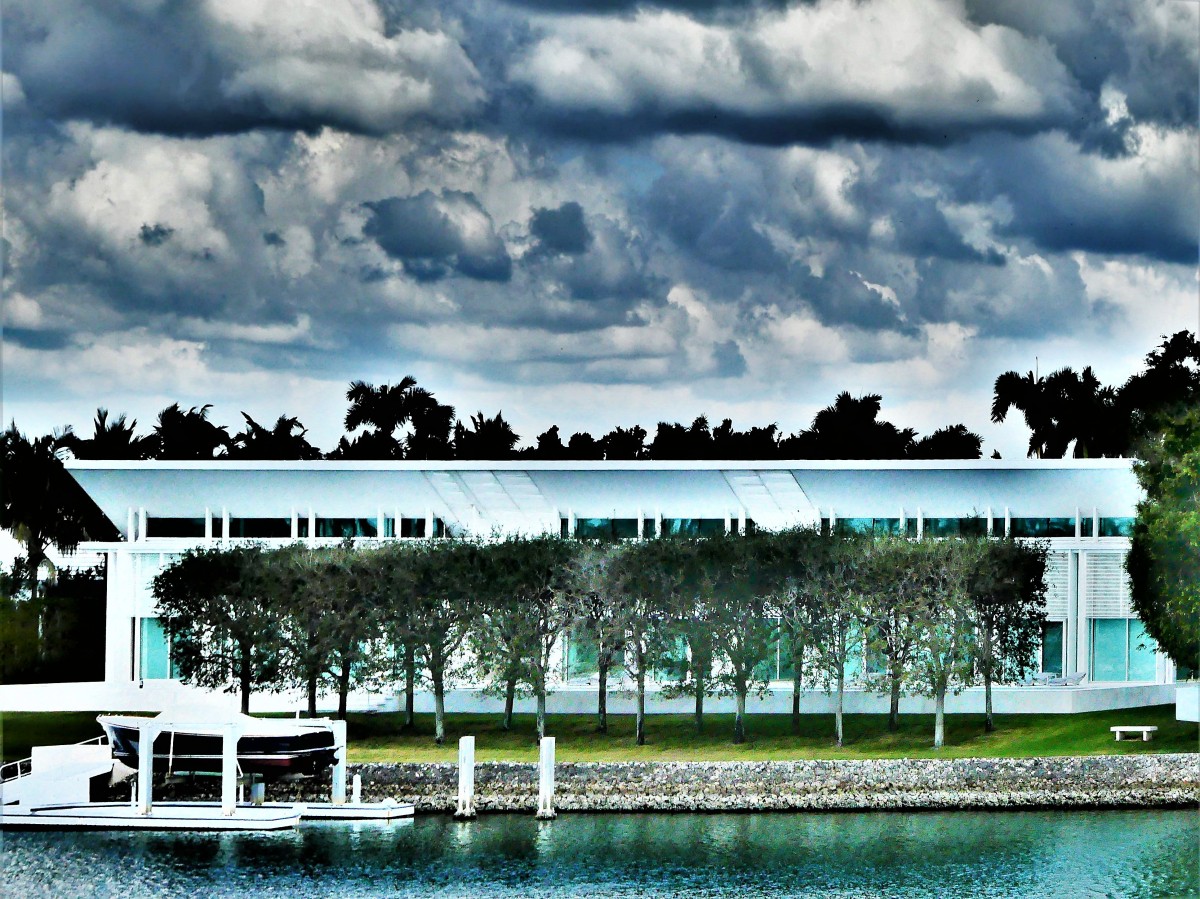
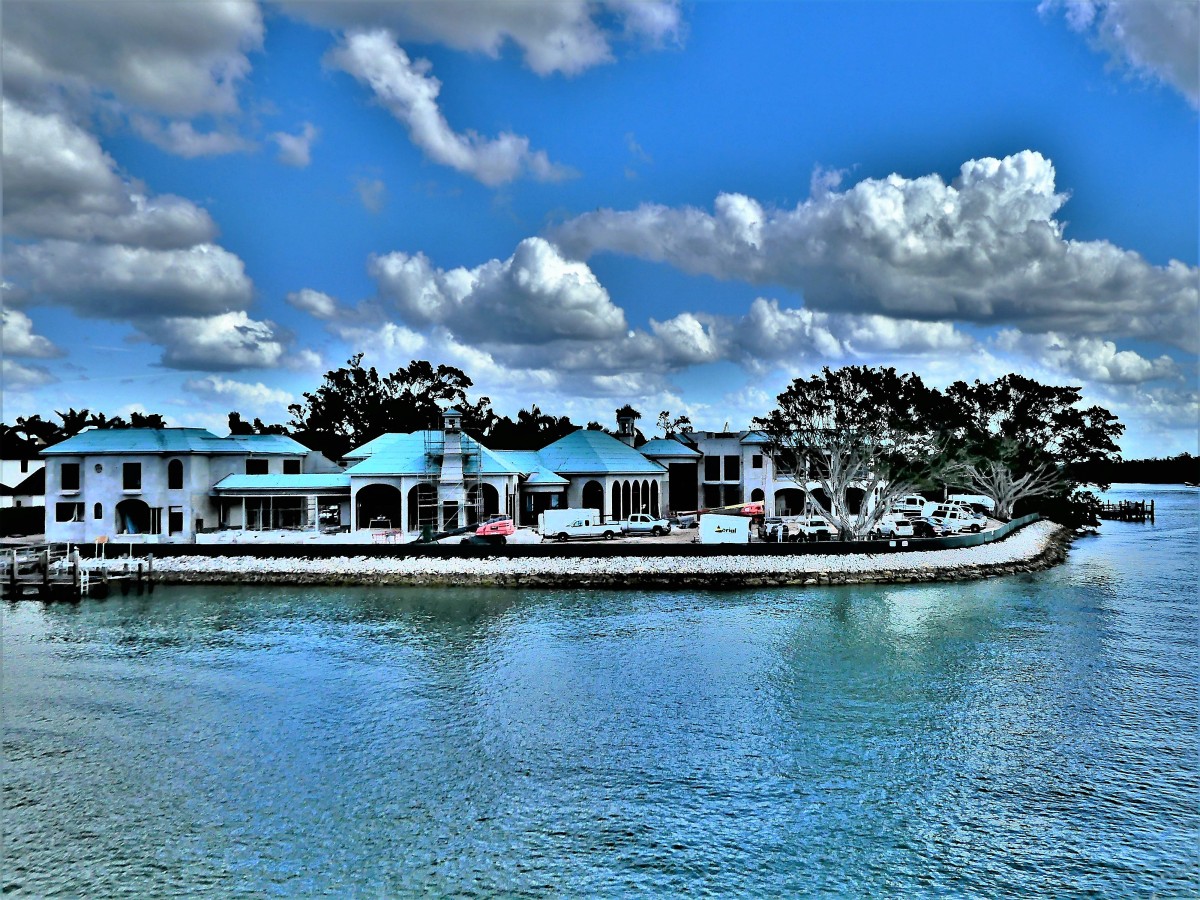
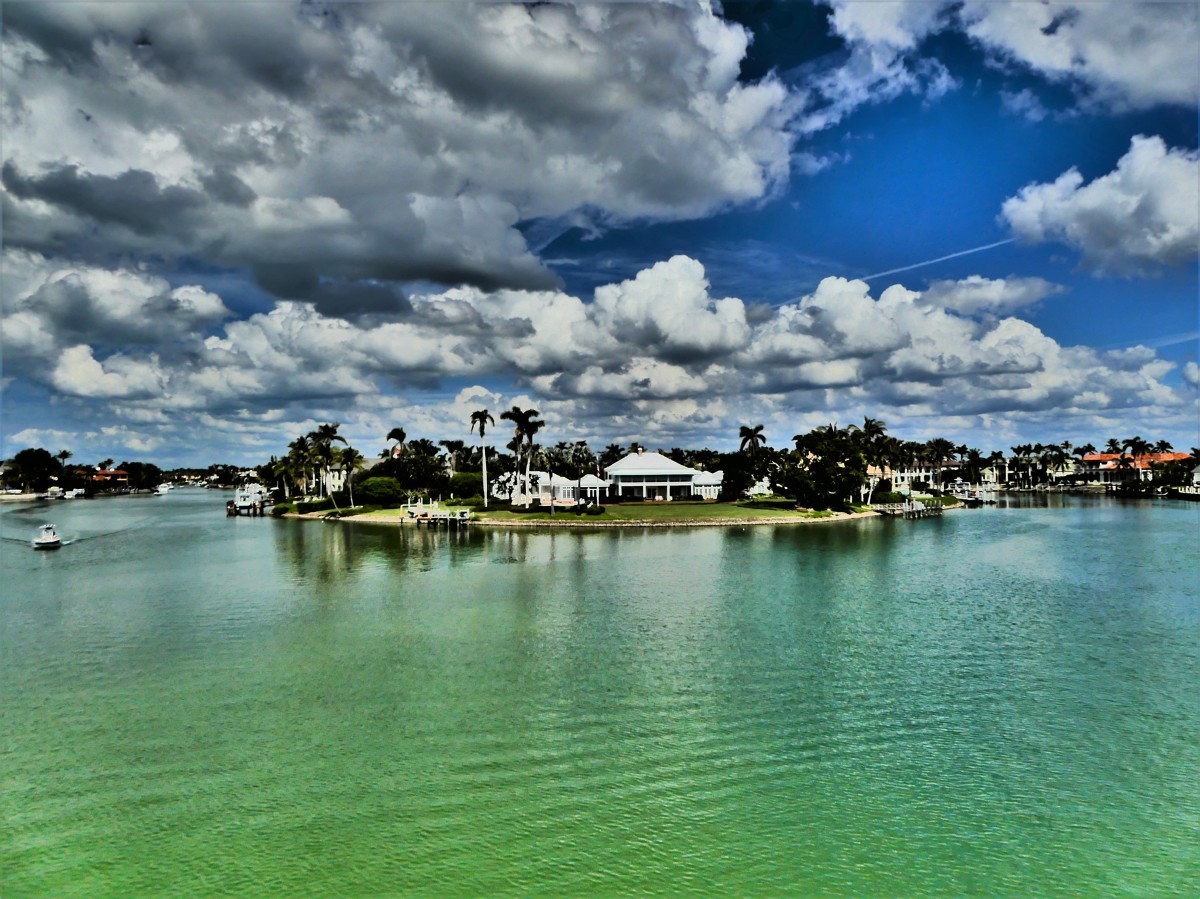
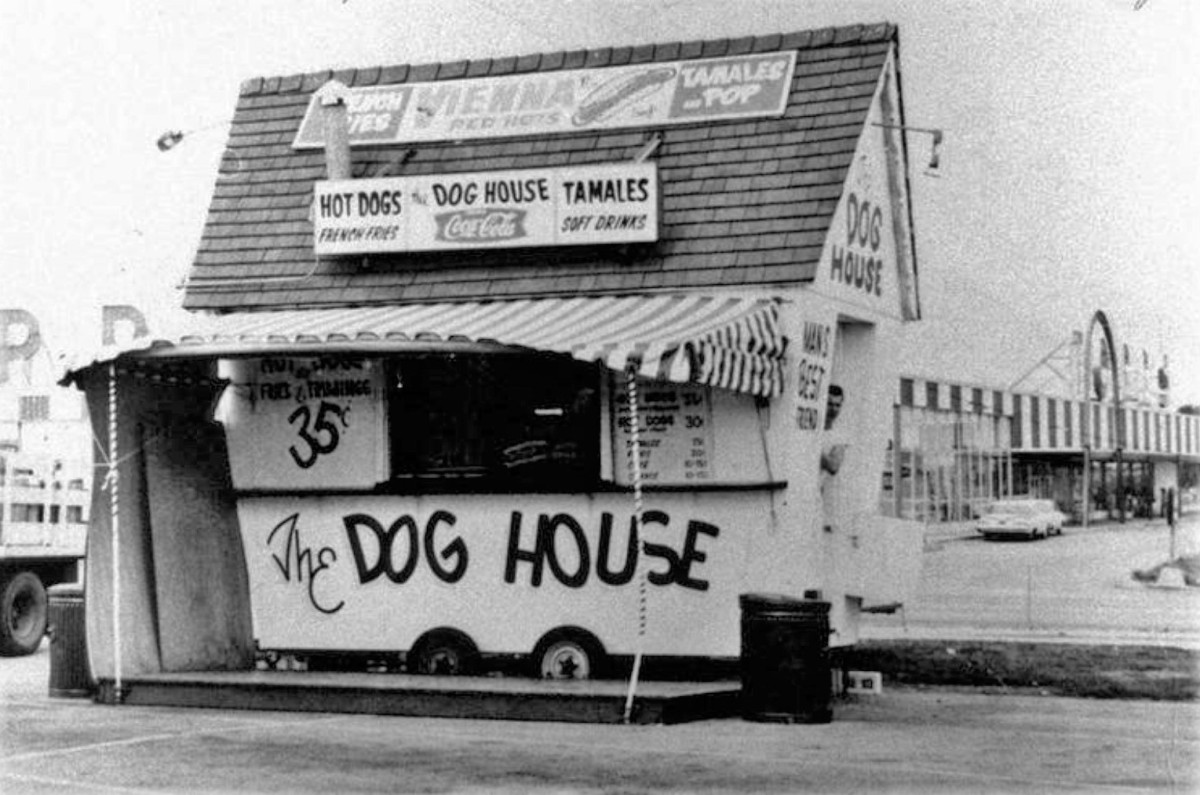
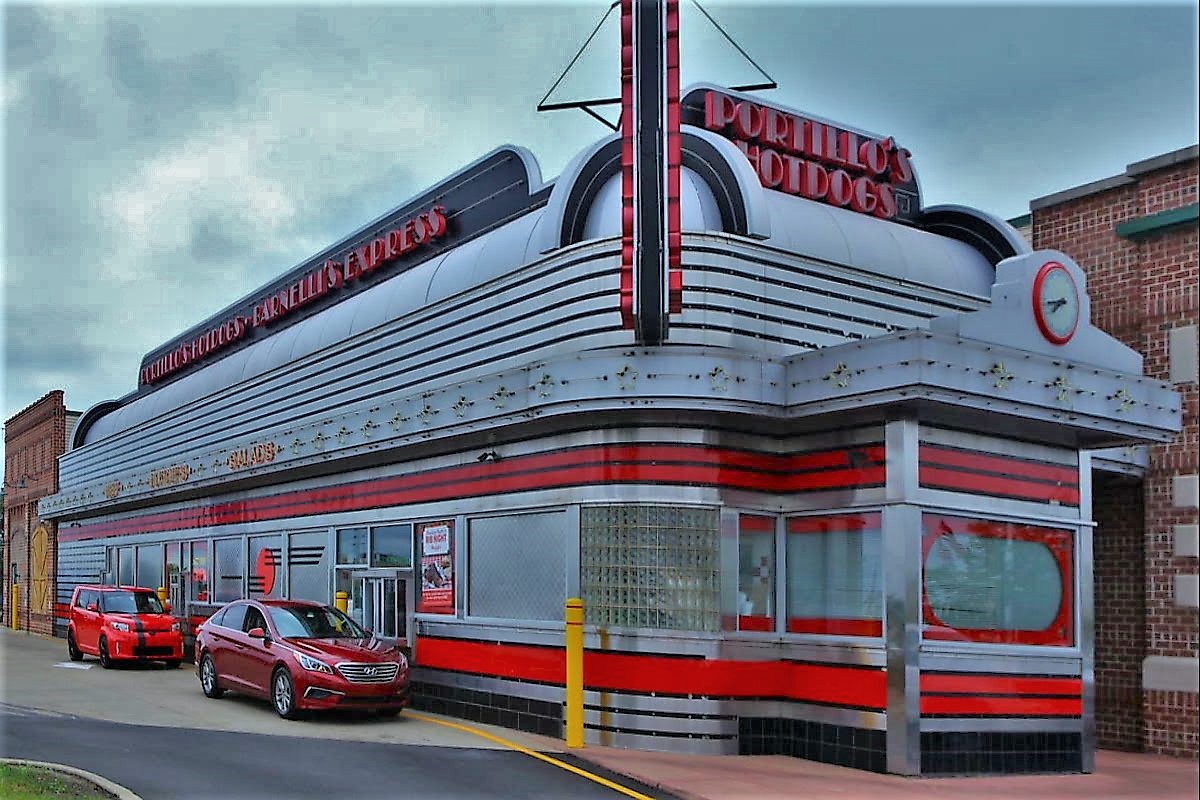
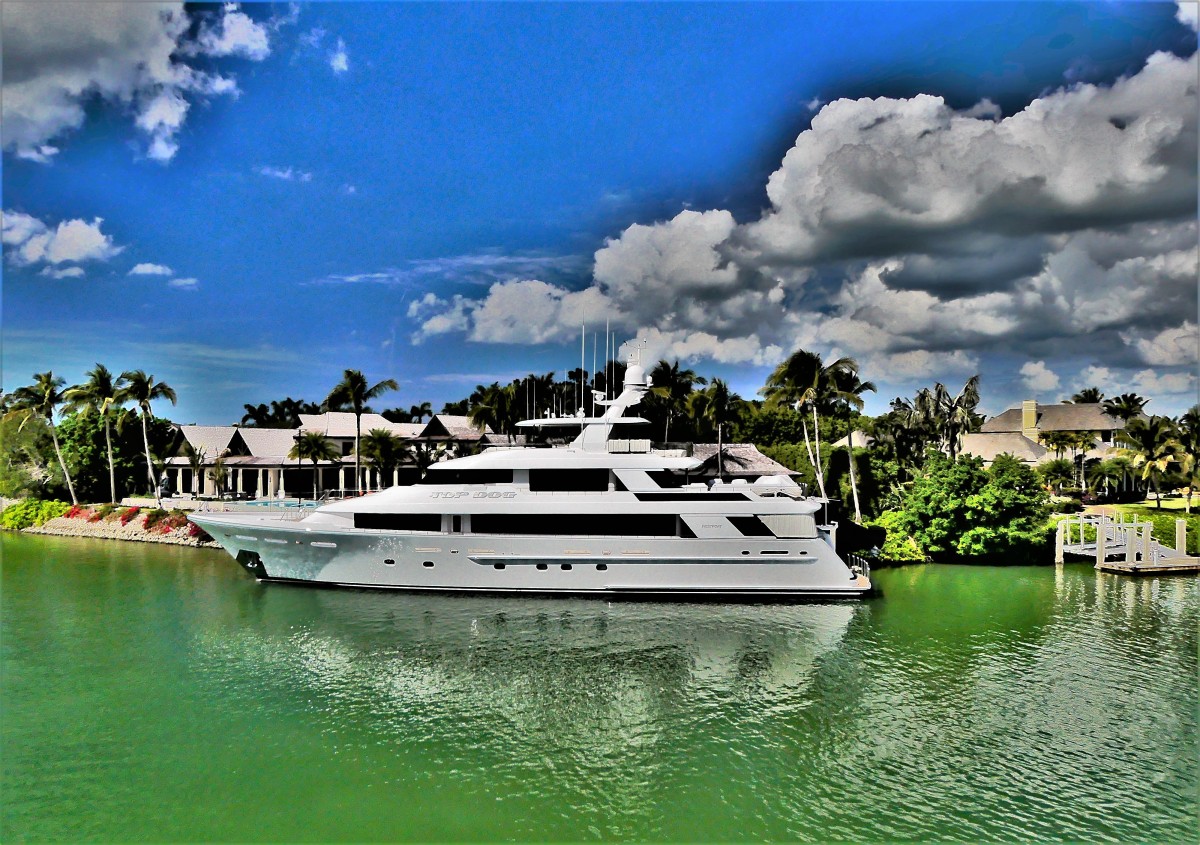
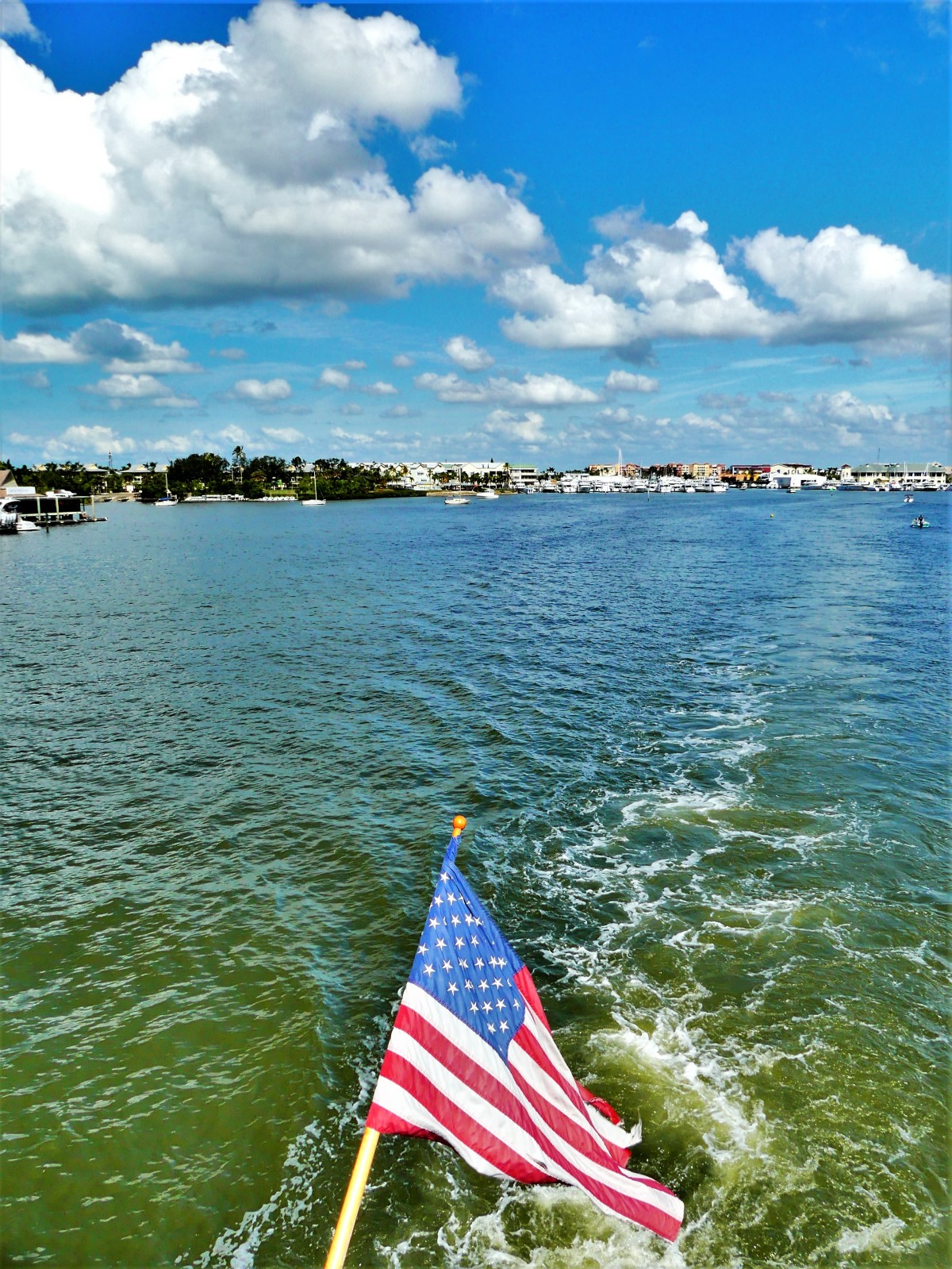

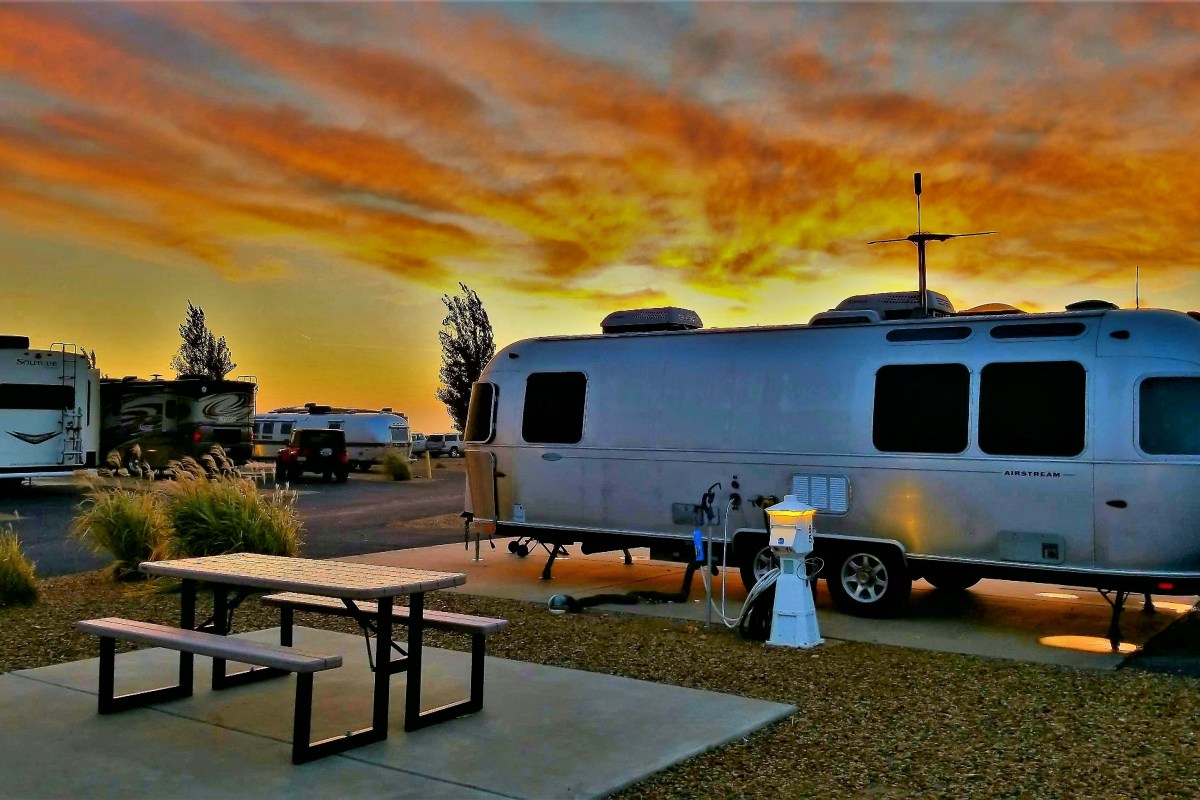
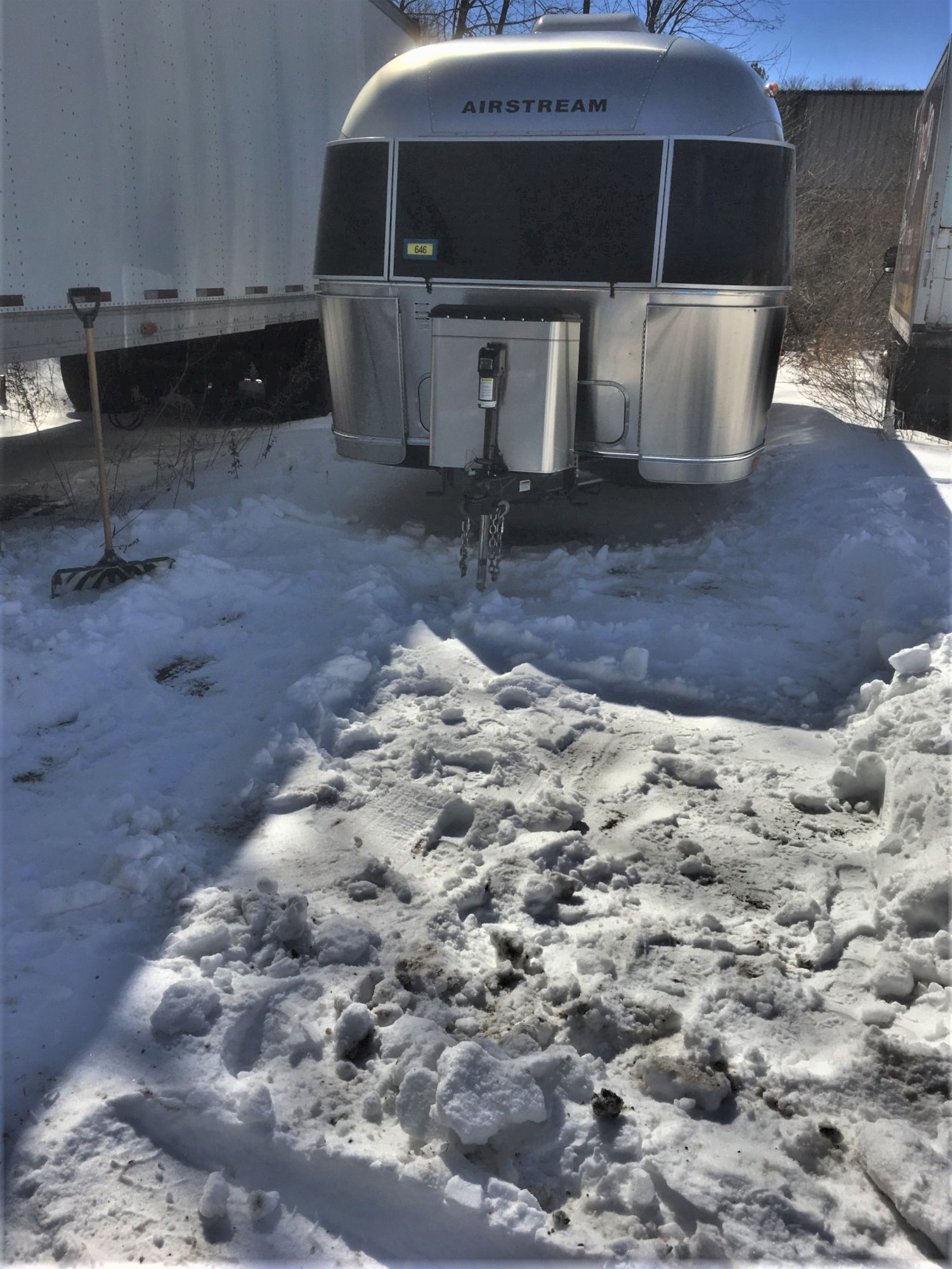
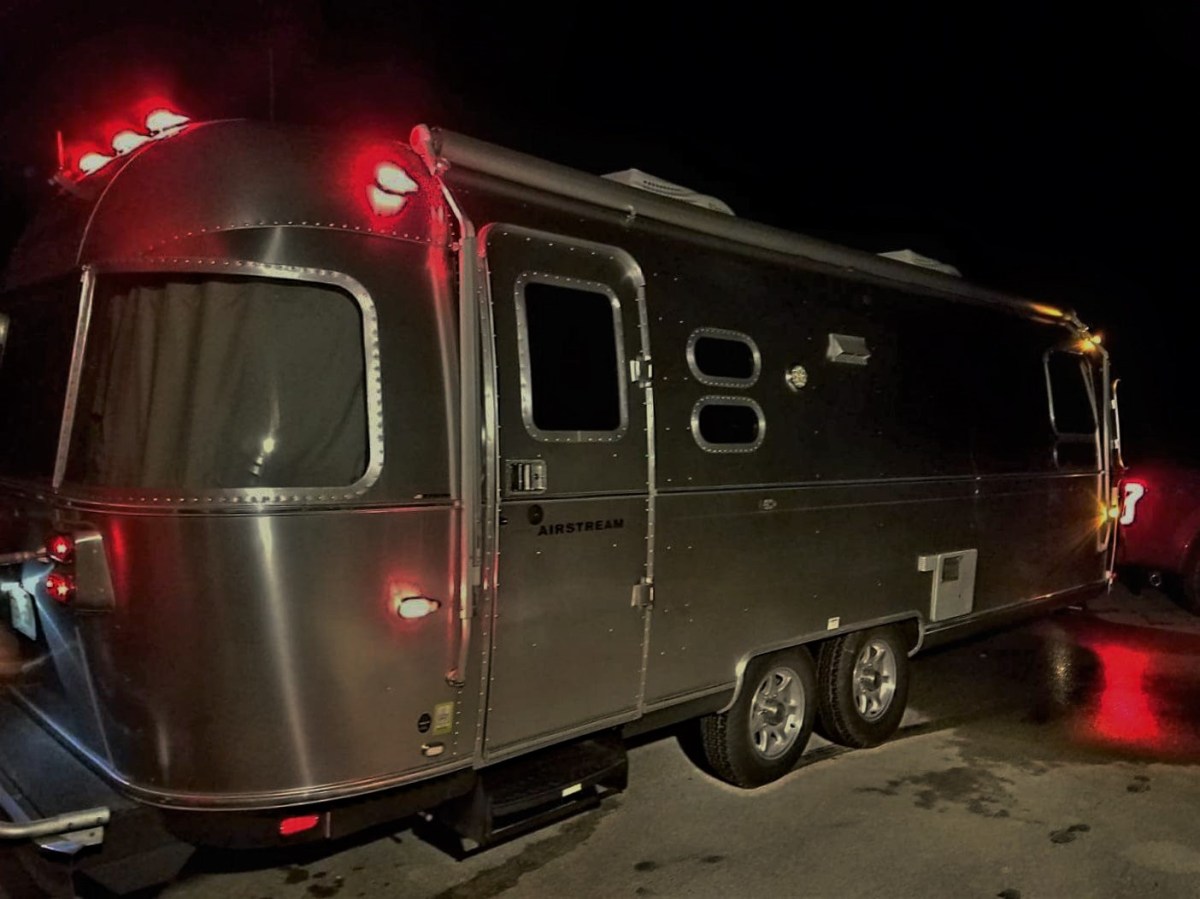
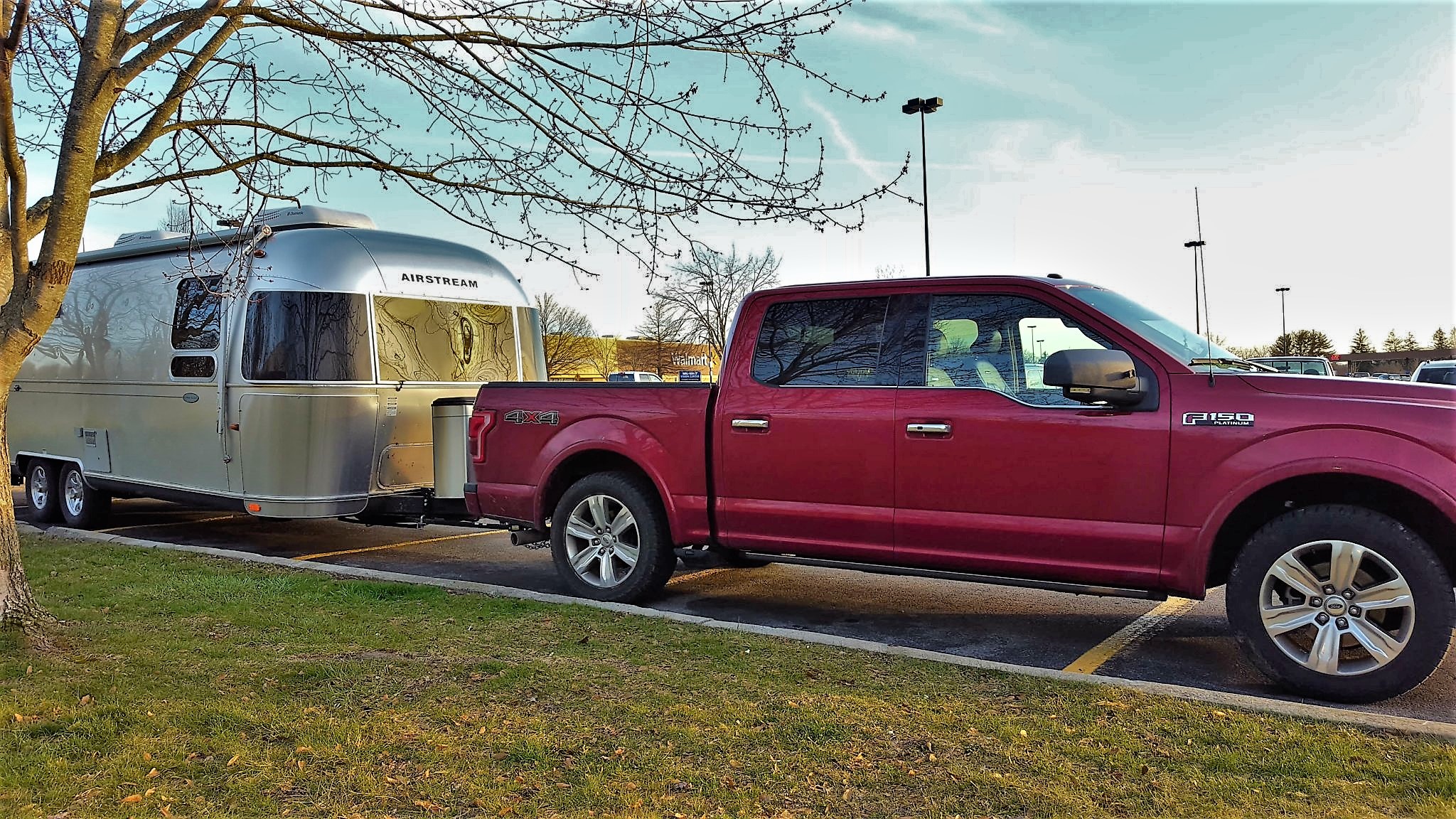
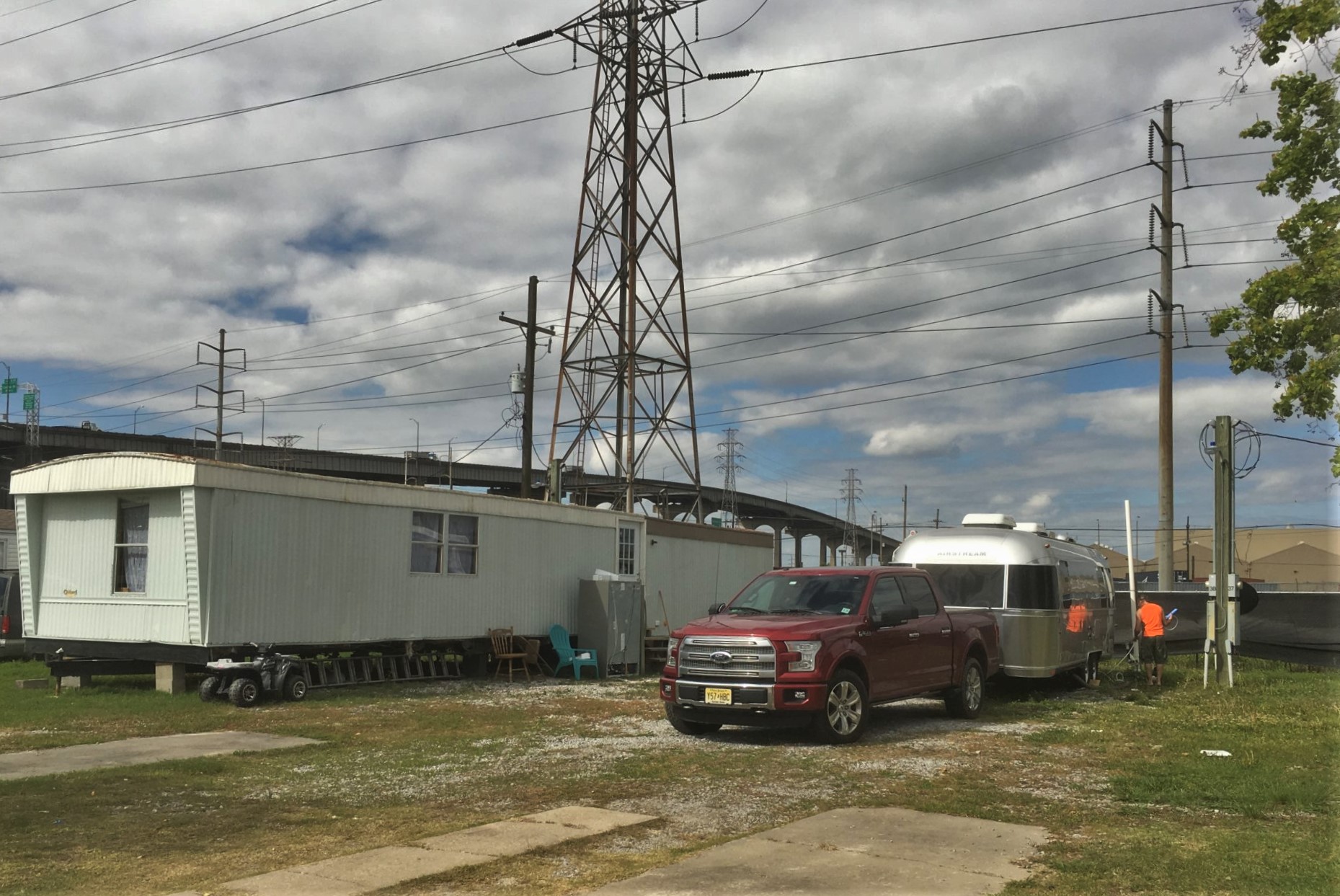
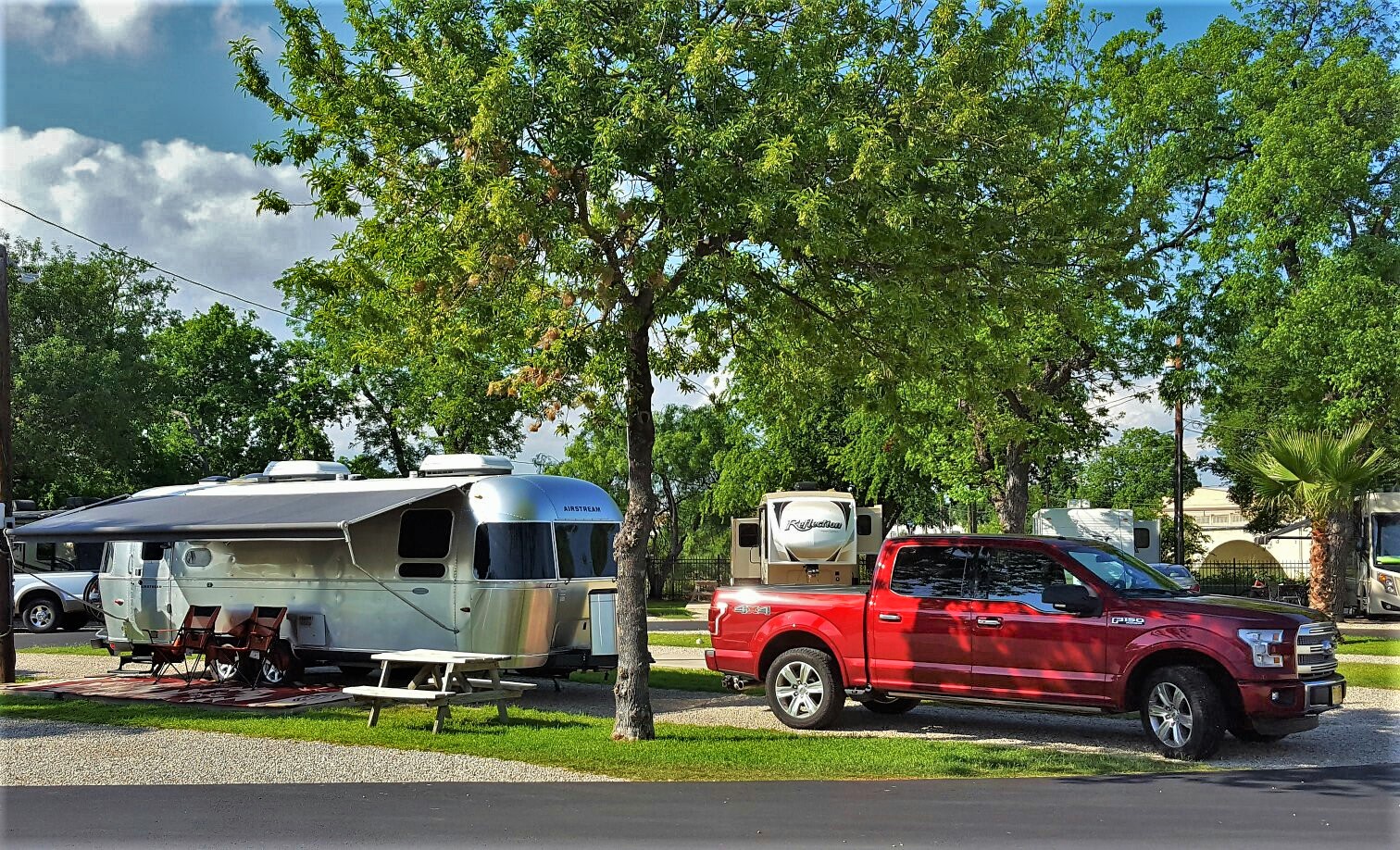
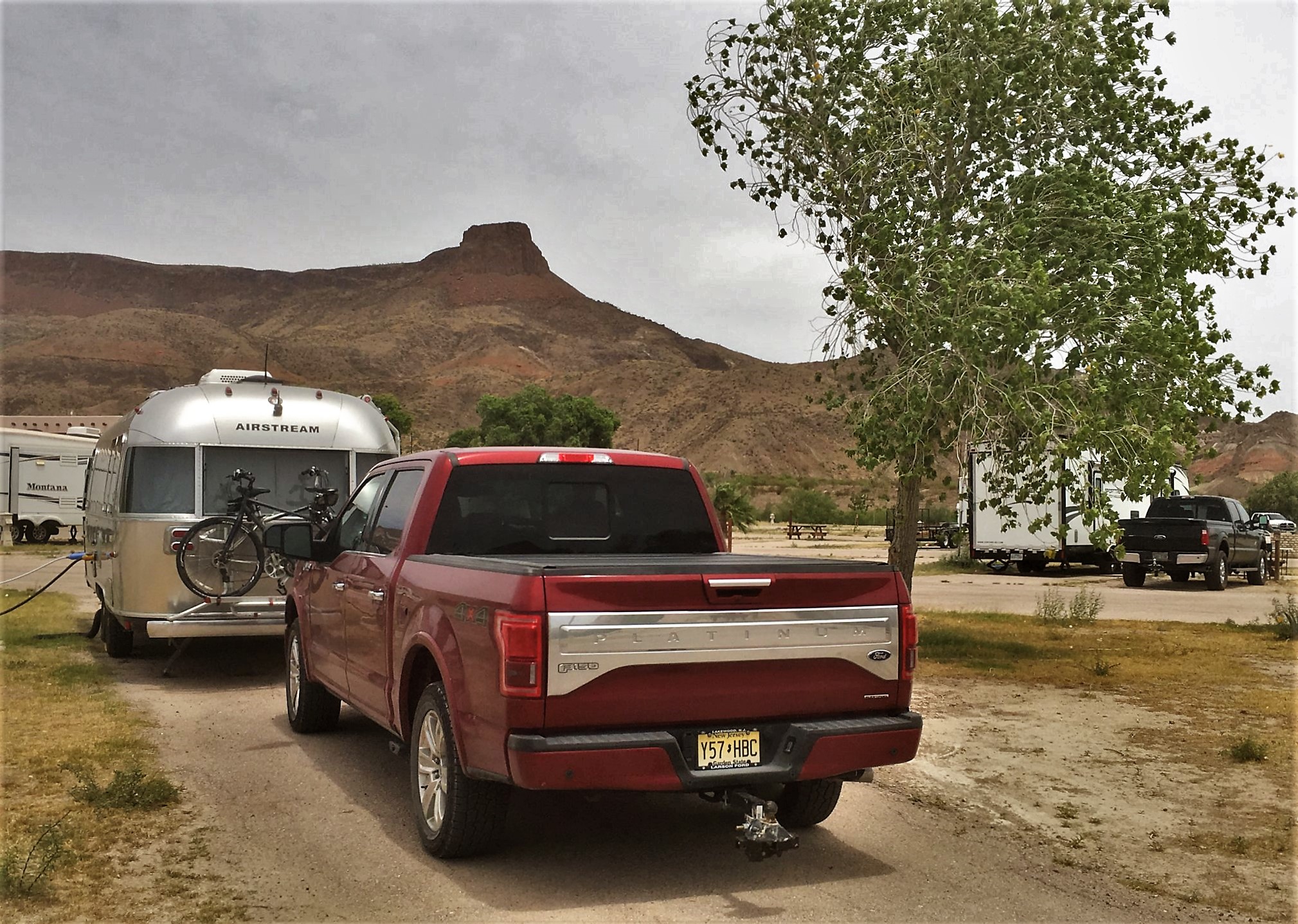
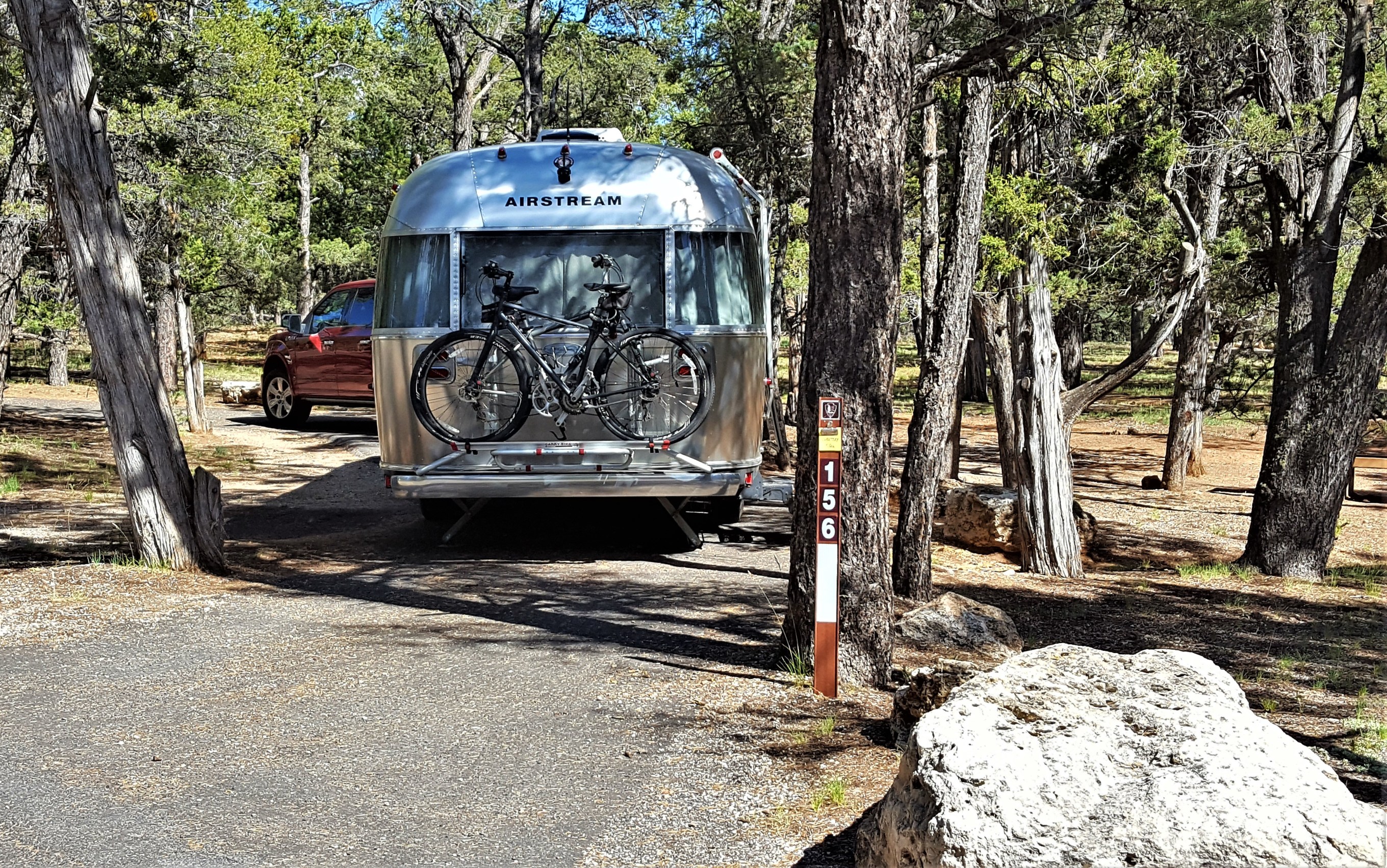
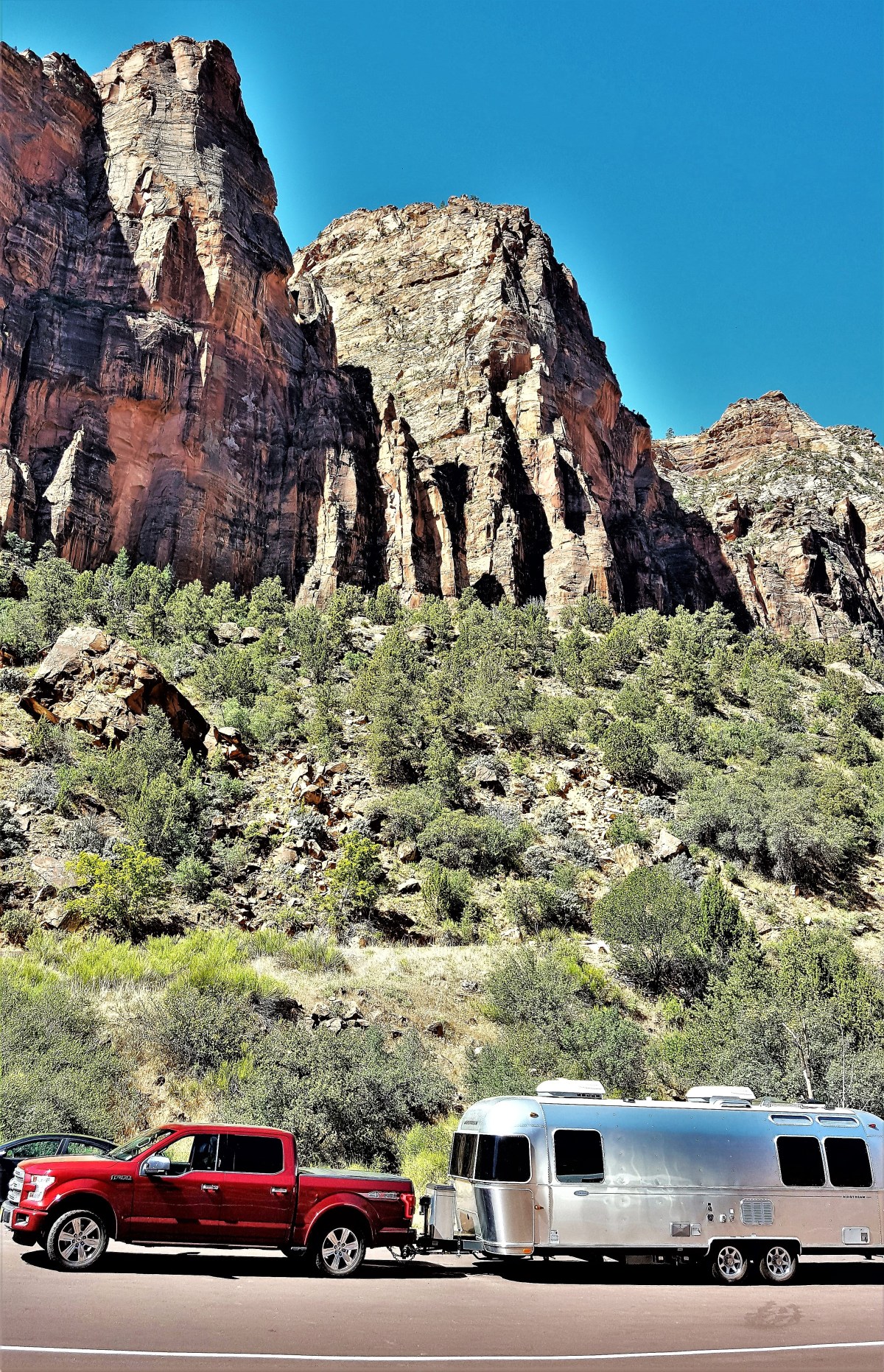
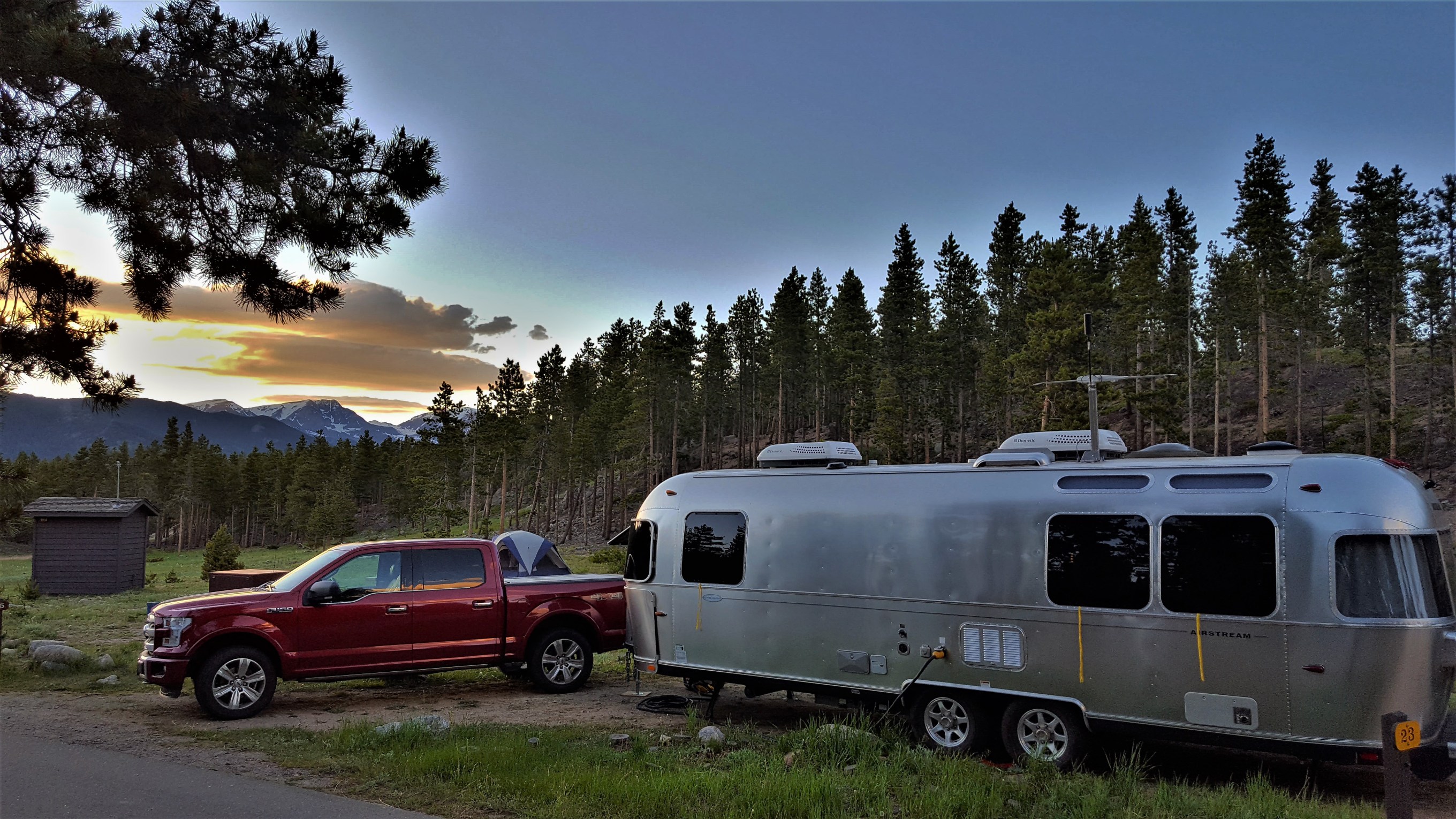
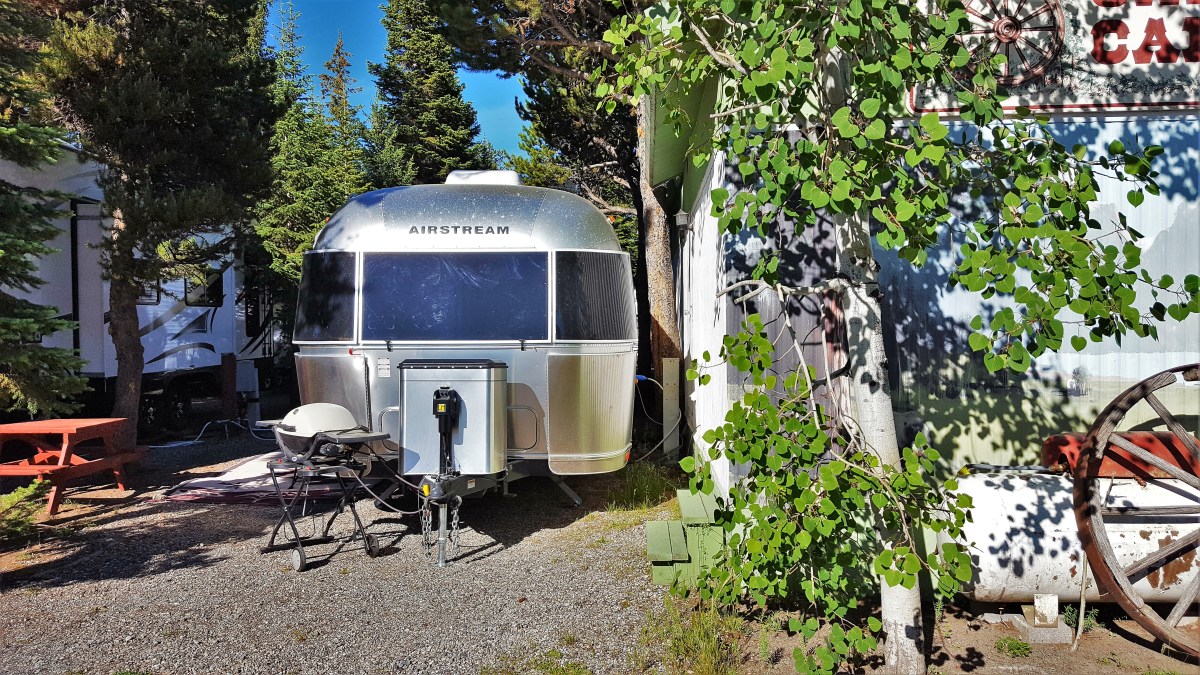
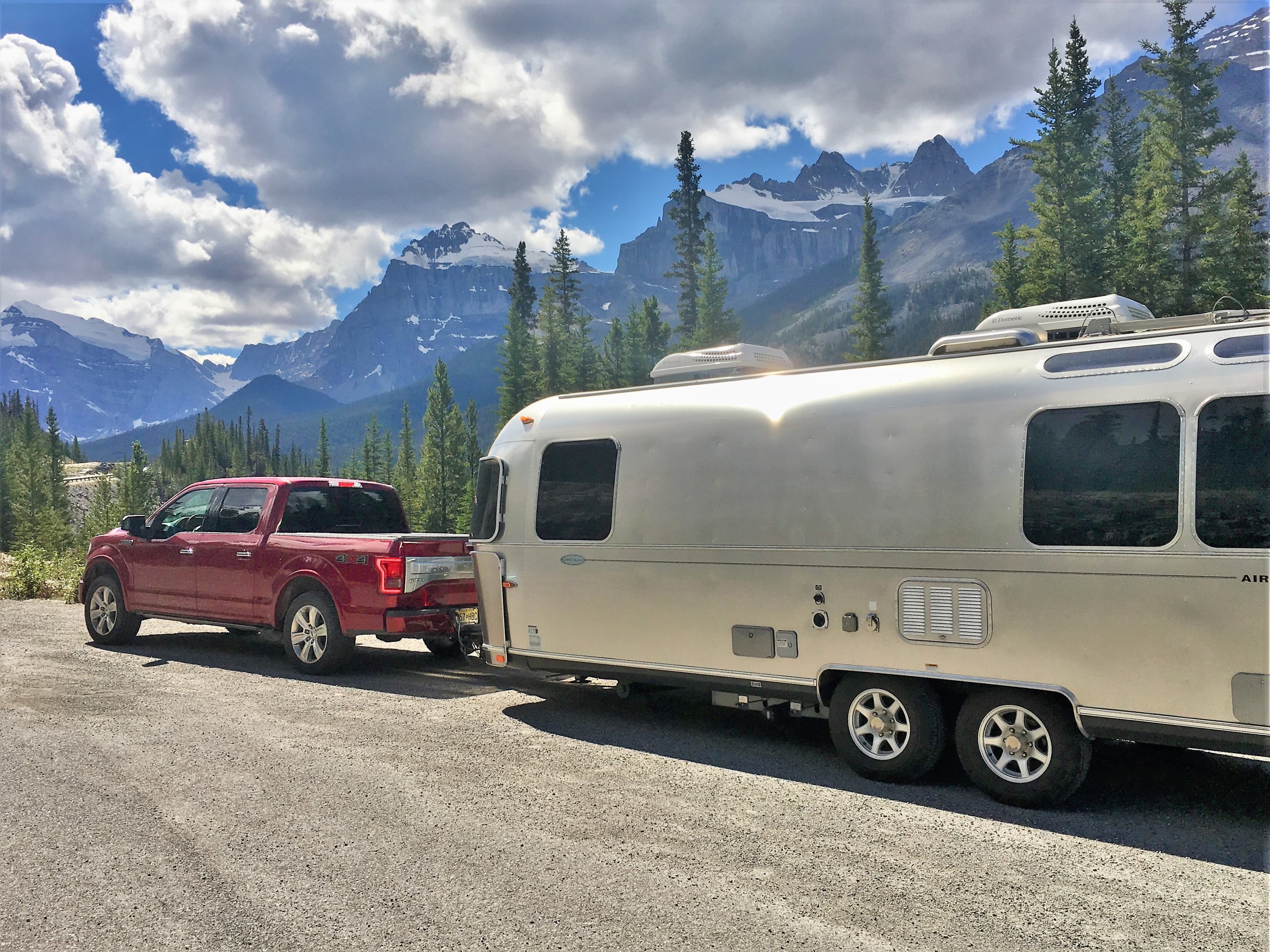
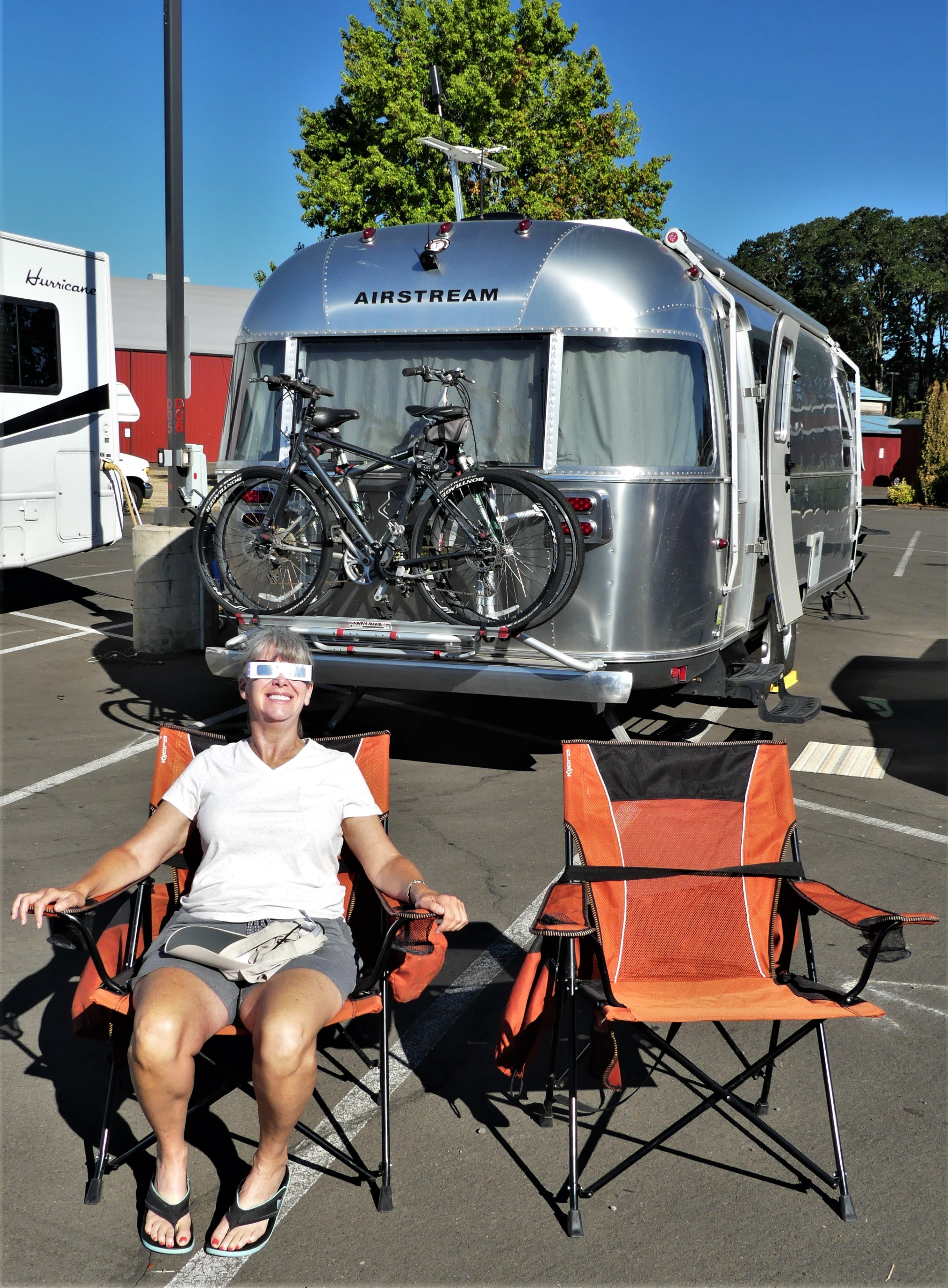
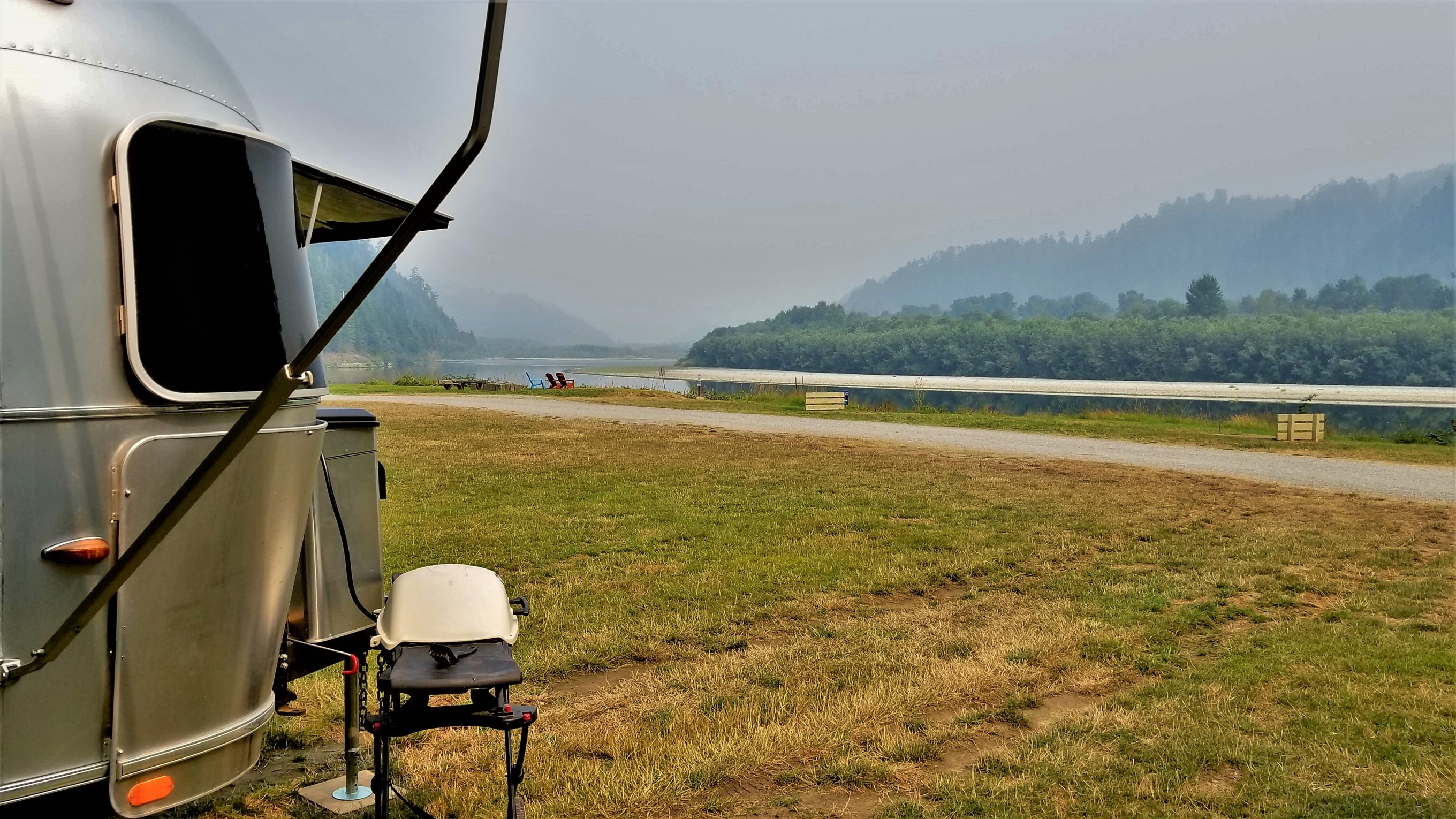
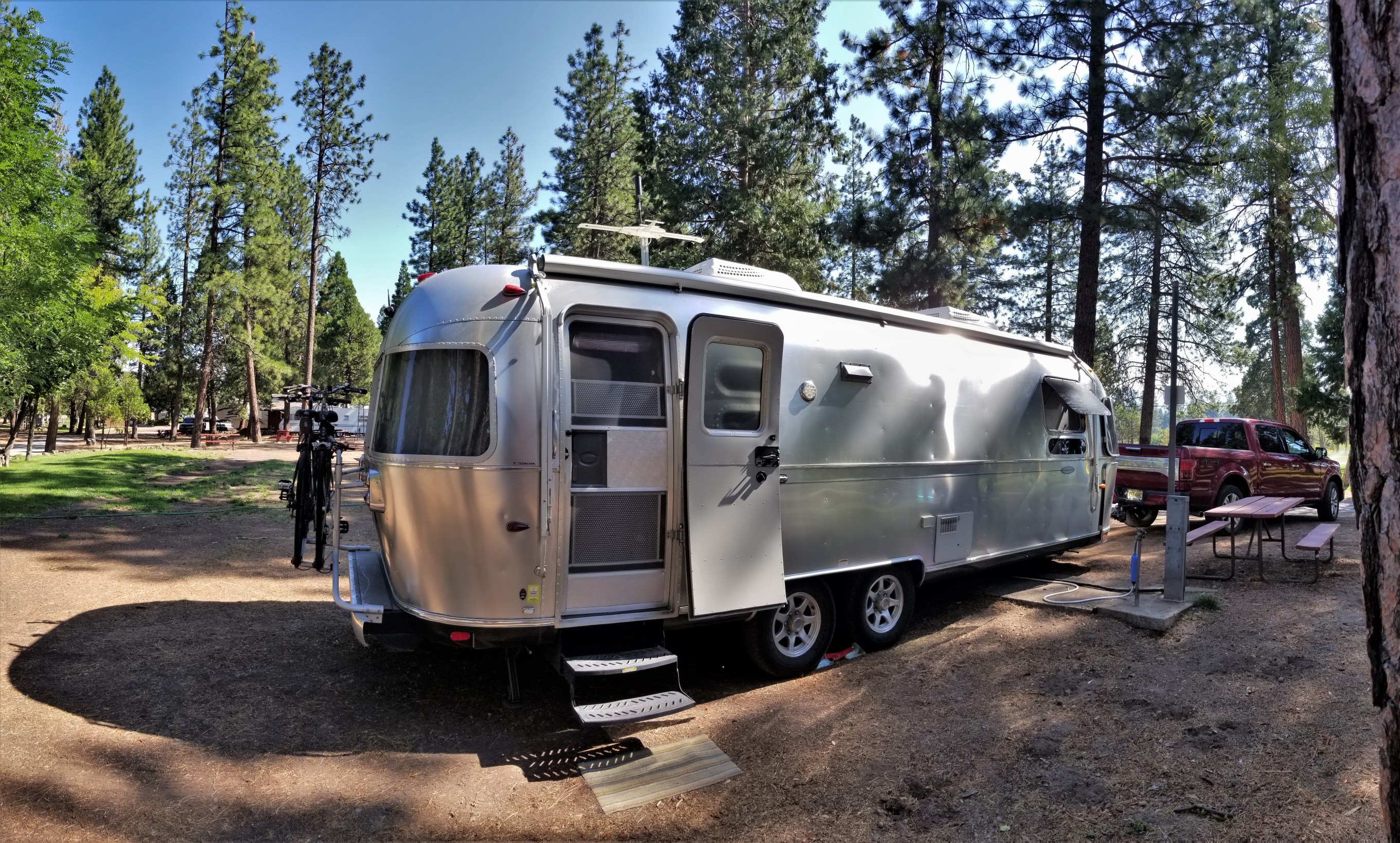
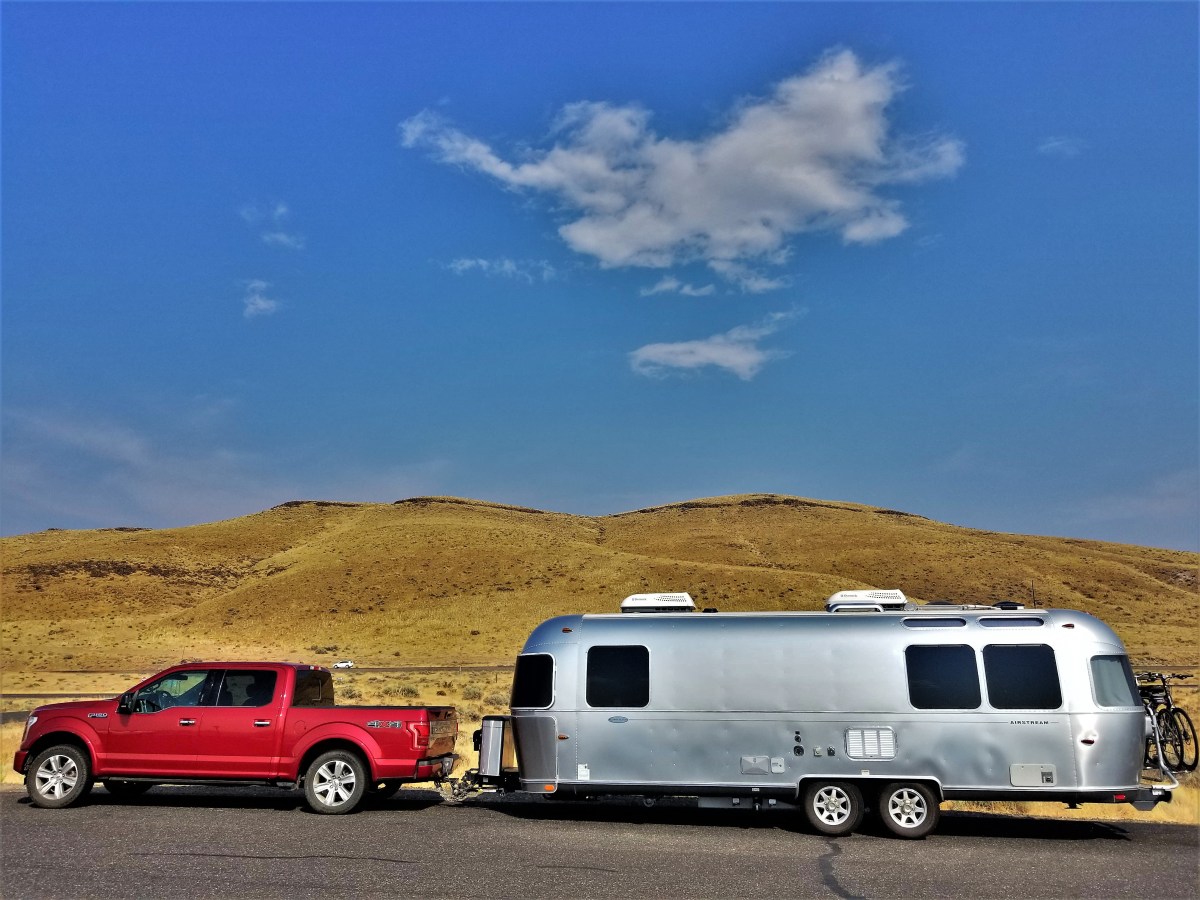
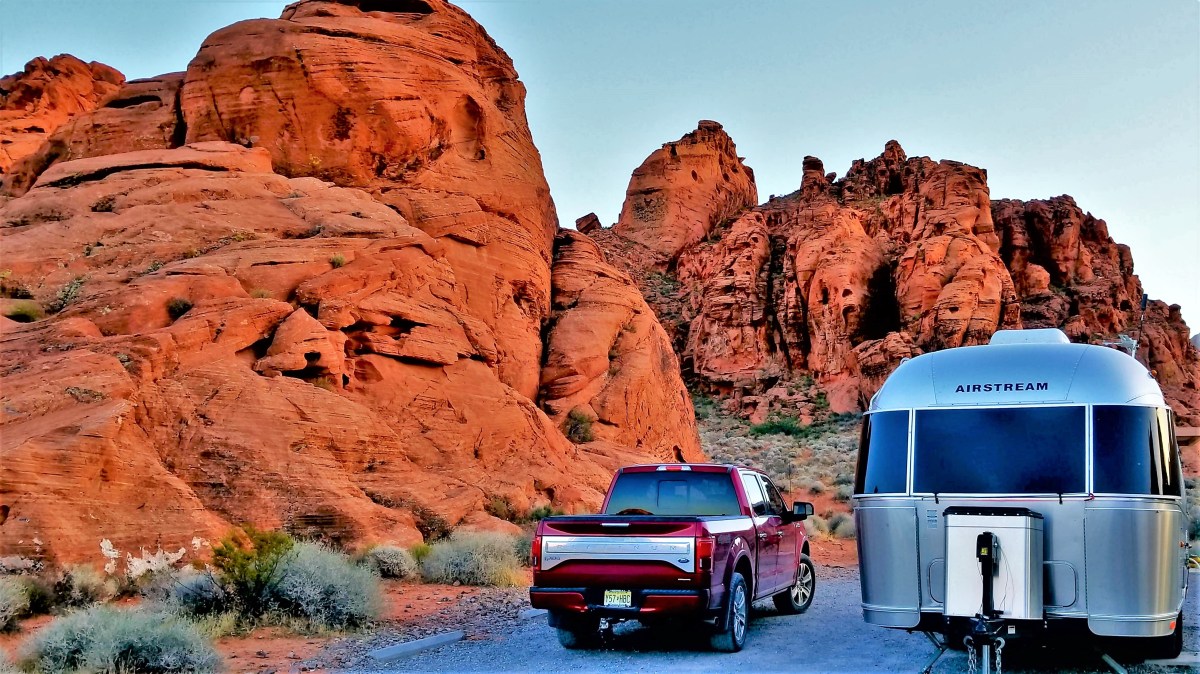
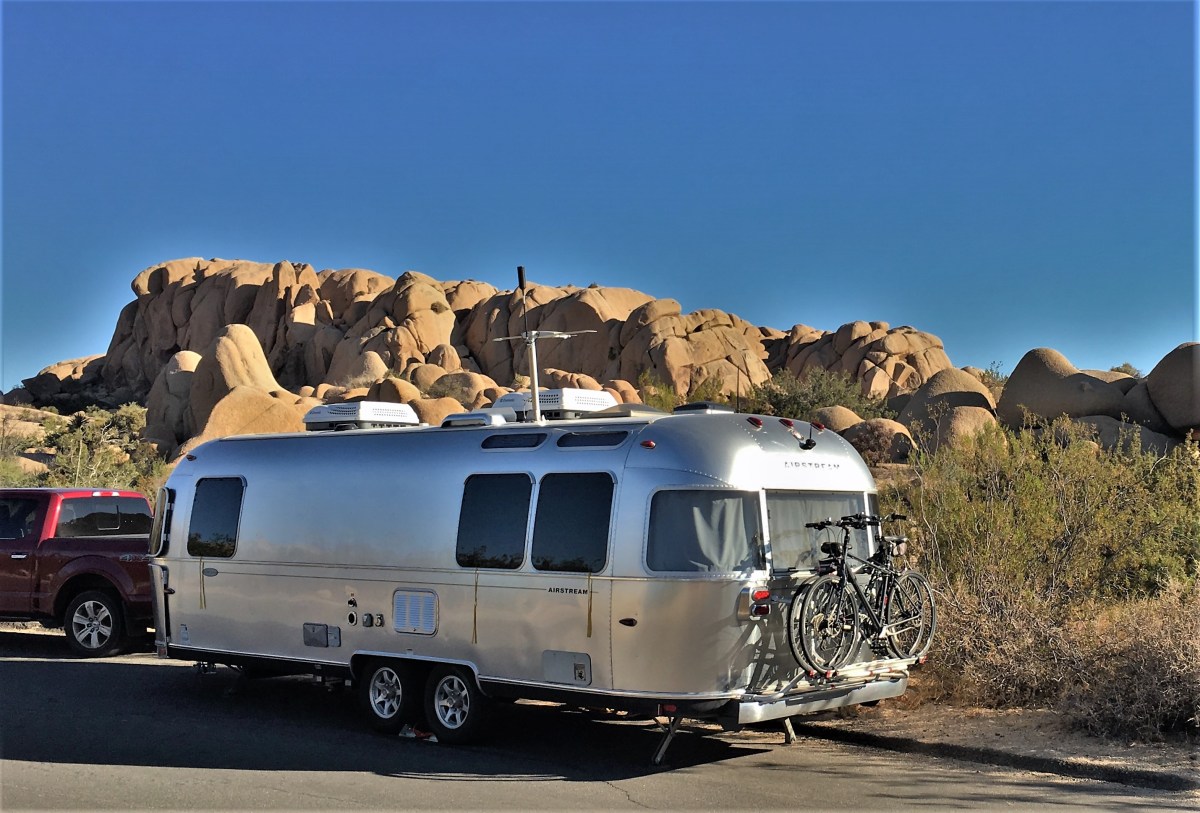
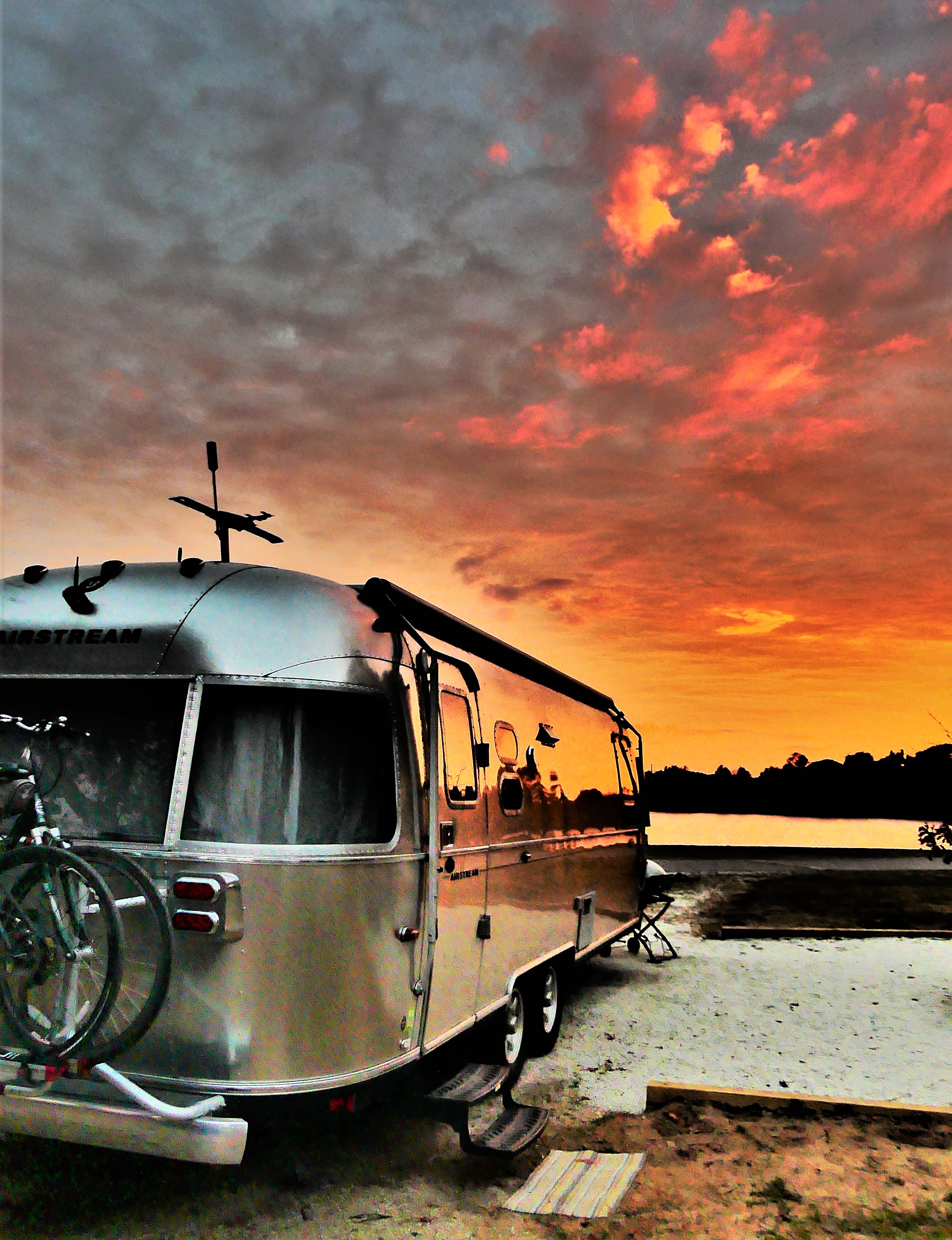
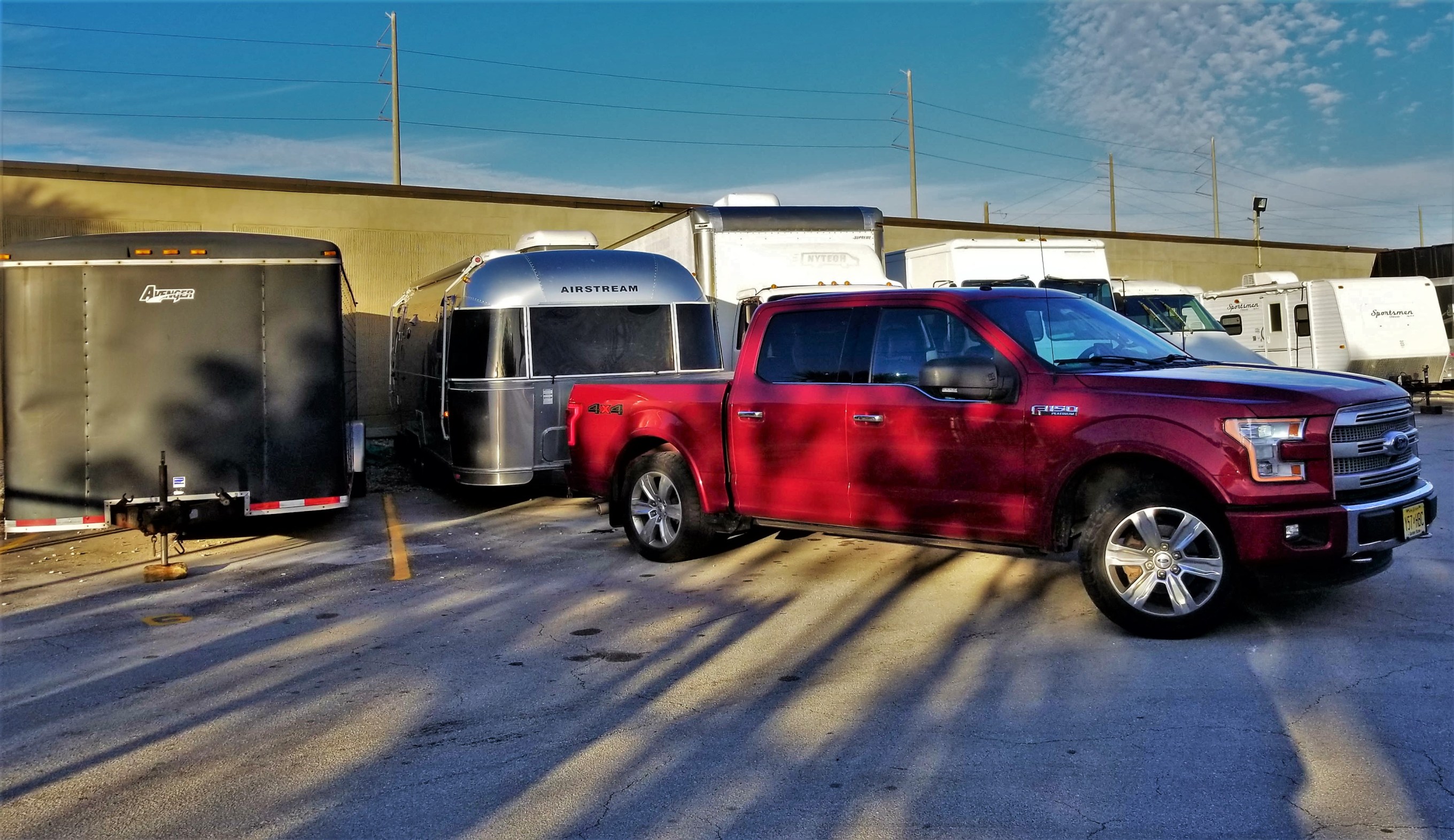
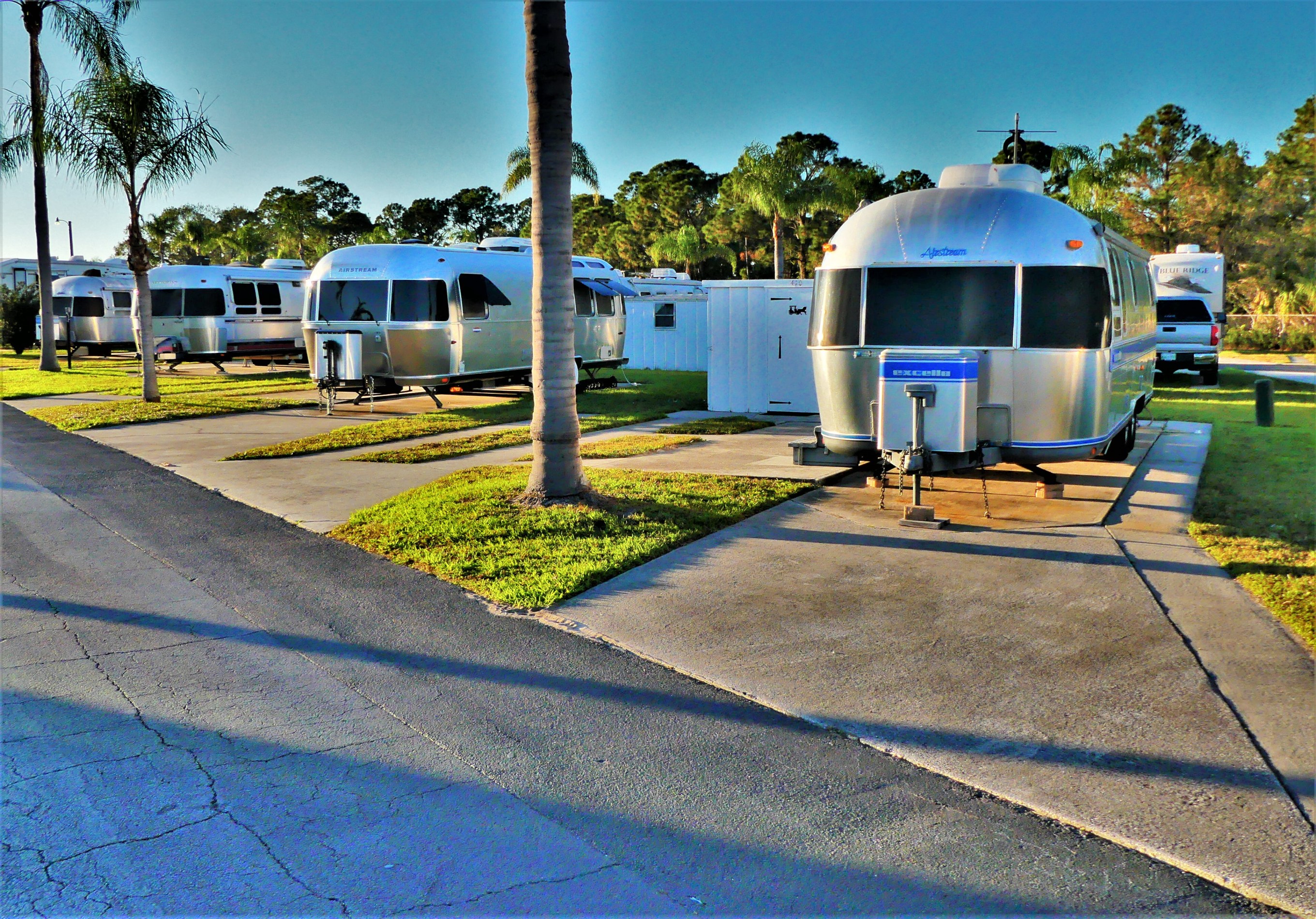
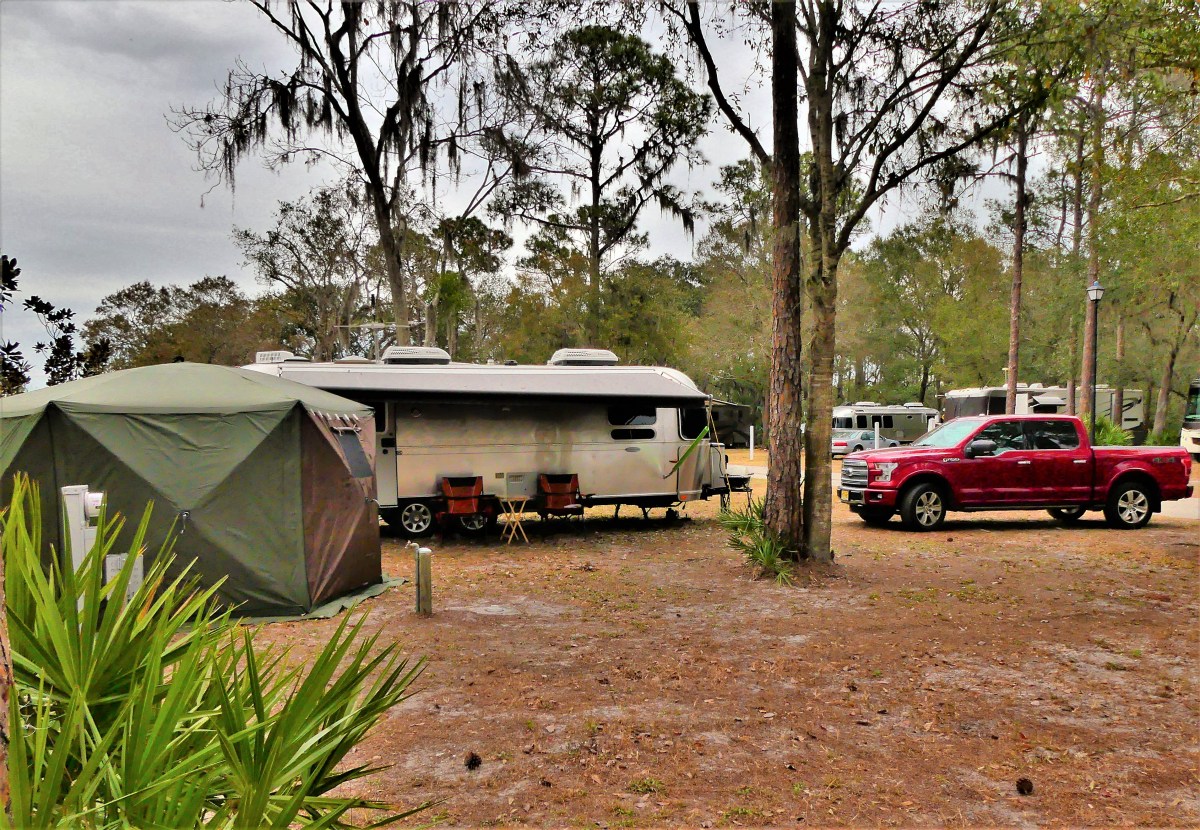


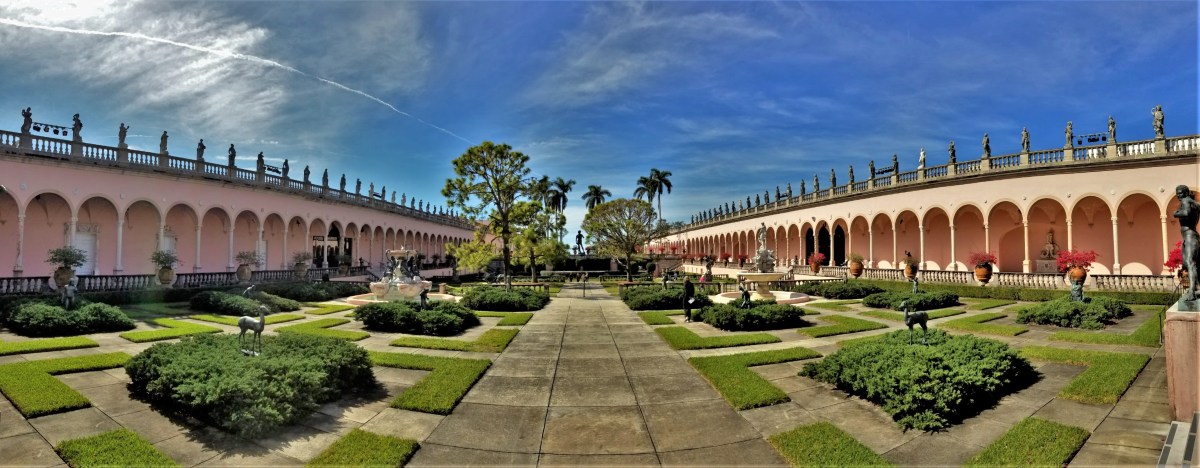
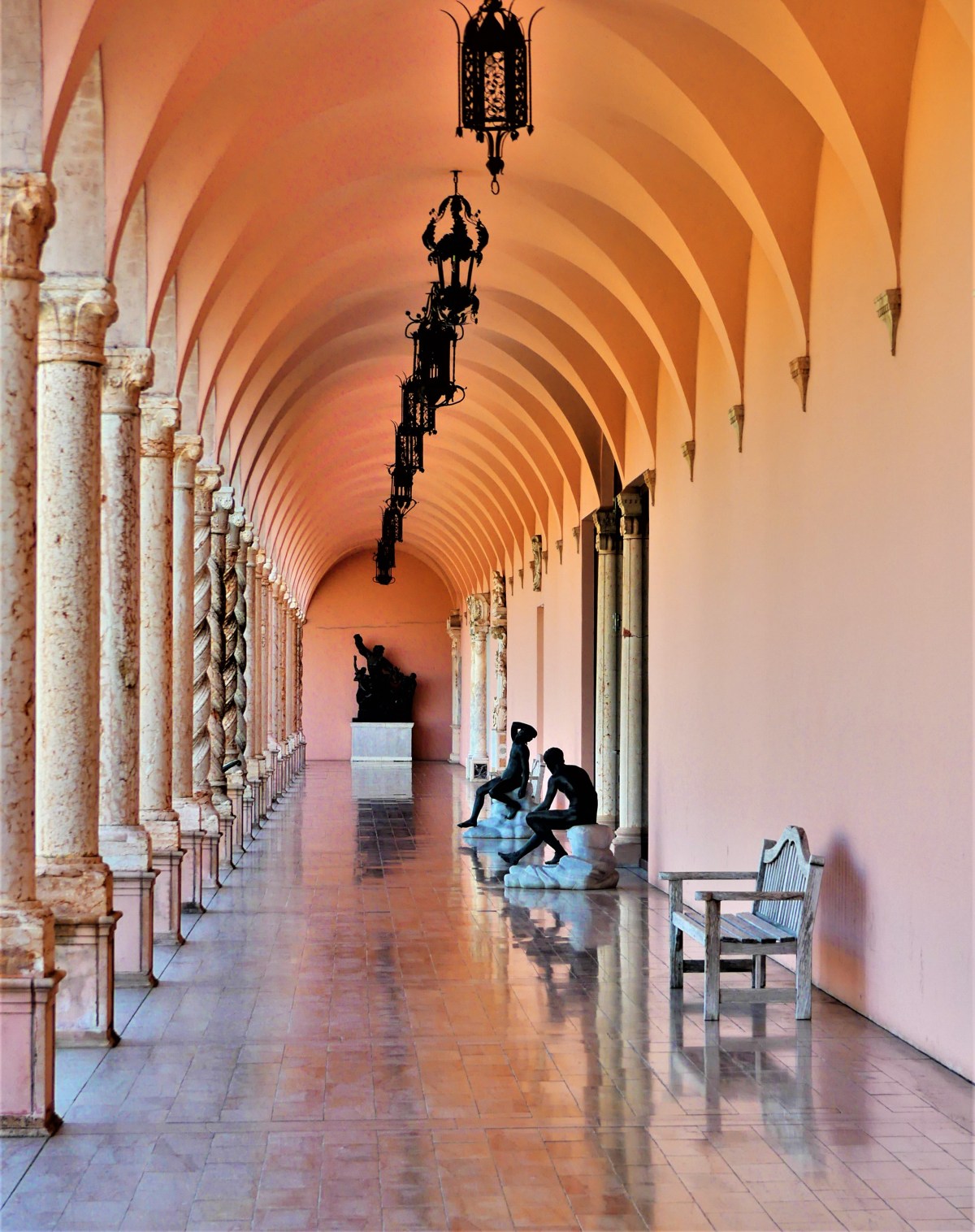

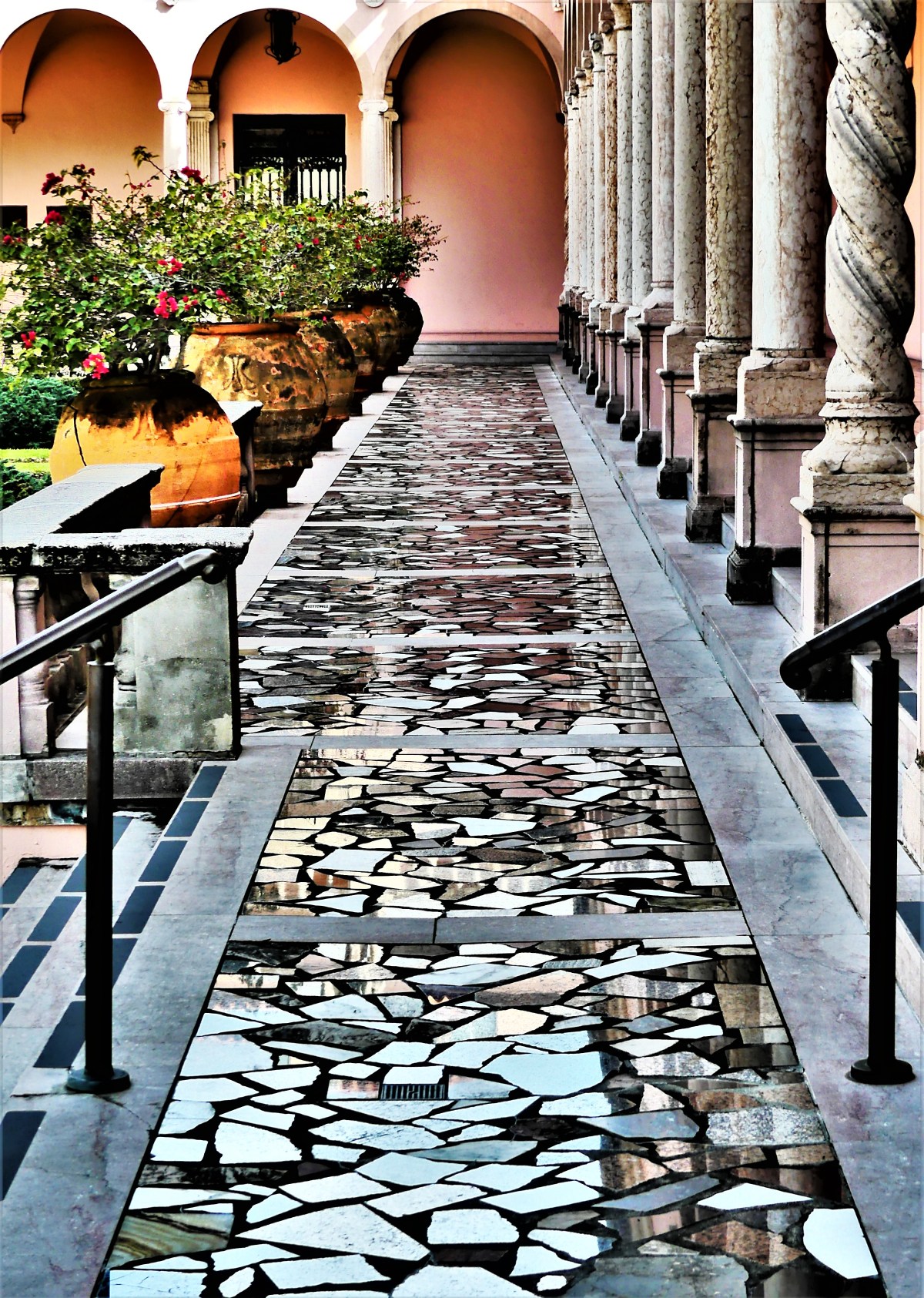
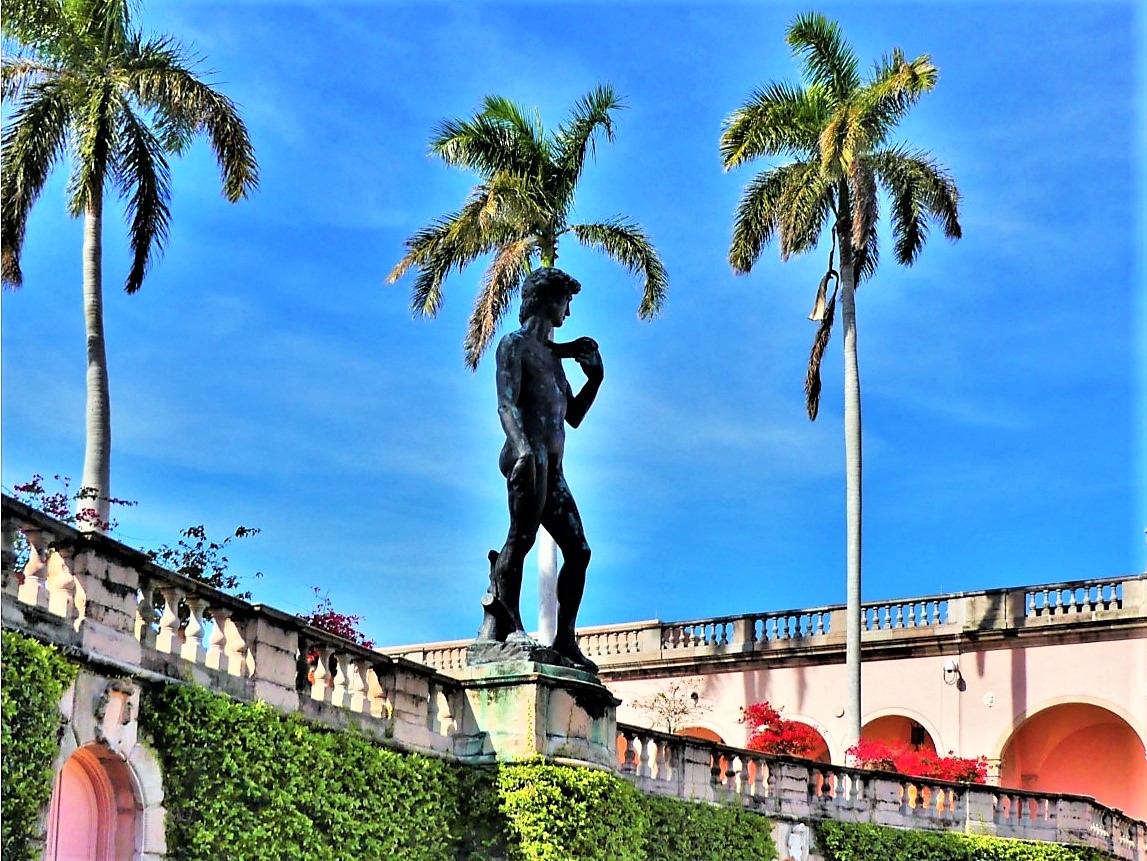
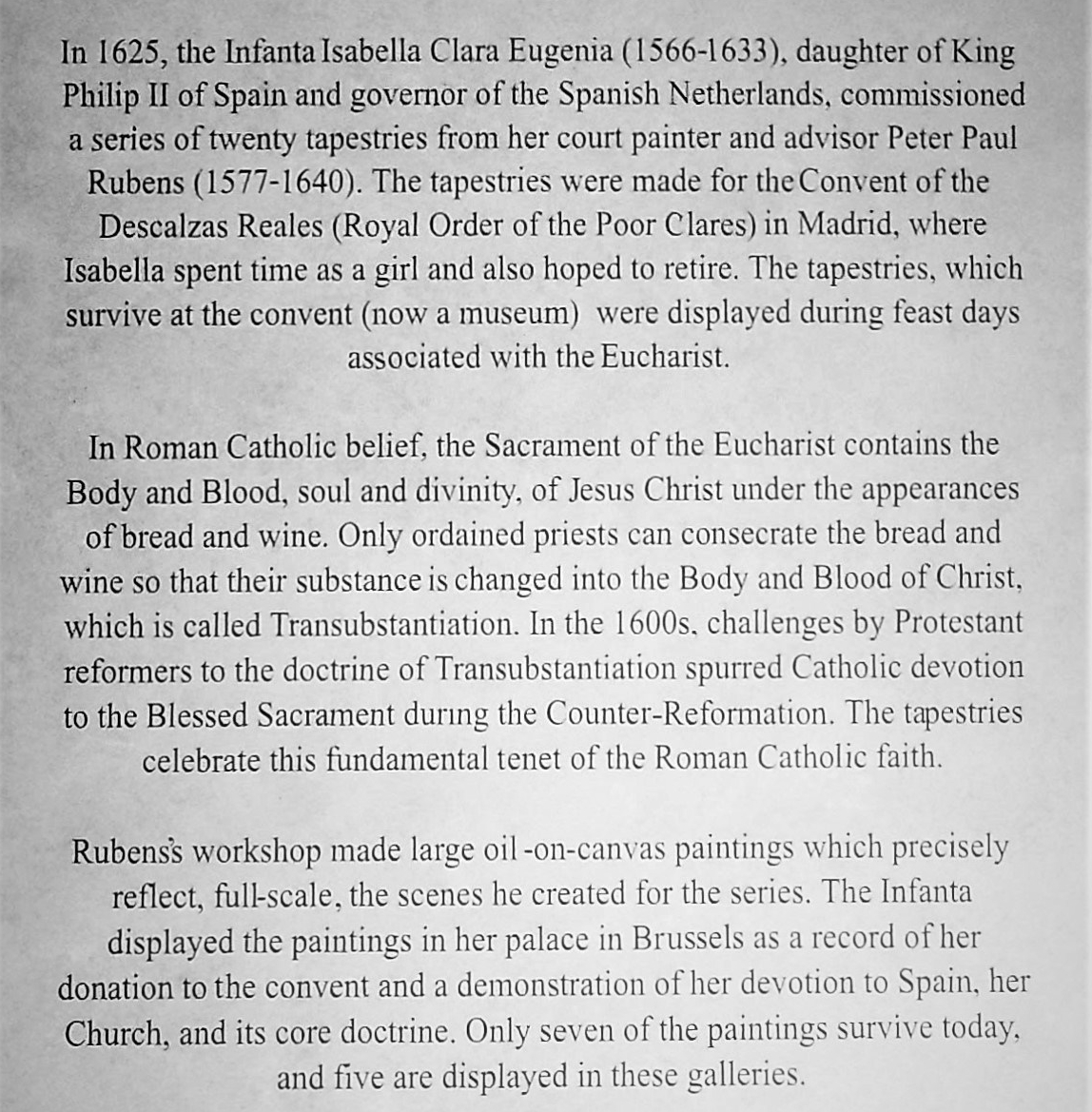
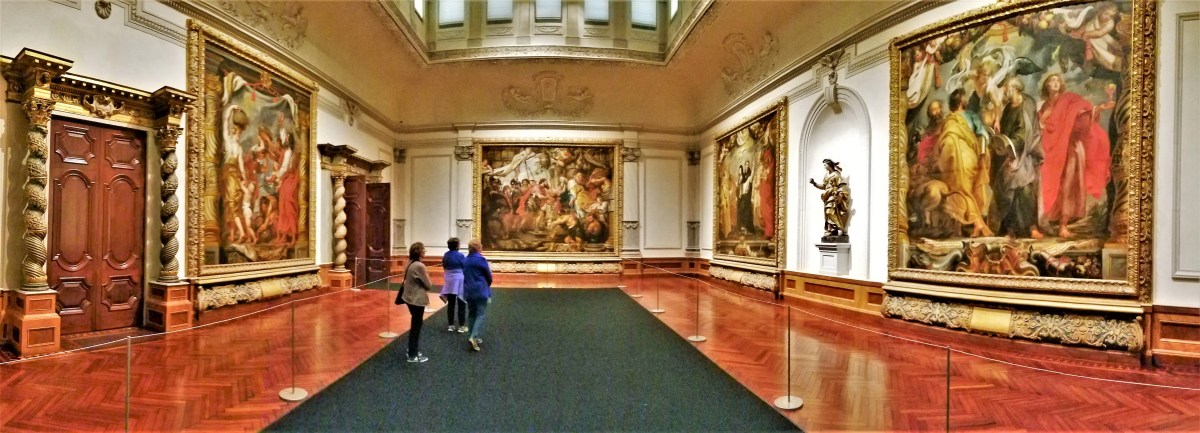
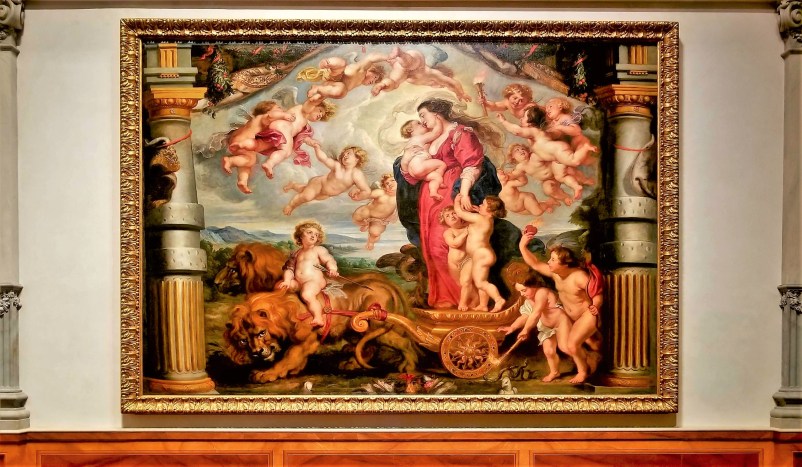
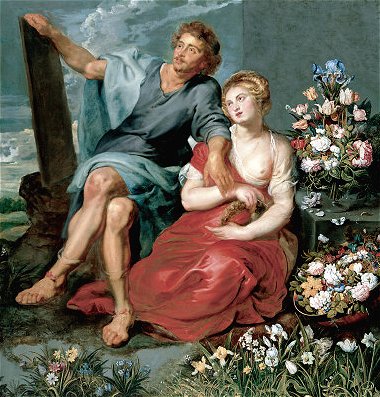
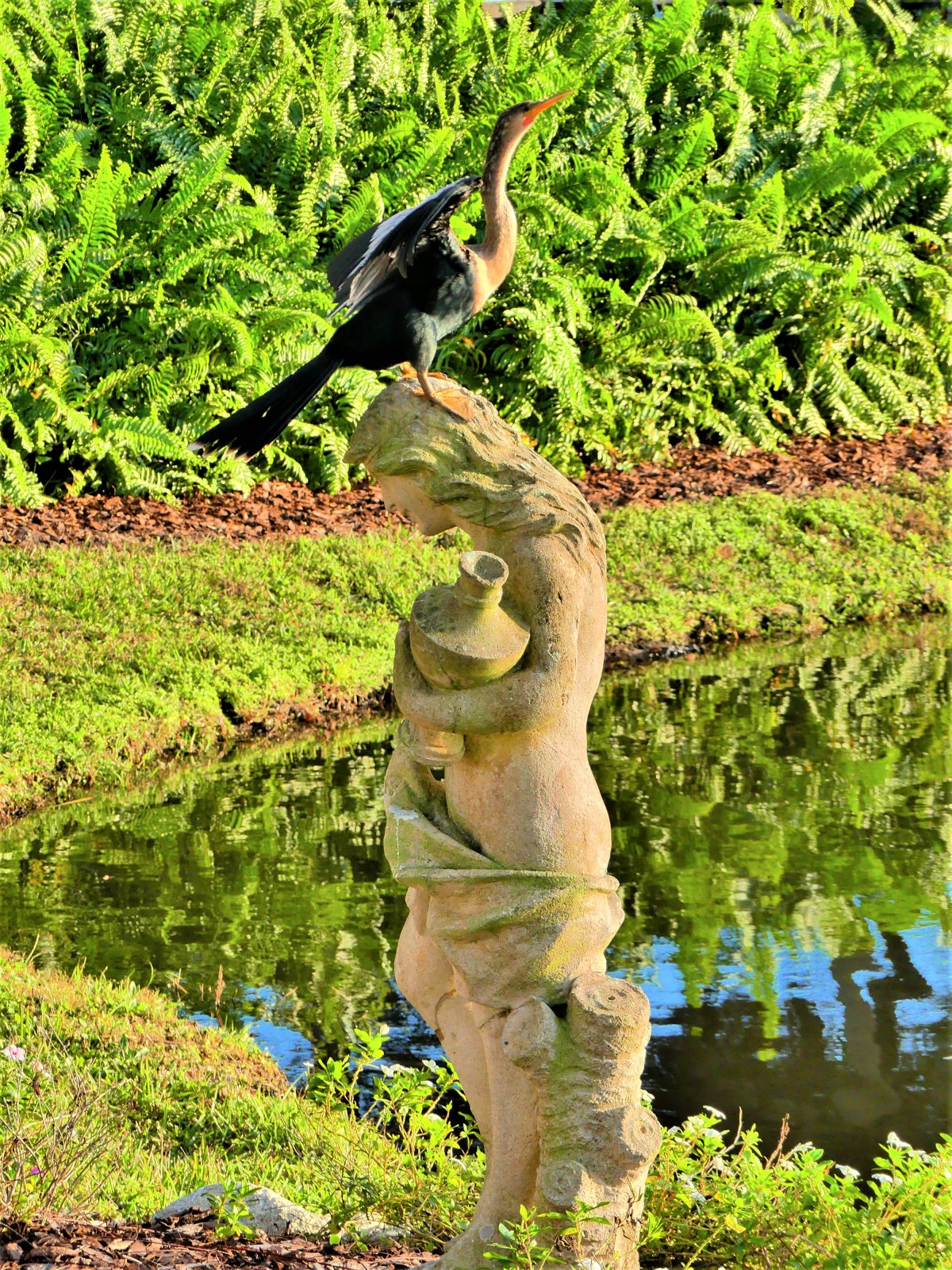


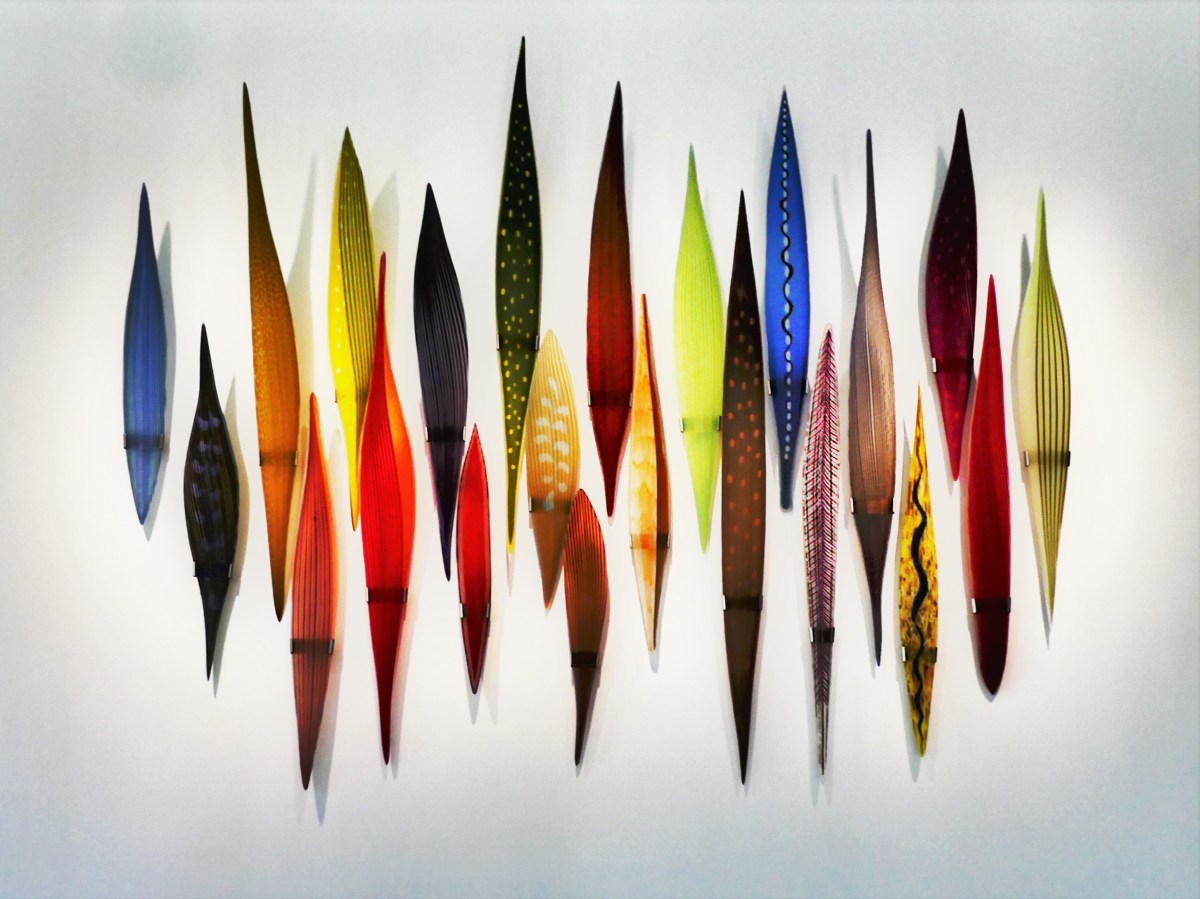


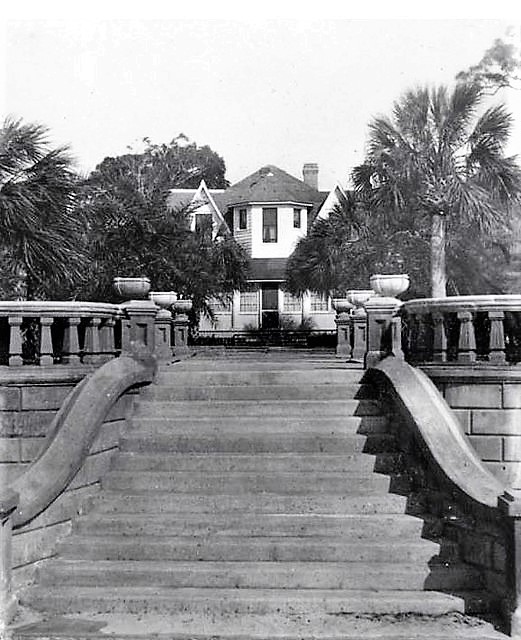

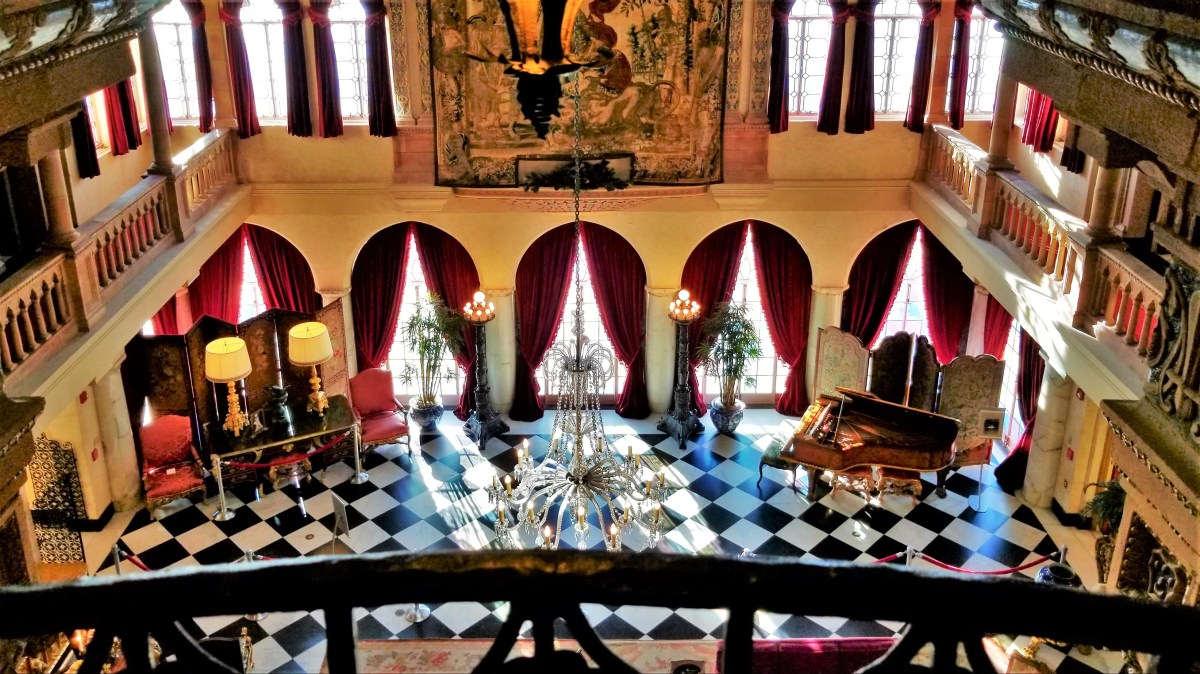

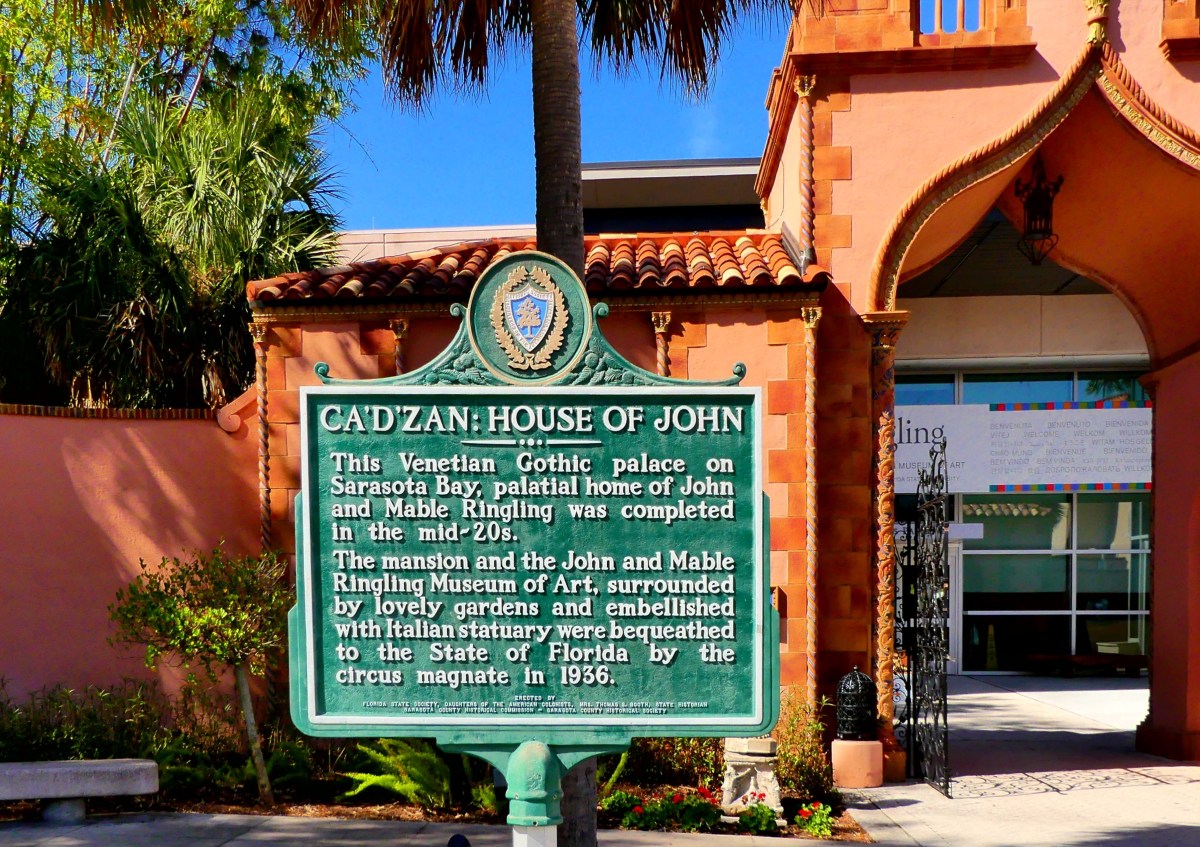
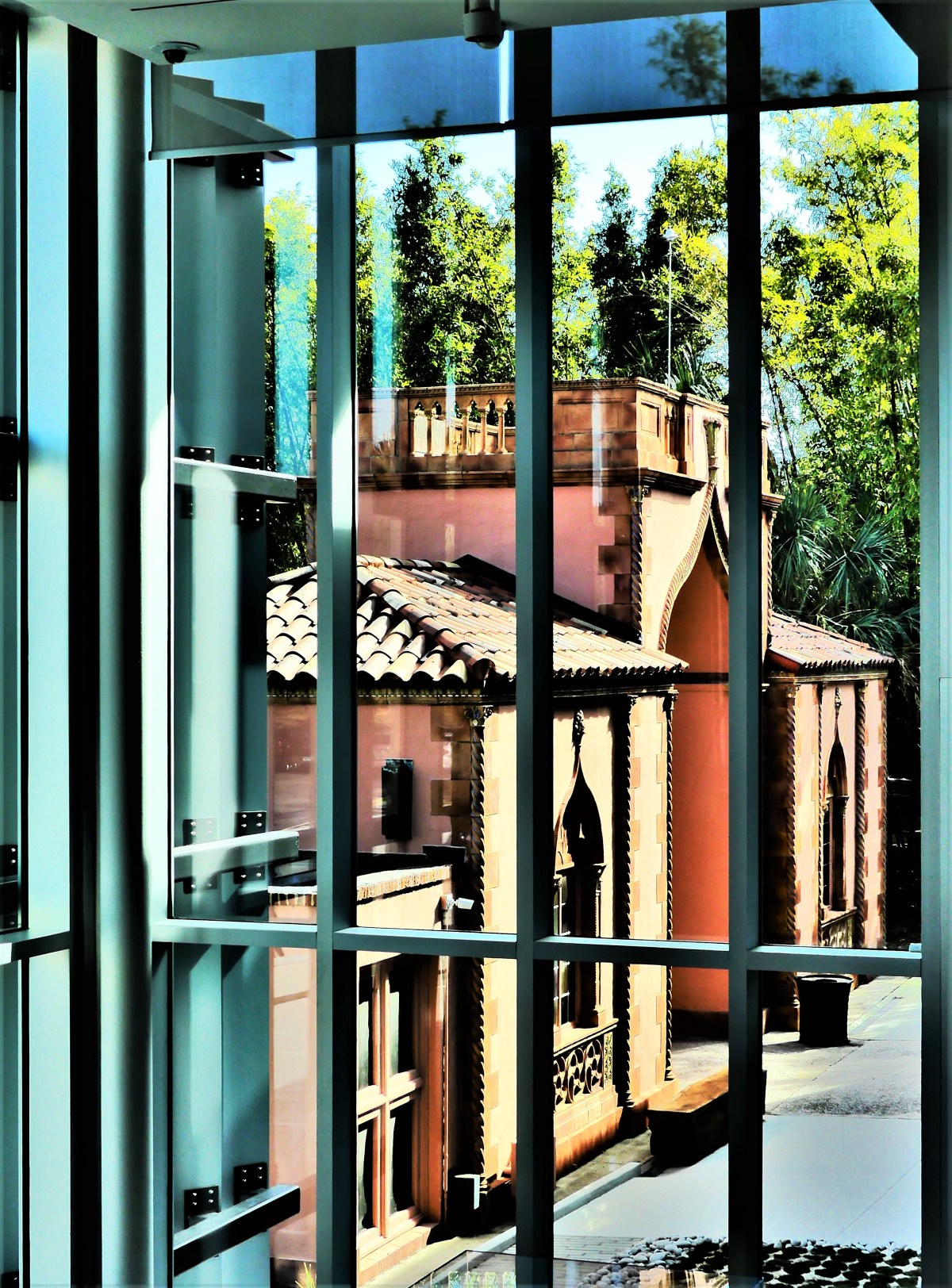
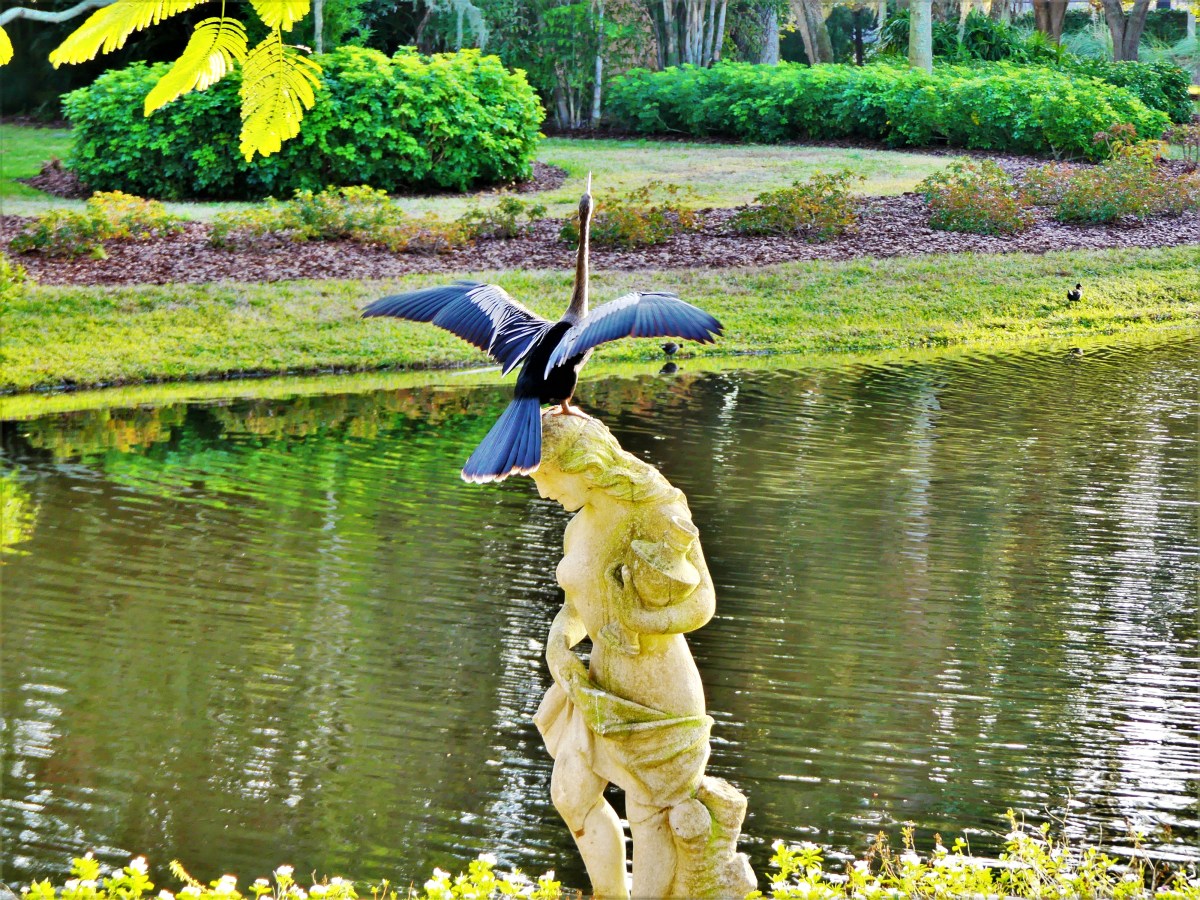

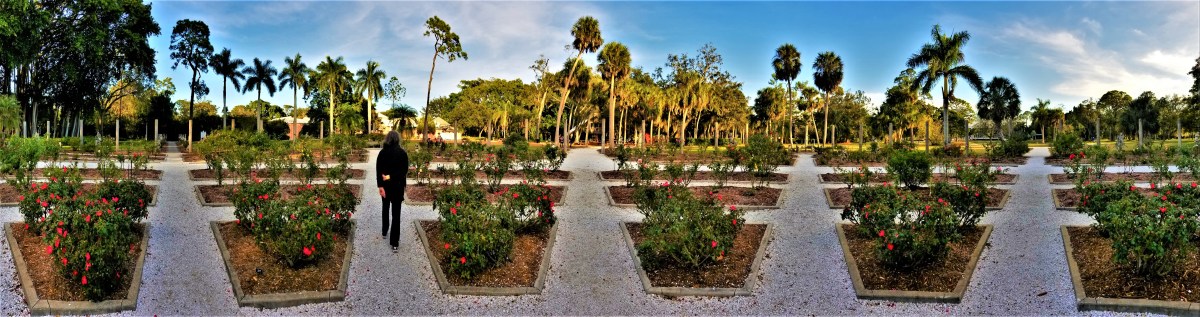

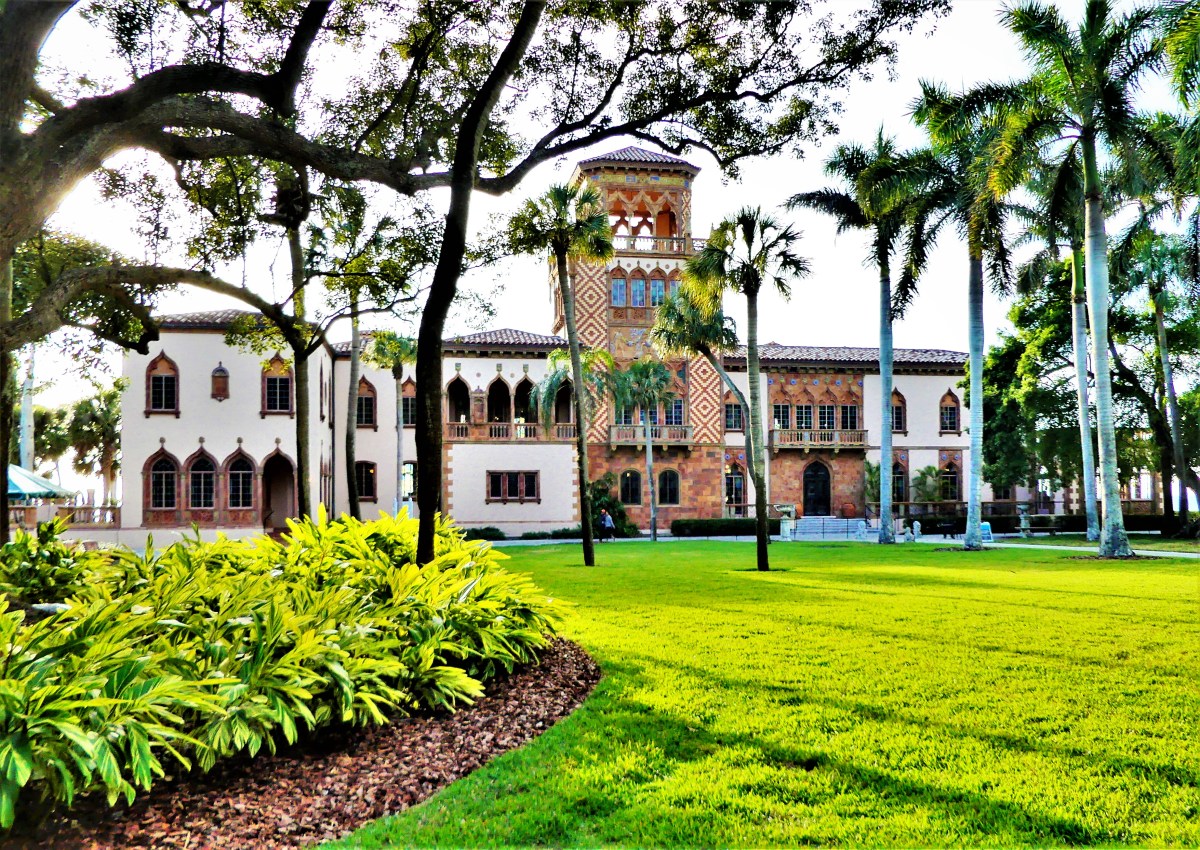


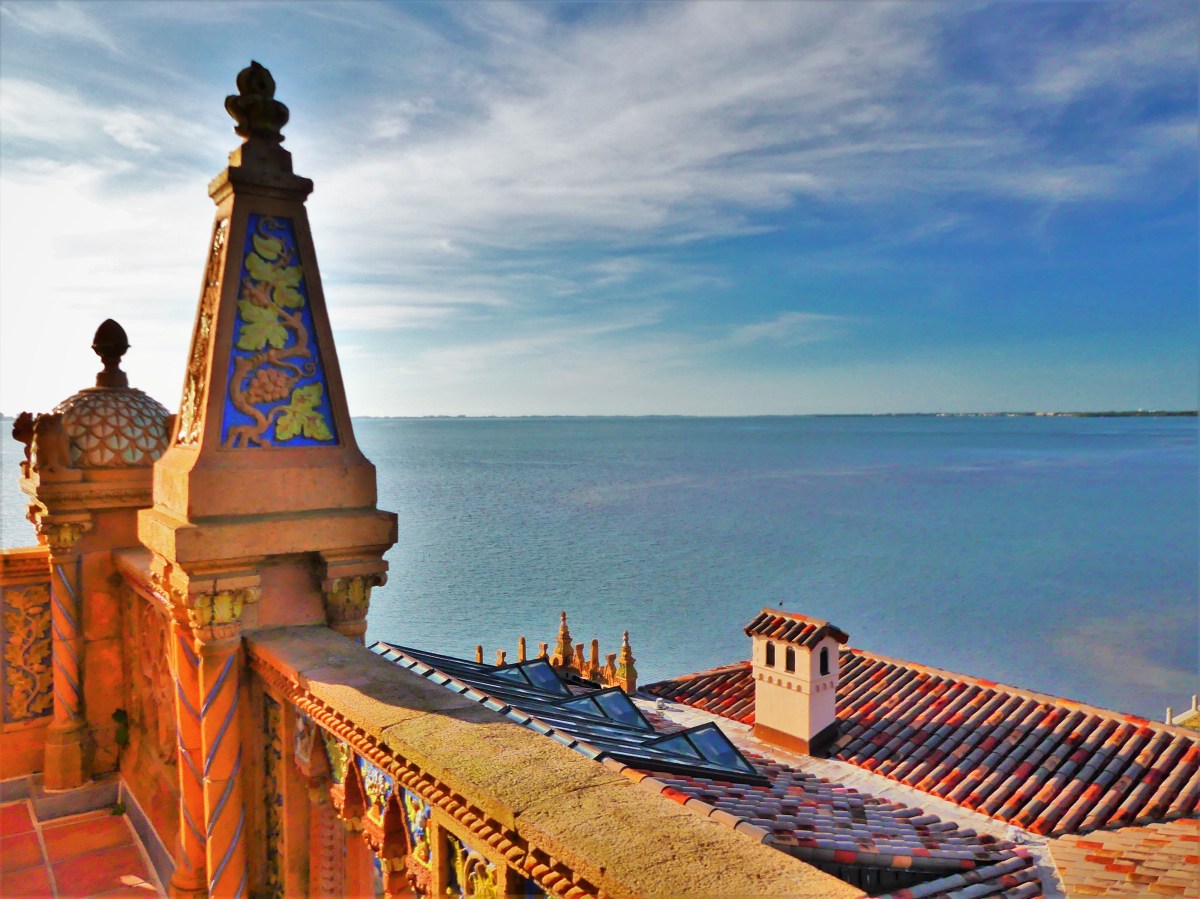

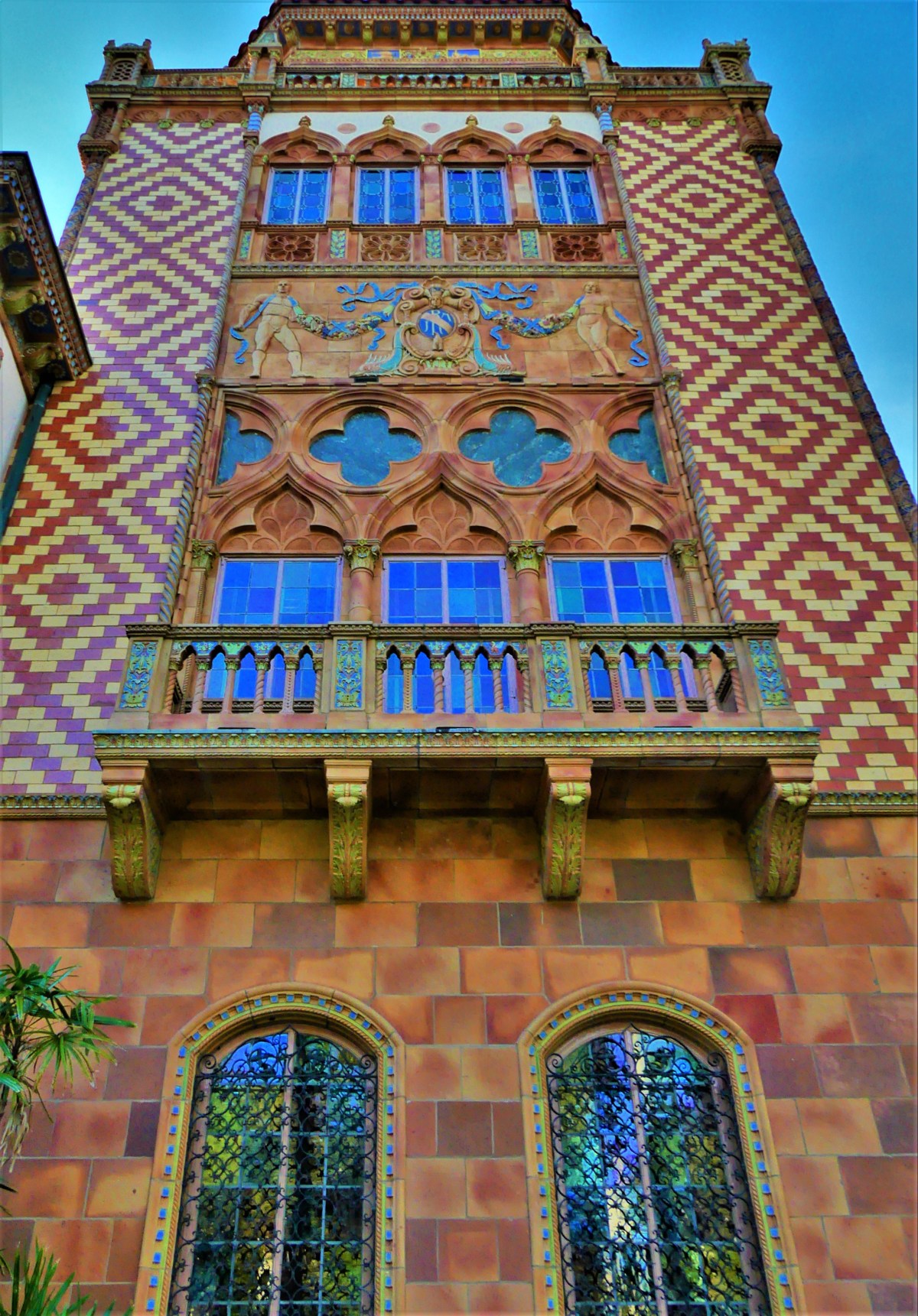


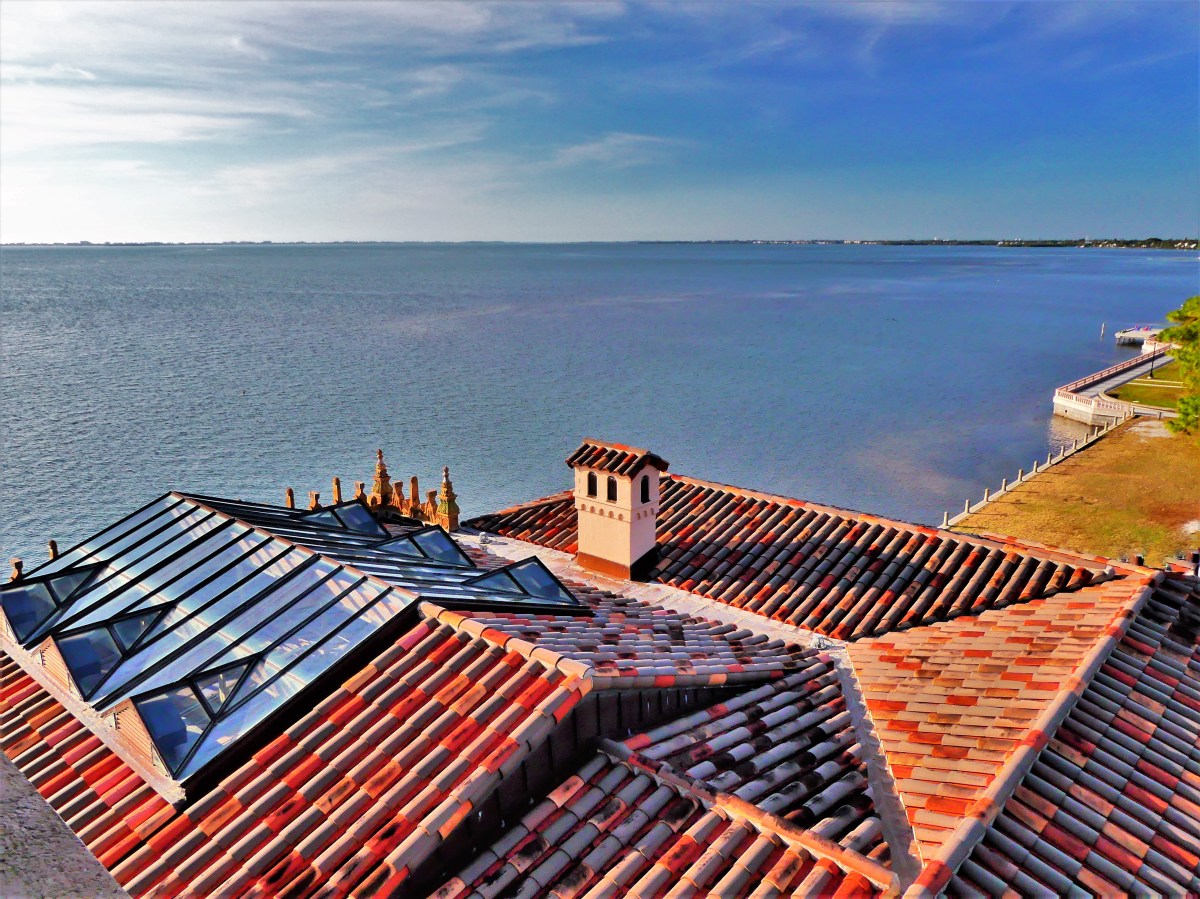


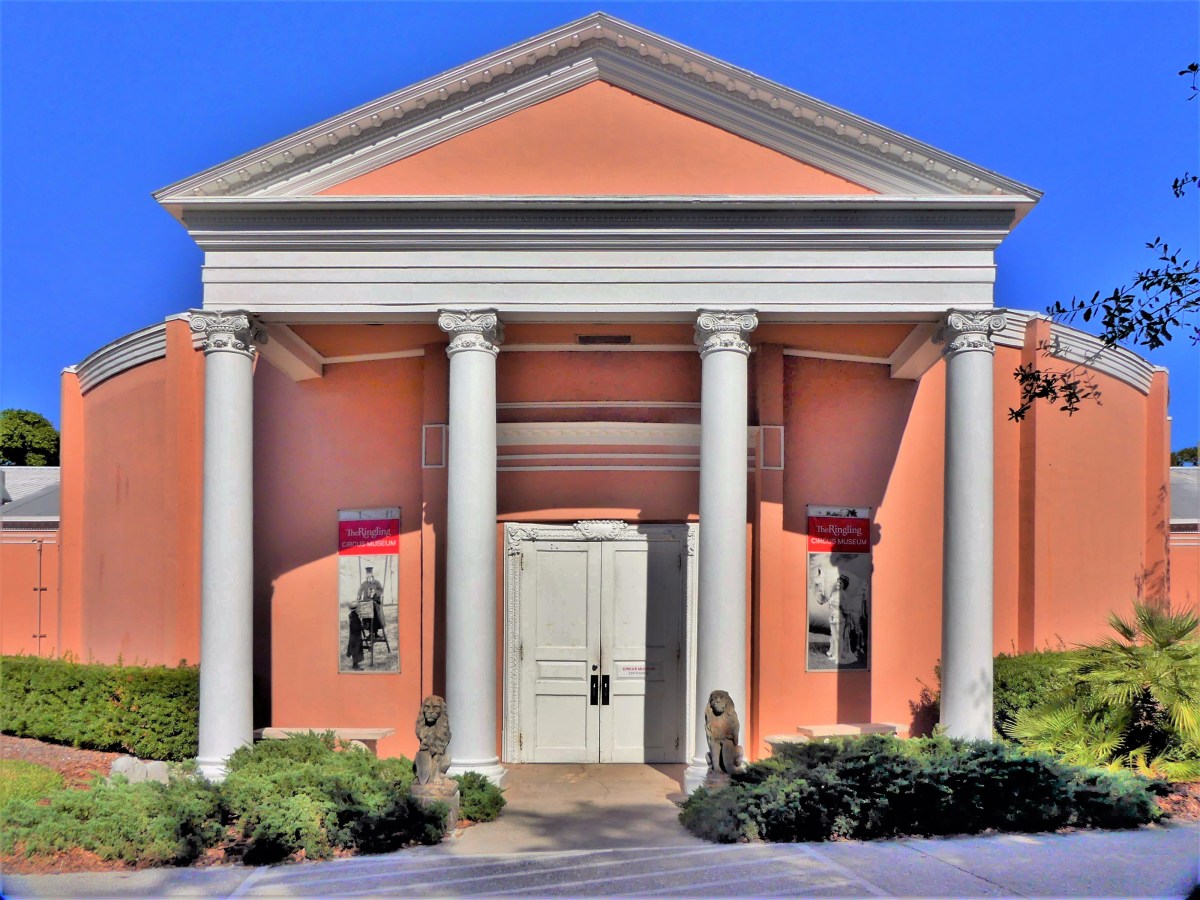
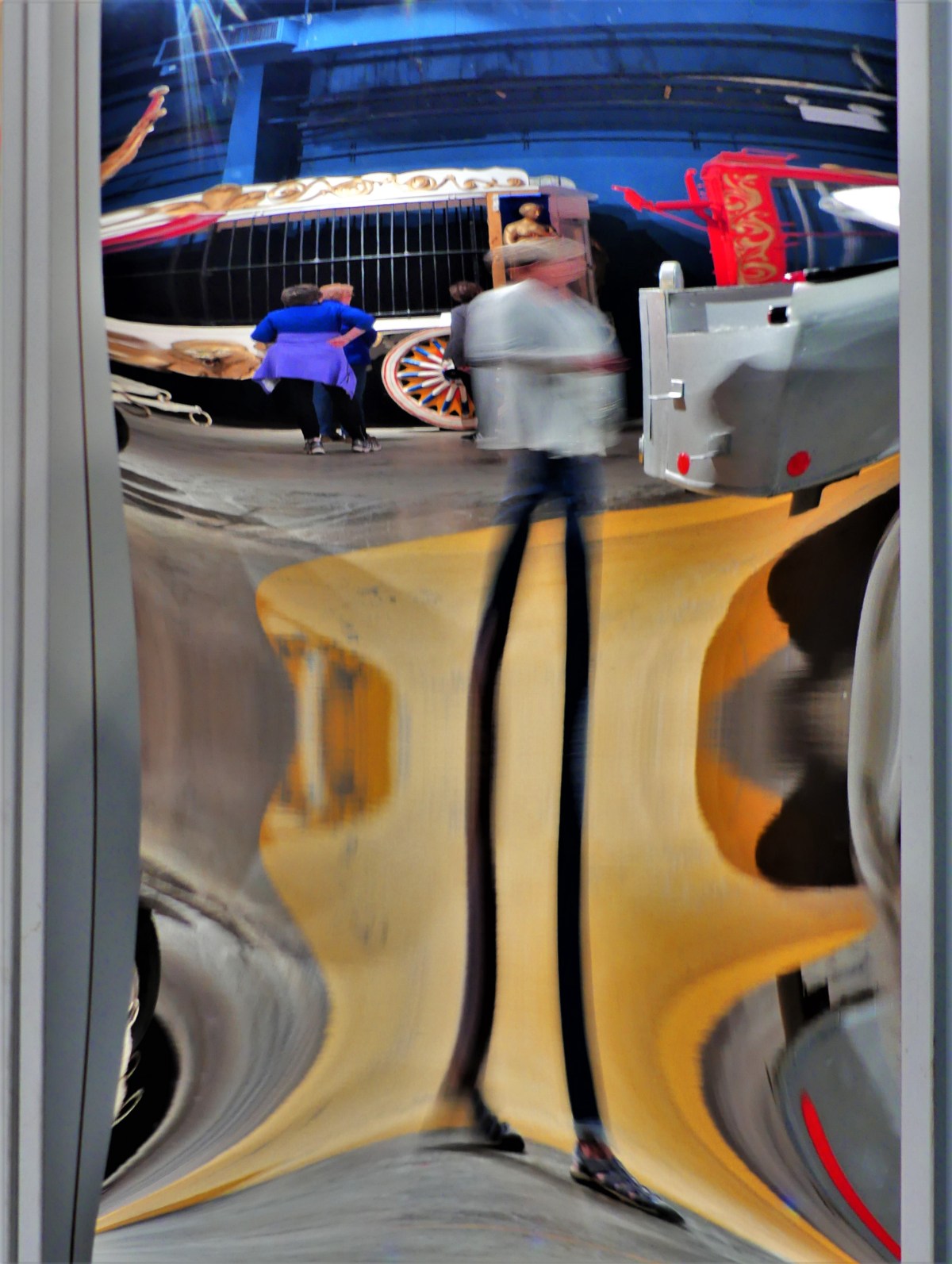


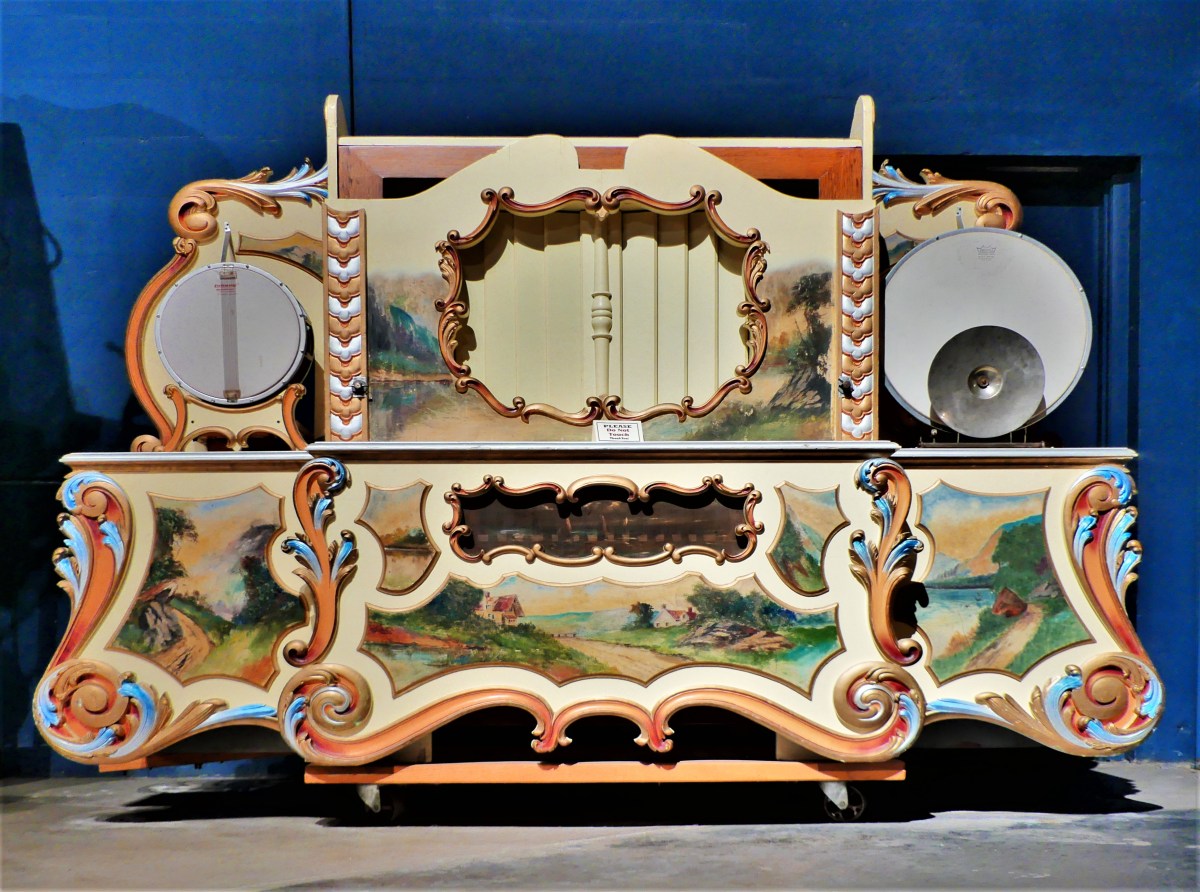
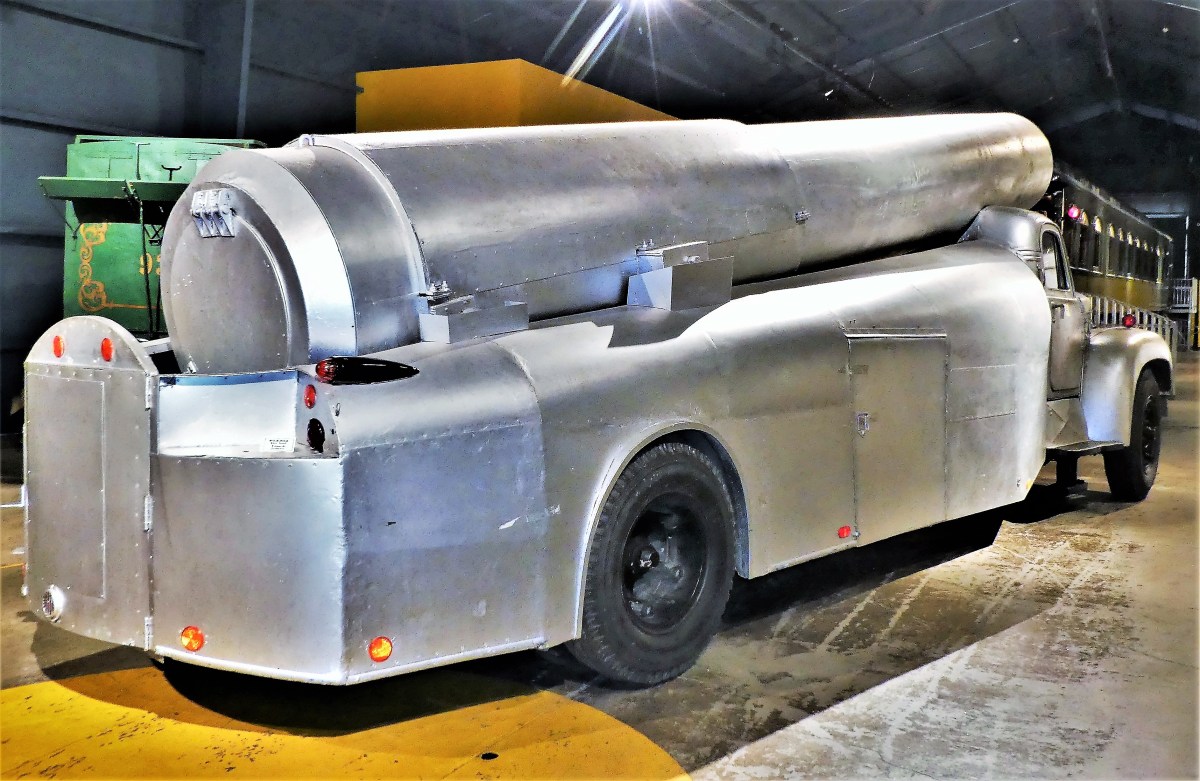

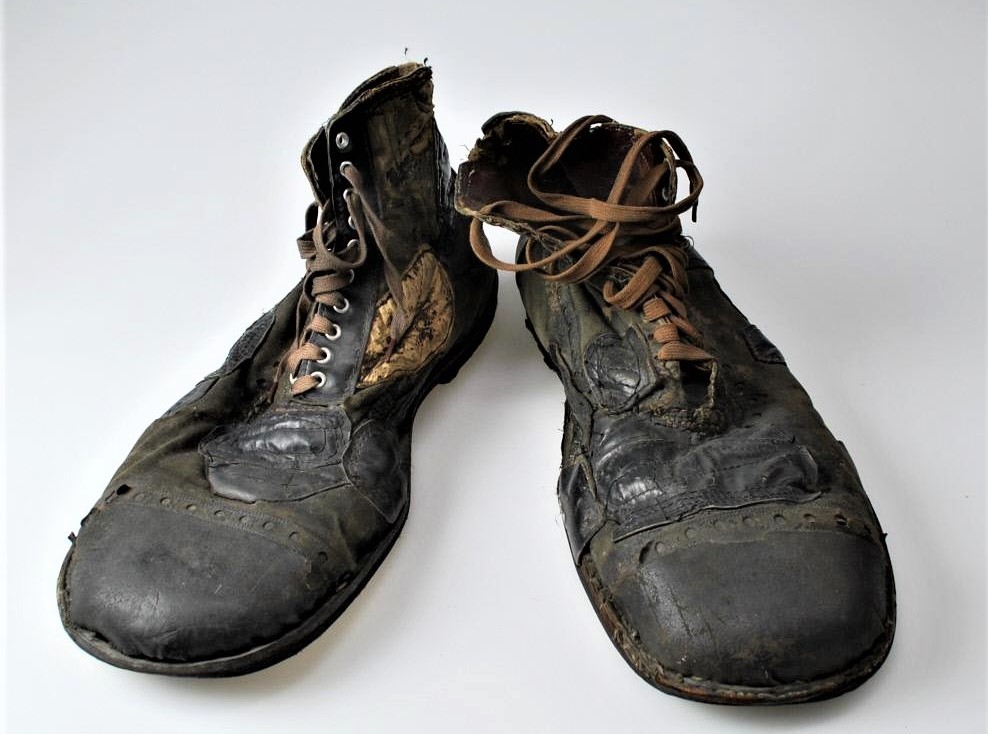
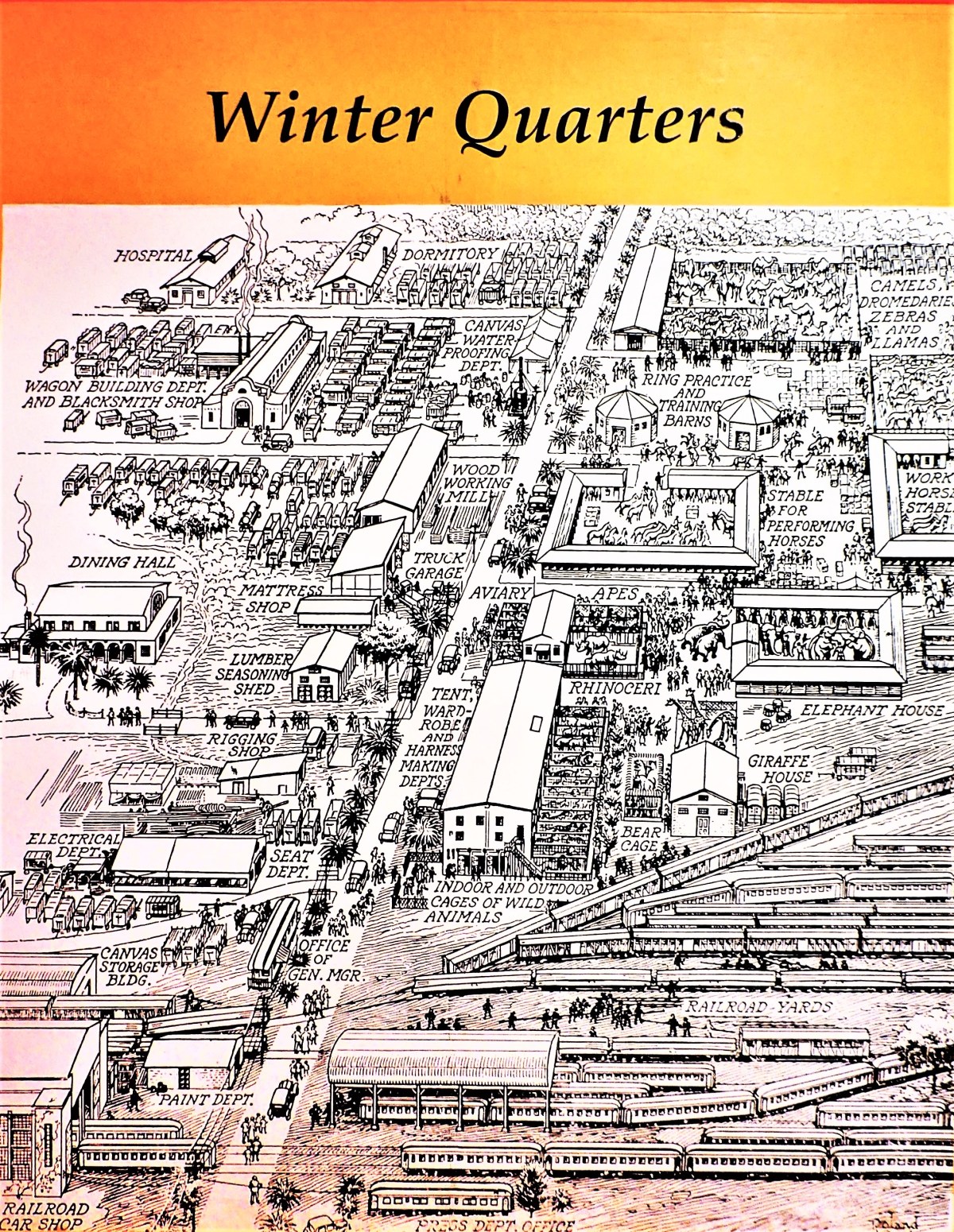
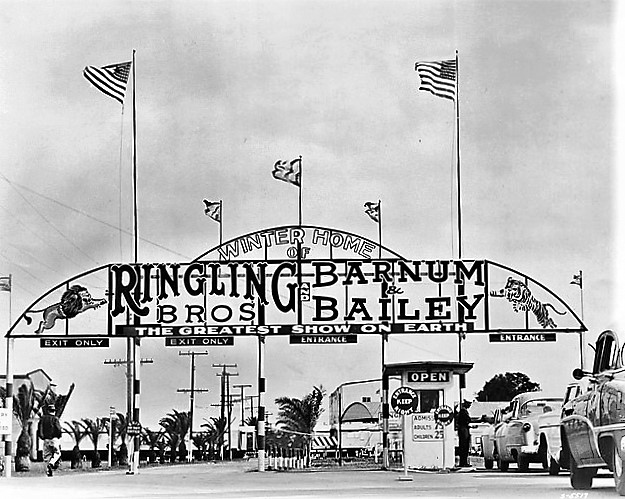
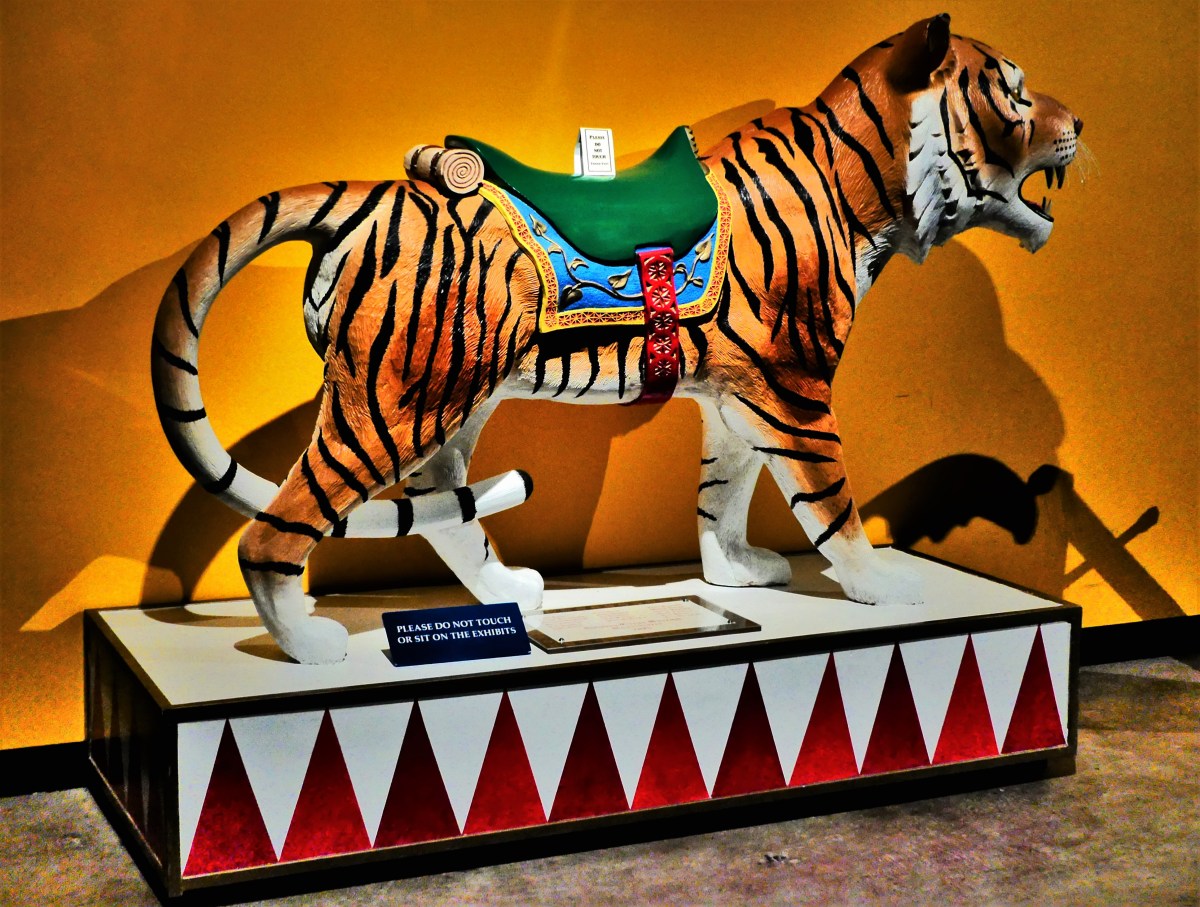
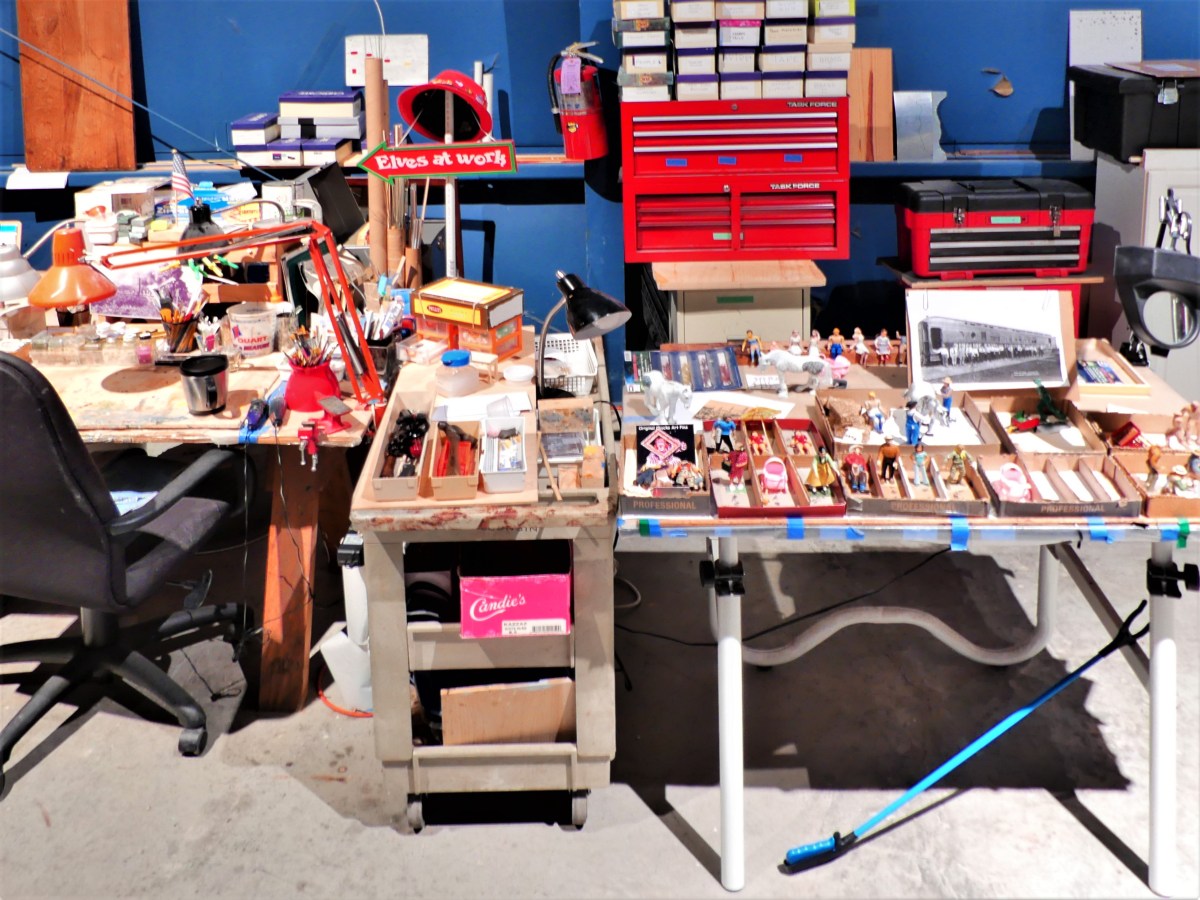
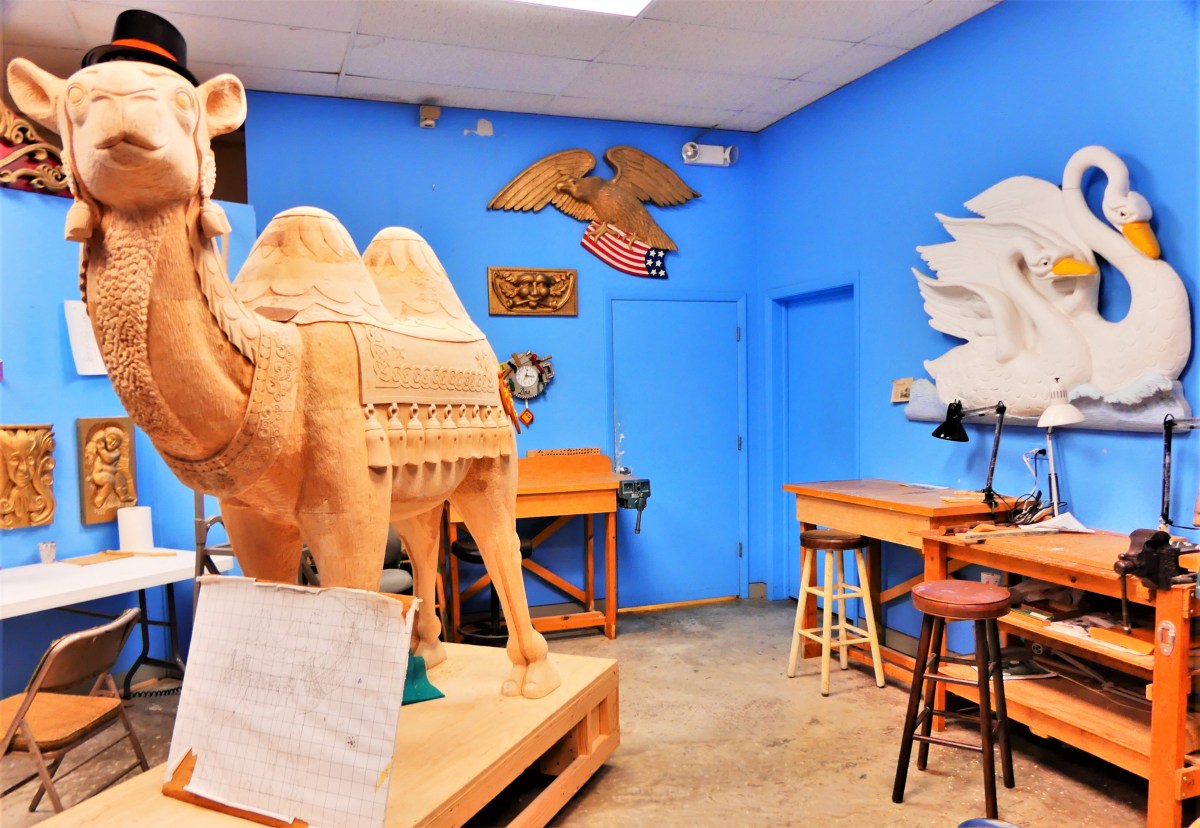


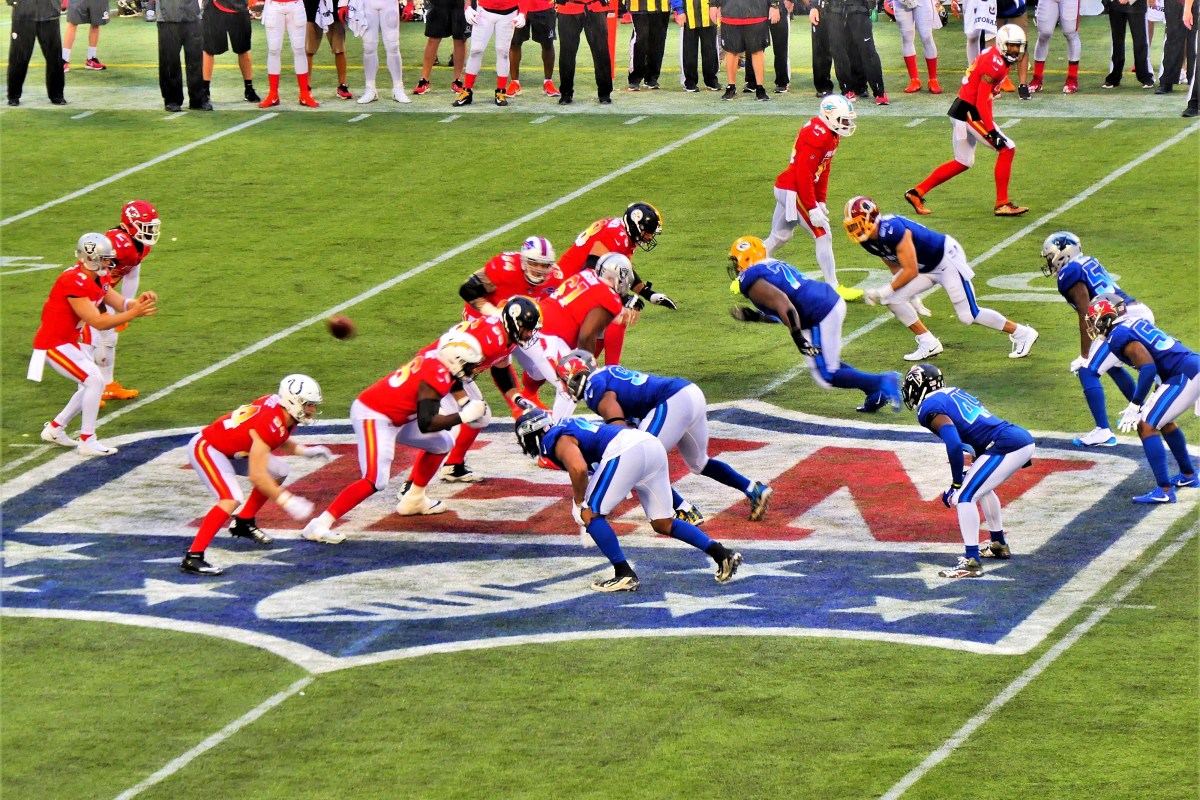


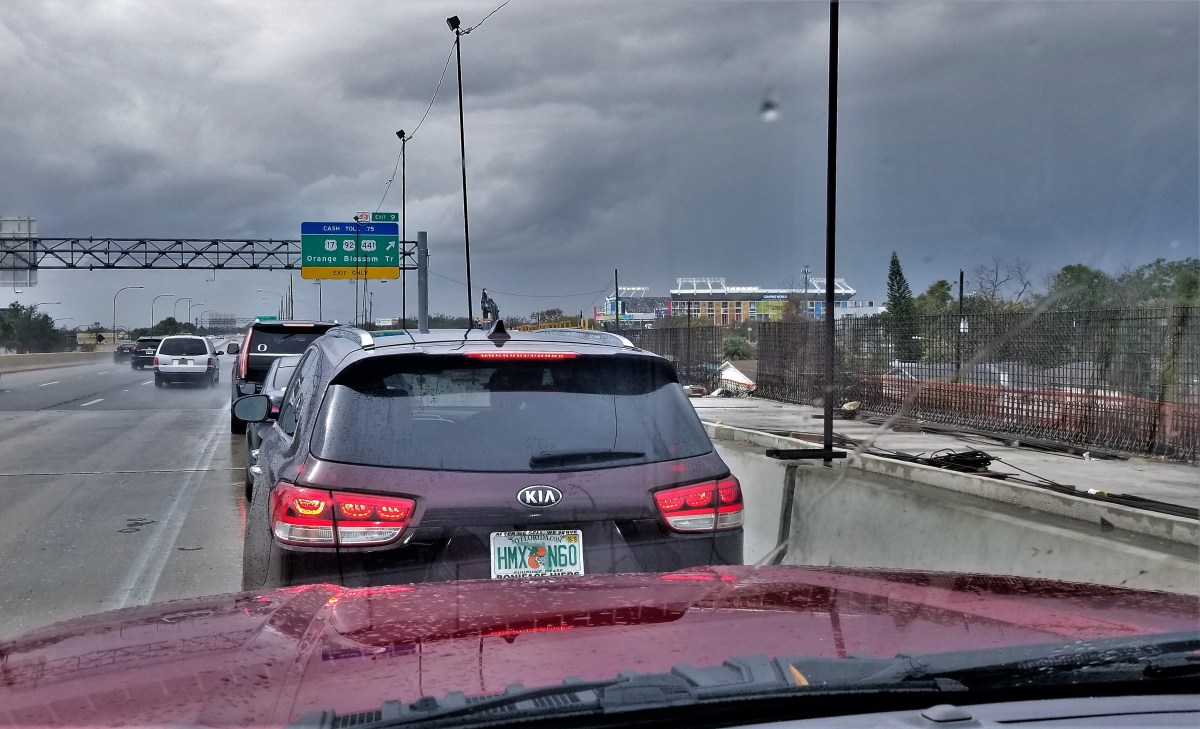


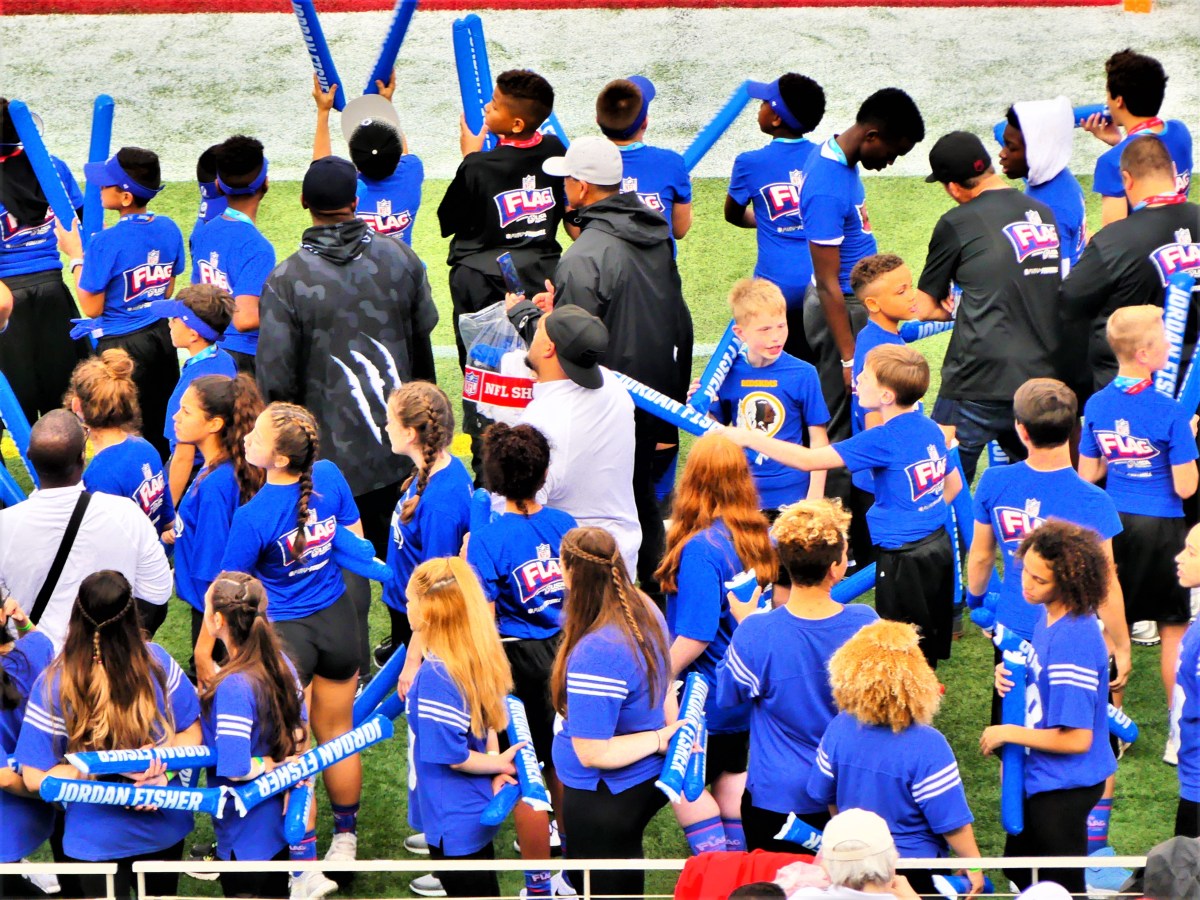


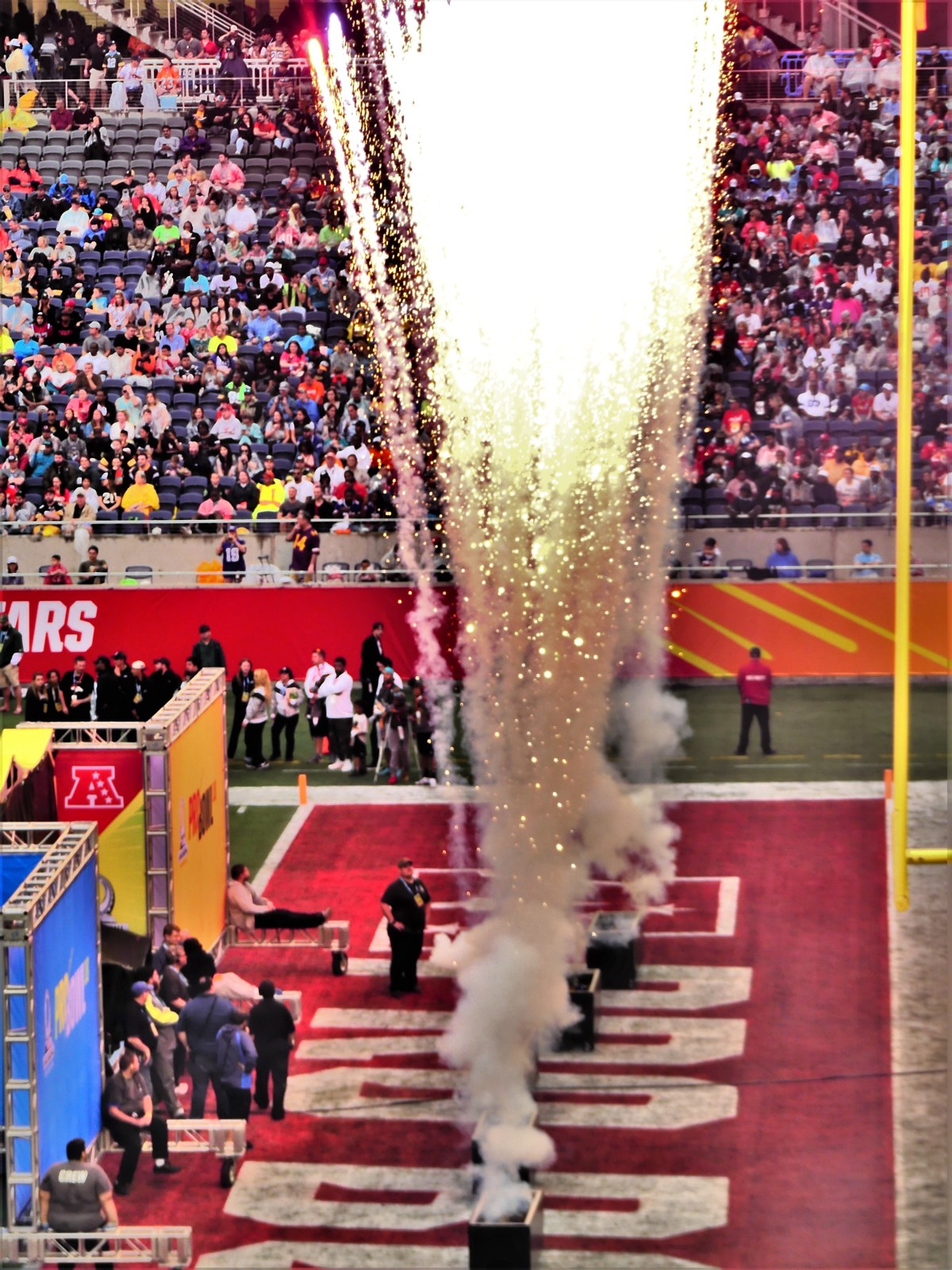


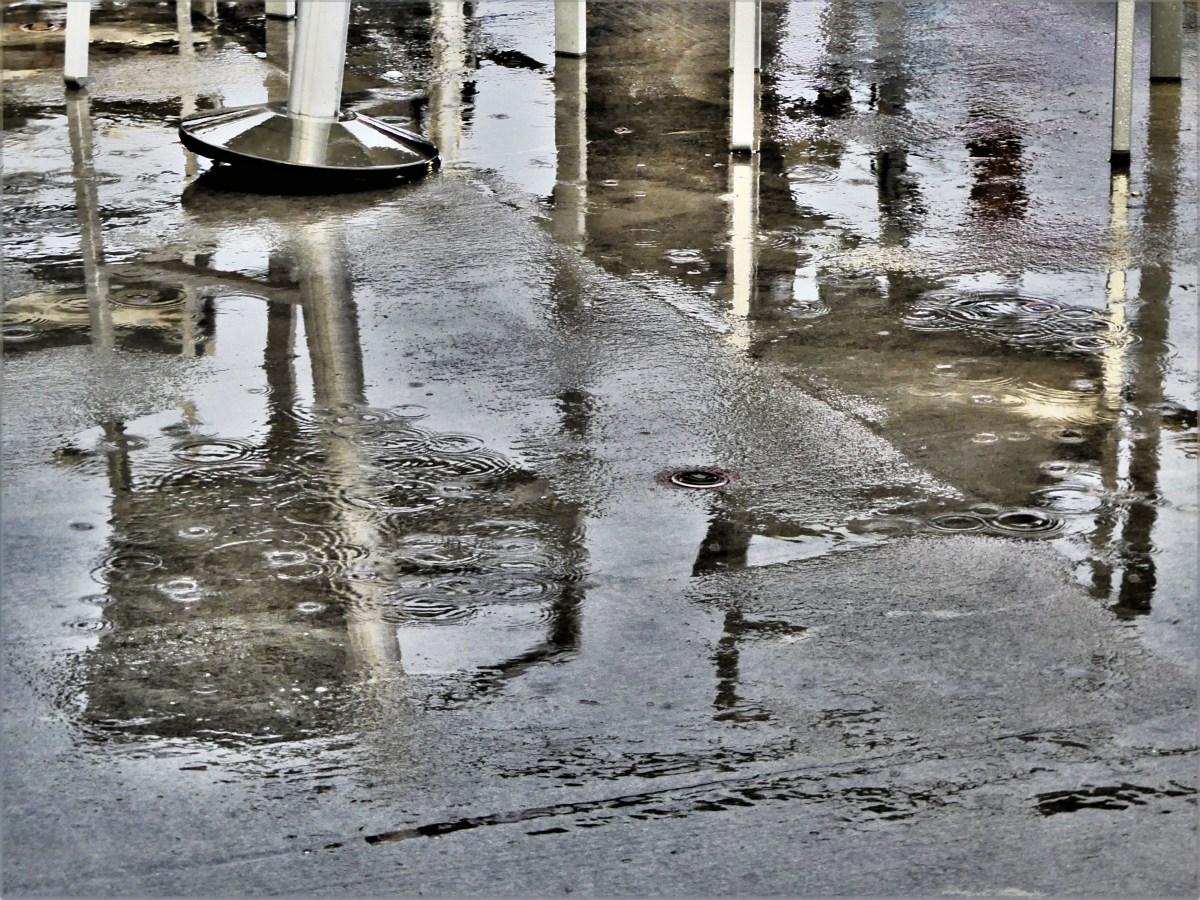


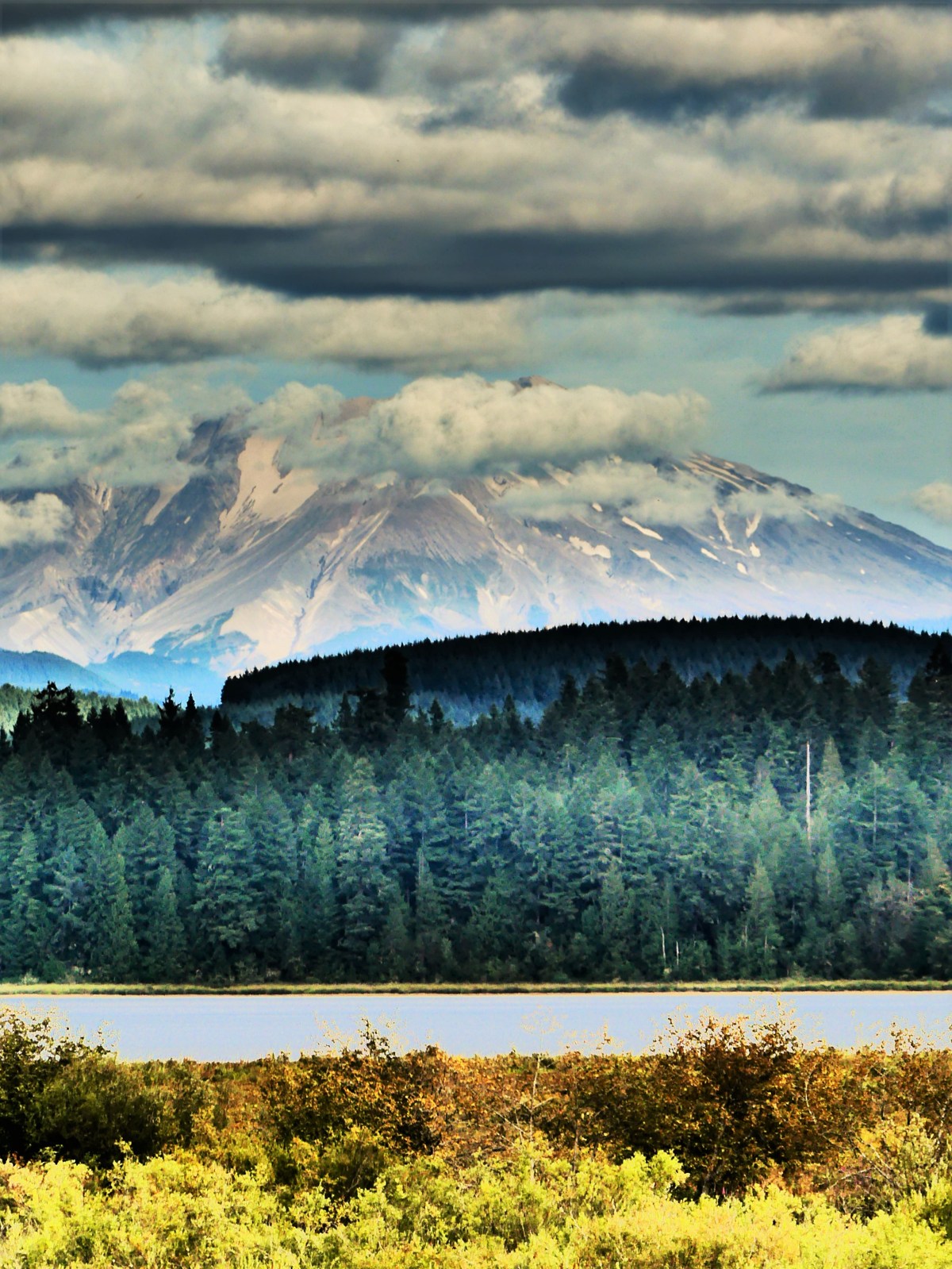
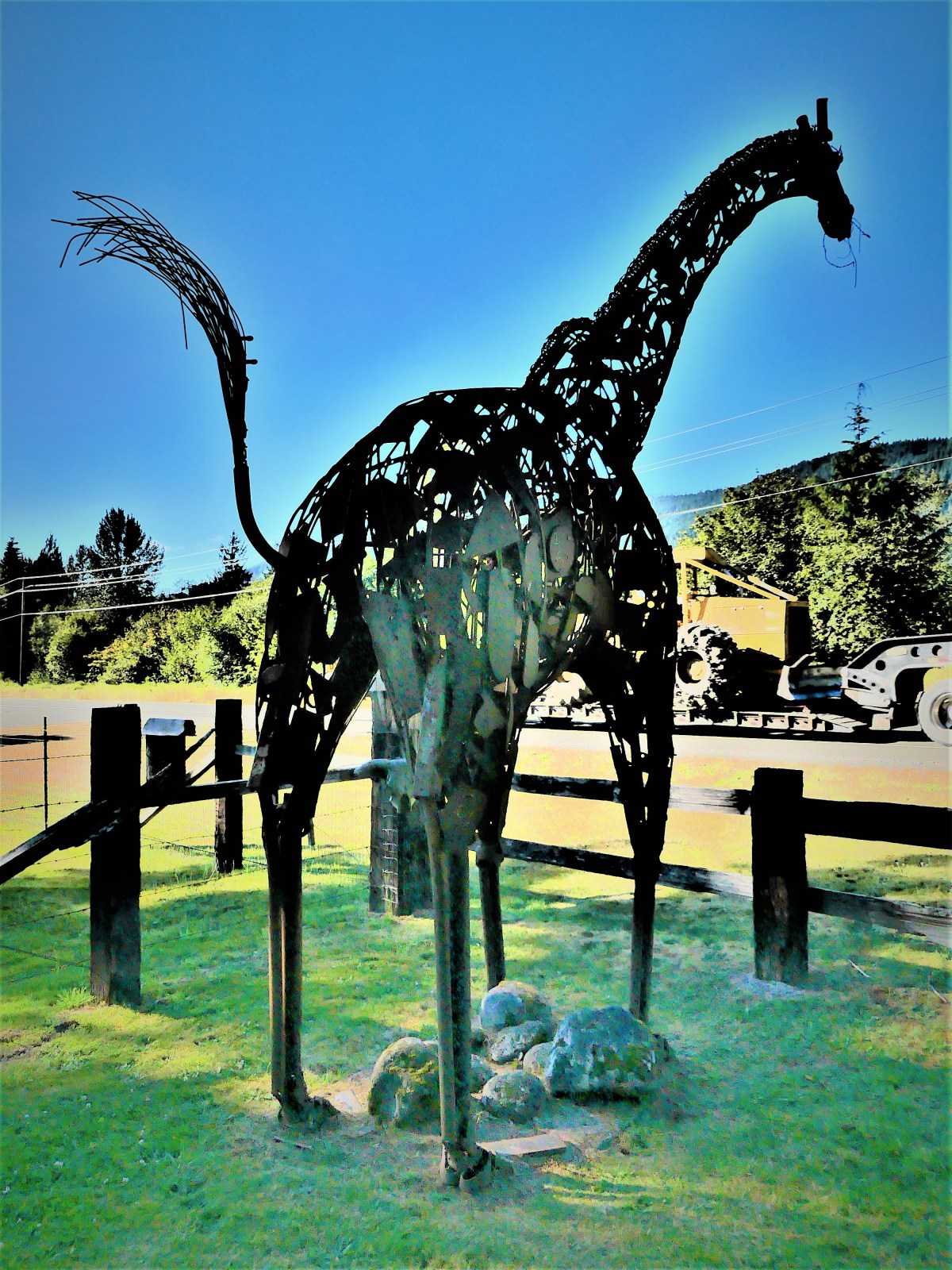
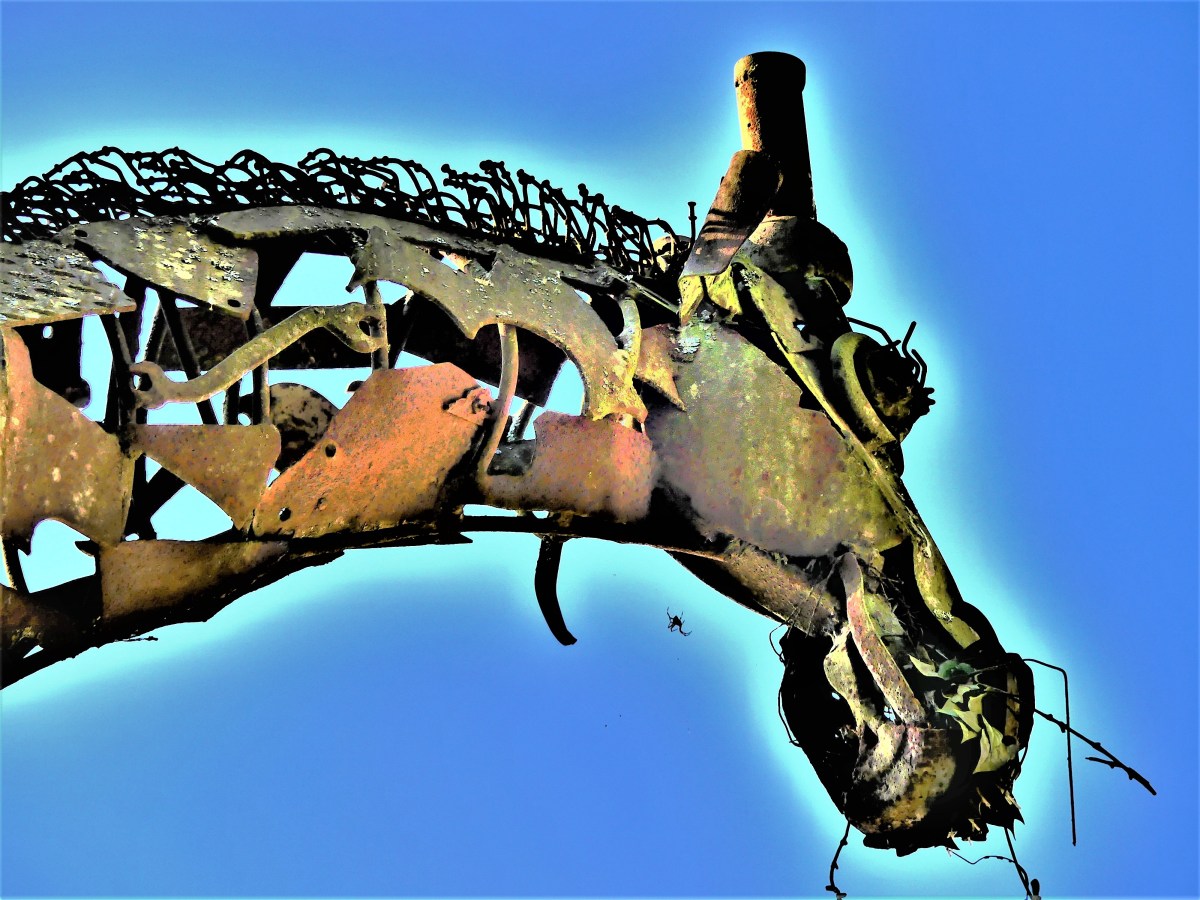


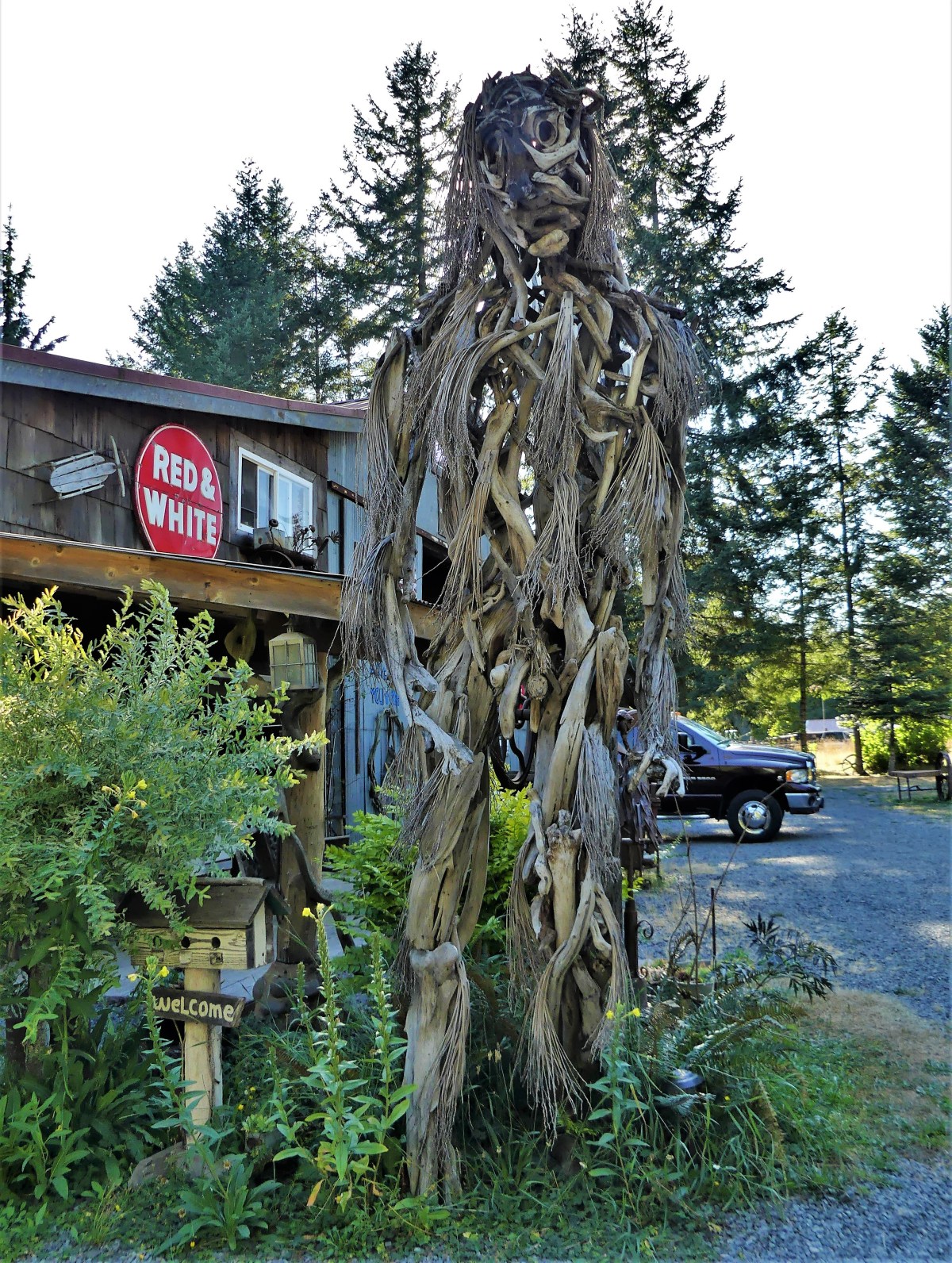


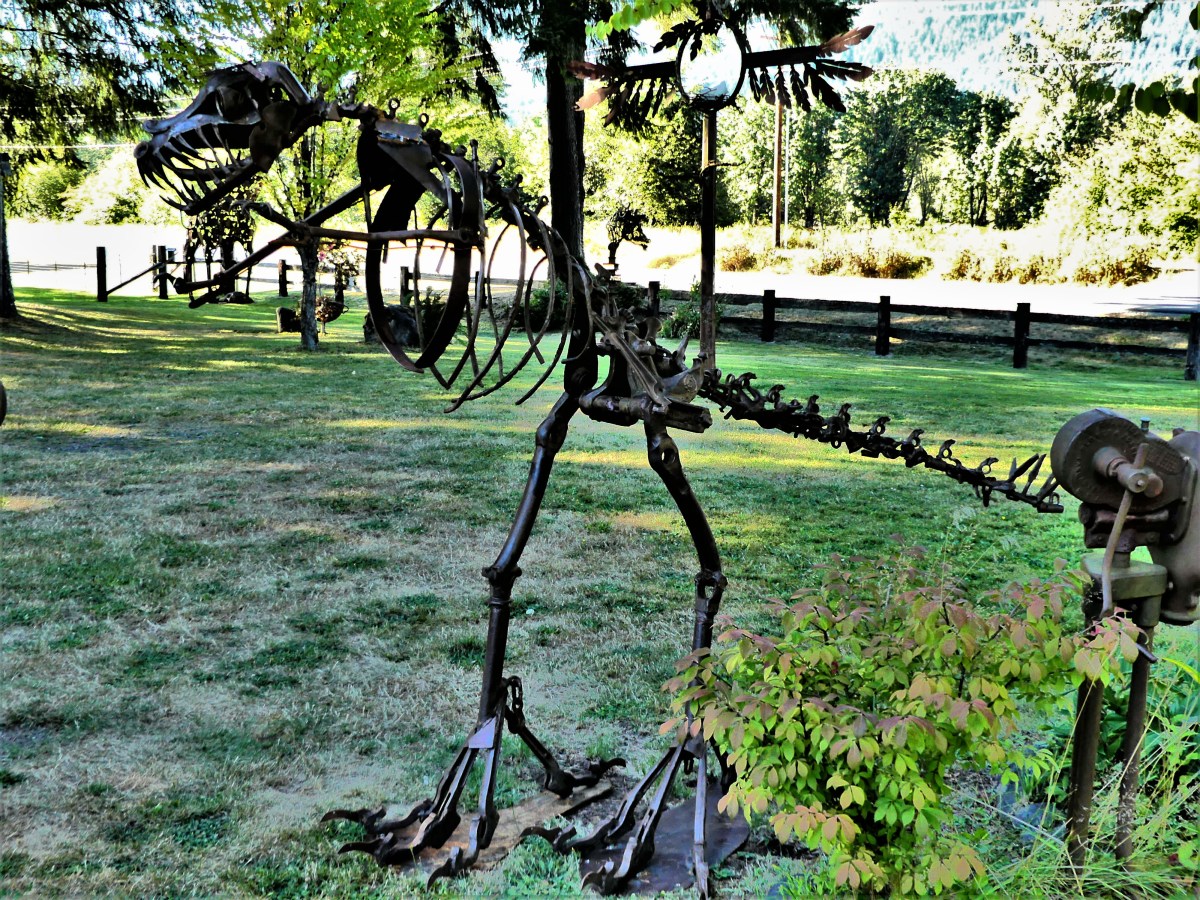

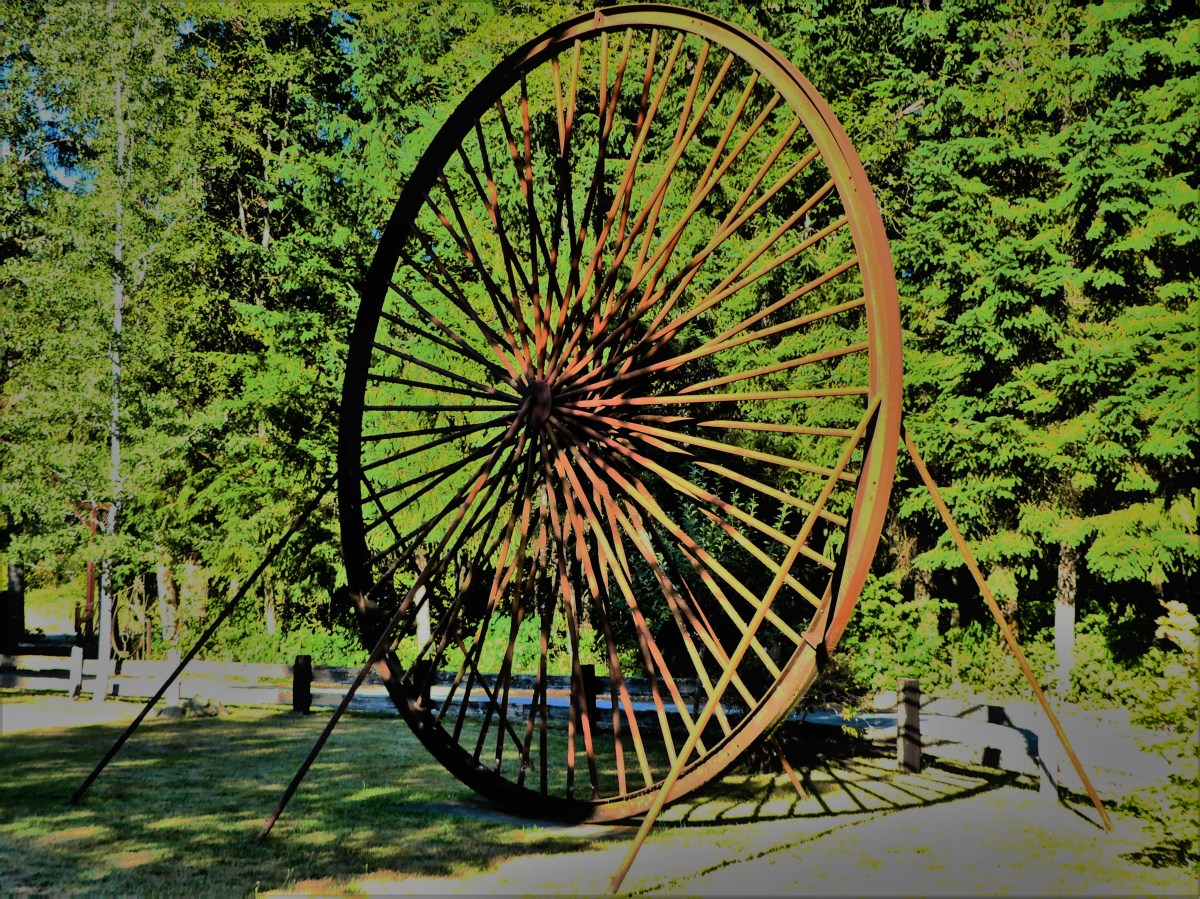
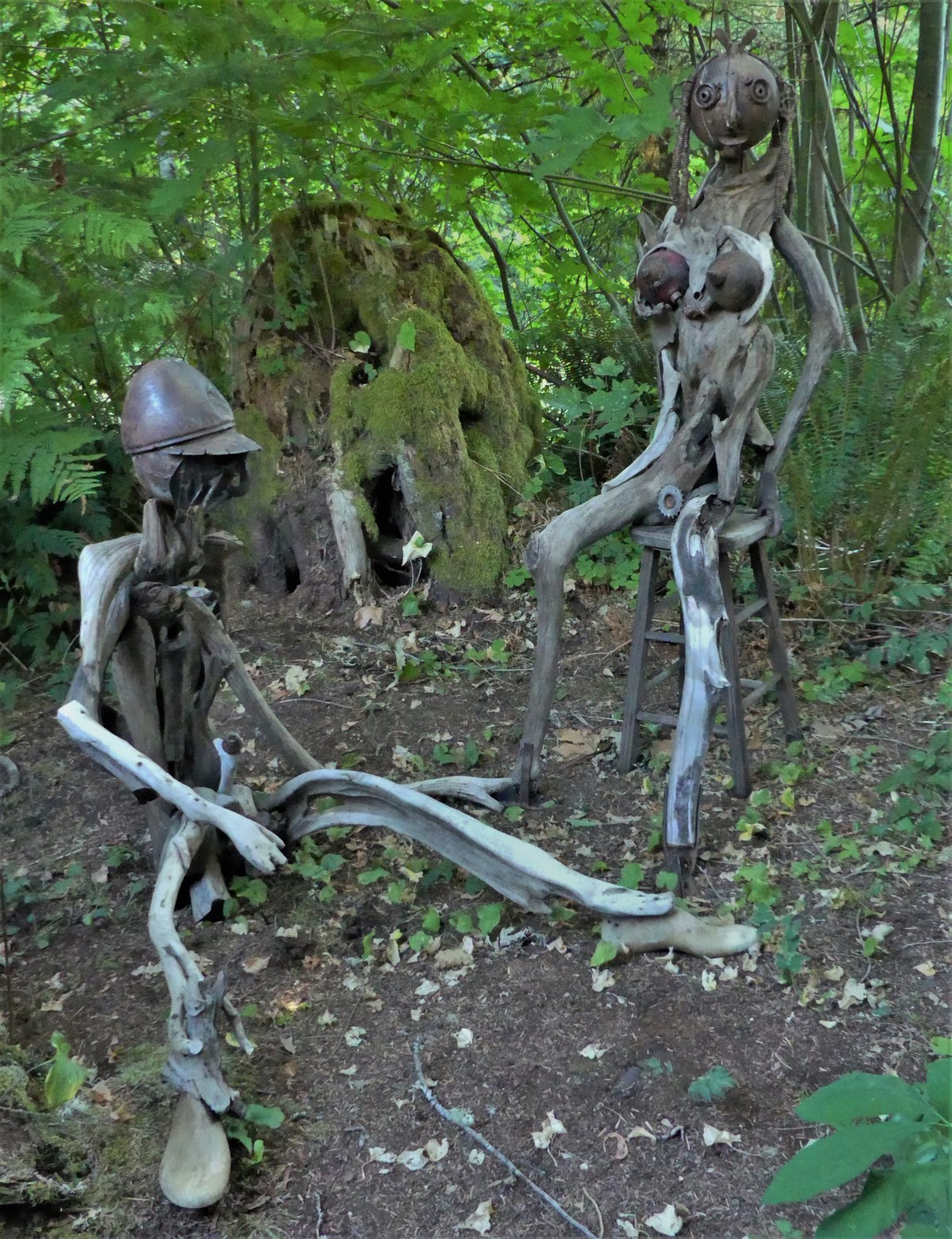

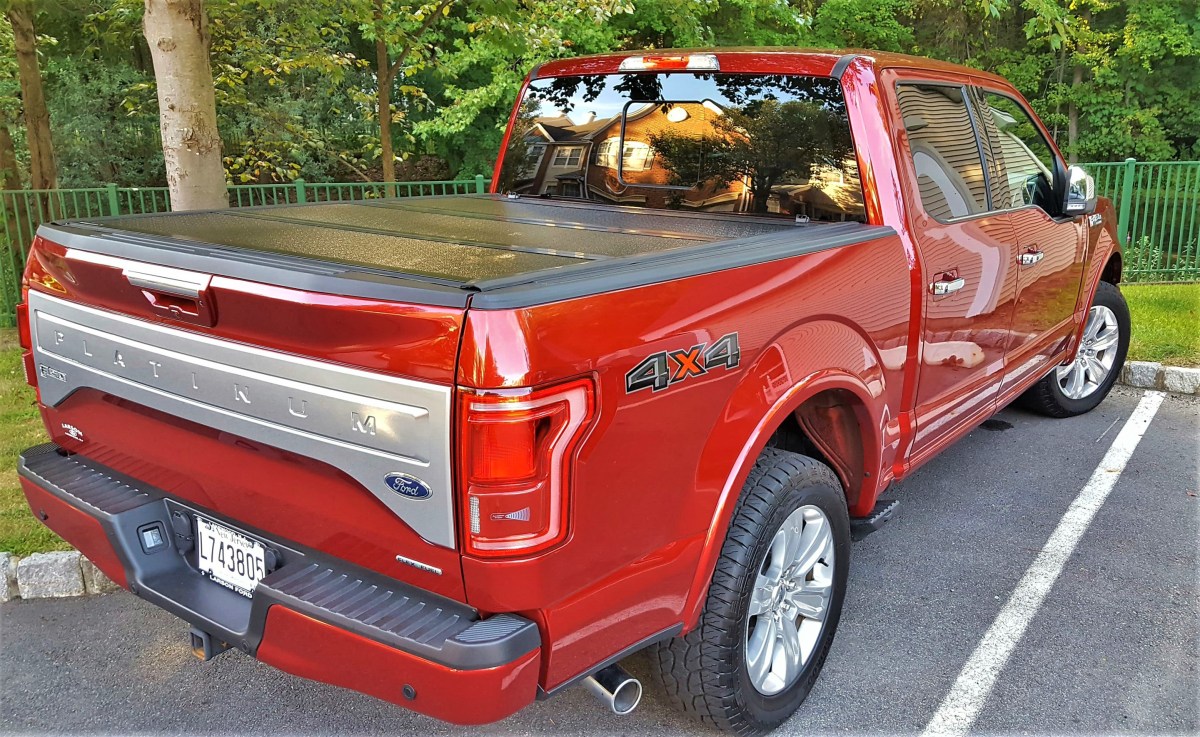
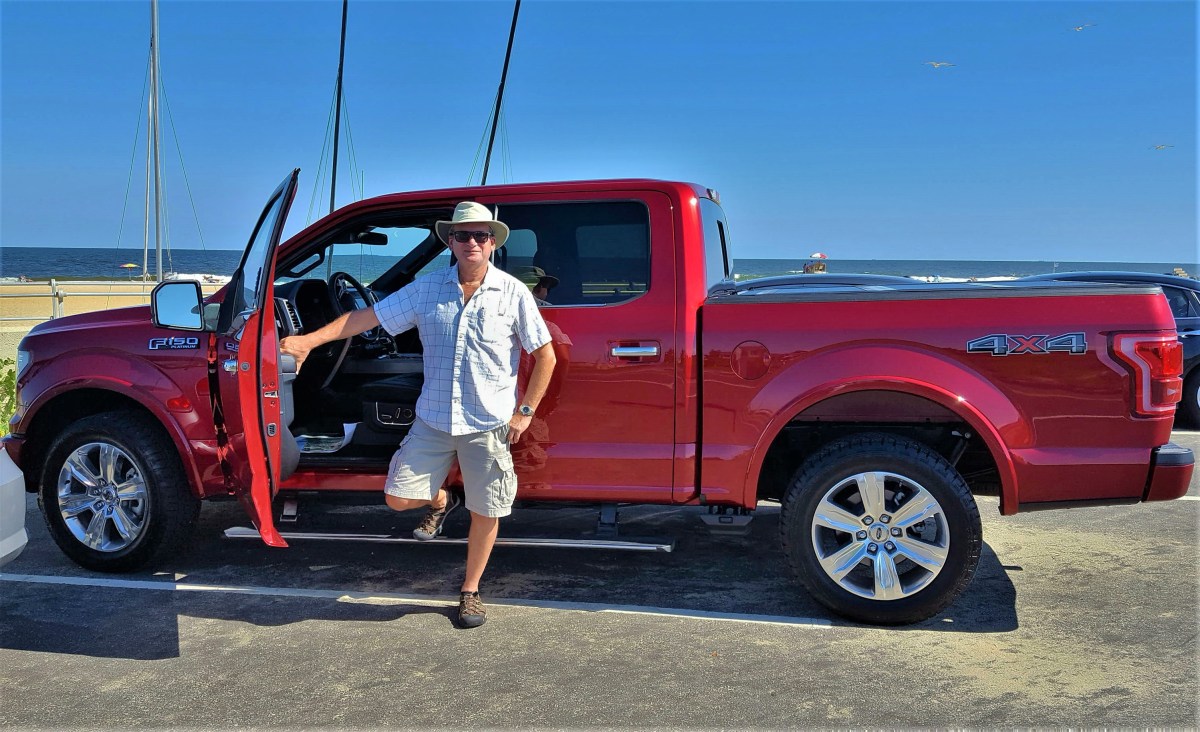

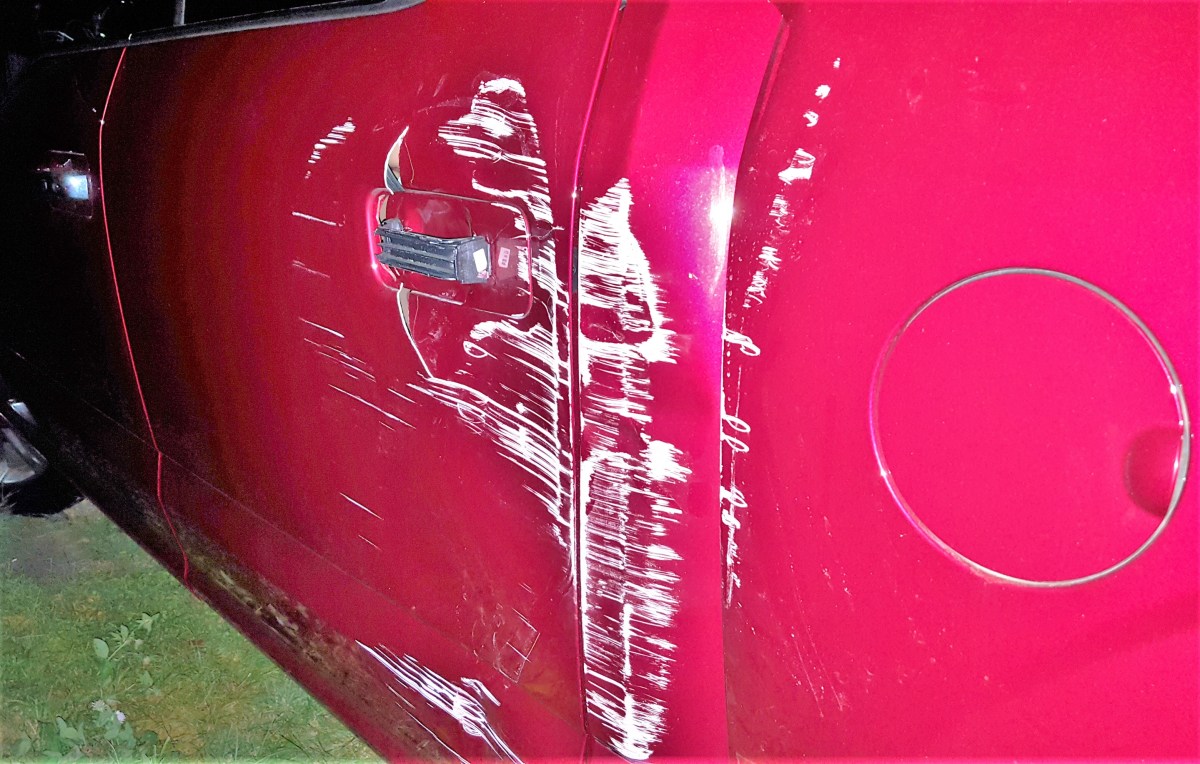


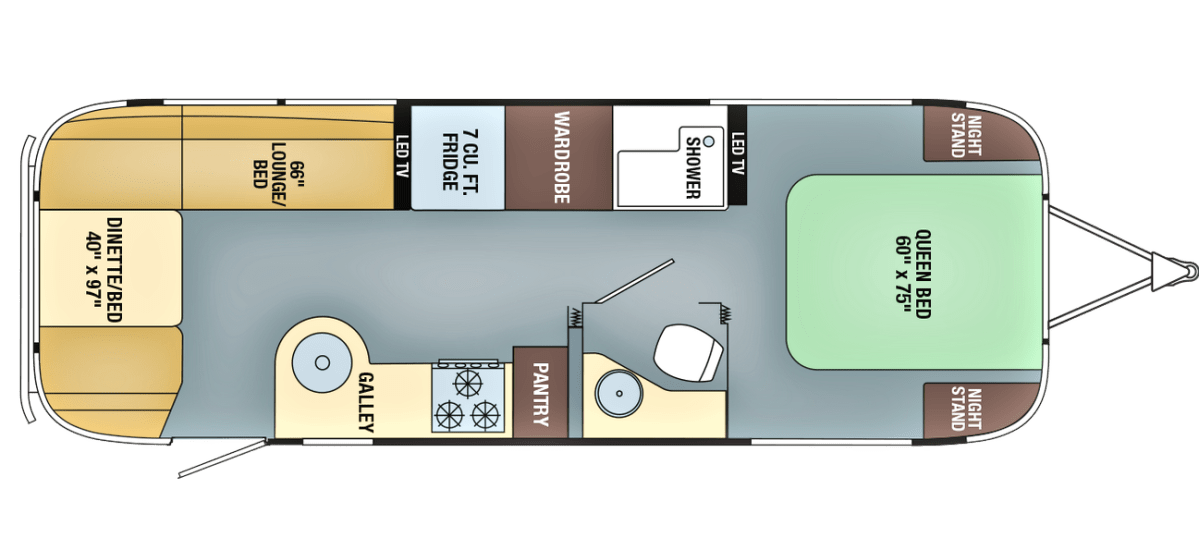 Occasionally, there were moments of silence and relief, but more often than not, the reflexes between us were too strong to hold back, and the Airstream would erupt into uncontrollable and otherworldly jags of coughing, sneezing, hacking, expectorating and farting. I wondered if our noises echoed beyond our asylum, and if the neighbors suspected if something inhumane was going on under their noses, like the tragedy in Perris, CA.
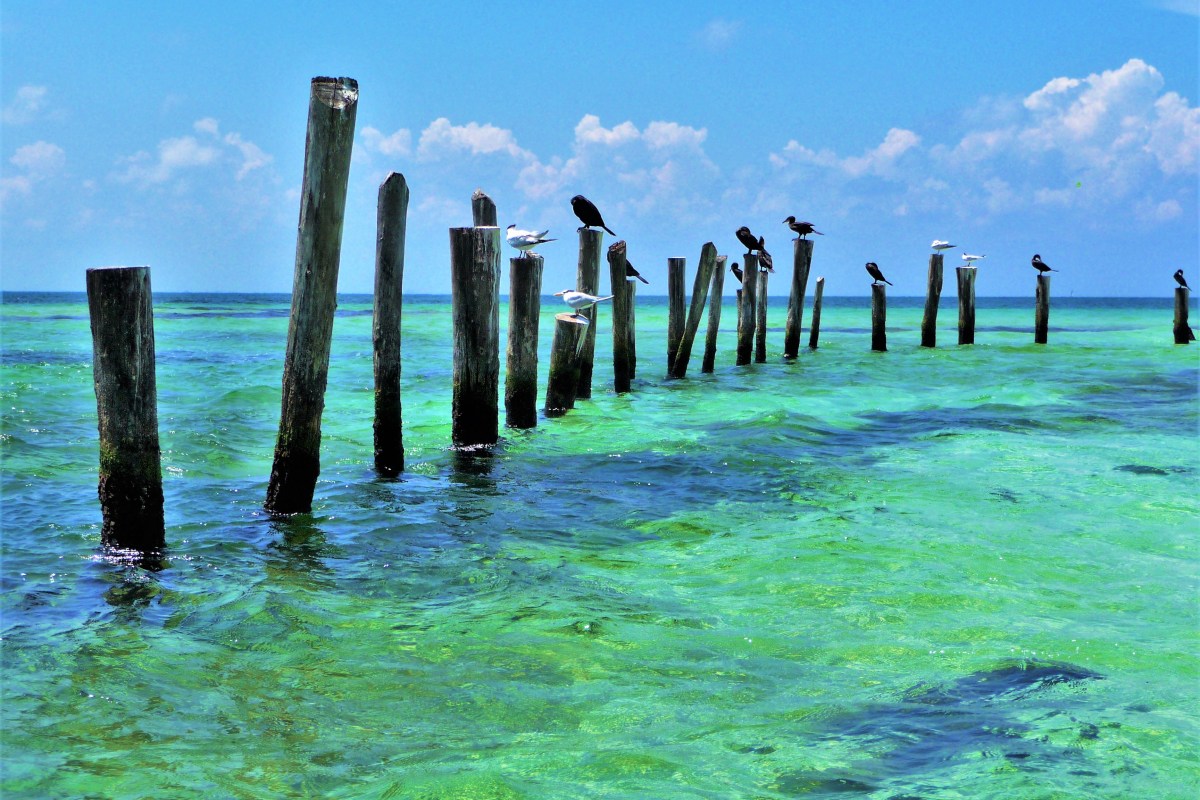

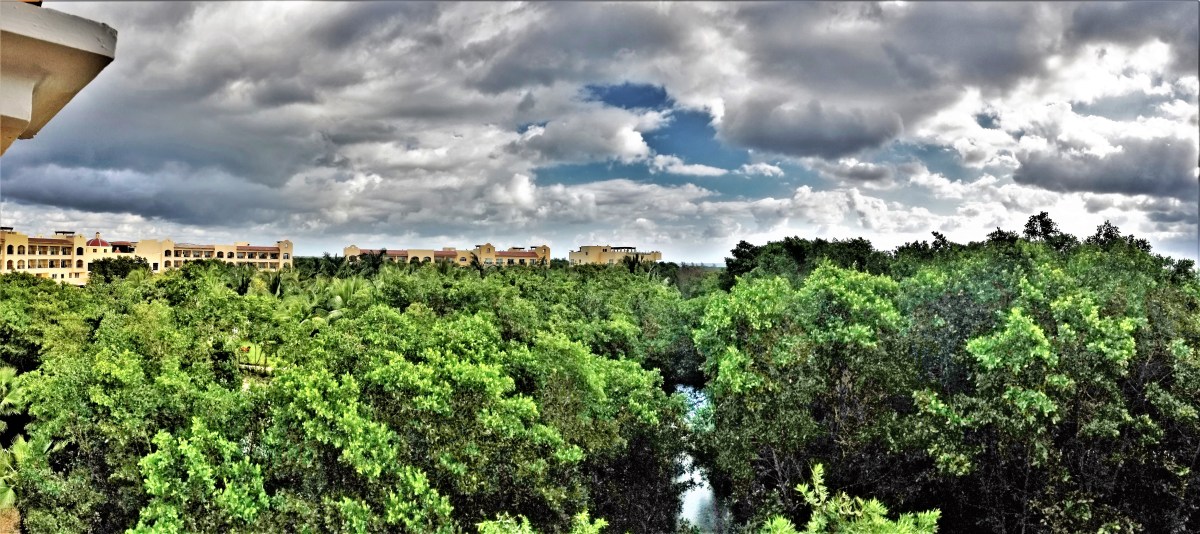

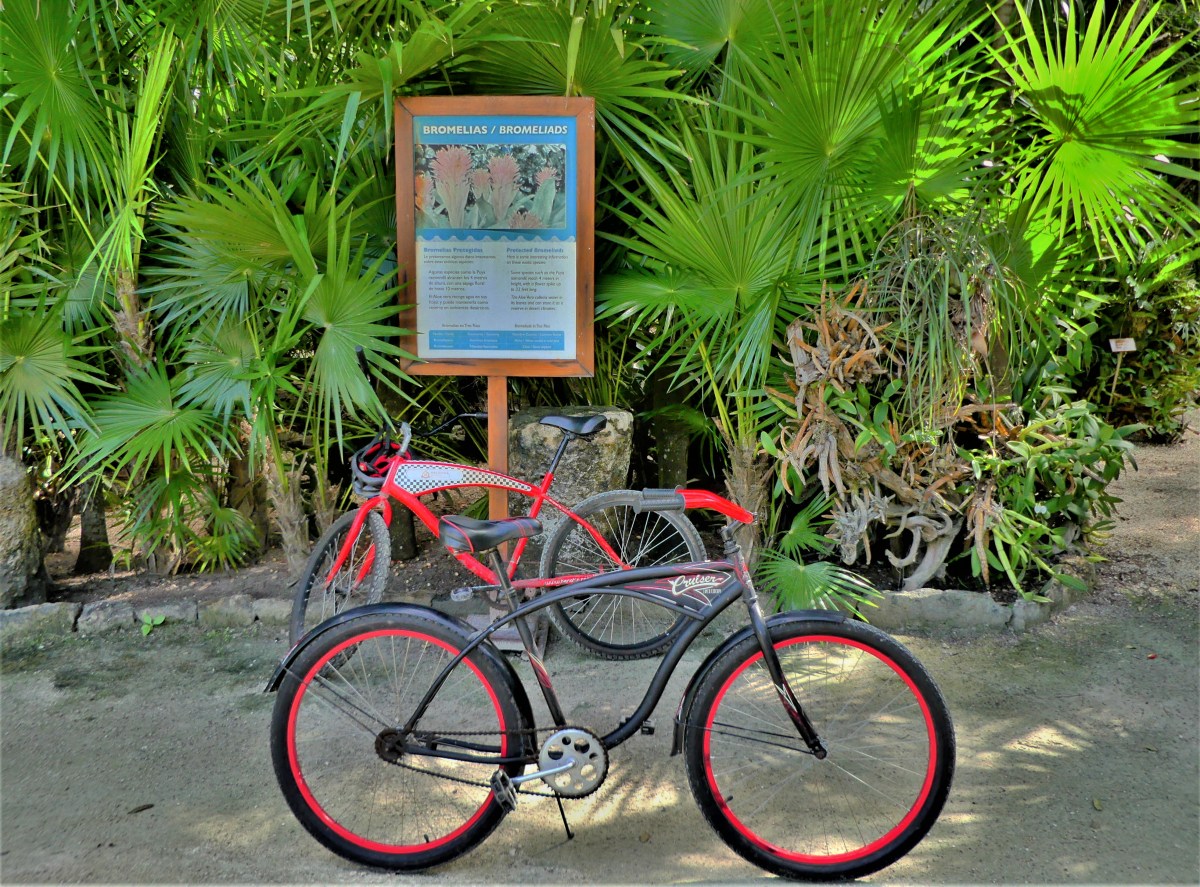
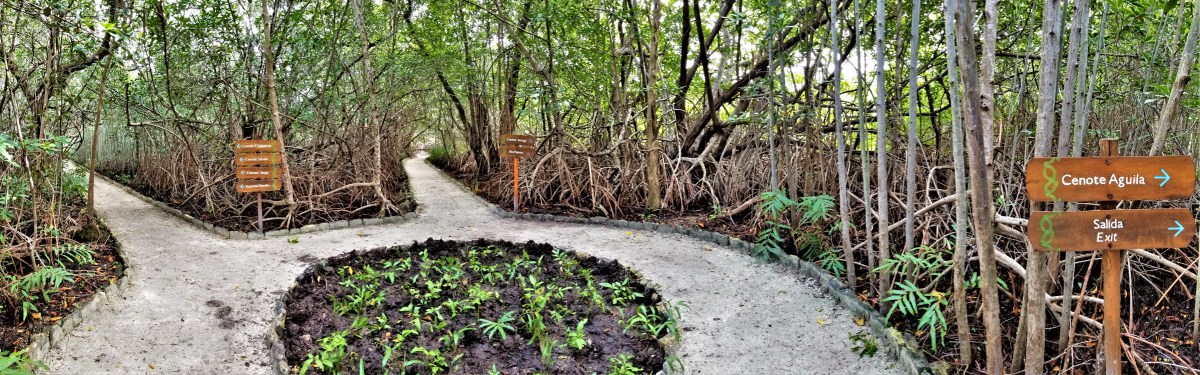

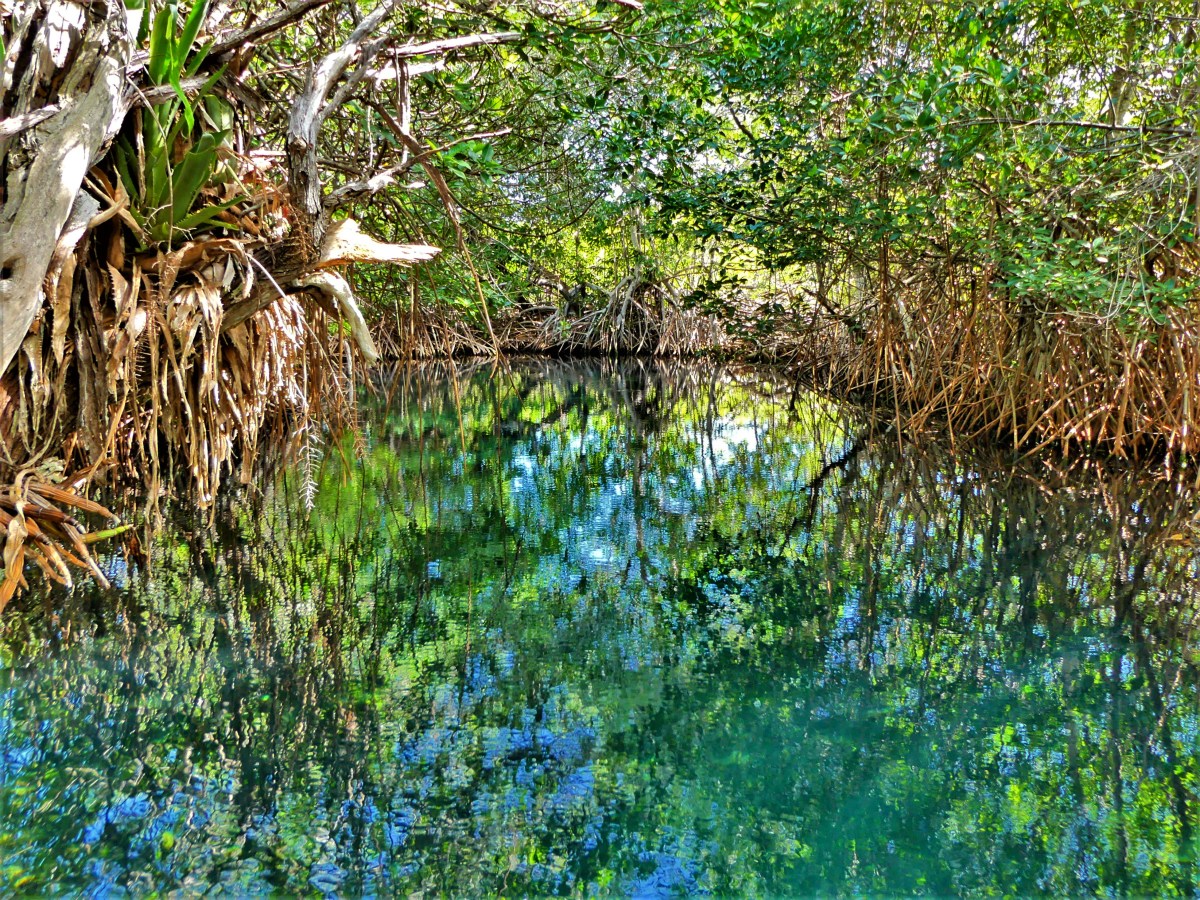

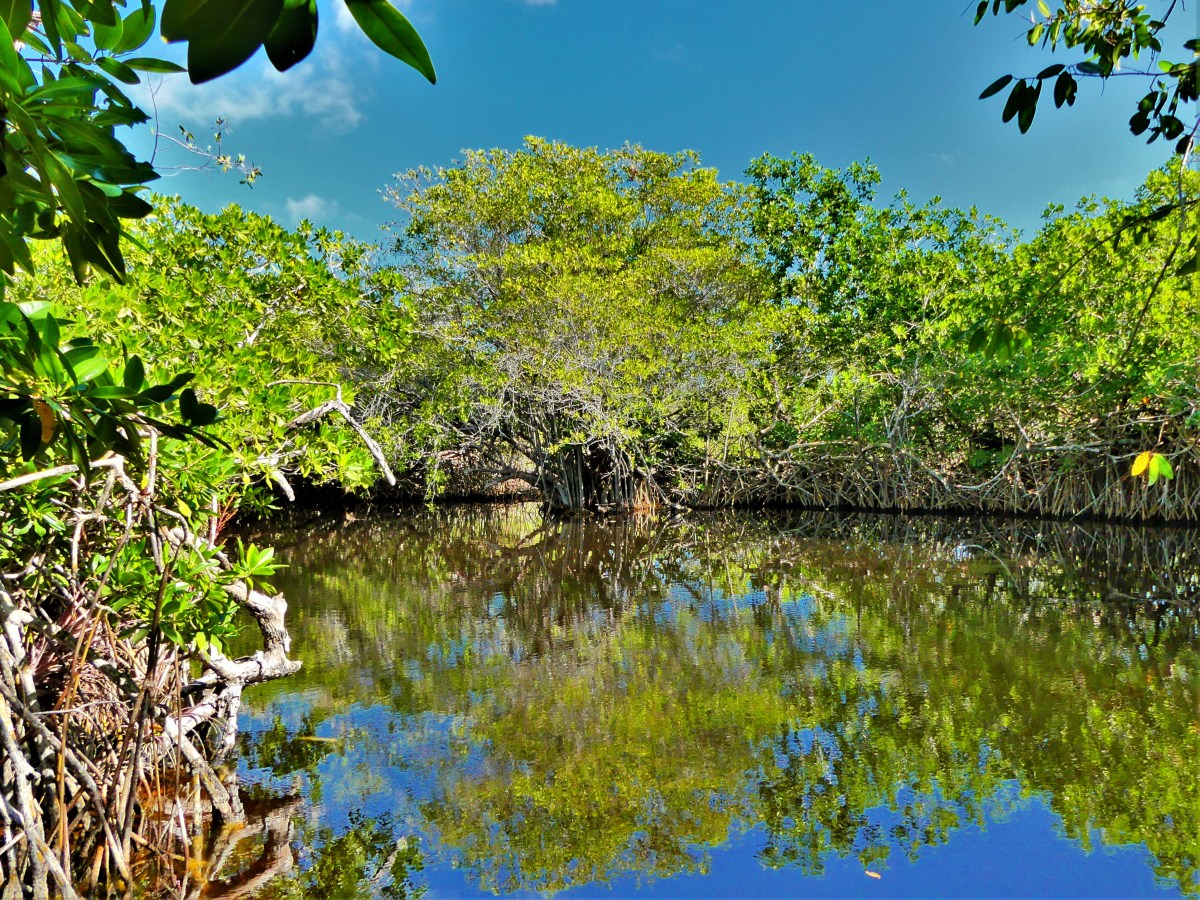


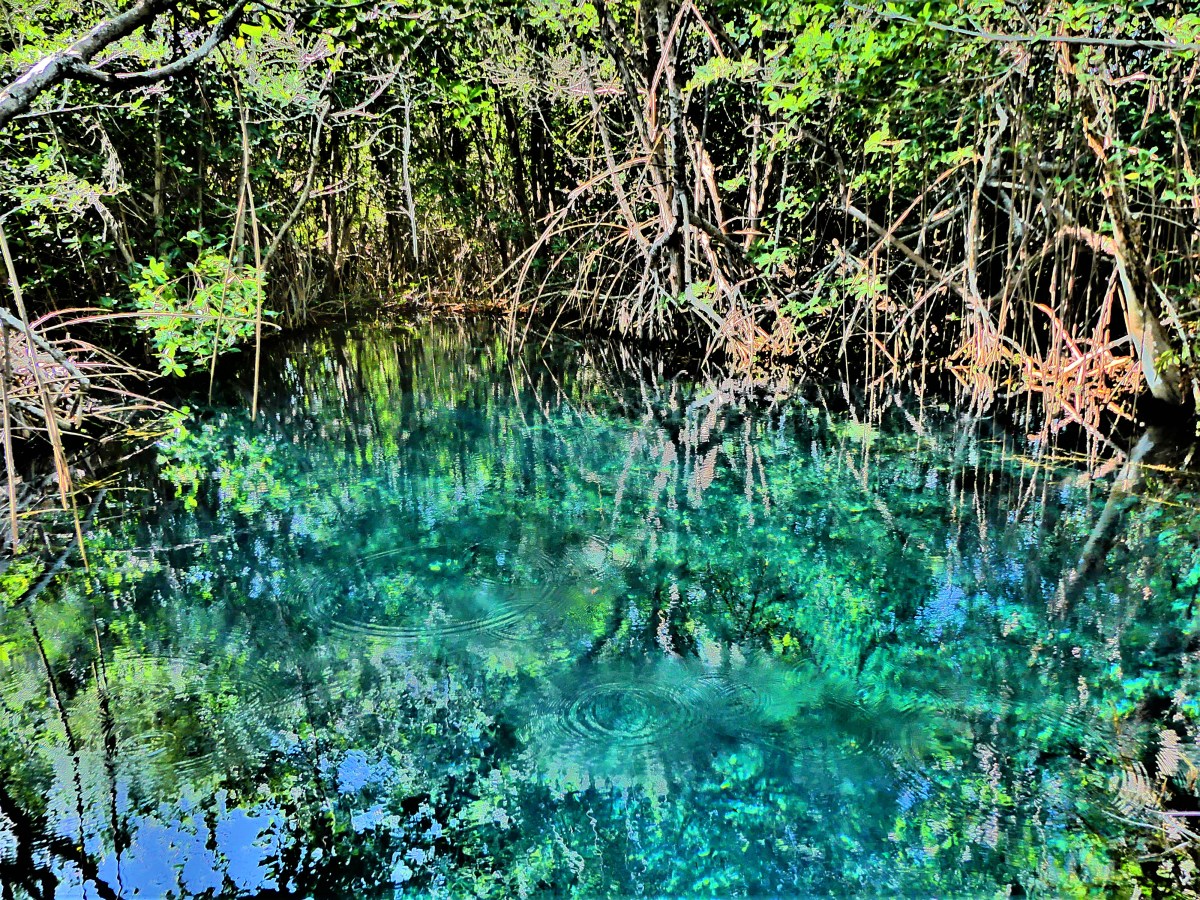
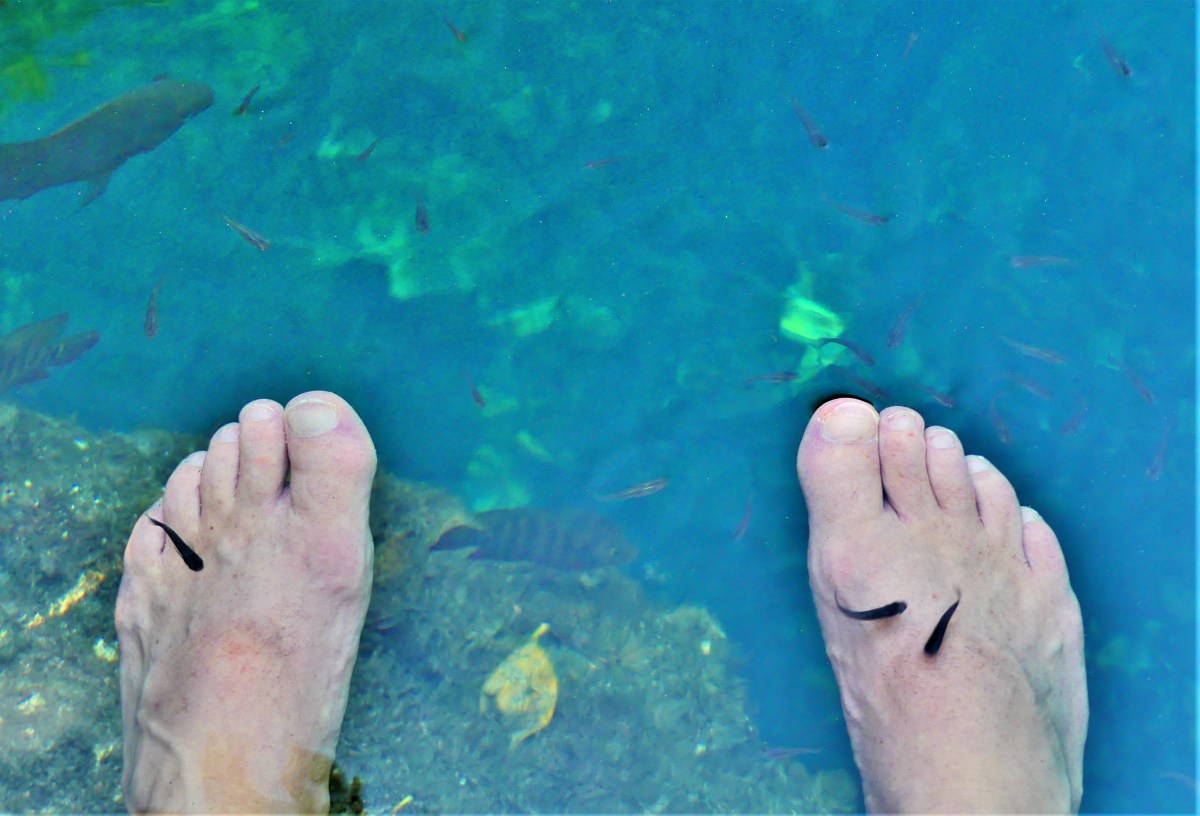
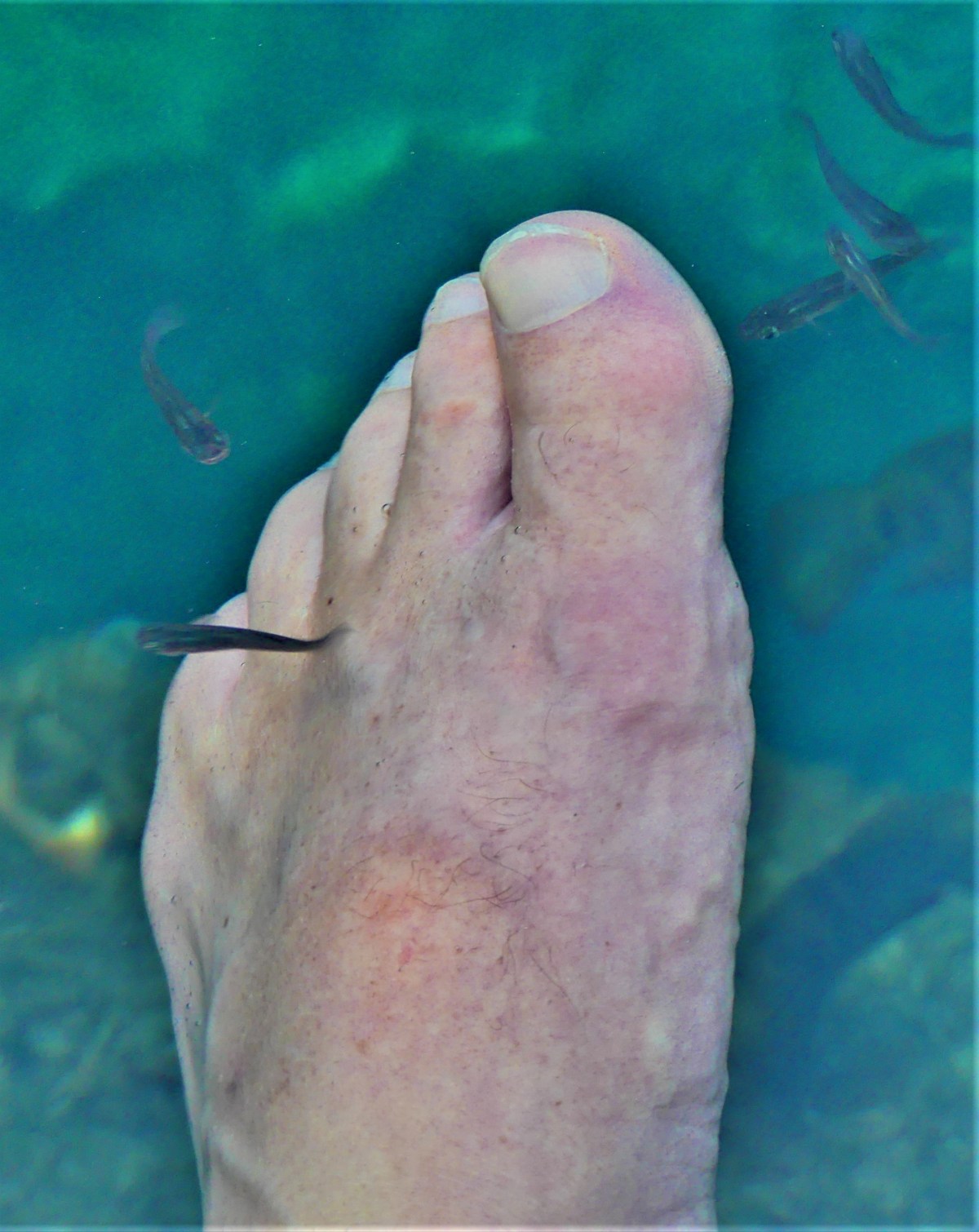


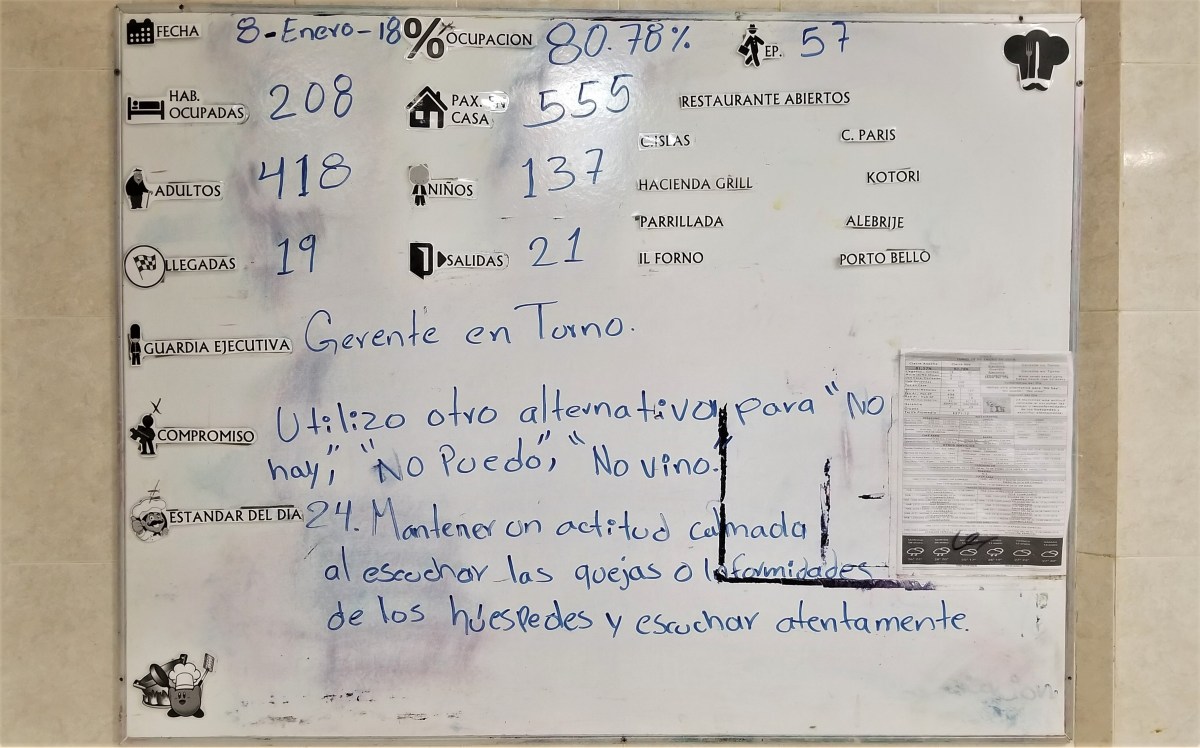


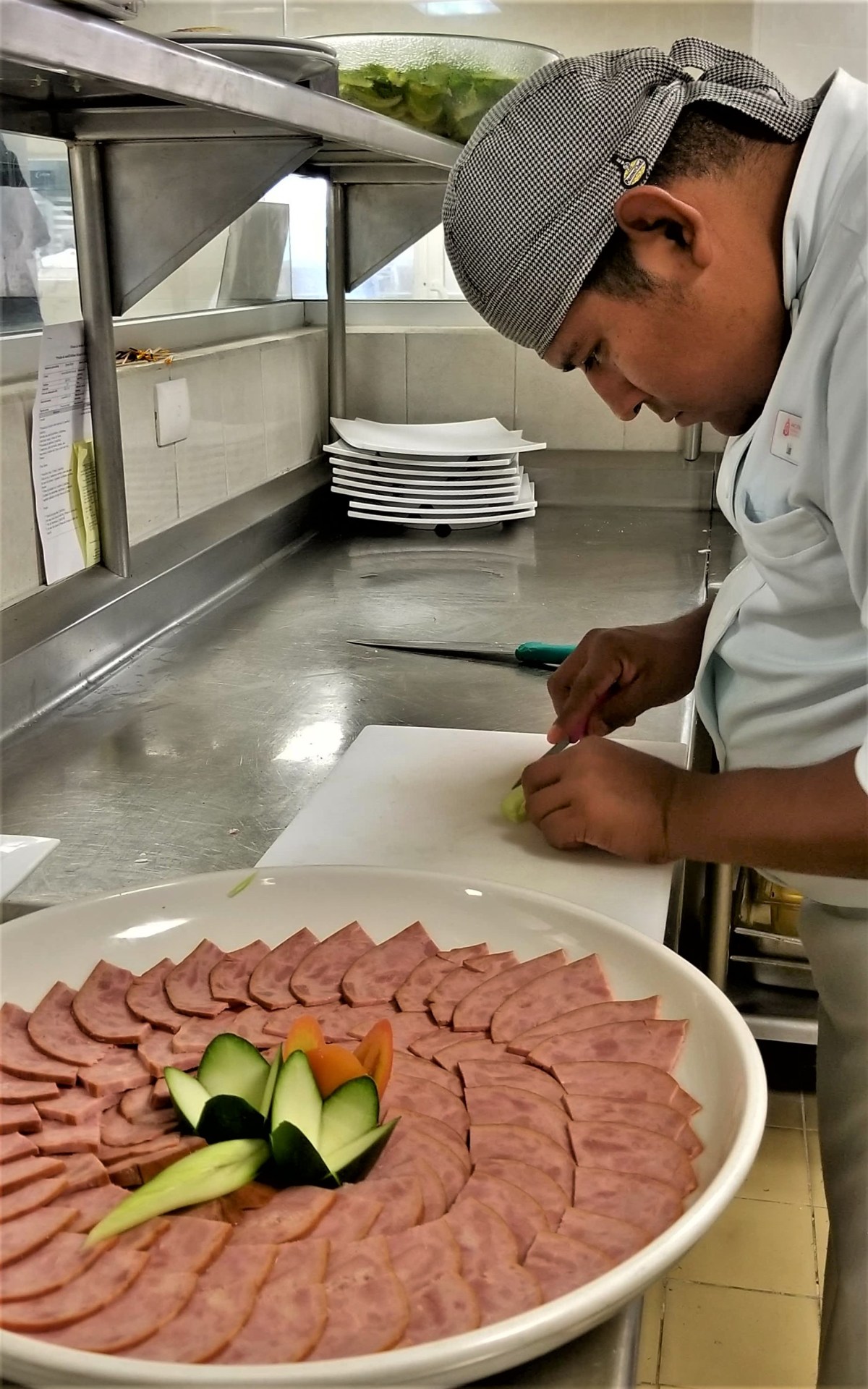


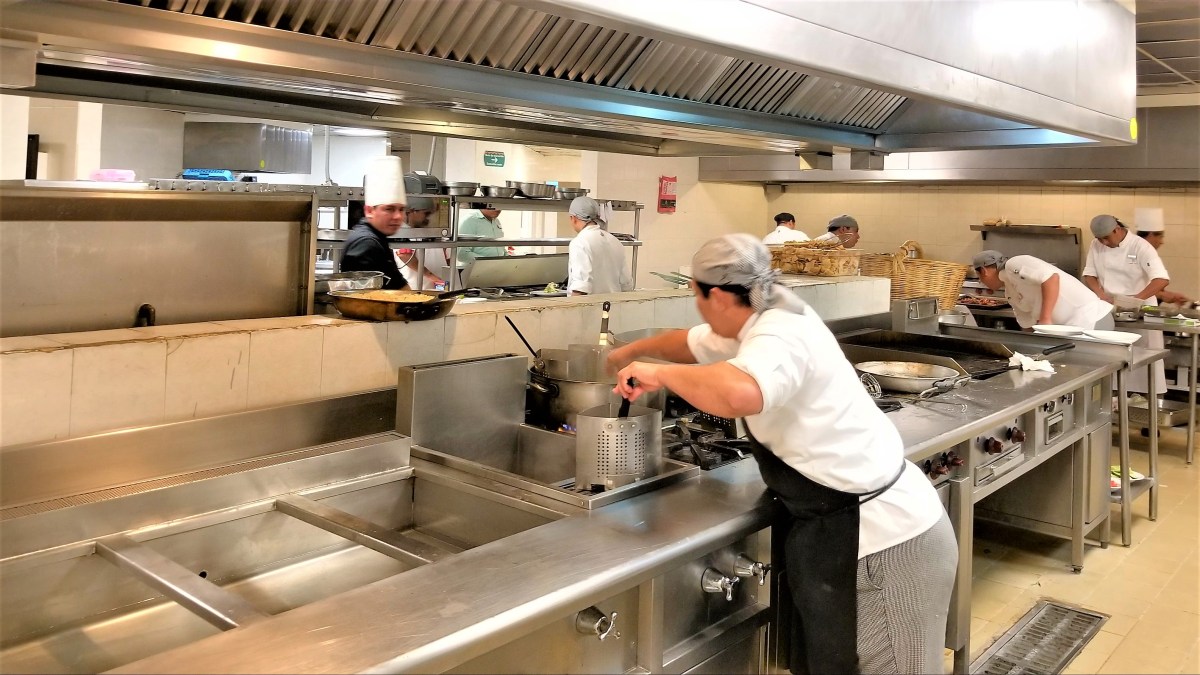
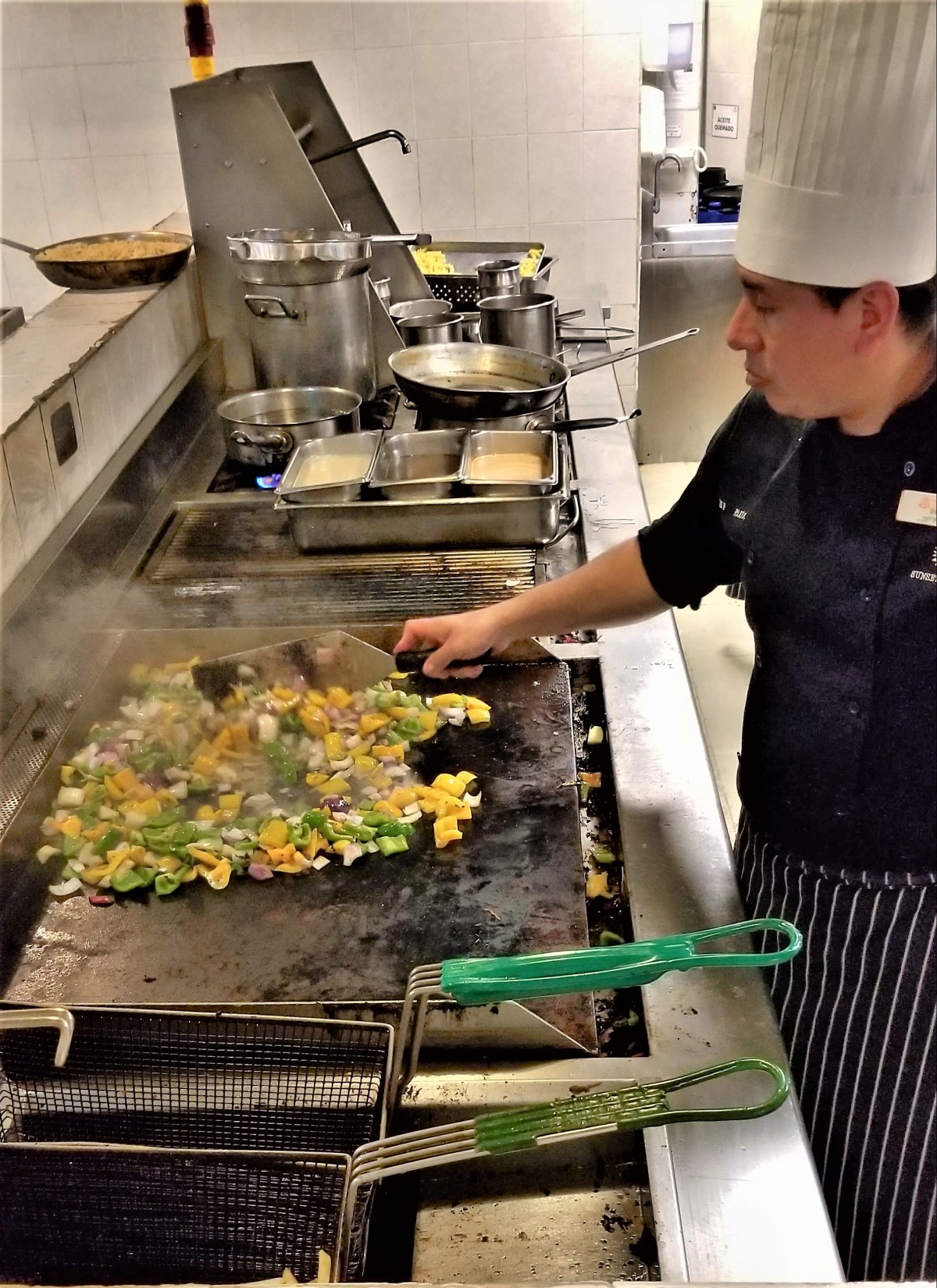

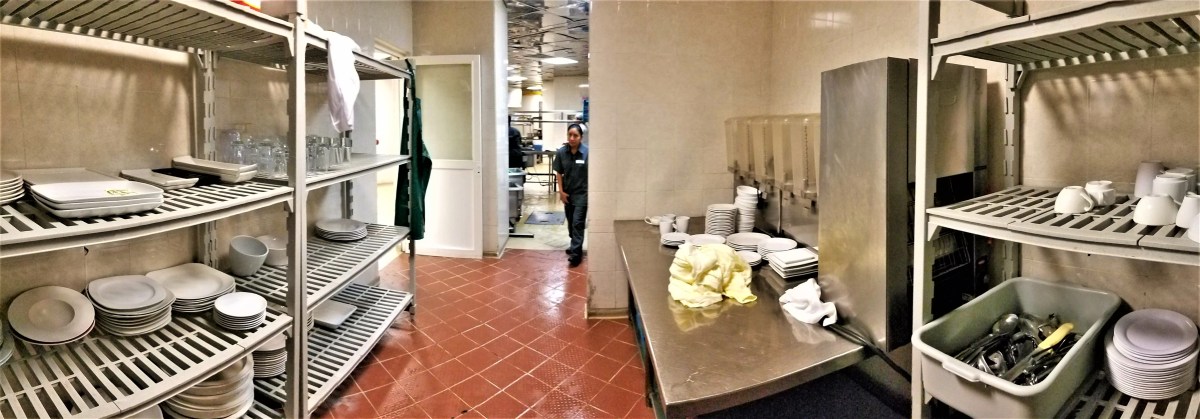
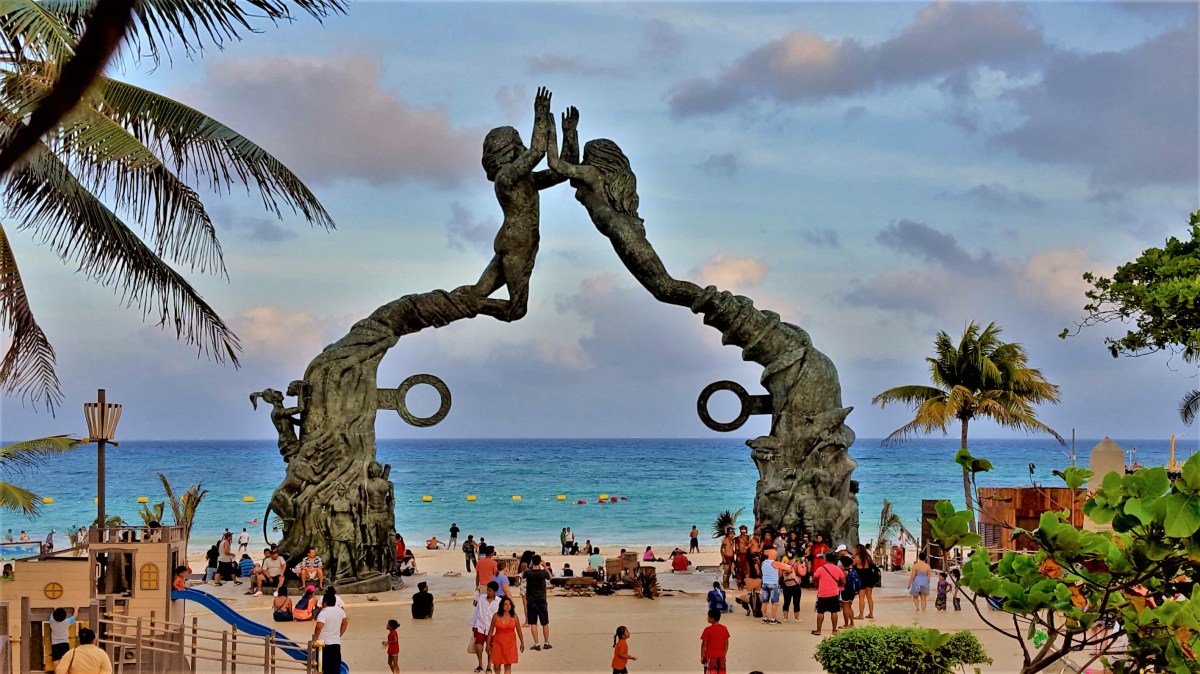


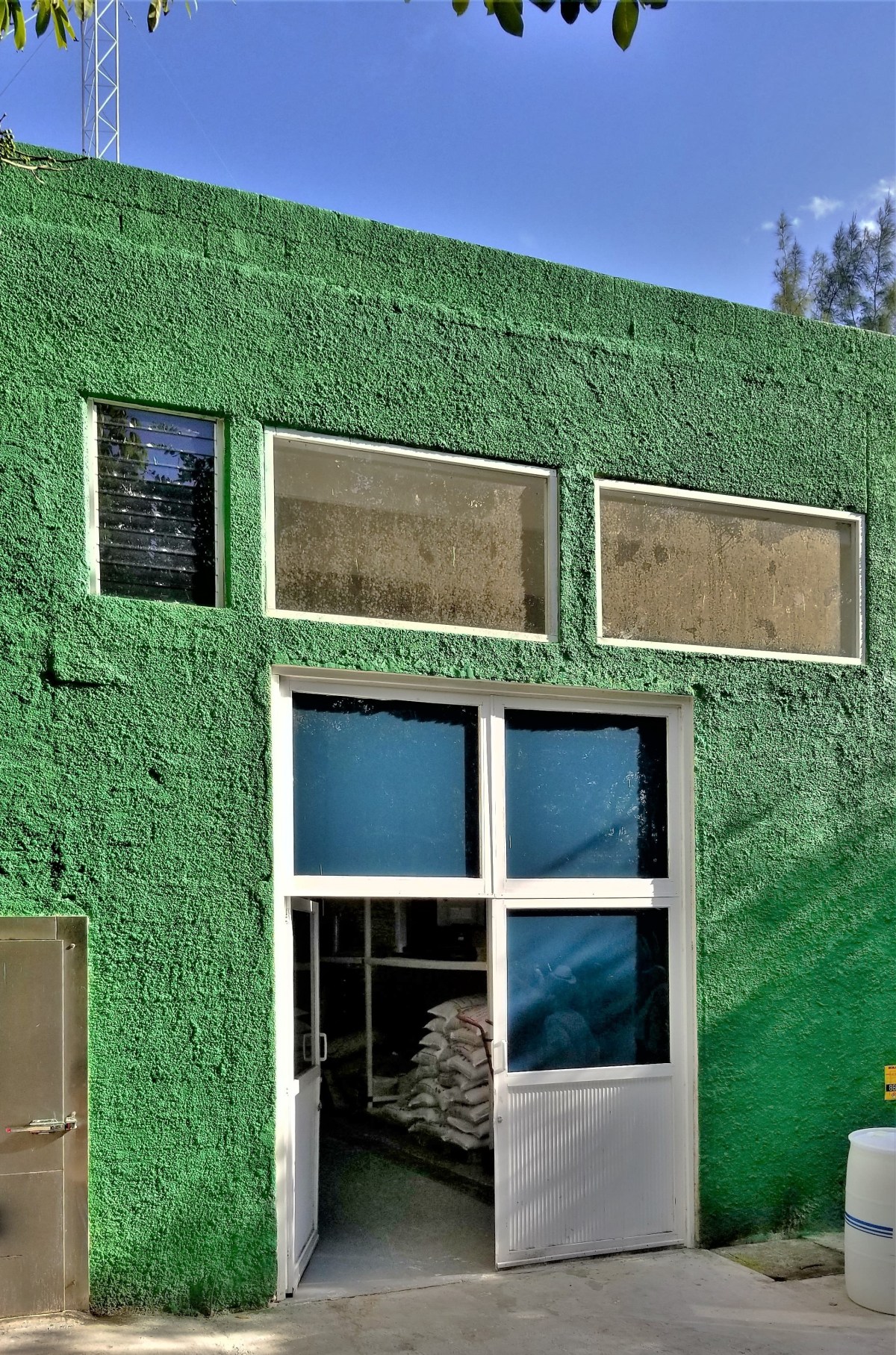


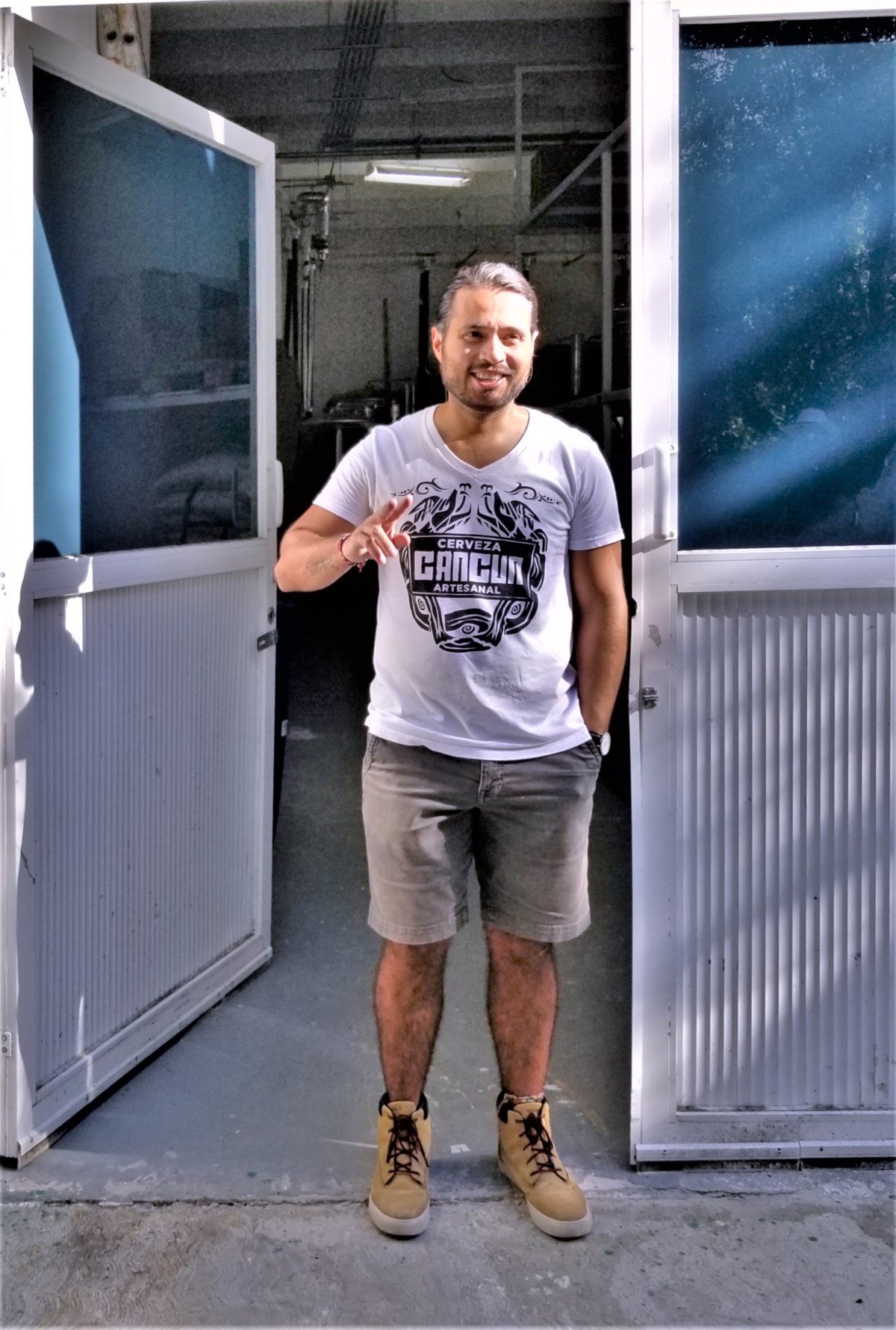

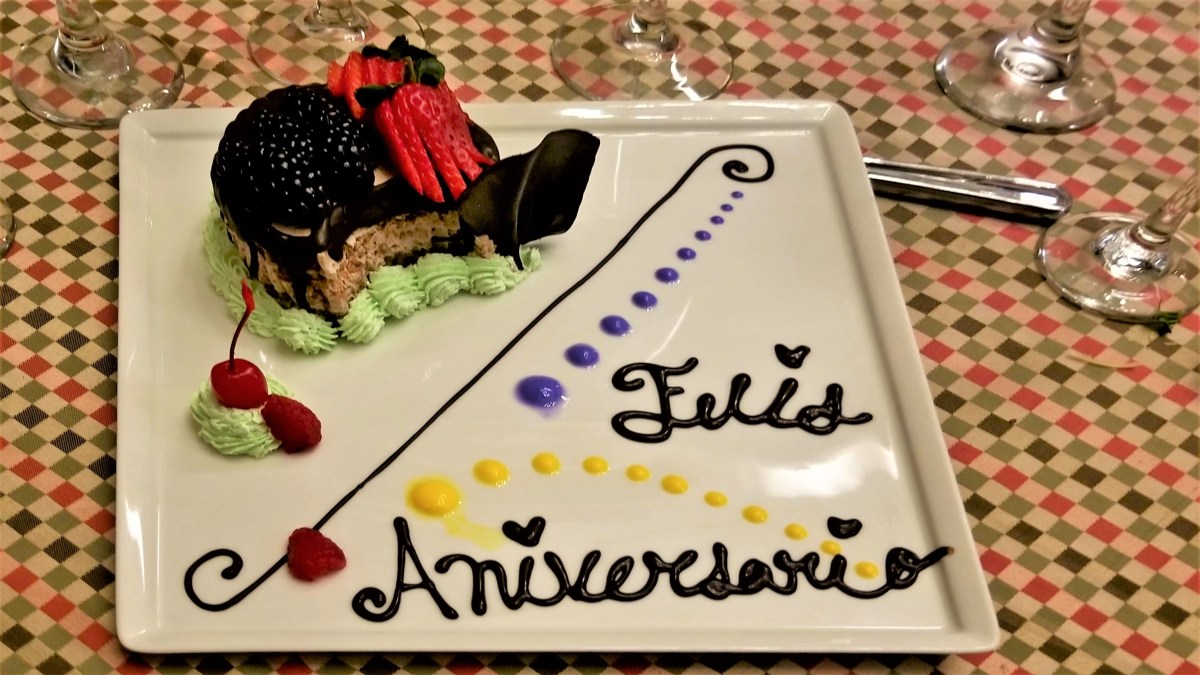
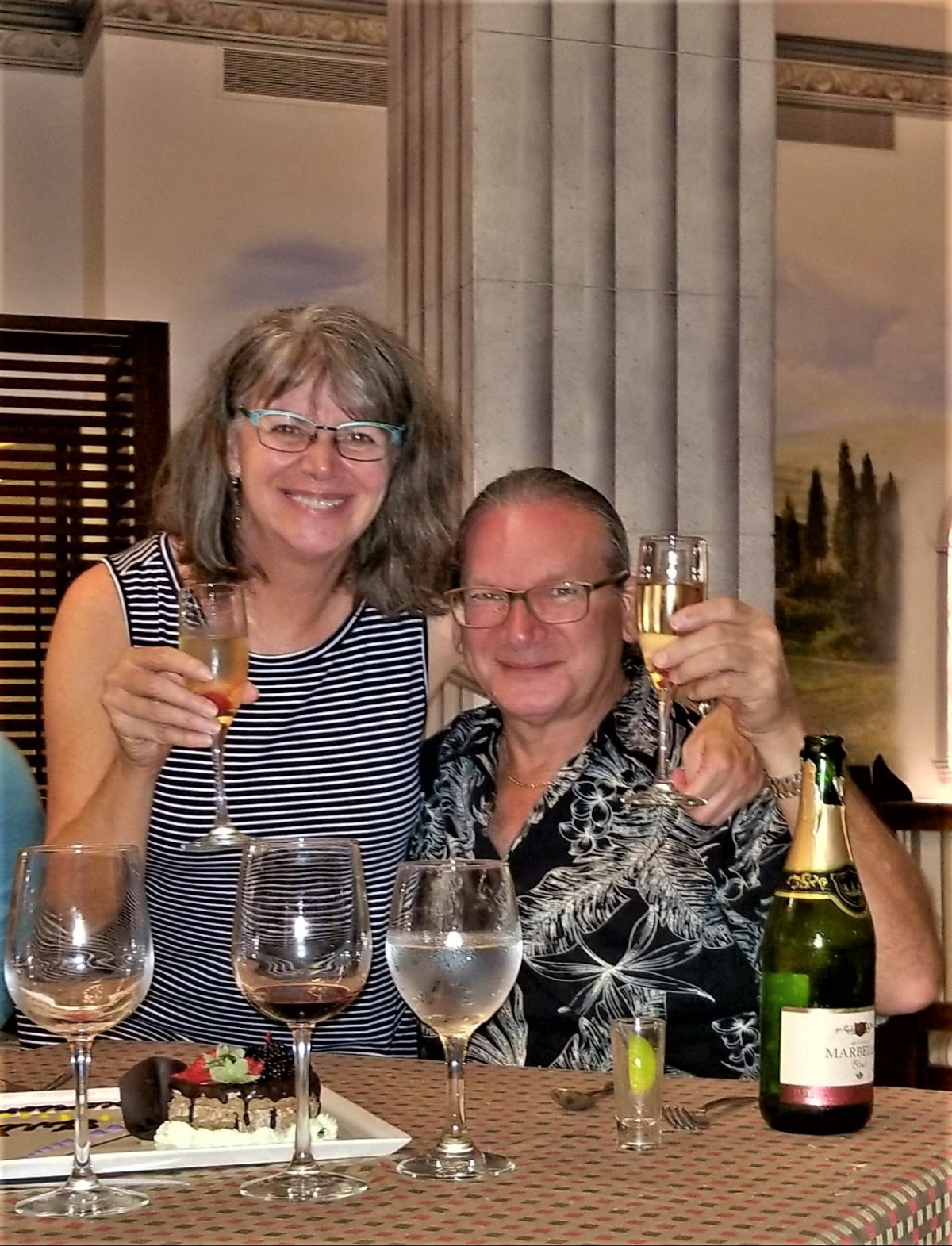


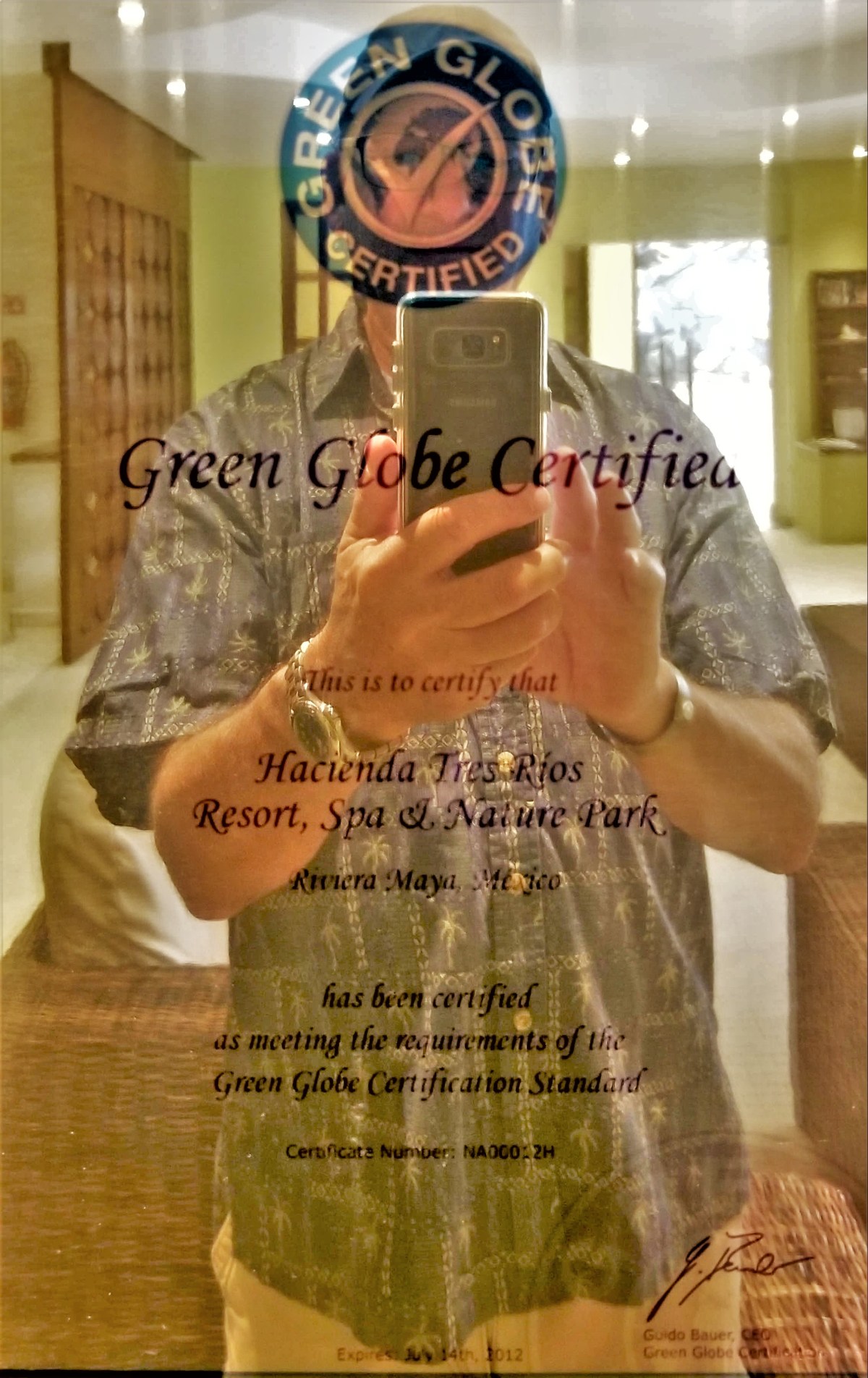


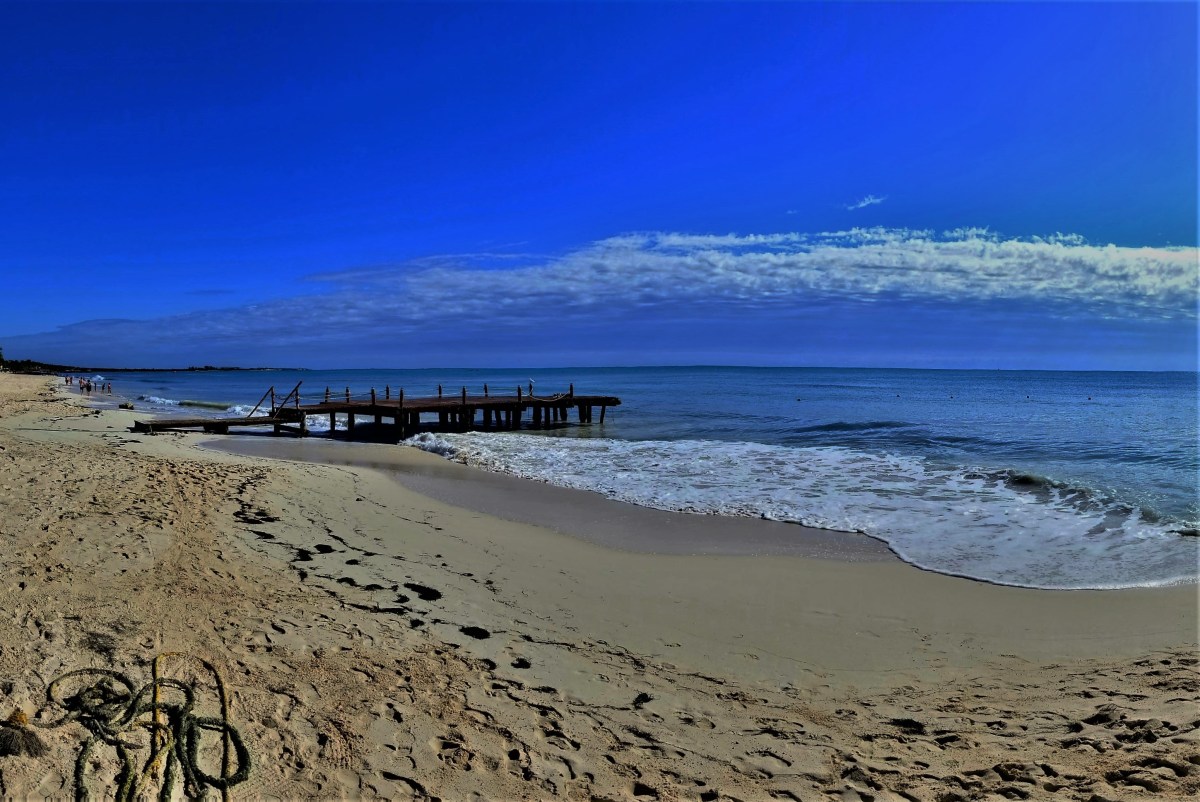

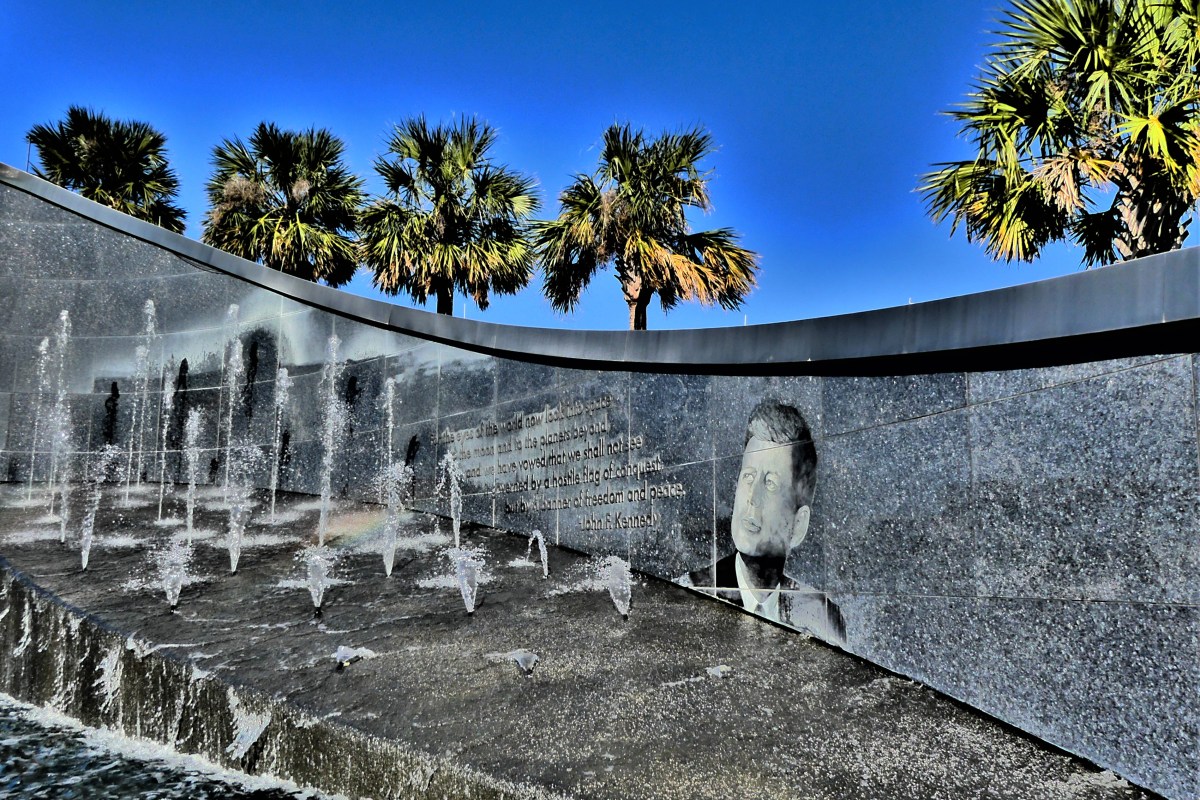


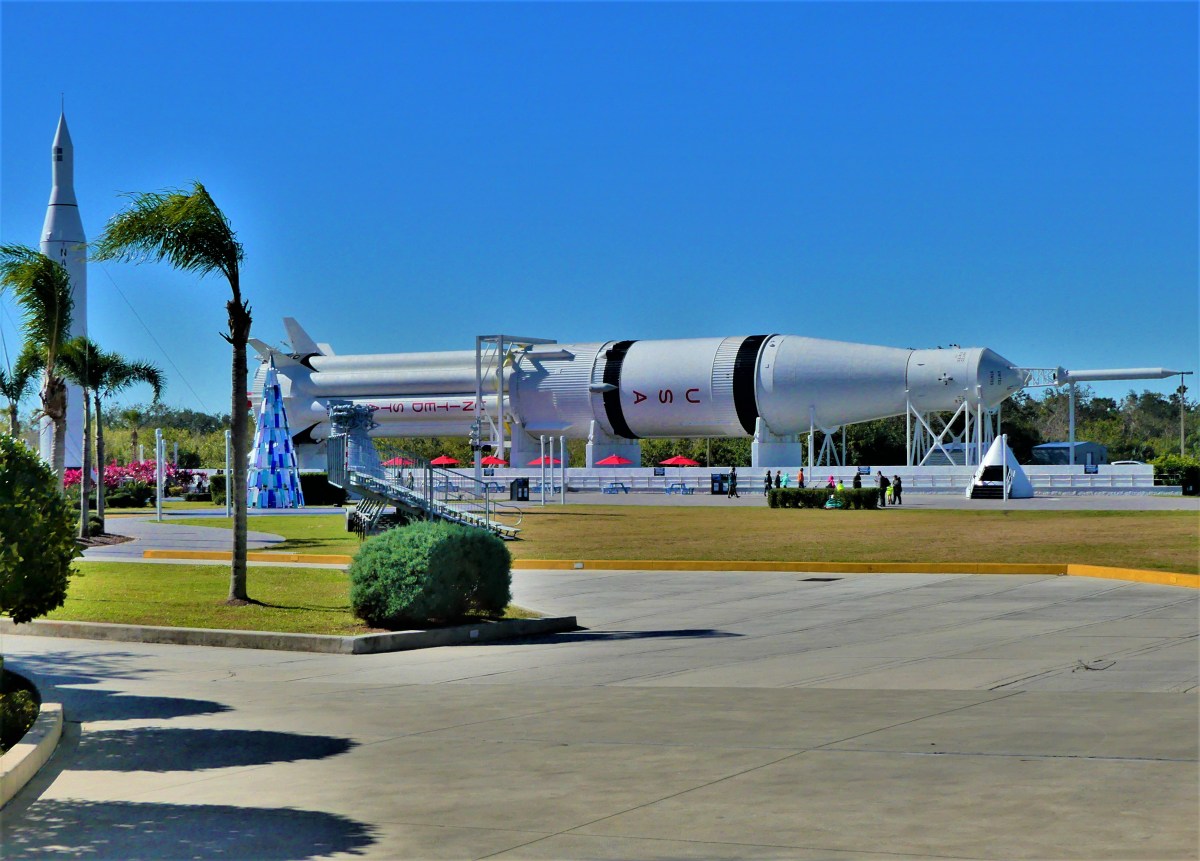

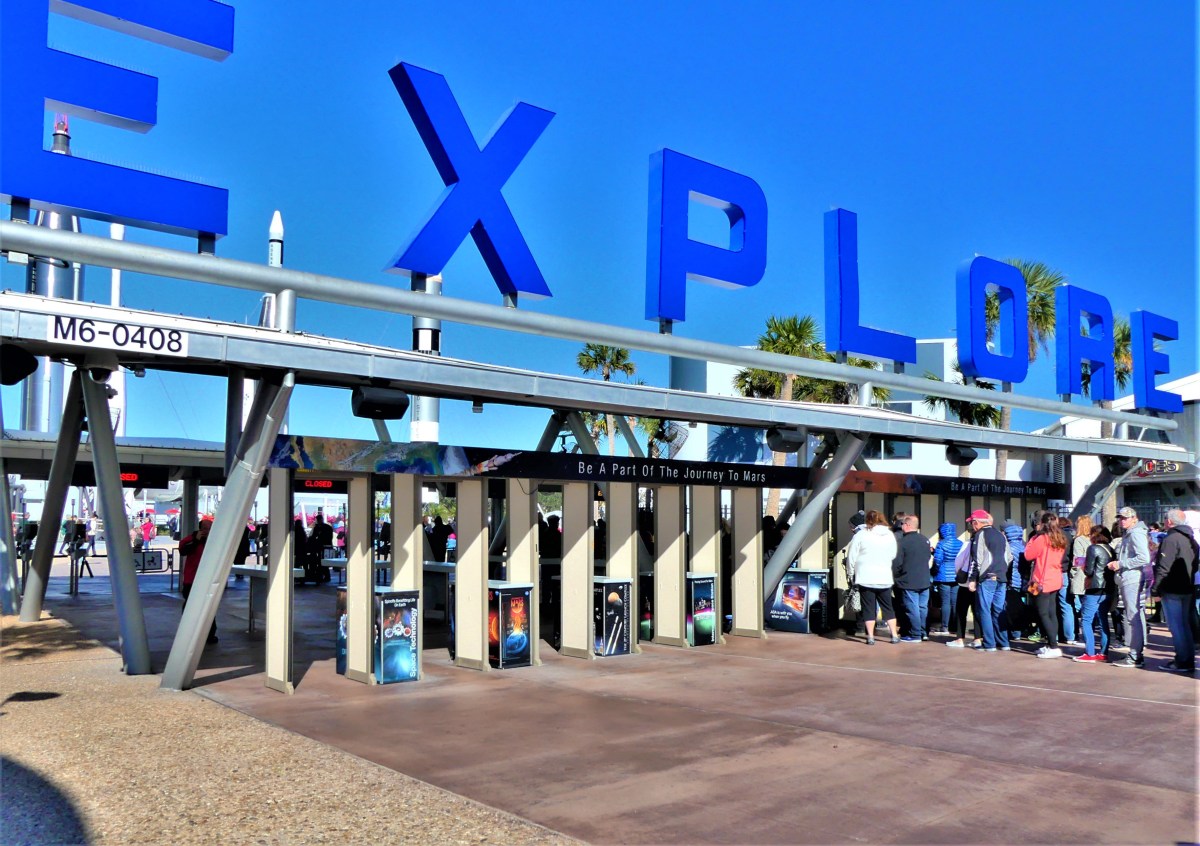



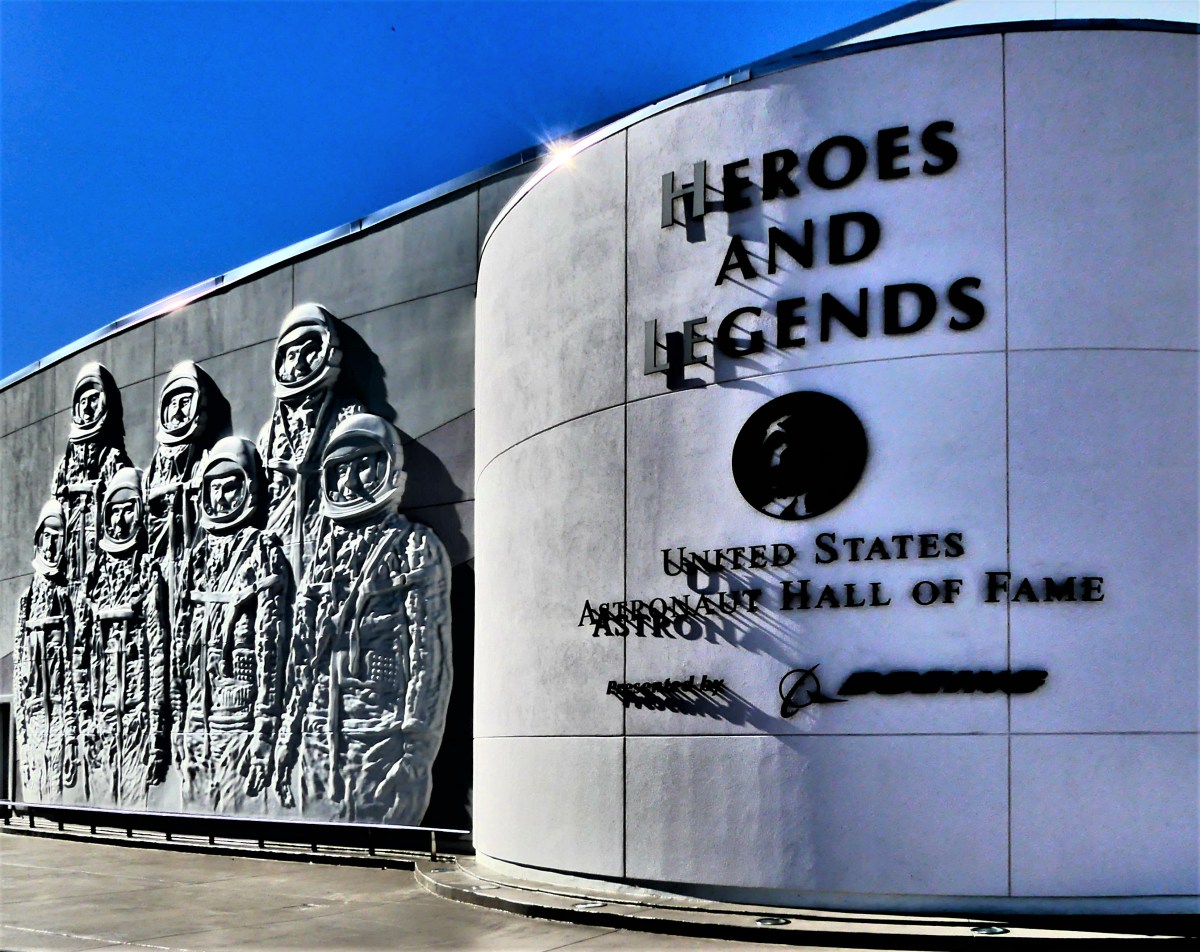


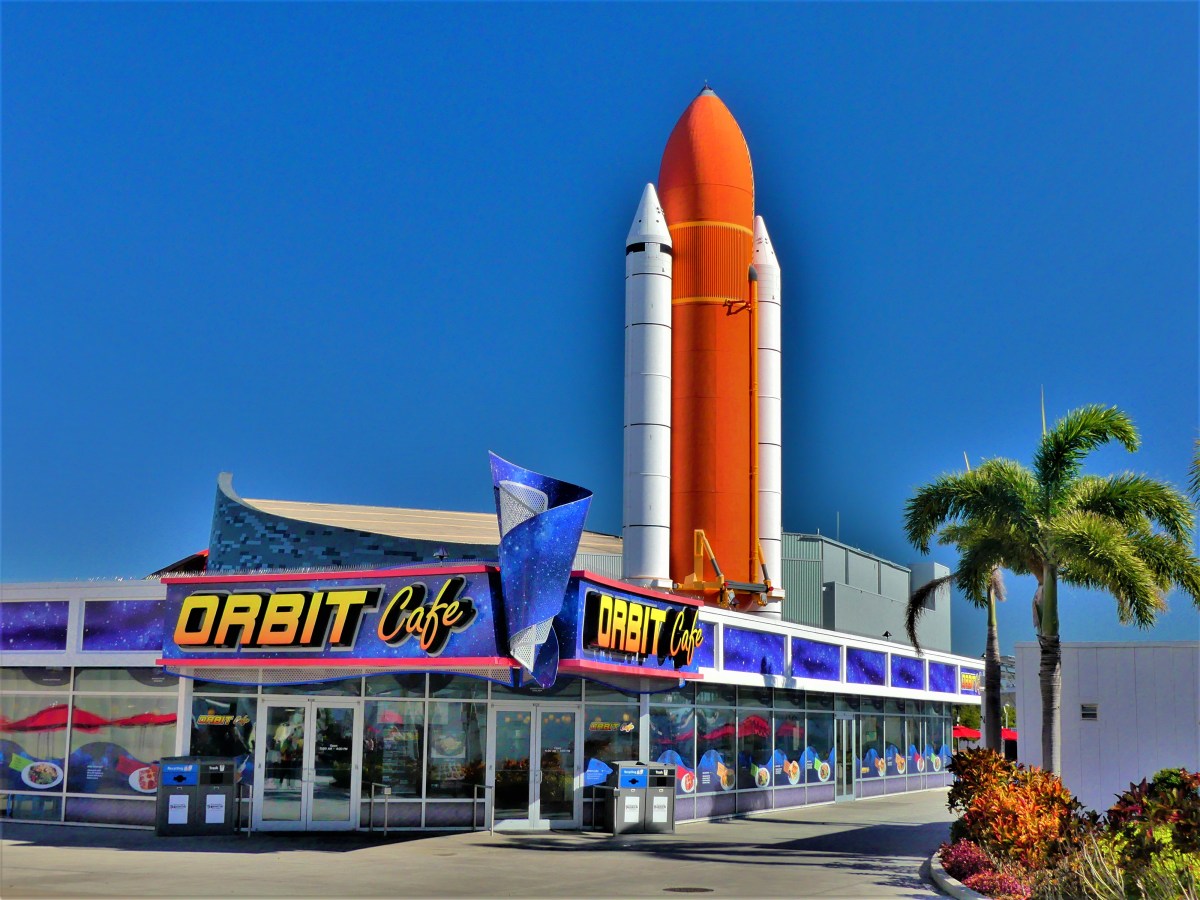

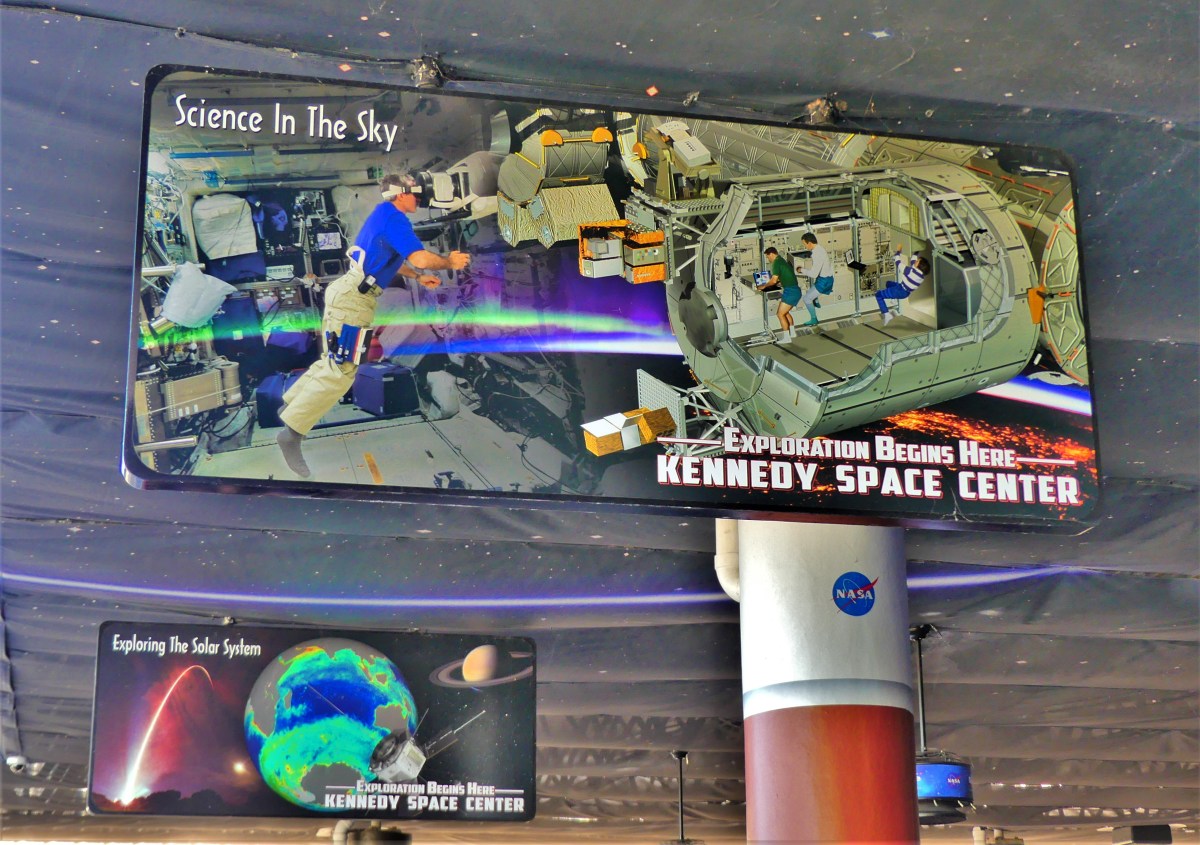


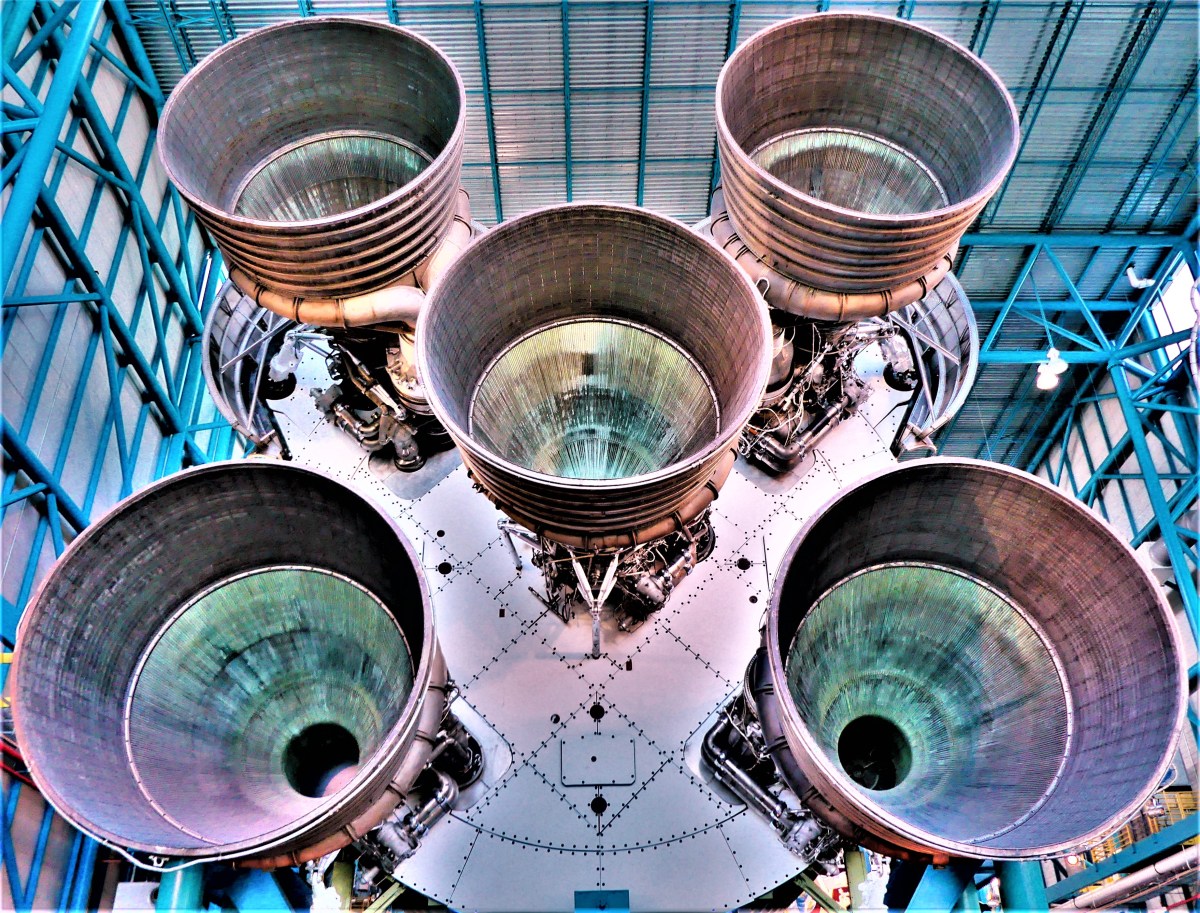

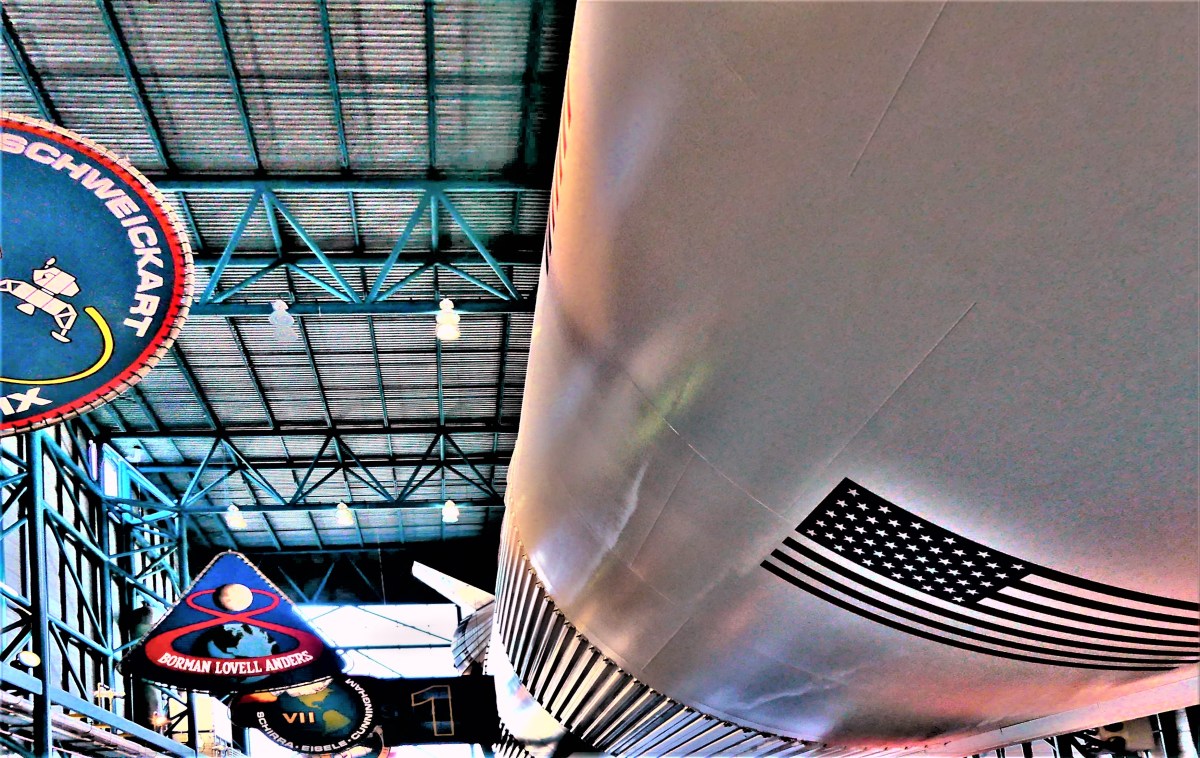




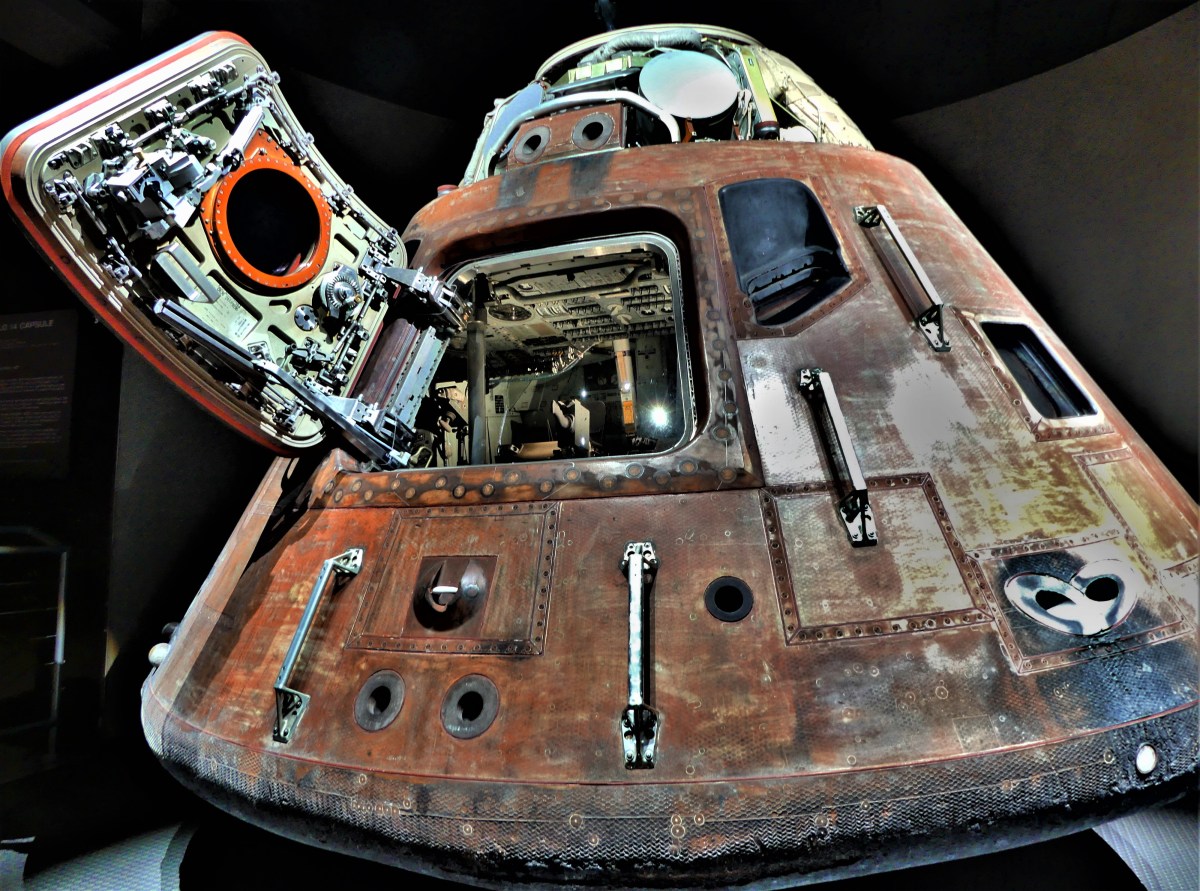

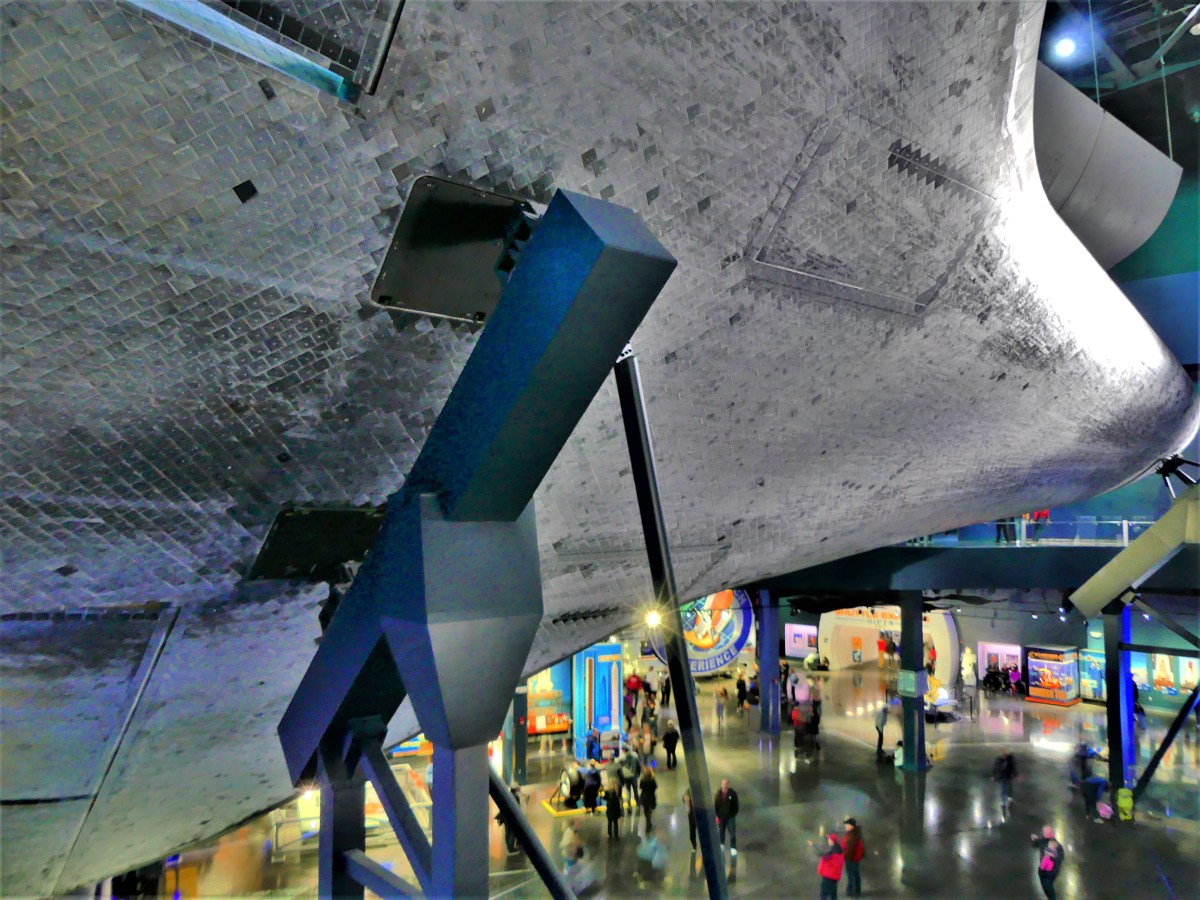

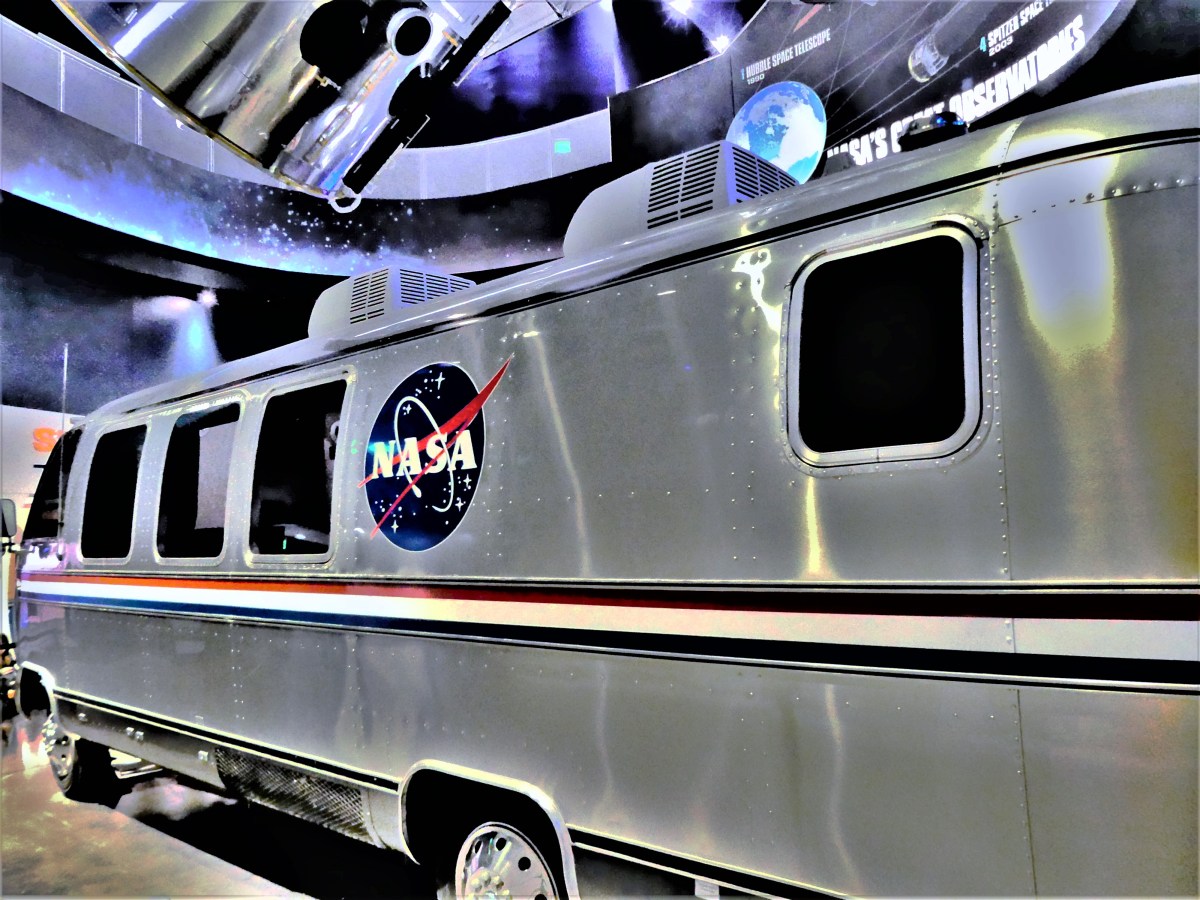







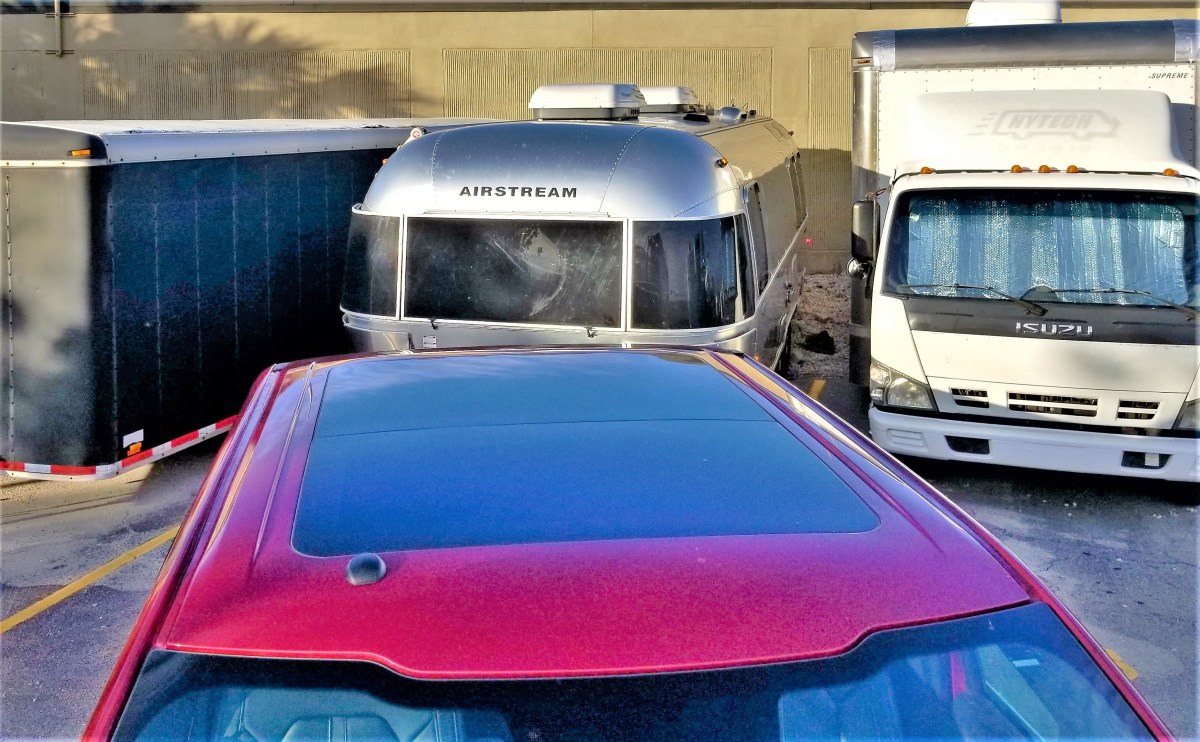

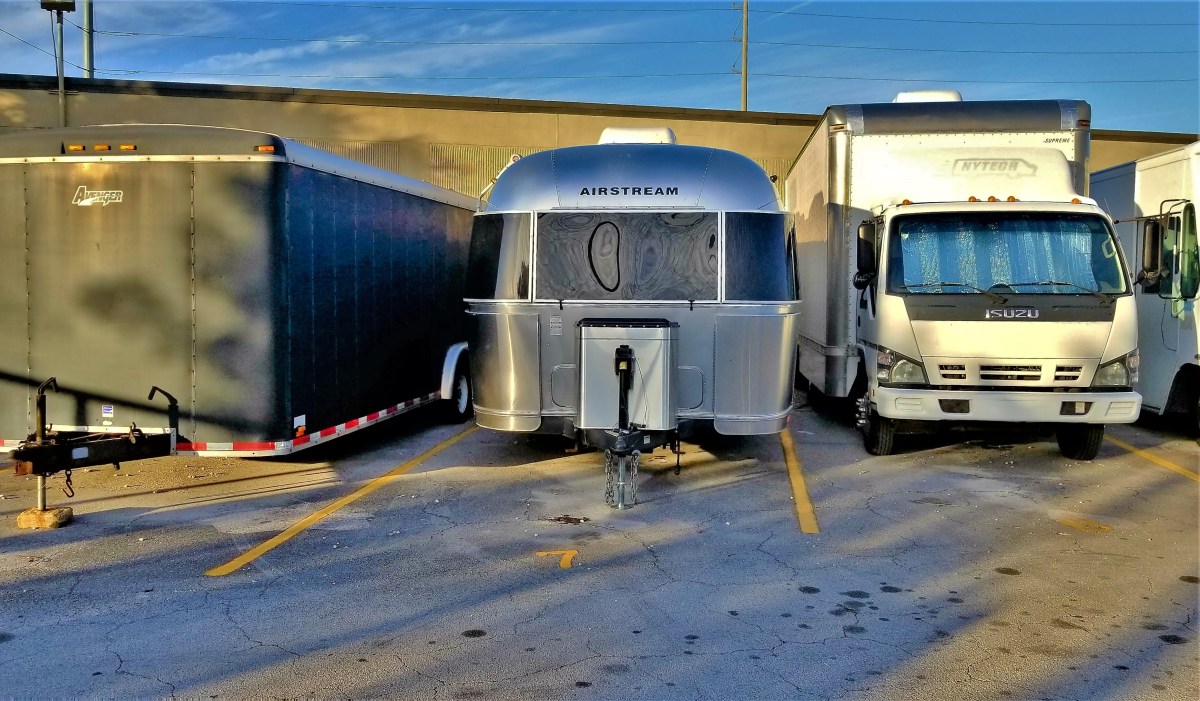






 Streaming thru America