For anyone who ever wanted to run away and join the circus, ground zero is located in Sarasota, FL, where a legacy built by John and Mable Ringling continues to simmer in a culturally rich pot that still stirs the imagination.
It’s hard to believe that Sarasota, once a sleepy fishing village on the Gulf Coast of Florida at the turn of the 20th century, has become a shining example of shimmering glass towers and manicured mansions on the bay,
and a cultural capital of fine and performing arts in America–
born from a prophecy envisioned by circus impresario John Ringling, and fueled by The Greatest Show on Earth.
However, after 146 years of touring across America, the curtain has come down on the entertainment extravaganza, and the big top has folded forever after its last show on May 21, 2017.
According to Kenneth Feld, chairman and CEO of Feld Entertainment, the circus could no longer compete as the spectacle that had endured for so many generations. Plagued by prolonged battles with animal rights activists, rising operating costs, and children more enamored by super heroes, the circus had lost its lustre and cultural relevance.
Fortunately, for those of us who still remember the taste of roasted peanuts, and the sweet smell of cotton candy wafting in the air, a visit to Ringling Museum of the American Circus…
provides a venue to a bygone era, when the thrill of the circus parade would send spirits soaring, and unrelenting children reigning havoc on parents, until they were promised tickets to the latest and greatest show.
Established in 1948 by Chick Austin, Jr., Ringling’s first museum director, the circus museum displays Ringling memorabilia from the time the Ringling brothers purchased the Barnum and Bailey act in 1907.
The collection features beautifully carved circus wagons,
Harp and Jesters Calliope Wagon, circa 1915Griffin and Venetian Bandwagon, circa 1907Hagenbeck and Wallace Lion Tableau Bandwagon, circa 1904-1905Elephant Bandwagon, circa 1906Italian Percussion Bandwagon, circa 1915
props…
Zacchini Repeating Firing Cannon, circa 1960s
posters…
and costumes…
Emmett Kelley’s Weary Willie clown shoes, circa 1942
donated from local circus families, who eventually resettled in Sarasota after John Ringling moved the Circus Winter Quarters to town in 1927.
The museum features elaborate animal carvings, past…
and present, with active carving studios onsite for miniatures…
and life-size creations.
But the shining star of the show has to be the newly refurbished train carriage, named Wisconsin…
a customized rolling office and home of grand design and furnishings built by Pullman,
which allowed John and Mable Ringling to criss-cross the nation, always in search of fresh talent and new acts for the big top.
The Ringling Museum of the American Circus features a rich folklore that honors the performers of a Golden Age, and celebrates an iconic American institution once hailed as the Mecca of family entertainment.
The museum is also a testament to five hard-working brothers born in Iowa to German immigrants, who rose from the ranks of penny actors to build a circus empire that lasted long after John Ringling’s death in 1936 until its recent demise…
and sadly, has become just another blip in the timeline of American amusement.
Traditionally, every professional team sport in America routinely celebrates a season midpoint known as the All-Star game….except for football. And for the most part, these exhibition events typically showcase the finest talent of the league franchises, usually selected by fans and coaches to honor the athletes who have amassed the season’s best stats…except for football.
Instead, the NFL currently slips its All Star game (called the Pro Bowl) between the Conference Finals (which determines the winners of the AFC and NFC) and the Super Bowl. As for talent, after excluding football’s best players heading to Super Bowl LII (Philadelphia Eagles vs. New England Patriots), player selection for this year’s Pro Bowl has been determined by fans, players and coaches in equal parts.
Pro Bowl enthusiasm among hand-core fans has flagged in recent years, now that warm and fuzzy football has replaced hard-nose hitting on gameday. The NFL punted the problem to the Players Association, who conceded that members may voluntarily decline to play due to injury concerns. But the league tackled player indifference by raising the stakes and incentivizing competitive play, with $64,000 awarded to every player on the winning side, while losers receive $32,000.
Thankfully, only the Super Bowl remains, before football passes the sports mantle to hockey, basketball, and the Winter Olympics. Fortunately for me, a very laid-back sports fan, uneven internet access and poor TV service from coast to coast prevented me from following the colossal collapse of the New York Giants (3-13), a four-time Super Bowl champion, and a perennial contender.
Nevertheless, with the Pro Bowl temporarily relocating from Hawaii’s Hula Bowl to Orlando’s newly renovated Camping World Stadium…
I decided to treat Leah to a last day of football. However, neither of us was counting on a day of downpours.
Rain was a constant interruption throughout the game–from the moment we arrived for the opening snap…
to the time we returned to the parking lot with minutes to play, and the AFC squad advancing to the goal line for an eventual 24-23 win.
In between, there were a few things to cheer about.
And then there was football, too.
The Pro Bowl was a game of two different halves, with the NFC holding a 20-3 half-time lead, capitalizing on dominant drives over darkening skies.
Meanwhile, preparation for half-time festivities devolved into occasional swordplay on the sidelines,
However, sword order was eventually restored after Dancing with the Stars winner Jordan Fisher emerged…
and took the makeshift stage for ten minutes of coordinated music and mayhem,
eventually finishing with a flourish.
When the game resumed, it seemed as if a different NFC squad had taken the field,
allowing the AFC to roar back under increasingly sloppy conditions.
Naturally, the biggest score of the day occured at the concession stand, when food vendors raided my wallet for $32 in exchange for a cheesesteak, fries, Coors Lite, and a bottle of water.
But despite the puddles and the pouring rain,
we put on our game faces,
and managed to convince ourselves that all of this was time and money well spent.
We were breezing through National Park Highway with the winds of Rainier at our backs,
heading through Ashford, WA on the way to Mt. St. Helens (see: Beauty and the Beast),
when the sight of a 17-foot grazing giraffe (Aspen Zoe) craning over a split-rail fence caught our attention,
causing us to catch a second look.
The open field before us provided a perfect pedestal for oversized sculptures.
The allure of a hidden sculpture garden amid the cedars and firs of the Cascades was galvanizing, and had us hooked.
Oscar–18-feet long by 12-feet high
We felt magnetically drawn to the magical monstrosities, and compelled to turn into the gravel driveway for a closer look, sharing the parking lot with The Angel from Hell.
The gatekeeper was generous, allowing us passage,
and we were free to roam through Recycled Spirits of Iron Sculpture Parkfor a small donation.
I turned to Leah, pointing to the bird…
“Check it out. Toucan get in for the price of one!” I mused.
“Your jokes are a bit rusty,” she retorted.
“True,” I countered, “but at least I beaked your interest.
We paused at our first fish-out-of-water encounter to admire the mechanical calculus of mashing a gearhead, cogs and sprockets together with a wheel here, and a drain cover there, and accented with a fan blade for a fin, and a saw blade for a snout, wrapped around an exoskeleton of grating.
“How many horseshoes do you think it took to fabricate the skin?” Leah wondered aloud.
We stepped around for a different perspective.
“Why don’t you ask the artist,” volunteered a robust woman wearing a calico print apron and approaching us from the porch. Indicating afar with her pointer finger, “That’s my husband on the tractor out there, just about finishing up the front yard cut. He’d be happy to meet-cha by the garage, cuz he loves talking about his art.”
Dan Klennert was hungry for conversation, and passionate about his process of collecting junk.
He walked us through the nerve center of his creative cocoon, where all things junk were separated according to subject and size, and stacked in stalls that reached to the rafters.
There are scores of “works in progress” scattered throughout the warehouse that originated on the whim and inspiration of a stray piece of driftwood, or the basin of a wheelbarrow, or the rotary cage of a lawnmower.
Dan is a junk whisperer of sorts. As he sifts through new collections of scrap that he regularly inherits from area farmers and ranchers, he gets a “tingle of inspiration” when he comes across something special.
“This here’s gonna be a whale,” Dan claims, showing us the sweep of the bough with the sweep of his hand. “And this eagle I got started on, I’m still waitin’ on the perfect piece that gonna be his wings.”
“I grew up in a small town called Crookston, MN,” he recalls, “and as a kid, I loved to draw. When I was seven, my family moved to Seattle. That’s when I started pulling my red wagon around the neighborhood, and collecting things from junk piles. I wasn’t much of a student then, but Friday was always my favorite day of the week, because Friday was art day at school.”
Dan became a mechanic by age 22 and learned from a foreman “how to glue two pieces of metal with a welder.”
“I found a way to put together the two things I loved most, scrounging and art,” confides Dan.
Leah and I continued our tour of the property, where the playful…
and the whimsical…
intercepted with the spiritual…
the arcane…
and the carnal…
Adam and Eve
But it’s safe to say that Dan Klennert has found his Eden on earth. His four-acre niche has given him a place to park the variations of a mechanical mind that melds an anchor to a sprinkler to imagine a snail, as he earnestly nudges the nuance of ex-nihilo–creation out of nothing.
Leah and I sat in beautifully hand-carved, yet wildly uncomfortable rattan chairs over a Mexican buffet breakfast that could best be described as Meh-ican. Sitting across the table from us was Ricardo, a familiar host and representative of the developer, who was writing upside down with his Mont Blanc pen, while presenting all kinds of facts and figures about the local hospitality game.
“40,000 hotel rooms in Cancun and 40,000 hotel rooms in all of Riviera Maya stretching from Puerto Morales to Tulum,” he regaled, “and here we are, at Tres Rios, right in the middle of this amazing paradise.”
Ricardo was finding his groove. He was flashing pages of a promotional real estate magazine and rattling off stat after stat as he actively drew a map of the Quintana Roo coastline on the backside of a resort brochure. For every detail added, Ricardo would reinforce his point by circling the Riviera Maya caption at the top of his masterpiece, until it resembled a paddleboard floating on a cartoon sea. With bold retraces and multiple underscores from his pen, he emphasized the unprecedented low, low prices that wouldn’t last unless we acted today!
Ricardo’s presentation was polished and professional, needing only one new breath of air every five minutes or so to sing the virtues of founding membership privileges, and the accorded rights and benefits granted to ground-floor go-getters who were willing to take advantage of a great deal when they saw one.
Ricardo has been honing his razor-sharp delivery skills for the past 25 years, having moved from Jalisco in search of an opportunity, and finding sponsorship with the Sunset Group, a controversial band of land speculators and developers from Mexico, who have since built four resorts from Cancun to Playa by selling timeshares to curious vacationers who couldn’t resist the notion that a Mexican vacation would fulfill their sun-starved lives.
Hacienda Tres Rios has become their biggest venture to date. Once an active Nature Park, the preserve fell on hard times after the devastation of Hurricane Wilma in 2005, and ultimately closed. In exchange for the right to convert the dormant property into a resort, the Secretariat of the Interior secured a commitment from Sunset Group to restore the mangrove habitat and preserve the original eco-park concept.
Ten cenotes (some fresh water, and some brackish) are scattered throughout the property, with miles of bicycle paths carved into the jungle, providing access to swimming and snorkeling, while a short hike to Cenote Aguila offers a chance to kayak or snorkel down Rio Selva to the sea.
Subsequently, steps have been taken towards self-sufficiency: with completion of a mangrove and orchid nursery, a water desalination plant and inverse osmosis system, solar panel installations for sustainable energy production, and a local farm-to-table concept that cultivates flowers, fruits and vegetables for all resort restaurants. Sunset World has transformed Tres Rios into Mexico’s first green resort years later, and is now the standard-bearer of all future hotel development in the vicinity.
As members of a sister resort in Playa del Carmen, Leah and I were invited ten years ago to inspect the property at Tres Rios and sample the spa hospitality. We returned the same evening to enjoy a Mexican fiesta on the beach, but not before we were spritzed with organic mosquito repellant, which really seemed to keep the bloodsuckers away. It was great fun at the time, and seemed like an experience worthy of repeating.
Subsequently, Ricardo and I negotiated on a one-bedroom suite for a one-week share that for many different reasons has been visited only four times in the past ten years.
Today, the Sunset organization prepares to finance Phase Two at Tres Rios, promoting luxury interval ownership, and beyond (future development of single unit residencies, and a marina with ocean access), so Ricardo sits across from us, giving his all–dazzling us with his artful cartography and adroit calligraphy–with every intention of leveraging our single week of ownership into a one-month obligation, which will help to defray the cost of the elaborate June Quinceañera his daughter has been planning for nearly a year.
But Leah and I never had any intentions of upgrading. Never. We were there for the sole purpose of exchanging our two hours of attendance for an hour of spa treatments. While our massages are presented as a gift for our precious time, realistically, it’s little more than a simple lure that’s part of a much larger marketing strategy.
It was a monumental match of wills: Ricardo’s relentlessness versus our resilience. After an obligatory walk-thru of the newly appointed model apartment (which was roomy, luxurious, and fashionable) we moved through a display and awards room to reach an open conference room populated with small tables surrounded by high-back leather chairs. This was to be the setting for Round 3. While the chairs were more comfortable, the air temperature inside was rather chilly, prompting a request from Leah for a blanket before she bolted.
When Ricardo sensed that things weren’t going his way, he called for an assist from Patrick, his manager, who from gracious introductions revealed himself to be a 40-year old Irishman with a Mexican accent. The sales pitch devolved even farther after he further explained his unusual heritage: his Irish father met his Mexican mother while vacationing. They subsequently married; lived in Dublin until Patrick turned four; and under duress from his mother, his father returned to Mexico, where Patrick was schooled and his parents eventually divorced, although on good terms.
His father currently lives in Ireland, where he crafts granite fountains with Mexican stylings, and has sold one of his designs to Bono for his home on Killiney Hill. The conversation turned to our love of U2’s music, our mutual excitement of seeing them entertain live on stage, and Patrick’s fascination with my look-alike appearance to Bono.
Out of the corner of my eye, I knew that Ricardo was defeated. Unable to participate in our repartee, he sat silently and sulked, perhaps wondering if he could ever recover. I signaled to Patrick that we were passing on the offer, and just like that, the transaction was finished and so was Ricardo’s energy.
In a last ditch attempt to win the sale, he severely undercut his original bid. And like a Hail, Mary pass floating into the endzone, he threw in all kinds of extras with no charge to us, but we stood strong; we would not be swayed.
In the end, we shook hands as friends–Ricardo, the fallen gladiator, vanquished in the sales arena, and me, the victor with my wallet still intact.
Sometimes things don’t always go as planned. And sometimes there are insufficient numbers of military acronyms to express the frustration that Leah and I felt as we searched in vain for Airstream storage in anticipation of a spontaneous week away to Playa del Carmen, Mexico.
With the weather in central Florida turning colder by the day–not to mention the deep freeze that had tied up all the Northeastern states in an icy straight jacket–the thought of lounging on the Mayan Riviera, and sipping a Corona, while paying homage to Kinich Ahau left usas starry-eyed as Donald Trump during a total solar eclipse.
All that we required was a place to drop the Airstream, although more easily said than done. Leah and I initially made a round of investigatory calls after strategically determining that the best place to leave our Airstream would be somewhere within the Palm Beach vicinity, since we were flying out of Ft. Lauderdale and relocating to Bradenton. From there, it would take under four hours to cross Alligator Alley to our last long-term residence before making our move North beyond the winter thaw.
“Sorry, but we’ve got nothing here!” or “Unfortunately, we’re completely full!” were recurring answers from facility reps who bothered to answer the phone or conveyed the common courtesy of returning our voice mail.
“So now what?” Leah lamented.
This was an unexpected SNAFU (Situation Normal, All Fucked Up).
“A small setback. I guess we should work our way South, and consider calling storage centers in Lake Worth,” I proposed.
After a time, Leah landed a reservation with Public Storage, the largest brand of self-storage services in the U.S., with more than 2200 storage rental facilities nationwide, and net sales of $2.5B. Like all short-term rentals, we would be charged a monthly rate despite needing only 10 days of parking for our Airstream.
Oh, well. At least we’ve secured a space!
Finally, a move-in reminder arrived to Leah’s e-mailbox:
We’re looking forward to seeing you on 01/05/2018, when you have a reservation for moving your stuff into storage.
Please be sure to arrive at least 30 minutes before closing time on your move-in date to make sure you have enough time to complete your rental. The location’s office hours are:
Monday – Friday: 9:30 AM – 6:00 PM Saturday/Sunday: 9:30 AM – 5:00 PM.
Read our blog for ideas, inspiration, and organization from storage experts.
Looking forward to meeting you here, Your Public Storage Team
We picked up I-95 South from Melbourne, Florida, and drove 120 miles to Lake Worth on the morning of January 5, until we arrived at Public Storage two hours later. Typically, like all other arrangements we’d made thus far, Leah entered the office to complete the transaction, while I waited in the F-150 with the trailer coupled behind me. Ten minutes later, I answered a call from Leah through the console.
“What’s up? I asked.
“You’re not going to believe this,” she began, “but we don’t have a storage space!”
“WHAT? Are you fucking kidding me?” I answered, incredulous of our situation.
“I know,” she blurted. I could hear the venom in her voice. “Just a minute, I’m not finished with them!” she fumed.
We were no longer engaged in conversation. Instead, with the call still open, I was now listening to Leah’s explosive exchange on the other side with the center’s manager.
“This is bullshit! You’re telling me after my husband drove two hours to get us here, that even though you issued me a confirmation for a parking space, you’re not gonna honor my reservation?”
Asorny, the regional supervisor, responded, “Technically, the reservation didn’t come from me; it came through the reservation center. But with our new system, the reservation center has no way of knowing the individual site’s inventory levels. That’s why we encourage our customers to always inspect the site first.”
“That’s the stupidest thing I’ve ever heard,” Leah levied. “How on earth can you promise something you don’t have? Well, you better find us something elsewhere, ’cause I’m not leaving until you do!” Leah asserted.
Now speaking to me, “I’ll call you back.” And the phone went dead.
For the moment, we were holding steady at SUSFU (Situation Unchanged: Still Fucked Up)
Another ten minutes passed, and Leah, dejected, climbed into the truck.
“Not good,” she announced. “They called around, and there was nothing.”
“What did they say?” I was curious, although it really didn’t matter anymore.
“They said, ‘Sorry ma’am, but you’re on your own.'” lamented Leah.
At that moment, we crossed over to TARFUN (Things Are Really Fucked Up Now). I seemed as if I was flying a silver albatross that had lost its landing gear, and it was getting late in the day.
Suddenly, a tap on the passenger window by a tiny, middle-aged Hispanic woman took us by surprise. Somehow she inferred that we were desperately in need of storage. She reiterated in broken English about another nearby facility on Congress St. that would have space for us, but she couldn’t recall the name.
Without the name of the place, we couldn’t call ahead; we would have to see for ourselves. Given our situation, it was too good a lead to ignore, so we followed her directions, and easily located Easy Storage a mile away…
But they were full, which now placed us in the TARFU (Totally and Royally Fucked Up) zone.
After another round of phone calls, we chased down two additional dead-ends which carried us to the far reaches of town, somewhere between Disheartened Drive and Discouraged Court.
Yet we soldiered on. A cold call to Storage Rentals of America at 7000 Military Trail in Riviera Beach seemed promising. Jim, the manager confirmed that a 10 x 30 foot parking space was presently available for a reasonable fee.
And so, back again, up I-95 North we trudged, only to discover that the available space beside the building would never permit the severe turning radius required to back up the Airstream. Jim knew it the moment he saw us drive past the office, but felt he had to break the news to us personally, despite my struggle to find a 50-foot parking spot on a nearby road away from traffic with limited turn-around access.
Not knowing what else to do at the moment, I assumed the BOHICA (Bend Over, Here It Comes Again) position.
Resuming our way back to nowhere in particular, we passed Life Storage, and called them on a lark. We were transferred to RJ at Delray Beach, who guaranteed us a 10 x 30 foot space near the security gate for $141.00. It was worth a shot. Like a pinball in search of an elusive target, we bounced back to I-95 South for a date with RJ, who’d be expecting us with open arms.
We eventually arrived at the location at 4 pm, only to discover the office locked with a hastily written note taped to the door, declaring: “Back at 5”.
Leah was on the edge of tears. “I’m about to lose it,” she confessed. “We were just on the phone with this guy. He was expecting us.”
“And who goes out to lunch at 4, anyway?” I chimed in.
Cautiously steering around the unsecured cramped lot without noticing without any discernible space for the Airstream left me limp. I knew at that moment that we were approaching FUBAR (Fucked Up Beyond All Recognition) status.
A last ditch call to the Life Storage reservation center revealed that we had inadvertently mapped the tertiary location, when the full-range storage center was a mere half-mile away. I took a deep breath, and u-turned across six lanes of rush hour traffic to finally arrive at the bonafide destination.
RJ was waiting for us, and escorted us to the space. To his credit, the space was open and available, but tight, requiring the skill set of a neurosurgeon to negotiate the pass. However, before I panicked and pushed the FUBUSH (Fucked Up Beyond Unbelievable: Situation Hellzone) button, I would give it my best effort, because this was our last chance to ditch the hitch.
I’m happy to report that the angel who whispered directions in my ear delivered me to the promised land–helping me to navigate the back end of the Airstream between the Isuzu on the right…
and the Avenger on the left–
despite limited swing clearance from the front of the F-150.
When all the paperwork was finally completed, and the Airstream was left behind, Leah boarded the F-150, and we were on our way to visit a nearby friend in Delray Beach, who would listen to our recounted quest before awakening to an early morning departure the following day.
It was then that Leah shared the news:
“RJ wanted you to know,” she emphasized, “that what you did back there was some of the finest parking he had ever seen.”
That’s the moment I realized that we would never be selling this Airstream!
We bought a house! It wasn’t supposed to happen this fast, but it did, and it’s still a pinch-me moment.
Always a part of our plan while circling the country, it was our mission to scope out a place to settle at the end of our epic trip. We figured that there was a definitive advantage to traveling through all parts of America for an up close and personal look at what could be next for us, making it easier to sort out all the fodder, and focus on the merits of communities that caught our attention. But we never counted on finding a new residence this quickly. And we never counted on settling in Florida!
We knew starting out, that our days in New Jersey were numbered. After growing up and growing old in the Northeast–with sixty-four winters of low temperatures and high taxes–it didn’t take much figuring to realize that retirement was anywhere but New Jersey and the surrounding snowbelt. Yes, it meant saying goodbye to friends and family, but the notion of trading the comfort and familiarity of an old sweater for a tank top and flip flops was too profound to ignore.
As we streamed thru America, we carried a quiet list of must-haves and desires that we would superimpose from time to time over different destinations in order to analyze the community credentials, although it seemed that our list was so exhaustive and exclusive that we wondered if there was a place for us at all.
We wanted a beach and the mountains; we wanted a quaint yet vital town or city–not too big, but not too small–that would still have a cultural identity reflected by its diversity of good restaurants, music venues, art galleries and local merchants, all within reasonable proximity; we wanted affordable tax-friendly living to stretch our dollars into our late nineties; we wanted space around us to protect our sacred privacy, just in case we wanted to run around naked; we wanted newer construction to ease ourselves of homeowner headaches; we wanted a climate that would allow us generous outdoor time, and while the passage of seasons wasn’t a high priority, it would certainly break the monotony of spring, summer, spring, summer, etc.
Immediately, we ruled out the Northwest because of the rain, the cold and fires. We rejected the Southwest for it’s dryness and heat (although Sedona was in the running). California was too expensive, and Texas was too Republican (except for Austin, ahh, thank goodness for Austin). After disqualifying the Midwest for its lack of mountains or beaches, we knew we were running out of possibilities.
We concentrated on our search in earnest after returning from our New Jersey Thanksgiving with family, and reboarded the Airstream temporarily stored in Charlotte. We resumed our country tour in Charleston, which seemed to me like a perfect location. It had everything that we were looking for, except plantation living proved too costly. The closer we got to the historic city, the further removed we got from affordable real estate. And the closer we got to affordable housing, the city inevitably slipped further away from sight and touch. Unfortunately, Savannah was no different. Sadly, we crossed South Carolina and Georgia off our personal prospectus.
I had mentioned to Leah from the beginning that I never considered myself Florida material, yet here we were in Jacksonville, considering the likelihood of St. Augustine. Interestingly, America’s most historic city (founded September 1565) ticked all of our boxes (other than mountains, eight hours away). All that remained was finding a house that we could make our home.
Local friends recommended an agent friend of theirs who picked us up from a nearby Walmart parking lot (where we drycamped the night before), and patiently chauffeured us from one development to another. But everything Bob had shown us was underwhelming until we walked through a custom-built house on a cul-de-sac bordering a preserve on two sides–originally built for a client who’d lost her financing and had to walk away from the sale–and offered at a price that Leah and I could afford, with a floorplan that suited our needs: open-concept, single floor living with 12-foot ceilings, a gourmet kitchen with natural gas, a screened-in lanai, and a 3-car garage.
We didn’t commit right away. Leah had her doubts about community amenities, but a 10-minute bicycle ride to historic downtown, and 6 miles from Vilano Beach proved to be a winning combination, even though the association pool was unheated. We deliberated for a week before coming to the conclusion that we might regret passing on an amazing opportunity.
We called Bob and the builder’s agent to find out if the house was still available. It was.
After negotiating the details, the extras, and the price, the house now belongs to us and the bank, contingent upon closing.
We still have three months of traveling ahead of us, but we are finally free to explore the balance of our road trip without the pressure or burden of where we’ll relocate.
Riddle: What does the Trump administration and the Army Corp of Engineers have in common?
Answer: Both tried to drain the swamp and both failed miserably!
At one time, four thousand square miles of southern Florida was regarded as a vast and untapped resource,
but not because of its natural beauty and bounty.
Rather, the Everglades was long considered an uninhabitable and hostile environment filled with horrible reptiles,
hordes of mosquitoes, and enough sawgrass to cut a man to shreds;
yet, nonetheless worthy of future cultivation and commerce, if only the rich underlying soil could be reclaimed.
By the middle of the 19th century, political dreams and aspirations begat studies and commissions which begat a Congressional resolution that decreed that draining the swamp would result in enormous land improvement, incentivizing developers and homesteaders to relocate to Florida.
After the Civil War, Hamilton Disston, a Pennsylvania real estate magnate bought 4 million acres at 25 cents an acre, and began dredging canals through the mangrove forests with the intention of lowering the levels of the wetlands by reducing the basin of the Caloosahatchee and Kissimmee Rivers.
While the canals never drained the Everglades, the publicity spawned newcomers to the area, who willingly paid Disston $5 per acre–establishing towns like Fort Myers on the west coast and Ocala in central Florida.
Oil tycoon, Henry Flagler took notice, and seized the opportunity to buy large tracts of coastal land to build a railroad, eventually reaching Miami, and encouraging further growth and tourism to fill his grand hotels, from St. Augustine to Palm Beach and beyond.
Fast forward to the 1930s, when the Army Corps of Engineers, under the direction of Herbert Hoover, built a dike four stories high, and 66 miles long on the southern edge of Lake Okeechobee–controlled through a system of channels, locks and levees–shifting the focus from drainage to flood control, in response to deadly storm surge caused by massive hurricanes.
The dike was so successful at holding back groundwater, that 1 million acres of Everglades, now parched and leached with ocean water burned in 1939 after an epic drought. Top soil quickly decomposed from bacteria now exposed to air, causing homes erected during the building boom to lose their foundations, only to be replaced by stilts.
A series of pump stations were built in the 1950s, designed to release water in drier times, or remove and pump it to the Atlantic or Gulf of Mexico in times of flood.
And so it went throughout decades of mismangement: one problem after another led to one fix after another, with little regard for conservation.
Although Everglades National Park was dedicated in 1947 to preserve a fragile ecosystem that was suffering from explosive growth and systematic water diversion, the Army Corp of Engineers continued to build water conservation areas bordered by canals for intended sugarcane production and thriving population centers, again depriving the Everglades of water, and further shrinking a vanishing ecosystem.
Today, the Everglades is widely known as a network of wetlands,
and forests,
not a swamp as was once thought–although it flows almost imperceptibly at three feet per hour out of Lake Okeechobee–and is home to threatened species such as the Florida panther, the American crocodile, and the West Indian manatee. Congressional appropriations are currently earmarked only for environmental projects, with high priority given to restoring the natural flow, but not without political sleight of hand and conservation controversy.
On a recent visit to the Everglades Holiday Park, part of Broward County Parks,
Leah and I took an airboat ride through the canals…
But not this time around. Happily, Captain MJ knew exactly where to find them–on the mud flats…
and in the water…
Afterwards, we marveled at the stories of Paul Bedard, a bouny hunter and trapper who has made a commitment to rescue as many alligators as possible…
from golf courses, backyards, and swimming pools.
At the end of the show, we dismissed the notion of having our picture taken with a baby gator, but couldn’t help but be amused by those who patiently waited their turn.
Alternately, while walking through the park, our thoughts returned to Donald Trump,
who pledged to drain the political landscape of government corruption, “and make our government honest again–believe me.”
Yethecontinues to enrich himself at the taxpayers expense: with extended stays to golf properties he still owns; and by championing the Republican tax bill–which guarantees his family millions of dollars saved from pass-through deductions, a top-rate tax reduction, and an expanded estate-tax exemption.
No less guilty are three of Trump’s lieutenants: Tim Price, disgraced and outed Secretary of the Department of Health and Human Services, Treasury Secretary Steve Mnuchin, and EPA Administrator Scott Pruitt…
all accused of using government funds for personal travel on outrageously expensive non-commercial flights.
Which begs the question: How can they be trusted to swim through the Everglades without harming their own environment?
A seven-mile stretch of road from the southern lip of Great Smoky Mountain National Park to its tunnel terminus remains a source of irritation for generations of locals, and a symbol of an unfulfilled promise from the Federal bureaucracy,
which once pledged to replace submerged Highway 288, but lost their way amid a forest of red tape and environmental concerns.
Fontana Dam begat Fontana Lake in 1941 after the Tennessee Valley Authority (TVA)–in concert with the Army Corps of Engineers–built a hydroelectric plant for ALCOA in consideration of the military’s demand for aluminum essential for aircraft, ship-building, and munitions during WWII. Consequently, communities and roads disappeared under the high-water reserves, and townspeople lost their land and their livelihoods.
In exchange for losing Highway 288, the displaced people of Swain County were promised a road north of Fontana Lake–through Great Smoky Mountain park lands–for continuing access to their ancestral cemeteries left behind, and compensation for relocation assistance. However, most of the 1,300 citizens who resisted the move never saw a dime after ultimately fleeing the rising waters.
Thirty years later, after building 7.2 miles of road and a quarter-mile tunnel, appropriated funds had dried up and the project stalled. By 2003, the National Park Service eventually revealed a feasibility study listing several considerations for public debate, and in 2007, issued a 13-page report detailing the government’s position, electing the No-Action Alternative:
The No-Action Alternative would forego any improvements to Lake View Road with the exception of routine maintenance. Under this alternative, there would be no changes to the existing conditions within the study area. No compensation would be provided in lieu of building the road. NPS would continue to provide transportation across Fontana Lake for annual cemetery visits and would maintain current amenities, policies, and practices of GSMNP.
Subsequently, Swain County sought a monetary settlement, demanding $52 million from the Department of Interior for defaulting on the original agreement. Yet to date, only $12 million has been paid, thus generating a pending lawsuit for the balance of money owed.
After learning about the history, Leah and I decided to make the pilgrimage to see this road for ourselves. We departed Bryson City on a dreary autumn morning, surrounded by mist and brisk winds that had us zipping up and foraging for hats and gloves from a backseat storage bin.
The drive along Fontana Road took us through bucolic farms and pastoral settings.
We followed the lightly traveled road until we reached the park entrance, and continued along a windy incline dotted with shrouded overlooks of the Tuckasegee River below us.
We knew we had reached the end of the line when we crossed over Nolands Creek,
and encountered a barricade of steel poles that barred us from approaching the tunnel around the bend.
The ¼-mile tunnel was dark and dank. And while a flashlight was a handy accessory for navigating the rutted road and avoiding scattered animal feces,
it became an essential tool for spotlighting the pervasive high school graffiti that randomly “decorated” the oft-covered whitewashed walls–
–most of it, a reflection of egocentric teenagers flexing their hormones…
…but in other cases, the graffiti represented a cathartic release of current political expression–
–bringing new meaning to an erstwhile patch of pavement.
As advertised, the “Road to Nowhere” terminated on the back side of the tunnel,
casting a glimpse of an uncertain future fraught with empty promises disguised as good intentions.
Completed in 1895 as a collaboration between owner George Vanderbilt, architect Richard Morris Hunt, and landscape architect Frederic Law Olmsted, the Biltmore House opened on Christmas Eve after six years of intensive construction,
and remains the largest private residence in America, with 250 rooms covering 175,000 square feet.
The fourth and fifth generation of Vanderbilt descendants continue to operate the estate as a tourism mecca, welcoming the general public since the Great Depression, and generating needed income to preserve this Versailles-inspired masterpiece.
A variety of tours around the property are available, including: insight into the design, technology, and construction; biographical nuances about the owners and guests; historical notes on the rare artifacts and art collection; and upstairs-downstairs living comparisons.
We started our day by cycling through miles and miles of groomed gardens and grounds,
to gain a better perspective of the castle on the hill,
while surviving the first wave of Asheville’s brisk winter air.
By late afternoon, we’d had our fill of chill, and eagerly sought the warmth of the Biltmore House. We opted for a self-guided house tour of selected rooms that allowed us to visit at our leisure. The programmed route was matched to an accompanying booklet that provided brief reflections and information highlights that has assisted me in captioning the many photographs taken as we moved from room to room.
Our first impression of the residence upon entering the Entrance Hall was sheer wonder and amazement. Looking skyward through the spiraling staircase, was the perfect foreshadow of the immensity and grandiosity of what was to come.
Just beyond the center hall stands the Winter Garden,
The glass roof illuminates the center fountain sculpture Boy Stealing Geese by Karl Bitter.
an acoustic marvel for instrument and voice.
We followed signs to the Banquet Hall.
This impressive room with a seven-story high ceiling and Flemish tapestries from the mid 1500s was the scene of dinner parties and celebrations.Organ Loft houses a 1916 Skinner pipe organ powered by an electric blower below the floor.
Moving on, we entered the Breakfast Room.
Both breakfast and lunch were served in this room. Portraits displayed include Cornelius “Commodore” Vanderbilt, George’s grandfather, and founder of the family fortune.
Exiting left, leads into the Salon,
Once unfinished, this formal sitting area, decorated in the French style was completed by Vanderbilt’s descendants in the 1970s with selections from the original collection.
and continues through the Music Room.
Also left unfinished during George Vanderbilt’s time, the current owners completed the room in 1976. The cabinet to the right of the fireplace features a rare collection of 12 Meissen porcelain apostle figures and 12 candlesticks from the 1730s and 1740s made for the Austrian Hapsburgs.
On the other side, stands the Loggia,
This covered room offers views of Deer Park and the Blue Ridge Mountains in the distance.
which is an extension of the adjoining Tapestry Gallery.
This 90-foot-long room was used for entertaining guests with refreshments and music. The three Flemish tapestries on the wall are from the 1530s, and represent Charity, Faith, and Prudence from the set known as The Triumph of the Seven Virtues.
A walk down the runner terminates at the Library.
The Library houses half of George’s 22,000-volume collection of subjects ranging from American and English fiction, to world history, religion, architecture, art, and philosophy.
Above the vaulted ceiling is a valued fresco.
The Chariot of Aurora, painted in the 1720s by Giovanni Pellegrini, once adorned the Pisani Palace in Venice.
Returning to the Entrance Hall, a climb of the Grand Staircase, reveals the Second Floor Living Hall.
This room, intended as a picture gallery and formal hallway was restored in 2013, with John Singer Sargent’s portraits of architects Hunt and Olmsted hanging in their original locations.
Turning left and down the hall is the approach to George Vanderbilt’s Bedroom.
The furnishings in his bedroom include 17th-century Portuguese turned and carved furniture, and feature a canopied walnut bed. George would dress between four to six times a day, according to activity and time of day.
The neighboring Oak Sitting Room…
The Vanderbilts shared breakfast here while planning their day with the Head of Housekeeping. As hostess of Biltmore, it was Edith’s responsibility to manage the social calendar and anticipate the needs of their arriving guests.
…was a buffer between George’s and Edith’s Bedroom.
Edith, upon her marriage to George at age 25, retired to this oval room with purple and gold silk fabrics and furnishings in the style of Louis XV.
The stairs to the Third Floor, left of Mrs. Vanderbilt’s Bedroom lead to the Guest Quarters, connected by the Third Floor Living Hall.
Guests in nearby rooms congregated here to relax, listen to music, and unwind after dinner.
However, access to grandest guest rooms are located behind the Vanderbilt’s bedrooms on the Second Floor. A walk down the hallway, and a gaze out the window offers incredible details of the limestone-clad exterior of Biltmore, with its statuary and gargoyles hanging from the decorative edifice.
Spiraling down to the Second Floor via the Grand Staircase…
…is the entrance to the Damask Room,
The name of this room was inspired by the silk damask draperies and style of the wallpaper.
followed by the Tyrolean Chimney Room,
This room is named for its hand-painted 18th-century Swiss porcelain tiled overmantel.
and the Louis XV Room, where Edith gave birth to Cornelia, and spent several weeks of convalescing, as was the custom of the time.
This room was named for the French king who inspired a style of ornate furnishings. Following in the footsteps of her mother, Cornelia also birthed her two sons in this room during the 1920s.
After taking breakfast in their rooms, guests of the Vanderbilts could enjoy a variety of indoor activities located on the Basement level, accessible by descending the Grand Staircase, and passing through the Stone Hallway, with foundation footings extending 29 feet into hillside.
The hallway passage winds into the Halloween Room,
so-named after friends and family of Cornelia and her newlywed husband, John Cecil spent several weeks painting whimsical wall scenes for a New Year’s Eve party to welcome the year 1926.
A Recreation Lounge along the hallway…
…transitions to the one of the nation’s first bowling alleys built for a private residence.
Since there was no automatic pinsetters at the time, servants would reset the pins and roll the ball back to the bowler.
the hallway continues down a long narrow row separating two sides of dressing rooms–one for men, the other for ladies–where guests could change to use the 70,000 gallon indoor Swimming Pool,
or the fully-equipped Gymnasium, where guests kept fit by rowing, swinging Indian clubs, tossing medicine balls, and practicing on the parallel bars.
Needle Baths along the back wall offered stimulating “massage” showers.
Just beyond the Gymnasium is the Servants Wing, containing the servants’ quarters and work stations.
Female housemaids, laundresses, cooks and kitchen maids lived in the house, while male employees like groomsmen and stable boys lived above the Stable. Each servant had a comfortably furnished, heated, private room–most uncommon for the period. Most servants were entitled to two hours off daily, but still remained on call. They received one afternoon and one evening off per week, and a half day every other Sunday.This kitchen was used to make elaborate deserts by the pastry chef.This dining room could feed up to 30 servants, three meals a day.The Main Laundry was as large and well-equipped as any stately hotel of the day.Laundry finishing and detail work was completed here.
Servants’ Stairs climbing to the Main Floor of the Bachelors’ Wing…
provided access to the Billiard Room.
Female and male guests gathered here to play dominoes and billiards, while enjoying evening refreshments in this richly paneled room.
This house tour represents one of many we’ve taken since hitting the road. For example, we have walked through plantation houses outside New Orleans, Andrew Jackson’s Hermitage, the Kaufman House at Fallingwater, Elvis Presley’s Graceland, and Hearst’s Castle during another trip.
But nothing, and I mean NOTHING compares in scope or elaborateness, and attention to restorative detail as the Biltmore estate… especially when it’s decorated for Christmas.
Completed in 1895 as a collaboration between owner George Vanderbilt, architect Richard Morris Hunt, and landscape architect Frederic Law Olmsted, the Biltmore House opened on Christmas Eve after six years of intensive construction,
and remains the largest private residence in America, with 250 rooms covering 175,000 square feet.
The fourth and fifth generation of Vanderbilt descendants continue to operate the estate as a tourism mecca, welcoming the general public since the Great Depression, and generating needed income to preserve this Versailles-inspired masterpiece.
A variety of tours around the property are available, including: insight into the design, technology, and construction; biographical nuances about the owners and guests; historical notes on the rare artifacts and art collection; and upstairs-downstairs living comparisons.
We started our day by cycling through miles and miles of groomed gardens and grounds,
to gain a better perspective of the castle on the hill,
while surviving the first wave of Asheville’s brisk winter air.
By late afternoon, we’d had our fill of chill, and eagerly sought the warmth of the Biltmore House. We opted for a self-guided house tour of selected rooms that allowed us to visit at our leisure. The programmed route was matched to an accompanying booklet that provided brief reflections and information highlights that has assisted me in captioning the many photographs taken as we moved from room to room.
Our first impression of the residence upon entering the Entrance Hall was sheer wonder and amazement. Looking skyward through the spiraling staircase, was the perfect foreshadow of the immensity and grandiosity of what was to come.
Just beyond the center hall stands the Winter Garden,
The glass roof illuminates the center fountain sculpture Boy Stealing Geese by Karl Bitter.
an acoustic marvel for instrument and voice.
We followed signs to the Banquet Hall.
This impressive room with a seven-story high ceiling and Flemish tapestries from the mid 1500s was the scene of dinner parties and celebrations.Organ Loft houses a 1916 Skinner pipe organ powered by an electric blower below the floor.
Moving on, we entered the Breakfast Room.
Both breakfast and lunch were served in this room. Portraits displayed include Cornelius “Commodore” Vanderbilt, George’s grandfather, and founder of the family fortune.
Exiting left, leads into the Salon,
Once unfinished, this formal sitting area, decorated in the French style was completed by Vanderbilt’s descendants in the 1970s with selections from the original collection.
and continues through the Music Room.
Also left unfinished during George Vanderbilt’s time, the current owners completed the room in 1976. The cabinet to the right of the fireplace features a rare collection of 12 Meissen porcelain apostle figures and 12 candlesticks from the 1730s and 1740s made for the Austrian Hapsburgs.
On the other side, stands the Loggia,
This covered room offers views of Deer Park and the Blue Ridge Mountains in the distance.
which is an extension of the adjoining Tapestry Gallery.
This 90-foot-long room was used for entertaining guests with refreshments and music. The three Flemish tapestries on the wall are from the 1530s, and represent Charity, Faith, and Prudence from the set known as The Triumph of the Seven Virtues.
A walk down the runner terminates at the Library.
The Library houses half of George’s 22,000-volume collection of subjects ranging from American and English fiction, to world history, religion, architecture, art, and philosophy.
Above the vaulted ceiling is a valued fresco.
The Chariot of Aurora, painted in the 1720s by Giovanni Pellegrini, once adorned the Pisani Palace in Venice.
Returning to the Entrance Hall, a climb of the Grand Staircase, reveals the Second Floor Living Hall.
This room, intended as a picture gallery and formal hallway was restored in 2013, with John Singer Sargent’s portraits of architects Hunt and Olmsted hanging in their original locations.
Turning left and down the hall is the approach to George Vanderbilt’s Bedroom.
The furnishings in his bedroom include 17th-century Portuguese turned and carved furniture, and feature a canopied walnut bed. George would dress between four to six times a day, according to activity and time of day.
The neighboring Oak Sitting Room…
The Vanderbilts shared breakfast here while planning their day with the Head of Housekeeping. As hostess of Biltmore, it was Edith’s responsibility to manage the social calendar and anticipate the needs of their arriving guests.
…was a buffer between George’s and Edith’s Bedroom.
Edith, upon her marriage to George at age 25, retired to this oval room with purple and gold silk fabrics and furnishings in the style of Louis XV.
The stairs to the Third Floor, left of Mrs. Vanderbilt’s Bedroom lead to the Guest Quarters, connected by the Third Floor Living Hall.
Guests in nearby rooms congregated here to relax, listen to music, and unwind after dinner.
However, access to grandest guest rooms are located behind the Vanderbilt’s bedrooms on the Second Floor. A walk down the hallway, and a gaze out the window offers incredible details of the limestone-clad exterior of Biltmore, with its statuary and gargoyles hanging from the decorative edifice.
Spiraling down to the Second Floor via the Grand Staircase…
…is the entrance to the Damask Room,
The name of this room was inspired by the silk damask draperies and style of the wallpaper.
followed by the Tyrolean Chimney Room,
This room is named for its hand-painted 18th-century Swiss porcelain tiled overmantel.
and the Louis XV Room, where Edith gave birth to Cornelia, and spent several weeks of convalescing, as was the custom of the time.
This room was named for the French king who inspired a style of ornate furnishings. Following in the footsteps of her mother, Cornelia also birthed her two sons in this room during the 1920s.
After taking breakfast in their rooms, guests of the Vanderbilts could enjoy a variety of indoor activities located on the Basement level, accessible by descending the Grand Staircase, and passing through the Stone Hallway, with foundation footings extending 29 feet into hillside.
The hallway passage winds into the Halloween Room,
so-named after friends and family of Cornelia and her newlywed husband, John Cecil spent several weeks painting whimsical wall scenes for a New Year’s Eve party to welcome the year 1926.
A Recreation Lounge along the hallway…
…transitions to the one of the nation’s first bowling alleys built for a private residence.
Since there was no automatic pinsetters at the time, servants would reset the pins and roll the ball back to the bowler.
the hallway continues down a long narrow row separating two sides of dressing rooms–one for men, the other for ladies–where guests could change to use the 70,000 gallon indoor Swimming Pool,
or the fully-equipped Gymnasium, where guests kept fit by rowing, swinging Indian clubs, tossing medicine balls, and practicing on the parallel bars.
Needle Baths along the back wall offered stimulating “massage” showers.
Just beyond the Gymnasium is the Servants Wing, containing the servants’ quarters and work stations.
Female housemaids, laundresses, cooks and kitchen maids lived in the house, while male employees like groomsmen and stable boys lived above the Stable. Each servant had a comfortably furnished, heated, private room–most uncommon for the period. Most servants were entitled to two hours off daily, but still remained on call. They received one afternoon and one evening off per week, and a half day every other Sunday.This kitchen was used to make elaborate deserts by the pastry chef.This dining room could feed up to 30 servants, three meals a day.The Main Laundry was as large and well-equipped as any stately hotel of the day.Laundry finishing and detail work was completed here.
Servants’ Stairs climbing to the Main Floor of the Bachelors’ Wing…
provided access to the Billiard Room.
Female and male guests gathered here to play dominoes and billiards, while enjoying evening refreshments in this richly paneled room.
This house tour represents one of many we’ve taken since hitting the road. For example, we have walked through plantation houses outside New Orleans, Andrew Jackson’s Hermitage, the Kaufman House at Fallingwater, Elvis Presley’s Graceland, and Hearst’s Castle during another trip.
But nothing, and I mean NOTHING compares in scope or elaborateness, and attention to restorative detail as the Biltmore estate… especially when it’s decorated for Christmas.
“$450 for a balloon ride?! You’ve got to be kidding” I exclaimed to the Rainbow Ryder rep on the phone.
“That’s the price, sir. We are the exclusive balloon ride provider for Balloon Fiesta, unless you’re willing to fly outside the ‘Albuquerque Box’,”she managed.
“What’s the ‘Albuquerque Box’?“I inquired.
“It’s a weather phenomenon peculiar to Albuquerque,” she pointed out, “where the lowest winds move in one direction, while the higher winds are moving in the opposite direction. That way, our pilots can take advantage of the different air currents, by floating higher or lower, and return you close to your original launch point.
*courtesy of Drumlineramos
“Uh, Ohh-kay,” I shrugged, “and that’s worth $450?”
“That’s the rate for a balloon ride during Balloon Fiesta, sir. And I only have a few openings left for Saturday and Sunday,” she pitched.
“Your price is sky high,” I offered, “so I’m gonna have to think about it.” And this call was over.
I turned to Leah. “Looks like my balloon ride went from bucket list to “fuck-it” list.”
And that was a drag, since Balloon Fiesta is the largest gathering of hot-air balloons in the world, with more balloons lifting off together (mass ascension) than anywhere else.
Leah sensed my disappointment. “Maybe it’s cheaper if you found an outfitter outside the box. Would you still be interested?
“I think I could manage to get excited,” I lamented.
After a flurry of phoning and pricing, I secured a dawn launch on Saturday for $250 with World Balloon, albeit on the northwest side of town, miles away from the Fiesta.
Launch day bears all the markings for a picture-perfect take-off: early air temperature hovers in the mid-40’s; the wind is streaming from the north at 8 mph; and the sky is clear as shimmering water.
A group of fifty men, women, and children are sub-divided into five, and assigned to a pilot and his balloon crew. Each chase van carries two wranglers, ten passengers, and a trailer packed with gear. We congregate at a barren football-sized lot, and watch as five balloons are prepared for flight.
Baskets are unloaded,
and assembled.
The burners are tested.
With dawn breaking over the horizon, the balloon is unfurled, and rigged to the basket.
An industrial fan blows cold air into the mouth of limp polyester, and behold, the balloon takes shape.
Roy aims the burner flame into the mouth to heat the air,
and eventually expands the envelope to fullness.
The buoyant balloon rights itself,
and the six of us scramble inside to bid adieu to terra firma, and gently float away…
…one step ahead of a second balloon.
All the while, balloons below…
…are preparing to follow our Airstream (wink wink, nod nod).
Our pilot, Roy pulls on the burners,
carrying us to 5000 ft. above the treetops,
where a birds-eye view of the valley below,
reveals a cityscape punctuated by fantastic dots of floating colors.
Yet closer inspection reveals the full dimension of a multi-colored mushroom gliding through an azure sky.
After forty-five minutes of soaring and dipping through neighborhoods–arousing excitable dogs,
and adoring children–
Roy is tasked with finding a landing site along our flight path–wide open and away from wires–and accessible to the chase team who’s been following us since our launch. After a few false starts, we locate a large house devoid of landscaping, and gently settle back to earth.
However, a chain-link fence lines the perimeter, and a locked gate gives us no way out. A woman from Birmingham, AL vaults over the side of the basket and runs to the front door to alert the owners to unlock the gate, but nobody’s home.
So it’s back in the air, with the van in pursuit, until we mobilize at a strip mall.
After a quick exchange of passengers (six out and four in), our balloon is re-released with its second set of aeronauts,
drifting higher into the blue yonder.
Fifty minutes later, the vacant parking lot beside the church provides the perfect setting for a second re-entry.
Whereupon, the balloon is quickly collapsed,
and folded,
and packed away, until next time.
Back at base camp, it was time for a champagne toast, and a recitation of the balloonist’s prayer:
The winds…
I loved it, and I’d do it again. I guess that makes me a balloonatic.
In honor of the 25th birthday of Mall of America®, here are 25 incredible facts + figures about the nation’s largest retail and entertainment destination (as reported by Mall of America).
1.15 MILES: Walking distance around one level of Mall of America
8 ACRES OF SKYLIGHTS: What allows about 70% of the natural light to enter the Mall
4 OUT OF 10: Visitors to Mall of America who are tourists
9: Yankee Stadiums that can fit inside the Mall
27: Rides and attractions in Nickelodeon Universe®
43: Boeing 747s that could fit inside the Mall
65: How many semi-trucks were needed to transport trees to the theme park to create the outdoor feel of an indoor park
70 DEGREES: Temperature inside Mall of America whether its spring, summer, winter or fall
100+ POUNDS: Amount of food fed daily to animals at SEA LIFE® Minnesota Aquarium — plus 90 extra pounds on the days the sharks are fed
347: Statues of Liberty that could lie inside the Mall
400+: Events held at Mall of America each year
520+: Stores located in Mall of America
8,700+: Weddings that have been performed at Mall of America
11,000: Year-round employees at Mall of America (13,000 during peak periods)
12,750: On-site parking spaces at Mall of America in two ramps
30,000+: Live plants in Nickelodeon Universe® — plus 400 live trees climbing as high as 35 feet tall
32,000+: Tons of trash recycled each year
170,000+: Legos that have been lost in the LEGO® play area
1.3 MILLION-GALLONS: Size of the aquarium at SEA LIFE Minnesota Aquarium
5.6 MILLION: Square feet of gross building area
40 MILLION: Visitors annually which is more than the combined populations of North Dakota, South Dakota, Iowa…and Canada
174+ MILLION: Number of rides ridden in the park since opening
$650+ MILLION: Cost to build Mall of America
NEARLY $2 BILLION: How much Mall of America generates in economic activity annually for the state of Minnesota
It was 103 degrees outside and we were melting. “Where are the trees? There aren’t any trees here,” moaned Leah. There were no shadows to hide from the relentless sun. Even the clouds had forsaken us. Fortunately, they had drifted into the distance, providing the coveted contrast that landscape photography almost always requires.
With the mercury steadily rising over the Black Hills of South Dakota the past few days, and the forecast not cutting us any slack from the heat, we bit the bullet we dodged in Belle Fourche, and decided to leave early the next day for Badlands National Park.
Except it was almost noon by the time we got underway. We really did try to get leave on time, but life got in the way, and in a small way it was a small blessing. We mapped a route to our destination with a way-point to Walmart, since we needed an assortment of groceries and dry goods, and I needed a new camera chip, having filled the last chip with nearly 4000 shots–half of them from StreamingThruAmerica locations.
“Make sure when you format this chip, that it’s compatible with your camera,” the associate advised. “Otherwise, you have three days to return it.”
“When are you planning on doing that?” Leah asked.
“As soon as we get back to the truck,” I answered, “I’ll insert it into the memory card slot, and I’ll know right away if it’s working.”
That’s when I discovered that I left the camera battery charging in the Airstream.
So we rode back to Rapid City to retrieve the battery and stow the groceries. “But if I hadn’t bought the chip in the first place,” I rationalized, “then we would have driven all the way to Badlands, and realized that the camera was useless. No battery, no camera; no camera, no photos; no photos, no blog.”
“Right! Meanwhile, it’s cooking outside! And we’re going to get there, and not be able to do anything. Why don’t you put that in your blog?” Leah announced with a healthy dose of sarcasm. The heat had definitely taken a toll on human relations. From that moment, neither one of us felt like making the trip, but we also couldn’t imagine missing a National Park, so we d(r)ove into the fire, hoping to adapt to our inhospitable surroundings, much like Badland’s earliest pioneers.
We drove across a 45-mile stretch of I-90 East, counting 60 Wall Drug billboards and road signs along the way.
“We should go there,” Leah informed.
“It looks like another South of the Border,” I hedged.
“But it looks like fun,” she tempted.
“We’ll see,” I relented.
We arrived at Badlands National Park during the hottest part of the day. Even the bugs were in hiding. Crossing into the park at the Pinnacle Entrance, we took an early side-road to Sage Creek Basin Overlook in the hopes of spotting wildlife along the prairie. But the animals had better ideas other than baking in the blistering sun.
Instead, we admired the scarred lunar landscape of Pinnacles Overlook,
and claws of vulcan mounds crawling across the Hay Butte Overlook. It resembled a box of burnt streudel.
We backtracked through Roberts Prairie Dog Town–mindful not to pet a varmint potentially infected with bubonic plaque–and continued along Badlands Loop Road to Ancient Hunters Overlook, trying to imagine early tribes scouting the lowlands for buffalo,
much the way I was location-scouting for worthy photographs of black Pierre Shale.
We continued our air-conditioned trek to Yellow Mounds Overlook, where the surrealism was so profound, we had to leave the comfort of the cab to explore by foot…
leaving us to wonder how 35 million-year-old fossilized soil could weather into something so beautiful, yet other-worldly.
Burns Basin Overlook, while stunning in its desolate vastness, was beginning to look like every other overlook. I feared we were becoming “geo-jaded”.
But that feeling quickly faded after we sighted a bighorn sheep lounging on a breezy slope, surveying the best way to Wall Drug.
I stealthily walked around the cliff edge as far as I could to score the best possible angle without falling into the abyss.
It was a standoff–both of us locked into position. She remained frozen as a statue, but I held my crouch under the blazing sun until my subject finally cooperated.
Leah was waiting in the truck with the air conditioner running. “I can’t take much more of this,” she vented. “It’s just too hot out there, and I can’t even bother to get excited about any of this. You’re out there taking pictures while I’m stuck in the truck, and it’s not fun for me.”
“Tell you what,” I negotiated, “We’re at the point of no return, so we have to finish the park drive. But I’ll make it quick, and I’ll buy you an ice cream at Wall Drug on the way home.”
Fortunately, the road opened up to grasslands on both sides, and a 45 MPH speed limit. We made good time until we arrived at Panorama Point, and the light was perfect.
“Go ahead,” she conceded, “we’re already here.” I tight-roped across a knife-edge ridge as far as I dared…
to capture the enormity of the jagged peaks.
Just around the bend, I discovered the Big Foot Pass Overlook, on the right side of us,
followed by the White River Pass Overlook on the left side of us.
It was overwhelming.
We ended our tour at the Ben Reifel Visitors Center, where Leah enjoyed the film presentation, while I strode across the prairie grass for a closer look at The Wall.
I kept my promise to Leah, driving to Wall just as the weather was quickly changing.
The silos at the end of town re-created an ironic juxtaposition to the Badlands scenery.
Rain clouds gathered against gray skies, and the temperature dropped enough to cool rising tempers. But after a diet of Badlands drama under theatrical settings, I found it nearly impossible to buy into the Wall Drug über-kitsch experience.
Occupying 76,000 sq. ft. of retail space in downtown Wall, it’s a fascinating rags-to-riches story from the Great Depression, and it stands as a titanic testament to American consumerism.
But it’s really a shit show, with “wall-to-wall” tourists.
Still…the donuts were fresh, and the 5⊄ coffee was hot,
…and most importantly, it brought a smile to Leah’s face.
We drove into the storm until it surrounded us. Lightning was brewing in the distance and then it was beside us. “Do you think they’re gonna cancel if it’s raining?” inquired Leah.
I really didn’t have an answer. “I’m certain that rain or shine is pretty much the rule here. This event is sold out, and there are no rain-checks for this sort of thing,” I hoped.
As we were approaching Belle Fourche (known as the geographical center of America), the rain abated. We dodged a bullet, but the evening was early. We navigated our way through town by following the crowd.
Townsfolk were homesteading on their claim of sidewalk with folding chairs and coolers in an effort to capture the best view, hours before the fireworks. Leah and I were on our way to our first rodeo in the “official” middle of nowhere.
We picked up tickets at will call, and continued through a cowboy arcade of beer, buckles and bows, mixed with the sweet smell of manure. We were shown to our seats by an usher in his sixties. Wiping them dry, the usher cautioned, “I hope I only need to do this once.”
“How much did it rain here?” Leah wanted to know.
“Not so bad. Couldn’t tell ya if it’s gonna start up again, and I used to do weather forecasting for a living,” the usher confessed. “But you know what they say about South Dakota weather?… ‘If you don’t like the weather, wait fifteen minutes and it will change.'” I looked up from my seat. We were sitting in Row C, and the overhang eave was positioned perfectly over our heads.
“Could that explain why you’re an usher today?” I jested.
The usher turned back without hesitation. “That’s what my wife asks!”
The evening opened with a salute to America. Retired Sgt. 1st Class Dana Bowman, Special Forces maneuvered through a dark and gloomy sky, dangling from his Coca-Cola-sponsored parachute.
Bowman streamed into the arena amid cheers, proving to naysayers that the first double-amputee ever to reenlist in the military has the audacity to demonstrate that disability is only a state of mind.
The 98th Annual Black Hills Roundup attracted cowpokes from near and far,
each one competing for a share of $170,000 in prize money with a daring-do skill set that defies sanity. It’s risky business, but the guys on the rodeo circuit take a beating for eight seconds of work–often times coming up lame and short on funds.
Yet, if they don’t remount, there’ll be no payday. So riding injured is a way of life. The roundup was filled with traditional rodeo events:
Bareback Riding The cowboys ride one handed and cannot touch themselves or the horse with their free hand. The cowboys spur the horse from shoulder to rigging, trying to make a qualified ride of 8 seconds. Cowboys are judged on their control and spurring technique, and the horses are judged on their power, speed, and agility. A good score in the bareback riding is in the mid 80’s.Steer Wrestling Steer wrestling is a timed event, and cowboys compete against each other and the clock. Bulldoggers start out in the box just like the tie-down and team ropers. The barrier is placed across the box and the steer is loaded into the roping chute. As soon as the cowboy nods his head the steer is released and he charges after it on his horse. The steer wrestler catches up to the steer as quickly as possible and then leans over, jumps off of his horse and grabs the steer by its head. A winning time is usually between 3 to 4 seconds, but these big boys keep getting faster and faster. Breaking the barrier in the steer wrestling results in a 10 second penalty which effectively puts you out of the money. The bulldogger then plants his feet and tosses the steer onto its side, thereby stopping the clock.Saddle Bronc Riding As with bareback riding, the mark out rule is in effect. The cowboy spurs from the front of the horse, back to the skirt of the saddle in an arcing motion. The cowboy must constantly lift on the hack rein to keep his seat in the saddle. Scoring is the same as in all the roughstock events with 1-25 points given to the cowboy and 1-25 points for the animal by each of the two judges. Cowboys are judged on control, spur motion, and timing. Saddle broncs are judged on their bucking ability. A good score in the saddle bronc riding is in the high 80’s.Bull Riding As with bareback riding, and saddle bronc, bull riders ride with one hand and cannot touch themselves or their bull with the free hand. Doing so results in a no score. Two judges give 1-25 points for the cowboys performance and 1-25 points for the animals performance. 100 points being the maximum, and is considered a perfect ride. Cowboys can spur for extra points, but just staying on the bull for 8 seconds is the main priority. A good score in the bull riding is in the 90’s. There has been one perfect score of 100 in the PRCA. Thrown BullriderTeam Roping Team roping is the only team event in rodeo. The two cowboys involved in team roping have unique goals. The first, known as the header, does just what the name implies and ropes the head of the cattle. The other cowboy, known as the heeler, ropes the heels or legs. The header is the first out trying to rope the head as quickly as possible without breaking the barrier. Once the catch is made the header dallies and turns the steer left. This opens up the way for the heeler to work his magic and rope the legs. The clock is stopped when there is no slack in both ropes and the horses face each other. If the barrier is broken a 10 second penalty is added to the time. Also, if the heeler manages to catch only one leg, then a 5 second penalty is added. In addition to these penalties there are only 3 legal catches that the header can make. These are: both horns – one horn and the head – the neck.
Barrelman Dennis Halstead provided slapstick shtick between events, while concessions provided corn dogs, cookies, and coffee.
Not to be outdone, Cowboy Kenny Bartram and his protege performed X-Game stunts on their steel horses after all the real horses had been stabled for the night.
And if that wasn’t enough, the night finished with a flurry of fireworks.
It rained for much of the drive back to the Airstream in Rapid City, making the trip longer than necessary, but a time for reflection. The America I witnessed tonight was spirited and inspiring.
It was cathartic for the cowboys to chew tobacco, drink beer and raise hell, while young families dressed their kids in patriotic onesies, and showed off their newest Western boots. It was an evening dedicated to perpetual promotion–from the ads, the banners, the announcements, the props, to the flag-waving riders.
And it was a chance to see how important rodeo is to the qualifiers, and applaud how they risk their futures to compete and entertain the crowd.
But more than anything, I was grateful that I would wake up tomorrow feeling better than the cowboys.
What better way to celebrate the 4th of July, than a trip to Mt. Rushmore and the Crazy Horse Memorial. Sure, the crowds were large; that was to be expected. But once the cars were garaged, the pedestrian traffic was easy to negotiate. And with everyone looking up at the mountain, the president’s faces and intentions were never obstructed.
It was also a time to celebrate family. There were plenty of kids riding in strollers, hanging from moms in carriers, or balancing on dads’ shoulders. Generations of families had gathered to pay homage to the principles of freedom. Seniors were being escorted through the Avenue of Flags by their grandchildren. Extended families organized group pictures at the Grand View Terrace, unified by their love of democracy and their reunion T-shirts.
All expressed awe at Gutzon Borglum’s grand vision and remarkable achievement–the transformation of a mountain into a national symbol visited by approximately 3 million people every year.
The 14-year process of carving the rock began with dimensionalizing the Presidents’ portraits through Plaster of Paris masks, on view at the sculptor’s studio-turned-museum.
Additional exhibits detail the construction of the memorial, and the tools used by workers, like the original Rand & Waring compressor, which powered the jackhammers for all the finishing work.
A little known fact is that Mt. Rushmore was once intended to be a tribute to “Five Faces of Freedom”, but the funds ran out when the original budget approached $1 million during the Great Depression. Hence, the unfinished carving of the Great Ape to the right of Lincoln serves as a reminder that we are never far from our true ancestors.¹
No less ambitious, and equally as impressive, the Crazy Horse Memorial is a work-in-progress located 16 miles away in the heart of the Black Hills–considered sacred land by the Lakota people.
Conceived by Korczak Ziolkowski in early 1940s,
the memorial, when completed will stand 563 ft. by 641 ft. across, and is expected to be the largest sculpture in the world. Already, the completed head of Crazy Horse measures 60 feet tall…
…twice the size of any of the Presidents at Mt. Rushmore. While the first blast was conducted on the mountain in 1947, the current prospects for the memorial are to complete the outstretched arm during the next twelve years. There is no completion date available for the finished carving, which has been financed entirely by private funding since its inception.
Mt. Rushmore was created by a Danish American. Crazy Horse was created by a Polish American. And visitors to both destinations manifest the melting pot that has brought us all together as Americans. It’s our diversity that makes us strong, our ambition and determination that makes us great, and our compassion and sacrifice that make us whole.
These are the values reflected from the faces we’ve immortalized in stone. Yet, we would honor them more by living according to these principles.
Happy Birthday, America!
¹ Just kidding, but the photograph is real and has not been retouched.
We arrive at the Garden of the Gods Visitor Center on the edge of Colorado Springs, not quite knowing what to expect other than what we’ve read. Yes, it’s crowded, and it’s hotter than usual–that’s also to be expected. But the park is free and open to the public, which probably helps explain why it’s so crowded.
Garden of the Gods is a 2 million-year-old geologic wonder of sandstone fins, fans and finials balancing in the presence of Pikes Peak, as if performing for an audience of one mountain’s pleasure. It is an impressive act, and beloved by the Colorado Springs stakeholders. But…having just arrived from Utah’s National Parks, and having seen miles upon miles of looming red rocks, it all seemed a bit underwhelming to me. We took a short trail to view the Siamese Twins with a keyhole view of Pikes Peak, but other than that, the hills left us flat.
The twisting road through the many park features and attractions carried us out to Manitou Springs, the gateway to Pikes Peak, and a pop culture village filled with hipsters, curiosity seekers, and wannabees.
Our drive to the top of town took us through droves of tourists filtering through the galleries, boutiques and juice bars. Leah and I found it hard to resist ice cream at Patsy’s, a local landmark on the edge of Amusement Arcade row.
We followed the rotary around, and u-turned out of town to tend to an errand, but we would return to catch the 5:20 pm cog railway to the top of Pikes Peak.
PART 2
The parking lot was overflowing, as was the overflow lot, but I managed to shoehorn the F-150 into a compact car space as per the instructions of the gun-toting parking attendant. It’s as if I was required to undergo a motor vehicle coordination exam to determine my customer-worthiness. If I can park a big truck in a small space in a crowded lot, then I get to buy weed.
We were warmly welcomed at the service counter by effusive Eddie. “How’s it goin’ today? Are you guys first timers?,” he asked, taking our IDs.
“We’re visiting from New Jersey,” answered Leah.
“Welcome to Maggie’s Farm,” he gushed. “We’re here to take good care of you.”
“Is it always crowded like this?,” I wanted to know.
“It’s the weekend, and it’s summer, and the tourists are coming,” he responded. “This won’t take long,” referring to our driver’s licenses. “I just need to record these, and you’ll be on your way.” While typing, “By the way, we only accept cash. There’s an ATM by the wall if you need it. Okay?”
When he was finished, he handed back our IDs with a paper stub–the same kind of numbered ticket you’d pull at the deli counter in the supermarket. “Hold onto your number, and move to the next room past the door. Then take a seat, and wait for your number to be called,” Eddie advised. “And have a high time.” were his parting words.
We were number 57. We sat on a foam bench waiting our turn with six other people sitting on both sides of us, all of them different. I noticed three generations of women from the same family, a millennial on his phone, a middle-aged man who had to be a tourist since he was wearing a Tilley hat, and a tattooed Vet who seemed to still be fighting in the war.
A perky forty-something with a fire-red pixie haircut, pushed open the “employees only” door to announce, “Our budtenders are very busy, and the checkout line is backed up, so please be patient.” Then she disappeared, back behind the door. All we could do was stare at the wall four feet in front of us. There was a closed door marked “ROOM 1” and a closed door marked “ROOM 2” separated by a LED-TV monitor broadcasting the marijuana menu–breaking it down by strain, THC content, and price per weight. One could choose between flowers, concentrates, edibles, or patches. At the bottom of the screen was a tax disclaimer, breaking down the percentages taken by city (9.03%, and 6%), and state (10%). I couldn’t believe I was surrendering 25% of my purchase power to the government.
A tap on the glass by a bearded face peeking over the wall above “ROOM 1” beckoned us into the inner sanctum. “Me?” I mimed. He nodded and we stood ready to accept his religion.
The other side of the wall revealed an emporium of earthly delights displayed the way a candy shop would showcase their variety of fudges. “Buddy” asked for our IDs and scanned them with a UV pen. Looking up, he grinned and proclaimed, “Congratulations! They’re real.” Handing back our IDs, “So what would you like to do–smoke, eat, or vape?”
Leah and I glanced at each other, but I decided that smoke was the way to go.
Buddy popped open several containers of THC-laden buds of different shades of harvest green, and aromas ranging from musky to fruity to diesel fuel. Dropping our noses into the jars for a full-blown whiff gave us enough of a heady bouquet to prepare us for an anticipated revelation.
“These buds are huge and seedless,” I exclaimed, reaching in and extracting a jaw-breaker sized nugget of Triple Diesel Sativa hybrid.
“Uh, that’s a no-no,” Buddy cautioned. “No touching. Here, use these,” he suggested, handing me mini tongs to more closely inspect the wares.
“You’re looking at about 2 grams there,” Buddy advised.
“Looks good to me. I’ll take it,” I asserted.
“Sorry, you can’t buy this,” Buddy interjected. “These samples are just for display, but I’m entering your order now…[a few key strokes by Buddy at the computer], and it’s ready at check-out where those customers are standing. Thank’s folks, and have a high time.”
We joined the lengthy line where customers from both rooms converged against the far wall. Buddy was already engaged with the next customer ushered inside the room. “So what would you like to do–smoke, eat, or vape?,” I heard him ask.
The line reduced quickly. Finally, one of three cashiers motioned for us to approach the counter. “Got your number?” Money Man asked.
I fumbled around inside my pockets, but came up empty. “I must’ve left it on the other counter,” I apologized. “But it’s ’57’ if that helps.”
Money Man called out “57” to the pharmacist behind the wall, and soon returned with a plastic vial, offering it for inspection. Uncapped, it smelled as pungent as before. The transaction was finalized. I handed him cash, and he inserted a “Consumer’s Guide to Responsible Recreational Marijuana Use” in my paper sack before stapling it shut.
“Remember to wait until you’ve left the lot before lighting up, and have a high time,” he exclaimed.
The ride back to town had thinned, as most of the visitors had withered and wilted under the heat. But Leah and I were prepared with sweatshirts for our cog-way assault on Pikes Peak, the second most visited mountain in the world behind Mt. Fuji.
PART 3
The rail cars were packed except for two seats directly facing us, giving us flexibility to change our inclined perspective between looking up the mountain or looking down.
The pull to the top was slow and steady at a 25% grade. The rail car cut through a trail of boulders and evergreens, climbing up the mountainside, eventually reaching Inspiration Point…
a sight so inspiring, that Katharine Lee Beats was compelled to pen “America the Beautiful” after seeing it for the first time.
Once we cleared the tree-line, the vistas opened on all sides, providing views of distant peaks,
and the valley beneath us.
It also exposed us to an uncommon drop in temperature, with shades of winter resting on the rocks,
and gusting gales blowing across the barrenness,
causing marmots to wonder what happened to Spring.
At 14,115 feet, Pikes Peak ranks as Colorado’s 30th among 53 fourteeners, but it remains more famous than all the other fourteeners put together, thanks to breath-taking panoramas on the summit,
enlarge to appreciate
and a cog railway that’s been bringing millions of visitors to the mountaintop since 1891.
Although the views are enough to distance you from the rest of the world, the cold is enough to bring you closer together.
Dedicated to Leah, who thinks I never post enough pictures of her. I hope this makes up for it. Love you.
BTW, this marks my 50th post and my first fourteener.
For many, the notion of boondocking in an Airstream trailer might be enough to move the oxymoron needle from sublime to ridiculous. There are those whose purist sensibilities are offended simply because my RV has AC, TV, LP and TP. To them, my mobile home is an affront to Bear Grylls, surviving in the wilderness with only flint, rope, and a knife. On the other hand, there are Airstream extremists who would argue, “What’s boondocking, and why would you even want to?”
Being caught in the middle of a philosophical referendum on outdoor living has offered few choices when looking for like-minded enthusiasts, since traveling on the road. Mainstream Airstreamers (or Airstream mainstreamers) I’ve met seemingly flock to RV parks that offer a variety of amenities that complement the home-is-wherever-you-are lifestyle. So I have turned to Air Forums—a community resource for all things Airstream—to find adventure seekers who are not opposed to finding a lesser road traveled.
In fact, there is a breed of Airstream aficionados who brag about never paying a camping fee. Of course, many of them belong to the Walmart or Cabela parking lot crowd, for whom I draw an analogy to those who over-extend to buy a house they can’t afford to furnish. But to be fair, there are others who simply want to get away from it all—to be free from campground constraints and rules. I call them “liber-trailer-ians.” (While the idea is enticing, it would also mean giving up cable news, and I don’t think I’m ready for that just yet.)
I met such a person from Prescott, AZ while the Airstream was in dry-dock at Turquoise Trail Campground in Cedar Crest, NM. Leah and I had returned from an East Coast red-eye, and I needed a couple of days to prepare for several anticipated days of camping (“glamping”) without services, as we would be swinging through the western National Park circuit in Arizona, Utah, Colorado, and Wyoming. Our biggest concern was having sufficient self-sufficient power, if shore power (30/50 amp hook-up) should be unavailable. My intention after researching the Air Forum: to replace the two troubled 12-volt OEM deep-cycle batteries, with two 6-volt golf cart batteries.
Without going into the science, I can report that swapping out two 12-volt cells connected in parallel for two 6-volt cells connected in series yields an extra 80 amp hours, or the equivalent of 33% more power, and the ability to re-charge them endlessly. The only hitch would be finding right-sized batteries that are compatible with the pre-existing dimensions of the battery box that’s welded to the A-frame of the Airstream hitch. My gratitude to the internet for guiding me to an online retailer who shipped two Lifeline GPL-4CT batteries in three days at a competitive price. On paper, it was the right choice for the right job. All I had to do was replace, connect, and bask in the accomplishment…or so I thought.
Back at the campground, I was scratching my head, trying to figure how to stuff 10 pounds of shit into a 5-pound bag when Prescott came by with his Boston terrier to satisfy his curiosity. Approaching me was a skinny guy in his mid-50s, with a long hair braid covered by a dirty red “Make America Great Again” cap.
“I was admiring your Airstream. There’s a few others here in the campground, but yours seems to be on the newer side,” he observed. “I like that they kept the fundamental design.”
Prescott’s rig was nothing fancy. He was parked at a site just up the hill from a scratchy patch of red dirt near my location. “I just bought that two weeks ago,” he bragged, pointing to his 30 foot Jayco Eagle. “It’s a 2006. Sold my house. Sold my garage. Got rid of all the shit I was never gonna use, and put the rest of it in the trailer with my two dogs. I figure I don’t need much, ‘cept my tools, my dogs, and my Harley. Got the Harley and the tools in the van.”
“That’s quite a payload over there,” I offered.
“I figure, between the trailer and what’s in the van, I’m probably towin’ close to 10,000 pounds, but I got a V-10 in there, an’ it does the job real nice,” Prescott responded.
“You say you got tools in there?” I inquired. I was thinking about the work in front of me, and wondered if anything inside his van could be useful to my installation job. Specifically, I had two new batteries that fit the box perfectly in length and width. However, the security lid had no way of closing over the assembly with the connections brimming over the lip of the box.
“Somethin’ ya need help with?” he asked earnestly.
“Just adding new batteries to the silver bullet. I thought I’d try to buy a little more flexibility and a little more freedom while criss-crossing the country,” I shared.
“Know watcha mean,” Prescott related. “I mean, I’m not ready to retire an’ all. That’s my living in the back of my van. Any kinda auto body work you need doin’, an’ I can take care of ya. Even got a welding torch back there. But I hear ya loud an’ clear ’bout bein’ free. The way I see it, there’s no reason to go back to the way of life I had before, when all I ever did was keep payin’ the man, an’ never really gettin’ ahead. But this here trailer is a game-changer.”
“What about your hat?” I asked. “Is Trump doing the job you expected him to do?”
“That asshole!?” Prescott quickly reacts. “This hat is just a reminder that the whole fuckin’ government can go fuck itself!”
Prescott’s admission makes me smile. “Really!?” I’m amused now.
“Damn fuckin’ straight, man! In fact, the best government is no government at all. That’s real freedom. Think back to the Wild West. Everything was just fine until the Sheriff came to town and infected everybody with his corrupt justice, when actually, all those folks ever really needed was a gun an’ a reason to use it if necessary. That’s exactly what we need here today,” Prescott confessed. “All them police can just go fuck themselves.”
“Sounds like anarchy to me,” I responded.
“Fuck yeah!” he asserted. “Just so ya know, there’s this Freedom Rally comin’ up in Arizona later in June… Just in case you’re interested in puttin’ the free back in freedom,” asserted Prescott.
“Sorry, man,” I exhaled. “But we’re heading north through the end of September. I hesitated, “But it sounds like my kind of fun.”
“You ever change your mind, you’re always welcome,” he enthused.
I’m happy to report that the batteries are now in place and making a real difference. With the help of Dan, Leah’s son-in-law, we were able to build up the battery box rim to accept the lid.
Consequently, there’s presently enough power to run the water pump, the lights, and the refrigerator while we simultaneously charge all of our electronics. And equally as important, there’s energy to spare to watch cable TV news.
Here’s hoping that Prescott avoids the news crews.
Today I met a national park service ranger by the name of A.L. Weimer who wore a bulletproof vest and carried a police-issue sidearm. While there are daily sightings of mountain lions and black bears throughout Big Bend National Park, I think his handgun has less to do with keeping the animals in line, and is more intended as a show of force in case any renegade Mexicans or Islamic terrorists get any big ideas about invading the U.S. through Mexico.
If so, Ranger Weimer, who manages the Boquillas Crossing, then becomes our first line of defense. Of course, thanks to our 2nd Amendment, I’m certain that many park visitors would rally in defense of our great nation, and arm themselves with the requisite arsenal of spatulas and Swiss army knives, or whatever else they could muster from their tents and RVs to hold off a foreign attack on American soil.
Leah and I decided that a reconnaissance mission was in order. To get to the other side, documents are first presented to Ranger Weimer, a dour-faced, no-nonsense bulldog, who makes sure there is no misunderstanding about the prohibition of alcohol or tobacco from abroad.
Walking through the customs house gate to the waterfront along a garden trail takes only five minutes.
The trail ends at a sandbar where eager Mexicans negotiate with Gringos to ferry them across the river by rowboat. Five dollars is generally the agreed upon price.
However, with the Rio Grande water levels so low, Leah and I found it cheaper to wade across fifty feet of knee-deep water to the other side.
Land transportation comes from Uber burros, charging five dollar fares to cover the dusty and shit-laden ¾-mile trip…
…to a white trailer check-point surrounded by cyclone fencing on the edge of the village. It was a treat to sit in Boquillas’s only air conditioning for a few minutes to escape the 100◦ heat, while our identities were checked against a drug cartel database.
Once Leah and I were cleared as respectable American citizens, we opted to lunch at the Original José Falcone’s Restaurant and Bar, the largest of two eateries in town…
…with an overlook of the Boquillas Canyon.
Mama Falcone was sitting on the patio in her kitchen apron working on a future needlepoint tapestry that would soon display in the family curio shop next door, while her nephew Renaldo brought us menus and took our order—chicken quesadilla for Leah, and beef burrito for me. Meanwhile, a family of three from South Carolina sat at a nearby table chatting it up with Mama’s daughter, Lillia.
Lillia was explaining that her father opened the restaurant in 1973 after a pickup truck accident put him in a wheelchair for the rest of his life. The restaurant was a big hit among locals and tourists, with Mama serving bean tacos and burritos, and Papa schmoozing the guests. Thanks to the unofficial crossing, villagers were accustomed to serving up to 200 Big Bend visitors a day—mostly tourists looking to enhance their park experience by buying food and souvenirs.
After Papa died in 2000, Mama and Lillia continued the business until the U.S. closed the border in May, 2002 in response to 9-11. Consequently, the town’s tourist trade dried up, and businesses failed without customers.
The town population shrank from three hundred to one hundred adults and children, with many leaving for Muzquiz—the nearest Mexican city, and a seven-hour bus ride away. Eventually, Mama and Lillia found work in the States, but returned home to the restaurant after the crossing officially reopened in April 2013.
They are hopeful for an economic recovery, but the town is in shambles, and it will take many more Americans to salvage Boquillas’s economy.
After lunch, Lillia volunteered Chico to drive us back to the landing in his beat-up Chevy Silverado. Chico was born and raised in Boquillas, and although his two brothers have moved on, he has never left.
“I like it here,” he admits. “It’s very quiet.”
When Chico isn’t shuttling visitors between the restaurant and the water, he bartends for the only bar in town, usually serving up beer to the locals. “Cervezza is cheap, but gas,” he explains, “is very expensive and hard to come by since Boquillas has no gas station. However, American friends are willing to fill five gallon containers from the park store, and send it over by boat.”
It occurred to me that Chico was giving us good intelligence about his situation, which would be useful should tensions ever flare between the U.S. and Mexico. And I believe that given the chance, Carrie Masterson and I could turn Chico into a valued asset. We tipped Chico five dollars for the ride and the invaluable information.
Leah and I crossed back the way we came—by wading through the Rio Grande. We acknowledged Ranger Weimer upon our return, who ushered us to a virtual customs station, where we submitted our credentials electronically and spoke by phone to an invisible agent who scanned us by remote camera.
“Take off your hat, remove your sunglasses, and stand behind the yellow line,” barked the long-distance voice.
After answering a few routine questions, like “Are you bringing any raw fruits or vegetables into the country?”, we were safely readmitted to America.
Turning to Ranger Weimer, I asked casually, “So how do you feel about Trump building a Wall down here?
He looked at me sternly, and answered in a stoic voice, “Sir, we’re not allowed to express an opinion about that matter.”
But I wasn’t done yet. “But do you think these people are dangerous?”
He was becoming annoyed, answering more emphatically, “Like I said, sir; I have no opinion on the matter!”
I left Boquillas Crossing completely satisfied by our cultural exchange, and reassured that we would be safe from bad hombres from the other side. Fortunately for us, the citizens of Boquillas del Carmen are hard-working people. They are a small and subdued militia of struggling entrepreneurs who depend on us, and are more interested in fighting for their livelihood than picking a fight with their neighbor.
I have met the enemy face to face and I do not fear them. Their rowboats and mules would be no match against our ships and tanks.
I have a confession… I got a little bit stressed today. Some call it bringing “tsuris” on yourself. I should have seen it coming, but I was caught off guard. It was more than a senior moment. It was like getting your senior period.
I admit to becoming distracted, because Leah and I were busy enjoying our road trip. We were transitioning from Austin to San Antonio–when out of the blue, I was abruptly reminded that the deadline for filing federal tax returns was approaching.
My personal returns were finished long ago. I wasn’t taking that headache on the road with me. Yet, somehow that didn’t matter.
My conniption started with a late evening call from someone who should have known better, but nevertheless, waited until the last minutes to file returns regardless of repeated reminders to get it done earlier. And now I was supposed to fix everything and have all the answers.
I could have handled it better; I should have anticipated the call. Then I wouldn’t have felt like I was being yanked back to my old reality when I answered the phone.
The notion that somehow there was enough emotional distance between New Jersey and Texas was only a distraction, because there is no escaping the intersection of government and personal responsibilities.
Of course, I provided whatever answers I could muster for my delinquent taxpayer, attempting to put out a long-distance fire through a chain of emails. But after a cold beer and a swim in a quiet pool under a hot San Antonio sun, I came to my senses, and the stress lifted from my body like a hot air balloon.
My journey continues uninterrupted… until the next call.
As an outgrowth of downsizing, I have routinely reflected on the virtues of the mimimalist mantra of less is more.
Robert Browning is credited with creating the phrase, which was later mainstreamed by architect Mies van der Rohe to explain his philosophy of design. It appears to be a contradiction of quantitative terms, and as such, represents an apparent oxymoron. But the quote also has a number of practical as well as esotetic applications.
Less is more is a cause and effect–an itch that requires a scratch, but in an opposite kind of way. So, if less is more, then what is it more than, or more of?
For instance, if less is a number, like income, then what logically follows is more frugality or poverty. And if the number relates to temperature, then less heat requires more clothing or blankets, and lower temperatures may certainly create conditions for greater risk of frostbite.
Insurance actuaries will tell you that less risk assures more surety.
Musically, less noise produces more clarity. Conversely, less clarity produces more confusion.
For dieters, less food intake results in more weight loss. Additionally, doctors will tell you that less exercise results in more illness.
Donald Trump would benefit from considering that less diplomacy promotes more hostility; that less suspicion builds more trust; and less insight produces more ignorance.
Personally, traveling in a road home has taught us certain restraints. The less water we use, the more space we conserve in our disposal tanks. Limited storage between the truck and trailor means making do with less clothes, and consequently, more laundry time. Most importantly, the less Leah argues, the more peaceful things are.
And so I open up the discussion to the blogosphere. How many examples can my readers come up with. Record your thoughts in the comments box for all to share.
After all, it was never my intention to create an exhaustive list, since less is more.

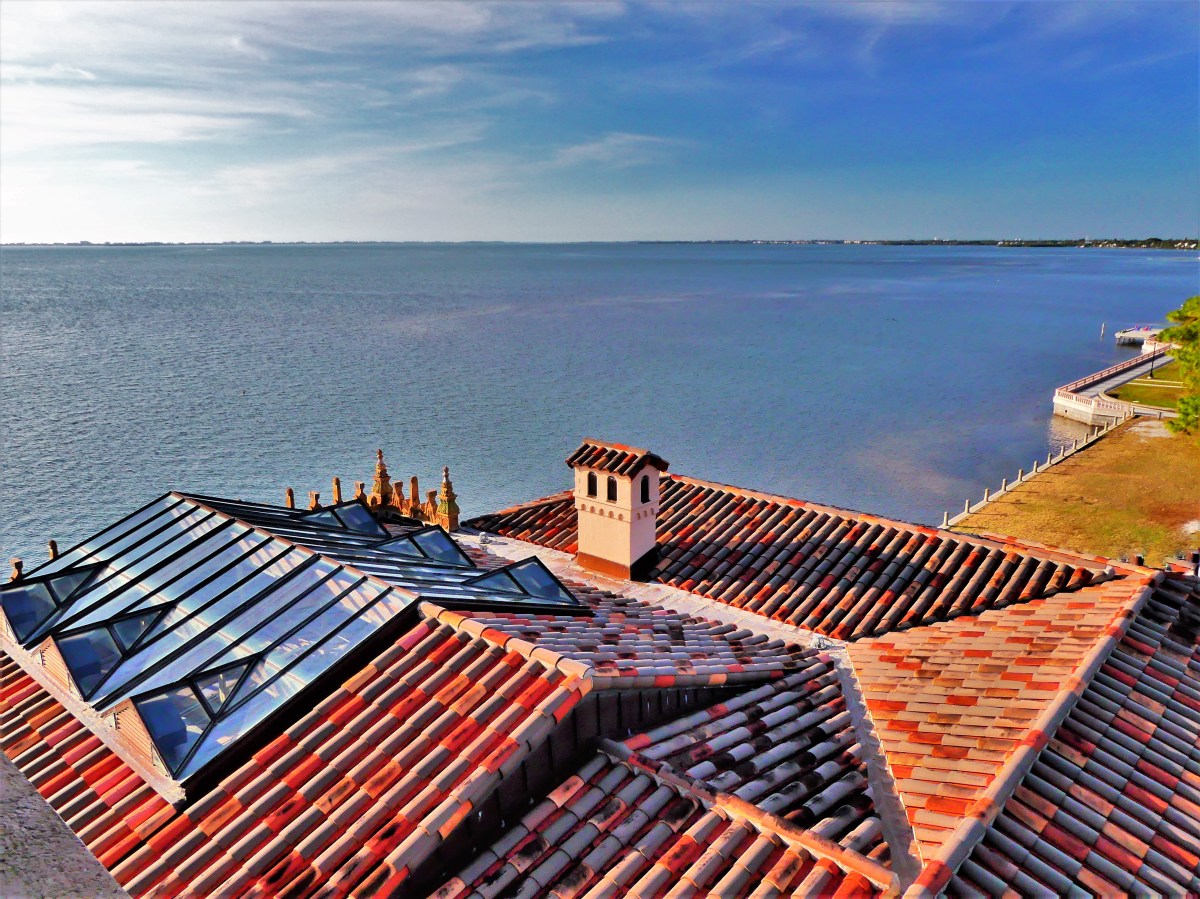


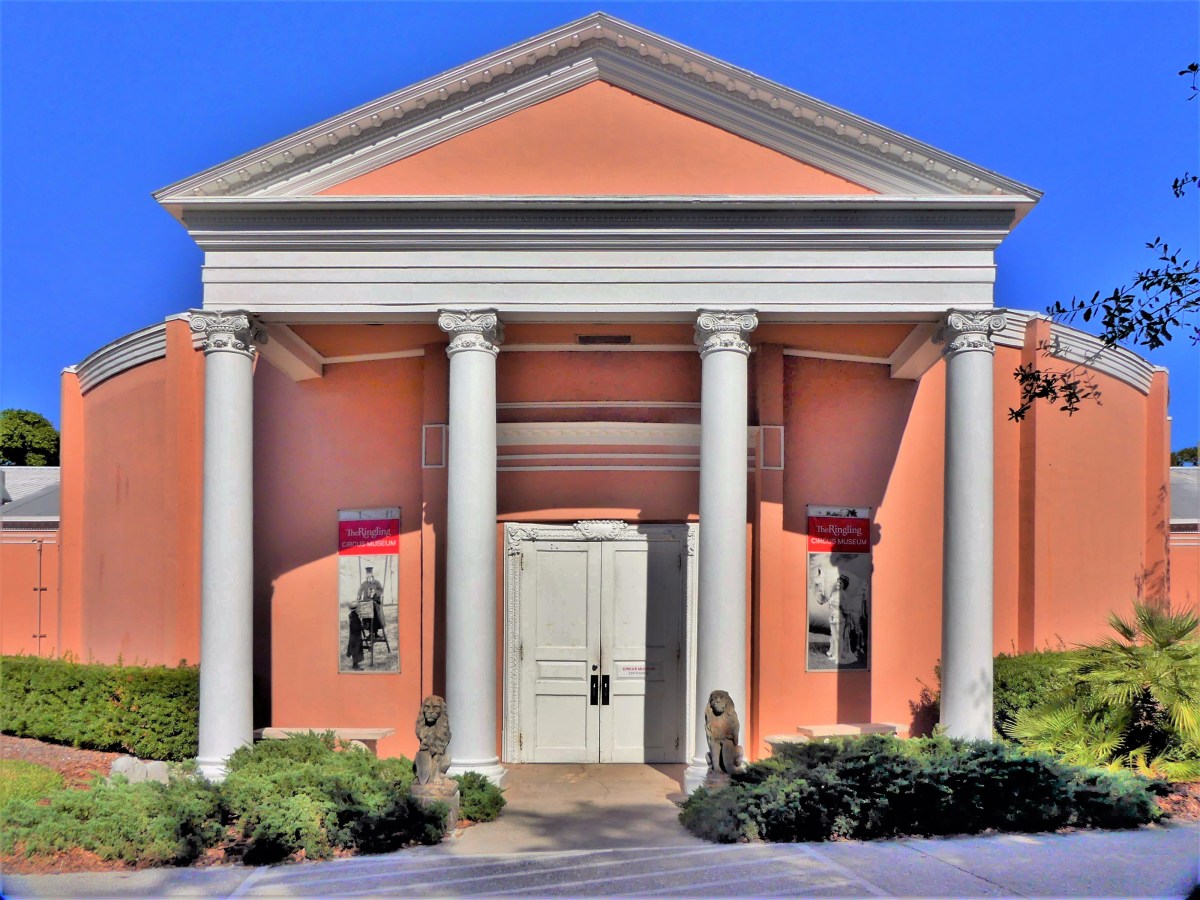
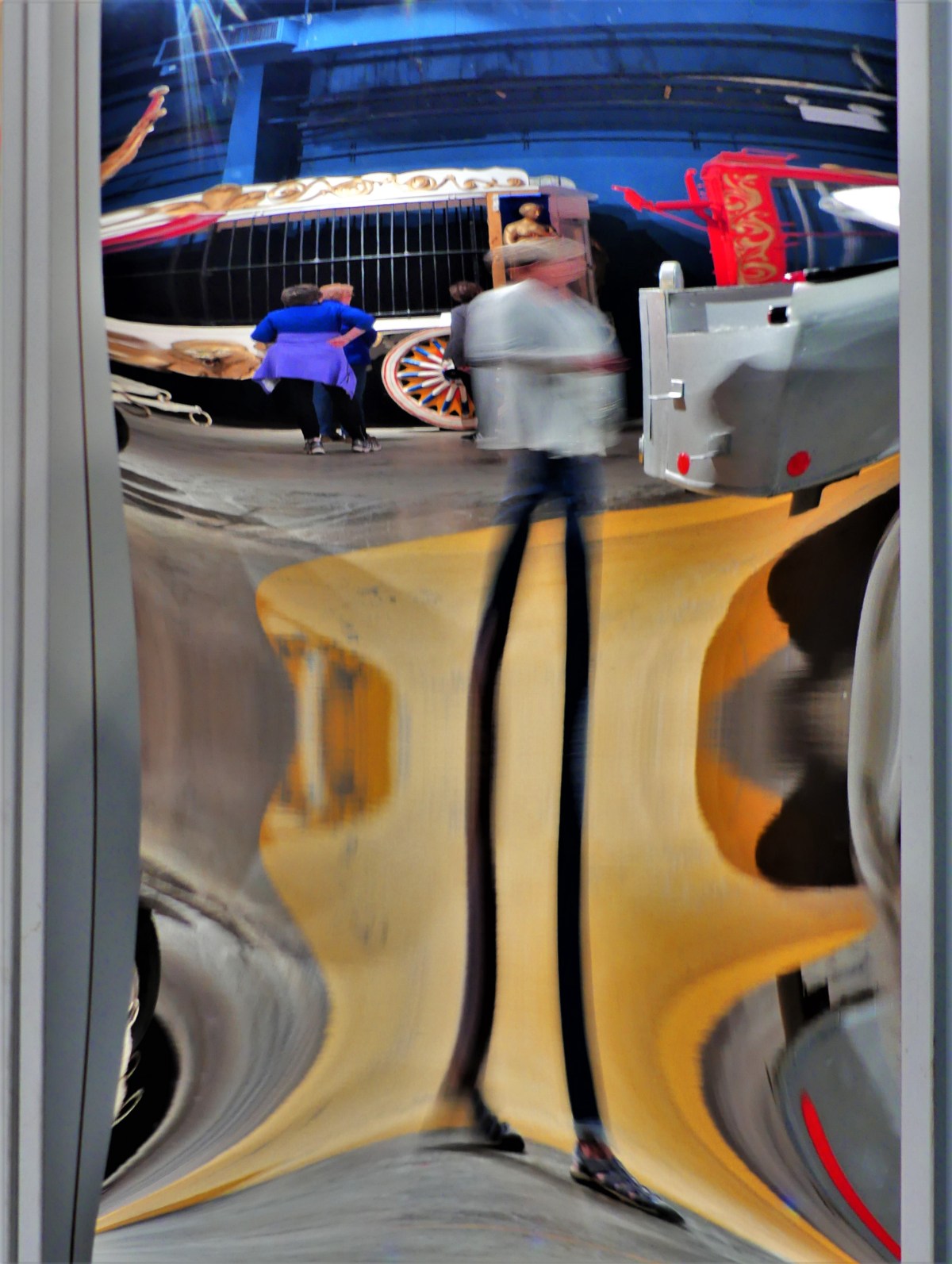


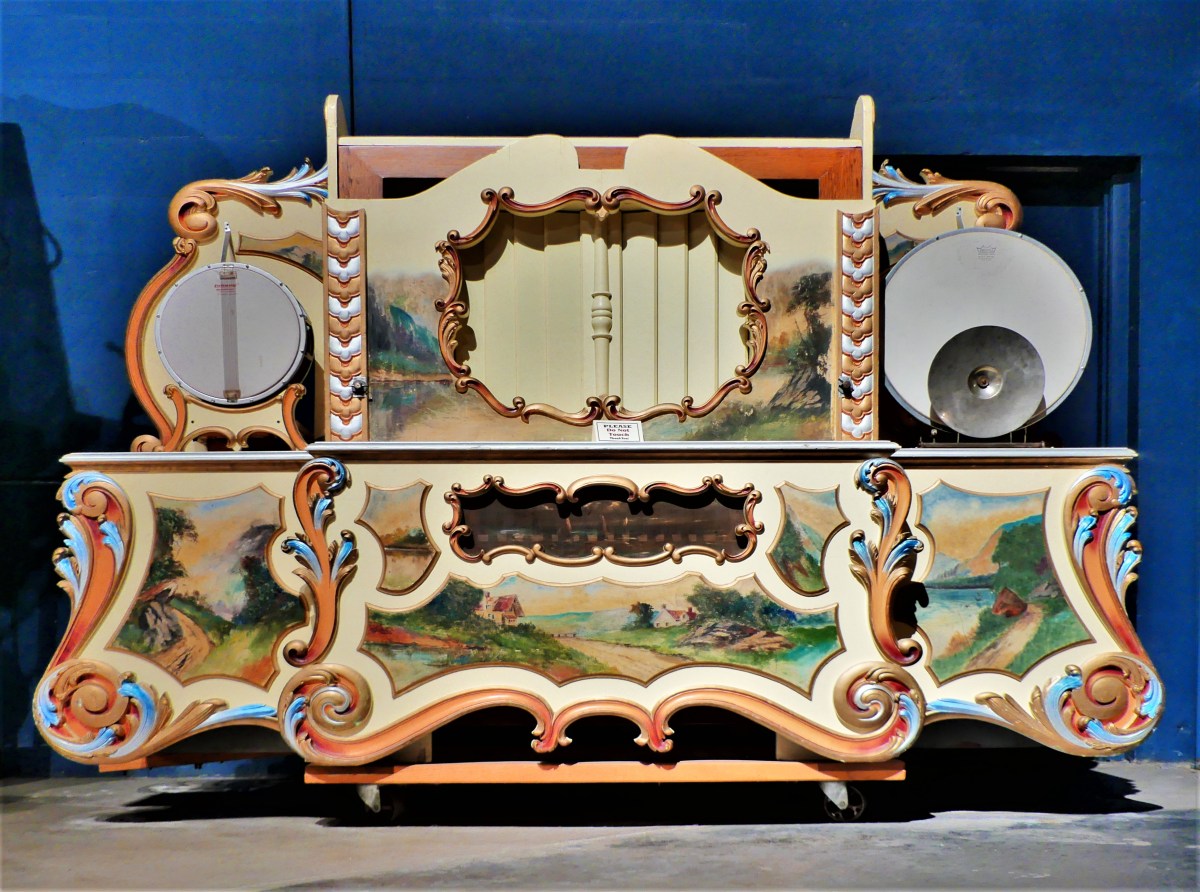
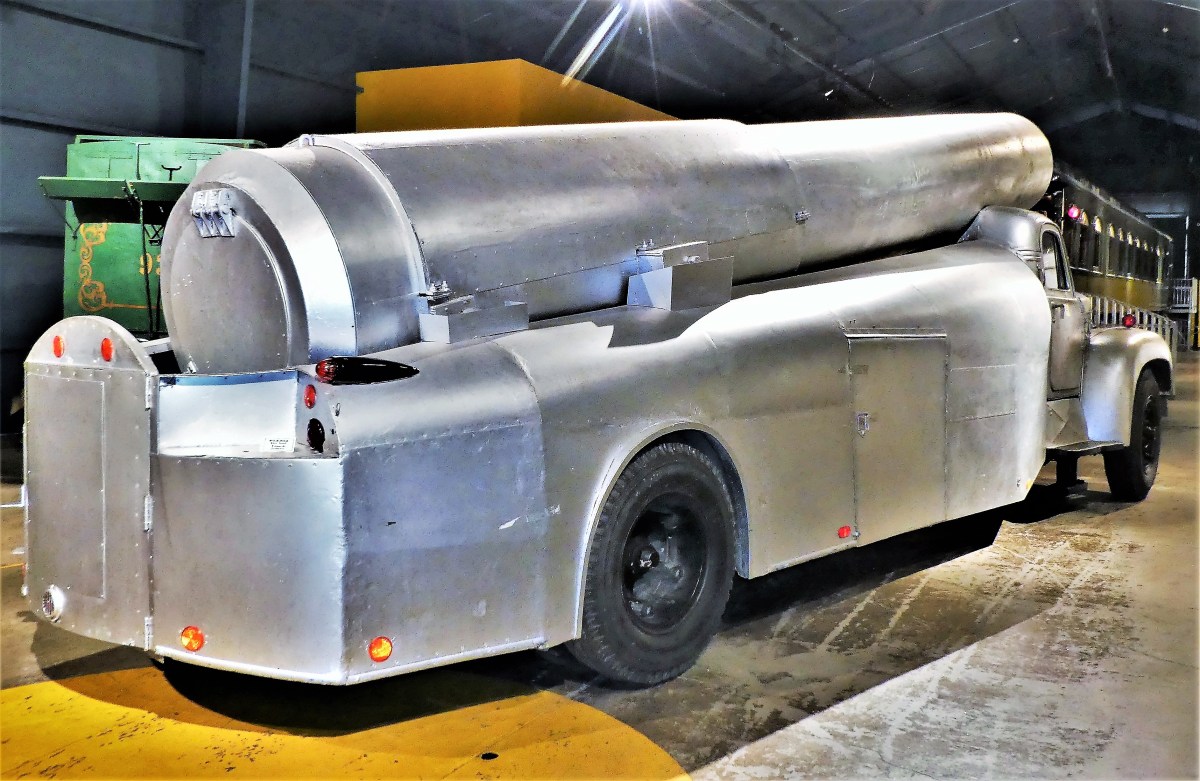

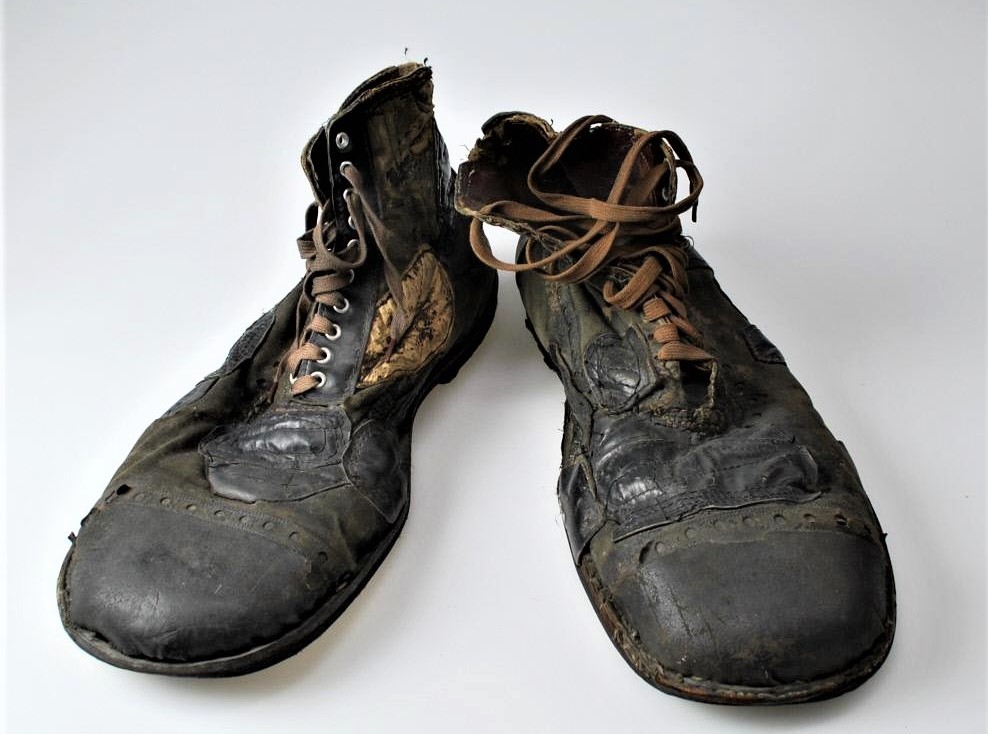
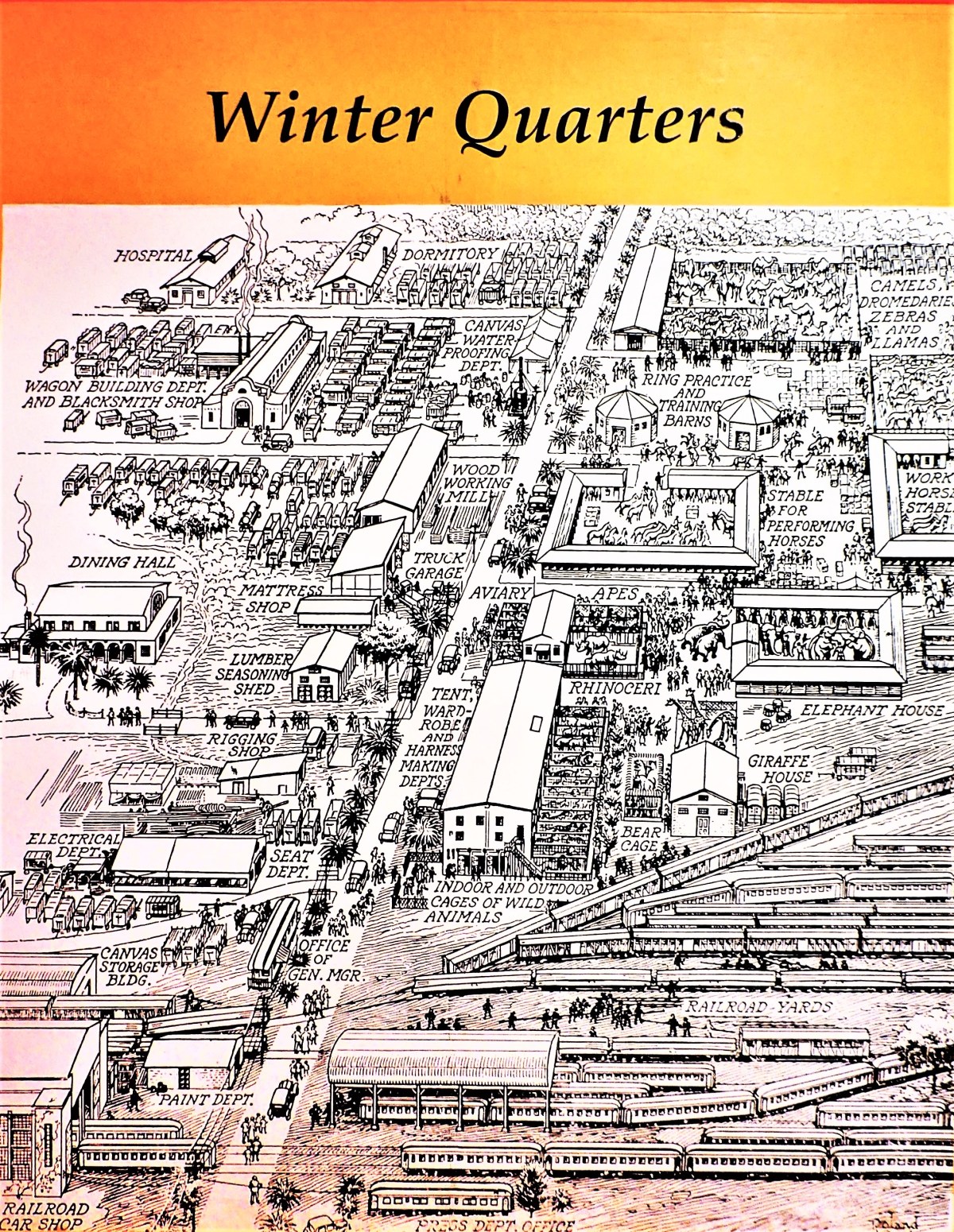
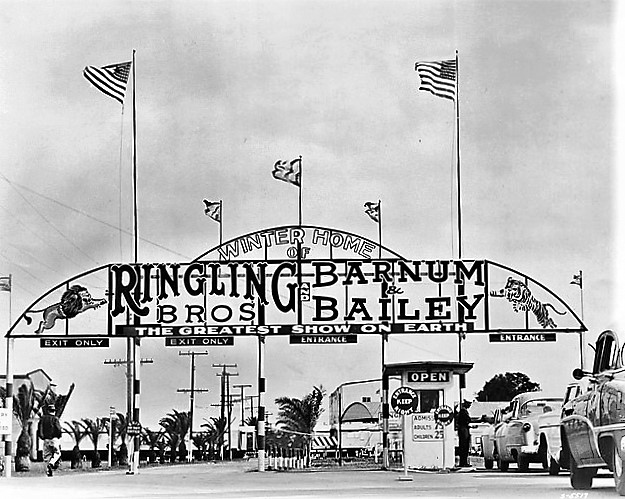
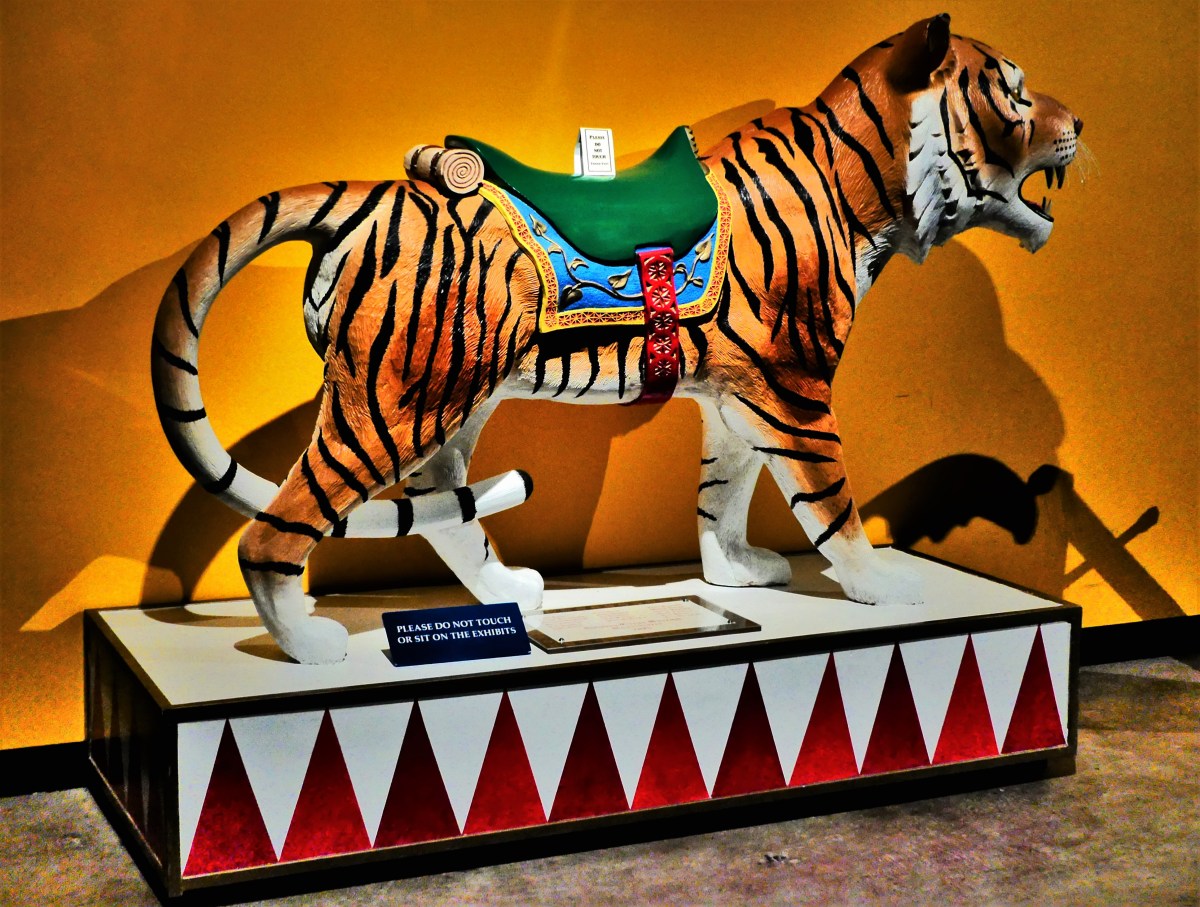
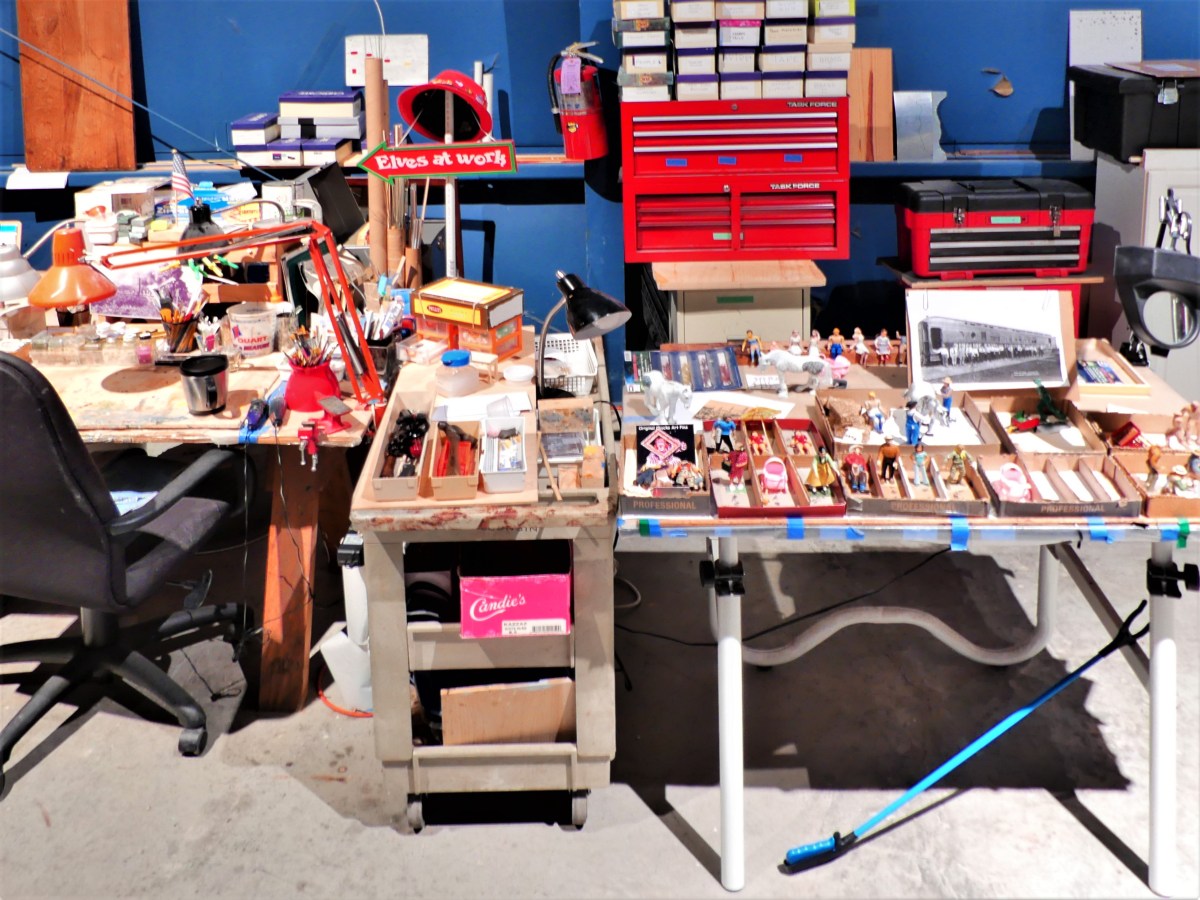
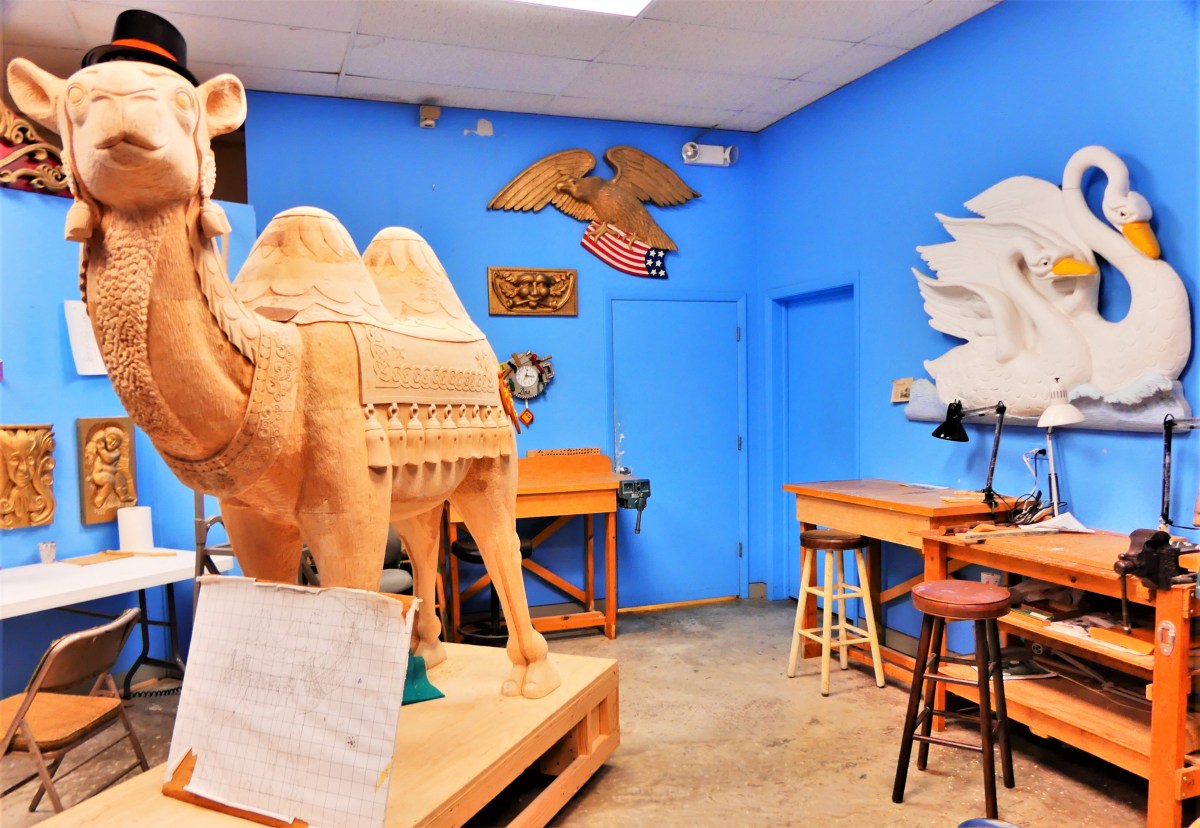


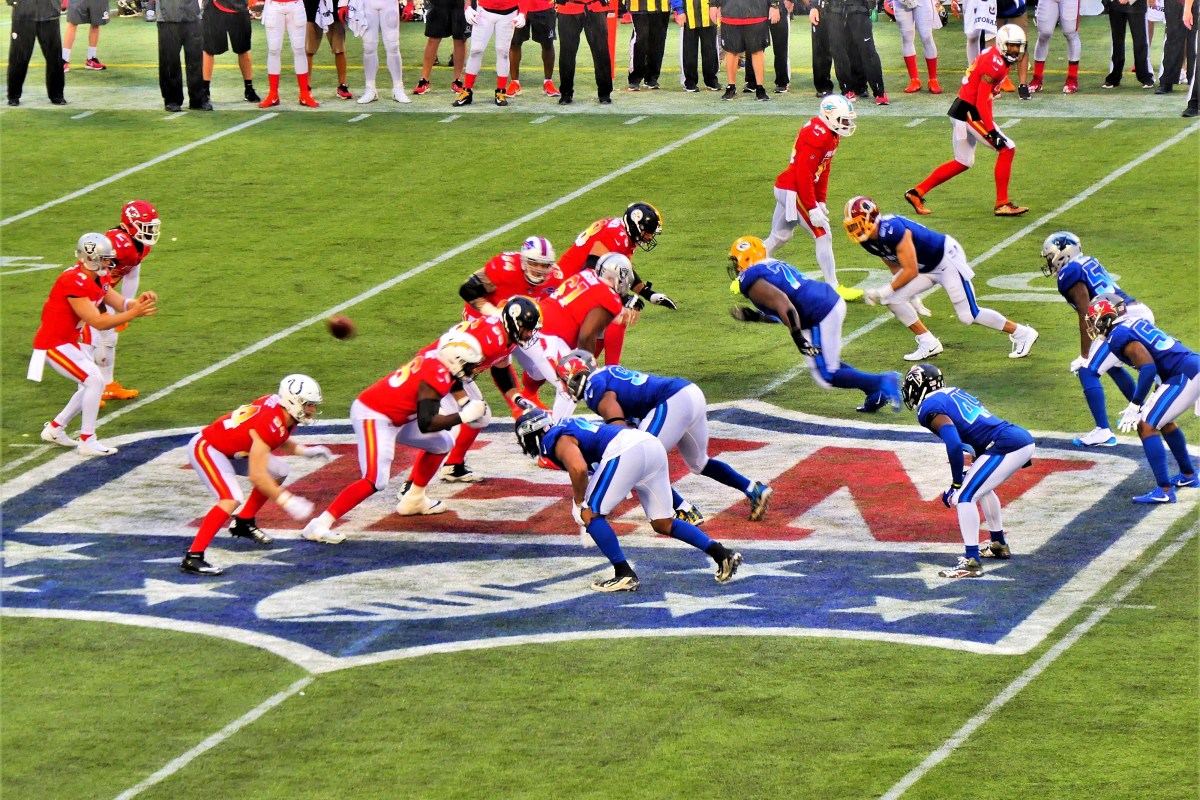


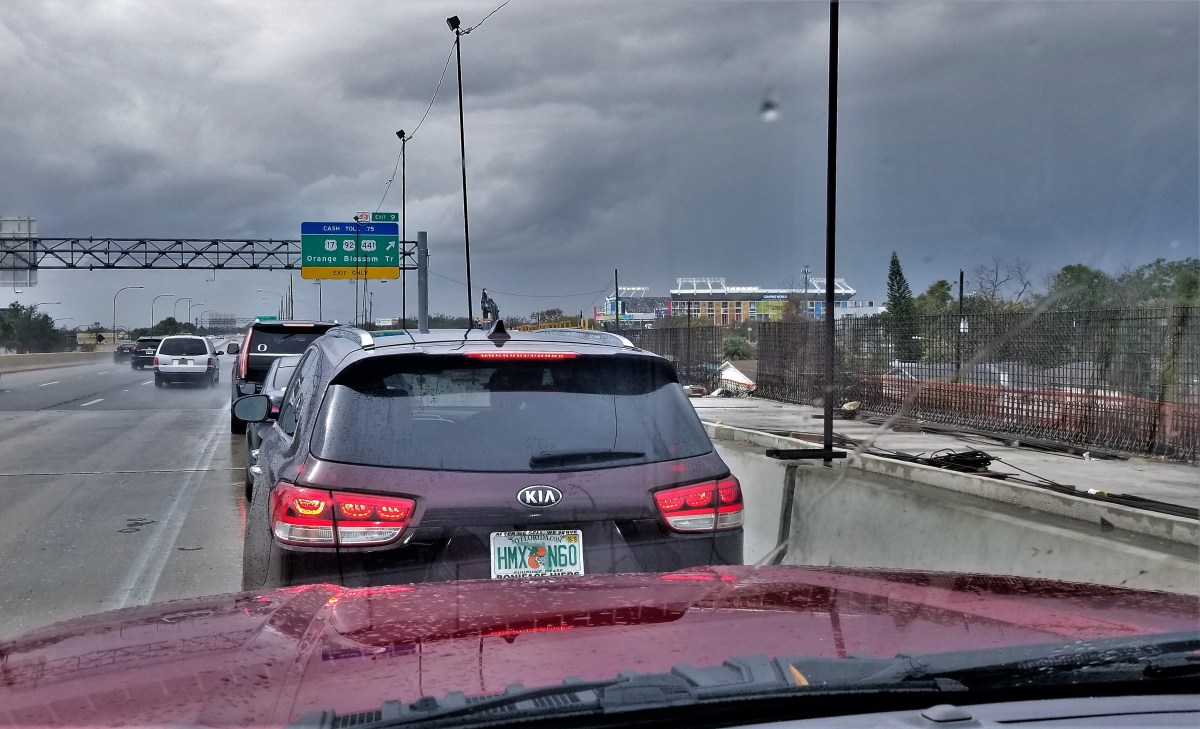


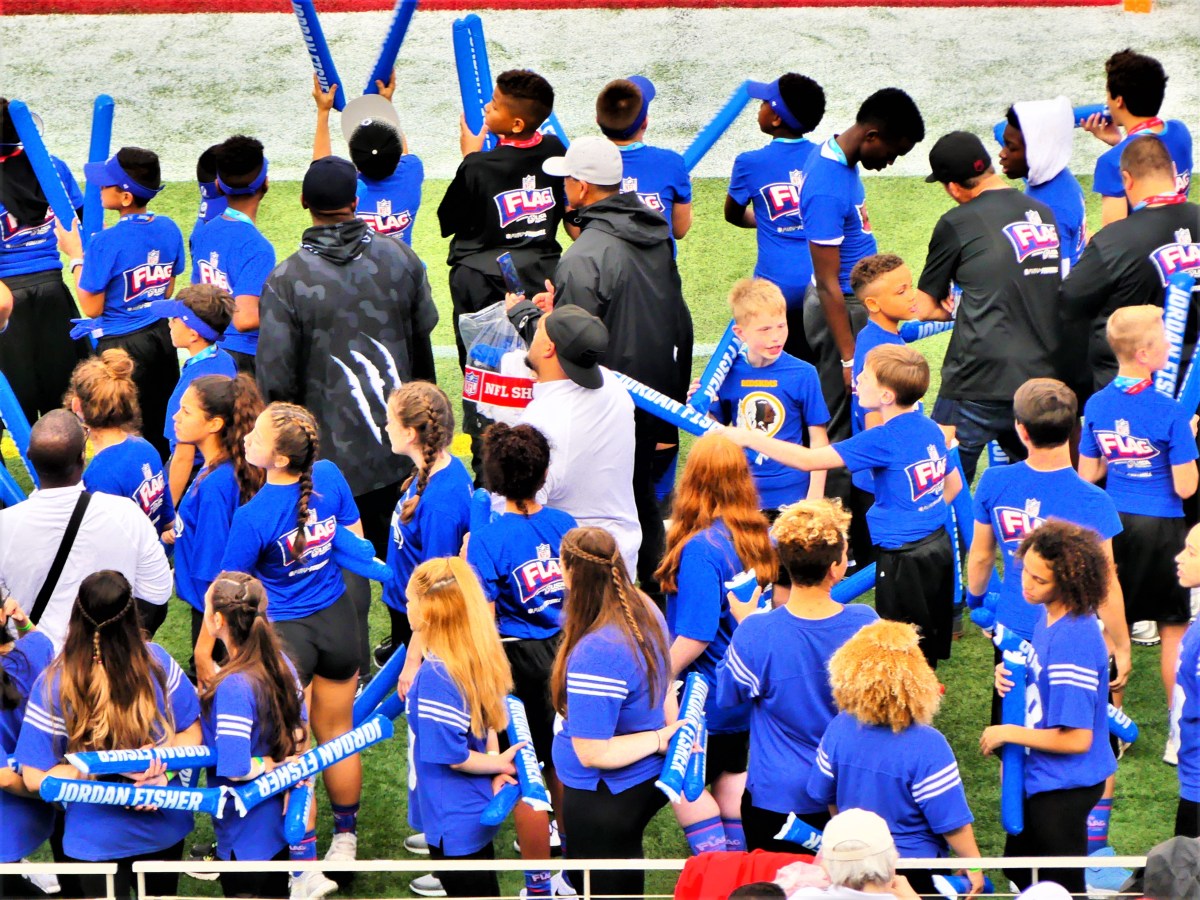


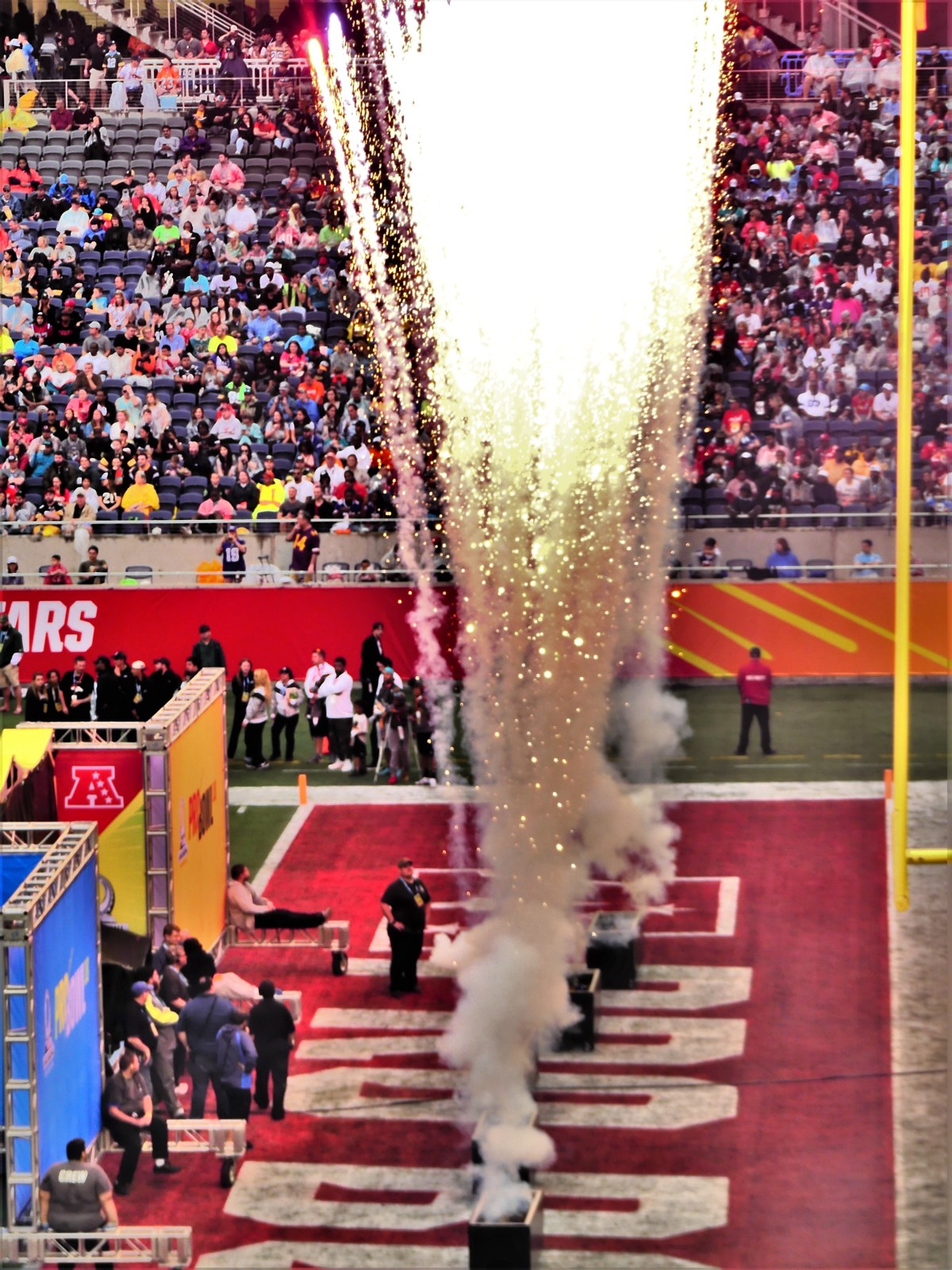


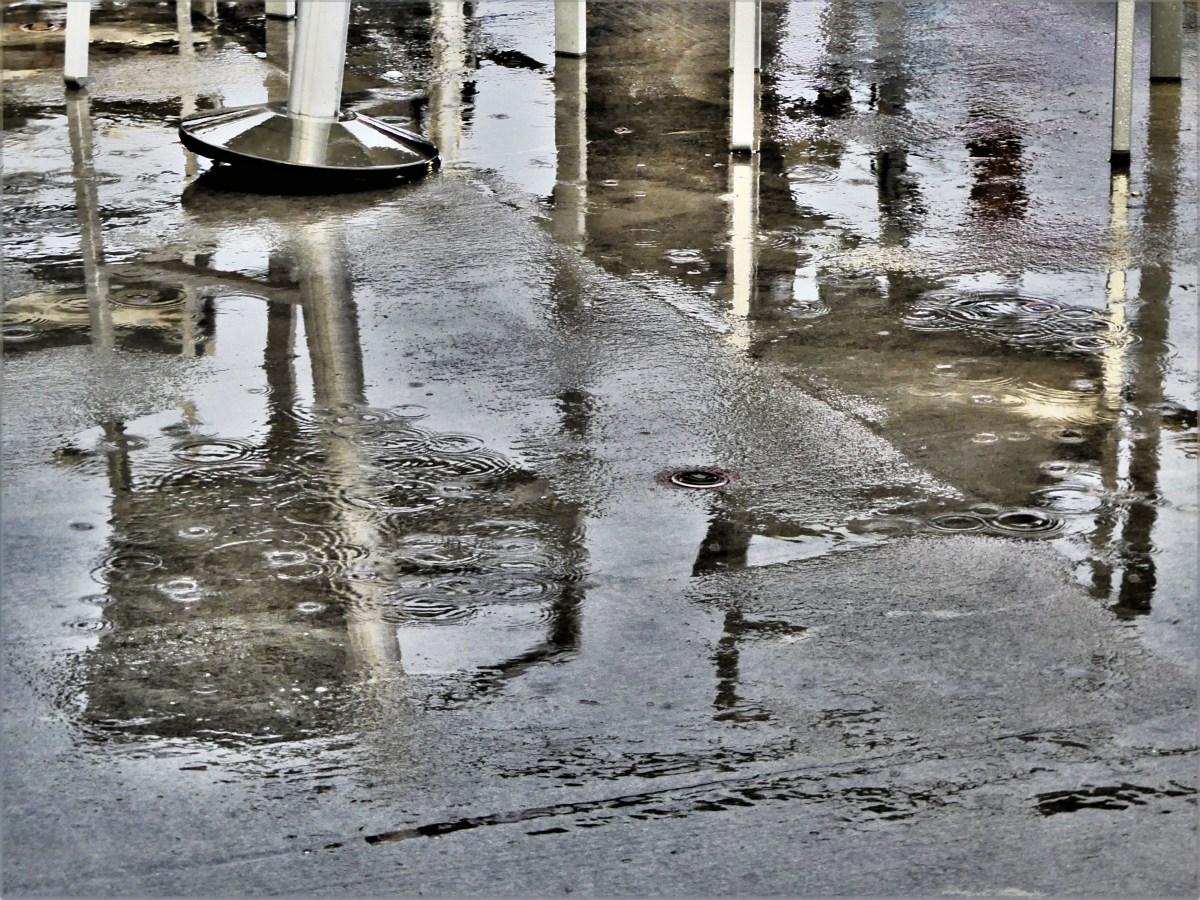


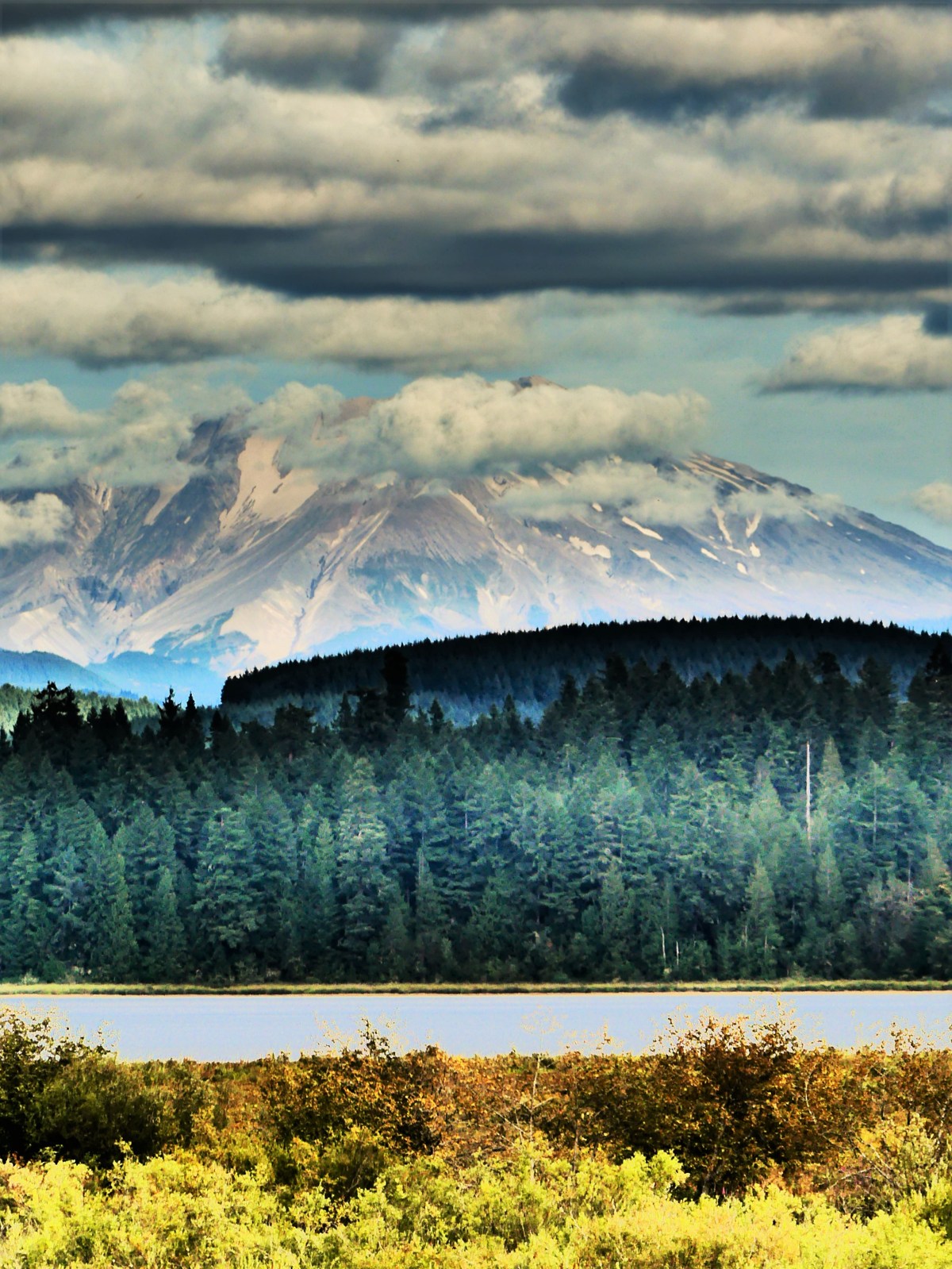
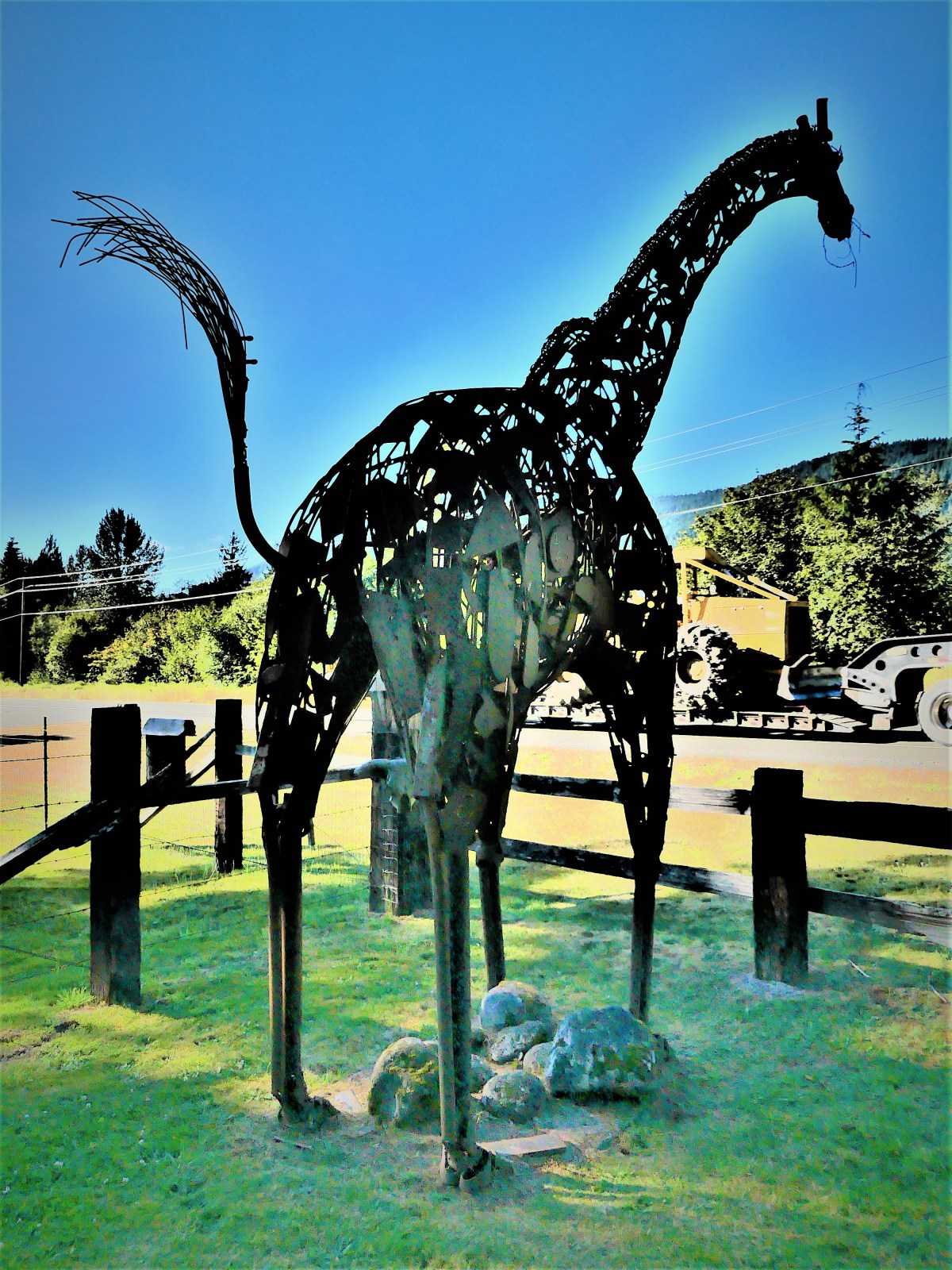
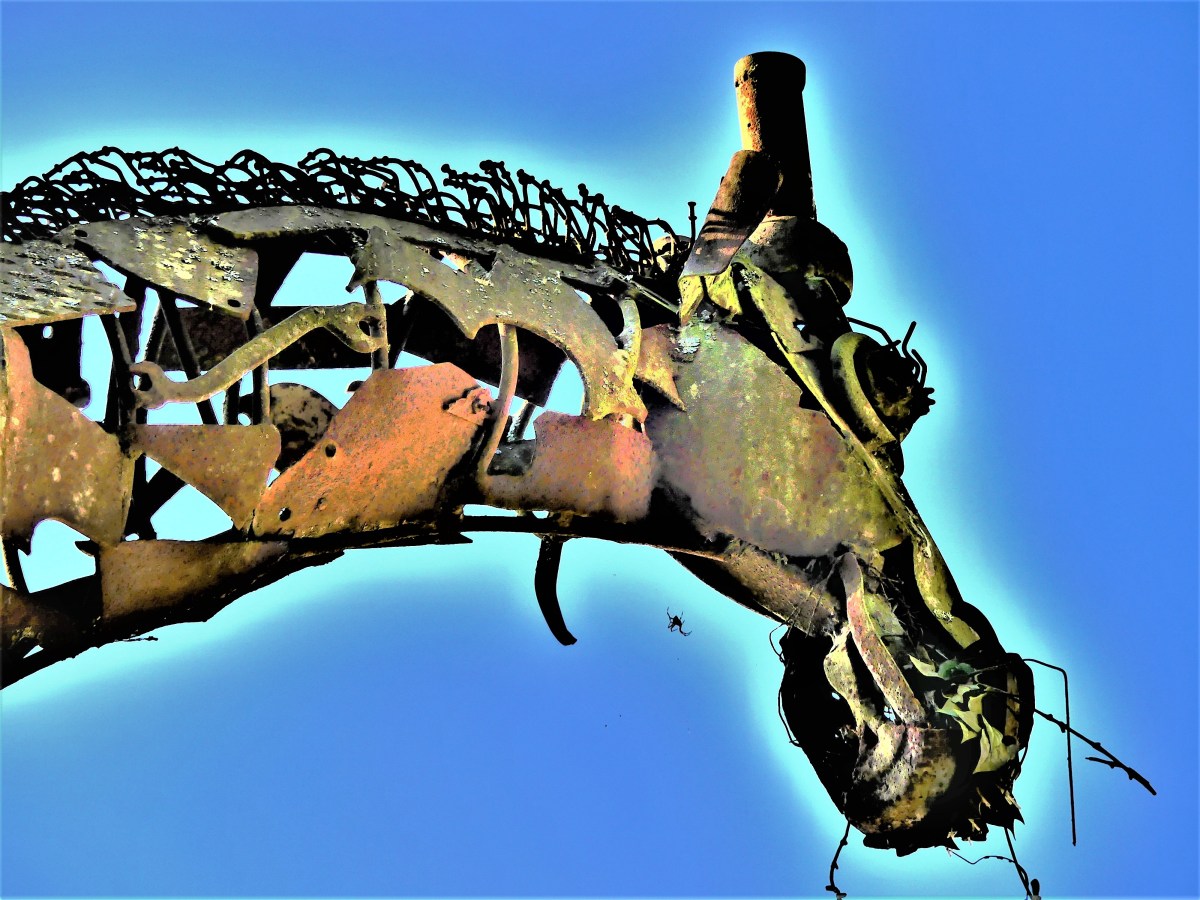


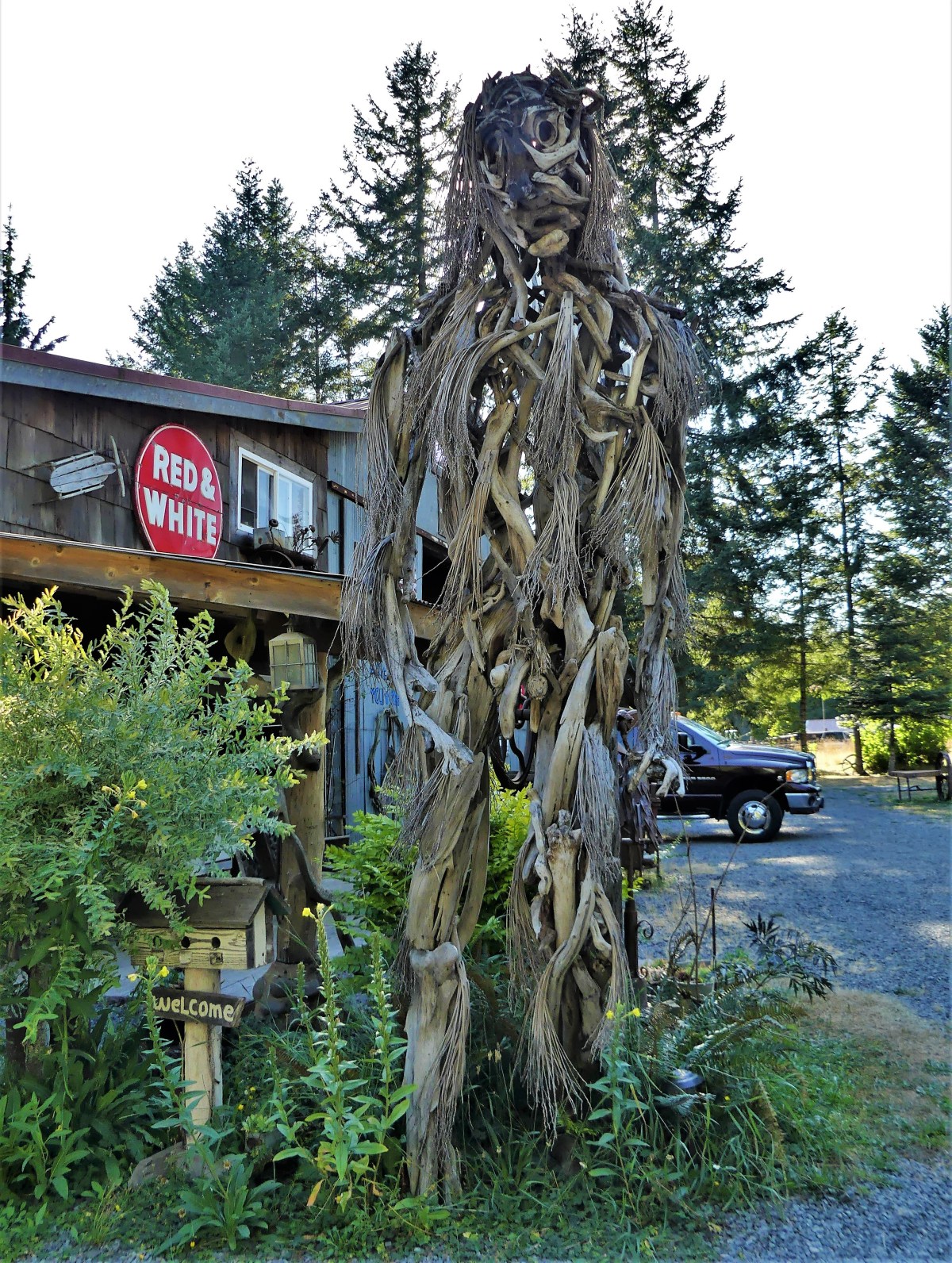


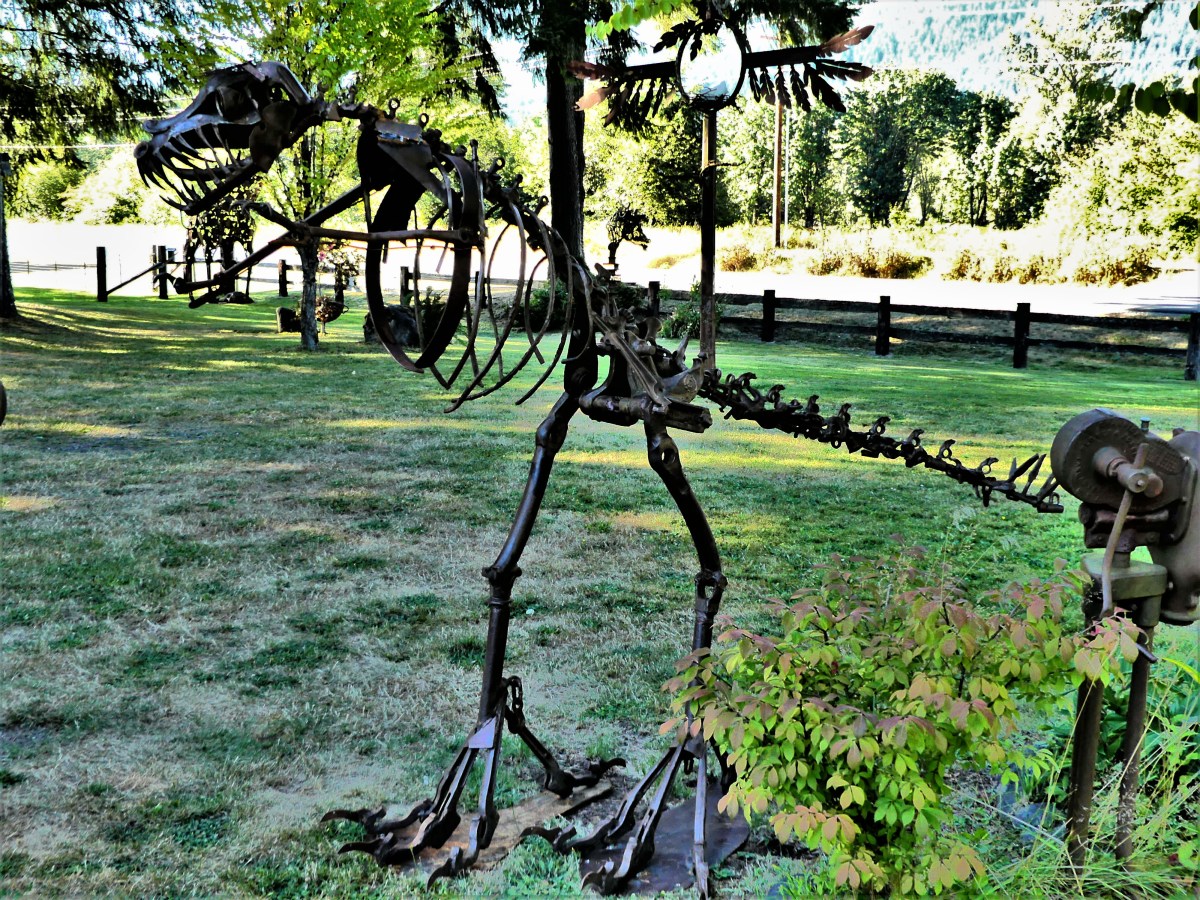

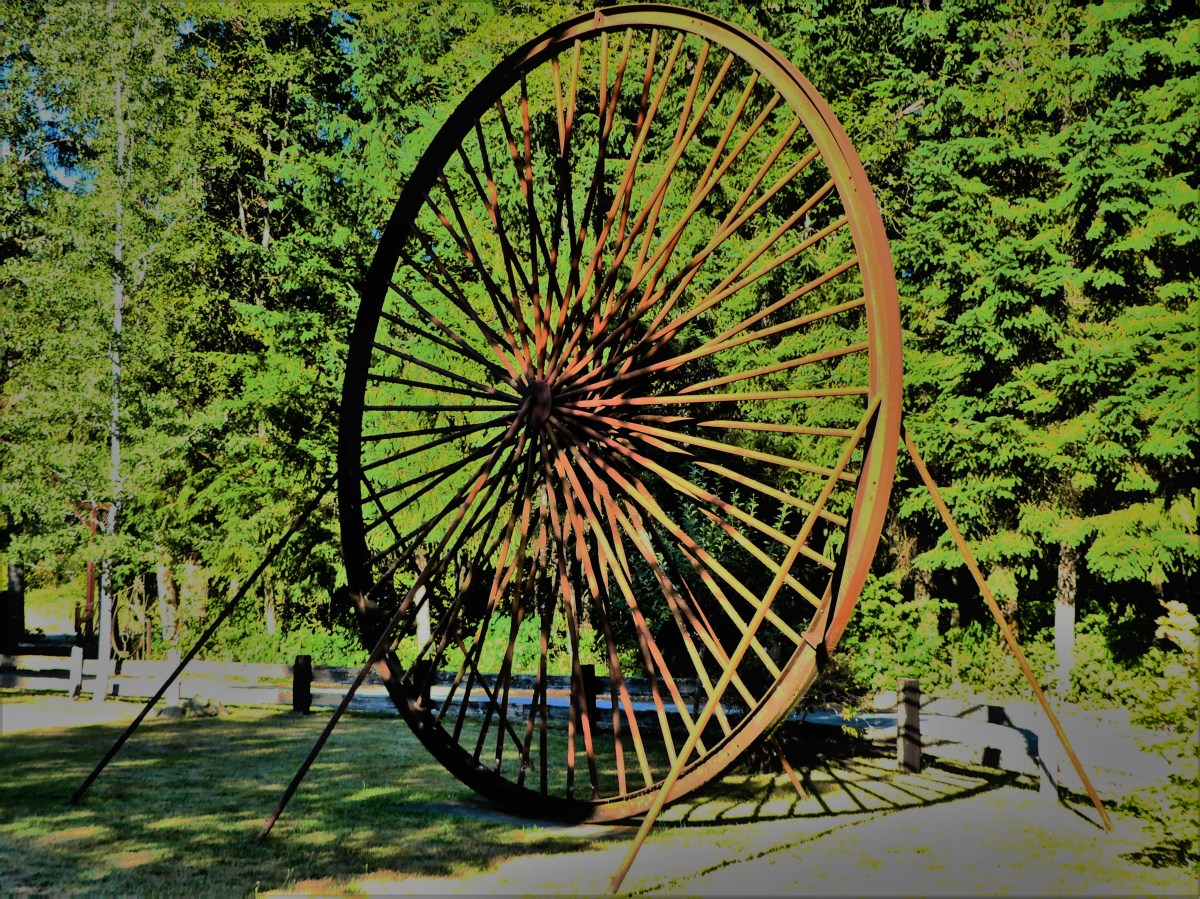
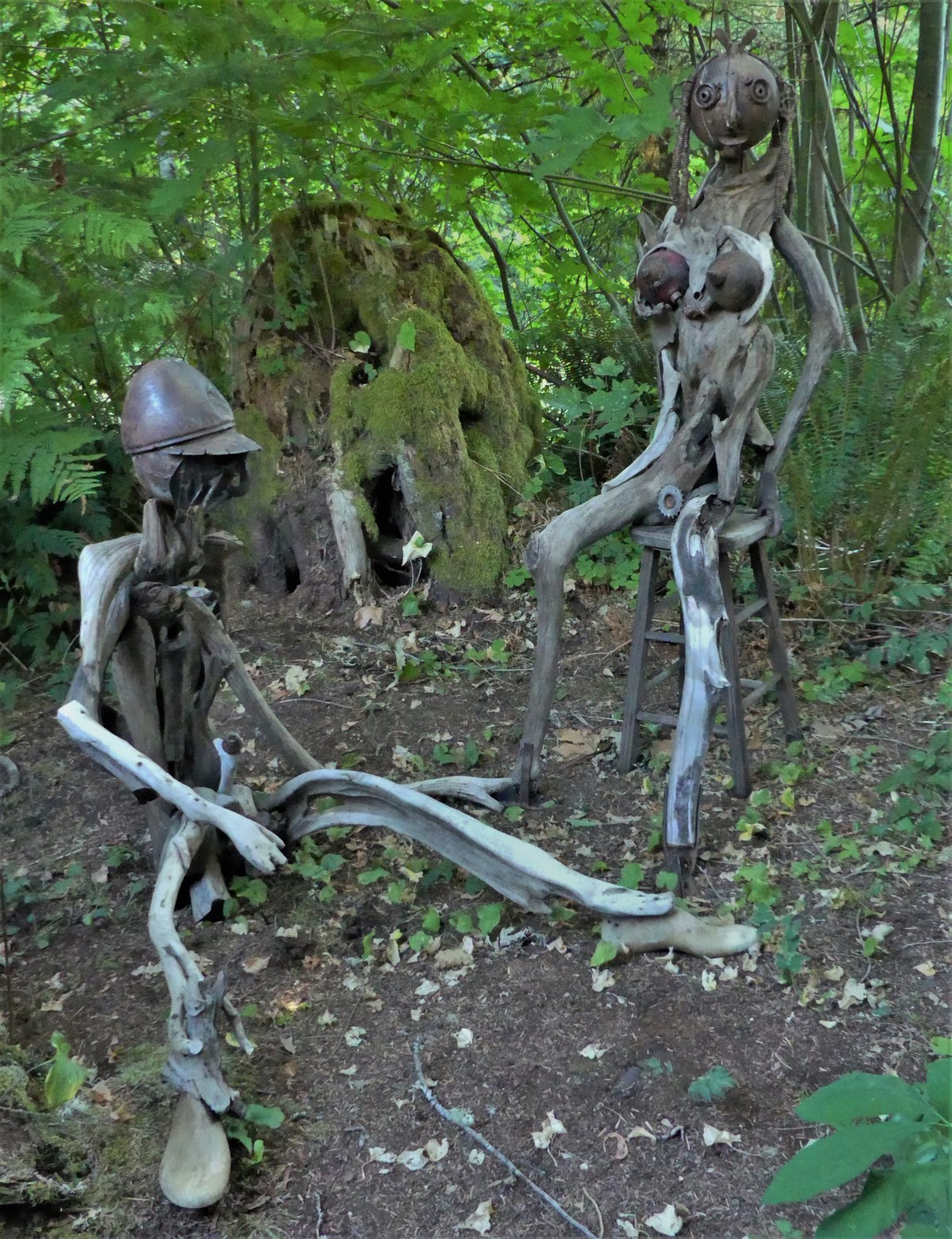


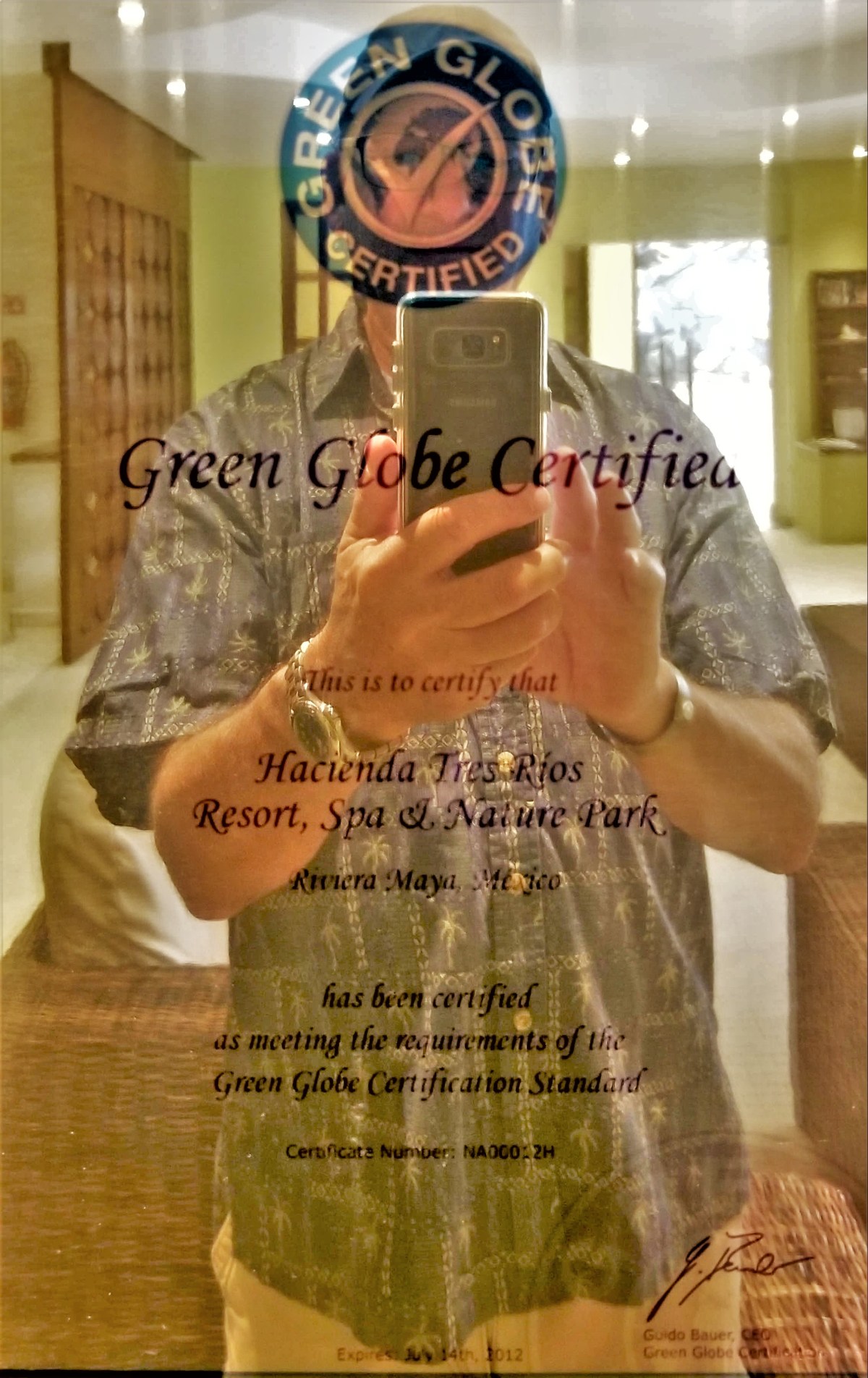







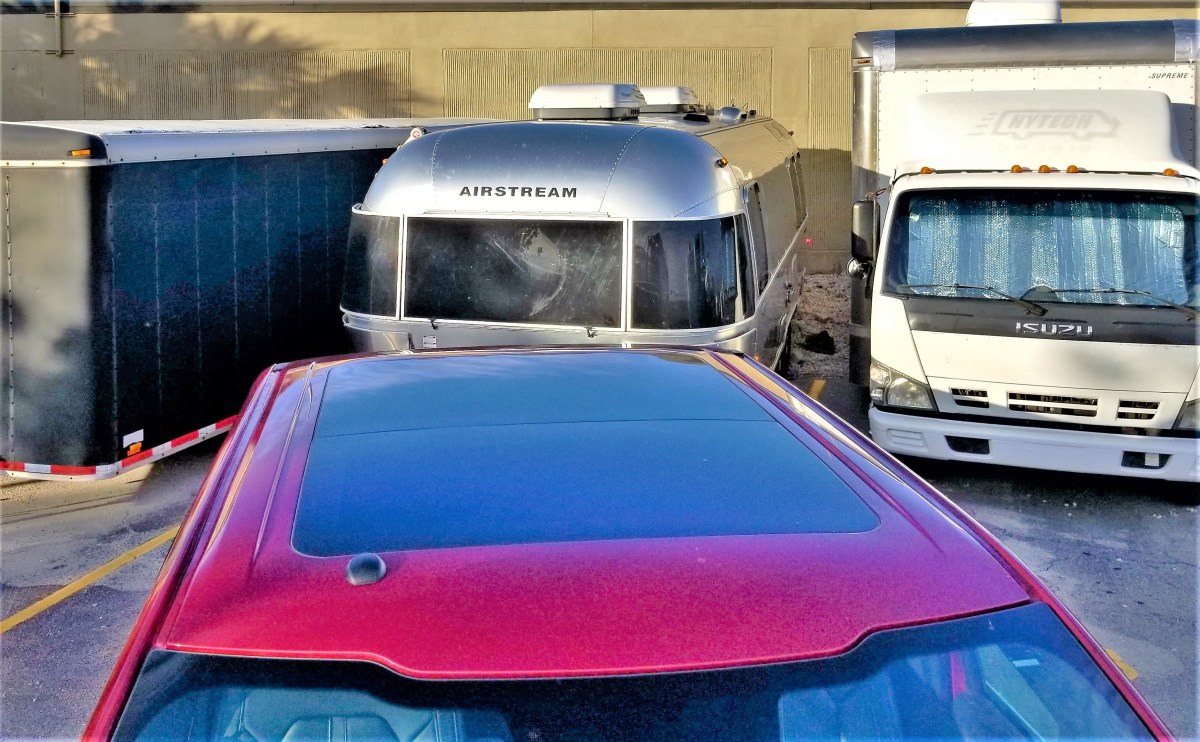

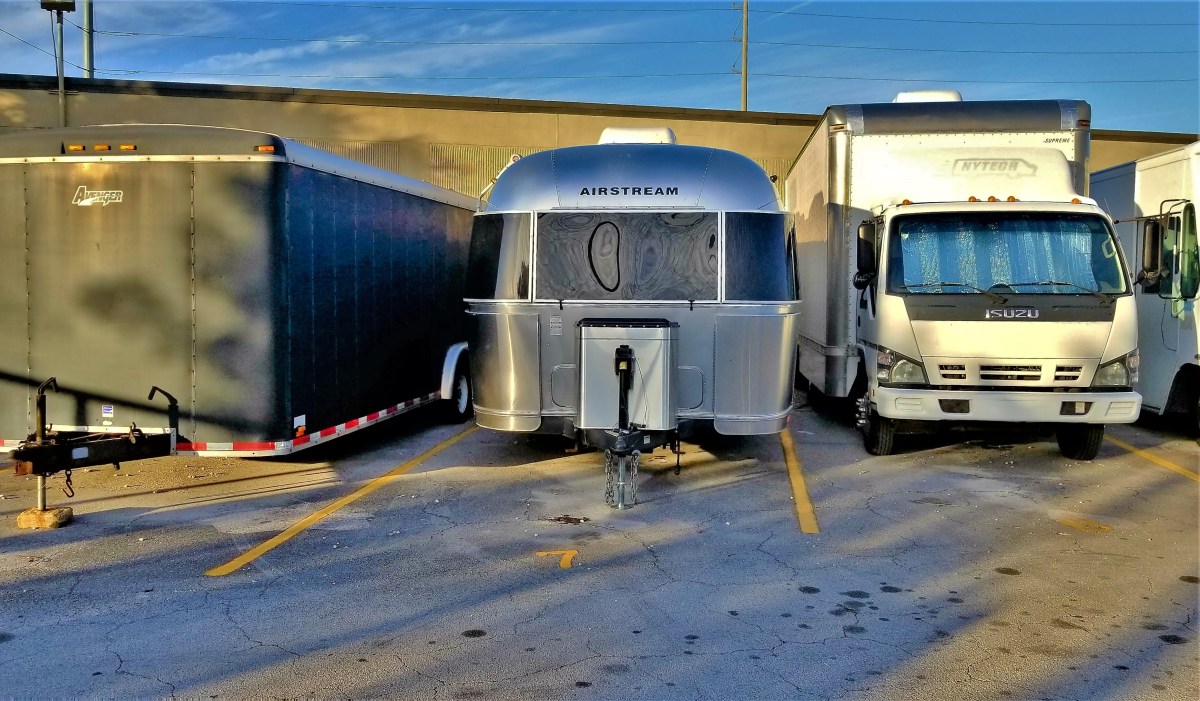

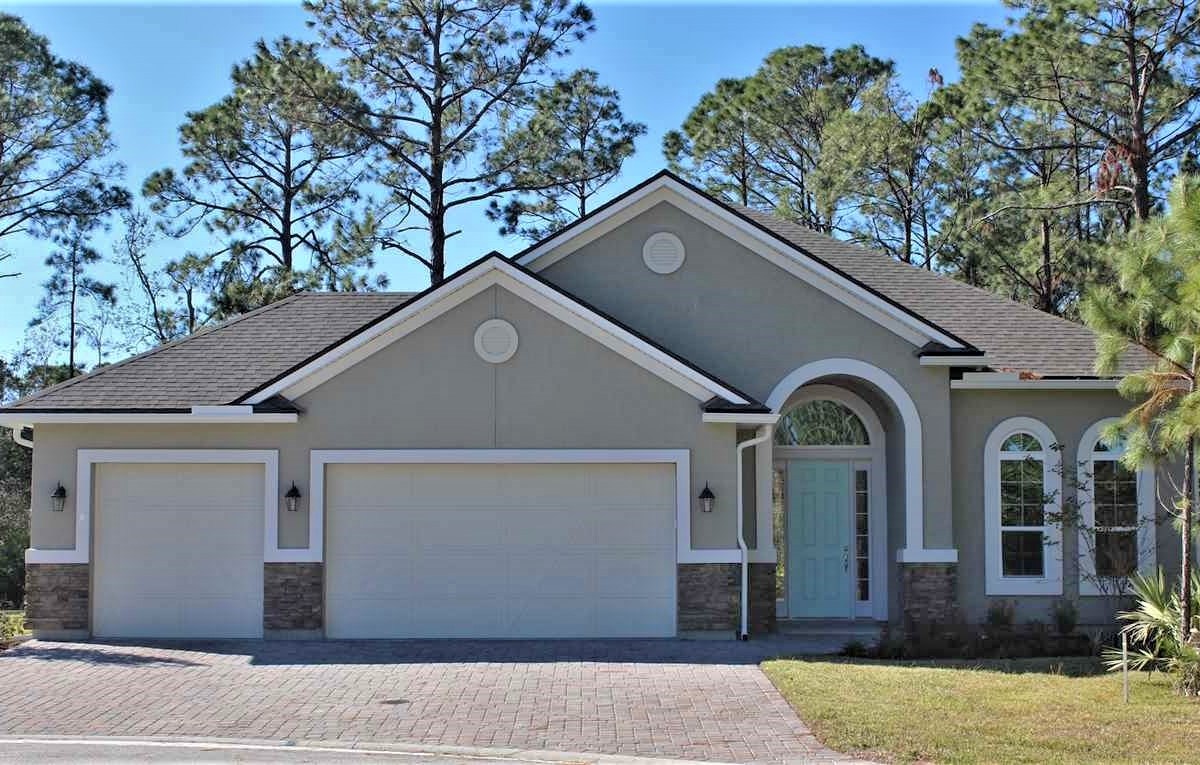


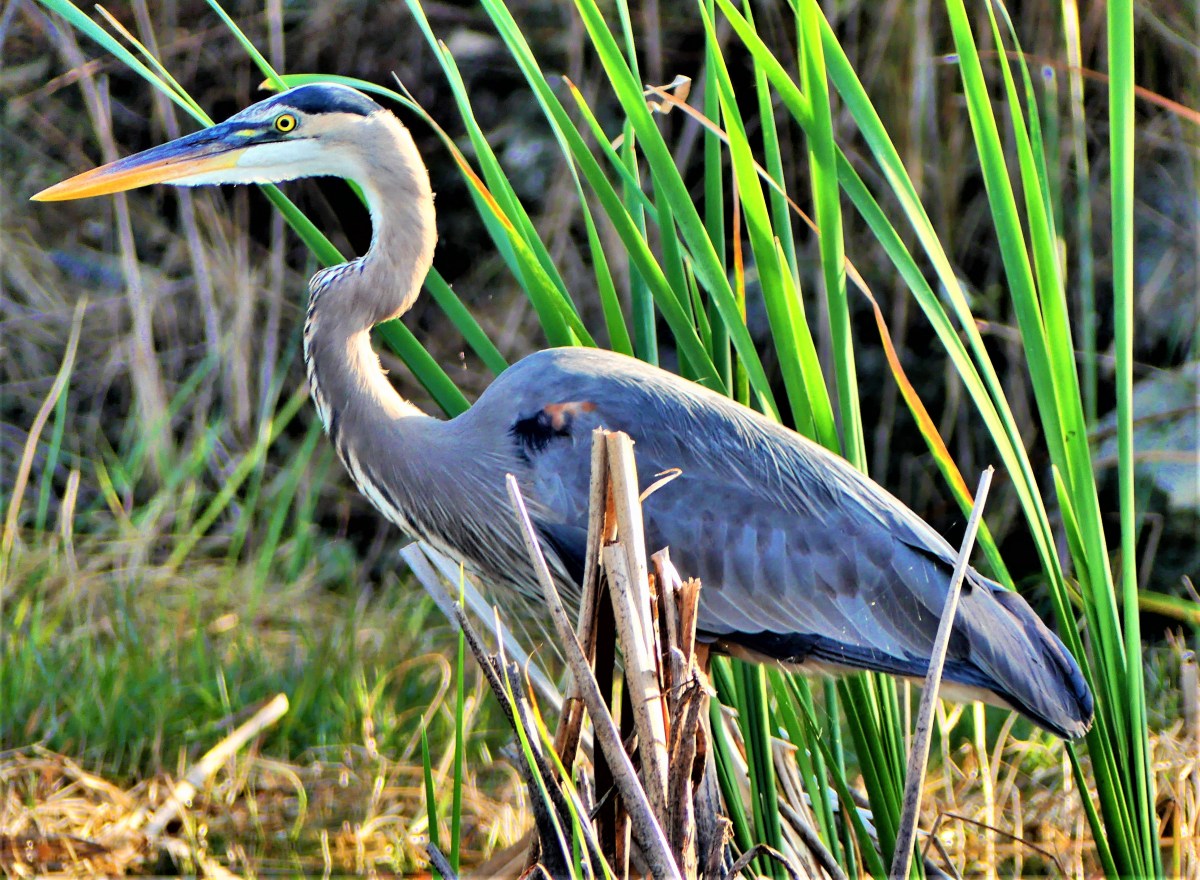

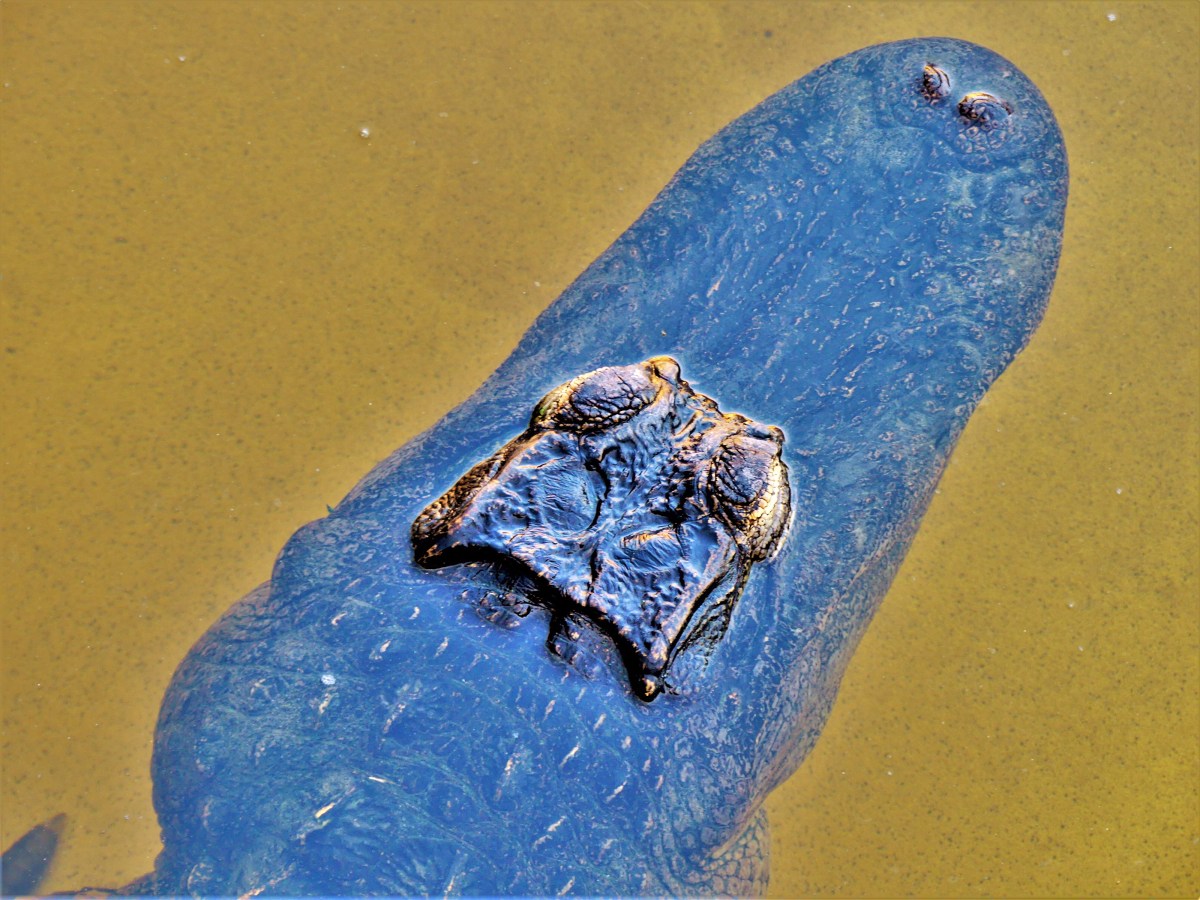
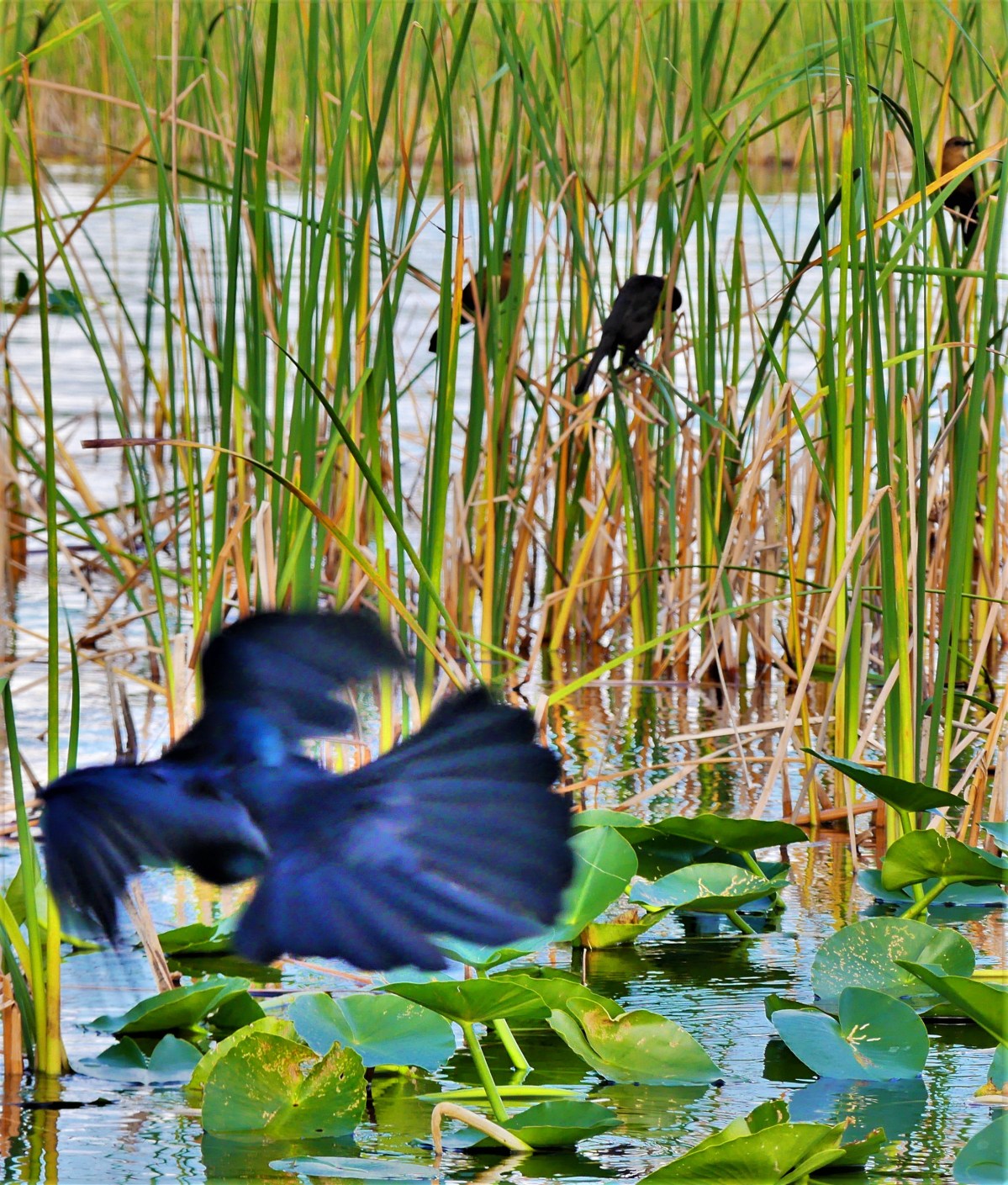
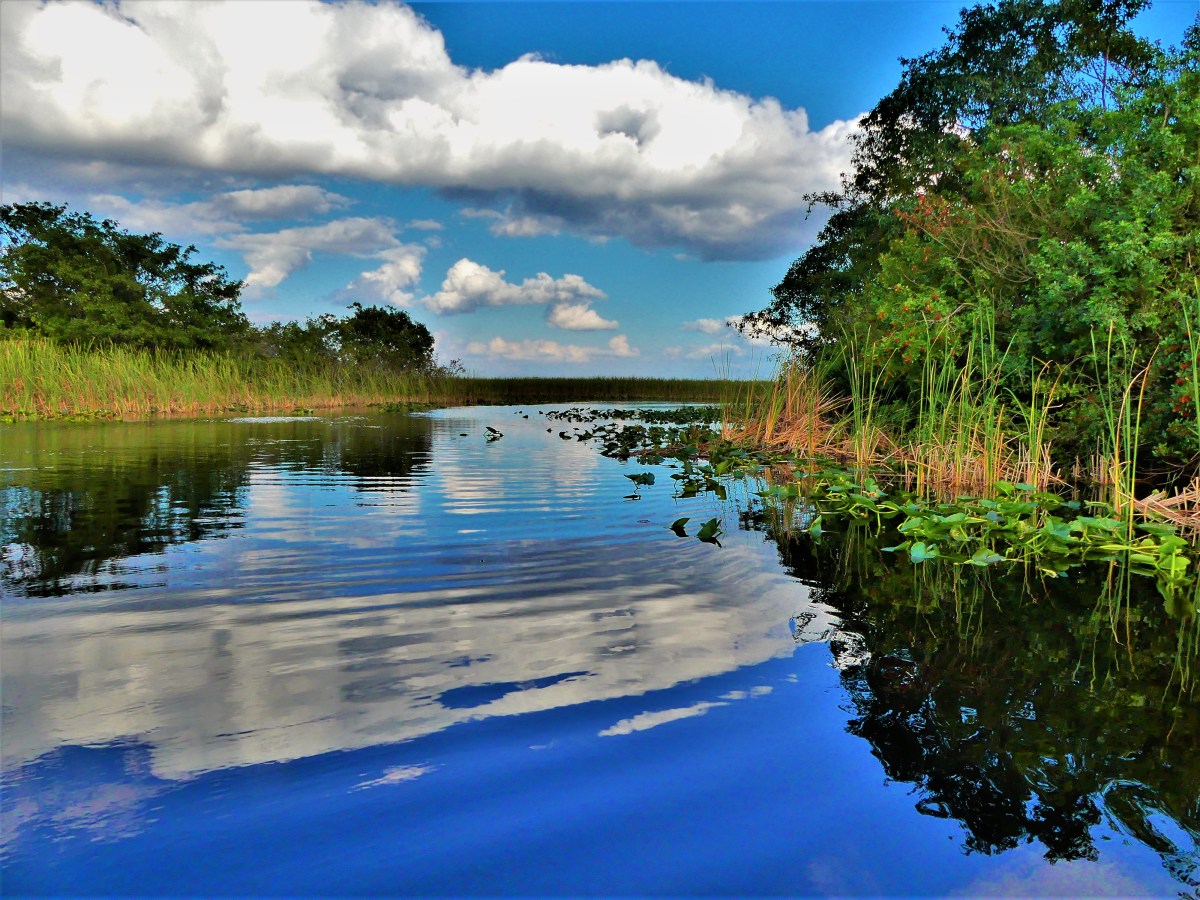


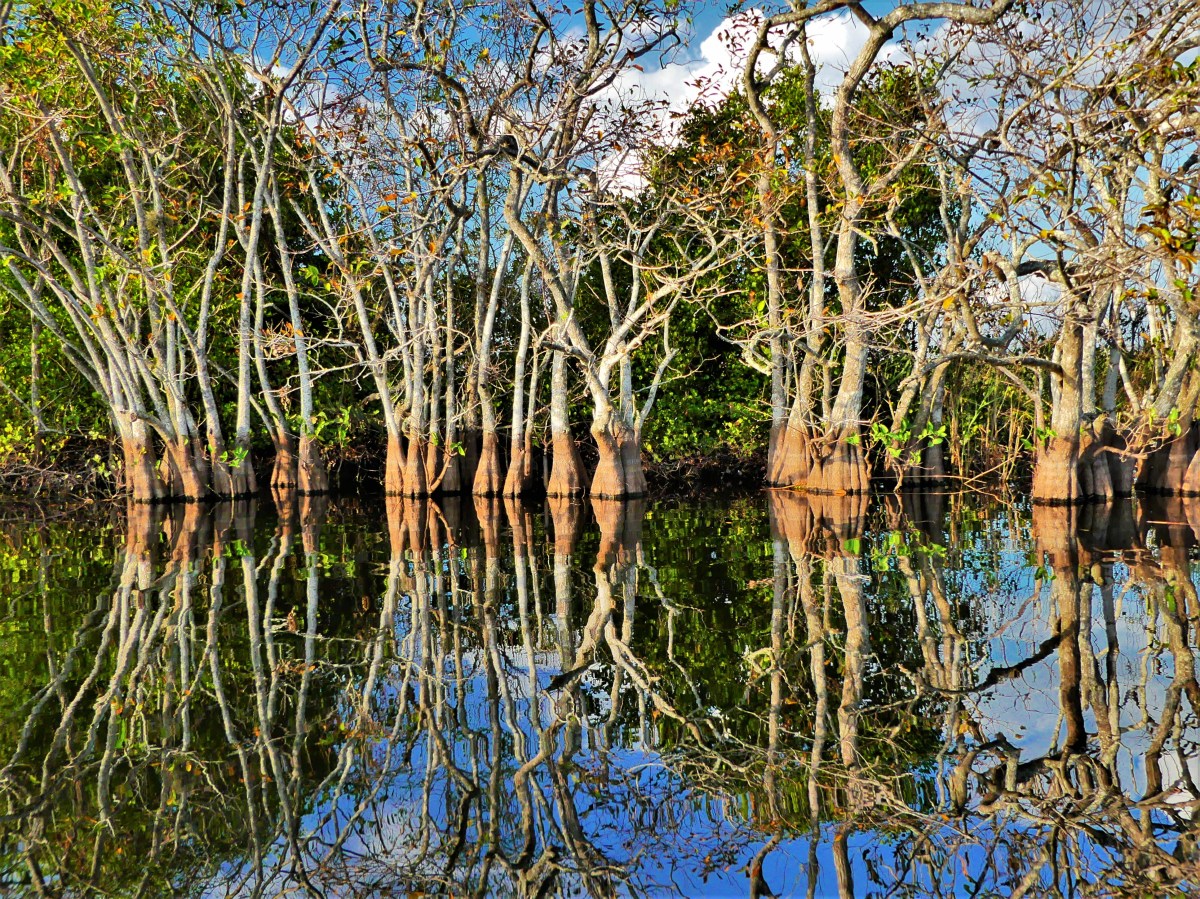
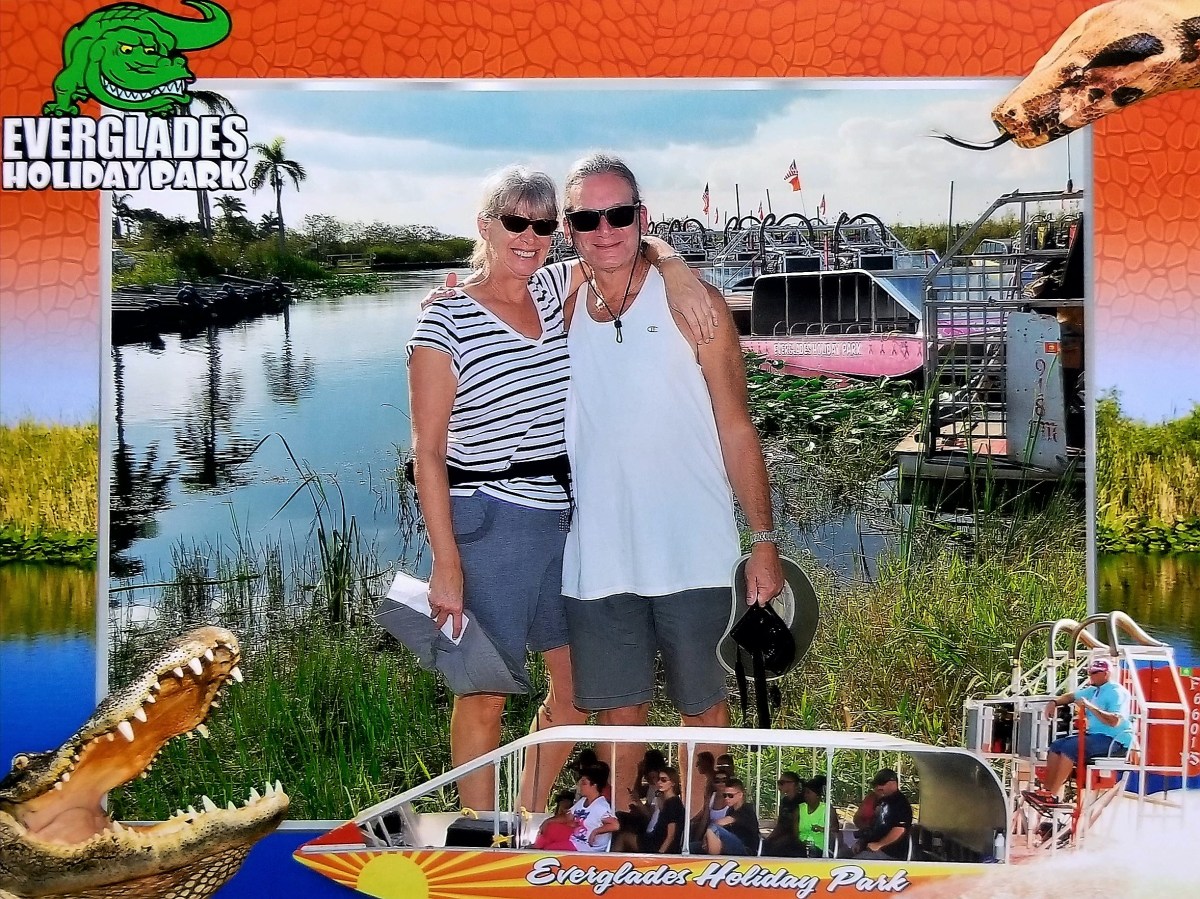


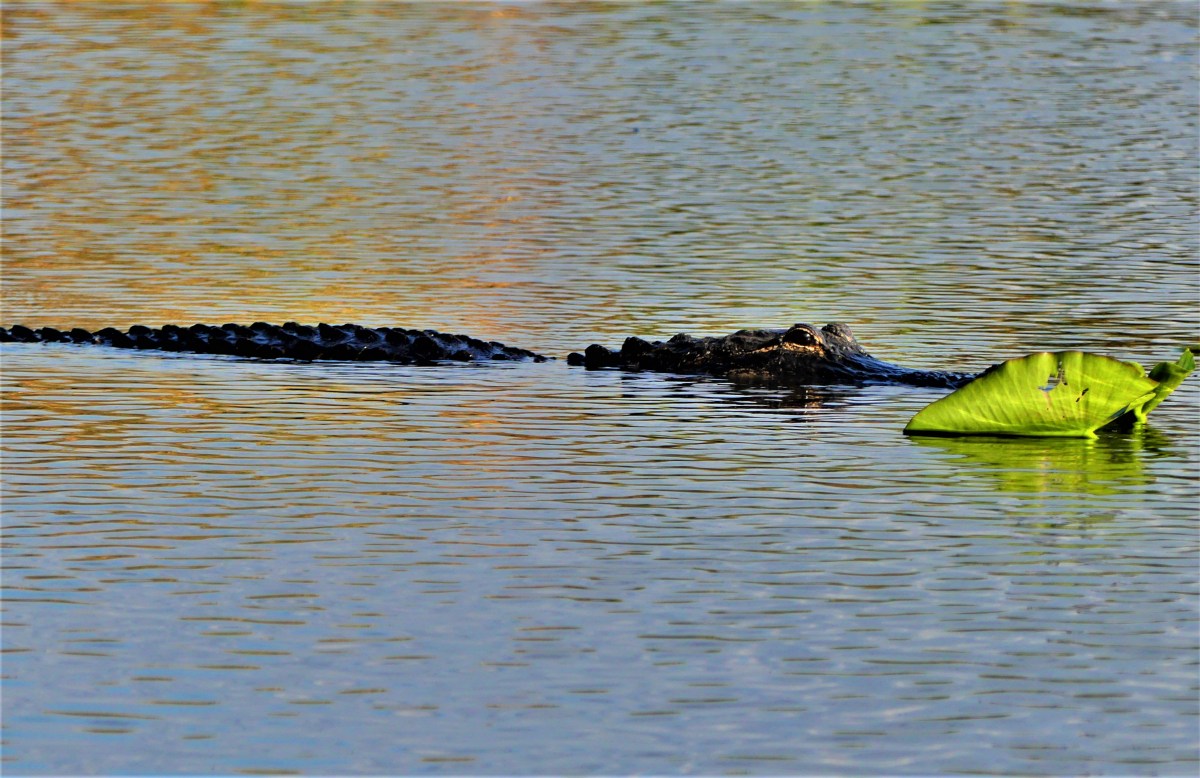


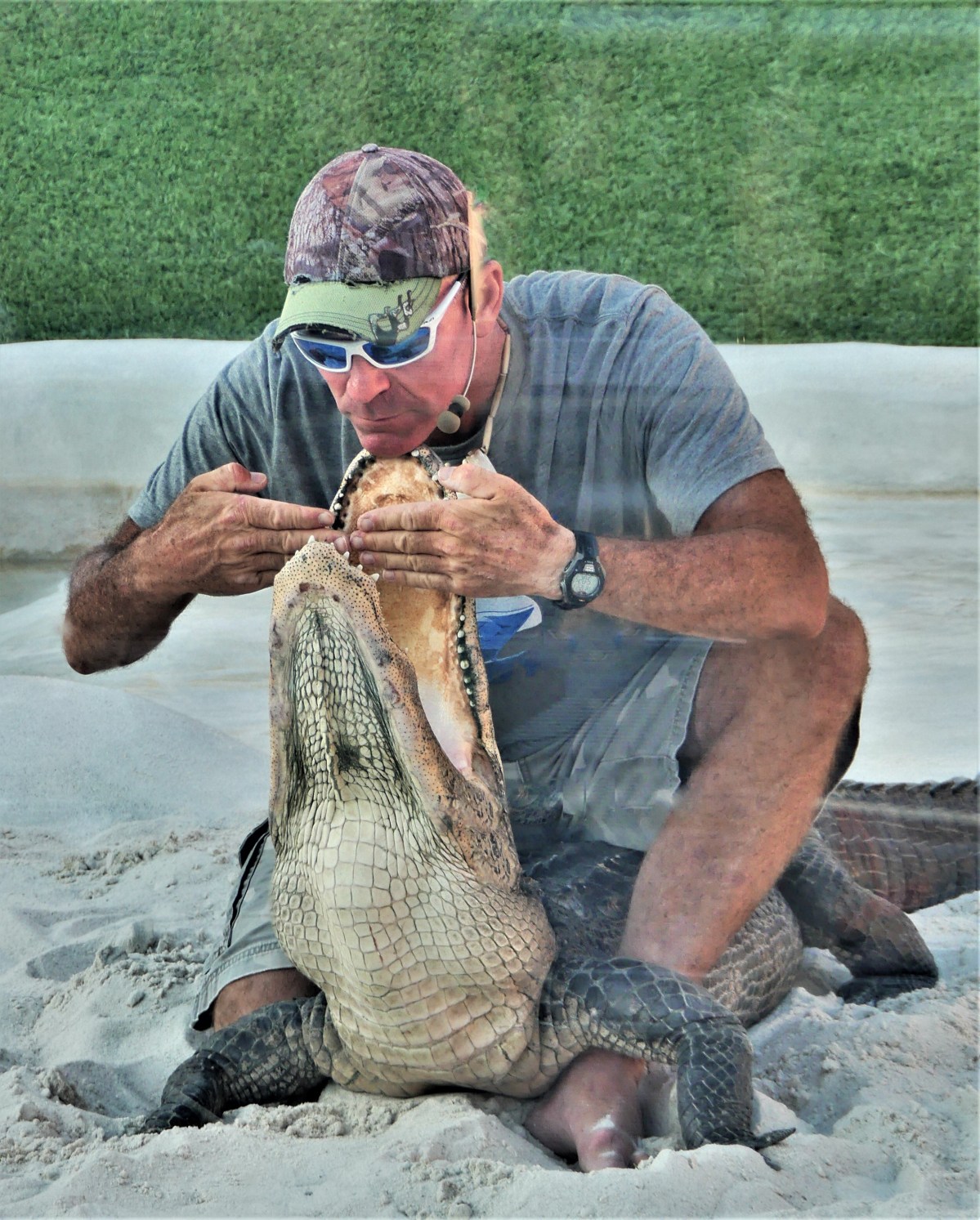

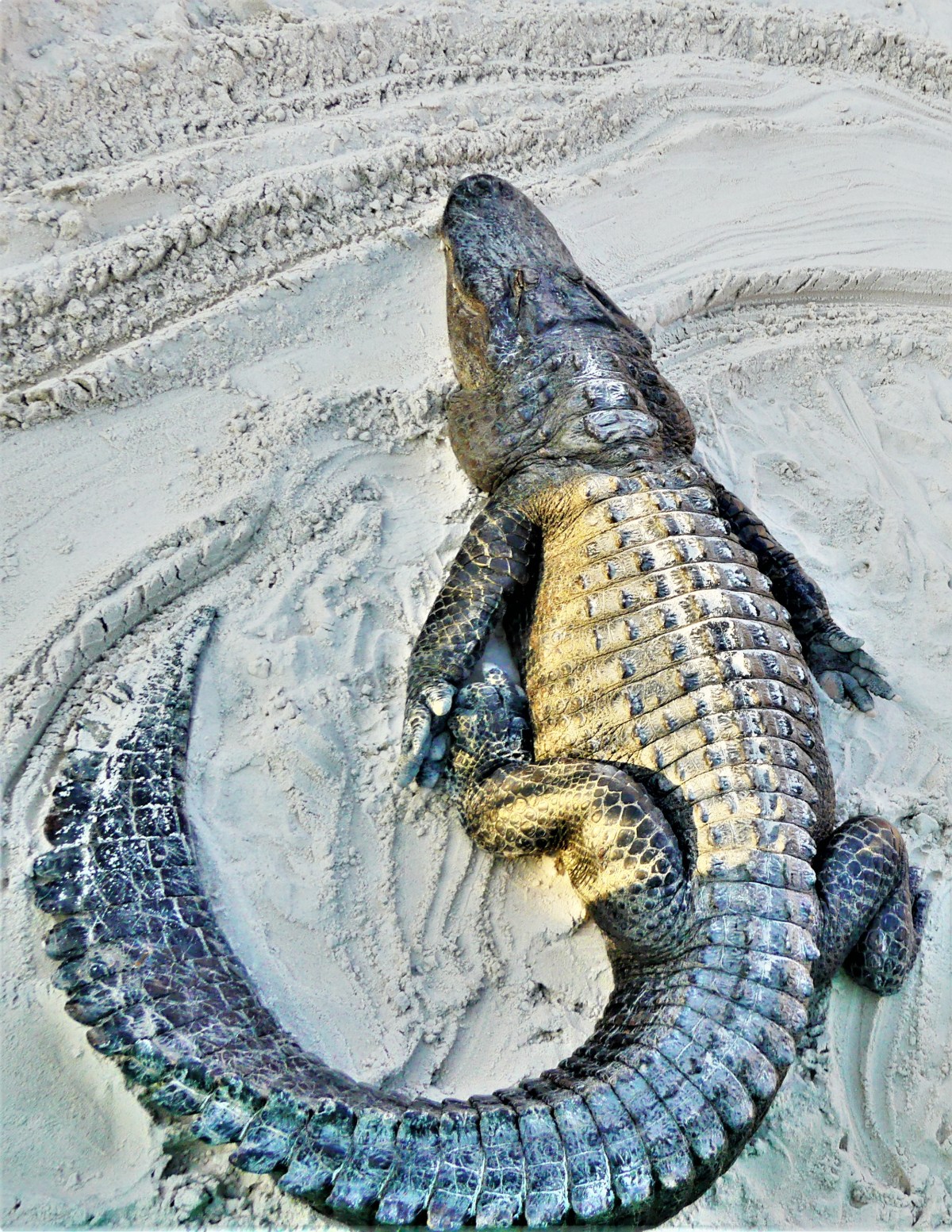


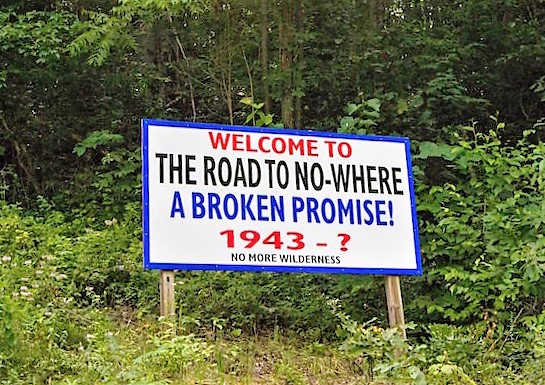
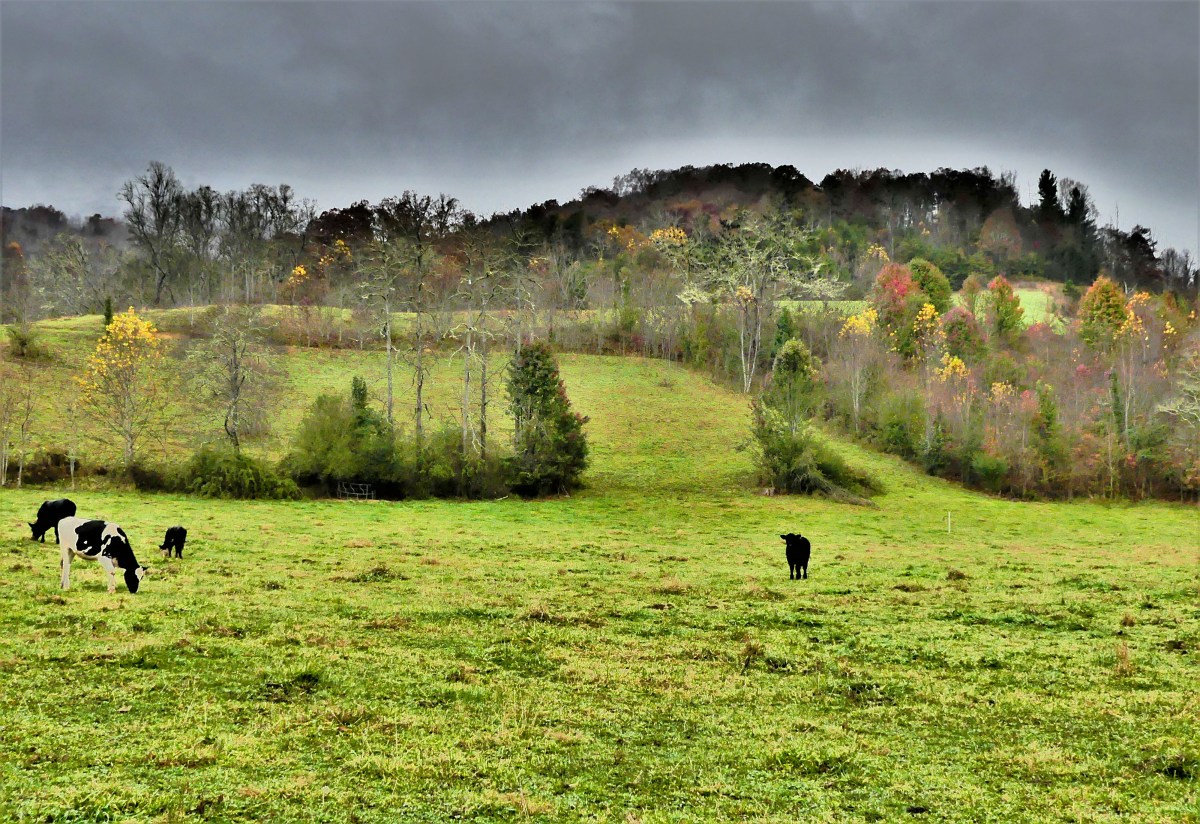
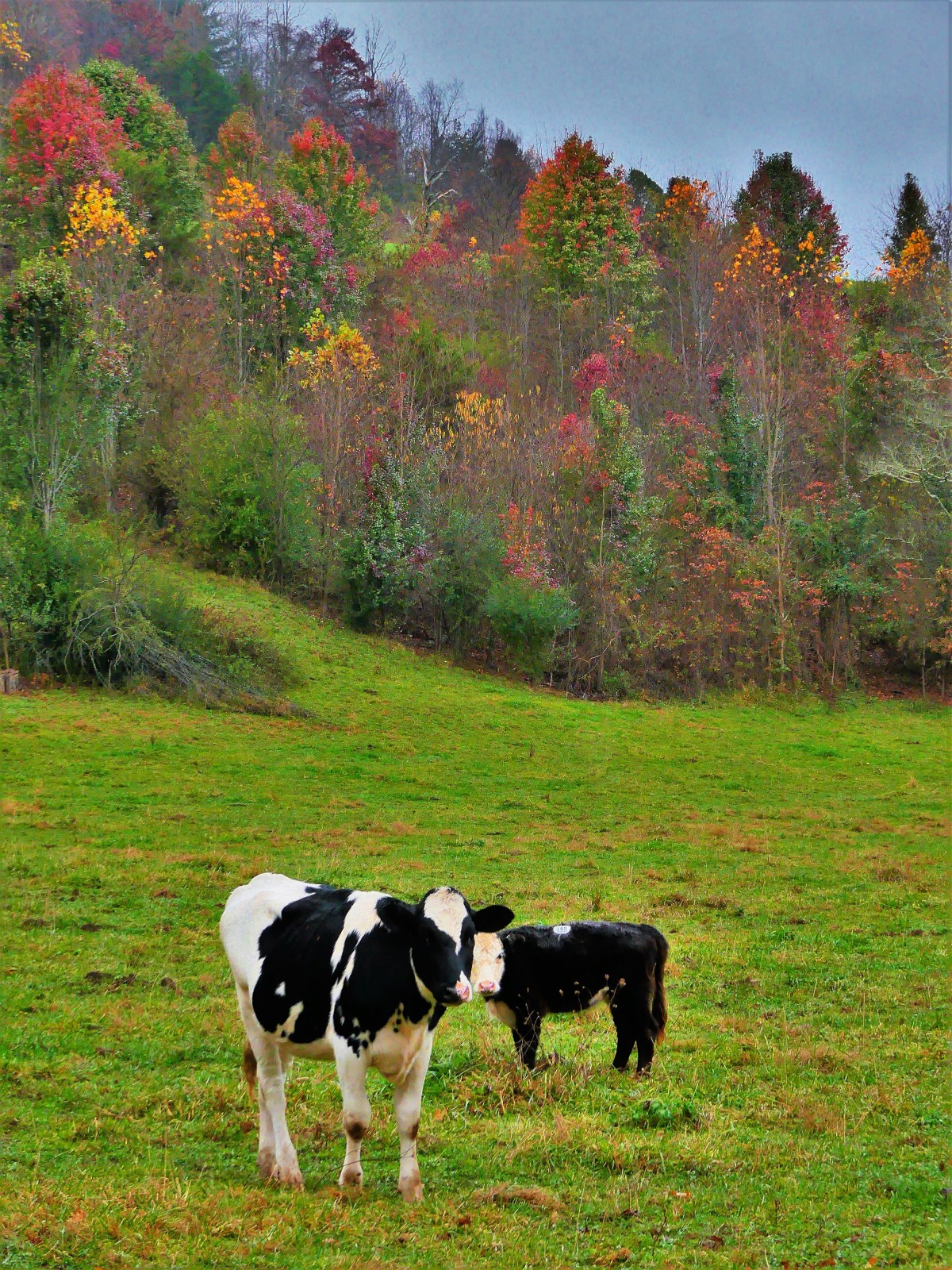


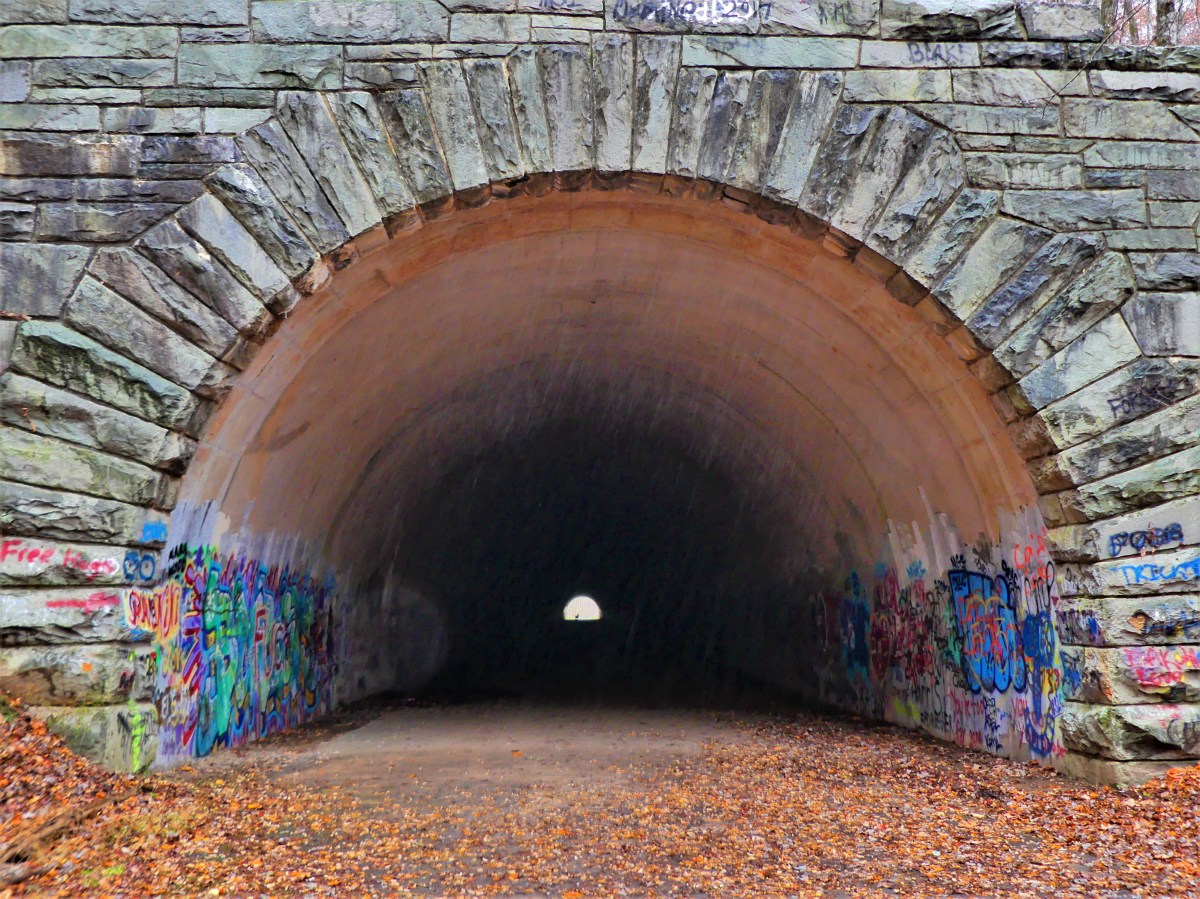



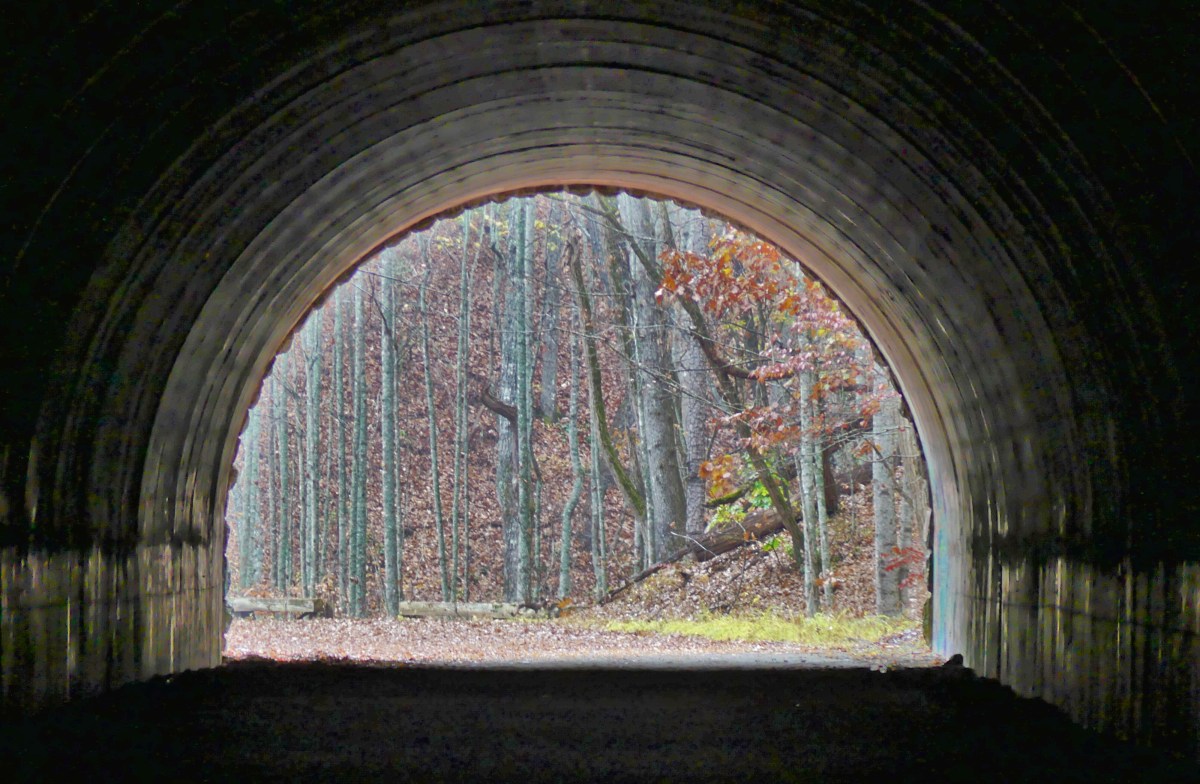

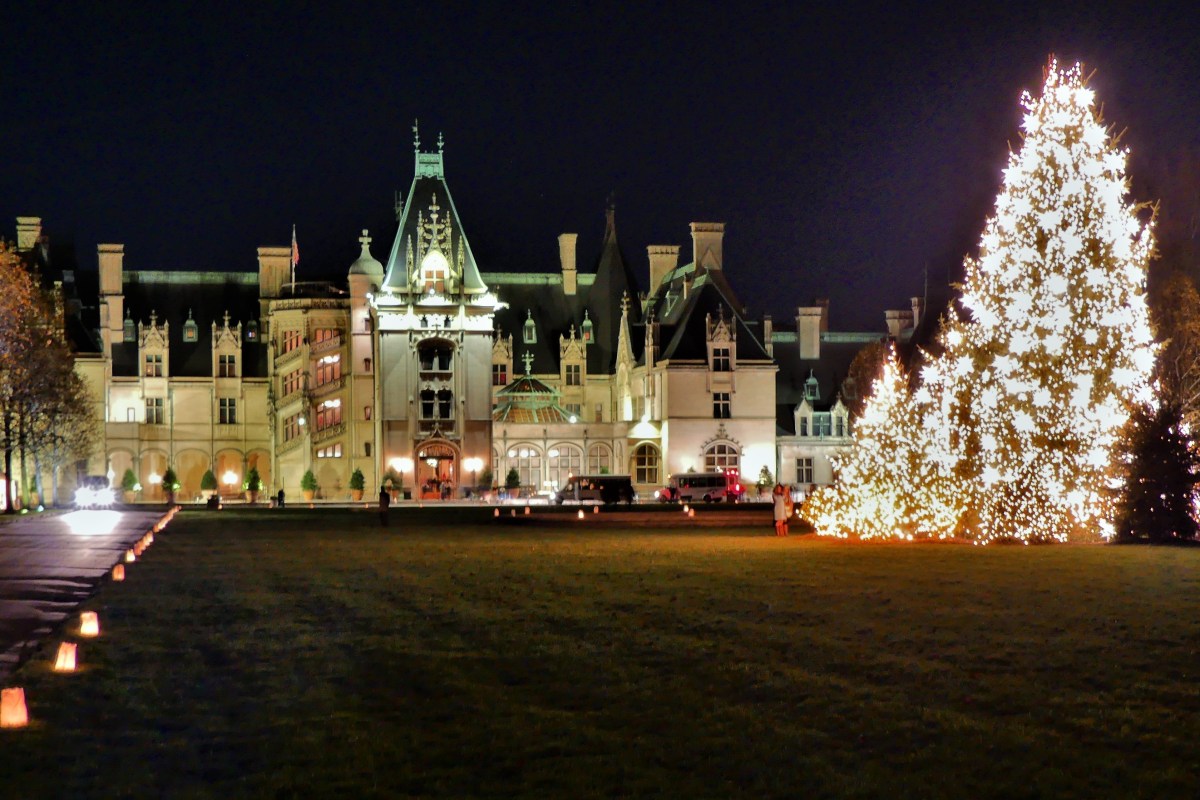


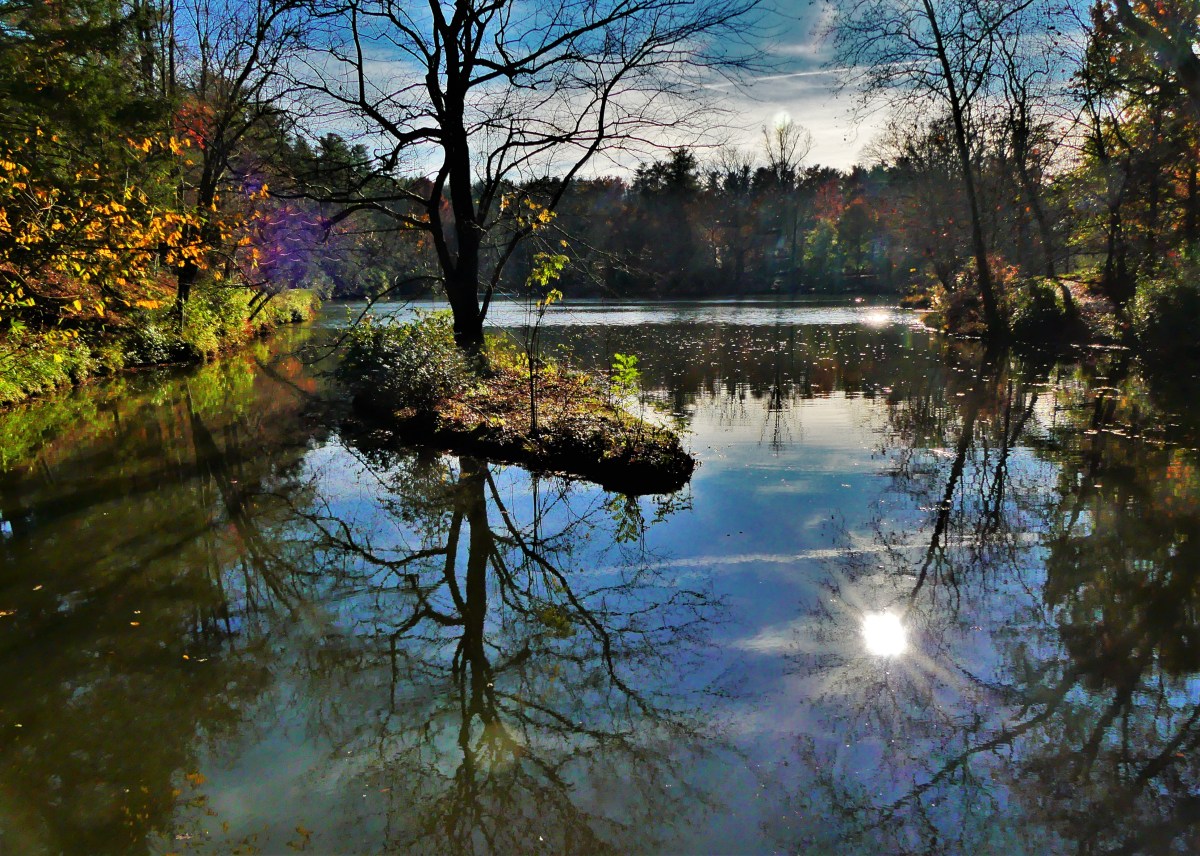

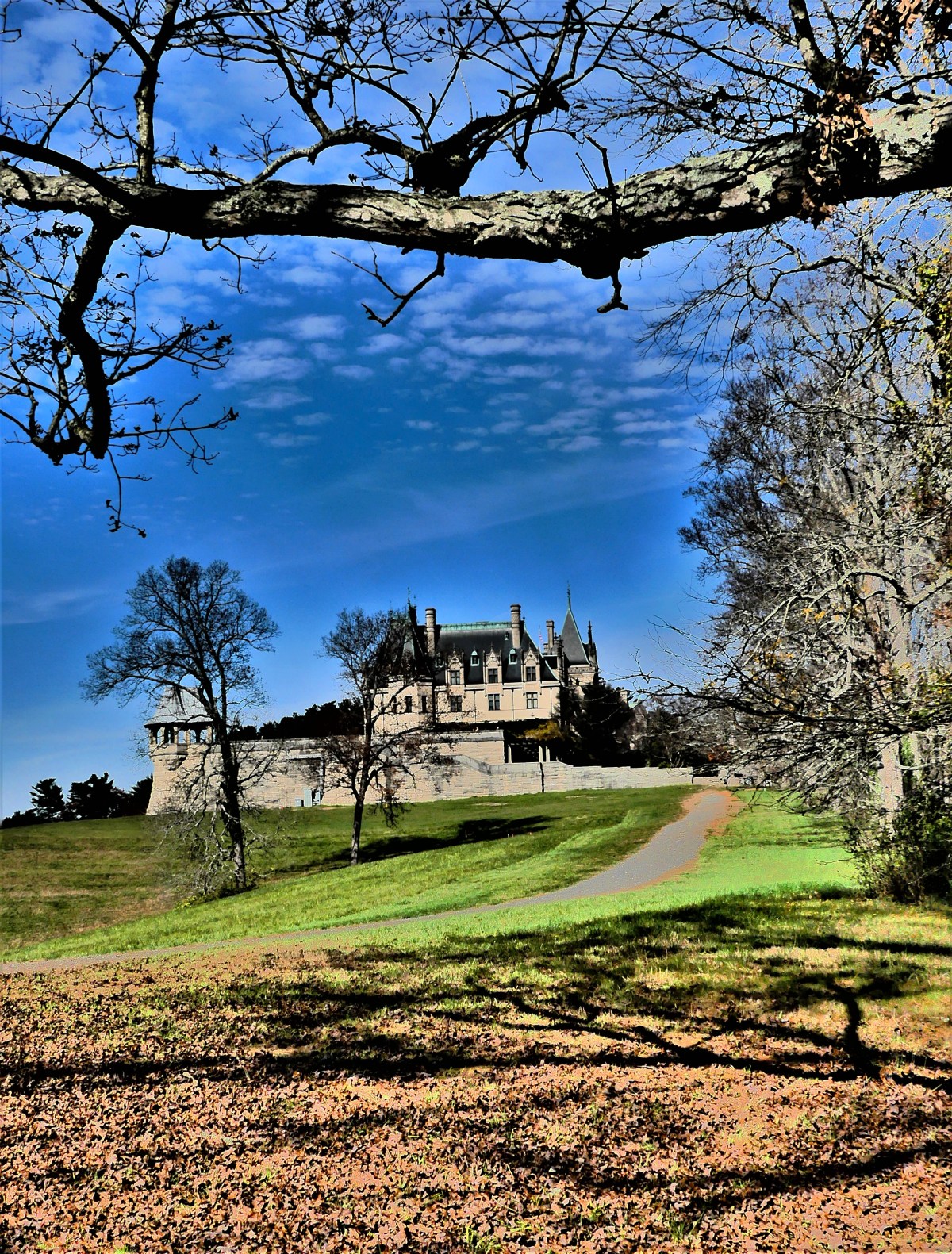

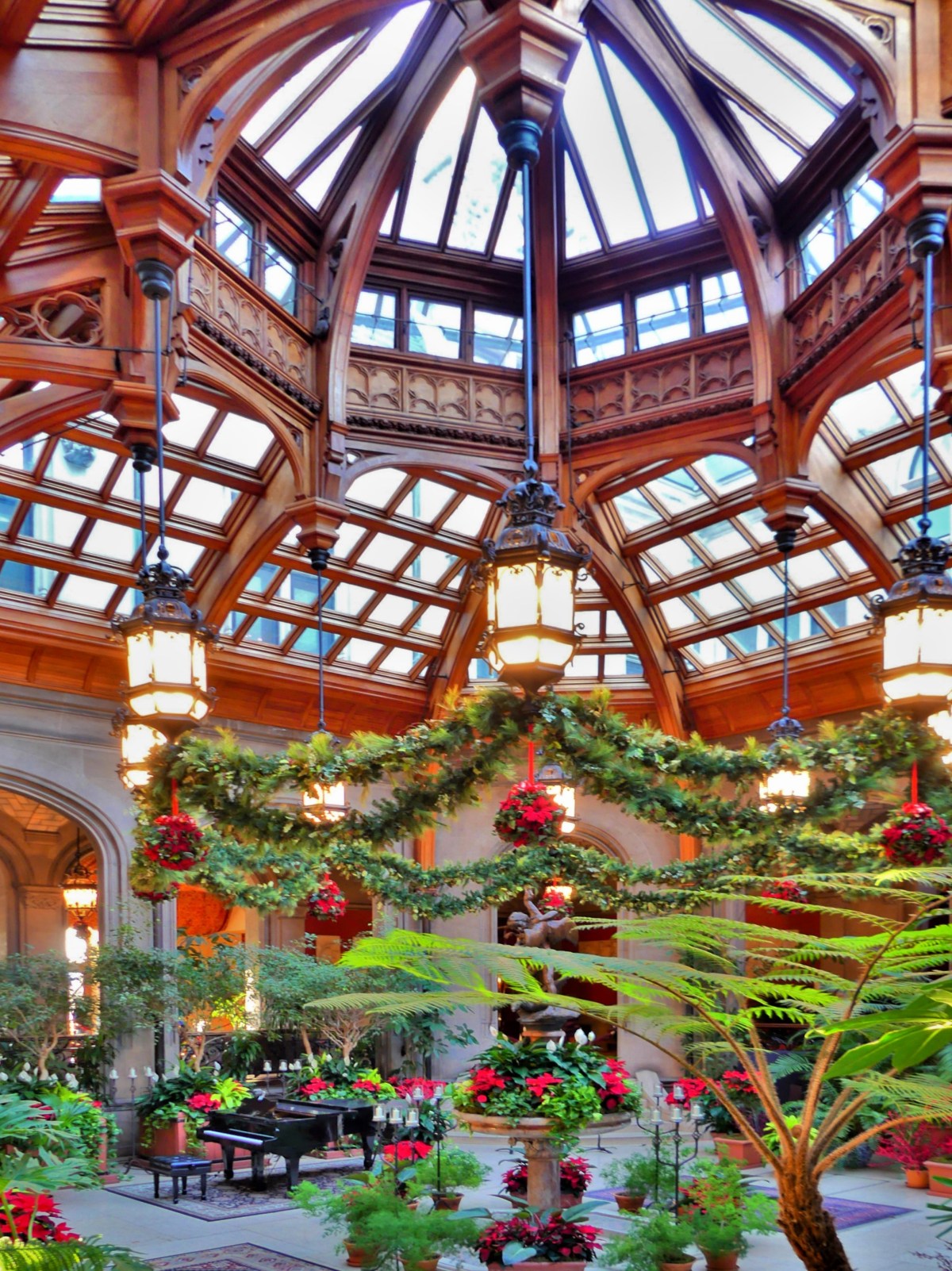

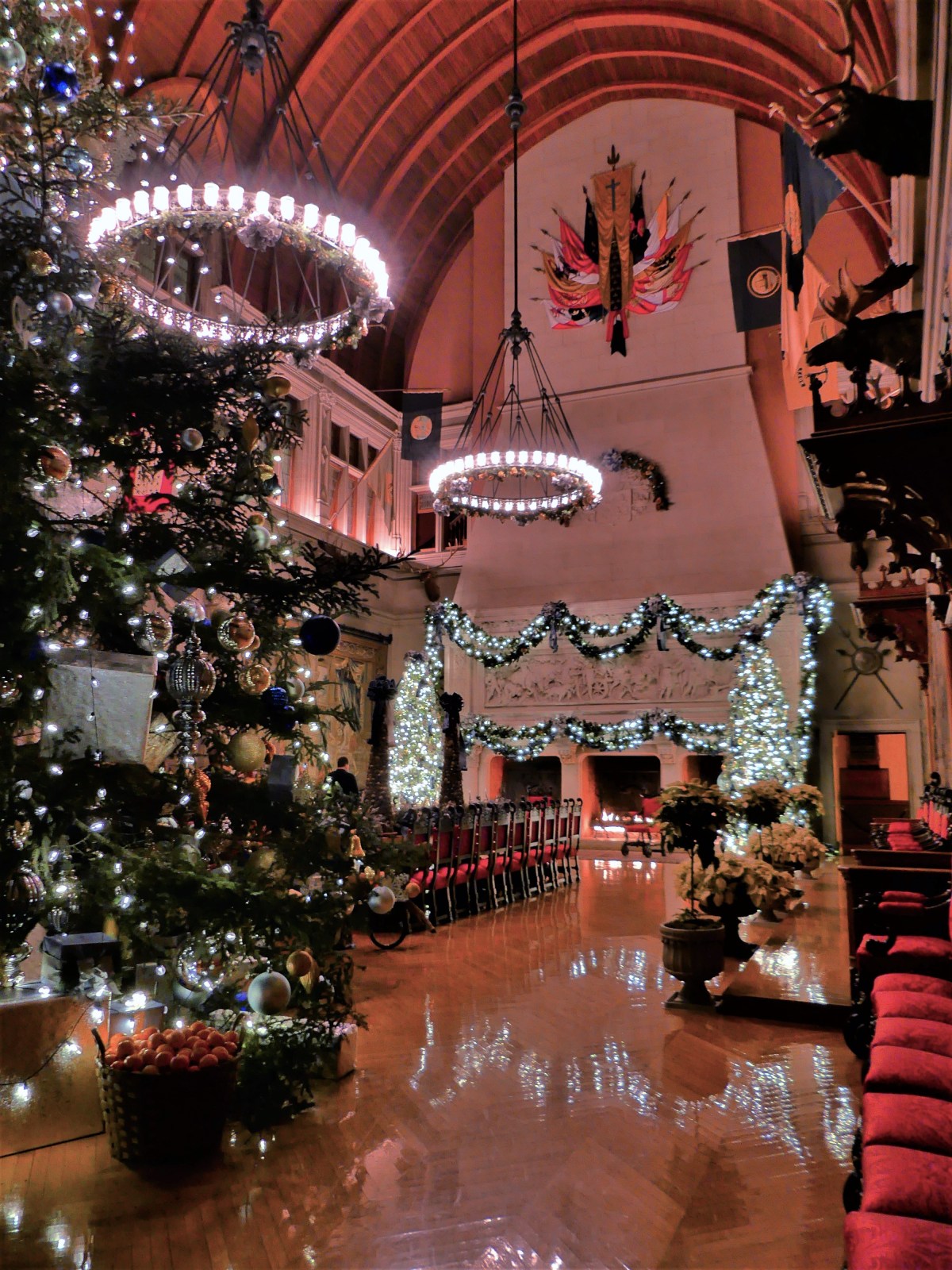
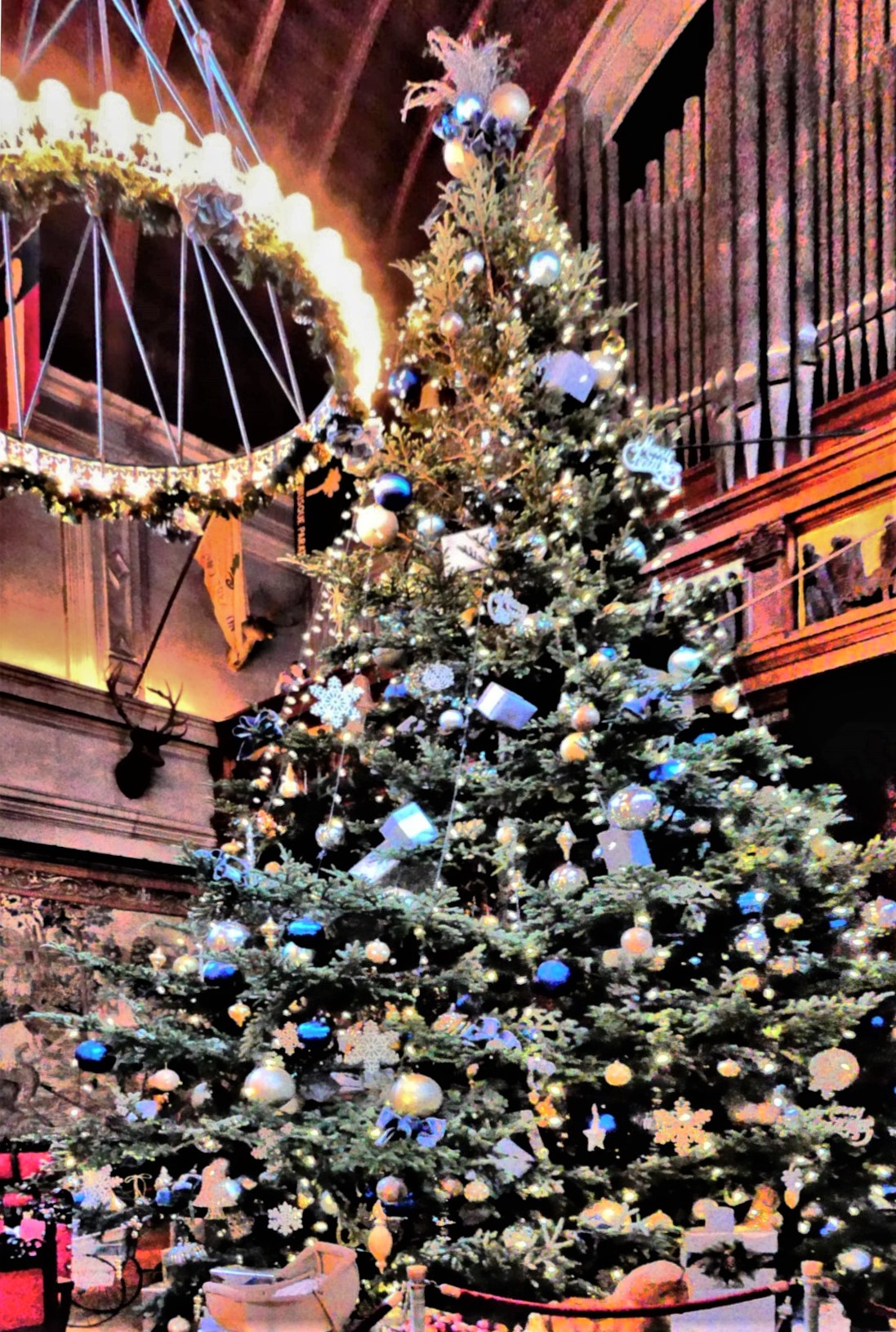


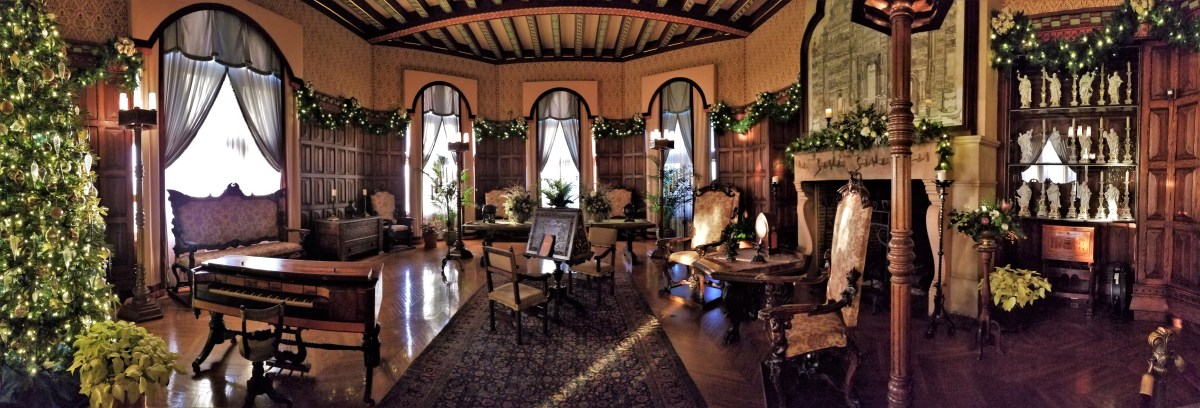
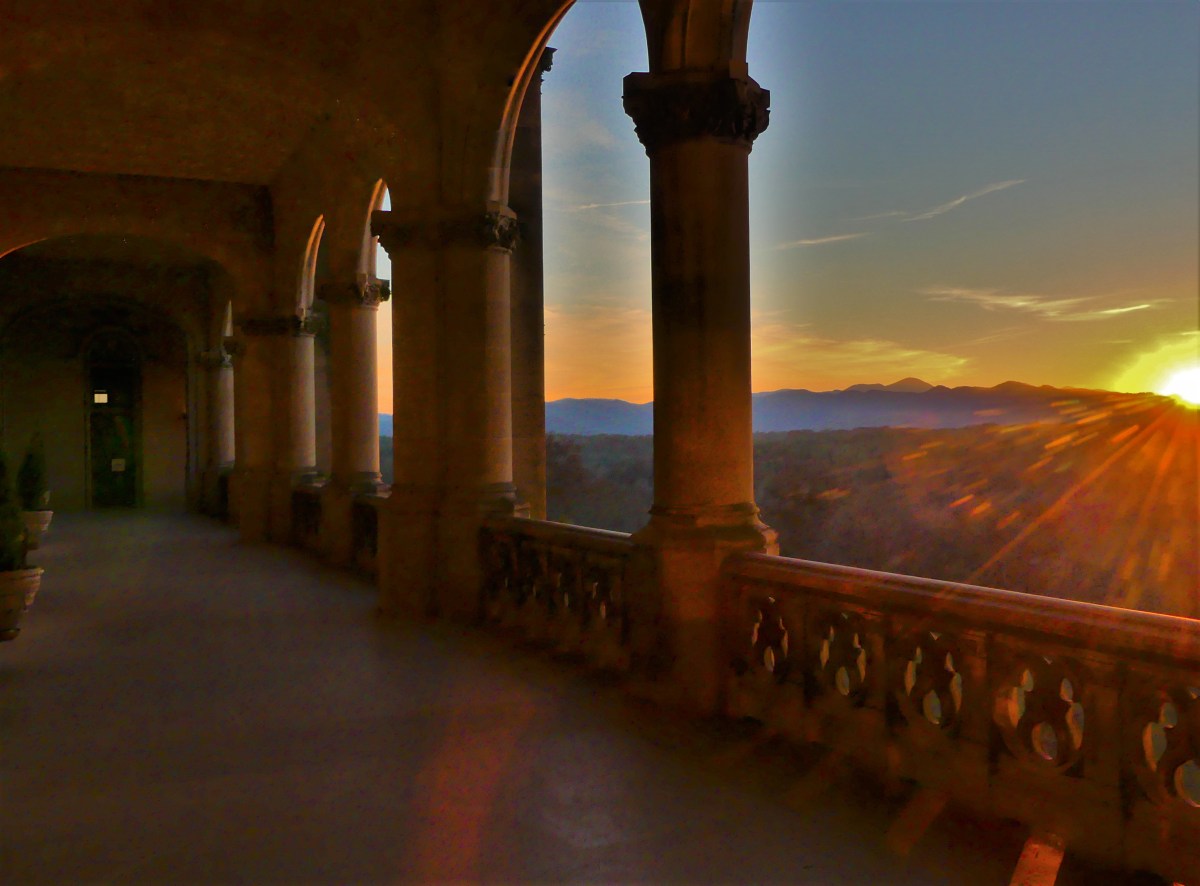





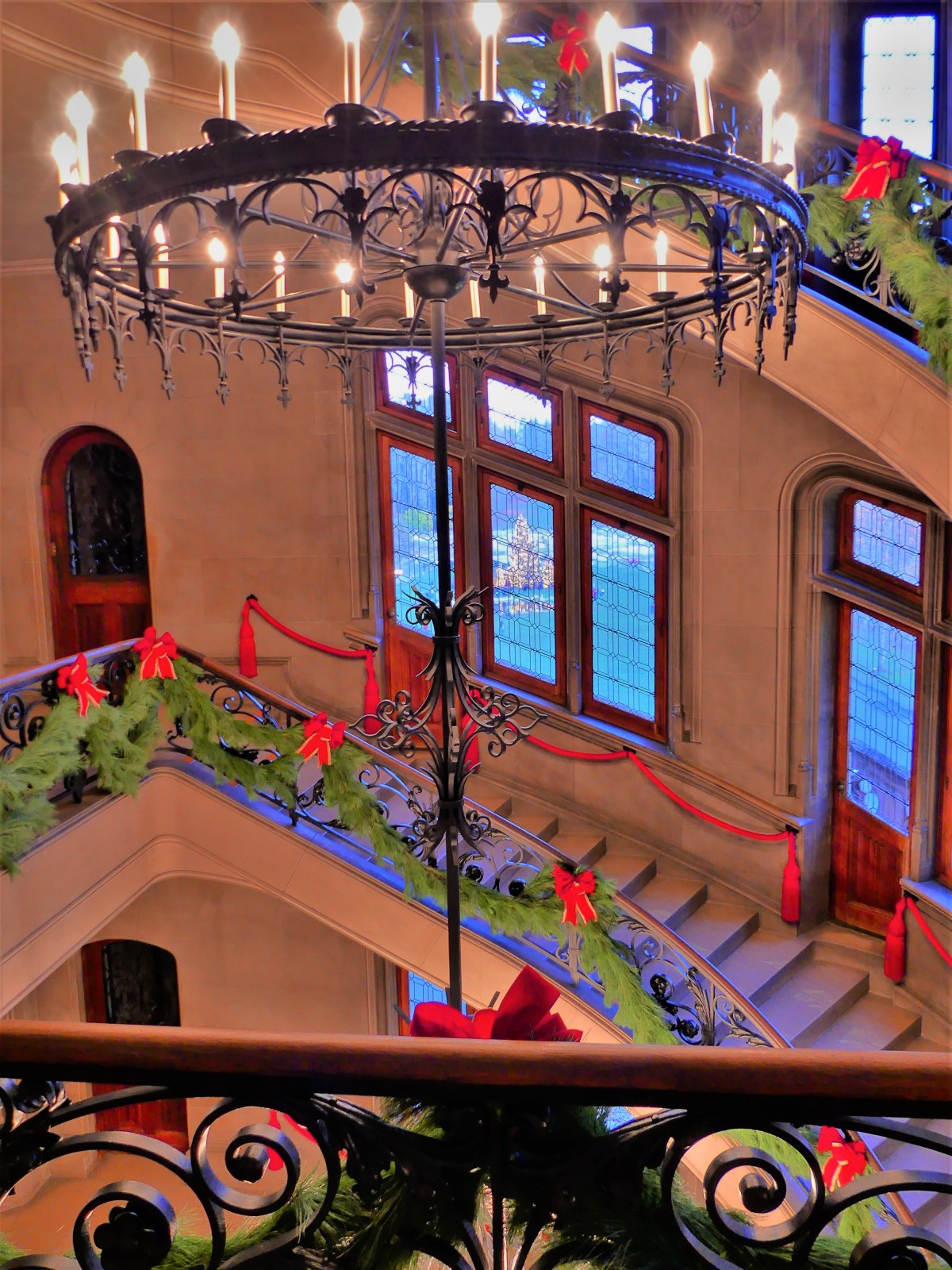


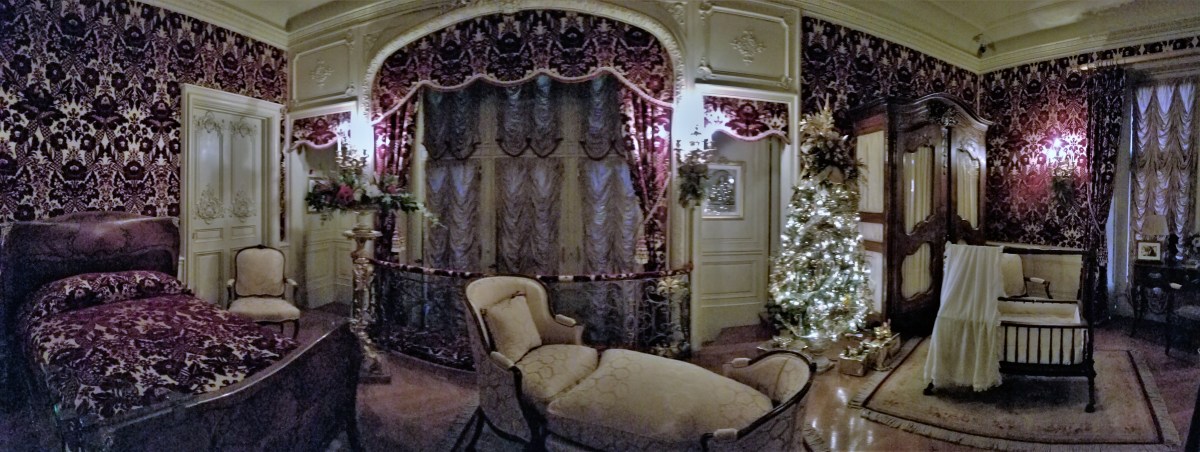


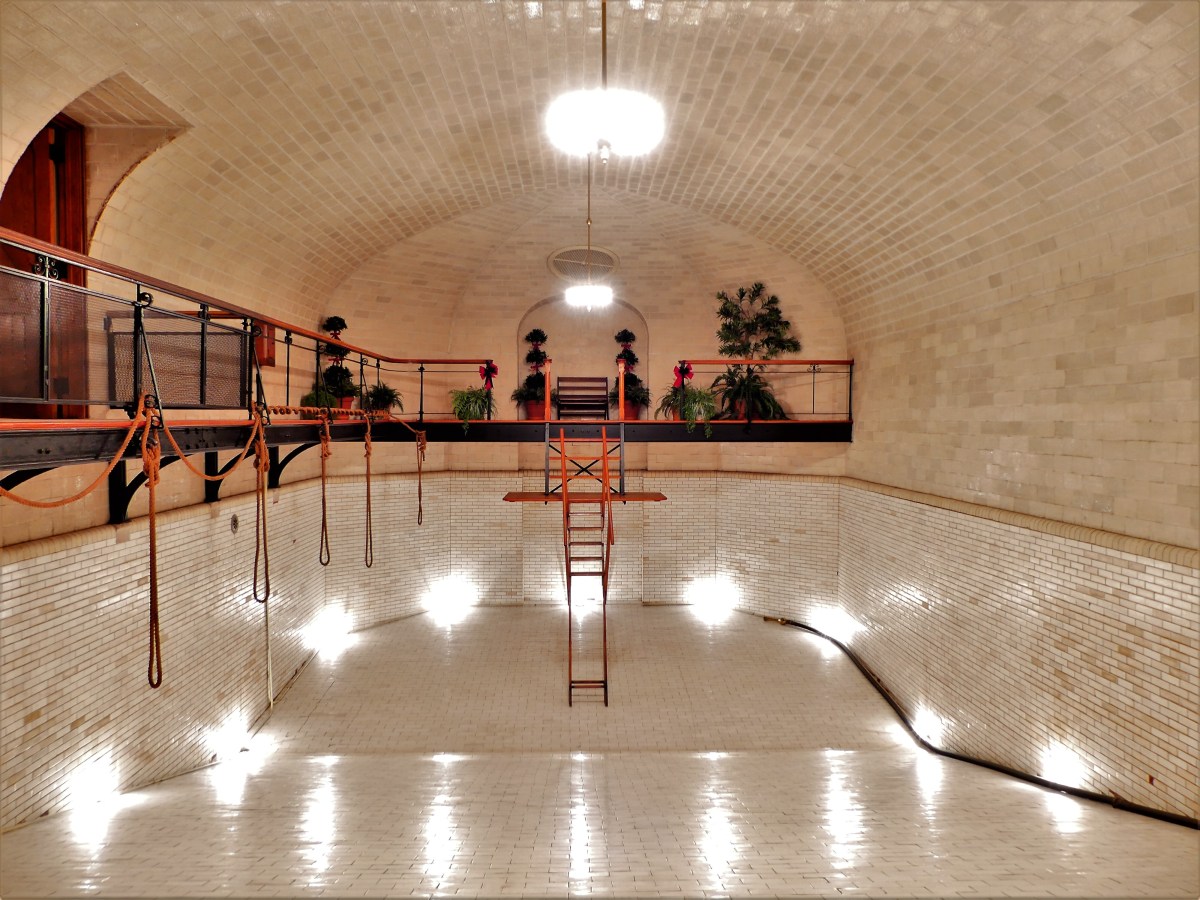
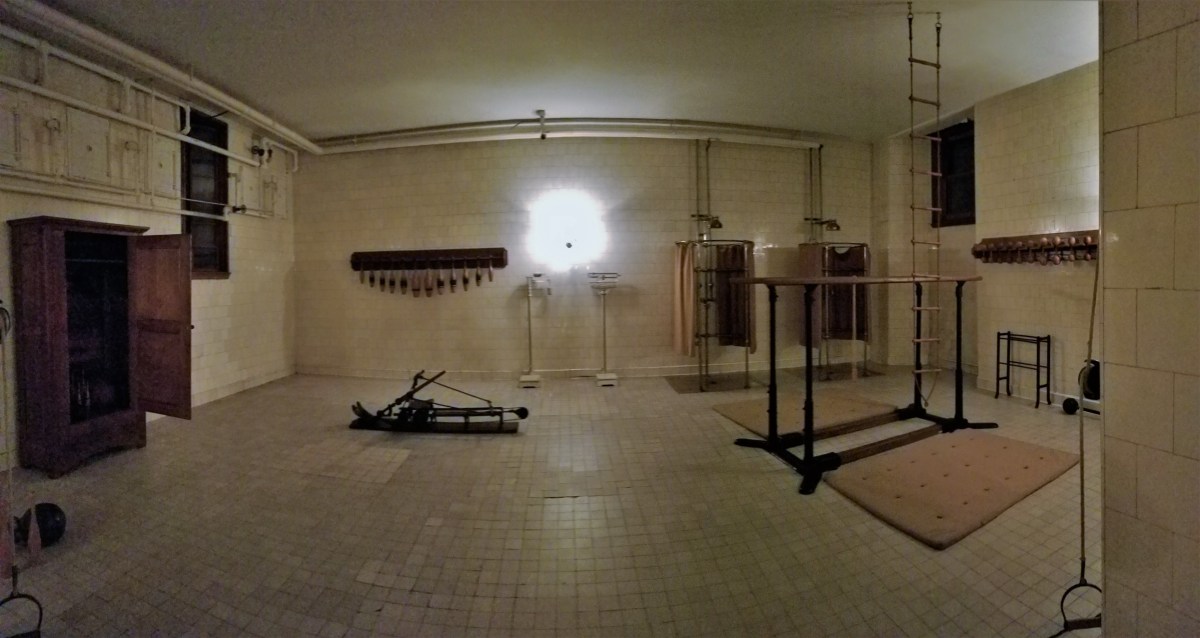


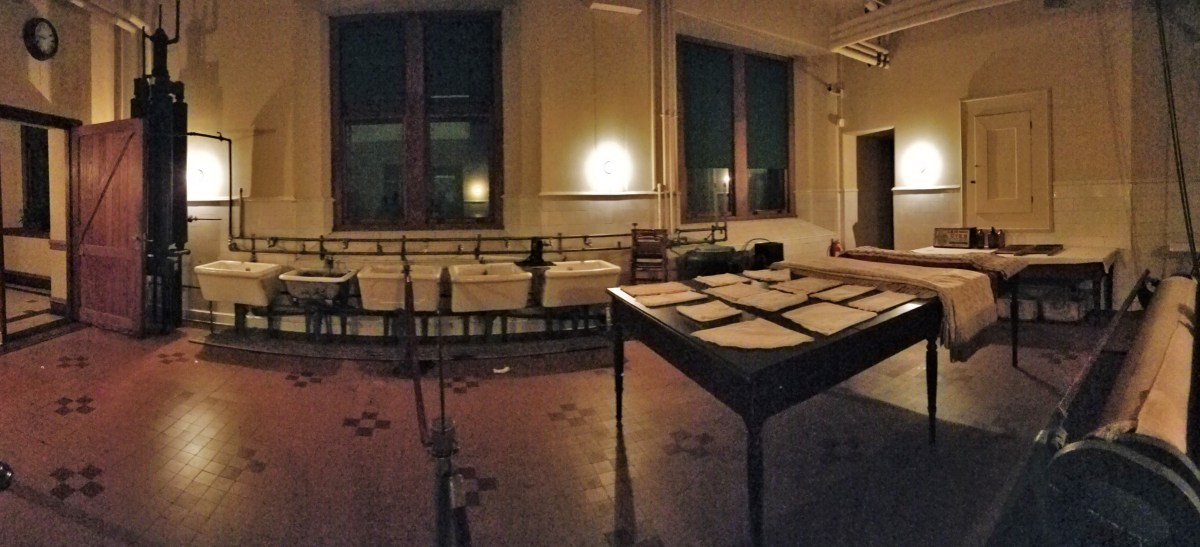
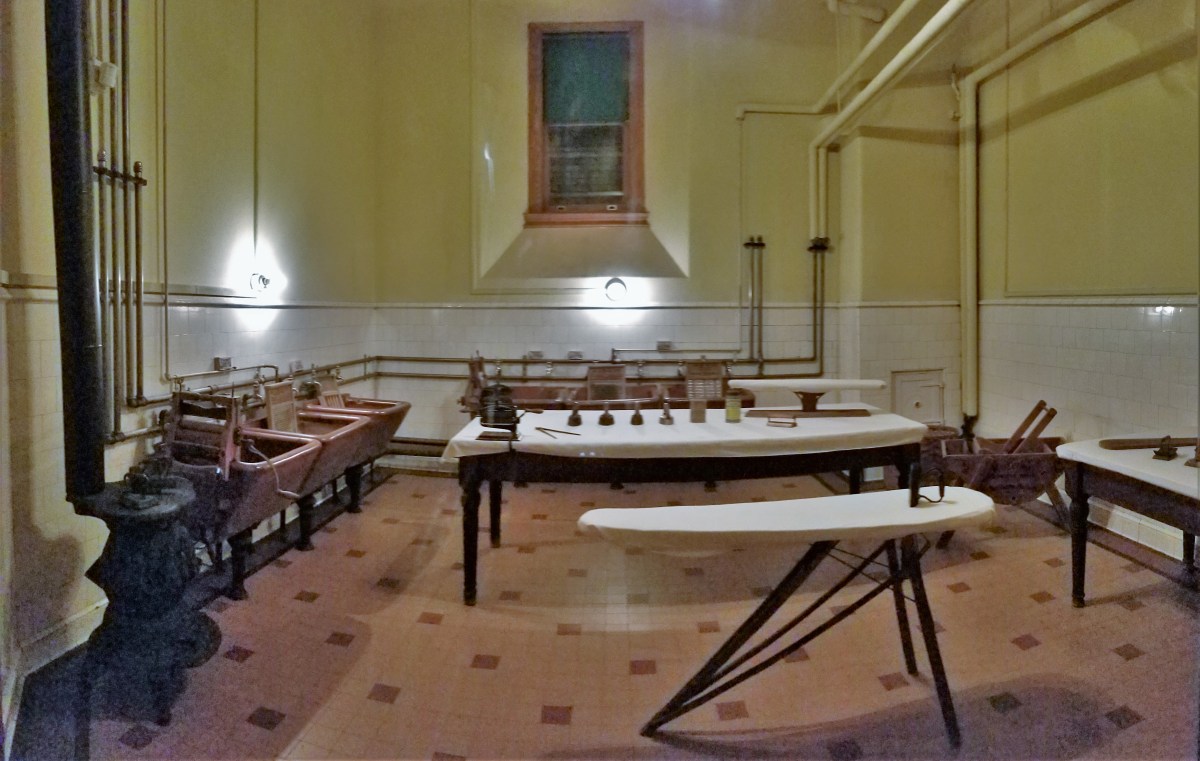


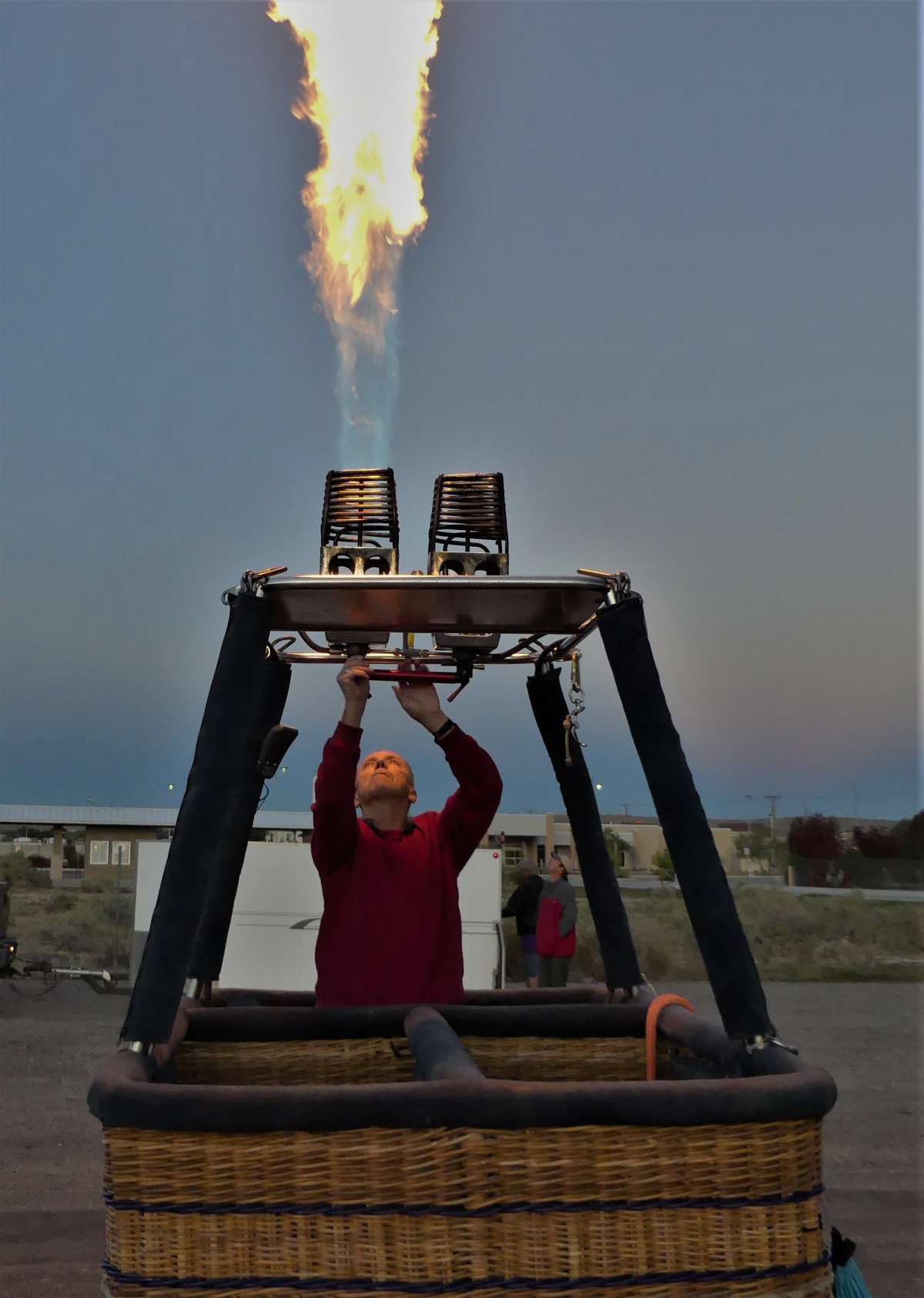

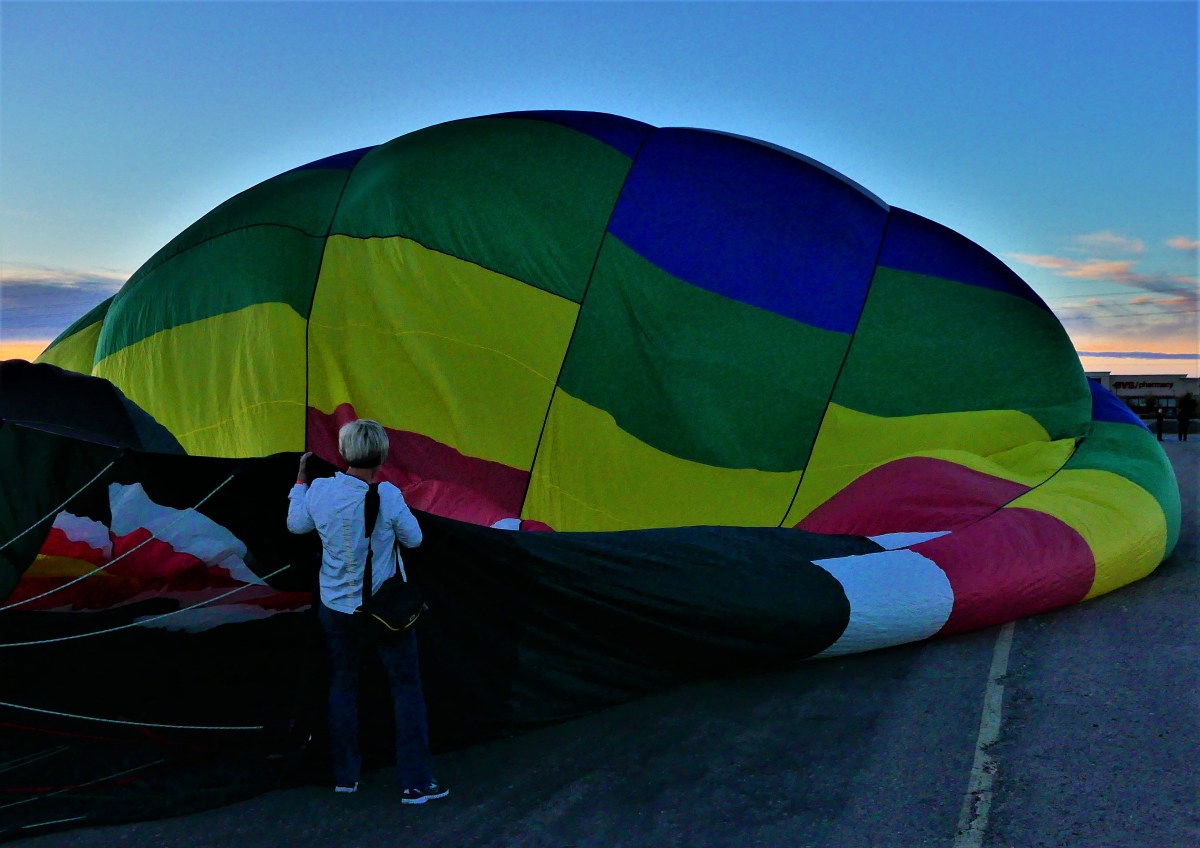
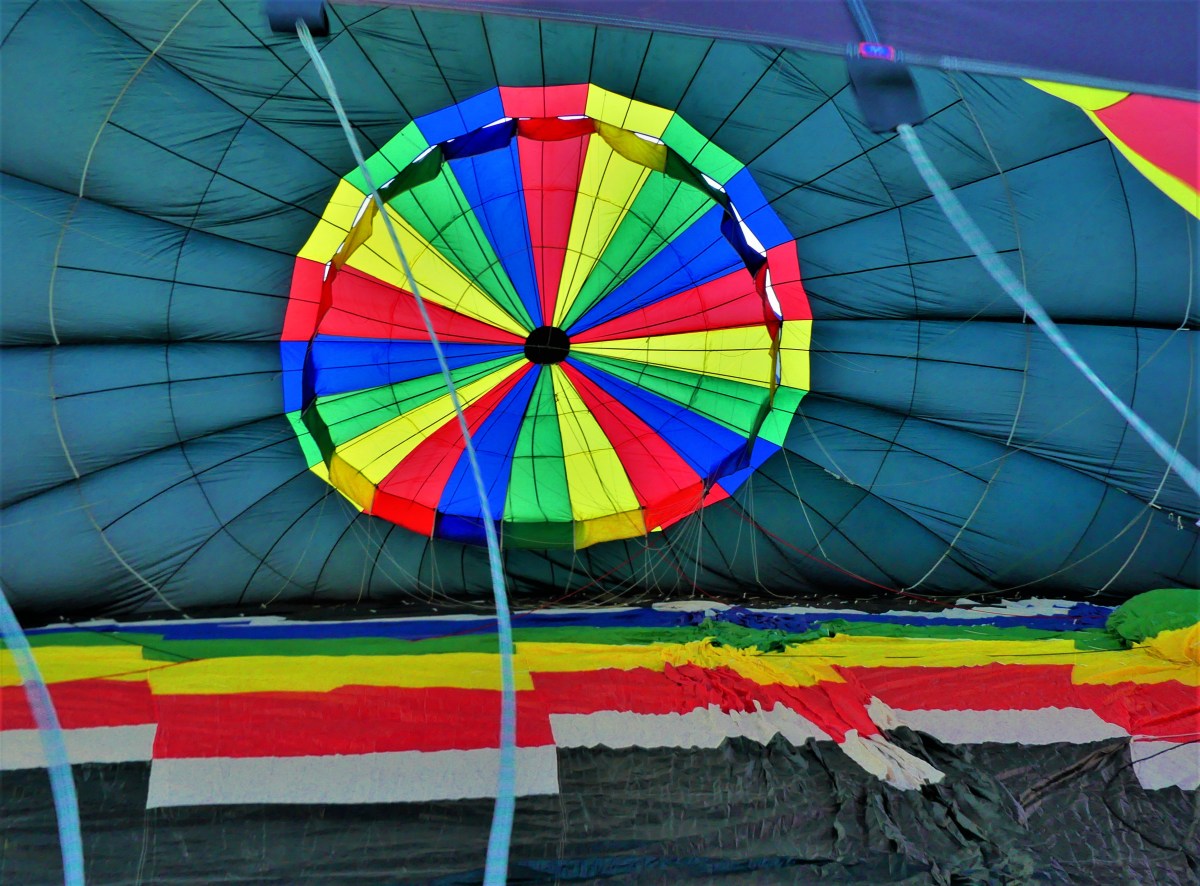


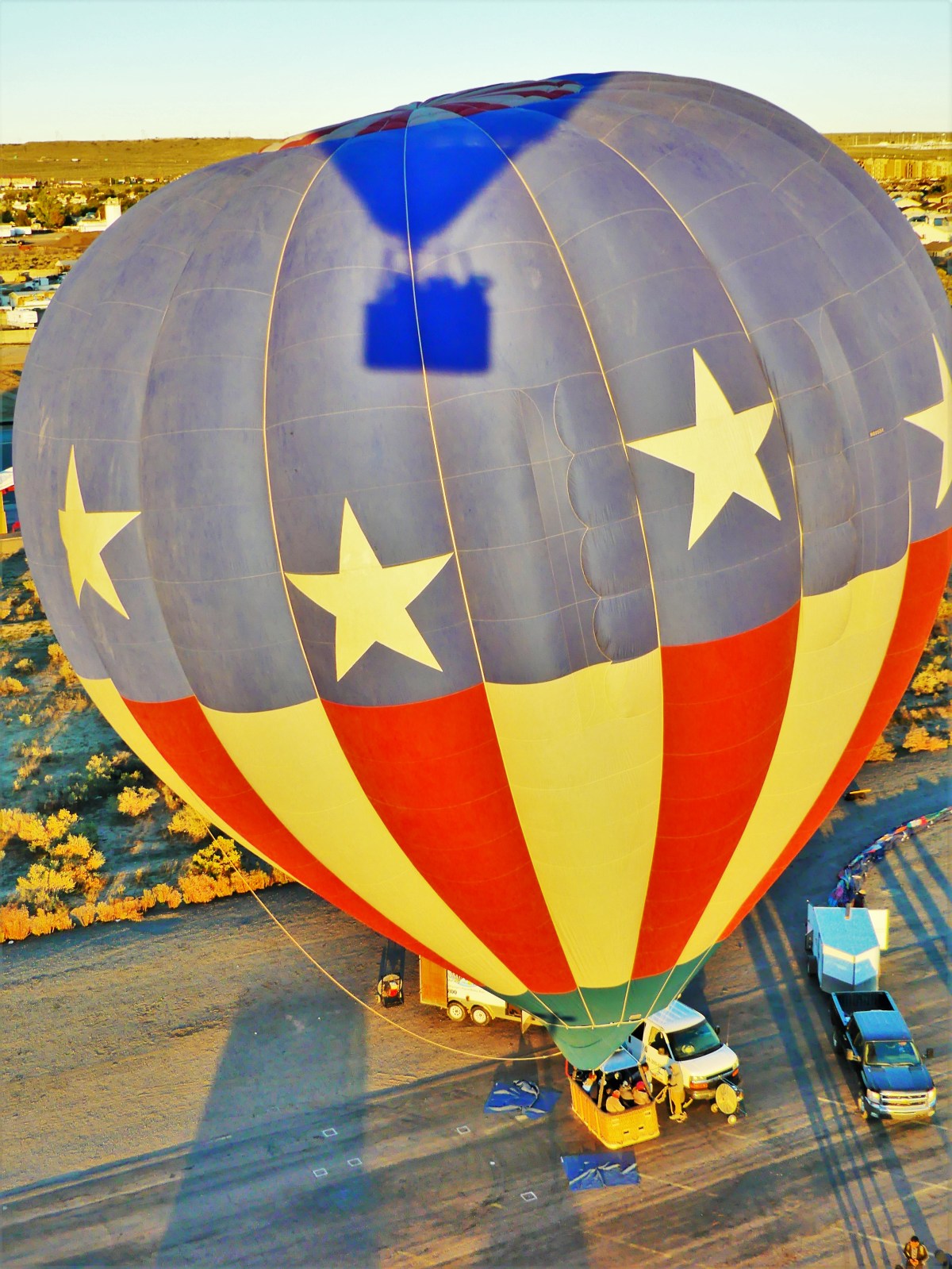
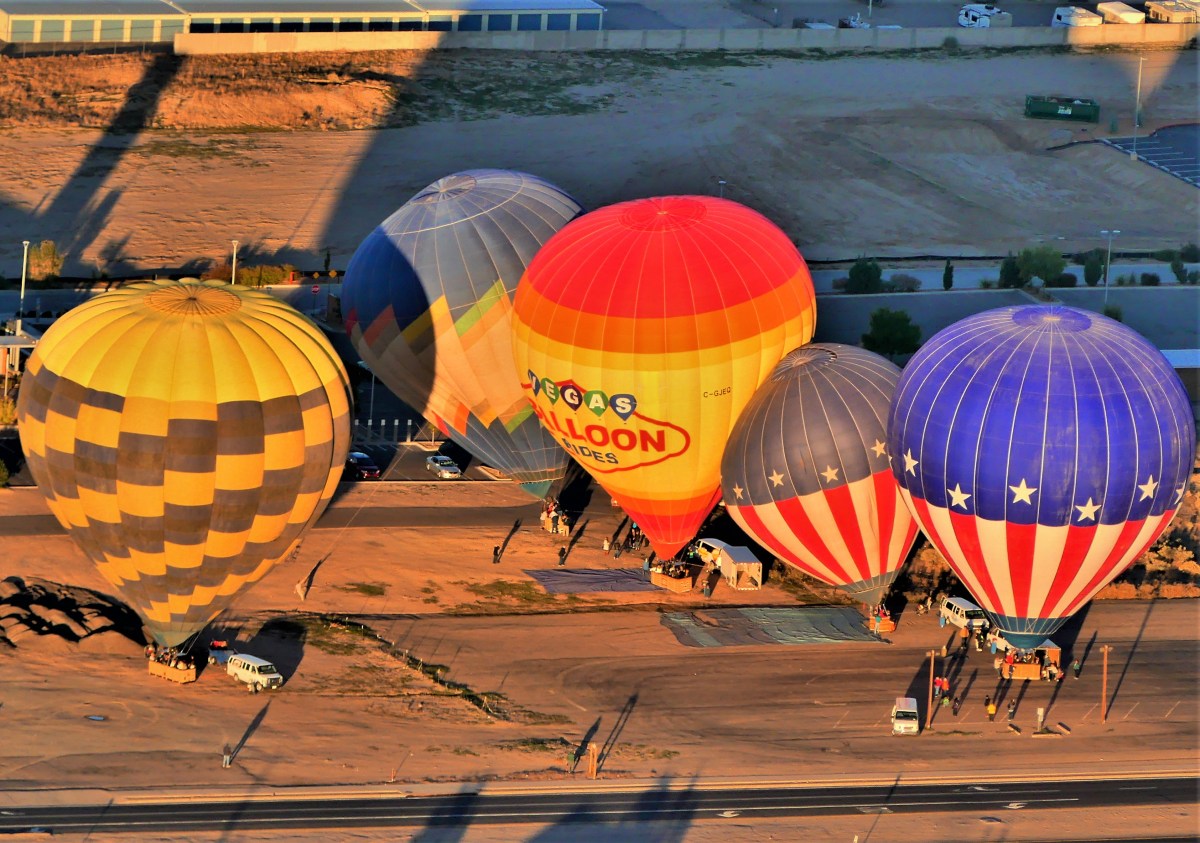
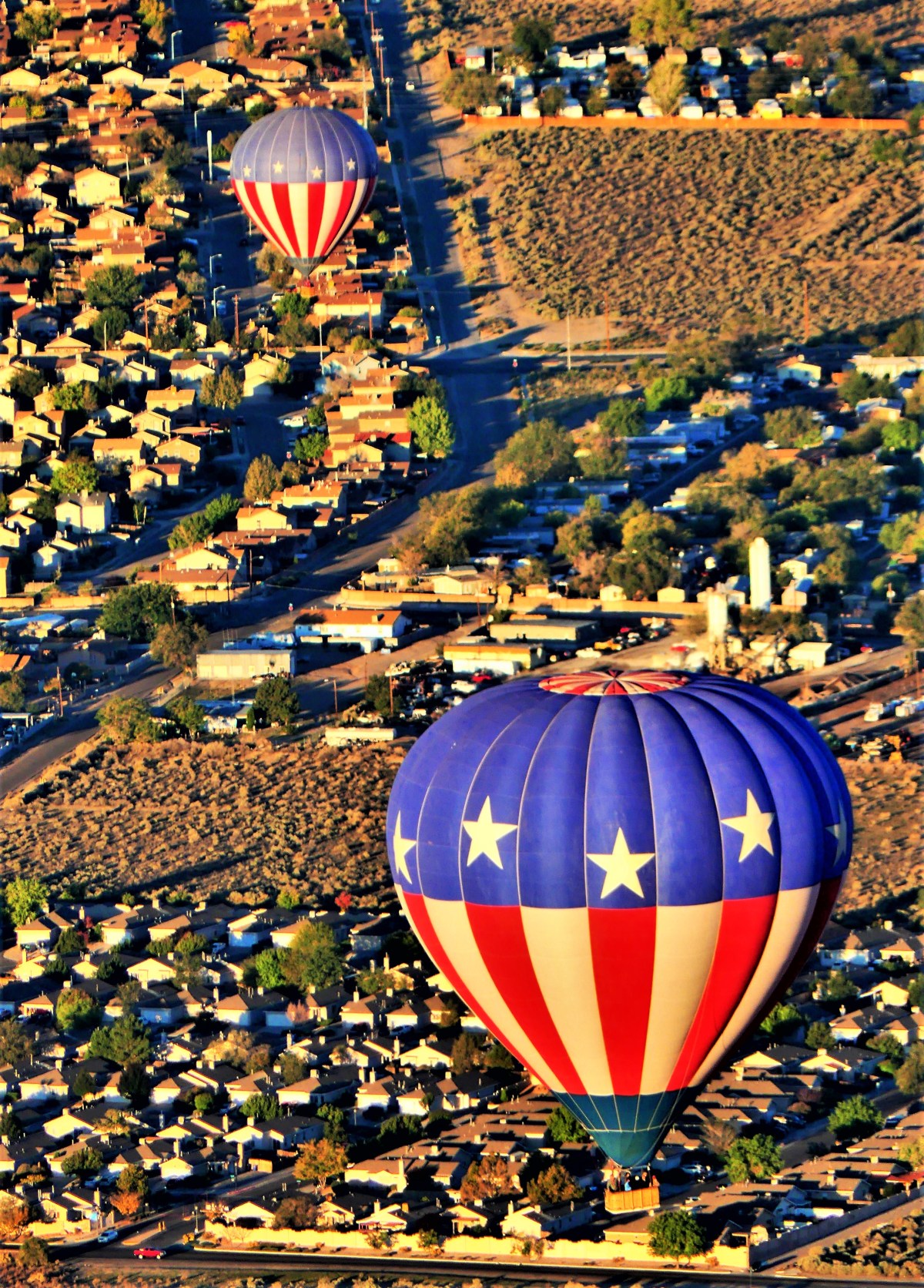
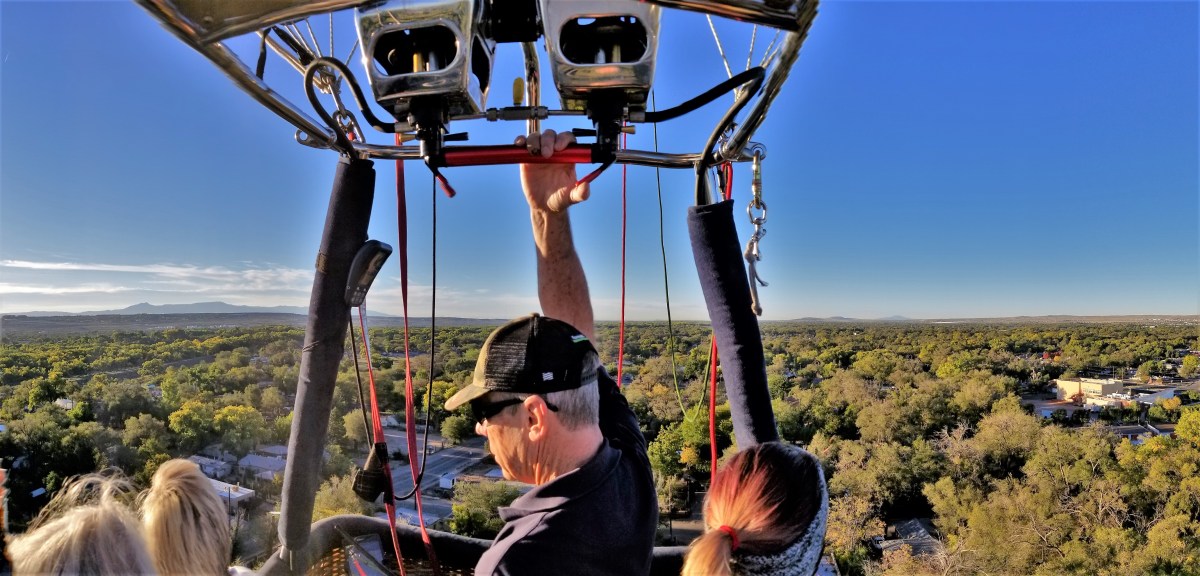
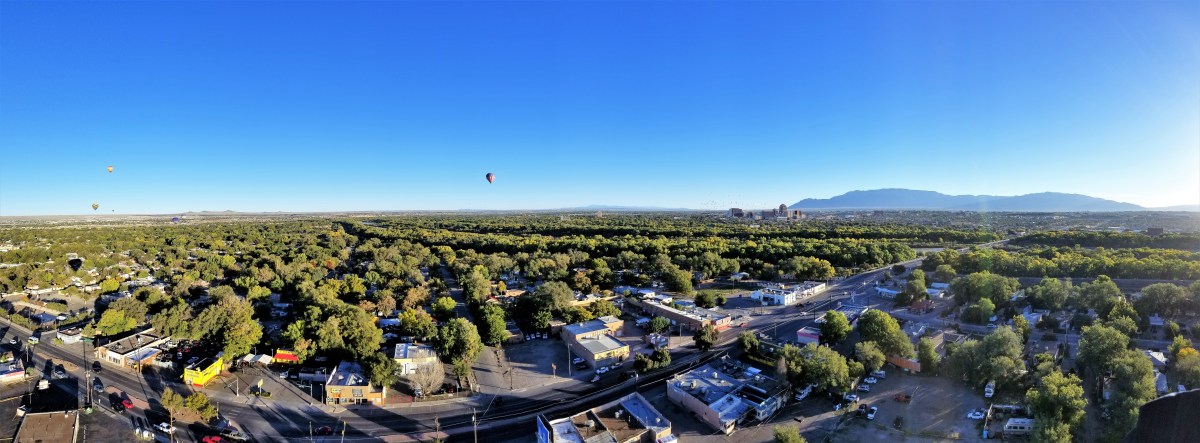

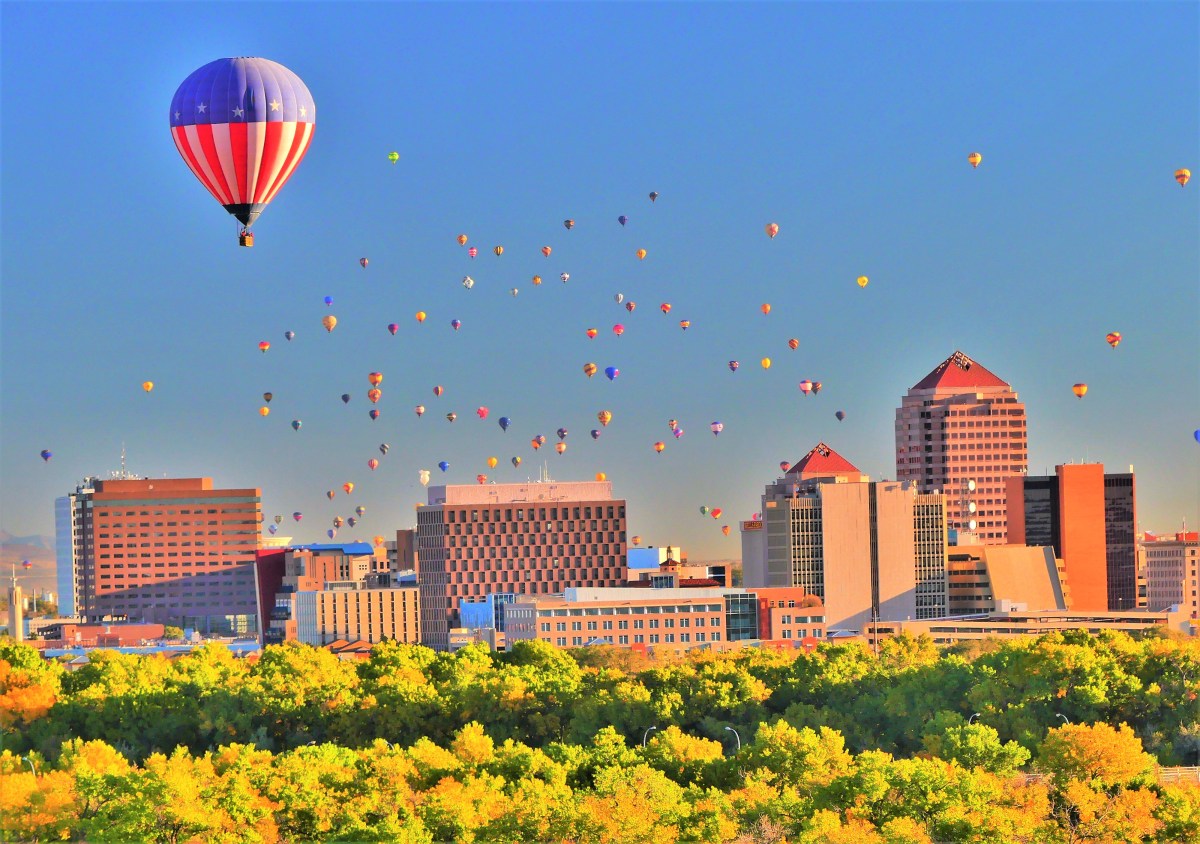




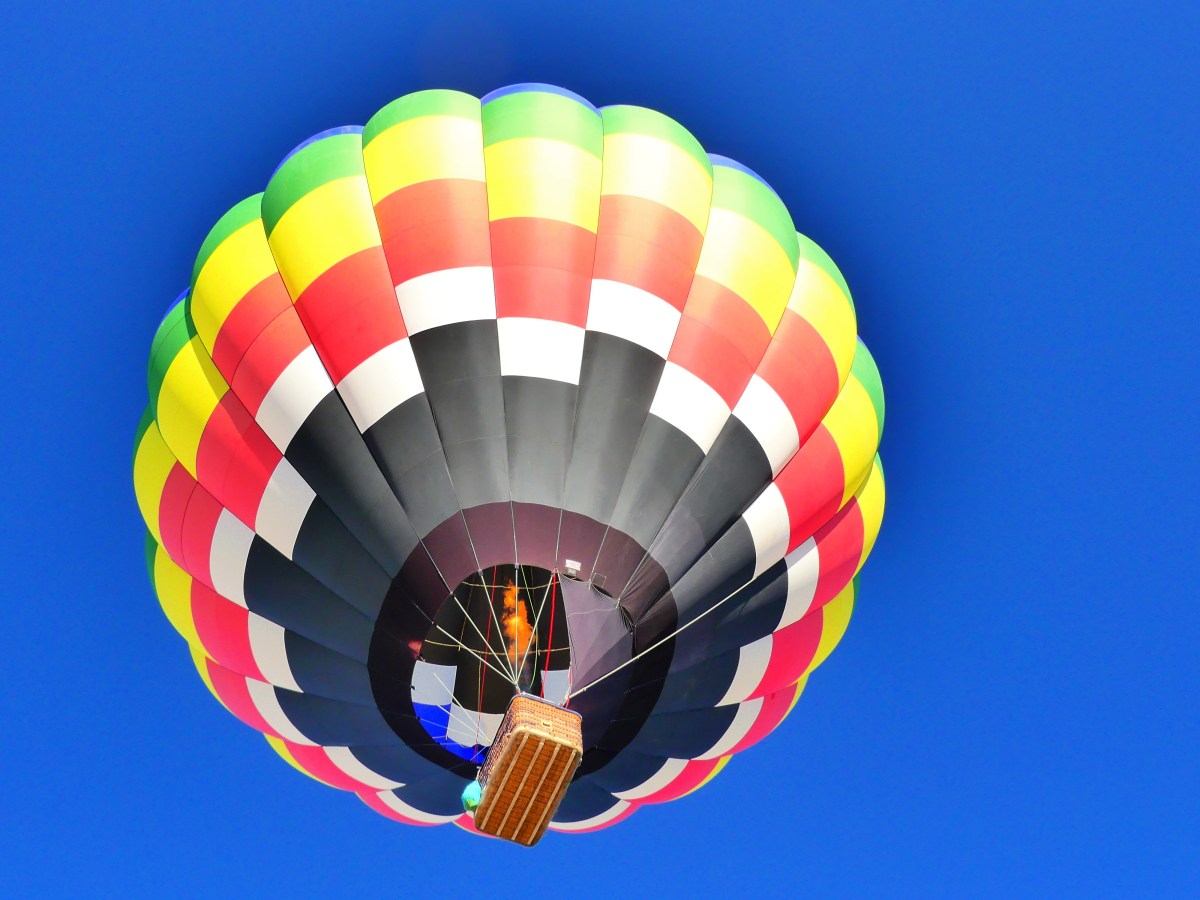

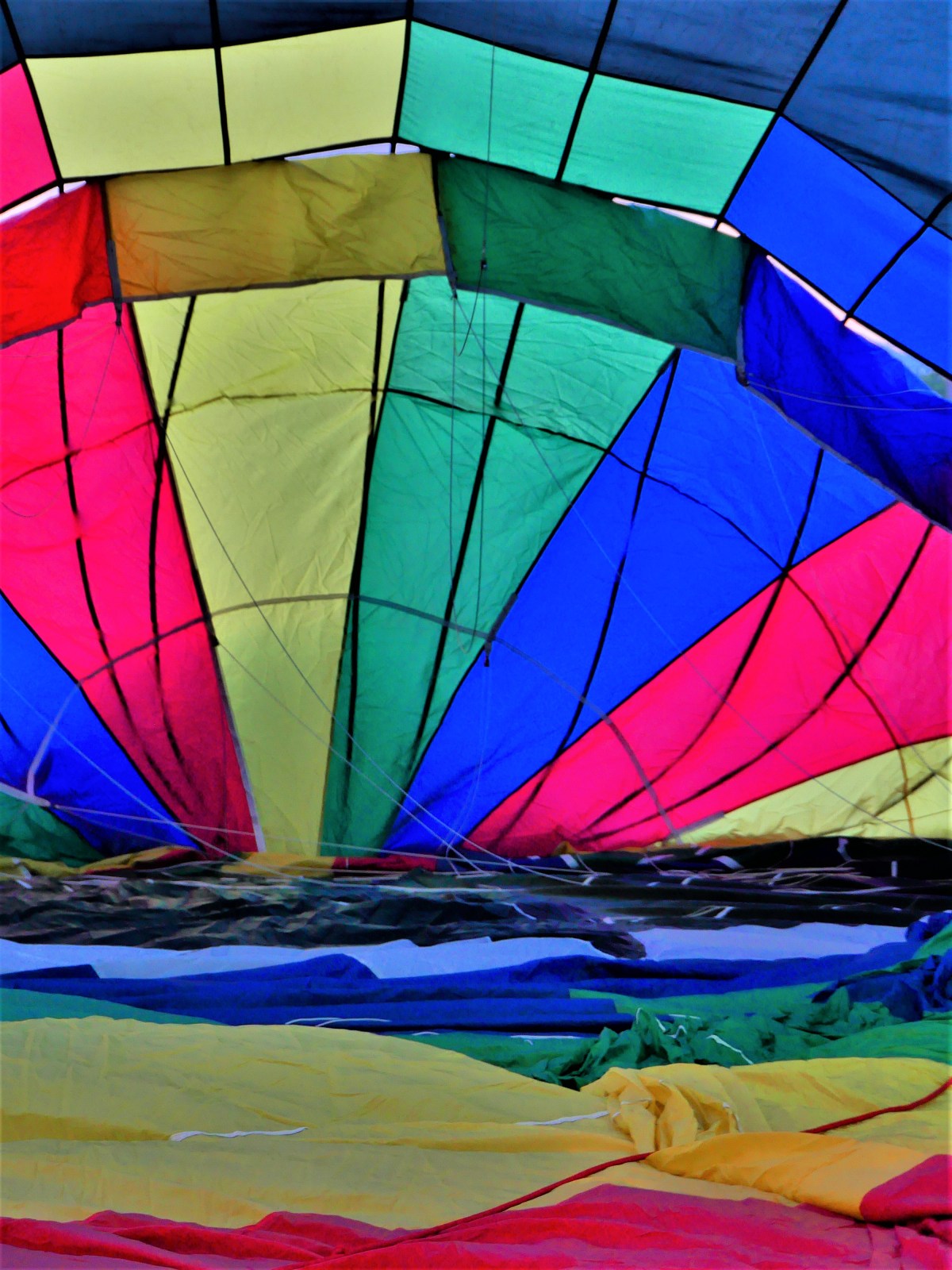

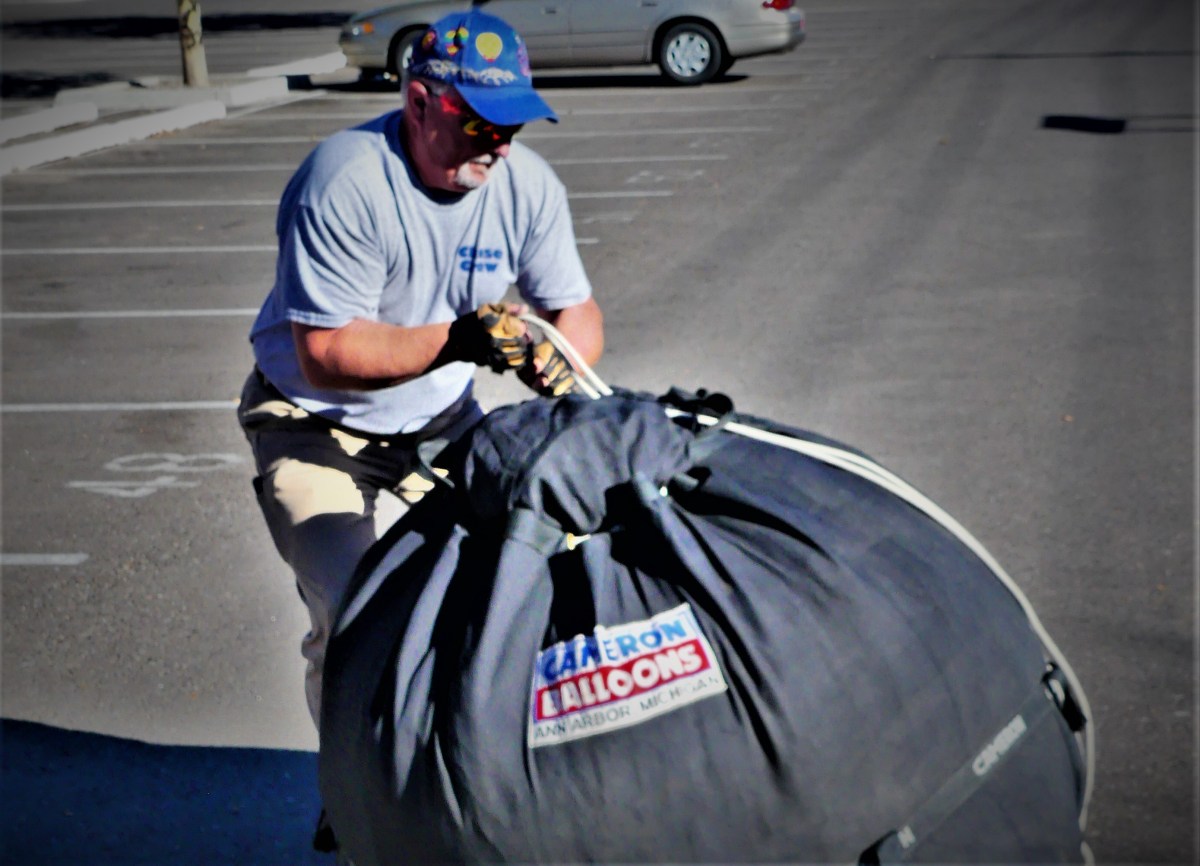





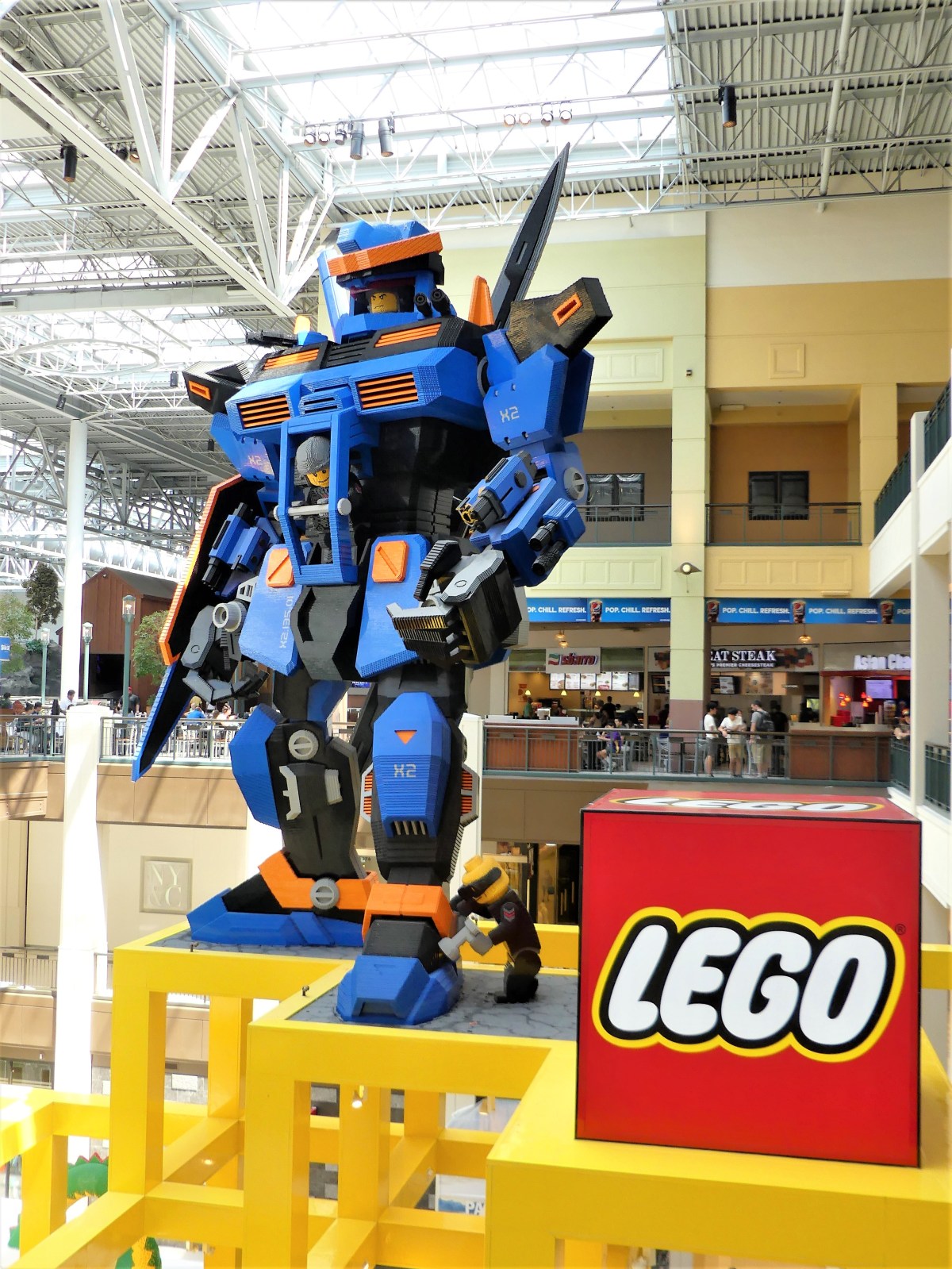



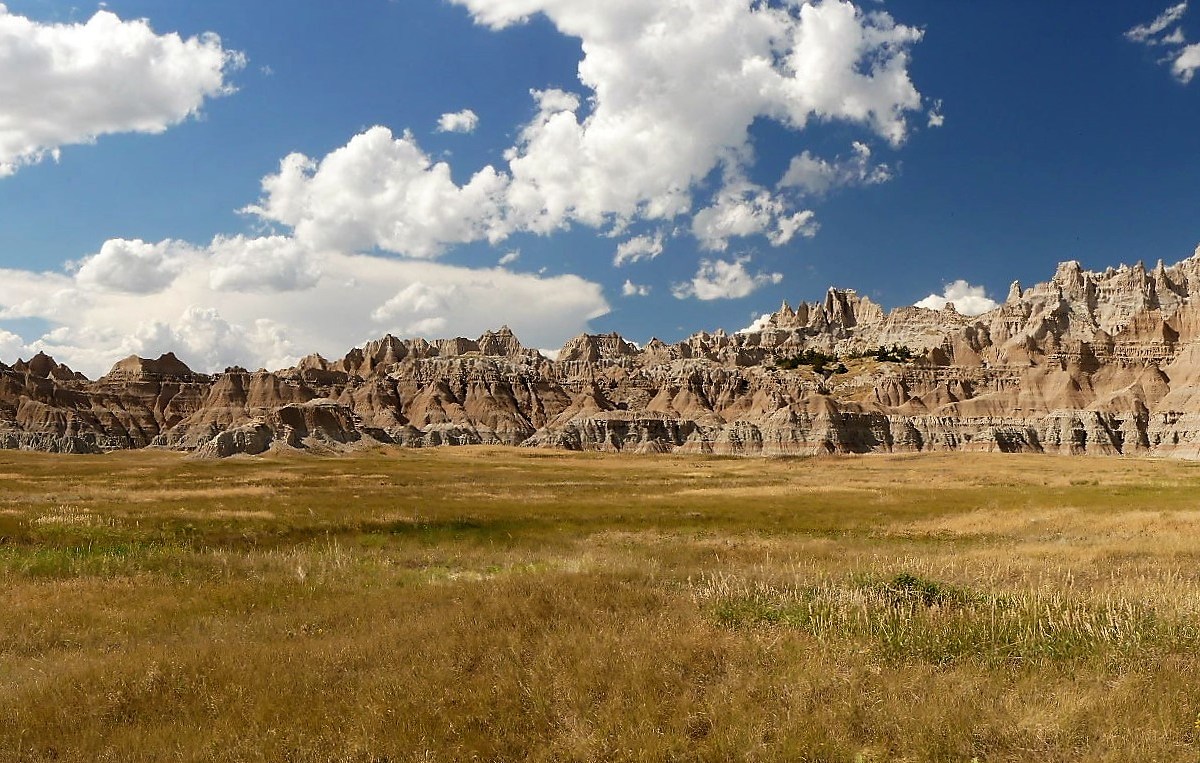
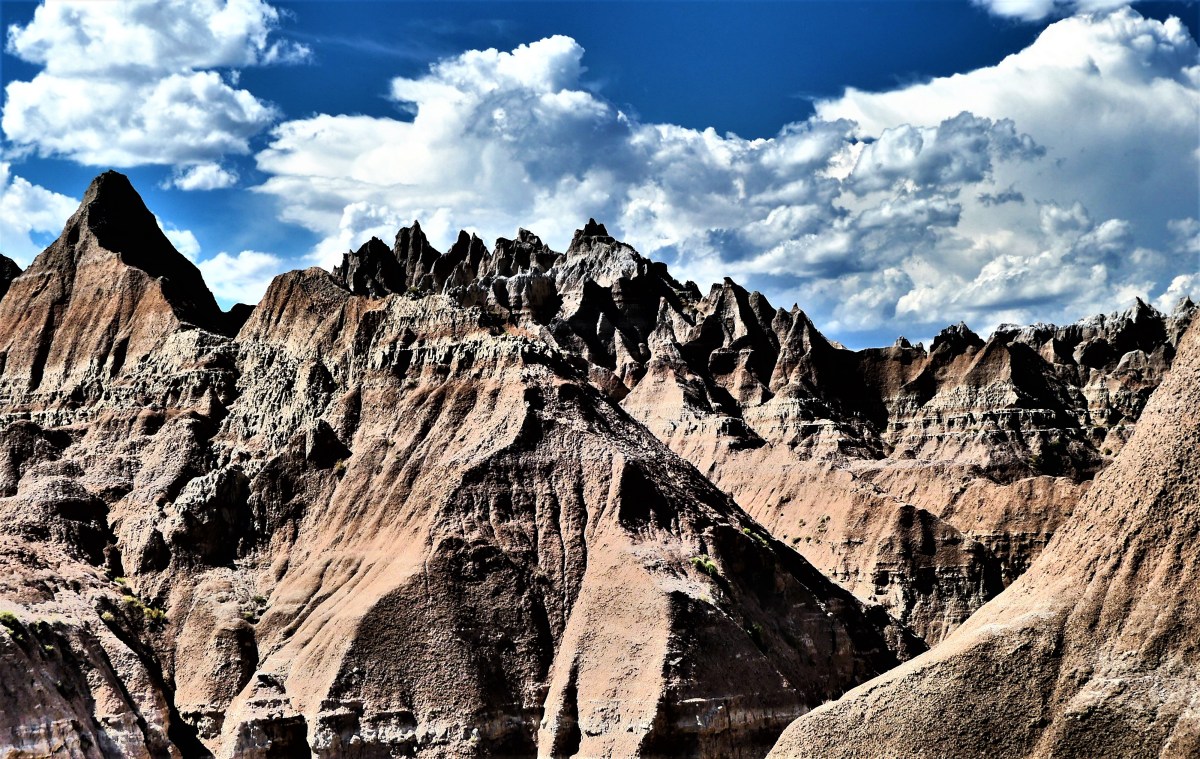


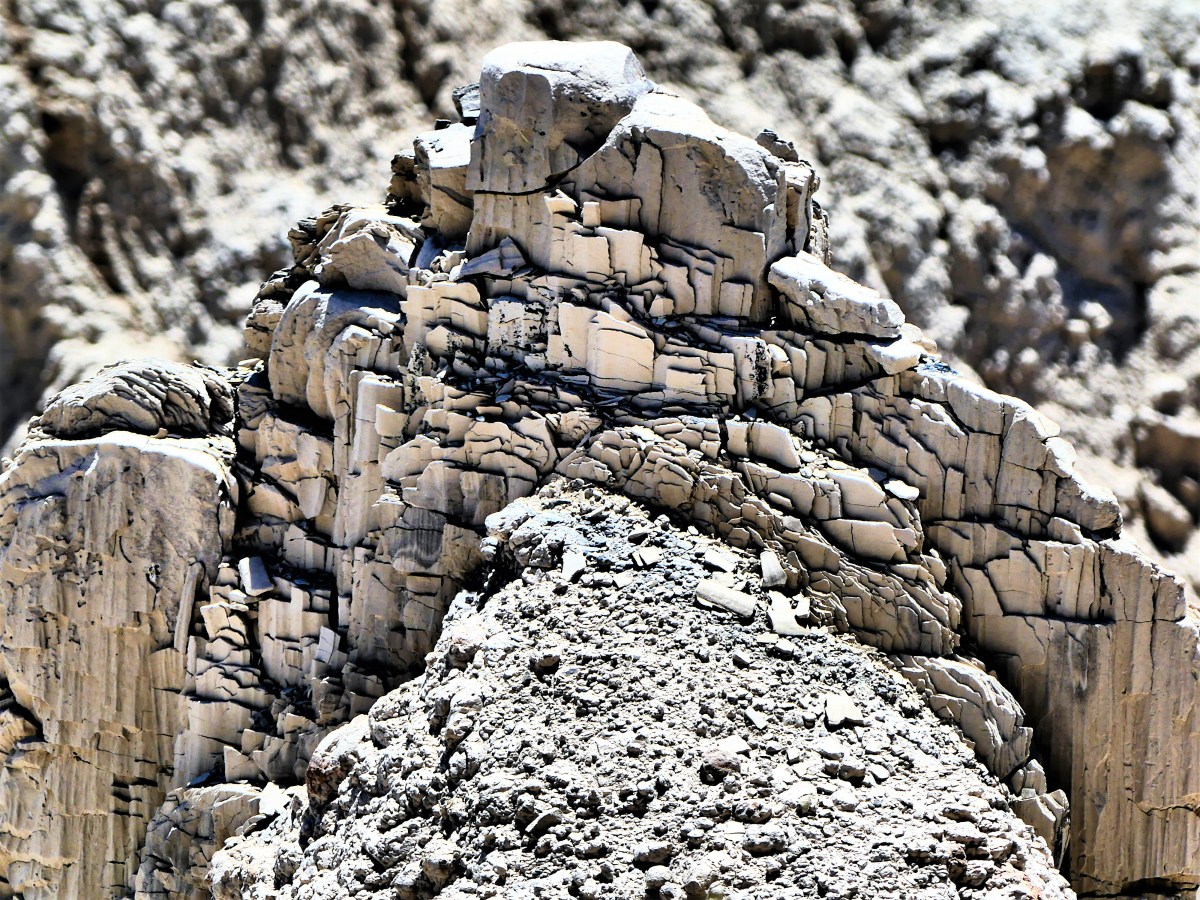

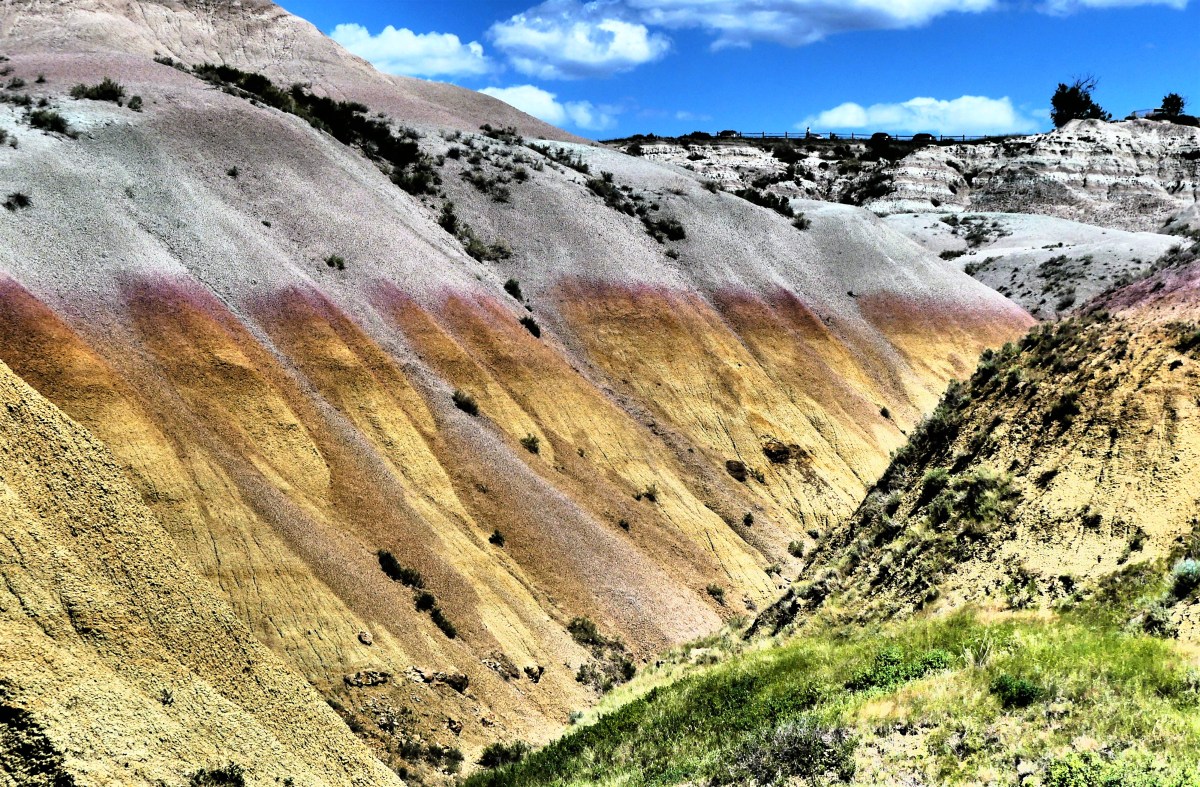


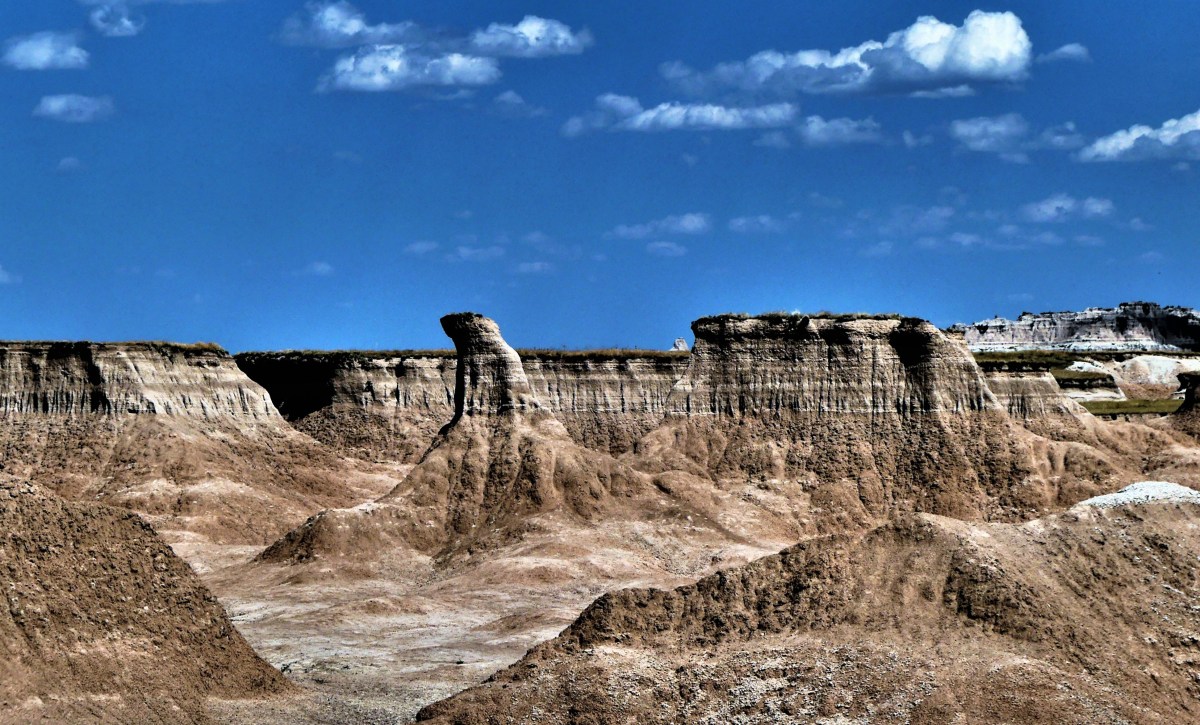
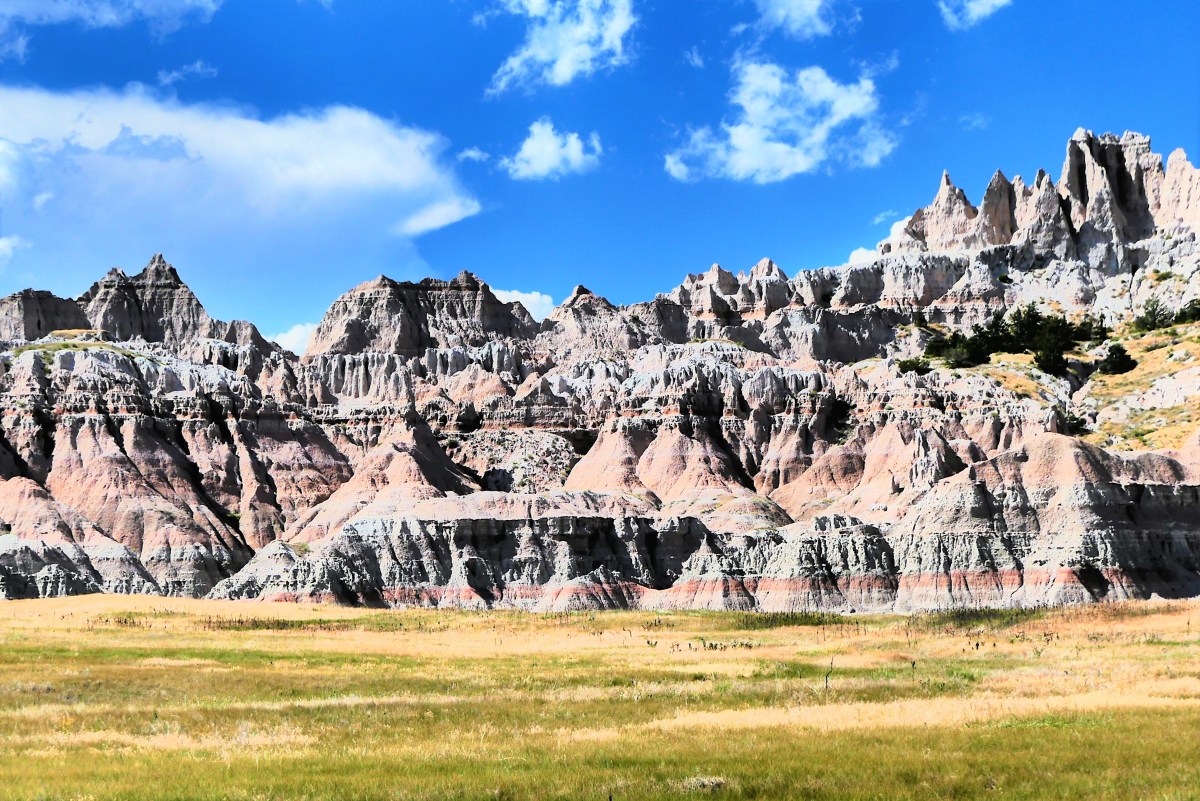


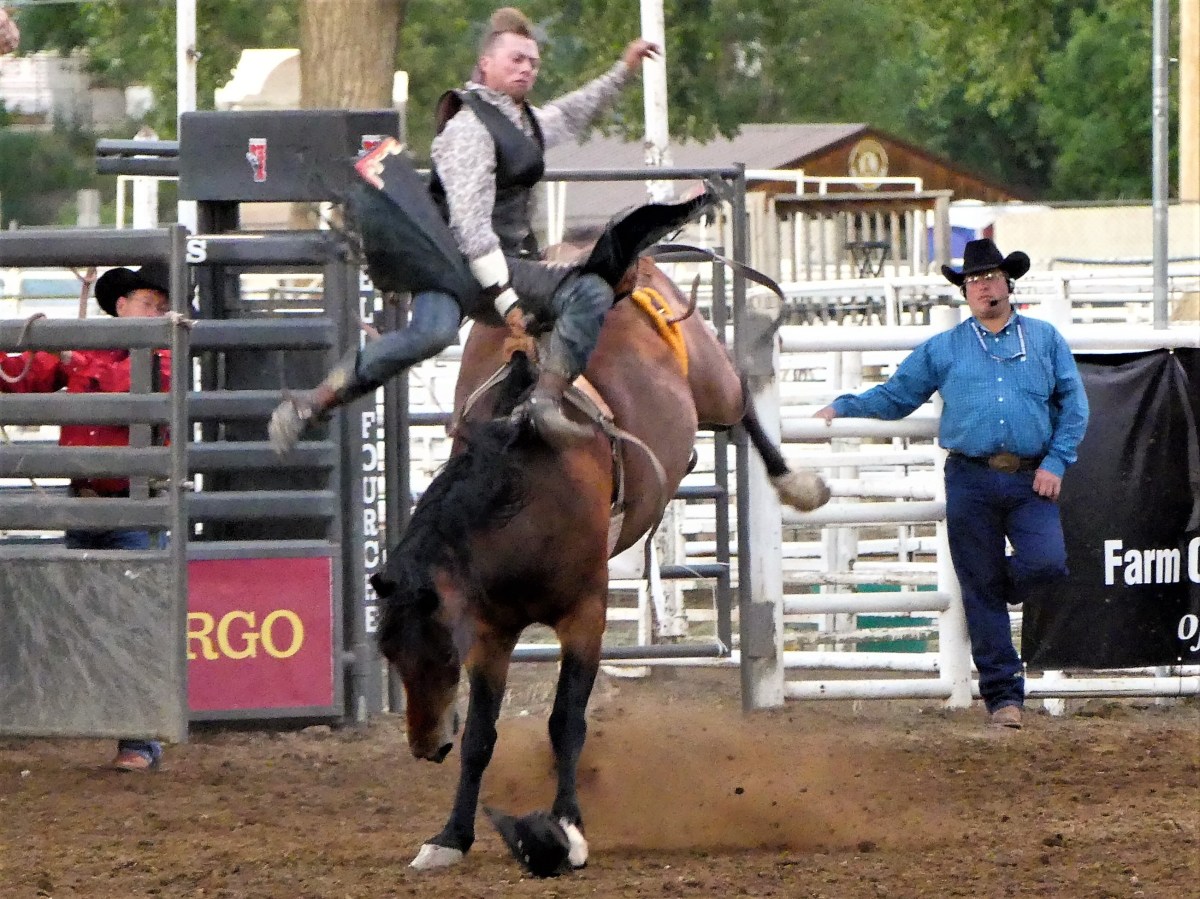
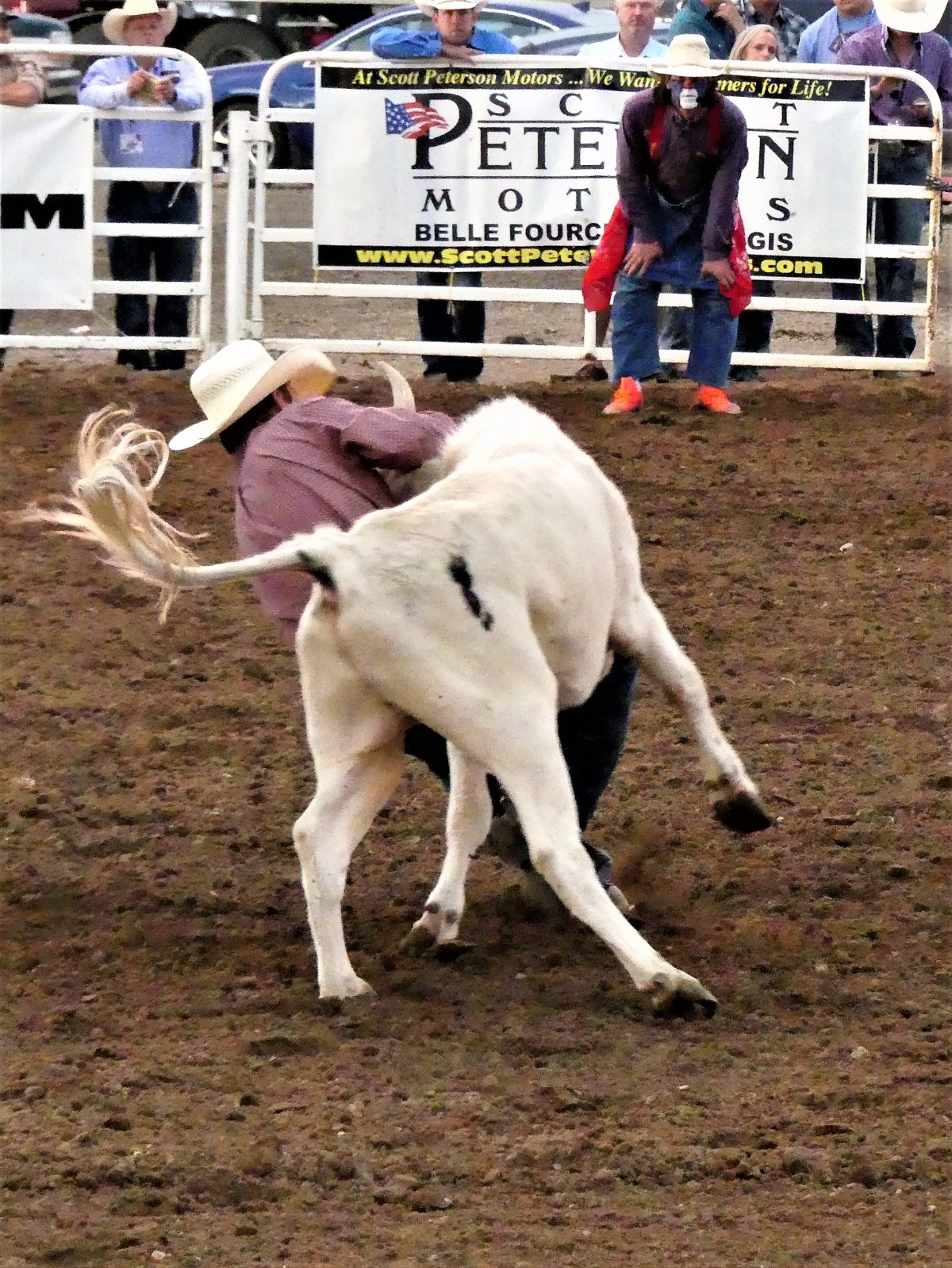


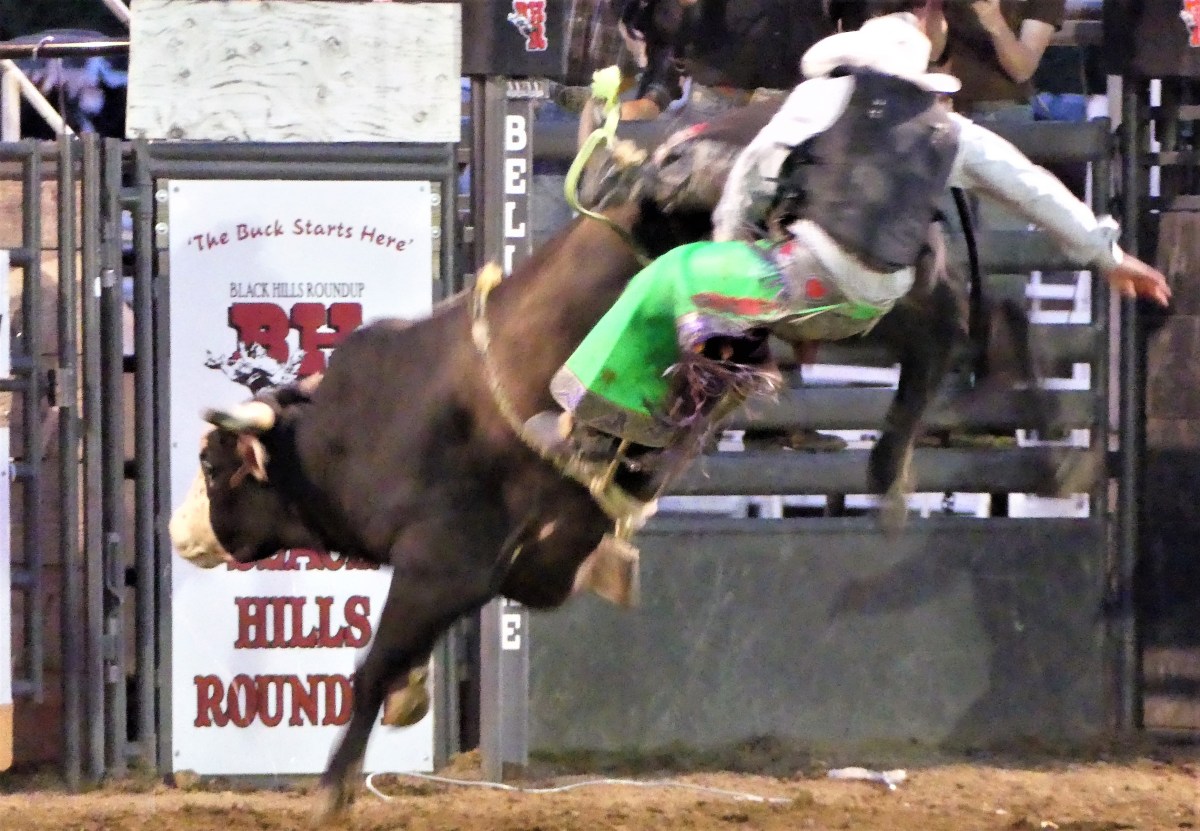

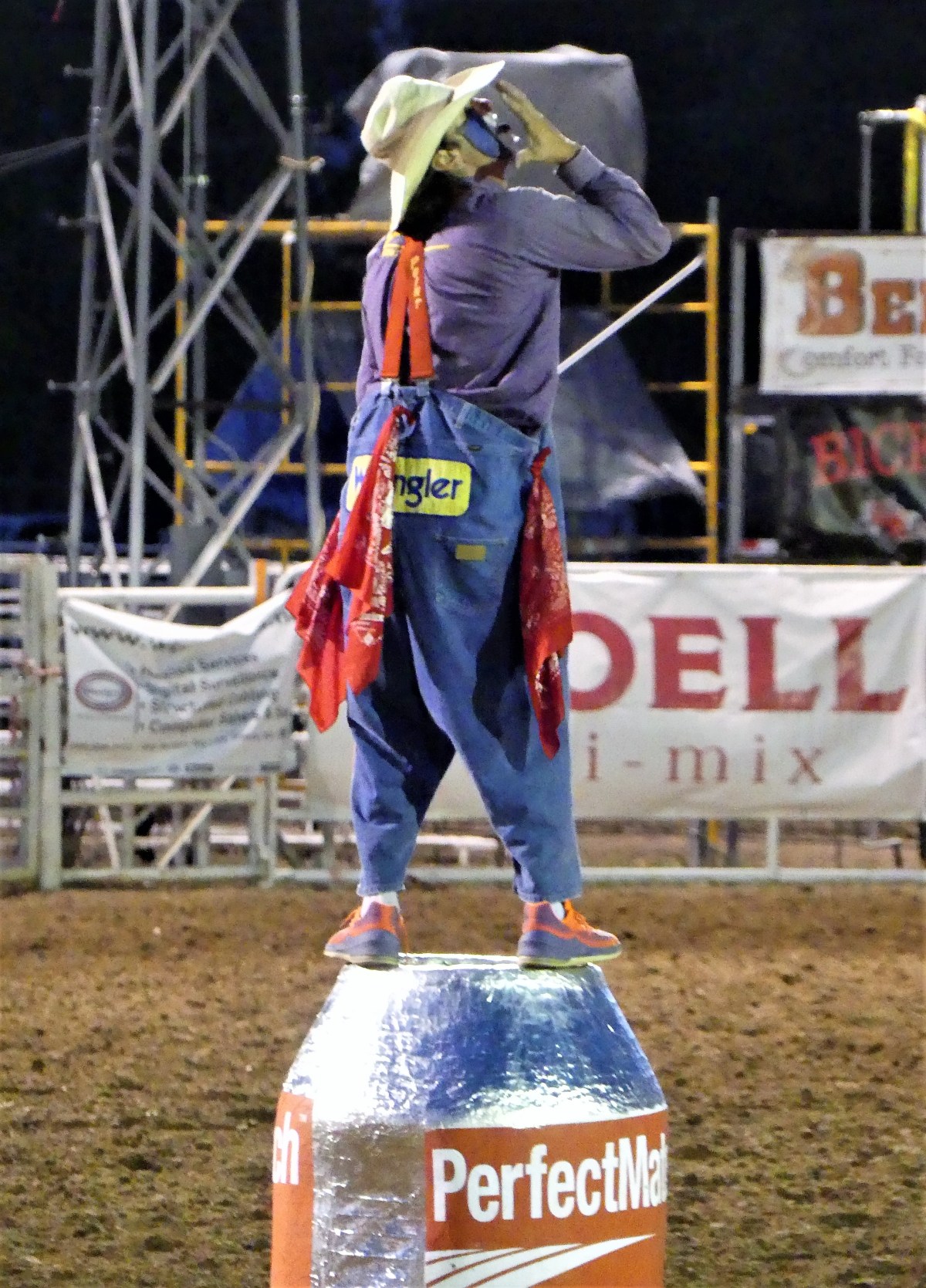






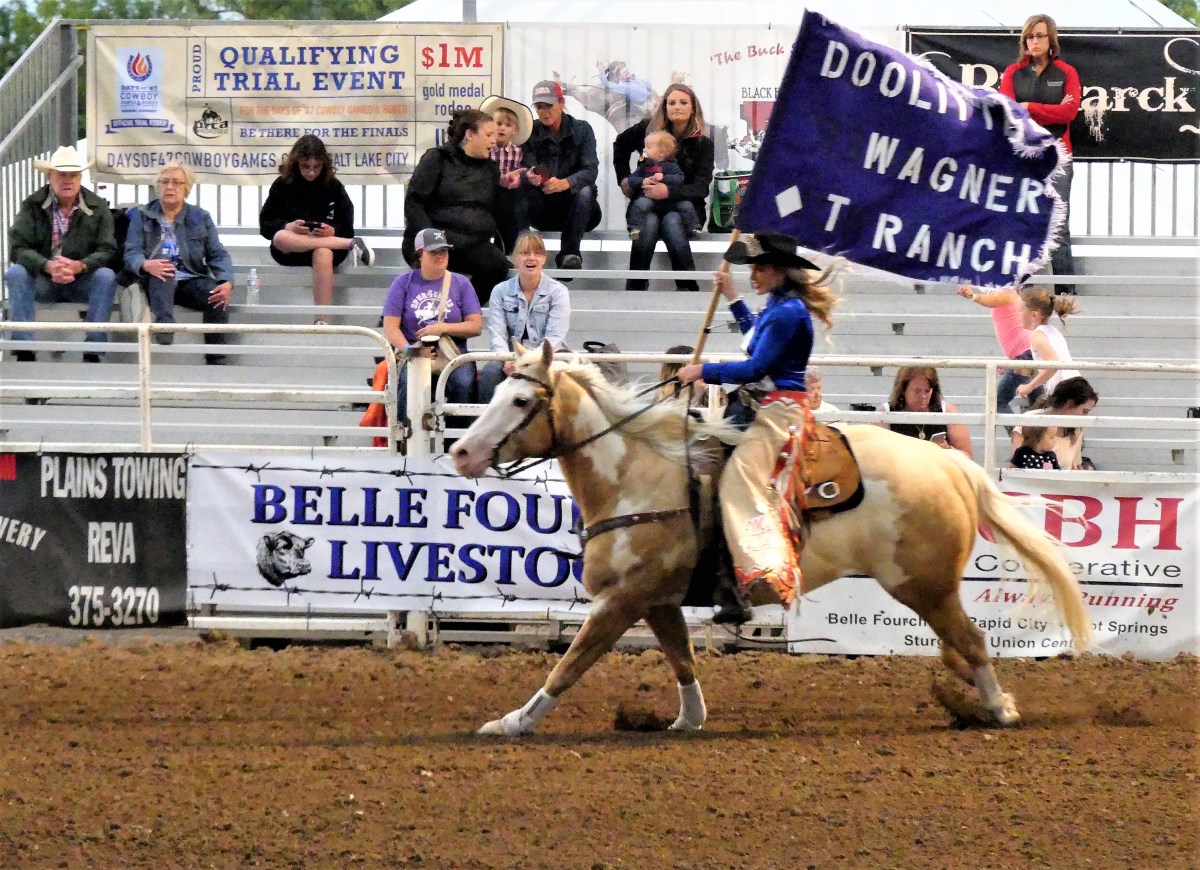

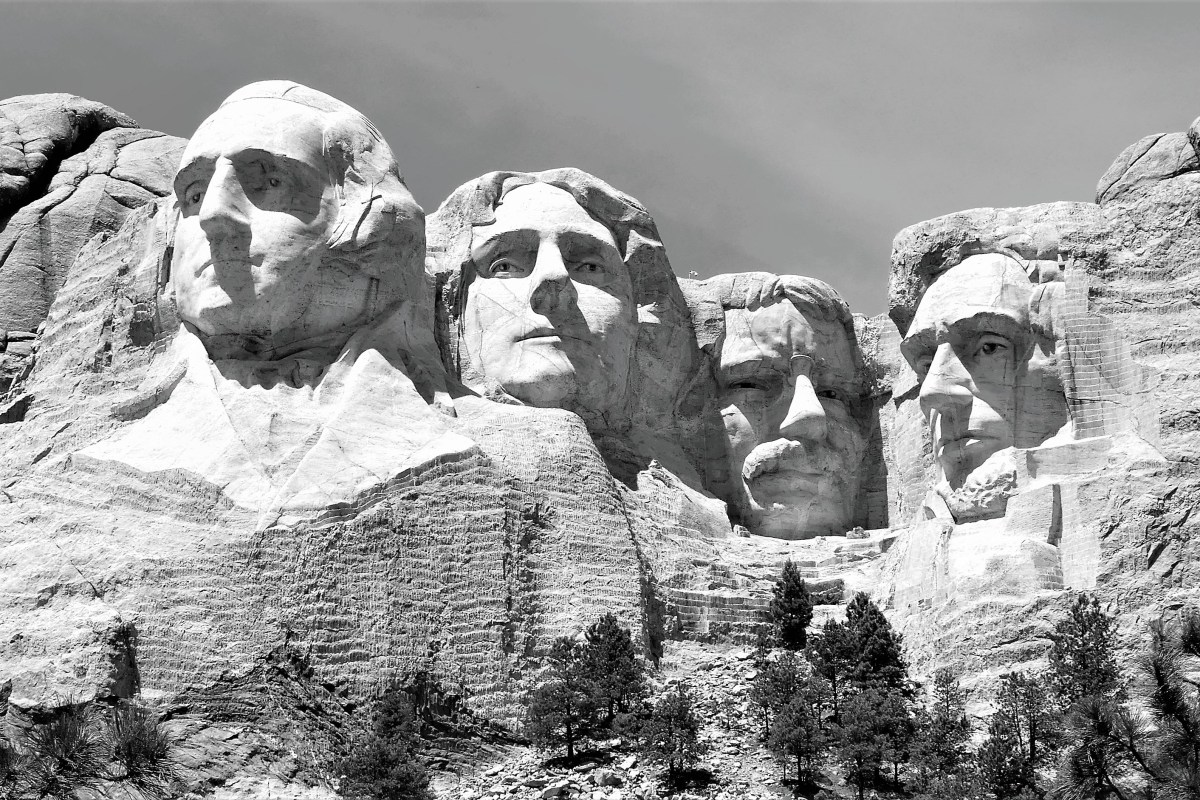


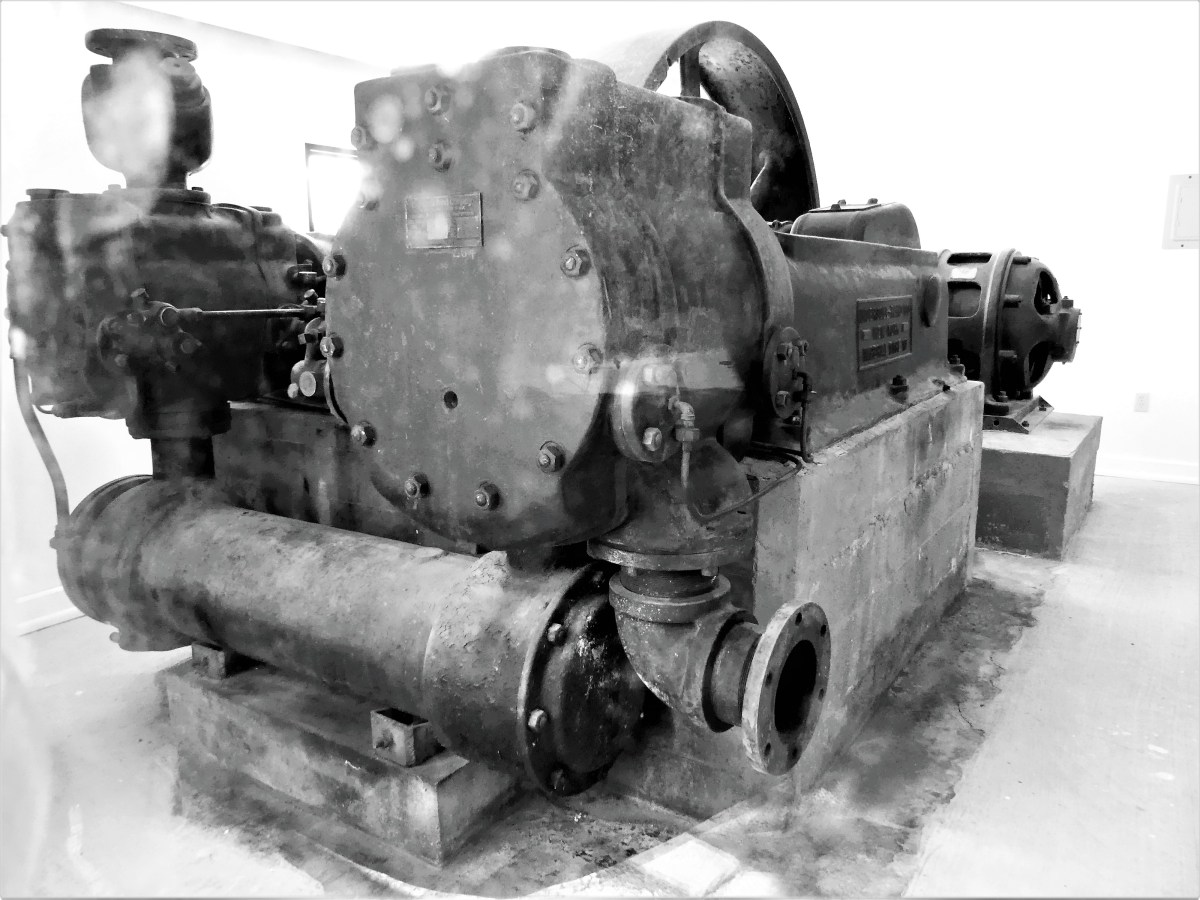
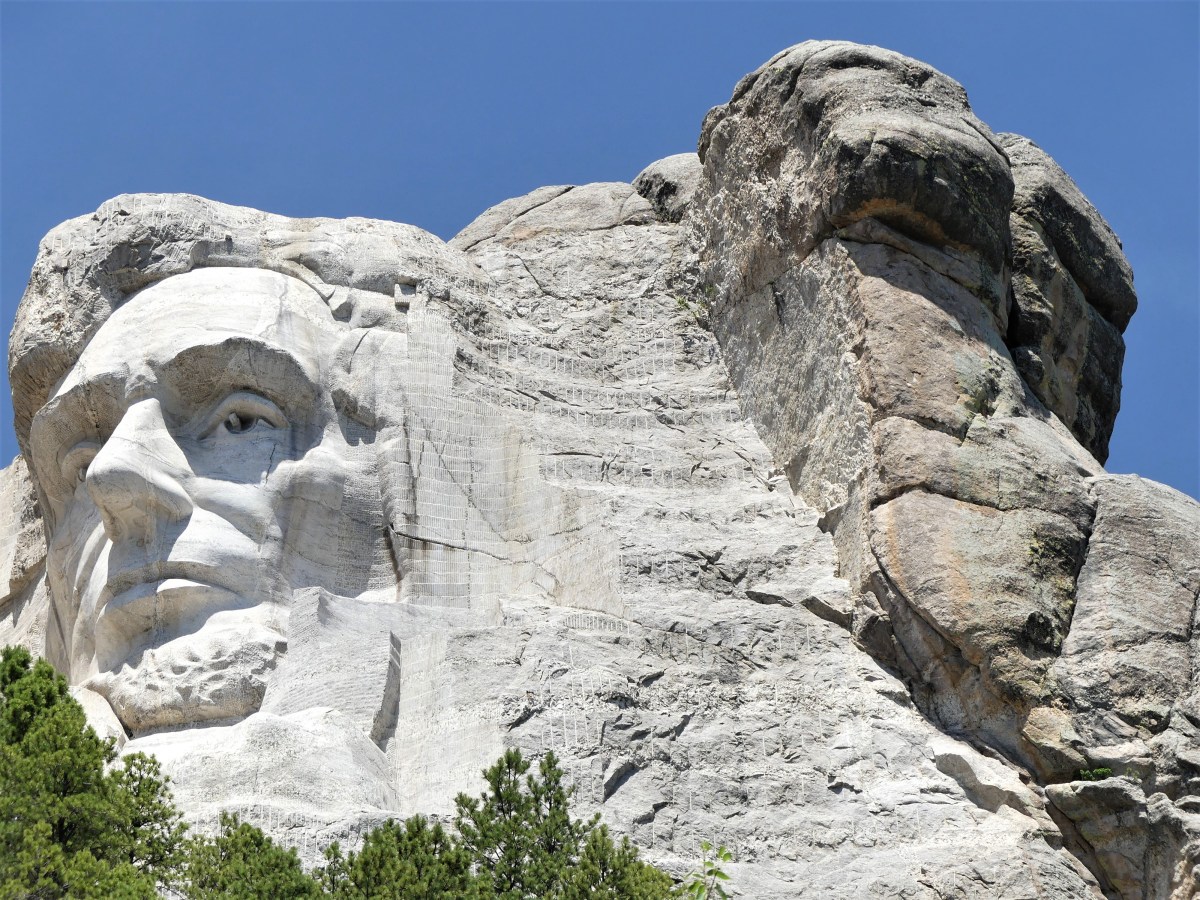


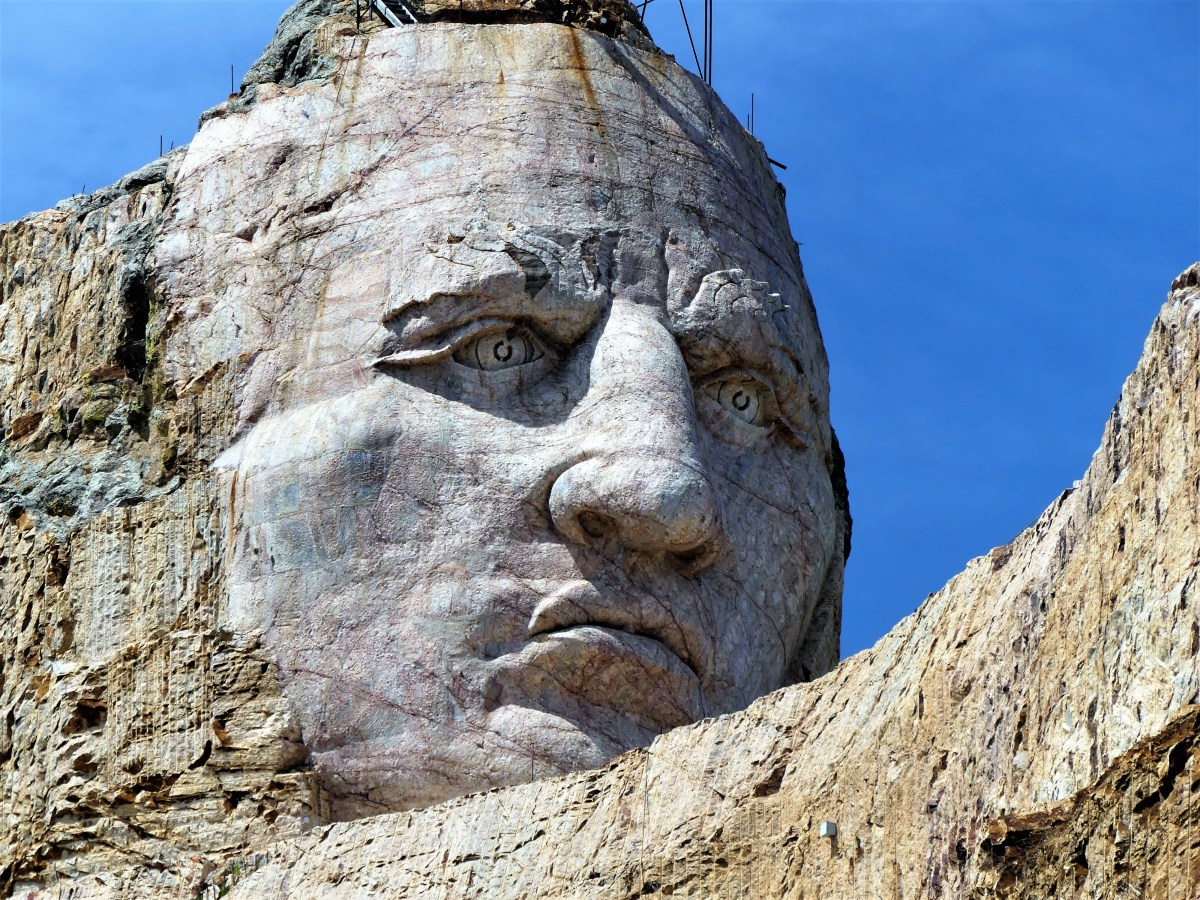

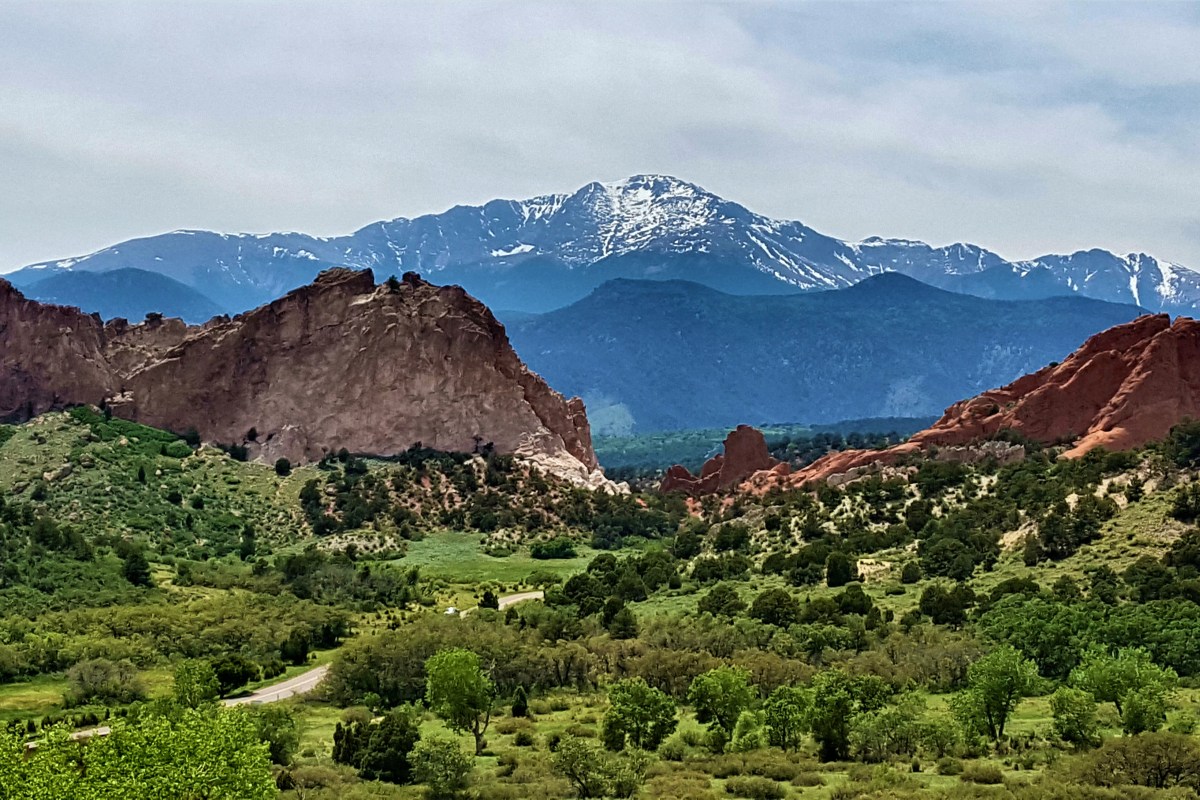
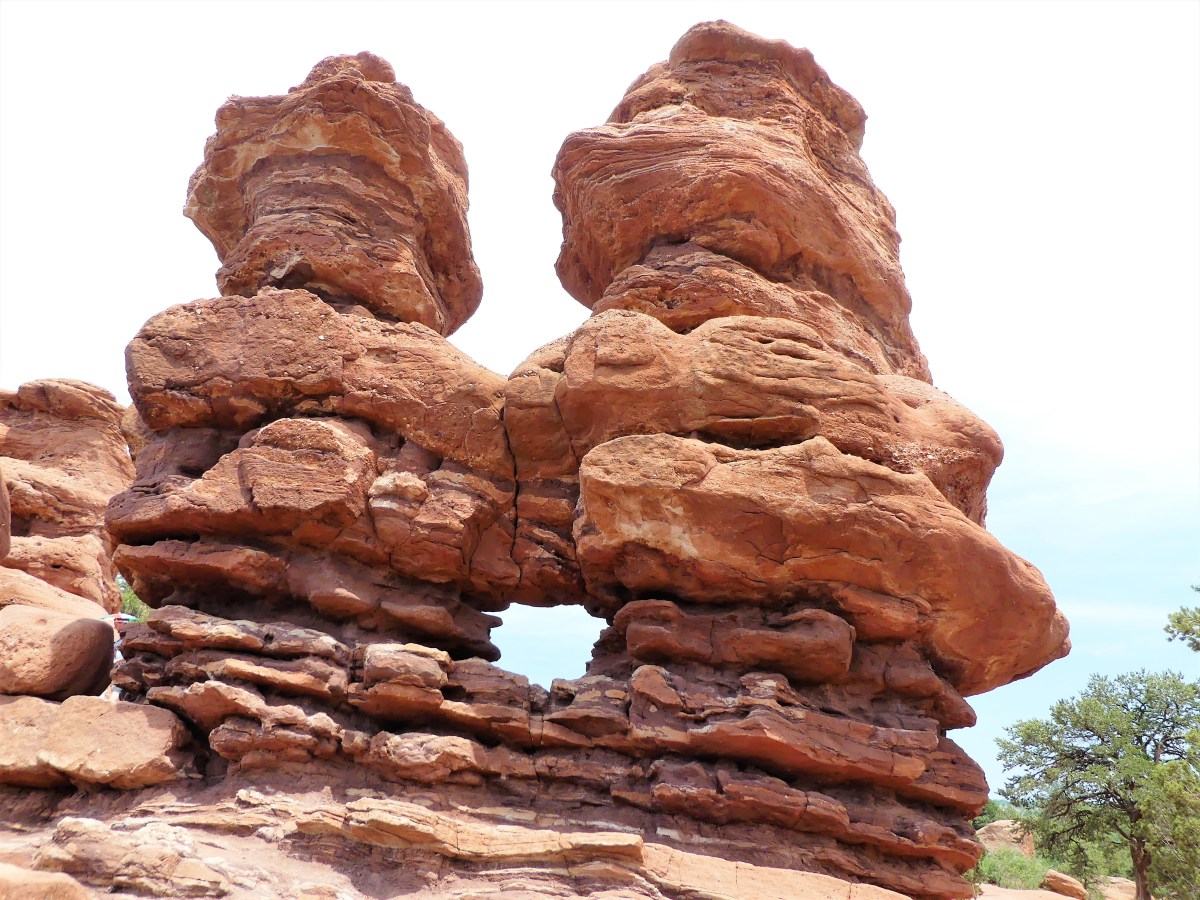
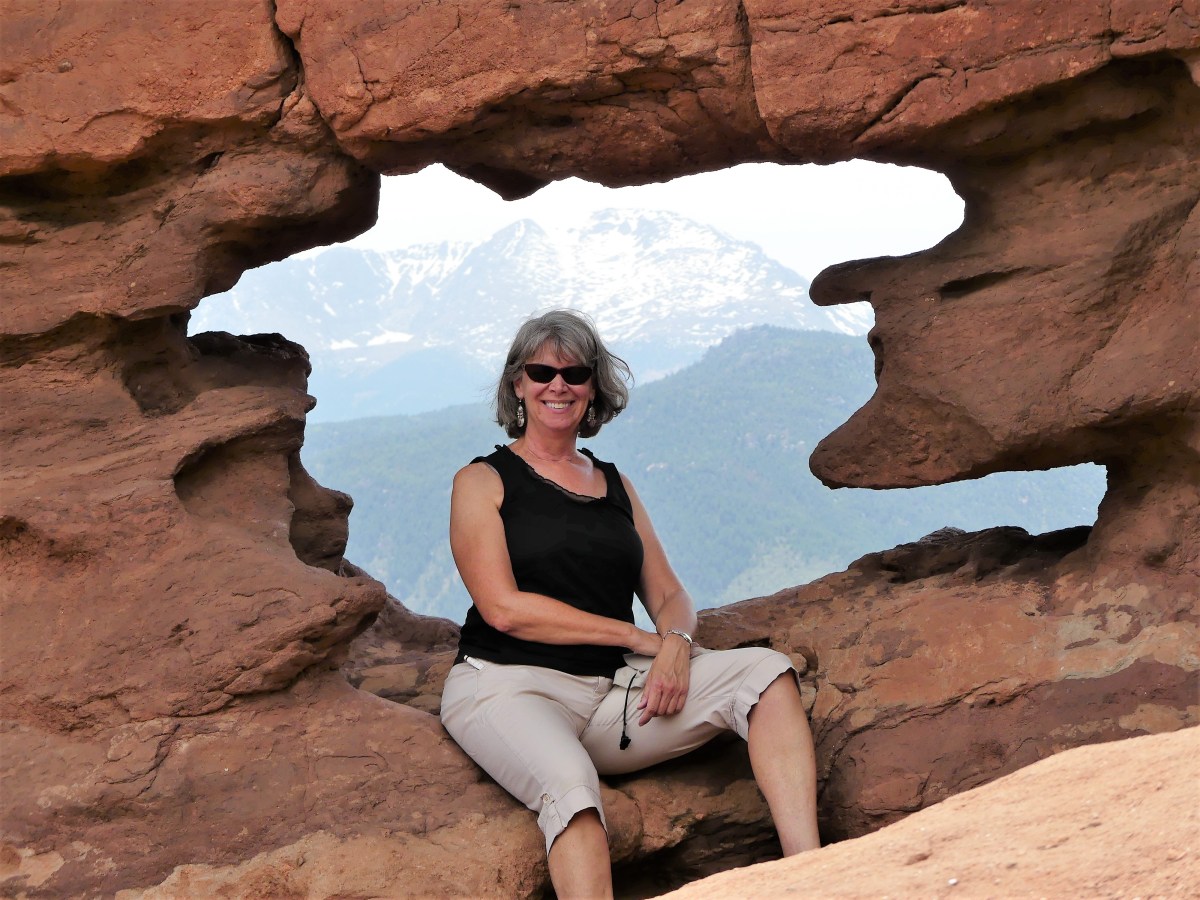 The twisting road through the many park features and attractions carried us out to Manitou Springs, the gateway to Pikes Peak, and a pop culture village filled with hipsters, curiosity seekers, and wannabees.


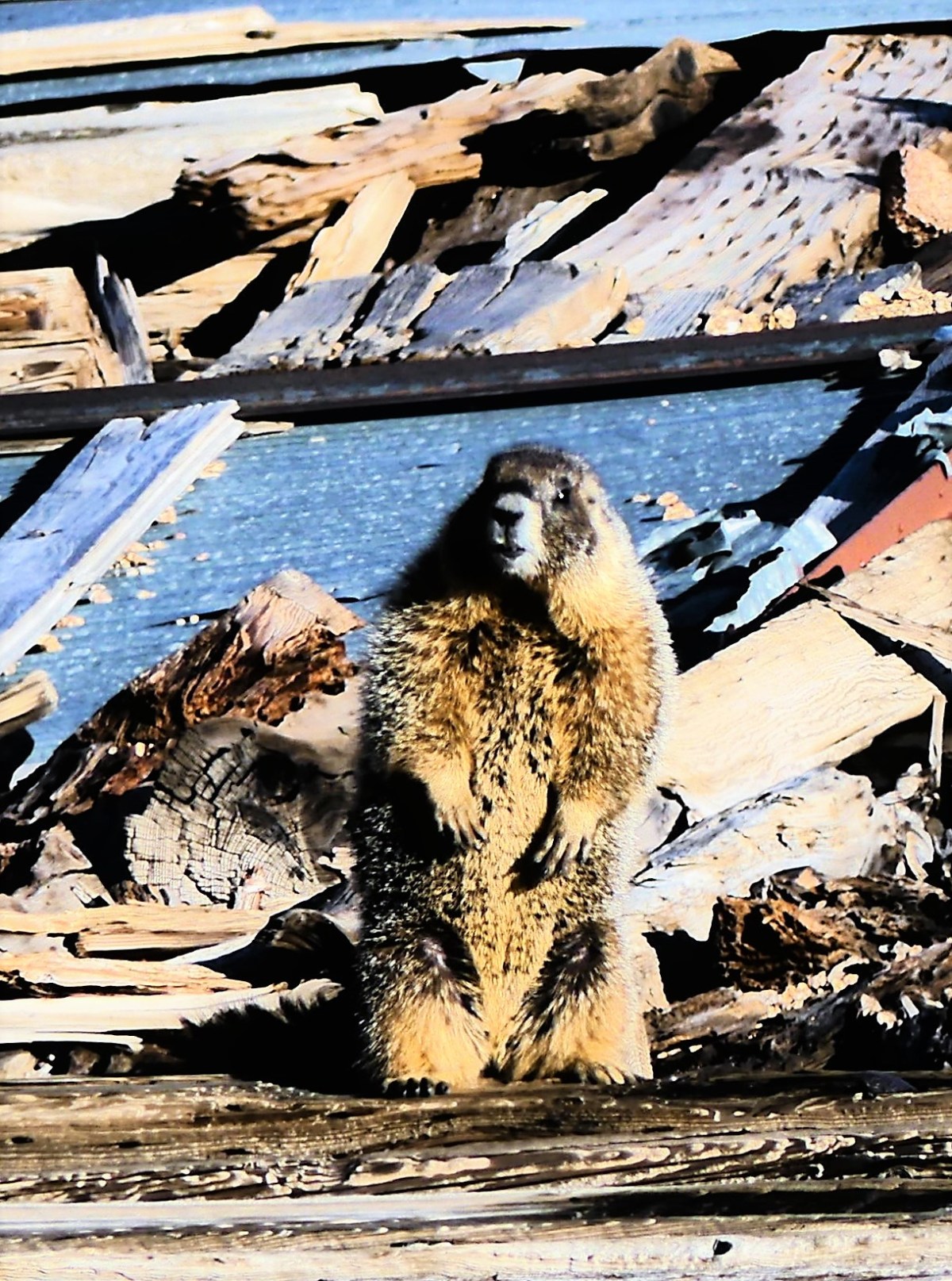

 Although the views are enough to distance you from the rest of the world, the cold is enough to bring you closer together.



 The trail ends at a sandbar where eager Mexicans negotiate with Gringos to ferry them across the river by rowboat. Five dollars is generally the agreed upon price.
 However, with the Rio Grande water levels so low, Leah and I found it cheaper to wade across fifty feet of knee-deep water to the other side.
 Land transportation comes from Uber burros, charging five dollar fares to cover the dusty and shit-laden ¾-mile trip…
 …to a white trailer check-point surrounded by cyclone fencing on the edge of the village. It was a treat to sit in Boquillas’s only air conditioning for a few minutes to escape the 100◦ heat, while our identities were checked against a drug cartel database.
 …with an overlook of the Boquillas Canyon.
 Mama Falcone was sitting on the patio in her kitchen apron working on a future needlepoint tapestry that would soon display in the family curio shop next door, while her nephew Renaldo brought us menus and took our order—chicken quesadilla for Leah, and beef burrito for me. Meanwhile, a family of three from South Carolina sat at a nearby table chatting it up with Mama’s daughter, Lillia.
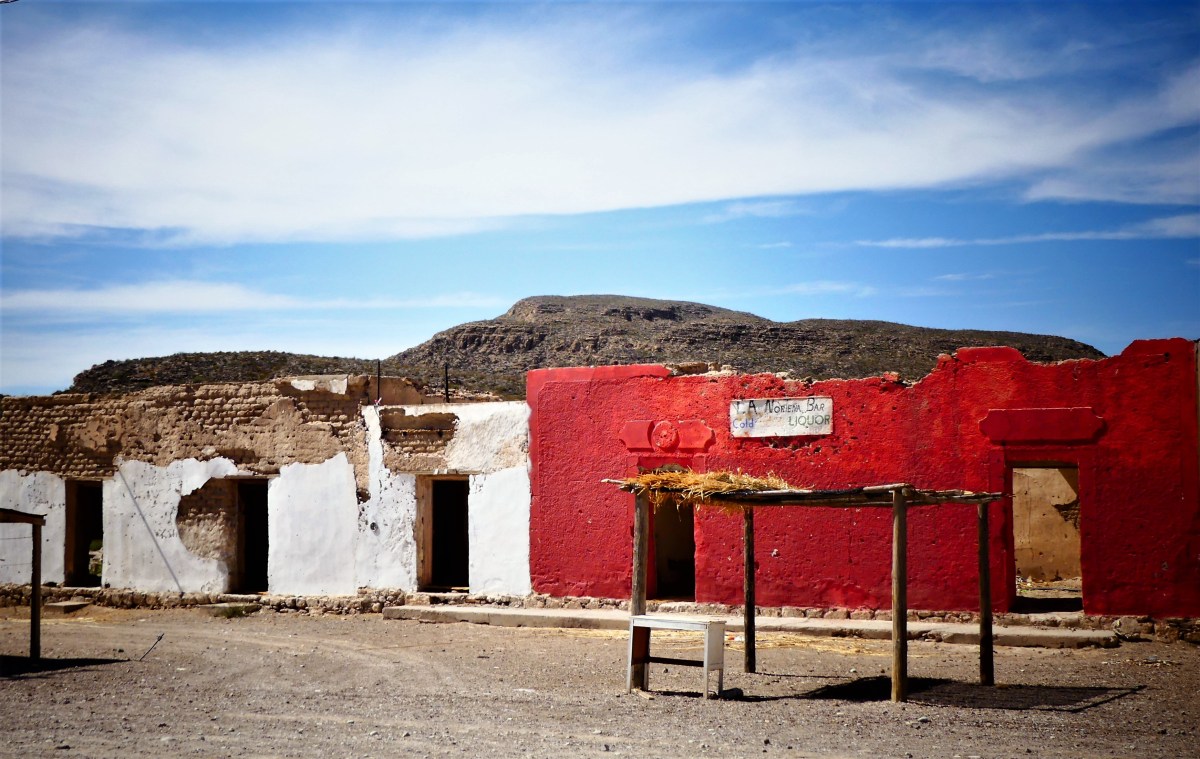 The town population shrank from three hundred to one hundred adults and children, with many leaving for Muzquiz—the nearest Mexican city, and a seven-hour bus ride away. Eventually, Mama and Lillia found work in the States, but returned home to the restaurant after the crossing officially reopened in April 2013.
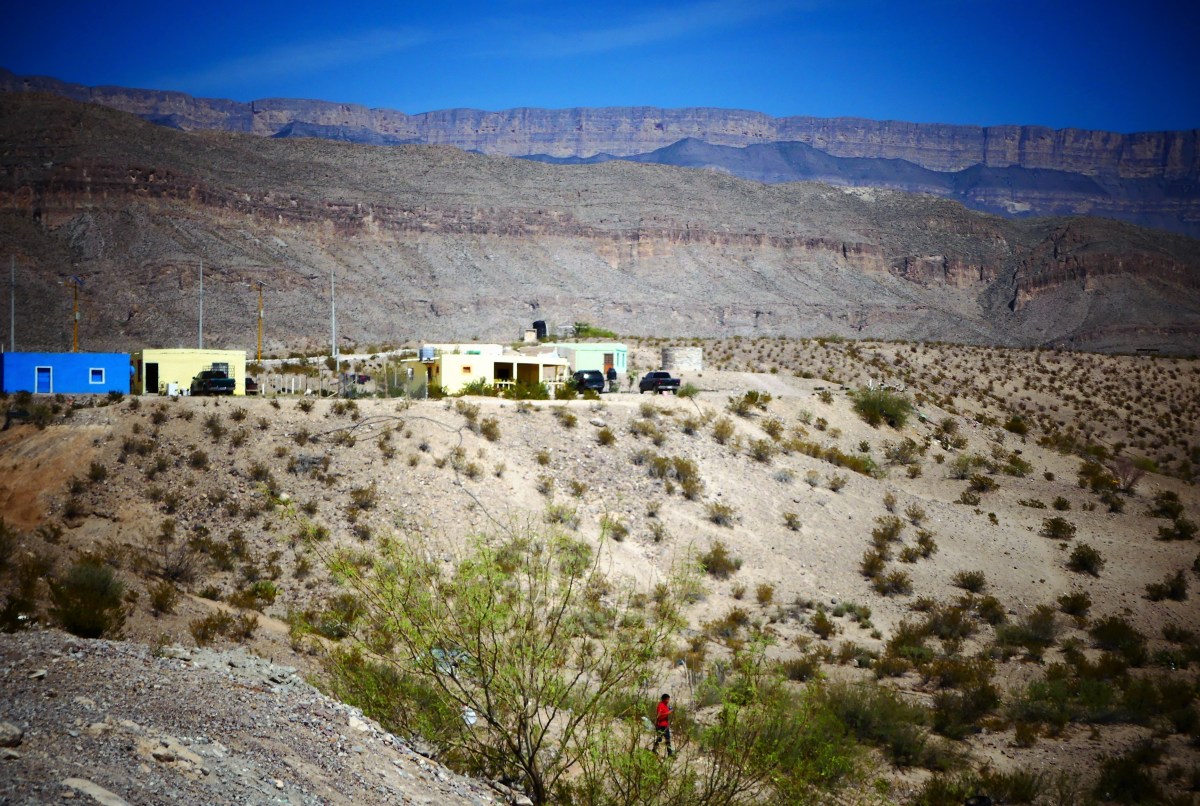 They are hopeful for an economic recovery, but the town is in shambles, and it will take many more Americans to salvage Boquillas’s economy.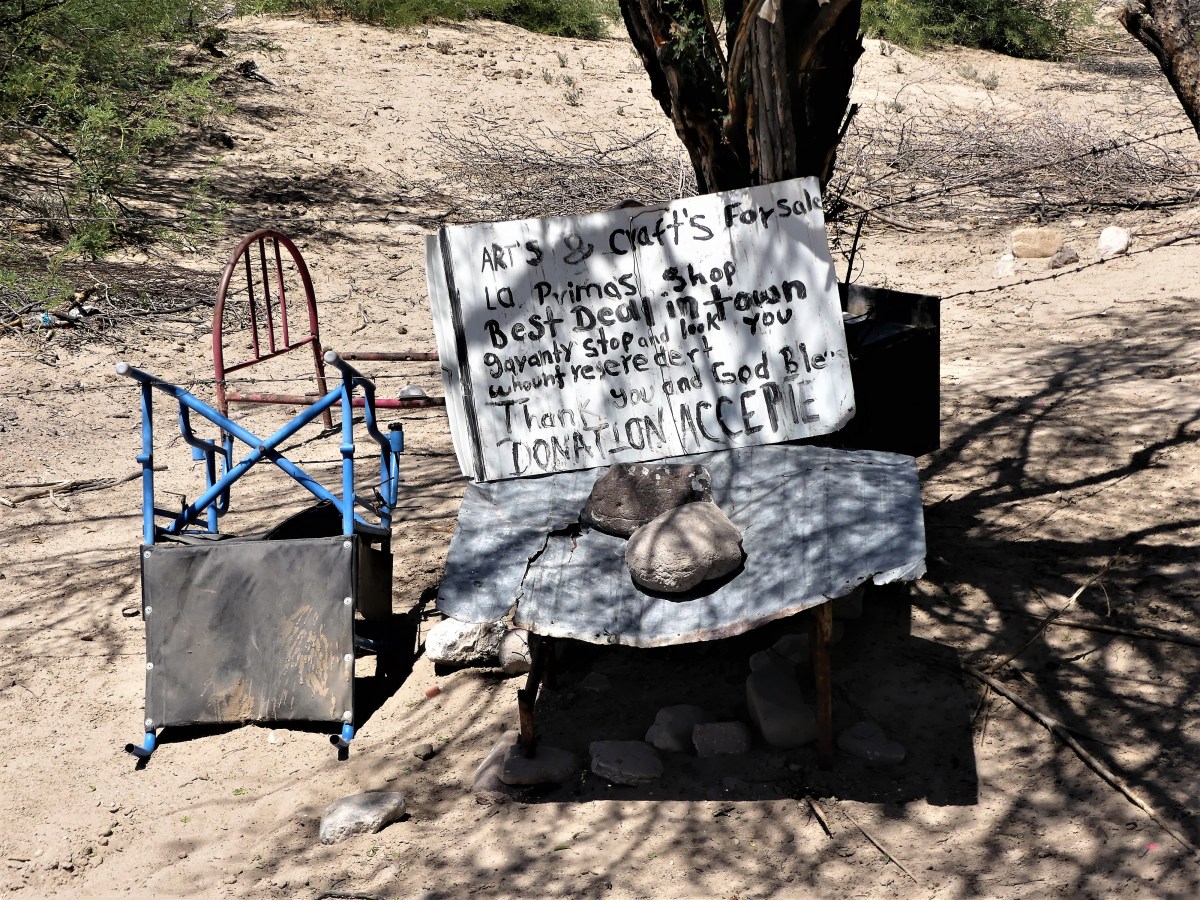
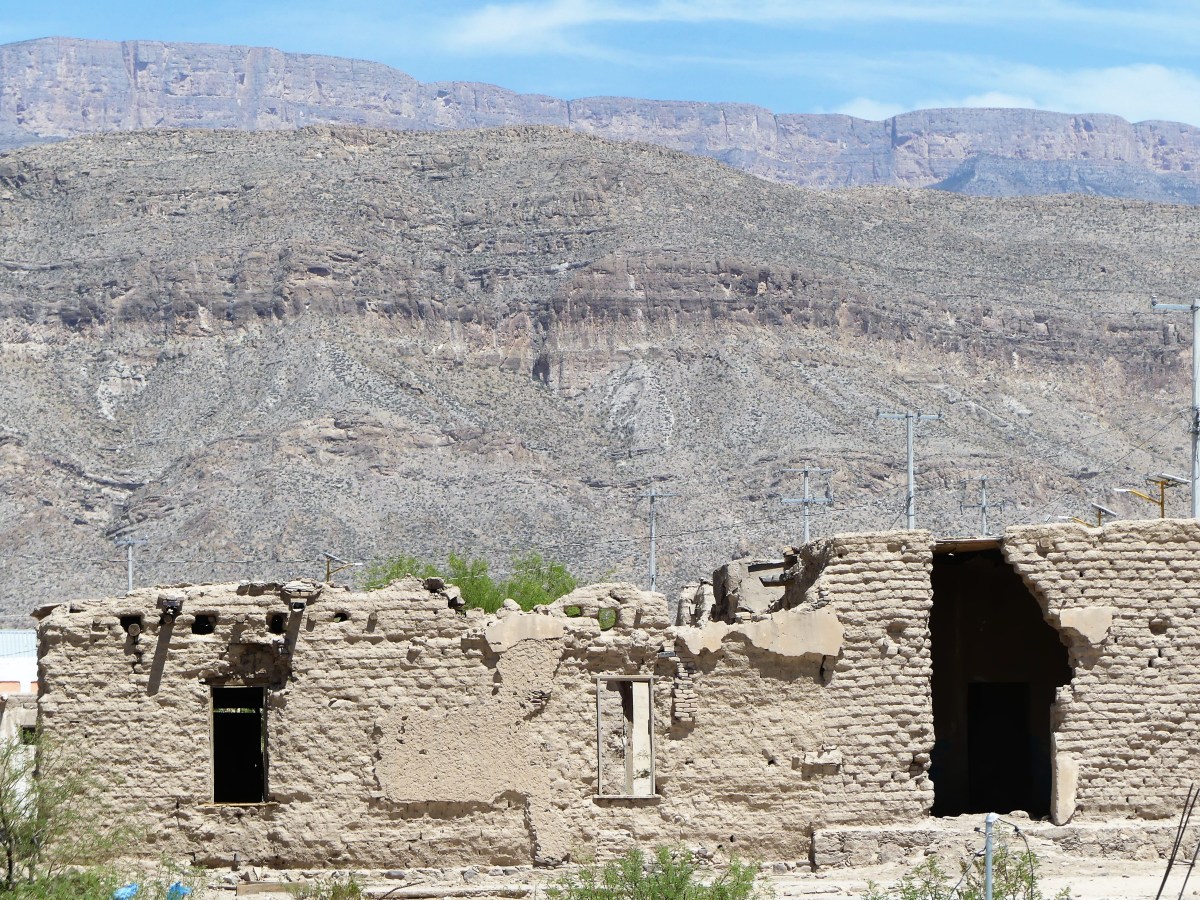
 I have met the enemy face to face and I do not fear them. Their rowboats and mules would be no match against our ships and tanks.




 Streaming thru America