Impact Tourism through O.A.T.

Wall-mounted clocks displaying the times in Sydney, Tokyo, Luang Prabang, London, and New York.
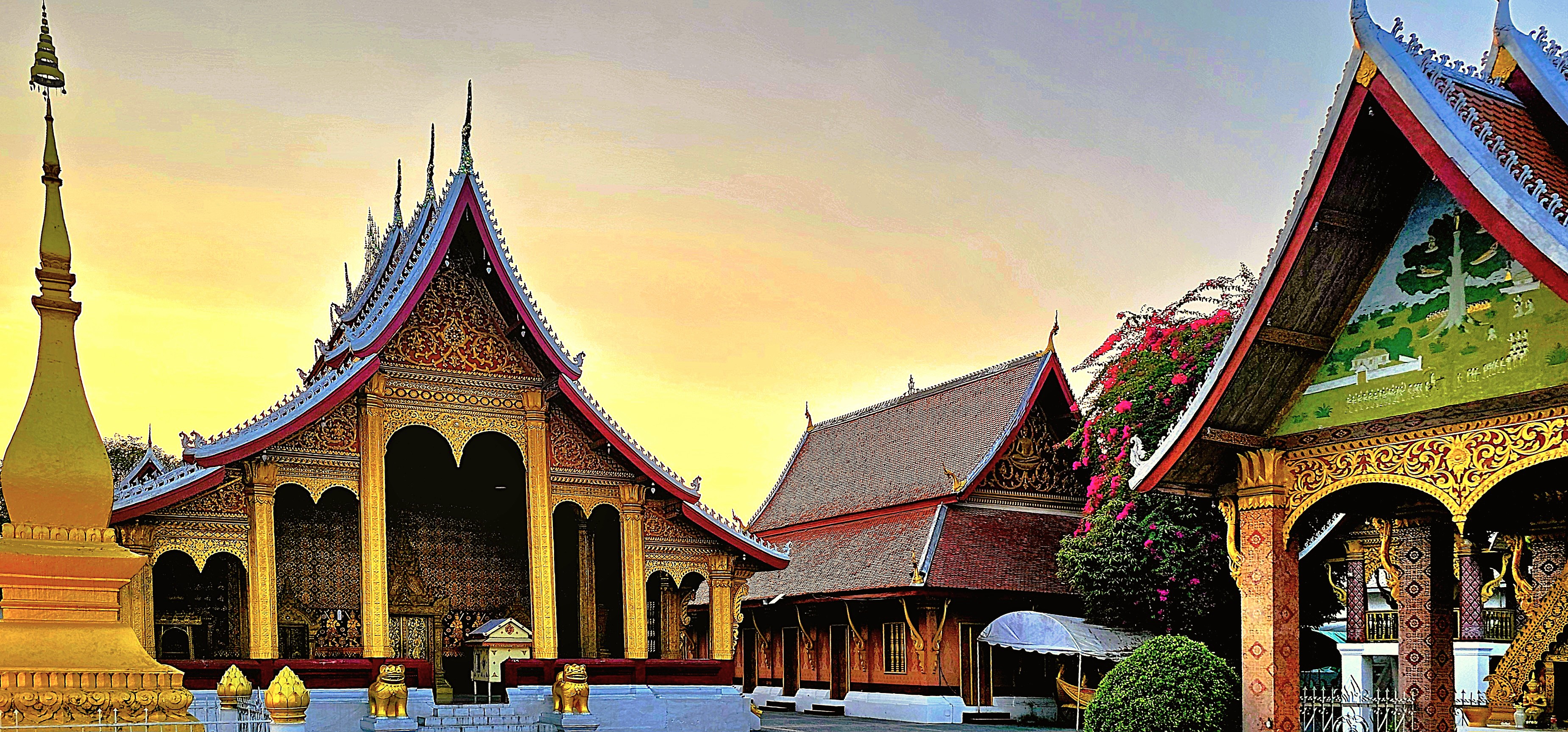
Sunset view of the ornate rooftops of traditional Lao temples, featuring intricate designs and vibrant colors, surrounded by greenery.
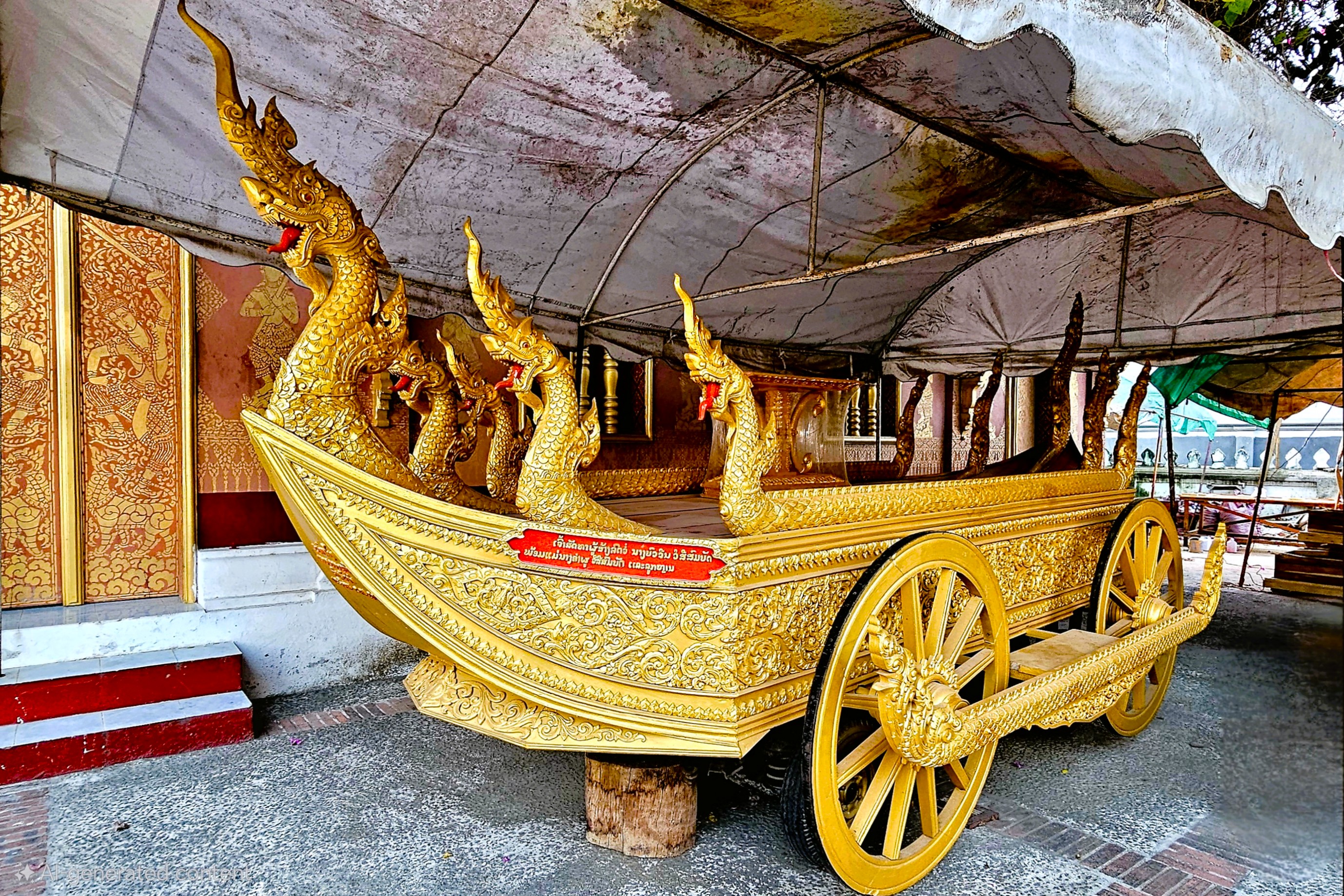
A decorative golden boat with intricate designs and dragon motifs, situated under a tent, showcasing traditional craftsmanship.
Interior view of a traditional wooden boat with ornate decorations and a dragon sculpture, showcasing artistic craftsmanship.
A scenic view of the Mekong River surrounded by lush mountains under a clear sky, featuring two traditional wooden boats on the water.
A man riding a yellow scooter with a child seated in front of him, both in a busy street filled with vehicles and pedestrians.
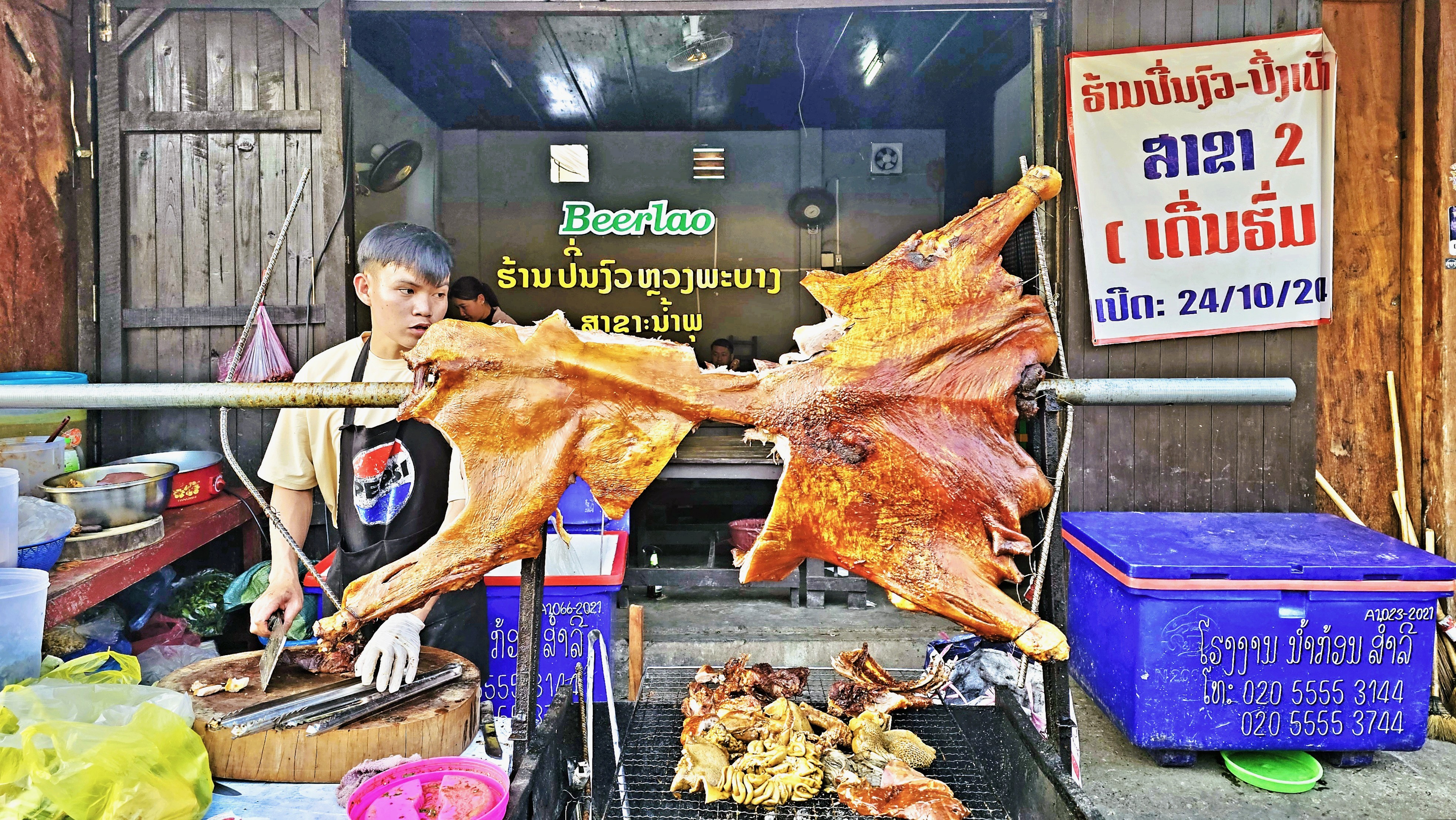
A vendor stands behind a stall with roasted meat, including pig and various dishes, in a local market setting.
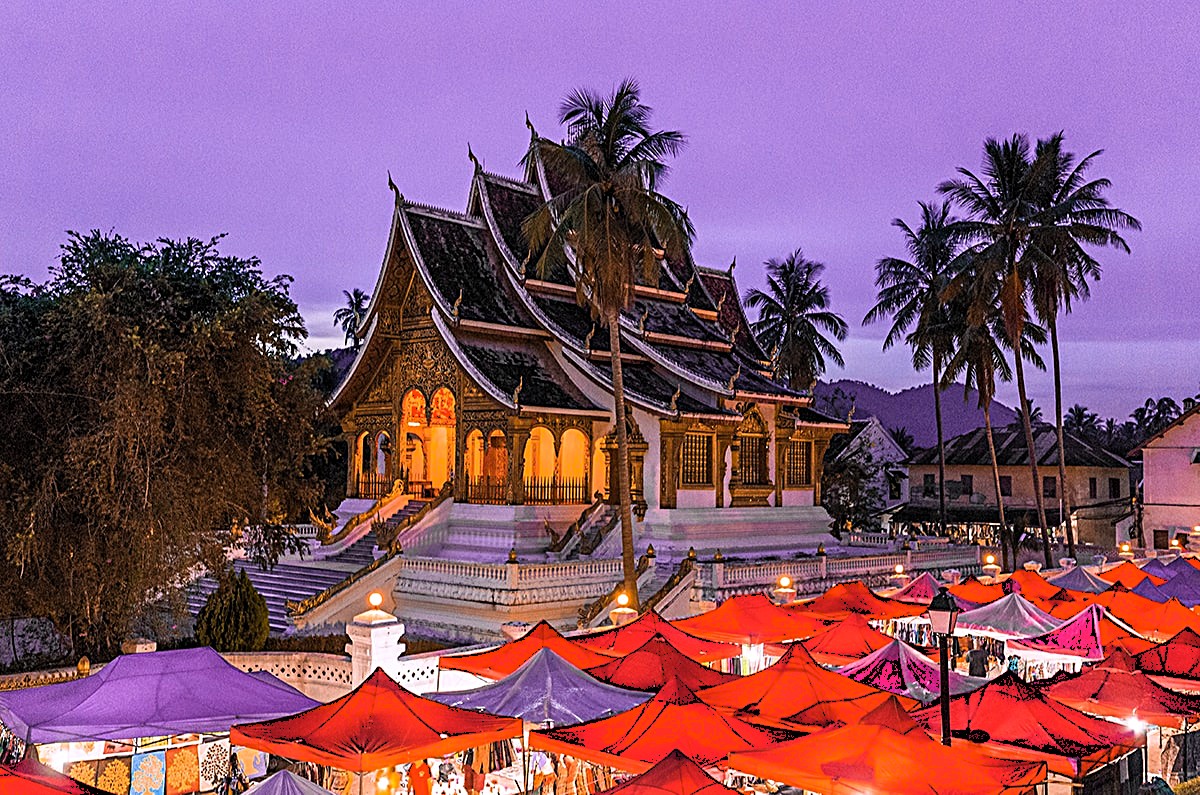
A view of a traditional Lao temple illuminated at dusk, surrounded by colorful market stalls with red canopies in the foreground, and palm trees against a twilight sky.
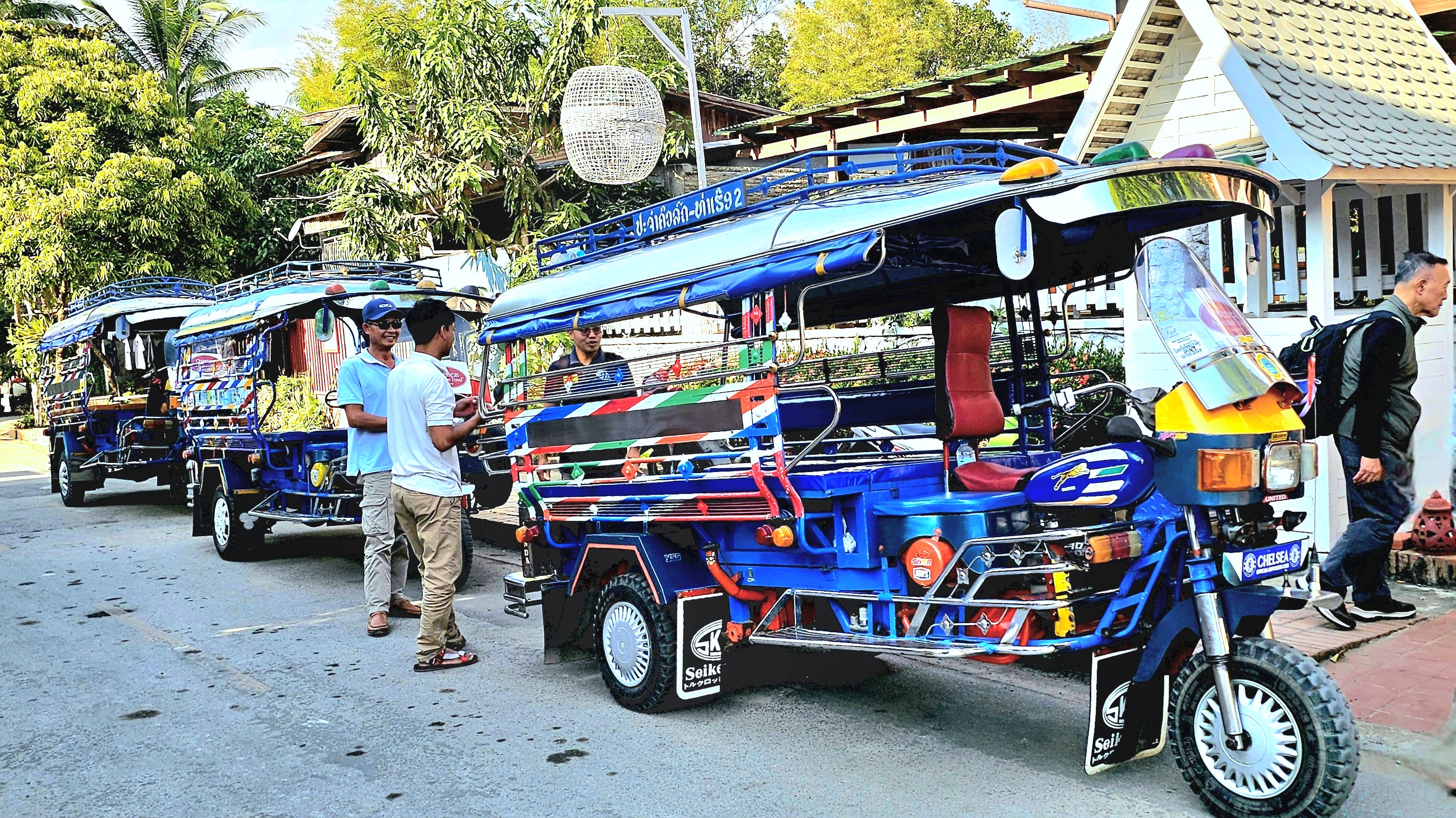
Two local men chatting near colorful shared transport vehicles in a vibrant street setting.
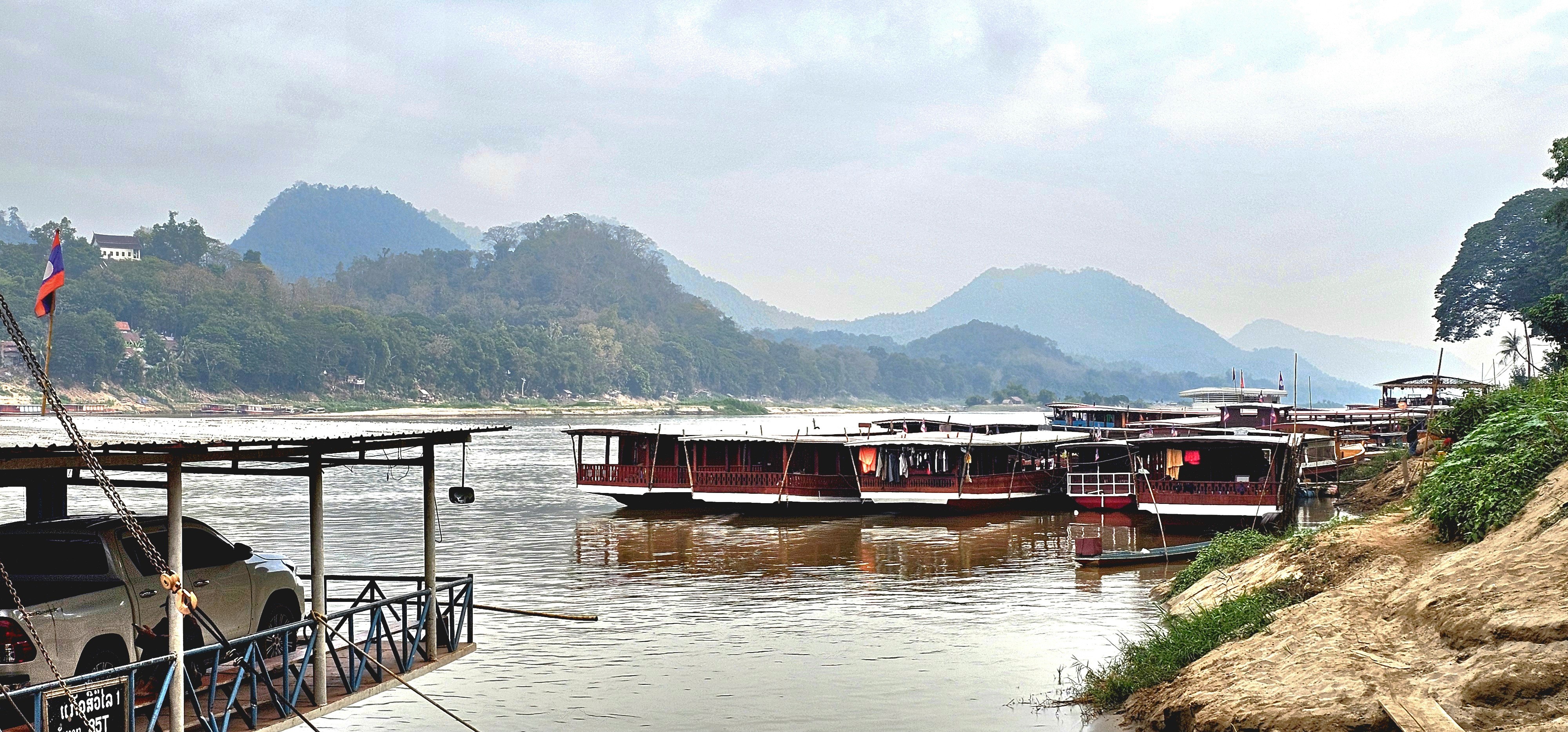
Scenic view of the Mekong River with traditional wooden boats moored at a riverside pier, surrounded by lush green hills under a cloudy sky.
A wooden sign featuring ornate golden lettering that reads 'Vat Muangkham Mang Kalaram' against a red background.
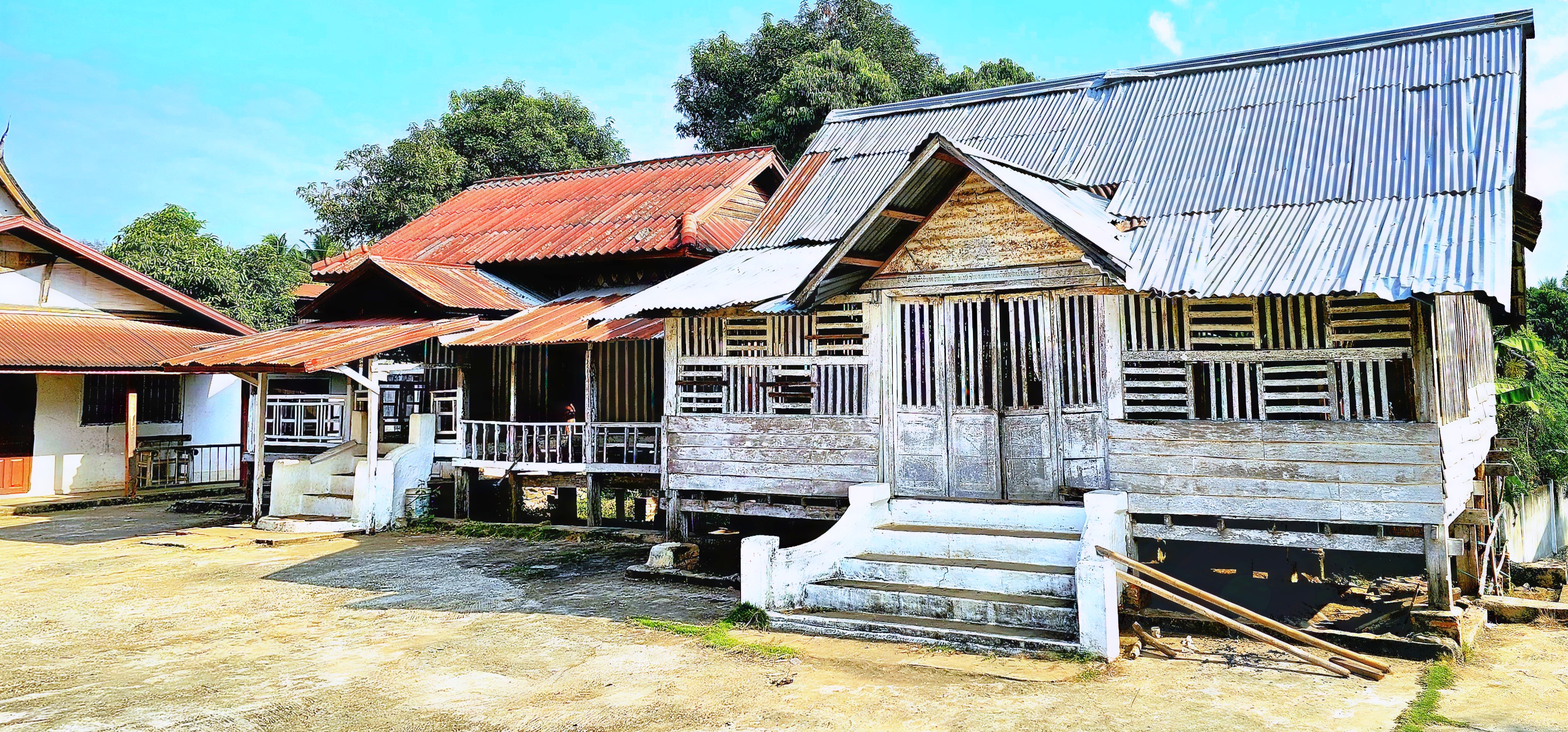
Rural wooden houses with metal roofs in a village, showcasing traditional architecture against a clear blue sky.
A detailed view of a traditional Lao temple with ornate golden roofs and decorative pillars, featuring statues of Buddha and mythical creatures at the entrance.
View of a traditional Buddhist temple in Luang Prabang with intricate architectural details and surrounded by lush greenery.
Two young girls standing outdoors, one wearing a pink hoodie and the other in a beige shirt and black pants, with a wooden stump in front of them.
A young girl holding a small, fluffy dog, wearing a blue polka-dotted hoodie, stands outdoors with greenery and wooden logs in the background.
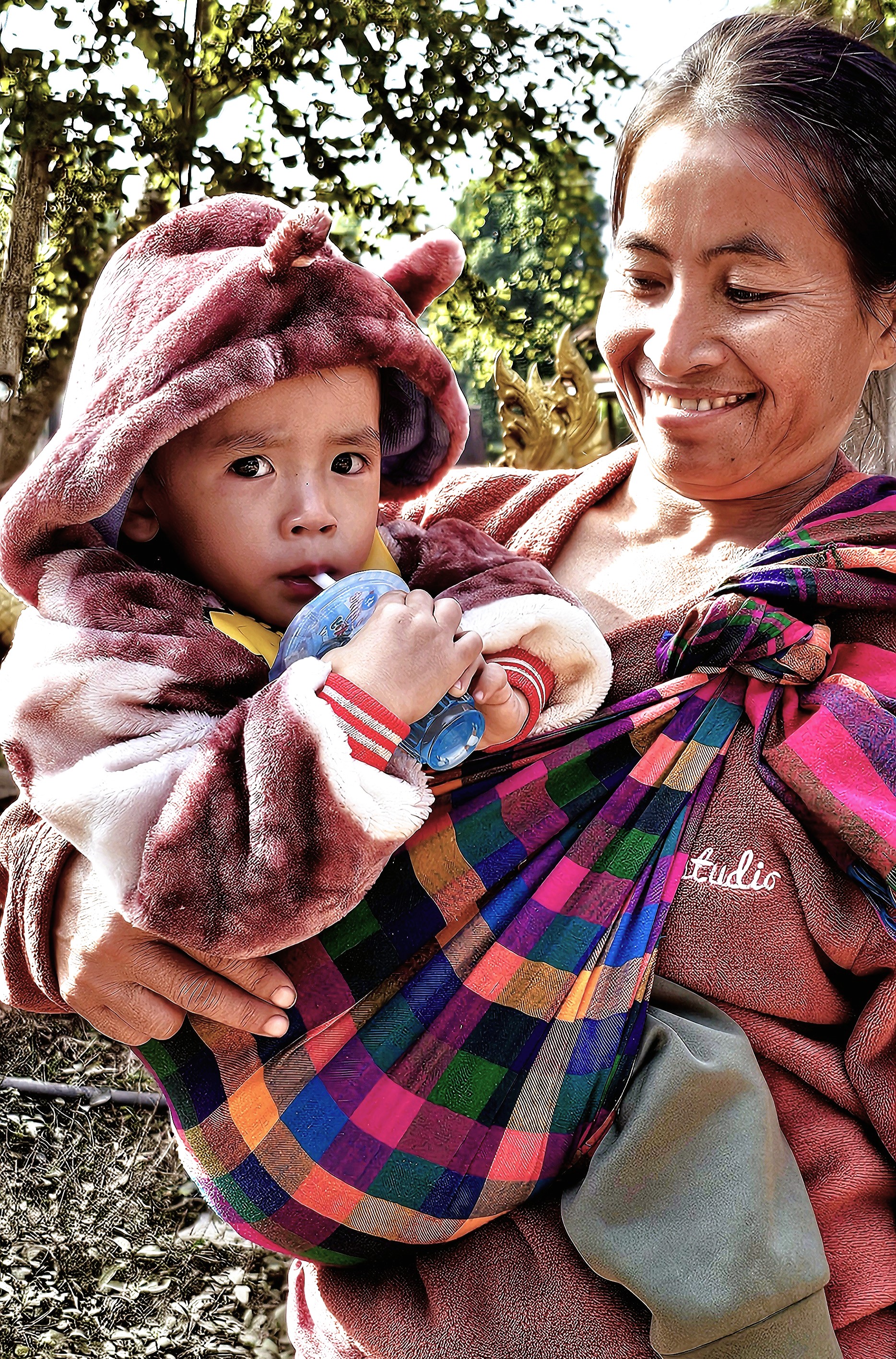
A smiling woman holds a young child dressed in a patterned outfit, while the child clutches a plastic bottle, surrounded by nature.
A person tending to a large tray of drying river weed in Mouangkham Village, with traditional buildings in the background.
A woman uses traditional methods to process river weed in a communal setting. She is seen washing and preparing the green delicacy, with various drying frames placed nearby.
A man in a blue shirt uses a wooden tool to spread green river weed on a bamboo mat as part of the traditional preparation for khai paen in Laos.
A man sitting outdoors, showcasing a tray of dried river weed, with greenery in the background.
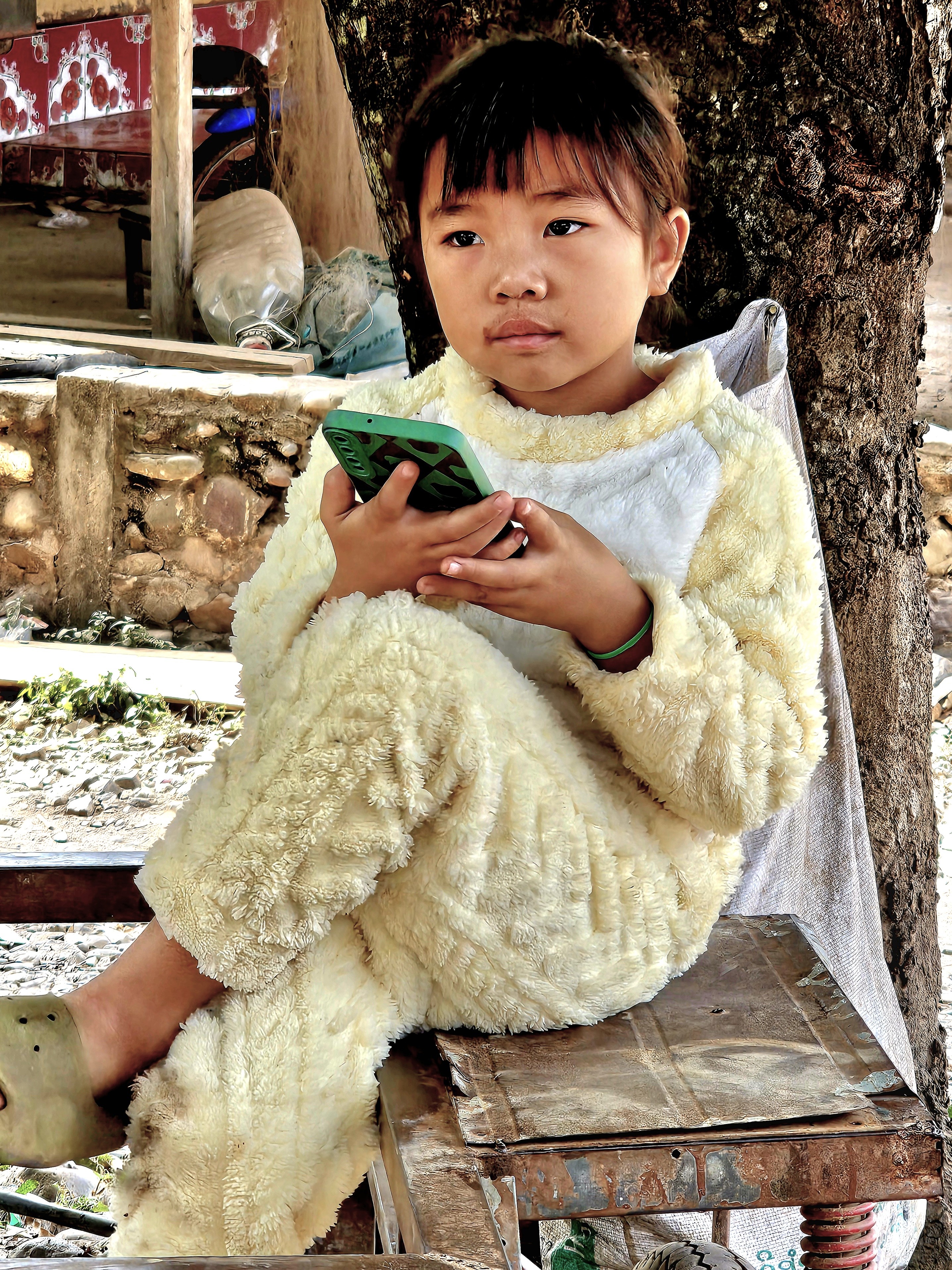
A young child in a fluffy, light-colored outfit thoughtfully holds a smartphone while sitting on a wooden stool next to a tree in a rustic environment.
A rustic outdoor area showing a wooden workbench, various tools, and containers, with a stack of firewood in the background. A chicken is visible near the ground.
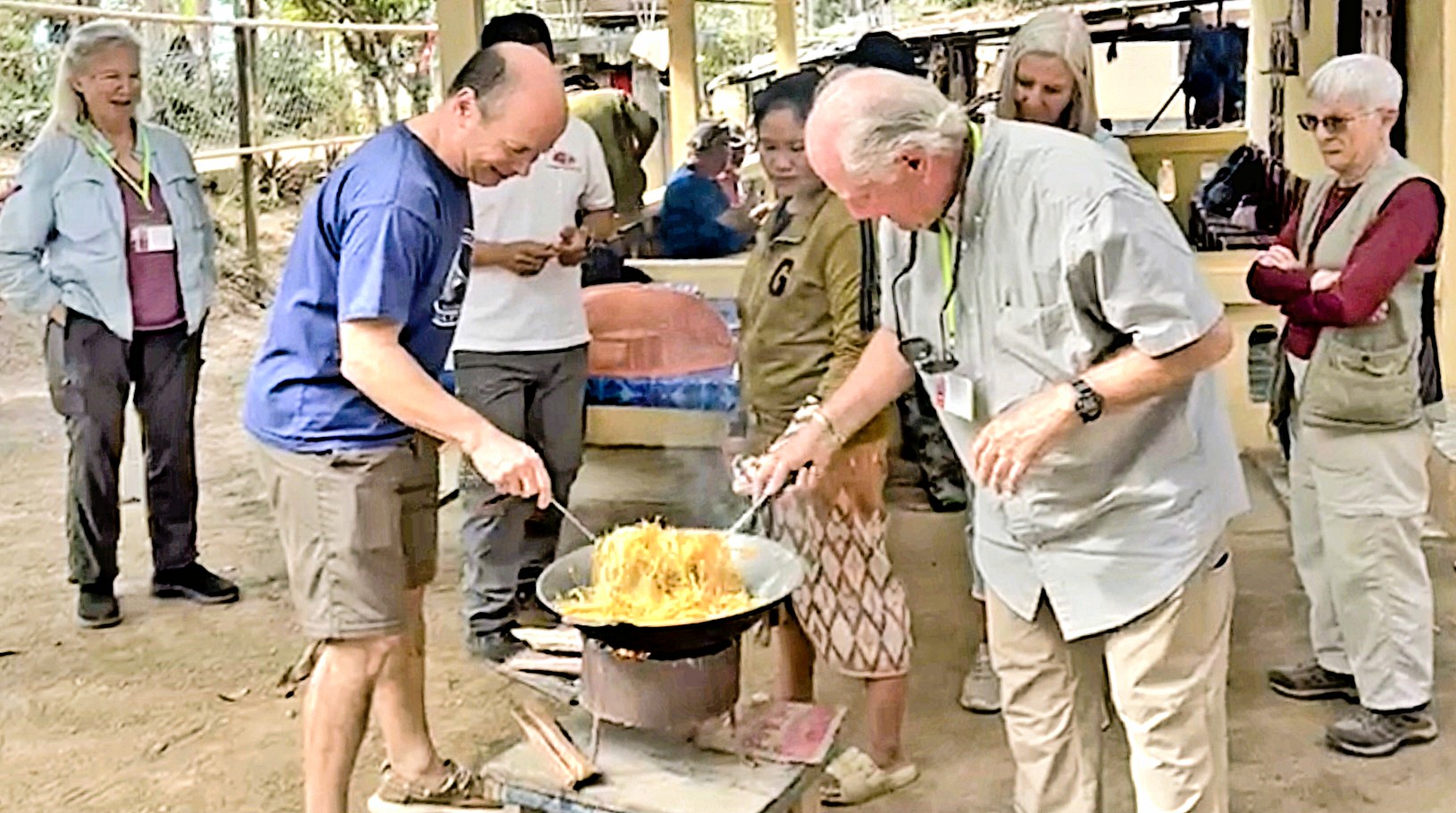
Tourists engage in cooking while learning about local cuisine in a village setting.
Two young girls sitting together on a wooden bench in front of a weathered wooden wall, one wearing a beige jacket with a character design and the other in a white t-shirt with a colorful print.

Two smiling young girls posing closely together, one holding a small object and waving. They are outdoors in a natural setting.
Three young children sitting outside against a weathered green wooden wall, one child is wearing a colorful shirt and beaded necklace, another is in a light pink outfit, and the third is seated in gray attire, all appearing curious and playful.
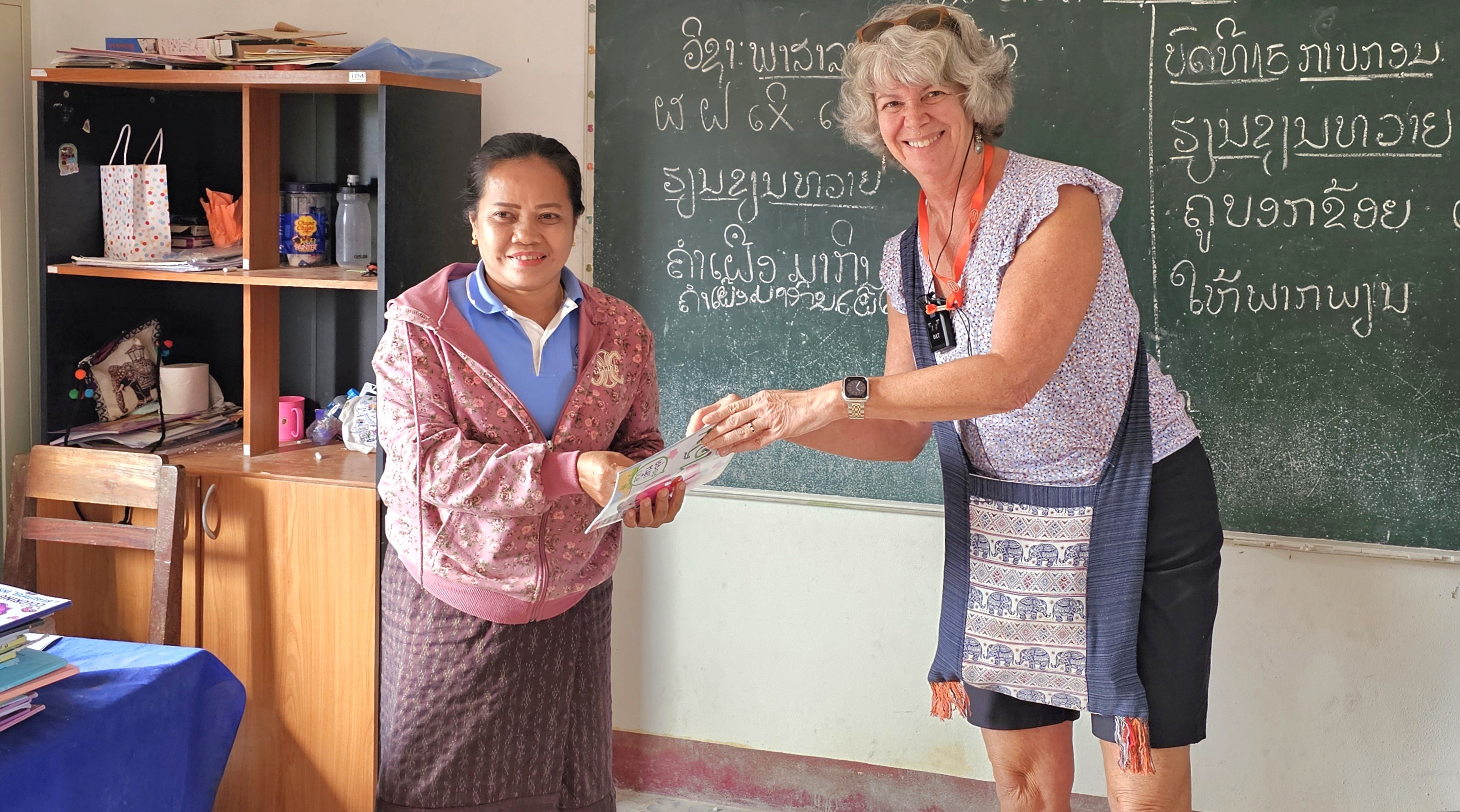
Two women interact in a classroom setting, with one handing a booklet to the other, who is smiling. A chalkboard with writing in Lao is visible in the background along with classroom materials.
A child holding hands with an older woman, walking on a dirt path surrounded by greenery and traditional houses.

River Reverence

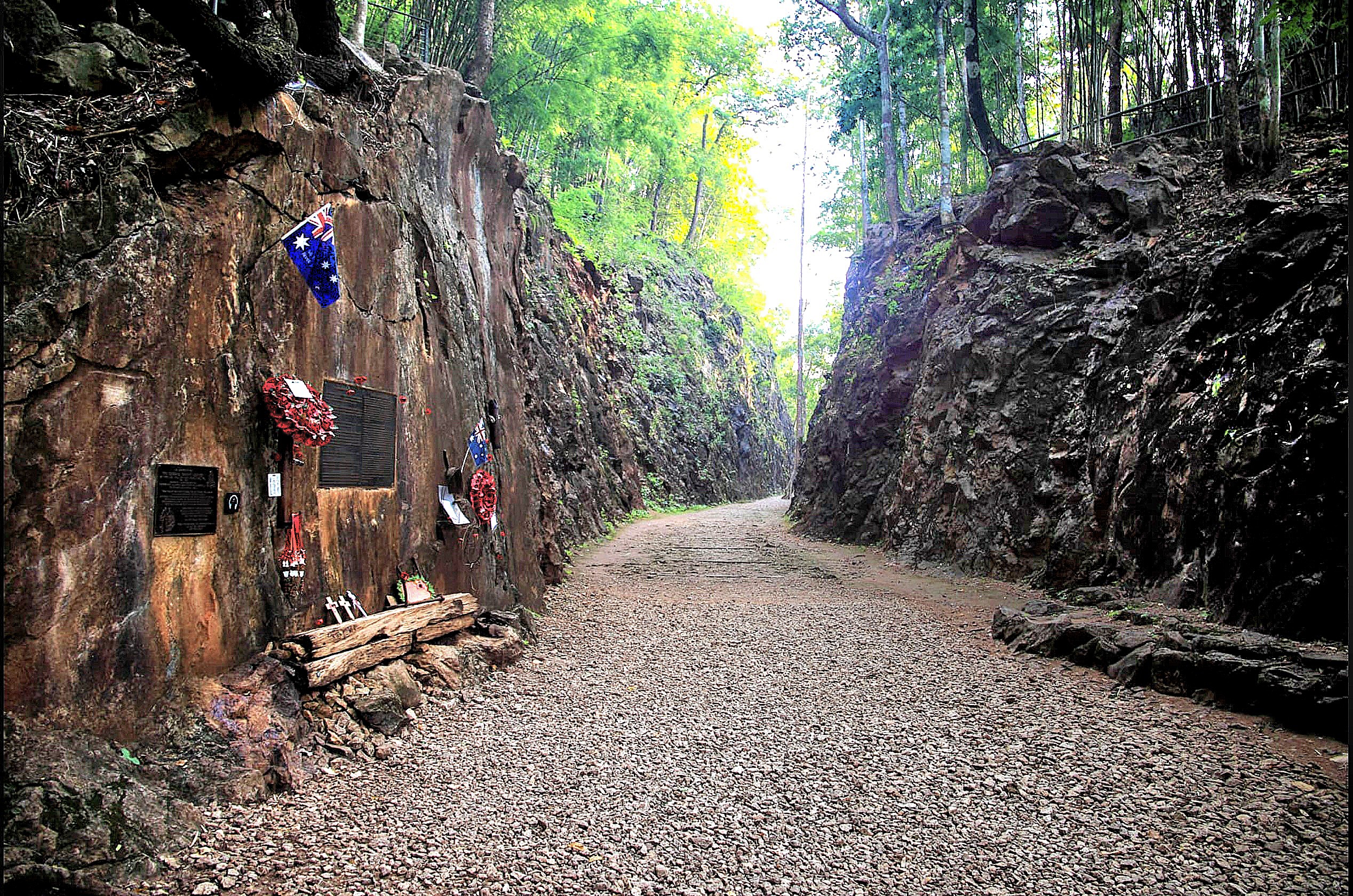
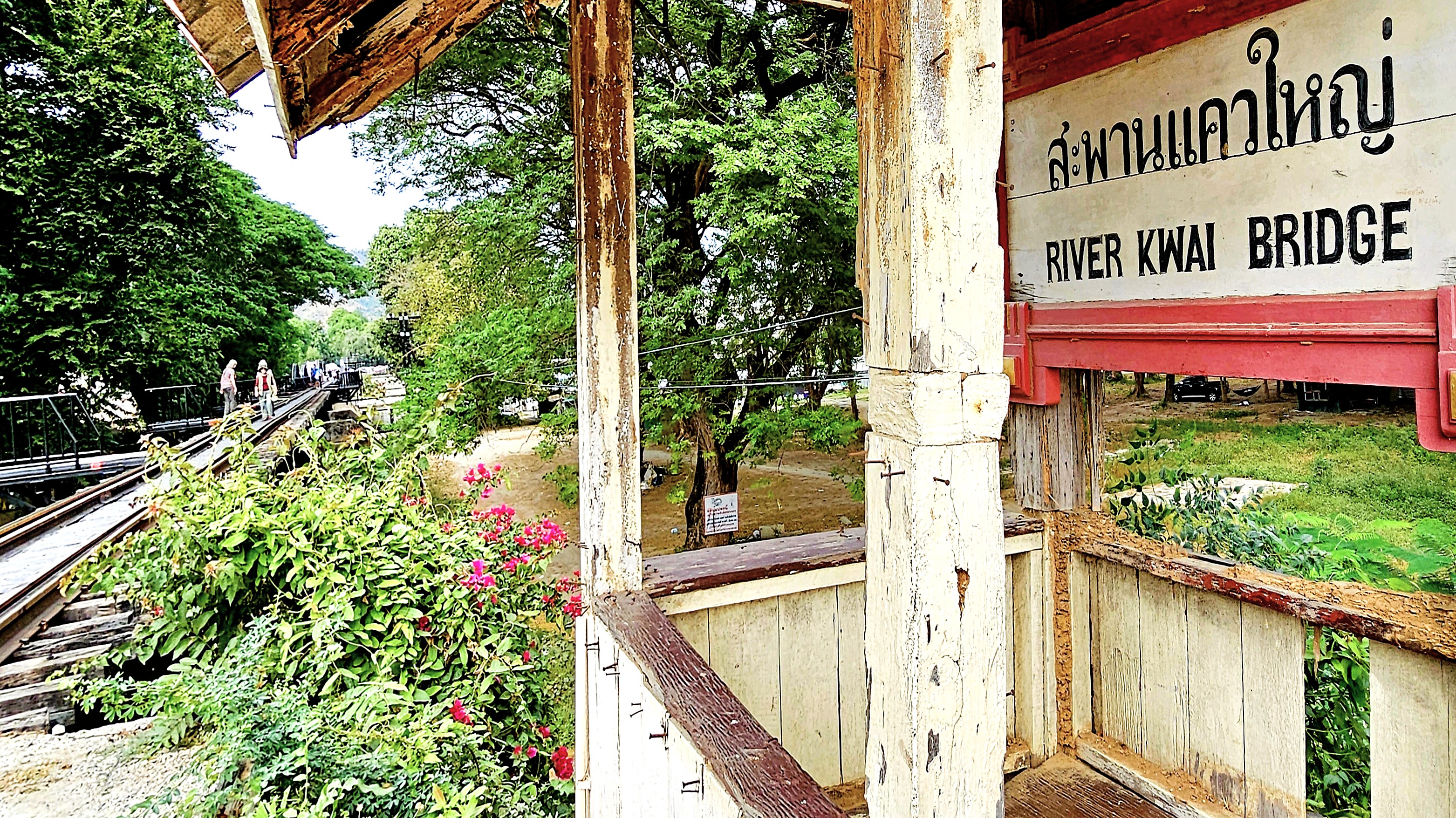
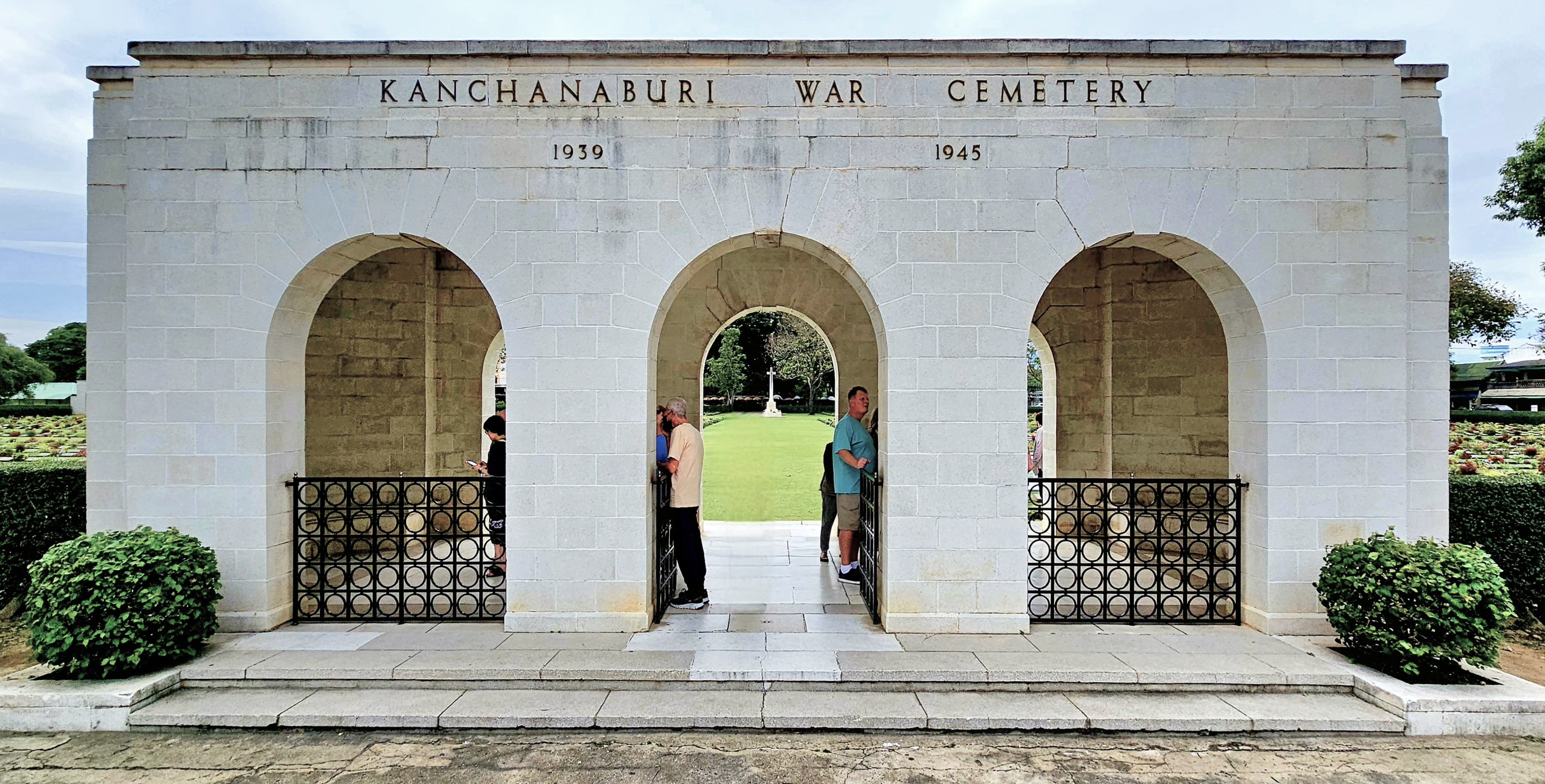
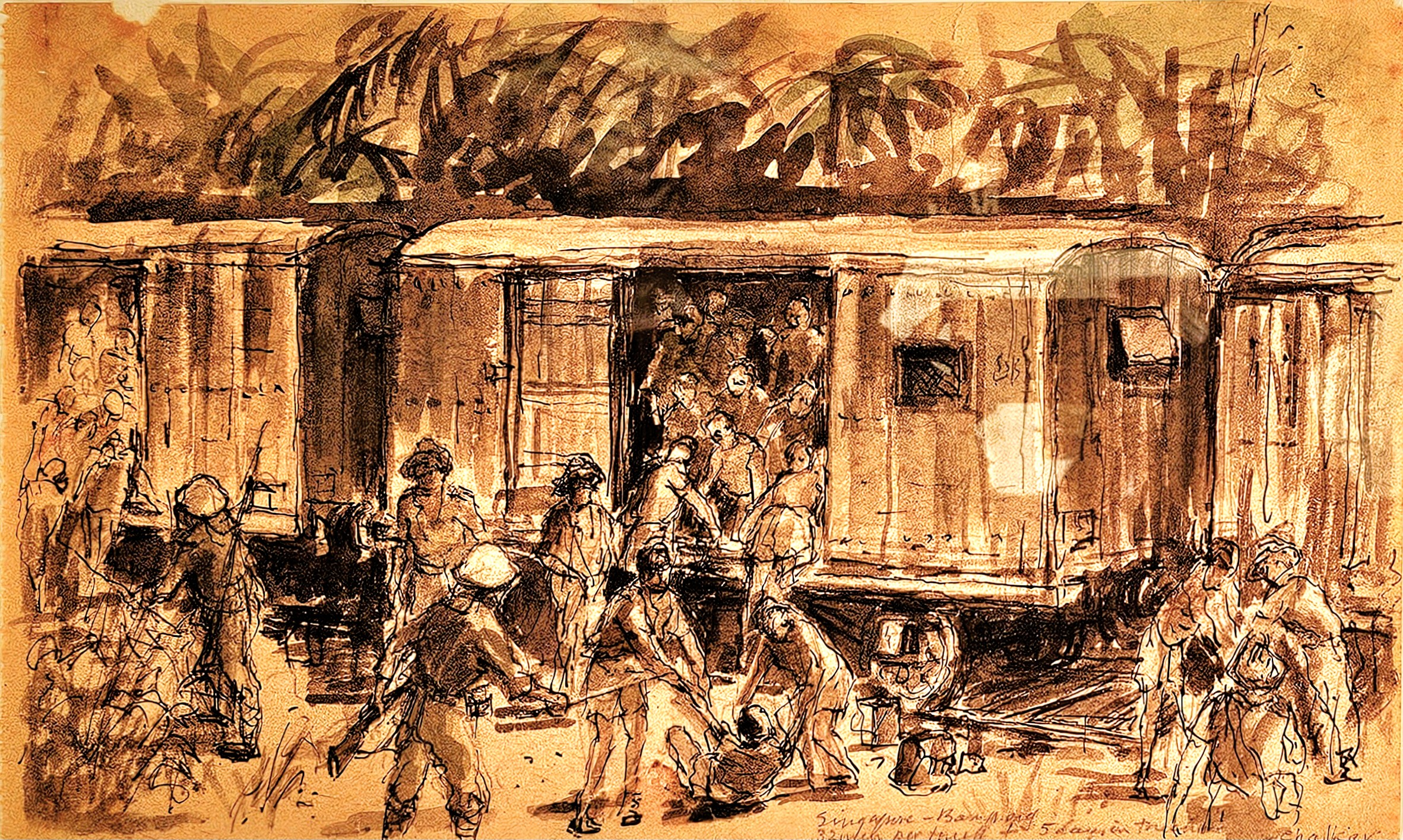
The Death Railway of WWII

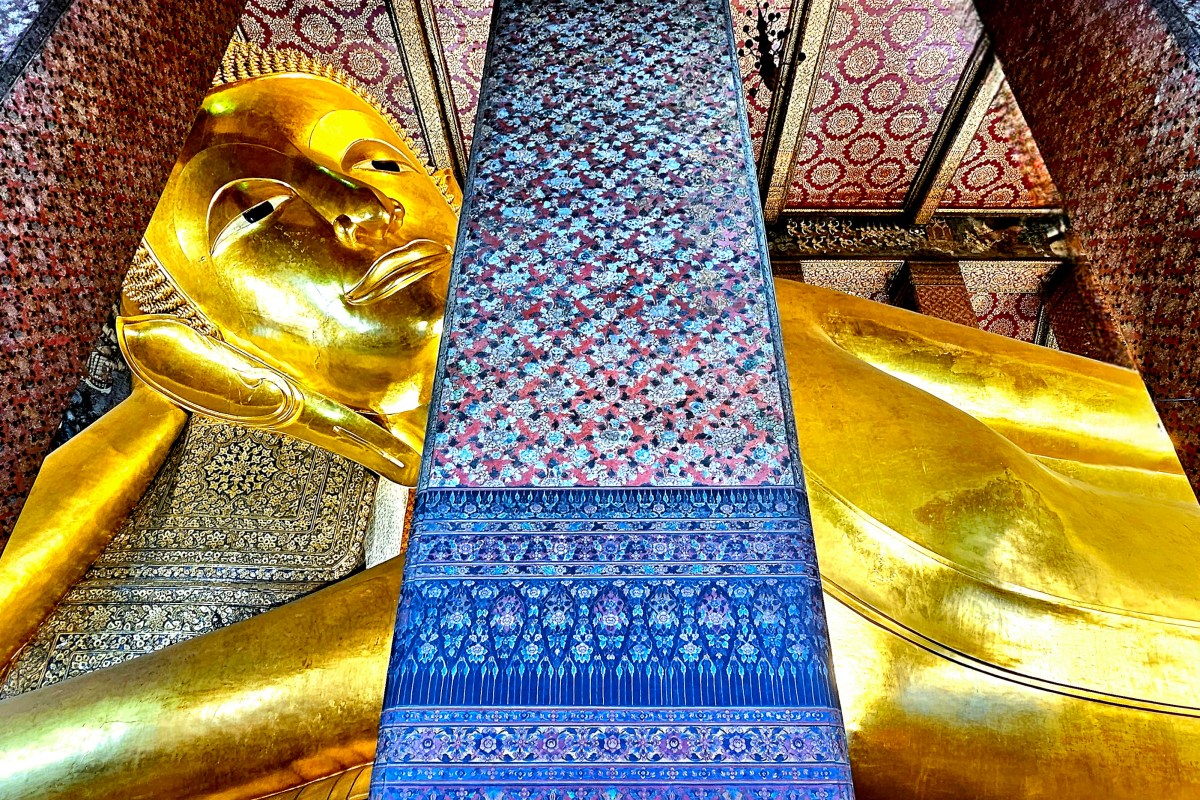
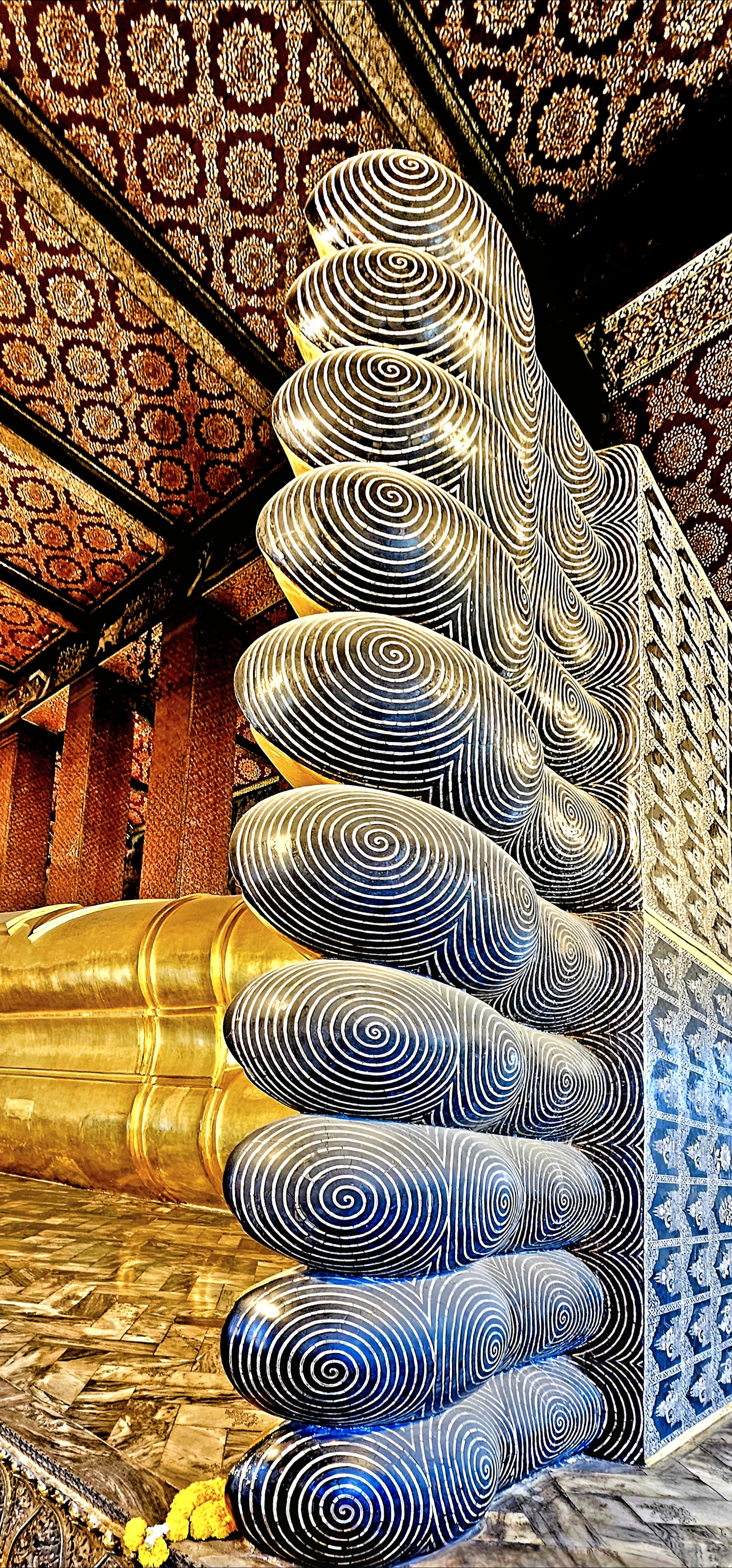
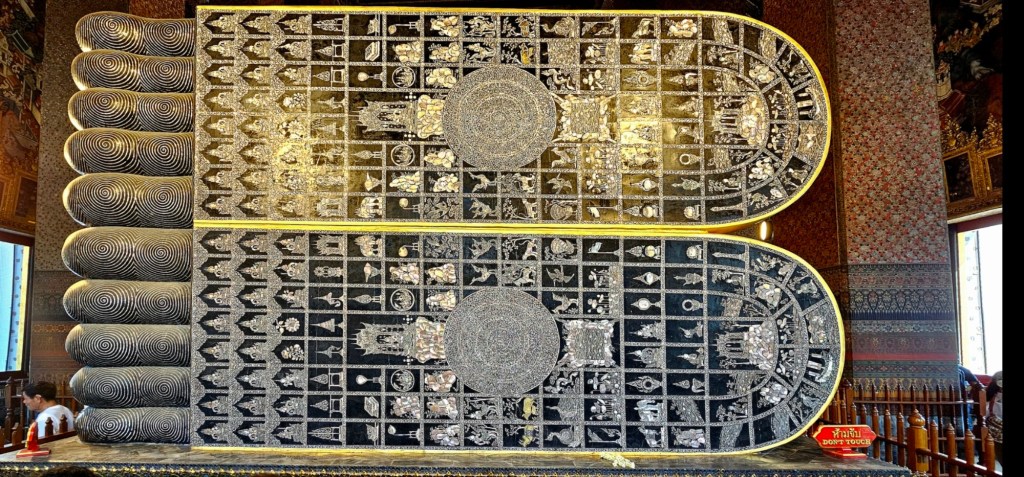
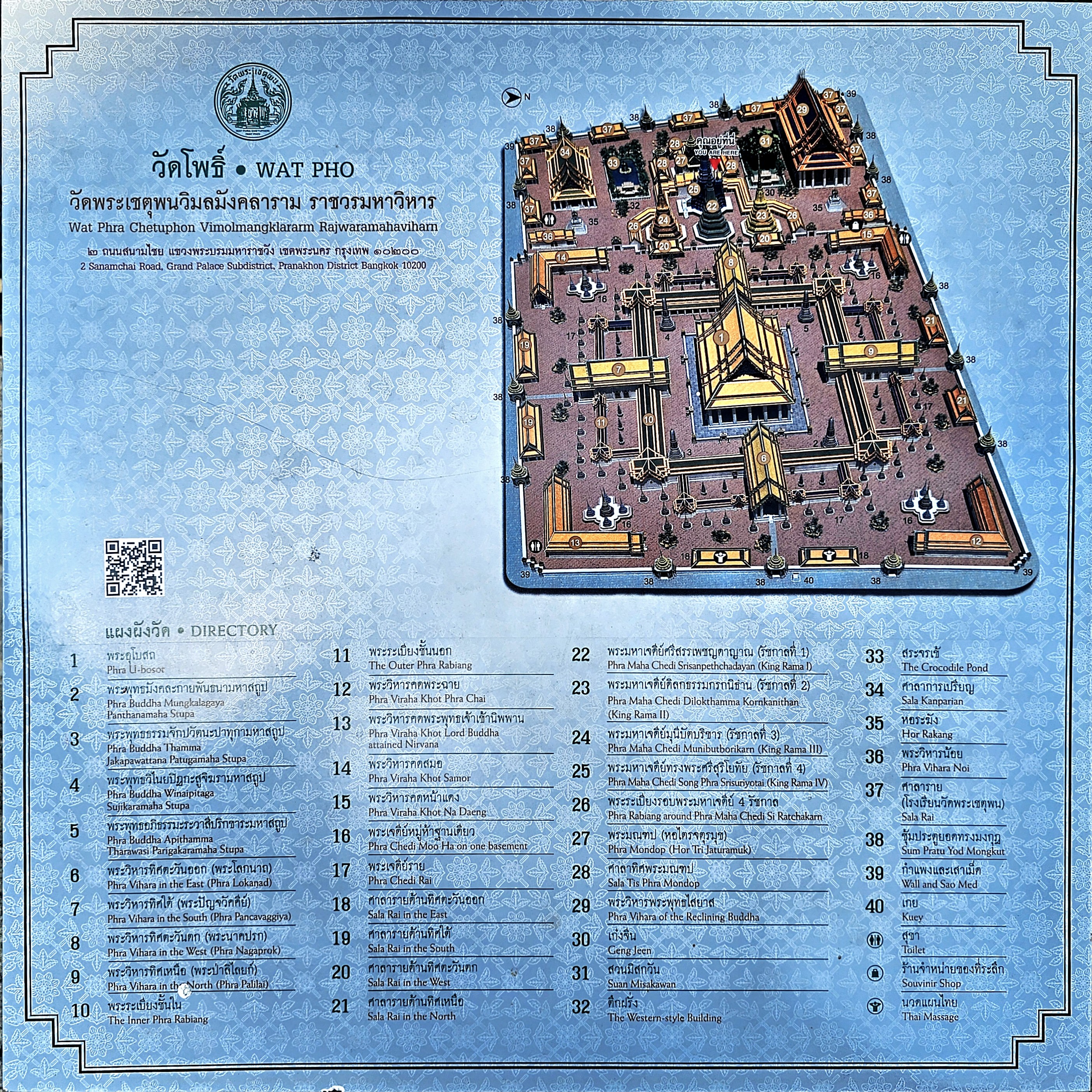
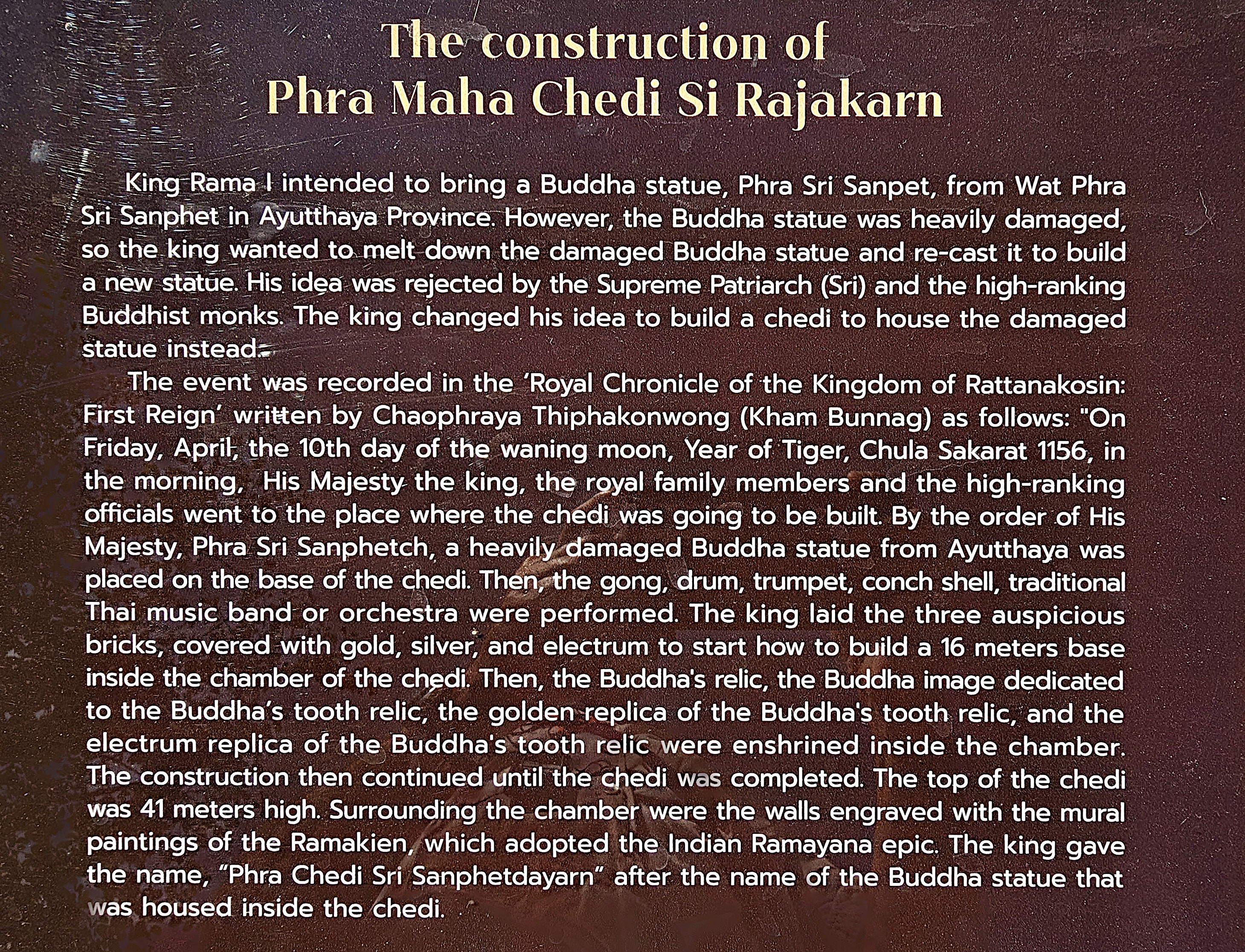
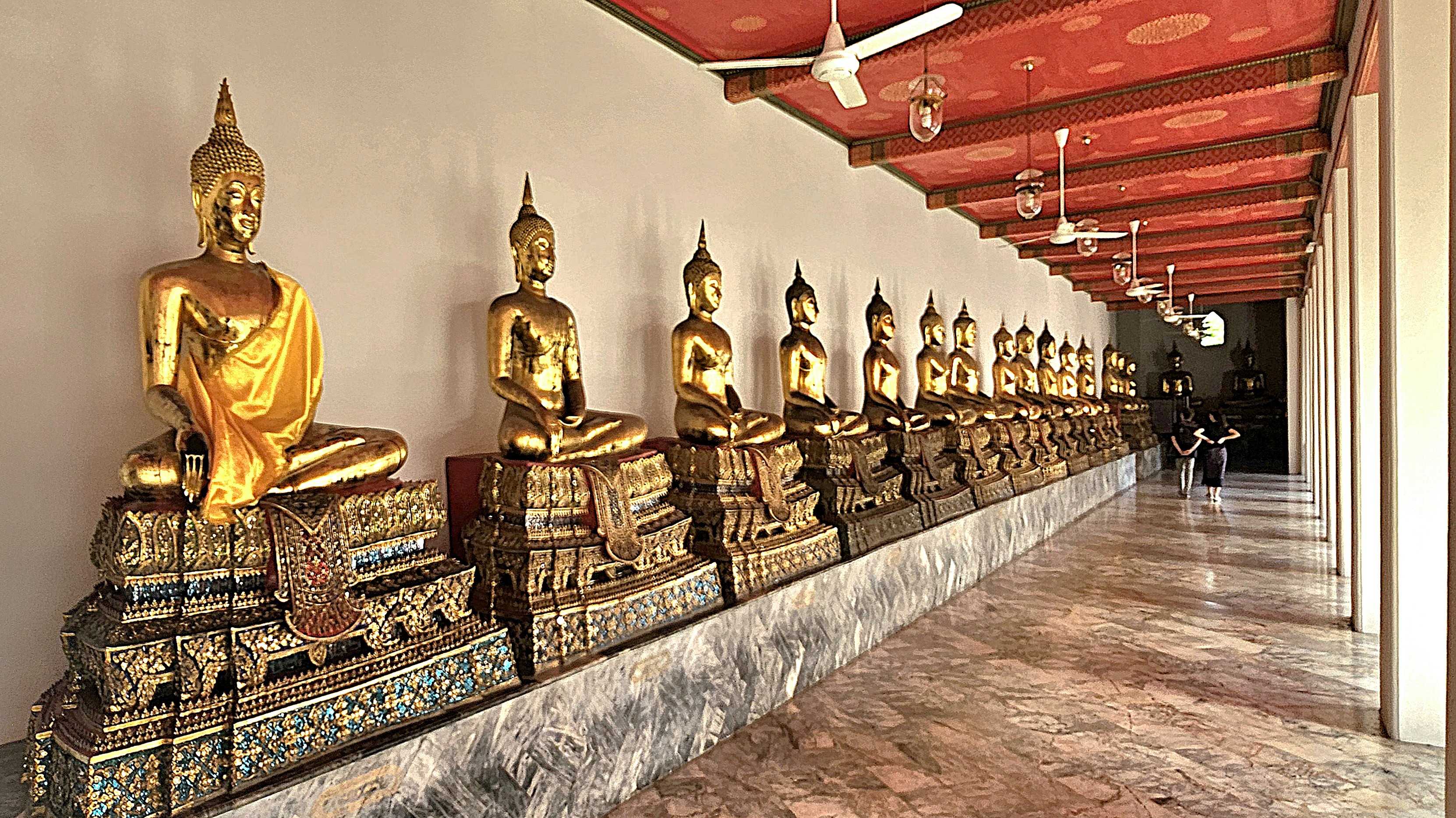
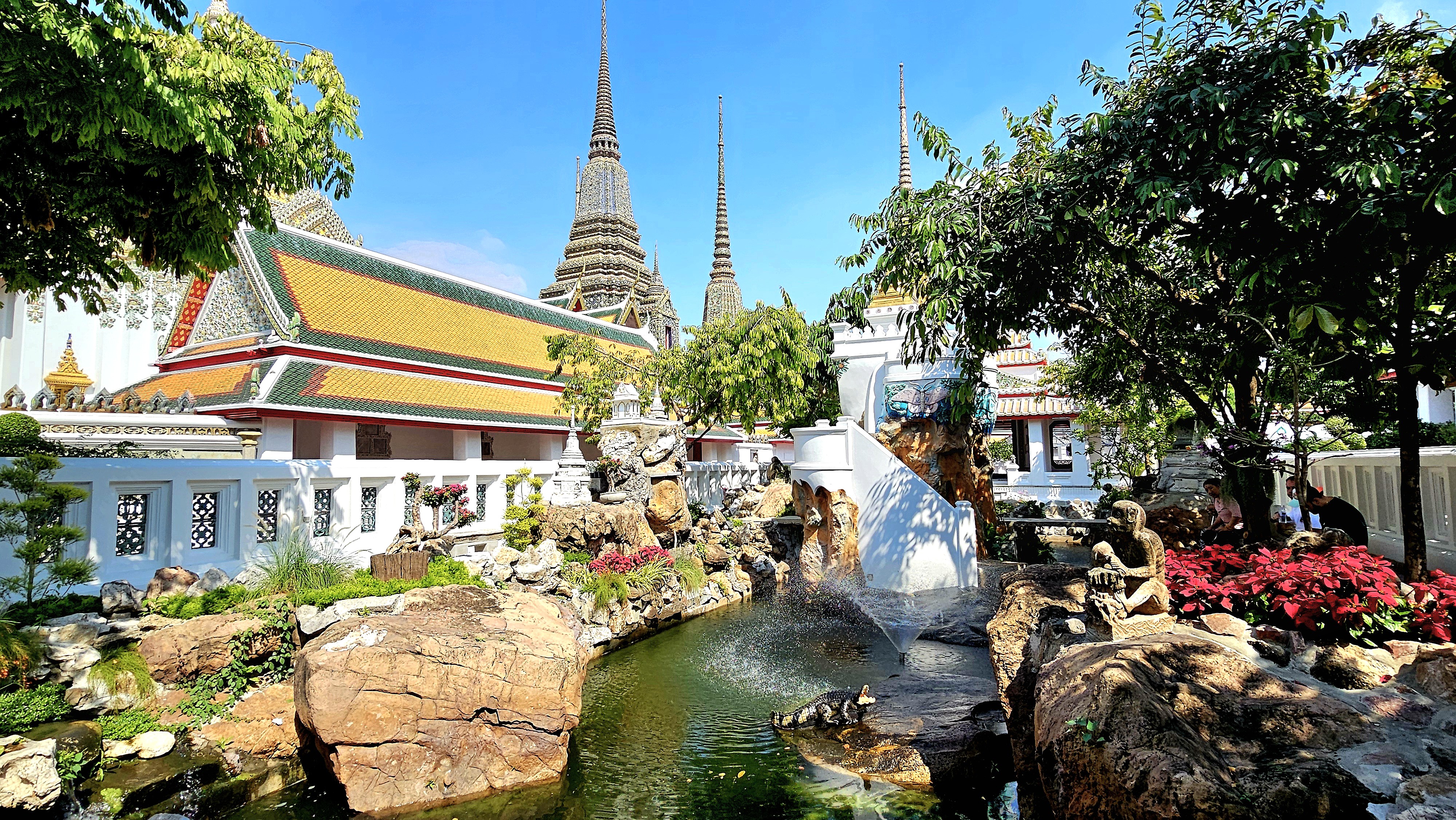
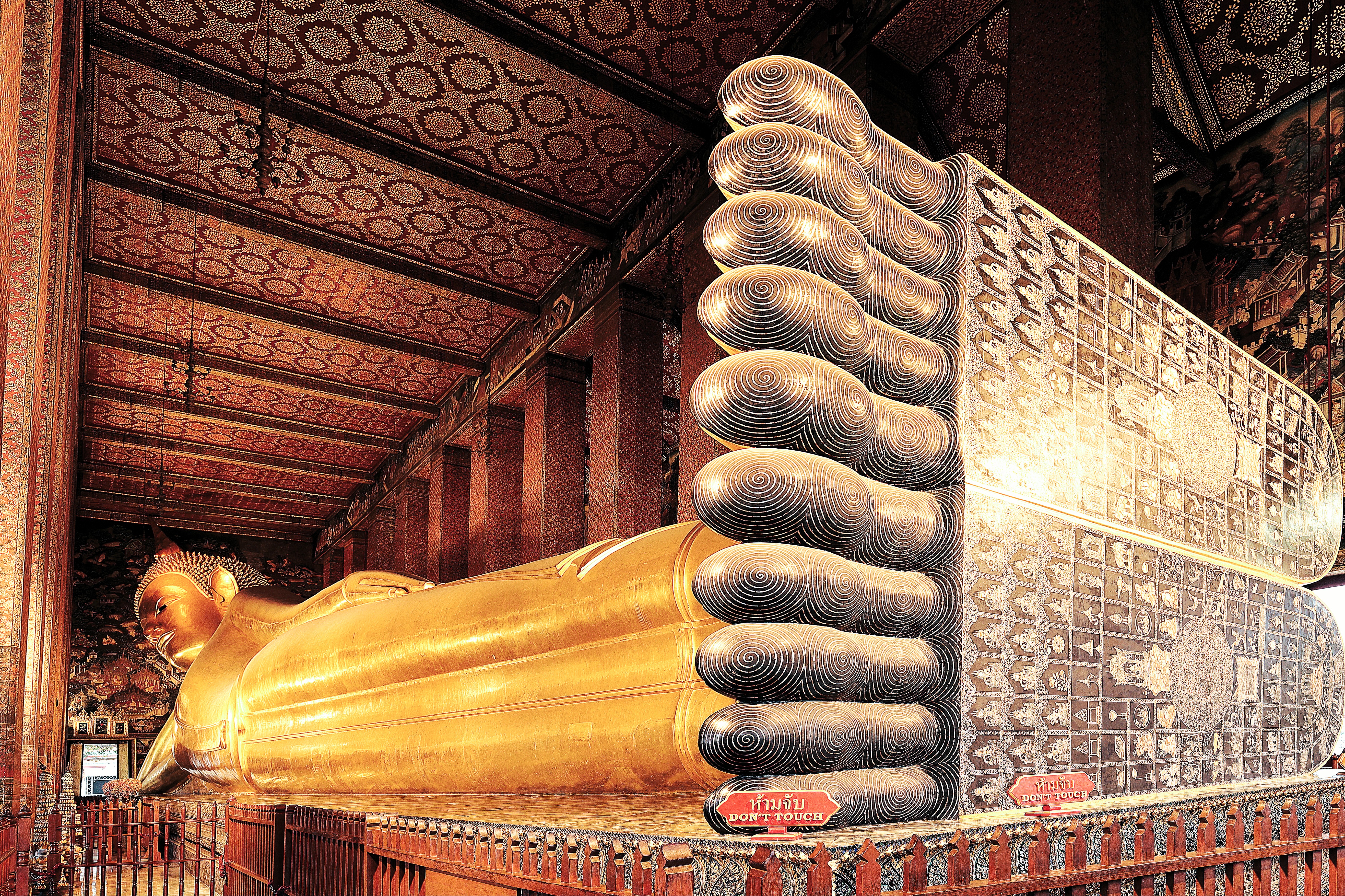
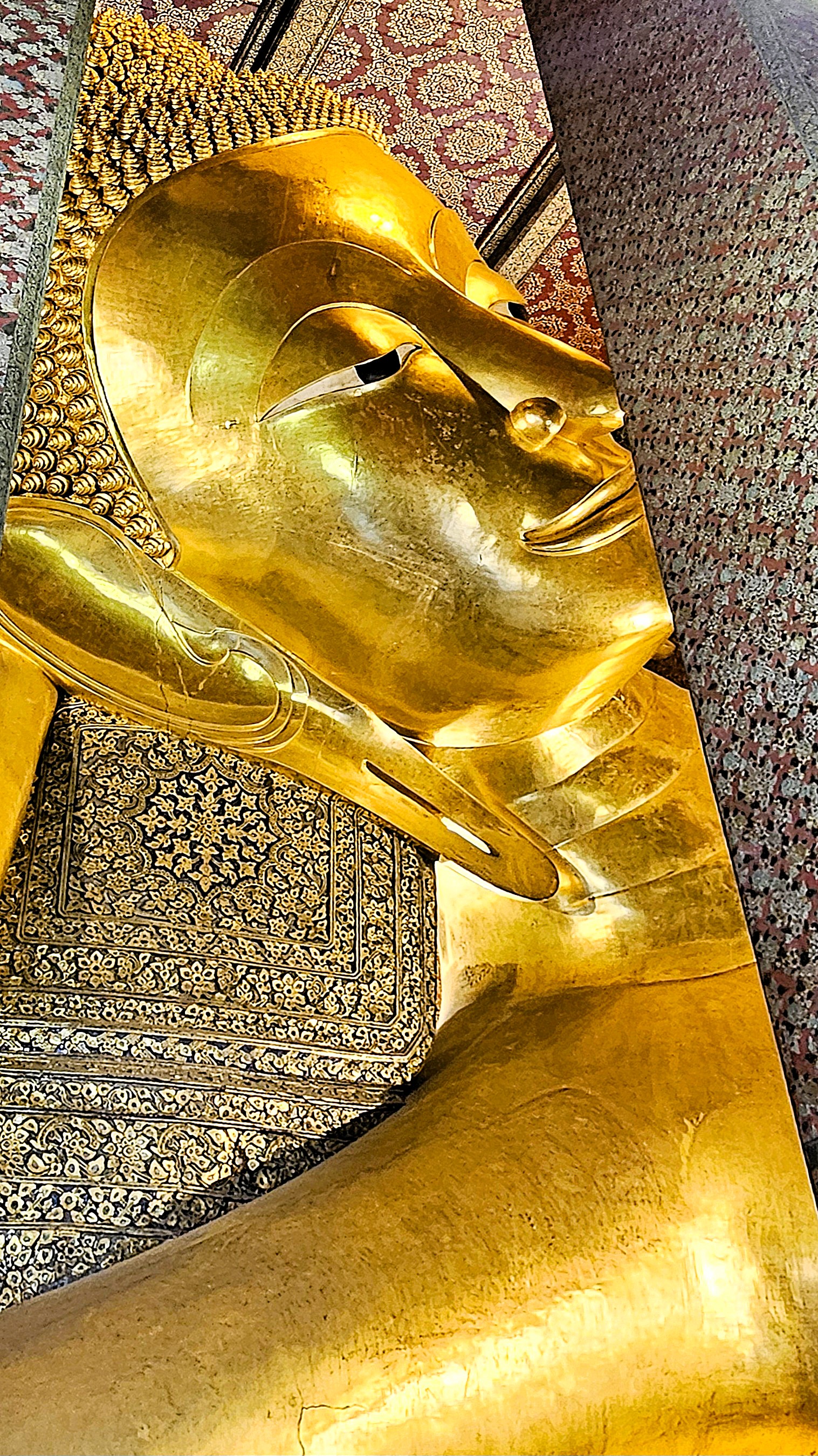
Exploring Wat Pho: The Reclining Buddha and Its History

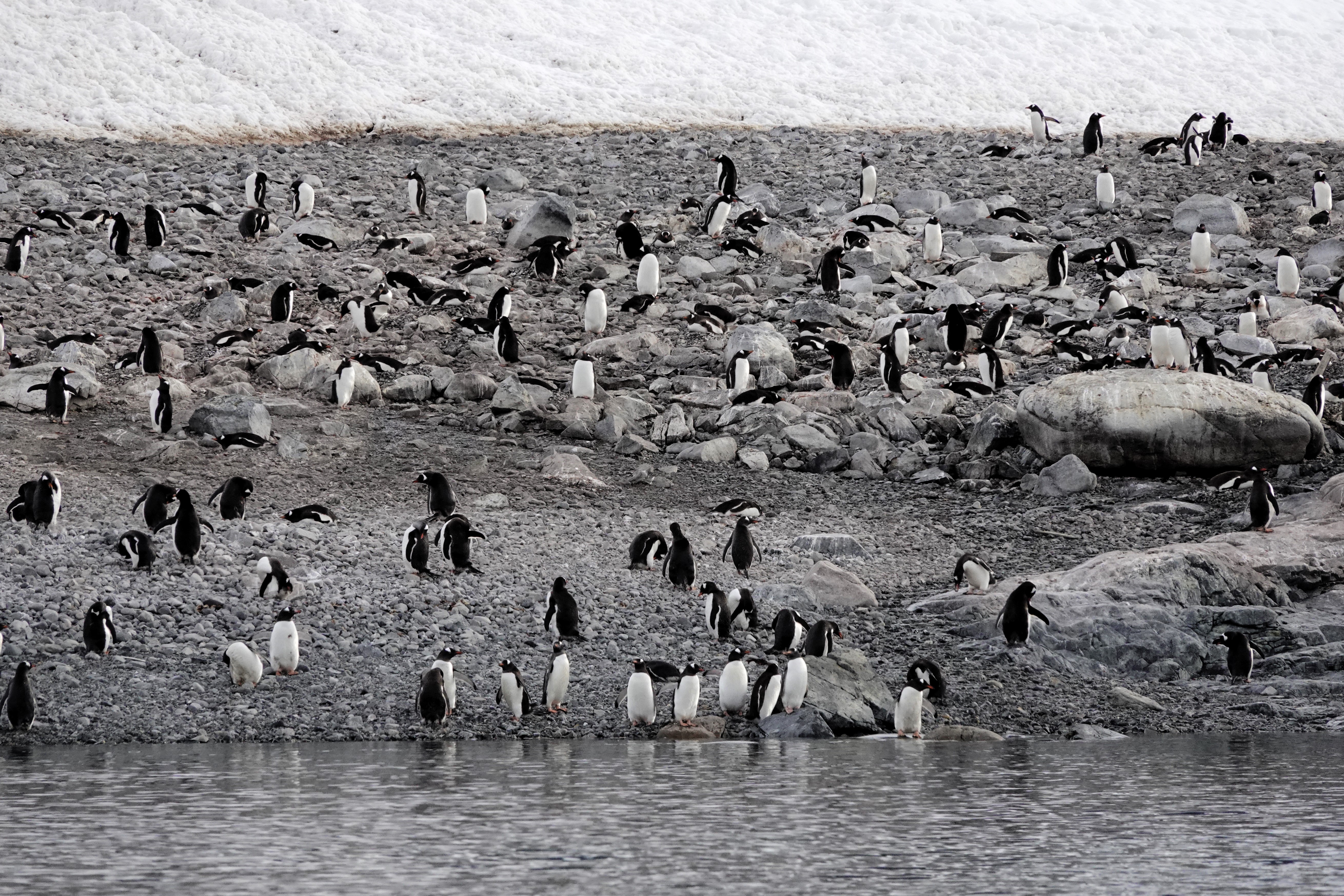
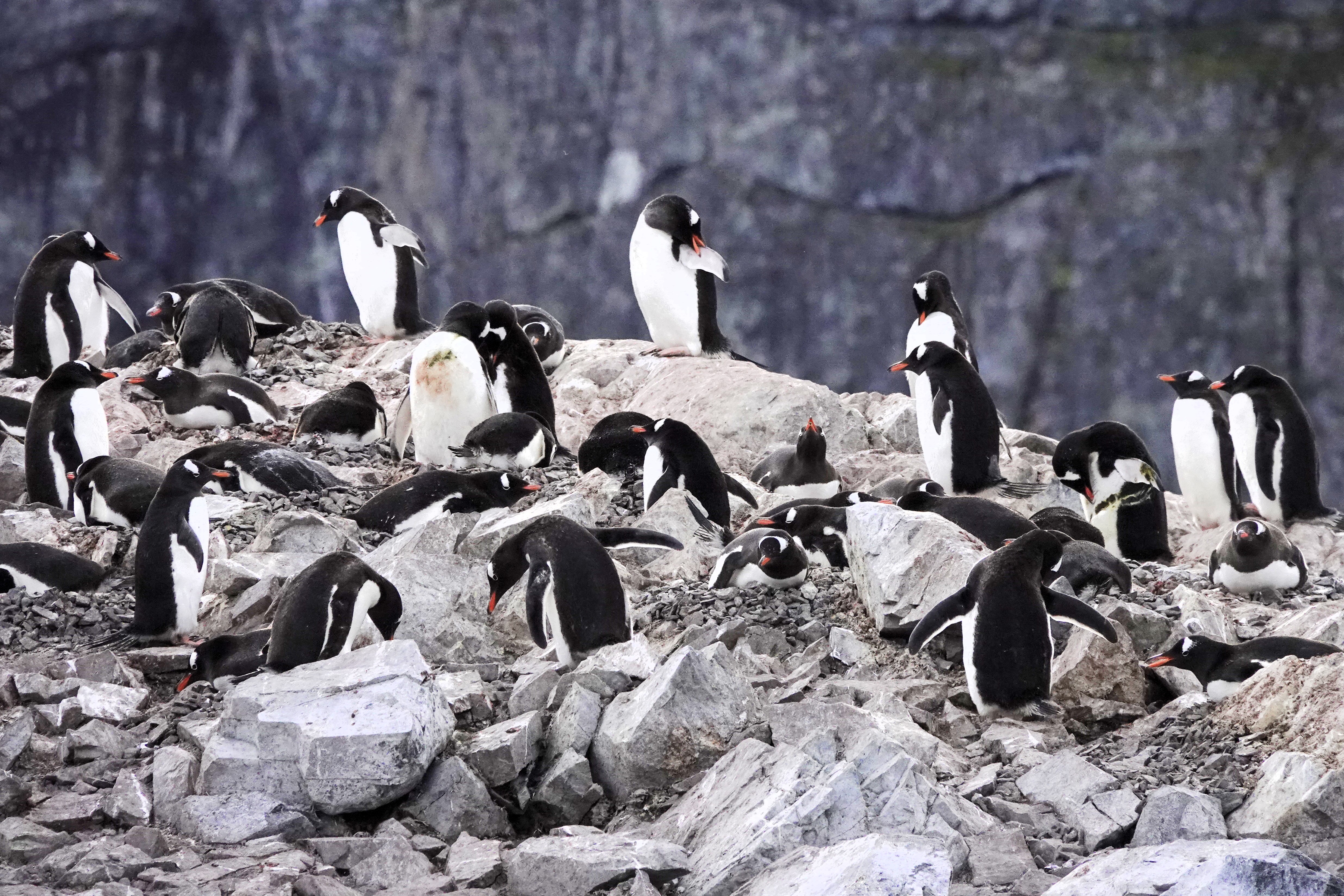
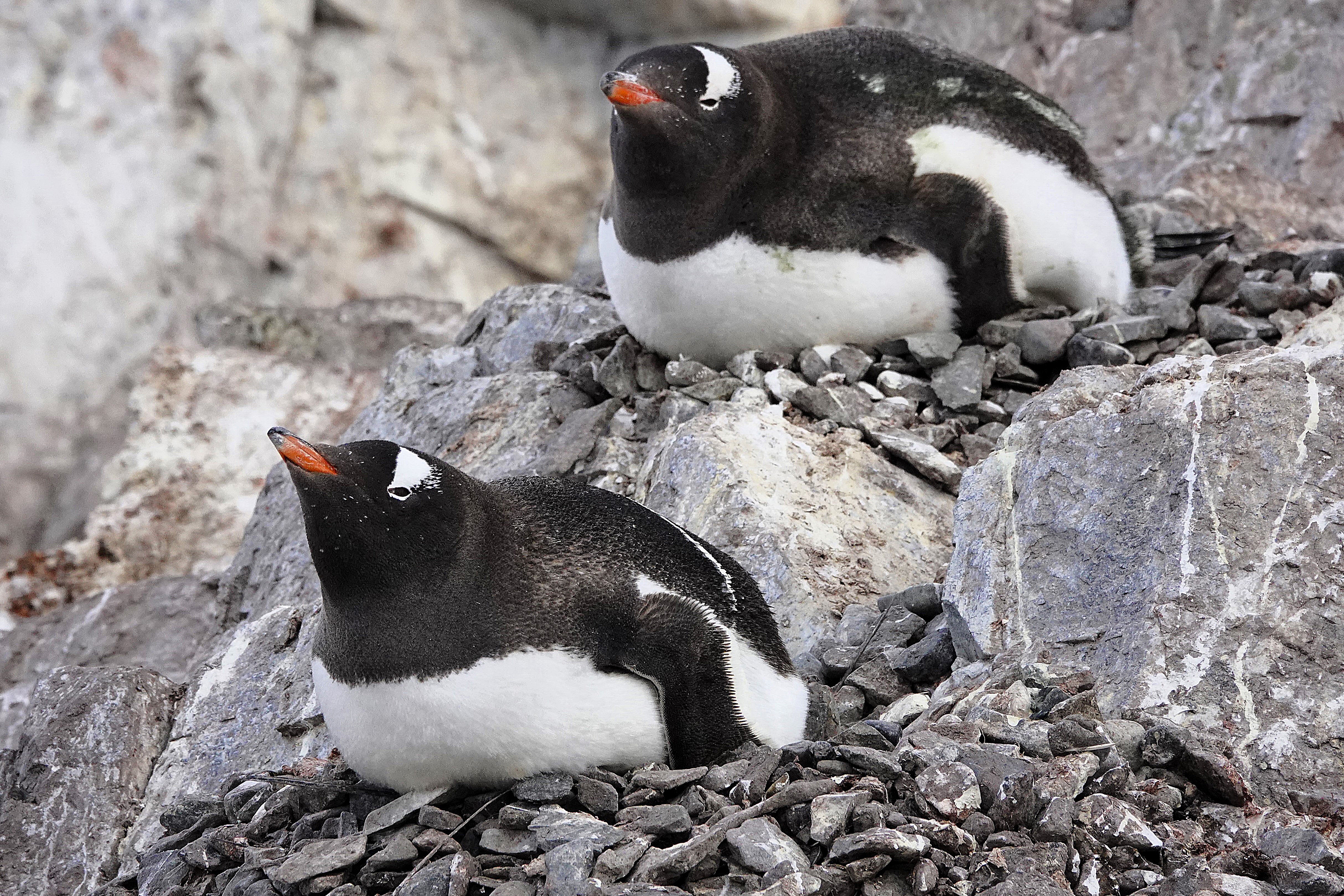
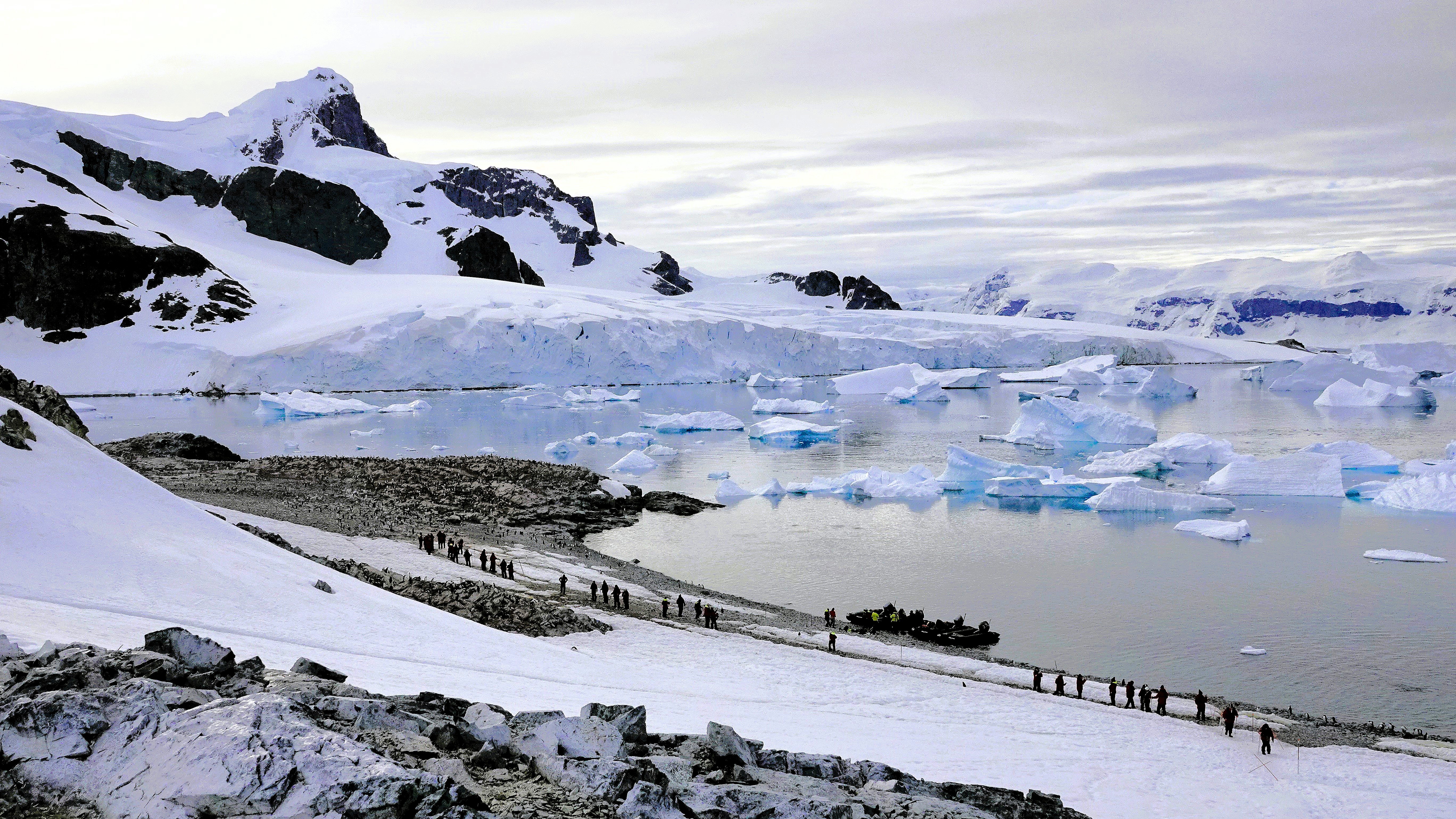
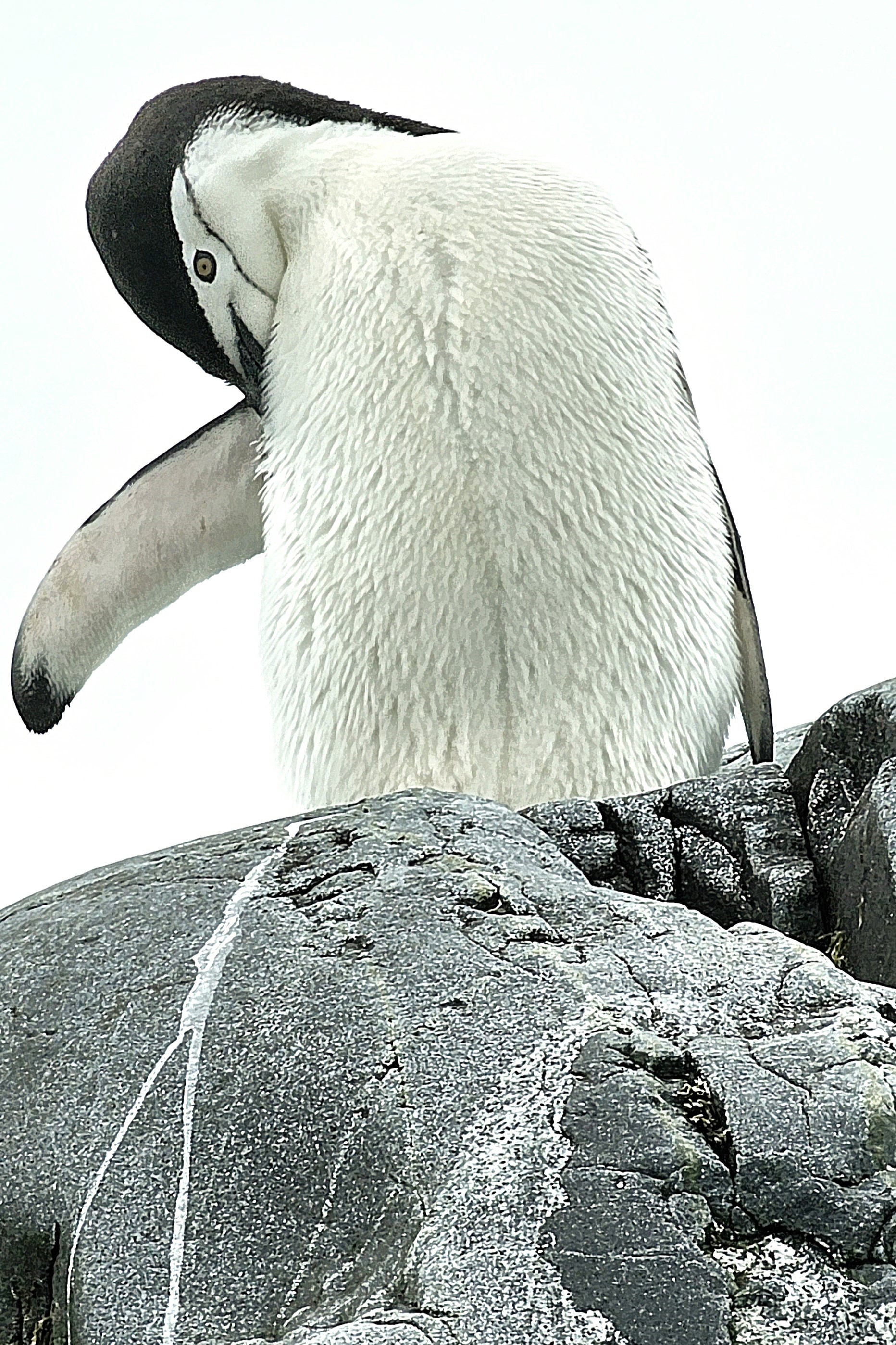
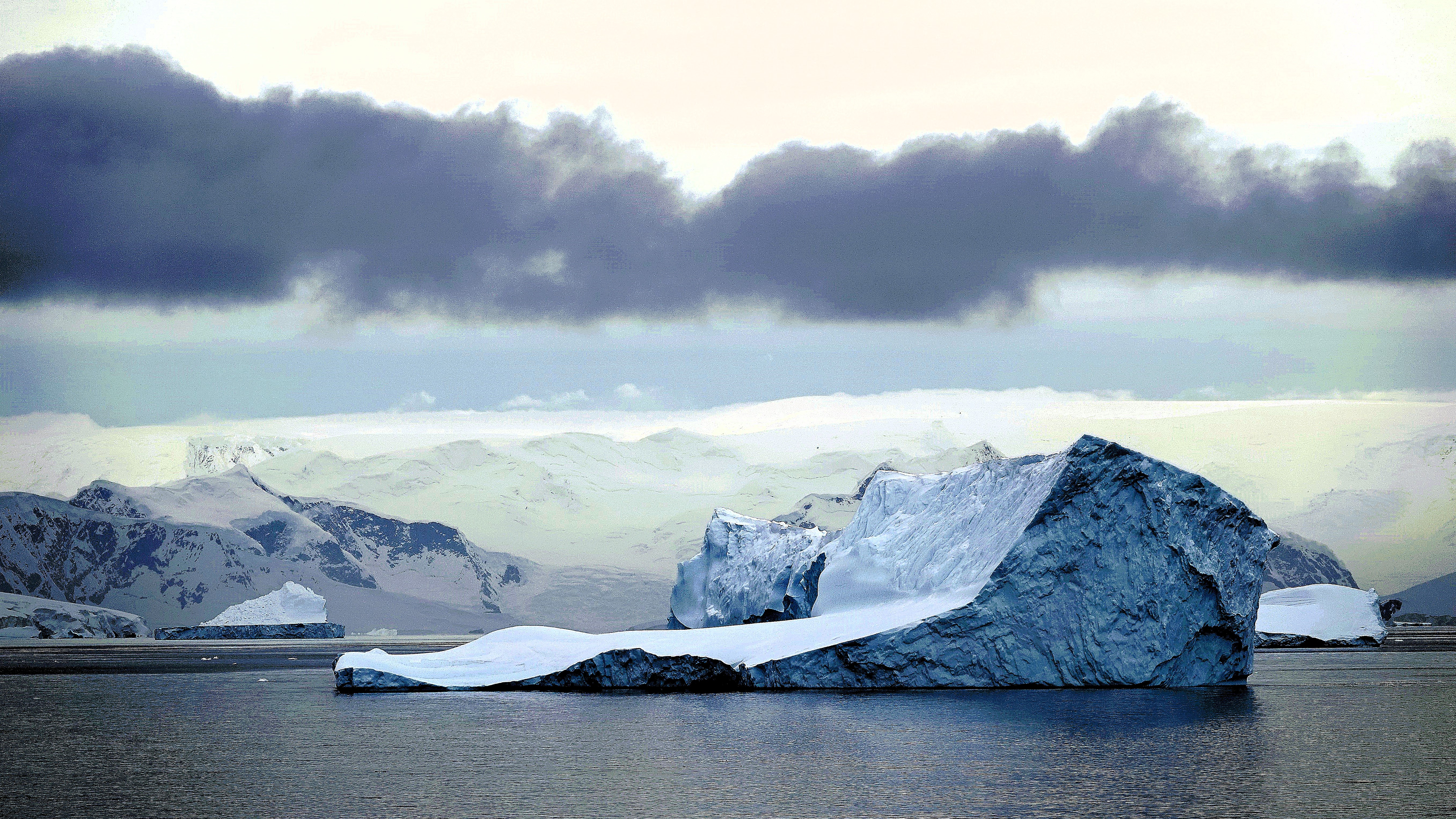
Cuverville Island, Antarctica

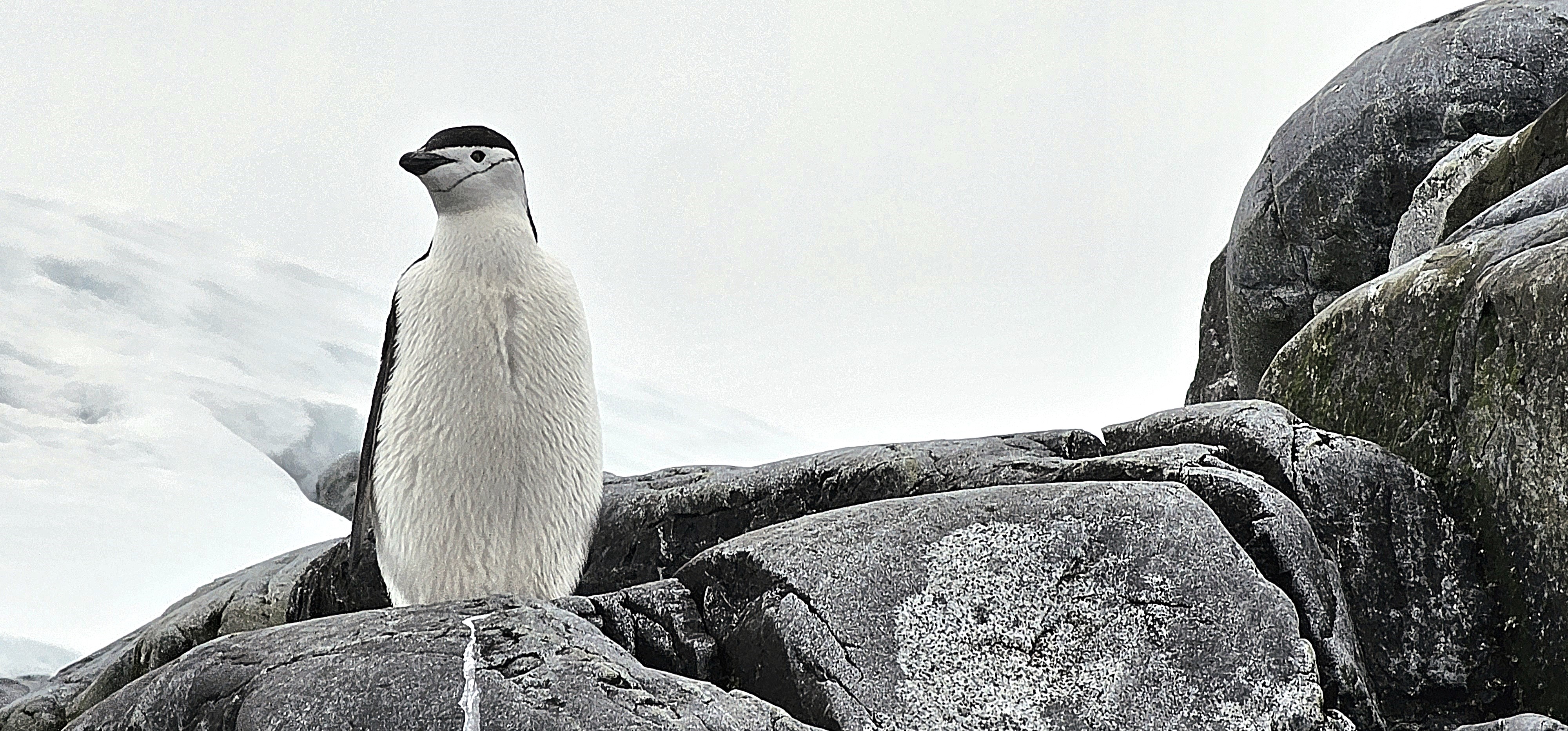
Strolling the penguin highway

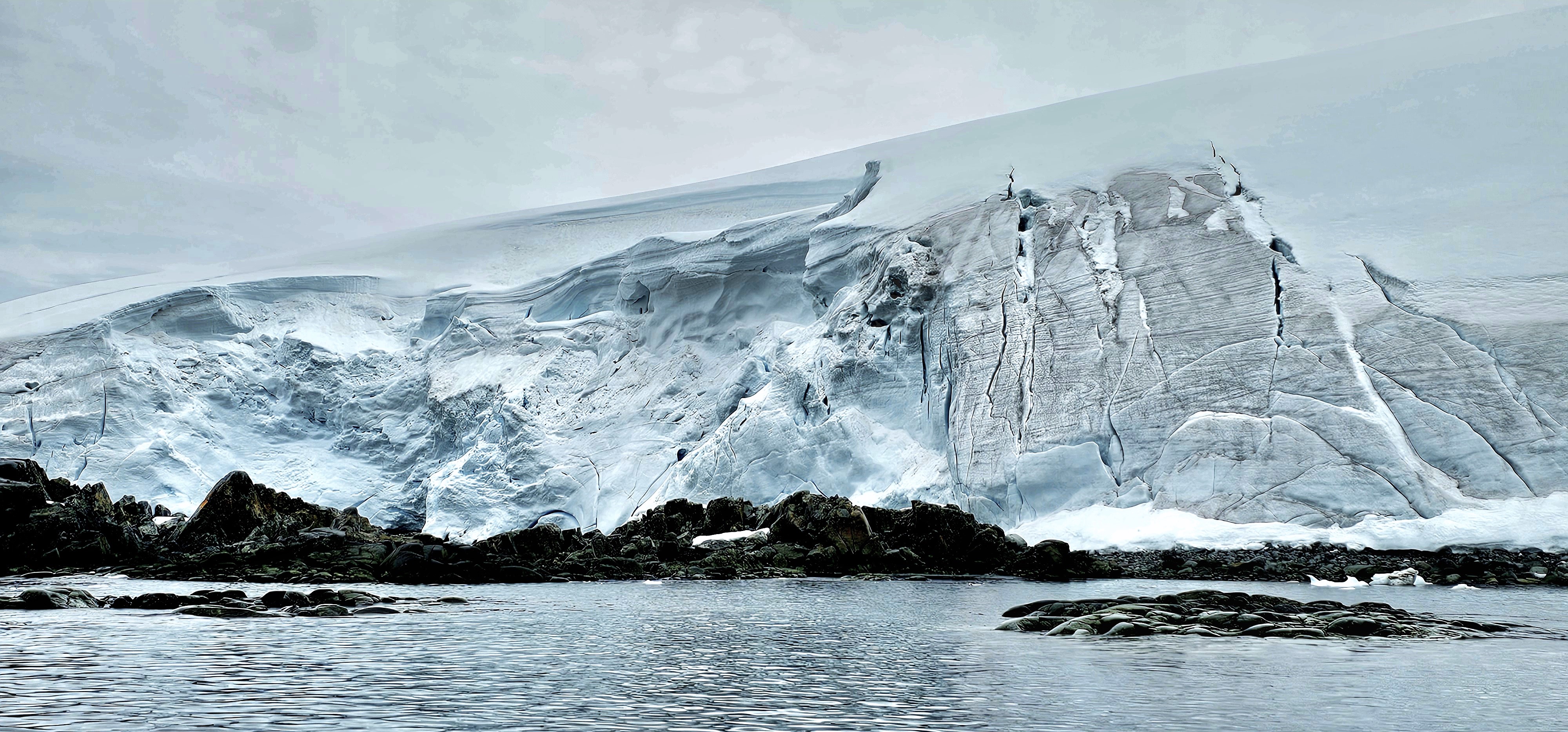
Fournier Bay, Antarctica

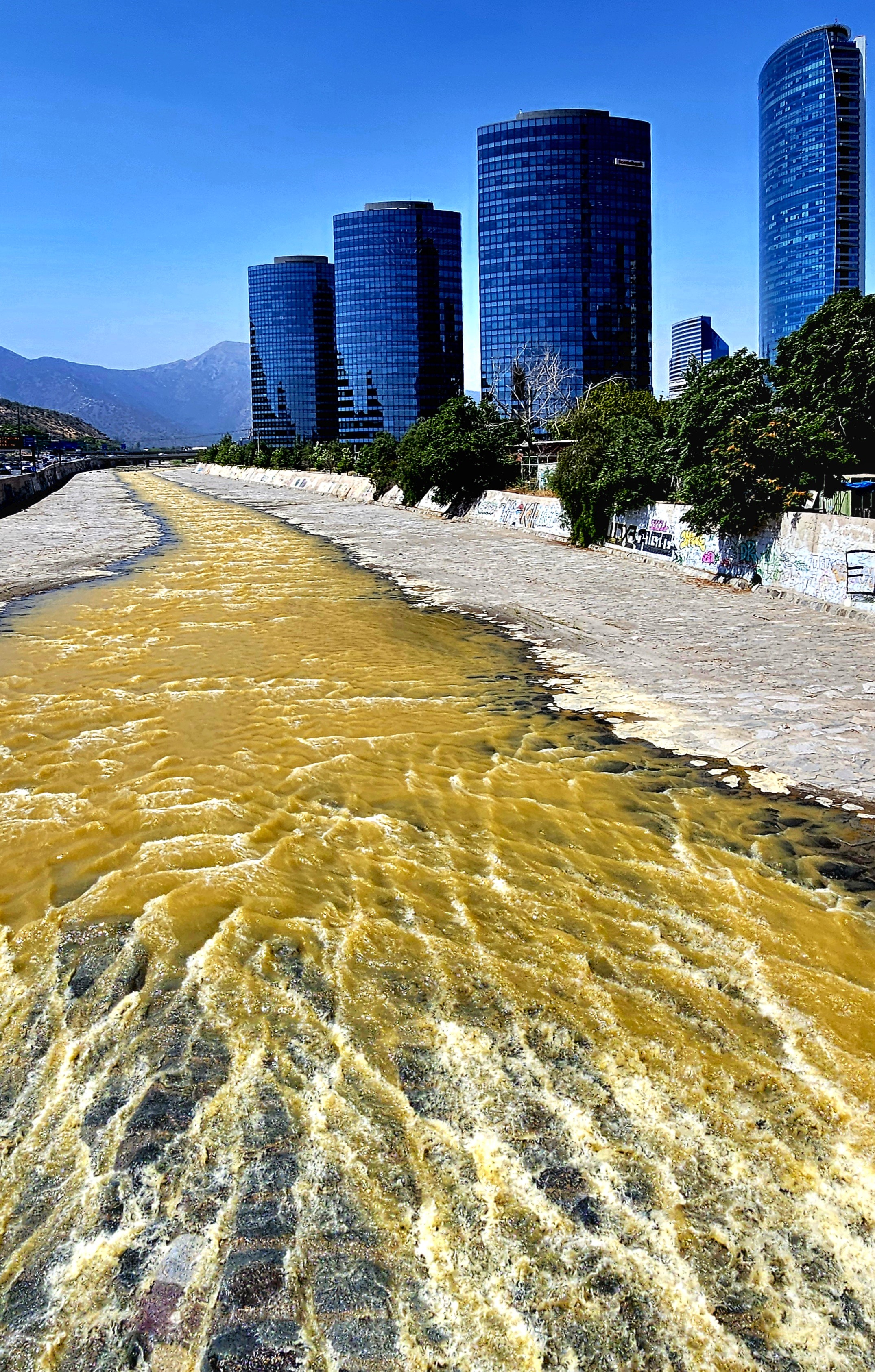
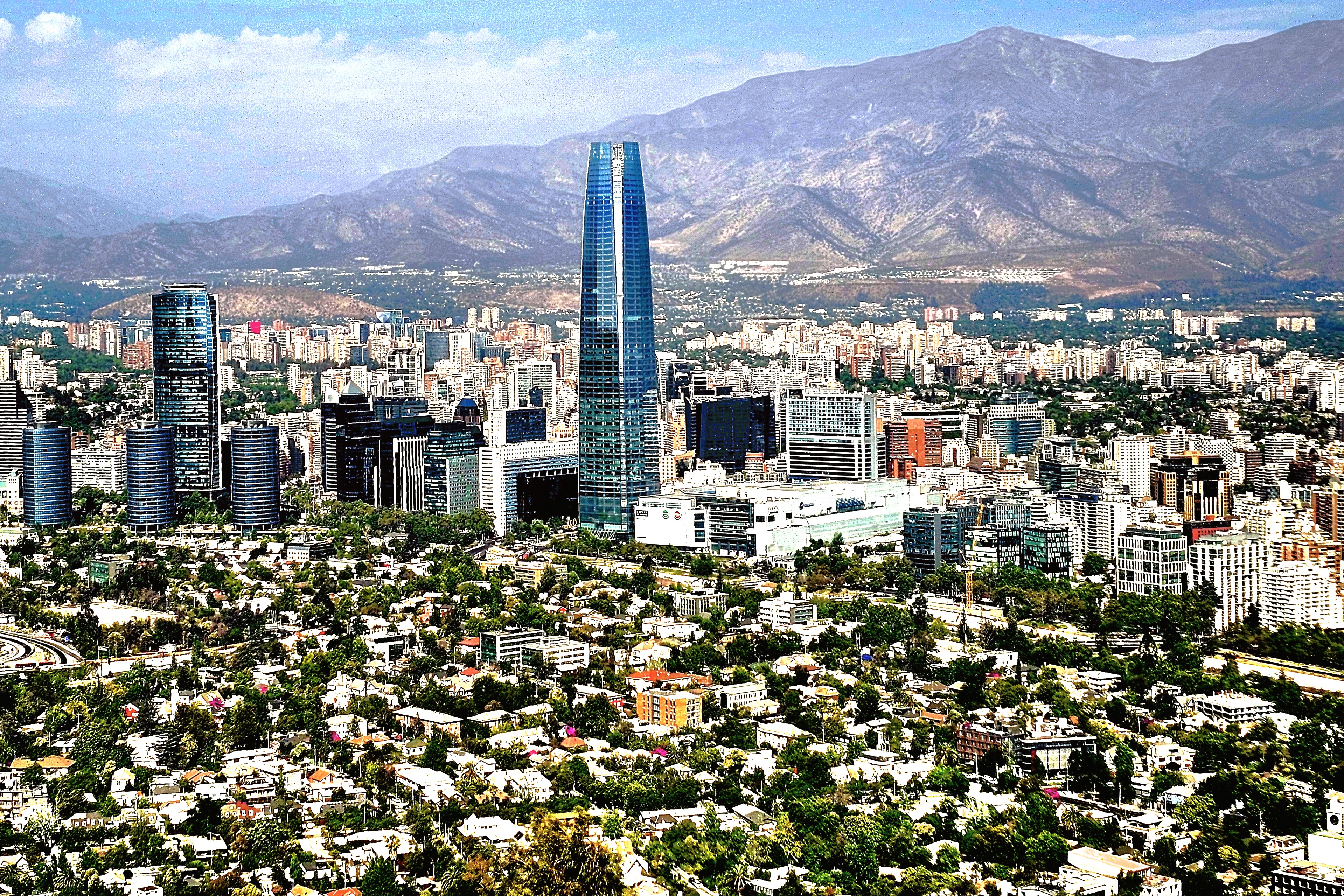
Urban South America

and protected by full-figured gargoyles.

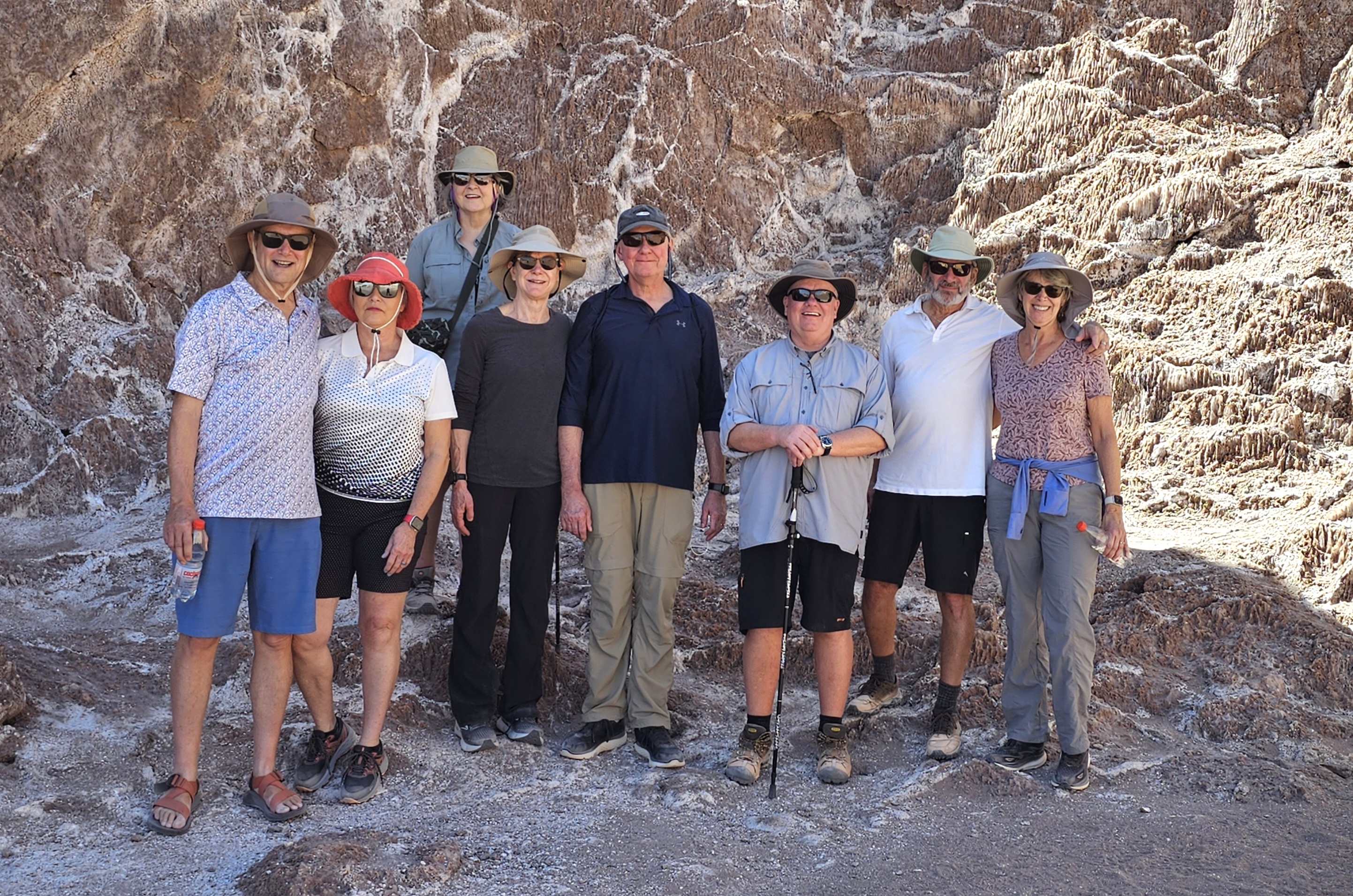
Atacama Postscript

Photo credit: José Francisco Salgado

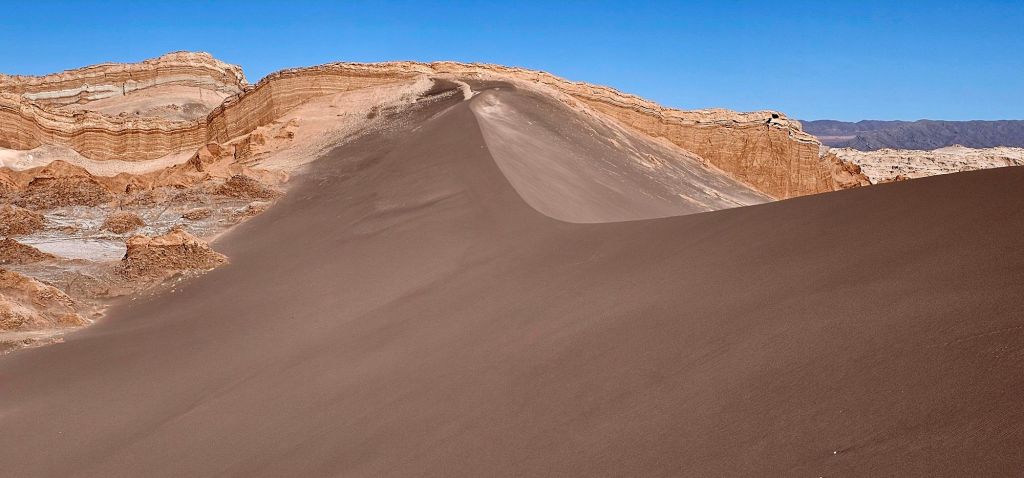
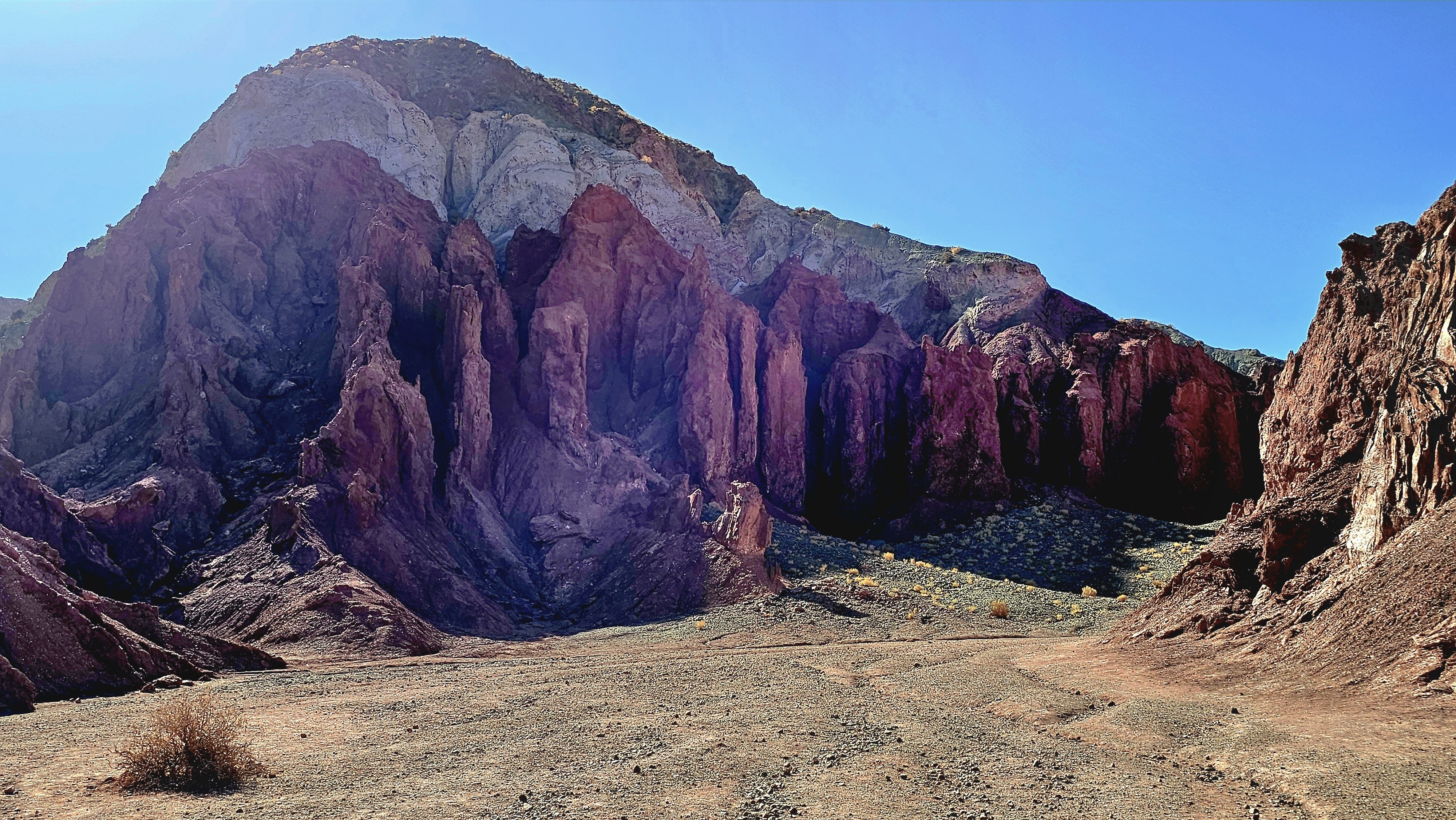
Atacama Colors

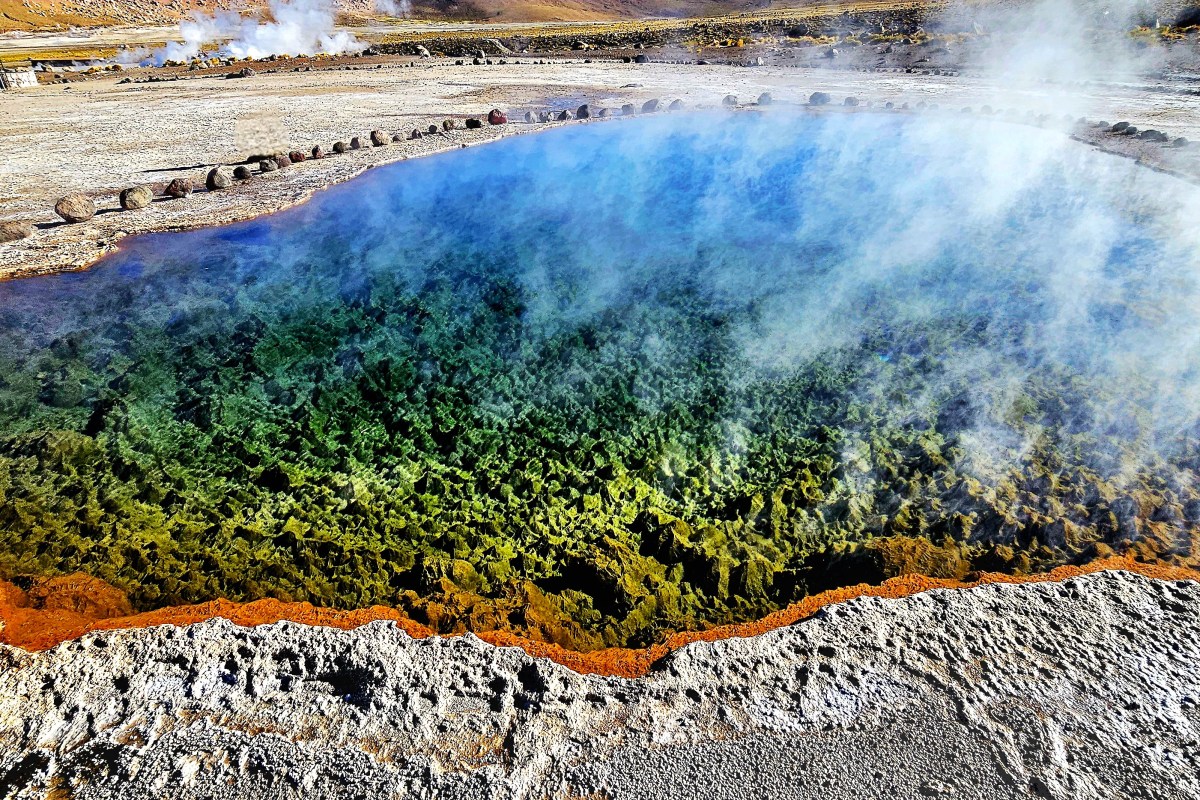
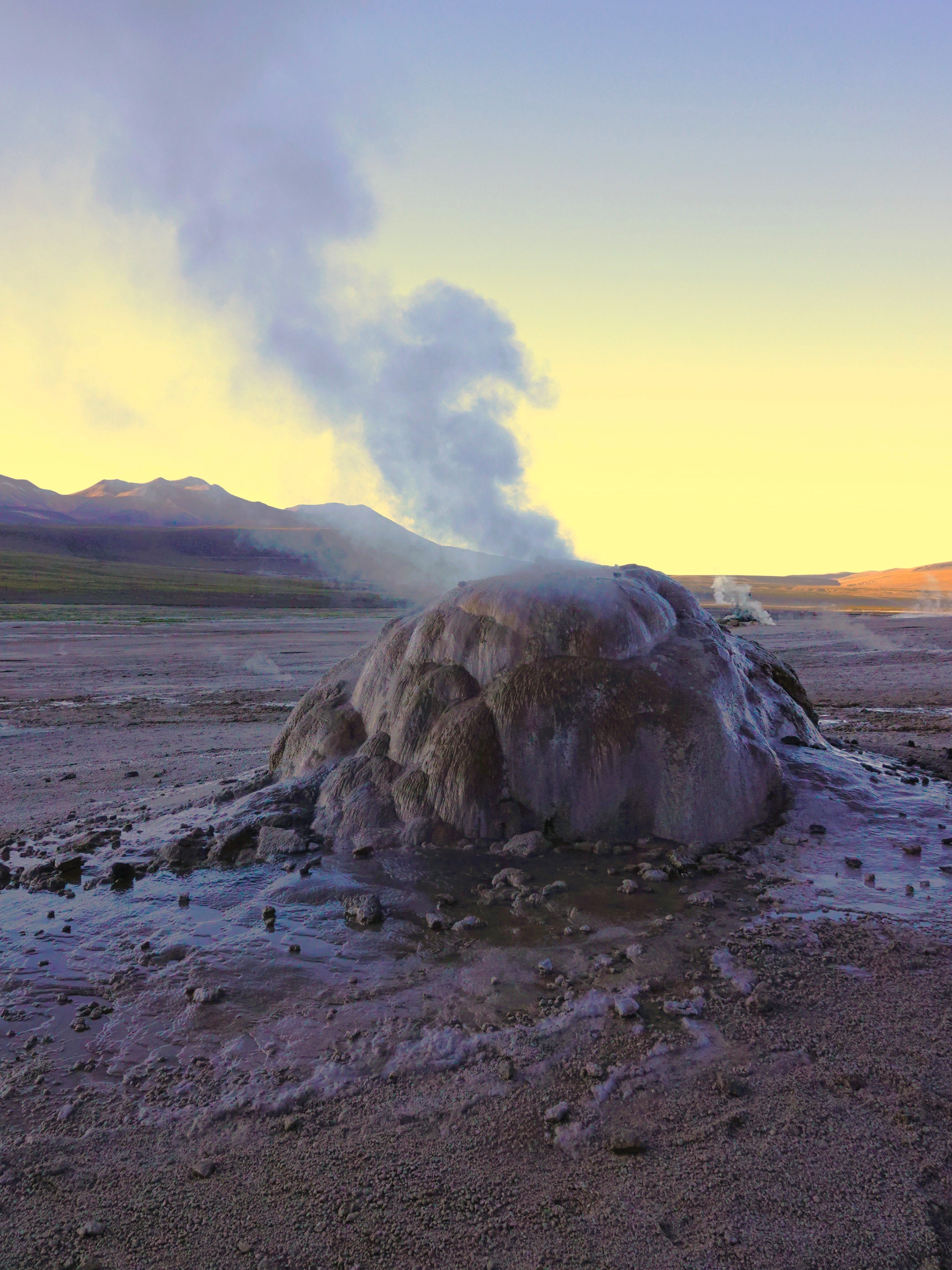
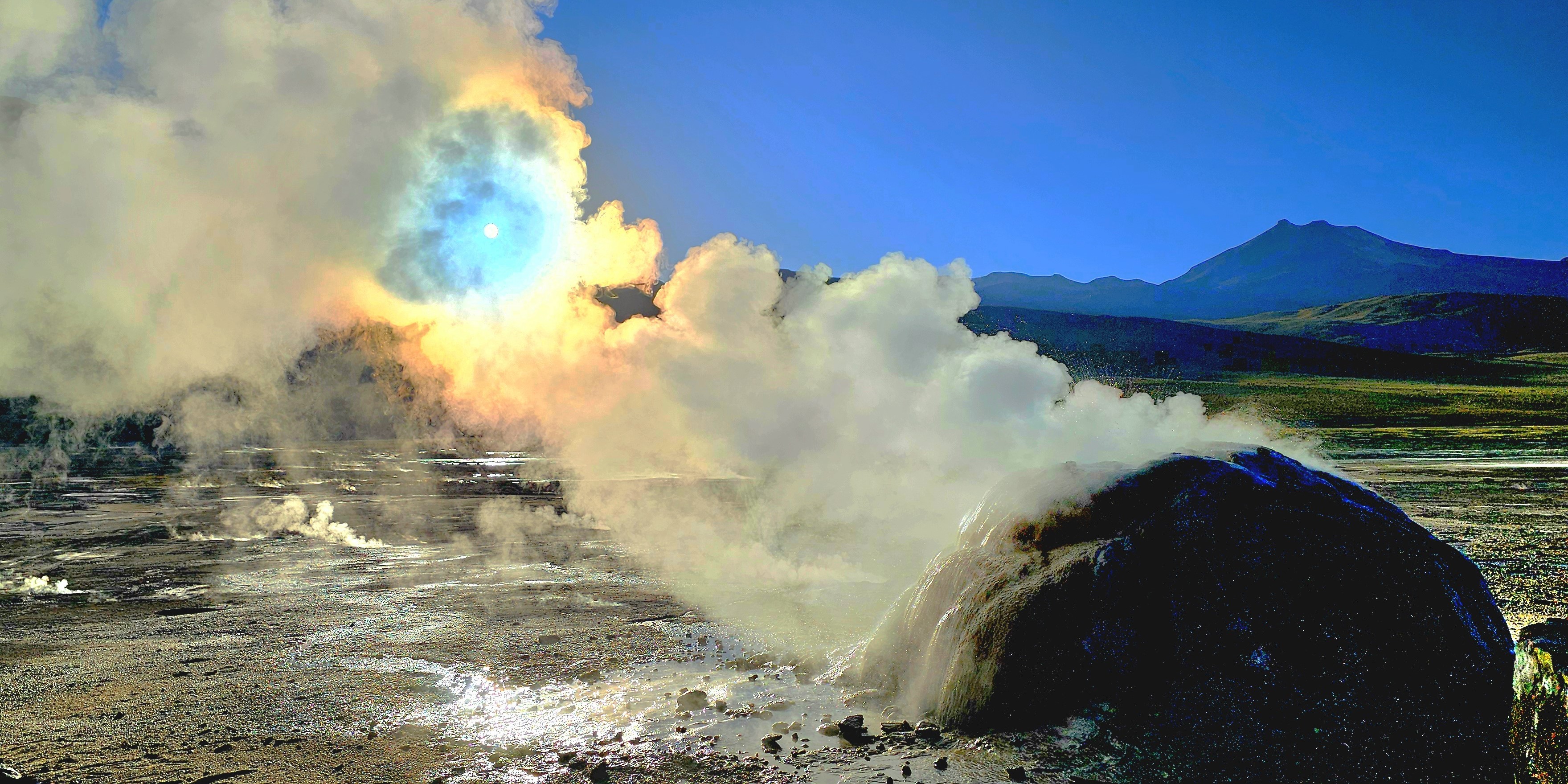
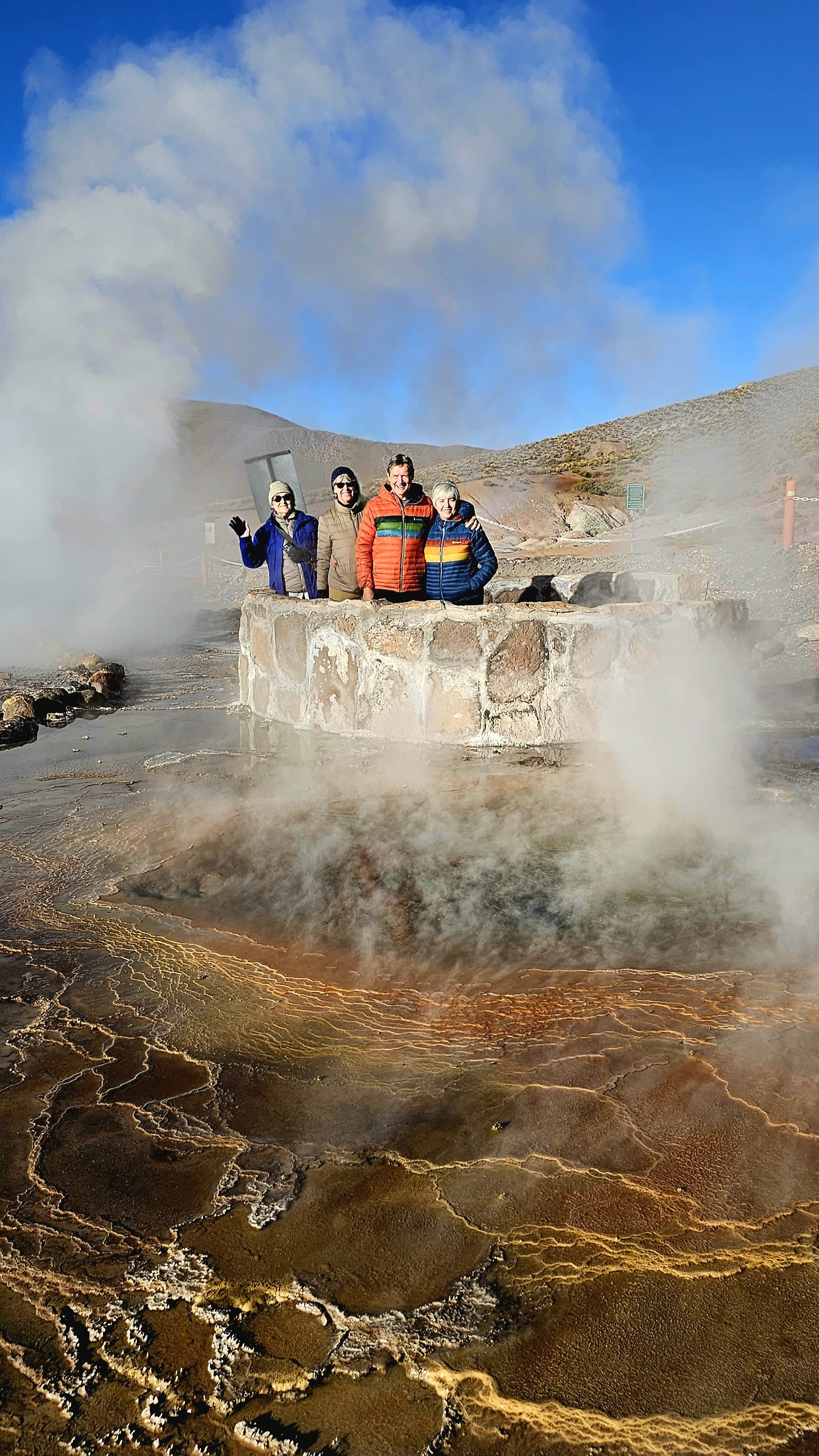
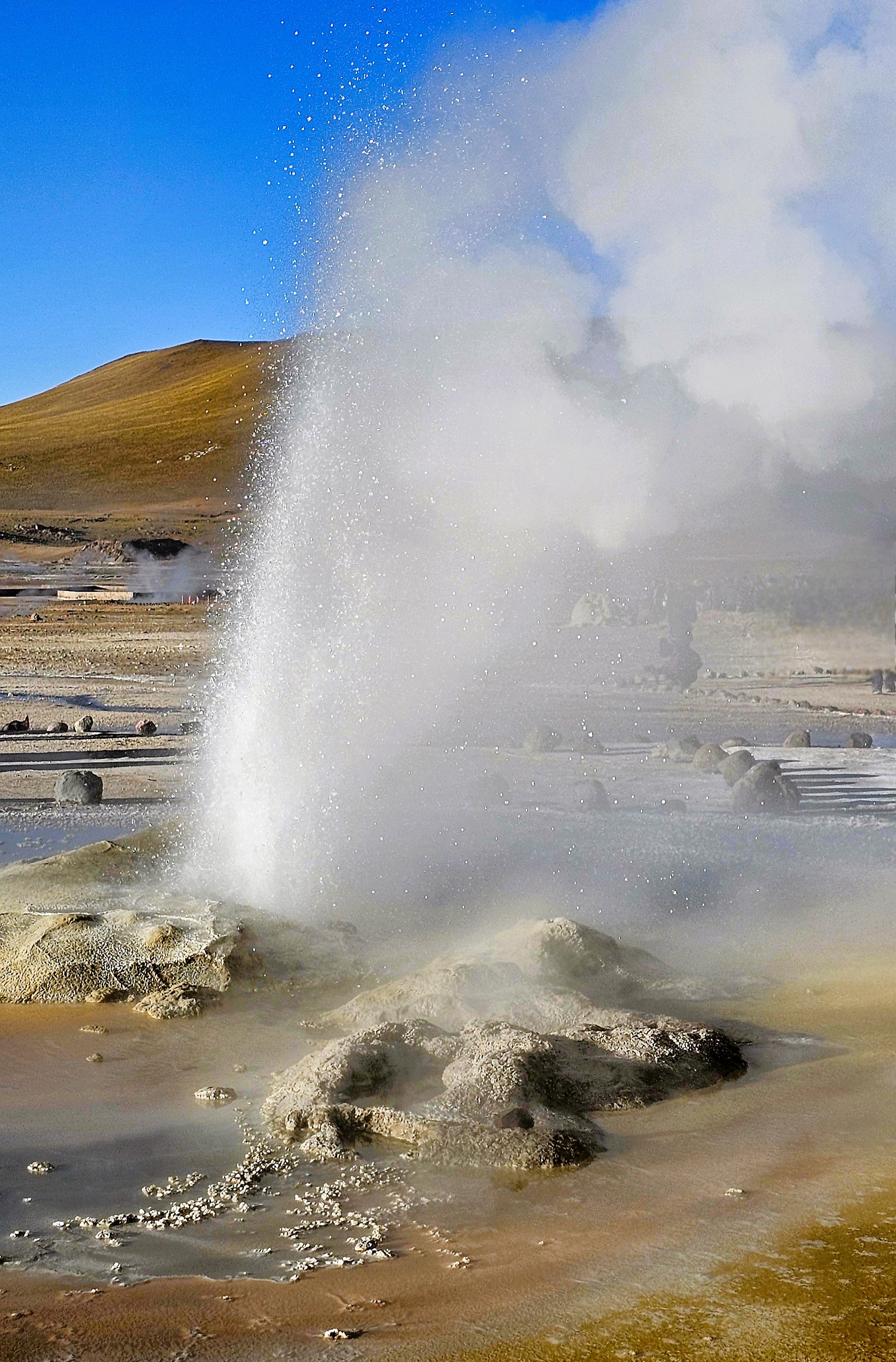
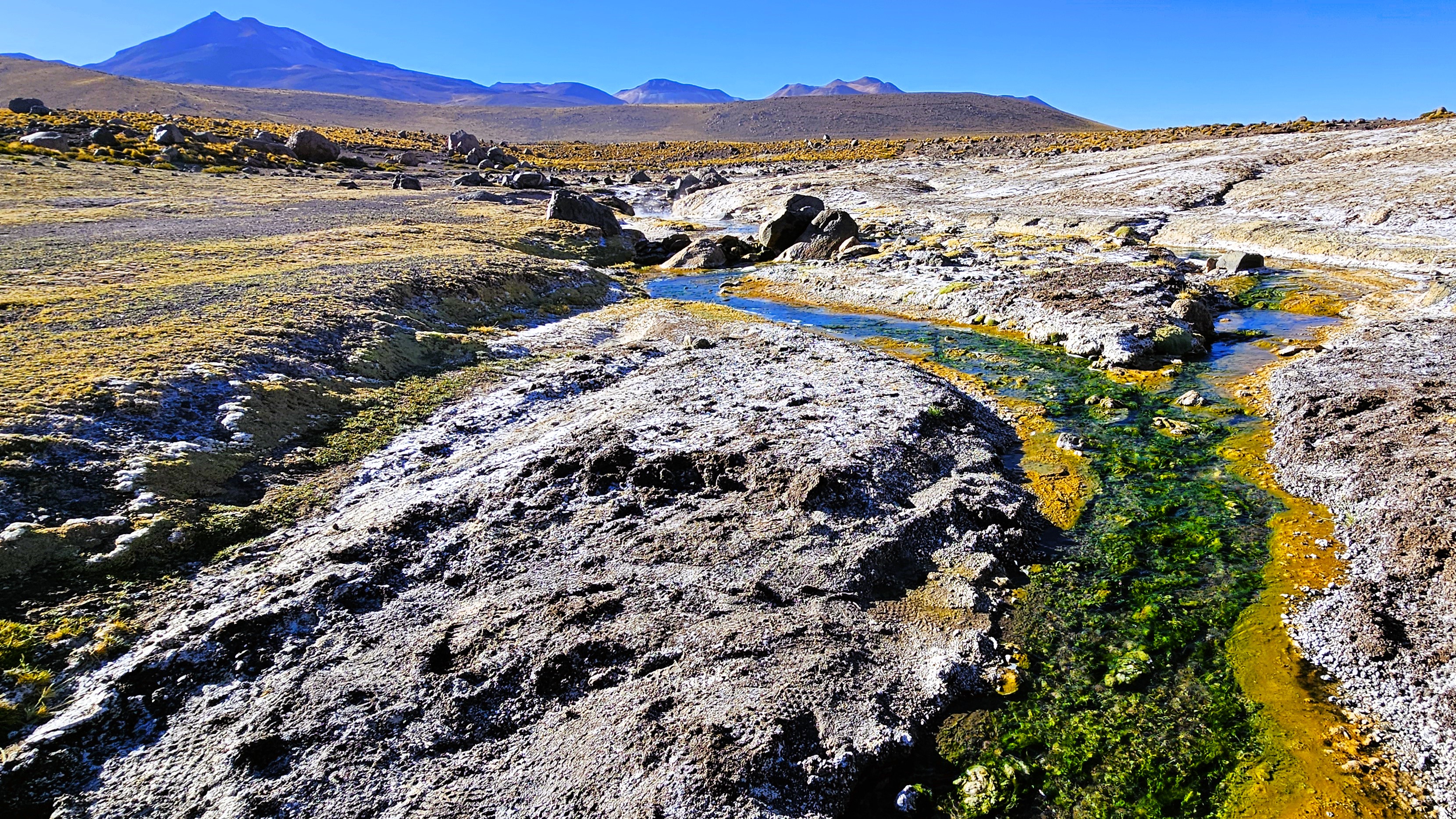
El Tatio Geyser

all traces of copper and lithium were swept away–

Colorado Springs

Getting to Denver thru Topeka

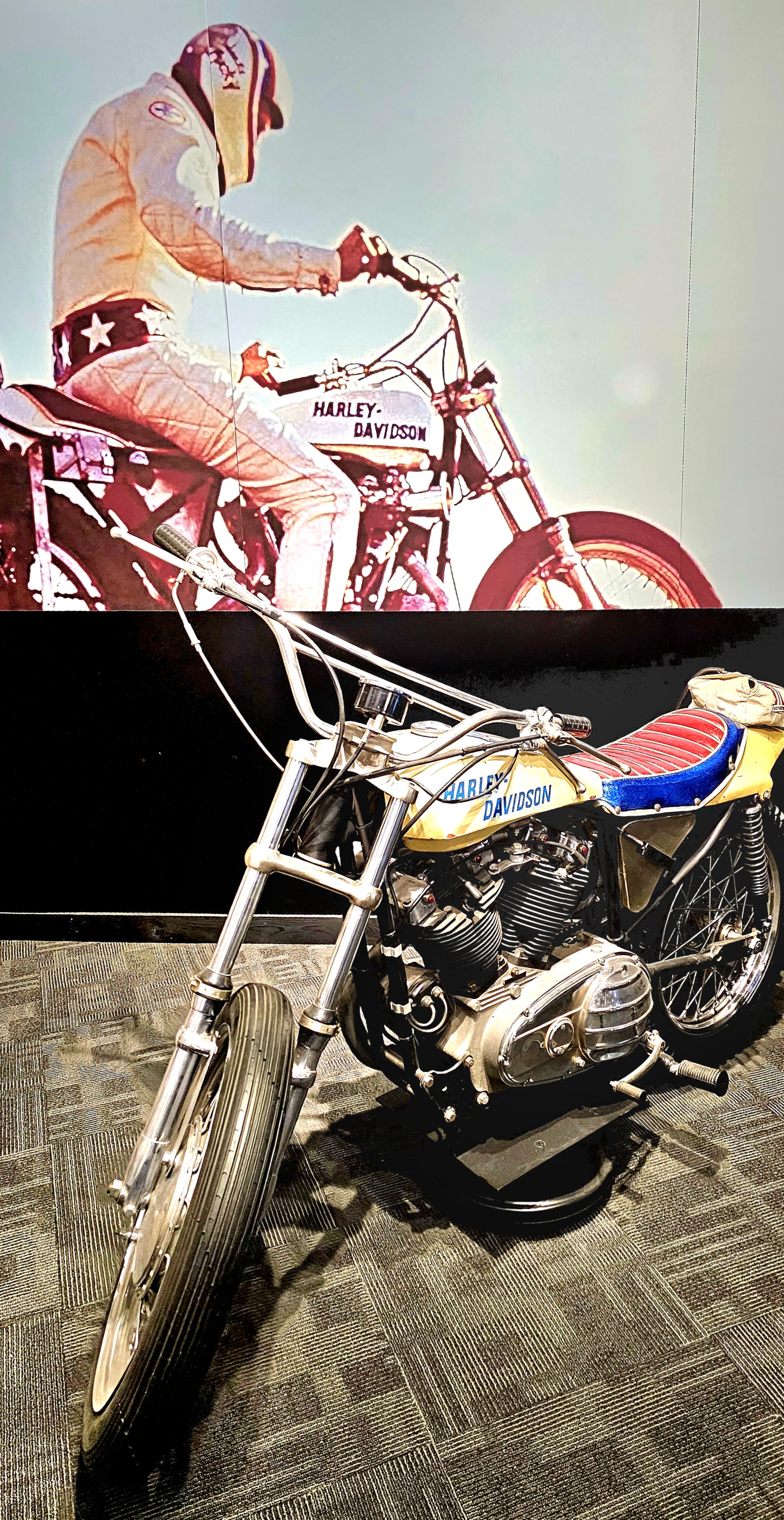
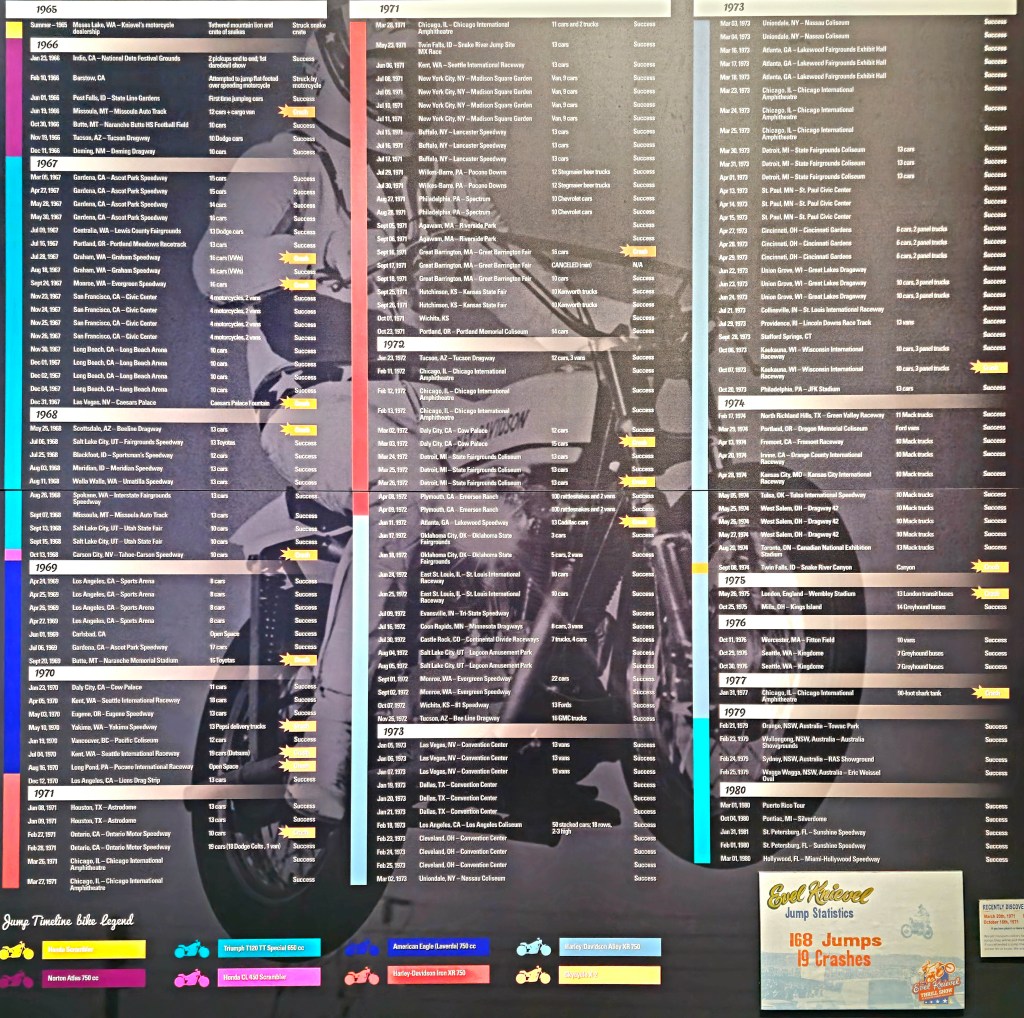
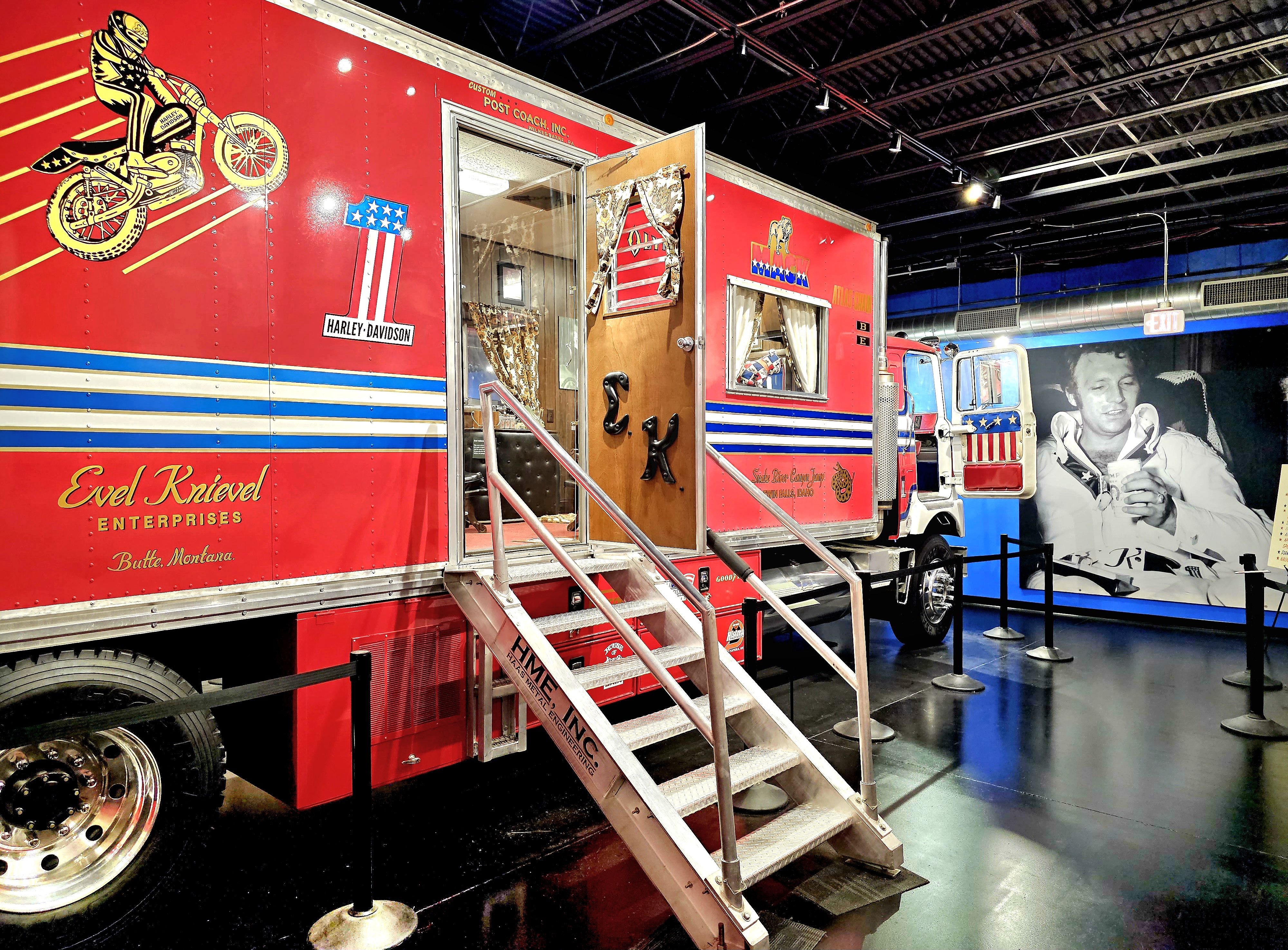
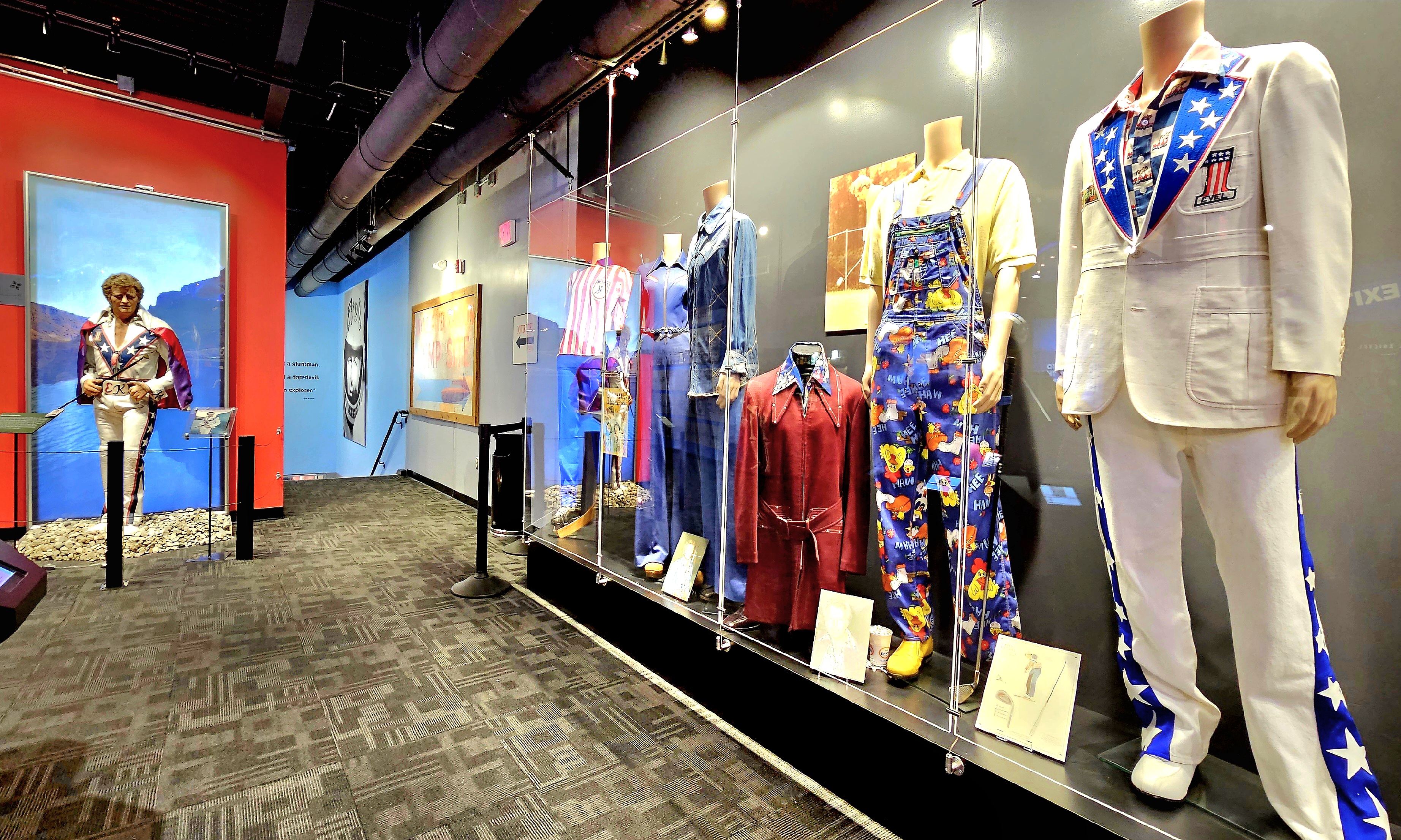
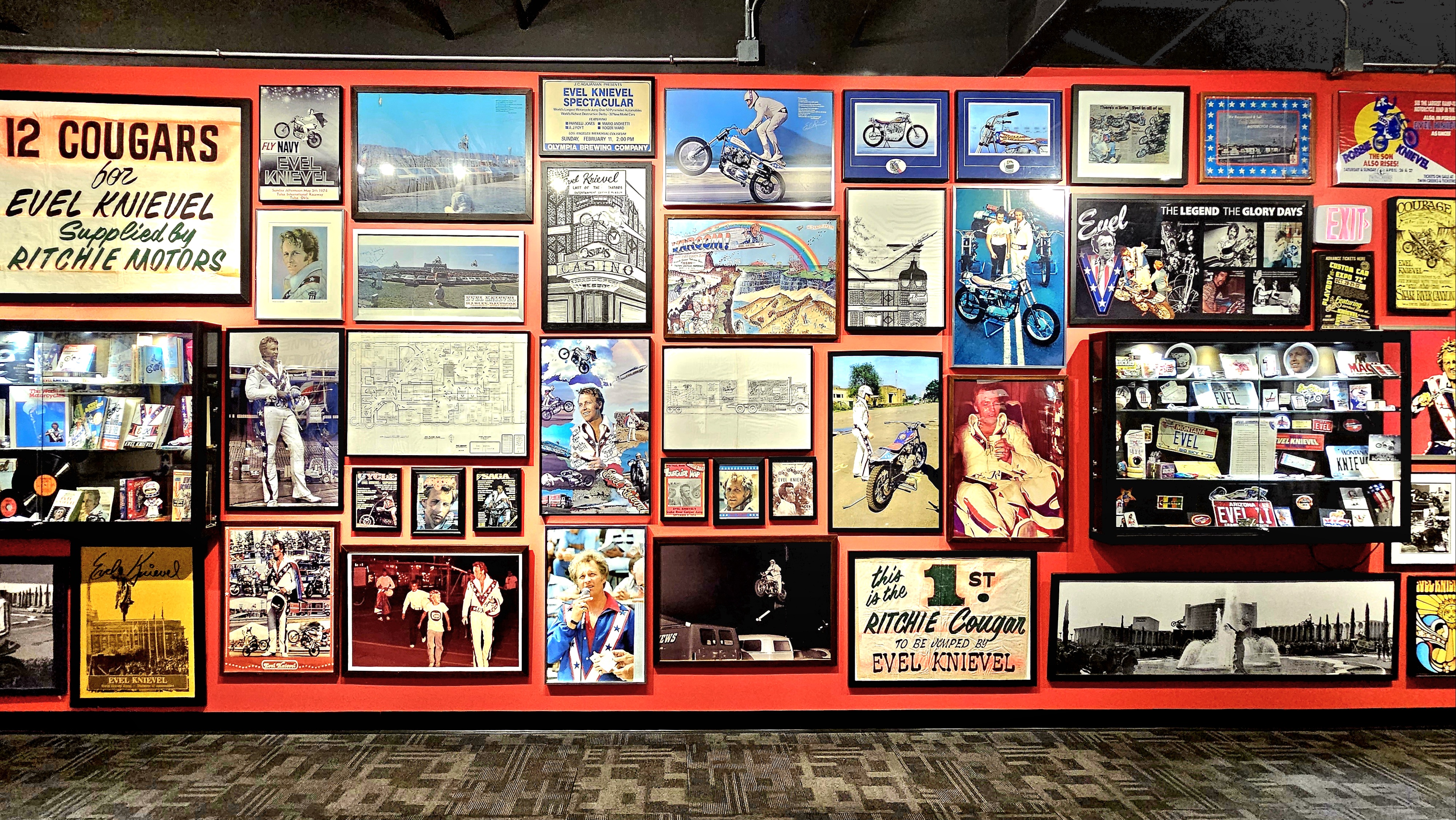
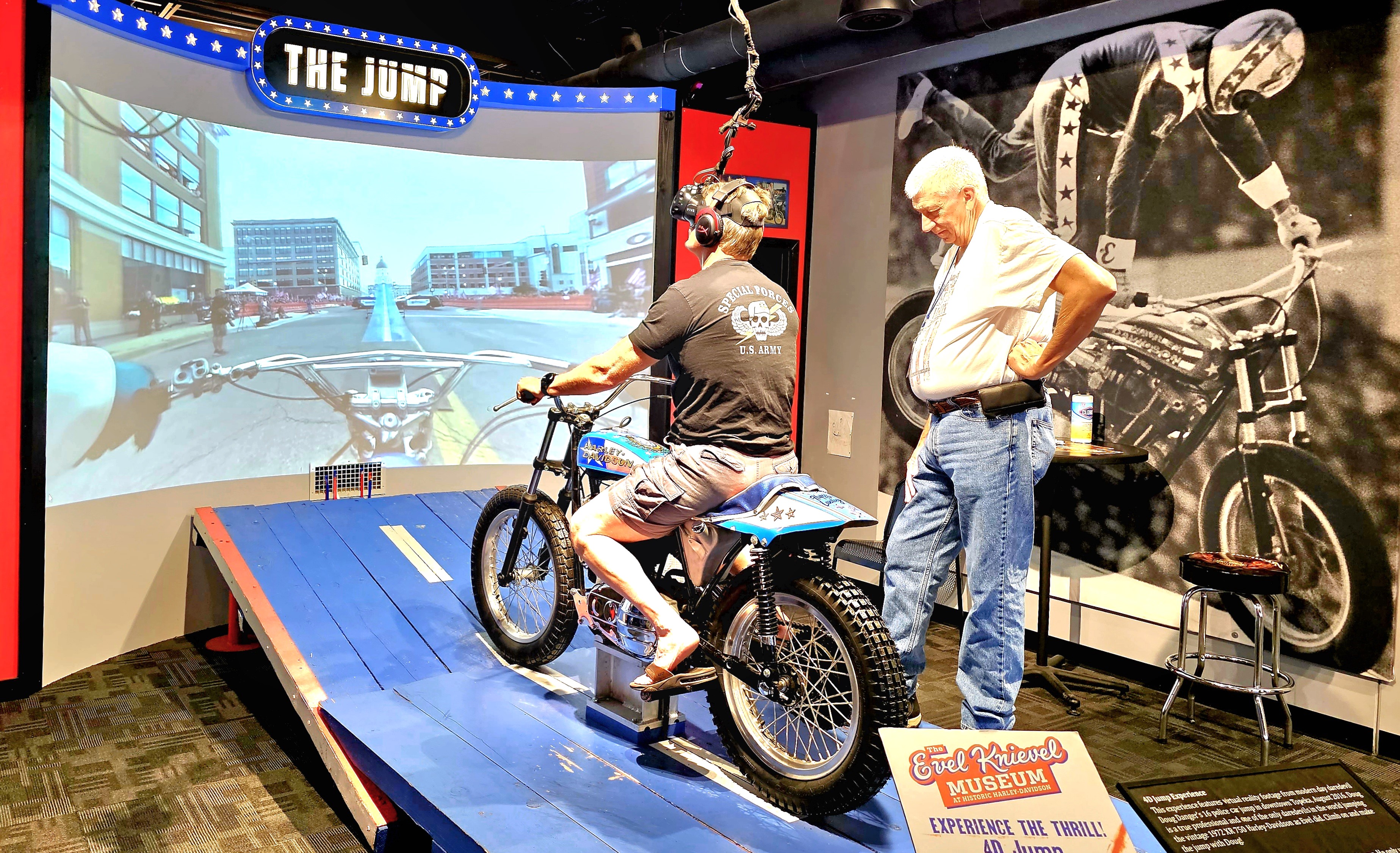
Simply put, Topeka’s Historic Harley-Davidson dealer, Mike Patterson put up the money for the 13,000 sq. ft. expansion, and funded the Mack truck restoration.

Crossing into Israel

Dateline: January 28, 2023

Leah and I were up at dawn, waiting for the car that would shuttle us from Amman W Hotel to Allenby Bridge, while the balance of our Viking posse was flying from Queen Alia International Airport to various destinations across America. We were excited about 9 extra days of travel throughout Israel, but we were having a last-minute case of shpilkes (anxiety) about our decision to cross the border by bus on Shabbos (Jewish sabbath).

Long before the start of our Middle Eastern adventure, Leah and I had vacillated between flying into Tel Aviv from Amman or completing a land crossing–so we did a time analysis of the two. By flying into Ben Gurion Airport, wading through long security lines before reaching Customs and Immigration, waiting at the luggage carousel, finding an airport taxi during Sabbath, and driving to Arthur Hotel in Jerusalem, we figured it would be a five-to-six-hour ordeal… for about $700.

Or we could taxi to Allenby Bridge, cross between countries, and hire an Arab on the Israeli side to drive us to Jerusalem–all for a hundred bucks and half the time! It seemed like a no-brainer to me.

In addition to our driver, we were accompanied by a handler (packing a pistol) whose job it was to massage the bureaucracy… and he made all the difference.

The ride from Amman was unremarkable–only half-an-hour to the Jordanian border. The immigration terminal was just awakening at 8 AM, with handfuls of early arrivals already waiting for officials to begin processing visas. The handler approached an open window on our behalf with our passports and $30 in hand for departure tax. After that, it was a waiting game.

Another half-hour passed before we were ushered to an open square where transfer busses were boarding for another $10 per person and $2 per bag–all for a 10-minute drive across no man’s land.

Once underway, I lost count of the number of checkpoints we crossed until we finally arrived at the first Israeli immigration building. No one told us what to do or where to go, so I watched what the others were doing and mimicked their behavior.

I grabbed our bags from the cargo hold. They were scanned against our passports, and joined an avalanche of luggage being fed into an x-ray conveyor disguised as a black rubber flap, where they disappeared inside the terminal.

Leah and I joined a chaotic queue outside the terminal that inched toward the entrance and eventually merged with a rowdy, serpentine line inside the terminal that crept toward a block of AIT scanners flanked by Israeli security. Today, being Shabbos, only one scanner was operational, which only exacerbated the crowd’s irritation and frustration, especially when VIPs were intermittently ushered past us in their special lane.

It took an hour to reach the scanner, which led to another half-hour wait in a subsequent line before we were interrogated by an immigration officer who finally issued our tourist cards, and directed us through a makeshift wall that revealed a warehouse of suitcases and packages waiting to be collected.

Picking through piles of Samsonite, Tumi, and American Tourister might have taken hours had it not been for our electronic tags. After reuniting with our suitcases, we had one final queue to master, staffed by a baby-faced security agent who double-checked our IDs against the luggage registry created outside. We were now free to travel about Israel for the next 9 days.

Once we were officially on Israeli soil, we were introduced to Abdul, the taxi driver who reeked of smoke and spoke limited English. Nevertheless, we negotiated a 200 NIS fee ($55) to our hotel in Jerusalem… or so we thought. Forty minutes later, we were standing outside Damascus Gate, where Abdul mimed that he could drive no further due to a military high-alert.

We learned from a passer-by that a 13-year-old Palestinian boy had shot and wounded an Israeli father and son near the entrance to the City of David National Park, while in a separate event the night before, 7 worshippers were killed and 3 were wounded outside a synagogue in East Jerusalem by a West Bank militant, making this the deadliest attack on Israelis in recent years.

In response to the attacks, authorities countered the violence by positioning officers from a counter-terrorism unit “permanently” in the Old City to “promptly respond to exceptional events whenever necessary.” Troops seemed to be omnipresent around the perimeter of the gate.

“Just our luck,” said Leah. Her voice was filled with resignation. “This was my biggest fear! Now what!?”

“I think we’re actually safer than before,” I answered. “The threat of violence is always a real possibility, but Israel knows how to respond to situations like this, especially with the arrival of Secretary of State Blinken.”

“That may be true,” Leah offered, “but many of these soldiers don’t even look old enough to shave!”

Once we got our bearings, we drudged down deserted Jaffa Street–our roller bags bumpety-bumping behind us–until we reached Arthur Hotel.

Since we were far too early to check in, we parked our bags at the hotel and set out on foot to get lost in the Old City and trust our instincts to get back. We discovered the Armenian Quarter, one of the four quarters of real estate within the ancient walls,

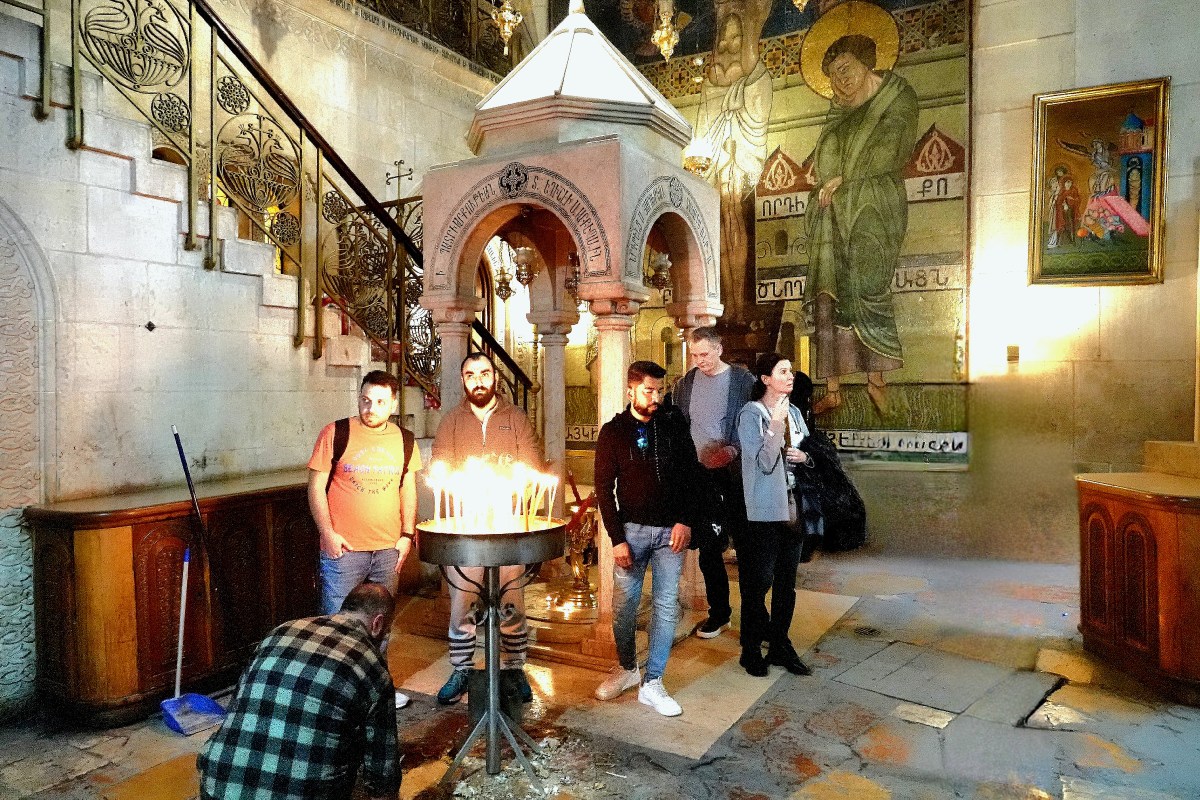
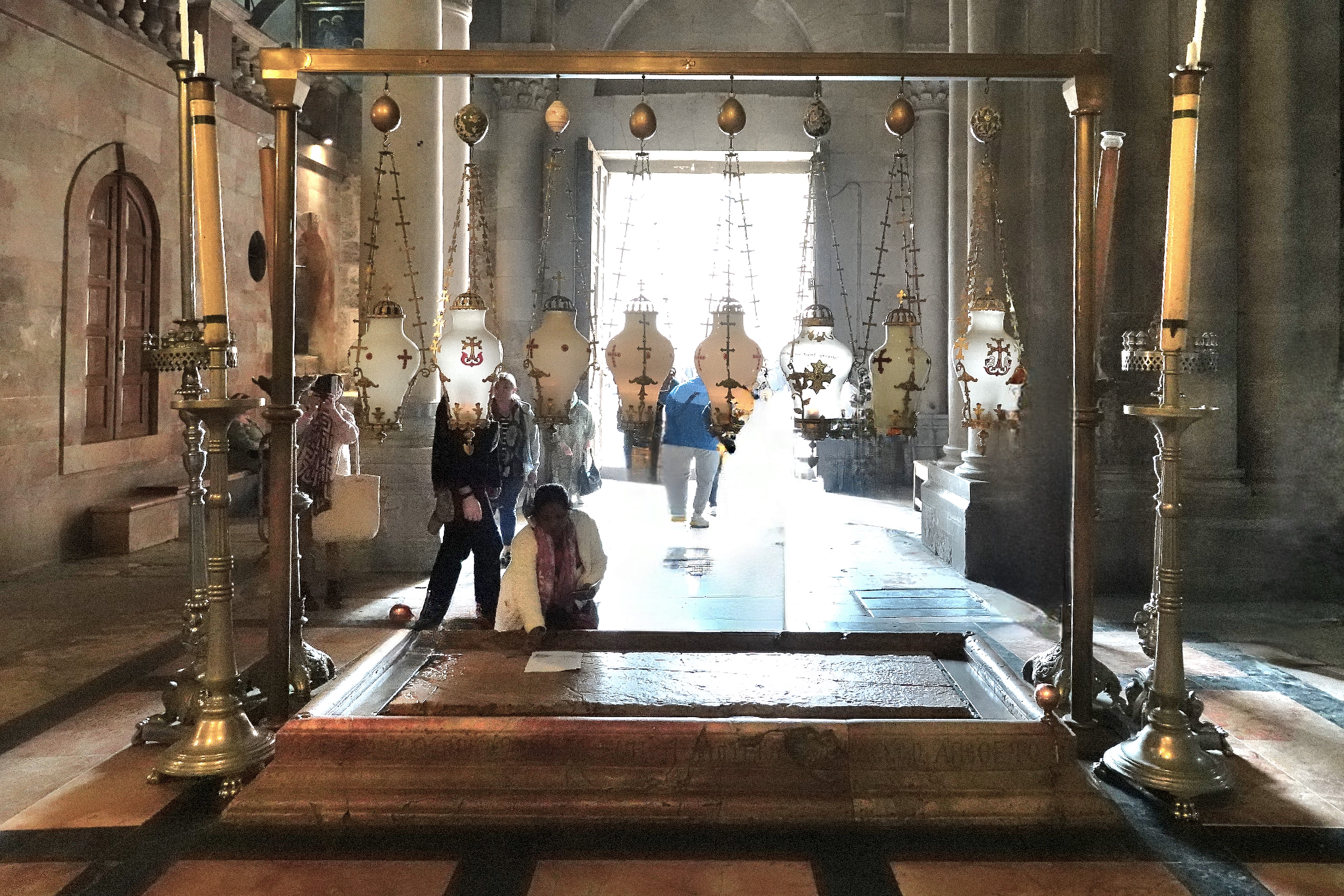
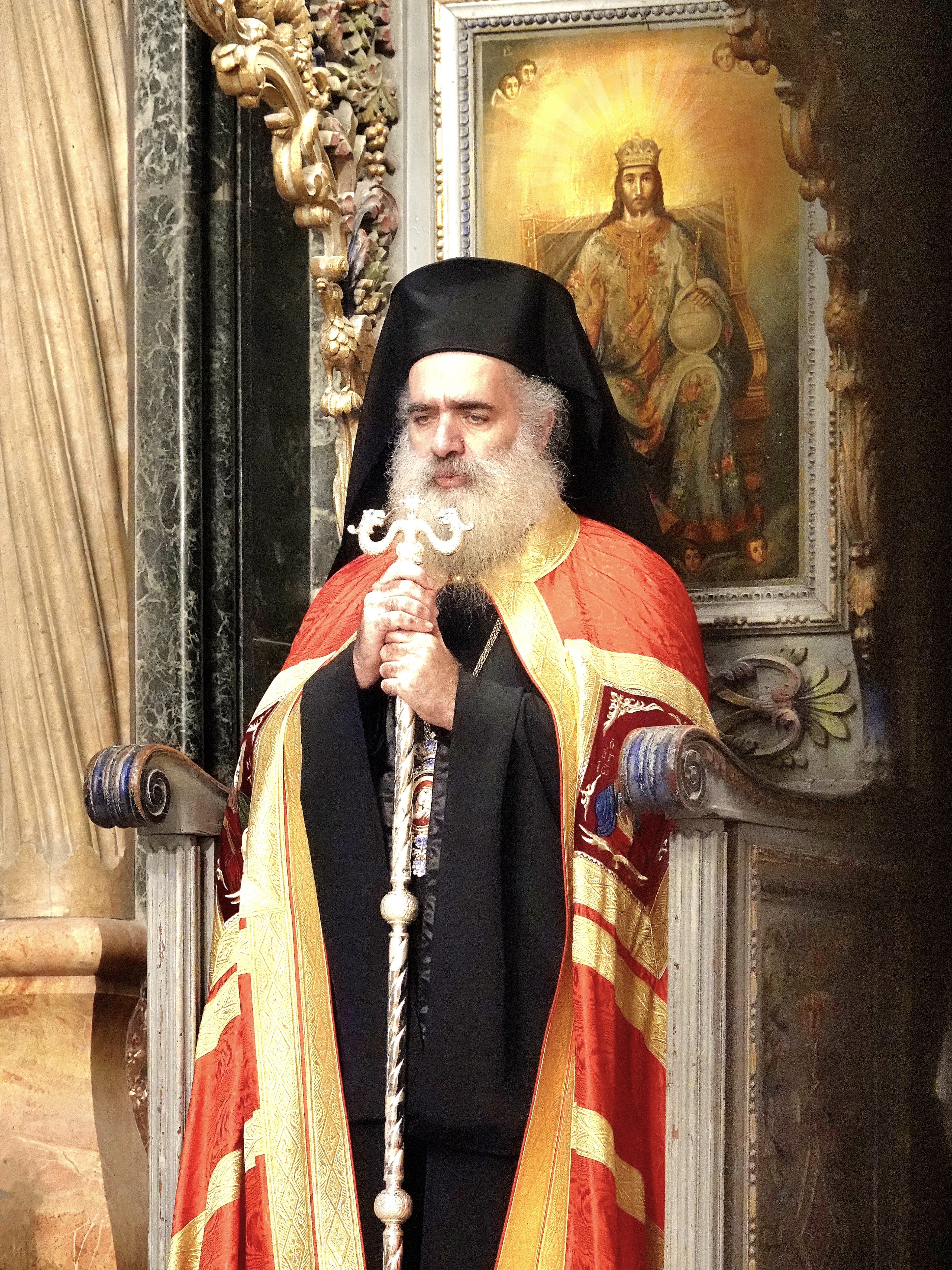
which somehow led us to the Christian Quarter, where we stumbled upon the Church of the Holy Sepulchre, Christianity’s most revered site, and home to six Christian denominations–Greek Orthodox, Catholic, Armenian, Coptic, Syrian Orthodox, and Ethiopian Orthodox–

Photo by Gerd Eichmann

that have accepted from religious scholars that this church consecrates the ground where Jesus was crucified, buried, and resurrected, as seen in a mosaic interpretation of Jesus’s journey that hangs in the church vestibule.

We were unsurprised to find the Church of the Holy Sepulchre crowded with pilgrims and worshippers from around the world who were here to light a candle and prostrate on the Stone of Anointing;

or worship at the uber-ornate Calgary, under the Altar of the Crucifixion, where the alleged Rock of Calvary is encased in glass;

or hug the Aedicule, a shrine protecting the tomb of Jesus,

under the dome of the Catholicon.

We even came across some Crusader graffiti…

on our way to the lower level to admire the Chapel of St. Helena.

We exited the church with a profound respect for the millions of devotees who have made this their purpose.

And we were captured by the solemnity of the moment, as we sauntered down Via Dolorosa, now aware that this was the fateful route taken by Jesus as he dragged the cross to his final destination.

It was enough to process for one day. We were weary from walking, and it was time to find our way back to Jaffa Street.

Ancient Jerash

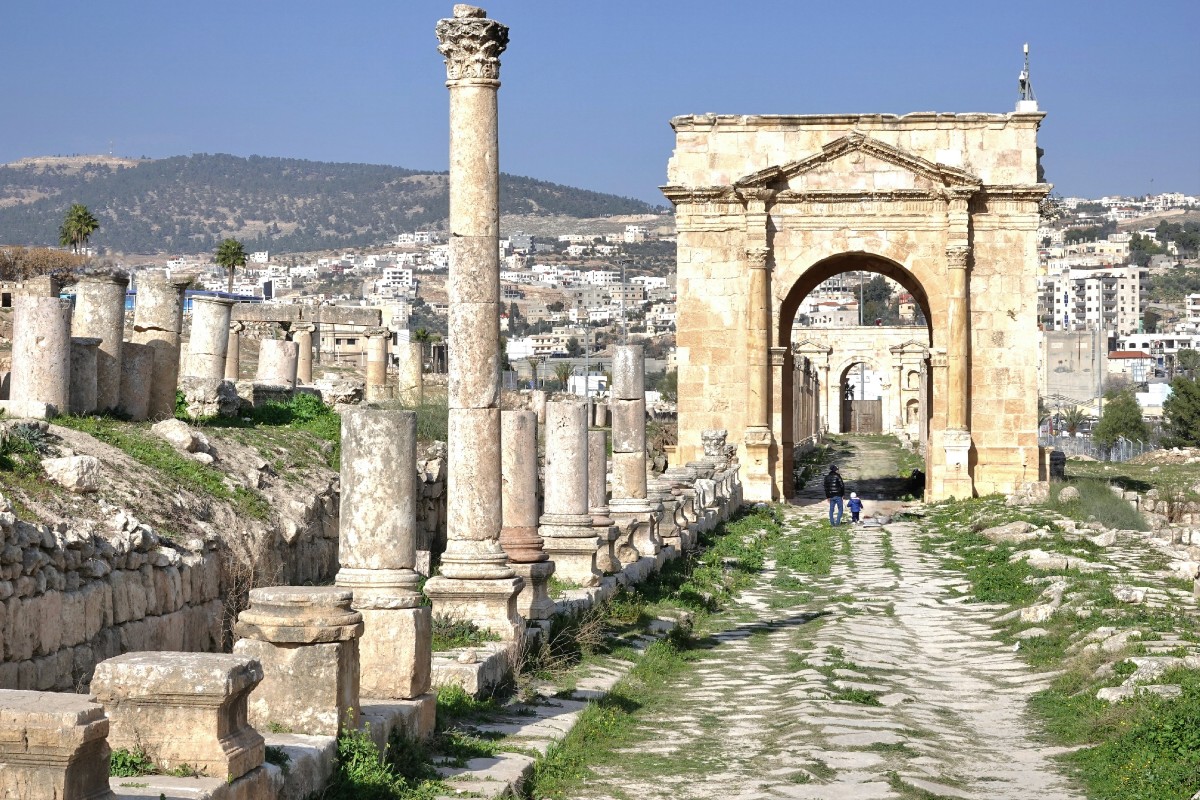
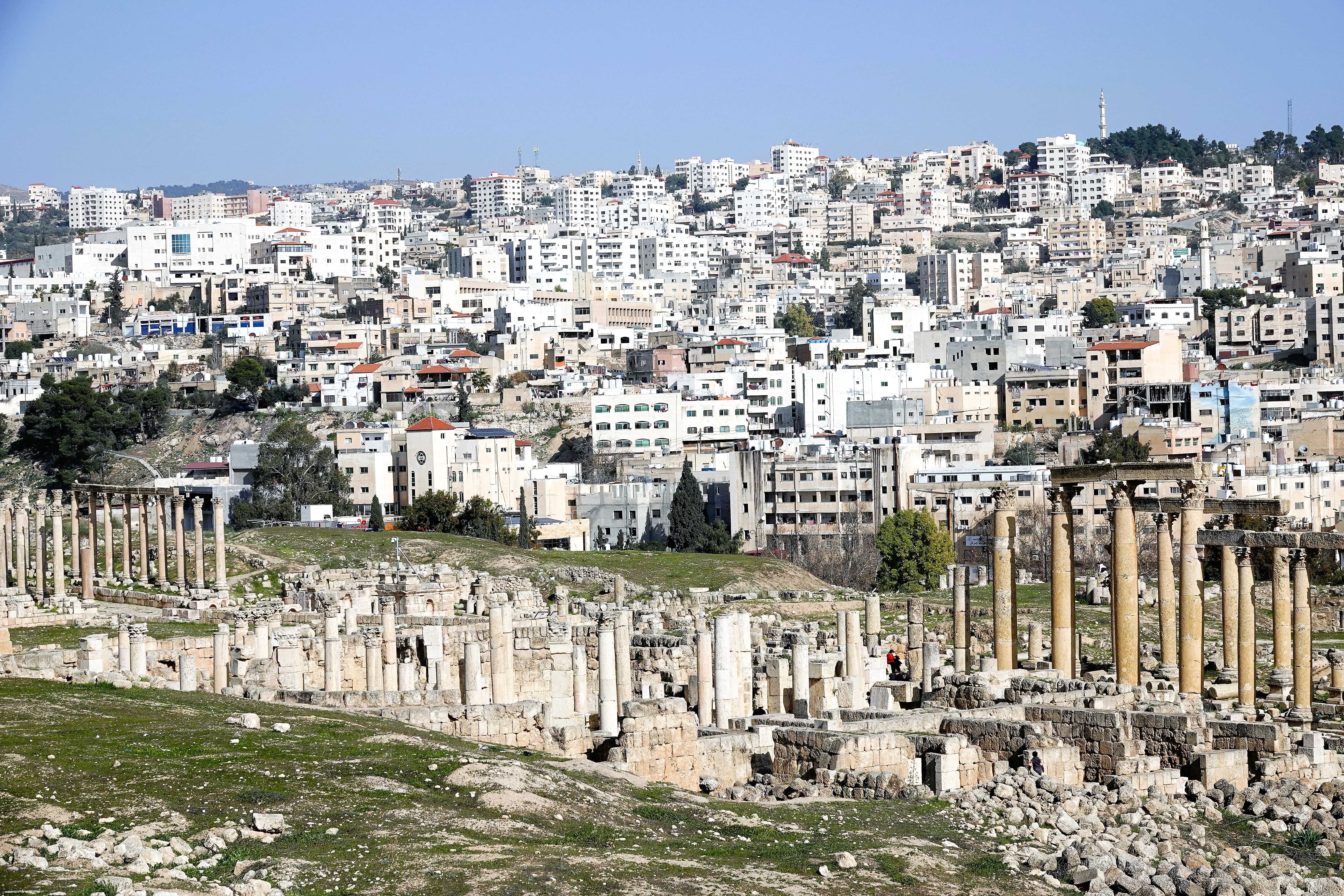
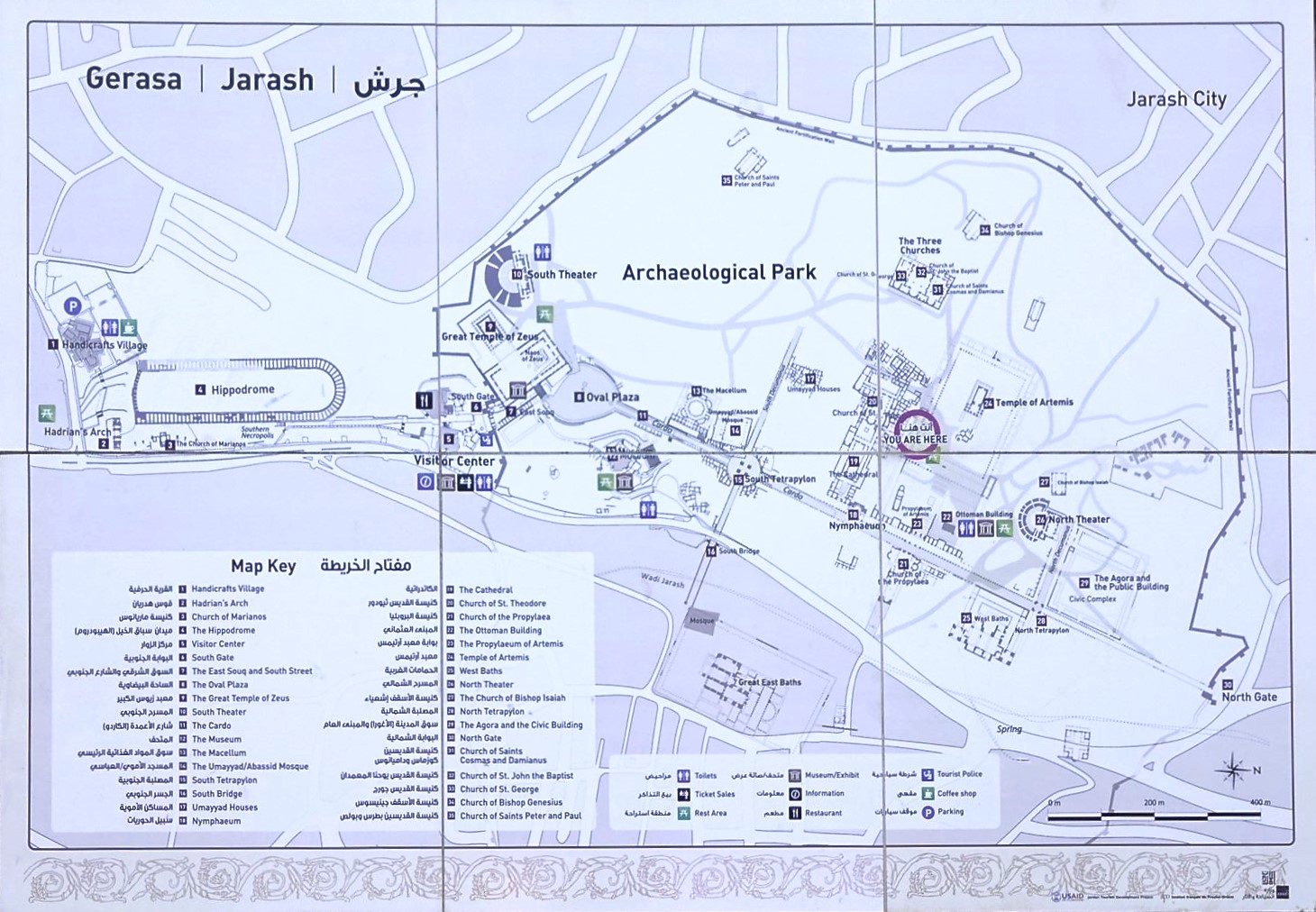
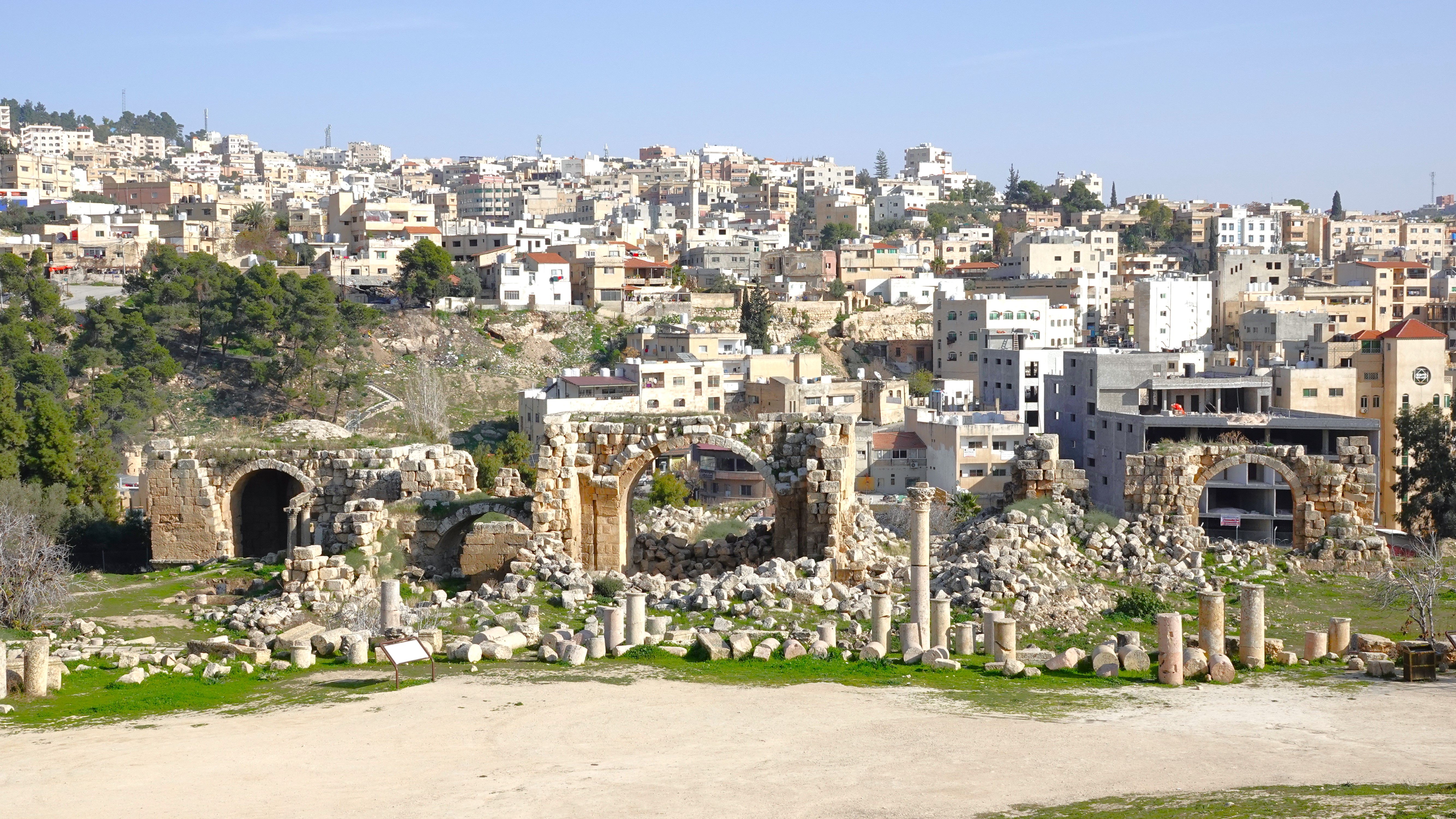
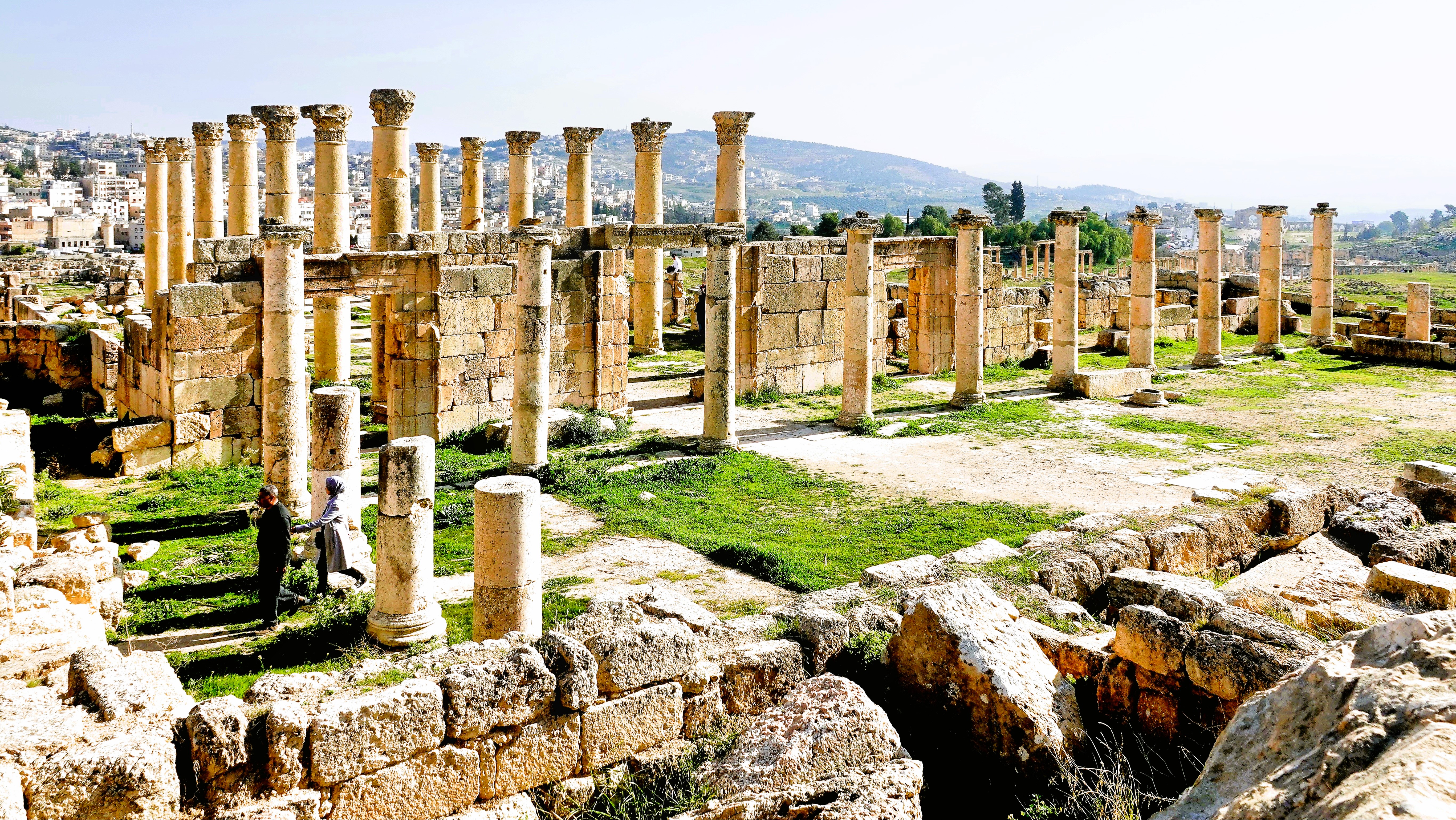
Jerash is a modern city 45 km (30 mi) north of Amman,

that surrounds an immense Archeological Park designed to protect the ruins of a walled Greco-Roman settlement,

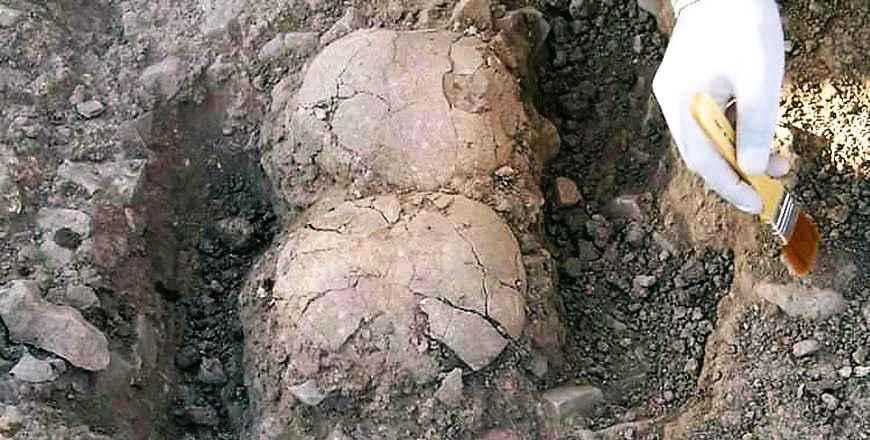
as well as human remains from Neolithic times.

Photo courtesy of UJ

Jerash evolved from an agrarian village on the banks of Wadi Jerash throughout the Iron Age and Bronze Age, to becoming a 4th century BC garrison founded by Alexander the Great on his way from Egypt to Mesopotamia.

Subsequently, under the reign of Antiochus IV (175 – 164 BC), Jerash became a tax and trade capitol, with special thanks to Zeus for his guidance.

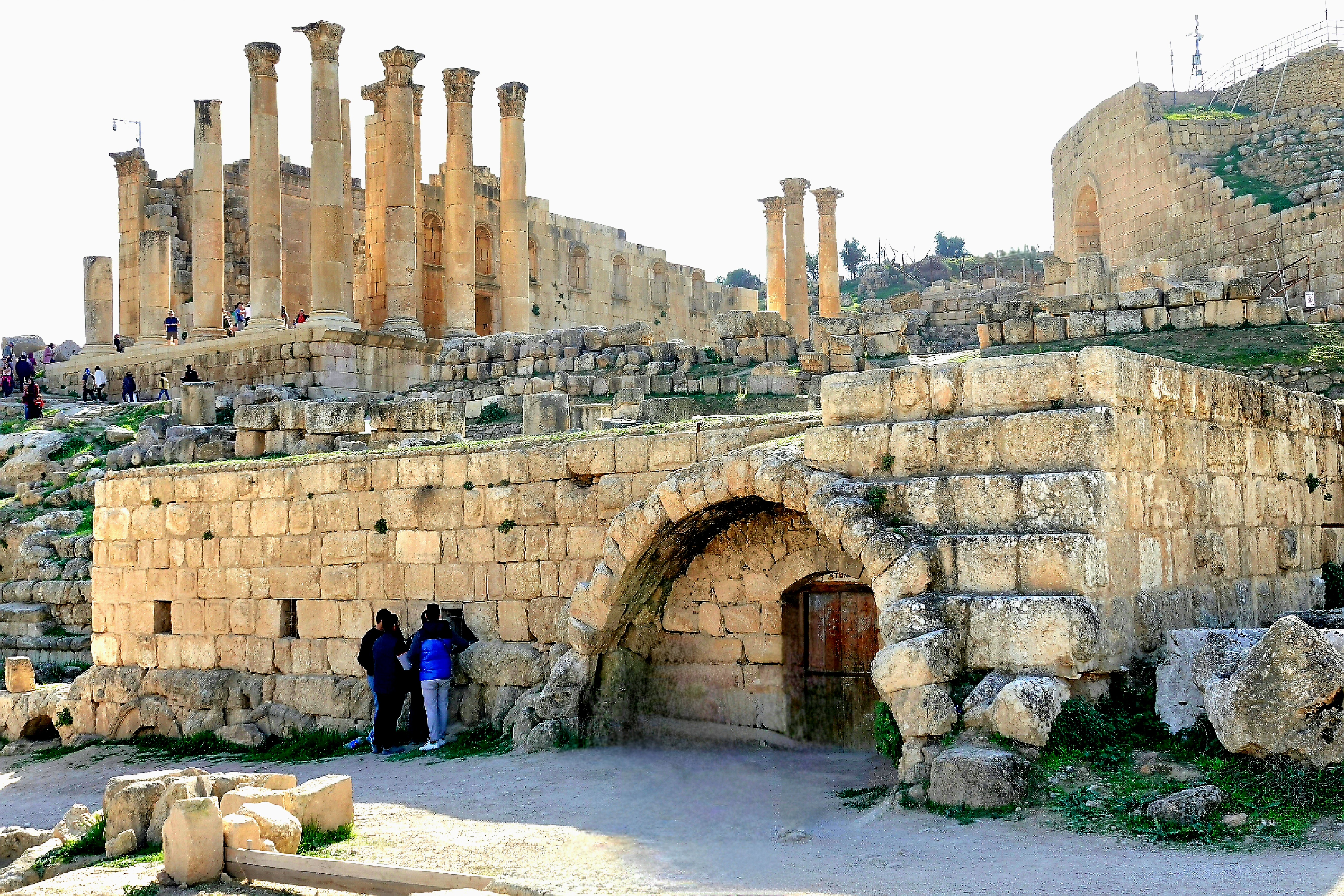
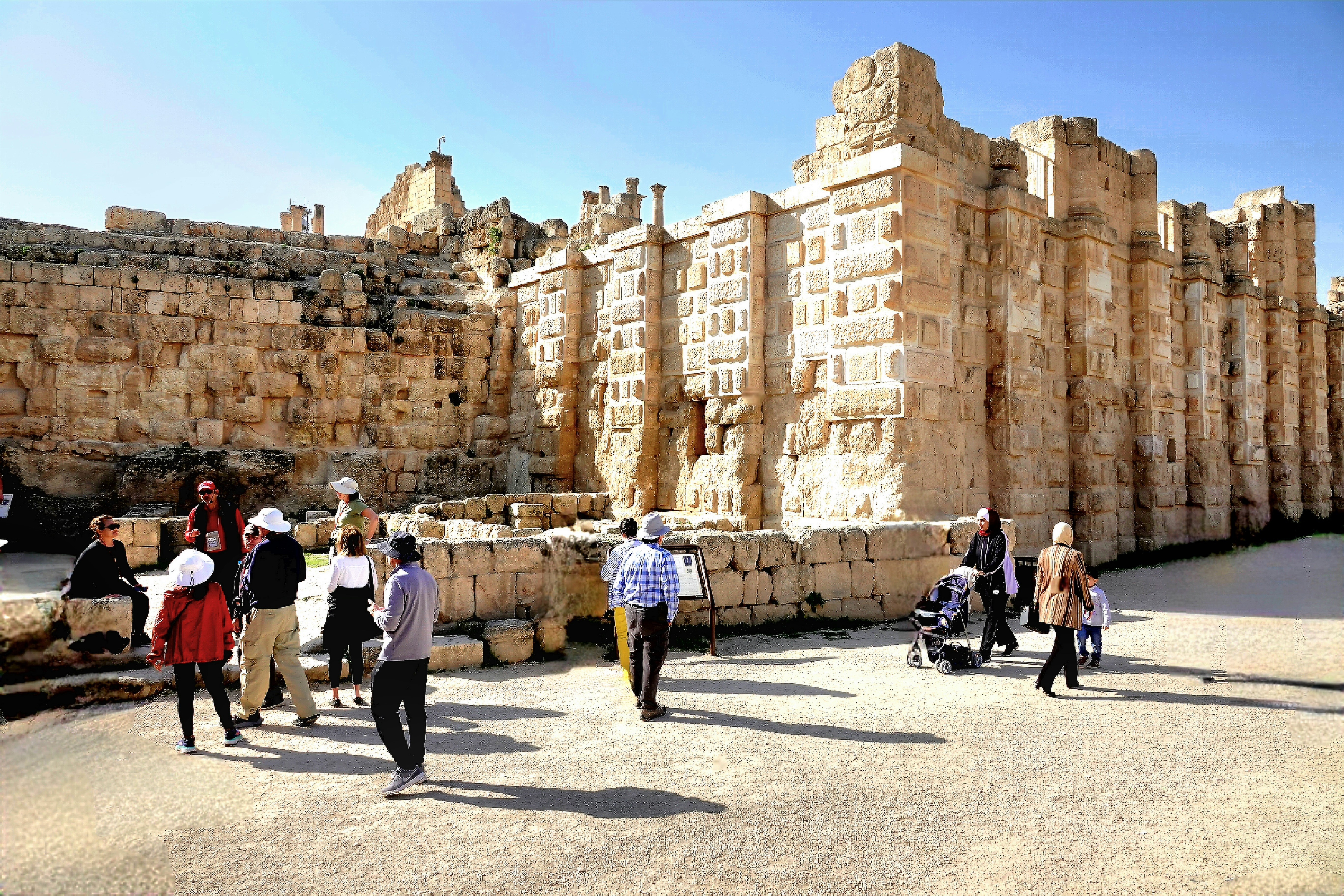
Great Temple of Zeus

As an aside, it deserves mentioning that King Antiochus is regarded as one of Judaism’s major villains for his iron-fisted repression of Jewish laws and customs. He is forever vilified as the ruler who desecrated Jerusalem’s Second Temple by turning it into a brothel and sacrificing a pig on its altar to honor Zeus. His continuing persecution of Jews ultimately prompted an uprising commanded by Judah Maccabee in 167 BC that eventually led to the recapture of Jerusalem and rededication of the Second Temple, spawning the Miracle of Hannukah.

Only Greek inscriptions on city foundations remained after Jerash was sacked by Roman general Pompey in 63 BC. But under Roman rule, Jerash was rebuilt and thrived as an important trading center to Europe and Asia, as evidenced by the array of architectural riches that have been excavated and restored over the past century, making Jerash the most well-preserved, ancient, Roman city east of Italy.

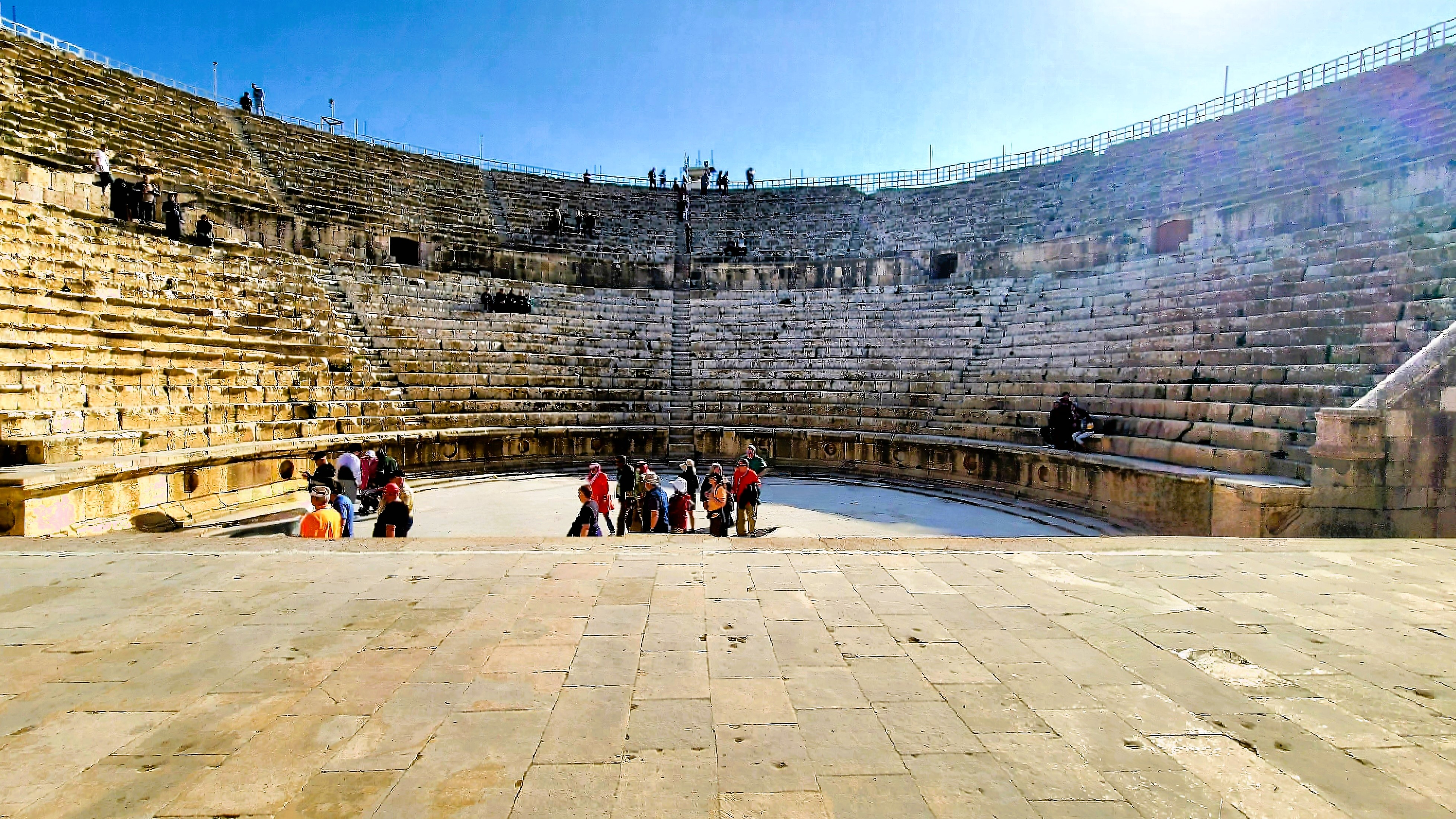
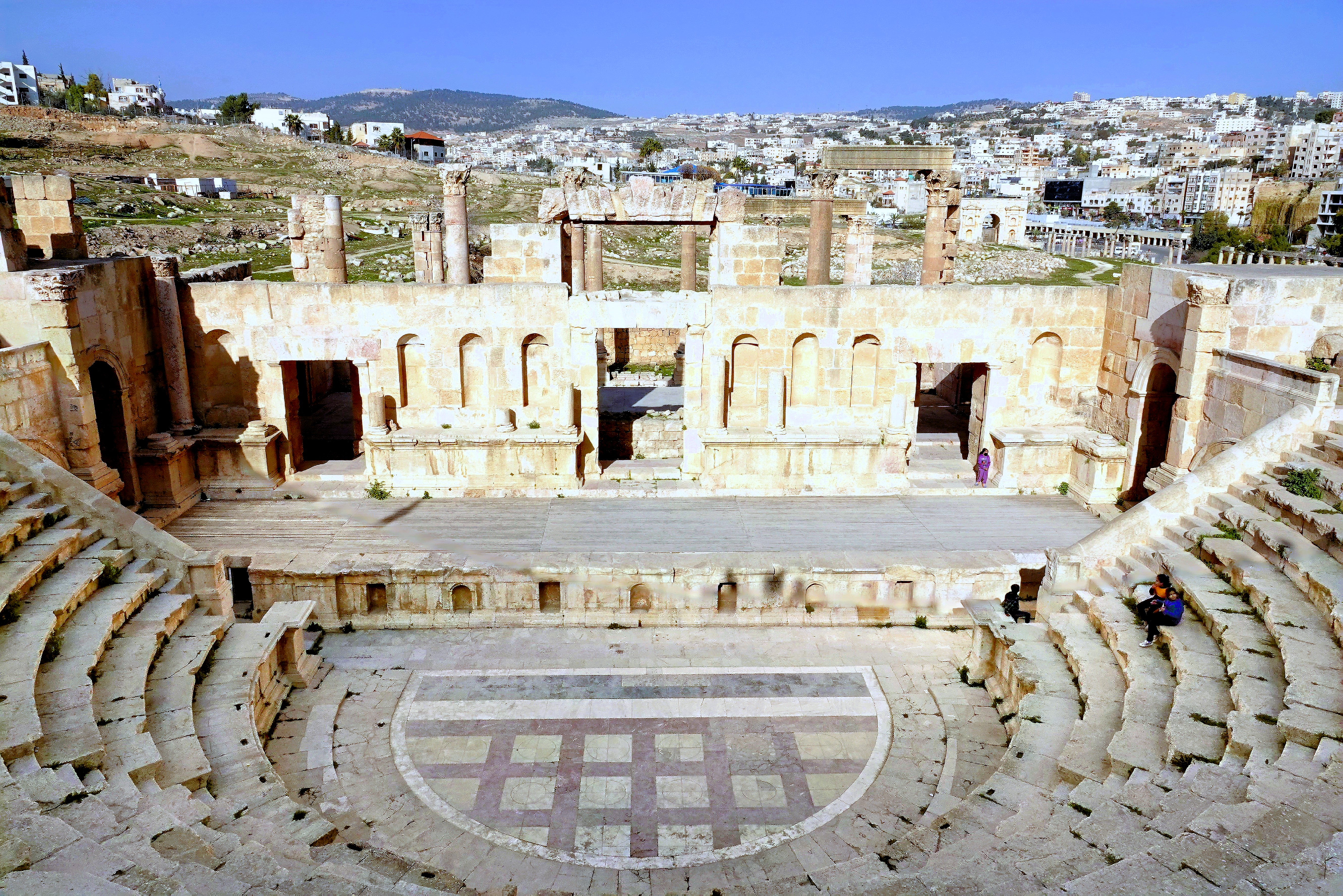
South Theater

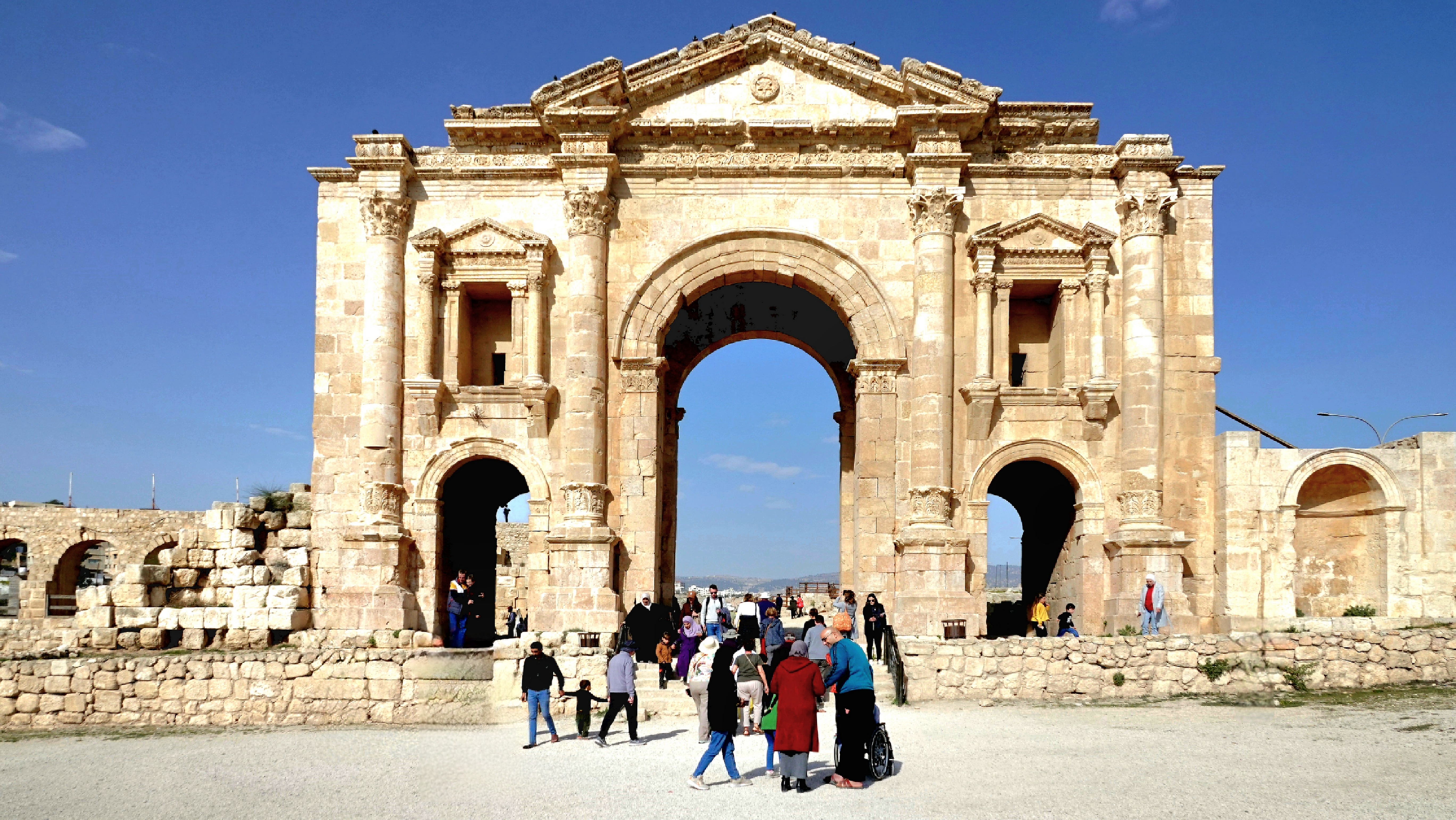
A walk through the Archaeological Park carried us back in time when the Roman Empire flourished, and Hadrian’s patronage (Emperor from 117 – 138 AD) benefitted the eastern provinces.

Hadrian’s Gate

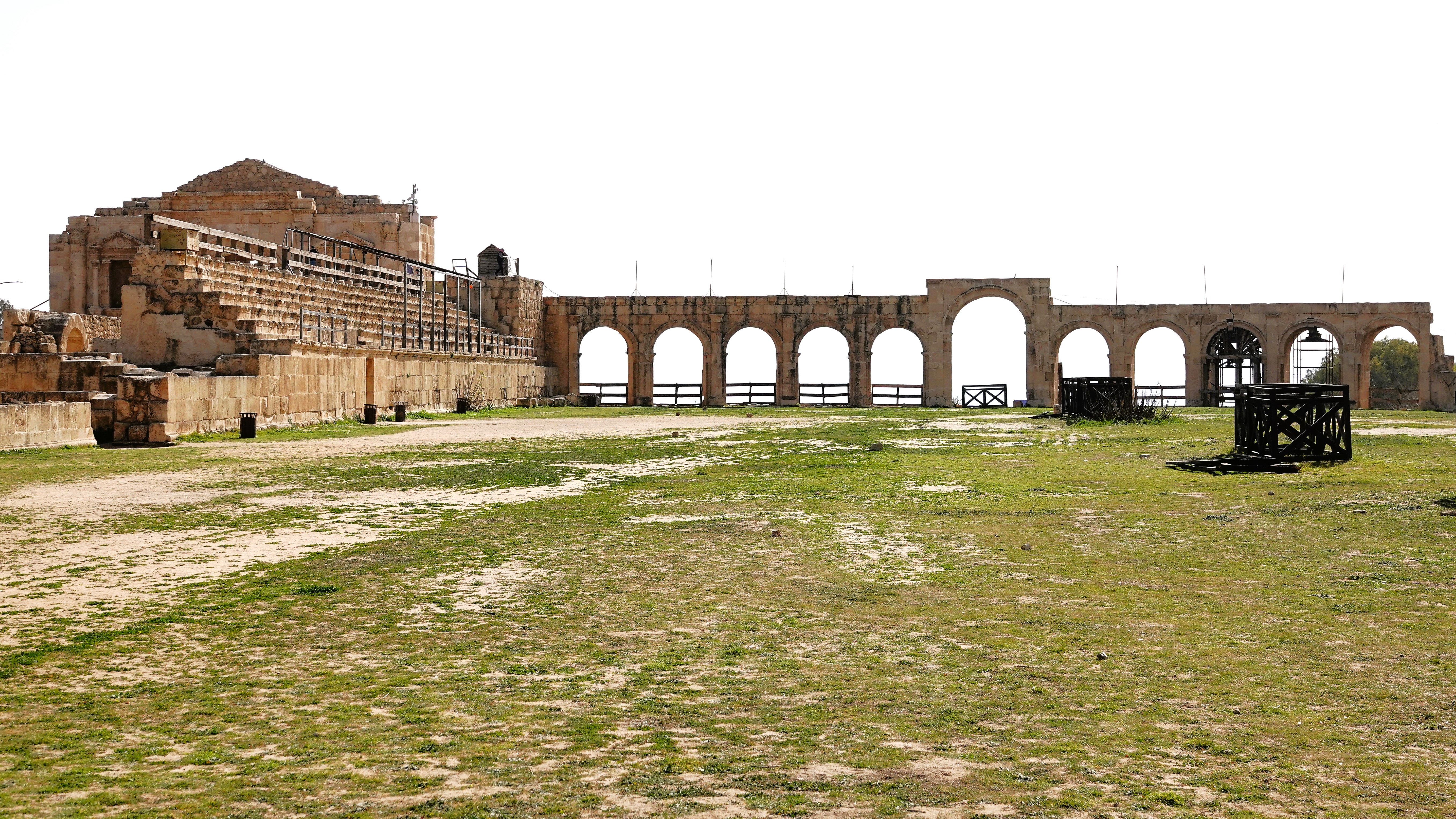
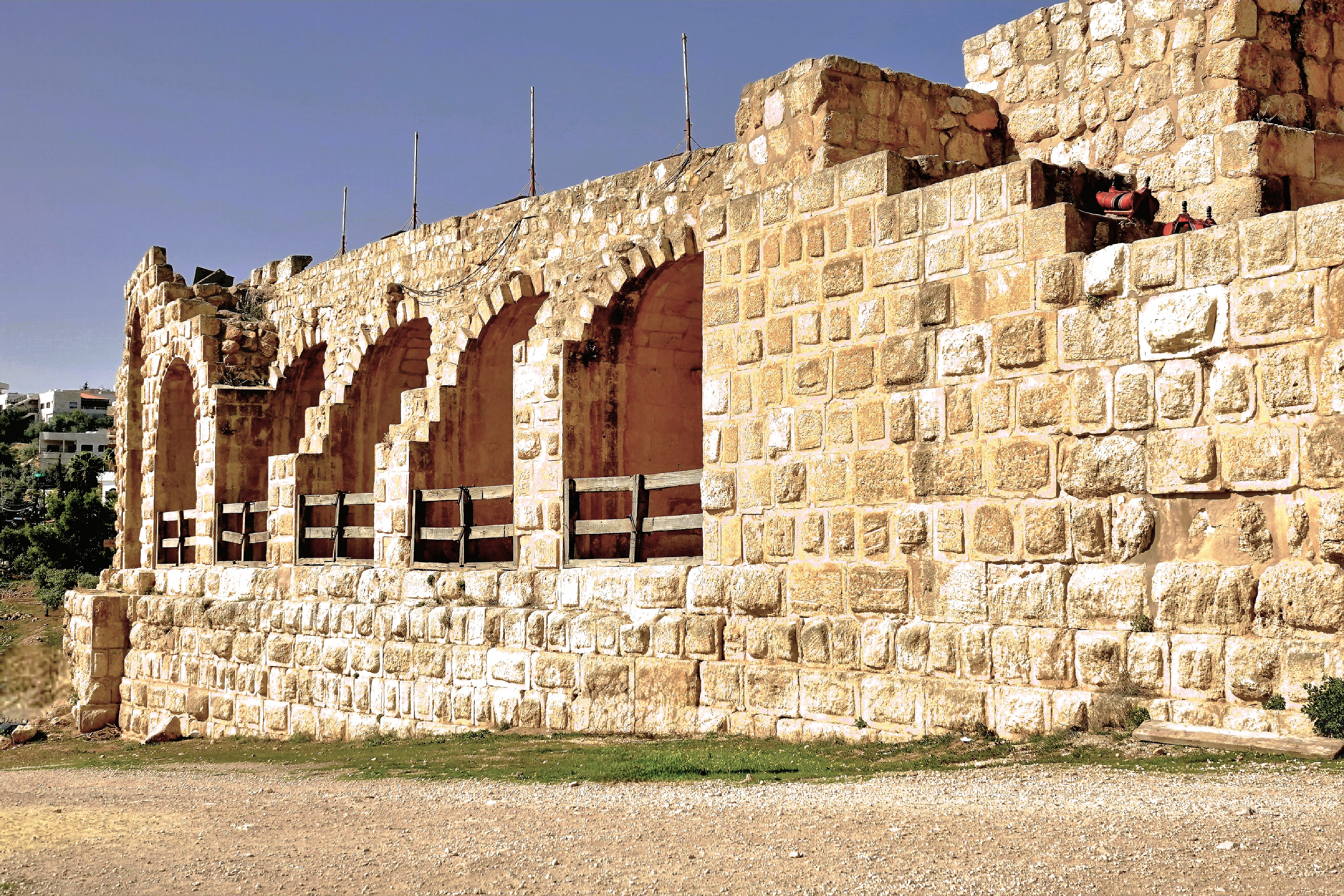
There’s the Hippodrome, originally built for chariot races, and later converted to gladiator fights with the addition of amphitheater seating;

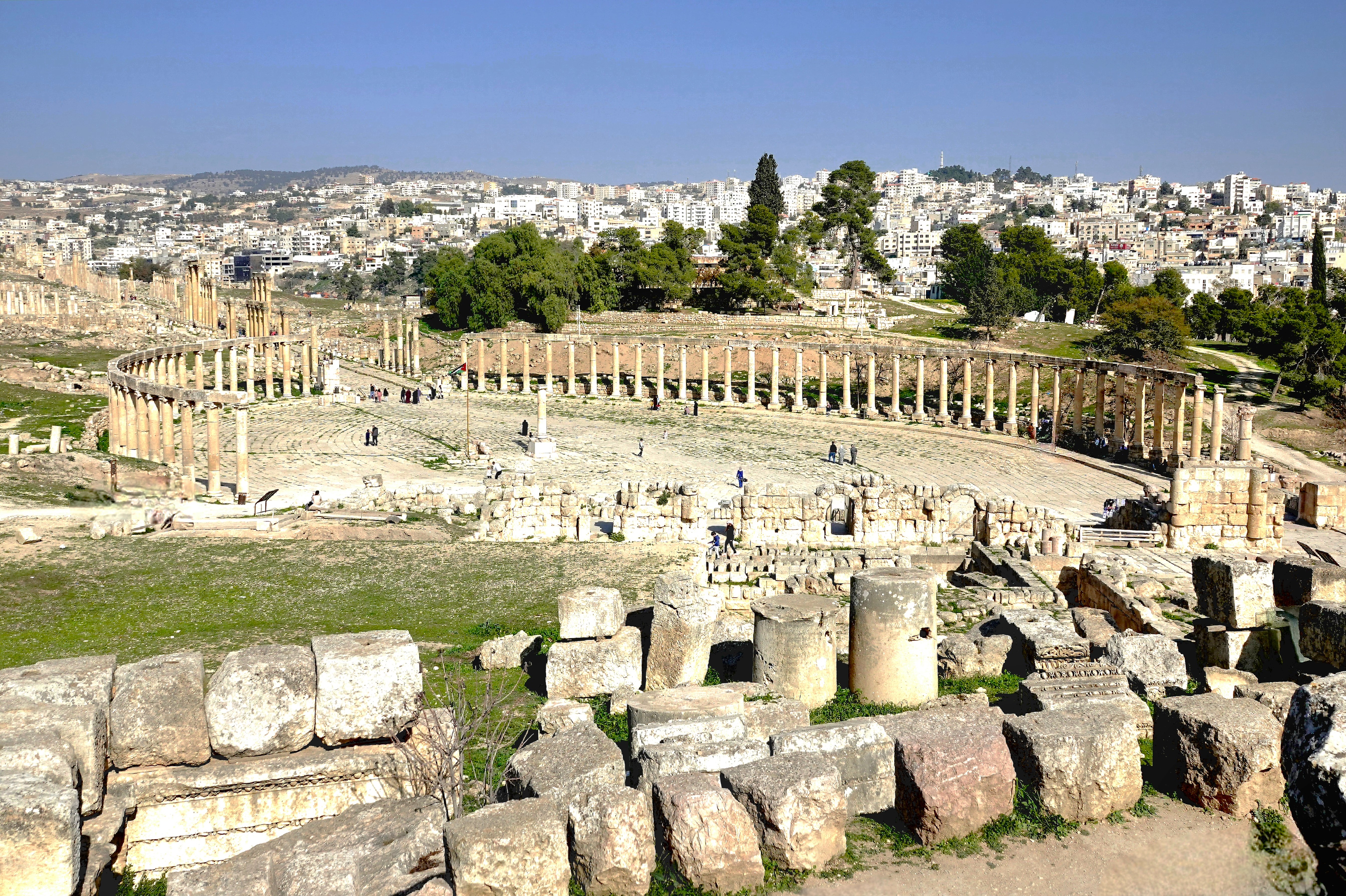
the Oval Plaza, with limestone pavers framed by 56 Ionic columns;

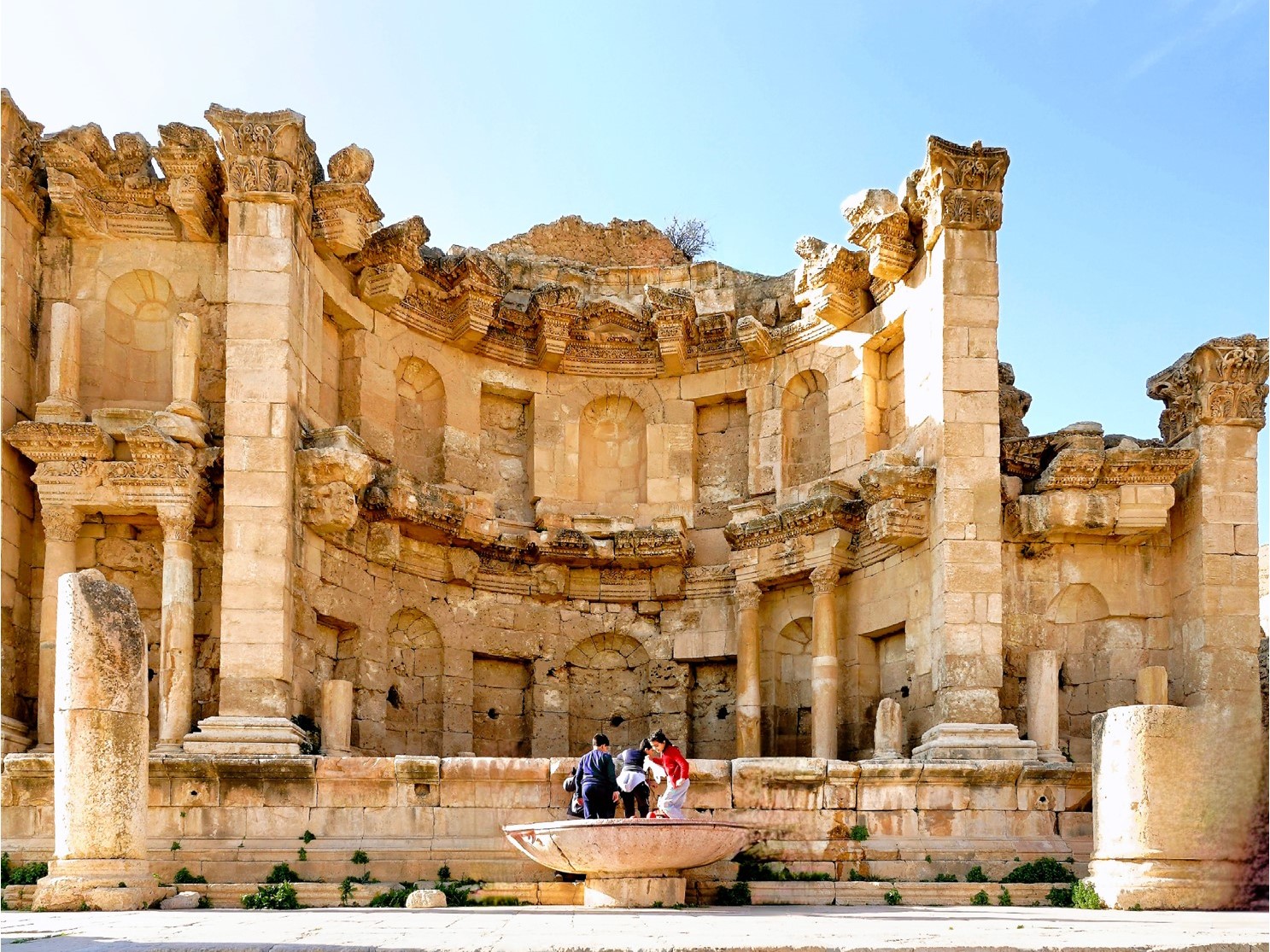
the Nymphaeum, the city’s primary water resource…

built to meet the demands of the Western Baths;

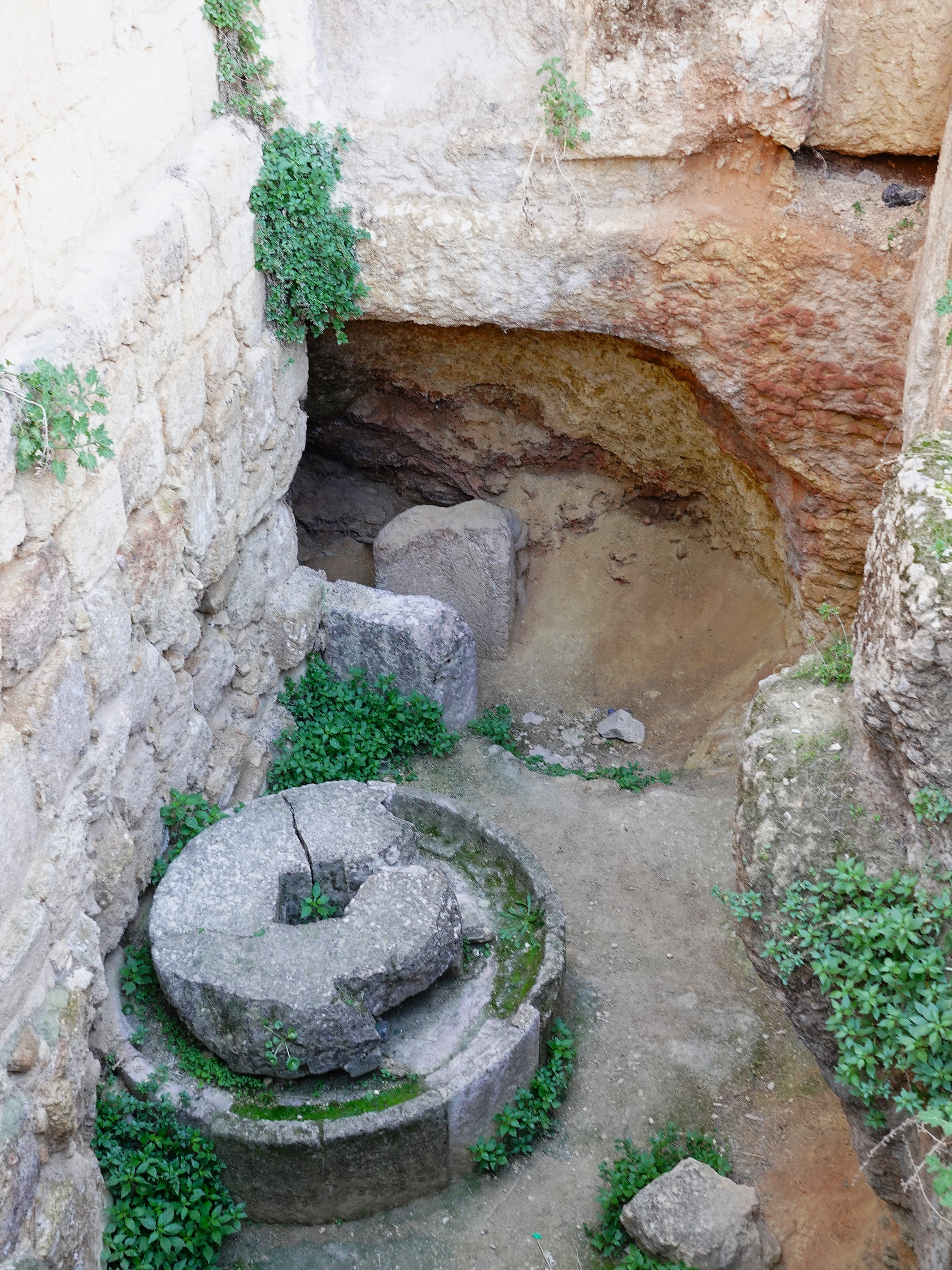
the olive oil press located below the floor of the Western Souk…

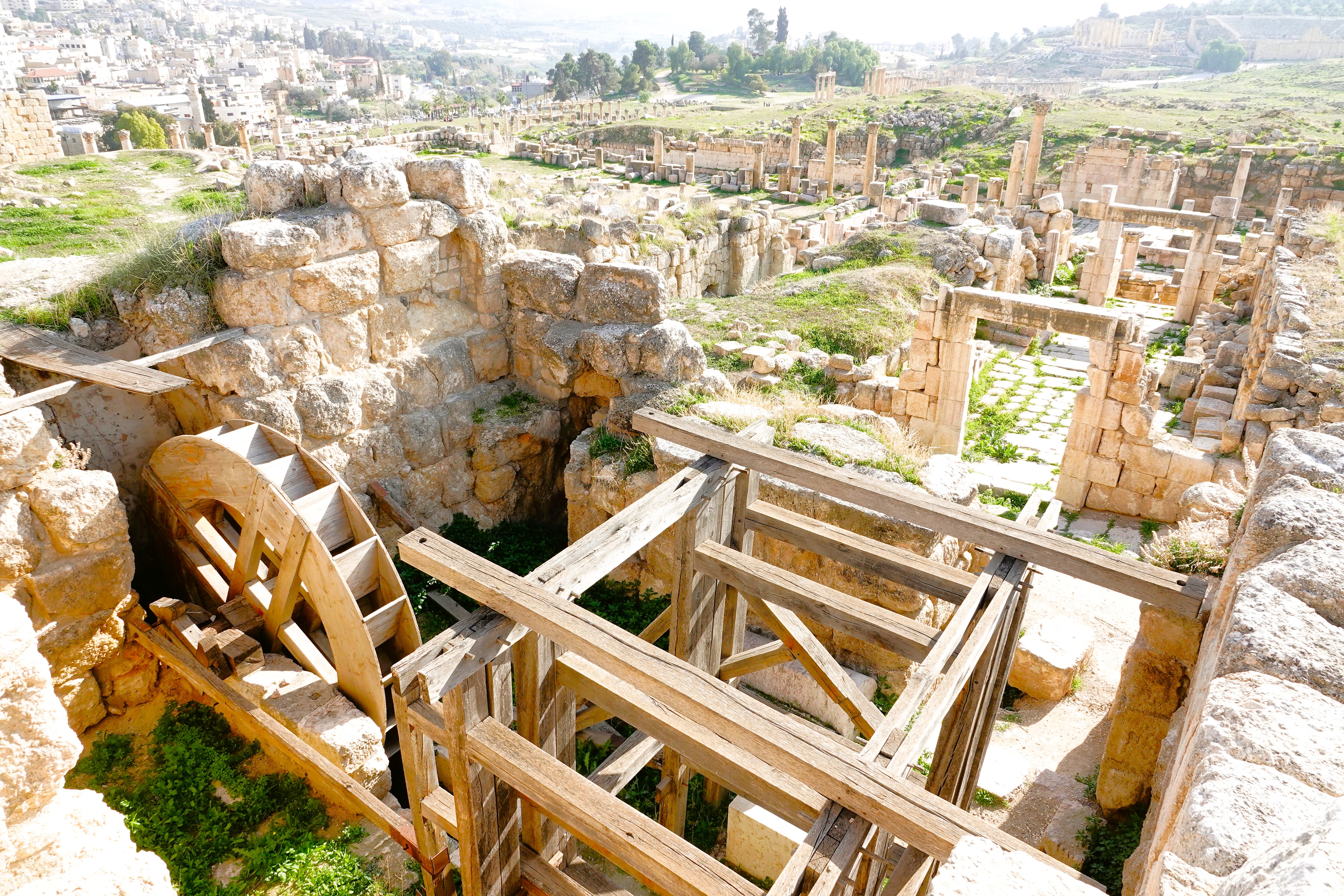
and a subterranean, water-powered saw mill;

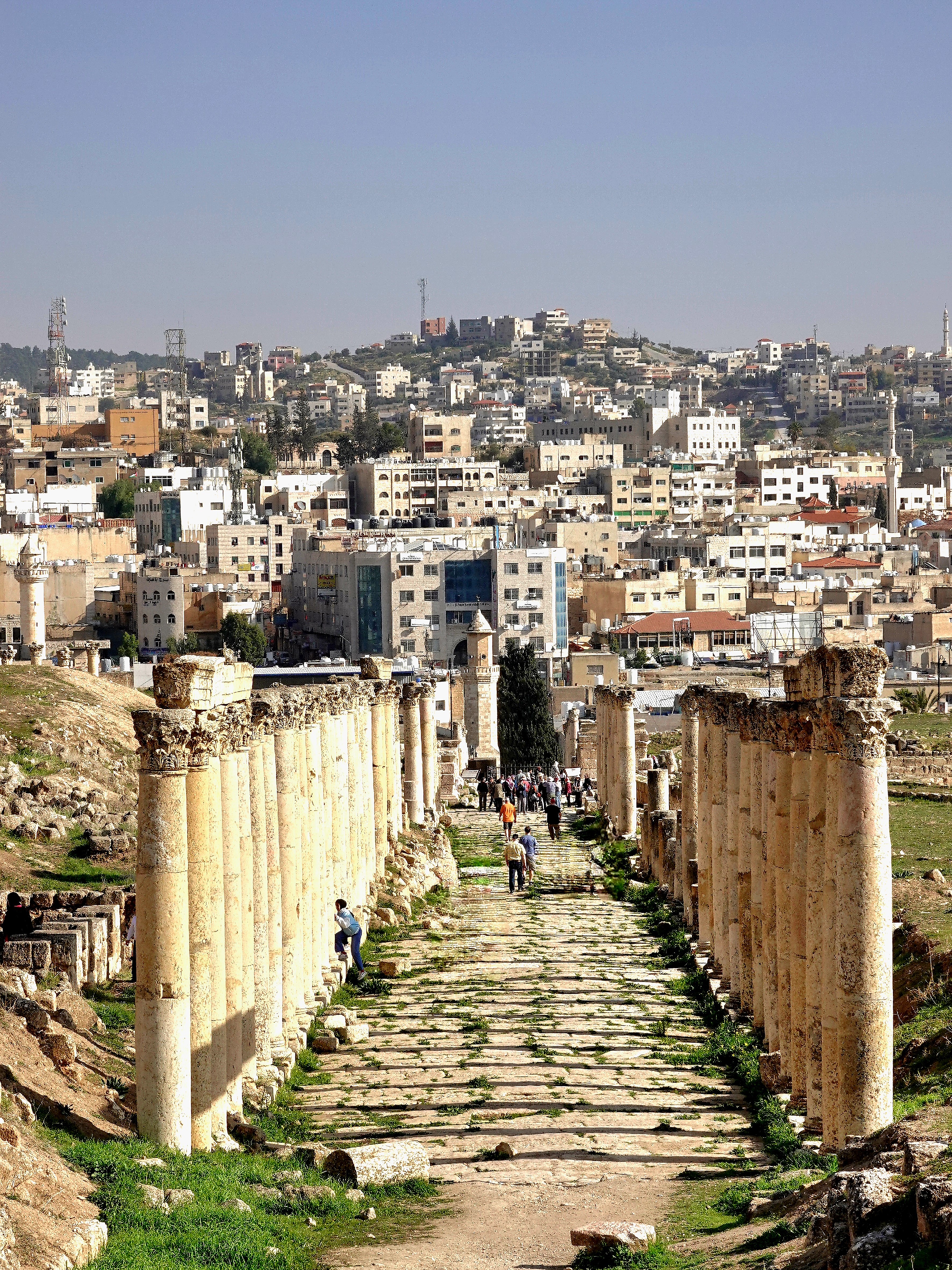
divided spaces for artisan and trade shops lining South Street, outside city limits;

the North Theater, intended for political events;

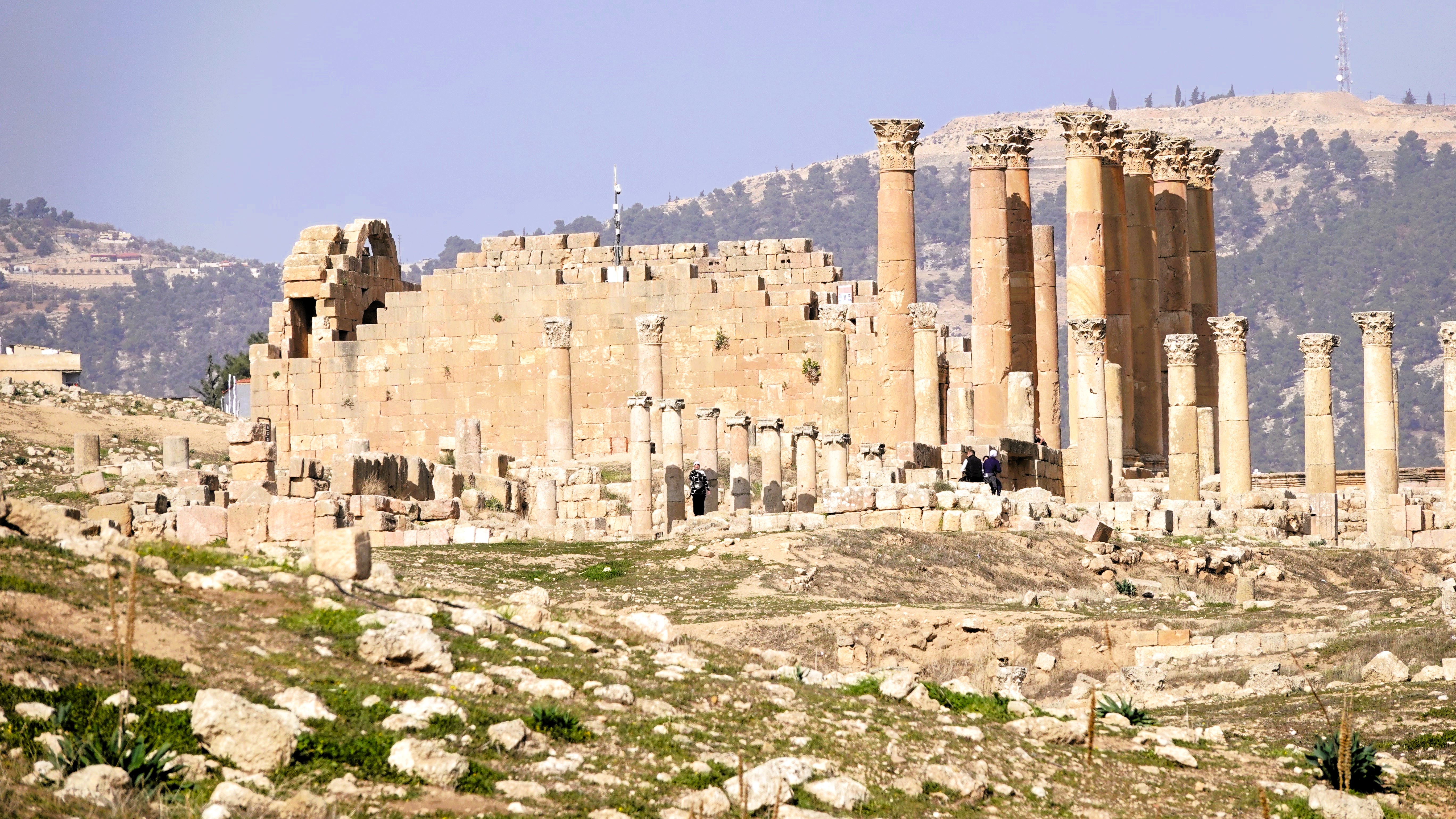
the unfinished Temple of Artemis–built as a shrine to the patron goddess of Jerash, but utilized as a church during the Byzantine Period, and a fortress during the Crusades.

and other assorted churches built atop the foundations of earlier structures, like the Church of Mariano’s, assembled from stones of a pre-existing synagogue,

and the Church of St. Theodore, completed in 496 AD.

In 749 AD, a devastating earthquake flattened Jerash and turned this once great city of the Decapolis into rubble. It was soon abandoned and largely forgotten until the Crusaders seized the Temple of Artemis from the atabeg of Damascus.

Eventually, the sands of time buried the ruins. Jerash was discovered again in 1806 by German explorer, Ulrich Seezten, who recognized the ruins. But it was only after the British began colonizing the Jordan Valley in 1921 that Jerash became worthy of preserving.

Lucky for us, the British vibe was on full display at the South Theater…

Moses, Mosaics, and Manna

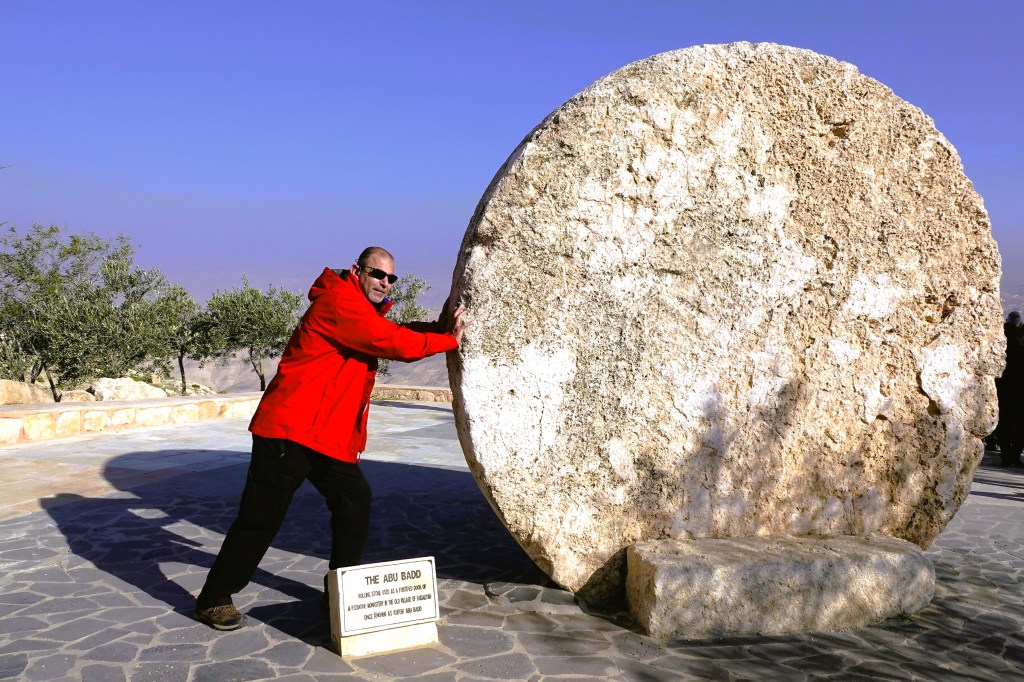
According to the Old Testament (Deuteronomy, 34:6), Moses–at 120 years–ascended the highest crest of Mount Nebo (800m) to view the Jordan Valley.

Although Moses led the sons and daughters of Israel out of bondage from Egypt, Moses was forbidden by God to escort them to the Promised Land.

With every step up the mountain, Moses would contemplate his sin of doubting God’s concern and commitment to The Chosen People. Was it anger or despair that provoked Moses into raising his staff and twice striking the Rock so his congregants and their cattle could drink from the wellspring that burst through the ground, and quell their complaining?

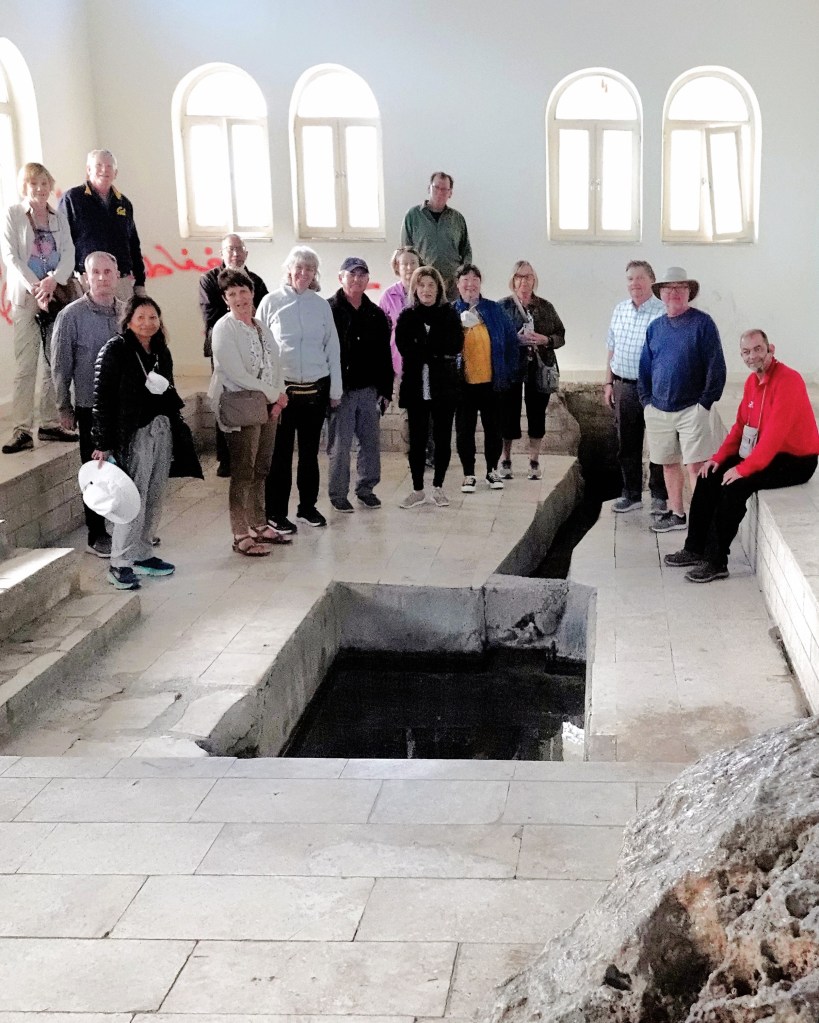
A shrine in Wadi Musa purports to be the perennial natural spring that arose from the rock struck by Moses. The site is most popular among Christian and Muslim pilgrims who travel from all parts to drink from the sacred well.

As for me, I took a hard pass; the water was running slow and low, and too risky to sample.

But the miracle performed by Moses sealed his fate. With Joshua assuming a new leadership role, Moses trekked to the highest point on the western ridge of the ancient Plains of Moab for a view of the Holy Land.

Perhaps God provided Moses with a befitting yet bittersweet panorama before he died, other than the hazy scene that I managed to capture.

All the churches atop Mount Nebo were erected over time to commemorate the death of Moses. The earliest known chapel dates to the 3rd century, followed by a 4th century monastery built to support Christian pilgrims.

20th century archaeologists excavated an intact mosaic floor within the baptistery of the chapel that depicts the cultural life of the Byzantine era–

surrounded by figurative motifs with geometric design flourishes…

that also adorn the walls.

and it’s all been preserved in a new church sanctified by the Franciscan Order in 2018.

The mountaintop is rich with artifacts sponsored by the Franciscans. The serpentine cross atop Mount Nebo was created by Italian artist Gian Paolo Fantoni to symbolize the miracle of the bronze serpent forged by Moses in the wilderness (Numbers 21:4–9) and the crucifixion of Jesus, whereas the stone Monolith was sculpted by Vincenzo Bianchi in honor of Pope John Paul II’s visit during the Great Jubilee of 2000.

As part of the Pope’s pilgrimage to Jordan, he planted an olive tree seedling that he dedicated to peace in the Holy Land.

Ironically, while the tree has prospered, peace has yet to bloom.

Having admired the mosaics of Madaba and Mount Nebo, our group got a personal look at the process at Jordan Jewel Art & Mosaic, which was created in 2008 through Jordan’s Queen Noor Foundation Community Development Initiative as a means of preserving an ancient artisanship introduced by the Greeks over two thousand years ago.

The project has also been a boon to tourism and employment within the governate, with over 100 mosaicists working at the studio or from home, creating historical souvenirs for tourists.

Depending on the pattern and the size, the mosaic can be extremely detailed, at times requiring tens of thousands of intricately-sized tiles and several weeks to complete.

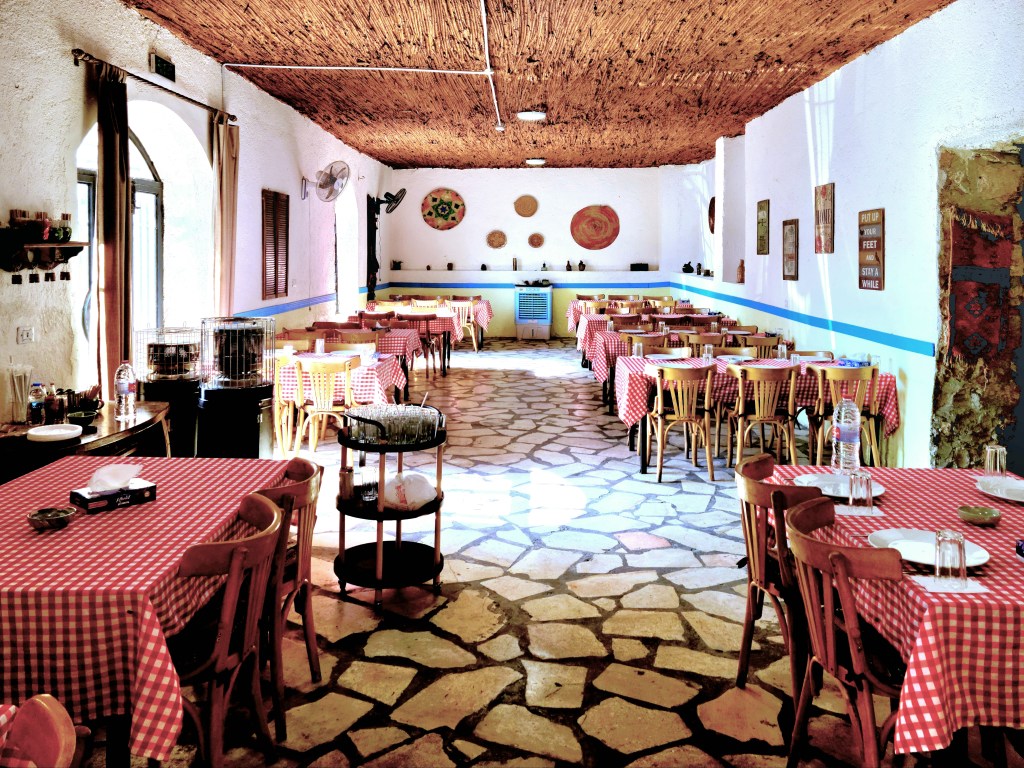
Our crew eventually returned to Madaba for a traditional lunch at Hikayet Sitti (“My Grandmother’s Story”)–a family-owned restaurant in an old home belonging to the Karadsheh family through many generations.

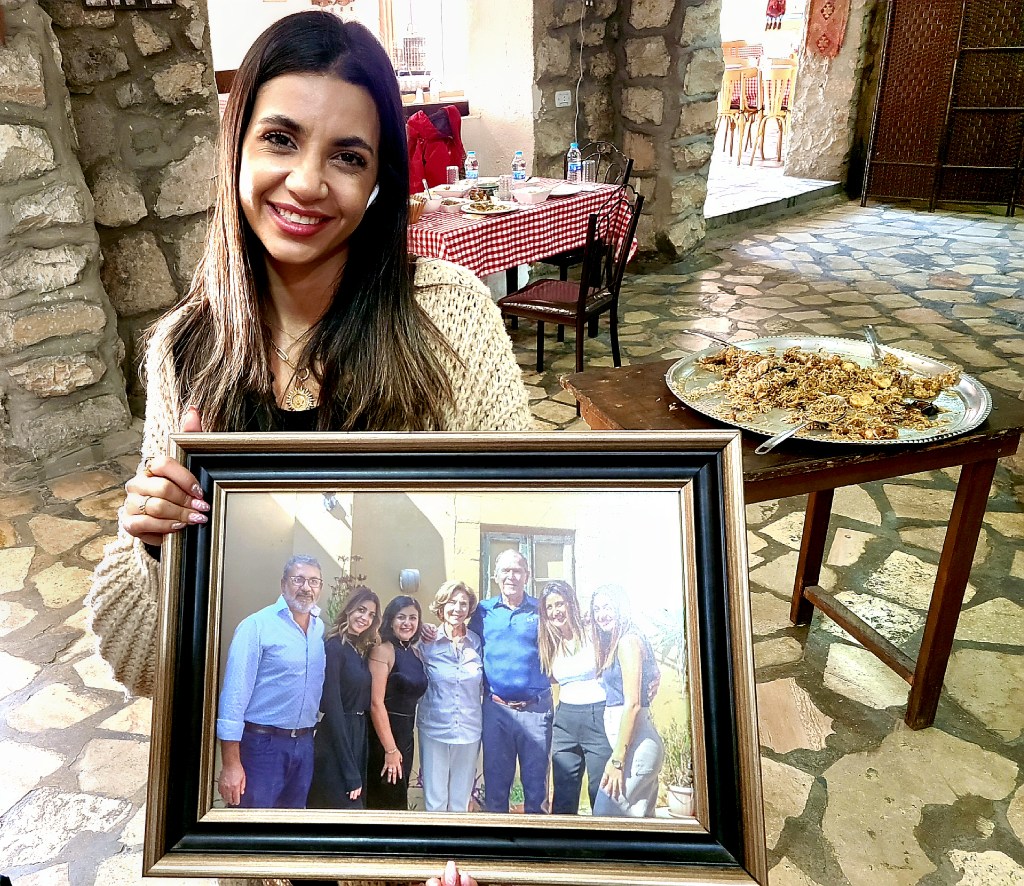
It now belongs to Feryal, the gracious owner/chef who prepared a tasty array of mezza (appetizers) to start,

and a kettle-sized helping of Maqluba–a traditional Middle Eastern dish of chicken, vegetables and rice that’s prepared in a pot and presented upside down.

Feryal distributed the recipe to the home chefs among us, but as I read through the prep and ingredients, I was certain the dish was more complicated:

MAQLUBA


Fry pieces of eggplant, cauliflower, and potatoes
• Boil pieces of chicken
Arrange at the bottom of the cooking pan pieces of tomatoes, carrots, onions, sweet pepper,
and garlic
Then add the fried eggplant, cauliflower, and the potatoes
Add pieces of chicken
Cook them together with water
Add the rice to cook together
Add black pepper, cinnamon, nutmeg and cardamom, cumin, cloves, coriander
Cook until water is evaporated
Put it on low fire for 5 minutes
Let it rest for 5 minutes
Serve it as upside down

Feryal Karadsheh
Hikayetsitti@yahoo.com

As we savored every bite, we were invited to put our tastebuds to the test by identifying all seven spices in our food. My mind immediately raced to episodes of Hell’s Kitchen, when contestants competed in blind tastings for Gordon Ramsey, and the winner received a hot air balloon ride with a champagne lunch.

But Feryal was offering something much better. The prize at Hikayet Sitti was a cold beer from her brother’s brewery… and it was delicious.

After lunch, the coach stopped briefly at Shobak Castle (12th century) enroute to Petra, just as the sun broke through the haze to shower the ruins in golden light.

The castle is a stark reminder of Crusader glory amidst the plunder and ruin of the times.

Our coach driver raced the last hour to Petra with the hope that we’d arrive in time for sunset, and we were duly rewarded with a perfect sky in Wadi Musa just as the sun was falling behind Mount Hor.

It was a good omen for our excursion to Petra the following day…

Jordan Redux

We were a crew of 48 aboard the Viking Ra, divided into 2 camps of 24 travelers who identified as Bus A or Bus B.

Most of the cruisers returned home at the end of our Nile excursion, but 18 intrepid globetrotters–a union of both buses–continued our journey to Jordan for four nights, where we were greeted at Queen Alia International Airport by Ahmad Al Khaldi, our tour director and self-proclaimed terrorist, who adopted the moniker after once guiding the brother of ventriloquist/comedian Jeff Dunham.

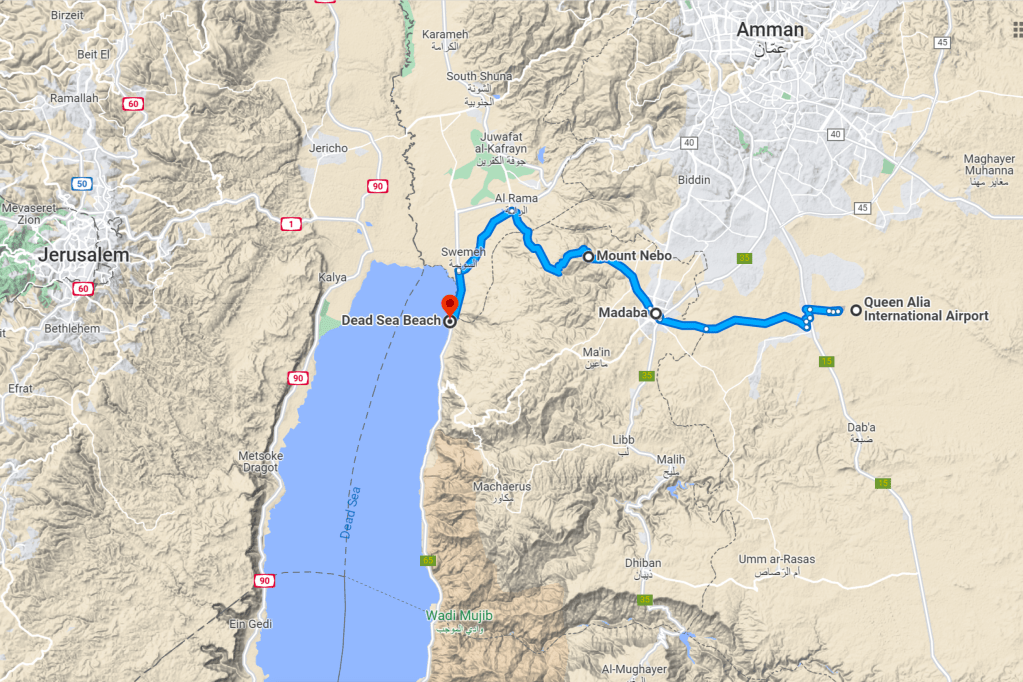
Upon arrival to Amman, we boarded a coach for a half-hour ride to Madaba. It was an ambitious itinerary with a lot of ground to cover before reaching the Dead Sea,

but we quickly knew–given the depth of Ahmad’s knowledge, wit, and organization skills–that we were in good hands.

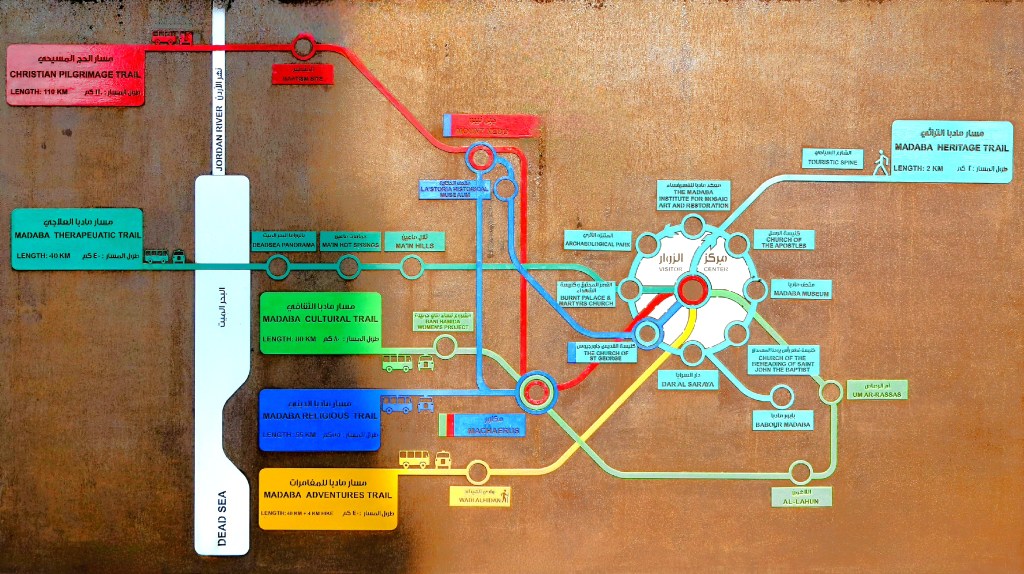
During the half-hour ride to Madaba we absorbed some background about this ancient city that’s renowned for its skilled mosaic artisans,

and its deeply religious ties to Christianity and Islam.

After an orientation of one ofJordan’s holiest landmarks,

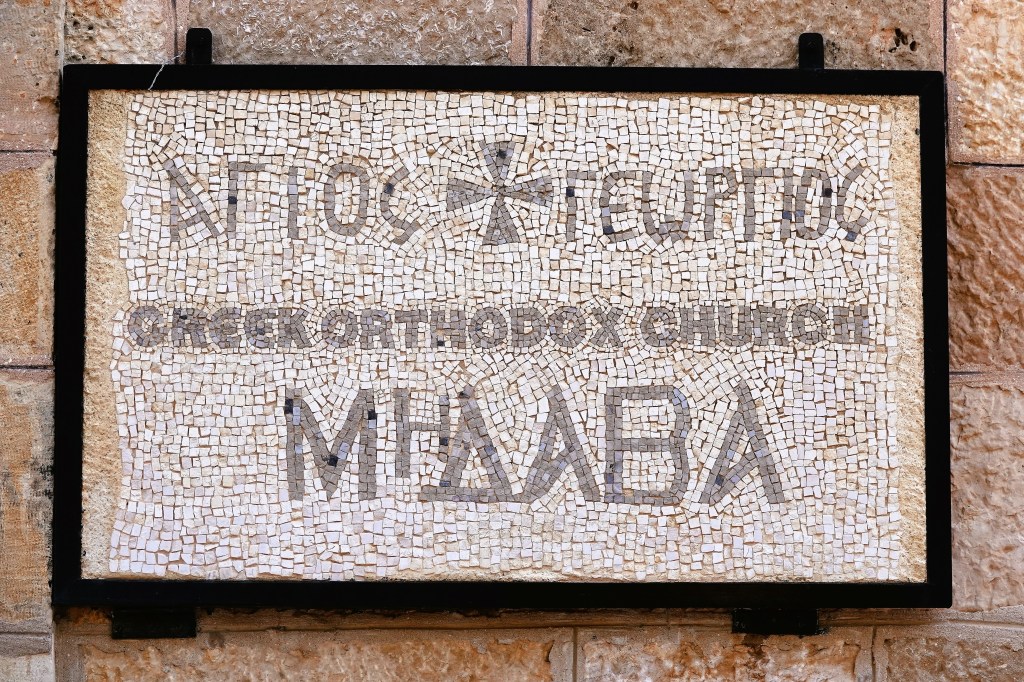
we headed to Madaba’s feature attraction… the Greek Orthodox Basilica of Saint George,

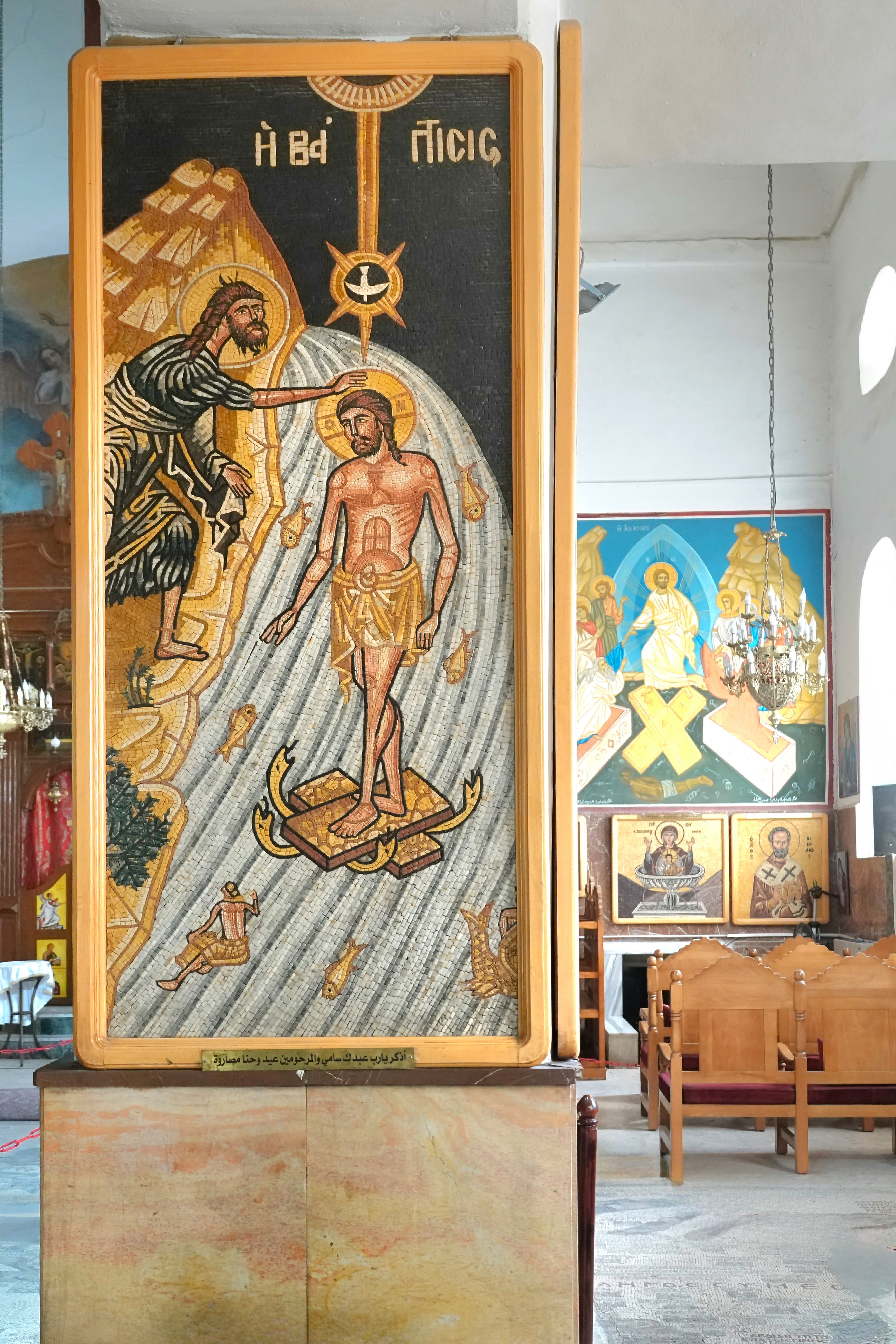
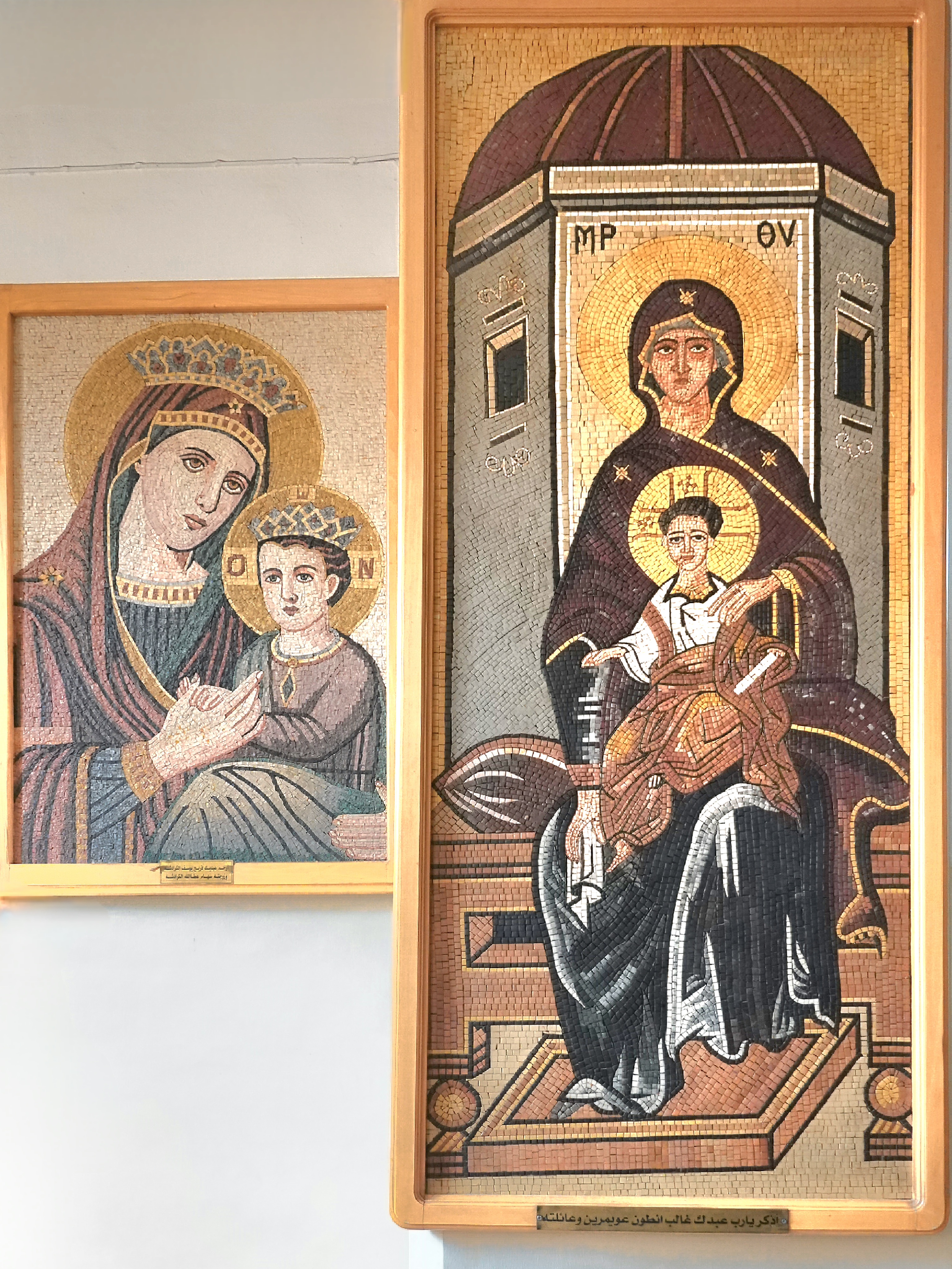
where the current structure, consecrated in 1896 is adorned by mosaic icons on every pillar…

but it’s the mosaic floor that’s the star of St. George and Madaba!

The partially restored mosaic map of the Holy Land originates from the 6th century, and was excavated in 1884 when the current church was built atop the ruins of the original Byzantine church. Over 2 million tiles comprise a detailed rendering of the Middle East with surprising detail and accuracy, making it both an artistic masterpiece, and the oldest surviving representation of familiar biblical sites.

We bypassed Mt. Nebo (to be explored the following day) and continued to the Dead Sea Museum,

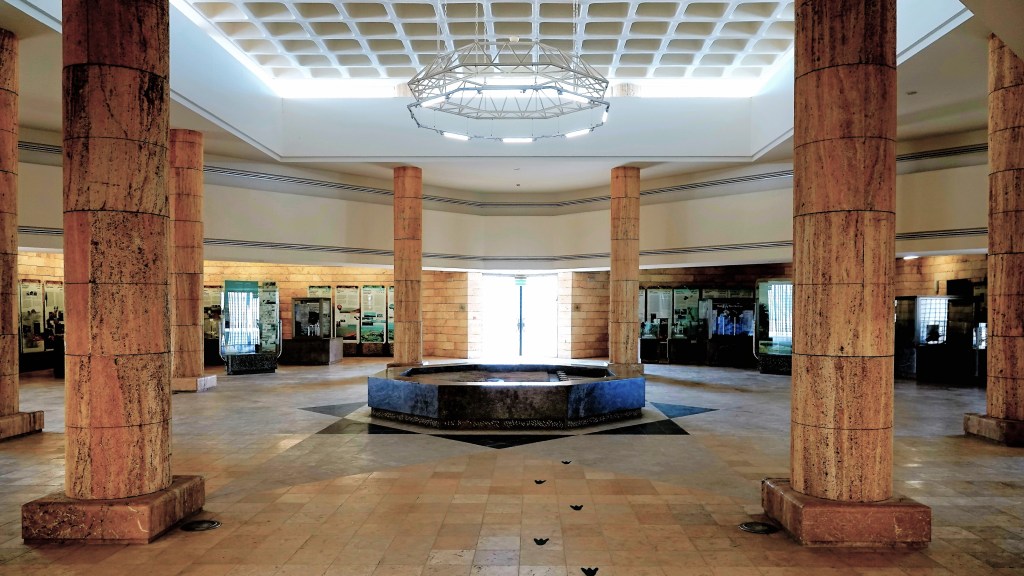
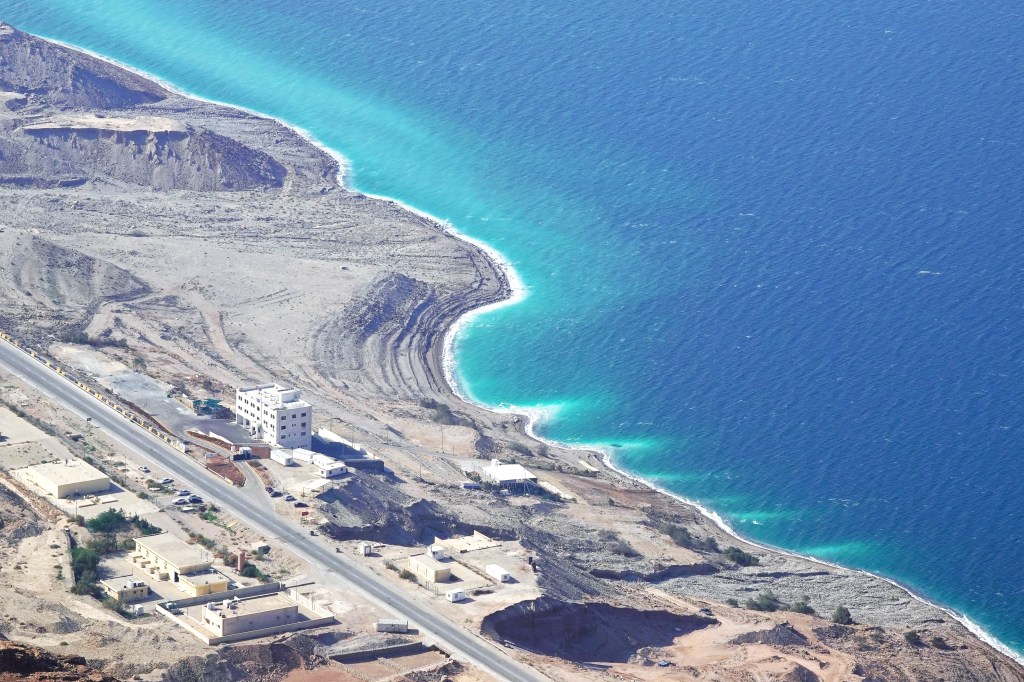
where we enjoyed an aerial panarama of the Jordan Rift Valley with the lowest elevation on earth (-1410 ft).

and a closer examination of the area’s geological and cultural significance.

Developers see tremedous potential in promoting Dead Sea tourism, touting first-class accomodations and access to its briney beaches. And they’re wasting little time in hotel construction,

because at it’s current rate of evaportion, the Dead Sea will cease to exist by 2050.

Shortly after checking into the sprawling Movenpick village…

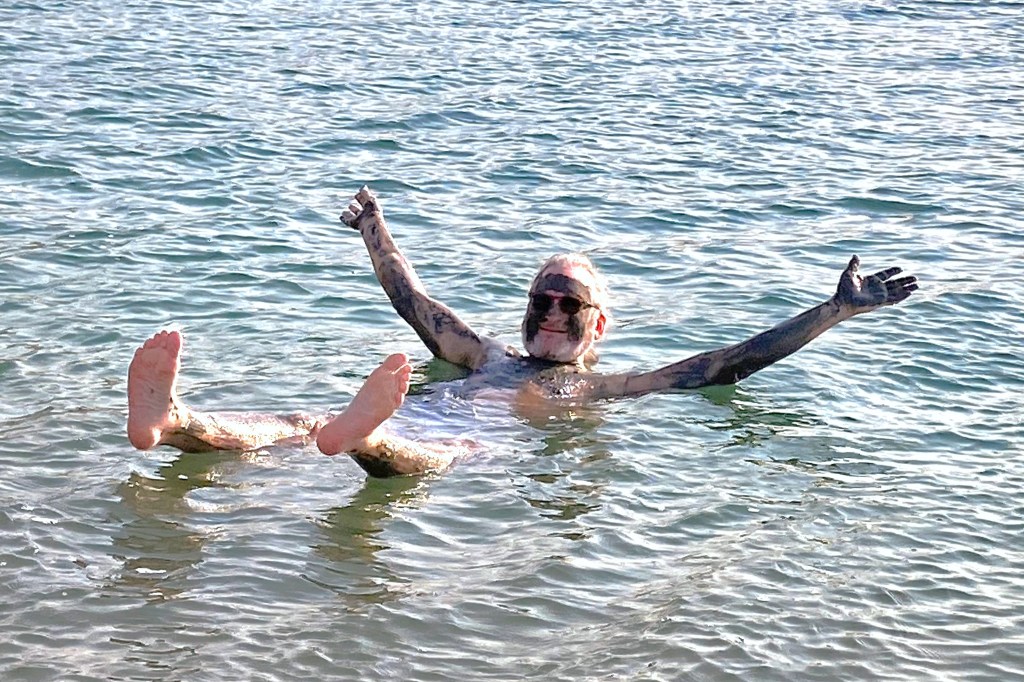
it was time to relax with a mud treatment,

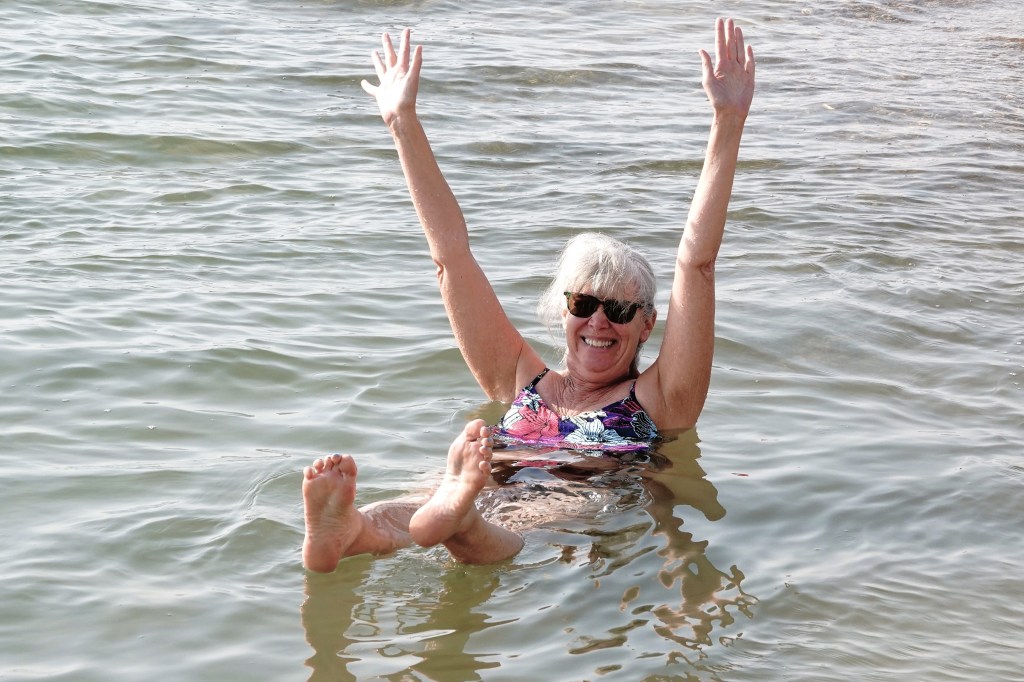
and a bouyant soak. What a feeling!

There’s been lots of internet chatter about which country, Israel or Jordan, has the best beaches. The answer is easy: it’s whichever one you’re on!

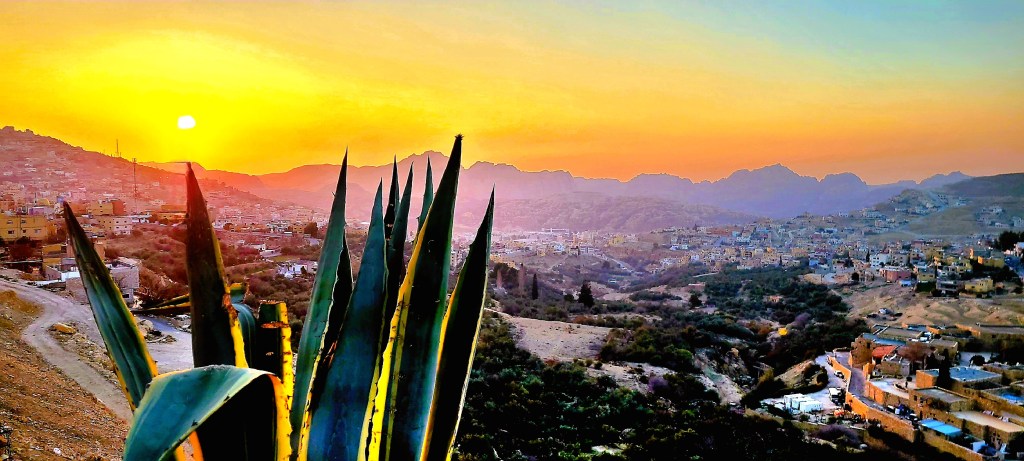
However, the east coast scores extra points for hosting the sunset over Jerusalem most nights.

Shopping at the Lock

The Viking Ra was cruising steadily from Edfu to Luxor on the final leg of our Nile adventure… until we encountered the Esna lock with a 6-ship back up. With each passage through the lock requiring about 20 minutes, we were looking at a 2-hour layover before we’d be underway, so what better way to spend the time than to shop… again.

Viking and I have visited a variety of revered venues vital to vending, but the finest one was the first one–Khan El-Khalili in Old Cairo–one of the oldest and largest open-air souks for whatever you never need, but find it necessary to own.

But that was just the beginning of so many other shopping opportunities we discovered along the way, whether it was sourcing a simple souvenir at a temple souk;

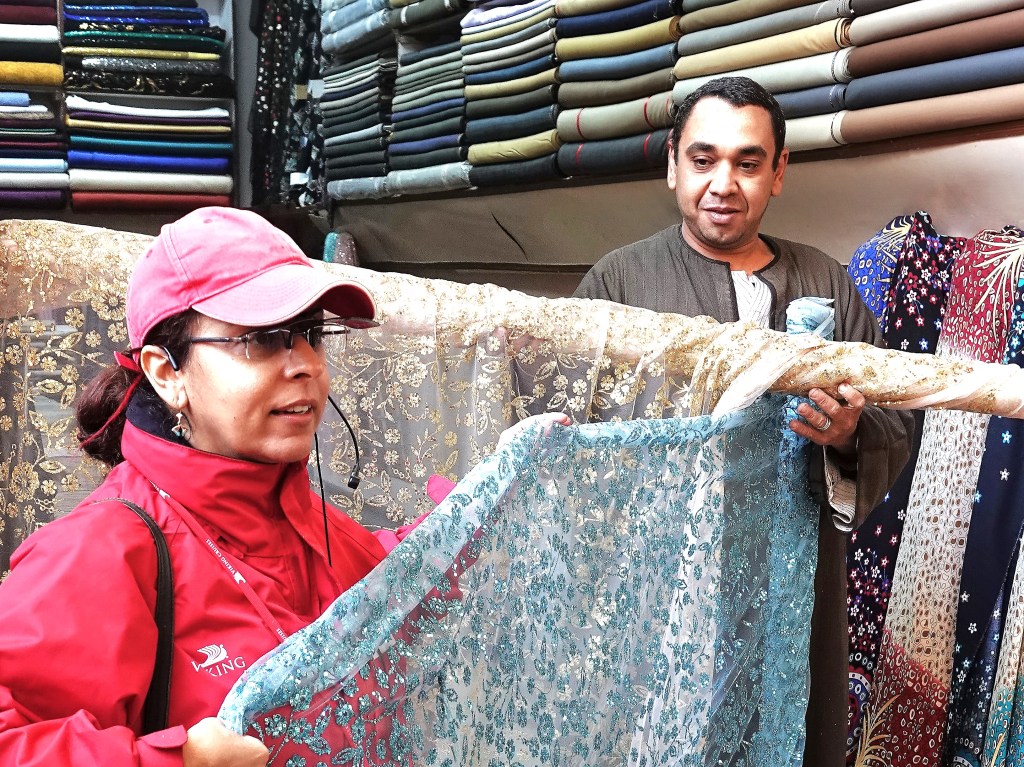
or buying a bolt of fancy fabric at a textile shop;

or funding a furnishing from a village storefront;

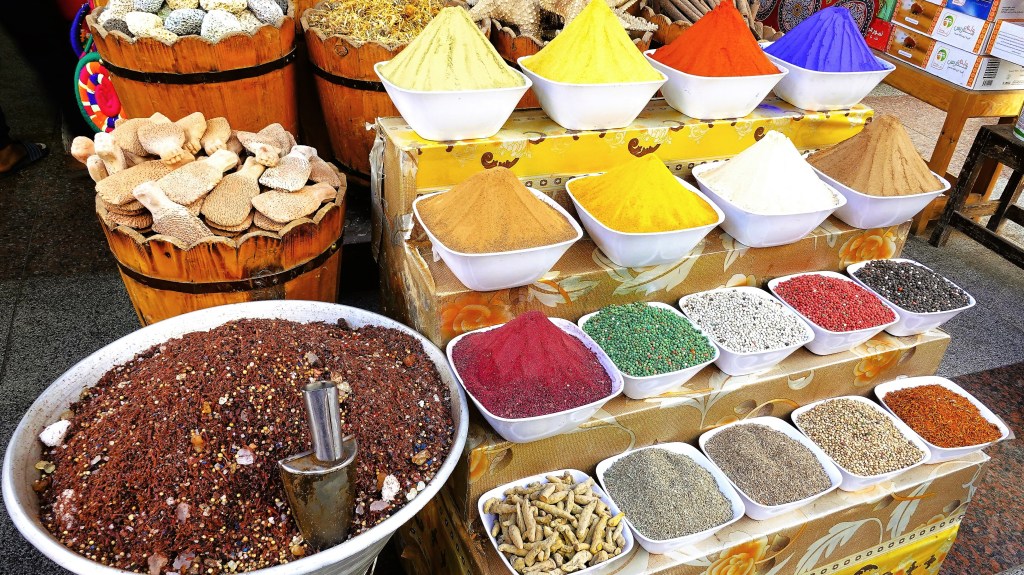
or securing a special spice at the food bazaar;

or raising thousands for a hand-knotted rug at a weaving studio.

There was also a gift shop aboard the Ra, where an Armenian jeweler could craft 18K gold into personalized cartouche earrings and pendants for a pretty price.

In fact, there was nary a place we visited, where Ra passengers couldn’t “get their shopping on,” to the extent that a few passengers required an extra suitcase to transport their trinkets and treasures.

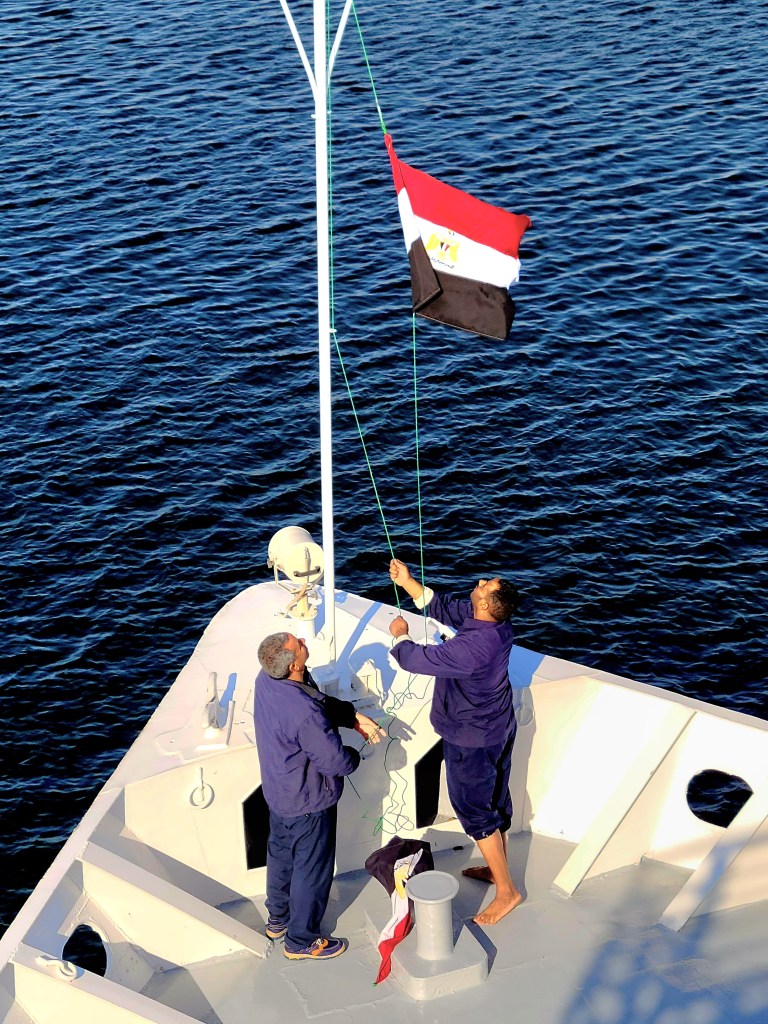
Deck hands used the extra time to swab the main deck and raise a clean flag,

while passengers on the sun deck flocked to the starboard side to find our riverboat nearly surrounded by a band of merchants in blue rowboats, reminiscent of how Somali pirates operate, but with a enterprising purpose.

It was an interesting phenomena, but rather than explain it, I believe this video best captures the merchandising protocol.

Shopping on the Nile at Esna Lock

Items for inspection usually arrived by air mail–rolled up and bagged. Unwanted items were returned the same way, but errant tosses to the boat got wet on occasion. Money was exchanged by sealing it in a tied bag with a returned item.

Eventually after two hours, it was our turn to pass through the lock. Surprisingly, the merchants who tied their vessels to the Ra were carried along–still haggling with their Habibis before finally disengaging on the downriver side of Esna lock.

Even more surprising… Leah and I didn’t purchase a single thing!

Dancing the Tanoura

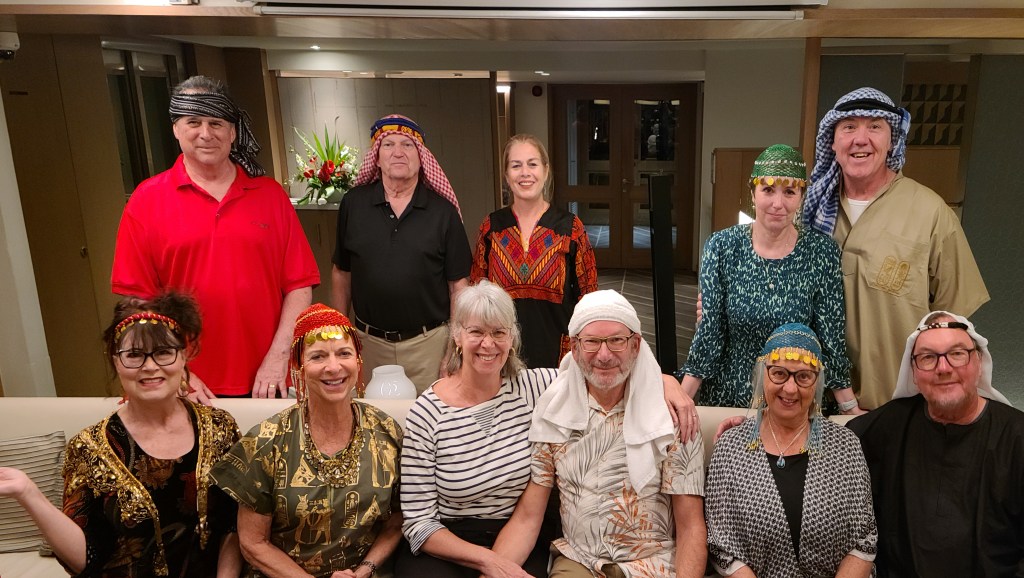
Tonight was cultural arts night aboard the Viking Ra, and all hands were decked out in their finest Egyptianized evening wear, in celebration of our host country.

It provided the perfect opportunity for women to shimmy in their cotton camel PJ pants, embroidered tunics, and spangled belly dance costumes,

while a few men rocked the casbah in their galabeyas (long shirts) and keffiyehs (square-shaped, cotton scarves).

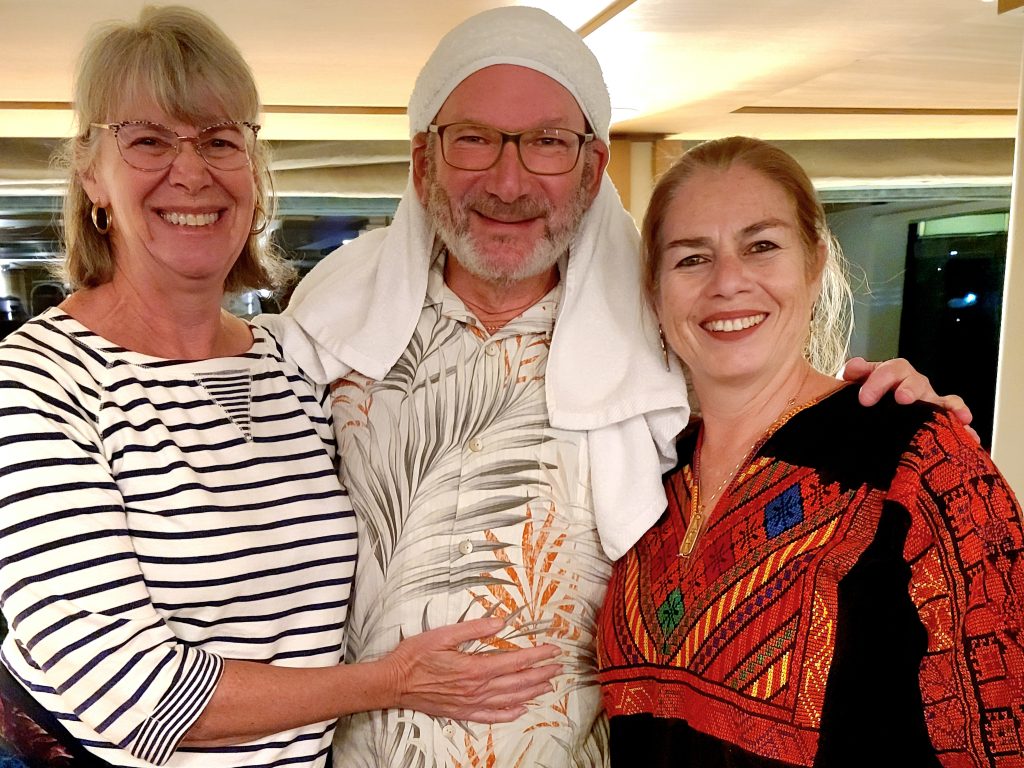
Personally, my taste borders on Tommy Bahama does Margaritaville at REI, with little to no resemblance of anything Middle Eastern-related, so I reimagined a hand towel as a Nemes (royal headdress), and called it a night. Leah chose to ignore the fashion directive.

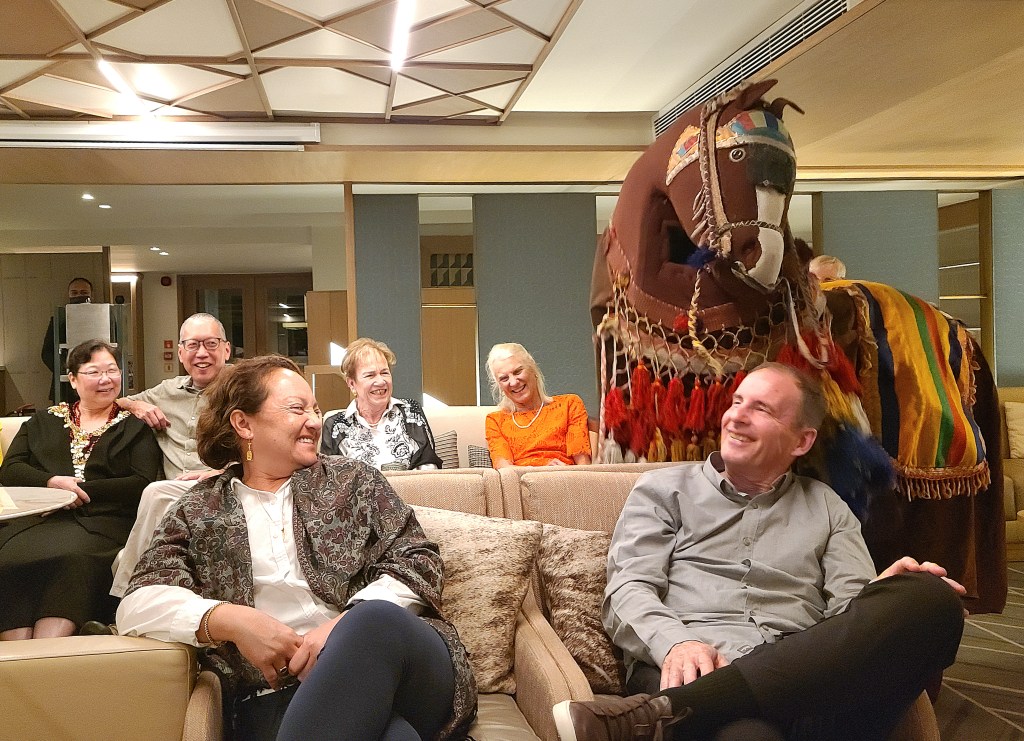
It was also a time for traditional Egyptian cuisine–served family style–followed by an hour of Sufi-themed music and dance.

With the riverboat tied up in Esna for the night, Viking passengers benefited from a wealth of local talent who came aboard to showcase their cultural arts–steeped in a medieval tradition of Islamic spiritualism that deals with purification of the inner self through a deep devotion and physical experience of God.

As enchanting as it was hypnotic, a member of the troupe performed the tanoura (Arabic for ‘skirt’), a trance dance not unlike the Turkish Whirling Dervishes, but with an Egyptian “spin.” Its origin dates to 13th century Egypt, when whirling in place became a means to reaching karma. The dancer spins anti-clockwise–which symbolizes Muslim pilgrimage around the Kaaba, while also preventing dizziness.

Our dancer wore a multi-layered tanoura of many colors (collectively weighing over 50 lbs.), as he performed his meditative ritual for over 15 minutes, dancing with trays, and scarves. Unbelievable!

Then the ship lights dimmed, and the tanoura turned psychedelic!

It was an enlightening way to spend the evening!

The Great Pyramids of Giza

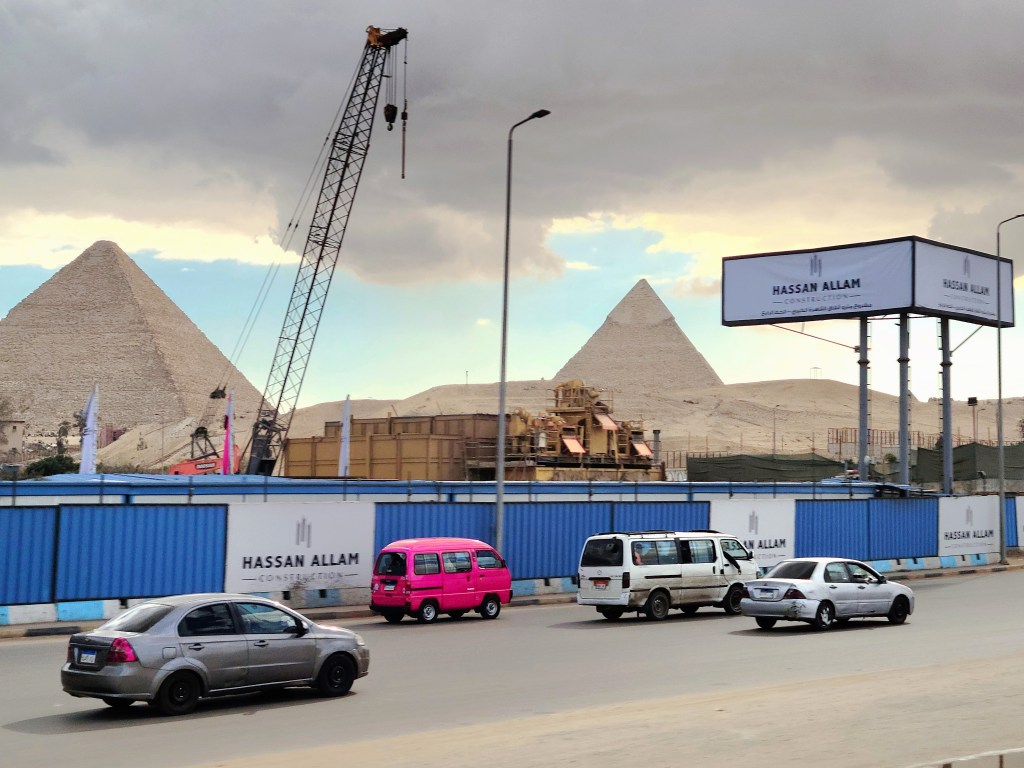
I’ve dreamt of visiting the Great Pyramids nearly all of my adult life, and now, as I gaze through the window of our Viking coach, I catch my first glimpse of these ancient wonders rising beyond a construction zone. Somehow, I can’t escape the notion that these ancient Wonders of the World are part of a half-baked theme park, given their scale and juxtaposition.

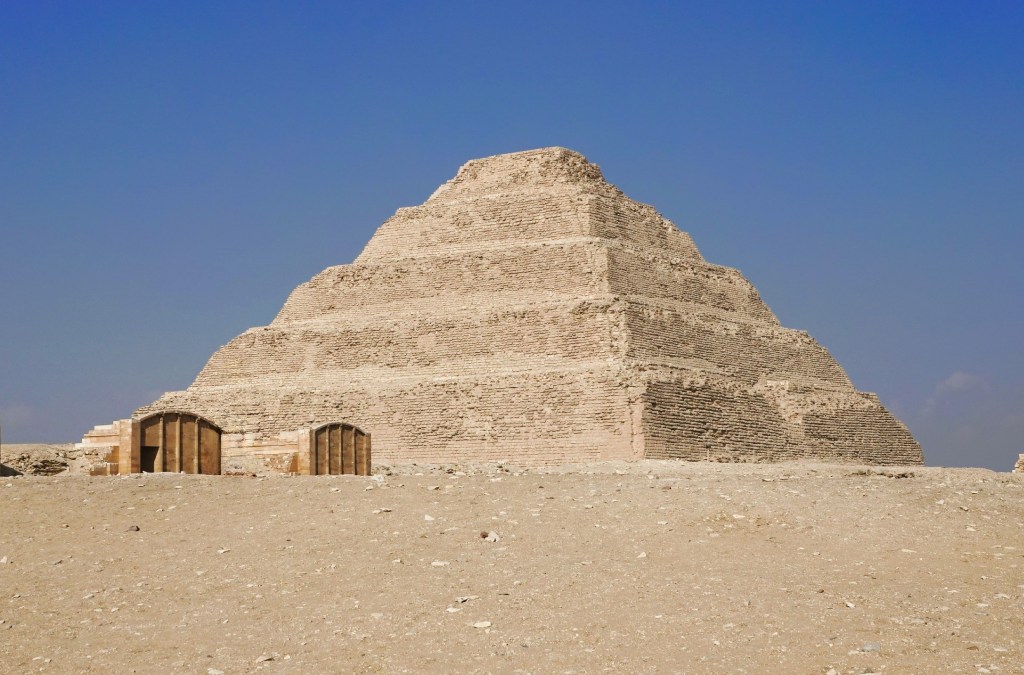
We entered the vast necropolis of Saqqara, which served as the ancient cemetery of Memphis,

featuring the Pyramid of Djoser (frequently called the Step Pyramid), considered the world’s oldest known stone structure, constructed c. 2670–2650 BC. This 6-tier, 4-sided edifice rises 205 ft (62.5m).

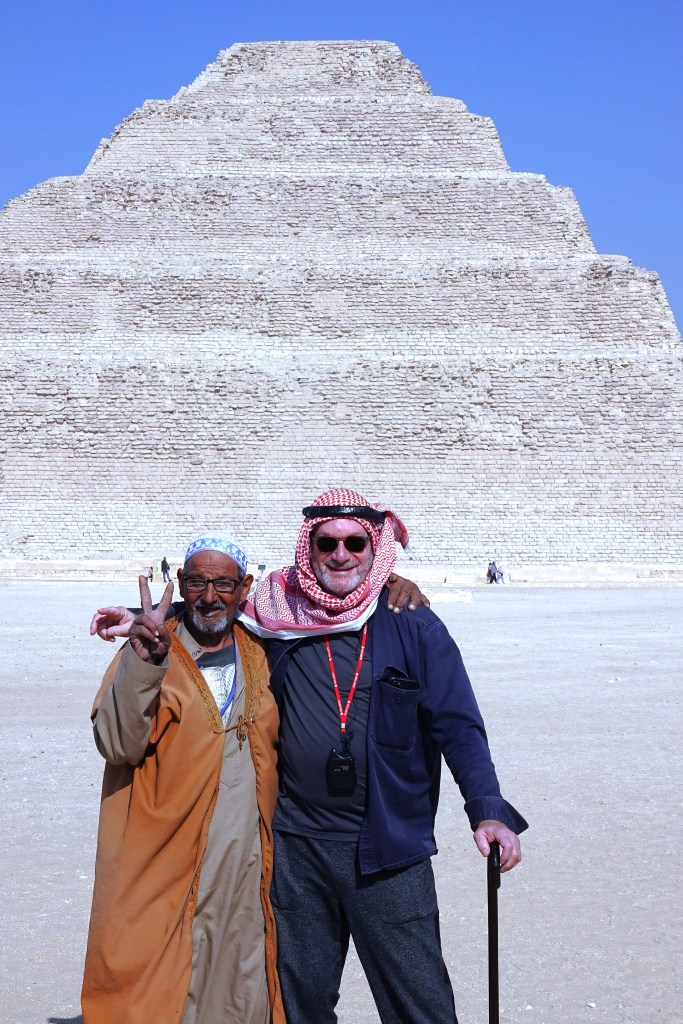
That’s where I met Abdul the Bedouin, regarded by locals as the honorary mayor of Saqqara.

What luck! Seeing Abdul broadly smiling against this epic backdrop, I knew this was an irresistible photo op… and he knew it too–for he was adding instant authenticity to my visual narrative.

Not long after pressing the shutter release, Abdul eagerly approached me and offered to have Leah take our picture together, but not until I was properly costumed.

But don’t be fooled! Despite his diminutive stature, this mild-mannered goat herder with Clark Kent glasses had a secret power. Abdul the Bedouin could hypnotize me into giving him money in exchange for wearing his shemagh.

He wrapped his arm across my shoulder. “Habibi, you’re going to make me very happy,” he whispered as Leah was composing the shot of us. “After all, I have five children to feed.”

Egypt is a poor country. Wages in Giza average between $500 and $750 per month.

Yet, as a Saqqara personality, Abdul was very good at his job–equal parts ham and shmaltz. And he managed to squeeze me for 5 bucks.

Leah and I resumed our tour of the Saqqara necropolis,

at the site of King Teti’s pyramid.

We followed a dark shaft down a narrow passage…

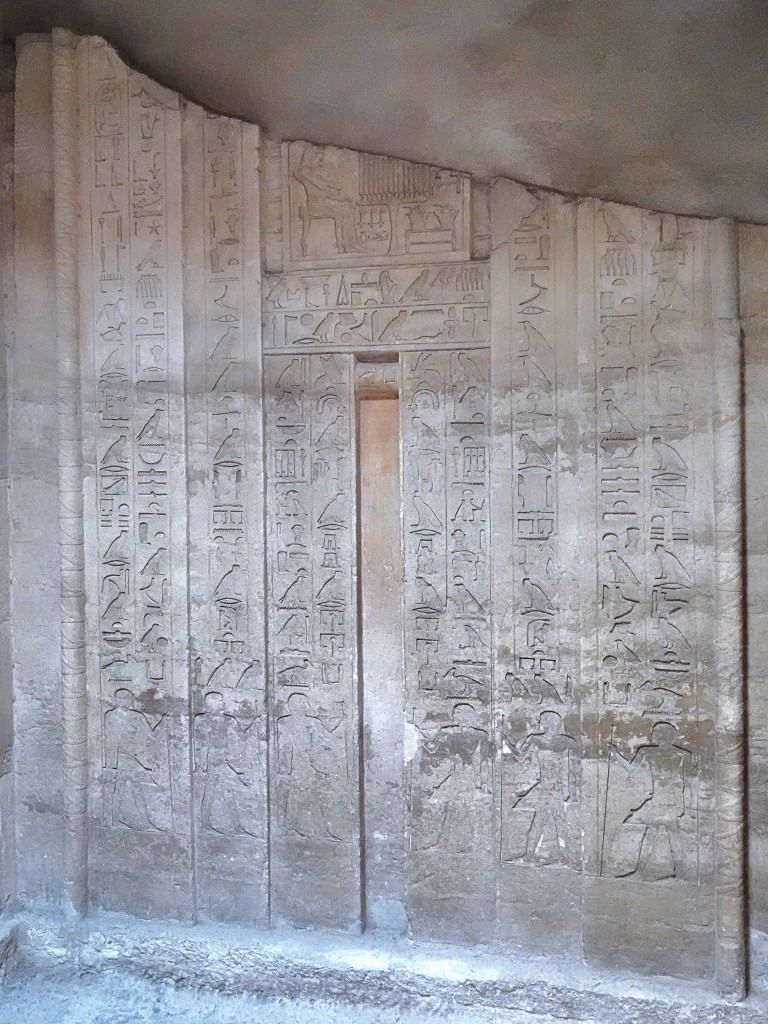
into the belly of his burial chamber, replete with impressive and very rare pyramid texts traced to c. 2300 BC.

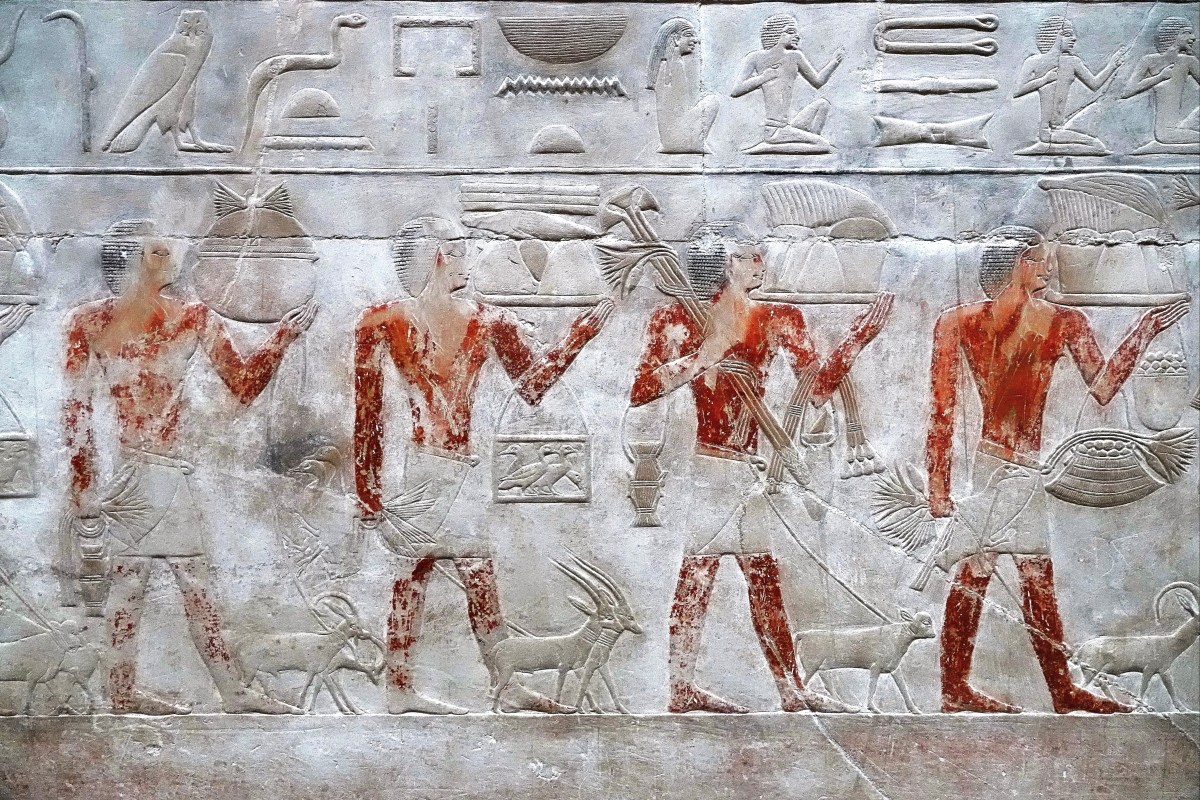
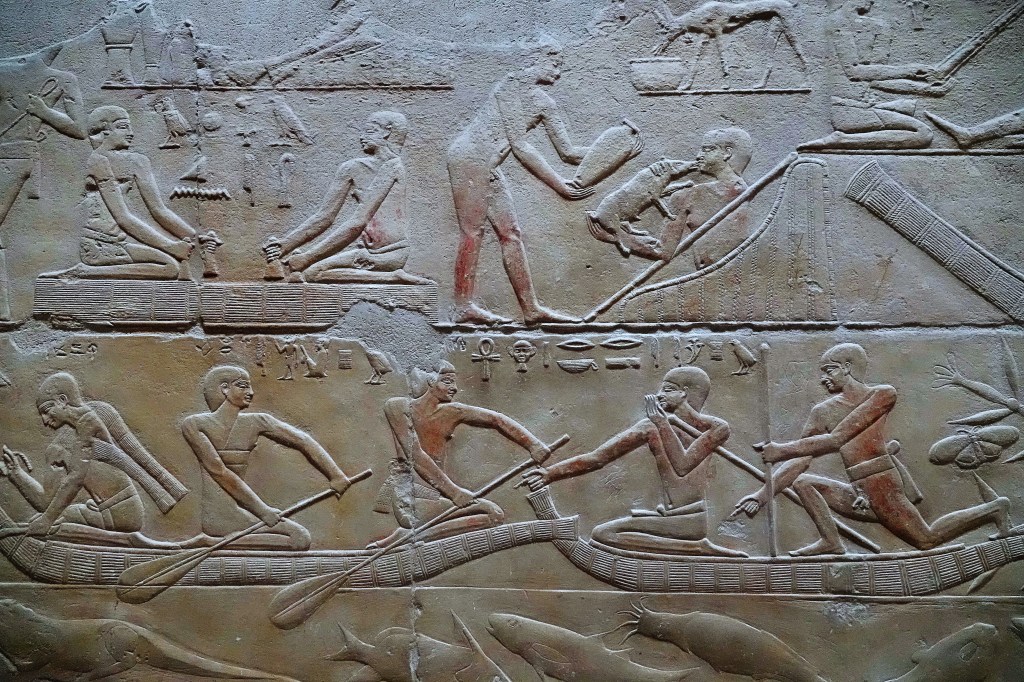
This led to an antechamber lined with relief engravings that showcased the preparations made by Teti’s royal staff in anticipation of his journey to eternity,

after having traveled beyond the alabaster alter to the kingdom of the dead.

Our next stop was the Great Pyramid of Khufu, the largest of the “big three,” standing 481 ft. and constructed c. 2570 BC. And what a site to behold!

Venders were omnipresent, with pop-up stalls surrounding the pyramid’s perimeter.

That’s where we met Mohammed and his camel. While chatting us up, he snatched my cellphone and insisted on taking our picture.

I paid Mohammed a $5 ransom for my cellphone ($1 for each of his 5 children), however, he expressed his disappointment knowing there’d be no camel ride, but only because another vendor was promised Viking’s business:

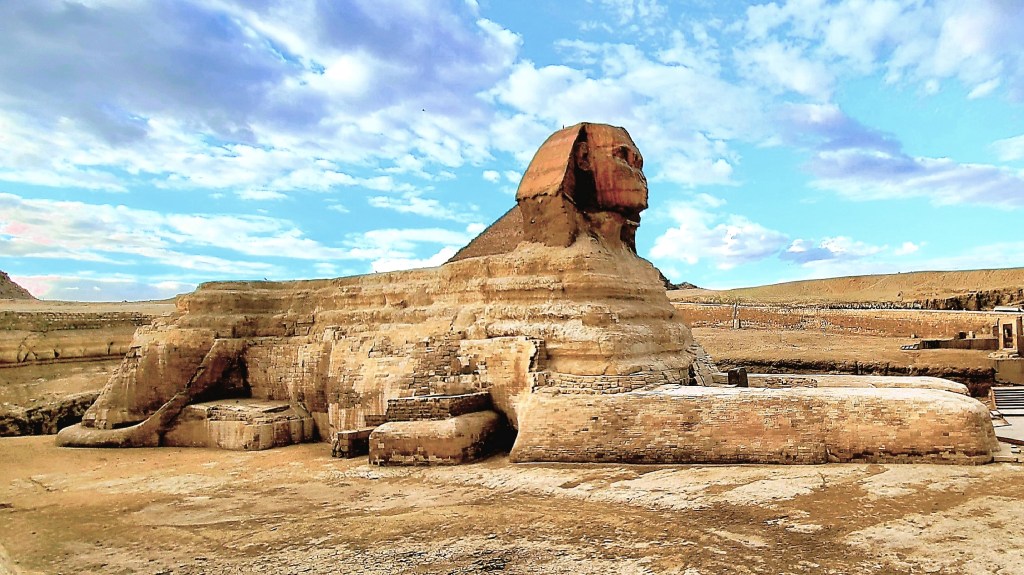
We ended our visit to Giza with a brief jaunt to the Sphinx…

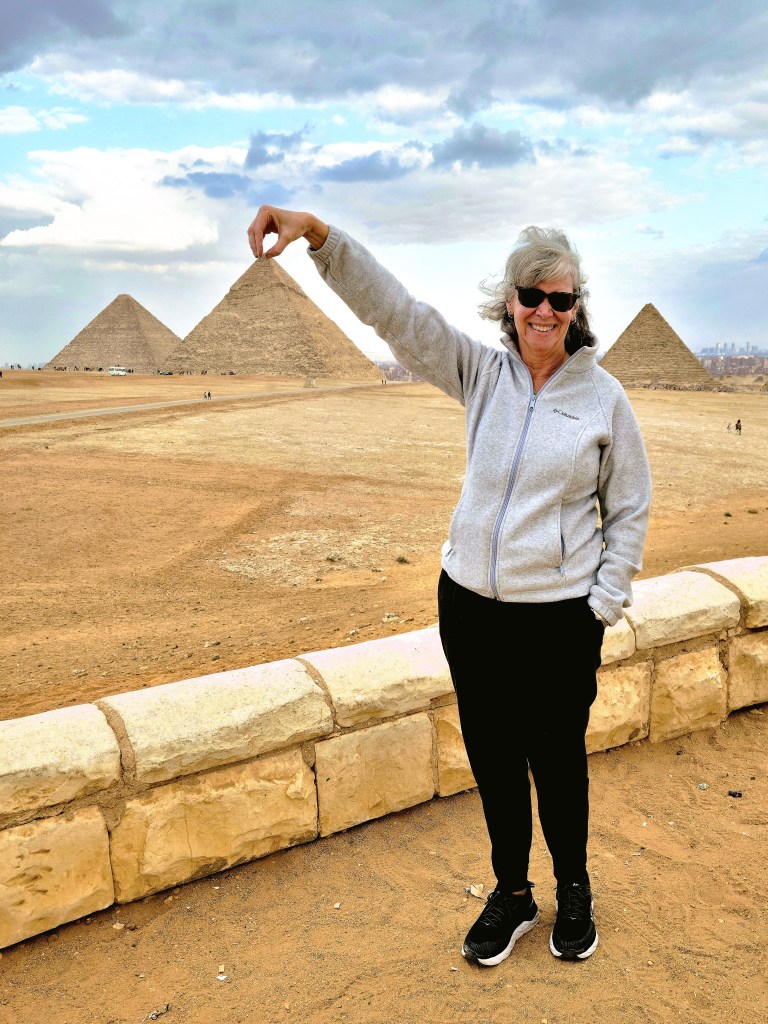
with still enough time for one last parlor trick before boarding the bus.

As for Abdul and Mohammed, best $10 spent, ever!

Next stop: Luxor, Egypt…

Impressions Photographique de Montréal

It took a few days of walking, cycling, and driving around Montréal before Leah and I found our bearings from atop Mont Royal.

We roamed the rues and parcs of the city in search of historic, cultural, and architectural significance–with an emphasis on good food…and we found it in many of the neighborhoods we visited.

Nouilles de Lan Zhou – Noodle Shop

We followed in the steps of 6 million annual tourists who stroll, bike, blade and run between Notre-Dame-de-Bon-Secours Chapel (1771), 

and the Sailors’ Memorial Clock (1922) at the Vieux-Port de Montréal (Old Port).

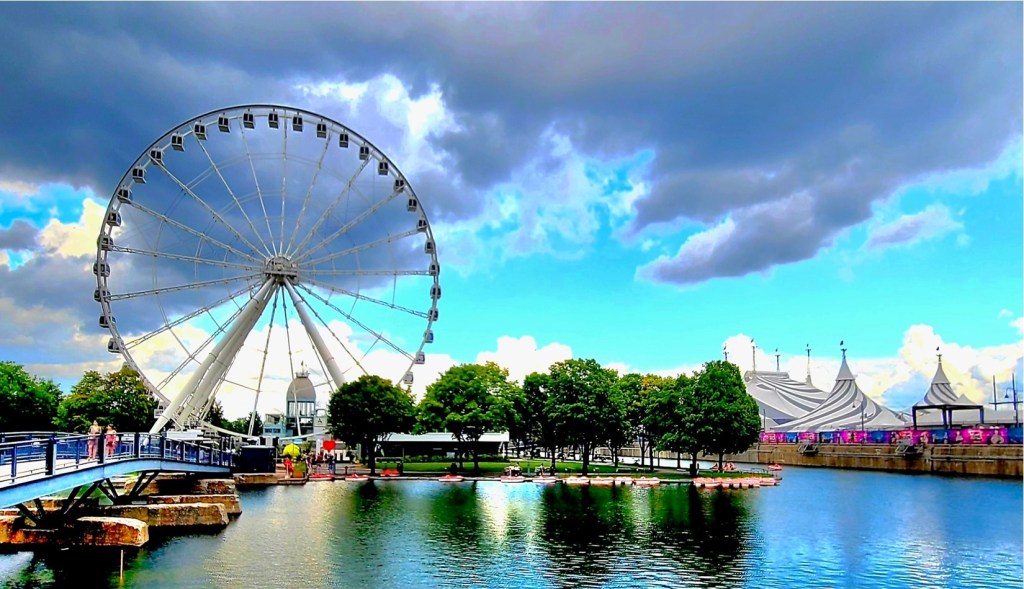
We shared a laugh after spotting yet another monster-sized Ferris wheel on the pier, but La Grande Roue de Montréal, erected in 2017 to celebrate Montréal’s 350th anniversary is one of several family attractions that appeal to tourists near and far.

In 1642, New France took root on the banks of the Saint Lawrence River, where French traders and the Crown established a fort (Ville-Marie) in support of a flourishing fur trade. Roman Catholic missionaries followed, intending to establish a North American parish that could convert the Iroquois to Christianity, and build a cathedral that was worthy of a New World capital.

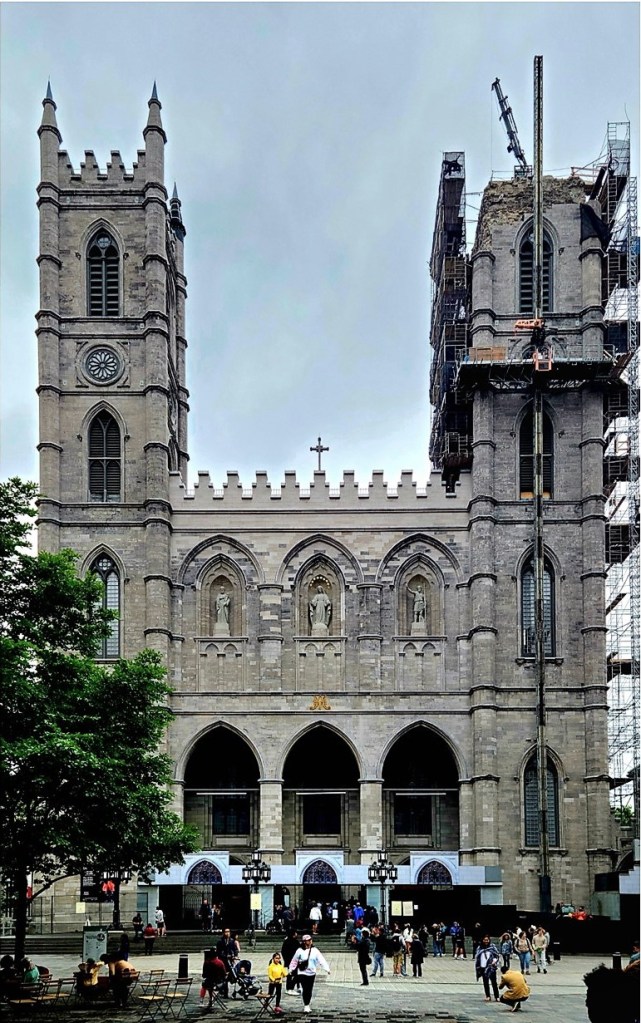
Notre-Dame Basilica was designed by James O’Donnell in a Gothic Revival style, and built behind the original parish church.

Robert Auchmuty Sproule (1799-1845)

The sanctuary was completed in 1830,

and the towers followed in 1841 and 1843.

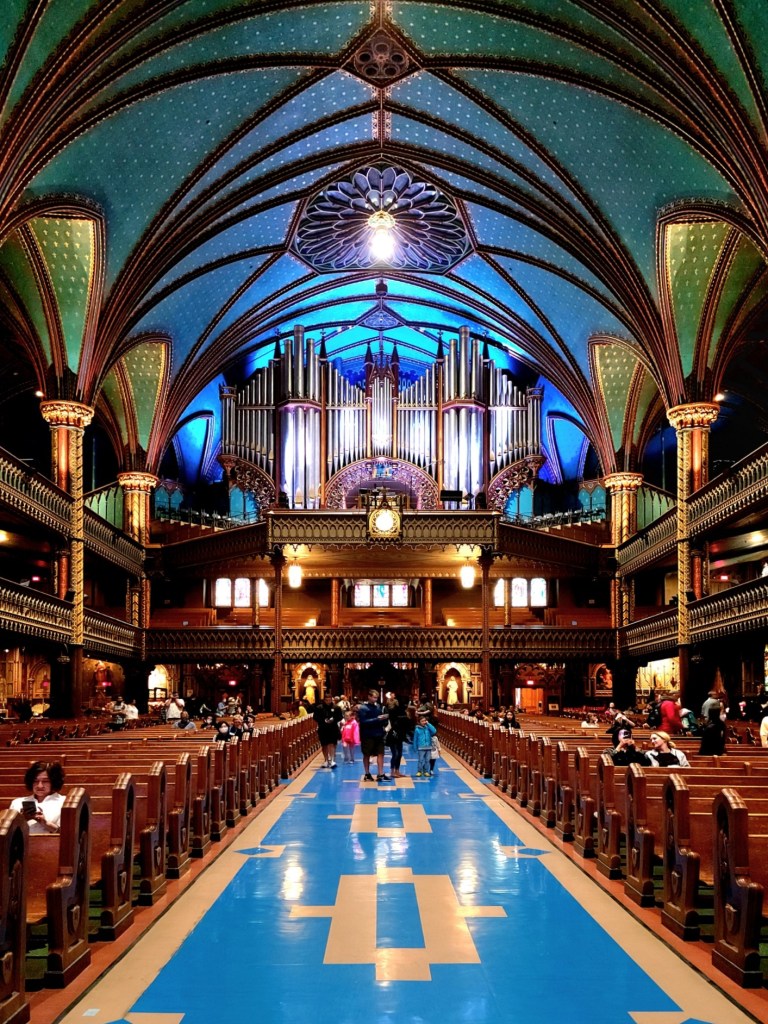
The interior’s intricate stone and wood carvings were completed in 1879.

The pipe organ dates to 1891. It comprises four keyboards, 92 stops, 7000 individual pipes and a pedal board.

Arson destroyed the more intimate Sacre-Coeur Chapel in 1978, but it was rebuilt from original drawings, and finished with an immense bronze altarpiece by Quebec sculptor Charles Daudelin.

It’s a 5-minute Metro ride from downtown to Parc Jean-Drapeau, an island park surrounded by the Saint Lawrence River. Half the park is natural (Saint Helen’s Island) and the other half is artificial (Ile de Notre Dame), conceived with rock excavated from Montréal’s Metro tunnels.

The park is a fitting tribute and memorial for its namesake, Jean Drapeau. As mayor of Montréal (1954-1957, 1960-1986), he was instrumental in bringing Expo67 to his city. Drapeau is also remembered for securing the 1976 Summer Olympics for Montréal, as well as successfully lobbying Major League Baseball for a major league franchise during its 1969 expansion (Kansas City Royals, Montreal Expos, San Diego Padres, and Seattle Pilots).

Few pavilions from Expo67 remain on the island. Notably, the French pavilion has been repurposed as Canada’s largest casino.

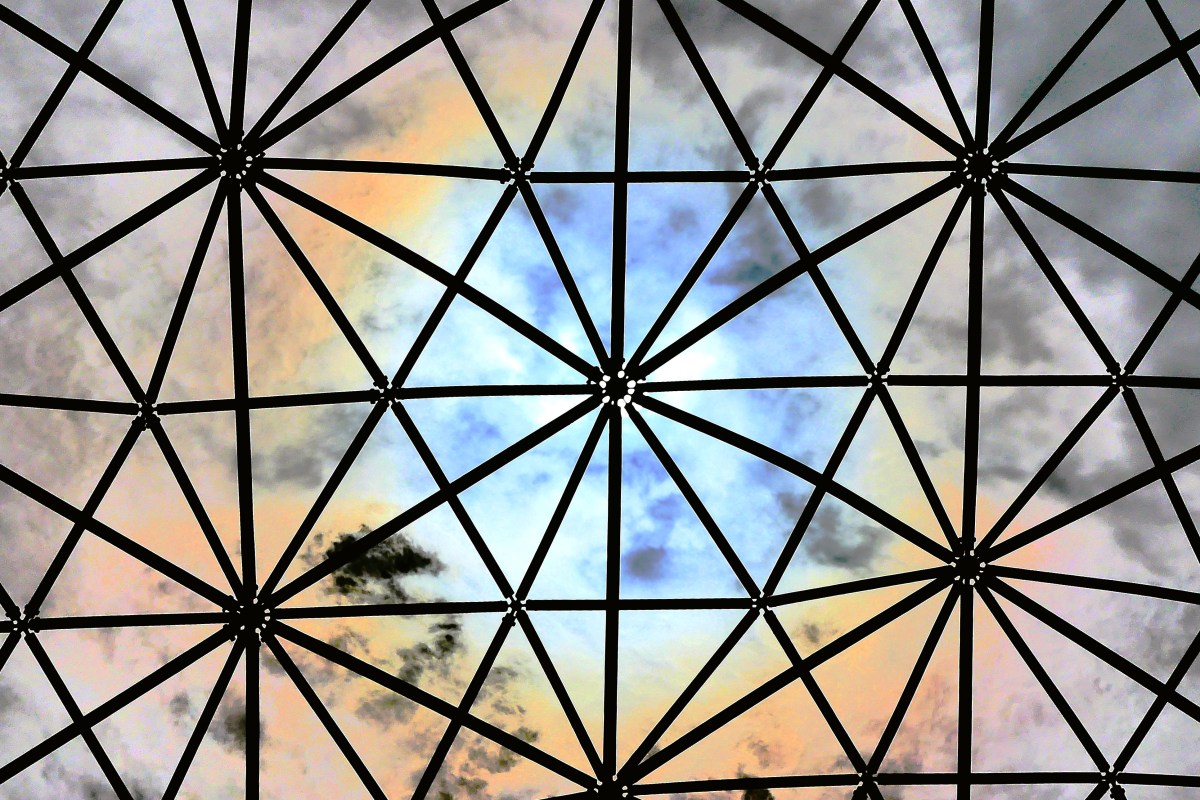
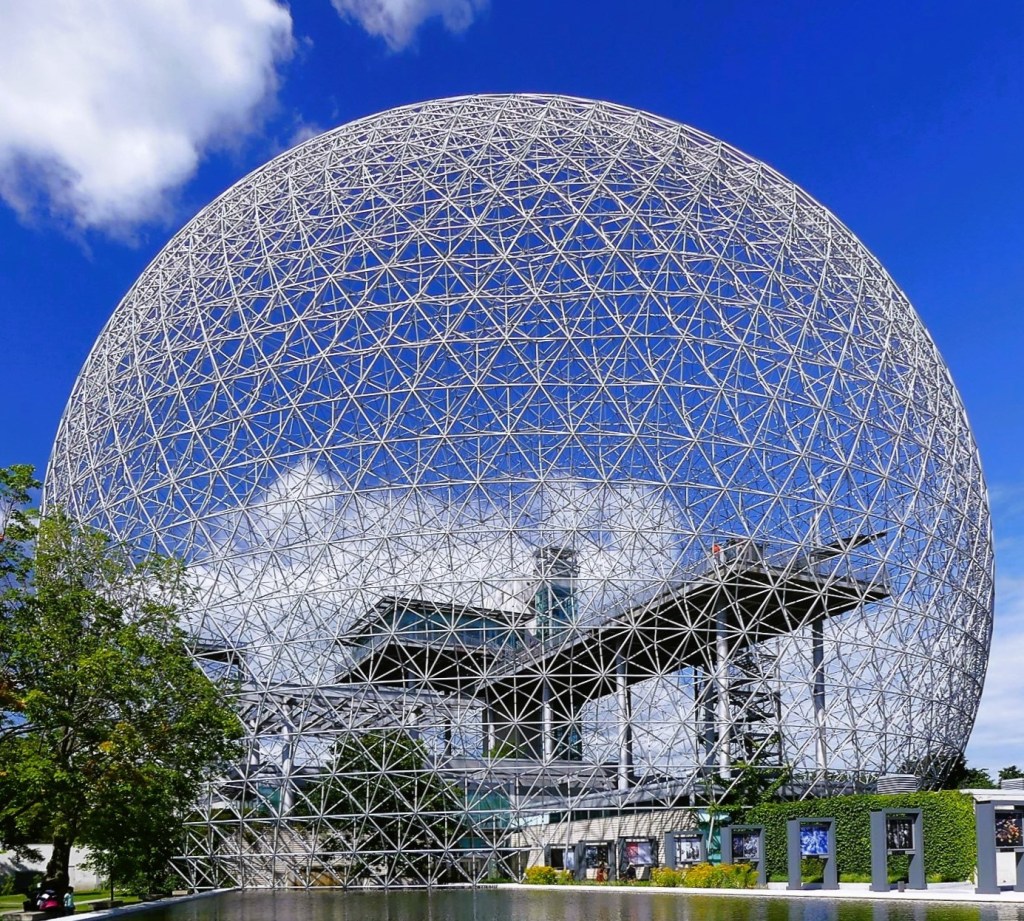
And the United States pavilion, featuring Buckminster Fuller’s geodesic dome has also been preserved, despite a fire in1976 that burned through the structure’s acrylic bubble, leaving only the steel trusses.

Fortunately, the exhibition space within the dome was spared, and has been transformed into an interactive museum named Biosphere, that tells the story of our environment through several rooms of multimedia presentations,

and a wraparound theater space.

But its the iconic geodesic dome that most visitors have come to experience. The New York Times picked the dome as one of “the 25 Most Significant Works of Postwar Architecture.”

Geometry majors may discover 32 triangles from the center of each vertex to the next vertex.

Montréal is also a culinary haven for foodies. We sampled wood-oven-baked bagels from St-Viateur, and smoked meat from Chez Schwartz in the Jewish Quarter. For dinner, Leah and I migrated to Chinatown to sample the fare with Jennifer, a dear friend in town for business.

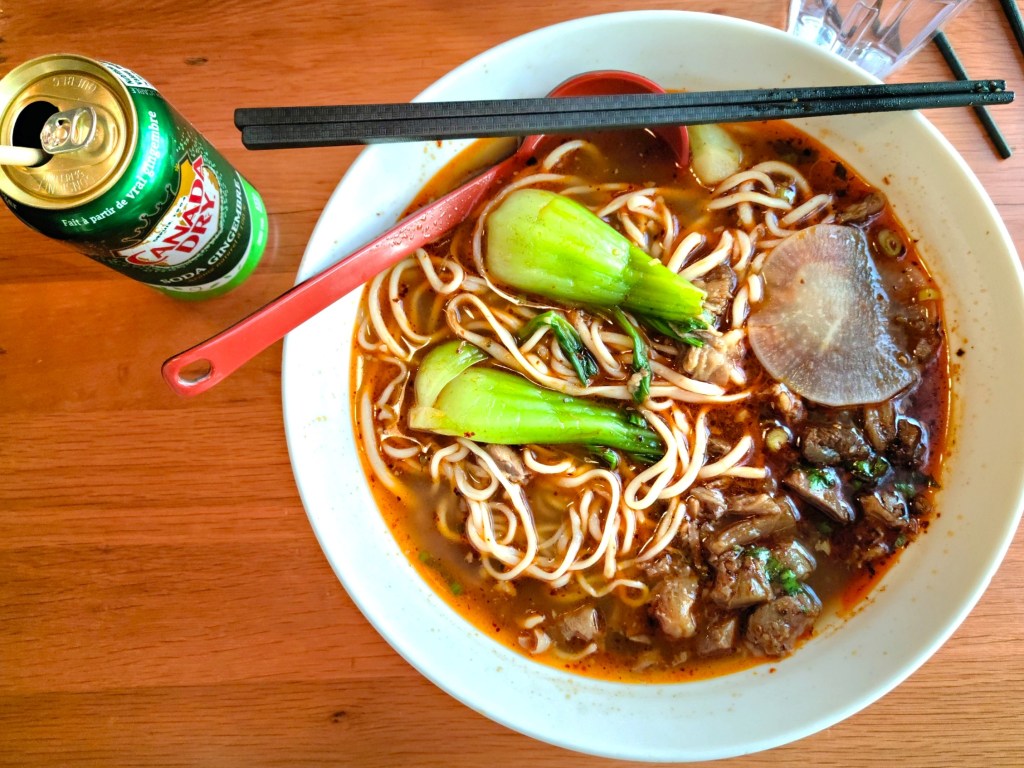
We settled on a tasty meal of soup dumplings at Mai Xiang Yuan Dumpling, but wondered out loud about the long queue out the the door for Gol’s Lanzhou Noodle Shop.

We made a mental note and returned to Gol’s the following evening, only to find another long line of future diners waiting patiently. I spent my wait time studying the noodle maker through the window…

and tasted his skillset in my meal when we were finally seated and served a tureen-sized portion of steaming heaven.

Authentic Lanzhou braised beef and noodles

These were beef noodles to stand in line for, whenever I’m back in Montréal.