Of the 70 plus major temples within Angkor Archaeological Park, and hundreds more smaller shrines, ceremonial buildings, and symbolic ruins scattered throughout the broader Angkor region, none is more enigmatic than Bayon Temple.
It stands at the center of Angkor Thom, the Khmer capital, as Khmer Empire’s only Buddhist state temple, and last temple constructed during the reign of King Jayavarman VII.
While hiking among the remaining 37 towers (originally 54) preserved throughout the temple’s 5.5 acres,
it becomes increasingly apparent that only the most talented artisans were chosen to sculpt Jayavarman’s likeness to resemble Buddha.
Or perhaps Buddha’s representation was intended to commemorate Jayavarman.
Either way, I found the serene and smiling faces profoundly impactful–creating an encouraging atmosphere to contemplate the spiritual energy infused in our surroundings,
and making us feel a part of something greater.
The enlightened expressions also served as a gentle reminder of the beauty unlocked from local sandstone and laterite stone–
inspiring us to embrace positivity and carry it with us beyond our stay.
Khmer sculptors have also created a remarkable tableau of battle history, religious mythology, and random scenes from everyday life recorded on gallery walls throughout the complex.
Aside from its historical significance and its testament to architectual genius, Bayon Temple continues to serve as a vibrant center of spiritual life. Local communities gather regularly to participate in rituals and ceremonies, reflecting their enduring faith and cultural heritage.
The presence of monks who play a vital role in guiding the spiritual practices of the community reinforces the temple’s significance beyond just a tourist attraction.
Their ongoing devotion helps preserve the temple’s sanctity, making it a living testament to the blend of history and contemporary spirituality in Cambodia.
Siem Reap Province, located in northwestern Cambodia, possesses significant cultural, religious, and symbolic value, and is also renowned for its architectural, archaeological, and artistic importance. Furthermore, Siem Reap is home to Angkor Archaeological Park, the world’s largest religious monument complex and the cornerstone of Cambodia’s tourism sector.
Our O.A.T. group overlanded from Phnom Penh to Siem Reap with a stopover at the ancient Kampong Kdei Bridge, constructed in the 12th century during the reign of King Jayavarman VII.
The bridge is a testament to the engineers who designed the 87m river span with 21 corbelled arches of laterite, making it the longest structure of its kind in the world.
Nine-headed nagas–whose bodies form a continuous balustrade alongside the roadbed–welcome only pedestrians and cycles on the bridge because of weight restrictions.
While admiring the scenery, I paused a moment to consider that Leah and I were walking the same trail as the Chinese merchants who traded along the Maritime Silk Road nearly a millennium ago. Back then, it was a 2-day trek through the lowlands to reach Angkor Wat.
But not for us; we stepped out of our air-conditioned coach the following morning, well before the crowds, to cross a moat symbolizing the cosmic ocean in Hindu cosmology.
While getting our bearings, our guide Seong, a native of Siem Reap revealed Cambodia’s worst kept secret: by arriving at Angkor Wat’s Death Gopura (East Gate), we were avoiding the popular western gateway with five times the tourists.
The cloud cover flattened the morning light on our approach down the expansive causeway. It was the best time for photographing Angkor. Eventually, we reached a break in the trees, perfectly framing the famed lotus tower of this Khmer masterpiece. It was reminiscent of the thrill I felt after emerging from the slot canyon in Jordan and peeking at Petra for the first time at first light.
Much has been written about Angkor Wat:
About its monumental size,
spanning 402 acres,
or 4 times the size of Vatican City;
It’s intricate bas-relief carvings throughout the temples and galleries;
Its historical significance, showcasing Khmer mythology and history etched into laterite stone;
Churning of the Sea of Milk
Heaven and Hell
Military Parade of Kink Suryavarman II
Its religious significance–originally constructed in the 12th century as a Hindu temple dedicated to Vishnu but converted to a Theravadin Buddhist temple during the 15tth century to reflect the shift in Cambodia’s spiritual landscape;
Hindu GoddessBuddha seated on Mucilinda, King of the Serpents
And its architectural accomplishment–a profound reflection of Hindu cosmology, particularly the concept of Mount Meru, regarded as the mythical abode of the deities. The central tower of Angkor Wat epitomizes the summit of Mount Meru, while the adjacent smaller towers signify the mountain’s subordinate peaks. The moat and the rectangular outer wall delineate the oceans and the boundaries of the world, respectively.
Restoration and maintenance have become routine endeavors in Angkor, which fell into neglect following the capital’s relocation to Phnom Penh in 1434. The site garnered renewed attention after being rediscovered by French naturalist Henri Mouhot in 1858.
An international task force supported by Japan, India, France, South Korea, and other contributing nations have collaborated with APSARA National Authority, the Cambodian government agency responsible for Angkor’s ongoing preservation and management, to address the extensive neglect and restore the temple to World Heritage status.
Ceiling before repairCeiling after repair
Recently, new risers have been completed by the Korea Heritage Agency…
giving access to the Bakan (central sanctuary),
which supports the amazing quincunx of towers,
offering amazing views,
and providing sanctuary for a rare wooden Buddha sculpture whose head remains intact,
unlike most of the other Buddhas who fell victim to so many marauders over the centuries.
But amidst the vastness and splendor surrounding us, it was the people donning their Sunday best who truly captured my attention with their warmth and spirit.
often posing by the Reflecting Pool for the quintessential photograph, or so I thought.
Unfortunately, the wind kicked up, causing the pool to ripple ever so slightly and affect my mirrored imagery.
However, by returning the following day for a sunset farewell to Angkor, I believe I captured the iconic shot that characterizes Cambodia’s cultural landscape.
The experience not only fulfilled a bucket-listed destination but deepened my appreciation for the rich heritage of Cambodia, reminding me that some locations leave an indelible mark on our souls.
Visiting the World Heritage city of Luang Prabang was an enlightening adventure, given its rich history, its cultural gems, and its natural wonders that draw travelers from around the globe. The vibrant blend of ancient temples and French colonial architecture creates a stunning backdrop for exploration, inviting visitors to wander through its charming streets. With so much to explore, from the serene banks of the Mekong River to the bustling local markets filled with handmade crafts, it’s little wonder why our three days went by so quickly, while only scratching the surface of so many not-to-be-missed activities.
We toured the ancient capital’s Royal Palace-turned-museum …
with its purpose-built shrine housing the golden Phra Bang (translates to “delicate Buddha”), created in Sri Lanka between the 1st and 9th century, and worshipped in Luang Prabang since 1359 as the nation’s most sacred symbol.
We trekked through Kuang Si Waterfall Park,
featuring a 165 ft drop …
feeding terraced plunge pools of milky green water,
and a rescue sanctuary for black Moon bears and Malayan Sun bears.
After a full day of sightseeing, many in our tour group sought respite at our hotel, the Muang Thong.
However, Leah and I enjoyed a 60-minute, aromatherapeutic couples massage for $34 at M.K. Wellness Centre only steps from our hotel,
followed by a stroll to a nearby hotel …
where an acre of tropical gardens is thoroughly hidden from the street,
protecting three UNESCO-classified lily ponds …
amid an oasis of orchids …
along a mahogany-clad boardwalk.
Lush flora surrounds the property and covers nearly every surface,
including the living walls.
It was the perfect location to share a special dinner with fellow OATers at the hotel’s on-site restaurant, Manda de Laos,
featuring traditional Lao flavors that had us grinning ear to ear,
and energized to continue our journey to Vientiane the following day.
Overseas Adventure Travel, a familiar name in international group tourism, has a recognized history of offering an array of immersive tours that not only prioritize cultural engagement but also emphasize sustainability while remaining affordable for travelers. Their unique approach allows adventurers to connect deeply with diverse populations and local traditions, fostering genuine interactions.
In alignment with this mission, their charitable partner, Grand Circle Foundation has made a profound commitment to uplift and support the communities they visit around the world. This includes providing essential services in areas such as education, access to clean water, and leadership training, ensuring that the benefits of tourism extend far beyond the travelers themselves.
Since 1992, O.A.T.’s active participation in conservation initiatives aimed at protecting natural ecosystems and preserving cultural traditions has created a positive and lasting impact in every location they’ve ventured into, thereby enriching visitors and communities alike.
We were about to experience this, first-hand.
Our Ancient Kingdom itinerary carved out a few days to explore the ancient capital and UNESCO World Heritage site of Luang Prabang and its ethnic surroundings.
Leah and I got our bearings during our group’s late-day orientation walk through the historic district, where we admired Wat Sensoukharam,
built in 1718 during the reign of King Kitsarath, and restored to its current state in 1957.
Also known as Wat Sen, the temple is believed to have been built using 100,000 stones from the Mekong River, giving the temple its name, roughly translating to Temple of 100,000 Treasures.
With the sun setting on the Mekong,
and commuter traffic saturating Sakkaline Street,
the sidewalk eateries busily prepped for dinnertime crowds.
Down the road, merchants appointed their stalls with purses, pottery and paintings before the weekend procession to the night market, where family and friends flocked for a social evening.
The following morning, we scrambled into jumbos,
and rode to the Royal Pier,
where we boarded a traditional wooden boat that transported us upriver to a nearby Buddhist temple on the western bank.
We roamed the modest temple grounds, surrounded by ramshackle monastery dorms,
and temple buildings that had long forsaken its gold leaf …
for peeling paint.
Just beyond the temple walls, a steady show of curious children received us,
acting as welcome ambassadors to Mouangkham Village,
an O.A.T.-supported community that was eager to share its hospitality.
The villagers have banded together to literally sustain themselves in a grass roots business by producing khai paen, a dried, river weed delicacy for wholesale food markets.
We observed a demonstration: from washing and rinsing,
to beating the weed into submission, until it’s been reduced to a fine green veneer of fiber.
It didn’t look overly complicated, requiring just enough finesse to master the battering. Only a scattering of thinly sliced tomatoes, shredded garlic and a sprinkle of sesame seeds was needed to complete the process.
My best effort was donated to the local economy.
As a cottage industry, it may not seem like much, but it’s enough to provide for toddler high-tech.
The following day, we boarded a bus to Mouang Khai Village for A Day in the Life experience among Lao, Khmu and Hmong people, who share humble homesteads,
but celebrate a rich cultural heritage, like playing the qeej (a reeded bamboo instrument) during a teenage courtship dance.
The village chief hosted a traditional Lao lunch, cooked by us with appropriate guidance…
but the highlight of the day was attending primary school with a dozen youngsters at their Grand Circle Foundation-funded, one-room schoolhouse, where we were exuberantly serenaded,
while the older children…
looked after the younger children.
After a special presentation to the village teacher of 15 years,
we were escorted back to our bus.
It was a special day-in-the-life.
By reaching out and connecting with communities around the world, we learn to appreciate firsthand, not only our diversity, but our commonality — and the understanding we gain can be life-changing.
While sifting through hundreds of photographs taken during a recent tour of Southeast Asia (see past posts), I weeded out a wave of watercraft shots, and thought a maritime montage of nautical notions would make the perfect post.
During our visit to Kanchanaburi, Leah and I enjoyed time on the River Kwai in a traditional long-boat…
giving us splendid views along the water,
and a glimpse of river-lounging for well-heeled tourists:
But it wasn’t until we returned to Bangkok’s Chao Phraya that we gained a greater appreciation of the river’s transportation network:
of river buses, cross-river ferries, water taxis, and sunset party boats.
On another occasion, we boarded a long tail to cruise upriver on the Chao Phraya,
taking in the sites of the ancient capital of Ayutthaya…
along the waterfront.
But the mighty Mekong is Southeast Asia’s “Mother of all Rivers” and most significant waterway. It winds its way from the Tibetan Plains to the South China Sea, running through Myanmar, Laos, Thailand, Cambodia, and Vietnam, making it the region’s longest river at nearly 3,000 miles.
The Mekong is also the most productive river on the planet–boasting the world’s largest inland fishery–
which accounts for up to 25% of the global freshwater catch while providing livelihoods for 90 million people,
and supporting 54,000 sq mi of rice crops.
While touring upper Chiang Rai, Leah and I were hypnotized watching the confluence of Myanmar’s Roak River flowing into the Mekong–
separating Thailand and Laos to form the Golden Triangle.
But it wasn’t until our visit to Luang Prabang, Laos that we caught a second look at the Mekong–this time during golden hour–
which set the stage for our cruise the following day on a traditional wooden boat.
We motored slowly upriver to where the Mekong meets the Nam Ou River at Ban Pak Ou,
and disembarked directly across from the village…
to explore the Pak Ou Caves–Tham Ting and Tham Theung–located on the west bank of the Mekong River.
The first Lao people arrived at Ban Pak Ou from South China during the 8th century. They brought a strong belief in spirits and a profound respect for all things nature. It was an animistic religion known as Ban Phi.
The villagers believed that the caves were enchanted with river spirits, and they performed periodic blood sacrifices for prosperity and protection, but by the 16th century, Buddhism had been adopted by the royal families of Lao, who offered their patronage until the last days of the monarchy in 1975.
While Buddhism remains a unifying feature of Lao culture, animistic rituals continue to thrive and have been seamlessly integrated into Buddhist ceremonies, allowing Shamans and monks to symbiotically tend to the spiritual needs of their worshippers.
These days, the caves are a well-known repository for over 4,000 miniature Buddha sculptures, mostly old or disfigured impressions dating from the 18th century.
We were reacquainted with the Mekong during our stay in Phnom Penh, where we enjoyed a delightful sunset cruise on the river,
with all the beer we wanted!
The ever-shifting city skyline…
stands in stark contrast with Akreiy Ksatr Village on the opposite bank.
But a new ferry station supports continued growth along the river in every sector,
making Cambodia an emerging economic engine among ASEAN nations.
Lastly, during our visit to Vietnam, Leah and I traversed the Mekong Delta on a chartered riverboat.
As we navigated inside a shallow tributary, my mind quickly turned to Conrad’s “Heart of Darkness,” with haunting visions of Marlow’s journey on the Congo River.
Initially, our captain wondered if the incoming tide would lift our boat over the mud, unlike other sidelined sailors,
as we managed to crawl through the middle of the passage at low tide.
Eventually, we exchanged our boat for an excursion by sampan,
until we reached our next location,
where Siamese crocodiles are on the menu and not on the Mekong, thankfully!
There were many other water activities throughout our tour, yet nothing prepared us for a day on Tonlé Sap, where we observed Cambodians living on the water, full-time.
Rivalry serves as a profound motivator, compelling individuals to elevate their performance. It fuels our ambition and stimulates our creative capacities. Additionally, it sharpens our concentration and tests our boundaries.
At its most constructive, rivalry fosters a form of competition that can lead to significant achievements.
For example, had it not been for Gutzom Borglum’s monumental conversion of Tunkasila Sakpe Paha into Mt. Rushmore(1927-1941), there might never have been a Crazy Horse Memorial located 16 miles from Borglum’s masterpiece.
Afterall, it was Korczak Ziolkowski, Borglum’s assistant at Mt. Rushmore who imagined the Lakota mountainside transformed into the world’s largest sculpture of a 19th century Sioux chief on a horse.
As a work-in-progress since 1948, the completed head of Crazy Horse stands at 60 feet, matching the measure of George Washington’s image.
Similarly, visionary architect Frank Lloyd Wright designed Taliesin as his estate-studio outside Spring Green, Wisconsin. Wright’s organic design followed his affinity for infusing natural elements into his habitats (Prairie Stylings).
Forty-eight years later, Alex Jordan–although not professionally trained as an architect–drew inspiration from Wright’s Taliesin, and began construction on his own homestead, the iconic and certainly eccentric House on a Rock–only 6 miles down the same road, on WI-23.
In the hills of Chiang Rai, Thailand a similar rivalry exists between teacher and student, with their competing visions of divinity and righteousness expressed through different, symbolic colors: Chalermchai Kositpipat’s gleaming, ornate White Temple…
versus Puttha Kabkaew’s psychedelic Blue Temple, which borrowed heavily from his mentor’s neo-traditional style of Buddhist art. And we got to explore both of them!
We departed Chiang Mai for Chaing Rai, first passing through Thaweesin Hot Springs, our timely rest stop, and Thailand’s highest elevation thermal waters–where we stretched our legs, soaked our feet,
and where a Happy Room attendant eagerly pointed us in the right direction.
After arriving at the White Temple (Wat Rong Khun), we were greeted by a Transformer,
who seemed to reflect the otherworldly characteristics of the temple grounds.
The details behind Chalermchai’s bid to rebuild the crumbling temple in the village of Rong Khun are legendary.
In 1997, Chalermchai committed to self-fund the project as an offering to Buddha after a national economic downturn threatened its reconstruction. He did so for love of country, love of Buddha, and his love for the King.
He cast the chapel, the Sukavadee Bridge, the crematorium, and other prayer halls in white as a symbol of purity and spiritual enlightenment.
The mirrored tiles represent Buddha’s wisdom, which shines across the mortal world and the universe.
Silver Bodhi trees in public squares and walkways hold the wishes of thousands of visitors who pray for guidance and enlightenment.
Other buildings have been designed in gold–deliberately chosen to represent attachment to material wealth, and worldly distractions. The ornate Happy Room building is one such preoccupation,
while the golden bridge, ironically carries visitors to the golden gallery and gift shop.
At the White Temple, nothing is truly as it seems. Even the monk who adorns the chapel alter has been cast in wax.
The striking artistry and rich cultural symbolism elevate the experience and compel introspection at every moment. Within the Ubosot—where photography is prohibited—captivating murals that blend contemporary references and historical motifs vividly portray the eternal struggle between good and evil. Colorful representations of political figures, Star Wars characters, and Disney icons convey a compelling truth: rebirth, karma, and the cosmic balance of the universe stand as the ultimate rewards.
Puttha Kabkaew’s philosophical and spiritual manifesto clearly aligns with his mentor’s, Chalermchai Kositpipat, and it’s on full display–less than 10 miles away–at the Blue Temple (Wat Rong Suea Ten).
The temple’s name translates to House of the Dancing Tiger as a testament to the wildlife that once roamed freely over temple grounds a century ago.
Puttha’s cerulean-blue facade symbolizes the importance of meditation and inner peace, while gold accents represent enlightenment and emphasize the architecture.
The temple’s interior features a large statue of a white porcelin Buddha…
surrounded by surreal, contemporary Buddhist art.
The Blue Temple is protected by fantastical, celestial creatures: like imposing Nagas,
fountain-loving Garudas.
and an Erawan.
Since 2016, the Guardian of Wat Rong Suea Ten has been intent on heralding the word of Buddhism…
But the road to enlightenment is a bit like trying to assemble IKEA furniture—it’s an eternal struggle! Buddhist imagery often showcases the bewildered faces of those in misery, serving as a nagging reminder of the struggles one must overcome to achieve enlightenment.
And one day, with the help of my fellow mortals, I hope to get there!
After touching down at Chiang Mai International Airport, the stark contrast to Bangkok was immediately apparent. The air was cooler, humidity was dryer, and the AQI was no longer borderline, breathtaking.
We were at the gateway to the Thai highlands, in sight of Doi Suthep (elev. 5500 ft), and we were trading skylines for landscapes.
Exploring Chiang Mai’s heritage–rich with unique Lanna-style architecture, art, sculptures, handicrafts, and ancient temples–gave us the cultural opium we were all craving, with insightful opportunities to:
dive deeper into Buddhism (at Wat Phan On, inside the ancient city wall);
experience the folklore (of traditional Lanna Thai dancing);
admire the folk art (of a master carver from Baan Jang Nak);
appreciate the artisanship (of a reformed Karen Tribe villager);
savor the Lanna cuisine (of a traditional Khantoke dinner);
and relish the view (from atop an artisanal coffee farm).
Tour highlights while visiting Chiang Mai included a nature walk through Mae Kampong Village…
which culminated in a hike up Mae Kampong Waterfall’s flume gorge.
Our journey continued to the remote village of Ban Buak Khang, where master carver, Phet Wiriya combined his childhood passion for wood carving with his deep affection for elephants…
culminating in “Baan Jang Nak” (a house full of elephants), a renowned studio that offers Lanna wood carvers an outlet to hone their prodigious fabricating skills.
At Baan Nai Soi village, we visited a community of Burmese refugees known as Karen, whose tribe crossed miles of Burmese jungle into Mae Hong Son province during 1985 to avoid Myanmar’s political persecution.
Consequently, Thai authorities designated 3 relocation camps within the Highlands,
which over time and not without controversy have evolved into tourist destinations, where “longneck” women generate income by putting themselves on display–not unlike a “human zoo”–for a $10 admission ticket.
Mothers invite their girls at the age of 5 to begin the process by winding a brass coil across their shoulders, beginning with about 3 1/2 pounds of metal and adding inches until they’ve accrued more than 11 pounds.
Periodically, women will exchange the coil for a longer one, calling for more turns–ultimately reaching 22 pounds of down pressure. But longer necks are actually more of an illusion. The weight of the brass bears down on the clavicle, compressing the rib cage, and pulling up 3 to 4 thoracic vertebrae into the neck. While the neck itself is not lengthened, the appearance of a stretched neck is created by the deformation of the clavicle.
While beauty is indeed in the eye of the beholder, it’s essential to recognize the complex and competing narratives surrounding the beauty of longneck Karen women. Anthropologists have suggested that long necks may have served as a form of protection, perhaps making these women less appealing to other tribes and thus safeguarding them from a future of slavery. Conversely, it’s believed that the coils would embellish a Karenni’s beauty by highlighting the sex appeal of her elongated neck.
Another perspective is that these coils create a striking resemblance to dragons, a significant symbol in Kayan folklore, which adds a layer of cultural richness to their appearance. Additionally, the idea that the coils might offer protection against biting tigers–whether in a literal or symbolic sense–reflects a deep understanding of the challenges these women might face, blending beauty with resilience.
In another instance of culture shock, we visited Wat Chedi Luang, a 600-year-old cultural landmark located in the historic center of Chiang Mai, and once home to the venerated Emerald Buddha (subsequently, relocated to Wat Phra Kaew in Bangkok in 1551).
It’s also home to the Inthakhin city pillar–protected within a nearby shrine,
and accessible for most to view, but with a major caveat!
Women should take note: that Thailand’s guarantee of gender equality comes with red strings attached.
Photographing the entirety of the Reclining Buddha at Wat Pho is no small feat!
The soles of Buddha’s feet measure 3 meters high and 4.5 meters long. While Paul Simon was singing about “Diamonds on the Soles of her Shoes,” Buddha was “kickin’ it” with mother-of-pearl inlays. Each foot is distinguished by 108 panels featuring icons of flowers, dancers, white elephants, tigers, and altar symbols. A chakra (energy point) has been planted in the middle.
But back to Wat Pho for some historical perspective:
Wat Pho is a temple complex of 40 structures spanning 80,000 sq ft,
It’s rich history dates back to the reign of King Phetracha (1688–1703), who is credited for constructing the first temple of Wat Pho, prior to the collapse of the ancient city of Ayutthaya (1351-1767).
However, it’s King Rama I (1737-1809), who moved the capital city to Bangkok after Ayutthaya fell to the Burmese in 1767, thus assuring the revival and rehabilitation of Wat Pho, and its designation as Bangkok’s most important monastic enclave. His ashes are housed within Phra Ubosot–Wat Pho’s most sacred building–beneath the Buddha, also rescued from Ayutthaya.
Of the 95 chedis scattered throughout the complex, the four tallest rise 42m and contain the ashes of Rama’s 3 successors. Chinese guardians offer protection.
The first chedi to be built by Rama I holds the remnants of the once great Buddha recovered from Ayutthaya, after the Burmese stripped it of its gold. The story goes:
Additionally, 400 Buddha’s were salvaged from northern Thailand and aligned along the cloister walls.
and courtyards–
while 4 other groups of 5 chedis were erected for the ashes of royal family members.
Wat Pho has long been considered a great center for higher education. Phra Mondop contains the Buddhist library, and houses preserved palm leaves inscribed with Buddha’s teaching.
Wat Pho is regarded Thailand’s first public university, training students in religion, science, and literature through its many murals and sculptures. In fact, medical scholars during the reign of Rama III (1824-1851) introduced 60 inscribed plaques to adorn its pavilions–30 each for the front and back of the human form–illustrating therapeutic points and energy pathways used in traditional Thai massage.
Several gardens and ponds also populate the grounds…
making it ideal as a backdrop for posing.
But the star of the show is the Reclining Buddha–not because it reclines (which is a familiar representation of his penultimate hours on Earth before his ascension)
–but because of its stature.
The Reclining Buddha extends 46 meters and stands/reclines 15 meters tall.
The statue and its subsequent enclosure (Building 29) were commissioned by Rama III in 1832.
Buddha’s right arm supports a head embellished with hundreds of chedi tresses, which rests upon two box-pillows encrusted with multi-colored, glass mosaics.
We would have meditated on this marvel forever, until Marc, a fellow traveler on our journey sounded the gong…
signaling our time to move on to our next adventure!
Walking through Bangkok can be challenging. The traffic is relentless; the pedestrians can be pushy; and the “sidewalks” are compromised. But none of this should deter the intrepid tourist.
Our excursion began at the hotel’s spirit house (within the Thanon Phaya Thai district), where we paid our respects…
before continuing to Warehouse 30,
an art and design complex just east of the Chao Phraya riverfront,
where we found delightful exhibits and installations, intriguing antiques, and boutique apparel.
Nearby, we discovered Talat Noi–
a resurrected warehousing slum with meandering alleys filled with repurposed auto parts, shabby temples,
and wall art.
After another 15 minutes of sidestepping aggressive scooters along congested cobbled alleyways, we arrived at the Chinatown Gate, planted in the middle of an enormous traffic circle.
Chinese locals by the scores were making offerings at a local Buddhist Temple.
Chinatown Night Market was to our north,
but we were saving that for an evening stroll, when the street would close for Monday’s celebration of street food–filled with curious selections for adventurous eaters.
Our last stop included a visit to Wat Mangkon Kamalawat just before closing. It’s the largest and most significant Chinese Buddhist Temple in Bangkok. The temple is surrounded by shrines dedicated to a variety of Buddhist, Taoist and Confucian deities and religious figures worshipped by the local Chinese.
Worn out and wrung out, we took a taxi back to the hotel. We had walked nearly 10 km. in 90o heat. It was time to freshen up and consider a new adventure with an eye toward dinner.
No visit to Bangkok is complete without a tour of The Grand Palace, simply because it’s beyond comparison.
Consider the enormity and scale of the site.
Covering over 2.3 million sq ft, its walled, rectangular space has evolved over the course of 200 years…
into a myriad of ornamental buildings,
grand halls,
and gilded pavilions…
surrounded by manicured lawns,
lavish gardens,
and decorative courtyards.
Much more than a royal residence that has housed generations of the Chaki dynasty, it was also the seat of power and governance until the abolition of Thailand’s monarchy in 1932.
Currently, it’s Bangkok’s largest tourist attraction (8 million visitors a year),
although it continues as an important backdrop for ceremonies and state functions, with royal offices still intact.
The Grand Palace is also the site of the Royal Chapel–known as Wat Phra Kaew–
which houses the Emerald Buddha–a 26-inch jade statue cloaked in solid gold and diamonds–which is considered Thailand’s most sacred icon and key to its good fortune and prosperity.
Photography within Wat Phra Kaew is absolutely forbidden,
but then, a photograph exists online with attribution.
กสิณธร ราชโอรสt
Only the King of Thailand is permitted to touch the Emerald Buddha (three times a year in order to change its shroud according to the season).
However, Leah was able to pet the nose of the bronze guardian lion protecting the temple.
With writing this sentence, my 6-month blogging hiatus is officially history.
All the while, I continued taking pictures, and I never stopped writing. I just got off the blogging merry-go-round for a time.
Instead, I took stock of nearly 25,000 images and analyzed 500 stories that I’ve shared with the WordPress community over the past eight years.
I soon realized after 3 years of blogging that I had already accomplished my mission of streaming through America!
That’s not to say that there’s nothing more to experience. But I can honestly say that since retiring, I’ve chronicled hundreds of visits to national and state parks and various landmarks and curiosities across the country, which amounts to the very best that America has to offer.
I’ve also begun to travel more internationally, and I’ve included many of those destinations in this blog. How could I not? Naturally, it wasn’t in an Airstream, and it wasn’t America. Although, in fairness, some of those destinations within Canada, Mexico, Central America, and South America should count as “American” by nature.
I also realized that many of the stories I wanted to tell were not always supported by the photographs I had taken. And often times, the photographs I was most pleased with didn’t always match the story I was writing.
I found myself making arbitrary rules that impeded my writing, like thinking that my posts should be a linear account of my travels rather than a reflection of an arbitrary moment in time.
Managing StreamingThruAmerica.com has been a blessing, albeit it’s been challenging yet exhausting; nourishing while enervating; fulfilling but frustrating, and rewarding yet fickle.
Nevertheless, it’s also garnered over 100,000 views–for which I received a silly badge from WordPress, which makes me smile;
and it’s earned an Editors’ Discovery pick soon after launching this blog.
I don’t know if all of that is worthy of celebration or not, but I’m certainly grateful for the recognition and all the support from the blogosphere.
What started as a personal journal of sorts and a means of checking in with family and friends has morphed beyond its original intent, and I’m okay with that.
I’ve toyed with refreshing the style and revising the content to fit the times (and maybe that may happen on a rainy day), but for now, it’s status quo.
The journey continues…in Bangkok–the first stop of a 5-week adventure to Southeast Asia–where ancient kingdoms still shine as bright as the Buddhas that adorn his temples.
Two of South America’s great urban centers–Santiago, Chile and Buenos Aires, Argentina served as designated transfers on our journey to the bottom of the world, but time would not allow Leah and me to explore our interim surroundings to the fullest. Nevertheless, we hit the ground running,
utilizing the long summer days to our advantage and netting a few memorable moments and postcard pearls to satisfy our wanderlust.
Santiago is a vibrant capital sandwiched between the Coastal Range and the Andean Mountains, and best experienced from the summit of San Cristobal Hill–
accessible by cable car from the east,
or by funicular from the west.
For many Catholics, the pilgrimage to the top of Cerro San Cristobal is incomplete without hiking to the Sanctuary of the Immaculate Conception,
where a statue of the Virgin Mary rises 14 meters from her pedestal.
The Catholic Archdiocese is based at the neoclassical Metropolitan Cathedral at the Plaza de Armas,
where it stands as the centerpiece of the square.
The opulence of the sky-blue frescos and the cathedral’s gilded columns are a testament to the hundreds of artisans who toiled for decades to evoke the aesthetics of Tuscany and Rome.
On the civics side of the peso chileno, there is also a wealth of Beaux-Arts architecture that dominates the cityscape, from the Supreme Court building…
to Constitution Square.
Leah and I initially arrived in Santiago, Chile, only to fly out the following day to the Antofagasta region, where the Atacama Desert figured large in our itinerary (see Atacama Desert). Then it was back to Santiago, for an overnight, before an early departure to Buenos Aires, where our time was sorely limited to an amazing rib-eye dinner in the midst of Monserrat,
followed by a necessary “walk-off-our-meal” stroll through the city’s oldest district, replete with sidewalk bistros,
political art,
and public buildings defended by commemorative art,
and protected by full-figured gargoyles.
The following afternoon, we arrived in Ushuaia, acclaimed as the southernmost city on the planet.
Although our ship Viking Octantis awaited us at the harbor (just kidding),
Leah and I still managed to appreciate the Patagonian panorama surrounding the waterfront,
the inland tributes and monuments,
and the resplendent gardens scattered throughout the town.
Ushuaia surprised me. I anticipated a sleepy town, but discovered a hive of trendy shops, boutique hotels, and pricey outfitters. The scenery was unparalleled, and the weather was ideal. It seemed the perfect segue to an exciting Viking expedition.
And so, the time had come to embark on our adventure to the White Continent by first surrendering to the dreaded Drake Passage…
Leah and I were up at dawn, waiting for the car that would shuttle us from Amman W Hotel to Allenby Bridge, while the balance of our Viking posse was flying from Queen Alia International Airport to various destinations across America. We were excited about 9 extra days of travel throughout Israel, but we were having a last-minute case of shpilkes (anxiety) about our decision to cross the border by bus on Shabbos (Jewish sabbath).
Long before the start of our Middle Eastern adventure, Leah and I had vacillated between flying into Tel Aviv from Amman or completing a land crossing–so we did a time analysis of the two. By flying into Ben Gurion Airport, wading through long security lines before reaching Customs and Immigration, waiting at the luggage carousel, finding an airport taxi during Sabbath, and driving to Arthur Hotel in Jerusalem, we figured it would be a five-to-six-hour ordeal… for about $700.
Or we could taxi to Allenby Bridge, cross between countries, and hire an Arab on the Israeli side to drive us to Jerusalem–all for a hundred bucks and half the time! It seemed like a no-brainer to me.
In addition to our driver, we were accompanied by a handler (packing a pistol) whose job it was to massage the bureaucracy… and he made all the difference.
The ride from Amman was unremarkable–only half-an-hour to the Jordanian border. The immigration terminal was just awakening at 8 AM, with handfuls of early arrivals already waiting for officials to begin processing visas. The handler approached an open window on our behalf with our passports and $30 in hand for departure tax. After that, it was a waiting game.
Another half-hour passed before we were ushered to an open square where transfer busses were boarding for another $10 per person and $2 per bag–all for a 10-minute drive across no man’s land.
Once underway, I lost count of the number of checkpoints we crossed until we finally arrived at the first Israeli immigration building. No one told us what to do or where to go, so I watched what the others were doing and mimicked their behavior.
I grabbed our bags from the cargo hold. They were scanned against our passports, and joined an avalanche of luggage being fed into an x-ray conveyor disguised as a black rubber flap, where they disappeared inside the terminal.
Leah and I joined a chaotic queue outside the terminal that inched toward the entrance and eventually merged with a rowdy, serpentine line inside the terminal that crept toward a block of AIT scanners flanked by Israeli security. Today, being Shabbos, only one scanner was operational, which only exacerbated the crowd’s irritation and frustration, especially when VIPs were intermittently ushered past us in their special lane.
It took an hour to reach the scanner, which led to another half-hour wait in a subsequent line before we were interrogated by an immigration officer who finally issued our tourist cards, and directed us through a makeshift wall that revealed a warehouse of suitcases and packages waiting to be collected.
Picking through piles of Samsonite, Tumi, and American Tourister might have taken hours had it not been for our electronic tags. After reuniting with our suitcases, we had one final queue to master, staffed by a baby-faced security agent who double-checked our IDs against the luggage registry created outside. We were now free to travel about Israel for the next 9 days.
Once we were officially on Israeli soil, we were introduced to Abdul, the taxi driver who reeked of smoke and spoke limited English. Nevertheless, we negotiated a 200 NIS fee ($55) to our hotel in Jerusalem… or so we thought. Forty minutes later, we were standing outside Damascus Gate, where Abdul mimed that he could drive no further due to a military high-alert.
We learned from a passer-by that a 13-year-old Palestinian boy had shot and wounded an Israeli father and son near the entrance to the City of David National Park, while in a separate event the night before, 7 worshippers were killed and 3 were wounded outside a synagogue in East Jerusalem by a West Bank militant, making this the deadliest attack on Israelis in recent years.
In response to the attacks, authorities countered the violence by positioning officers from a counter-terrorism unit “permanently” in the Old City to “promptly respond to exceptional events whenever necessary.” Troops seemed to be omnipresent around the perimeter of the gate.
“Just our luck,” said Leah. Her voice was filled with resignation. “This was my biggest fear! Now what!?”
“I think we’re actually safer than before,” I answered. “The threat of violence is always a real possibility, but Israel knows how to respond to situations like this, especially with the arrival of Secretary of State Blinken.”
“That may be true,” Leah offered, “but many of these soldiers don’t even look old enough to shave!”
Once we got our bearings, we drudged down deserted Jaffa Street–our roller bags bumpety-bumping behind us–until we reached Arthur Hotel.
Since we were far too early to check in, we parked our bags at the hotel and set out on foot to get lost in the Old City and trust our instincts to get back. We discovered the Armenian Quarter, one of the four quarters of real estate within the ancient walls,
which somehow led us to the Christian Quarter, where we stumbled upon the Church of the Holy Sepulchre, Christianity’s most revered site, and home to six Christian denominations–Greek Orthodox, Catholic, Armenian, Coptic, Syrian Orthodox, and Ethiopian Orthodox–
Photo by Gerd Eichmann
that have accepted from religious scholars that this church consecrates the ground where Jesus was crucified, buried, and resurrected, as seen in a mosaic interpretation of Jesus’s journey that hangs in the church vestibule.
We were unsurprised to find the Church of the Holy Sepulchre crowded with pilgrims and worshippers from around the world who were here to light a candle and prostrate on the Stone of Anointing;
or worship at the uber-ornate Calgary, under the Altar of the Crucifixion, where the alleged Rock of Calvary is encased in glass;
or hug the Aedicule, a shrine protecting the tomb of Jesus,
under the dome of the Catholicon.
We even came across some Crusader graffiti…
on our way to the lower level to admire the Chapel of St. Helena.
We exited the church with a profound respect for the millions of devotees who have made this their purpose.
And we were captured by the solemnity of the moment, as we sauntered down Via Dolorosa, now aware that this was the fateful route taken by Jesus as he dragged the cross to his final destination.
It was enough to process for one day. We were weary from walking, and it was time to find our way back to Jaffa Street.
Jerash is a modern city 45 km (30 mi) north of Amman,
that surrounds an immense Archeological Park designed to protect the ruins of a walled Greco-Roman settlement,
as well as human remains from Neolithic times.
Photo courtesy of UJ
Jerash evolved from an agrarian village on the banks of Wadi Jerash throughout the Iron Age and Bronze Age, to becoming a 4th century BC garrison founded by Alexander the Great on his way from Egypt to Mesopotamia.
Subsequently, under the reign of Antiochus IV (175 – 164 BC), Jerash became a tax and trade capitol, with special thanks to Zeus for his guidance.
Great Temple of Zeus
As an aside, it deserves mentioning that King Antiochus is regarded as one of Judaism’s major villains for his iron-fisted repression of Jewish laws and customs. He is forever vilified as the ruler who desecrated Jerusalem’s Second Temple by turning it into a brothel and sacrificing a pig on its altar to honor Zeus. His continuing persecution of Jews ultimately prompted an uprising commanded by Judah Maccabee in 167 BC that eventually led to the recapture of Jerusalem and rededication of the Second Temple, spawning the Miracle of Hannukah.
Only Greek inscriptions on city foundations remained after Jerash was sacked by Roman general Pompey in 63 BC. But under Roman rule, Jerash was rebuilt and thrived as an important trading center to Europe and Asia, as evidenced by the array of architectural riches that have been excavated and restored over the past century, making Jerash the most well-preserved, ancient, Roman city east of Italy.
South Theater
A walk through the Archaeological Park carried us back in time when the Roman Empire flourished, and Hadrian’s patronage (Emperor from 117 – 138 AD) benefitted the eastern provinces.
Hadrian’s Gate
There’s the Hippodrome, originally built for chariot races, and later converted to gladiator fights with the addition of amphitheater seating;
the Oval Plaza, with limestone pavers framed by 56 Ionic columns;
the Nymphaeum, the city’s primary water resource…
built to meet the demands of the Western Baths;
the olive oil press located below the floor of the Western Souk…
and a subterranean, water-powered saw mill;
divided spaces for artisan and trade shops lining South Street, outside city limits;
the North Theater, intended for political events;
the unfinished Temple of Artemis–built as a shrine to the patron goddess of Jerash, but utilized as a church during the Byzantine Period, and a fortress during the Crusades.
and other assorted churches built atop the foundations of earlier structures, like the Church of Mariano’s, assembled from stones of a pre-existing synagogue,
and the Church of St. Theodore, completed in 496 AD.
In 749 AD, a devastating earthquake flattened Jerash and turned this once great city of the Decapolis into rubble. It was soon abandoned and largely forgotten until the Crusaders seized the Temple of Artemis from the atabeg of Damascus.
Eventually, the sands of time buried the ruins. Jerash was discovered again in 1806 by German explorer, Ulrich Seezten, who recognized the ruins. But it was only after the British began colonizing the Jordan Valley in 1921 that Jerash became worthy of preserving.
Lucky for us, the British vibe was on full display at the South Theater…
According to the Old Testament (Deuteronomy, 34:6), Moses–at 120 years–ascended the highest crest of Mount Nebo (800m) to view the Jordan Valley.
Although Moses led the sons and daughters of Israel out of bondage from Egypt, Moses was forbidden by God to escort them to the Promised Land.
With every step up the mountain, Moses would contemplate his sin of doubting God’s concern and commitment to The Chosen People. Was it anger or despair that provoked Moses into raising his staff and twice striking the Rock so his congregants and their cattle could drink from the wellspring that burst through the ground, and quell their complaining?
A shrine in Wadi Musa purports to be the perennial natural spring that arose from the rock struck by Moses. The site is most popular among Christian and Muslim pilgrims who travel from all parts to drink from the sacred well.
As for me, I took a hard pass; the water was running slow and low, and too risky to sample.
But the miracle performed by Moses sealed his fate. With Joshua assuming a new leadership role, Moses trekked to the highest point on the western ridge of the ancient Plains of Moab for a view of the Holy Land.
Perhaps God provided Moses with a befitting yet bittersweet panorama before he died, other than the hazy scene that I managed to capture.
All the churches atop Mount Nebo were erected over time to commemorate the death of Moses. The earliest known chapel dates to the 3rd century, followed by a 4th century monastery built to support Christian pilgrims.
20th century archaeologists excavated an intact mosaic floor within the baptistery of the chapel that depicts the cultural life of the Byzantine era–
surrounded by figurative motifs with geometric design flourishes…
that also adorn the walls.
and it’s all been preserved in a new church sanctified by the Franciscan Order in 2018.
The mountaintop is rich with artifacts sponsored by the Franciscans. The serpentine cross atop Mount Nebo was created by Italian artist Gian Paolo Fantoni to symbolize the miracle of the bronze serpent forged by Moses in the wilderness (Numbers 21:4–9) and the crucifixion of Jesus, whereas the stone Monolith was sculpted by Vincenzo Bianchi in honor of Pope John Paul II’s visit during the Great Jubilee of 2000.
As part of the Pope’s pilgrimage to Jordan, he planted an olive tree seedling that he dedicated to peace in the Holy Land.
Ironically, while the tree has prospered, peace has yet to bloom.
Having admired the mosaics of Madaba and Mount Nebo, our group got a personal look at the process at Jordan Jewel Art & Mosaic, which was created in 2008 through Jordan’s Queen Noor Foundation Community Development Initiative as a means of preserving an ancient artisanship introduced by the Greeks over two thousand years ago.
The project has also been a boon to tourism and employment within the governate, with over 100 mosaicists working at the studio or from home, creating historical souvenirs for tourists.
Depending on the pattern and the size, the mosaic can be extremely detailed, at times requiring tens of thousands of intricately-sized tiles and several weeks to complete.
Our crew eventually returned to Madaba for a traditional lunch at Hikayet Sitti (“My Grandmother’s Story”)–a family-owned restaurant in an old home belonging to the Karadsheh family through many generations.
It now belongs to Feryal, the gracious owner/chef who prepared a tasty array of mezza (appetizers) to start,
and a kettle-sized helping of Maqluba–a traditional Middle Eastern dish of chicken, vegetables and rice that’s prepared in a pot and presented upside down.
Feryal distributed the recipe to the home chefs among us, but as I read through the prep and ingredients, I was certain the dish was more complicated:
MAQLUBA
• Fry pieces of eggplant, cauliflower, and potatoes • Boil pieces of chicken • Arrange at the bottom of the cooking pan pieces of tomatoes, carrots, onions, sweet pepper, and garlic • Then add the fried eggplant, cauliflower, and the potatoes • Add pieces of chicken • Cook them together with water • Add the rice to cook together • Add black pepper, cinnamon, nutmeg and cardamom, cumin, cloves, coriander • Cook until water is evaporated • Put it on low fire for 5 minutes • Let it rest for 5 minutes • Serve it as upside down
As we savored every bite, we were invited to put our tastebuds to the test by identifying all seven spices in our food. My mind immediately raced to episodes of Hell’s Kitchen, when contestants competed in blind tastings for Gordon Ramsey, and the winner received a hot air balloon ride with a champagne lunch.
But Feryal was offering something much better. The prize at Hikayet Sitti was a cold beer from her brother’s brewery… and it was delicious.
After lunch, the coach stopped briefly at Shobak Castle (12th century) enroute to Petra, just as the sun broke through the haze to shower the ruins in golden light.
The castle is a stark reminder of Crusader glory amidst the plunder and ruin of the times.
Our coach driver raced the last hour to Petra with the hope that we’d arrive in time for sunset, and we were duly rewarded with a perfect sky in Wadi Musa just as the sun was falling behind Mount Hor.
It was a good omen for our excursion to Petra the following day…
We were a crew of 48 aboard the Viking Ra, divided into 2 camps of 24 travelers who identified as Bus A or Bus B.
Most of the cruisers returned home at the end of our Nile excursion, but 18 intrepid globetrotters–a union of both buses–continued our journey to Jordan for four nights, where we were greeted at Queen Alia International Airport by Ahmad Al Khaldi, our tour director and self-proclaimed terrorist, who adopted the moniker after once guiding the brother of ventriloquist/comedian Jeff Dunham.
Upon arrival to Amman, we boarded a coach for a half-hour ride to Madaba. It was an ambitious itinerary with a lot of ground to cover before reaching the Dead Sea,
but we quickly knew–given the depth of Ahmad’s knowledge, wit, and organization skills–that we were in good hands.
During the half-hour ride to Madaba we absorbed some background about this ancient city that’s renowned for its skilled mosaic artisans,
and its deeply religious ties to Christianity and Islam.
After an orientation of one ofJordan’s holiest landmarks,
we headed to Madaba’s feature attraction… the Greek Orthodox Basilica of Saint George,
where the current structure, consecrated in 1896 is adorned by mosaic icons on every pillar…
but it’s the mosaic floor that’s the star of St. George and Madaba!
The partially restored mosaic map of the Holy Land originates from the 6th century, and was excavated in 1884 when the current church was built atop the ruins of the original Byzantine church. Over 2 million tiles comprise a detailed rendering of the Middle East with surprising detail and accuracy, making it both an artistic masterpiece, and the oldest surviving representation of familiar biblical sites.
We bypassed Mt. Nebo (to be explored the following day) and continued to the Dead Sea Museum,
where we enjoyed an aerial panarama of the Jordan Rift Valley with the lowest elevation on earth (-1410 ft).
and a closer examination of the area’s geological and cultural significance.
Developers see tremedous potential in promoting Dead Sea tourism, touting first-class accomodations and access to its briney beaches. And they’re wasting little time in hotel construction,
because at it’s current rate of evaportion, the Dead Sea will cease to exist by 2050.
Shortly after checking into the sprawling Movenpick village…
it was time to relax with a mud treatment,
and a bouyant soak. What a feeling!
There’s been lots of internet chatter about which country, Israel or Jordan, has the best beaches. The answer is easy: it’s whichever one you’re on!
However, the east coast scores extra points for hosting the sunset over Jerusalem most nights.
Like many ancient civilizations, Egyptians were obsessed with religion and mythology. They pledged their love and devotion to more than 700 distinct deities entrusted to protect the natural order of all things (wind, water, sun, sky, etc.) from creation to afterlife. In exchange, the devout would be rewarded with an everlasting life of prosperity, good fortune, and happiness… once they reached their final destination–the Underworld.
Gods and goddesses were personified as powerful creatures,
and hybridized animals,
and amalgams of animals and humans.
Egyptian paganism lasted long into the 5th century. However, with Egypt situated at the intersection of Europe, North Africa, and the Middle East, Egypt was also at the crossroads of influence when monotheism gained a foothold in the Middle East and spread throughout the continents.
When synchronizing Egyptian chronology and Old Testament timelines, the earliest record of monotheistic worship in Ancient Egypt occurred during a time of remarkable prosperity when Joseph–in his role as Grand Vizier of Egypt–governed and fed its people, while surrounding neighbors faced famine and hardship.
This informed Jacob’s decision to relocate his clan from Canaan to Egypt in search of provisions and an unforeseen reunion with his son. Biblical scholars have speculated the date to be 1875 BC.
This led to the eventual settlement of the Israelites, whose numbers may have grown to 2,000,000 over the next 430 years, until the storied Exodus–which would have occurred in Year 18 of Thutmose III’s reign–in 1446 BC.
Interestingly, Amenemhat, Thutmose III’s first-born and heir apparent, mysteriously predeceased his father, and was inscribed on a column at the Temple of Amun at Karnak shortly after the death of Hatshepsut and the subsequent accession of his father to Pharaoh.
Religious reform from polytheism to pagan monotheism was momentarily embraced by Amenhotep IV during the his reign (c. 1358–1341 BC).
For some unknown reason, he changed his name to Akhenaten and elevated the cult of Aten (the sun disc) as the one and only true God.
Akhenaten went so far as to scrub all references of Amun-Ra from Karnak and build a new worship center and capital in Amarna, 170 km south of Thebes. But Atenism was short-lived; it never survived Akhenaten death, as he was so reviled by the priests that critics would often refer to Akhenaten as the Heretic King.
Subsequently, Tutankhamen–upon his ascension to the throne–reverted to worshipping Amun-Ra with his wife/half-sister, Ankhesenamun. He was 8 and she was 13 when they wed, albeit she was previously married to her father for a short time.
They had two daughters together; both were stillborn. Tut died suddenly at 18 from a fall or malaria or both, leaving Ankhe without an heir. She remarried Ay (presumedly her maternal grandfather), the next pharaoh, and soon disappeared from history.
Polytheism remained the cultural norm for the following 1,400 years, until Egypt bore witness to the seeds of a new cultural revolution when the Holy Family escaped the wrath of Herod the Great’s infanticide decree c. 7 BC, and sought refuge in Egypt for the next three-and-a-half years.
Their journey through the Sinai dessert and across the Nile to Heliopolis…
brought them to the Roman fort of Babylon in Old Cairo,
where they found shelter in a cave for the next three months,
which would later become the foundation for the Church of Martyrs Sergius and Bacchus in The Cave (aka Abu Serga) built in the 4th century,
and the site of a water well which nourished Joseph, Mary and baby Jesus during their stay.
Other distinguishing features of the church include: the wall of painted icons;
and the precious relics of Saints Sergius and Baccus.
Worship of pagan deities began to wane around the late 4th and early 5th Centuries as Christianity became popular, and was finally outlawed in the 6th Century by Christian Roman Emperors. Consequently, Old Cairo became an important center of Christianity in the world, with Monasticism begetting Coptic Christianity, and extending throughout the Arab tribes.
With Coptic Christianity taking root, church worship proliferated in Byzantine Egypt, as did the number of churches in Old Cairo.
As Leah and I walked through Old Cairo, we were transported through history.
We took time to explore the Church of the Virgin (aka Hanging Church), which dates to the 3rd century.
Egypt was conquered by the Rashidun Caliphate in 646 AD, ending 7 centuries of Roman rule, but Christianity survived the war. The Arab invaders carried the Quran with them, and slowly converted the Copt population to Islam. By the end of the 12th century–which coincided with the end of the Crusades–the Christians lost their majority status thanks to intermittent persecution, destruction of Christian churches, and forced conversions by the Muslim brigade.
Today, Coptic Christianity accounts for 10% of Egypt’s population. And while they are mindful of their slim minority and occasional, bigoted backlash, the Copts are not shy about their zeal.
Nubian Coptic Church, Esna
The survival of Judaism in Egypt has been less fortunate. Only 100 Jews remain in Egypt, mostly concentrated in Alexandria. To date, only three Jews live in Cairo, and all are women. The youngest of the bunch is Magda Haroun, age 70, and the elected representative of Cairo’s Jewish community.
Ben Ezra Synagogue, 9th century AD
But Magda is living proof that all three religions can co-exist under the same roof. After all, her ex-husband is Muslim, as are their two daughters, and her current husband is Catholic.
Leah and I arrived at the Egyptian Museum to dig a little deeper into some of the earliest and most significant discoveries of ancient Egypt.
Of course, we would have preferred touring the Great Egyptian Museum (G.E.M.), but the many delays since construction began (2012)–complicated by supply chain dynamics and coronavirus has pushed the official opening to sometime in 2023, optimistically.
However, when the museum eventually opens, it will be the world’s largest archaeological museum, housing 100,000 artifacts from hundreds of tombs and temples, and the entirety of the Tutankhamun collection.
But for now, we must adjust our expectations by visiting the fabulous Egyptian Museum instead, where a smattering of the riches belonging to Tutankhamun’s tomb have been on view:
including his incomparable solid gold mask,
Photo credit, Egypt Museum
and triple coffins staged within his sarcophagus–yet unfortunately, all without the possibility of photography once we entered the special exhibition room.
There were, however a few items from Tutankhamun’s tomb displayed in the general exhibition hall that were equally as impressive, including:
Anubis the jackal, who guards the cryptAlabaster canopic jars which held vital organs
A gilded throne beside an inlaid and painted ceremonial chair.
There were so many more treasures to appreciate beyond the towering entrance and throughout the wings of the cavernous exhibition hall.
From the moment we entered the building, we were confronted by a stone Colossus of King Merneptah, successor to Ramses the Great.
Along our stroll, we stopped to appreciate a 2-foot palette of some of the earliest hieroglyphics ever found.
This palette, with reliefs on both sides, commemorates the victories of King Narmer, who came from the south of Egypt to invade the Delta in about 3000 BC. It represents the most important evidence that the first political unification in the history of mankind occurred in Egypt. The two faces of the artifact are topped by the name of Narmer inscribed inside the Serekh, or rectangular frame. In hieroglyphic signs, the chisel reads mr and the catfish reads naar.
The upper section of the back side shows the king wearing the Red Crown of Lower Egypt, followed by his sandals bearer and preceded by his vizier and four standard bearers. Next comes a scene depicting the corpses of 10 beheaded men. In the middle section, two men are holding two felines with extremely long necks representing the people of the North and South under the control of the king and his men. The lower section shows a bull, representing the king attacking the walls of a northern city.
The Serekh is flanked by two female heads having the ears and horns of a cow, which could be the first representation of the goddess Hathor. The scene on the front shows the king, followed by his sandals bearer and wearing the White Crown of Upper Egypt, smiting a helpless foe from the North. The falcon Horus of Upper Egypt stands upon a bunch of papyrus plants holding a northern prisoner. The lower register, or scene, depicts two other northern enemies running away from the king. Inscribed upon their heads are hieroglyphic signs indicating their names or those of their localities.
We stood in awe of the oldest known life-size statue found in Egypt.
It depicts King Djoser of the Third Dynasty seated on his throne and enveloped in a jubilee cloak. The statue was entirely coated with white plaster and painted. The deep-set eyes were once inlaid. The king has a ceremonial false beard and wears a black wig topped by the royal Nemes headdress. The front side of the pedestal is inscribed with hieroglyphic text, indicating the name and epitaphs of King Nethery-khet of Upper and Lower Egypt.
Next, we got acquainted with an exquisite 4600-year old polished, gneiss statue of King Khafra, builder of the second largest pyramid in Giza.
It was found in a pit in the antechamber of his Valley Temple in Giza. The king is seated on a throne flanked by lion heads. The two sides of the throne are decorated with the Sema-Tawy, symbol of the unity of Upper and Lower Egypt. Khafra wears the nemes headdress, surmounted by the uraeus, or royal cobra. He wears the royal pleated kilt. Attached to his chin is an artificial ceremonial sacred beard. He is protected by the god Horus, represented as a falcon, perched at the back of his neck.
Nearby was a triptych of King Khafra’s neighbor, King Menkaure.
King Menkaure built the third and smallest of the Great Pyramids of Giza. The triad of Menkaure was intended to represent him with the personification of the nomes, in the presence of gods, especially Hathor. The king wished to enjoy resurrection and fertility from Hathor and endless offerings from the nomes. He is represented here in an idealistic form between Hathor, with her horned sun disk crown, and a figure of the personification of the nome of Diospolis Parva.
Sheikh el-Balad, Arabic title for the chief of the village, was the name given to this remarkable wooden statue discovered by the workmen of Auguste Mariette, the French archaeologist, because it resembled their own village chief.
The statue depicts Ka-aper, the chief lector priest, in charge of reciting prayers for the deceased in temples and funerary chapels. It is one of the masterpieces of the private statuary of the Old Kingdom.
The arms were separately modeled and attached to the body, a technique frequently used in wooden statuary. A wooden cane supported the left arm, made out of two pieces of wood joined together. The eyes are inlaid; the rim is made out of copper and the white is of opaque quartz, while the cornea is made out of rock crystal.
Also of interest is a small stone carving of Seneb, an Egyptian dwarf who was the chief of all the palace dwarfs, and charged with the care of the royal wardrobe.
He is seated on a rectangular seat together with his wife, Senetites, and his children stand before him. He has short black hair and wears a short white kilt. His wife rests her right hand on her husband’s shoulder and her left hand on his left arm in an affectionate pose.
Senetites, who held the titles of Priestess of Hathor and Neith, wears a black wig that reaches down to her shoulders and a long white tunic. The artist rendered her face with a smile to show the woman’s satisfaction at being depicted with her husband and children.
The son and daughter are shown standing in front of their father in the place where the legs should be. Here, the Egyptian artist succeeded in creating a balanced composition for the figures of the family.
Protected in a nearby glass box was another painted couple. Rahotep might have been a son of King Senefru and thus, a brother of King Khufu. He held the titles of High Priest of Ra at Heliopolis, General of the Army, and Chief of Constructions.
He is seen here wearing a short kilt, short hair, a fine mustache, a heart-shaped amulet around his neck, and inlaid eyes. Rahotep’s wife, Nofret, is described as “the one acquainted to the king.” She is seen wearing a shoulder-length wig, decorated with a floral diadem and a broad collar. Her natural hair can be seen under the wig.
We recognize the distinction in the skin coloring of the two statues: reddish brown for the man and cream wash for the woman. This was an artistic convention followed throughout ancient Egyptian history. The colors are well preserved and the faces have realistic expressions.
However, Queen Hatshepsut was a rare exception. She’s regarded as the most successful woman ever to rule Egypt as Pharaoh (18th Dynasty), and considered an equal among all kings. Hence, her skin color is always portrayed as reddish brown.
Advancing to the mummy exhibition, we were treated to the gilded plaster, funerary masks of Thuya and Yuya.
Yuya was the father of Queen Tiye, wife of King Amenhotep III, and husband of Thuya. Yuya came from the town of Akhmim, where he probably held estates, and where he was a priest of the Egyptian god Min, the chief god of the area, while Thuya held important religious titles, in addition to the title of the Royal Mother of the Great Wife of the King.
As part of the royal family, they were attributed royal burial rites and mummified, guaranteeing them an extraordinary eternity as museum masterpieces.
Leah and I later visited Yuya’s son-in-law, King Amenhotep III, and his daughter, Queen Tiye to share a moment of eternity inside his sarcophagus, under their protective gaze.
But remembering our plan for a night out at the market, we had to put our hereafter on hold.
It took a few days of walking, cycling, and driving around Montréal before Leah and I found our bearings from atop Mont Royal.
We roamed the rues and parcs of the city in search of historic, cultural, and architectural significance–with an emphasis on good food…and we found it in many of the neighborhoods we visited.
Nouilles de Lan Zhou – Noodle Shop
We followed in the steps of 6 million annual tourists who stroll, bike, blade and run between Notre-Dame-de-Bon-Secours Chapel (1771),
and the Sailors’ Memorial Clock (1922) at the Vieux-Port de Montréal (Old Port).
We shared a laugh after spotting yet another monster-sized Ferris wheel on the pier, but La Grande Roue de Montréal, erected in 2017 to celebrate Montréal’s 350th anniversary is one of several family attractions that appeal to tourists near and far.
In 1642, New France took root on the banks of the Saint Lawrence River, where French traders and the Crown established a fort (Ville-Marie) in support of a flourishing fur trade. Roman Catholic missionaries followed, intending to establish a North American parish that could convert the Iroquois to Christianity, and build a cathedral that was worthy of a New World capital.
Notre-Dame Basilica was designed by James O’Donnell in a Gothic Revival style, and built behind the original parish church.
Robert Auchmuty Sproule (1799-1845)
The sanctuary was completed in 1830,
and the towers followed in 1841 and 1843.
The interior’s intricate stone and wood carvings were completed in 1879.
The pipe organ dates to 1891. It comprises four keyboards, 92 stops, 7000 individual pipes and a pedal board.
Arson destroyed the more intimate Sacre-Coeur Chapel in 1978, but it was rebuilt from original drawings, and finished with an immense bronze altarpiece by Quebec sculptor Charles Daudelin.
It’s a 5-minute Metro ride from downtown to Parc Jean-Drapeau, an island park surrounded by the Saint Lawrence River. Half the park is natural (Saint Helen’s Island) and the other half is artificial (Ile de Notre Dame), conceived with rock excavated from Montréal’s Metro tunnels.
The park is a fitting tribute and memorial for its namesake, Jean Drapeau. As mayor of Montréal (1954-1957, 1960-1986), he was instrumental in bringing Expo67 to his city. Drapeau is also remembered for securing the 1976 Summer Olympics for Montréal, as well as successfully lobbying Major League Baseball for a major league franchise during its 1969 expansion (Kansas City Royals, Montreal Expos, San Diego Padres, and Seattle Pilots).
Few pavilions from Expo67 remain on the island. Notably, the French pavilion has been repurposed as Canada’s largest casino.
And the United States pavilion, featuring Buckminster Fuller’s geodesic dome has also been preserved, despite a fire in1976 that burned through the structure’s acrylic bubble, leaving only the steel trusses.
Fortunately, the exhibition space within the dome was spared, and has been transformed into an interactive museum named Biosphere, that tells the story of our environment through several rooms of multimedia presentations,
and a wraparound theater space.
But its the iconic geodesic dome that most visitors have come to experience. The New York Times picked the dome as one of “the 25 Most Significant Works of Postwar Architecture.”
Geometry majors may discover 32 triangles from the center of each vertex to the next vertex.
Montréal is also a culinary haven for foodies. We sampled wood-oven-baked bagels from St-Viateur, and smoked meat from Chez Schwartz in the Jewish Quarter. For dinner, Leah and I migrated to Chinatown to sample the fare with Jennifer, a dear friend in town for business.
We settled on a tasty meal of soup dumplings at Mai Xiang Yuan Dumpling, but wondered out loud about the long queue out the the door for Gol’s Lanzhou Noodle Shop.
We made a mental note and returned to Gol’s the following evening, only to find another long line of future diners waiting patiently. I spent my wait time studying the noodle maker through the window…
and tasted his skillset in my meal when we were finally seated and served a tureen-sized portion of steaming heaven.
Authentic Lanzhou braised beef and noodles
These were beef noodles to stand in line for, whenever I’m back in Montréal.
Iceland’s oral and written history is steeped in mythology and folklore, and rooted in the country’s natural wonders. From the time Garðar Svavarsson, a Swedish Viking first settled in Húsavík in 870 AD, Icelanders have imagined a world where phenomena is best interpreted through their sagas of mysticism.
Iceland’s first settlement succeeded in the second half of the ninth century because of adventurous Vikings from Denmark and Norway who were looking for a fresh start in a new world that offered opportunity, security, and stability. A parliamentary assembly of regional chieftains gathered in Thingvellir in 930 to form the Althing (assembly of free men), and ruled as the unifying body of this “free state” until 1264.
Originally, the Althing accepted Northern Germanic religion or Goðatrú (Truth of Gods) which resembled the religion of their homelands. Sacrifices were overseen by landowners/priests in temples and shrines to appease the gods and spirits, of which Thor and Odin were most popular.
By 1000, the Althing rejected paganism and enacted Christianity as the religion of the land under pressure from Norwegian king, Olaf Tryggvason, who embargoed all trade between Icelanders and Norway and held the sons of chieftains as hostages unless Icelanders accepted baptism.
Yet, despite the introduction of Christianity, pagan influence was not easily erased, and still informed how settlers reacted to their old surroundings, and their new spiritual allegiance.
For instance, when Leah and I discovered Dimmuborgir, a dramatic expanse of lava fields east of Myvatn,
we learned that the pillars were the creation of emptied lava lakes from an immense volcanic eruption about 2300 years ago.
But legend tells us that Dimmuborgir (or “Dark Castles”) was created by Satan after he was cast from heaven, and Dimmuborgir was the gateway to the devil’s “Catacombs of Hell.”
Also seeking refuge at Dimmborgir are the Yule Lads–13 offspring of Grýla and Leppalúði–who are regarded as trollish pranksters who eat misbehaving children before Christmas.
Jökulsárgljúfur National Park is another popular destination we visited that invoked the spirits and captured the imagination of pagan worshippers.
Jökulsárgljúfur, Iceland’s largest canyon, stretching 25 km long and 500 m across is the result of endless catastrophic flooding caused by an Ice Age eruption so fierce that its glacial ice cap exploded.
However, the Norsemen believed that Sleipnir, Odin’s eight-legged steed created this natural wonder by touching earth on a jaunt across the sky, leaving behind the impression of a massive hoofprint that became the canyon Ásbyrgi,
with a rock island spur named Eyjan.
To the west of Ásbyrgi, lie the cliffs of Hljóðaklettar and its inhabitants, the mythical Huldufólk (Hidden People), who cautiously avoid sunlight, or risk the same fate of the elves and trolls who have turned into stone pillars from sun exposure.
Another example of trolls behaving badly can be found along the black sand shoreline of Vatnsnes peninsula in northwest Iceland. From a geological perspective, Hvitserkur is a 15-meter tall basalt monolith that’s been shaped by severe North Atlantic storms and constant temperature changes.
Although Hvitsekur resembles a drinking dragon, Icelandic folklore refers to the stack as an evil troll who raided a local church to silence its bell tower, but turned to stone after being caught by the sun’s early rays. The petrified troll is home to hundreds of nesting birds who forever punish him with a thick layer of guano, and Icelanders who mock him with the name “White Shirt.”
Of all the stories, historians consider Goðafoss a landmark in North Iceland culture, for its here that regional chiefs met with pagan lawmaker, Thorgeir Ljósvetningagoði to determine whether to continue their old ways or embrace Christ as their spiritual guide.
The saga tells us that as a gesture of Iceland’s newly adopted religion, Thorgeir Ljósvetningagoði stood at the brink of the falls to cast a collection of Norse idols into the abyss, marking an end to paganism. Thus, the waterfall was christened Goðafoss, the “Waterfall of the Gods.”
It was the beginning of conversion, and Iceland eventually capitulated to convention. Nevertheless, the notion of magic and sorcery continued to flourish in Iceland, well into the 17th century. A museum located in Hólmavík is devoted to the subject.
It tells the story of 25 or so victims who were executed on charges of witchcraft between 1625 and 1685.
The museum also exhibits some unusual artifacts,
ranging from the sublime…
to the ridiculous.
Superstitions began to fade during the last decades of the 17th century, and the Reformation came as a shock to Icelanders. But consider a 2007 study by the University of Iceland that found an estimated 62% of the nation still believes in the existence of elves, and 40% of the population is irreligious.
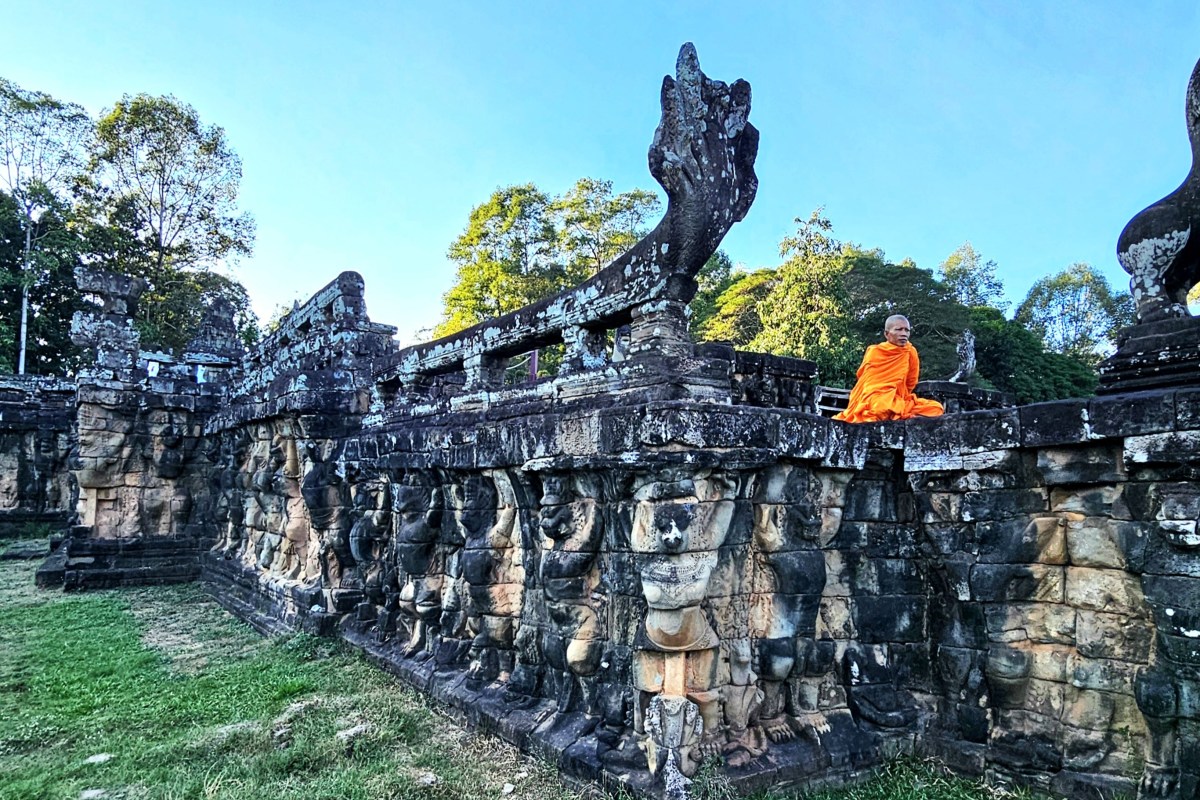
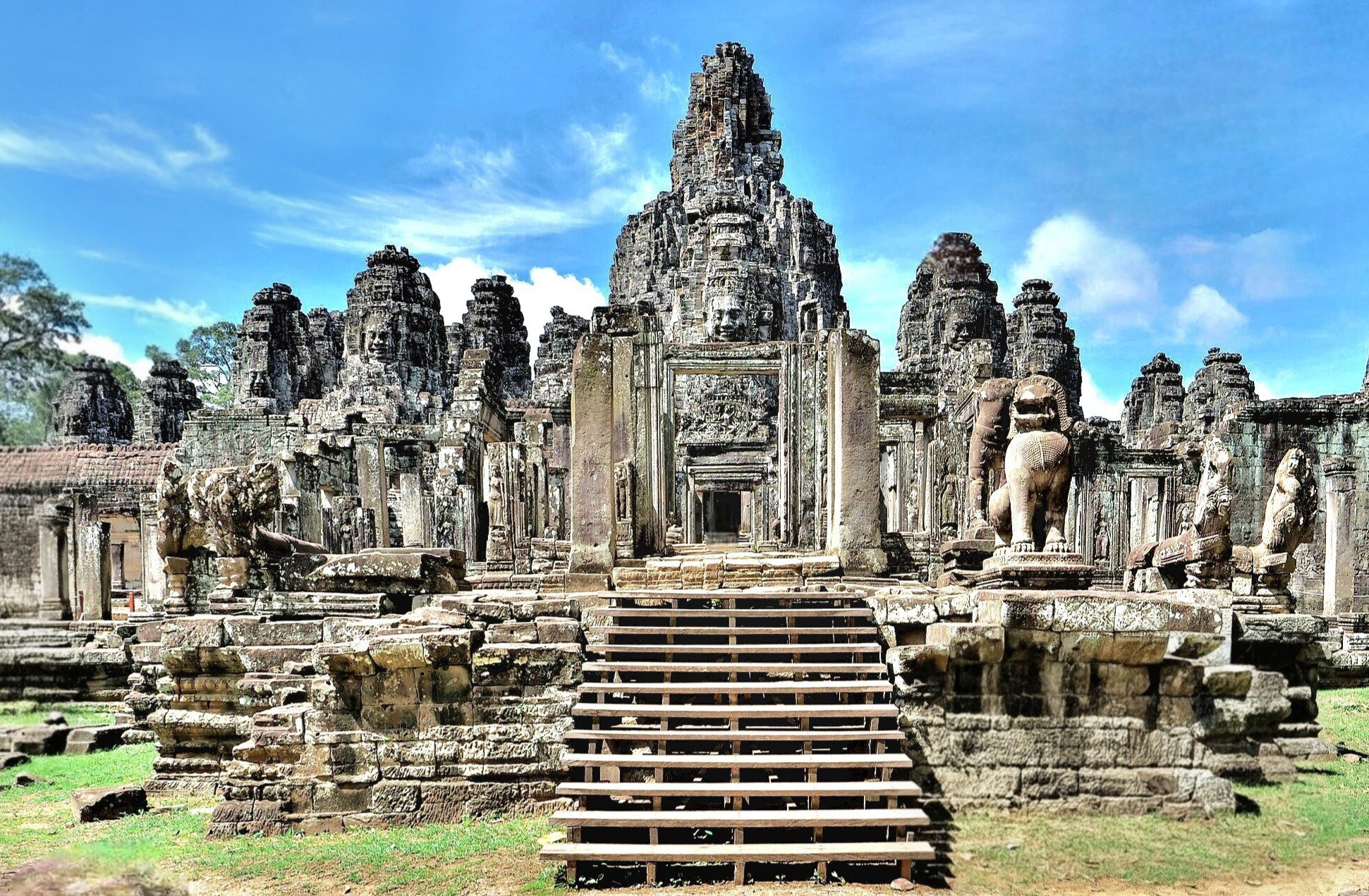
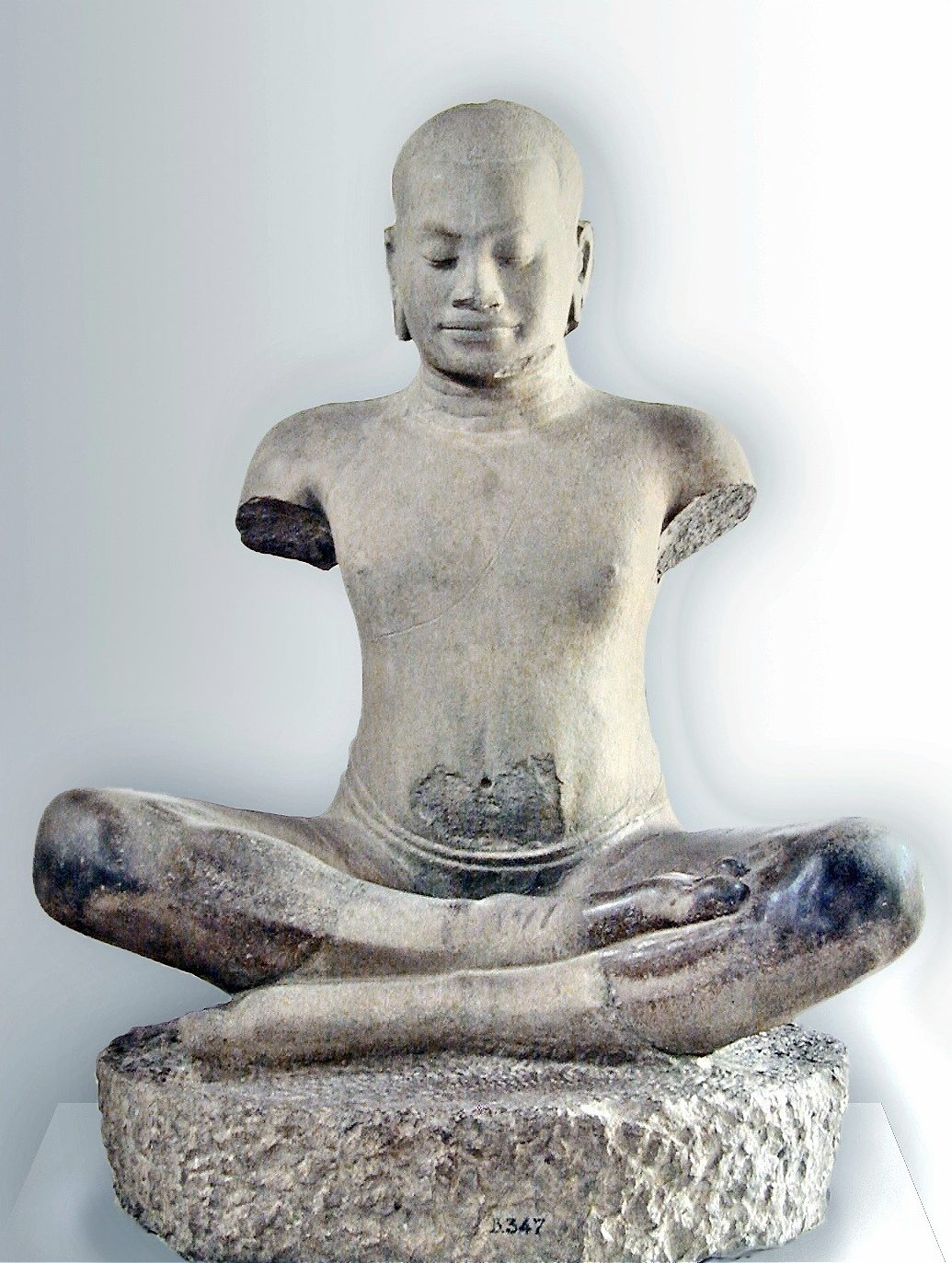


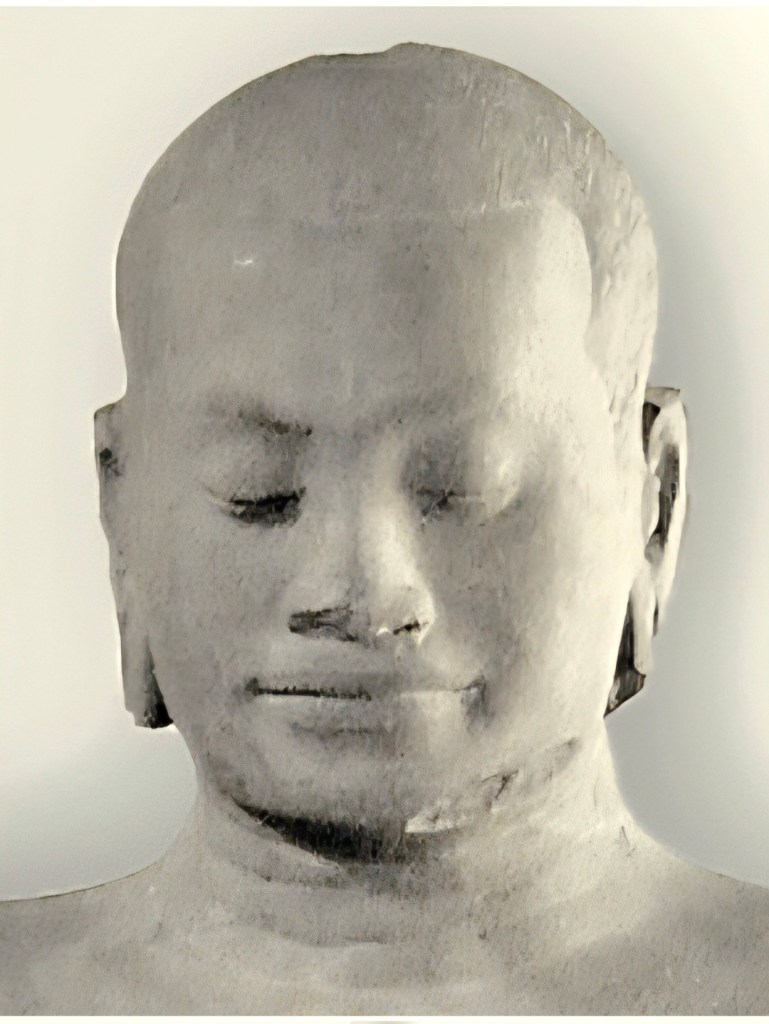

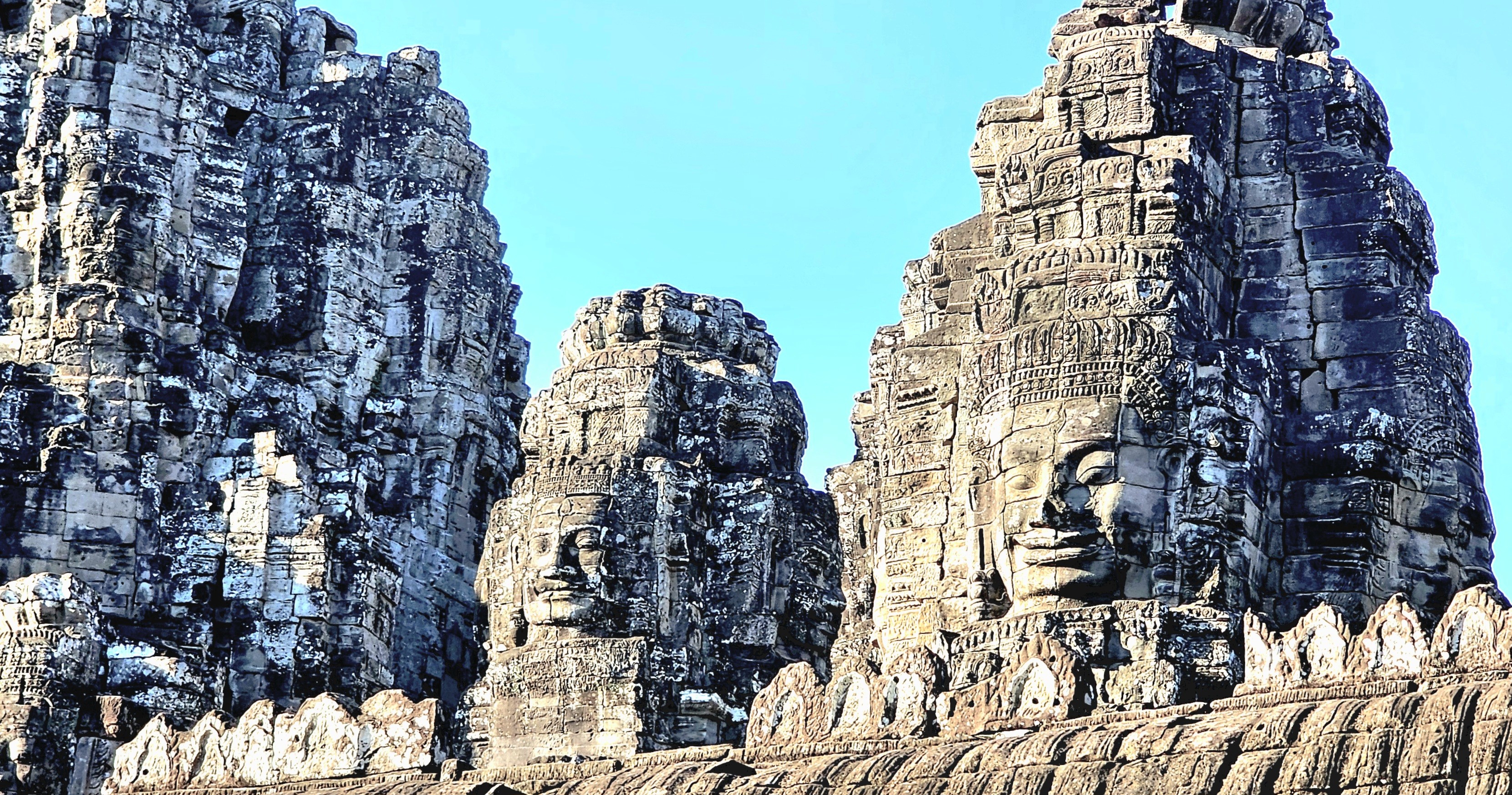

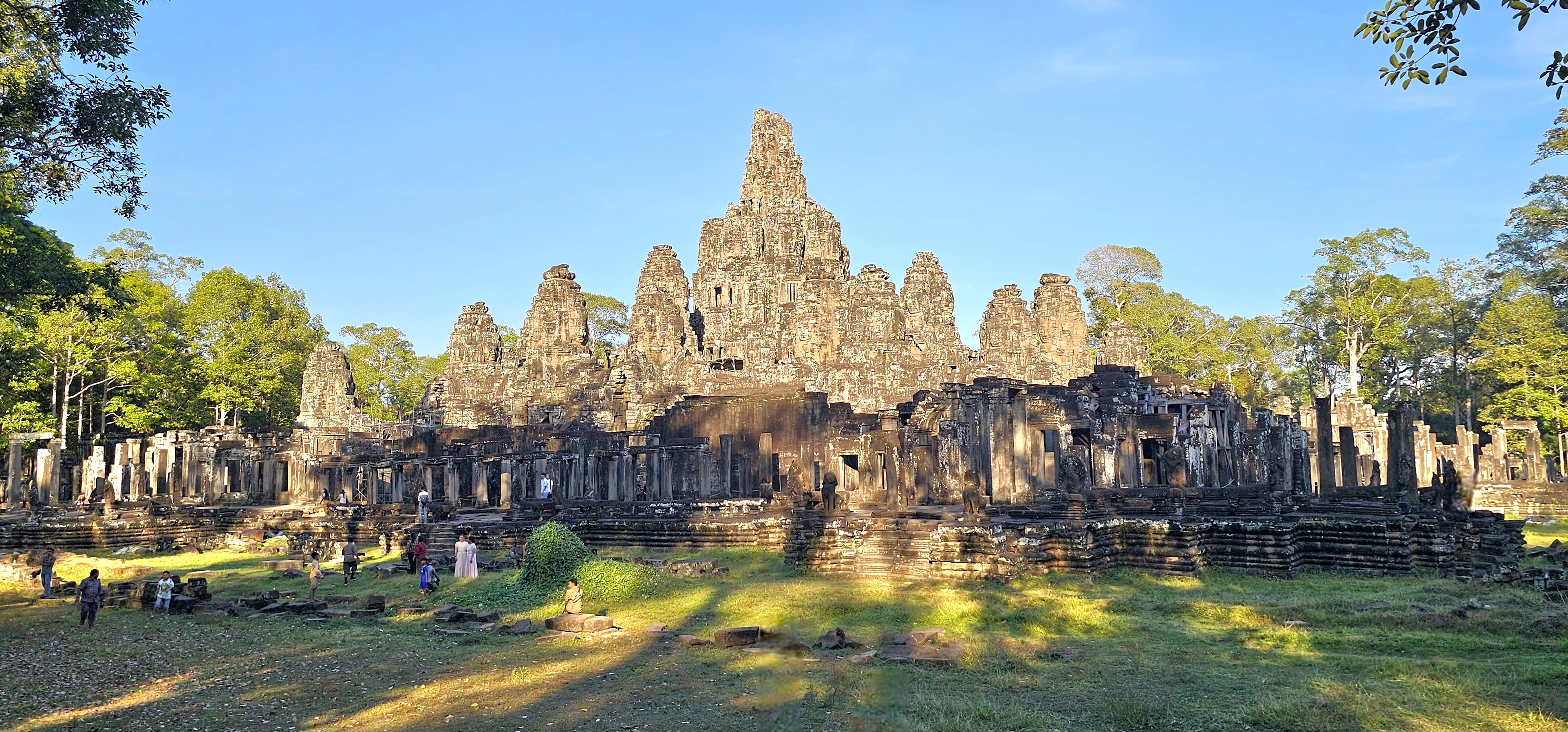


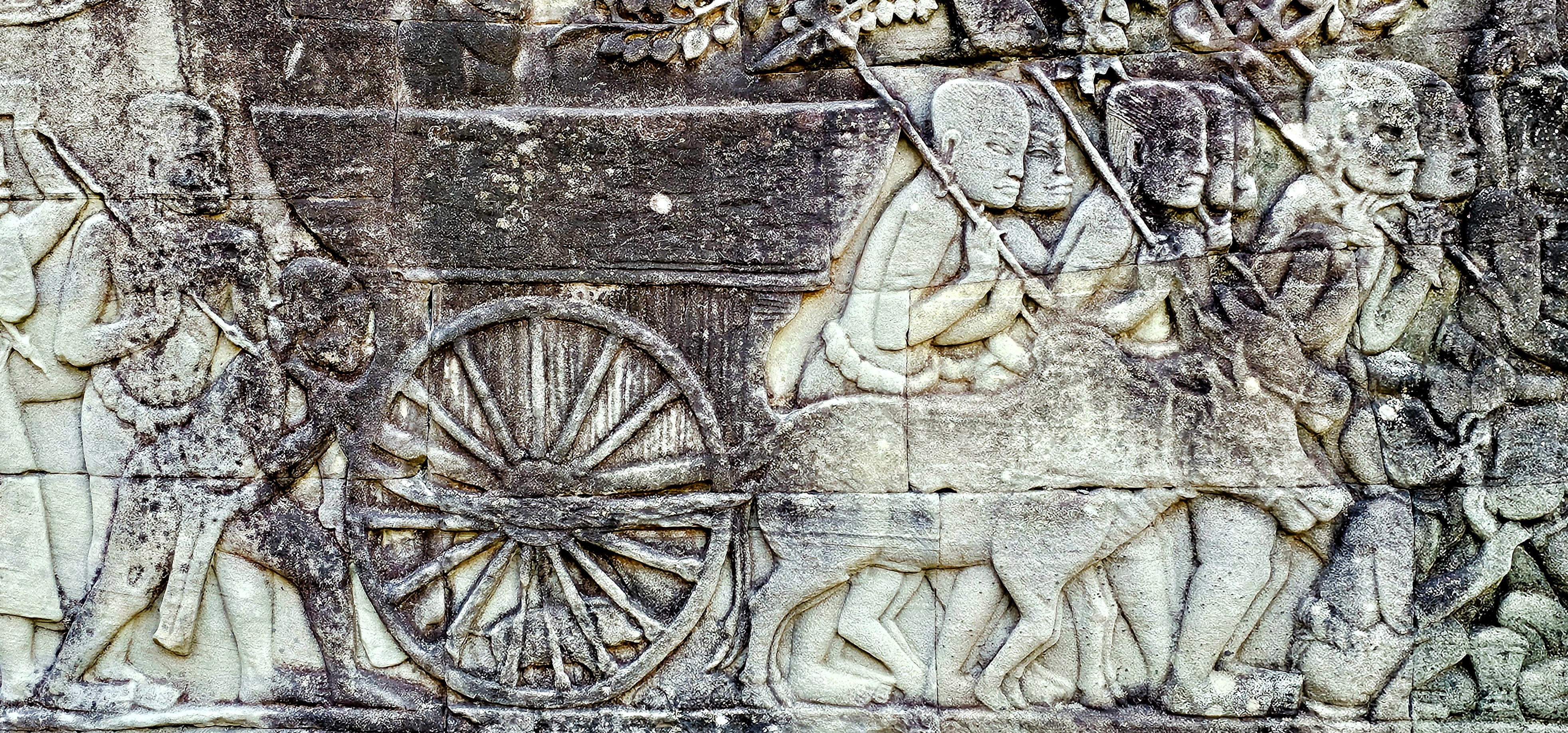


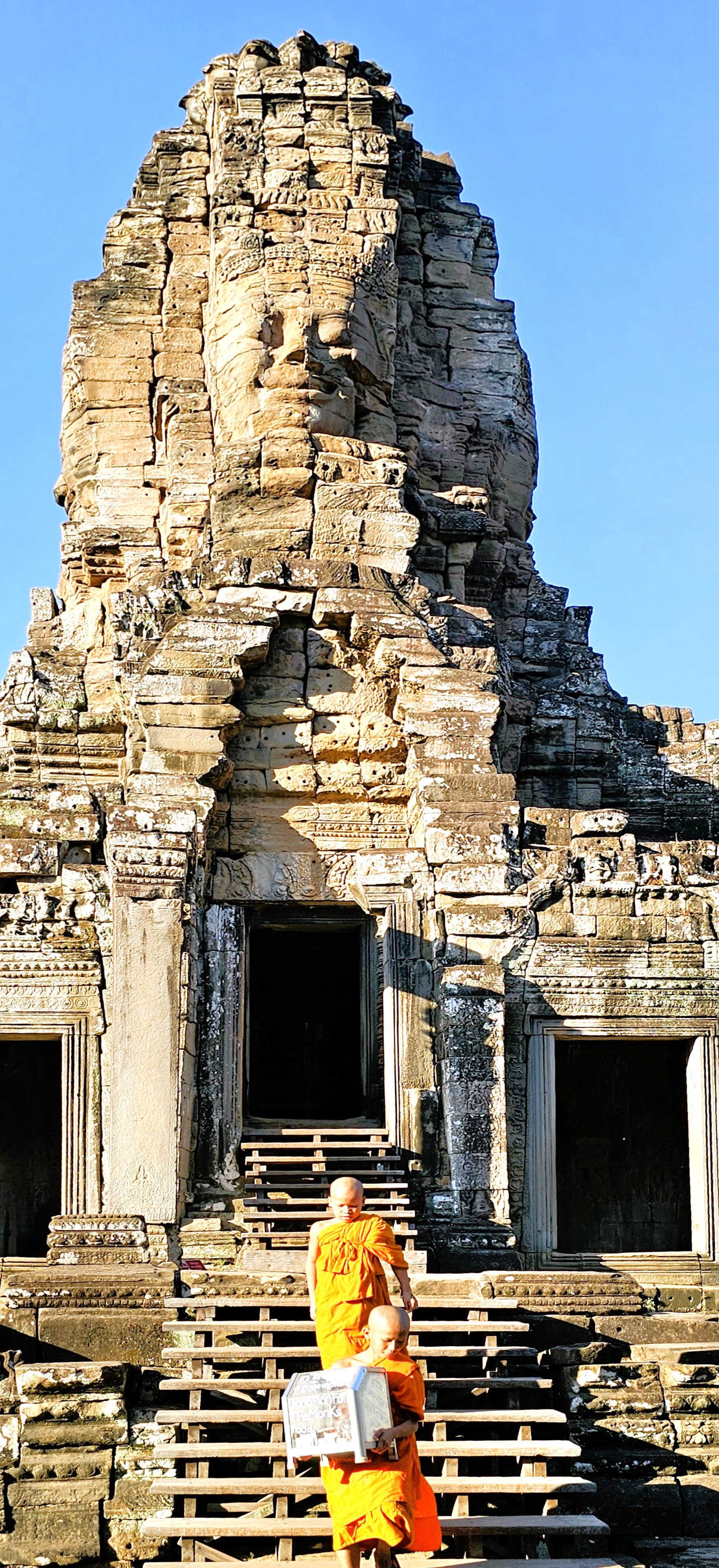


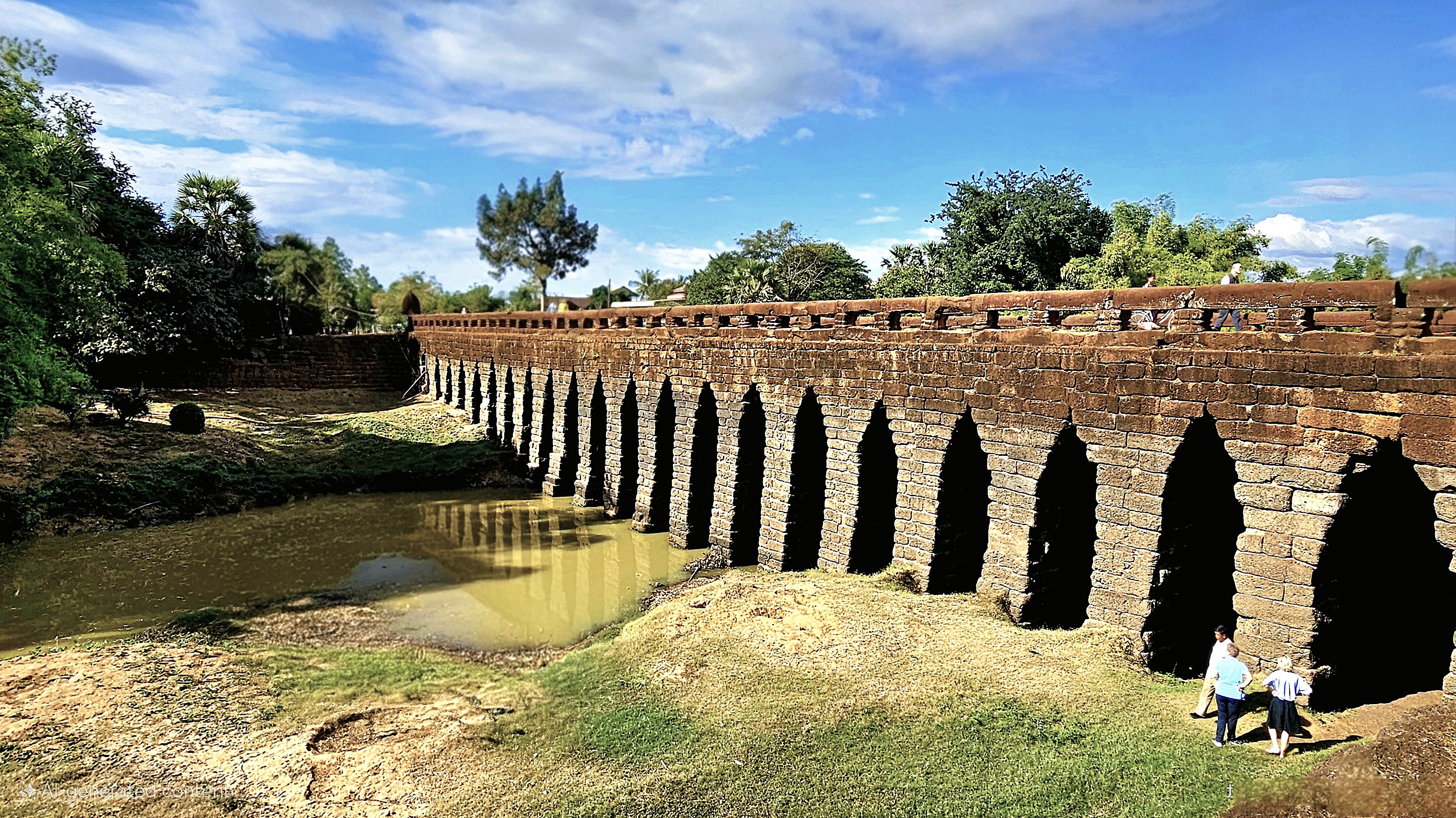


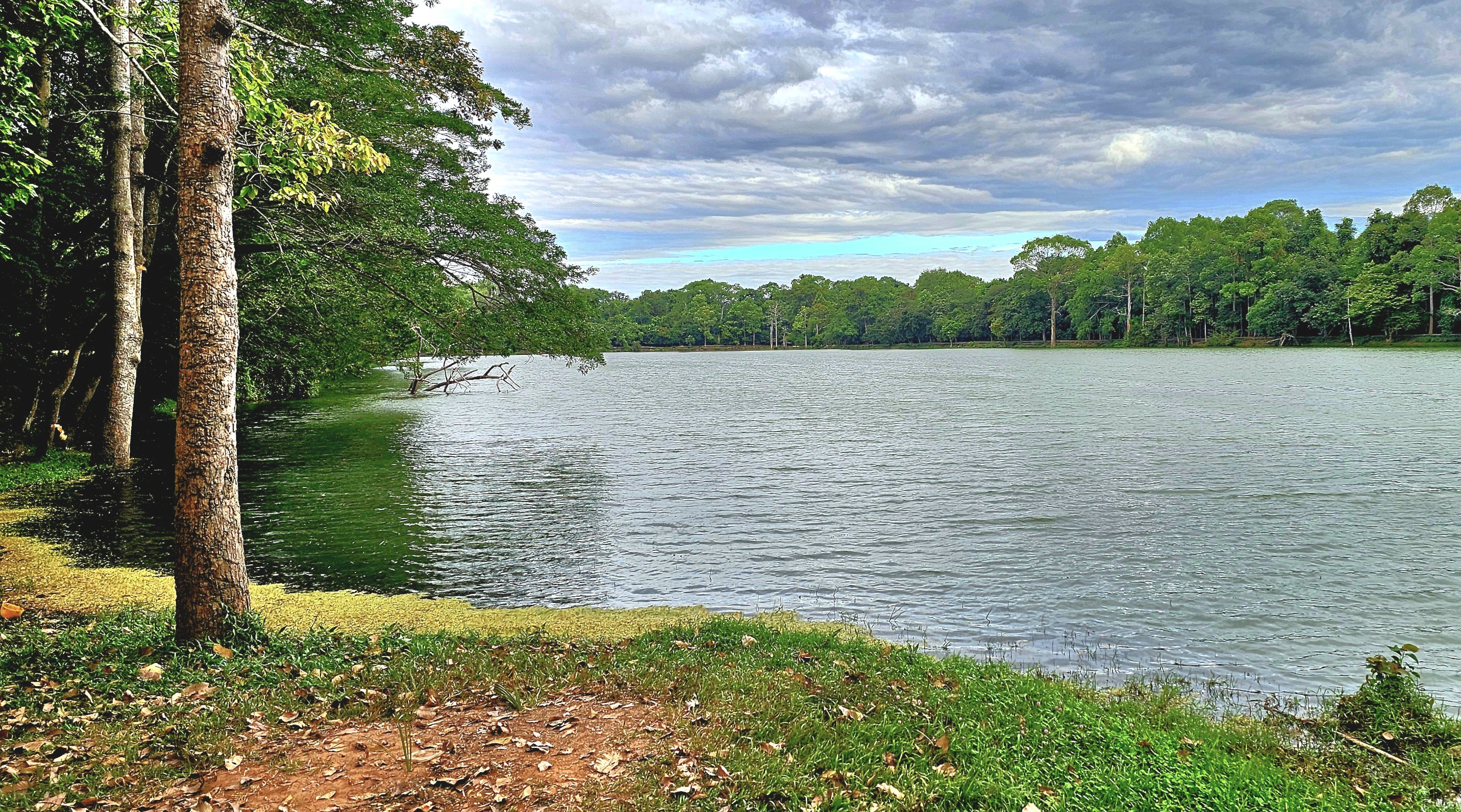

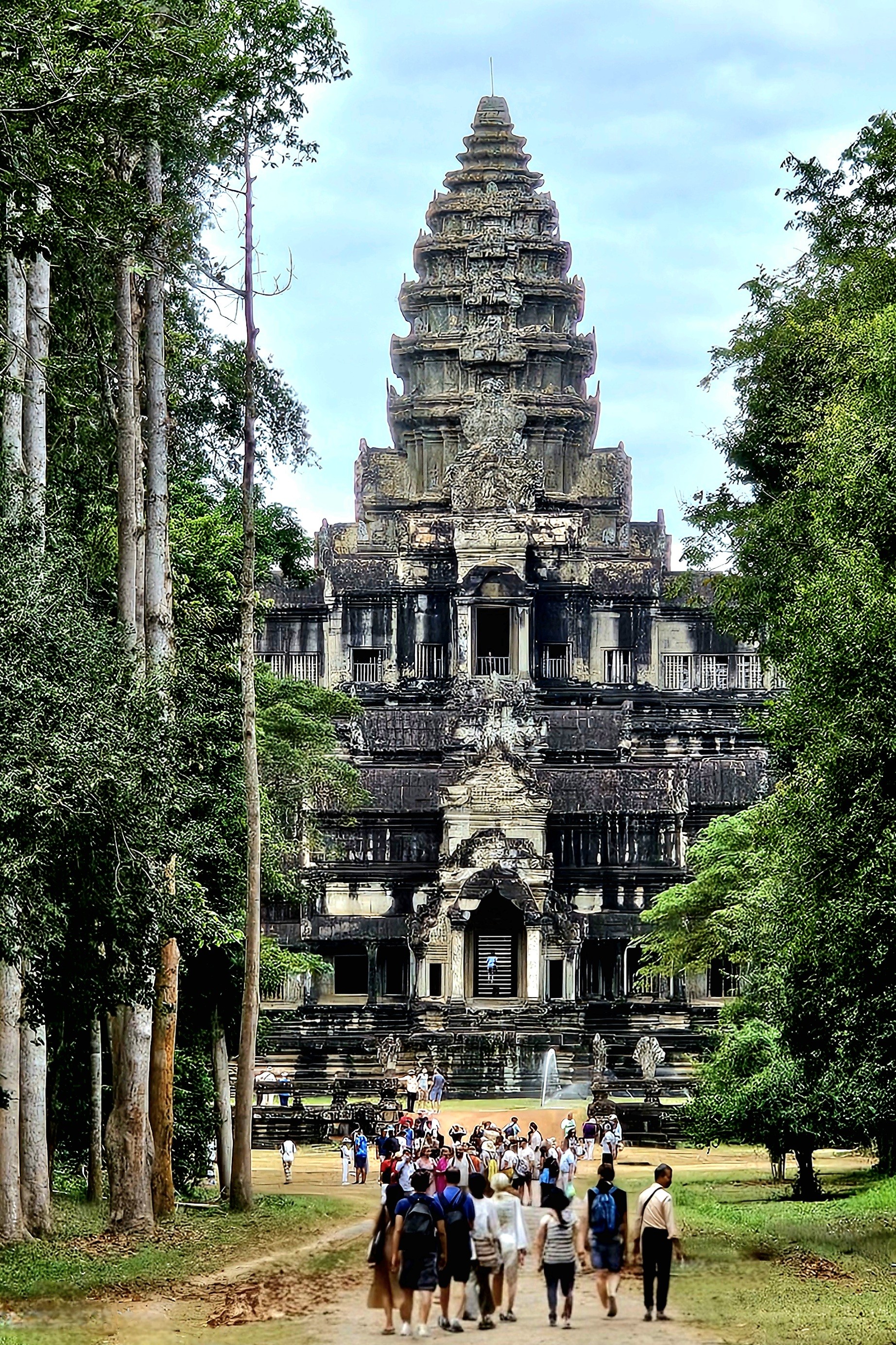
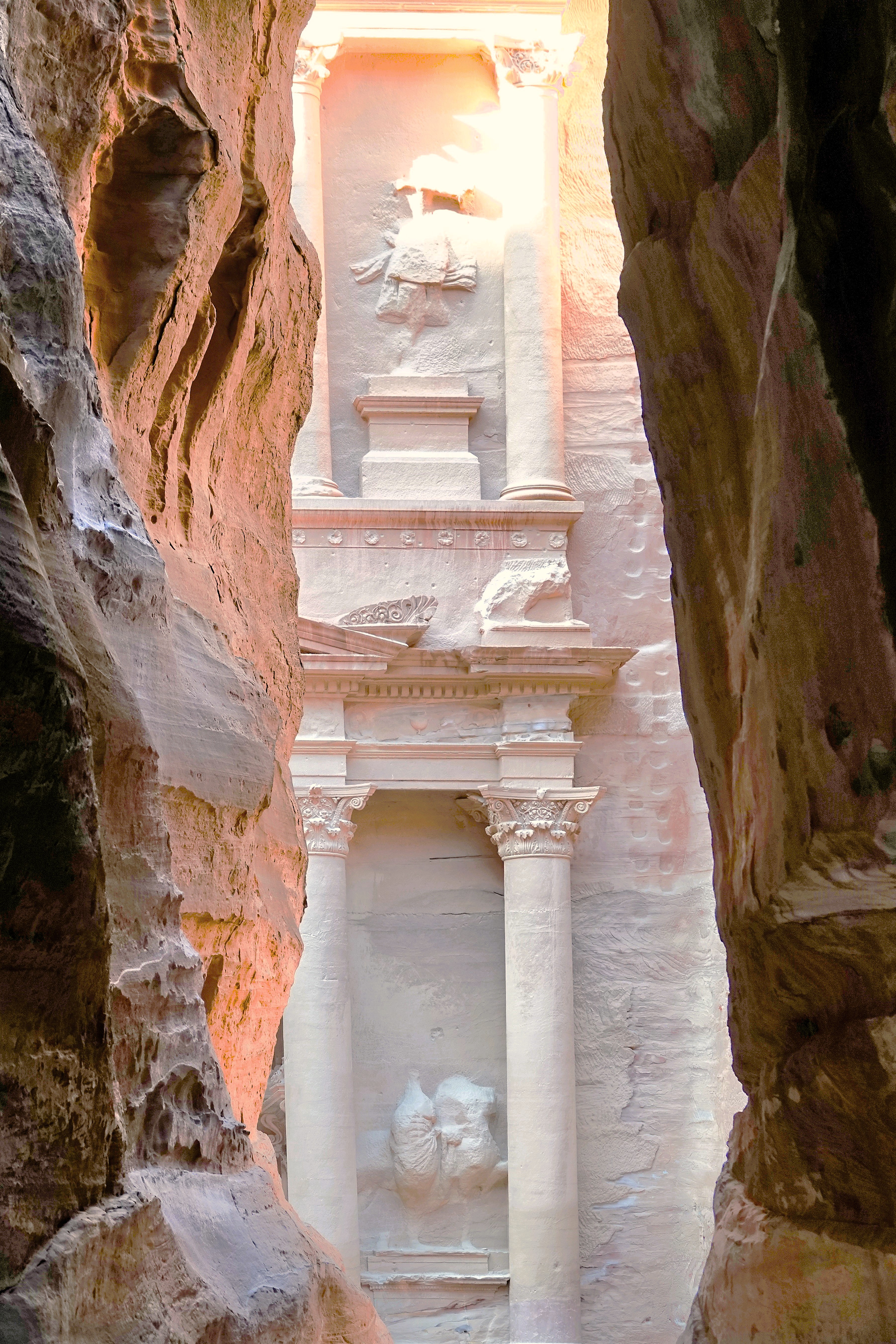

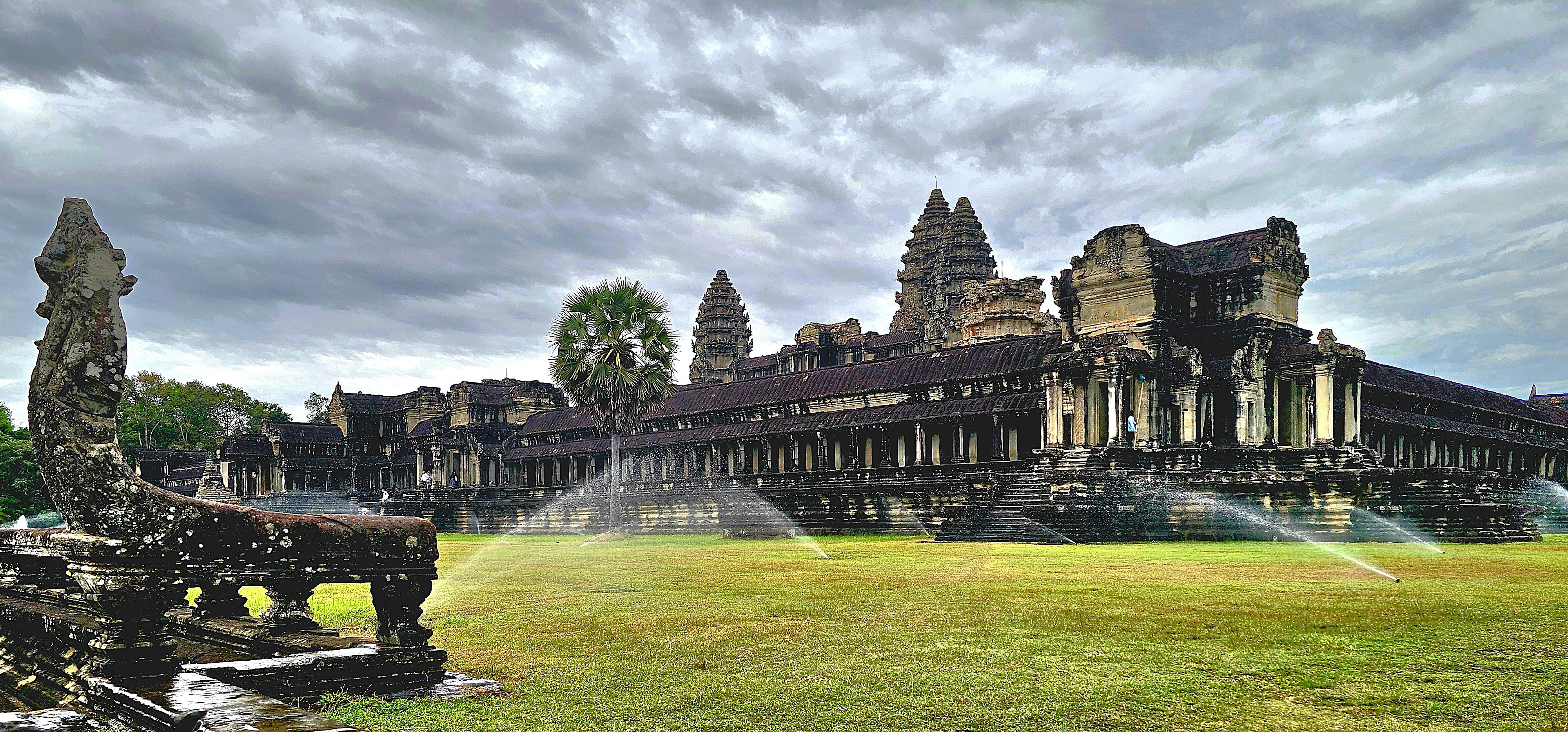


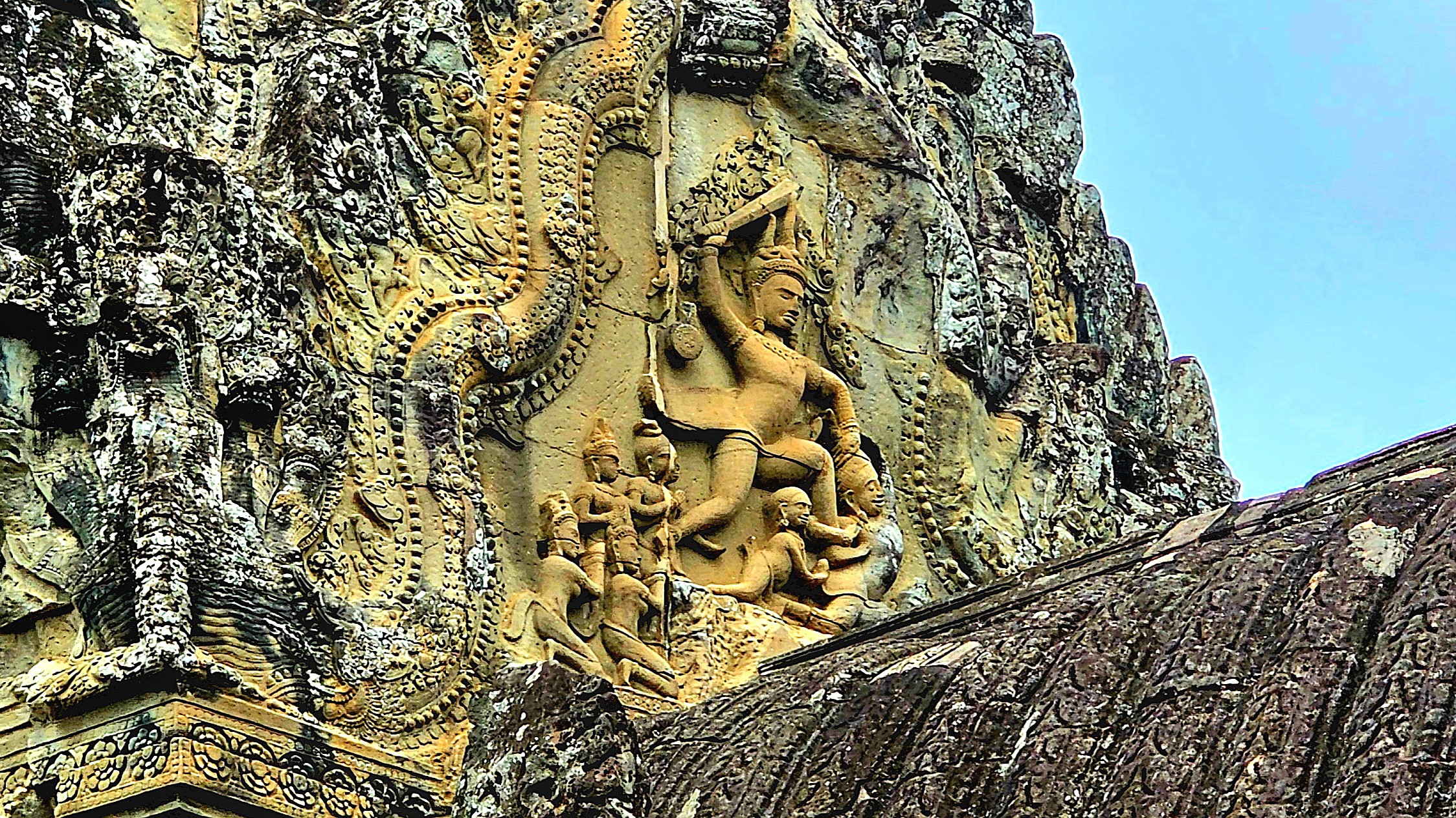

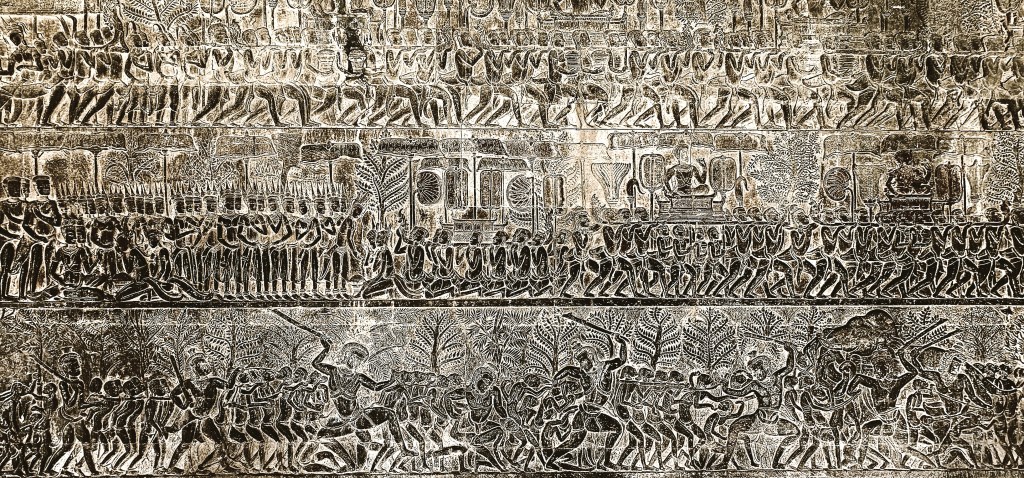


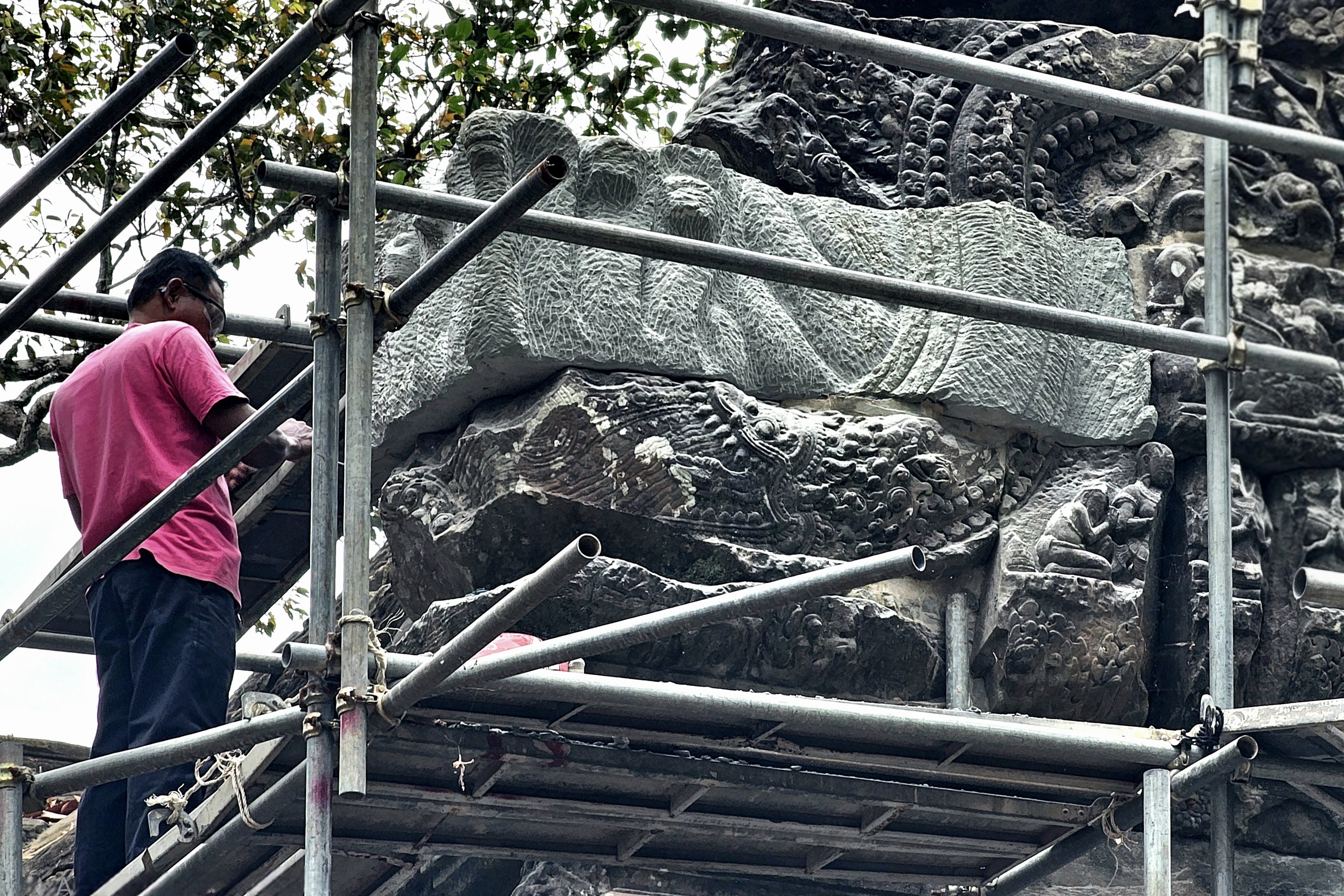


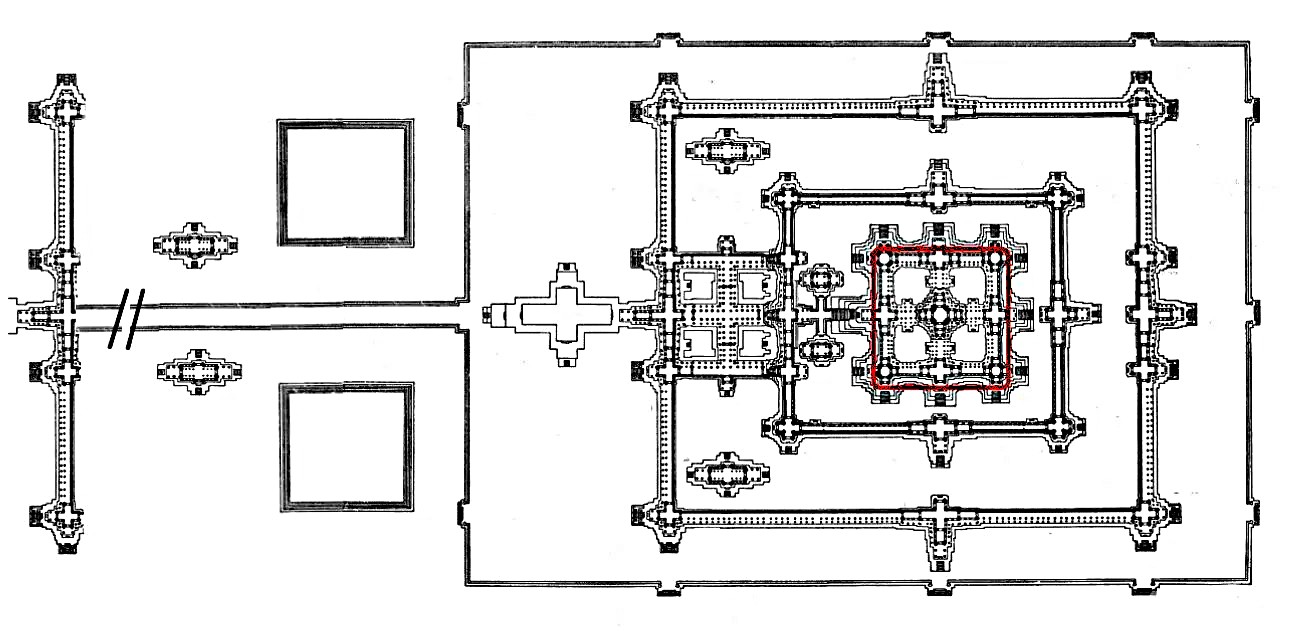


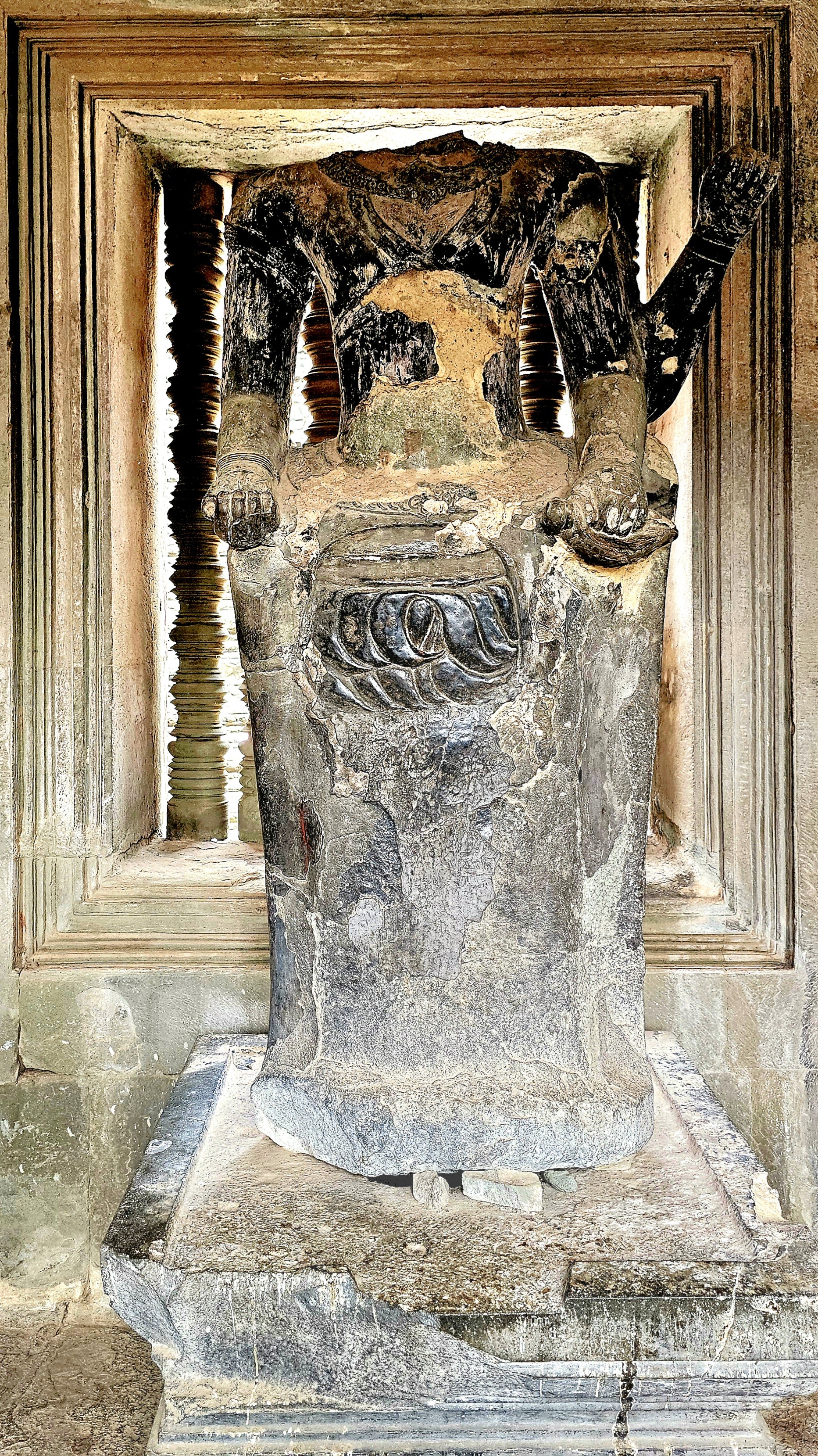
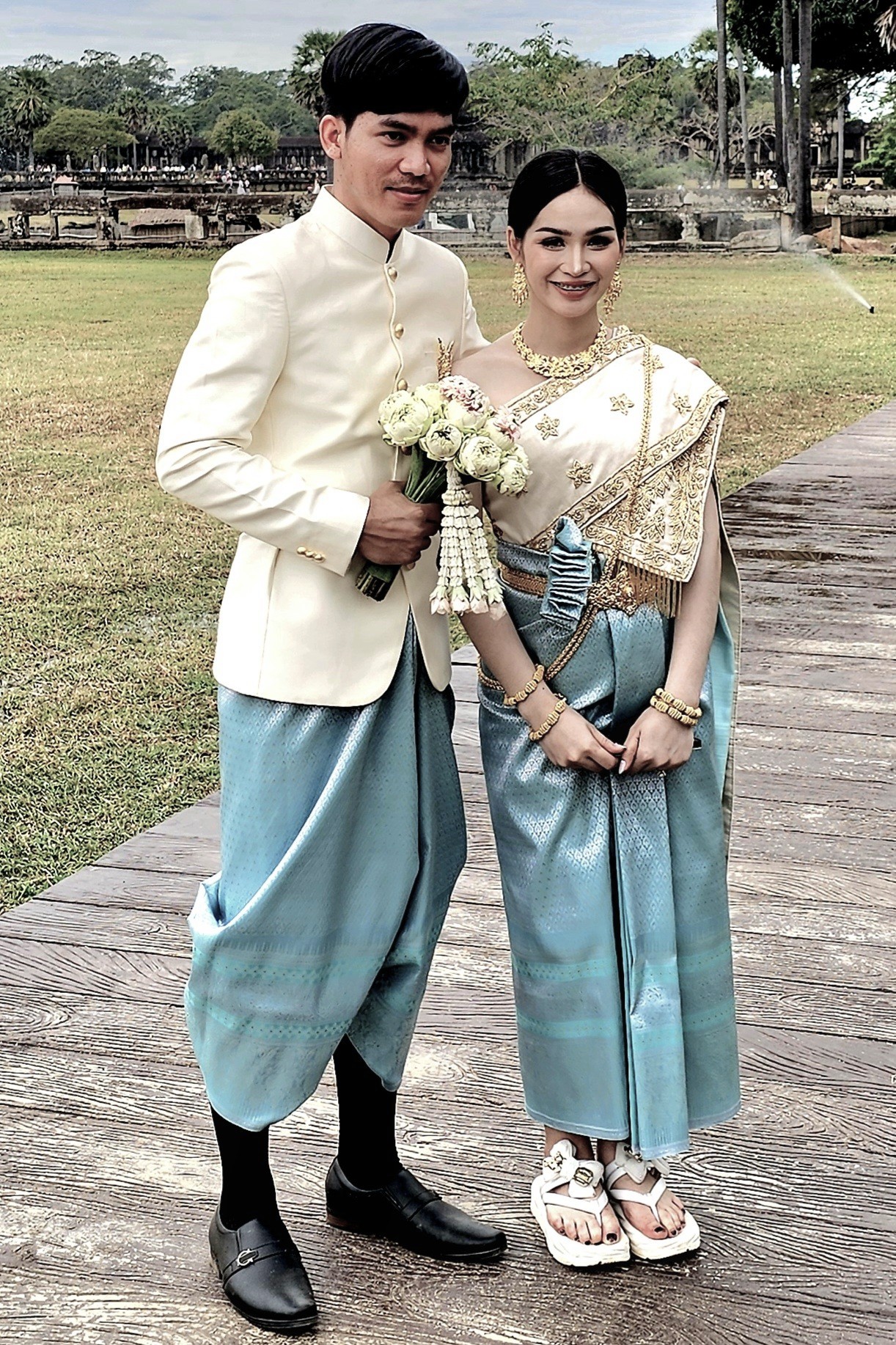

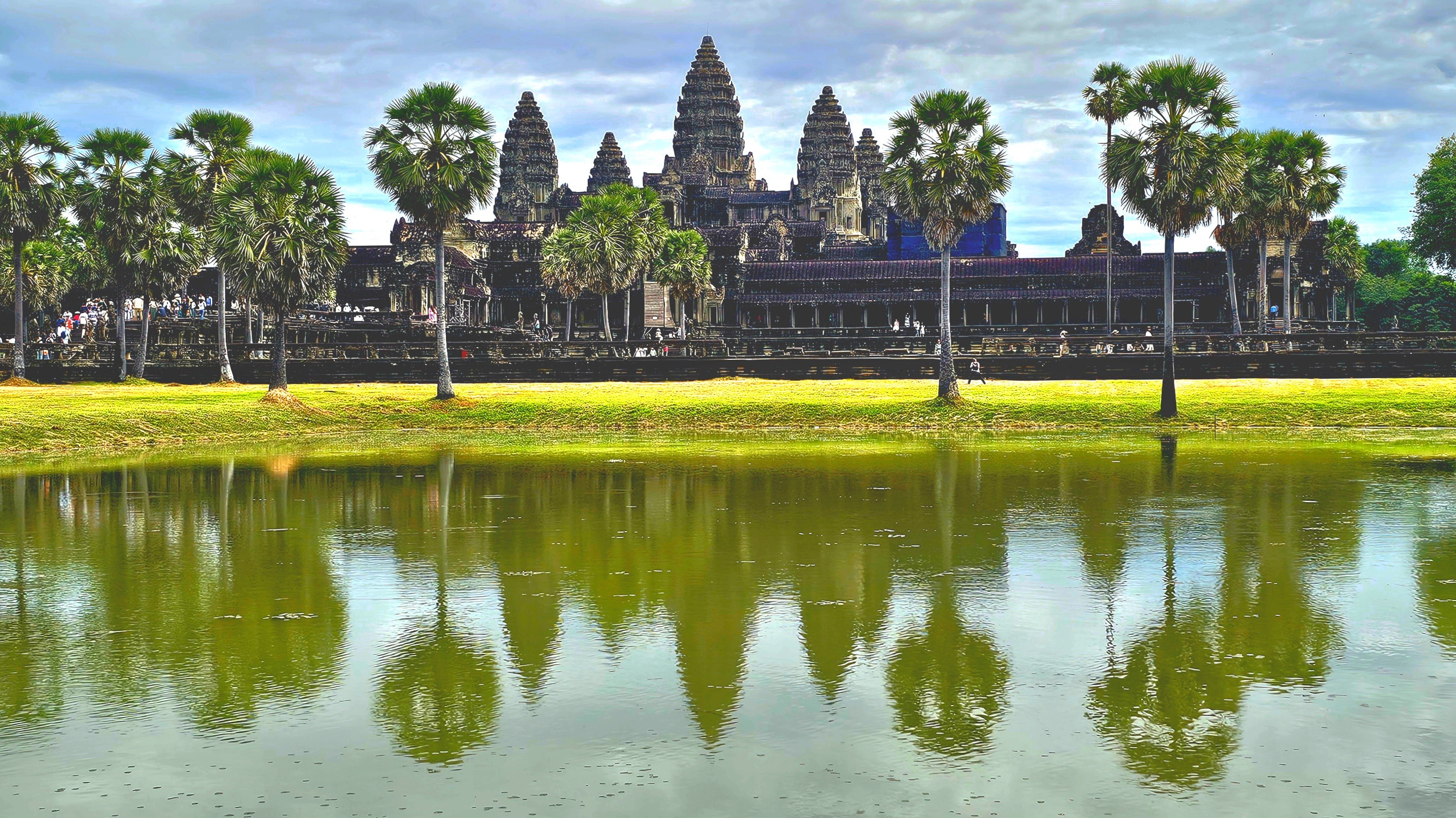

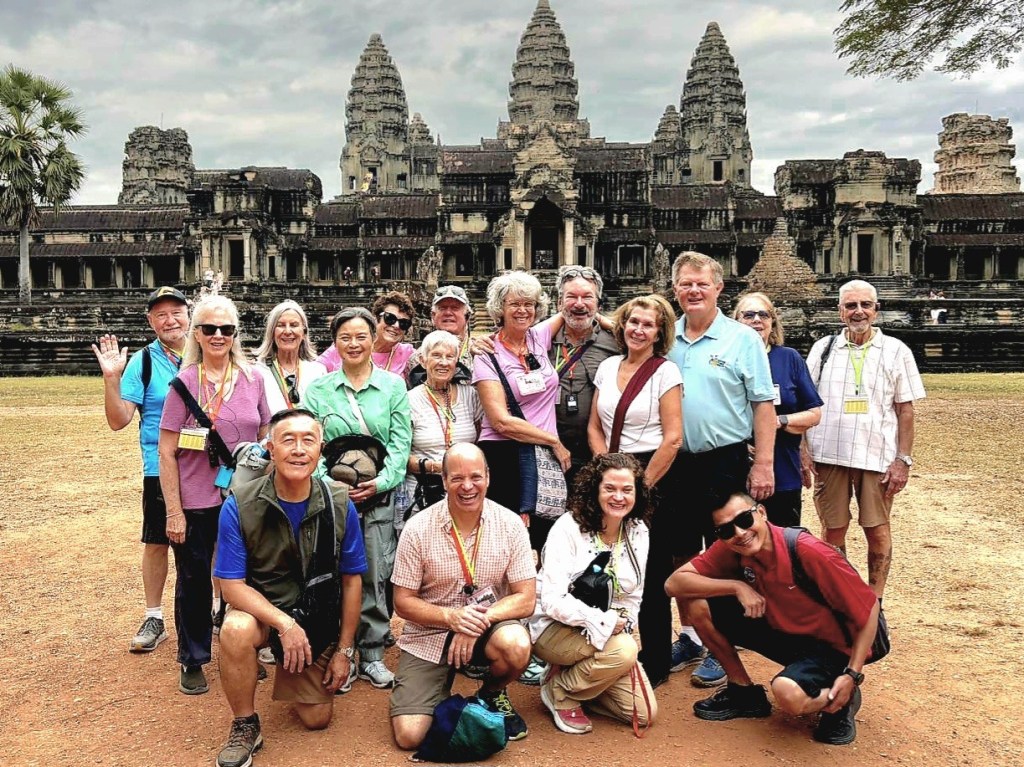


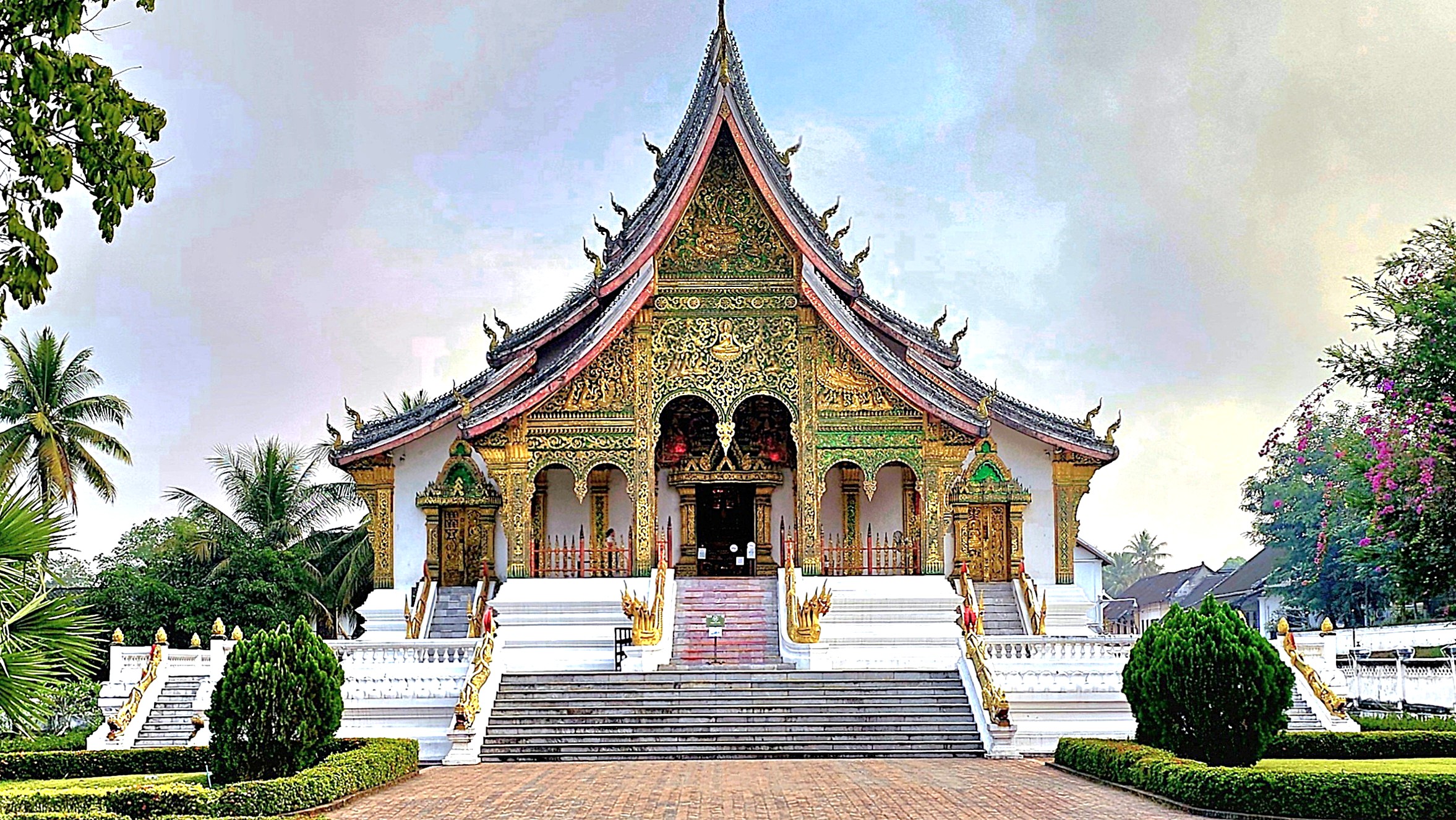
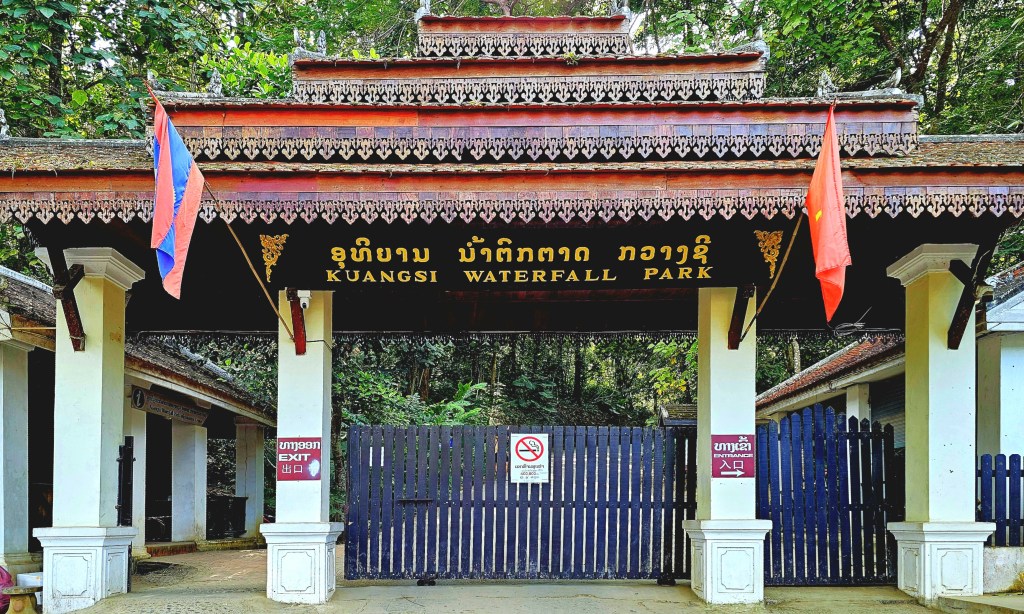
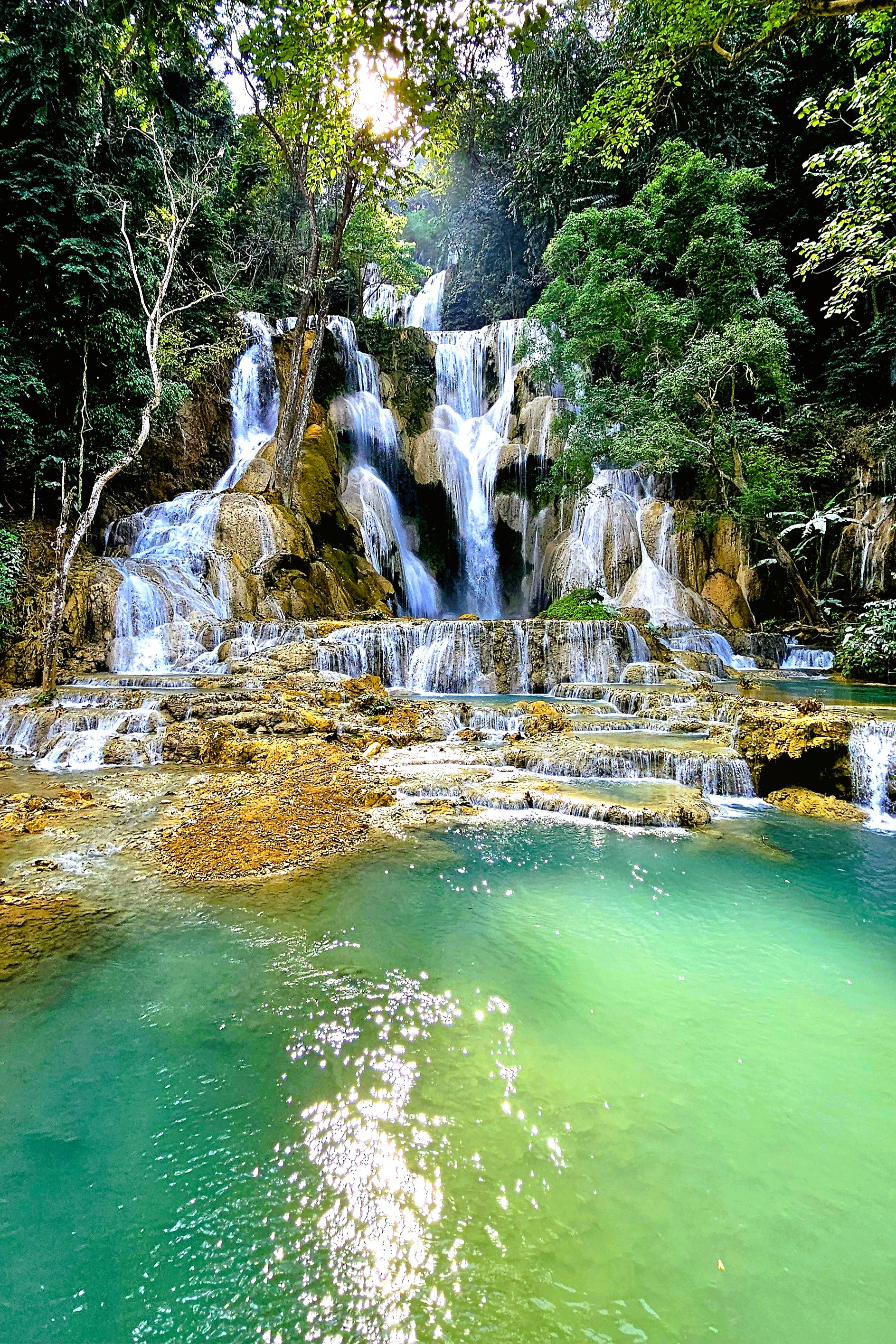


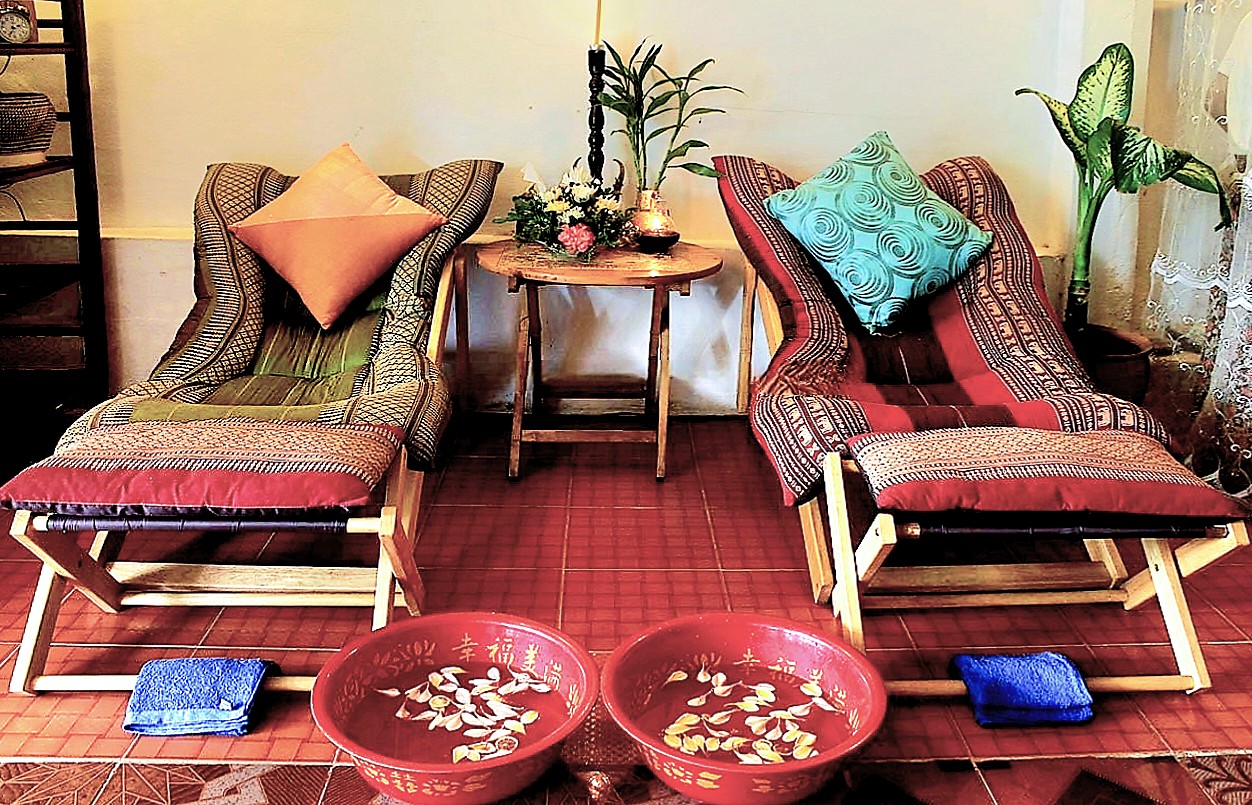

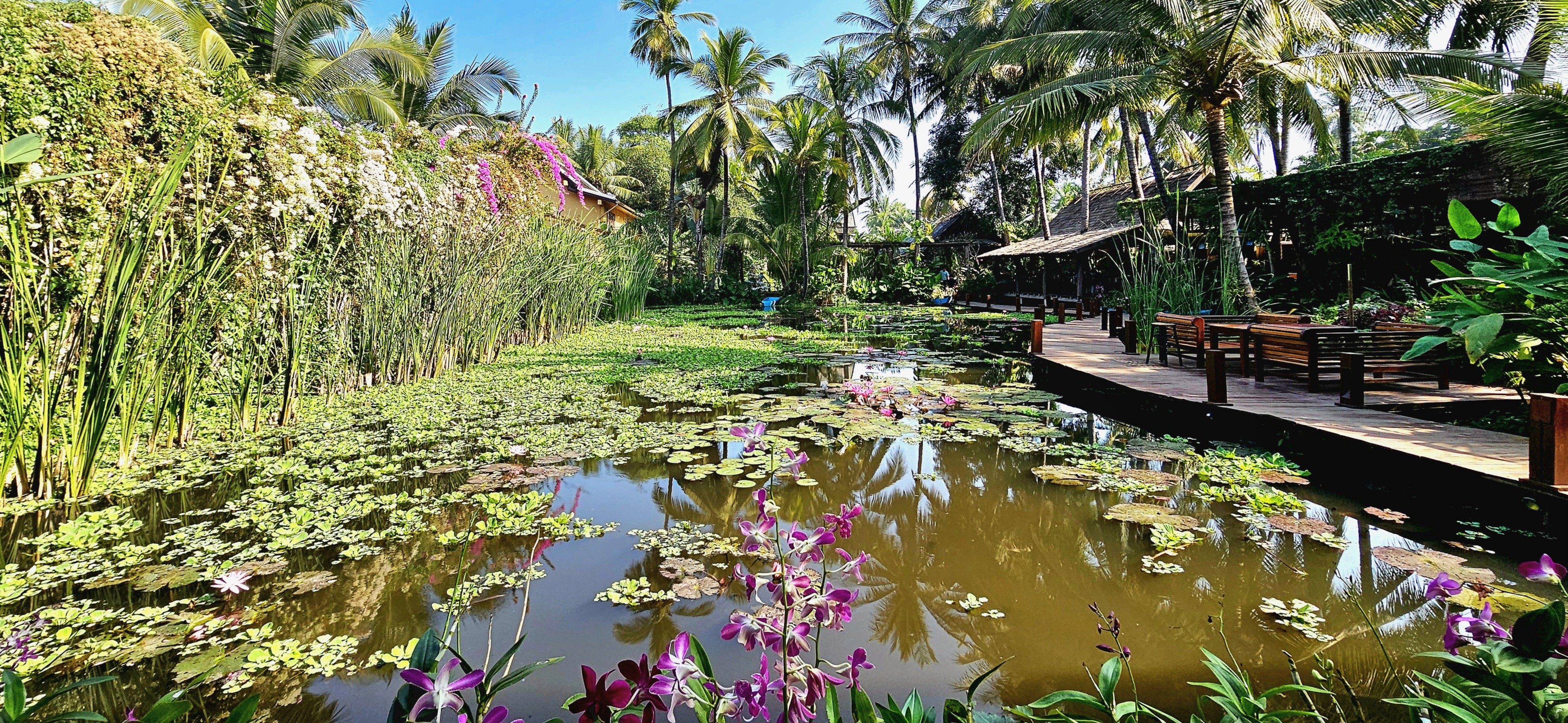

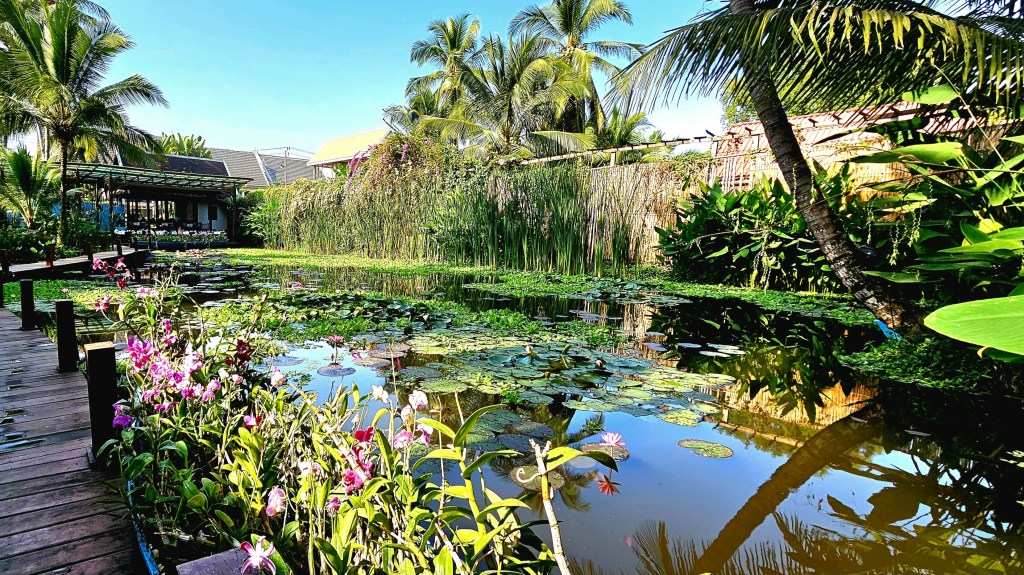
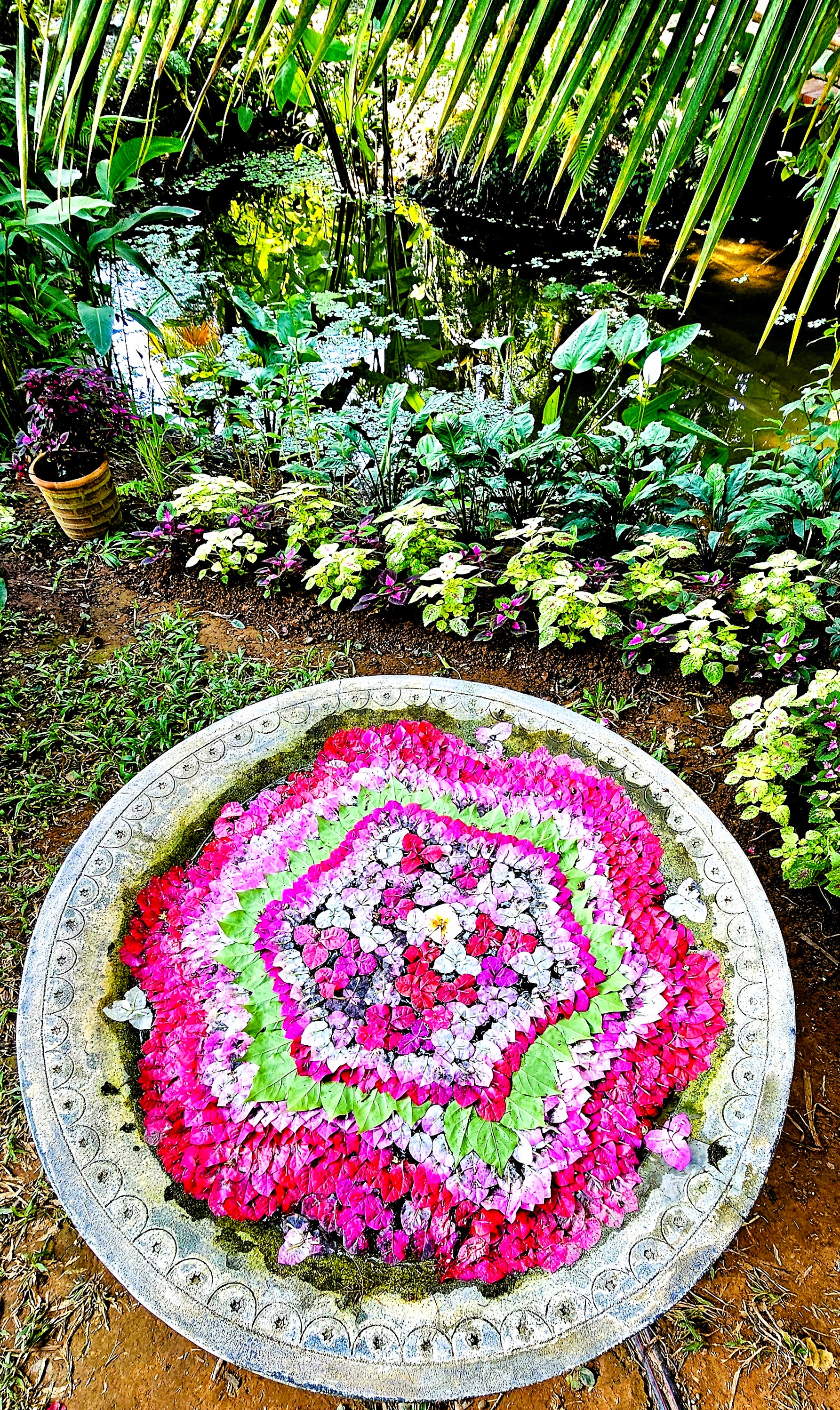


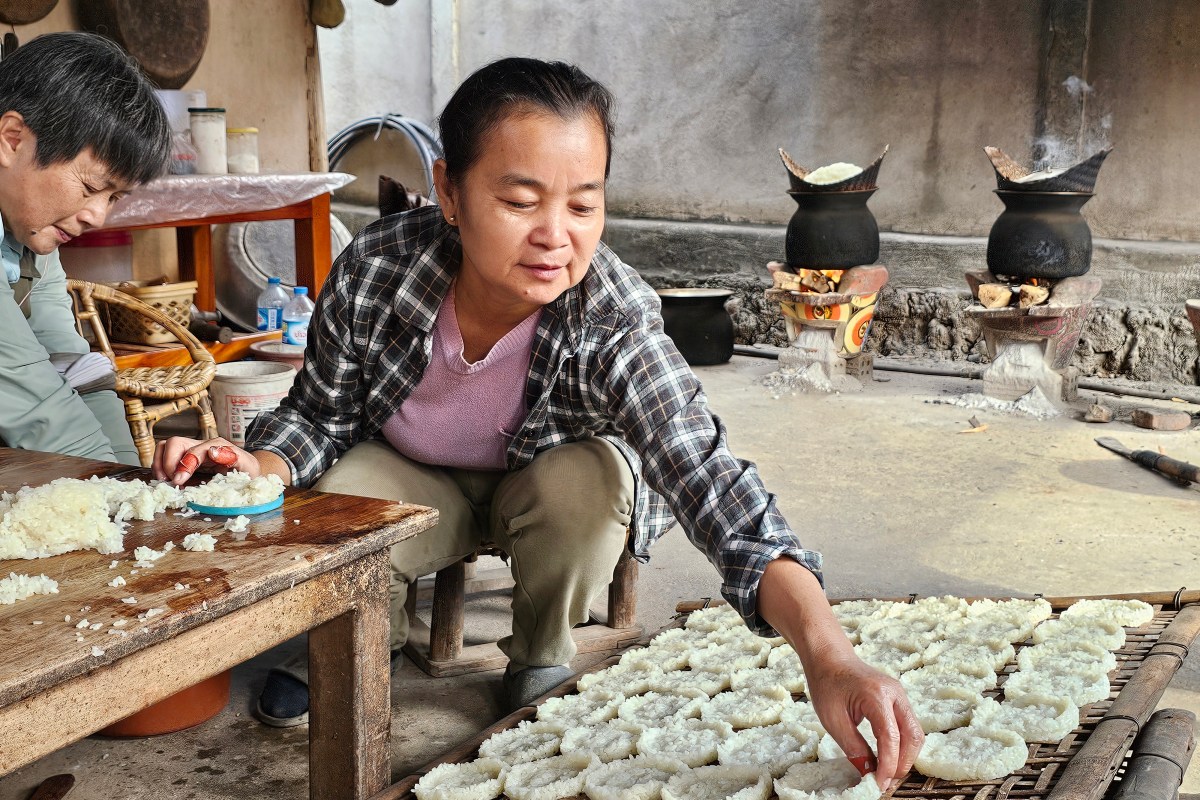

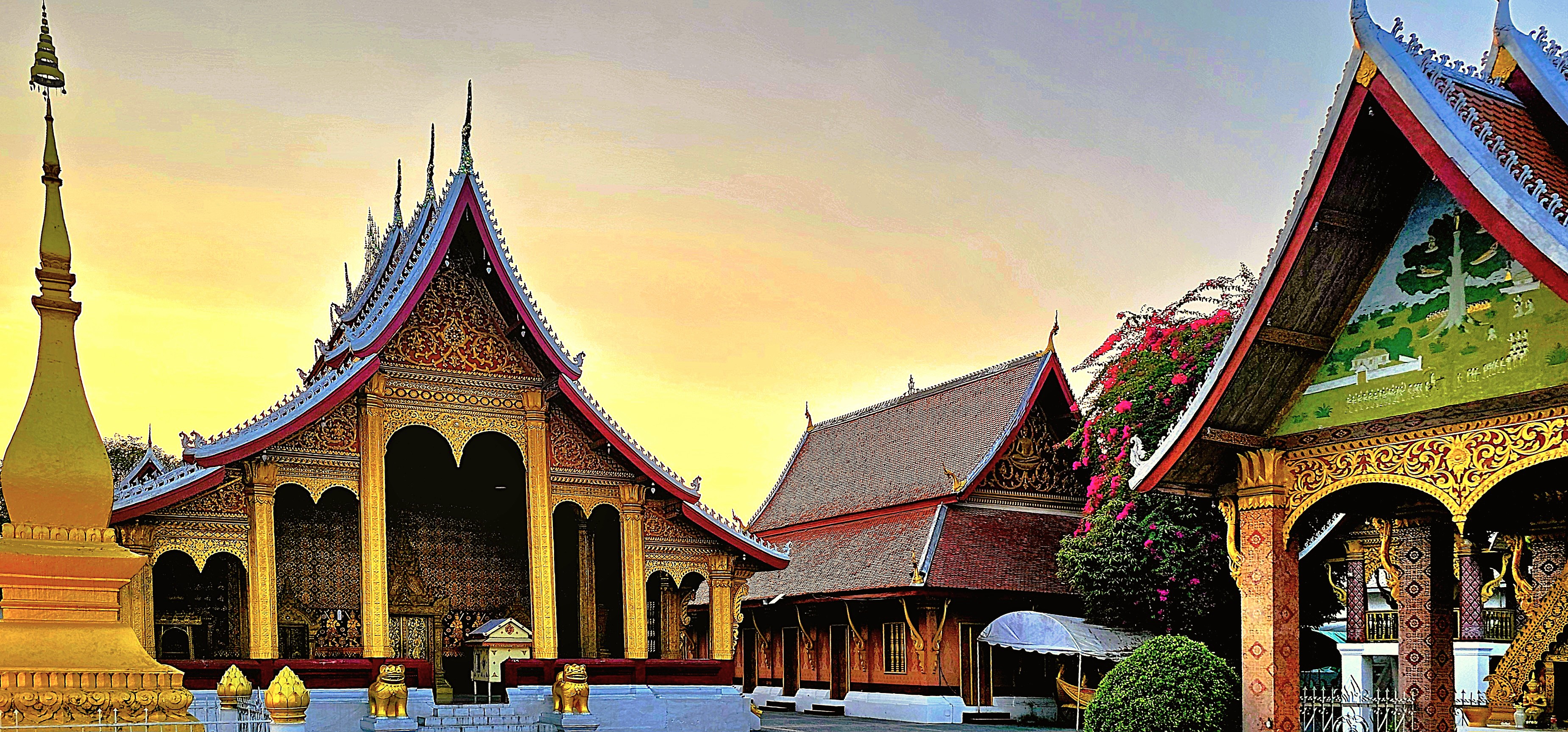
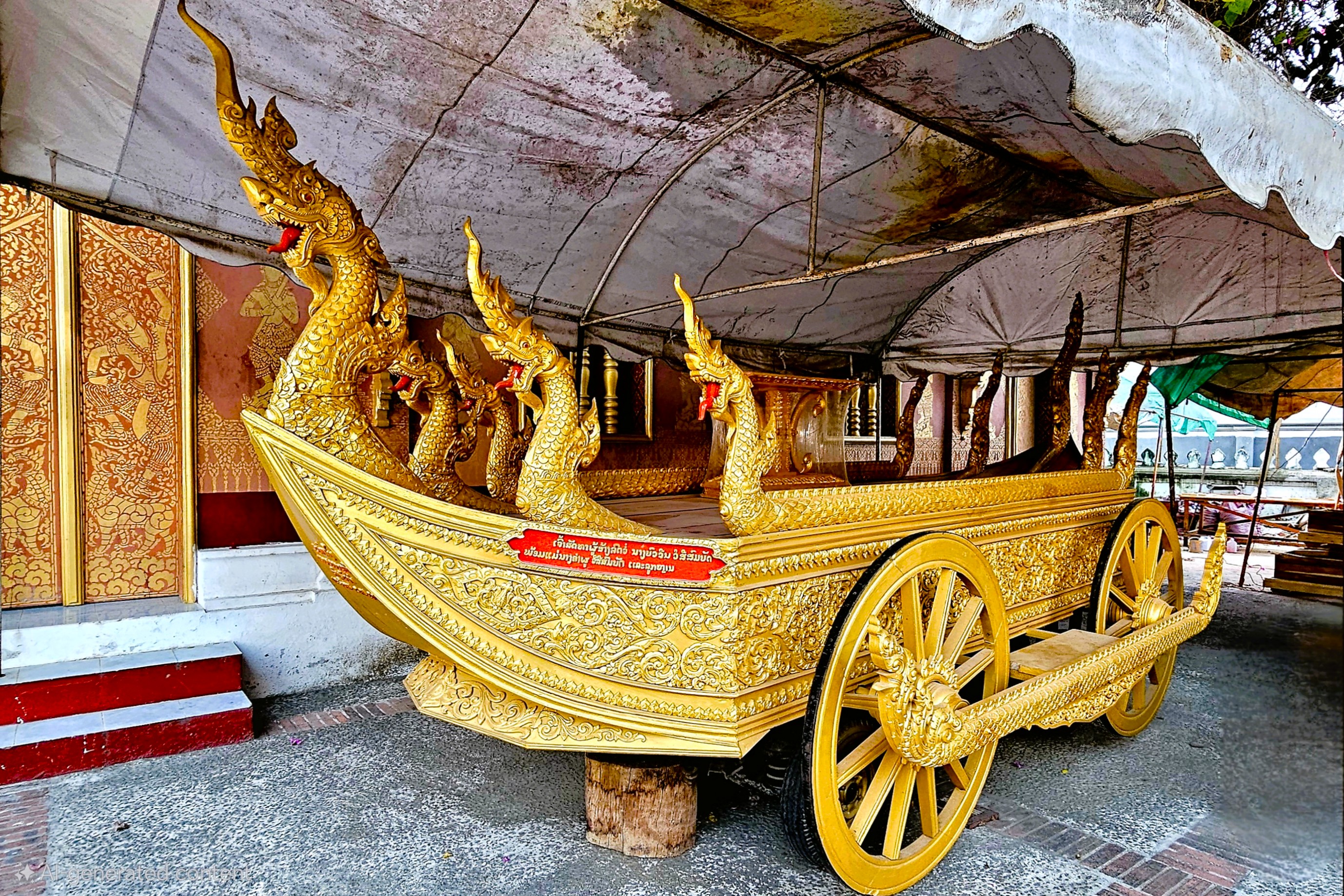


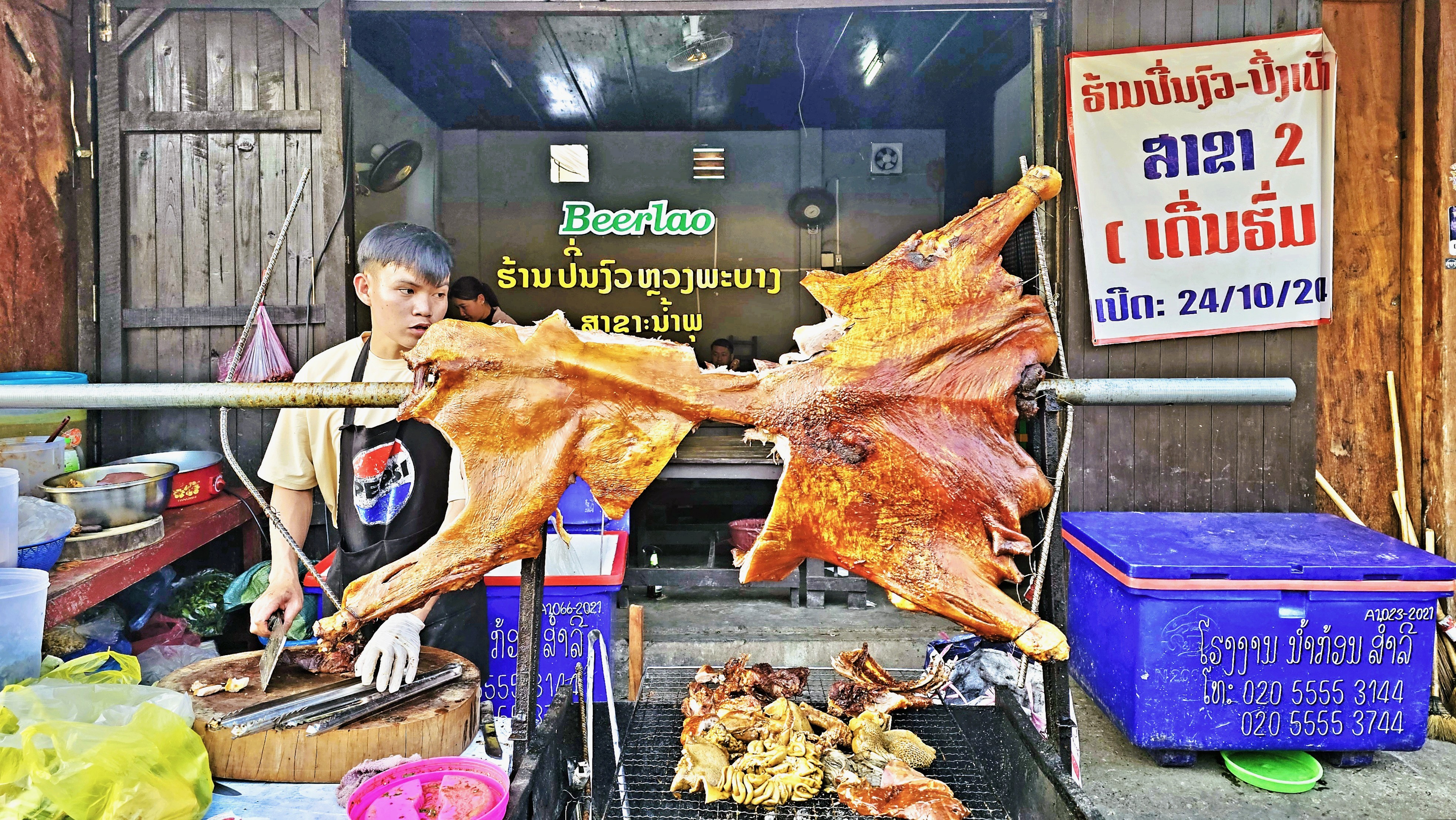
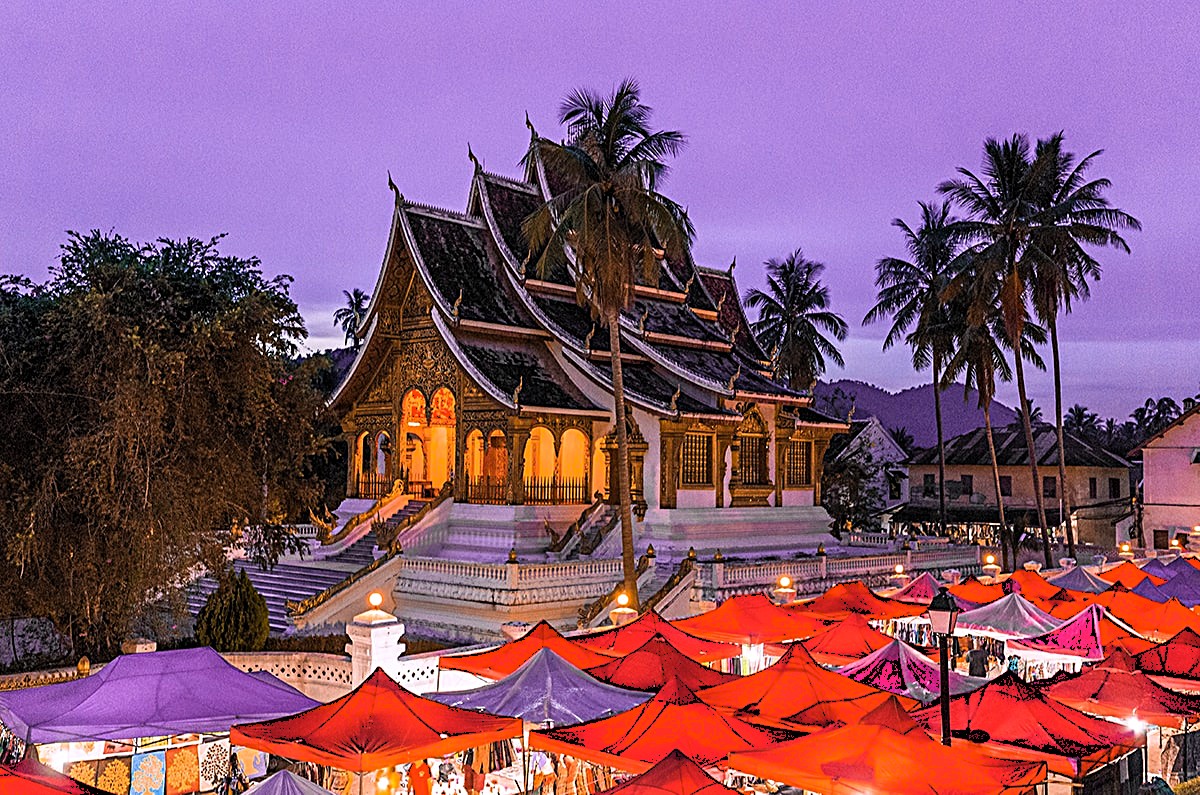
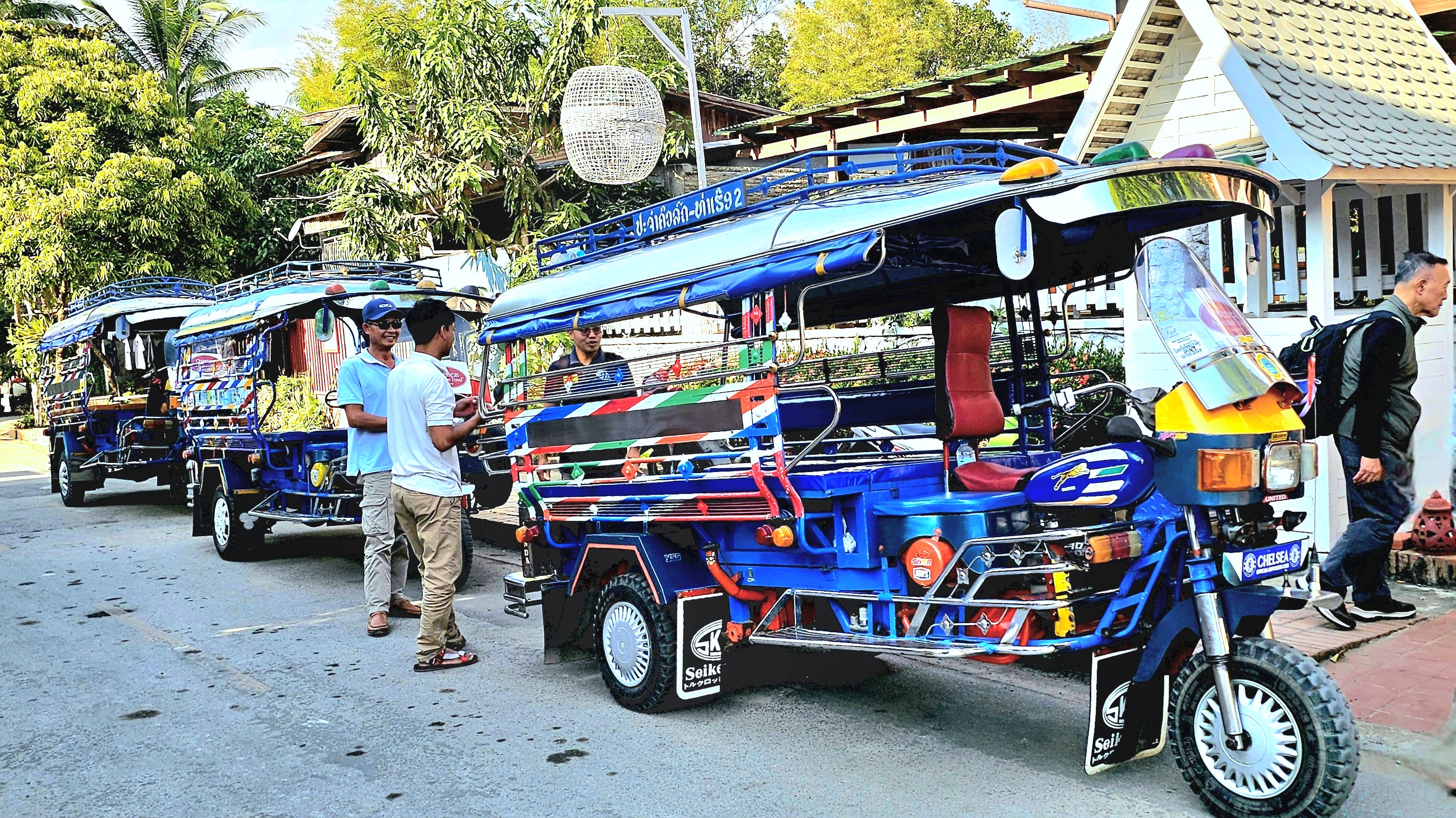
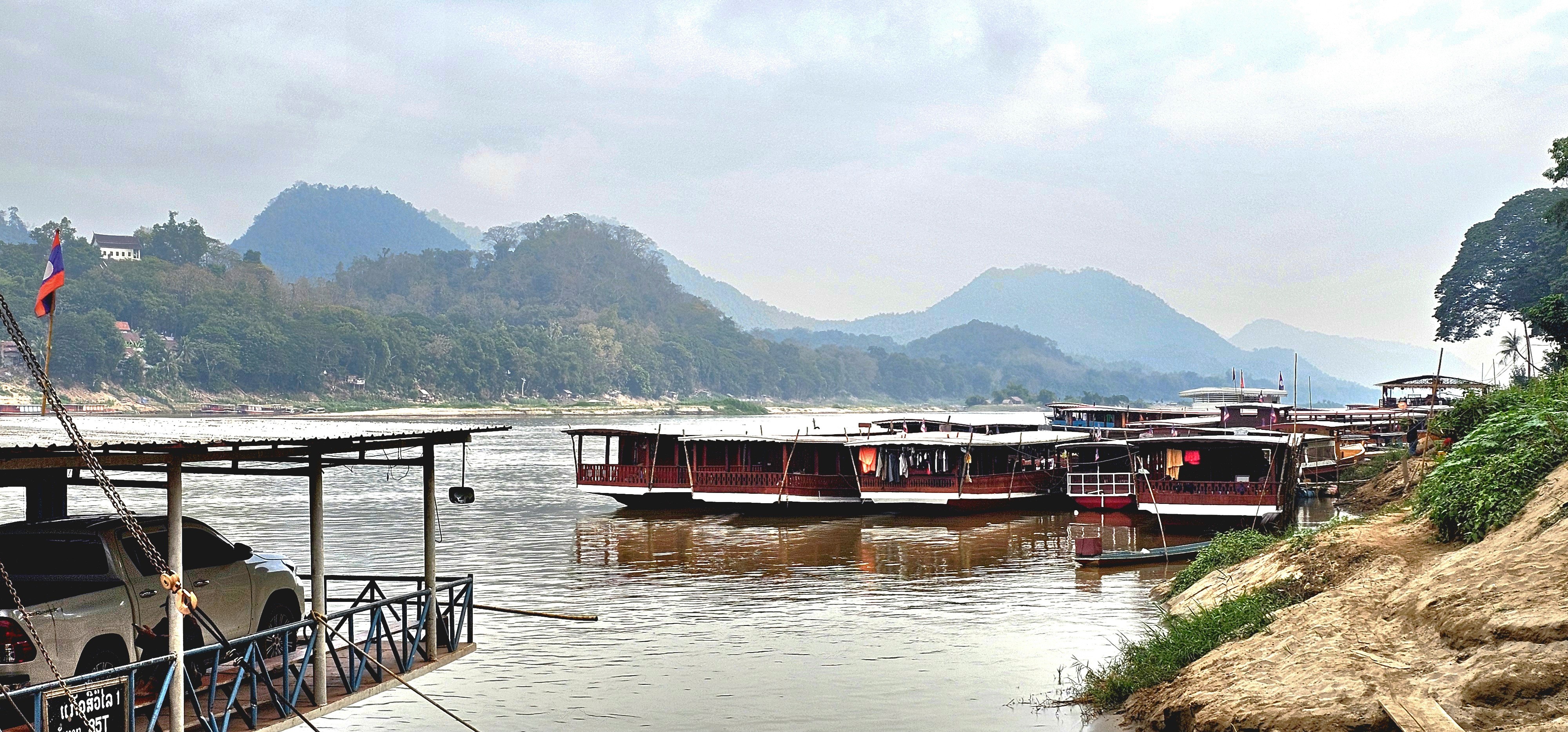

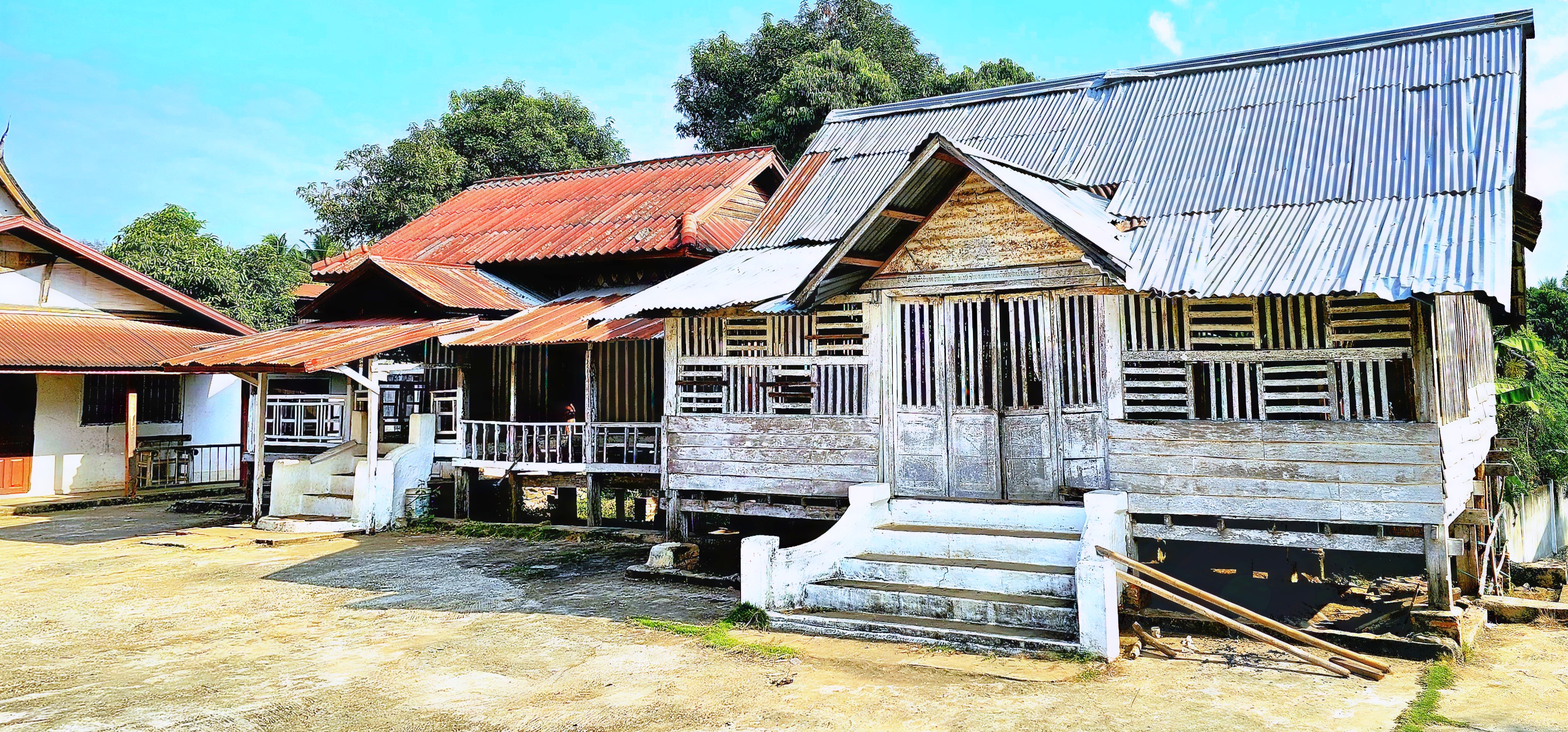


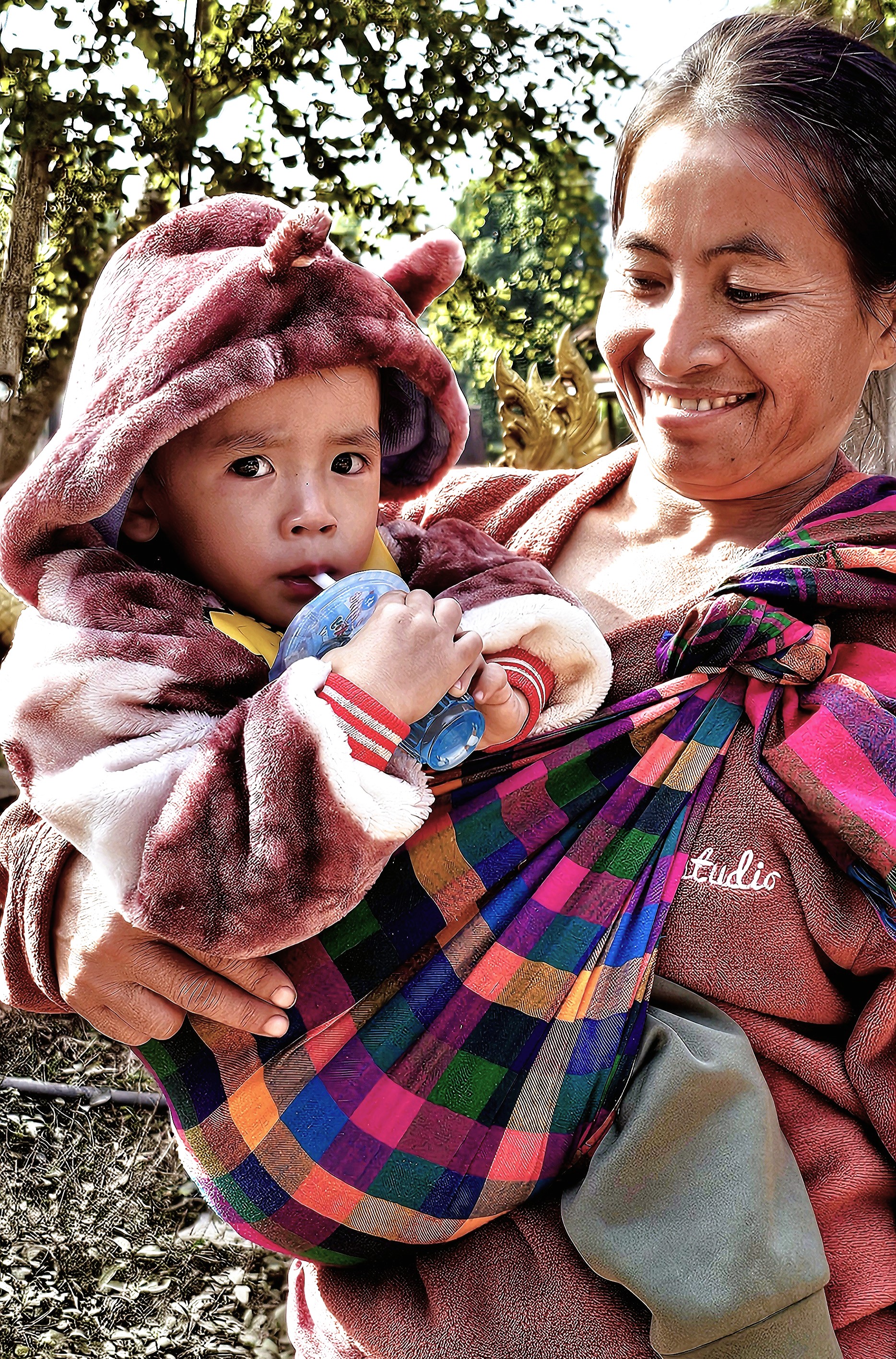


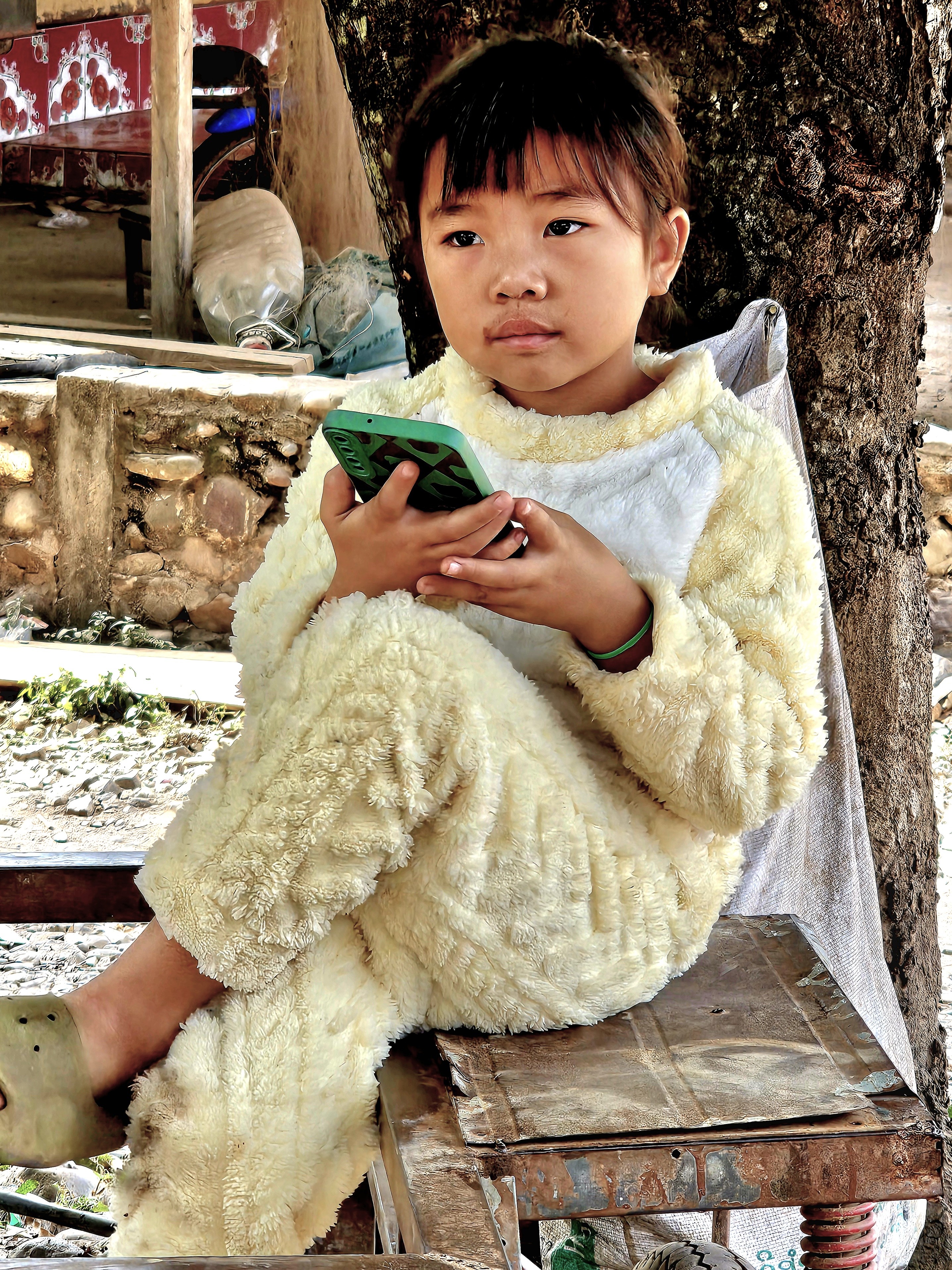

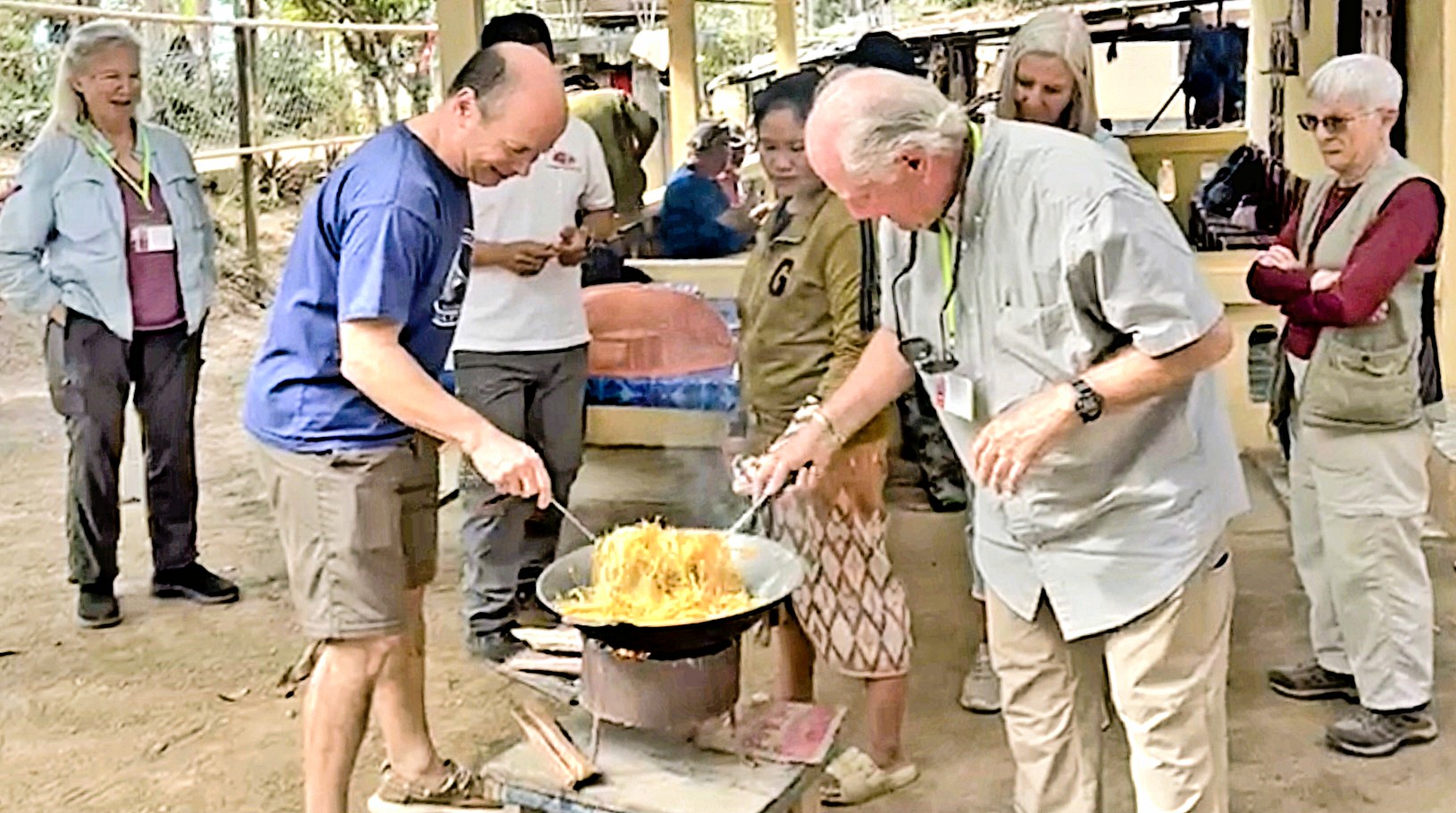


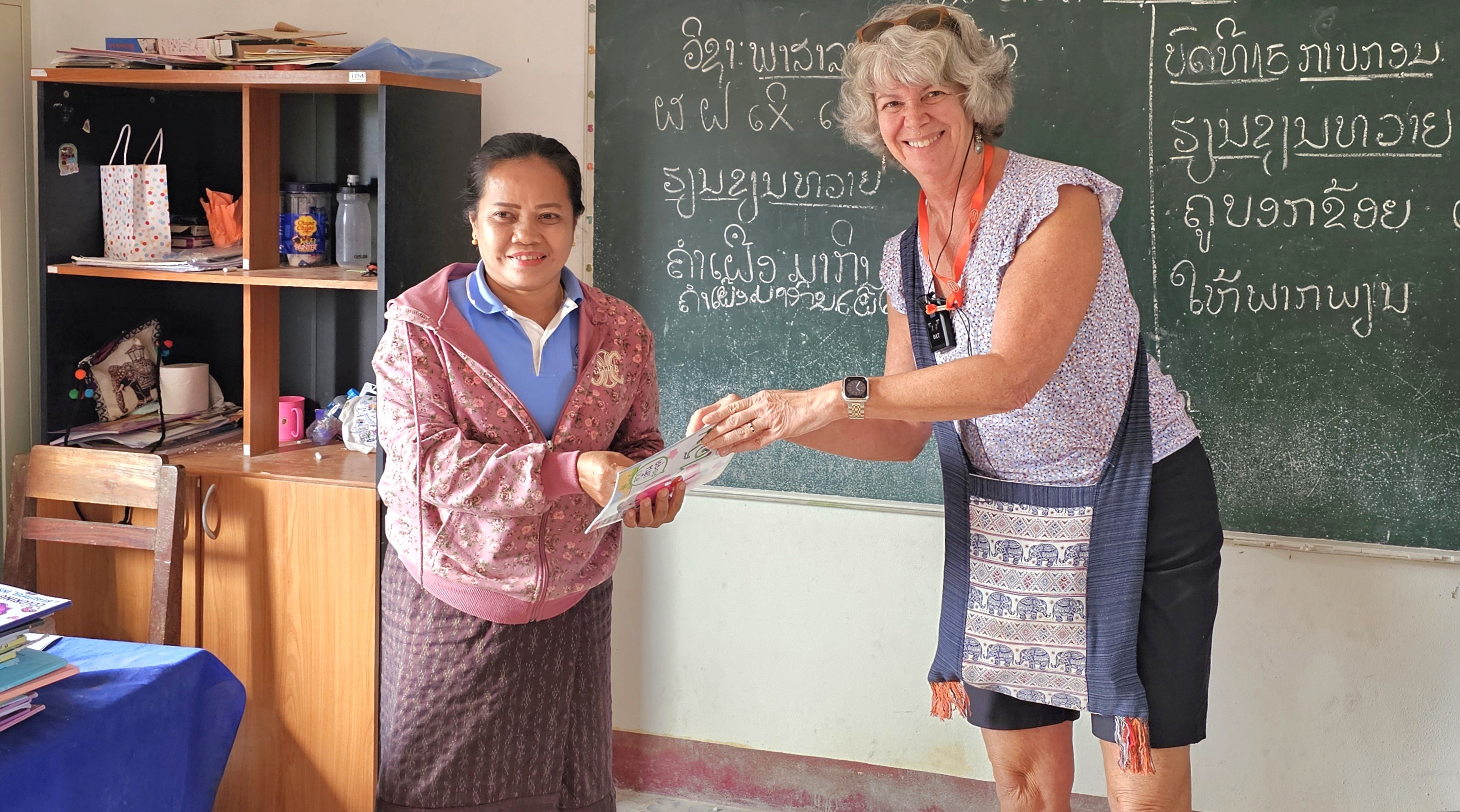


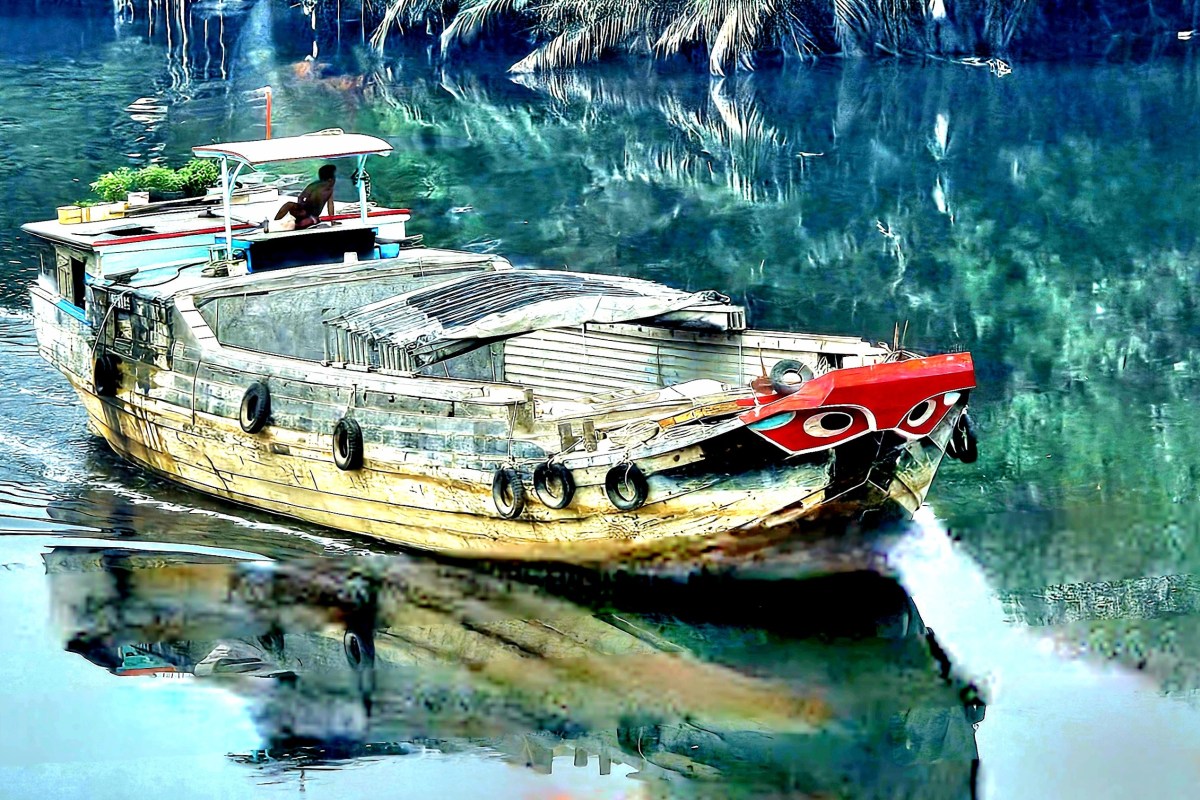
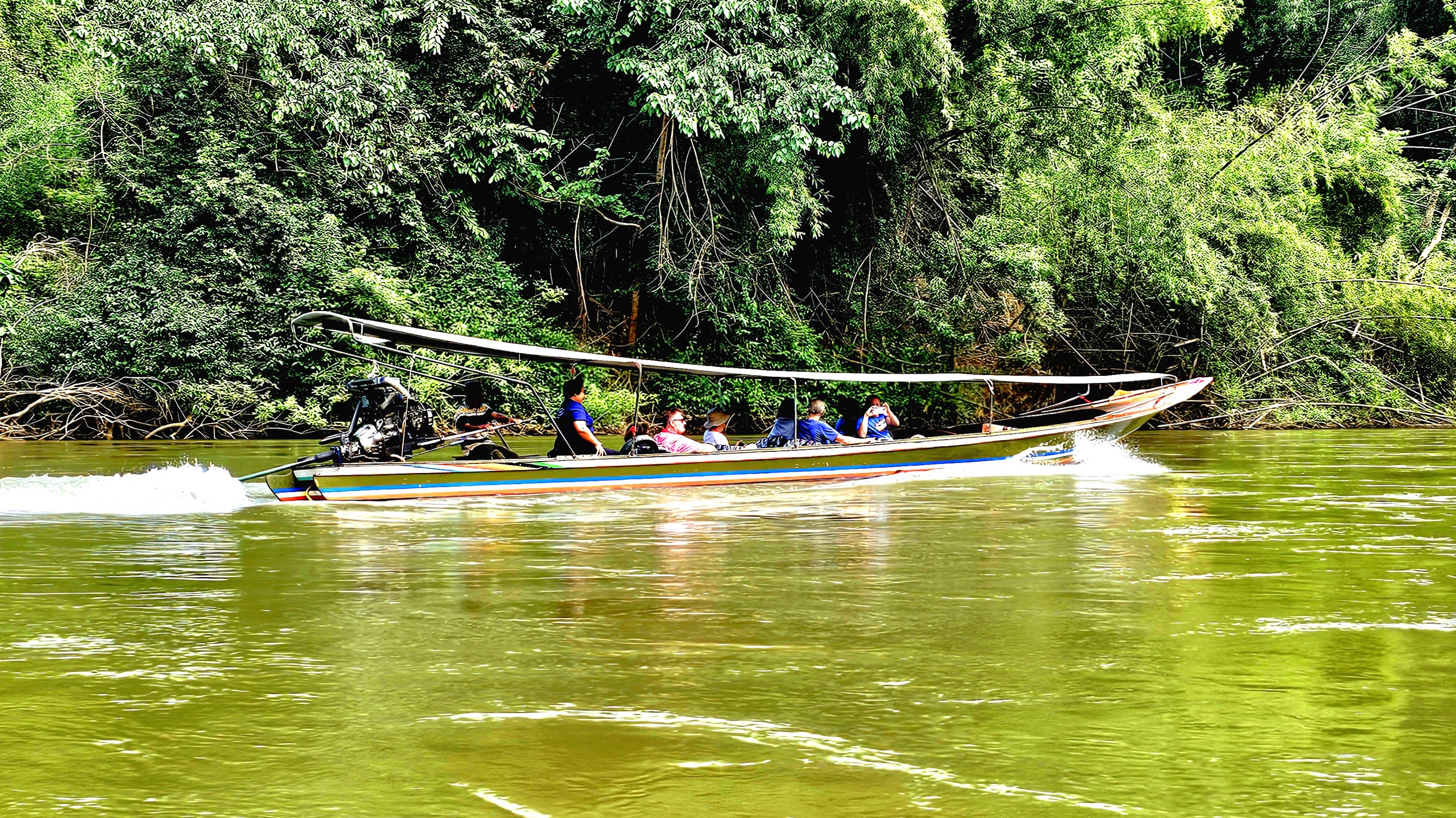


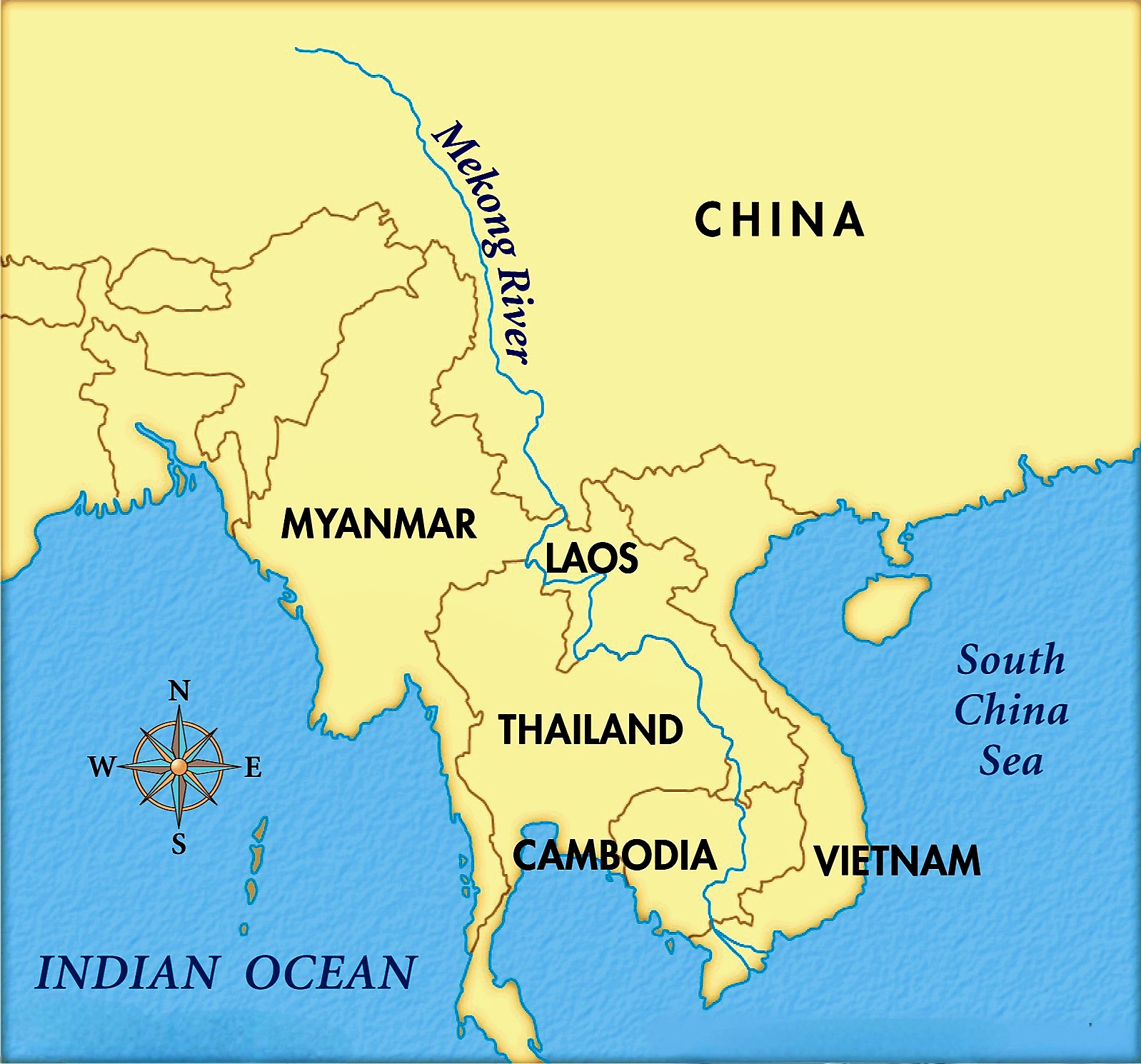

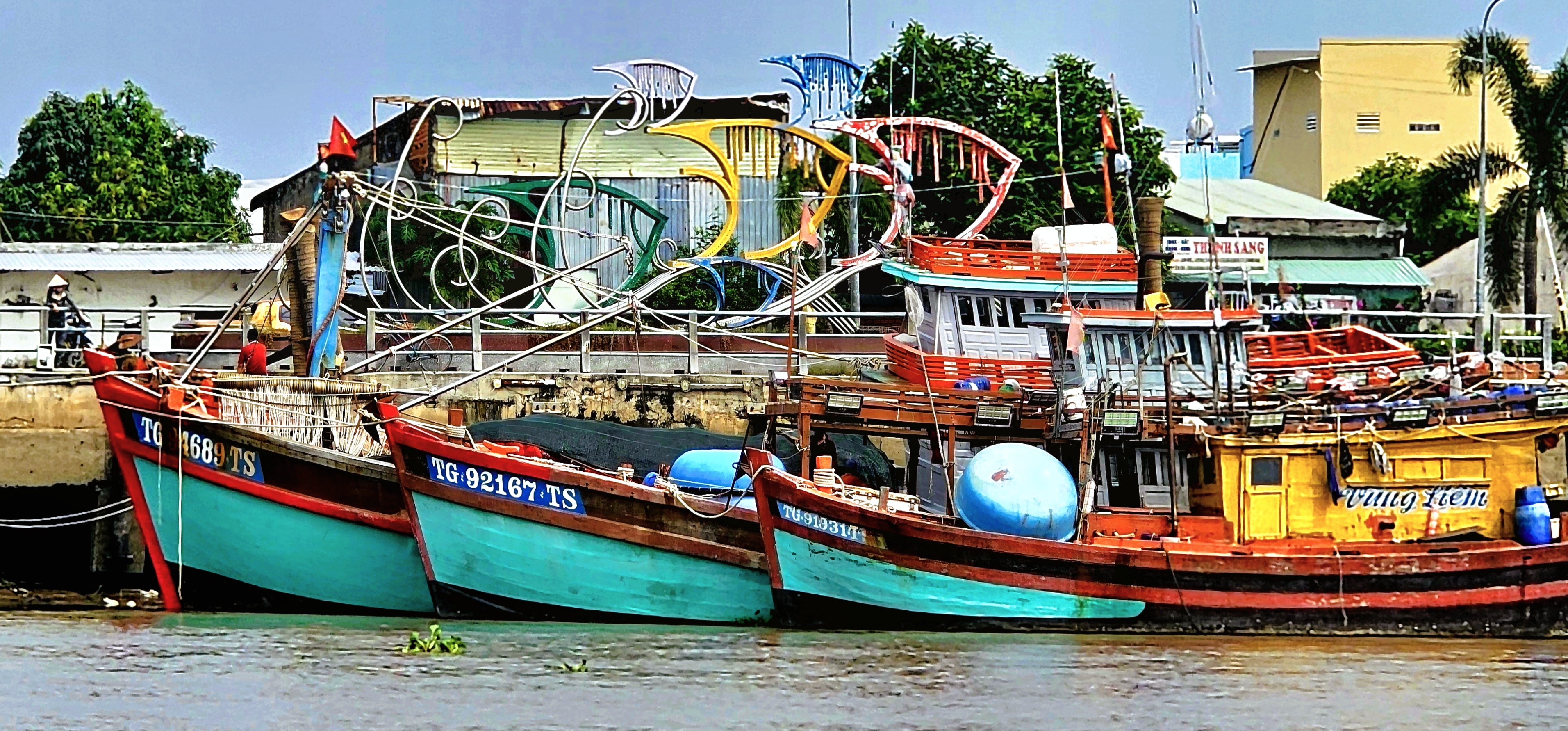

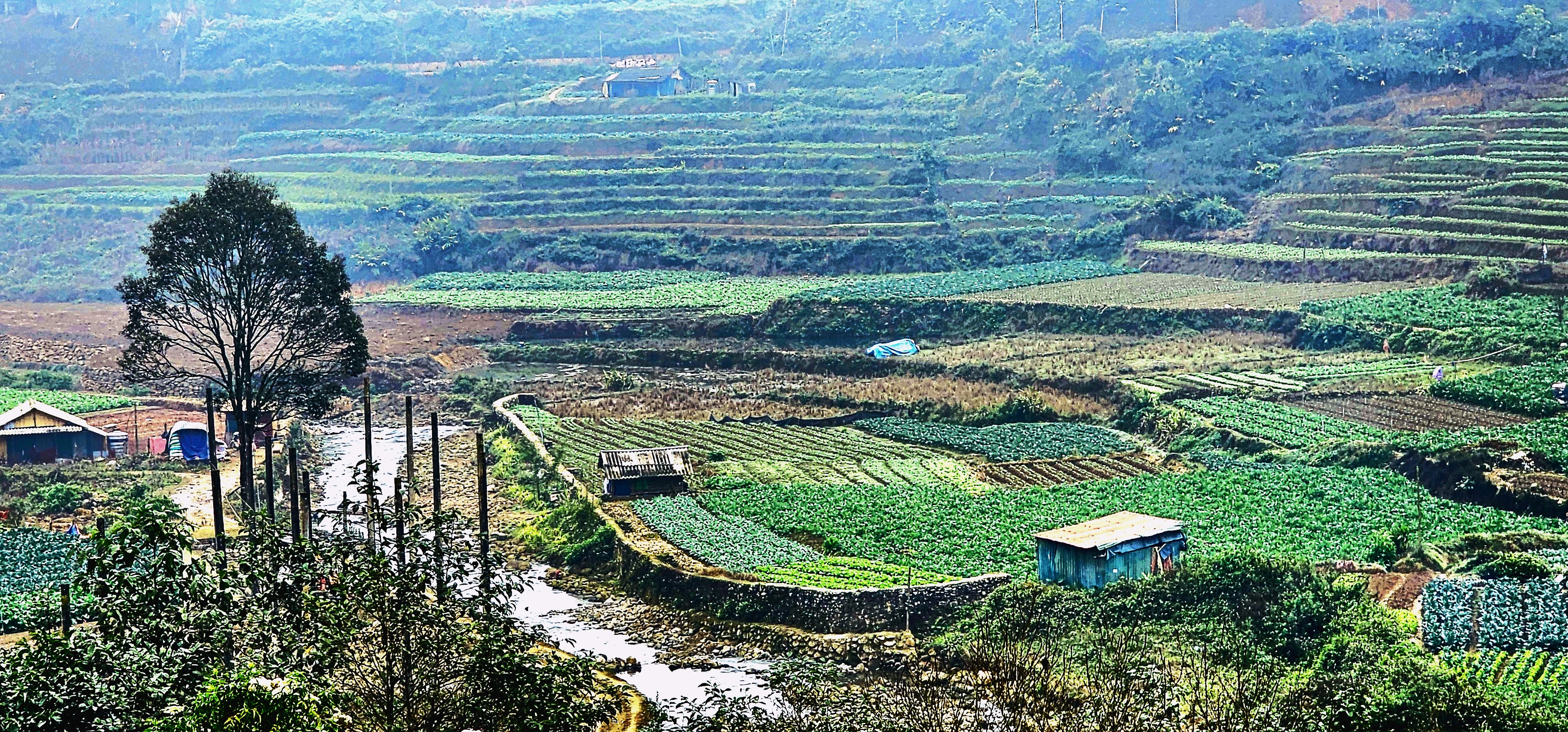

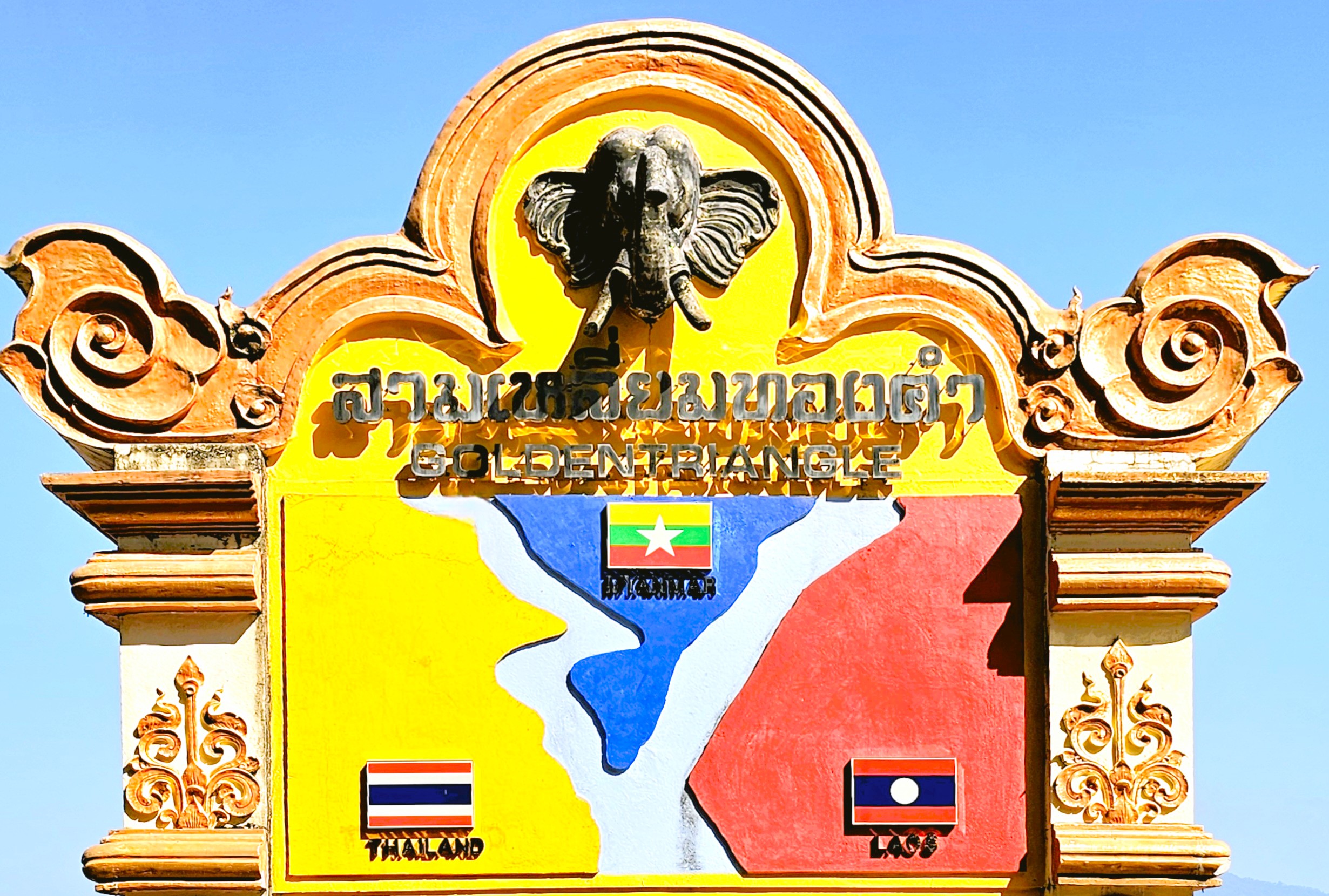


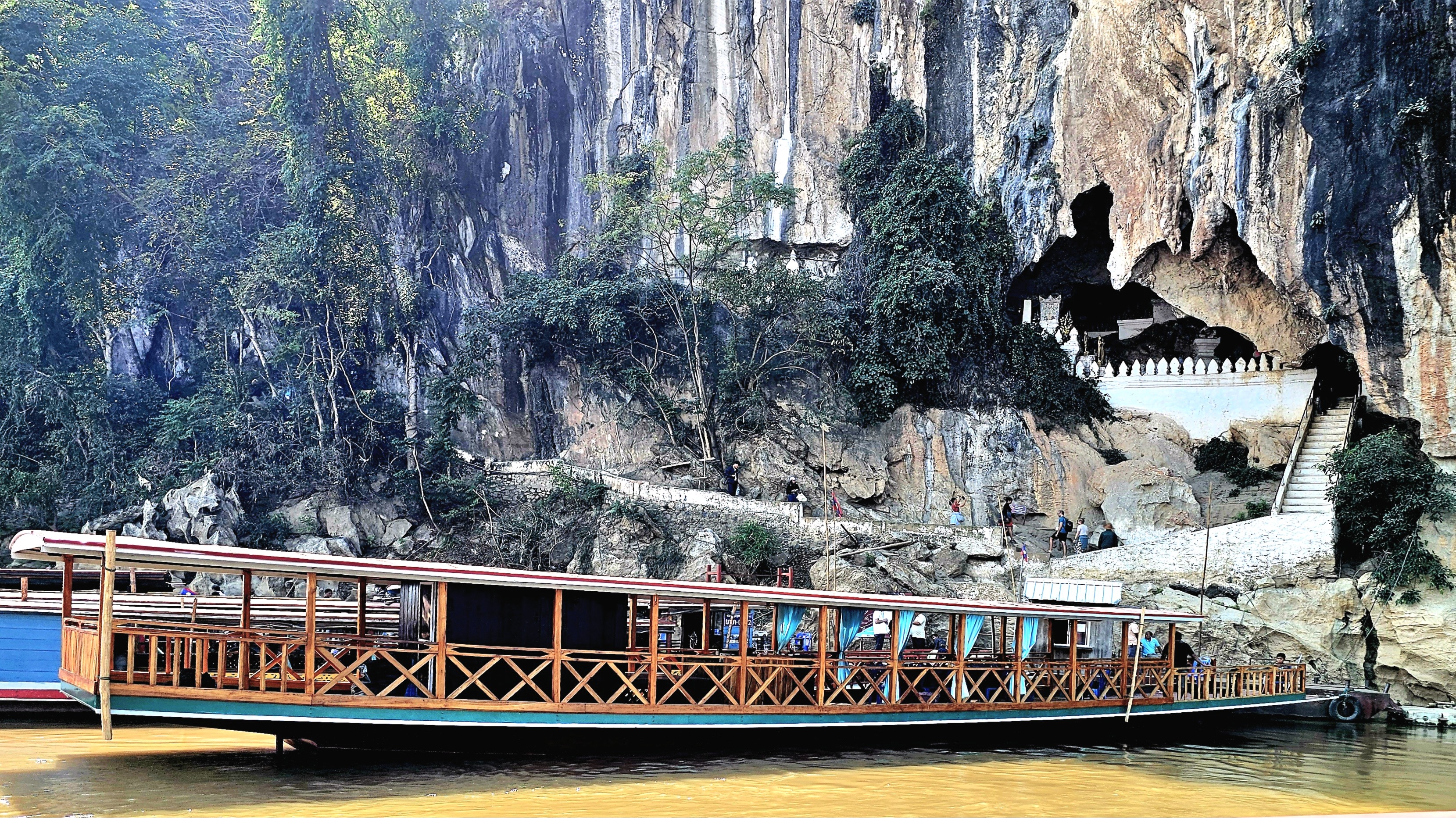
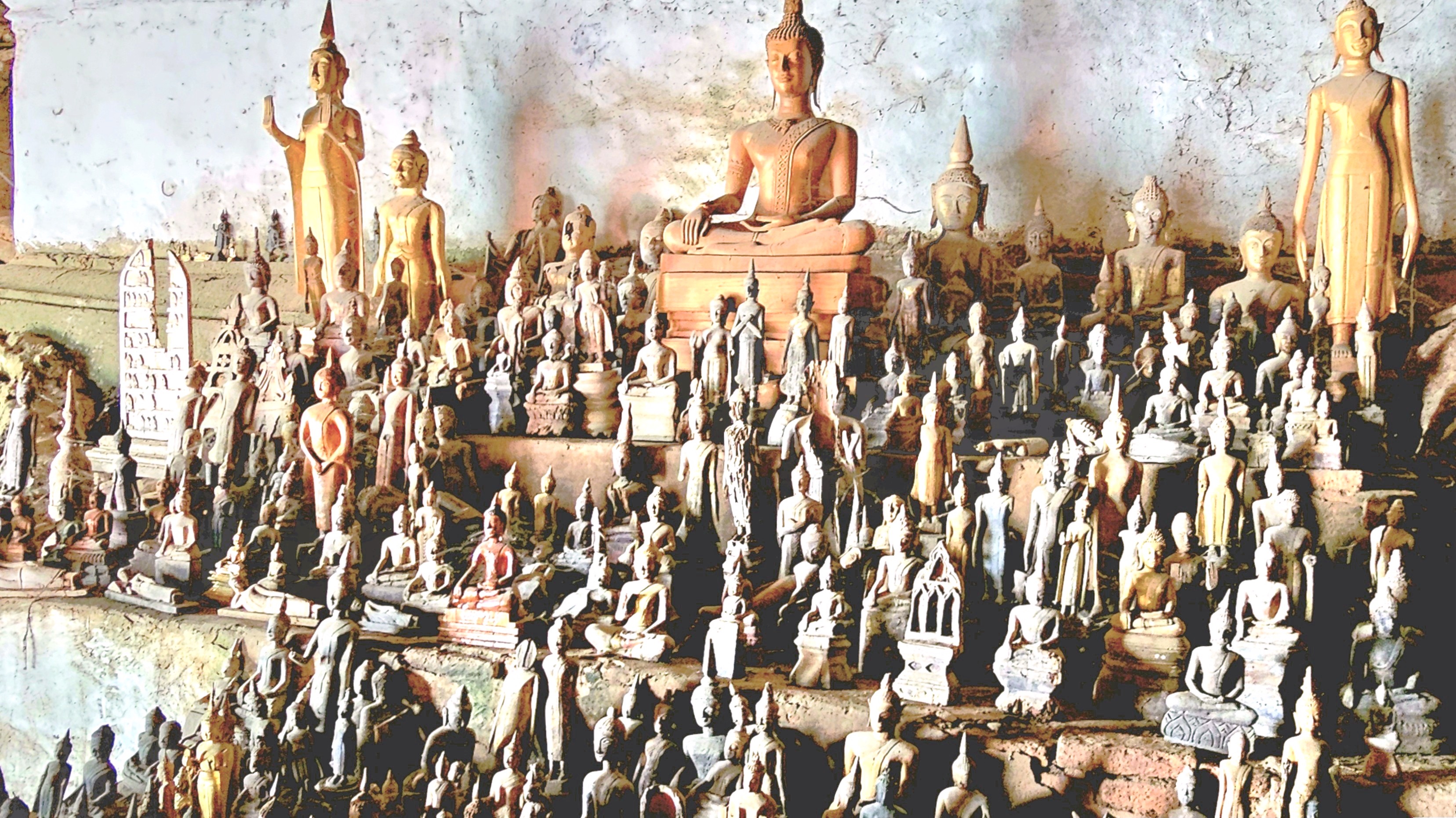
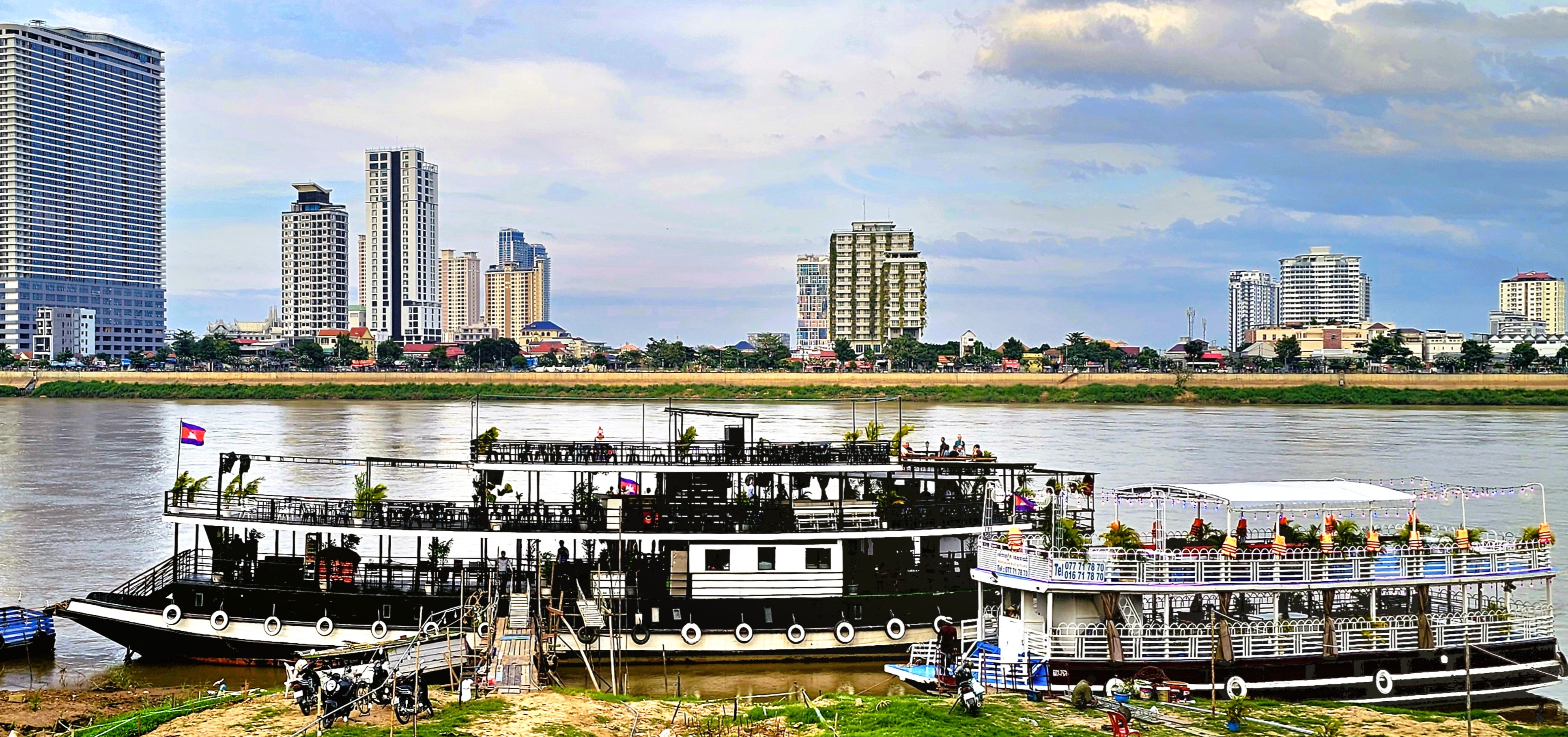
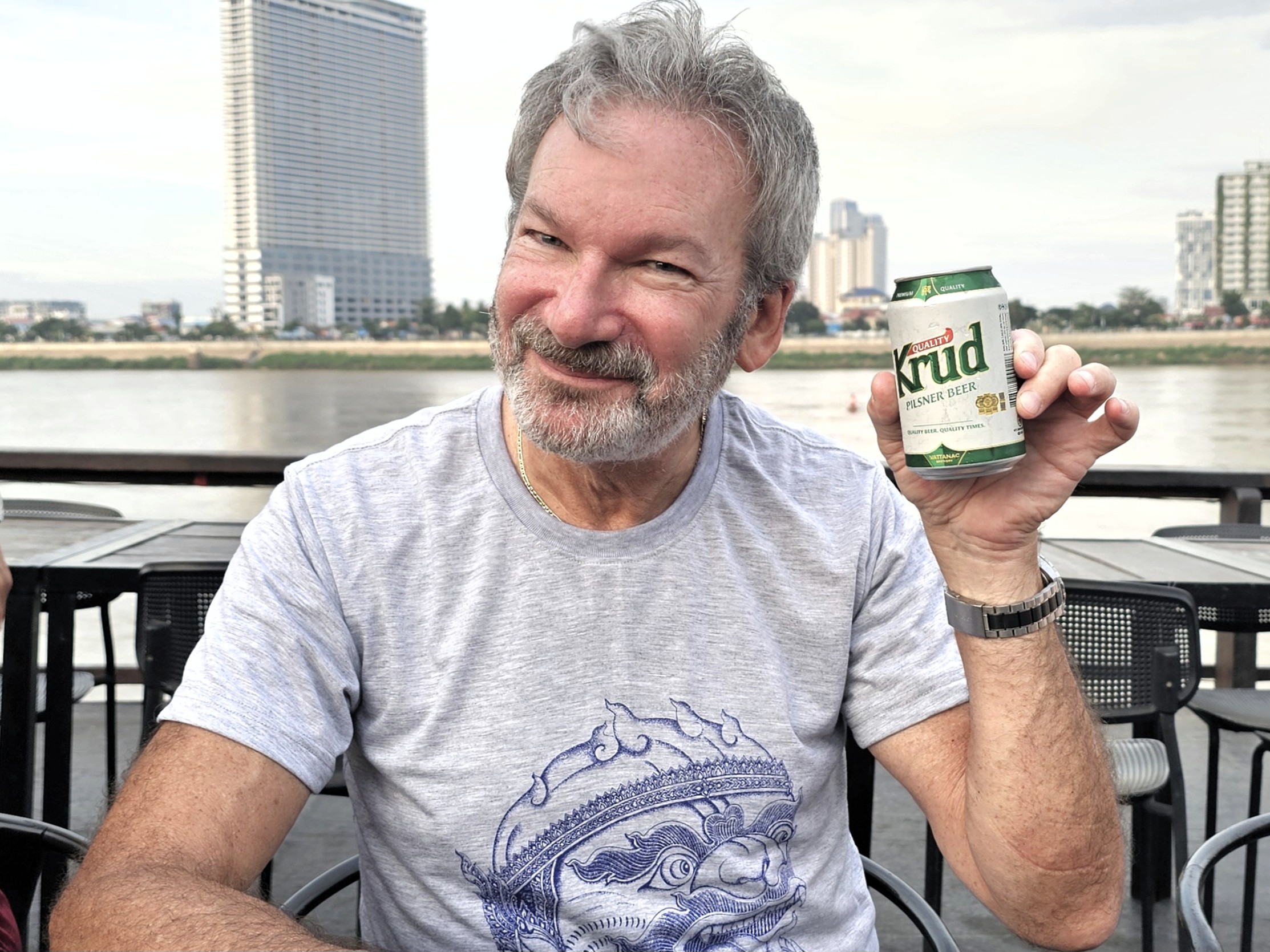

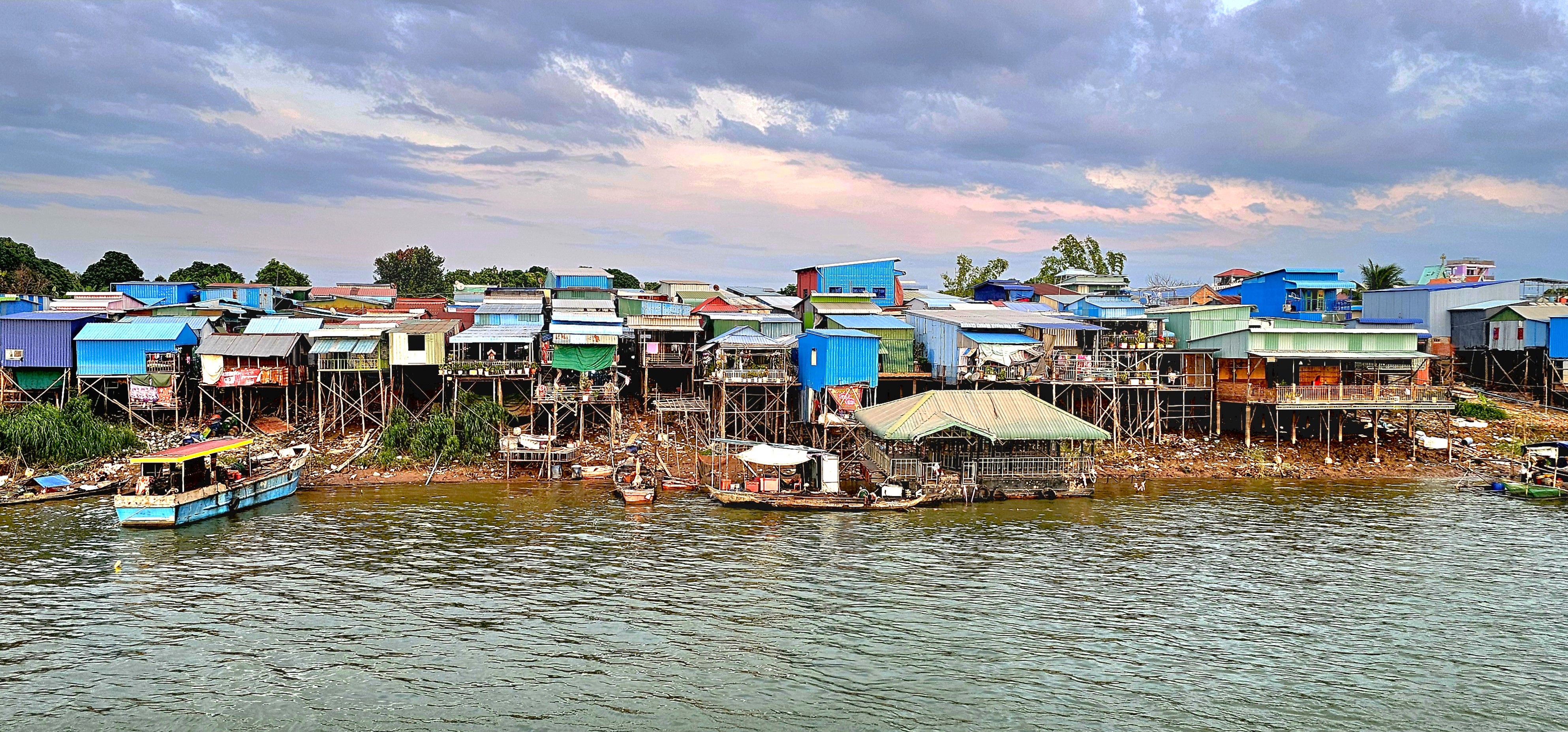


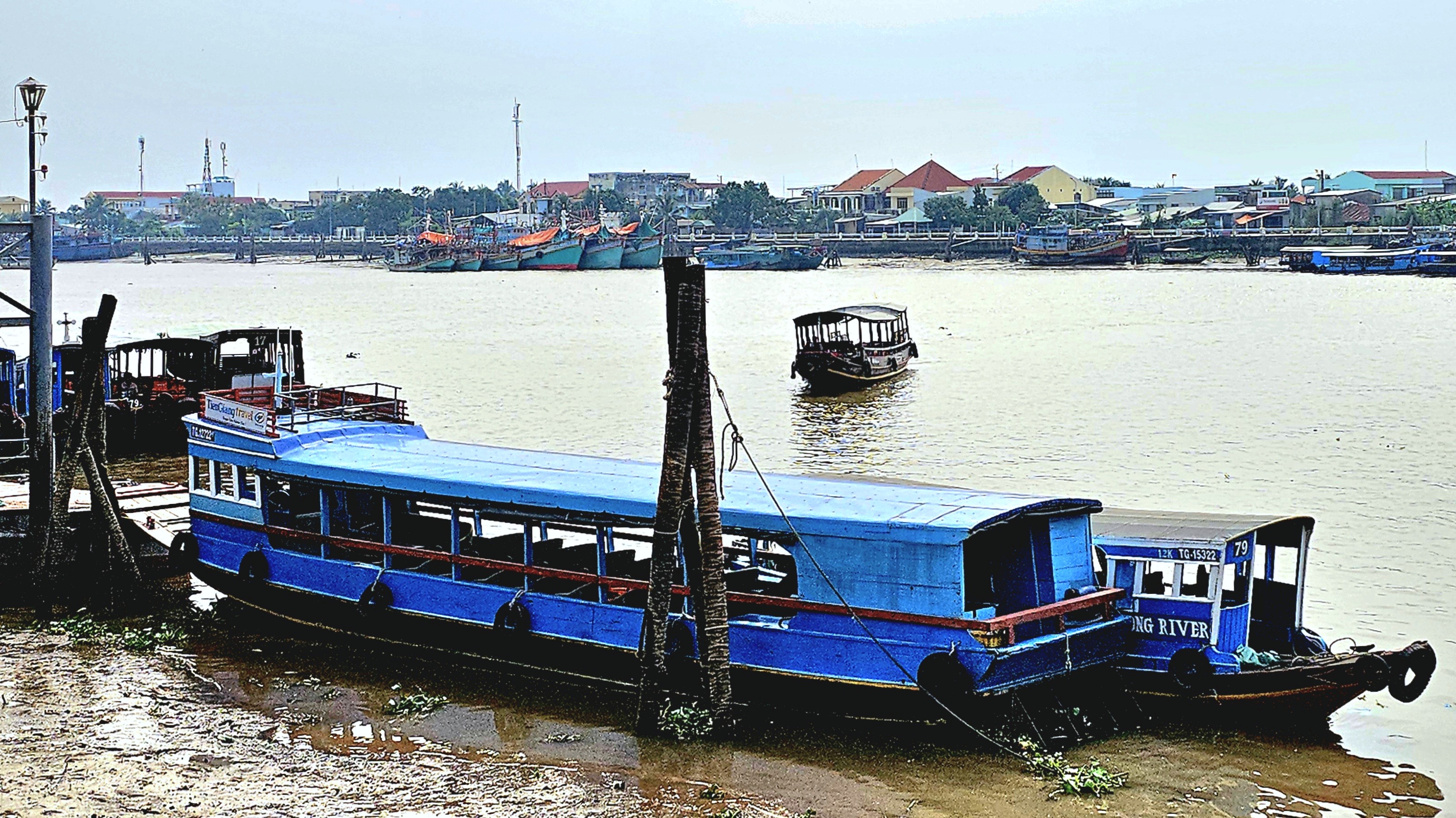

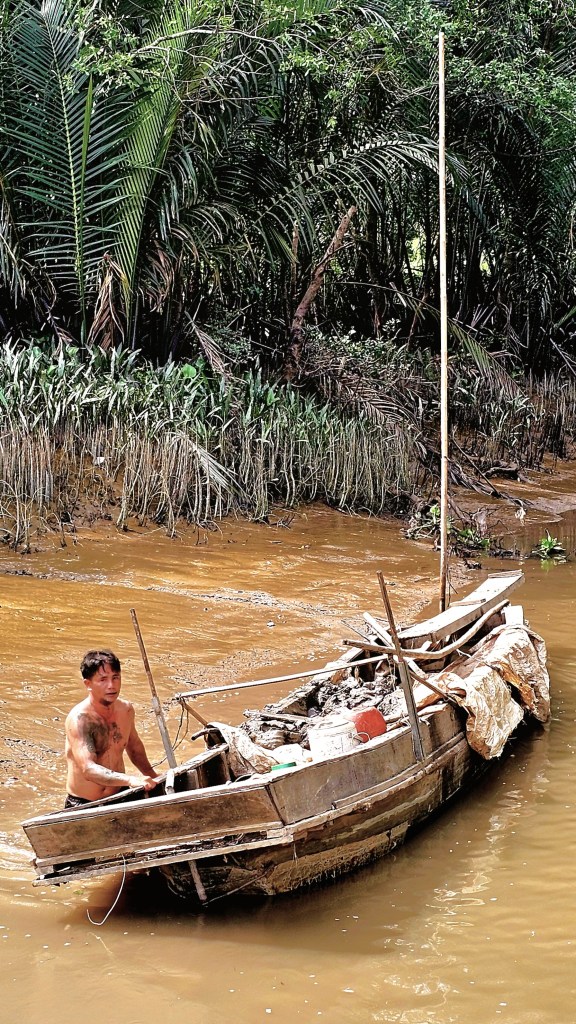


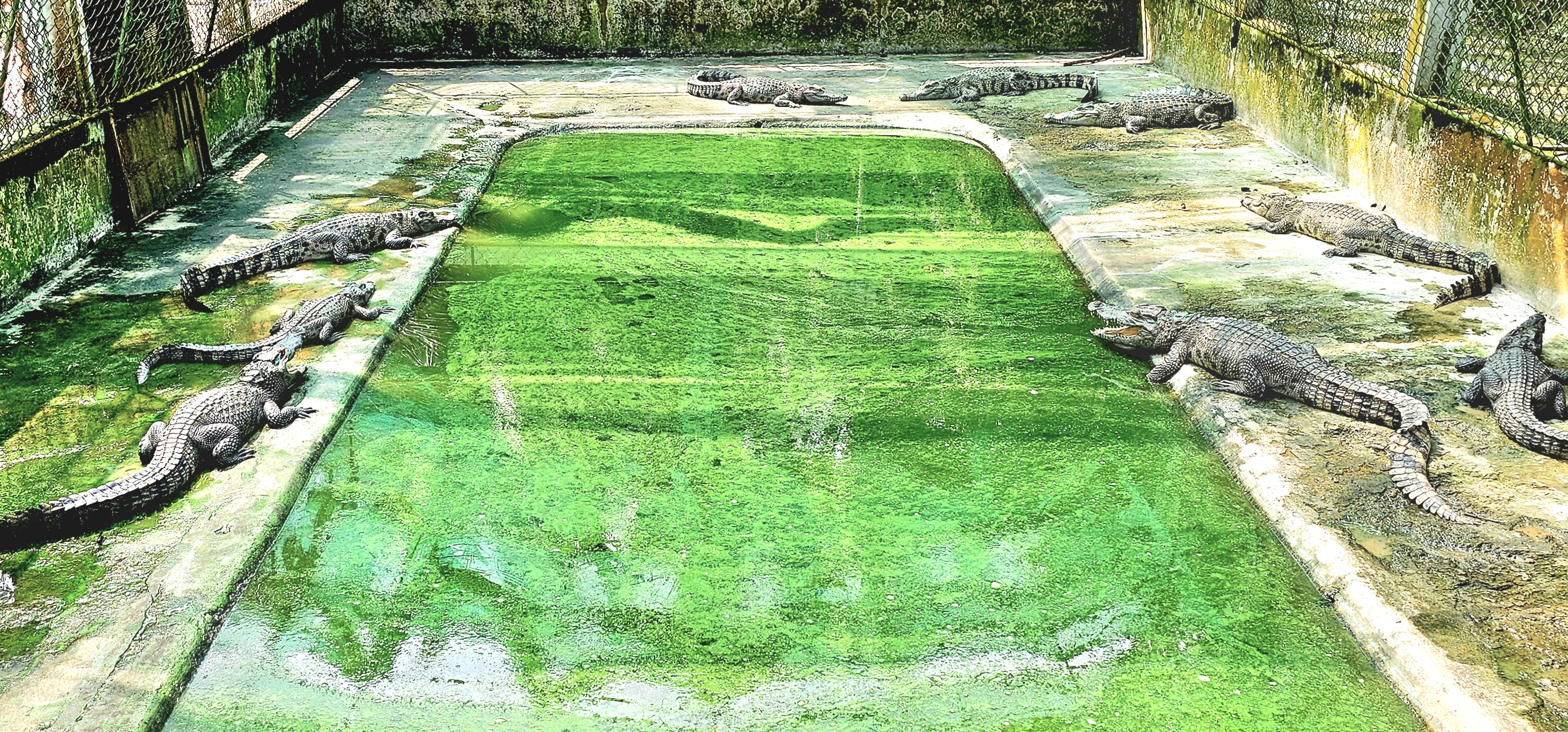
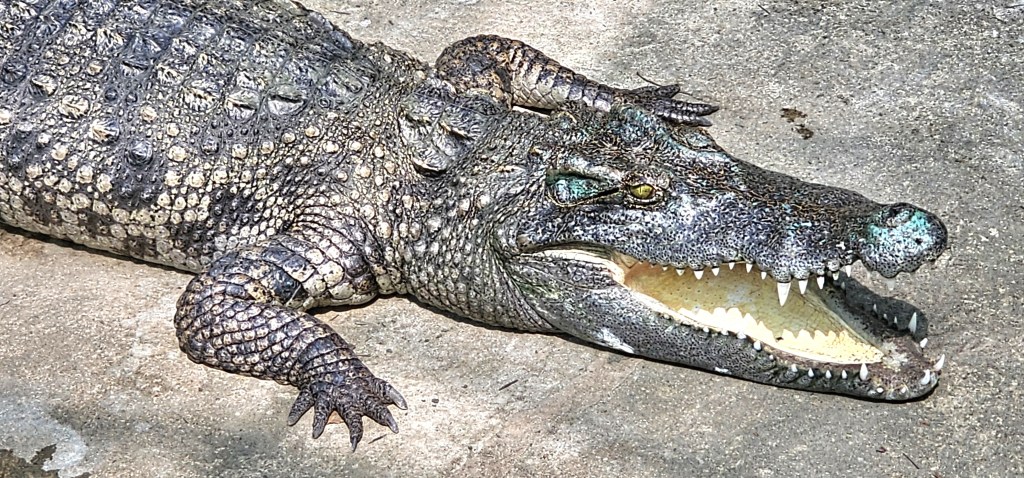
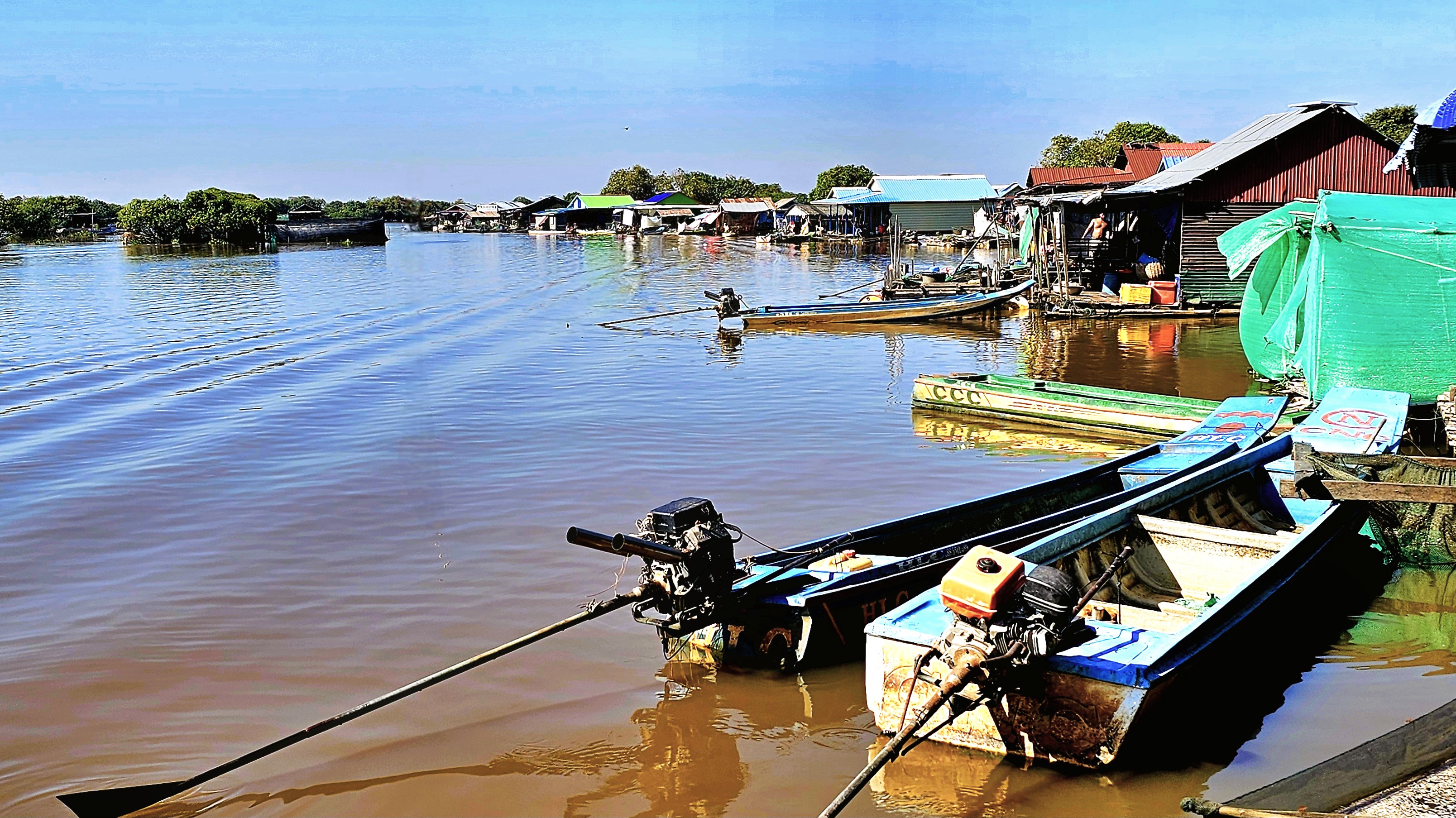


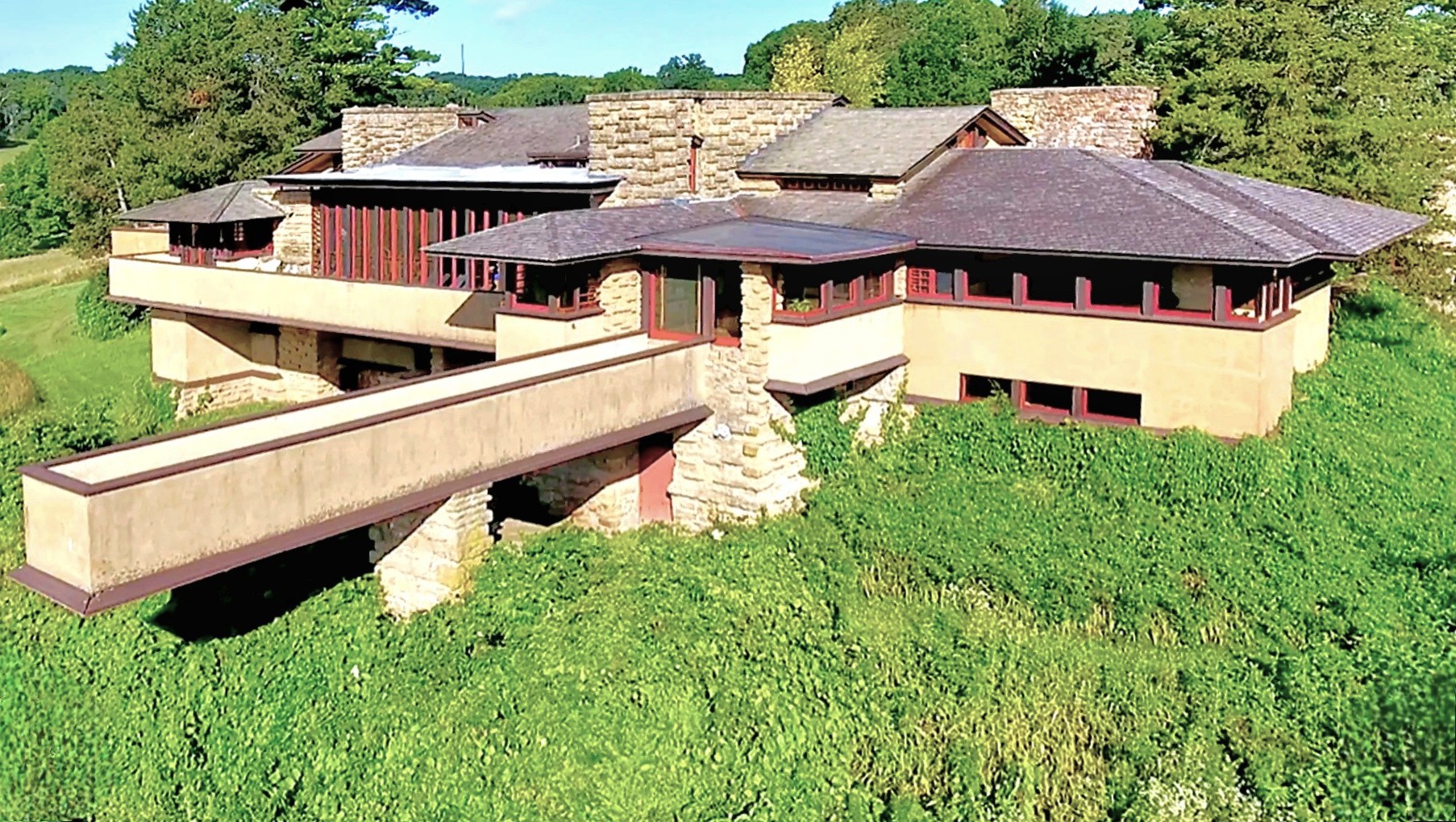


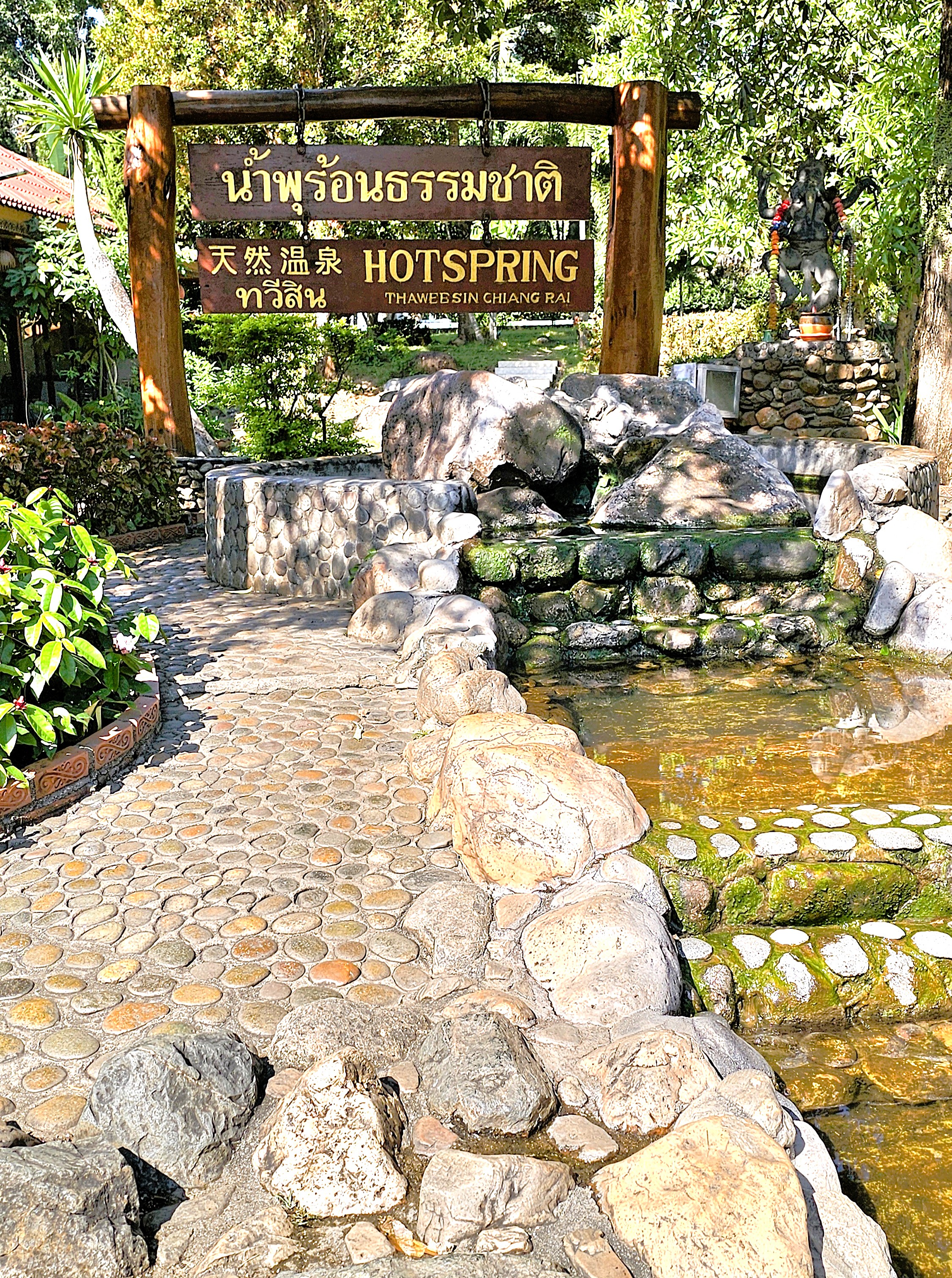
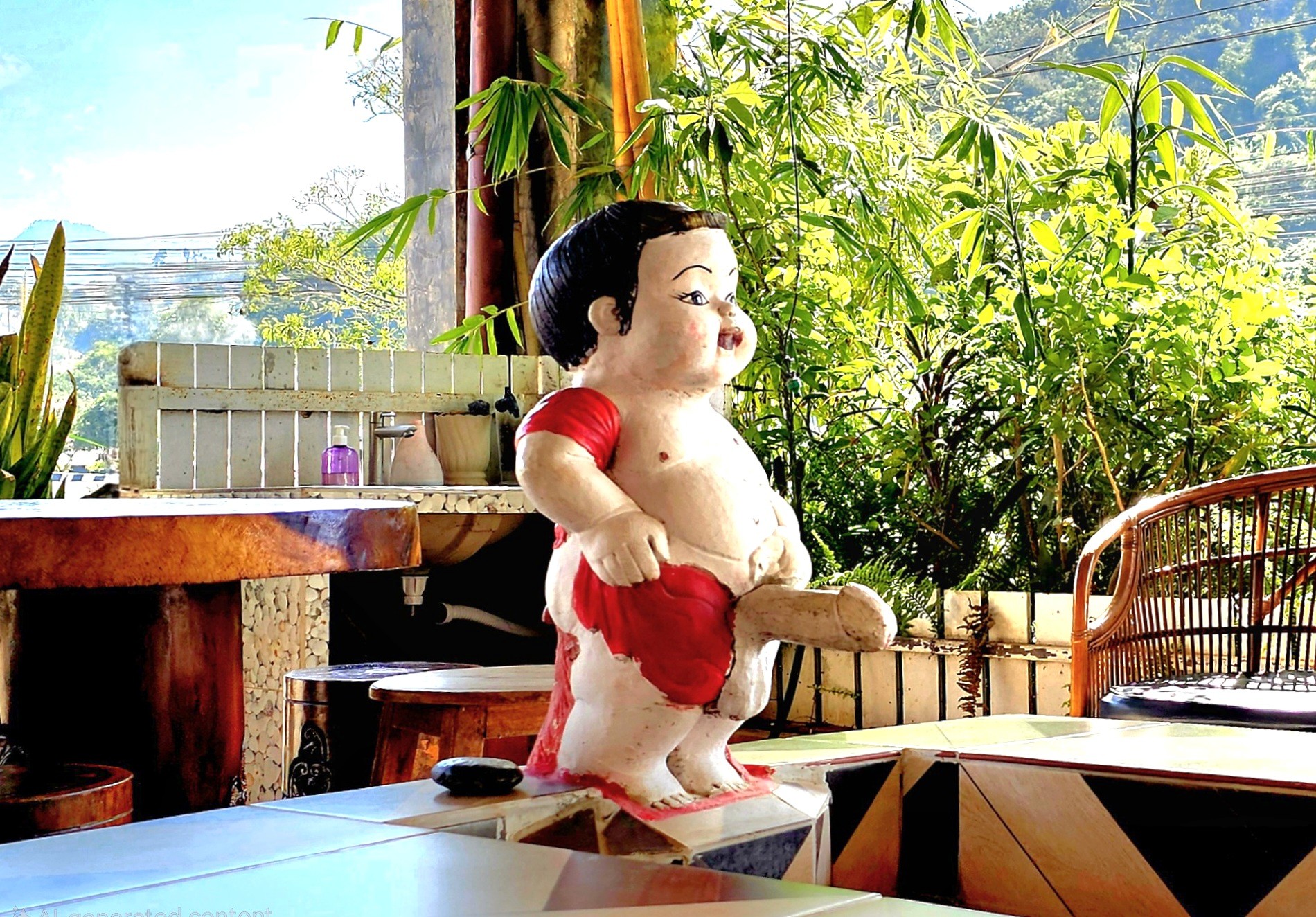
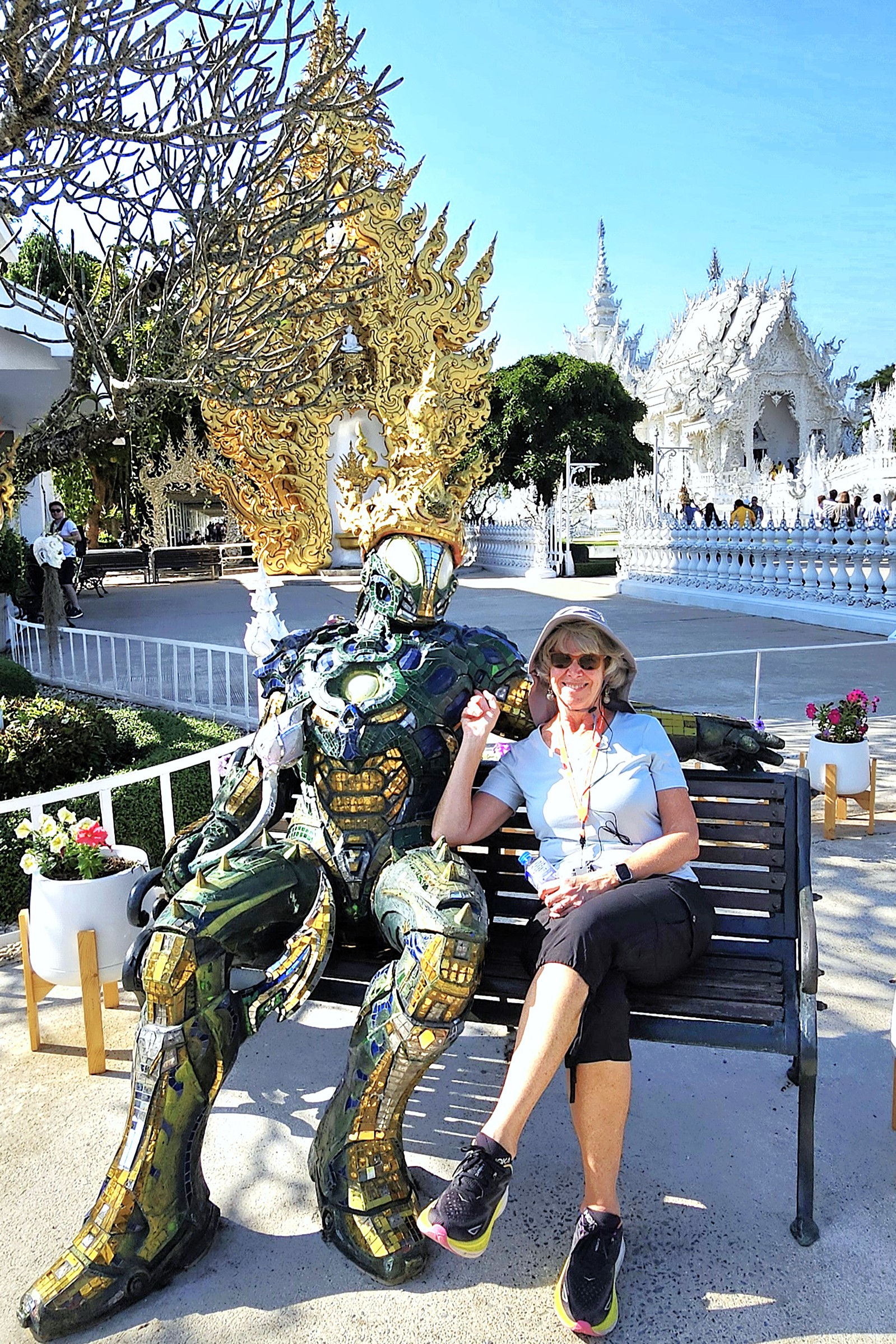


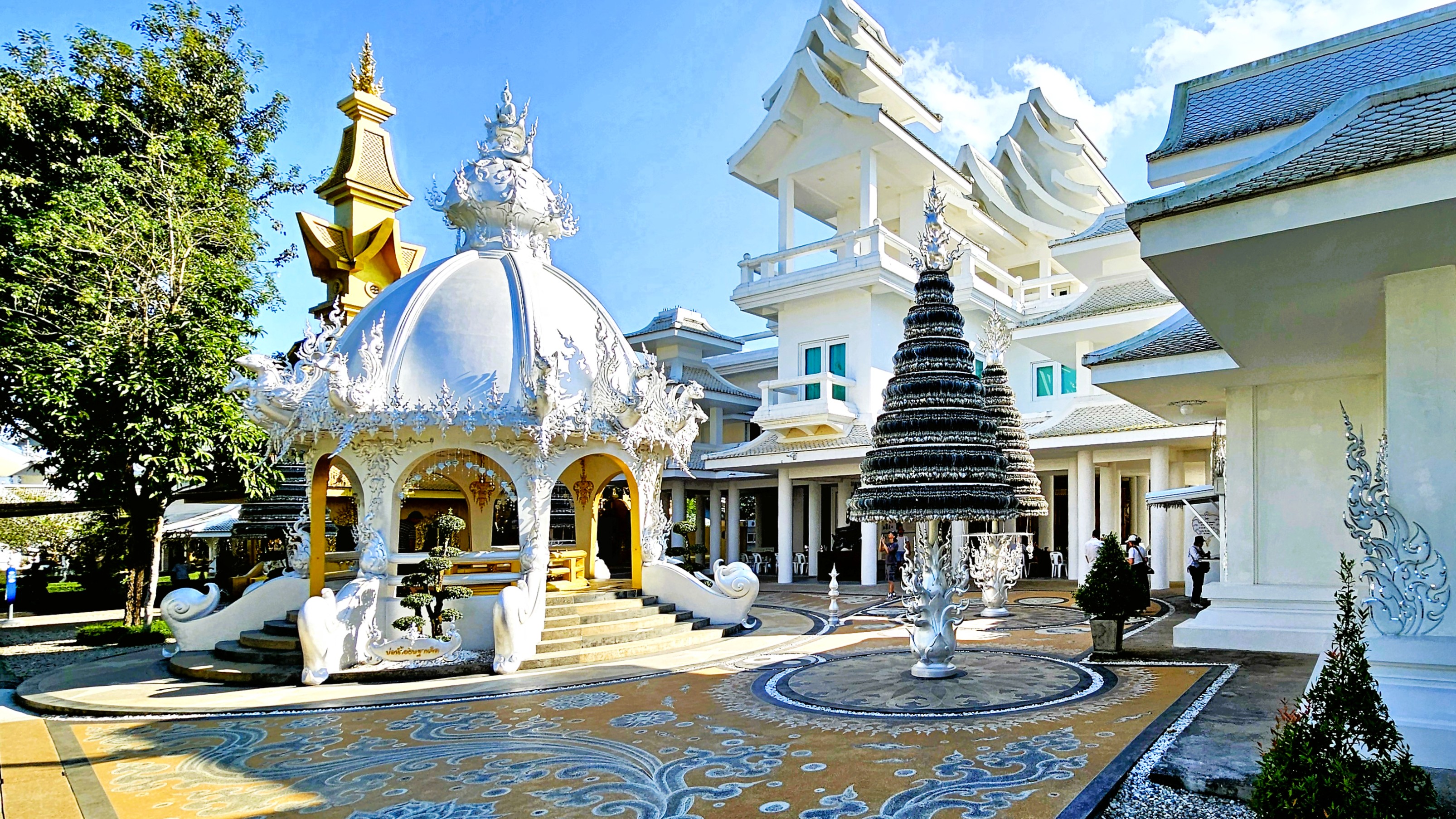


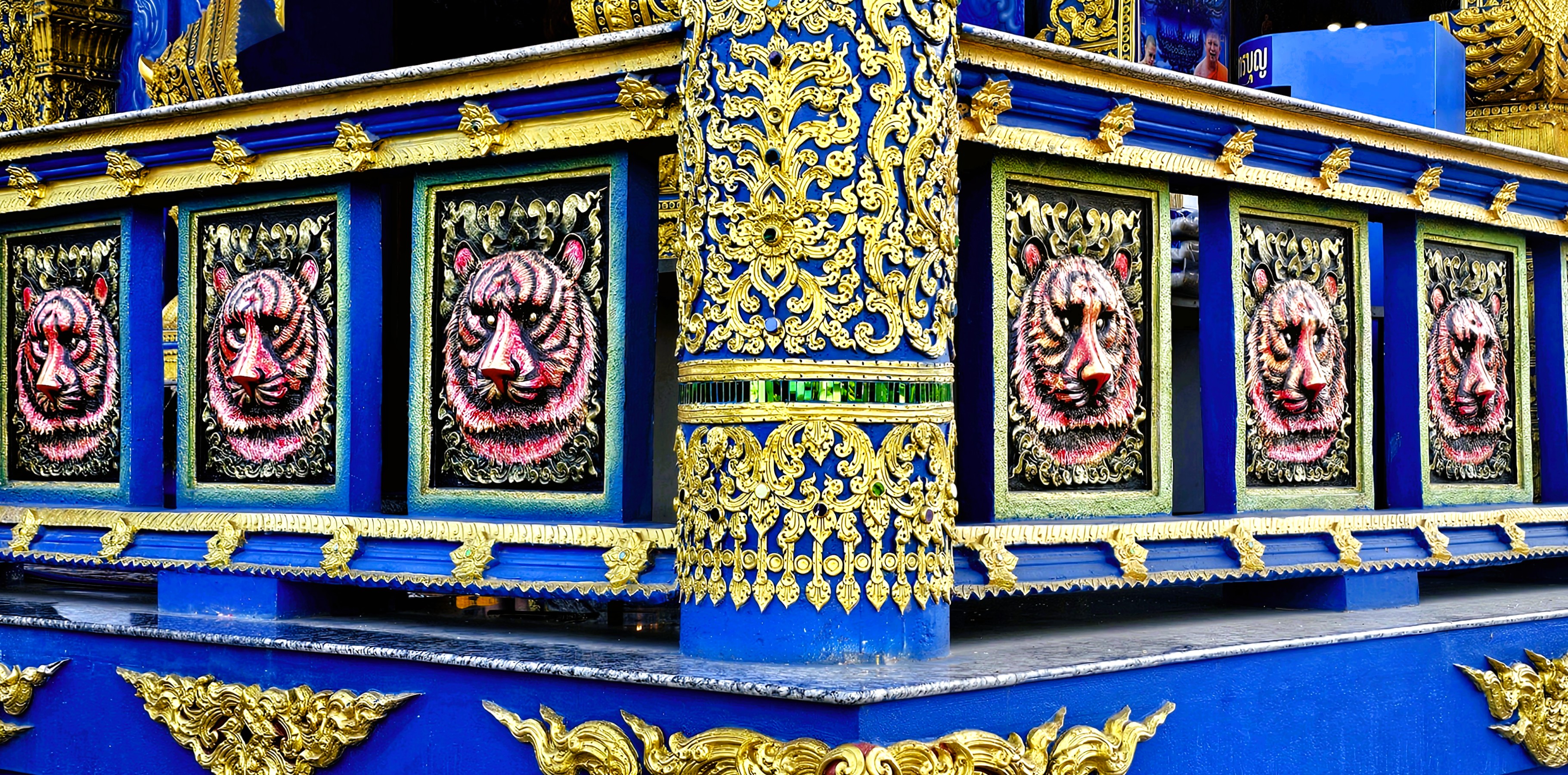


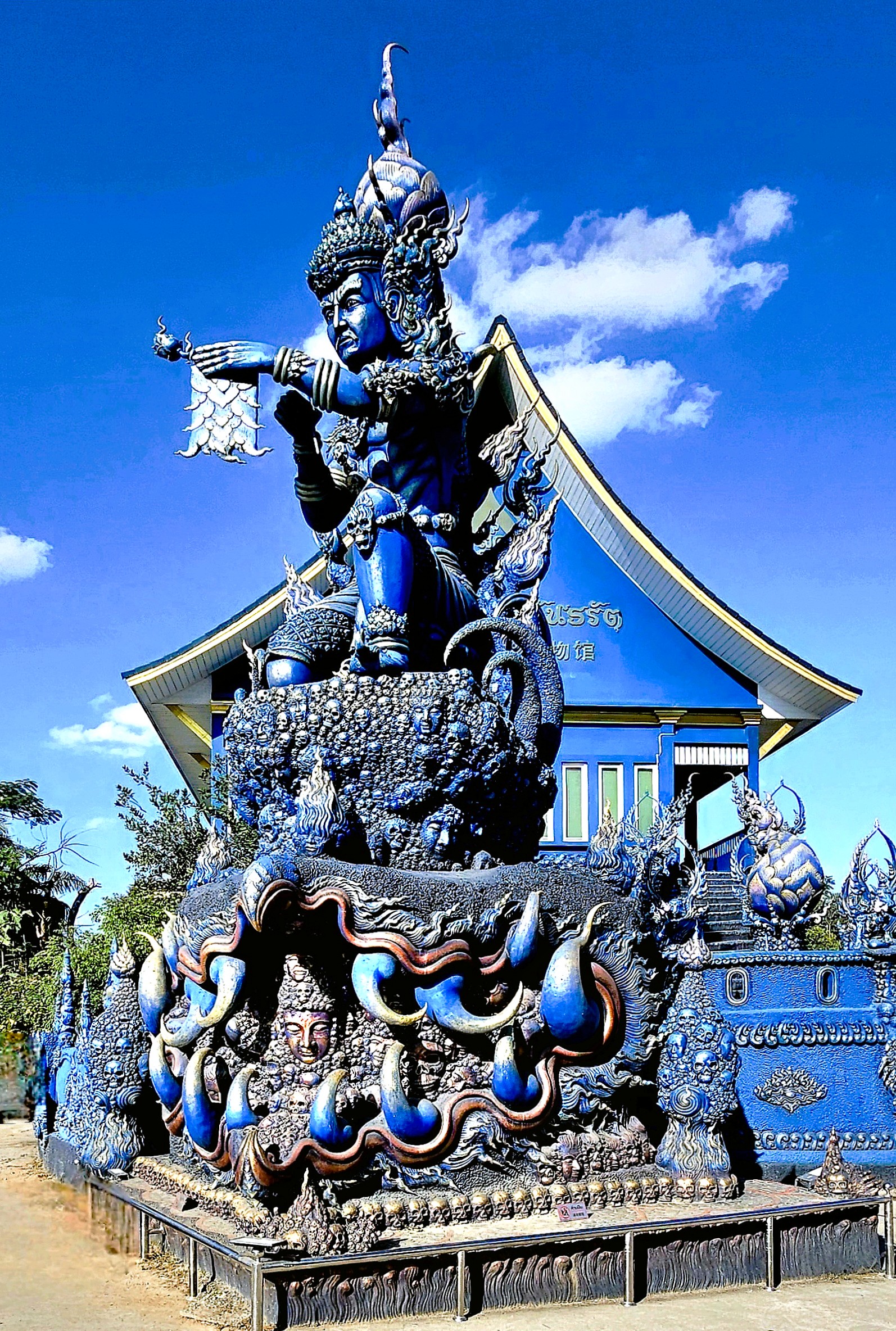


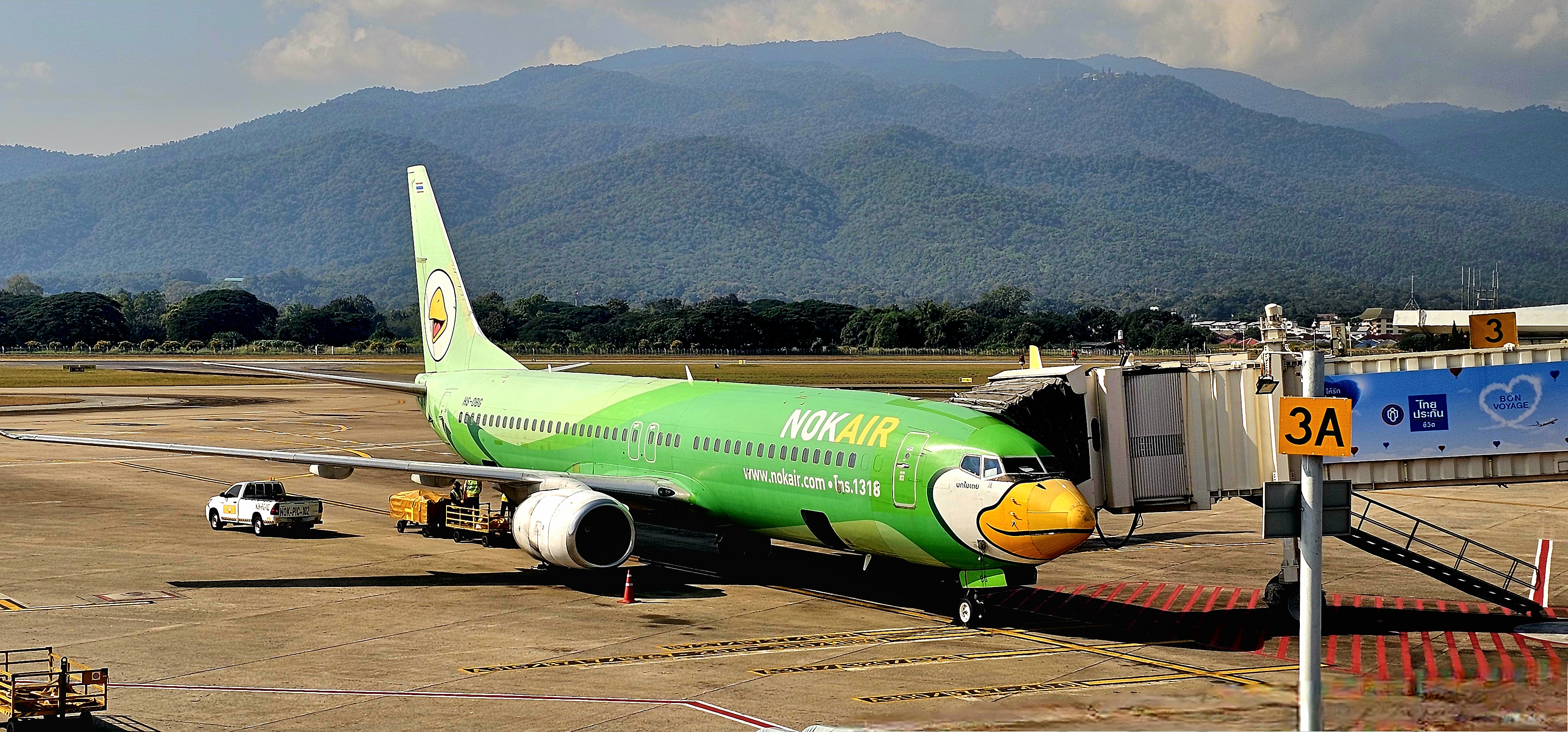

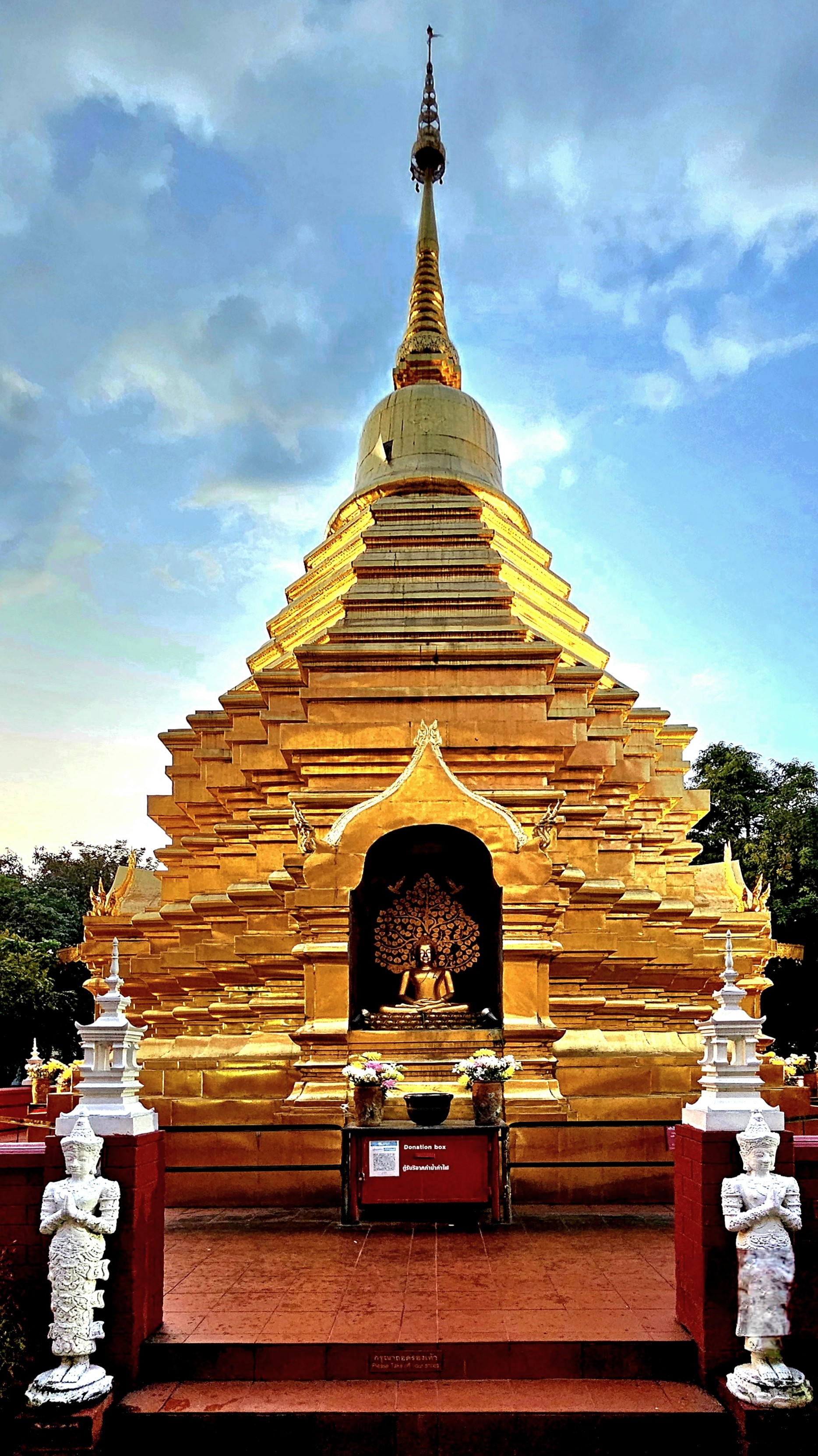

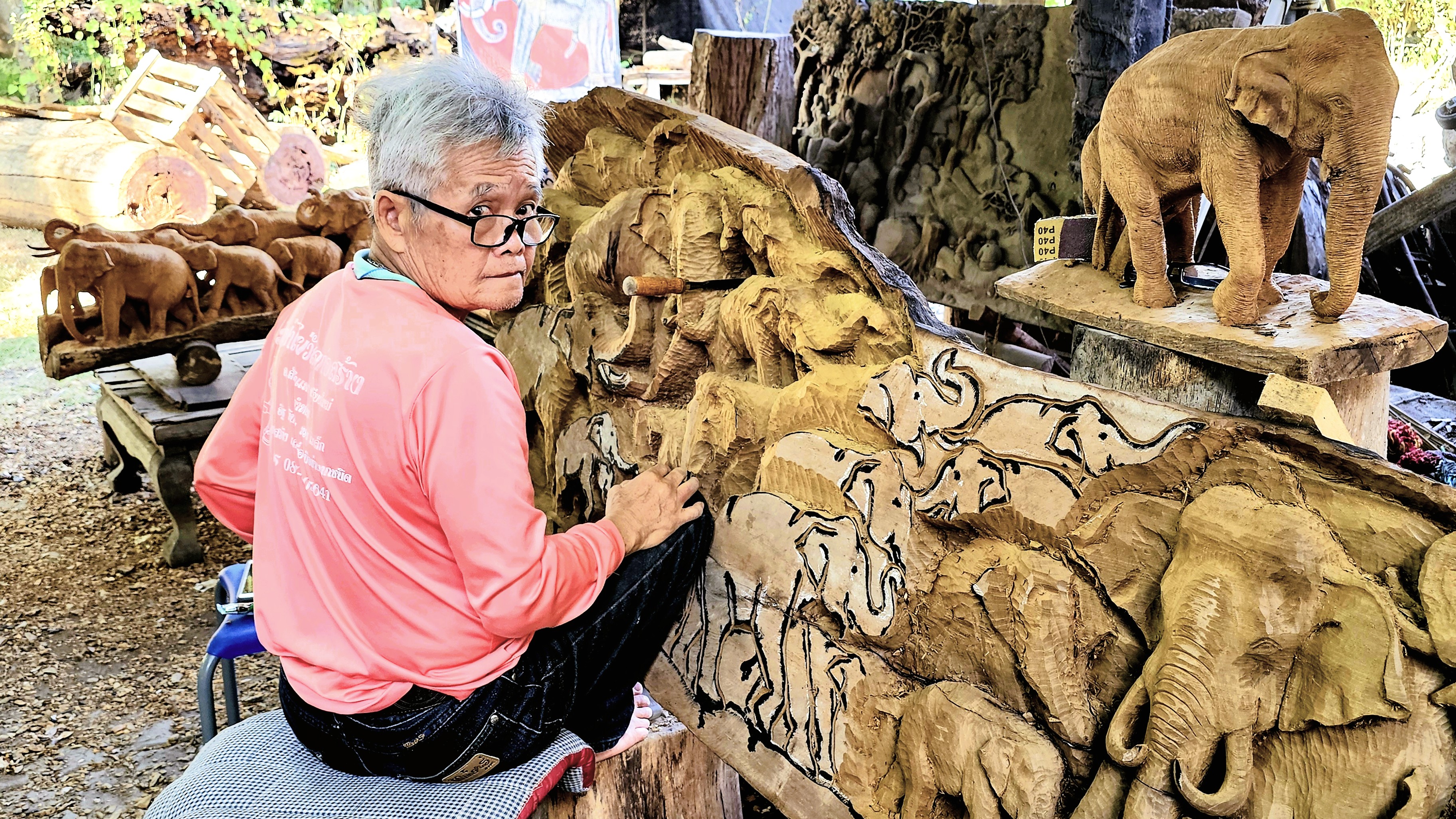


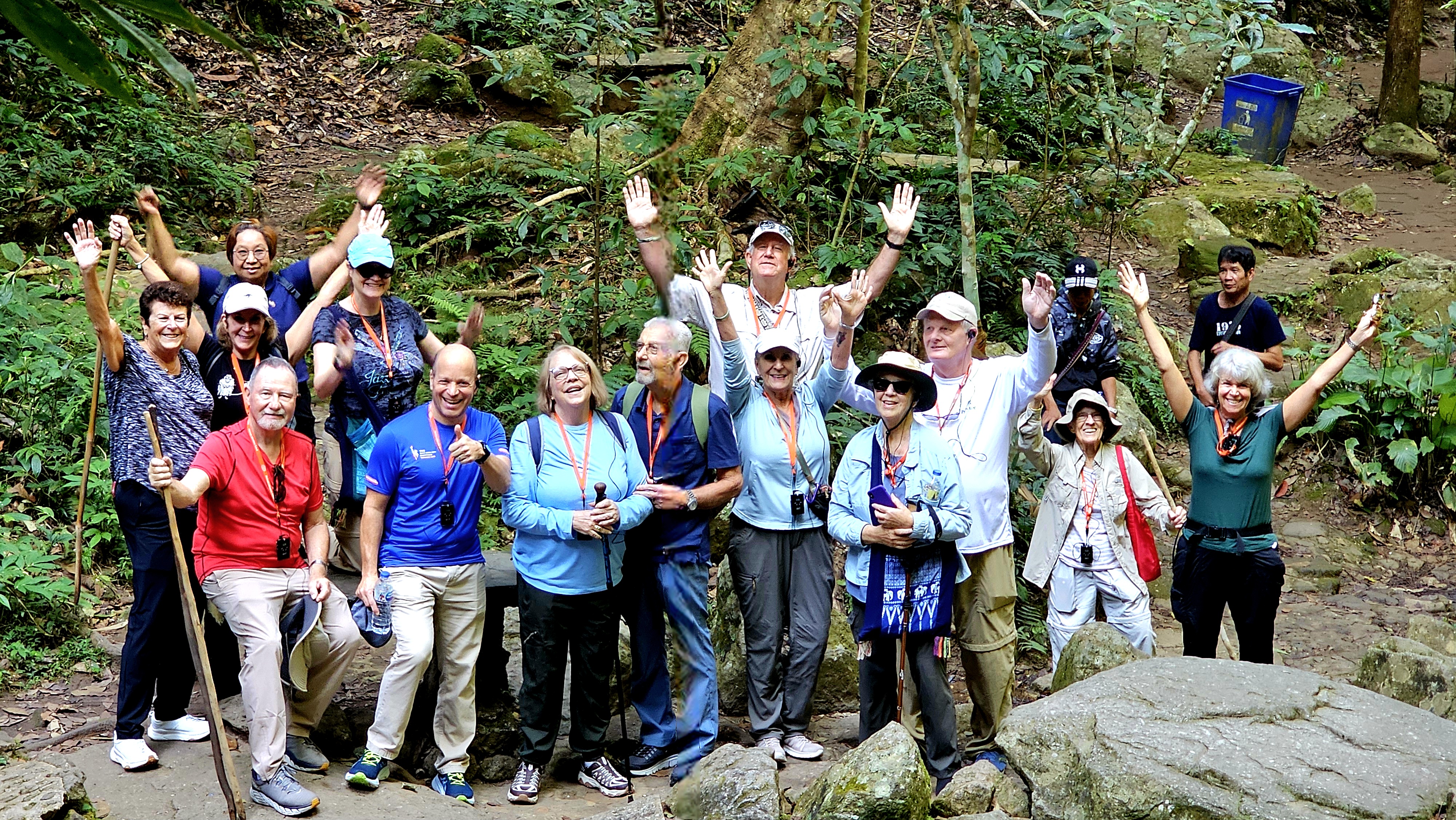


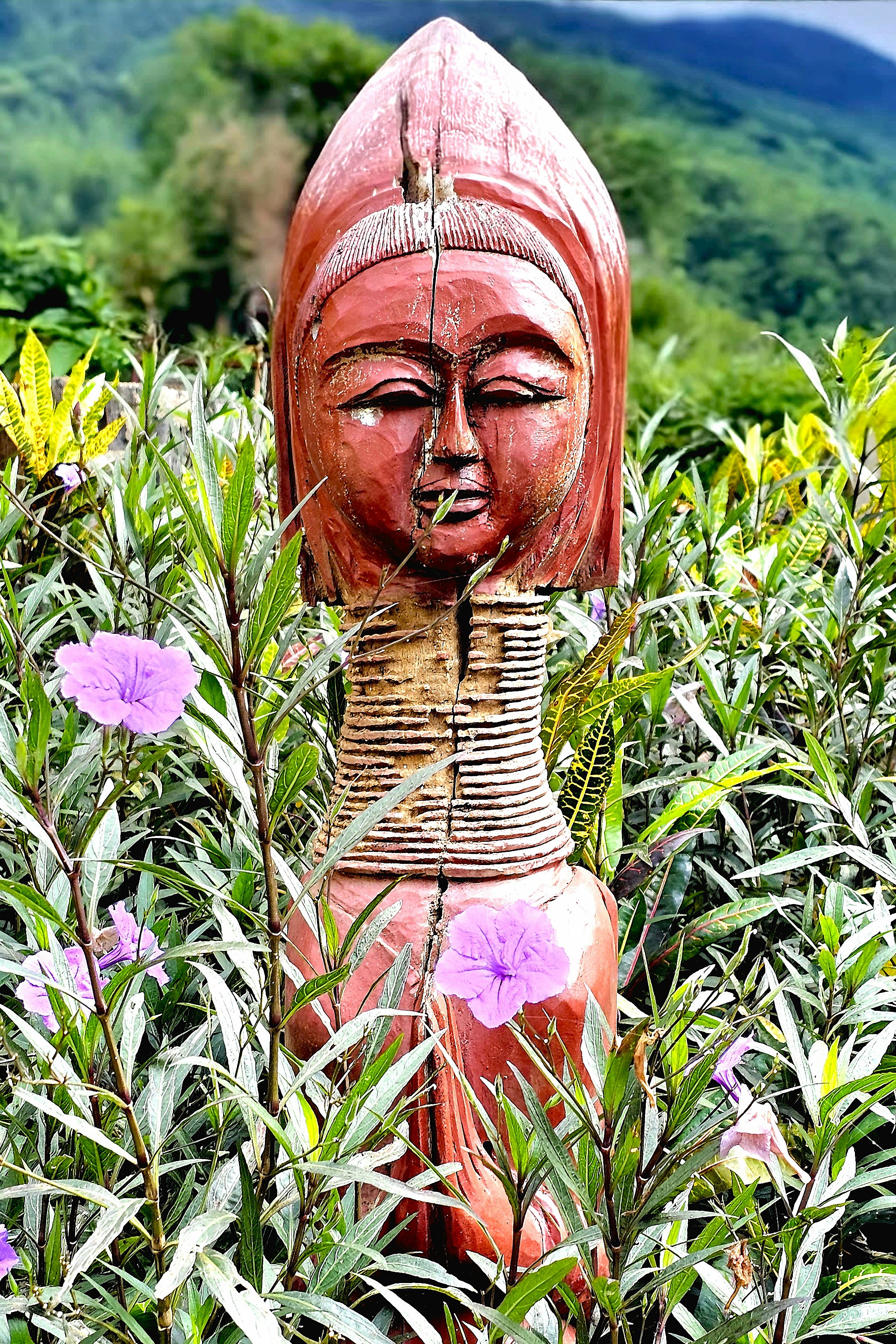
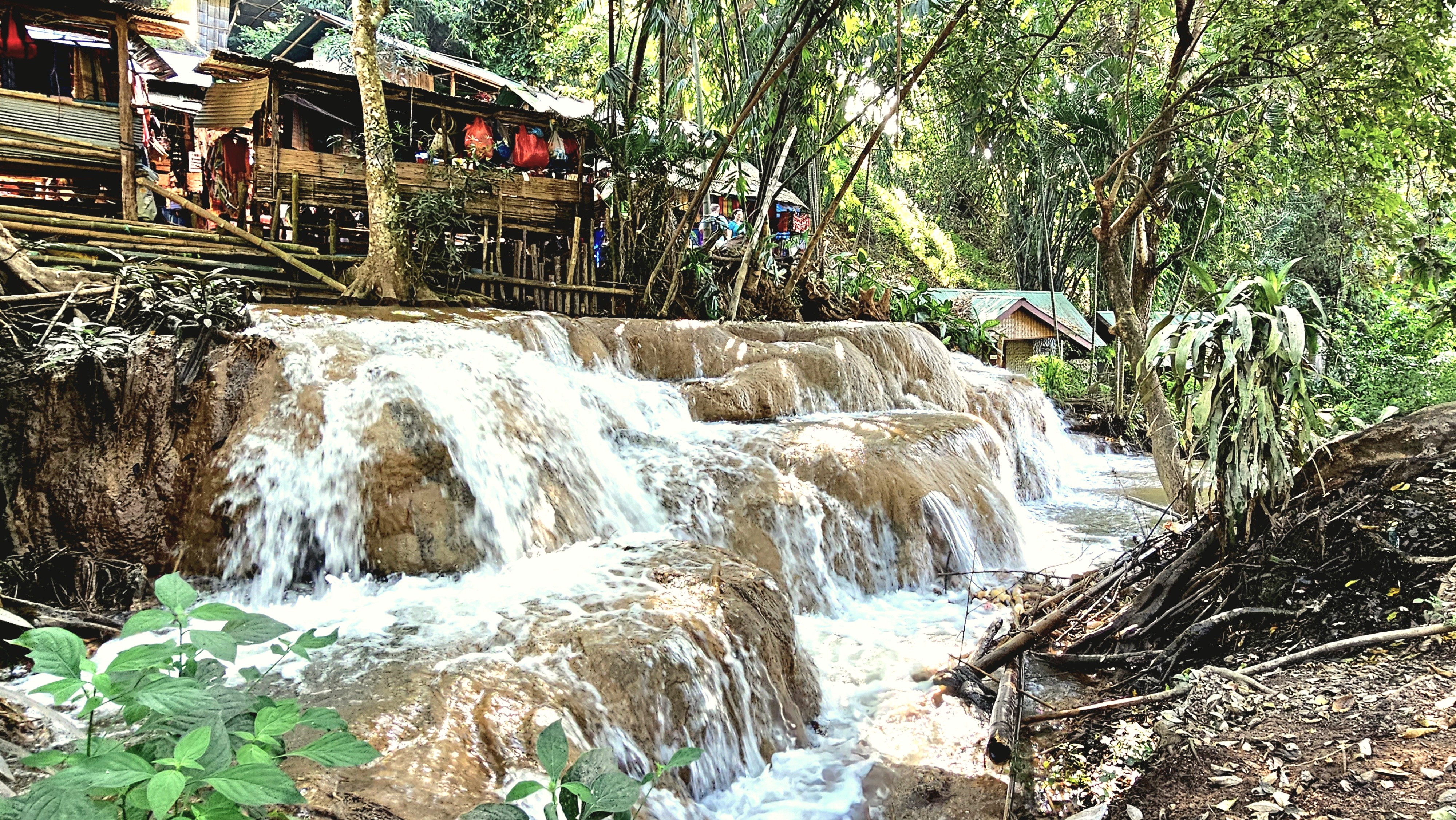
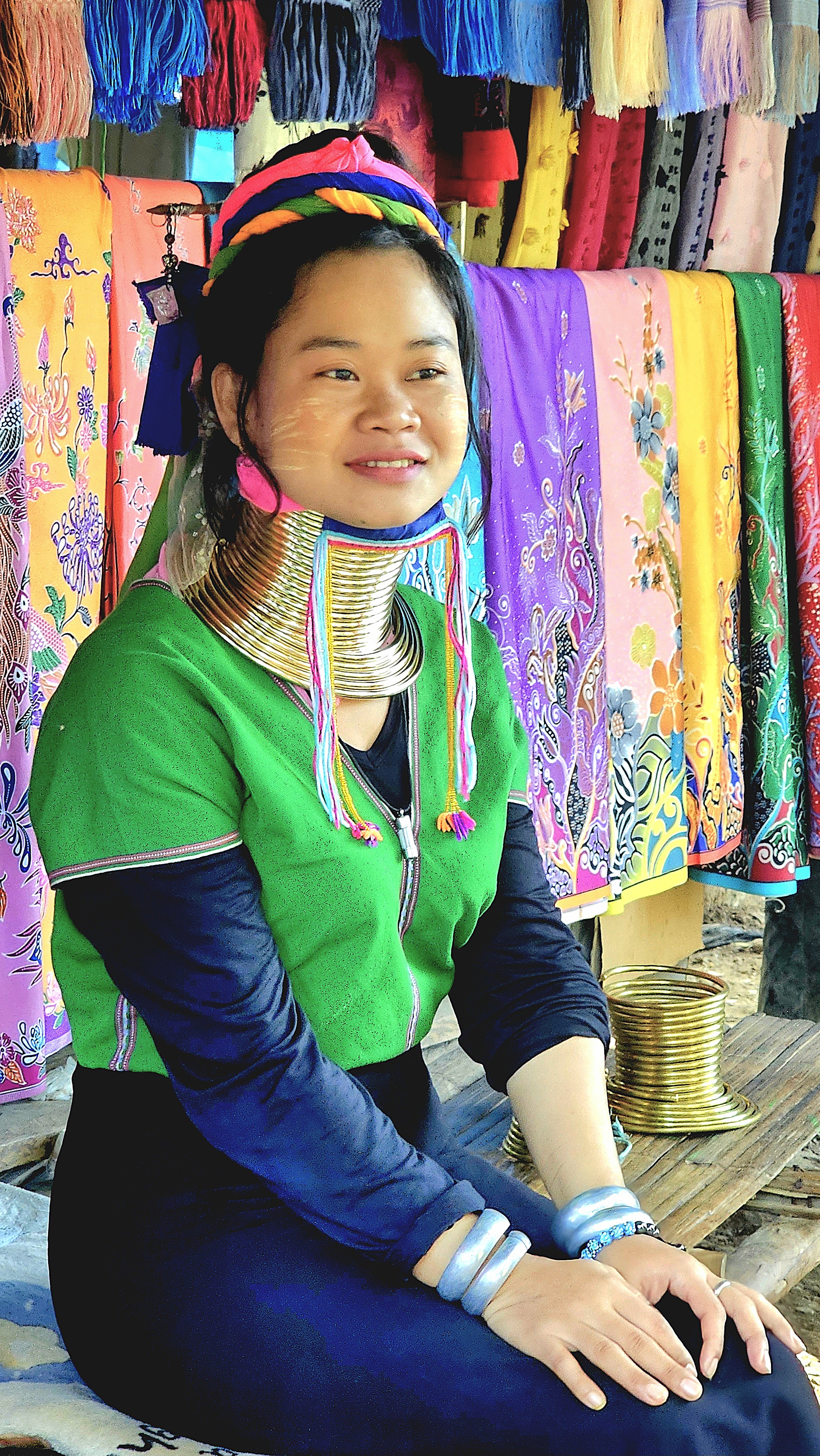
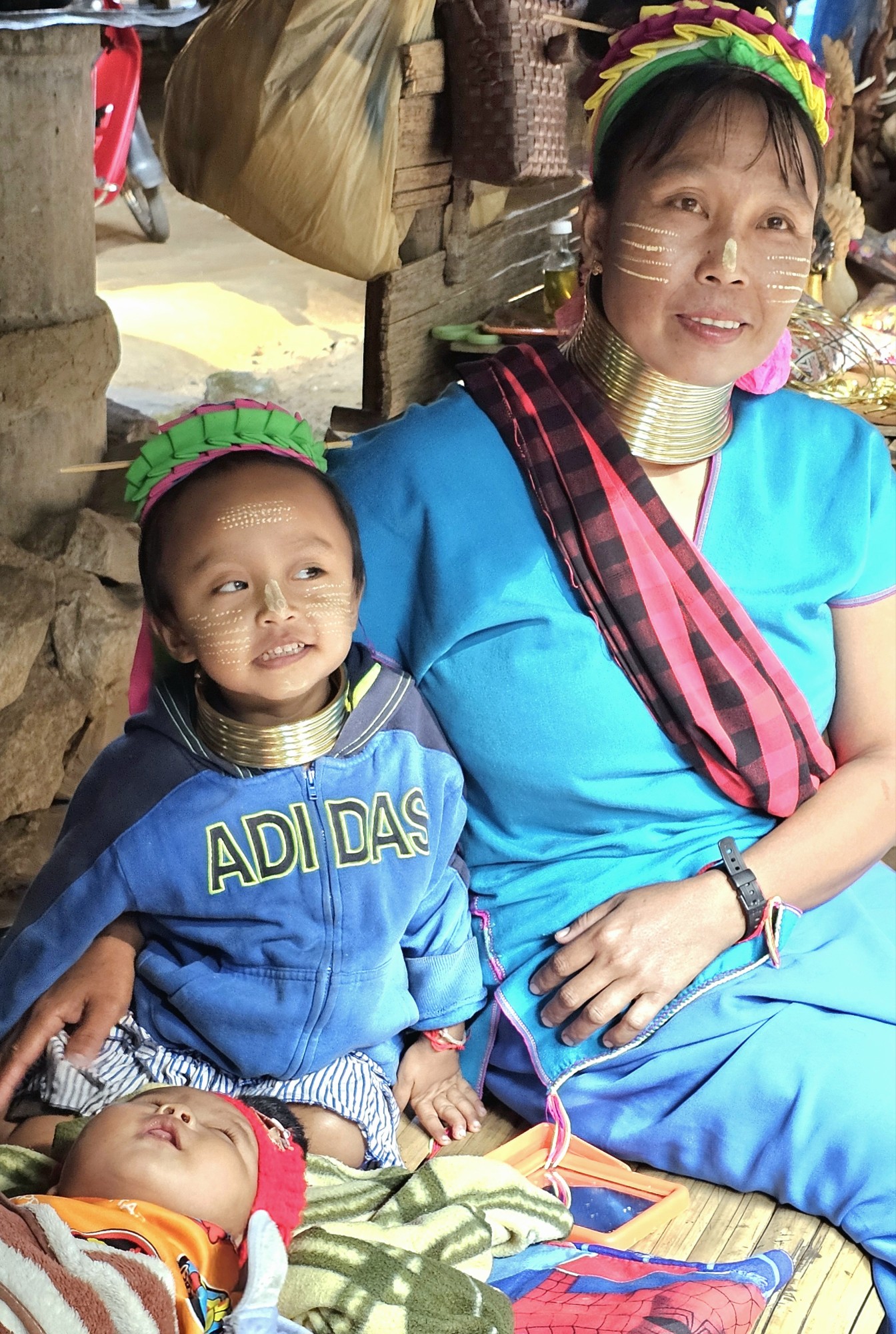


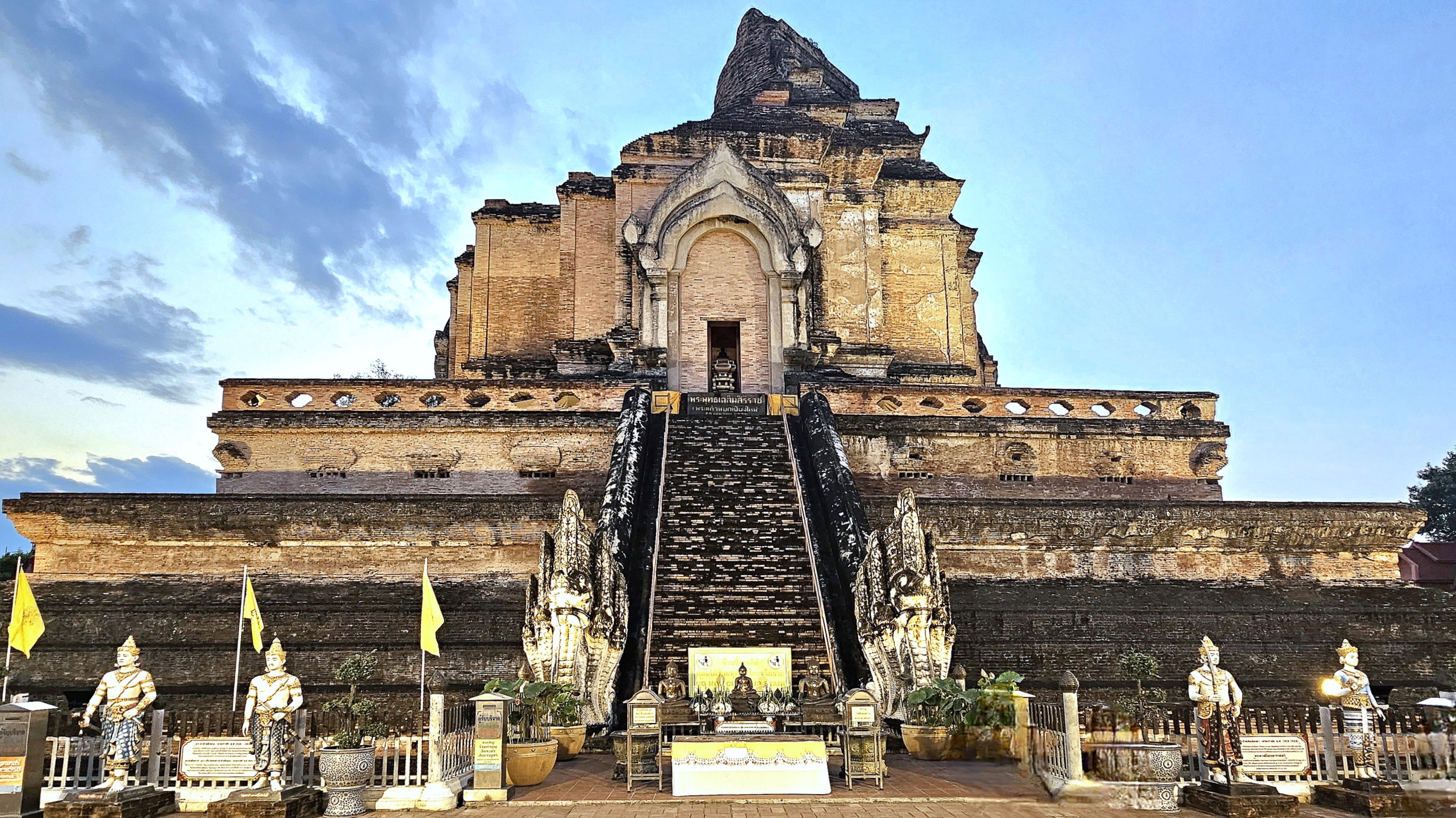


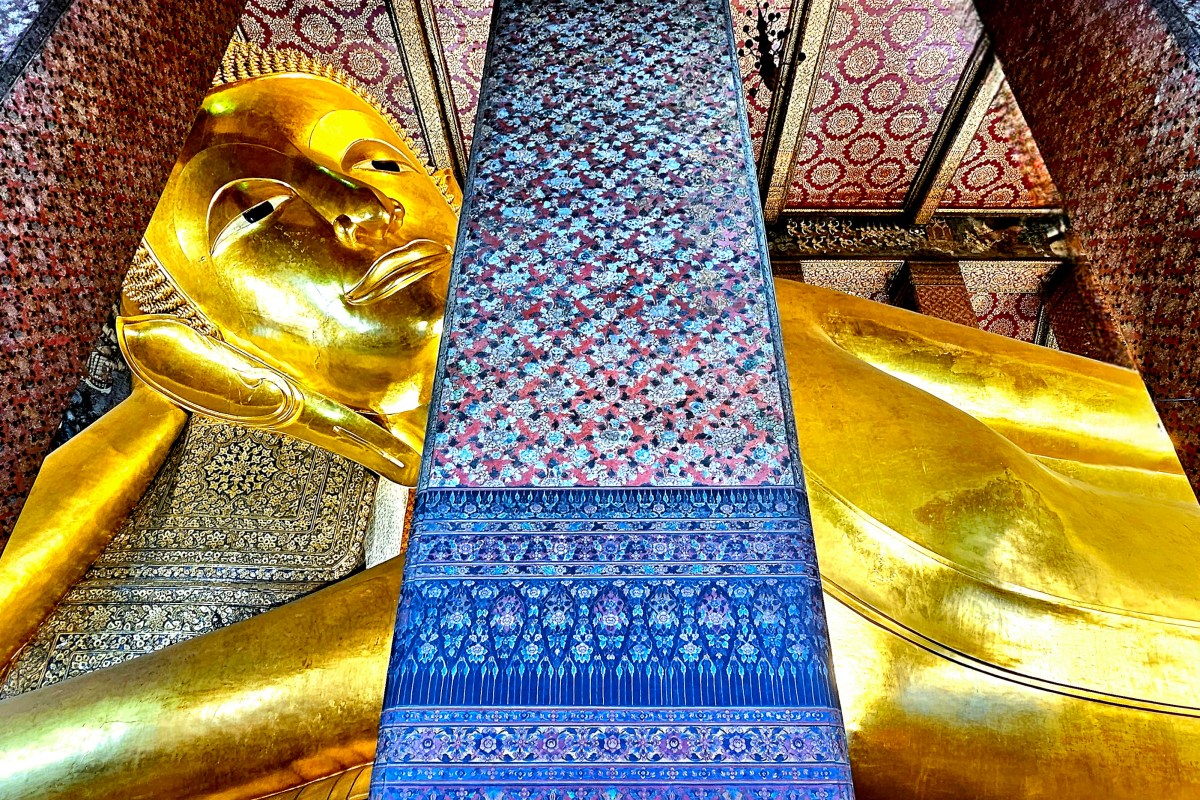
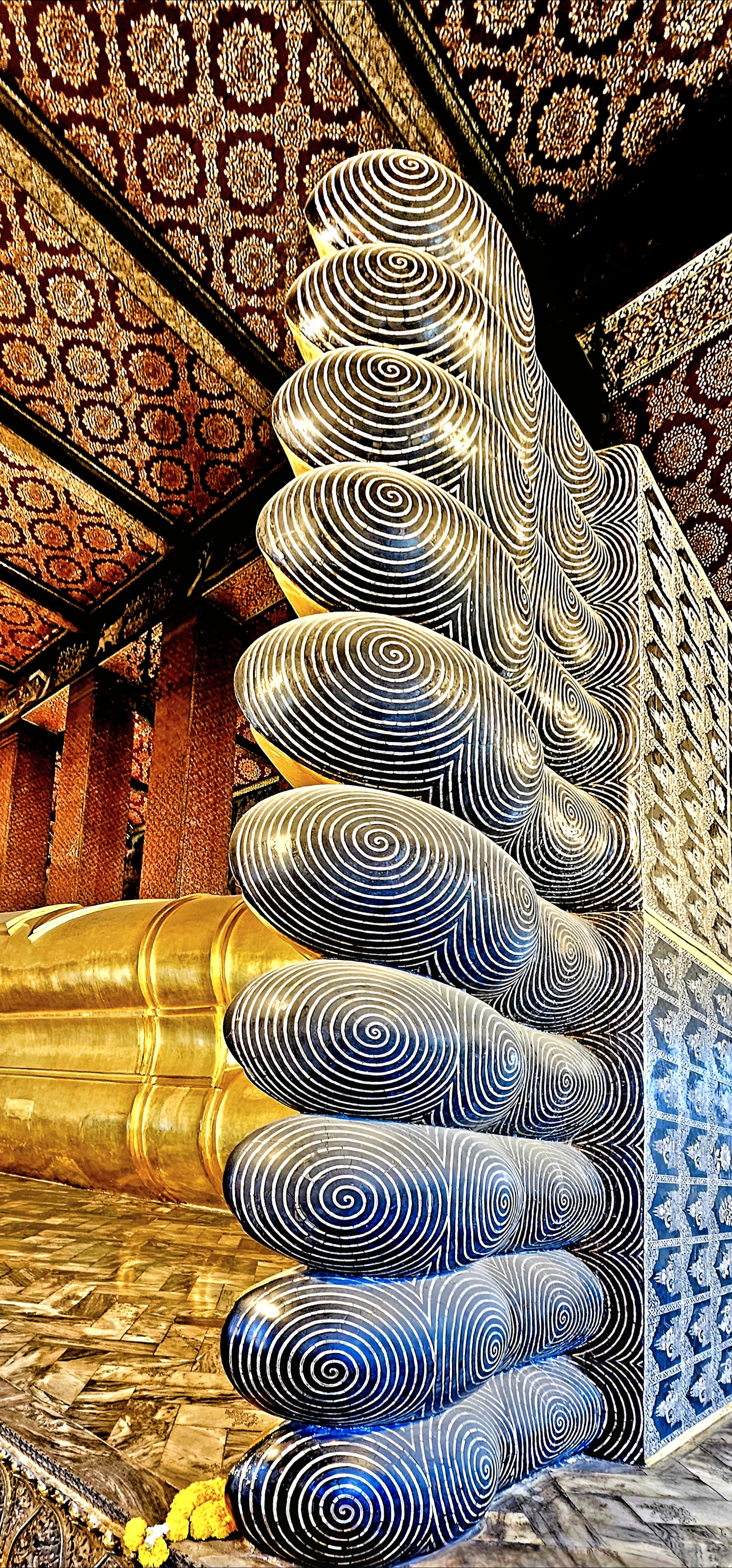
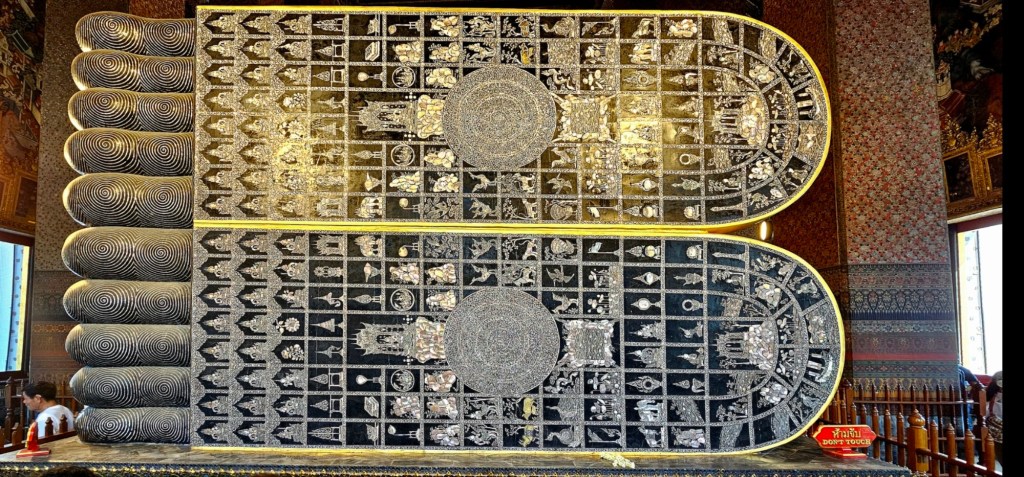
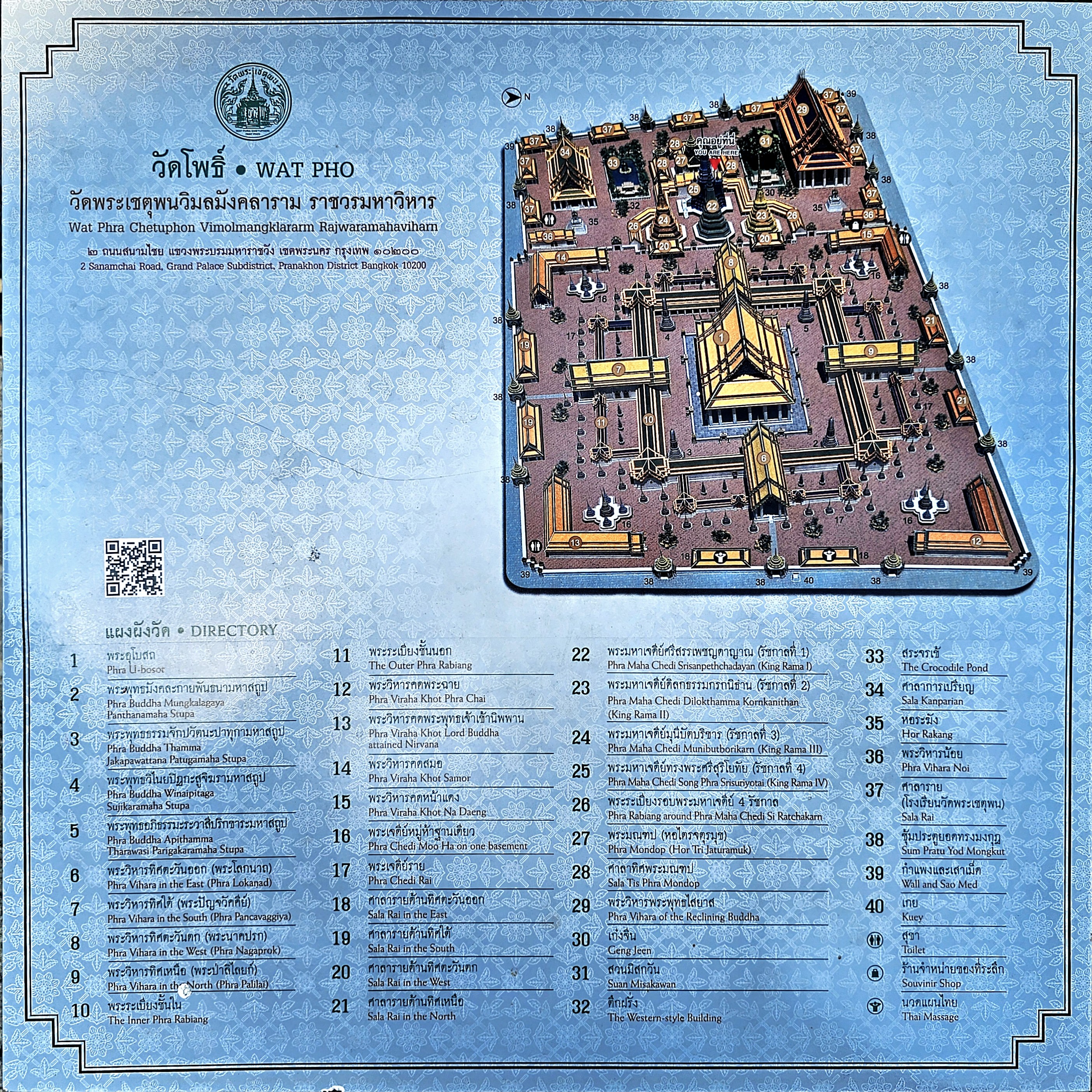


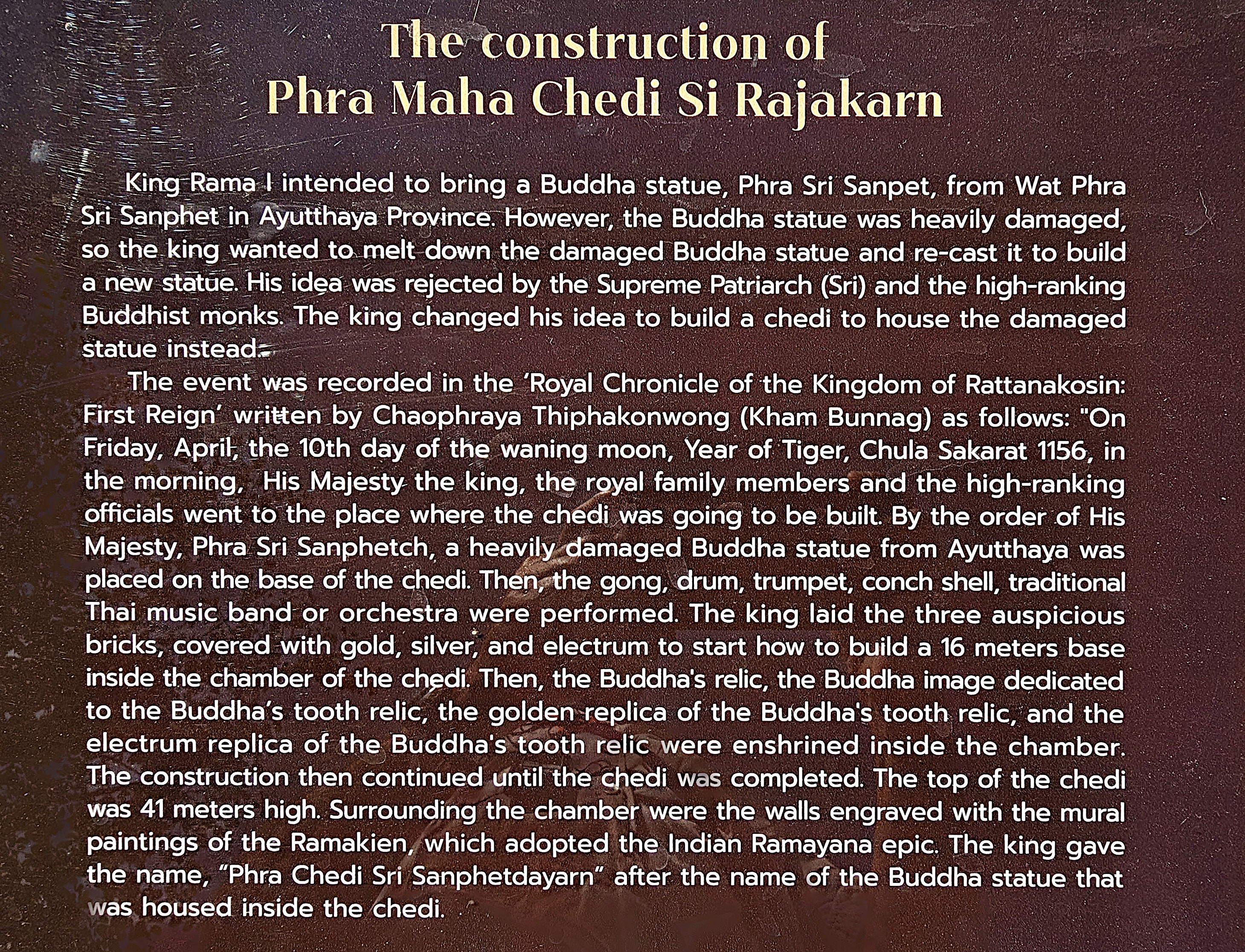
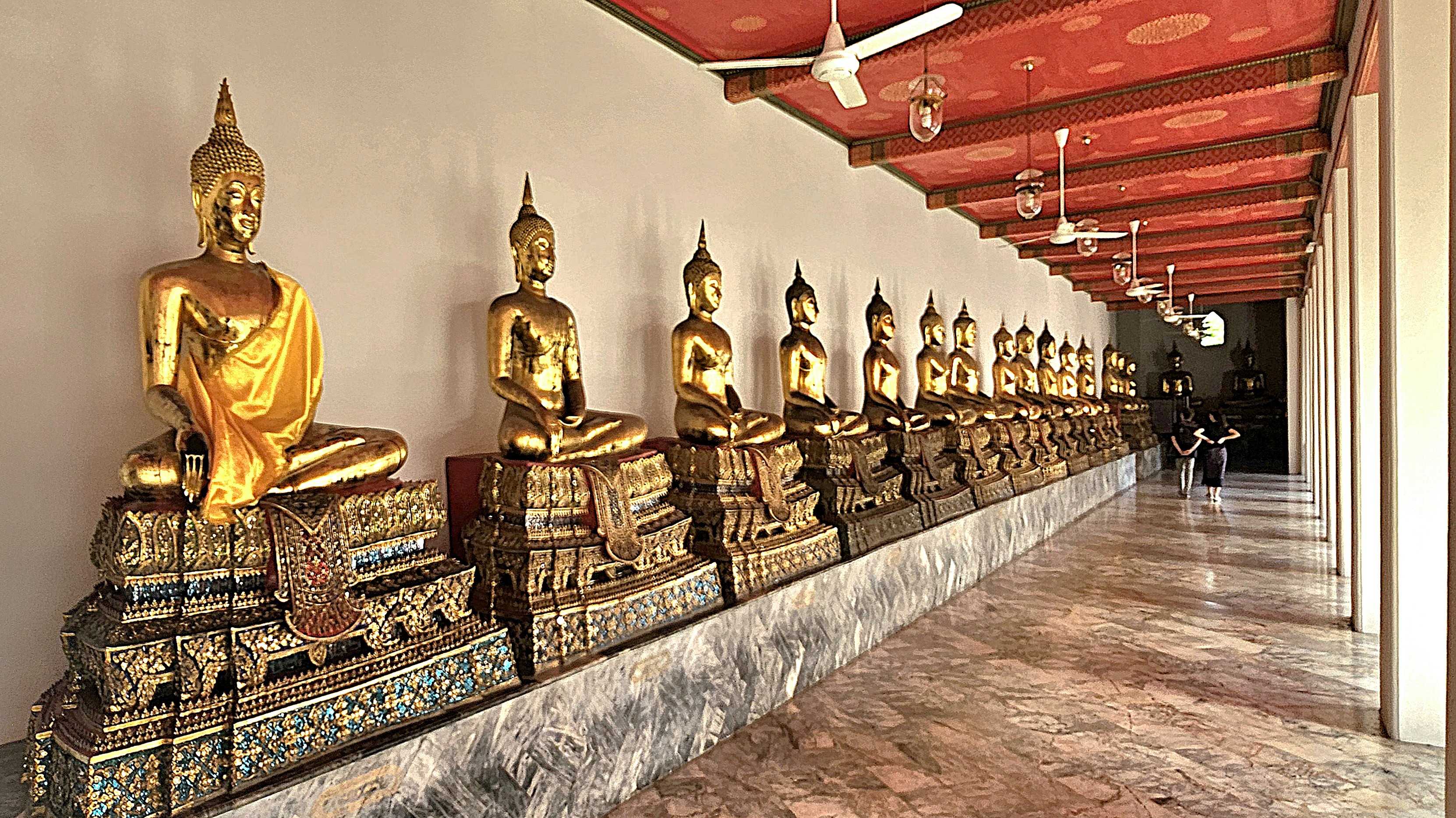


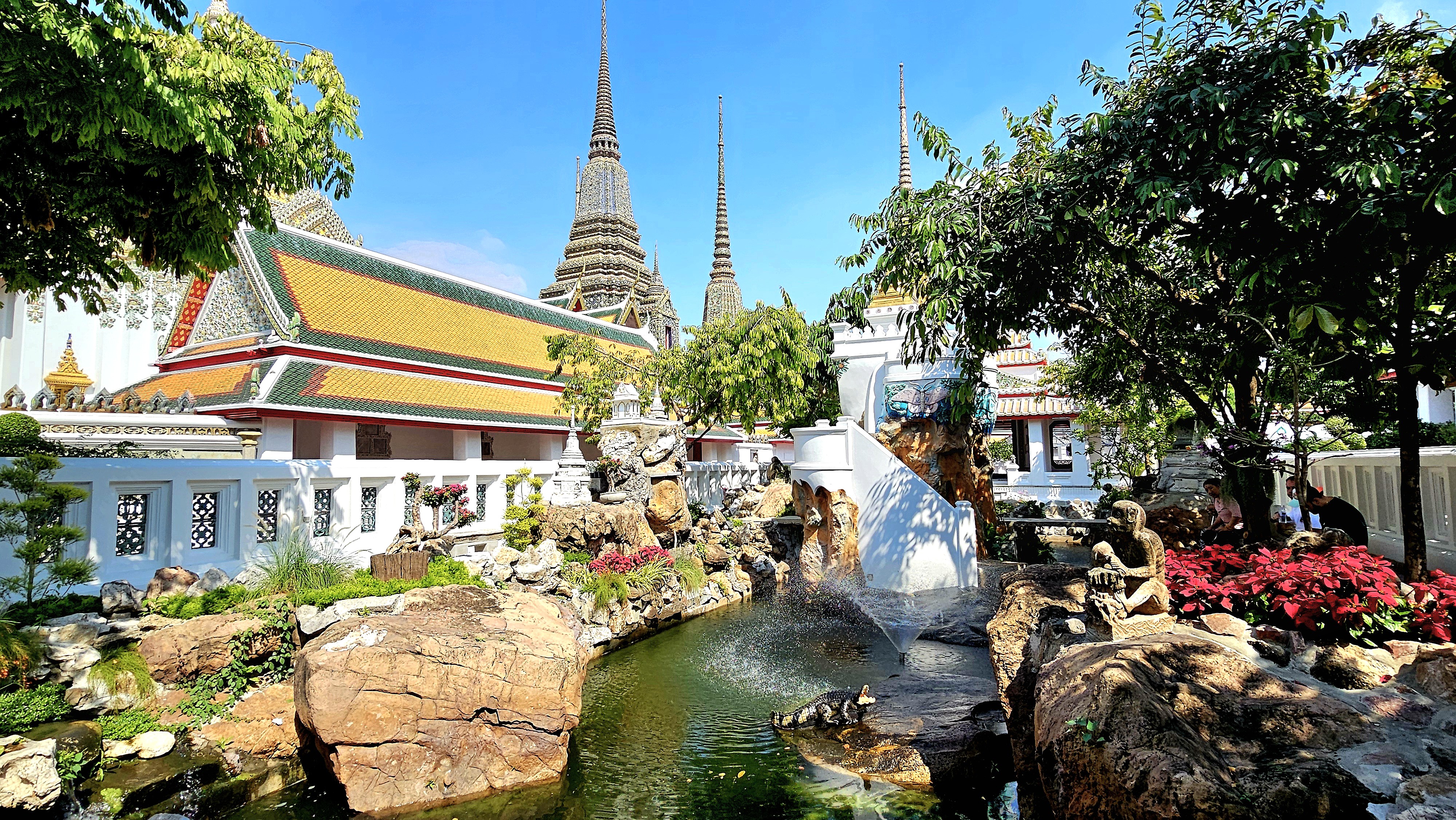


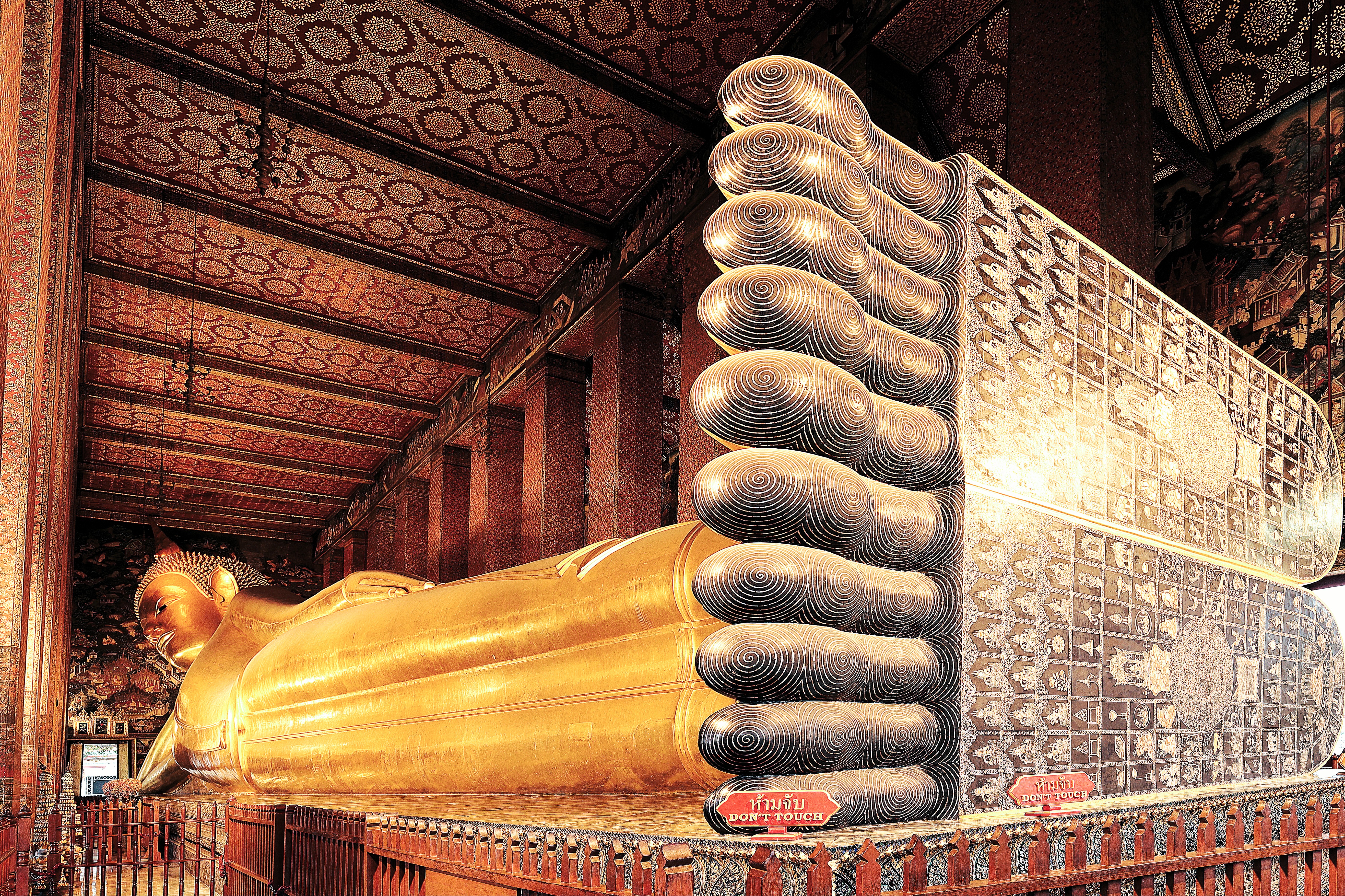
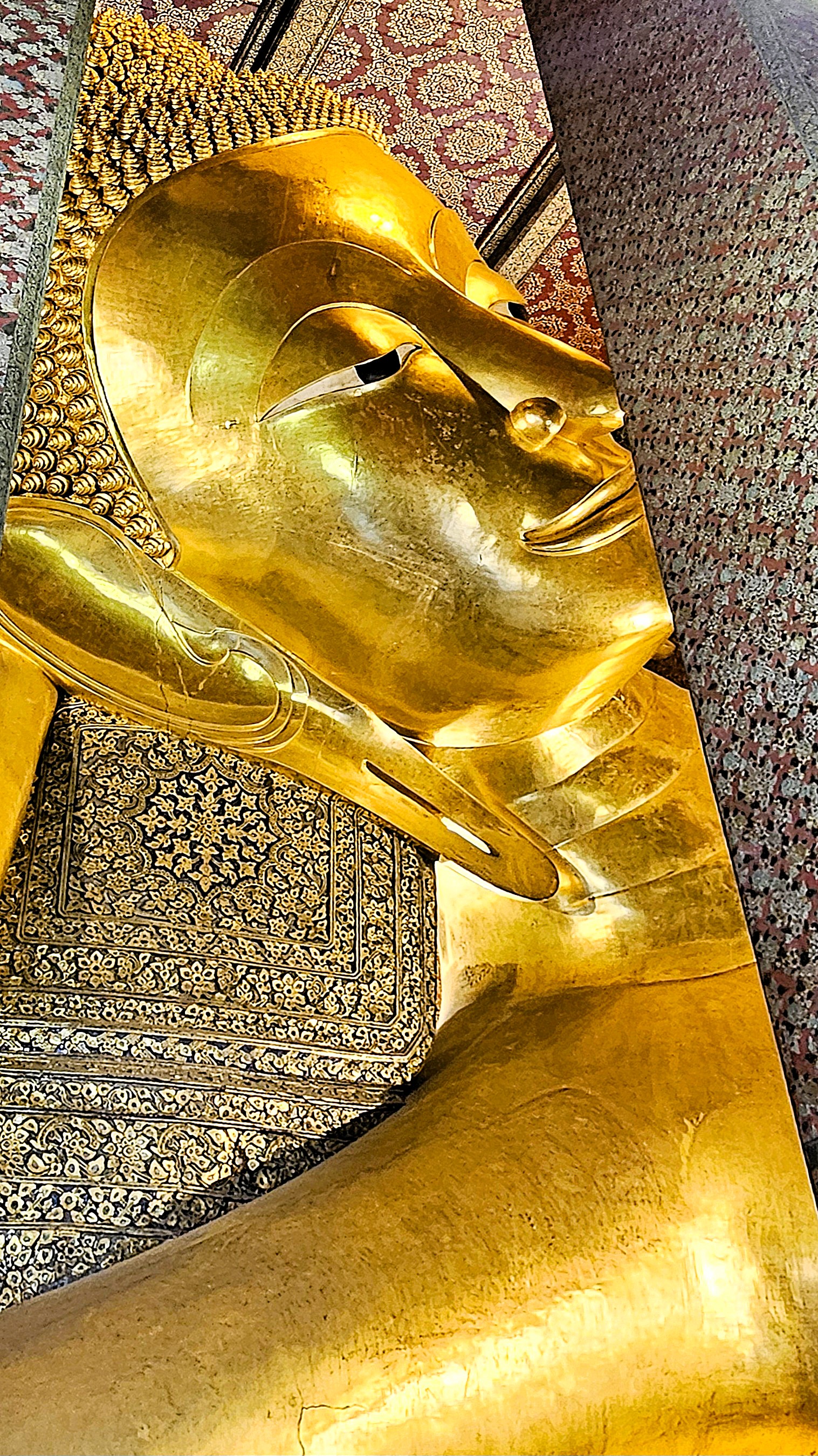


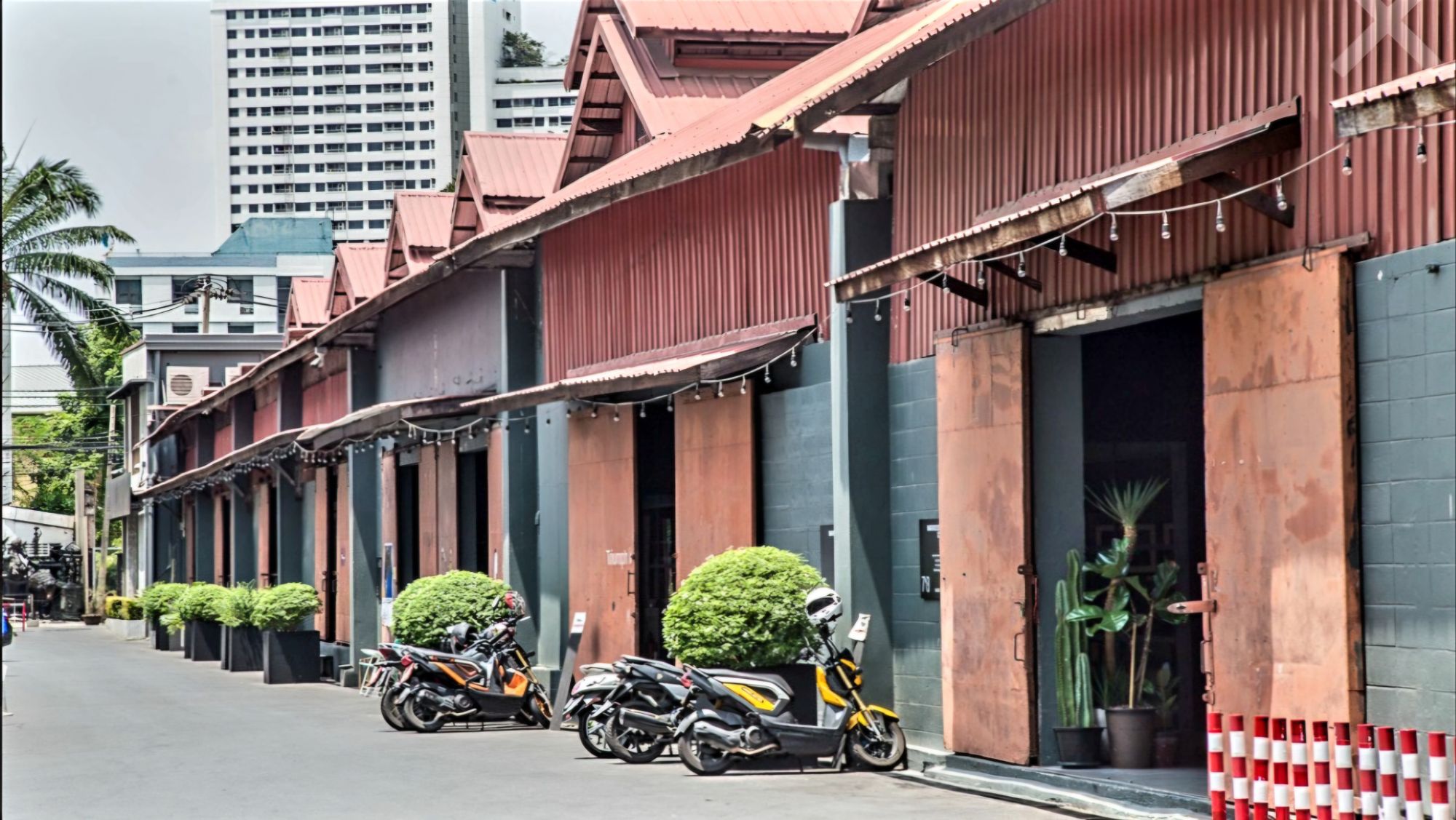


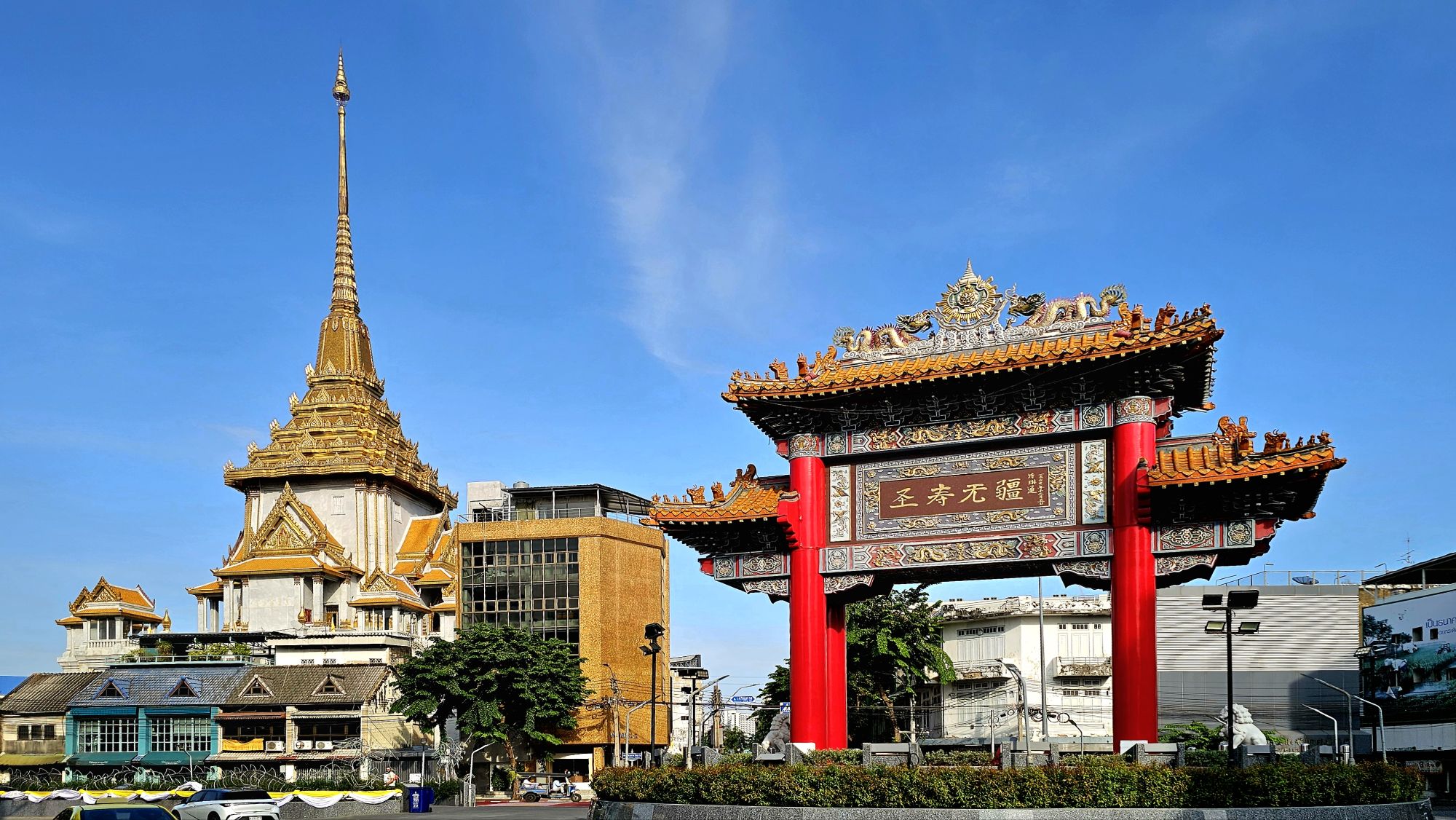

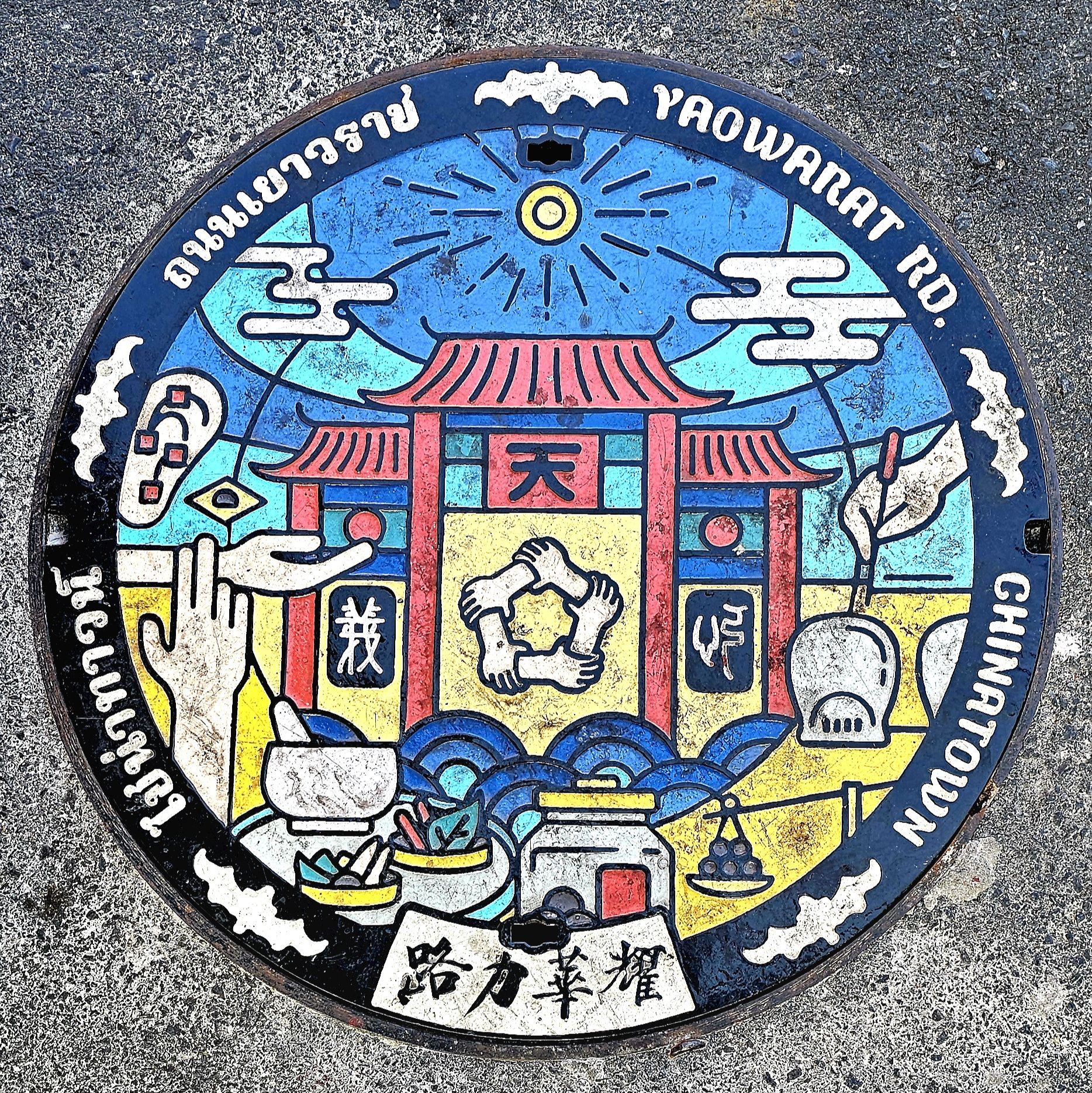

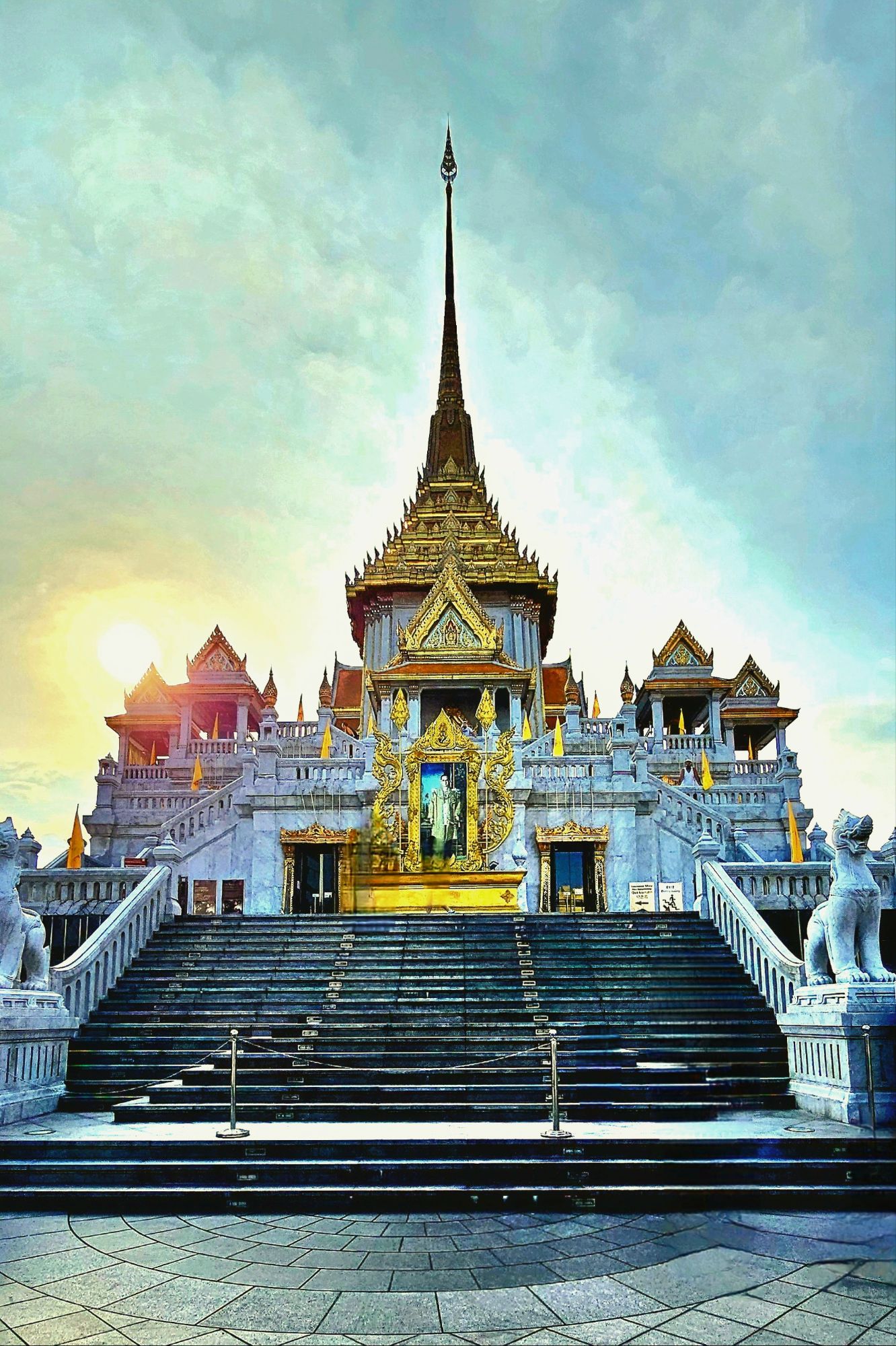


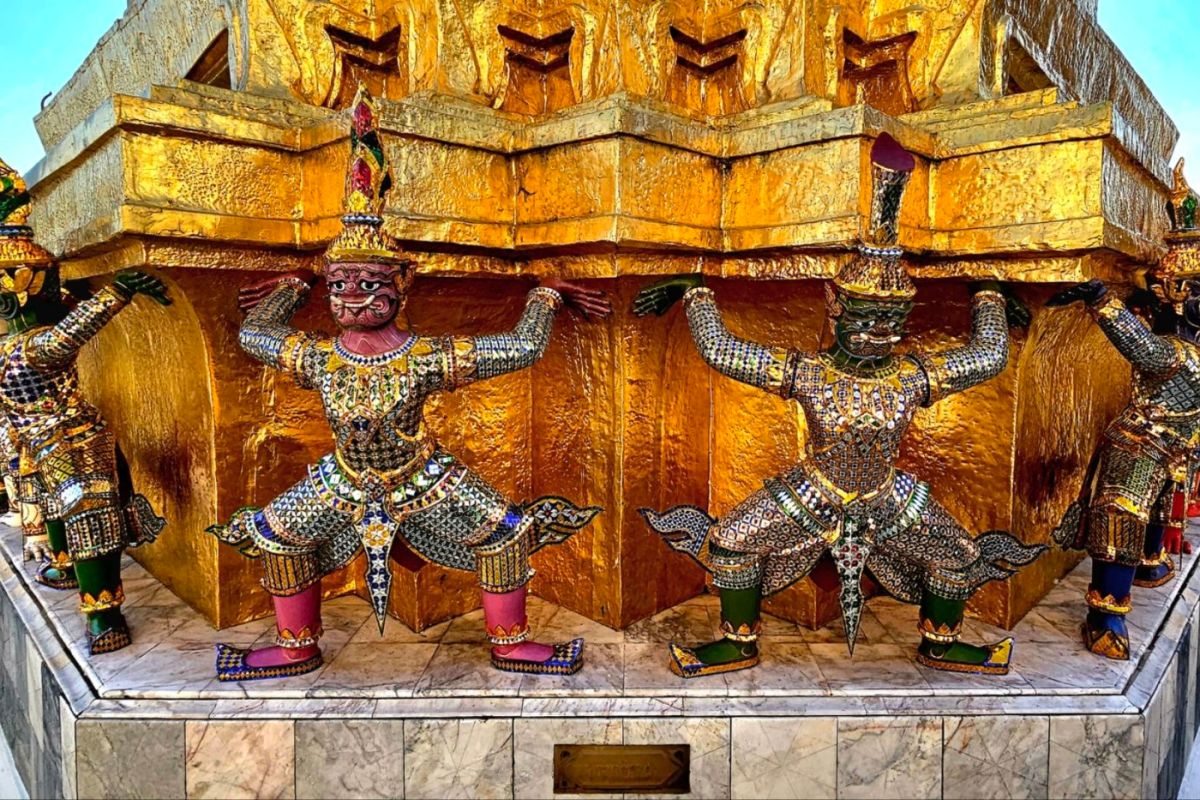
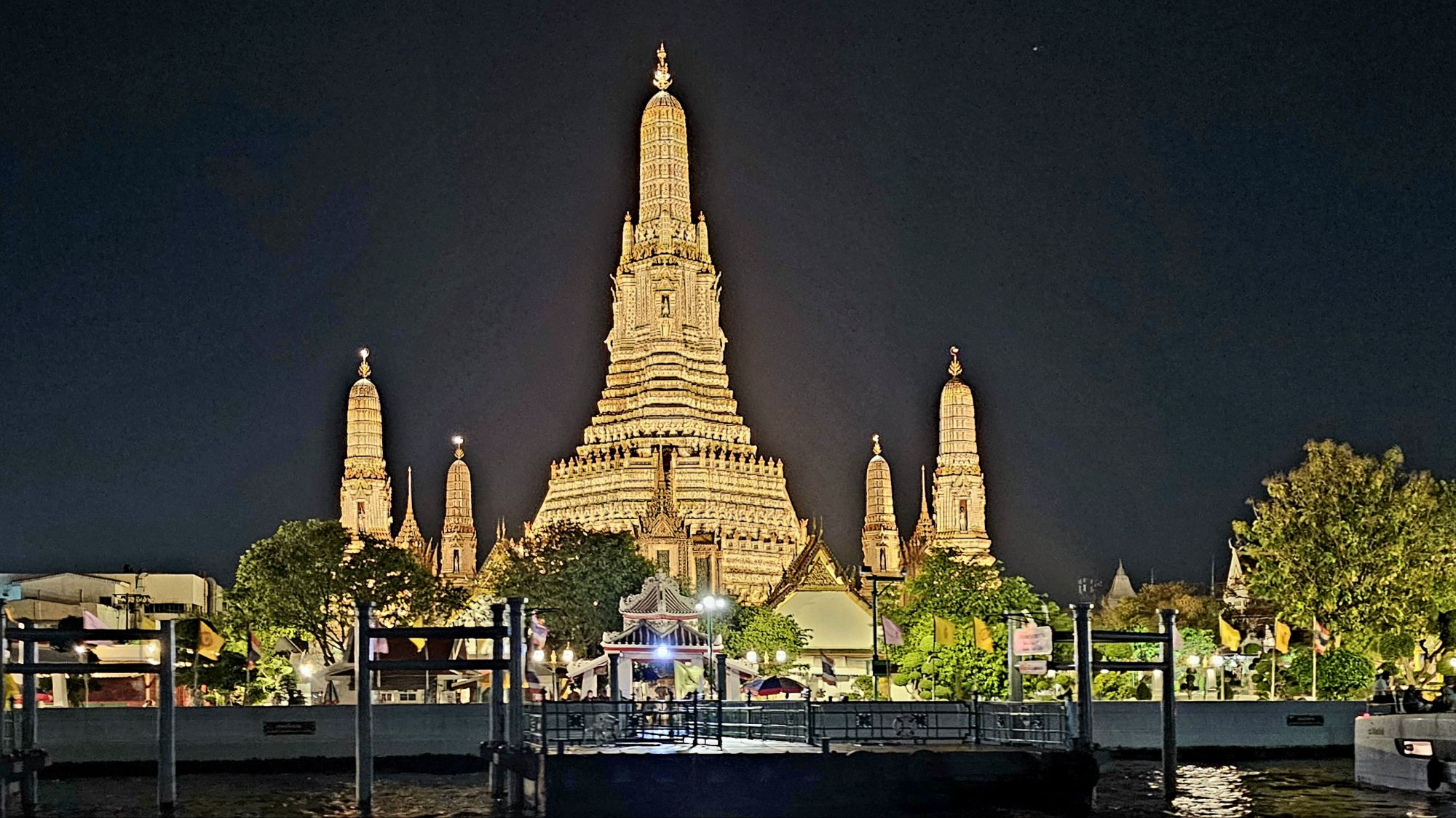


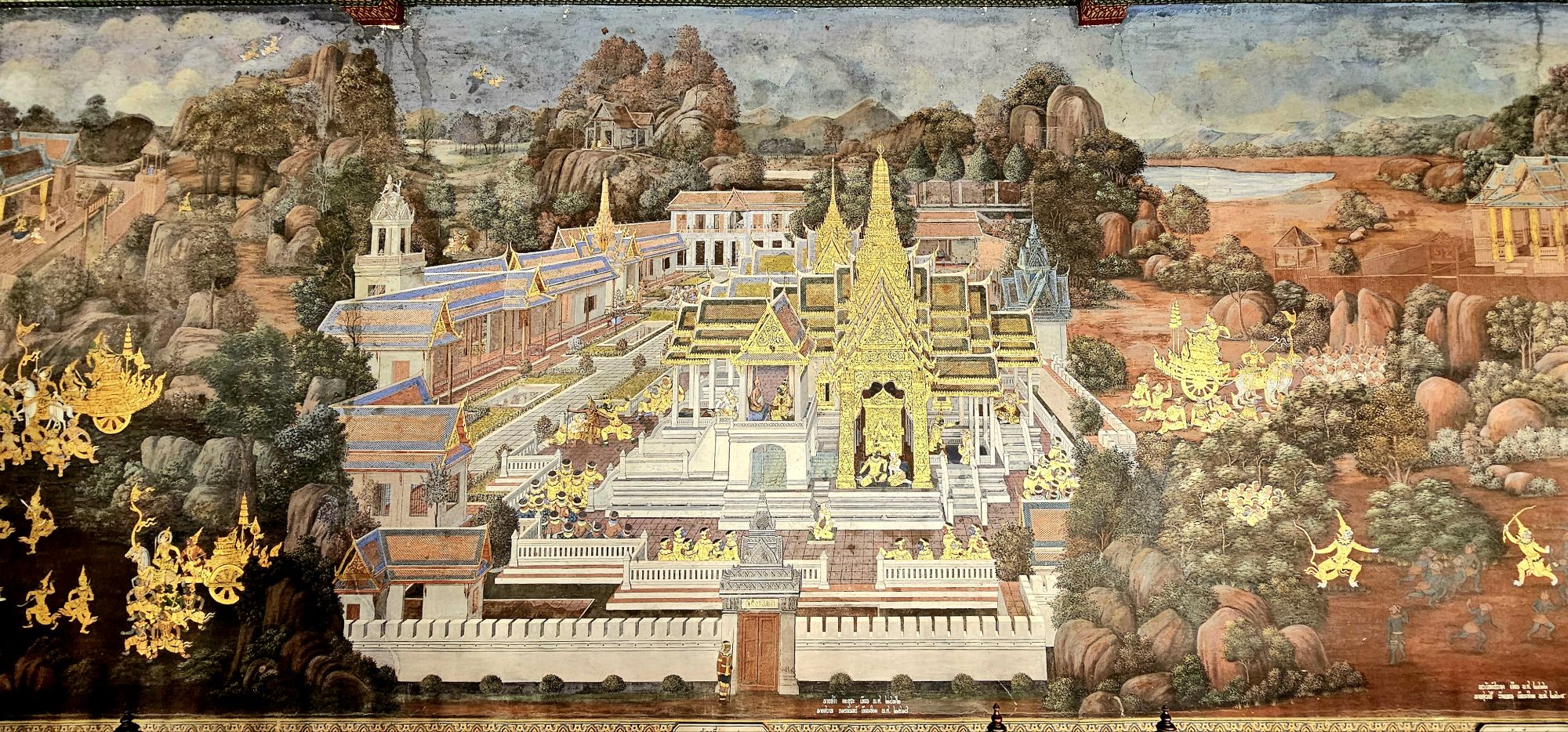
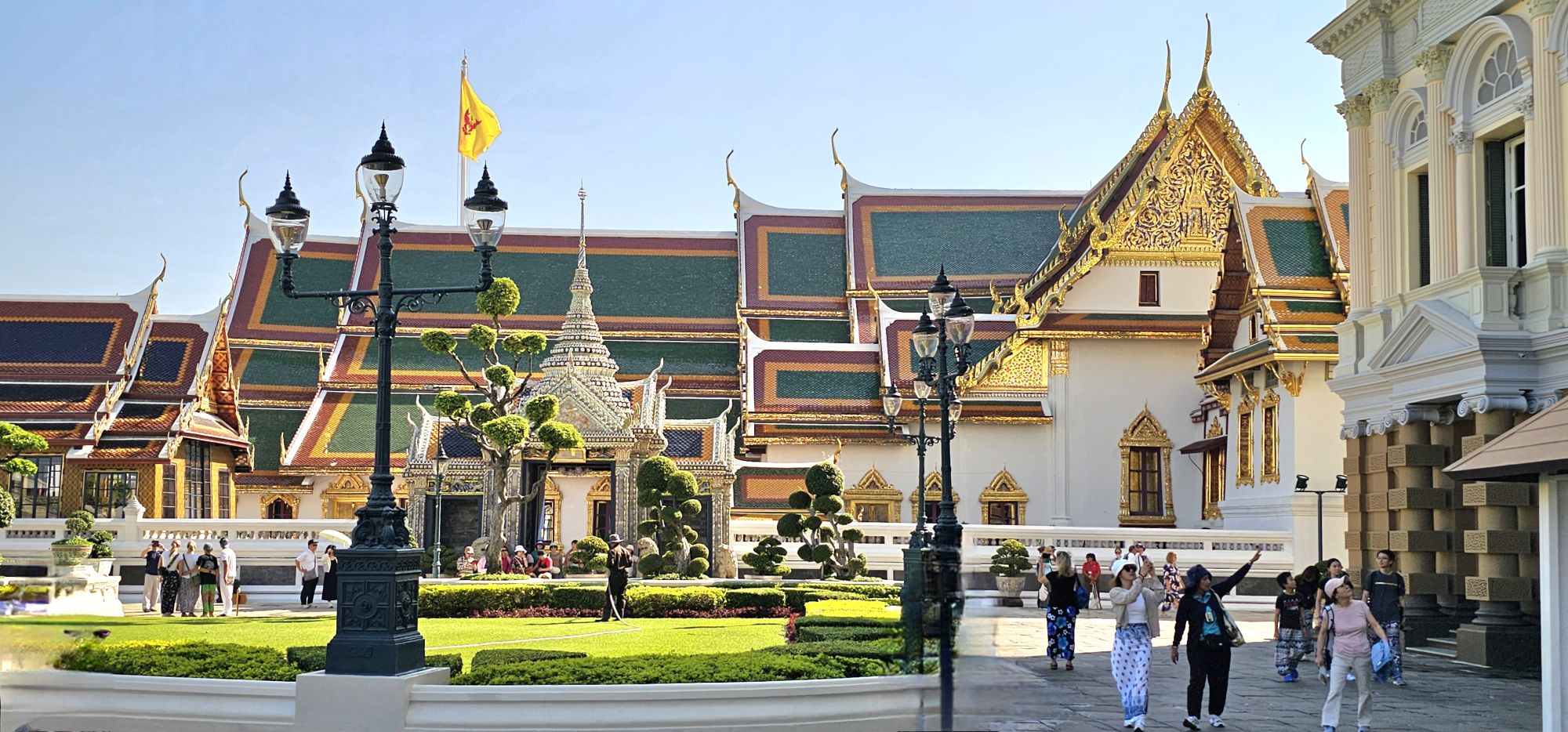


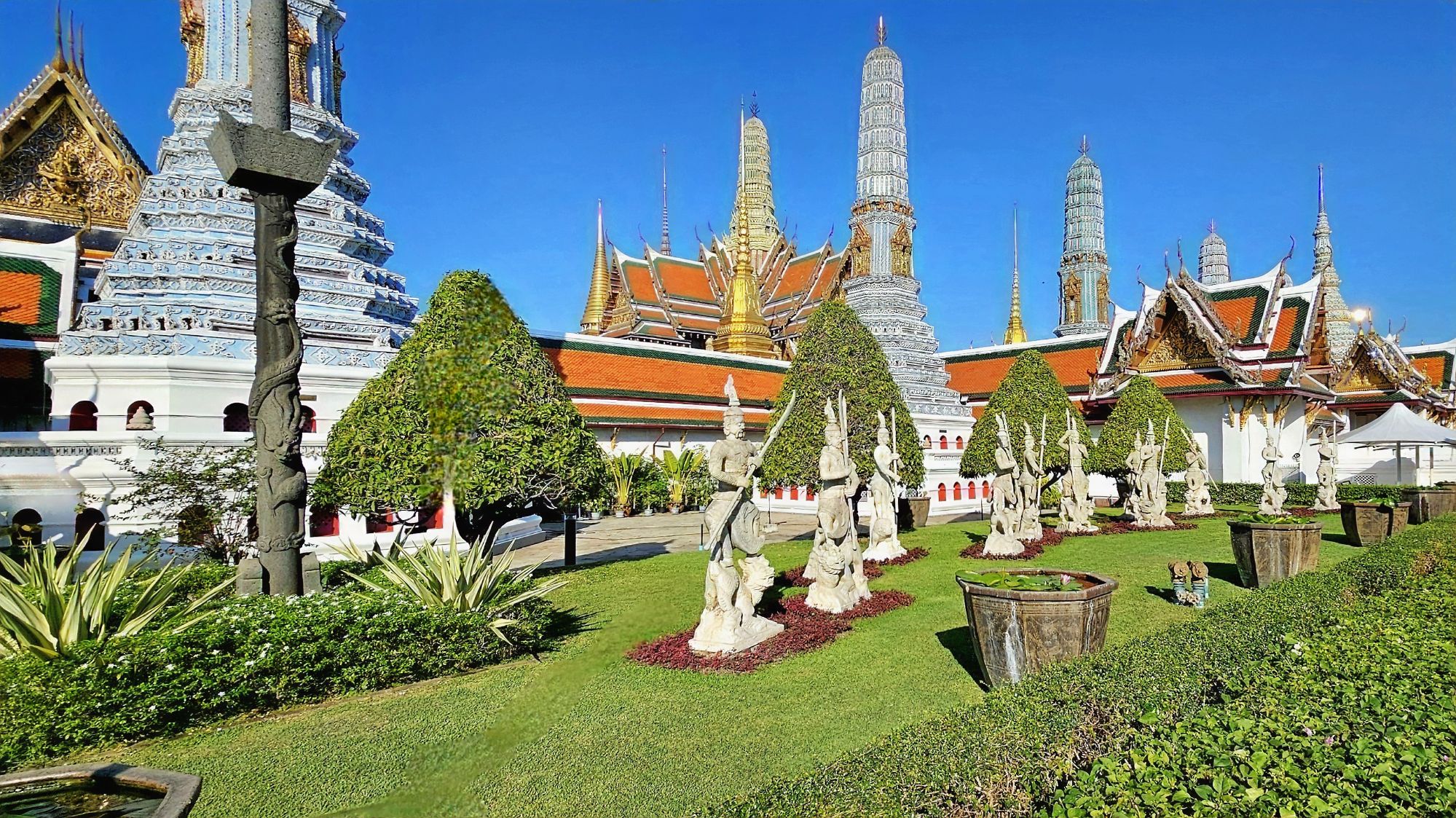

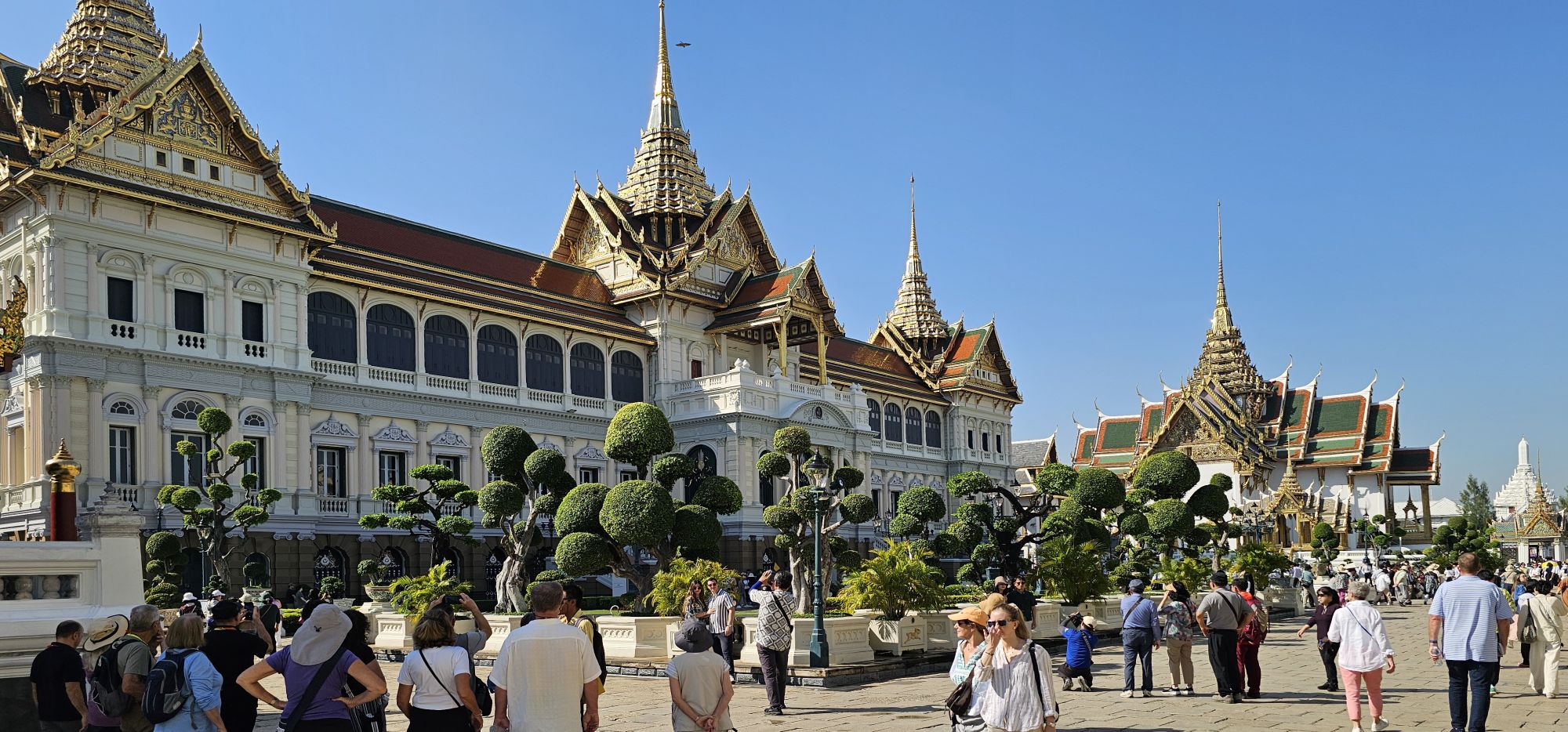


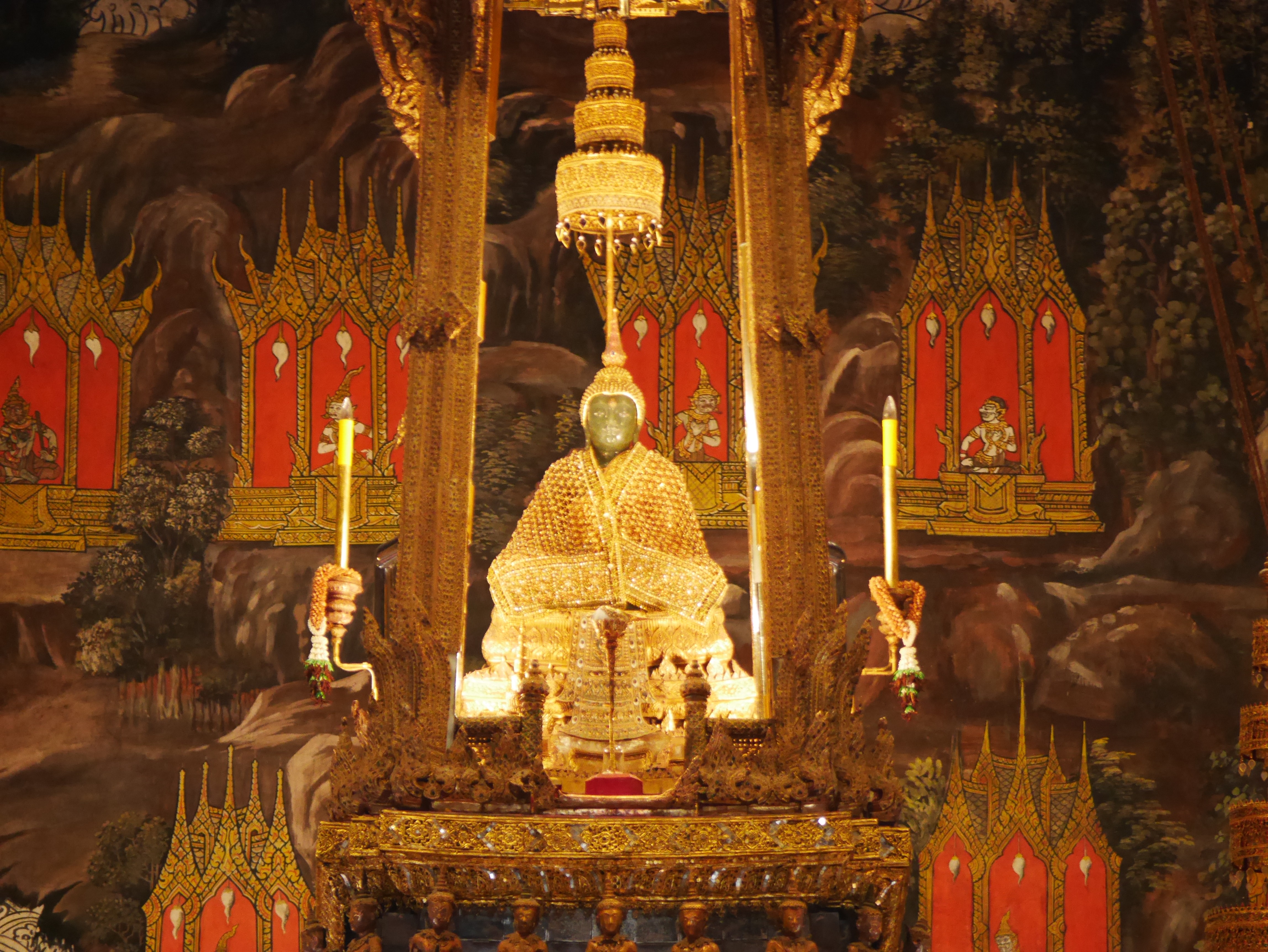



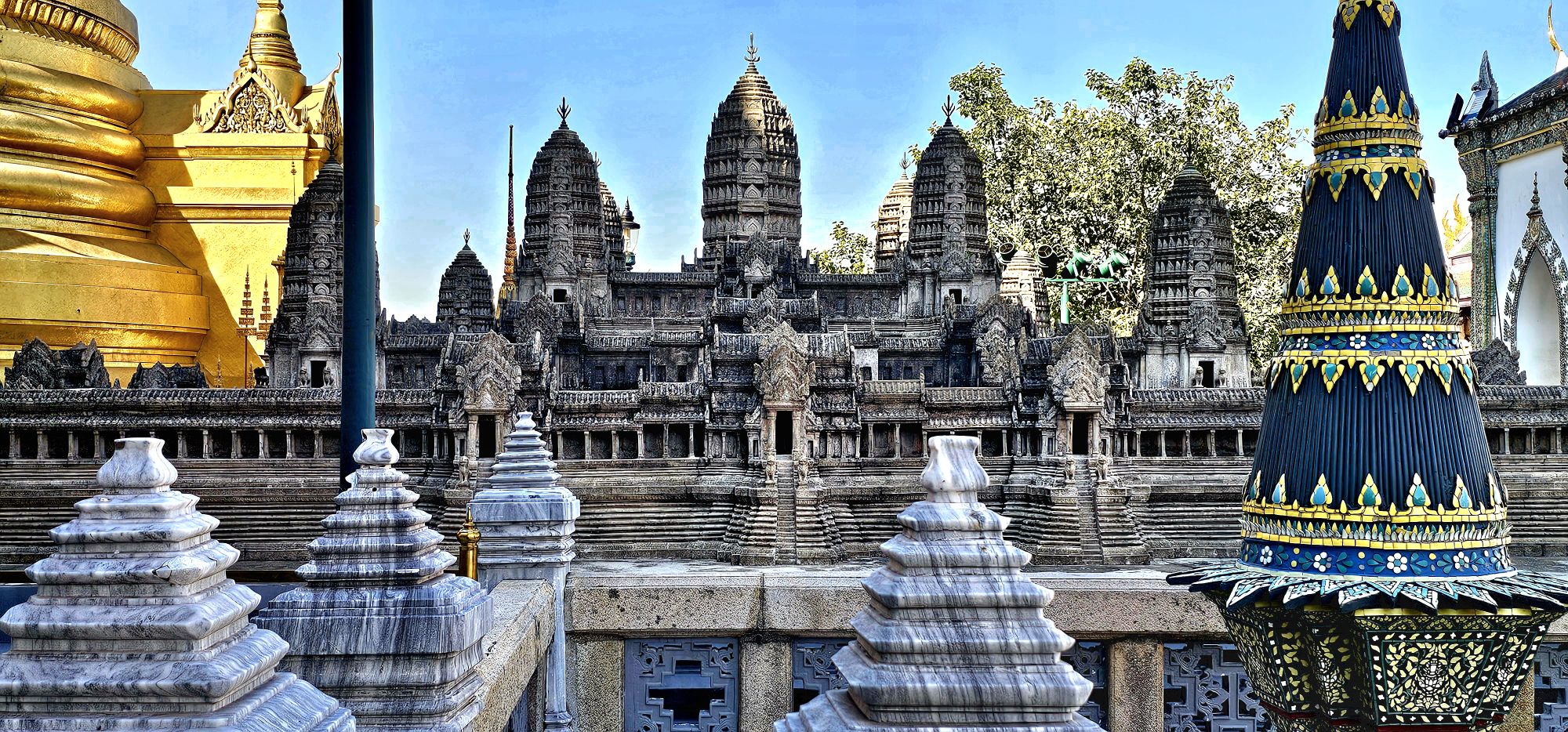


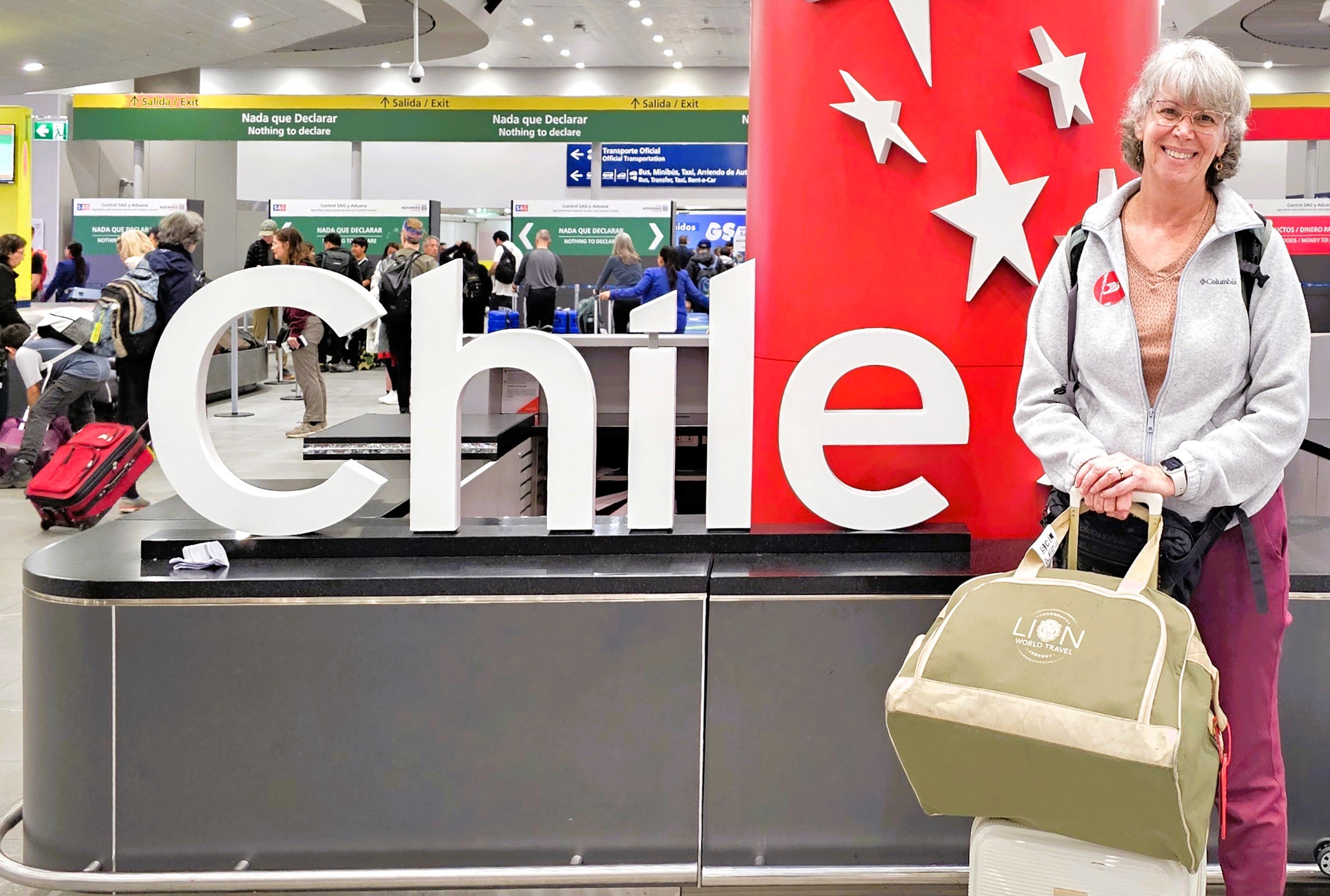
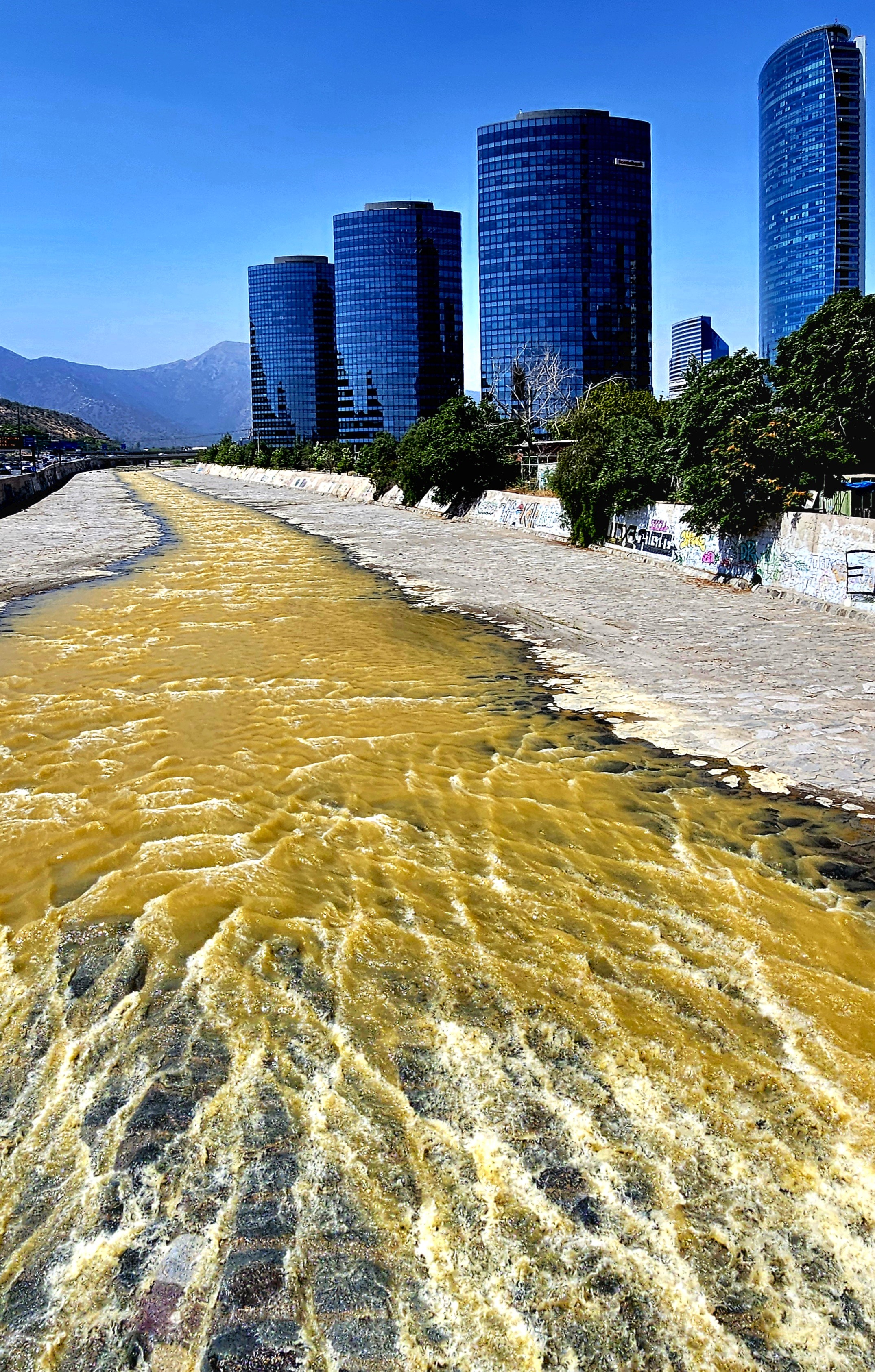
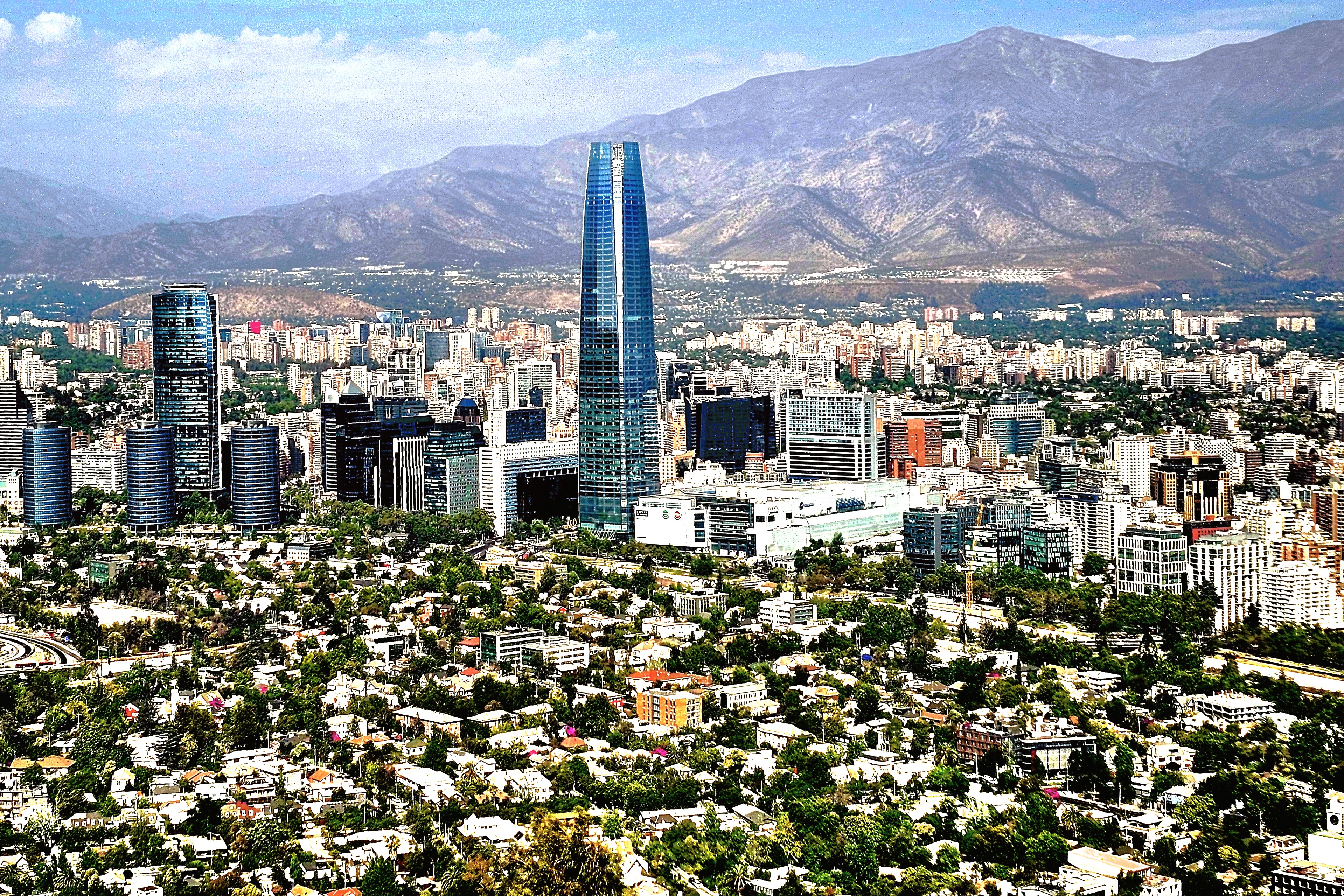


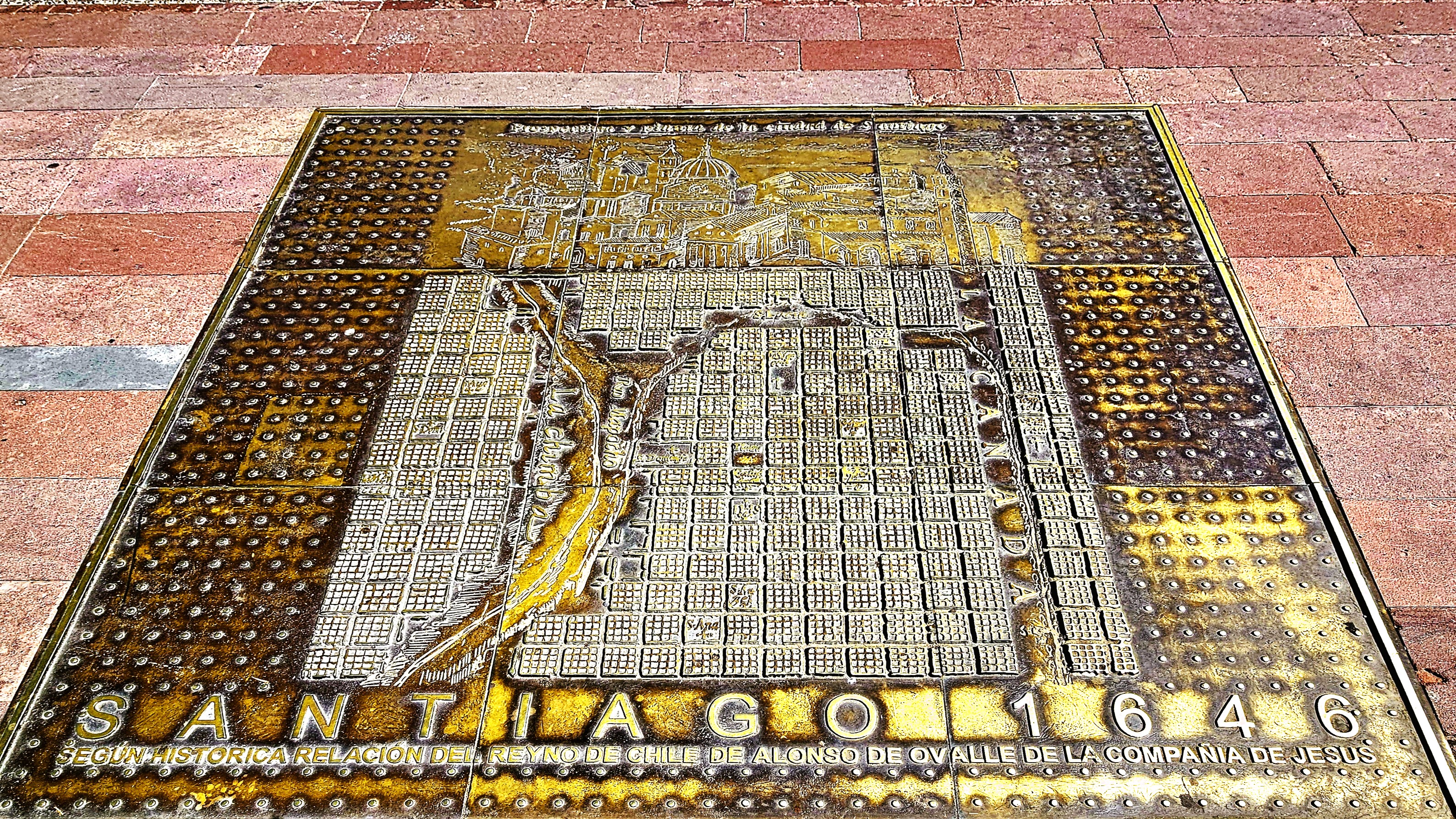

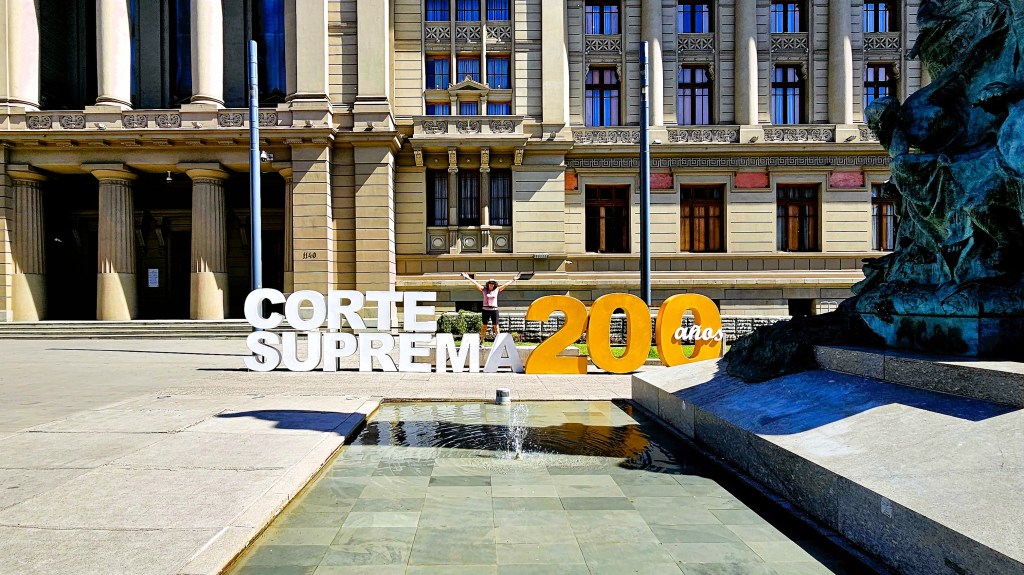


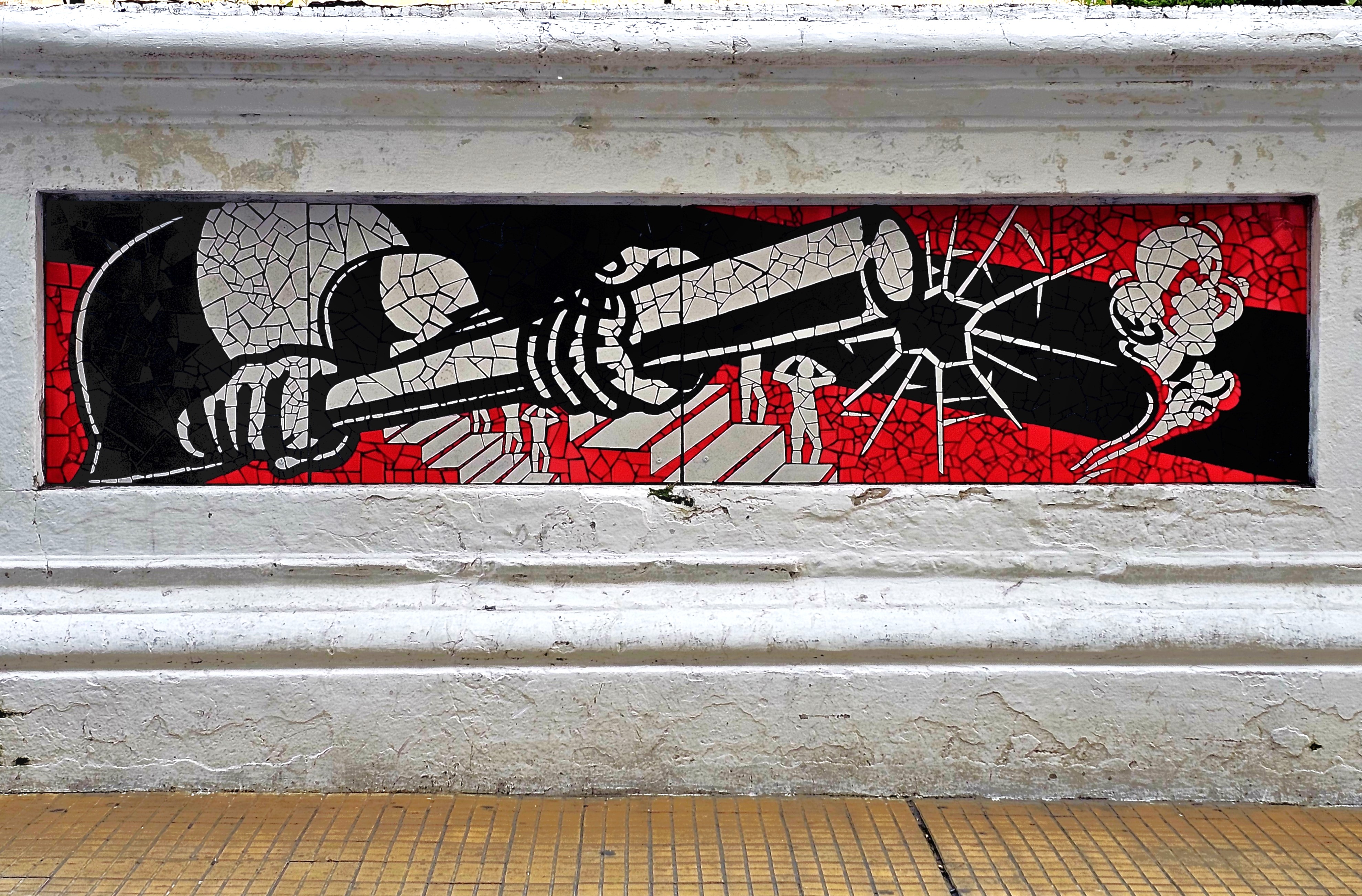


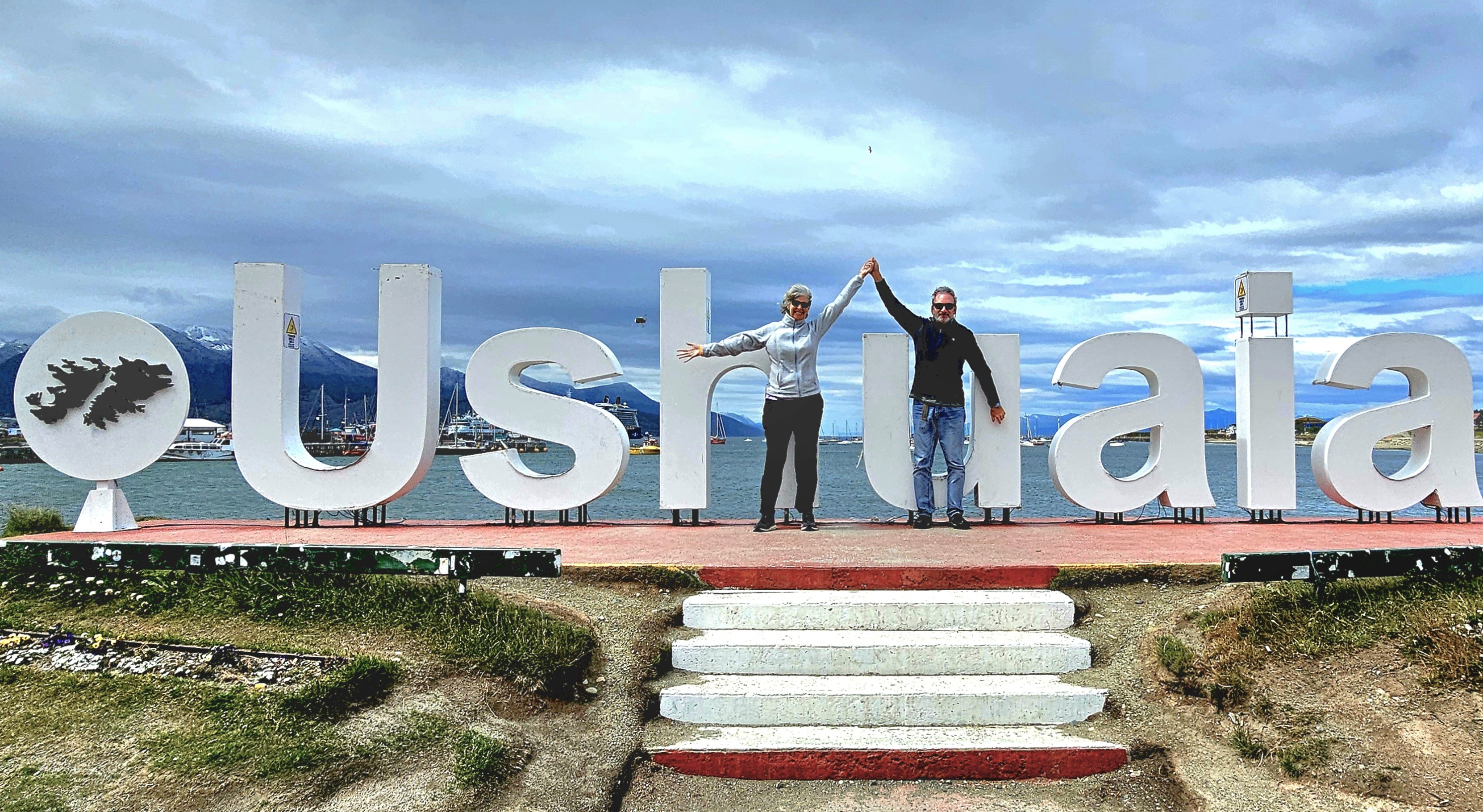


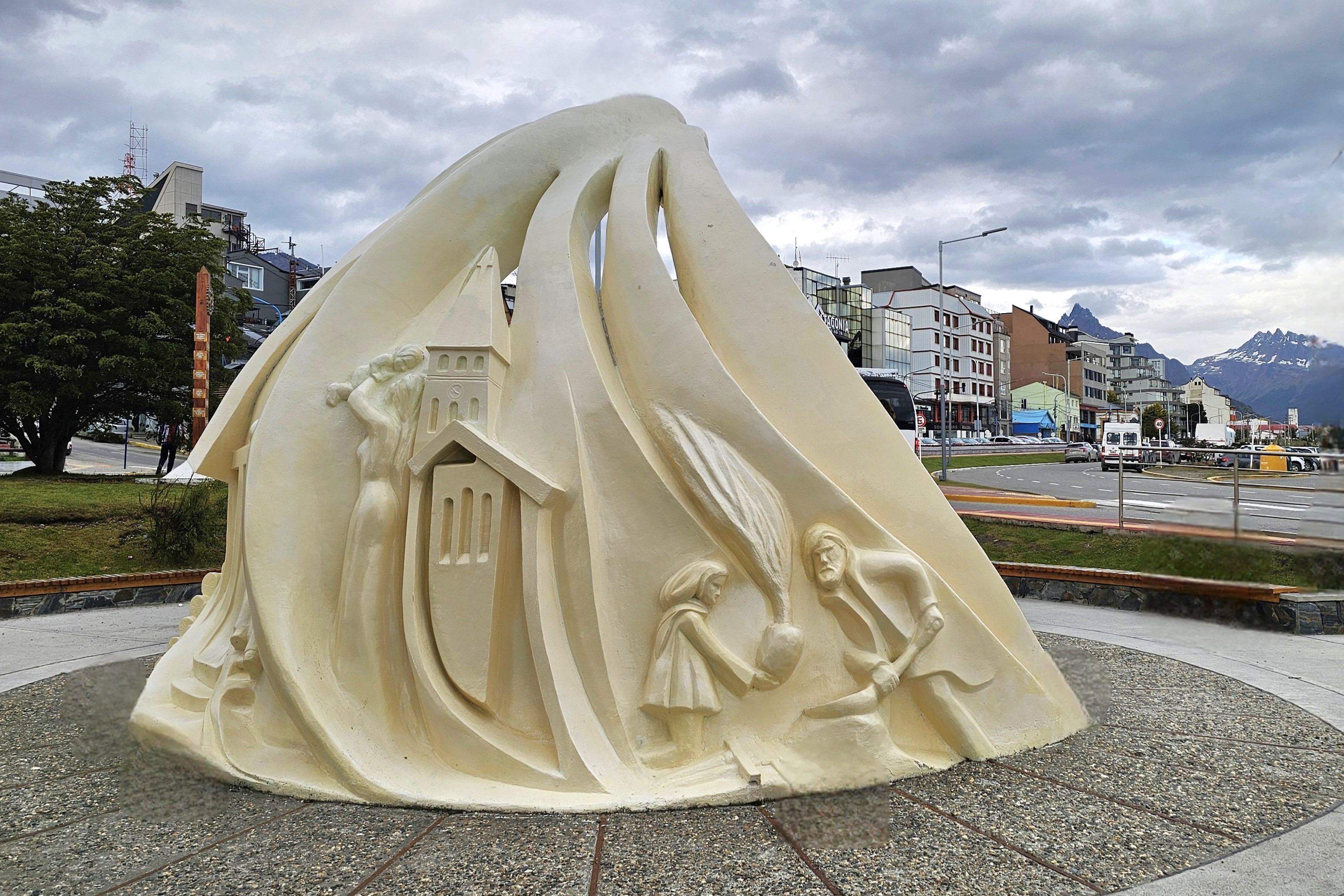

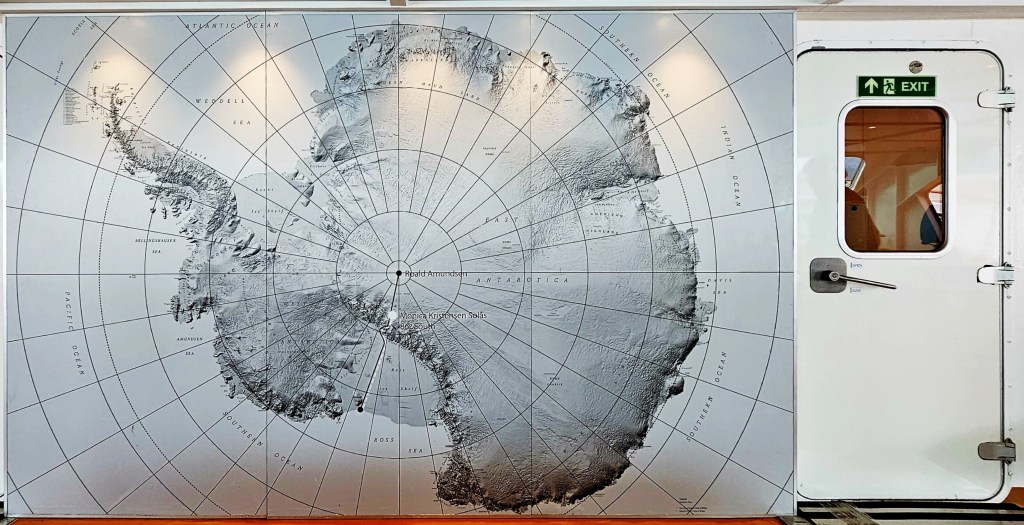

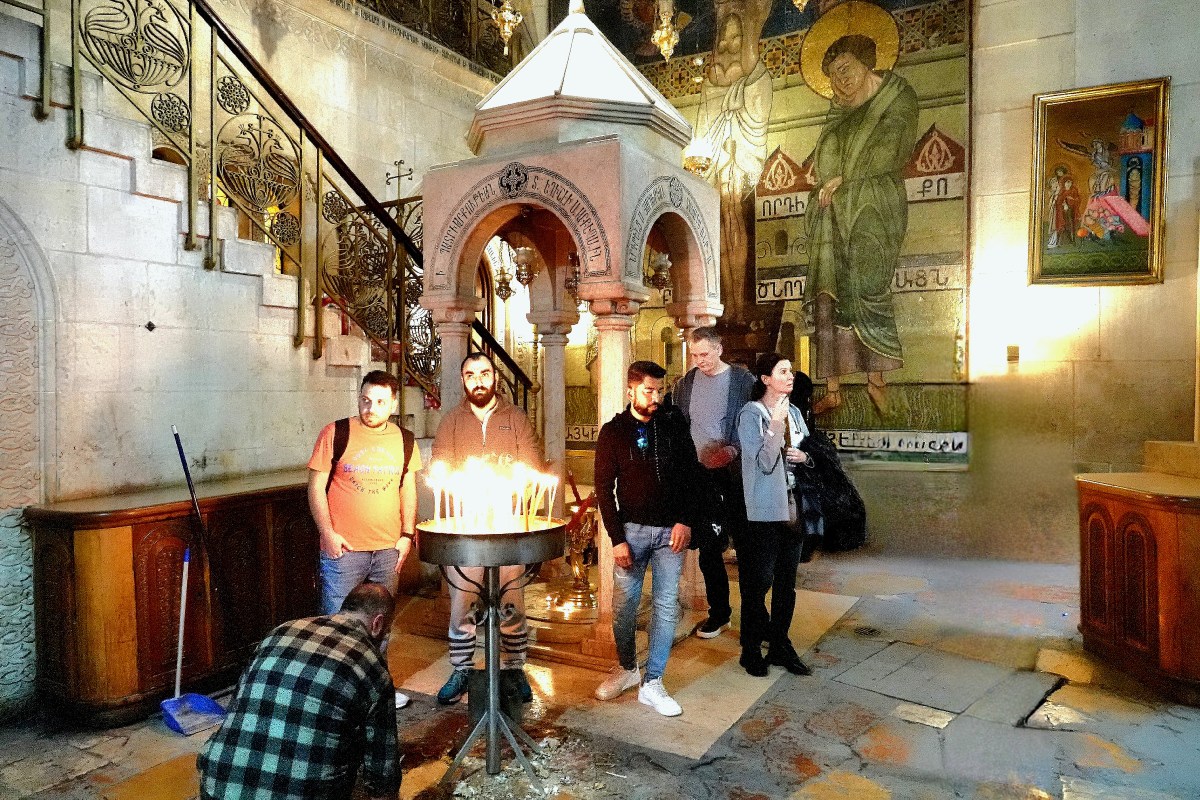


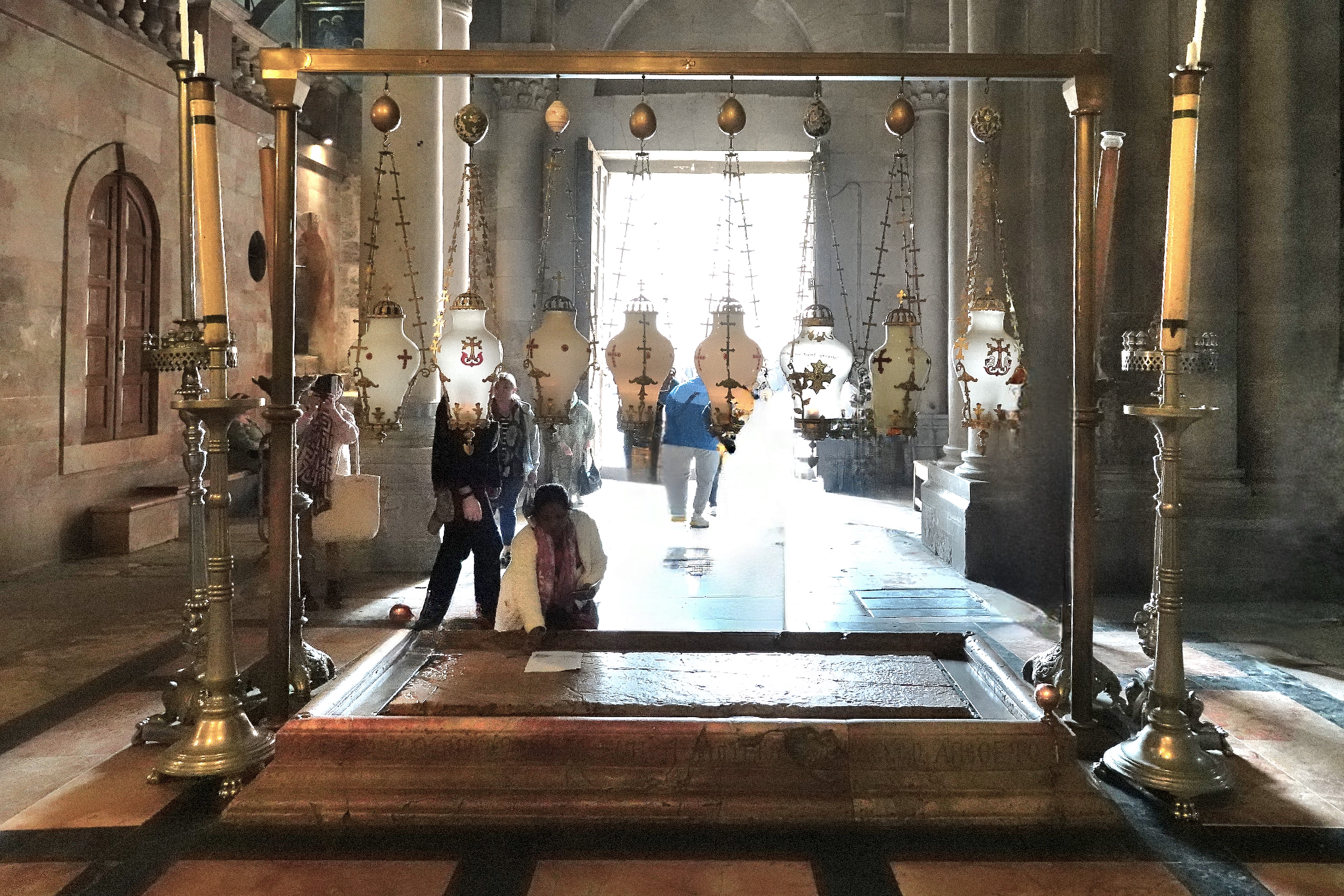


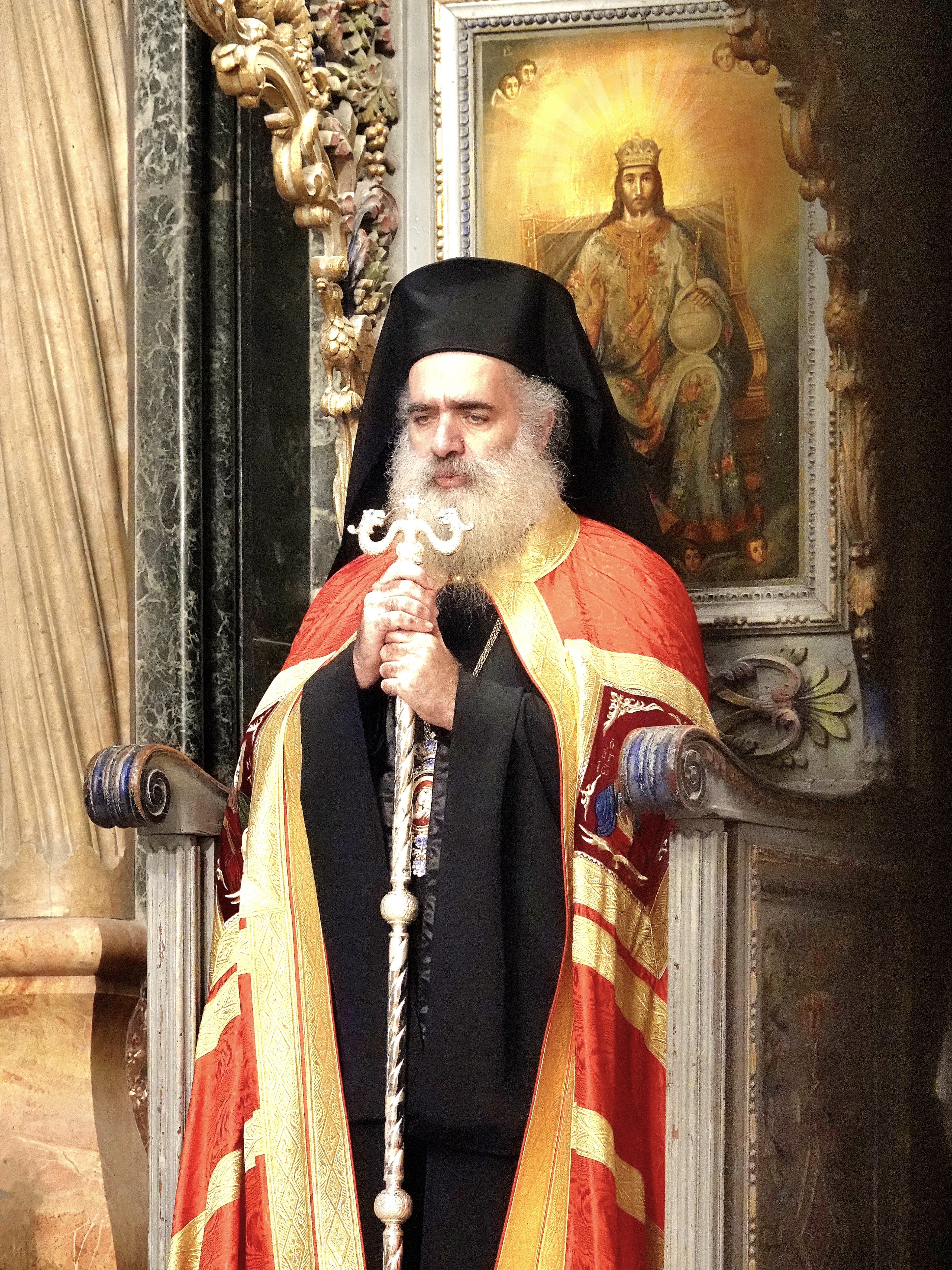


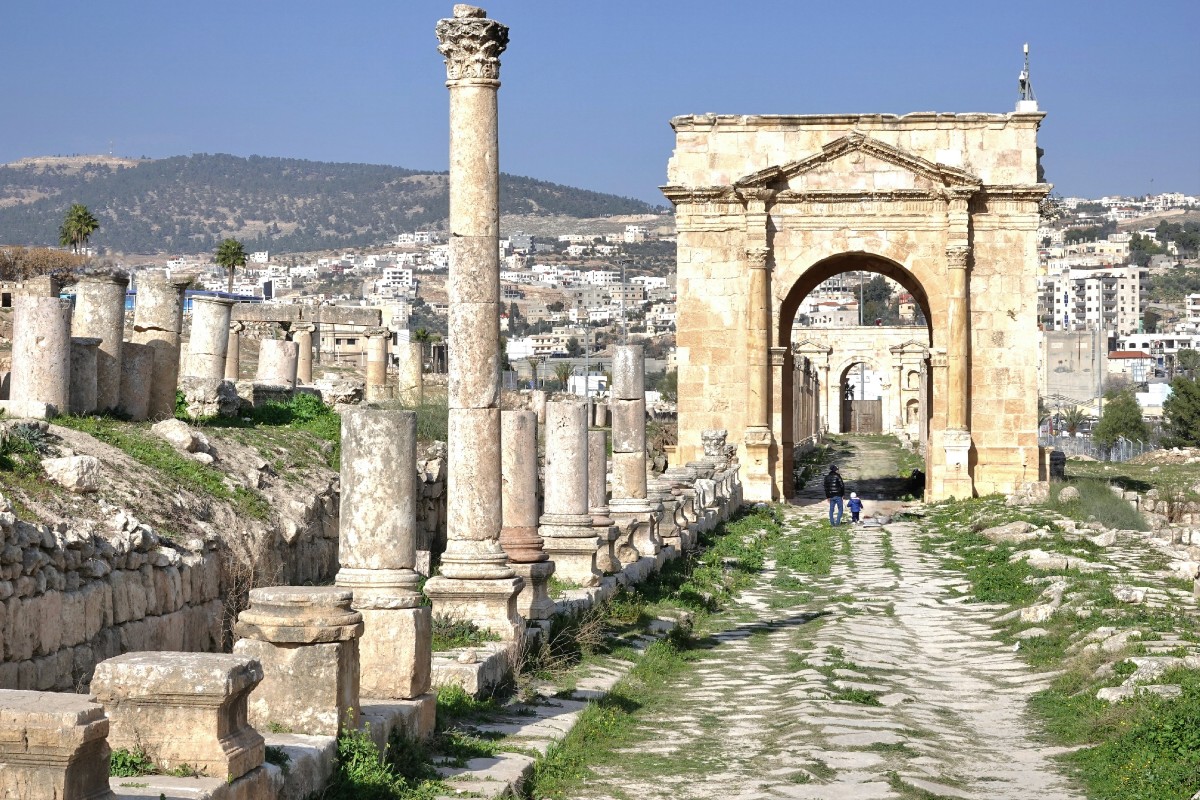
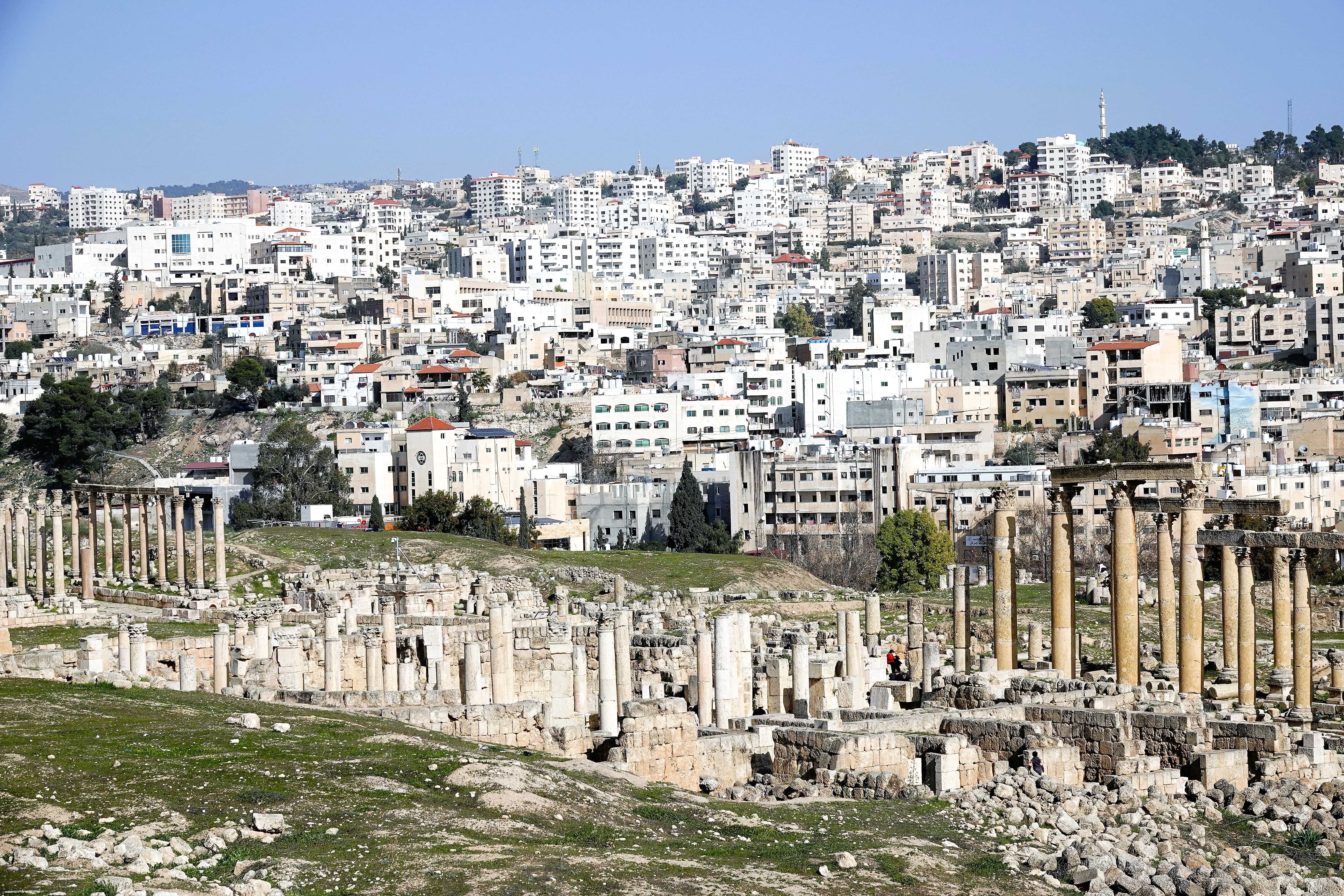
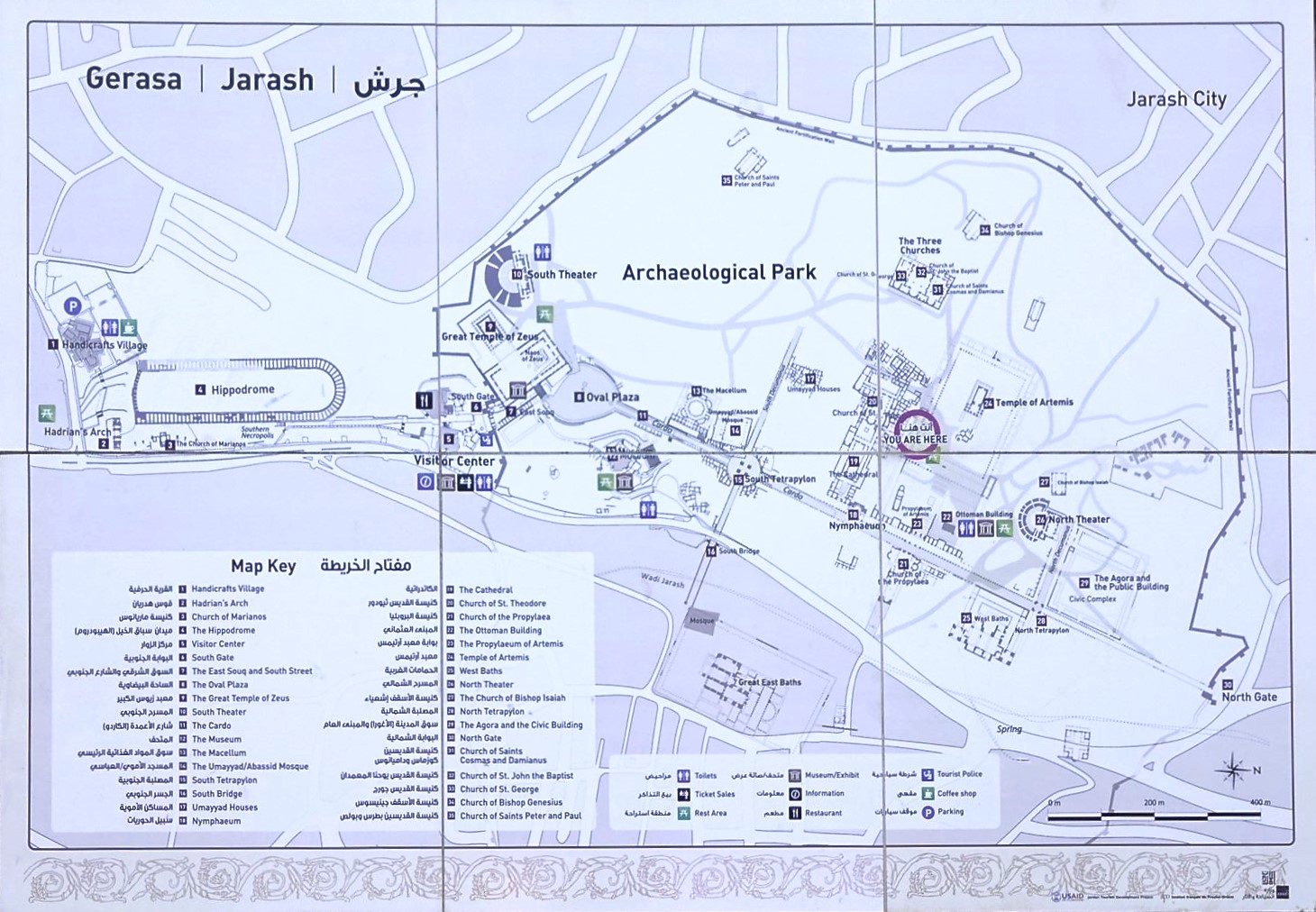
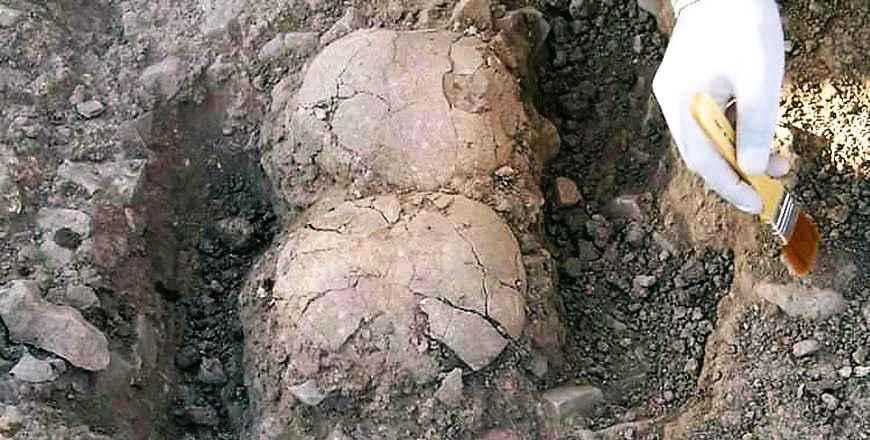
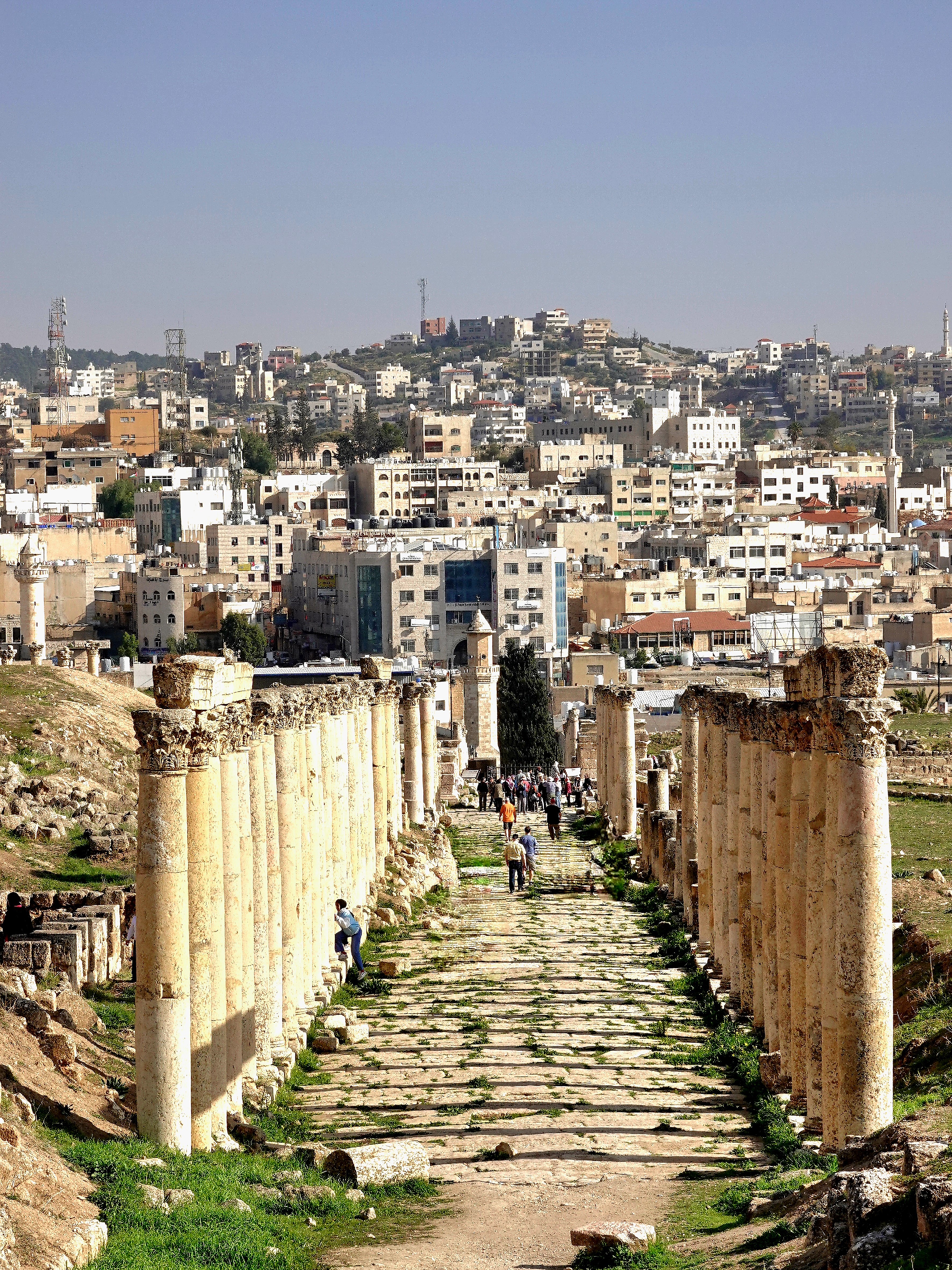
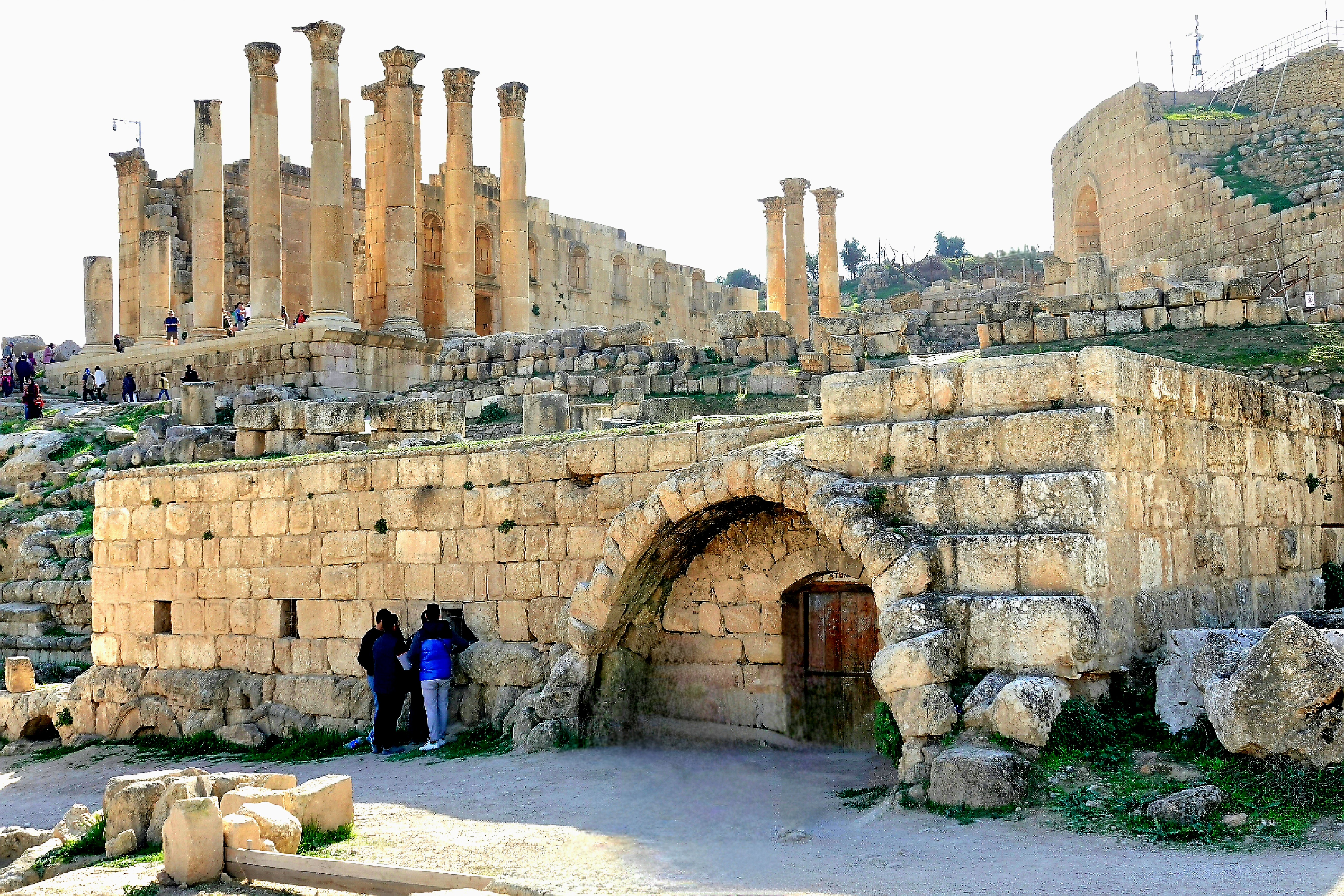
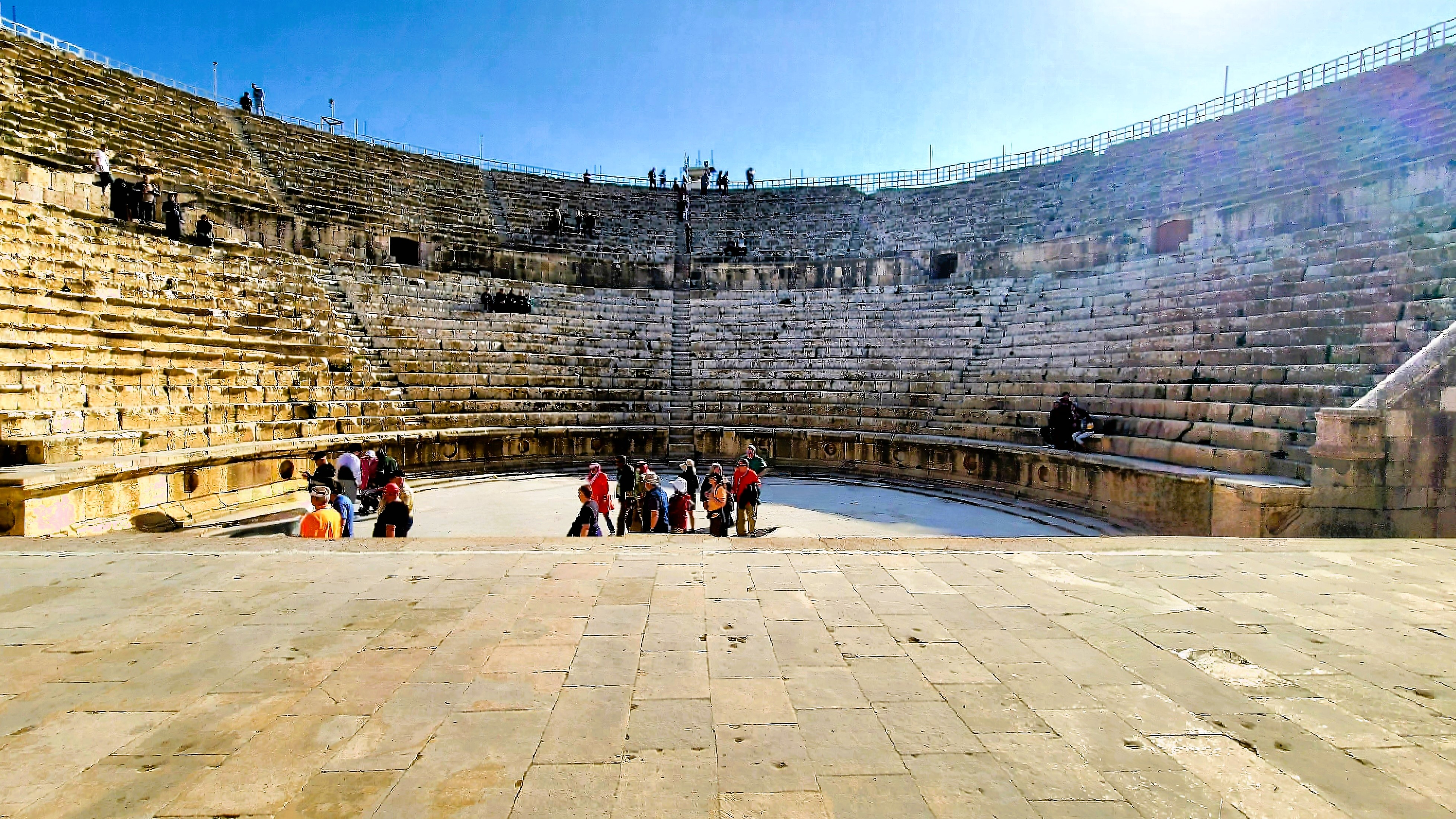
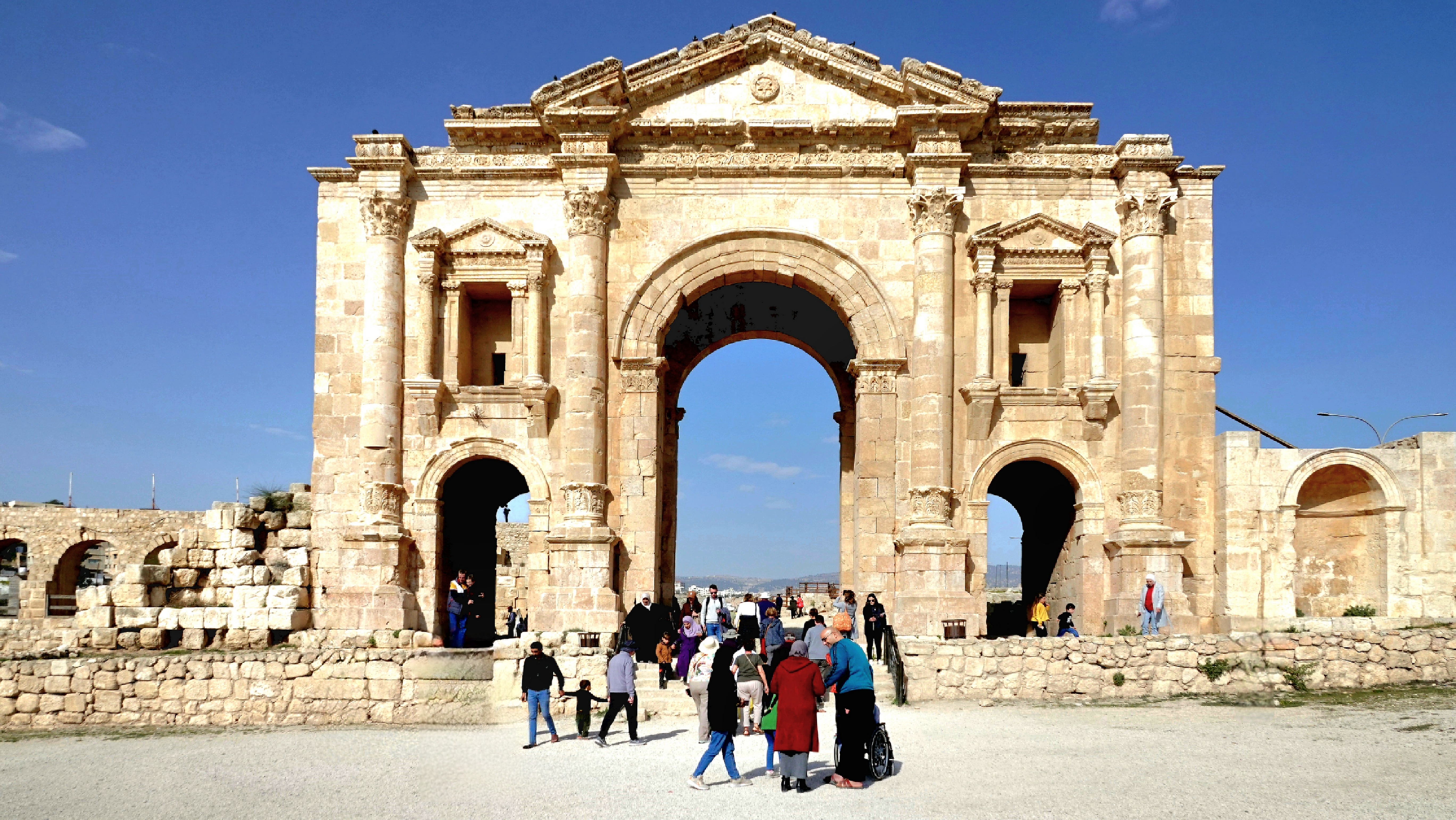
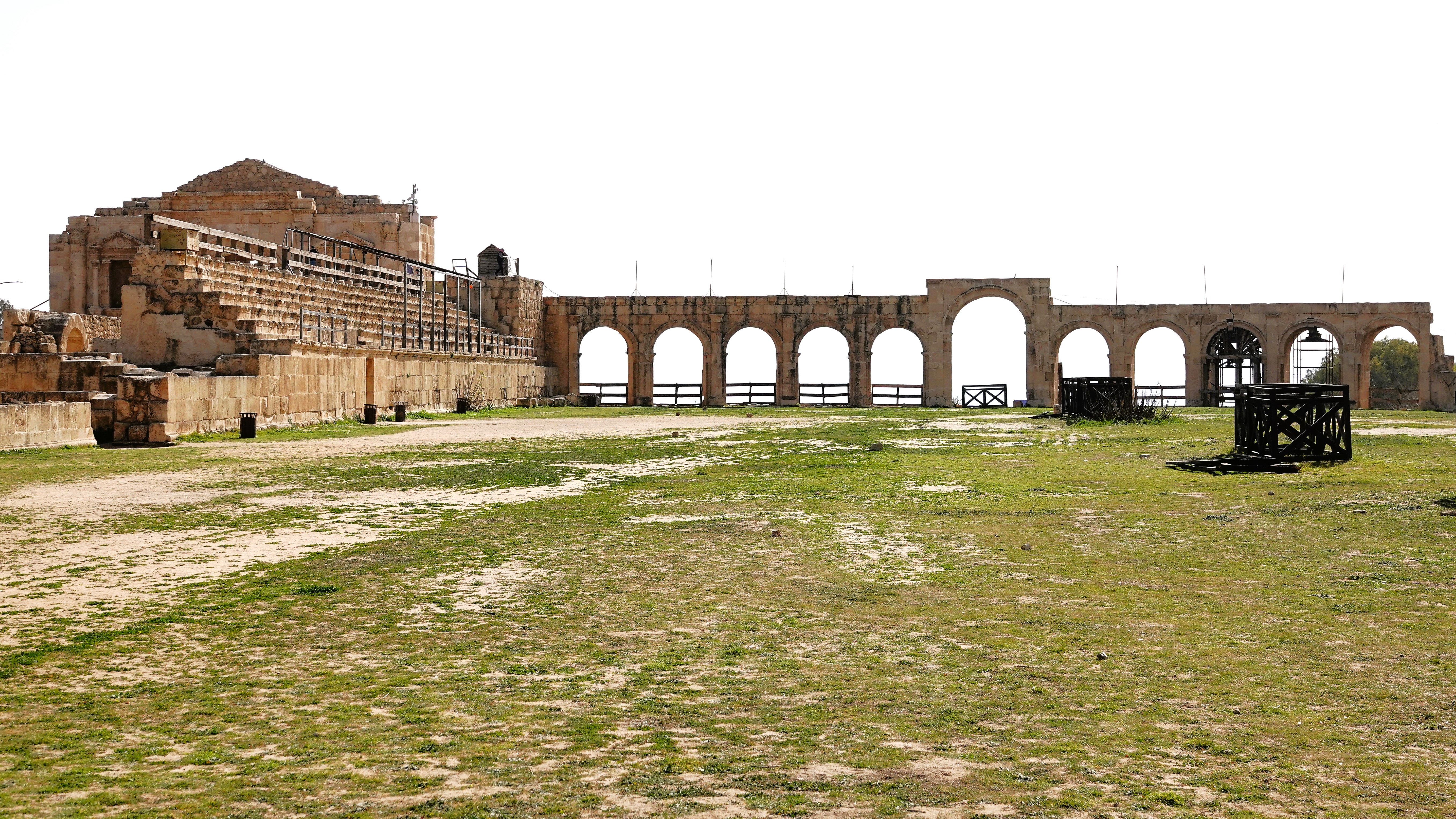
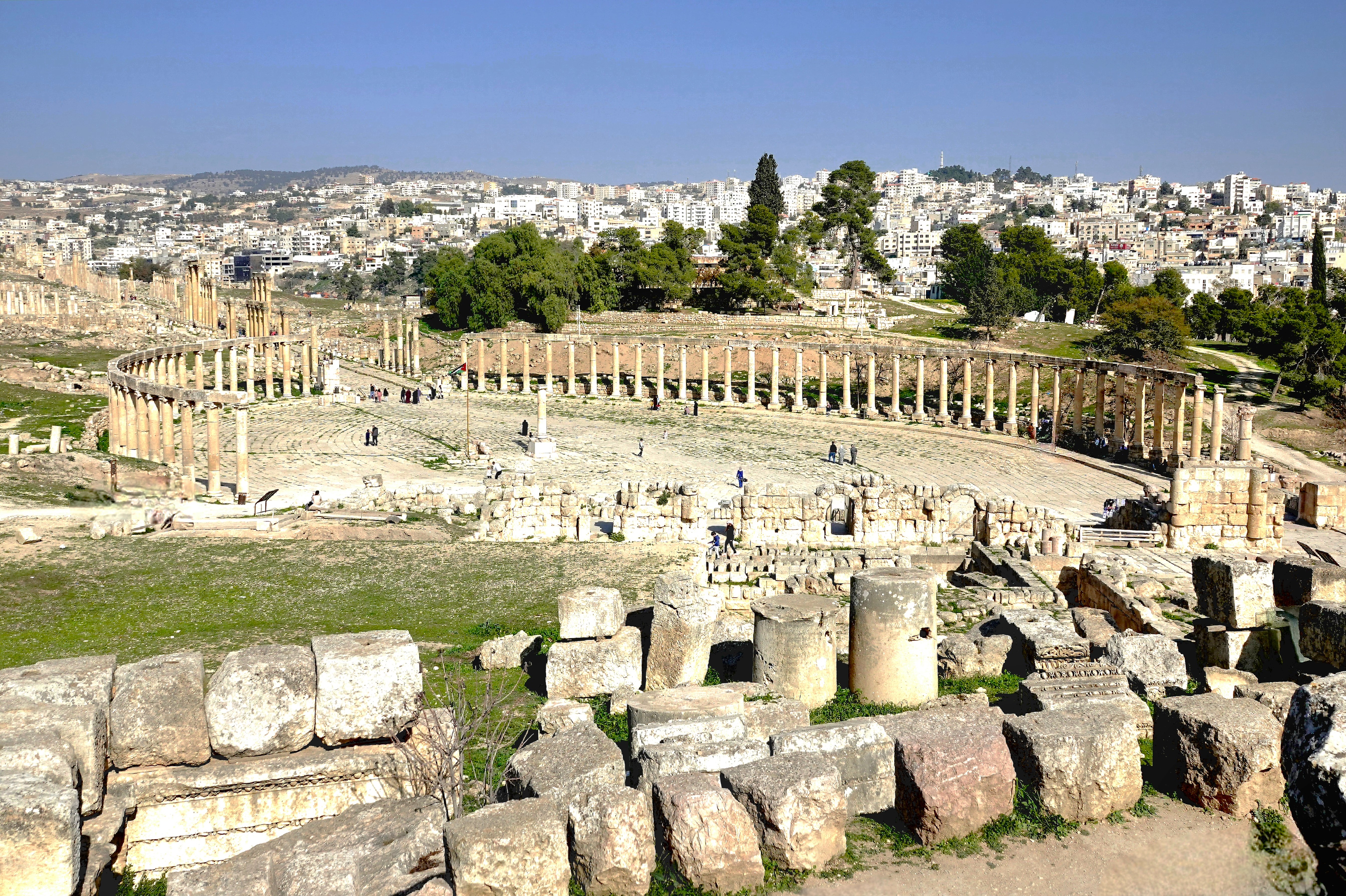
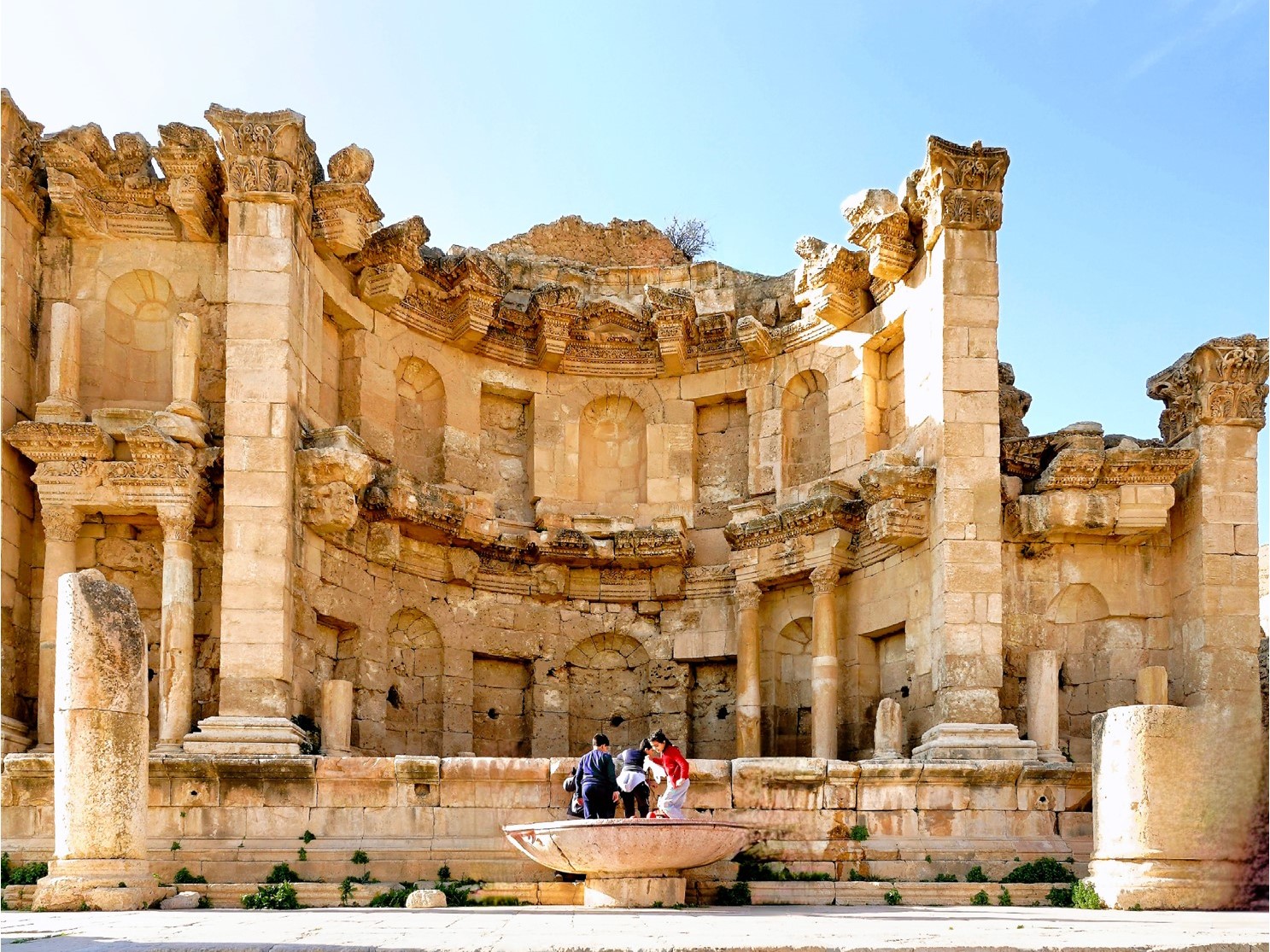
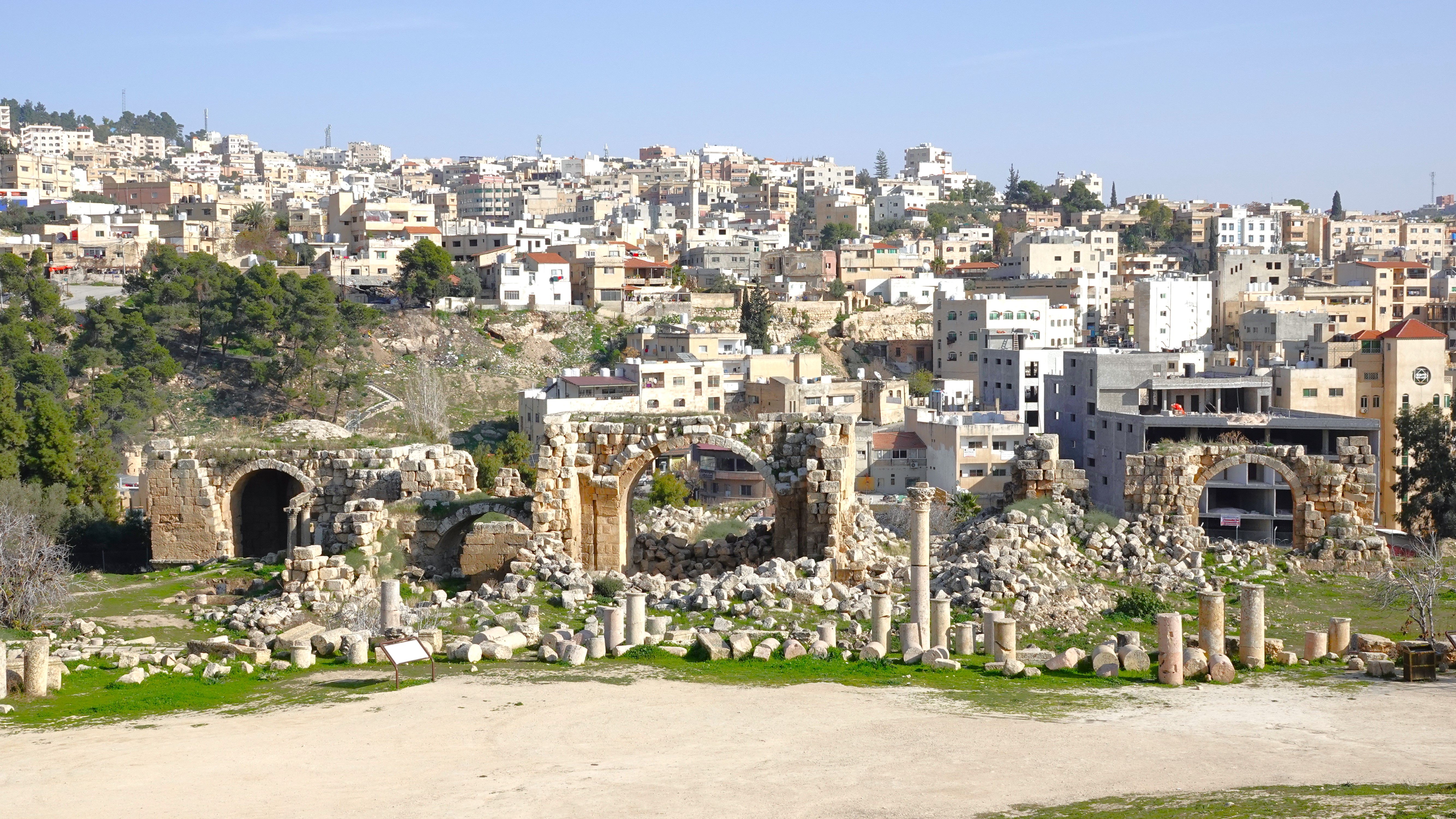
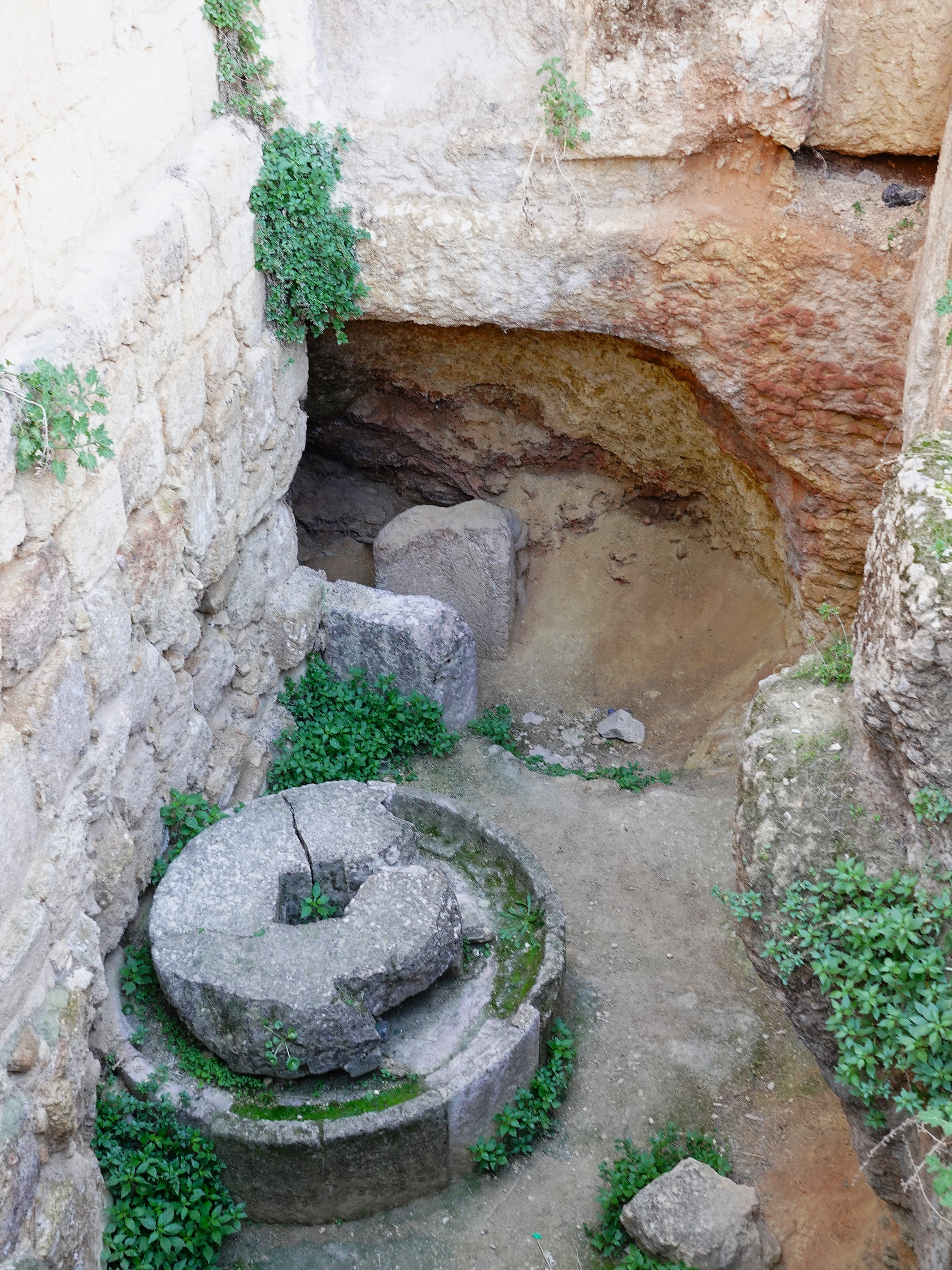
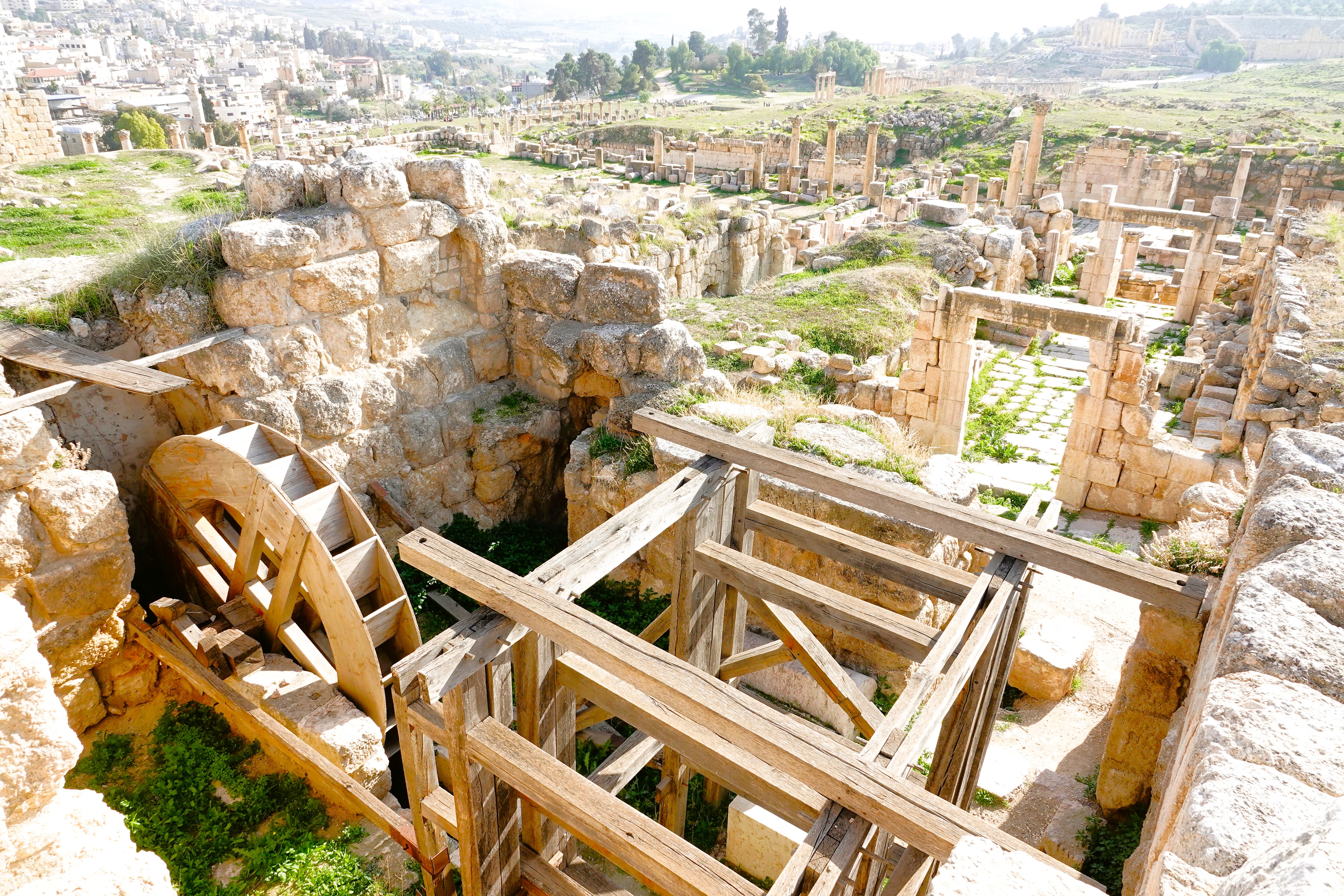
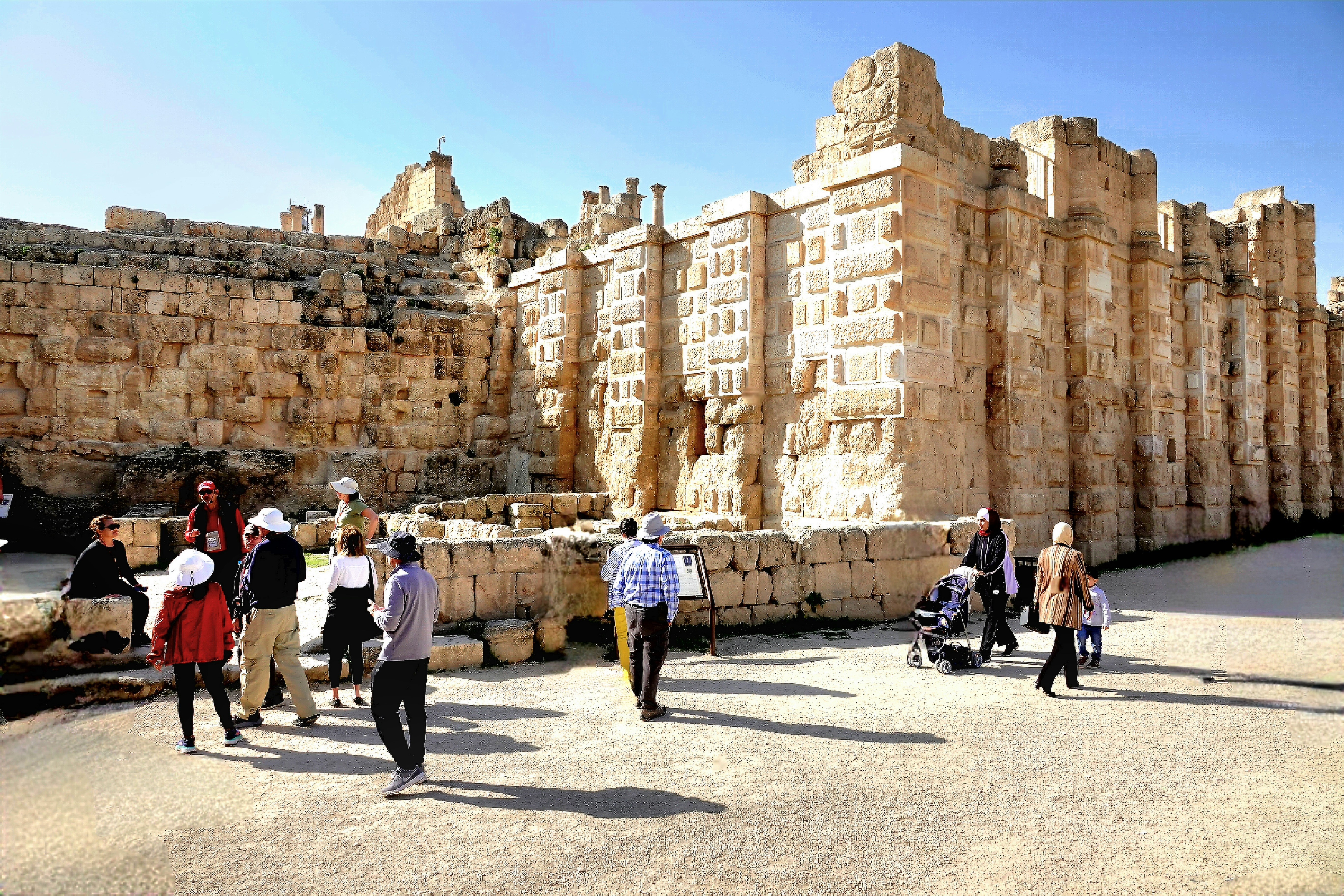
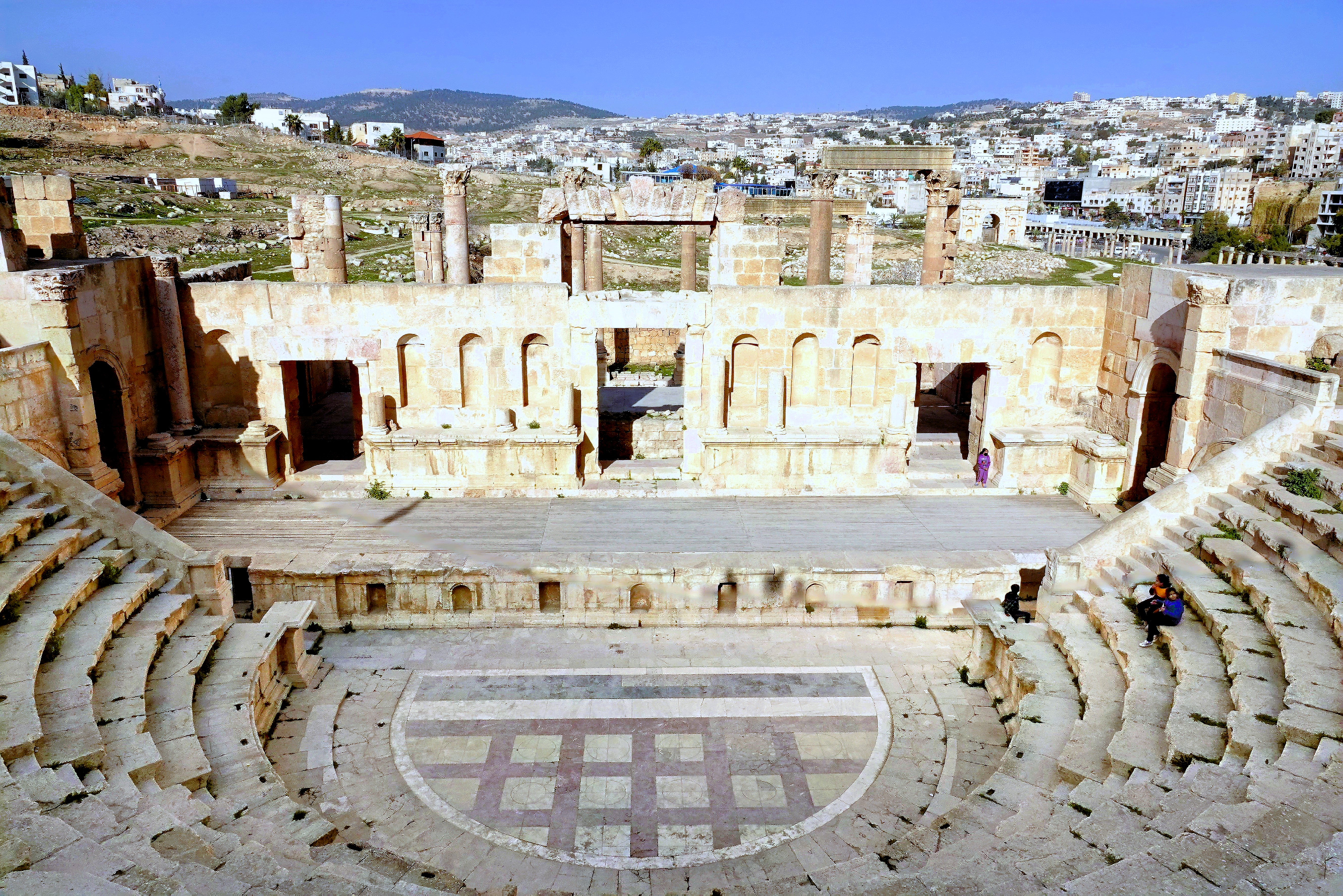
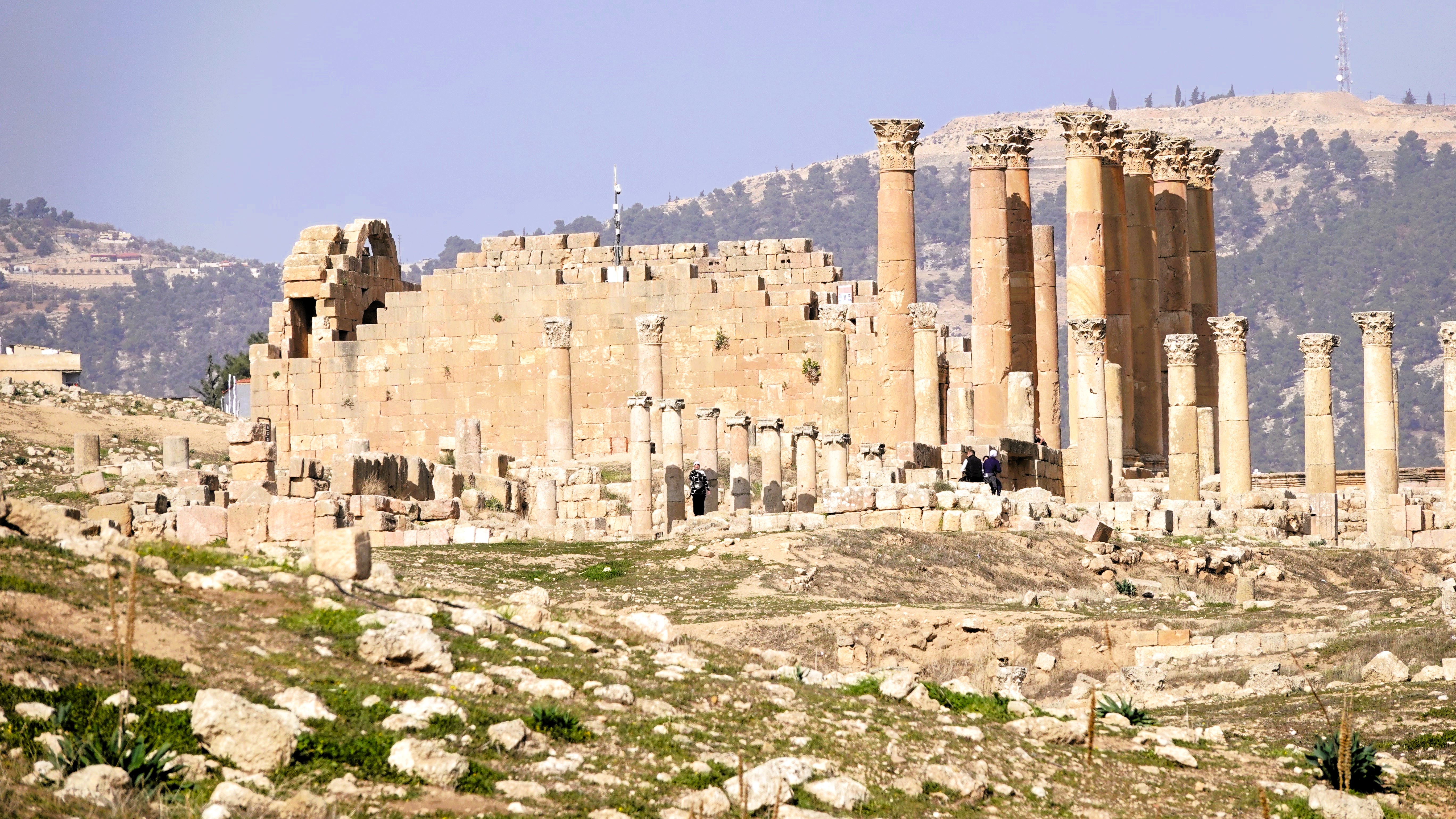
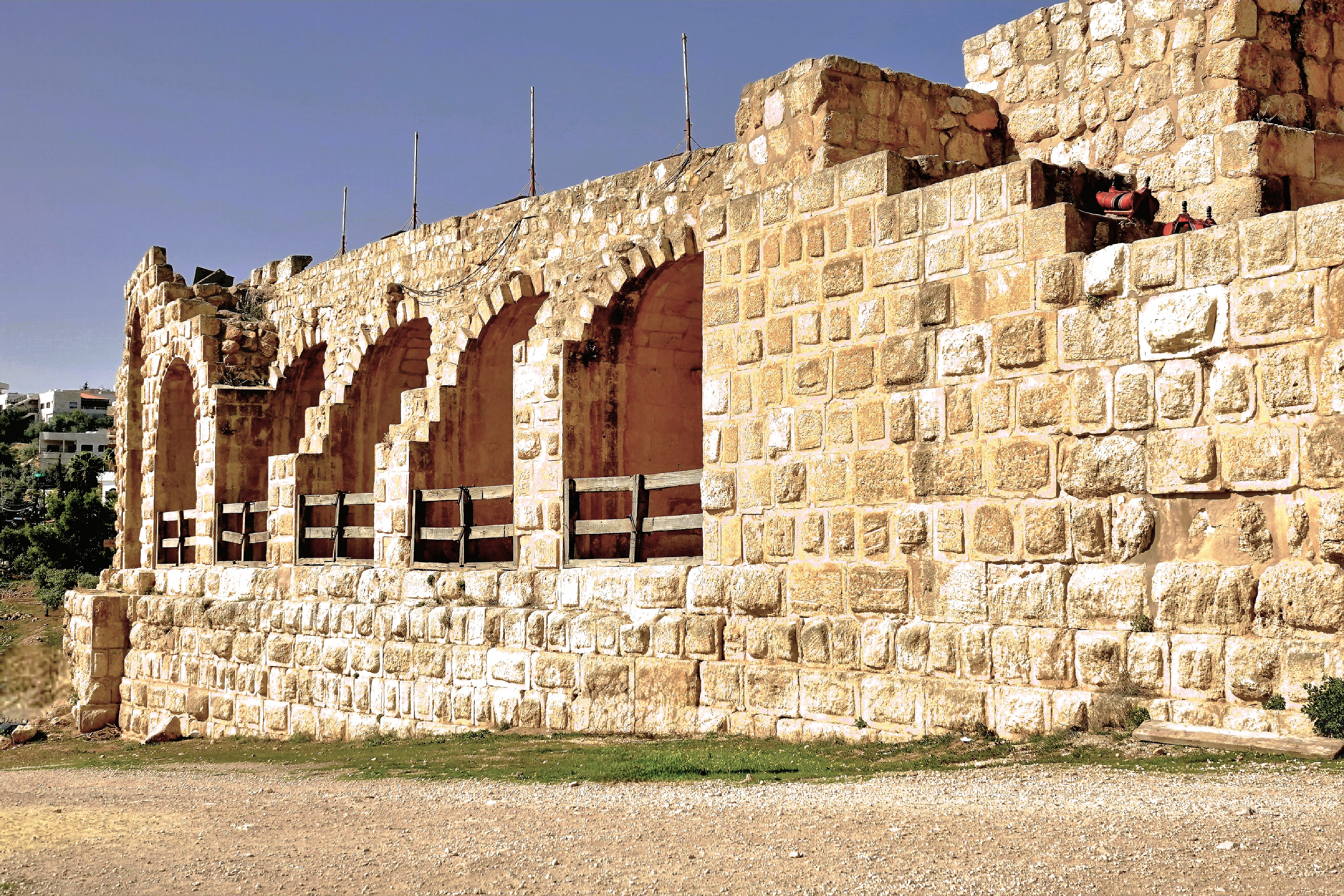
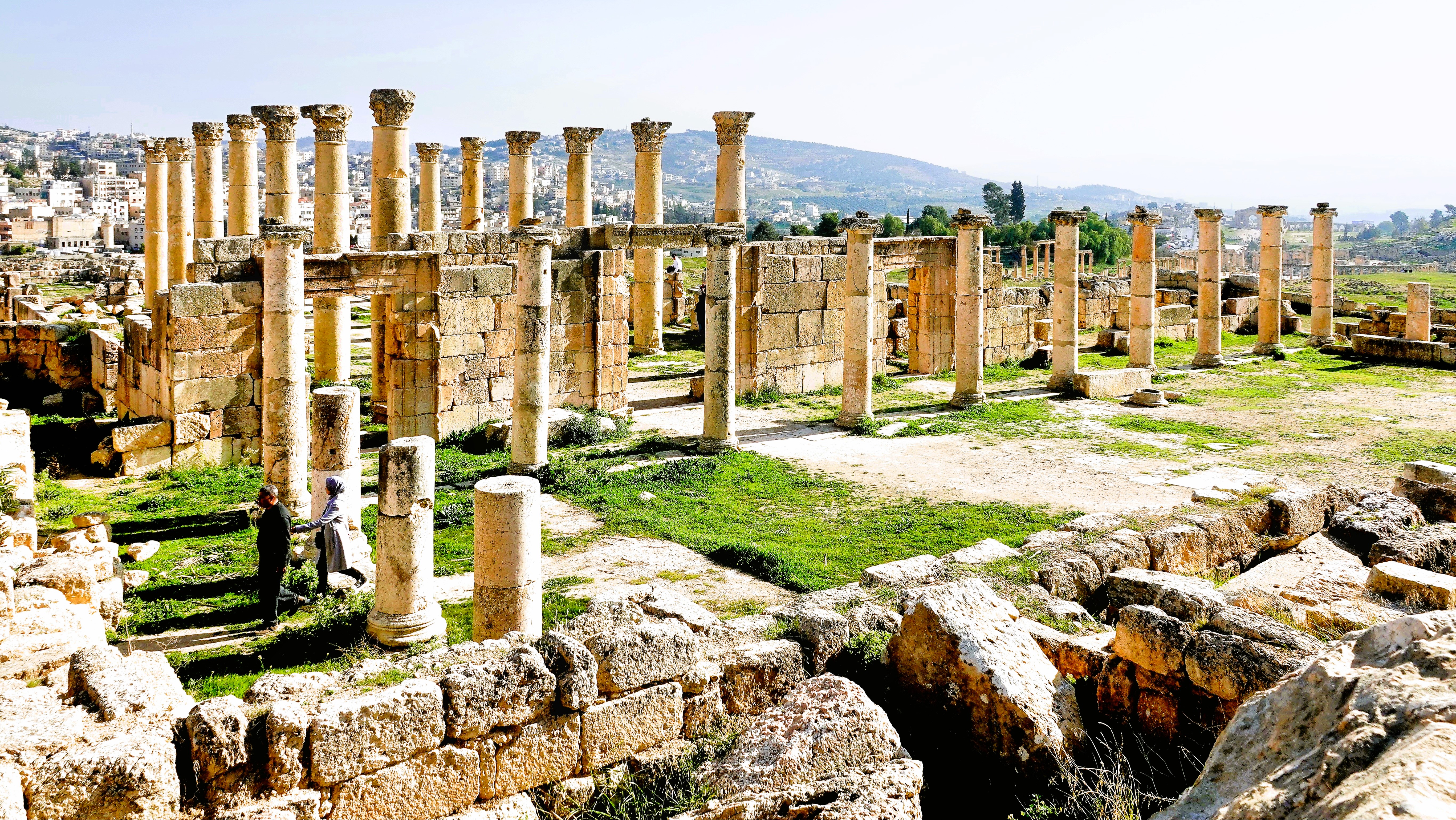


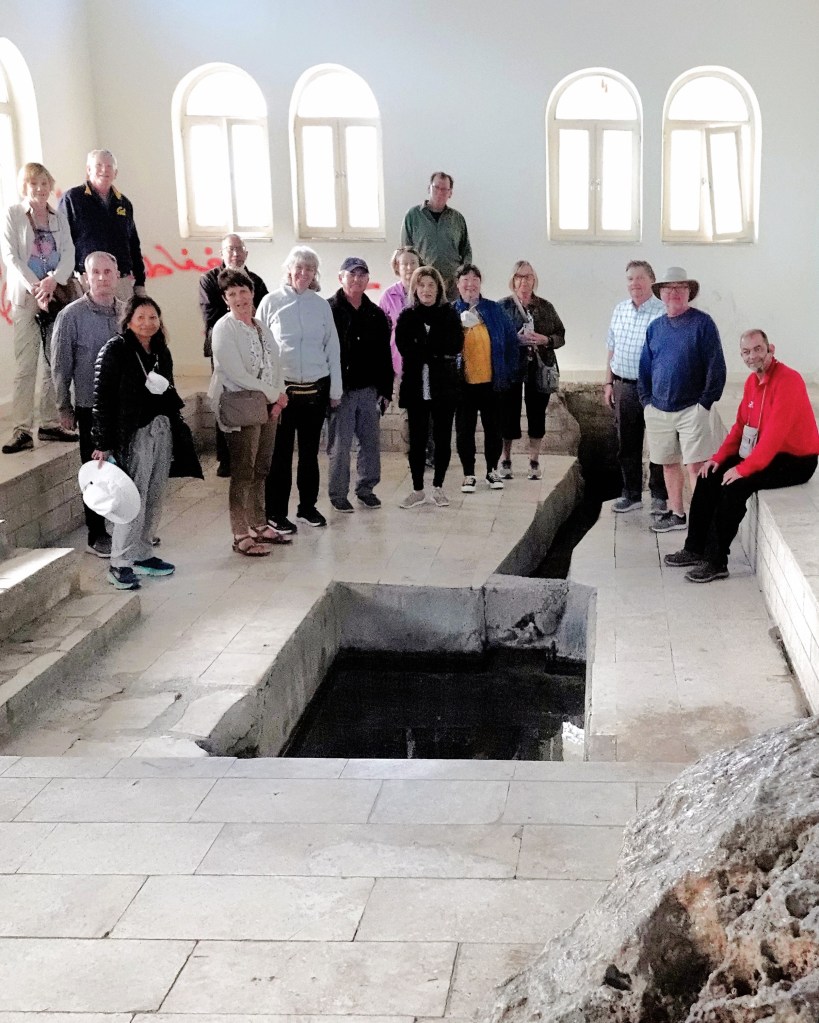


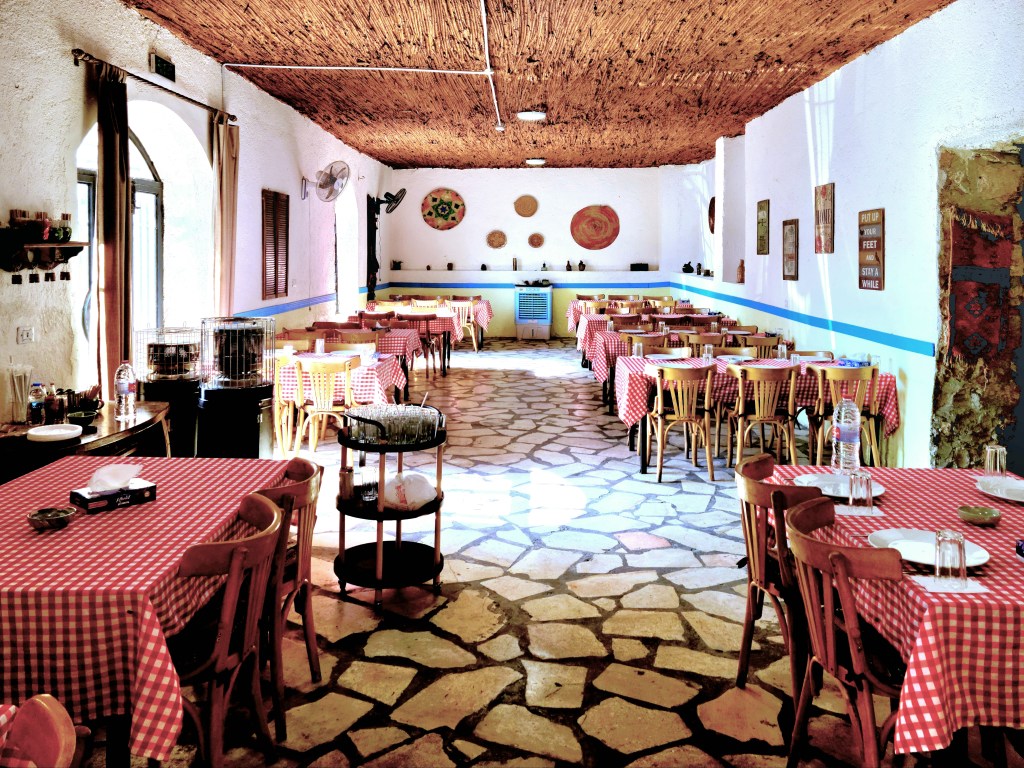
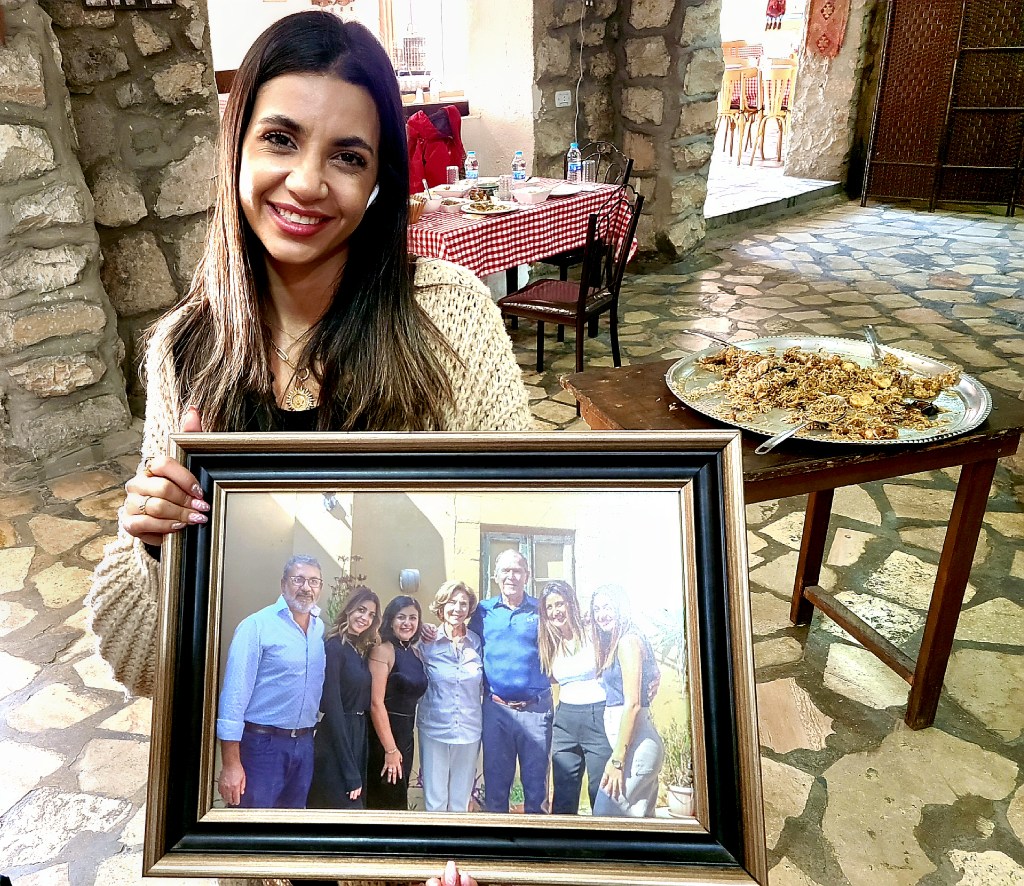


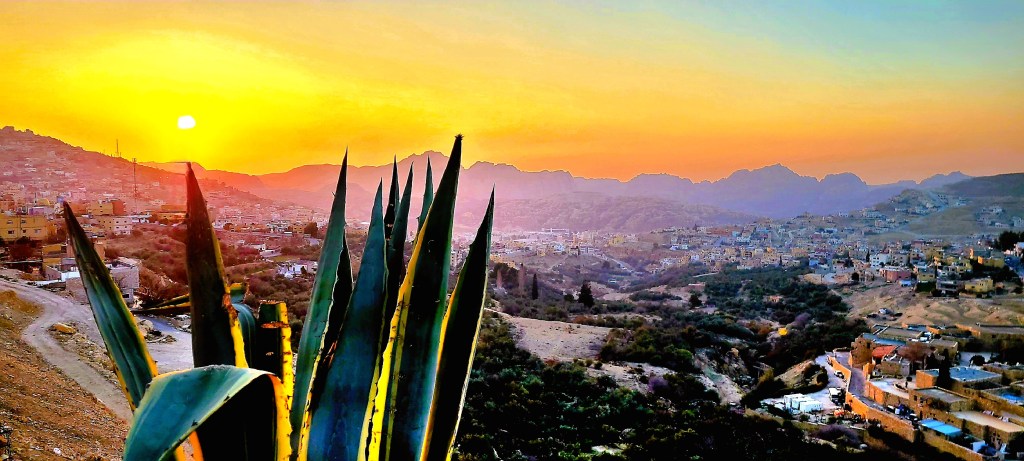


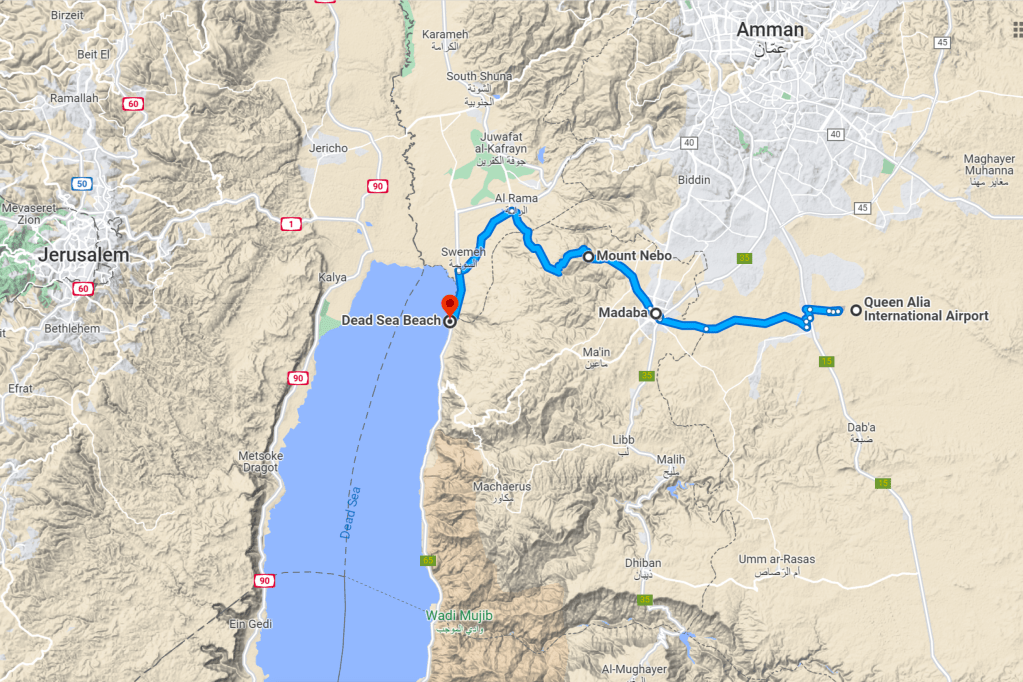
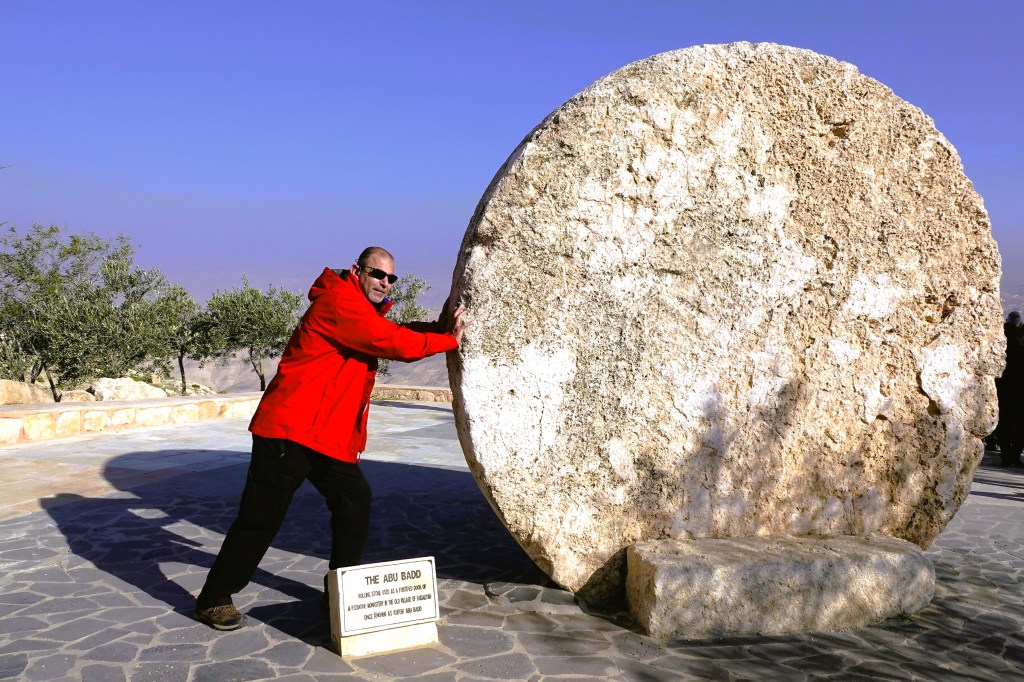


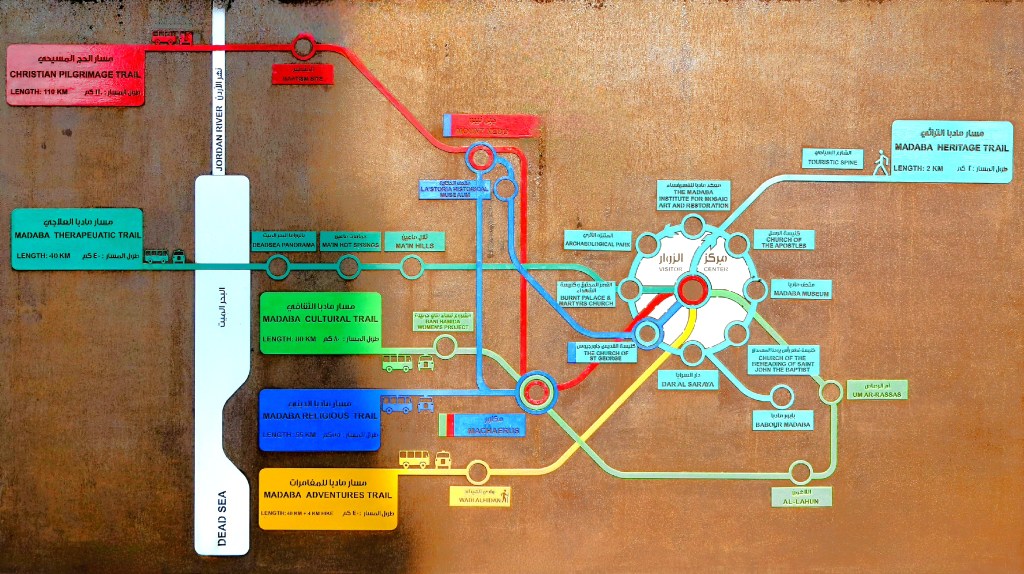
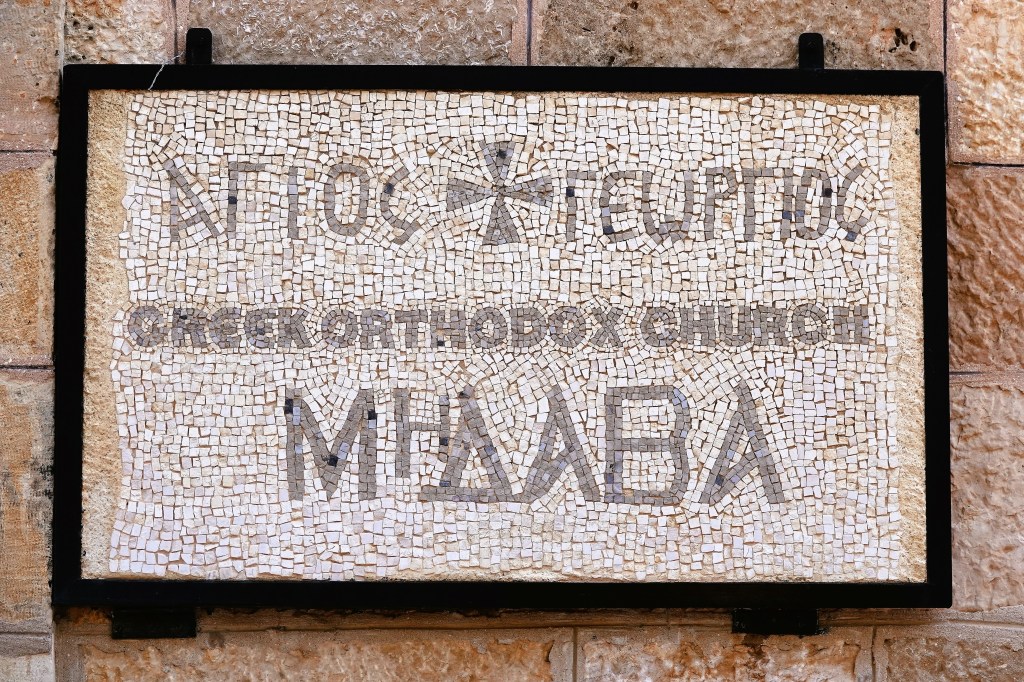
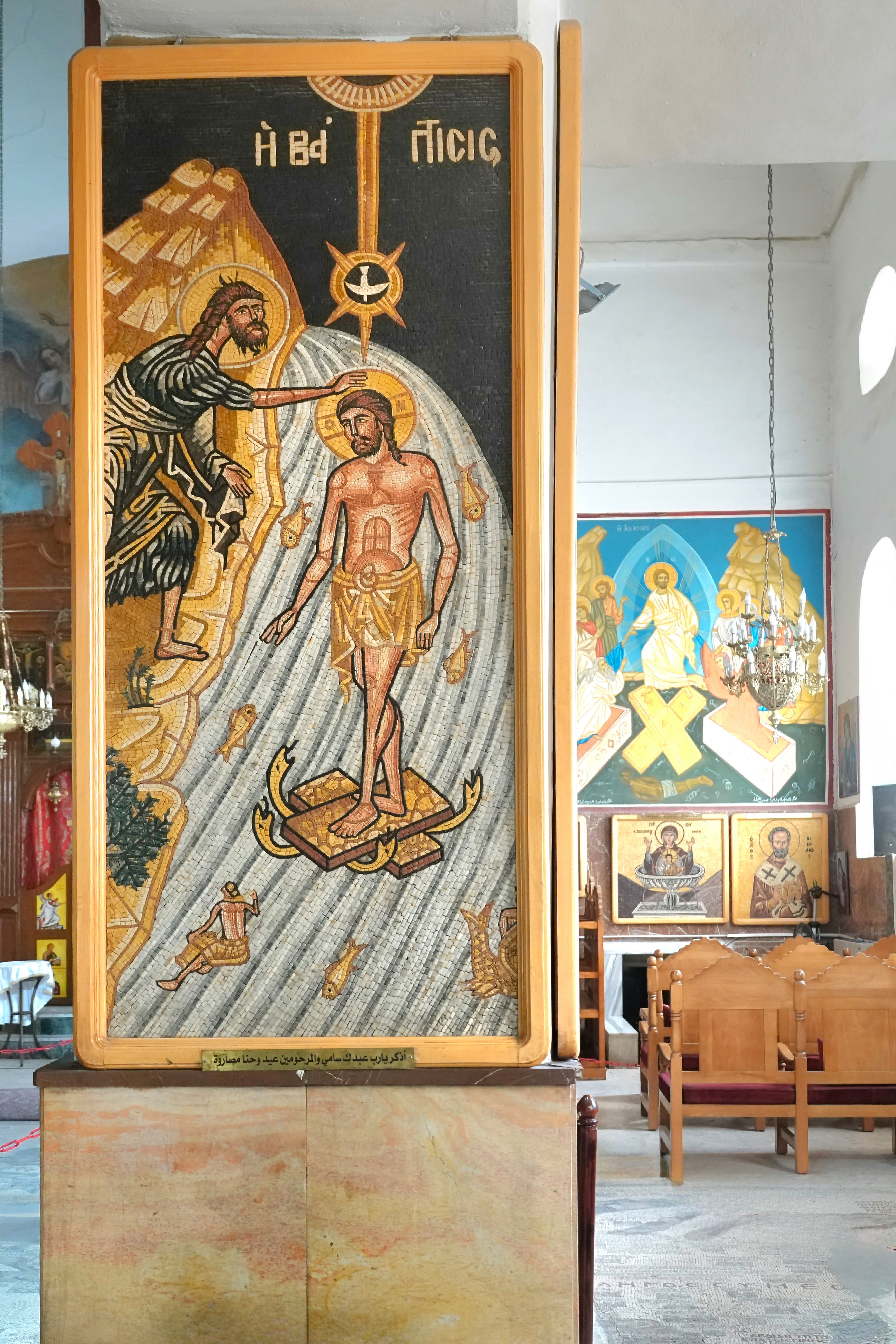
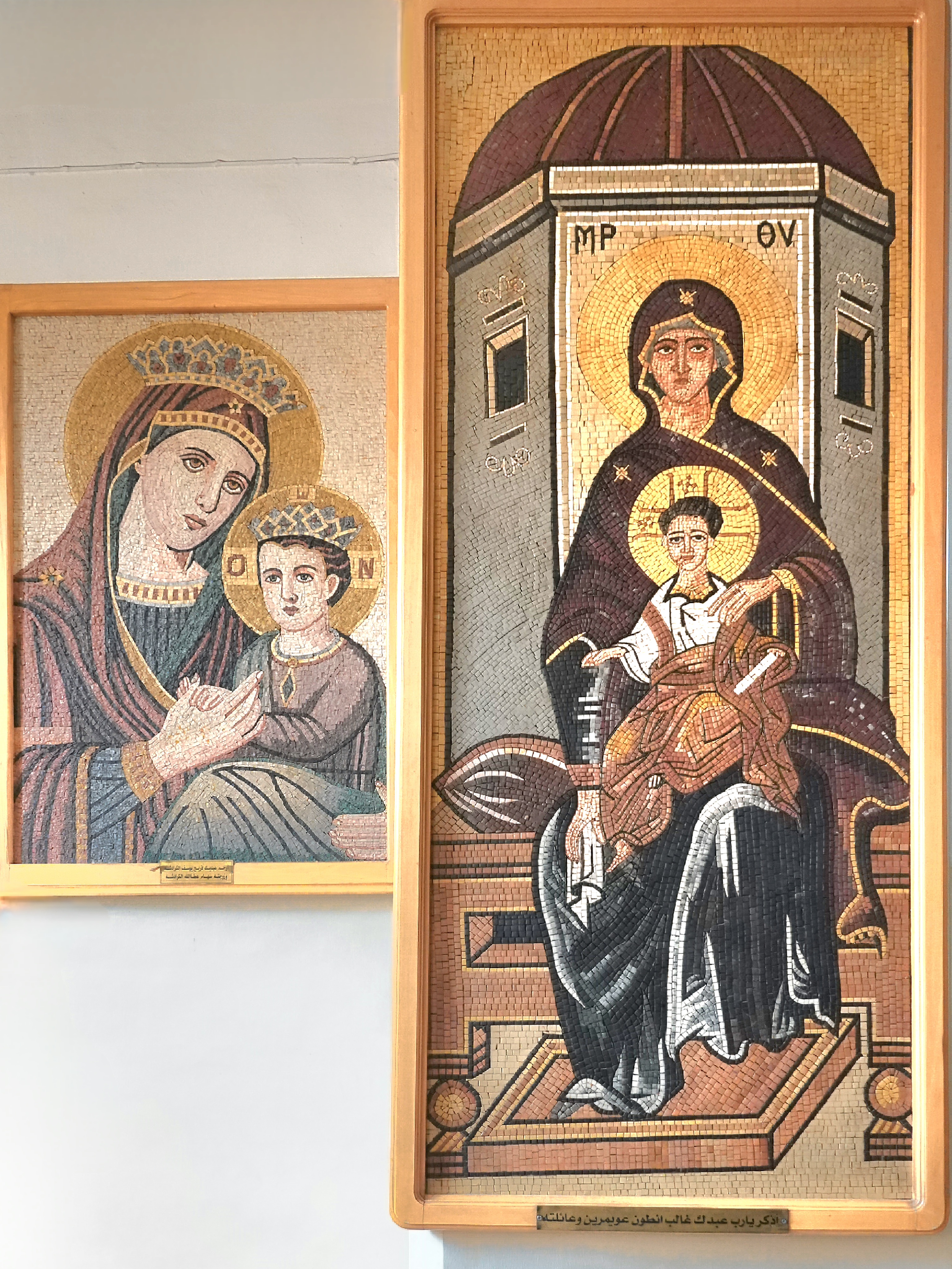


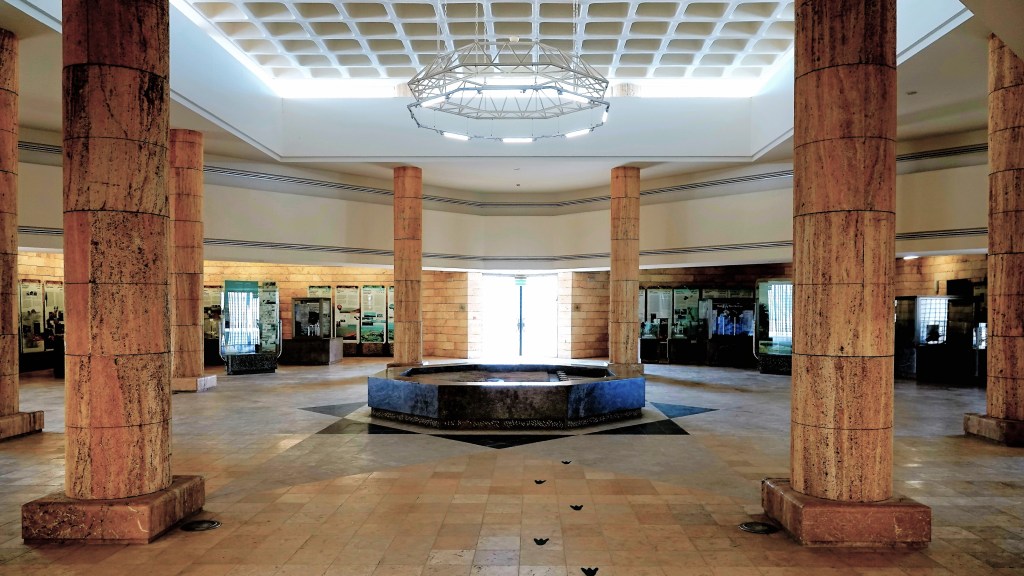
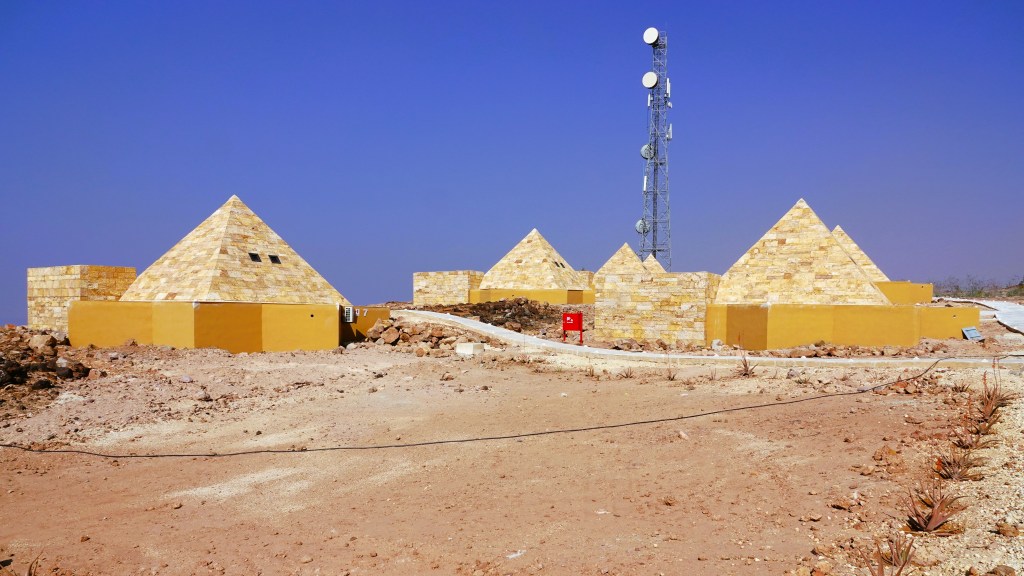
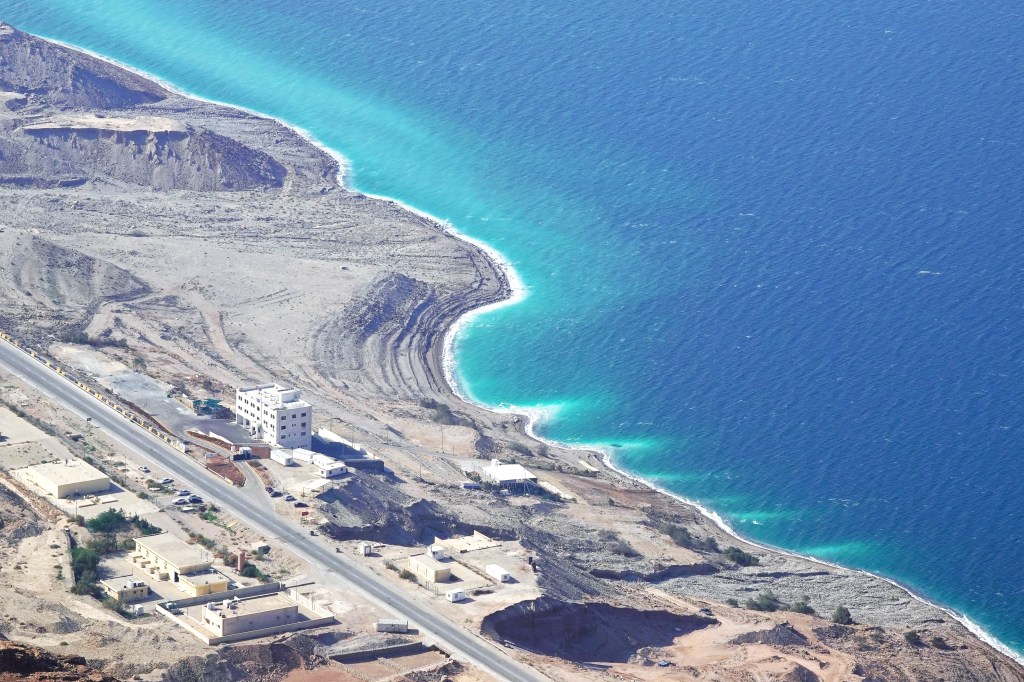


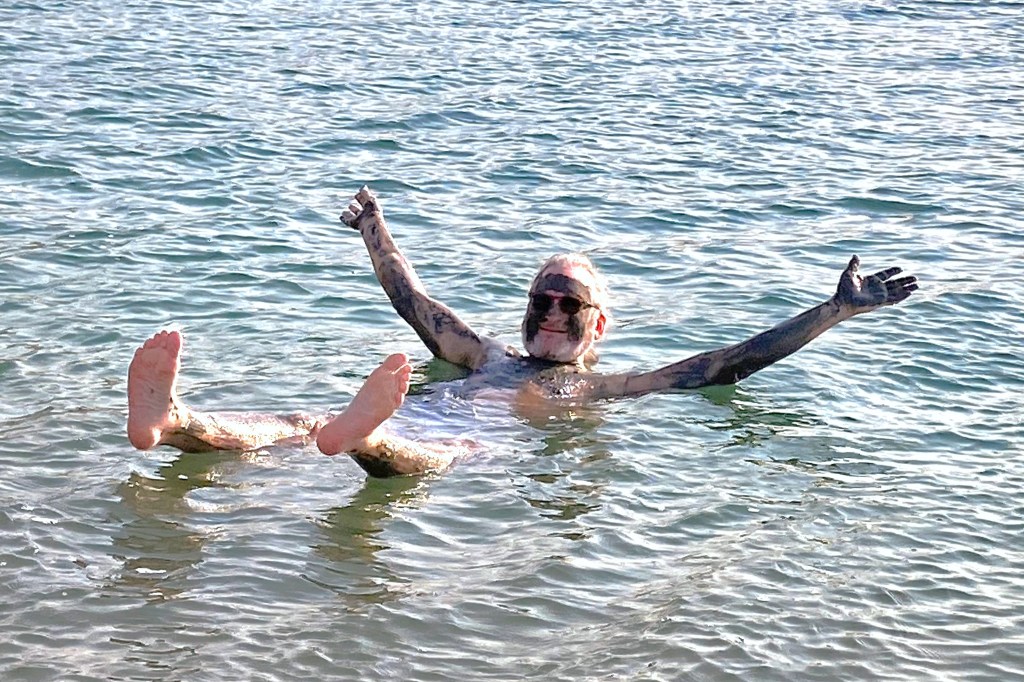
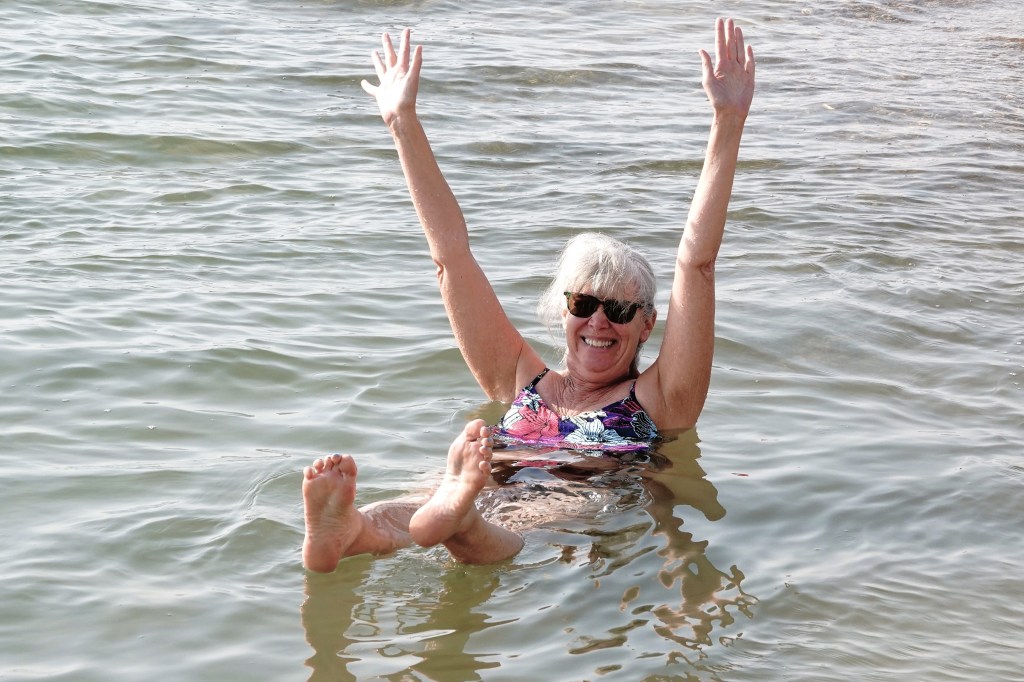
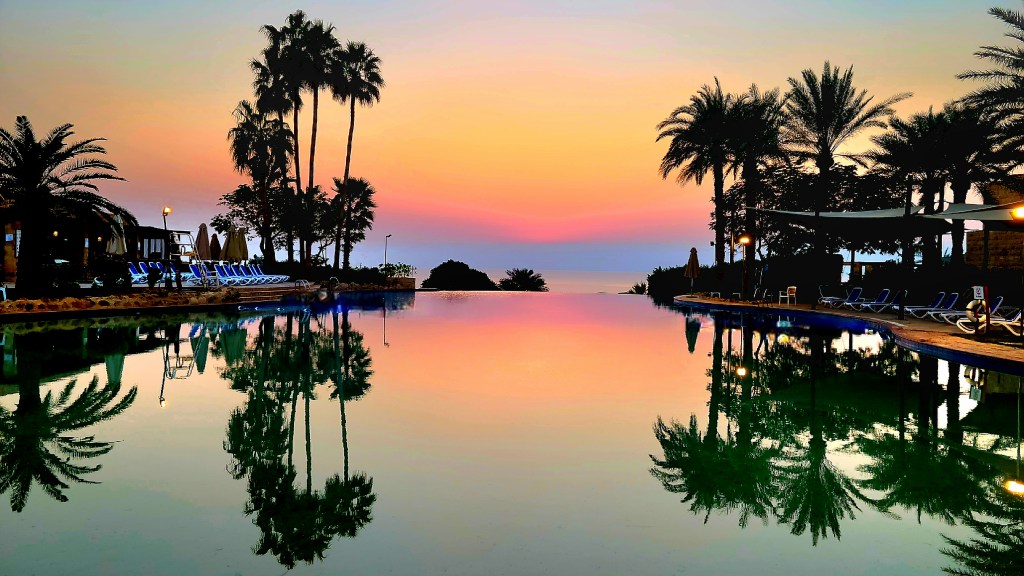

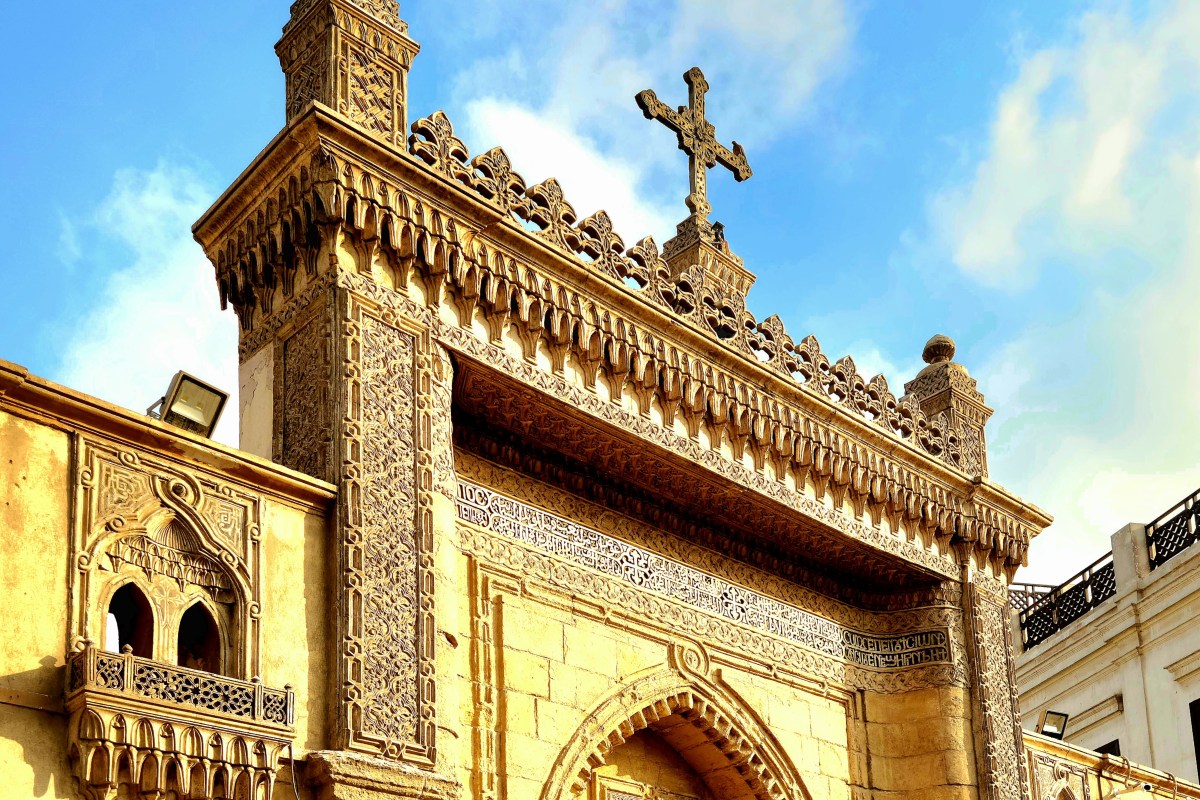

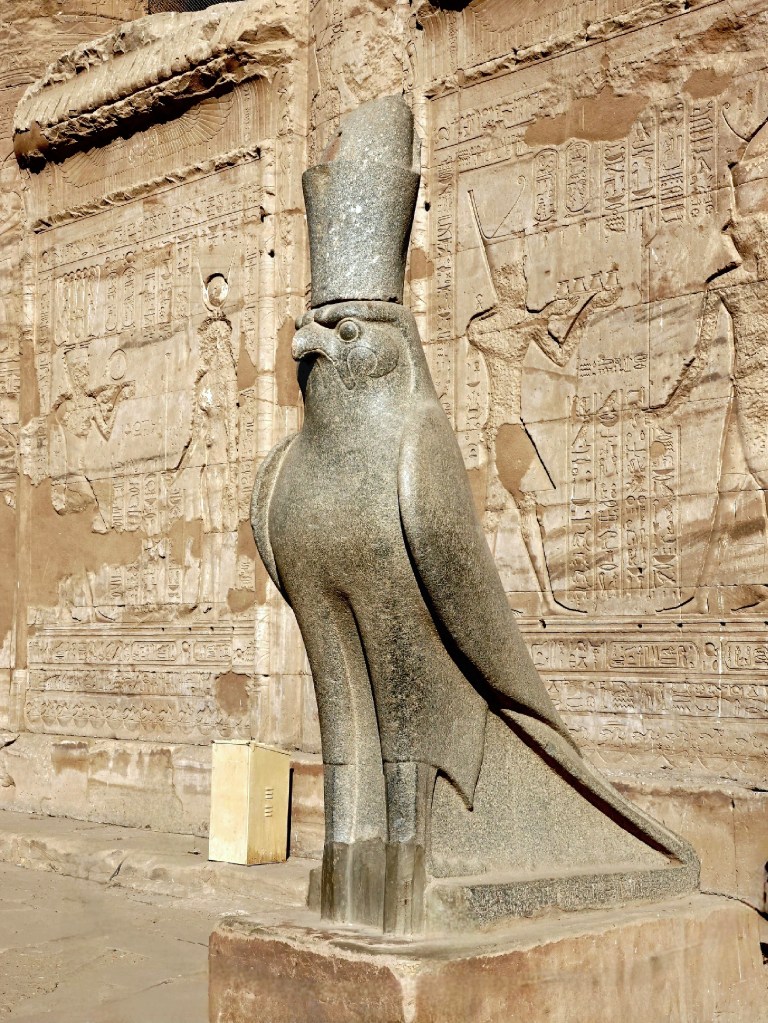
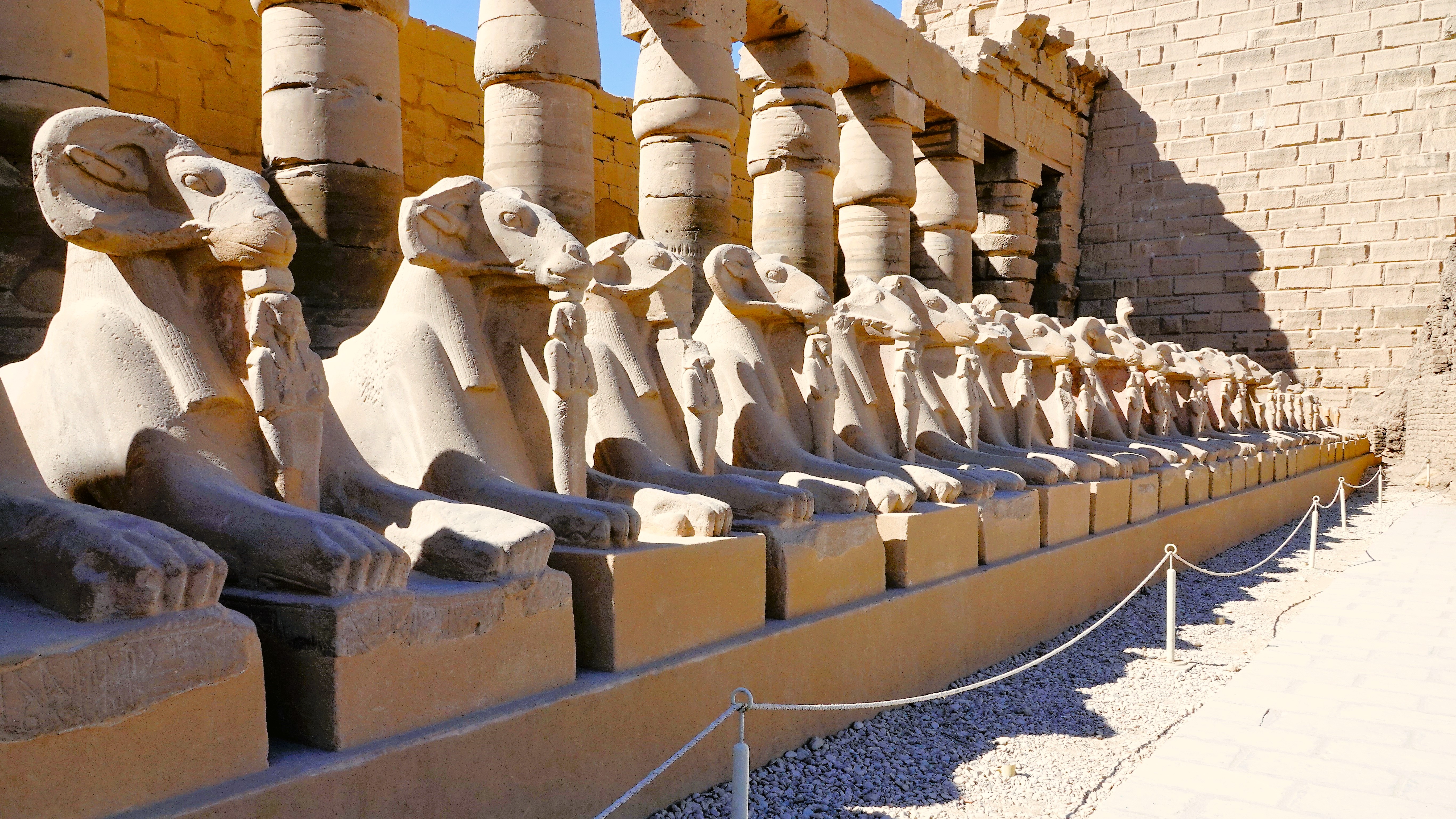
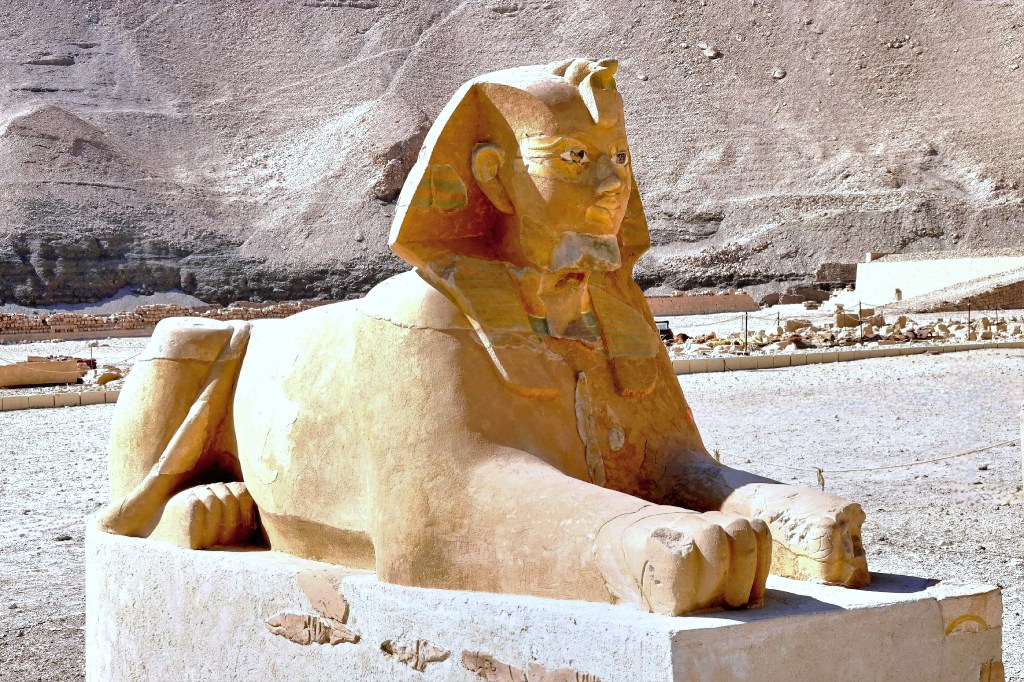
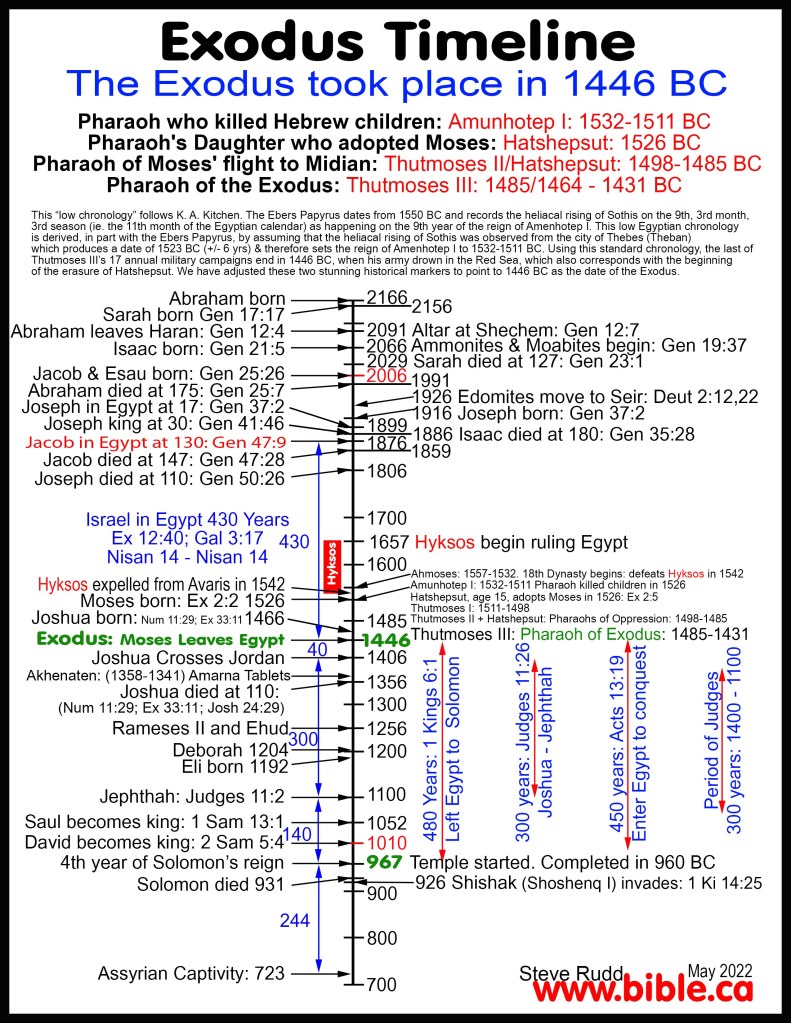

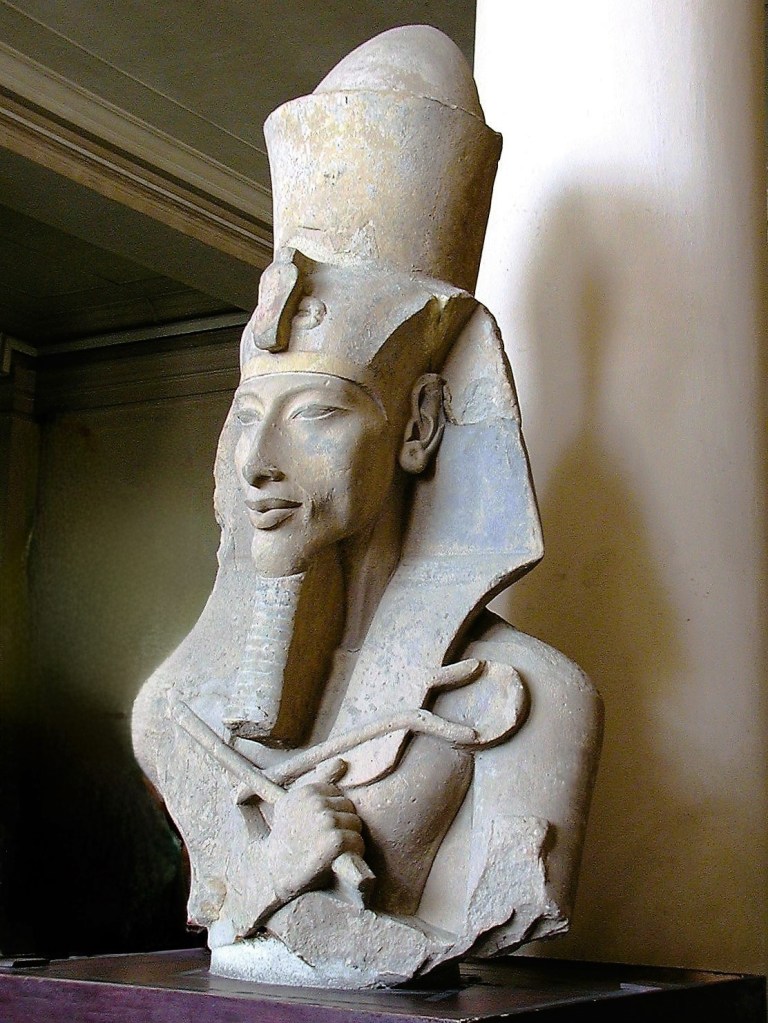

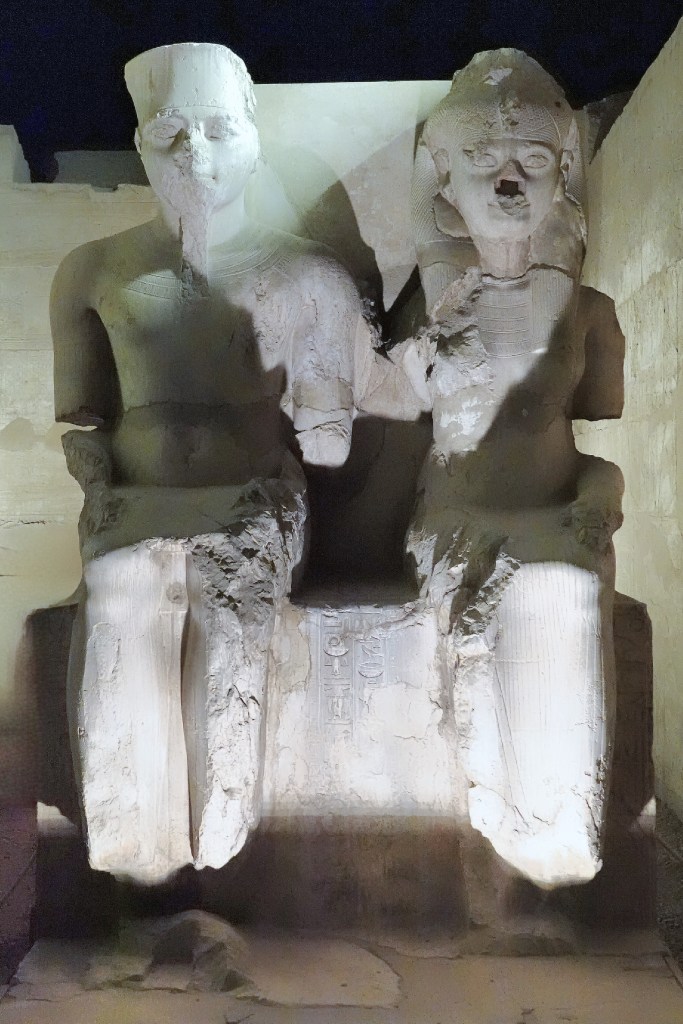
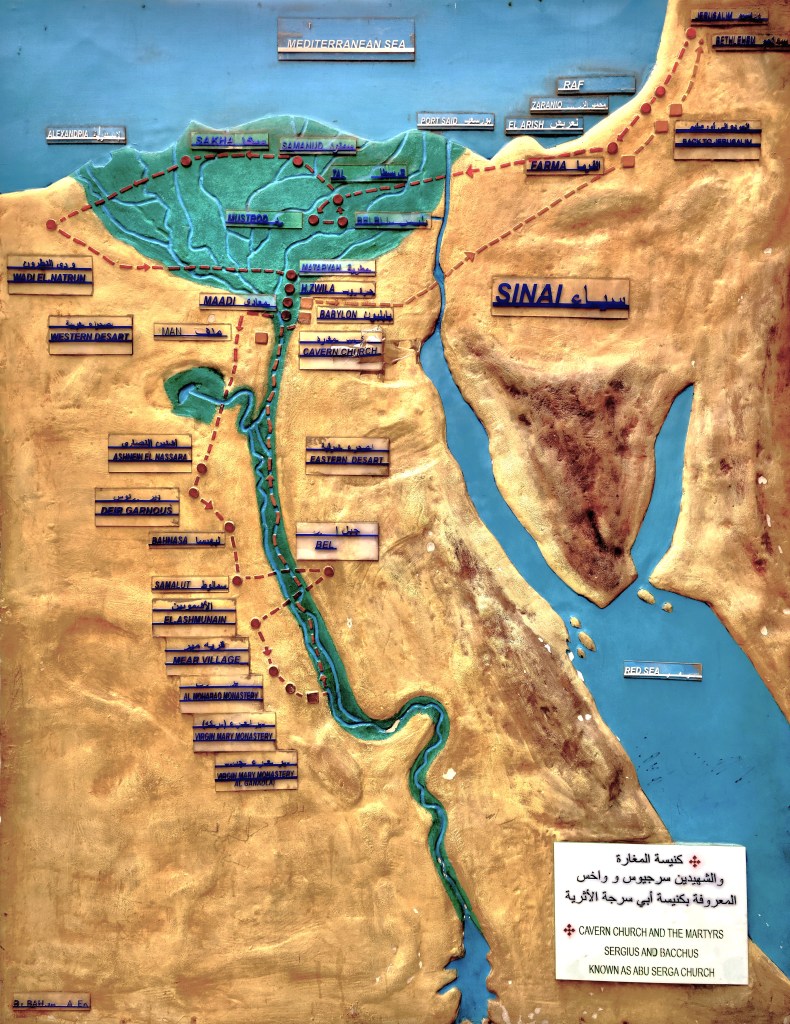

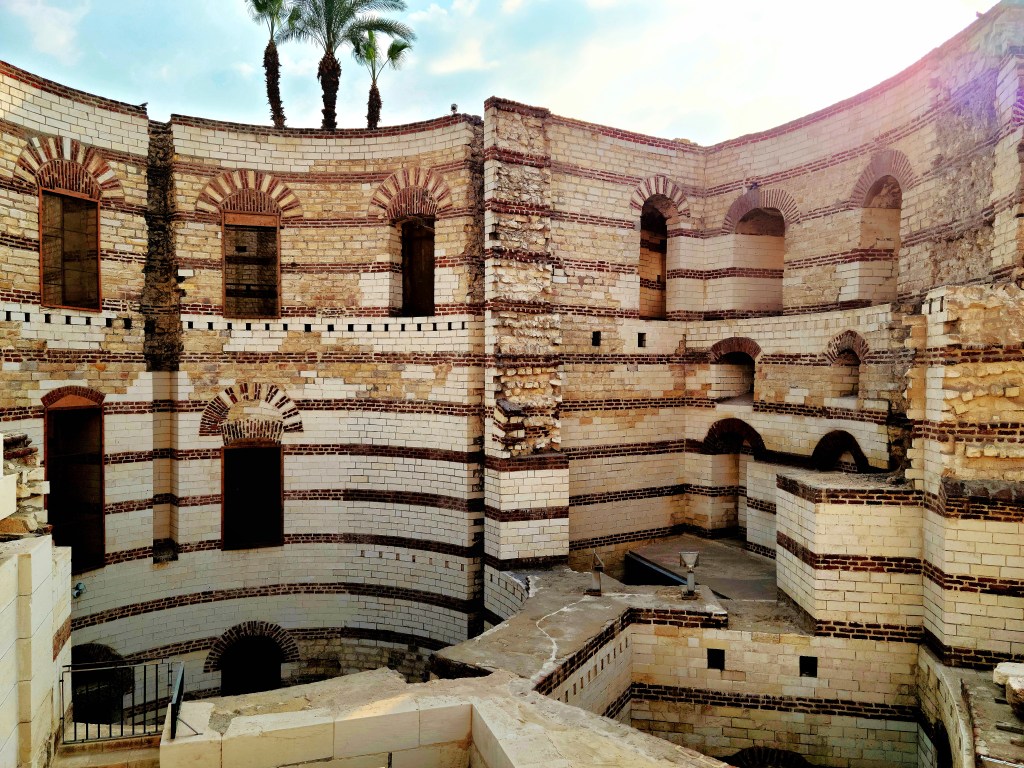
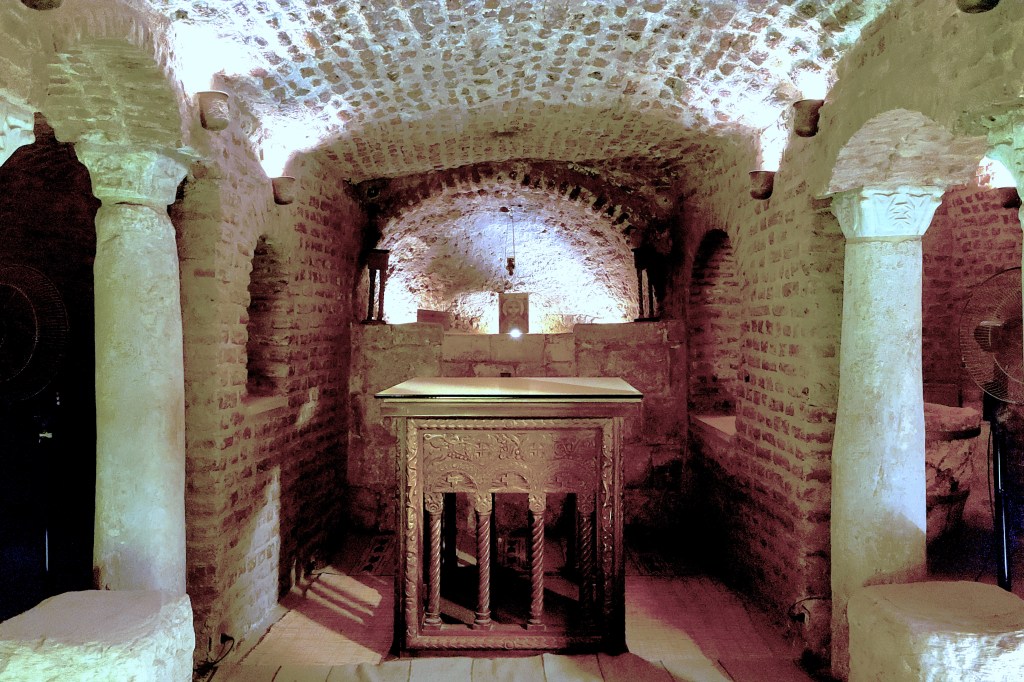
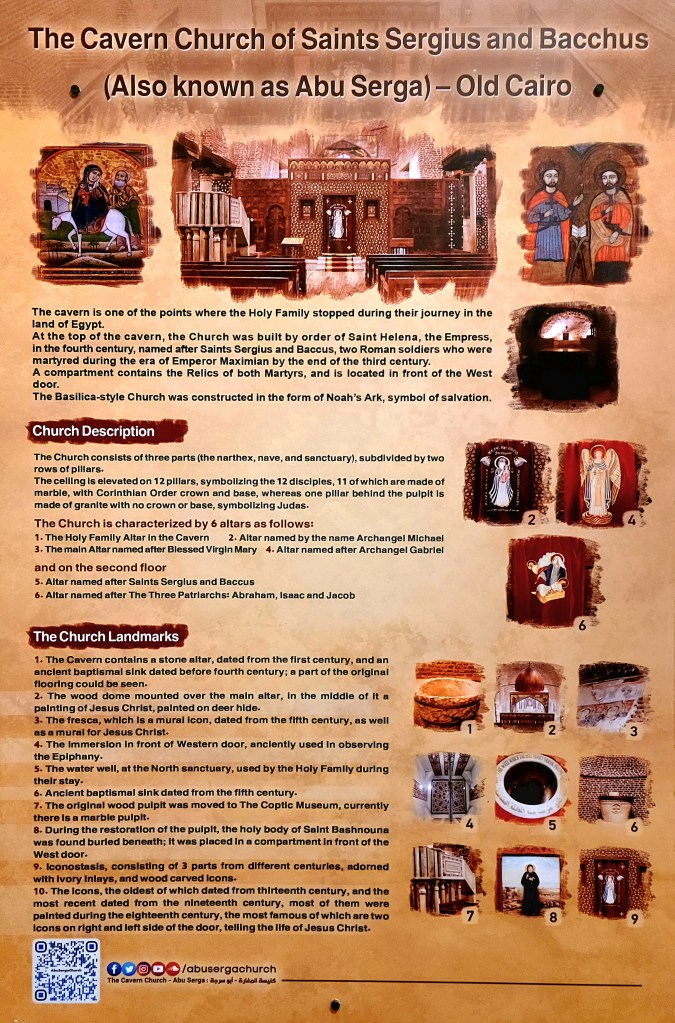
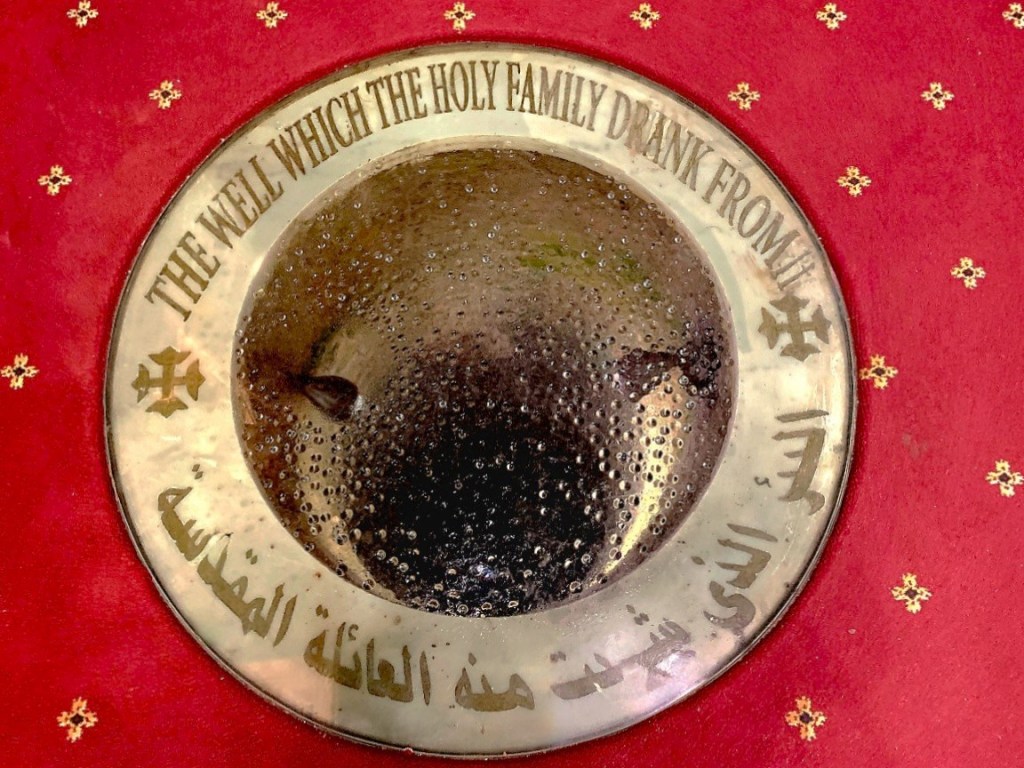


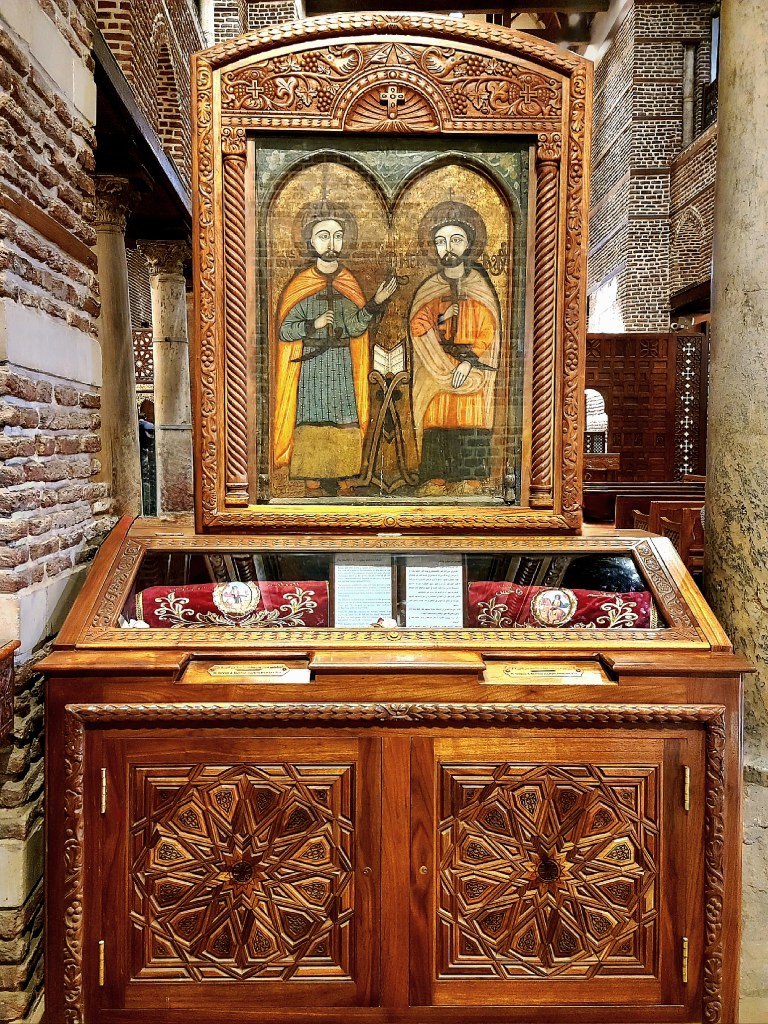


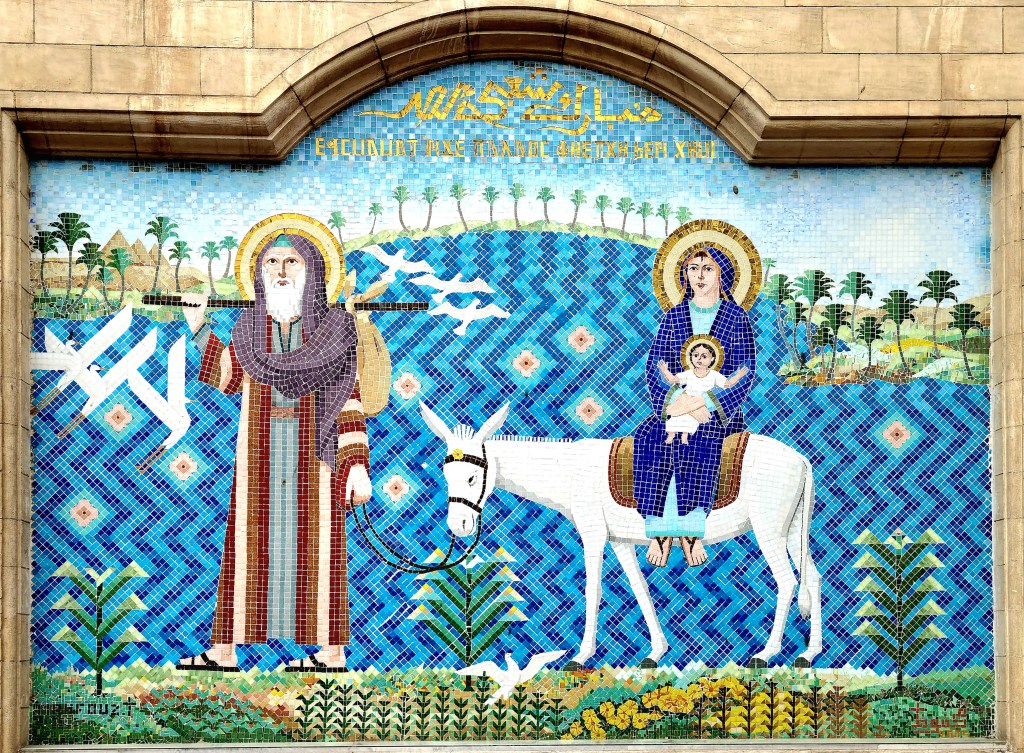


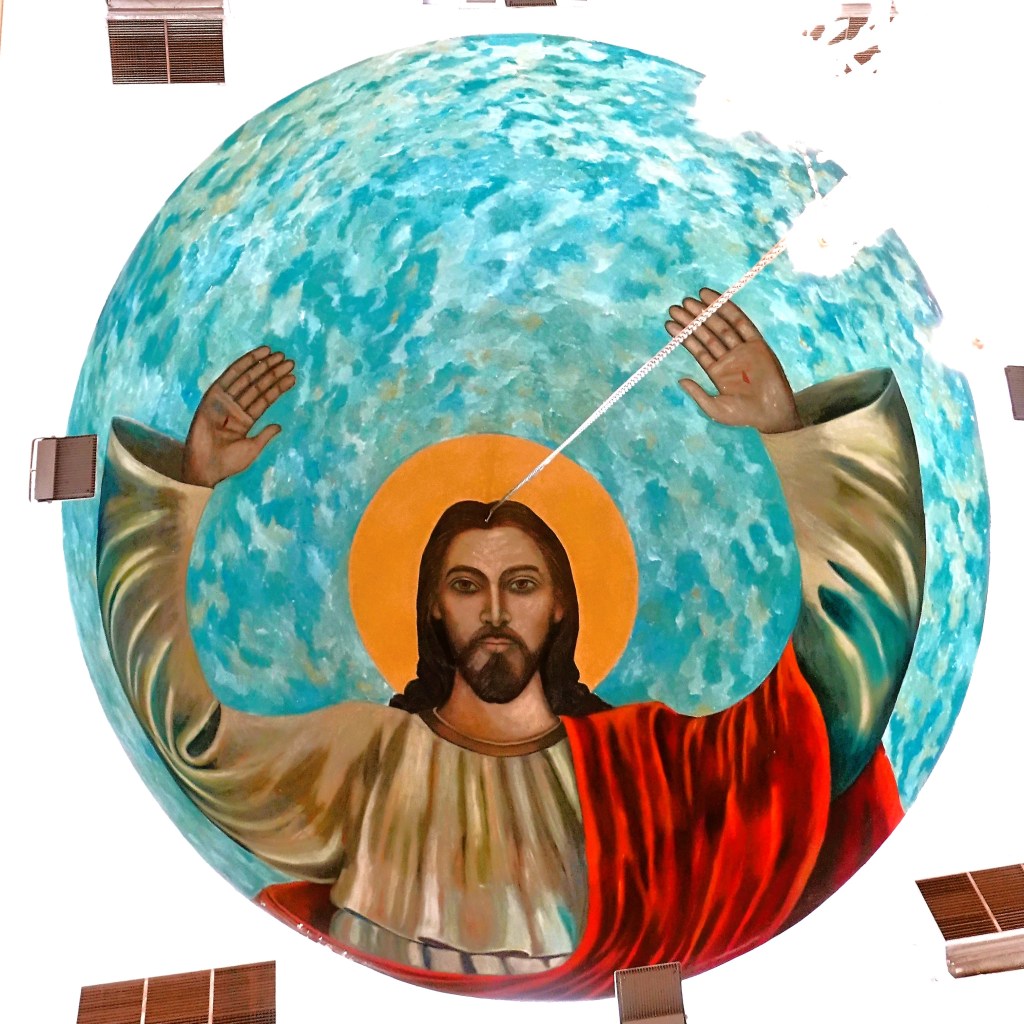


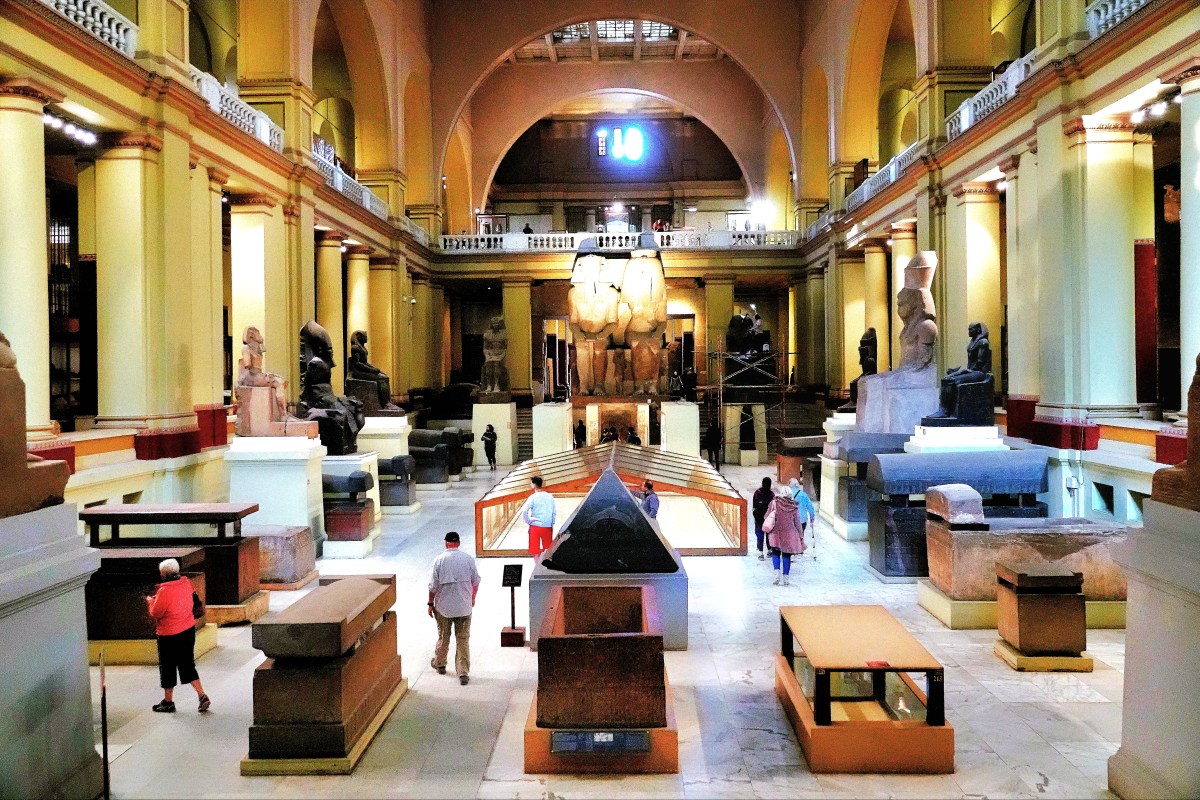


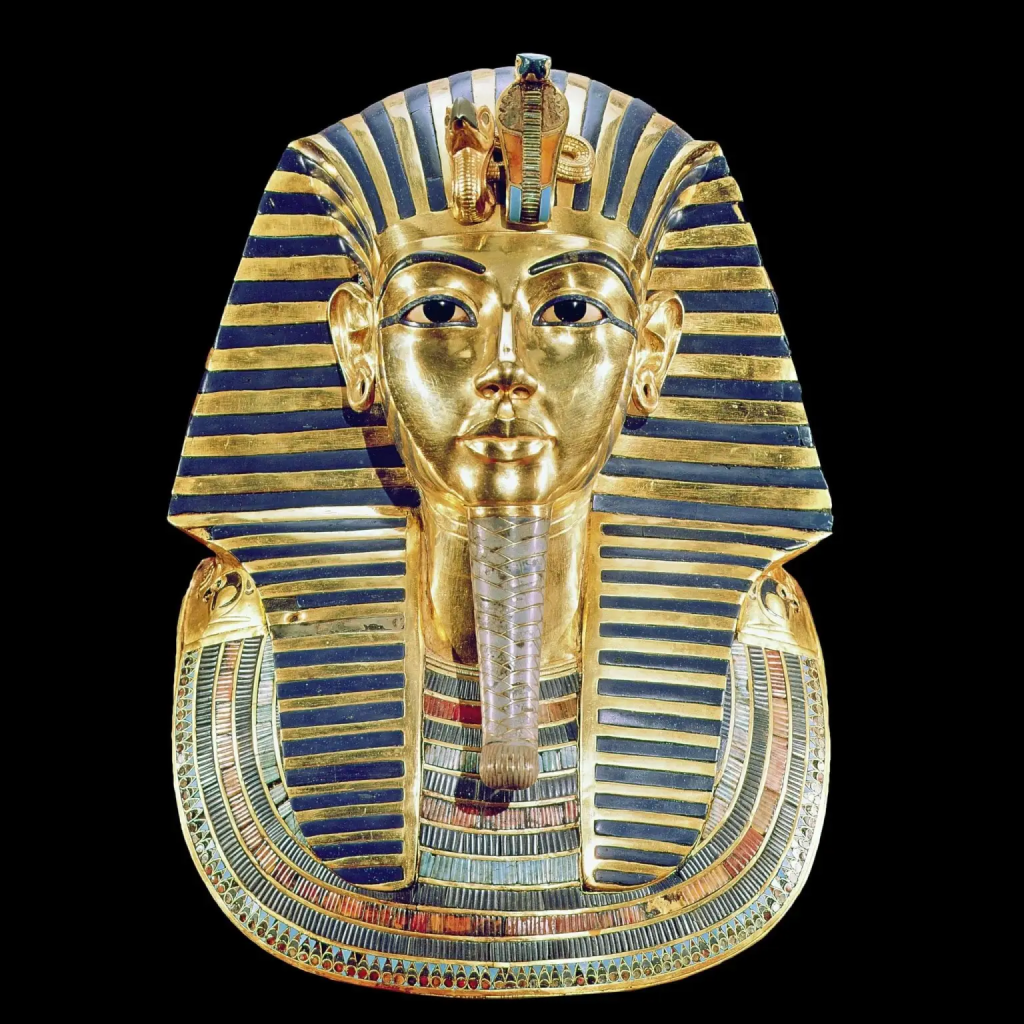
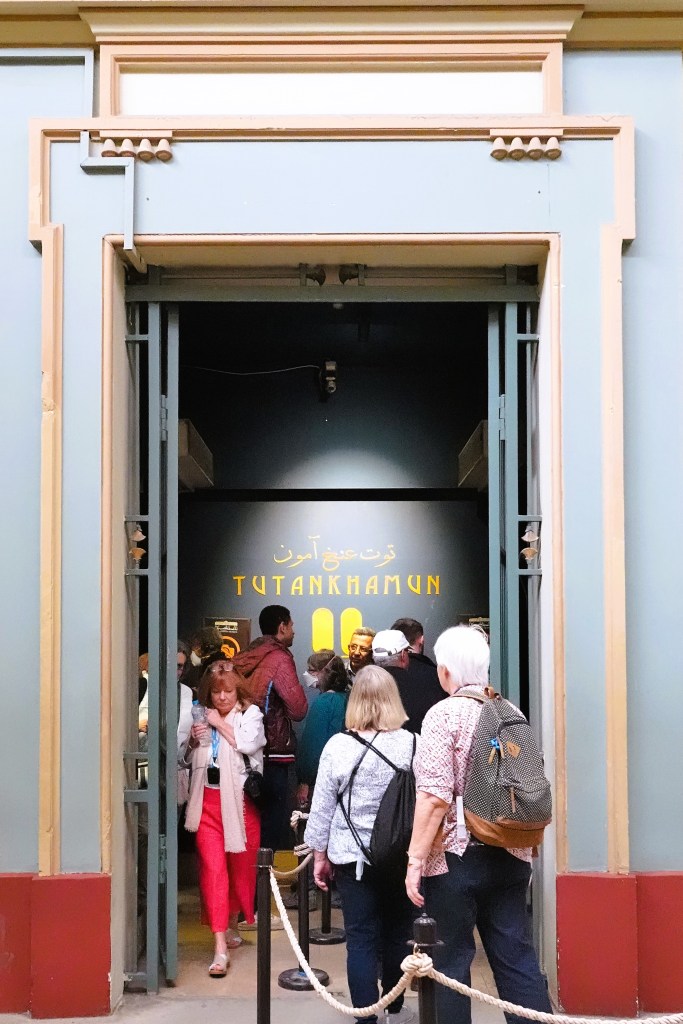
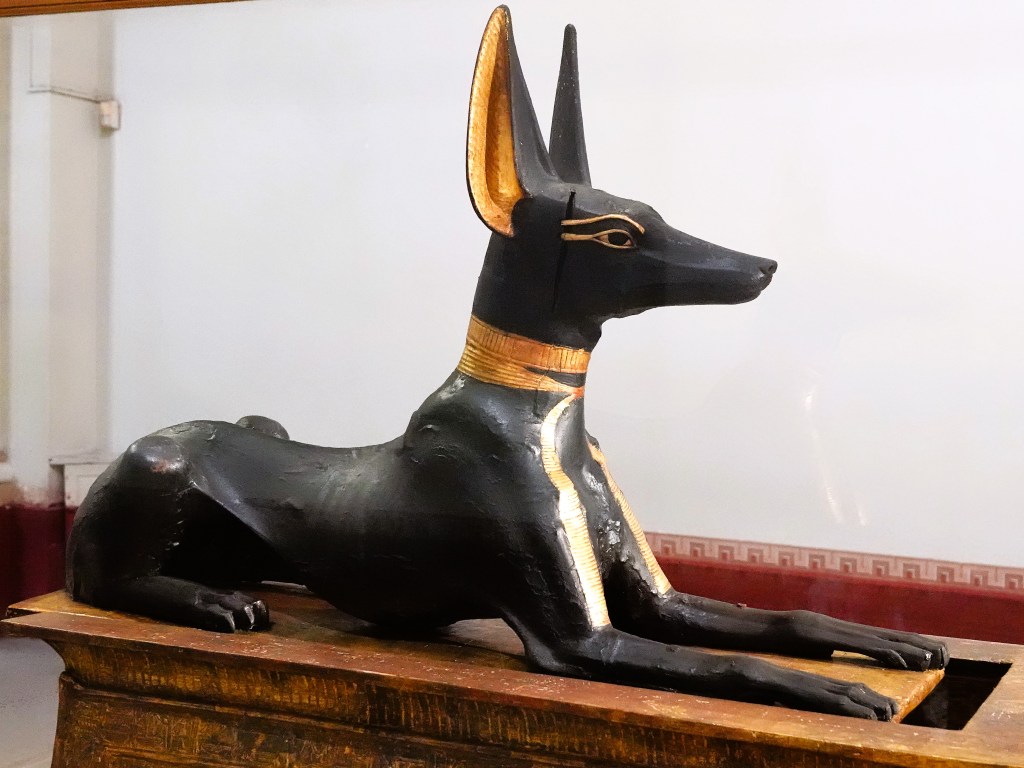
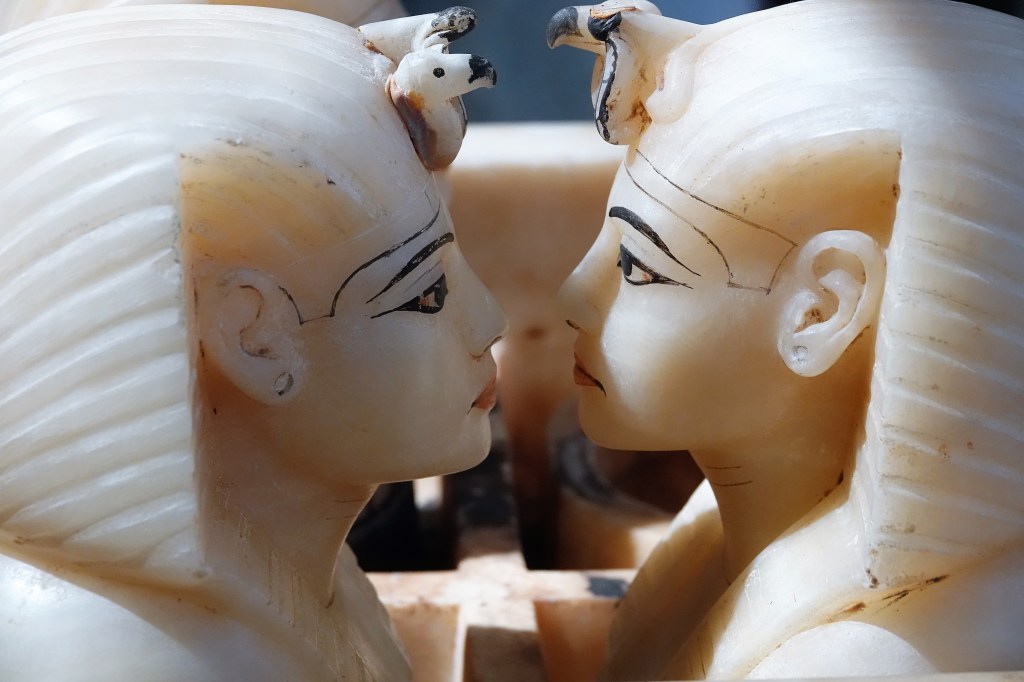
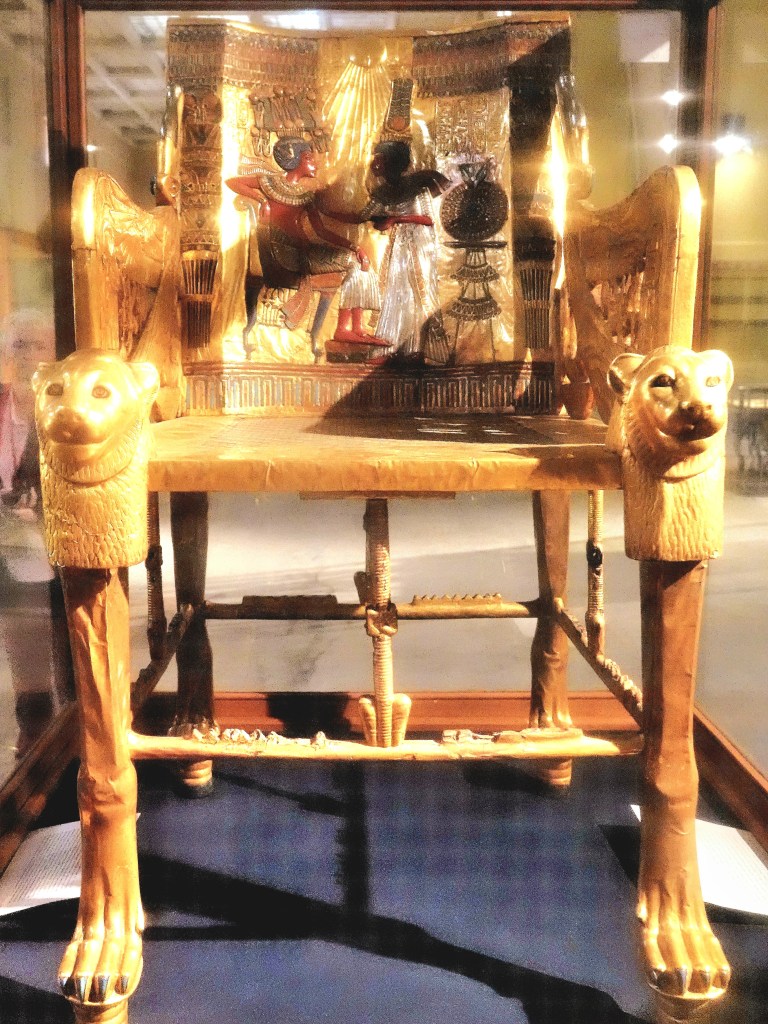


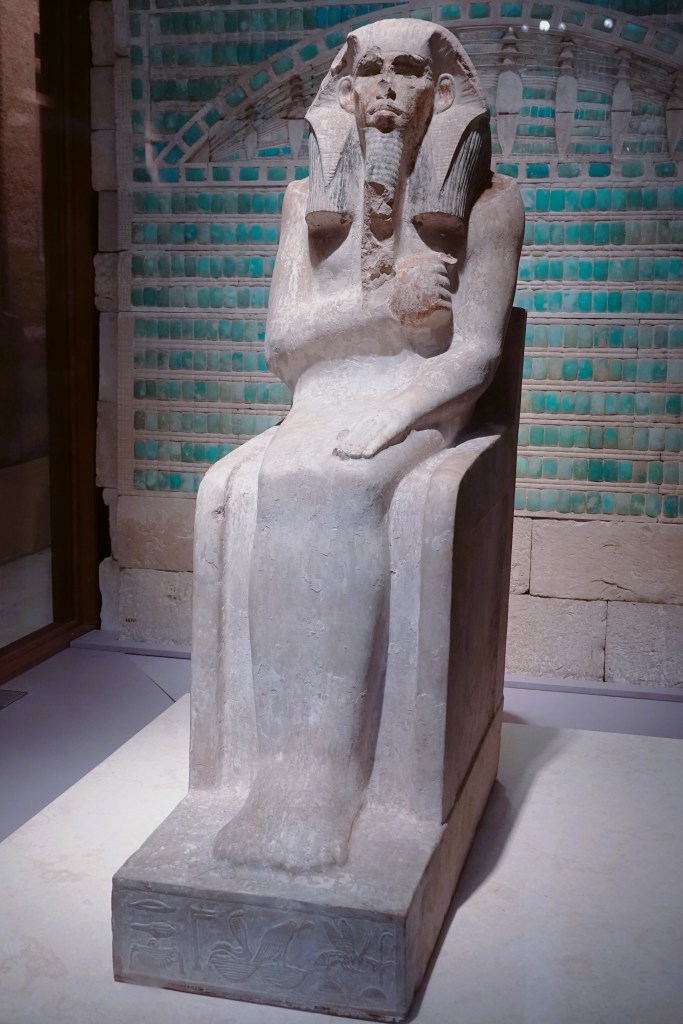

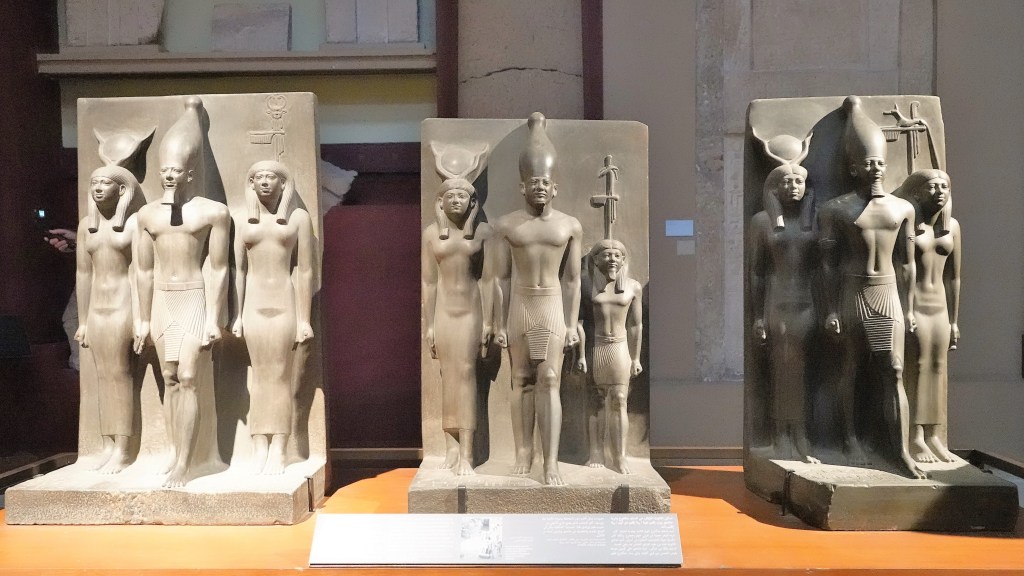


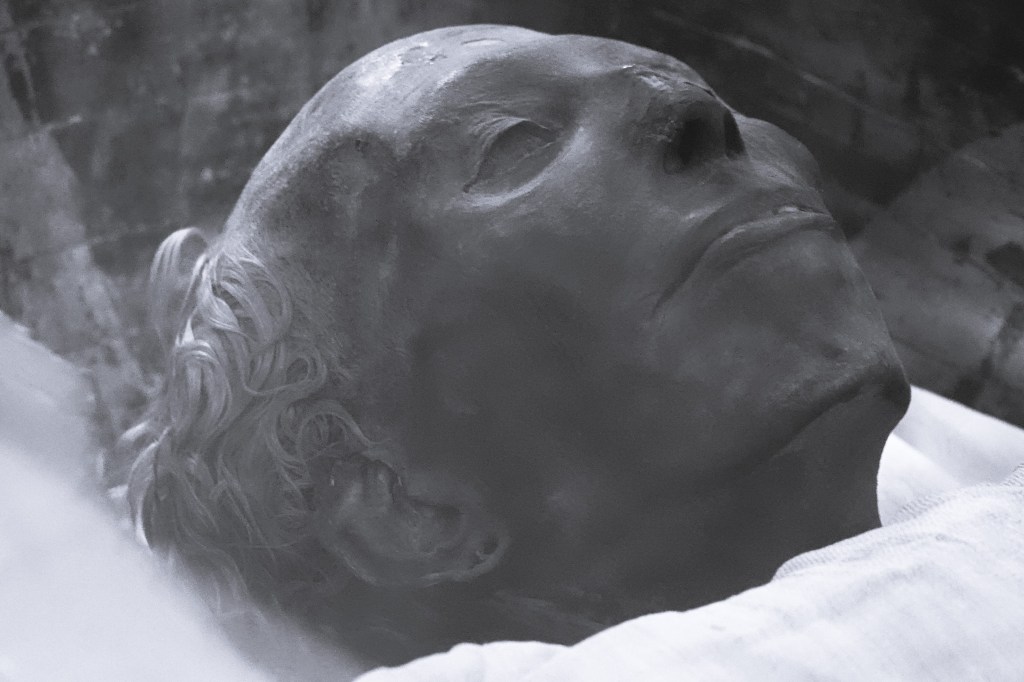


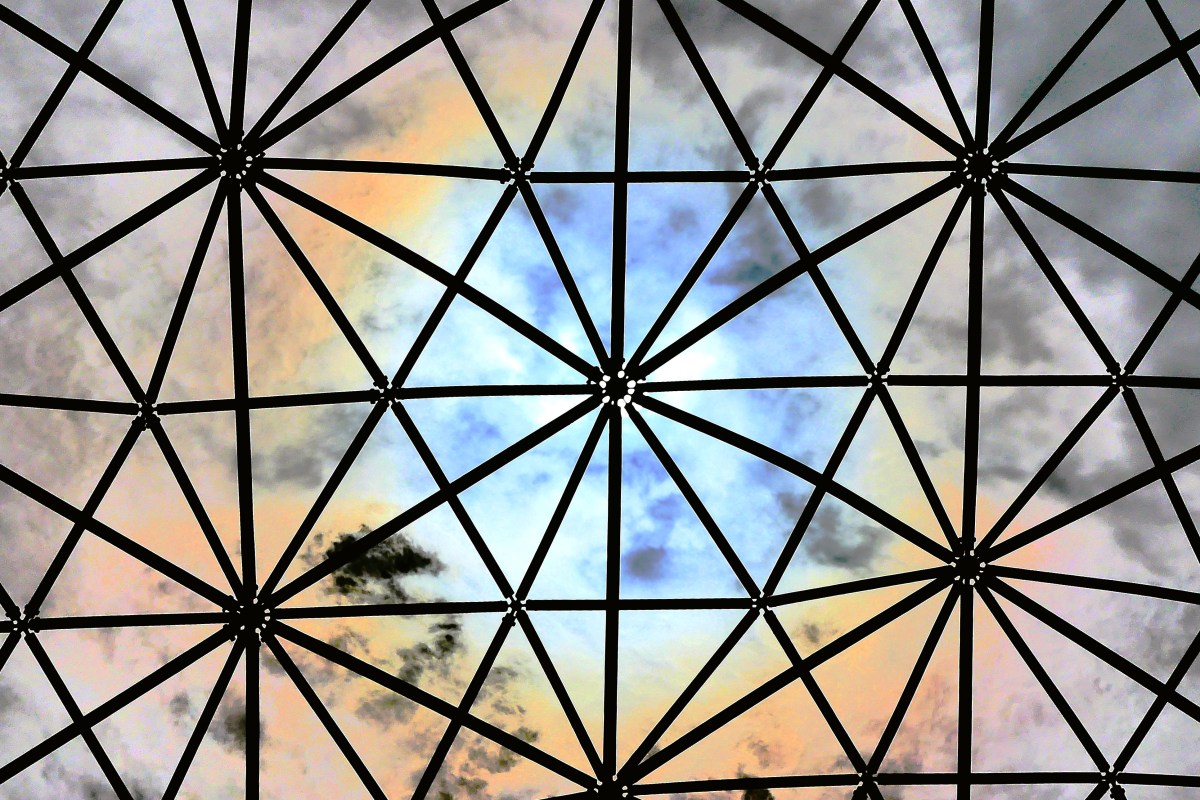


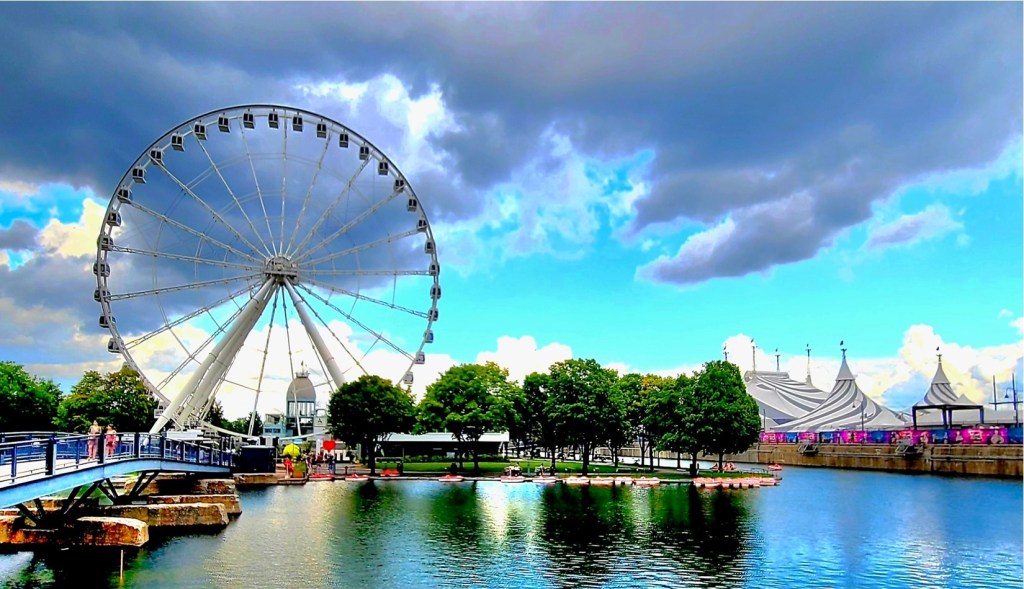


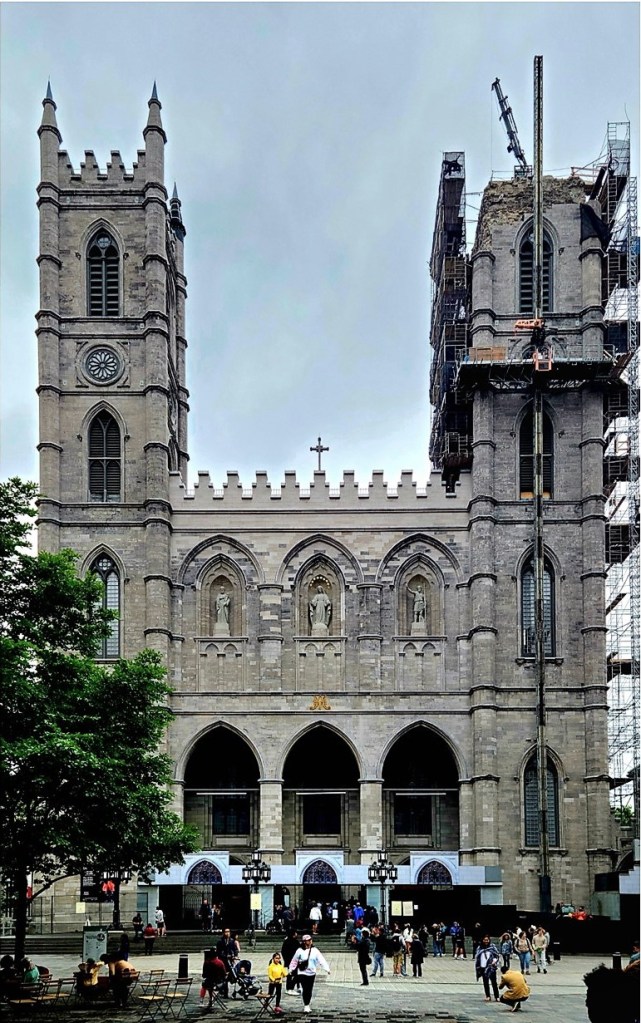

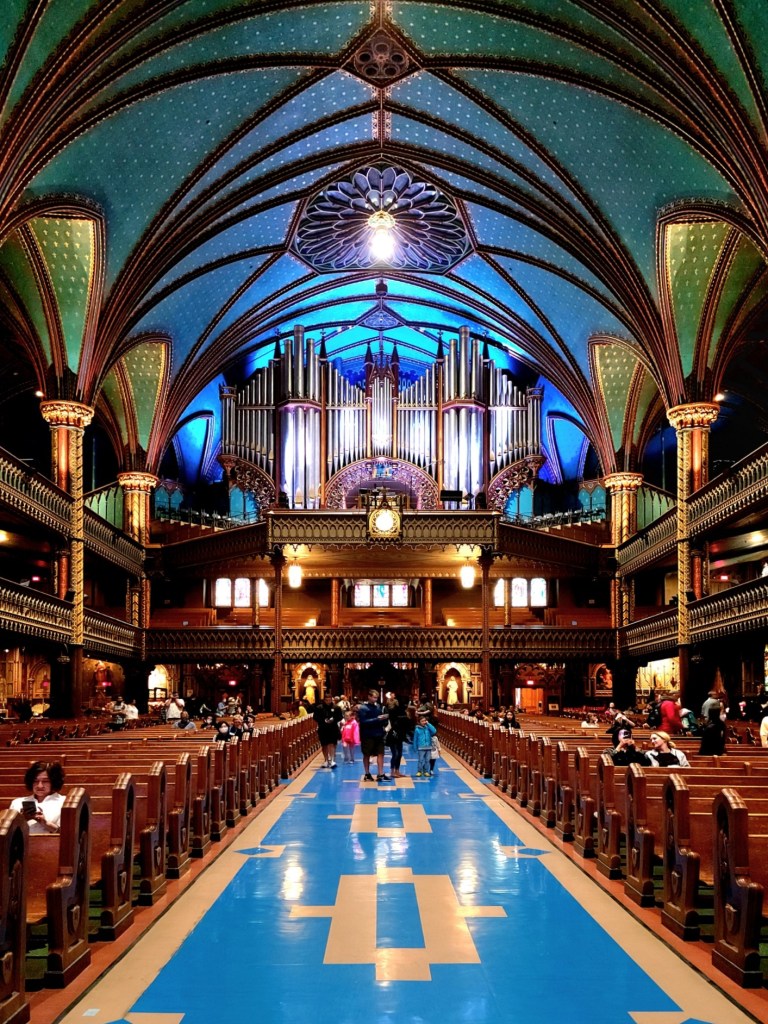


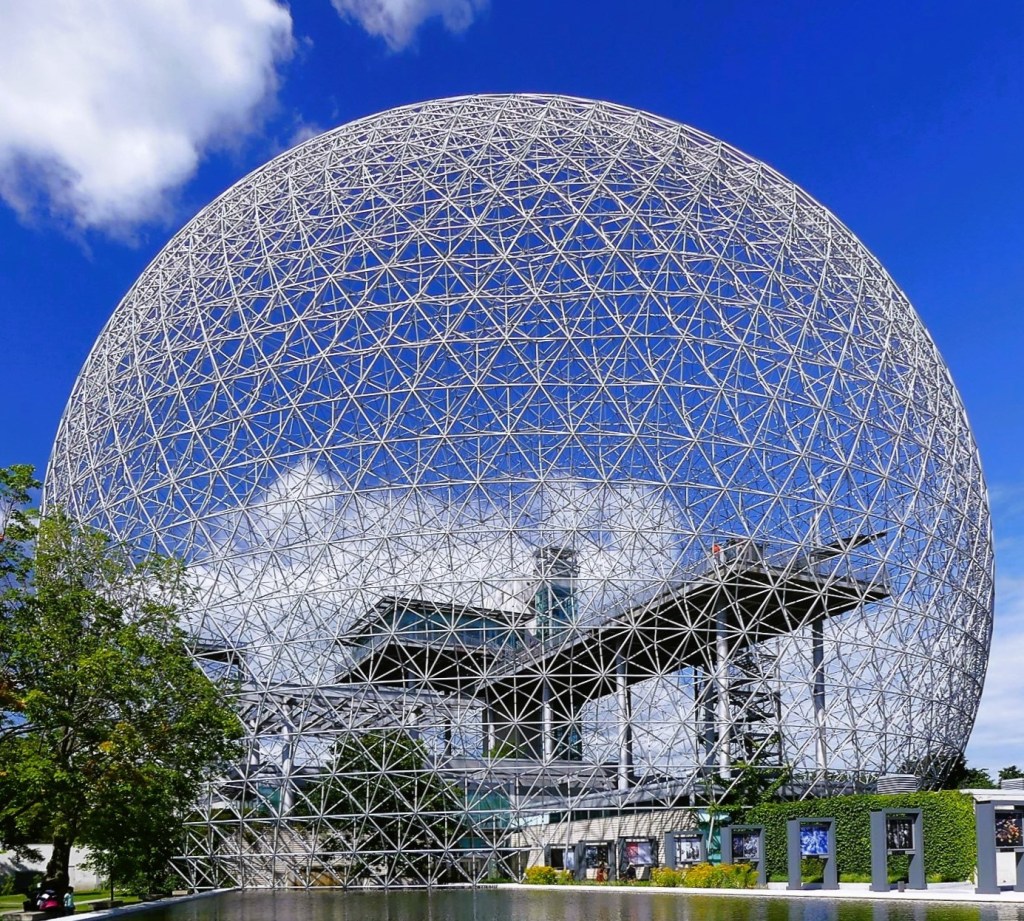


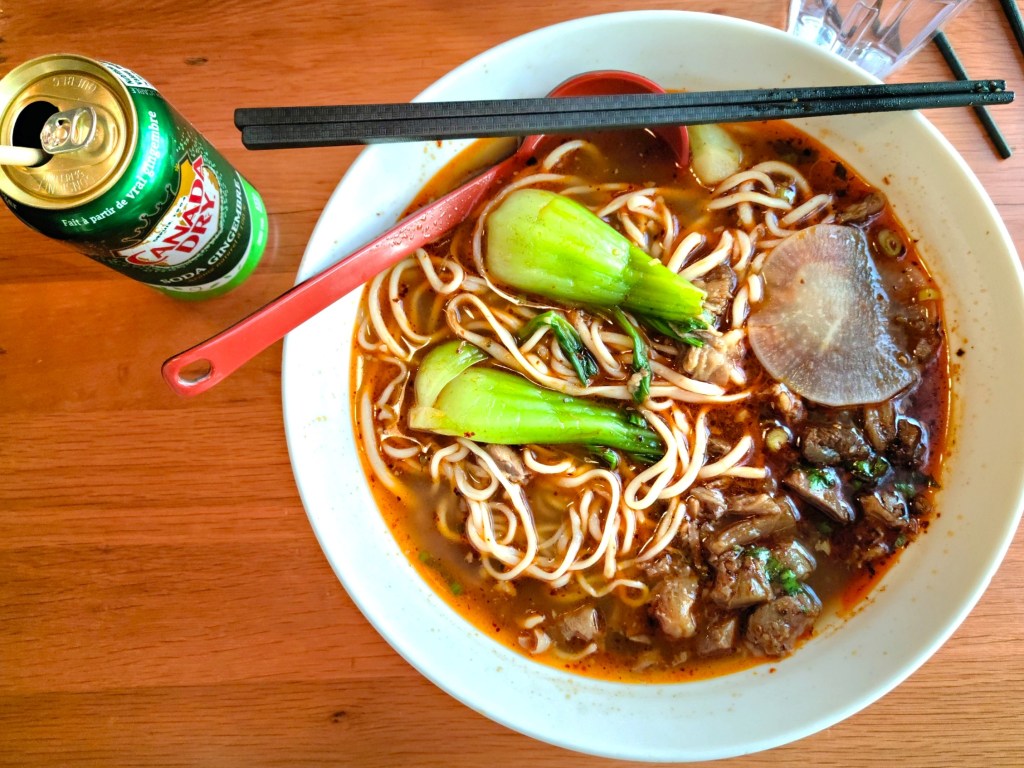

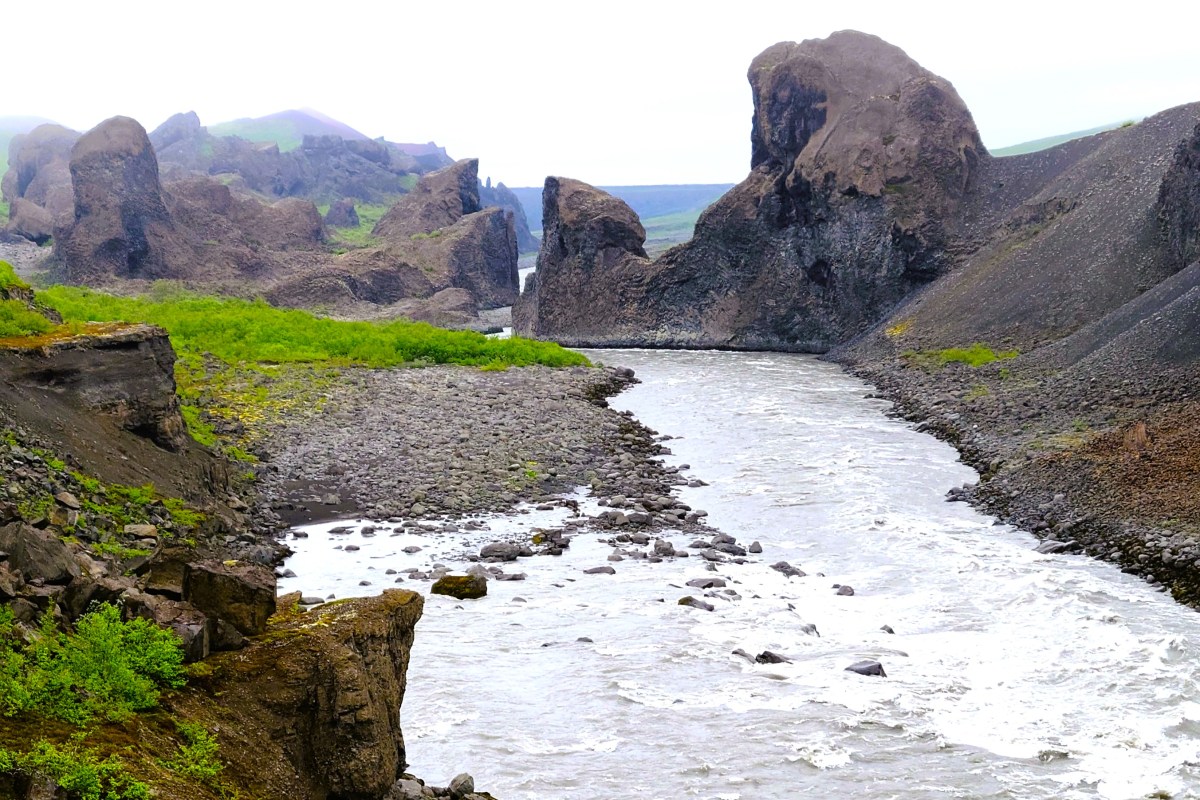


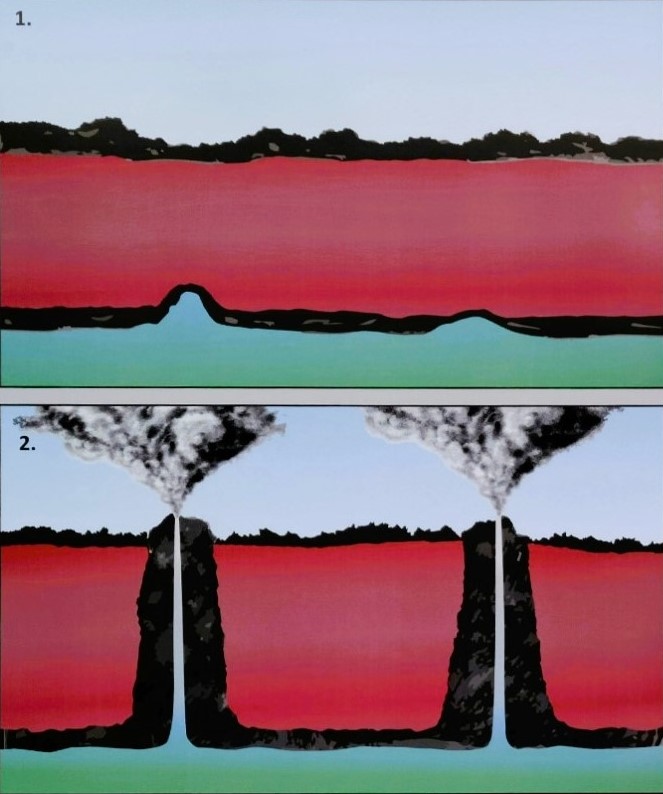

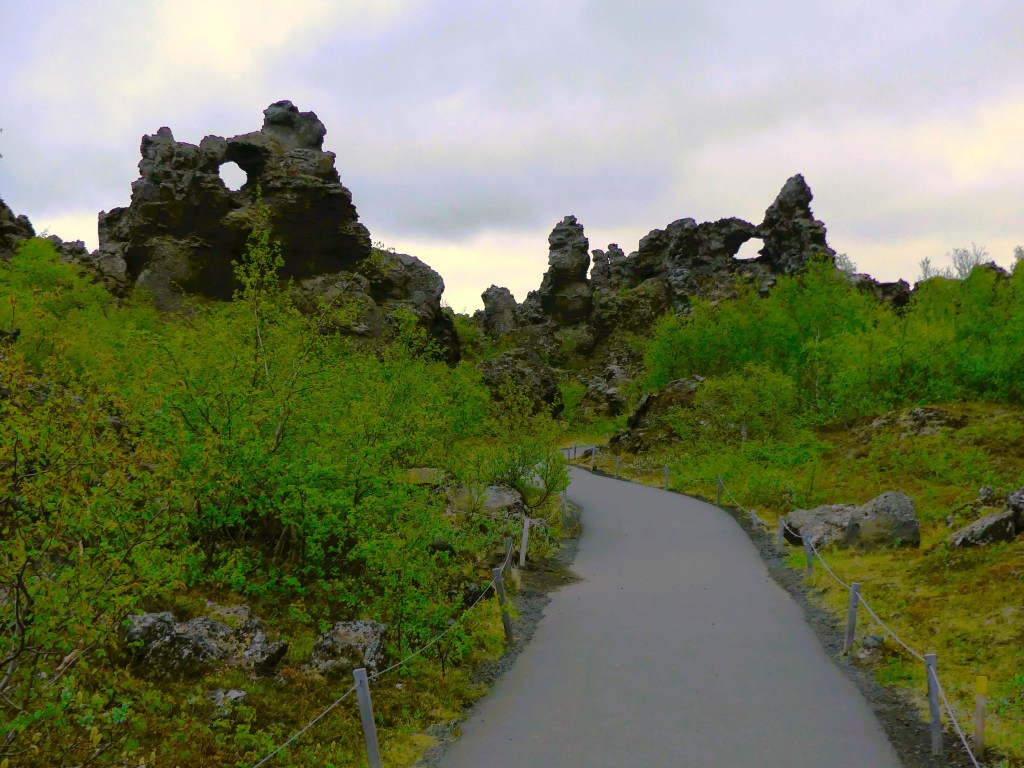
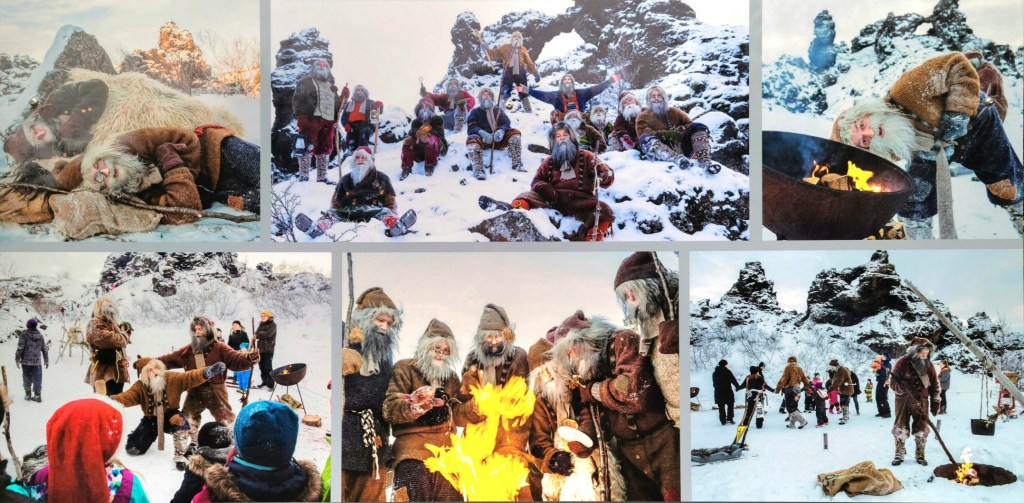


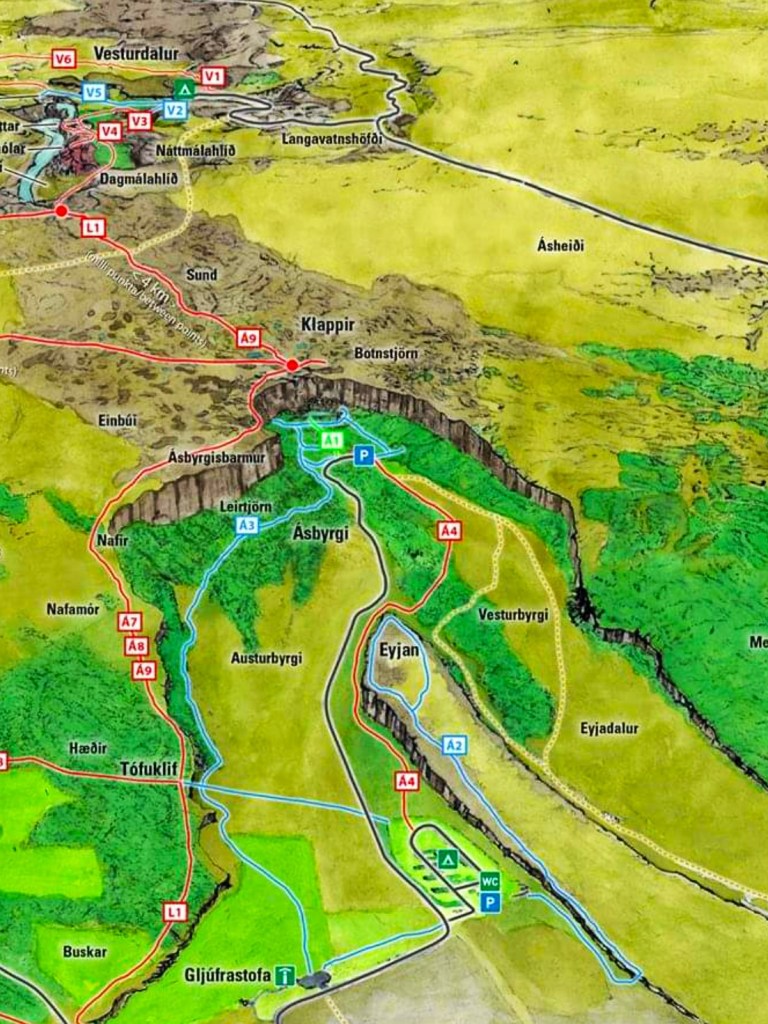


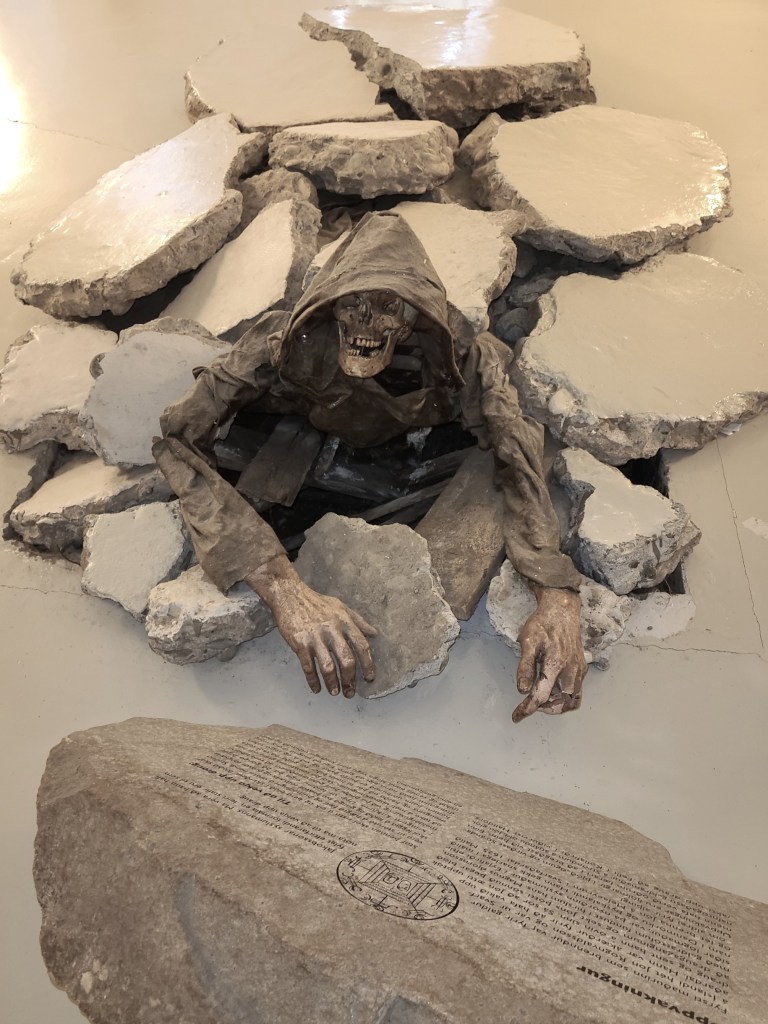


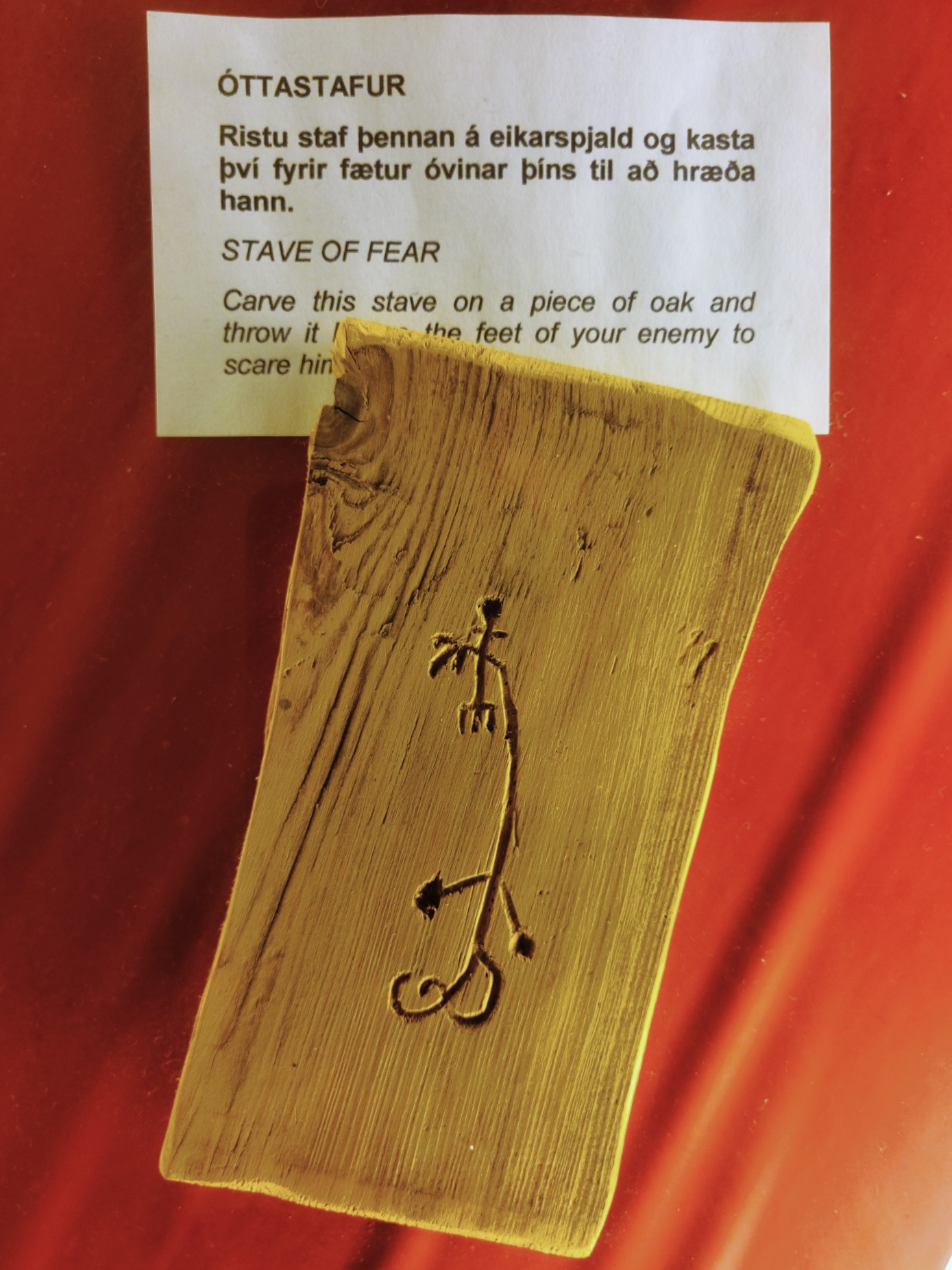
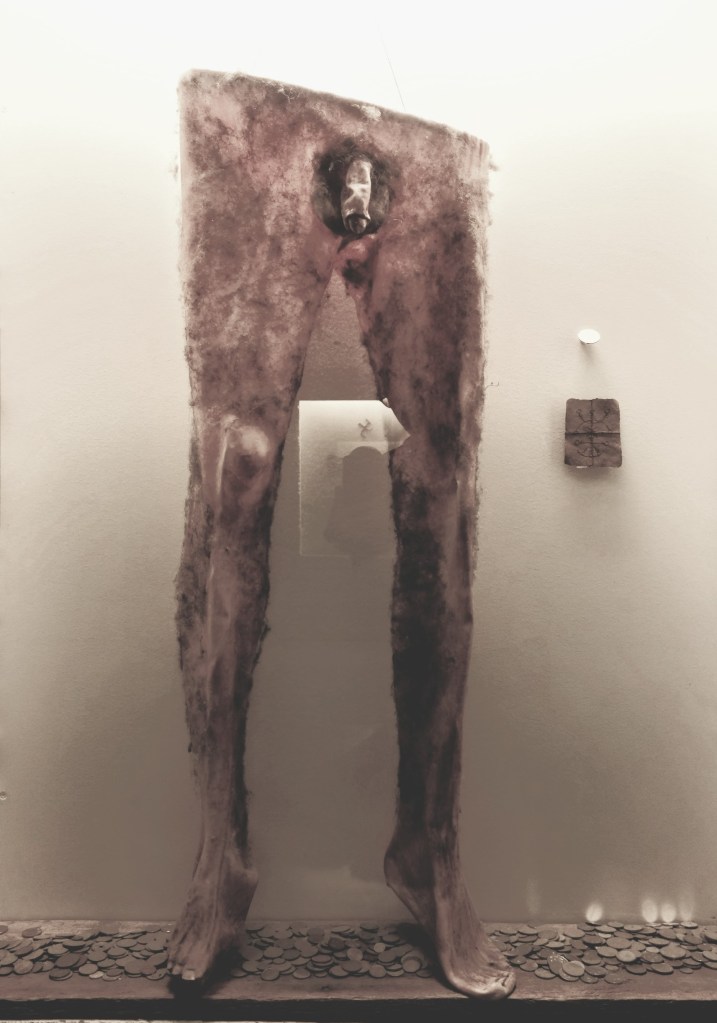
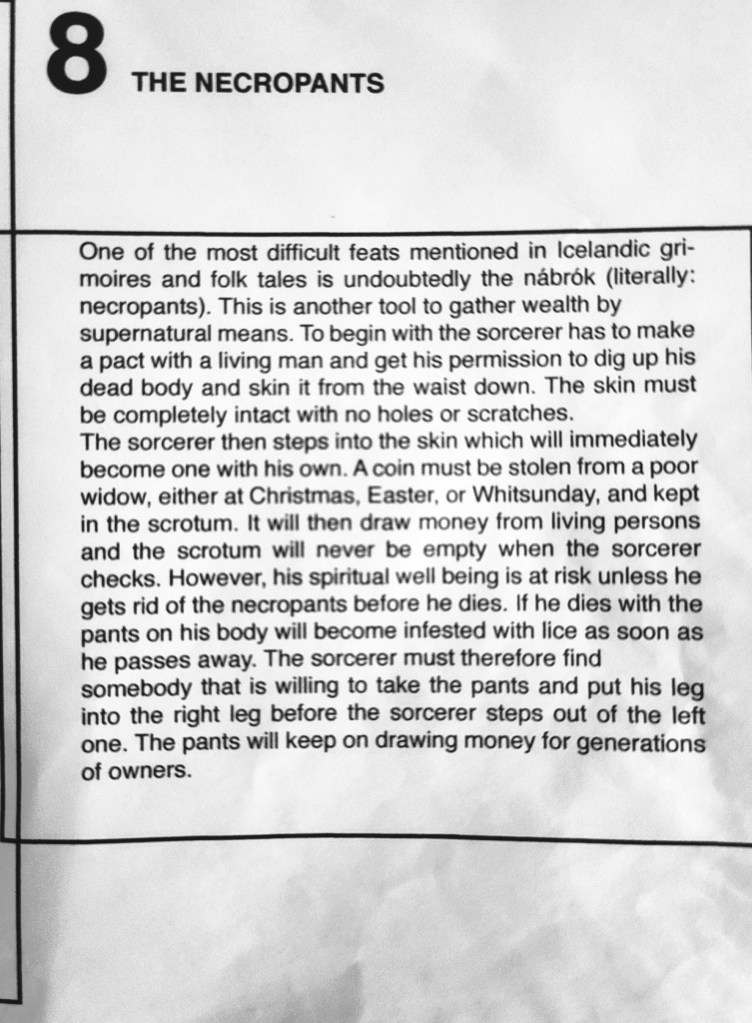

 Streaming thru America