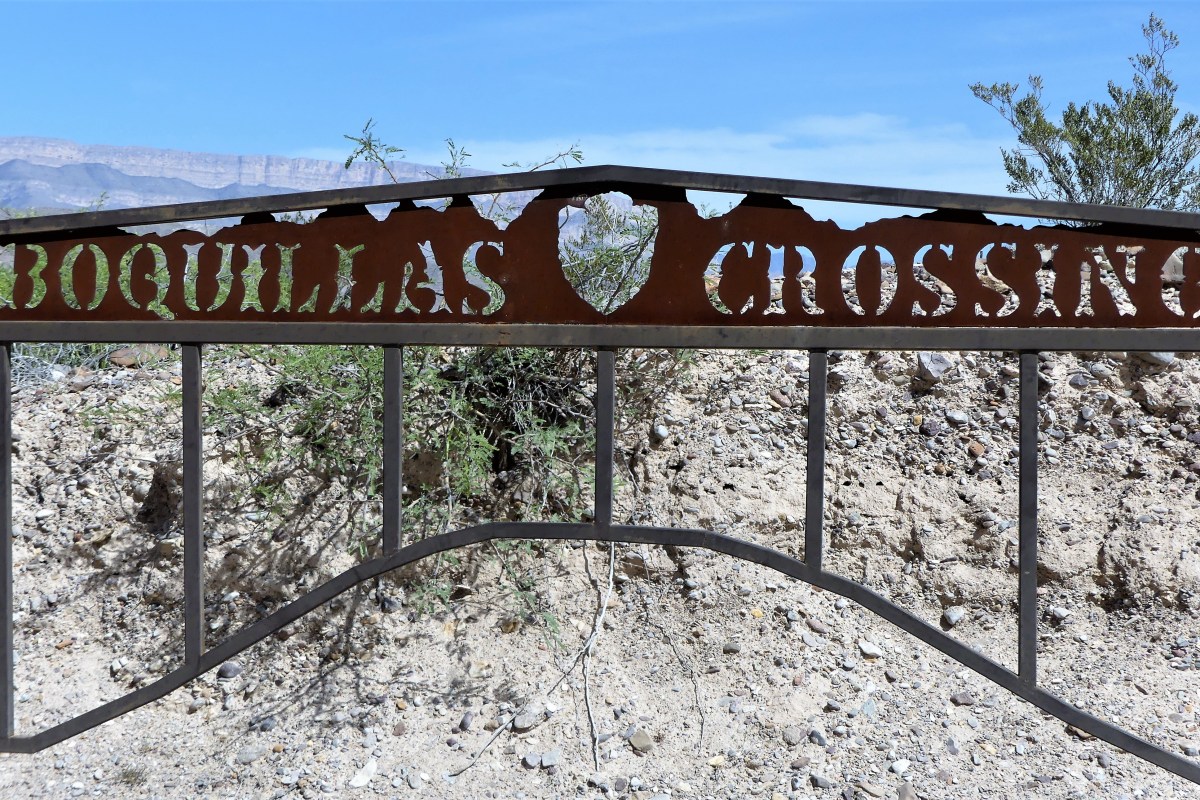
Today I met a national park service ranger by the name of A.L. Weimer who wore a bulletproof vest and carried a police-issue sidearm. While there are daily sightings of mountain lions and black bears throughout Big Bend National Park, I think his handgun has less to do with keeping the animals in line, and is more intended as a show of force in case any renegade Mexicans or Islamic terrorists get any big ideas about invading the U.S. through Mexico.
If so, Ranger Weimer, who manages the Boquillas Crossing, then becomes our first line of defense. Of course, thanks to our 2nd Amendment, I’m certain that many park visitors would rally in defense of our great nation, and arm themselves with the requisite arsenal of spatulas and Swiss army knives, or whatever else they could muster from their tents and RVs to hold off a foreign attack on American soil.

Leah and I decided that a reconnaissance mission was in order. To get to the other side, documents are first presented to Ranger Weimer, a dour-faced, no-nonsense bulldog, who makes sure there is no misunderstanding about the prohibition of alcohol or tobacco from abroad.
Walking through the customs house gate to the waterfront along a garden trail takes only five minutes.
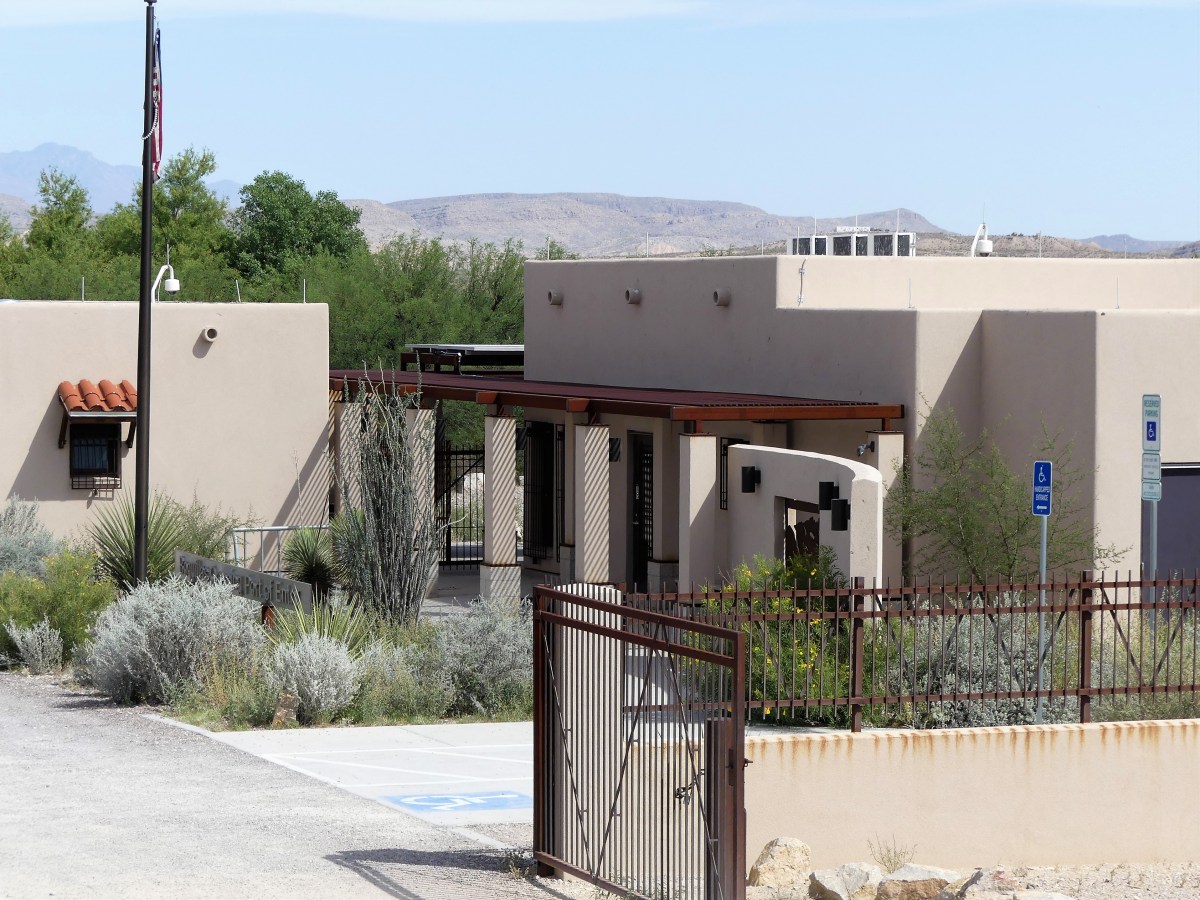 The trail ends at a sandbar where eager Mexicans negotiate with Gringos to ferry them across the river by rowboat. Five dollars is generally the agreed upon price.
 However, with the Rio Grande water levels so low, Leah and I found it cheaper to wade across fifty feet of knee-deep water to the other side.
 Land transportation comes from Uber burros, charging five dollar fares to cover the dusty and shit-laden ¾-mile trip…
 …to a white trailer check-point surrounded by cyclone fencing on the edge of the village. It was a treat to sit in Boquillas’s only air conditioning for a few minutes to escape the 100◦ heat, while our identities were checked against a drug cartel database.
Once Leah and I were cleared as respectable American citizens, we opted to lunch at the Original José Falcone’s Restaurant and Bar, the largest of two eateries in town…
 …with an overlook of the Boquillas Canyon.
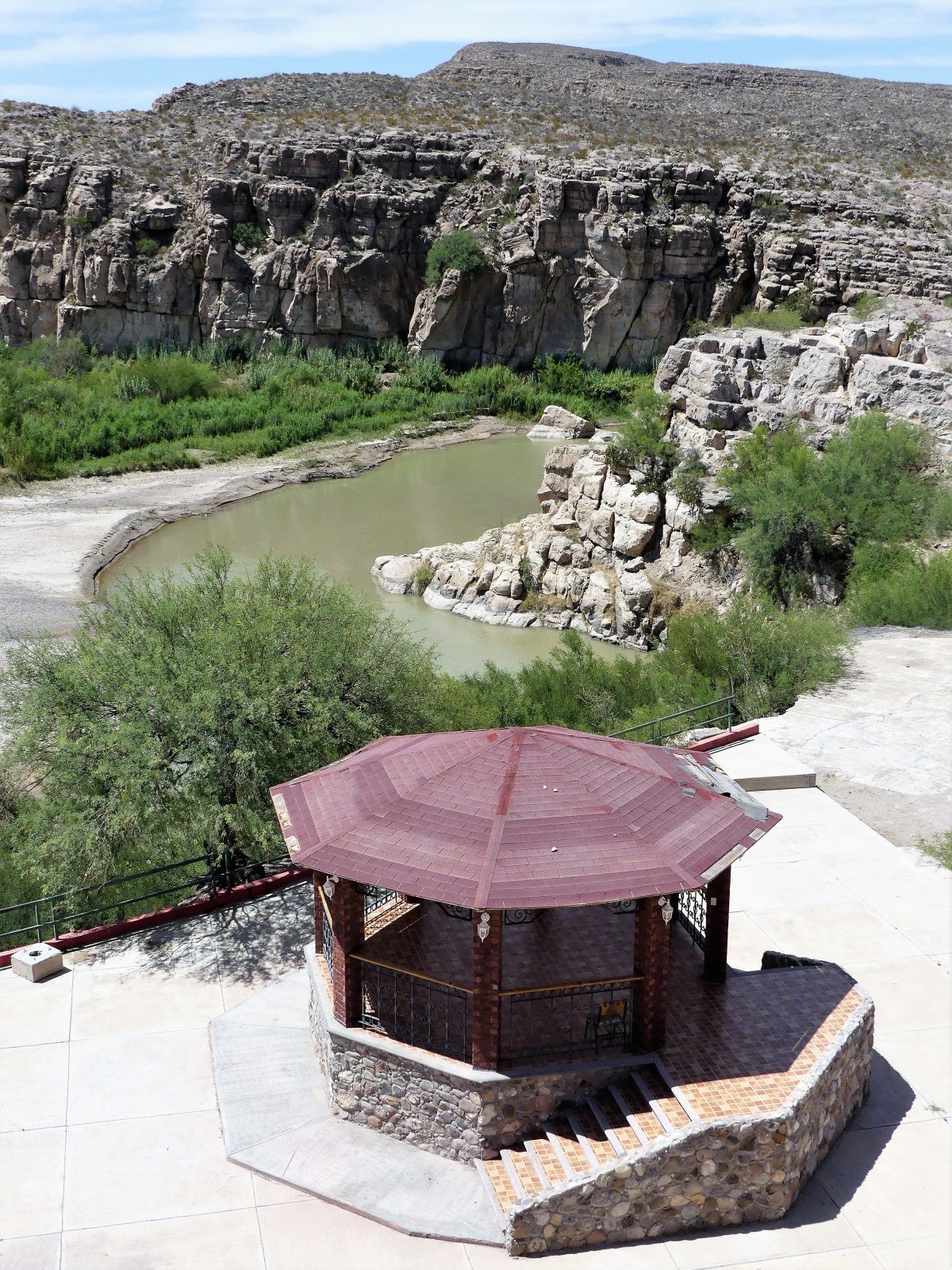 Mama Falcone was sitting on the patio in her kitchen apron working on a future needlepoint tapestry that would soon display in the family curio shop next door, while her nephew Renaldo brought us menus and took our order—chicken quesadilla for Leah, and beef burrito for me. Meanwhile, a family of three from South Carolina sat at a nearby table chatting it up with Mama’s daughter, Lillia.
Lillia was explaining that her father opened the restaurant in 1973 after a pickup truck accident put him in a wheelchair for the rest of his life. The restaurant was a big hit among locals and tourists, with Mama serving bean tacos and burritos, and Papa schmoozing the guests. Thanks to the unofficial crossing, villagers were accustomed to serving up to 200 Big Bend visitors a day—mostly tourists looking to enhance their park experience by buying food and souvenirs.
After Papa died in 2000, Mama and Lillia continued the business until the U.S. closed the border in May, 2002 in response to 9-11. Consequently, the town’s tourist trade dried up, and businesses failed without customers.
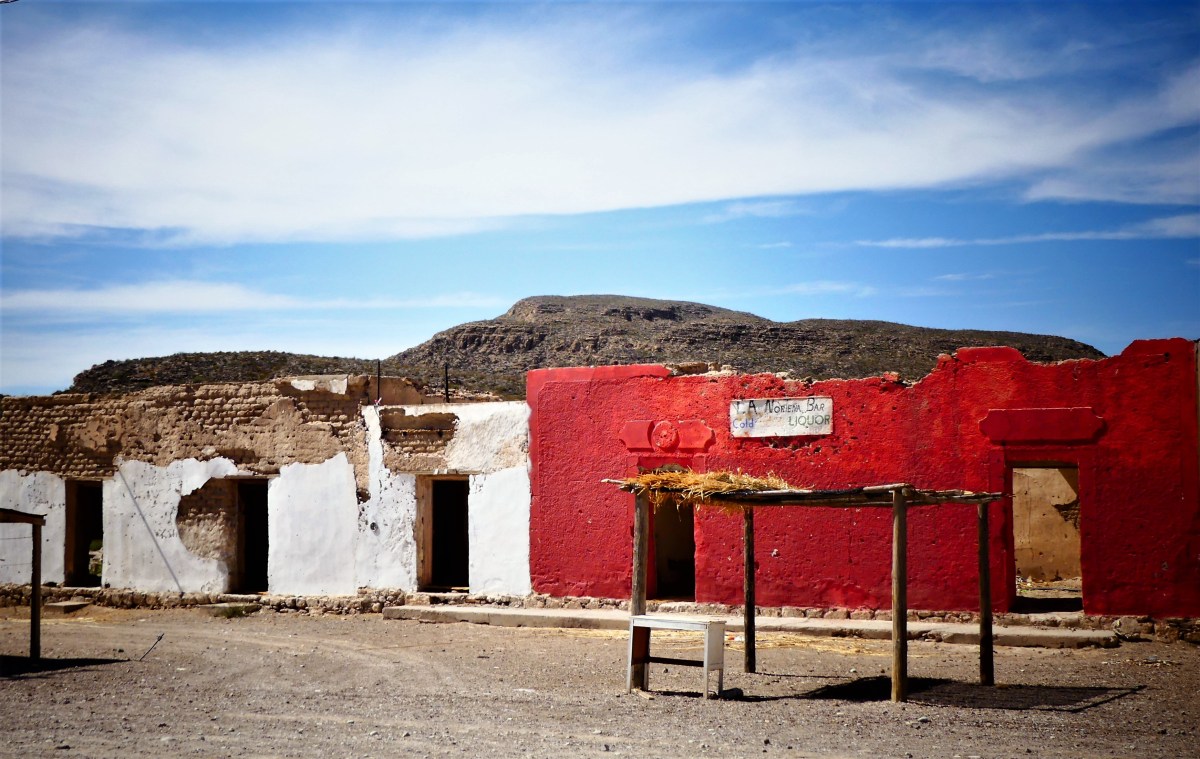 The town population shrank from three hundred to one hundred adults and children, with many leaving for Muzquiz—the nearest Mexican city, and a seven-hour bus ride away. Eventually, Mama and Lillia found work in the States, but returned home to the restaurant after the crossing officially reopened in April 2013.
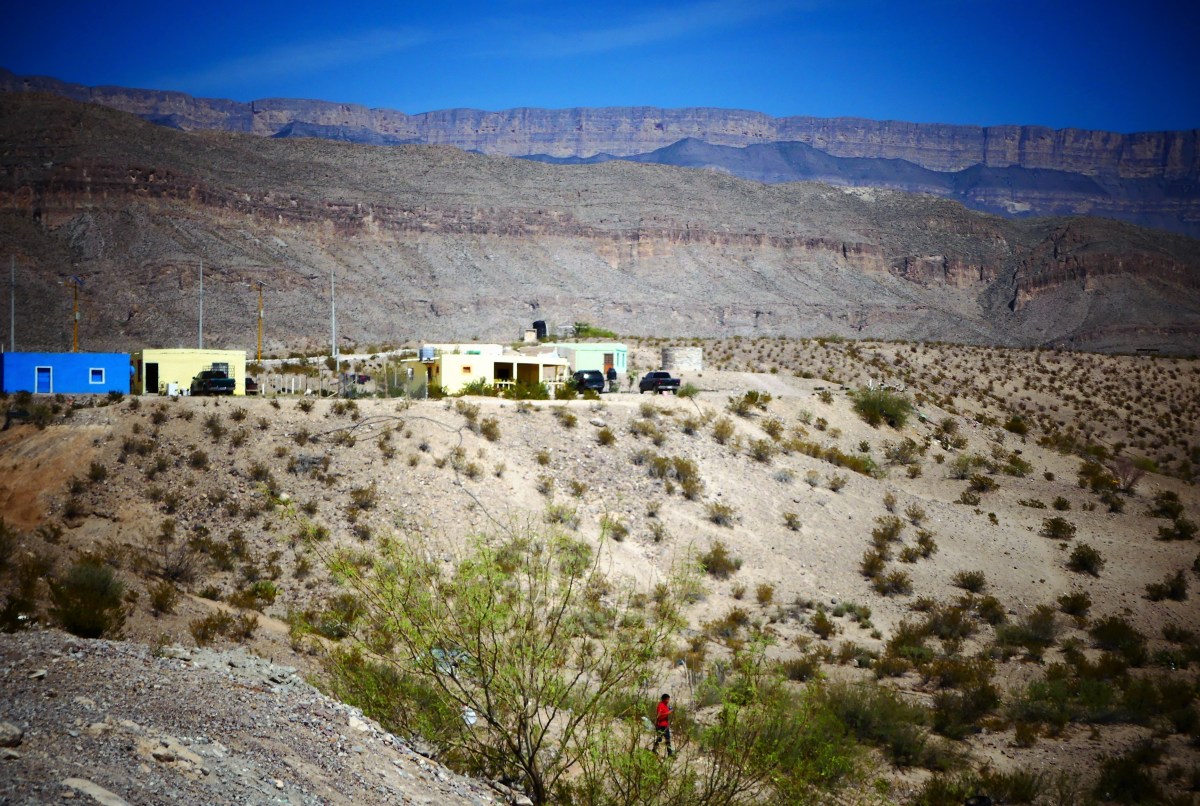 They are hopeful for an economic recovery, but the town is in shambles, and it will take many more Americans to salvage Boquillas’s economy.
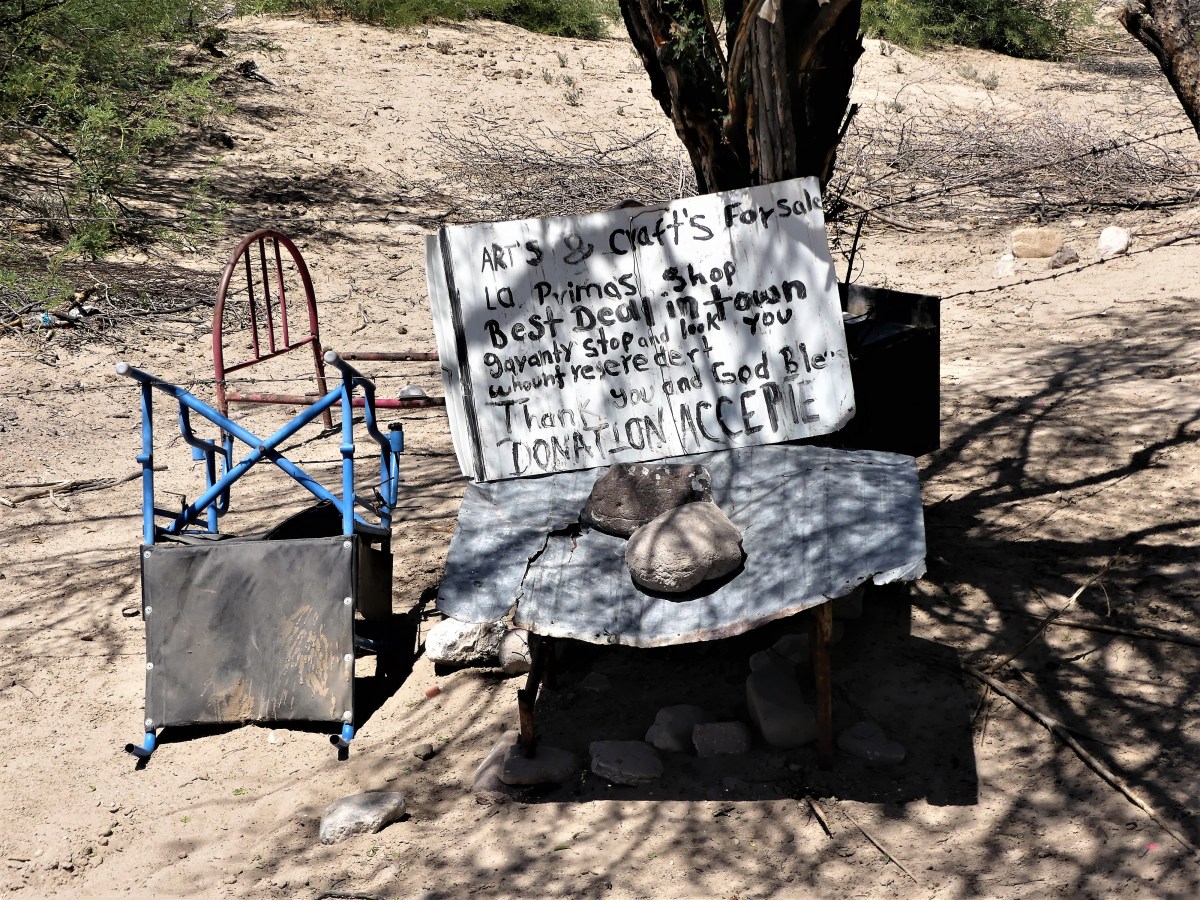
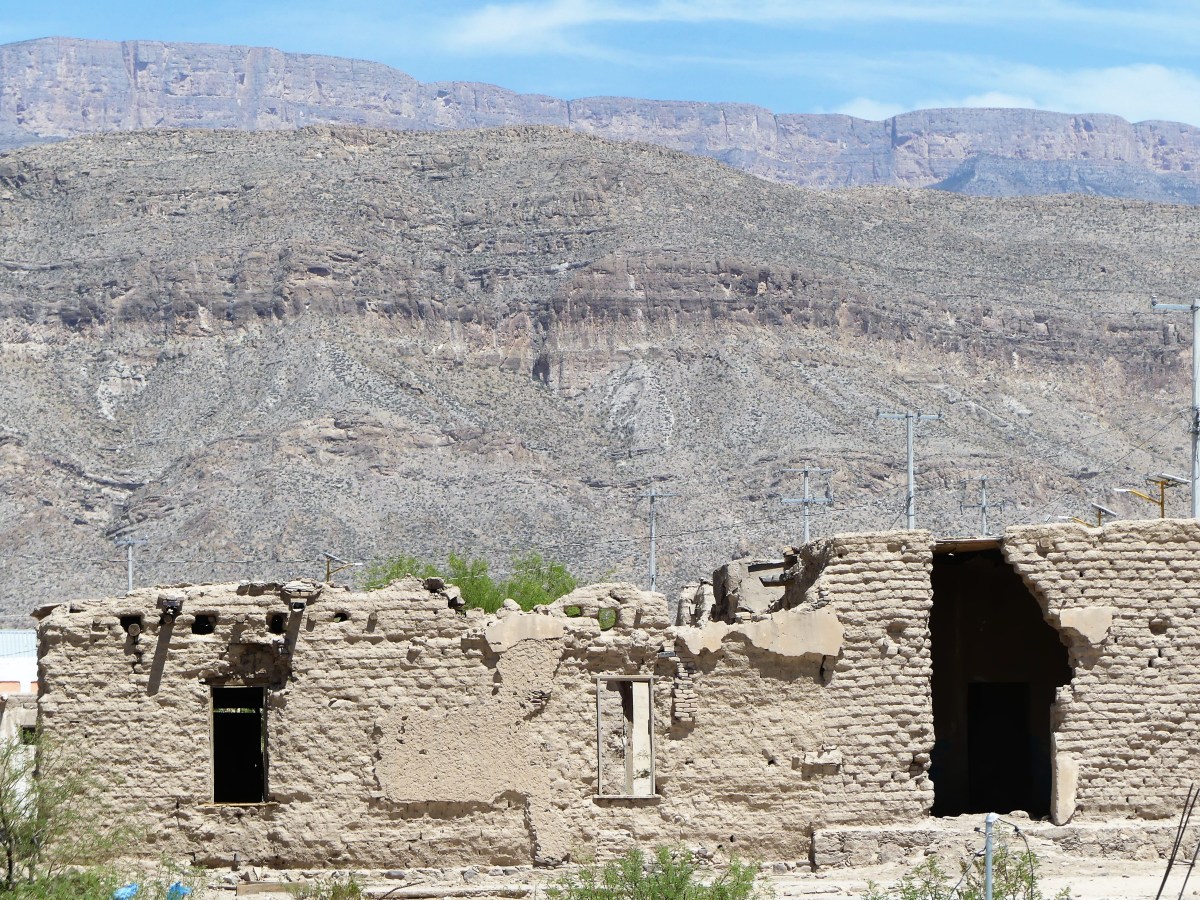
After lunch, Lillia volunteered Chico to drive us back to the landing in his beat-up Chevy Silverado. Chico was born and raised in Boquillas, and although his two brothers have moved on, he has never left.
“I like it here,” he admits. “It’s very quiet.”
When Chico isn’t shuttling visitors between the restaurant and the water, he bartends for the only bar in town, usually serving up beer to the locals. “Cervezza is cheap, but gas,” he explains, “is very expensive and hard to come by since Boquillas has no gas station. However, American friends are willing to fill five gallon containers from the park store, and send it over by boat.”
It occurred to me that Chico was giving us good intelligence about his situation, which would be useful should tensions ever flare between the U.S. and Mexico. And I believe that given the chance, Carrie Masterson and I could turn Chico into a valued asset. We tipped Chico five dollars for the ride and the invaluable information.
Leah and I crossed back the way we came—by wading through the Rio Grande. We acknowledged Ranger Weimer upon our return, who ushered us to a virtual customs station, where we submitted our credentials electronically and spoke by phone to an invisible agent who scanned us by remote camera.
“Take off your hat, remove your sunglasses, and stand behind the yellow line,” barked the long-distance voice.
After answering a few routine questions, like “Are you bringing any raw fruits or vegetables into the country?”, we were safely readmitted to America.
Turning to Ranger Weimer, I asked casually, “So how do you feel about Trump building a Wall down here?
He looked at me sternly, and answered in a stoic voice, “Sir, we’re not allowed to express an opinion about that matter.”
But I wasn’t done yet. “But do you think these people are dangerous?”
He was becoming annoyed, answering more emphatically, “Like I said, sir; I have no opinion on the matter!”
I left Boquillas Crossing completely satisfied by our cultural exchange, and reassured that we would be safe from bad hombres from the other side. Fortunately for us, the citizens of Boquillas del Carmen are hard-working people. They are a small and subdued militia of struggling entrepreneurs who depend on us, and are more interested in fighting for their livelihood than picking a fight with their neighbor.
 I have met the enemy face to face and I do not fear them. Their rowboats and mules would be no match against our ships and tanks.

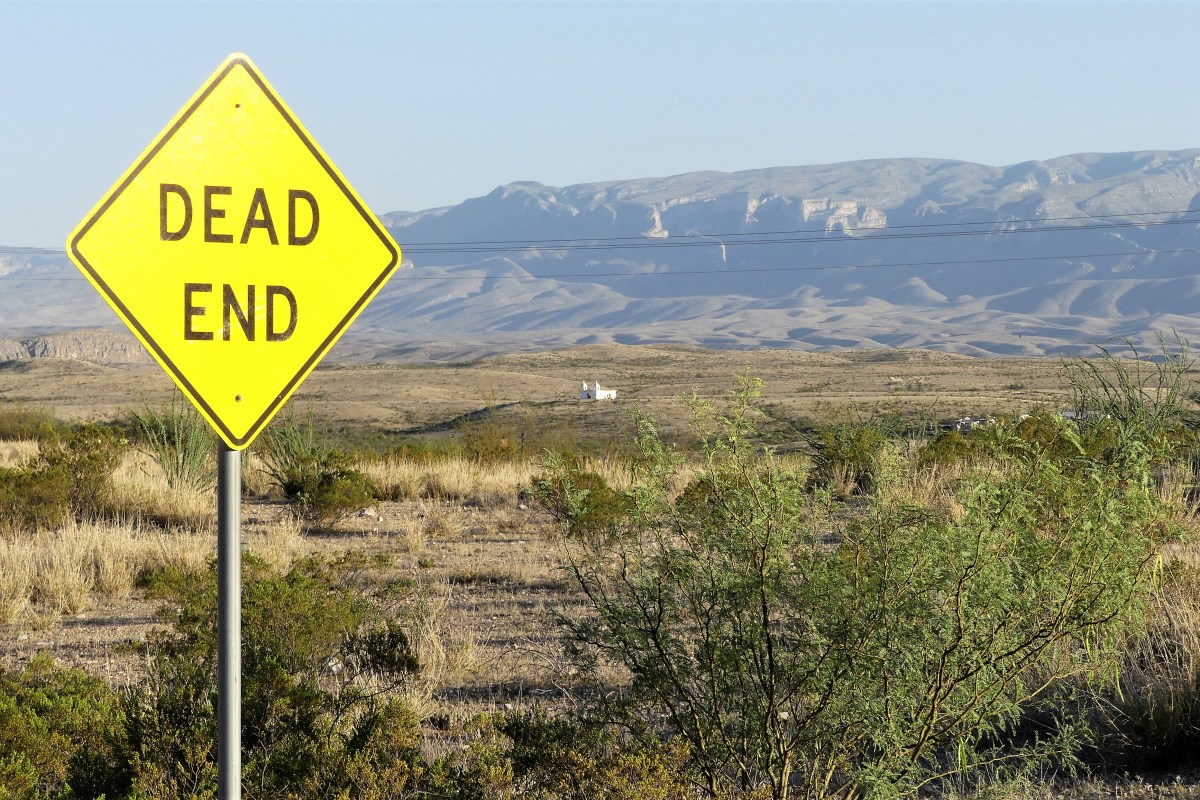
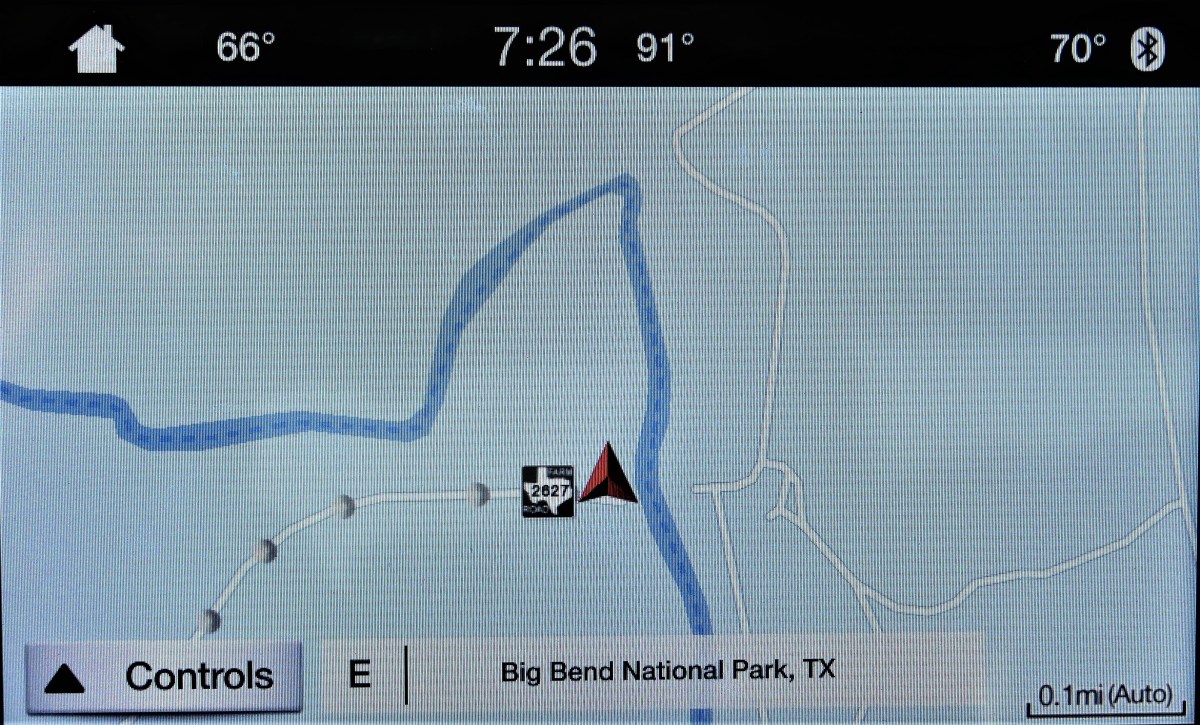 Earlier in the day, border patrol had sped past our campsite from the southern border, causing us to speculate whether an ICE officer had just interdicted an illegal border crosser. And so, with the sun at our backs, and our batteries recharged, I fired up the F-150, turned right on Texas FM (farm-to-market road) 2627, and headed due south in search of bad hombres. The radio god immediately synchronized his playlist with our mission, and delivered David Byrne belting out the lyrics to “We’re on the Road to Nowhere”.
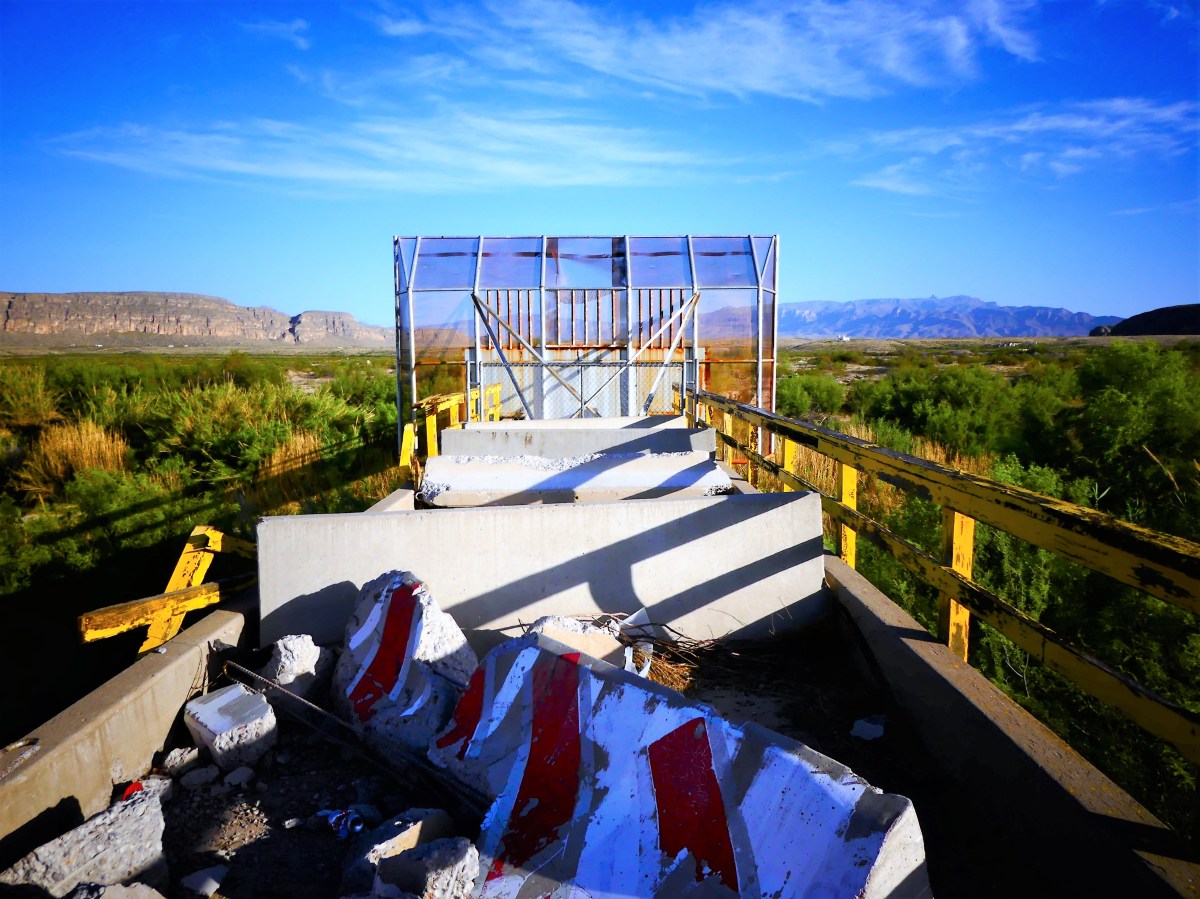 Historically, the bridge was constructed by Dow Chemical in 1964 to transport fluorite from Coahuilan mines across Heath Canyon to America. But U.S. and Mexican authorities shuttered the bridge in 1997, suspecting drug smuggling. Other reports cite the murder of a Mexican customs official as the reason behind the bridge closure.
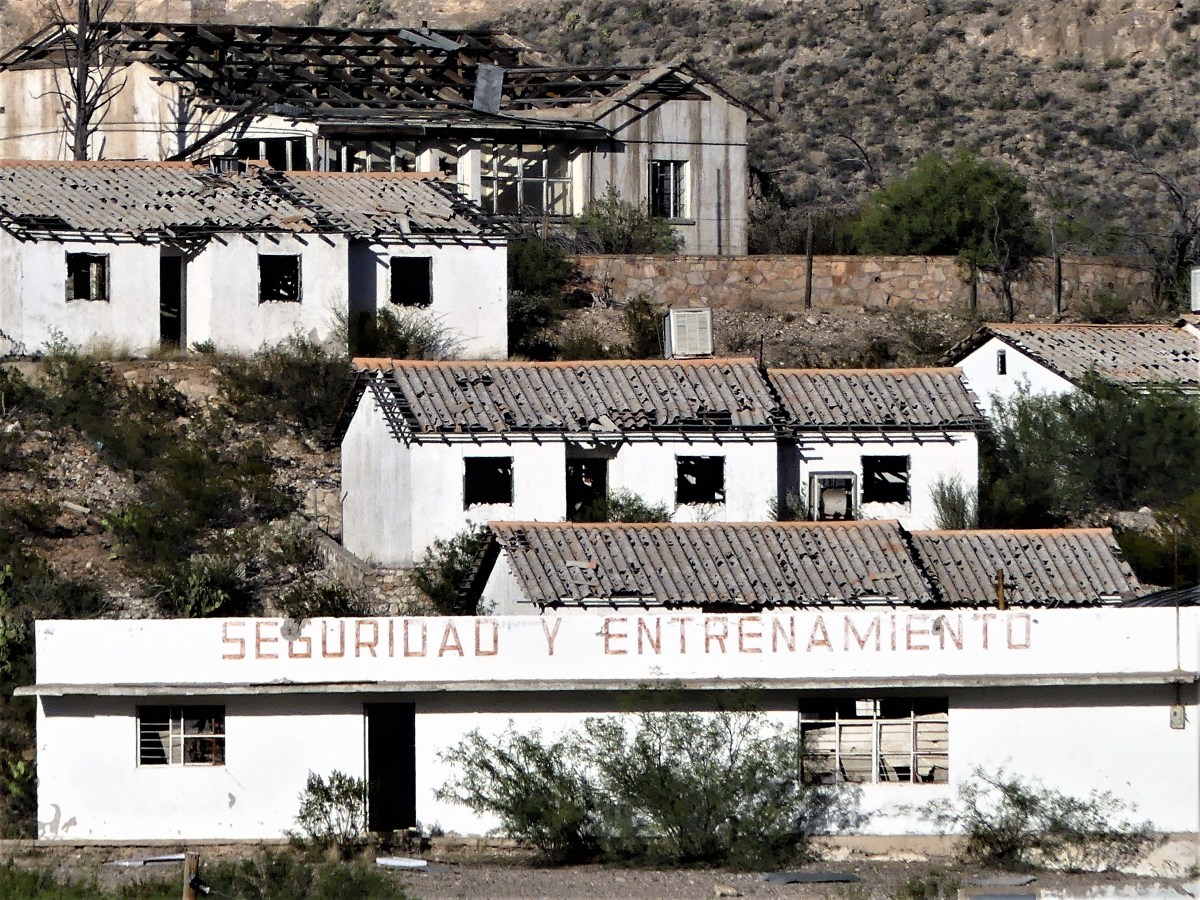
 Across the border stand the remnants of a faded factory.
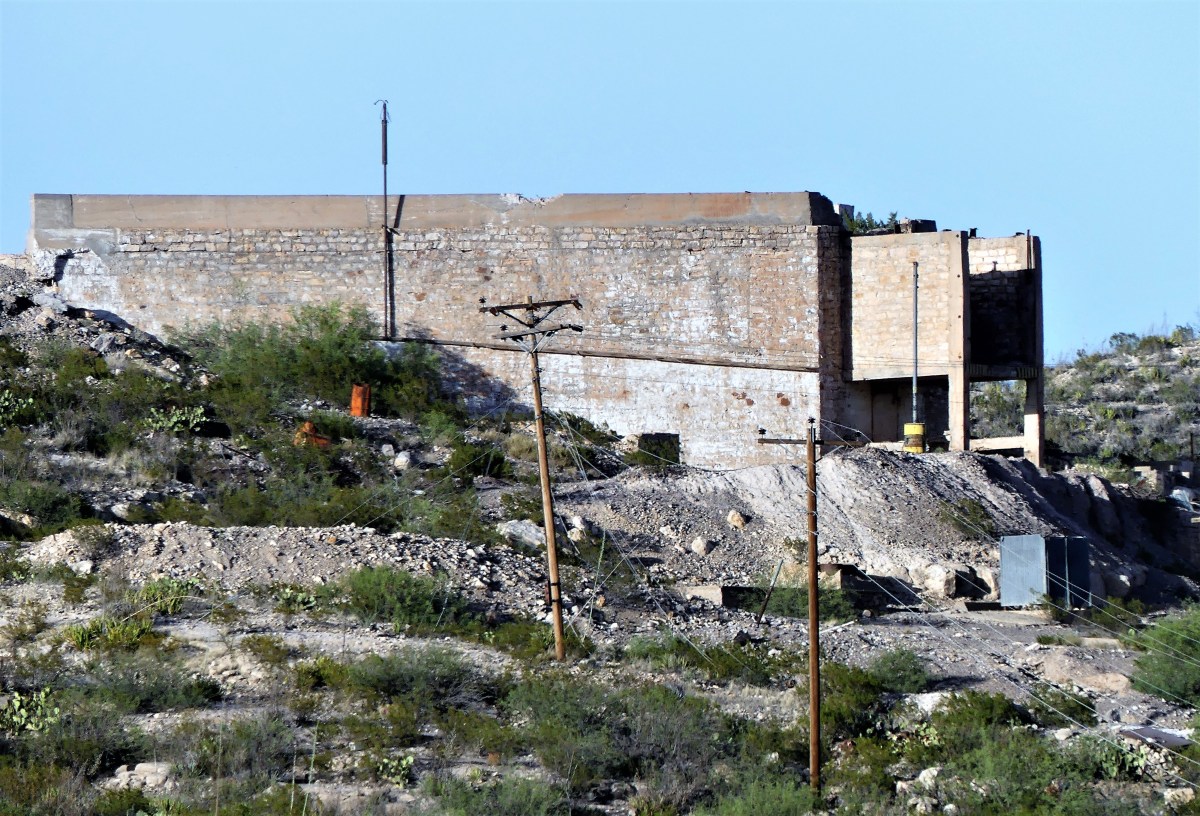 Broken buildings and slanted warehouses survive in silence against a brown mountain backdrop.
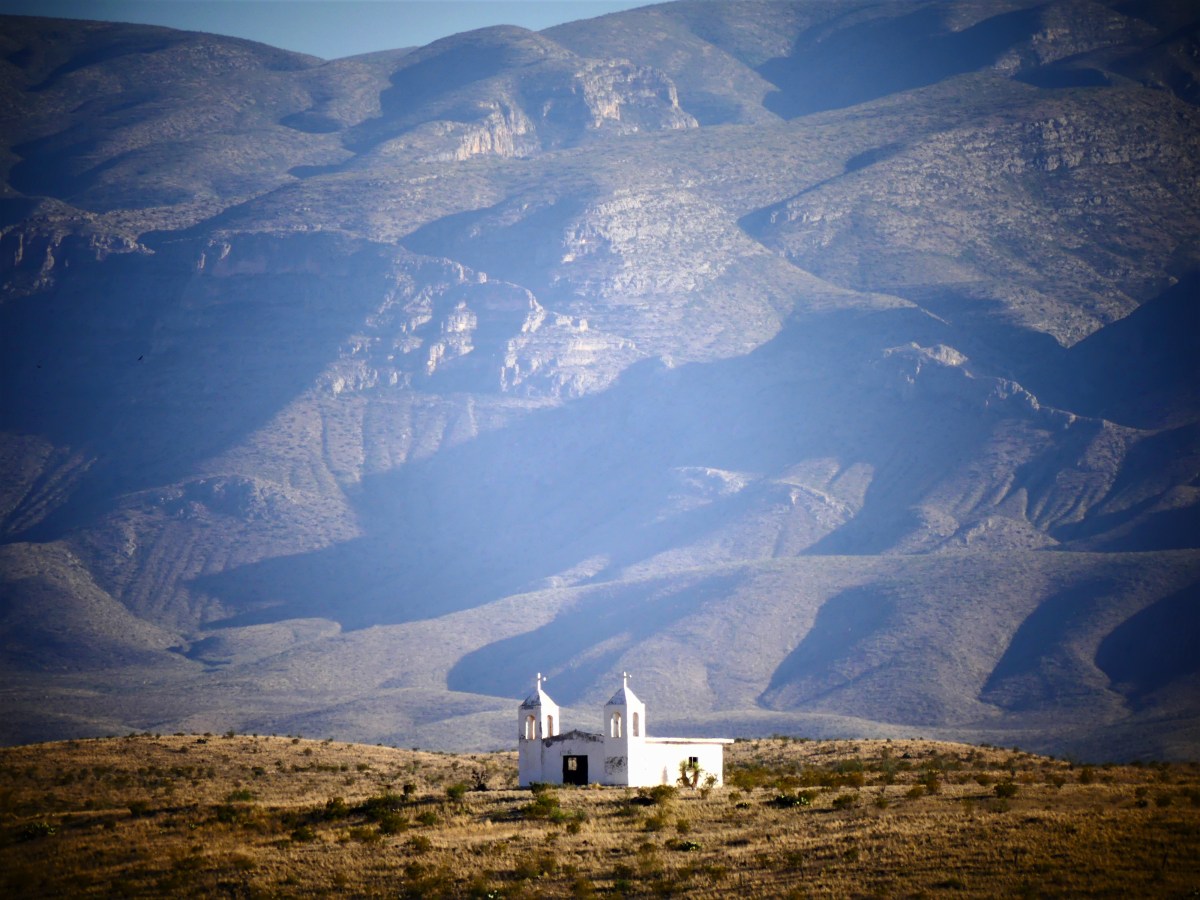
 Yet in the distance to the right of the river, La Linda mission stands alone—its double towers dwarfed by nature’s majesty, and its church doors removed for a purpose higher than God.
 There are those who would welcome a return to the border crossing.
 Committee meetings and feasibility studies on both sides of the river argue the benefits of potential tourism and ease of crossing without traveling to either Del Rio or Presidio. Currently, a legal crossing to La Linda would take nearly 10 hours by car versus 10 minutes by illegal foot path. But there are no travelers today, or at any other times. It’s just too remote.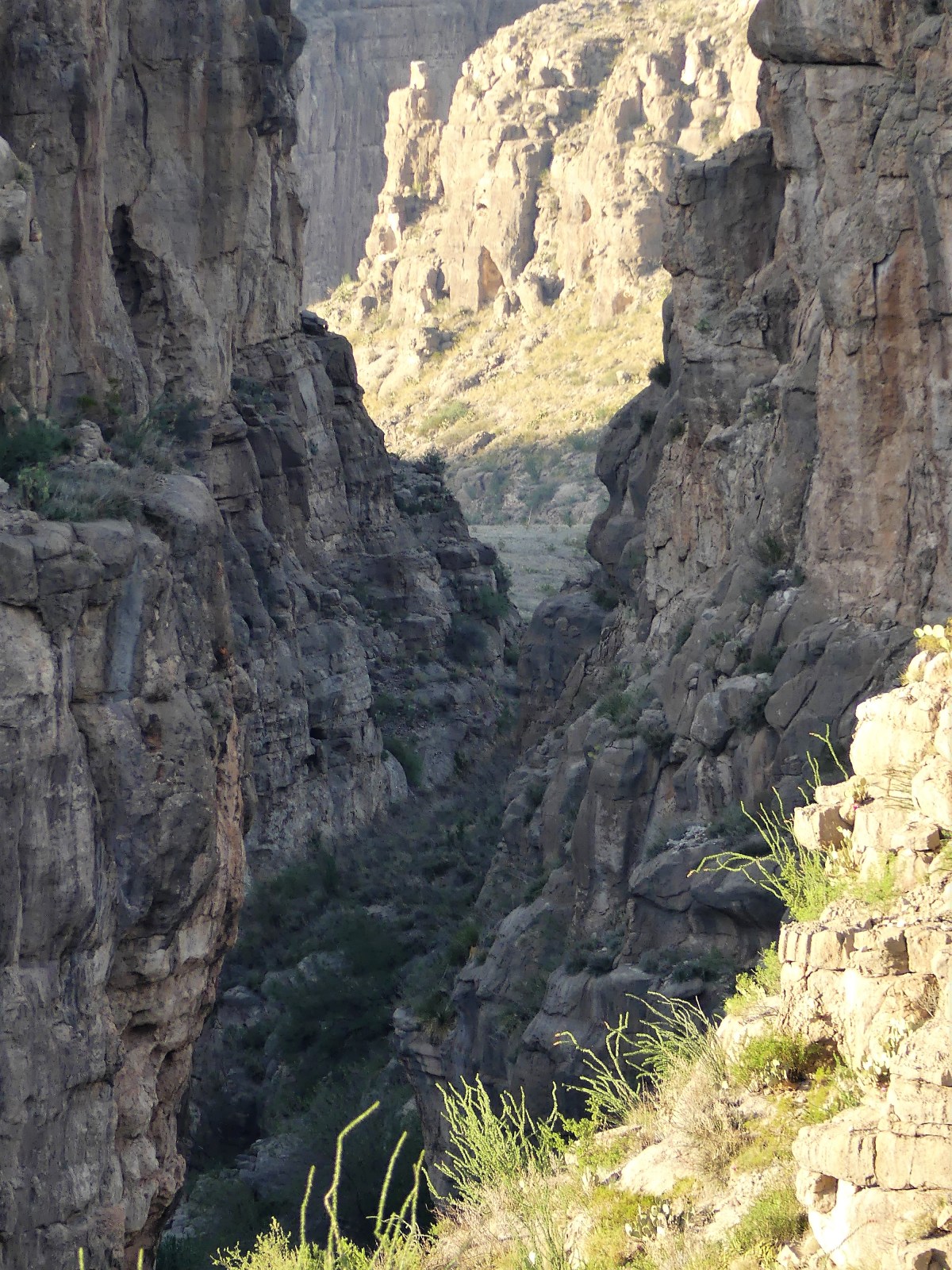

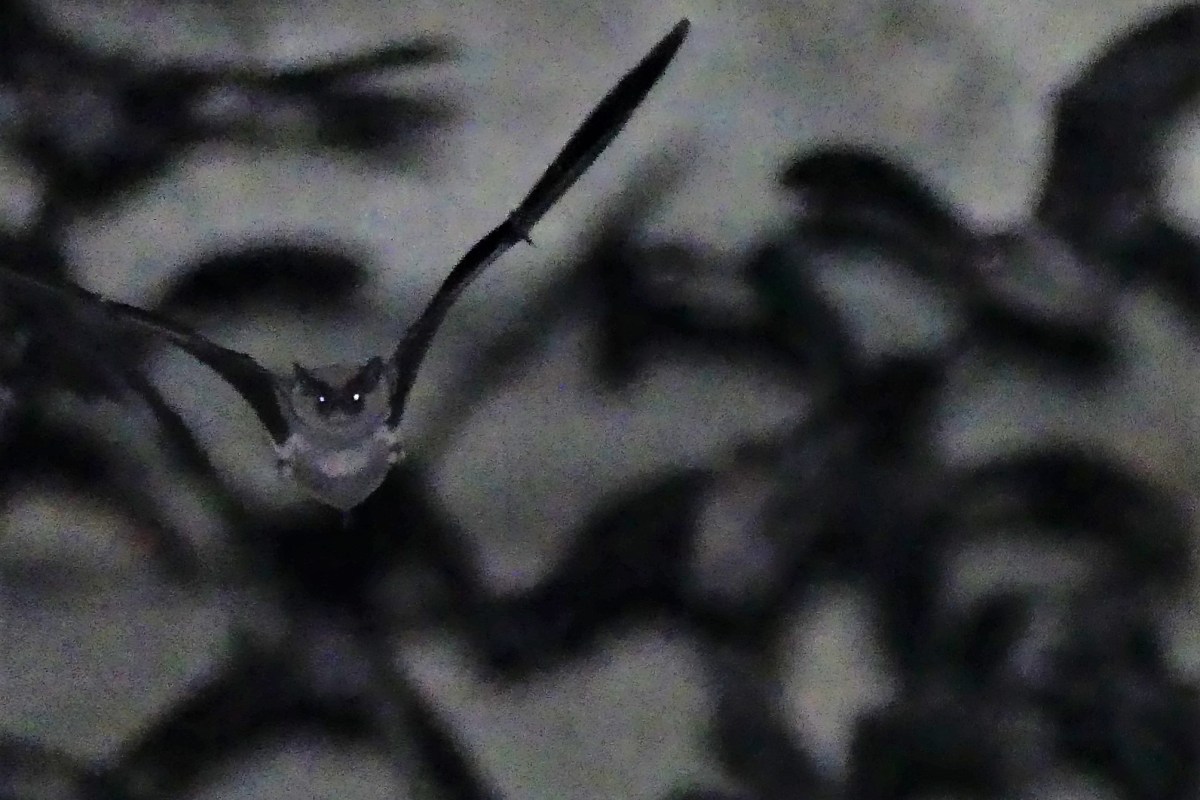
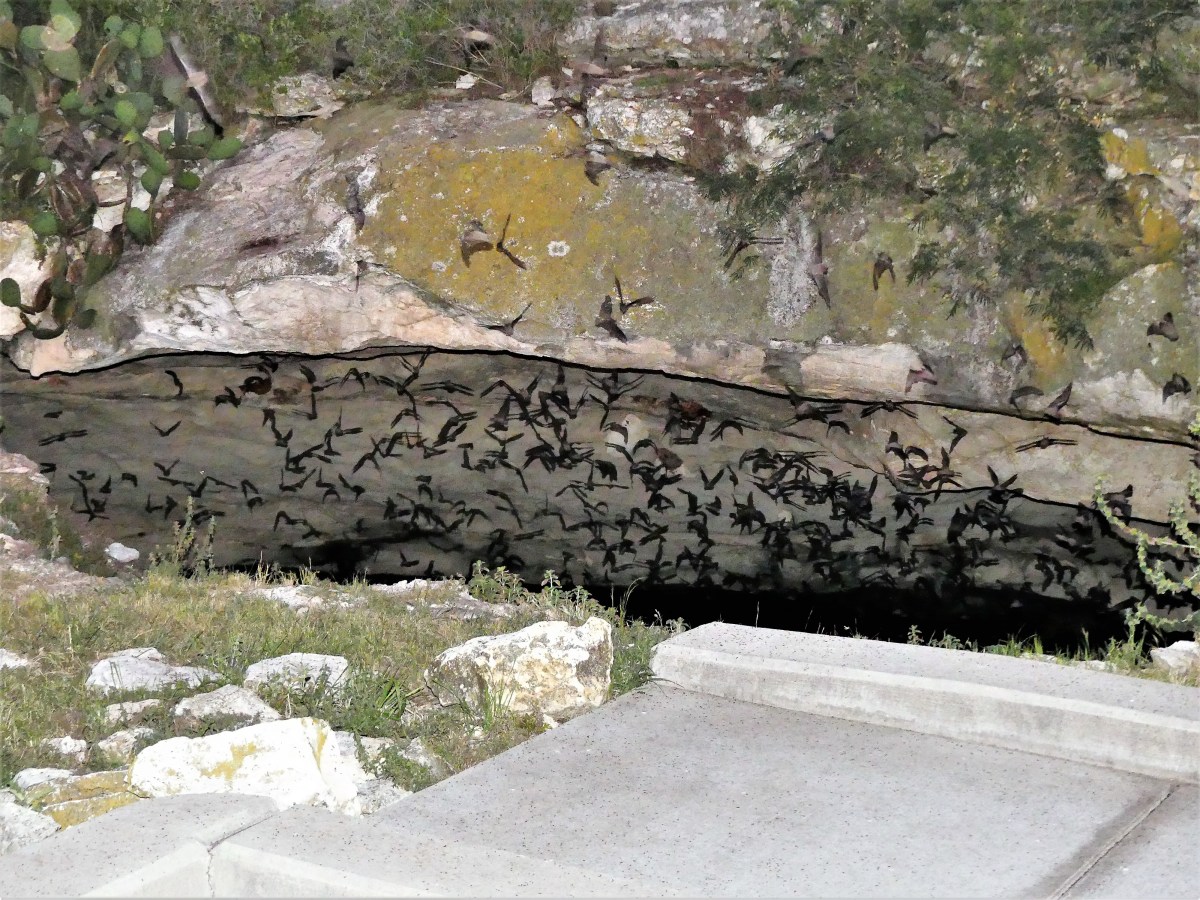

 and into the twilight, fluttering en masse, up and over the trees.
 A continuous and frenzied swarm pours from the cave in a procession that could last up to two hours.
 With the exception of some rogue bats that fly off in scattered directions, the mother lode hooks right and follows a path 50 miles due east to Uvalde in search of mosquitoes and corn earworms, a tasty moth that wreaks havoc on a number of Southern crops.
 Historically, the Sergeant family, who farmed this property from the early 1900’s, protected the cave entrance with fencing in order to mine the accumulated guano, which provided important income to the ranchers until 1957 when sold as premium fertilizer and an explosive constituent.
 Having over-nighted for three days in the park, I can testify that there is no shortage of annoying bugs here. Not to be selfish, but I’d like to propose that some of the bats stay behind and clean up inside the park’s perimeter. If the bats only knew that they could dine closer to home–forsaking the 100-mile round-trip–then I could better enjoy my outdoor dinner plans as well.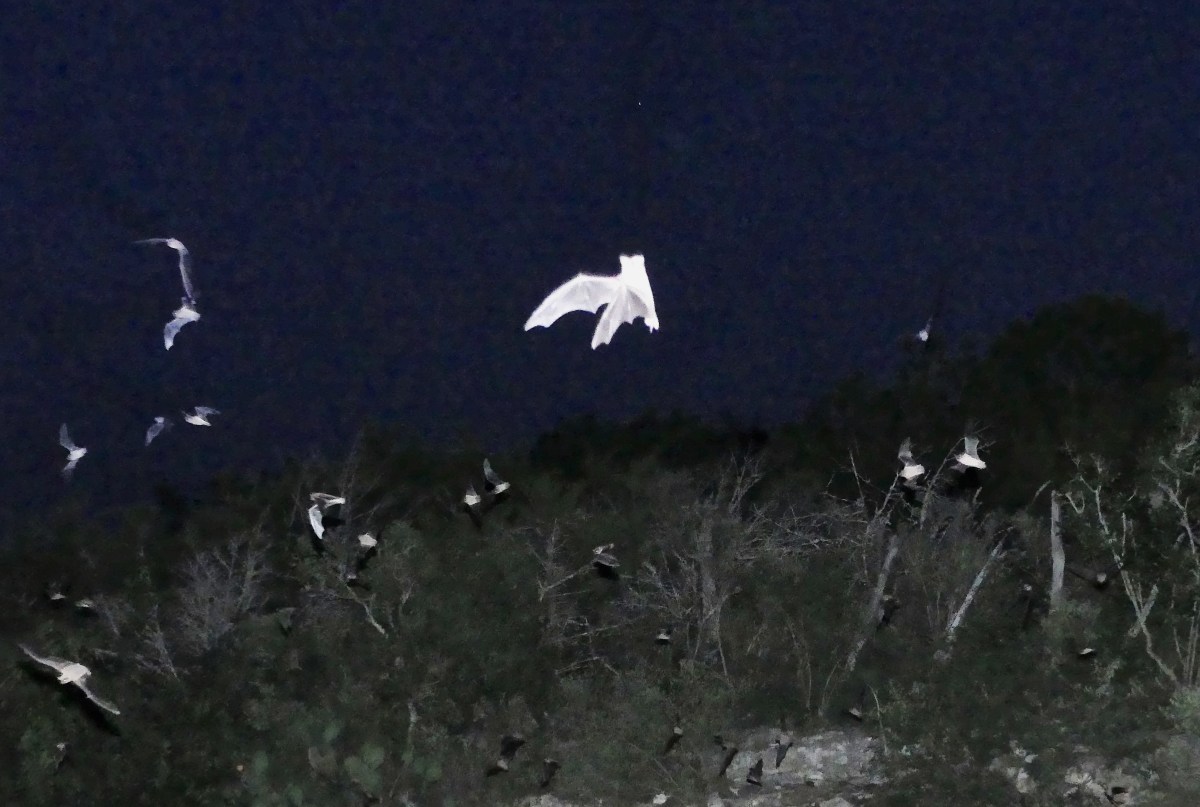


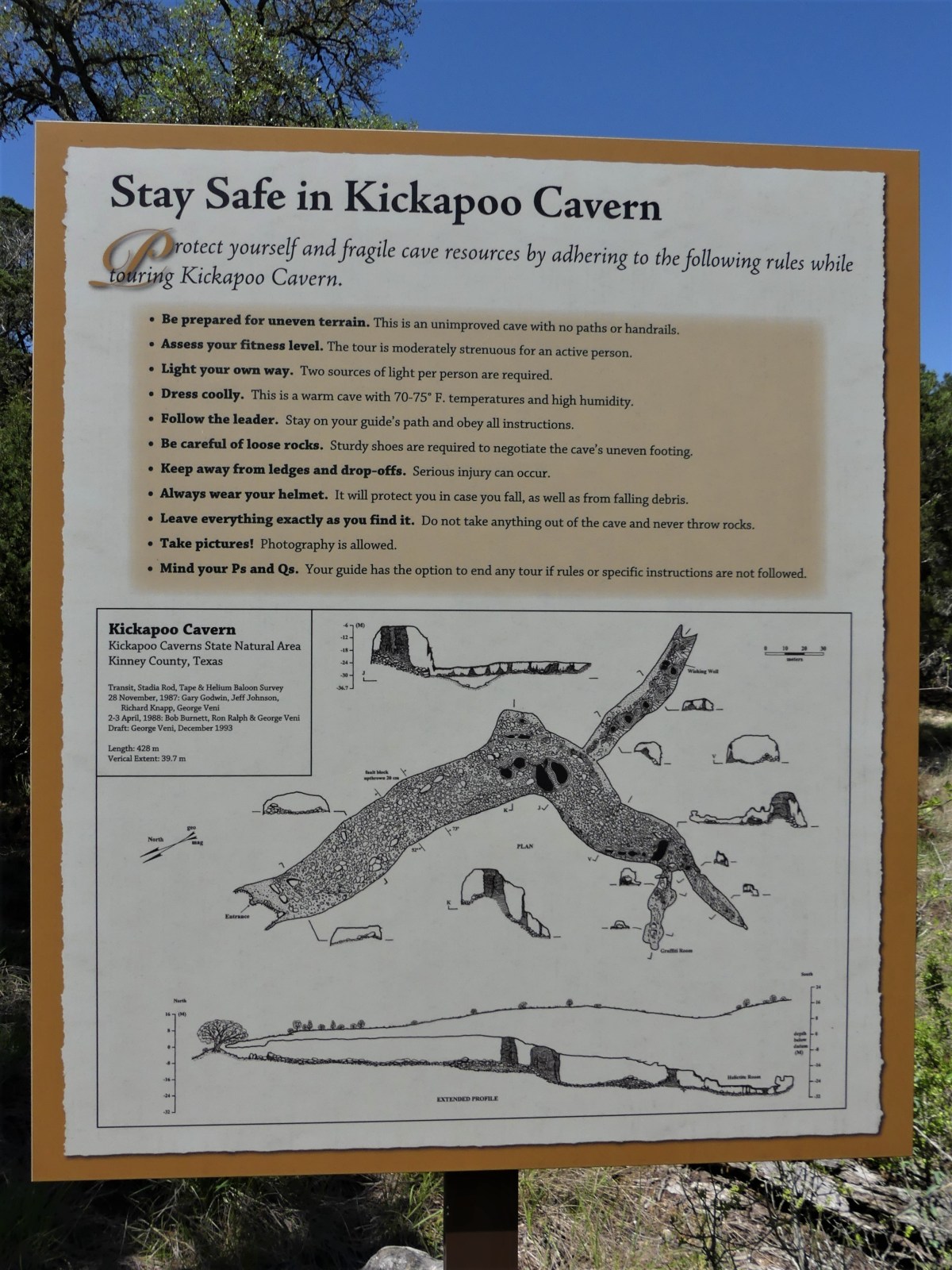 After listening to Ranger Matt’s presentation, I have a personal theory why natives might have avoided the cave. It seems that during the cold winter months, the cave acts as a warm weather haven for Indiana Jones’ worst nightmare. Only until the weather heats up outside, and all the good snakes wind their way out of their cozy cave den is it safe for humans to explore the inner depths, and that’s where master spelunker Ranger Matt was taking us.
 “That explains the bullet hole in the windshield,” I presumed.
 Bertha had been given a pardon, only to be reincarnated as a park bus. For some reason, I was reminded of a road sign I spied on the way to Kickapoo that read: DO NOT PICK UP HITCHHIKERS. THEY MAY BE PRISON ESCAPEES.
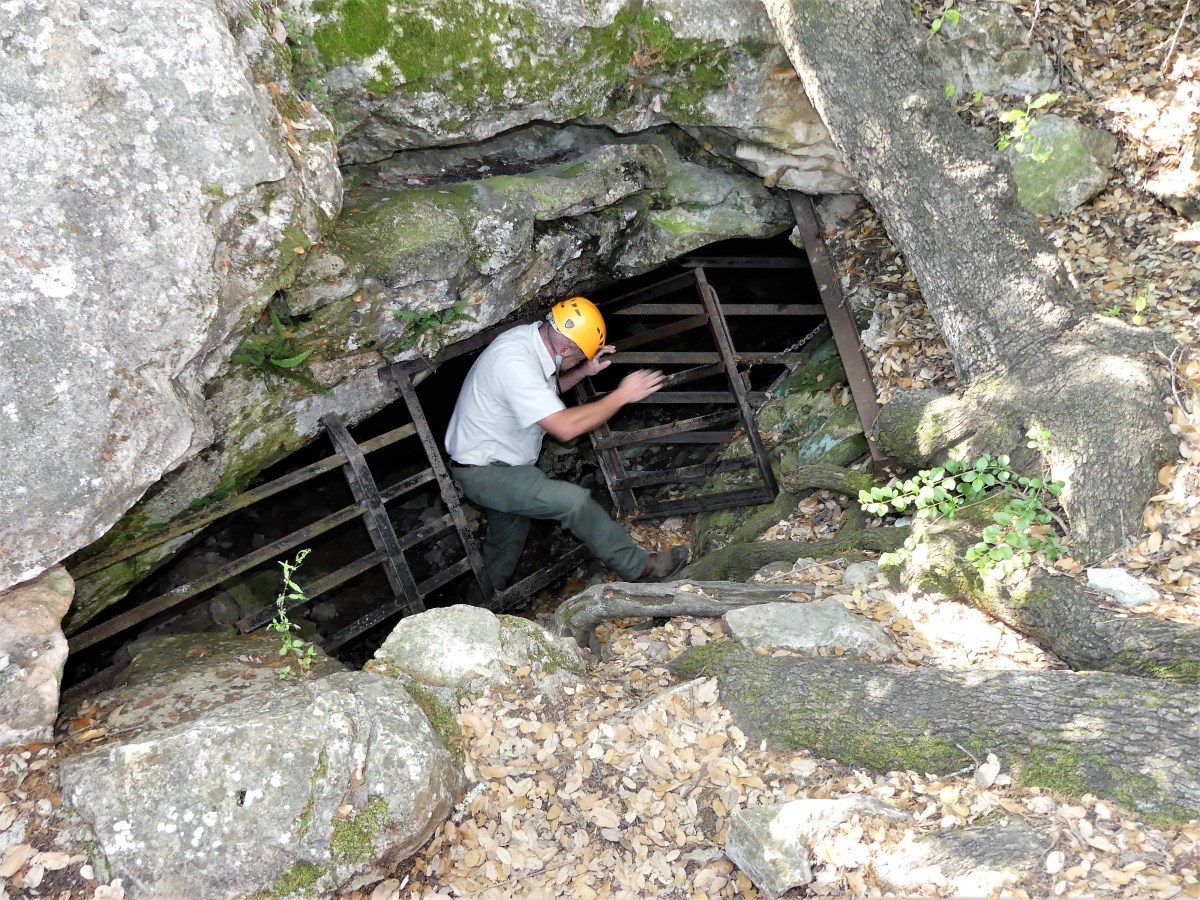 checking for varmints before allowing us to climb through a small crack in the ground,
 where we found ourselves standing on the collapsed ceiling of a limestone rock pile measuring 130 feet thick. The mouth of the room was big enough to park a Cessna if you could figure a way to get it inside.
 and more recent remains of an unfortunate sheep or goat littering the floor
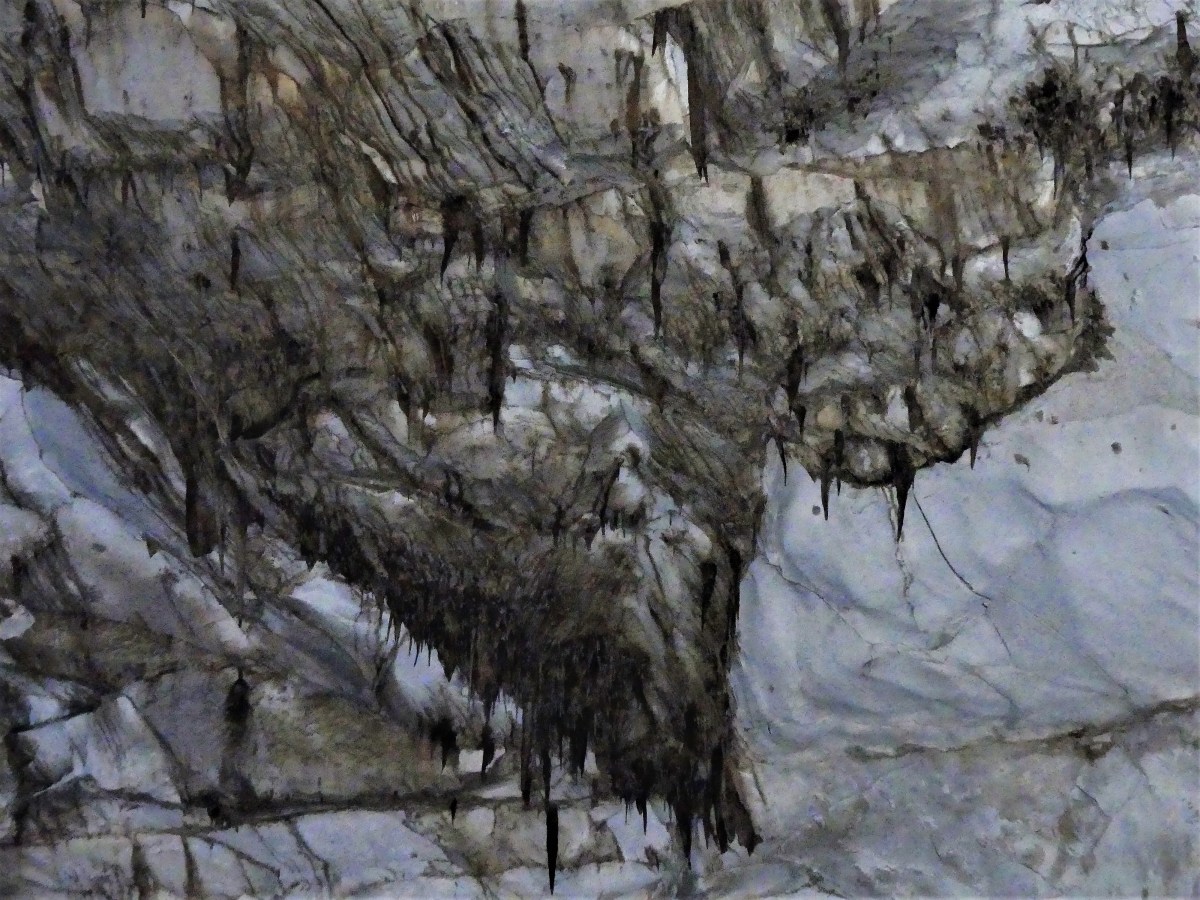
 From there we dropped approximately 40 feet, scrambling over ledges of flat rock and boulders, on our way to survey the three largest columns (when a stalactite meets a stalagmite) in Texas. How apropos that along the way, we would pass a formation of stalactites that managed to aggregate into the shape of the Lone Star state.
 There was no meaningful trail. Every step was a floating rock, see-sawing under our weight. That’s when I heard Leah go down hard behind me. I swung around to see her flat on her back, saved by her fanny pack.
 And Matt was there in an instant.
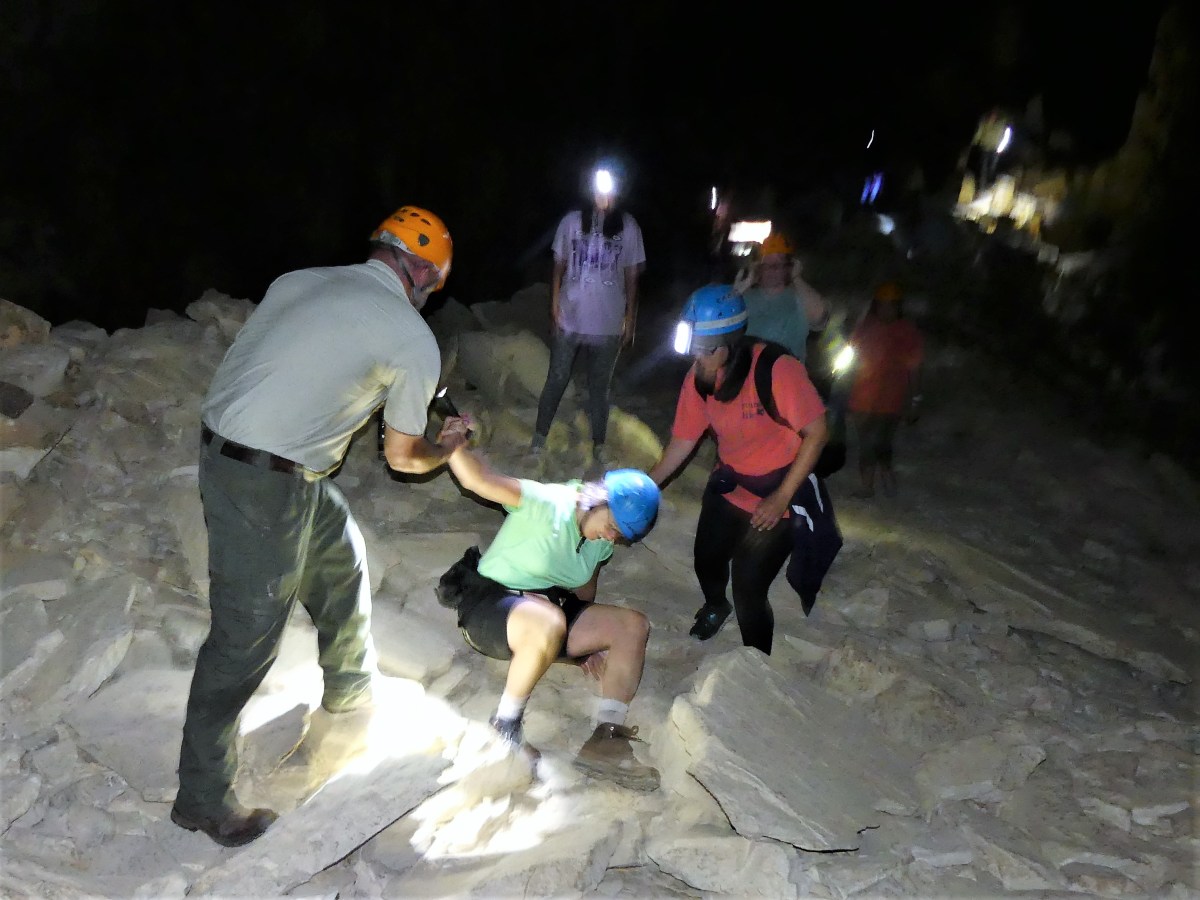 “I’m alright,” she declared. “I just lost my balance on the rocks.” It was good news to my ears. For some reason, Leah and caves are not on equal footing, and rarely without incident (see “A Hole in the Head” post),
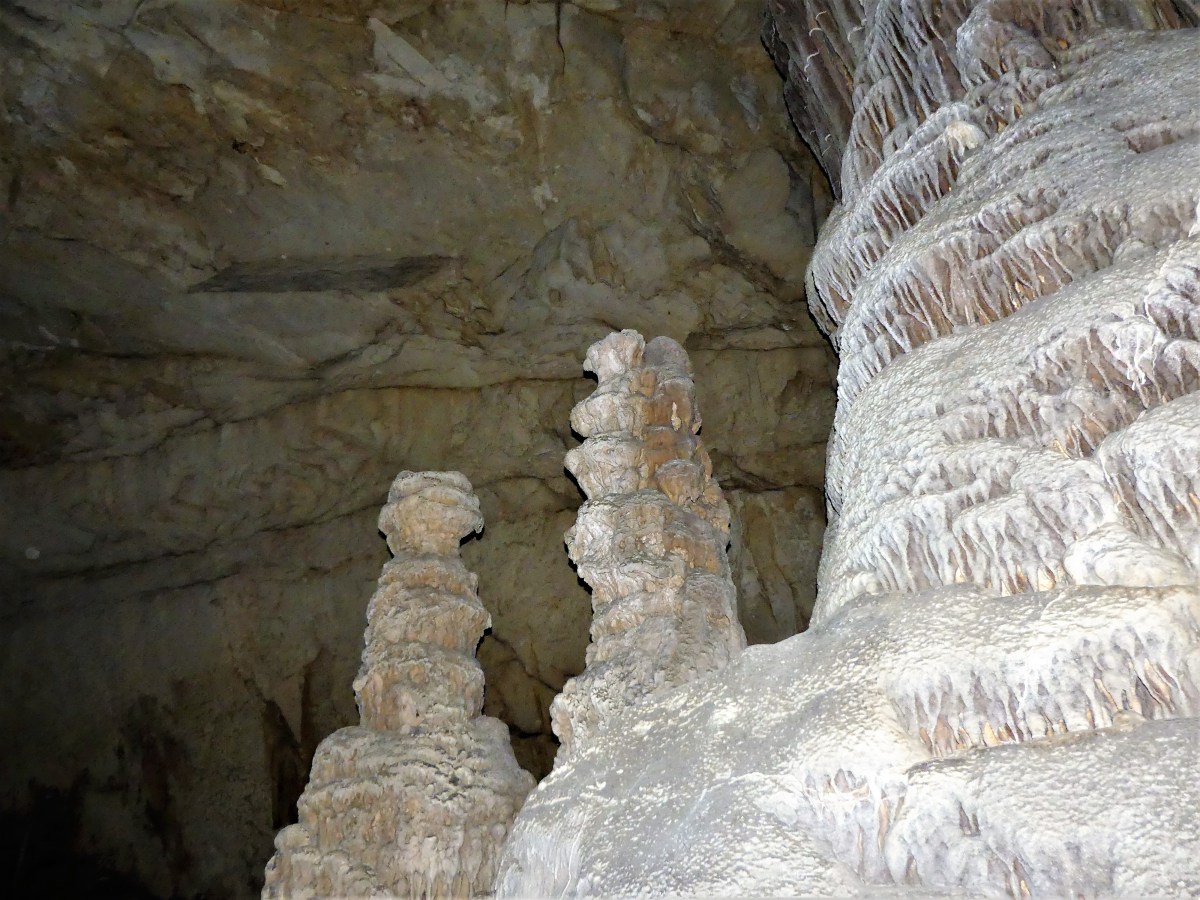 We turned the corner and the room opened up. The ceiling vaulted higher to accomodate the caves’s largest column.
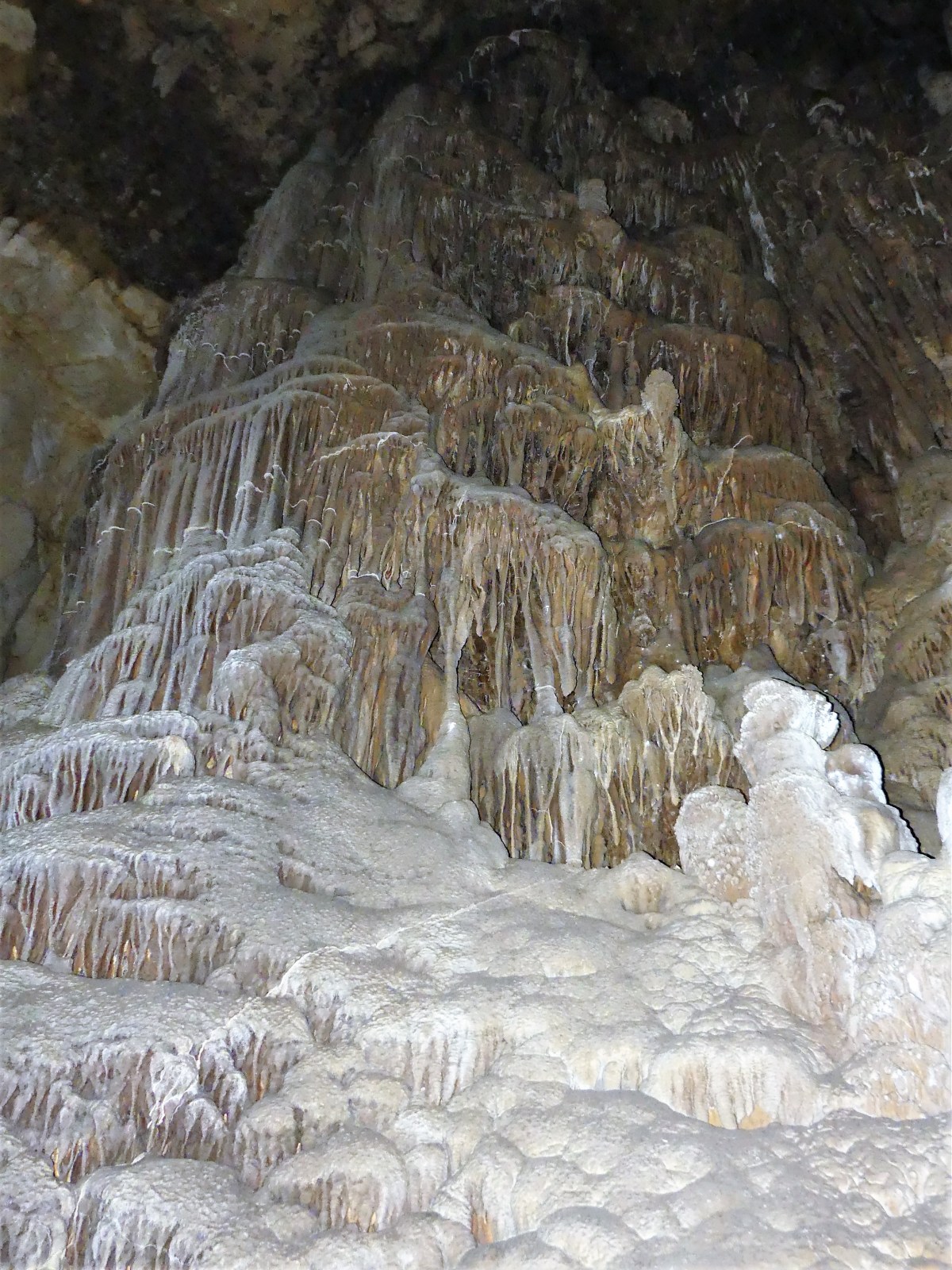 “Don’t be afraid to touch anything,” announced Ranger Matt. “We’re not like most of those other parks that have guard rails and ropes, and psychedelic lights with church music playing.” He was preaching to my choir.
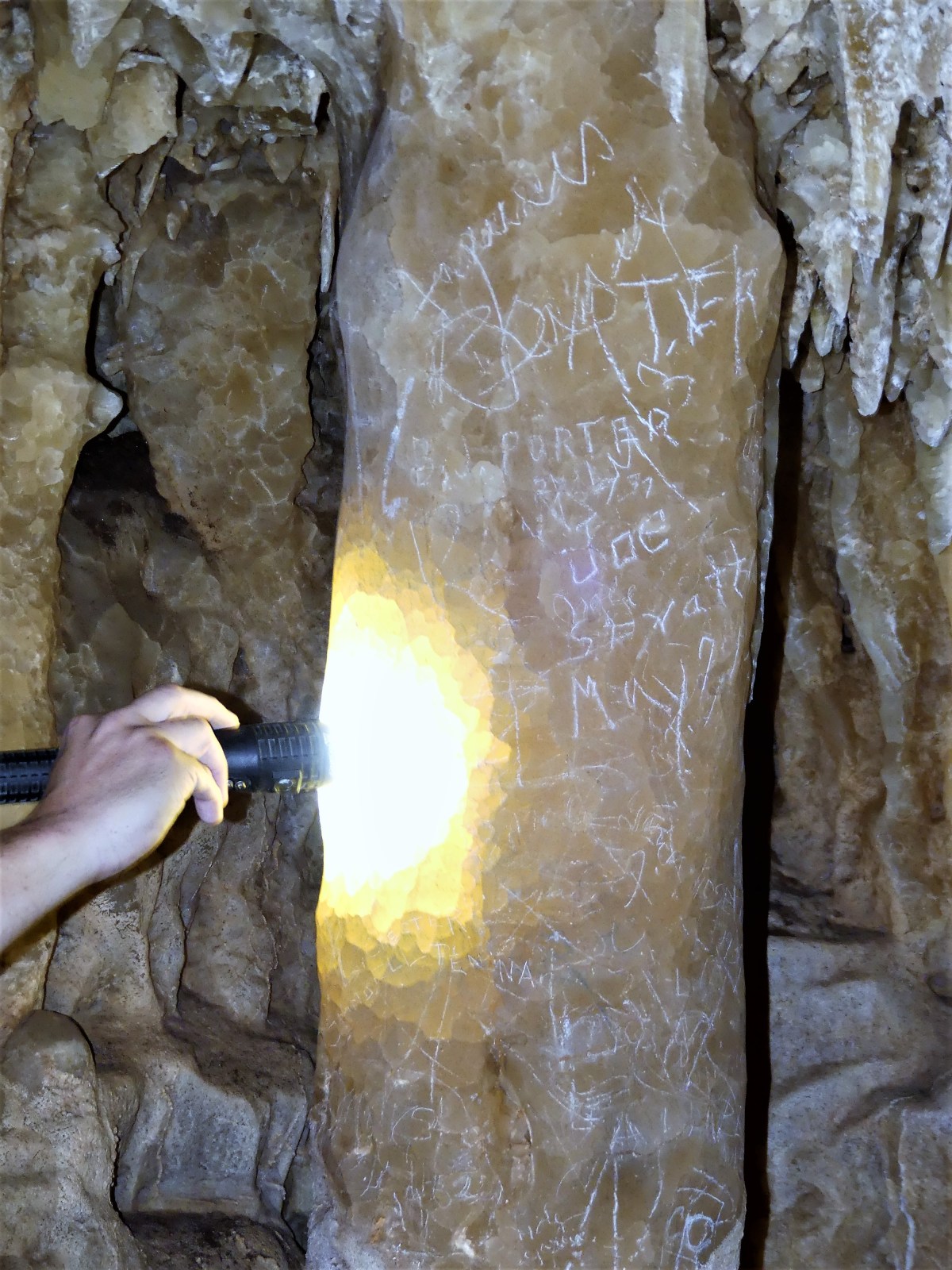 “Like this one over here?” suggested a blond coed, pointing to a name scratched into the calcite that dated back to 1887.
 “Ah, good ol’ C. Robinson,” Ranger Matt explained, “He was one of the early ones. But there’s older graffiti in this cave that predates Mr. Robinson–written with torch soot–but that’s in a room that’s off limits because it’s still developing.”
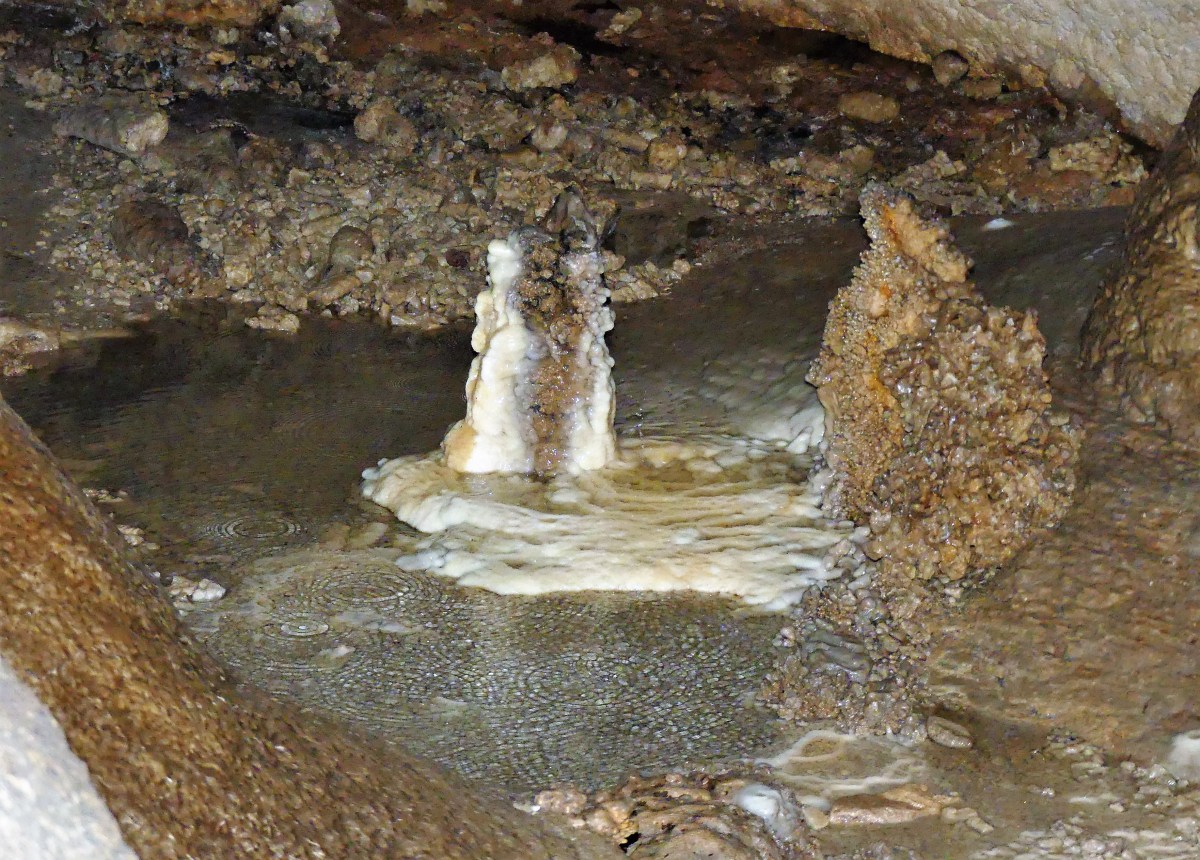 We solemnly wove our way around the space, beholding the nascent natural beauty that will one day become a future column.















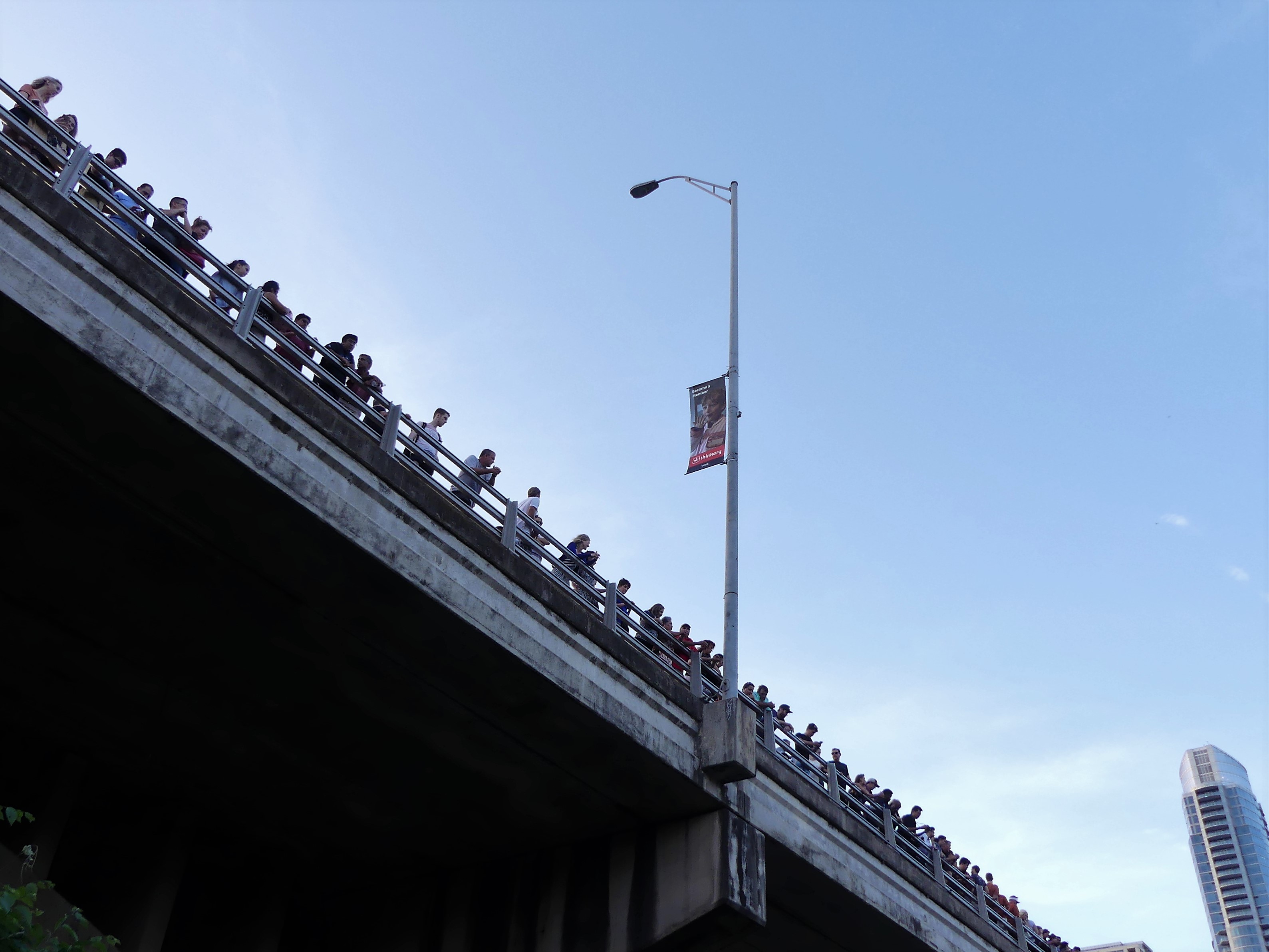 or find a blanket-sized parcel of grass to relax and watch the sun go down;
 or pull up in a boat to wait for showtime.
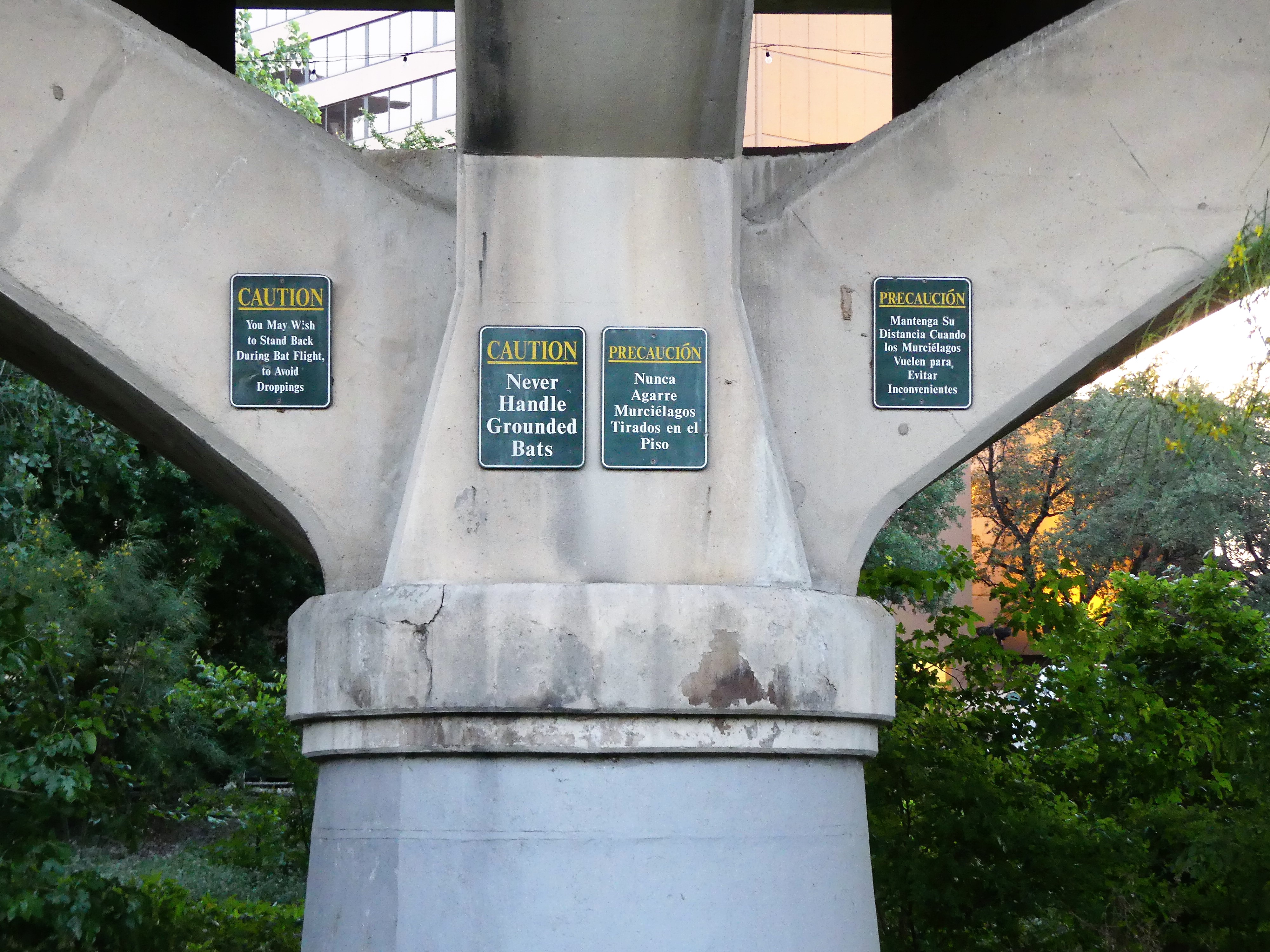
 One fellow standing behind me seems to be mystified by the whole experience. “Are they gonna fly outta that sewer hole over there?” he wonders out loud.
 His misconception is immediately corrected by a 10-year old standing nearby. “Hey mister, this isn’t Batman, y’know! They come out from under the bridge where they live,” says Einstein boy.
 I too am excited to catch the bats in flight, but I’m also interested in doing something different with my Lumix, which I’m still learning to use. I’m determined to capture the bats in motion!
 The moment arrives when the first bats emerge, and the crowd gets giddy.
 And moments later, the floodgates open, and the bats streak across the night sky by the thousands–
 a migration wave of epic proportions that approaches a feeding frenzy.
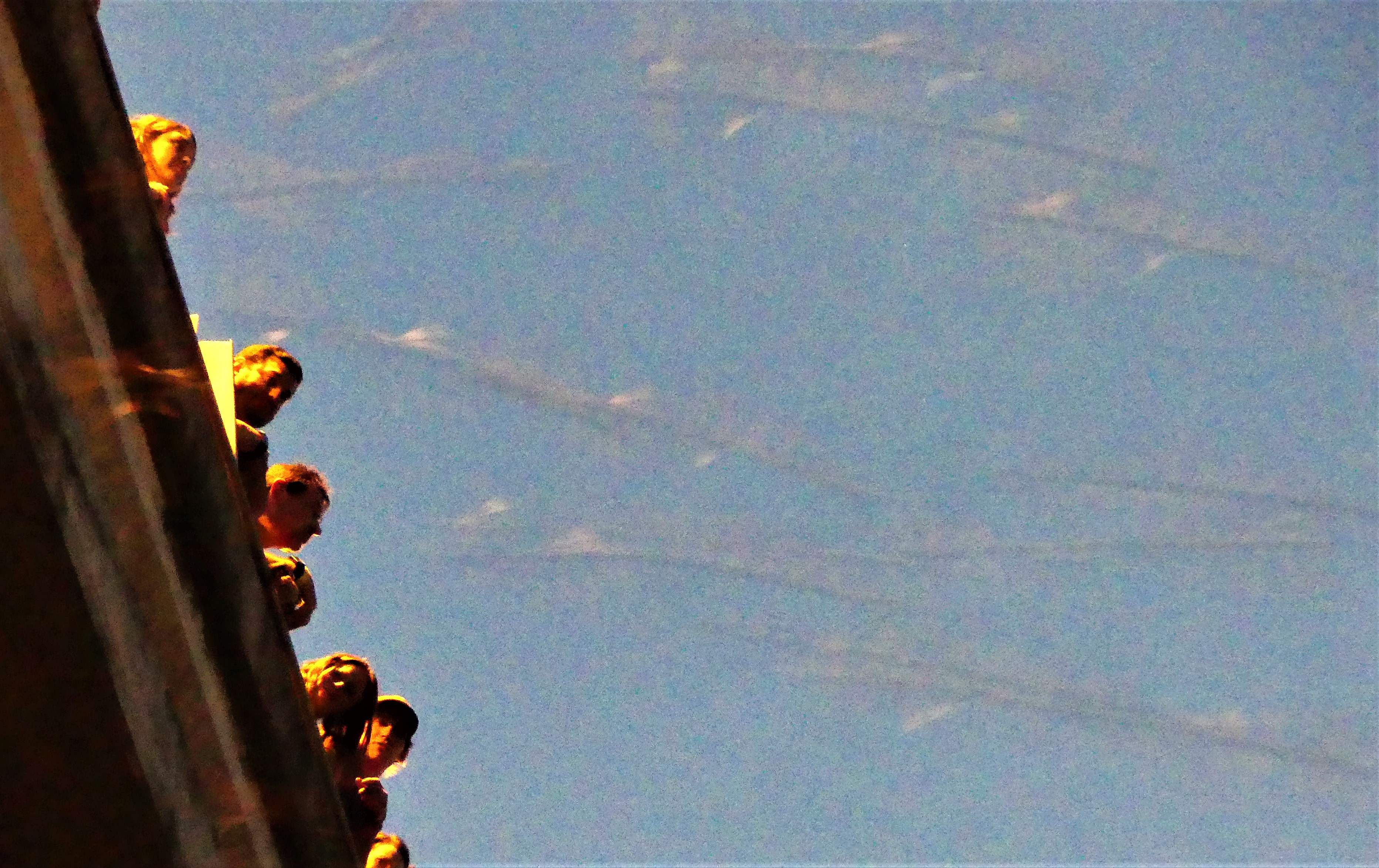 I confess that the photos are experimental. However, I understand that there are traditionalists who need to see things as they are, versus my interpretation of the event. So, in fairness to those whose vision is less oblique than mine, I’ve increased the camera’s shutter speed to give a more accurate representation of the bats’ flight path…
 such that even Meat Loaf would be impressed.
 The other condition is a more common affliction commonly known as drifting-into-ditch-itis.


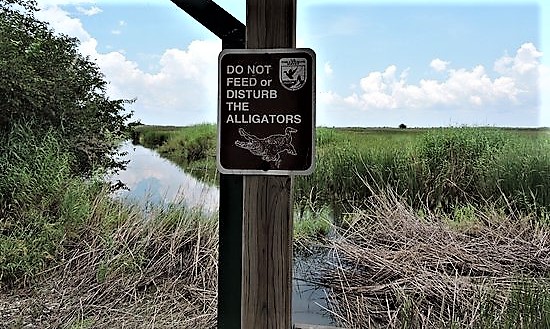 Surely, there must be gators here. Why else would they post a sign, we wondered. Yet we saw no alligators. However, another hiker told us that she was told by a park ranger who had heard from another ranger that a resident gator was spotted earlier in the day crossing the road in front of our campground–the very same road where we towed our Airstream, so that should count, right?






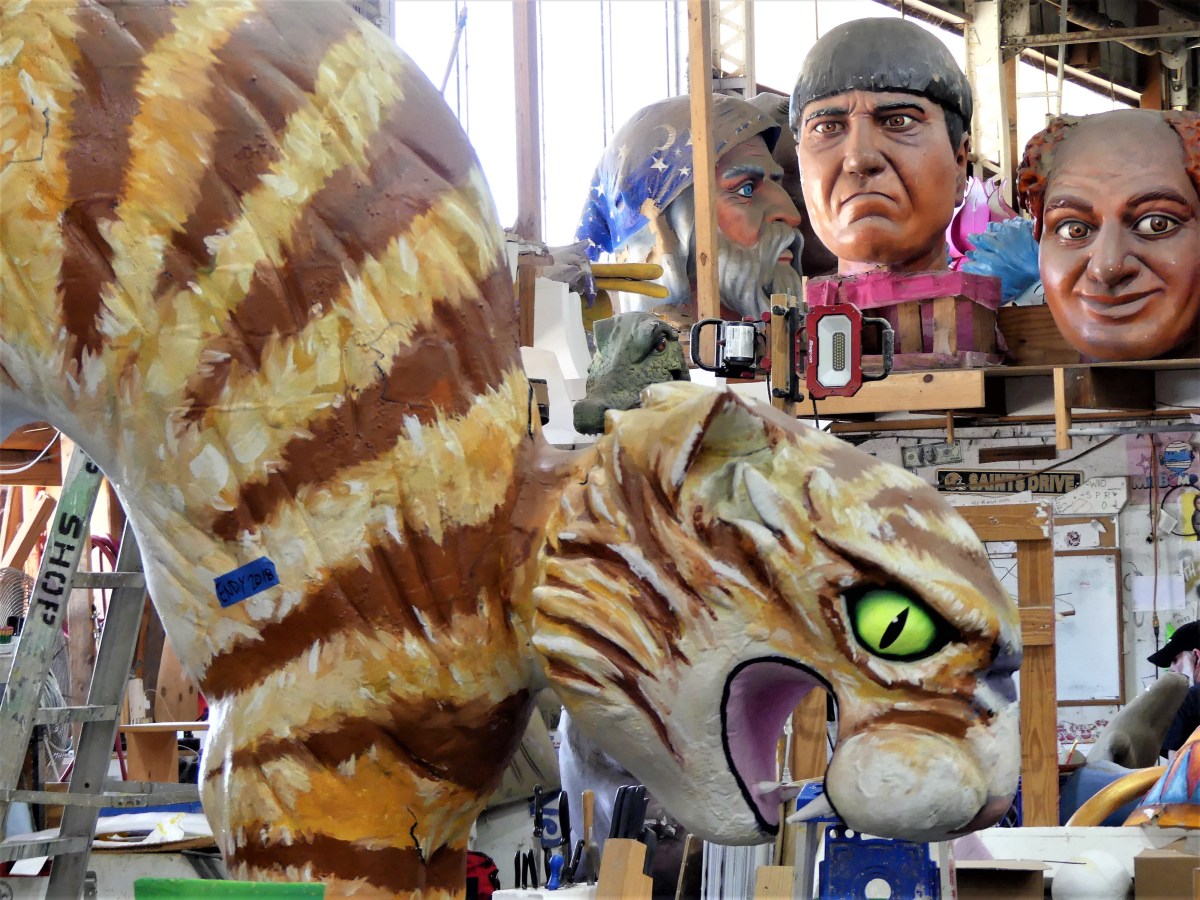 Since 1934, four generations of Kerns have been perfecting the art and business of celebrating Carnival, always managing year after year to surprise the public with fresh ideas infused with craftsmanship and technology.
 Kern Studios works with dozens of carnival organizations (known as krewes) who finance their own parades through member dues and fund-raising to offset expenses for:
 float warehousing, designing, sculpting, construction, decorating, tractor pulling, audio, lighting, and parade route security–all routinely costing $100,000 or more for each 28 foot display on wheels.
 But what’s a krewe to do if they eschew the usual bayou reissue? The Krewe of Bacchus commissioned Blaire to produce extravagant figures and floats on a more grandiose scale. He obliged them with 18 feet replicas of King Kong in 1972, and Queen Kong in 1973.
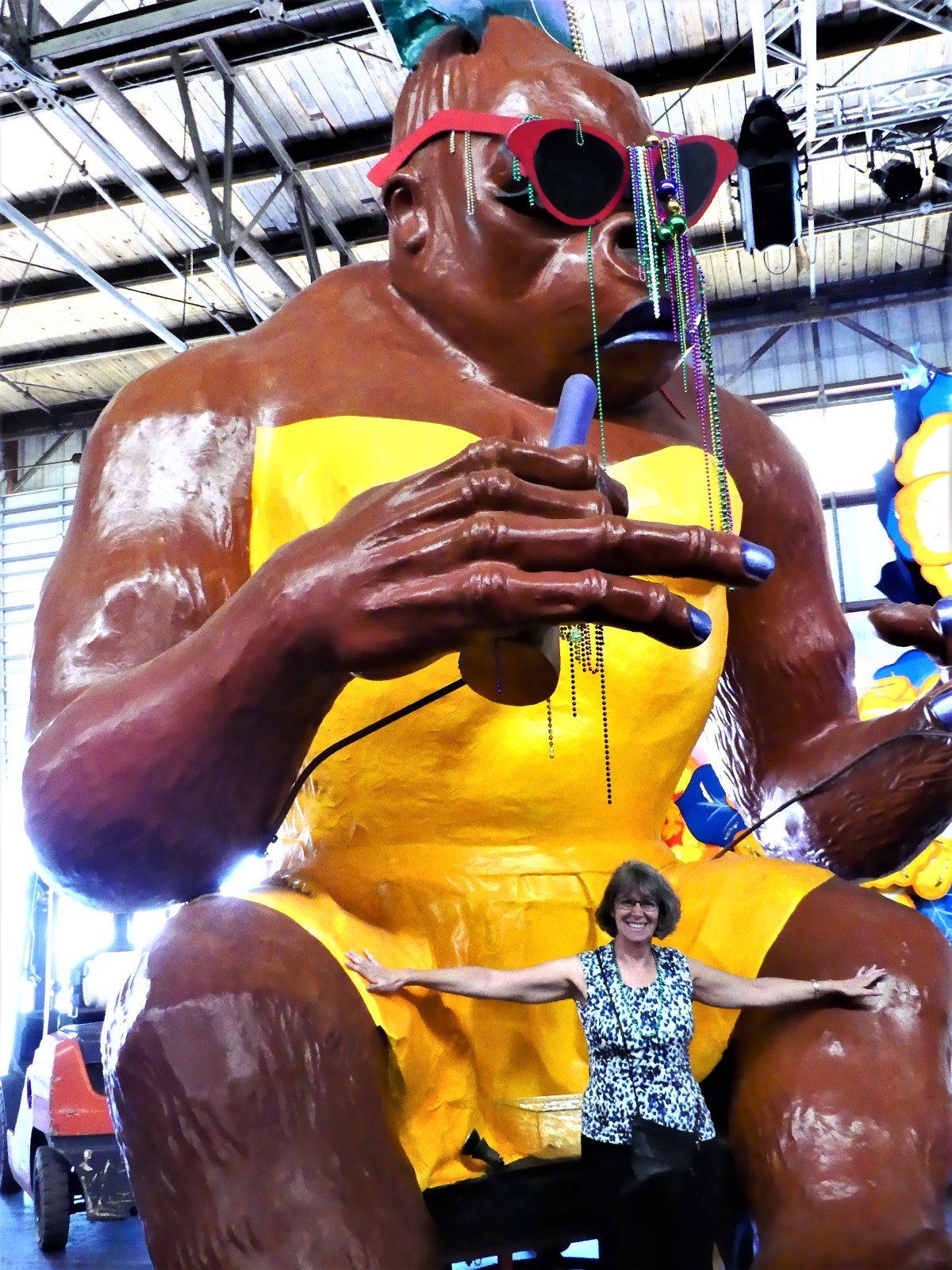
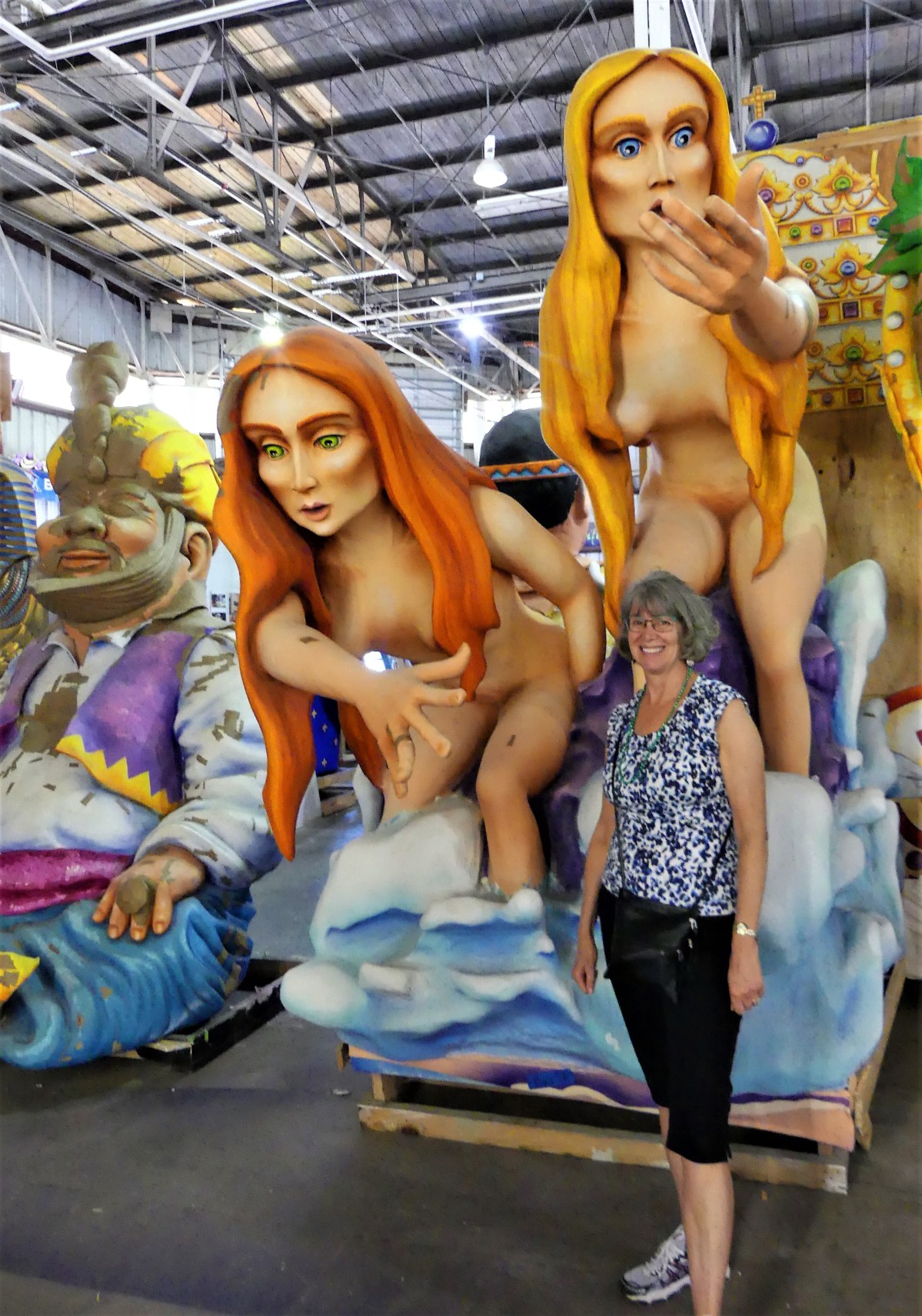
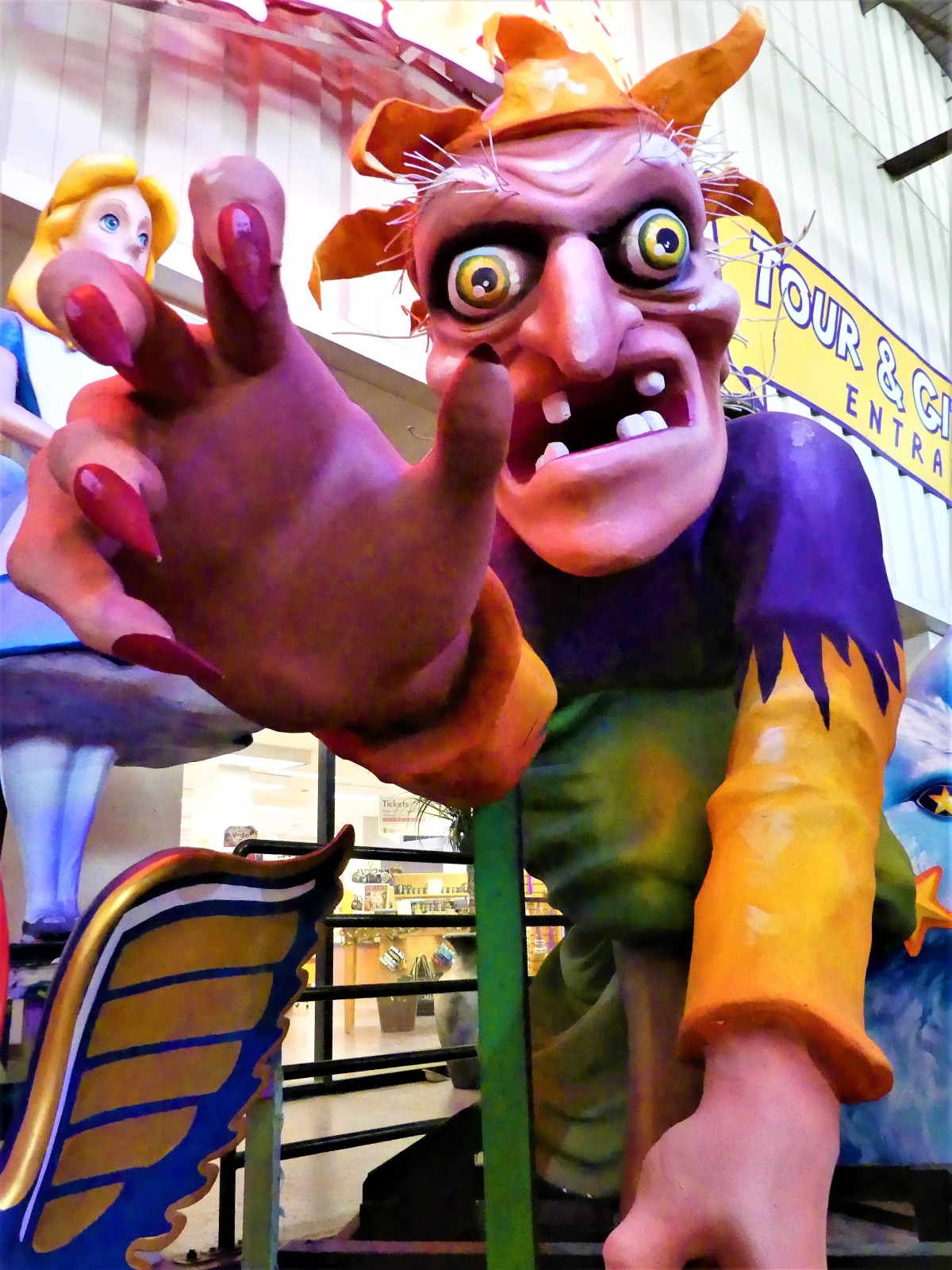 …which makes it (big) easy to see why Mardi Gras is such a cash cow for New Orleans, and Blaire Kern,
 unless you’re a Buddhist.

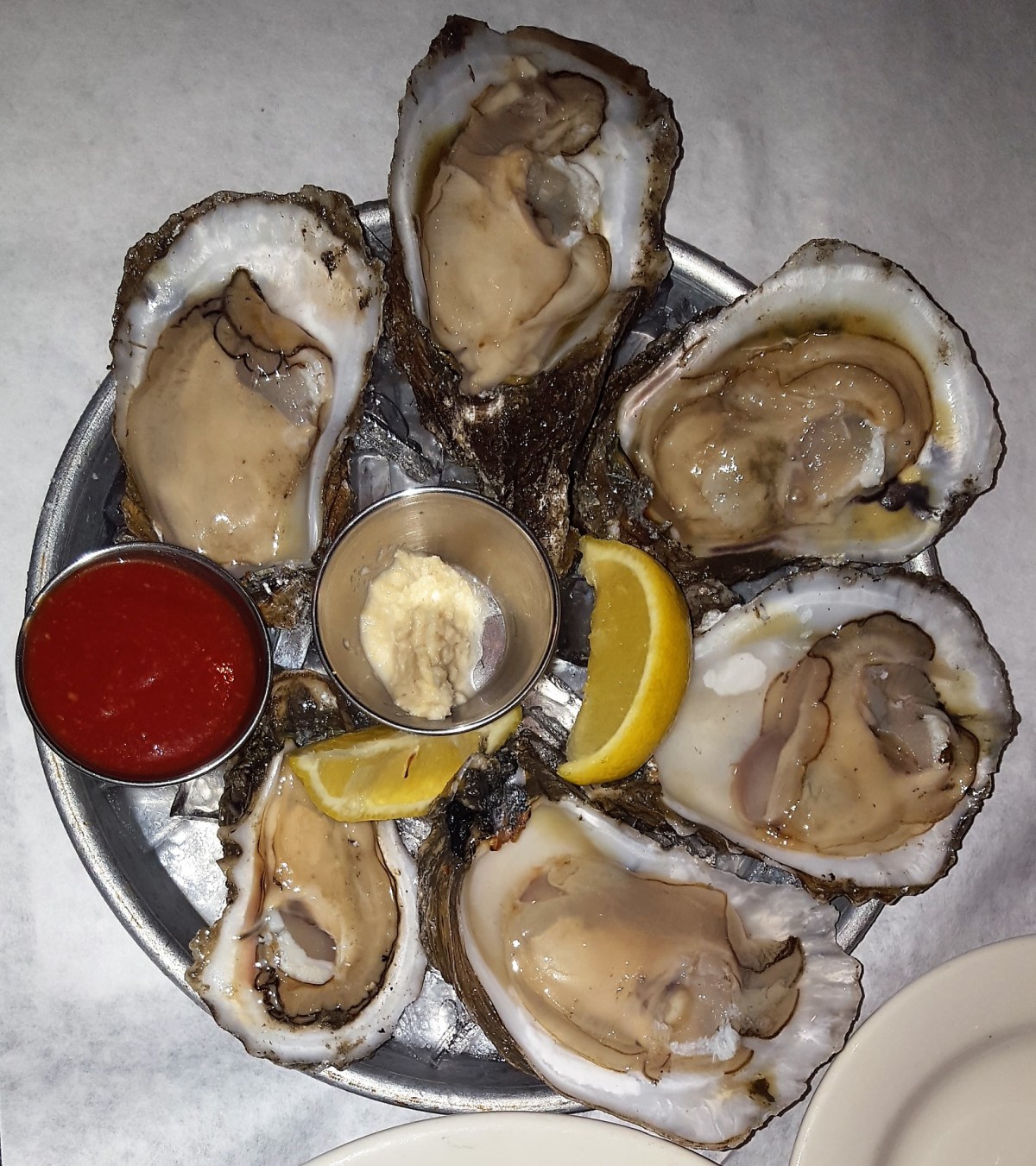
 Leah was horrified. “Eww, no! I don’t know how you can eat that,” she objected. “It looks like it’s still living.”

 but that’s another story.



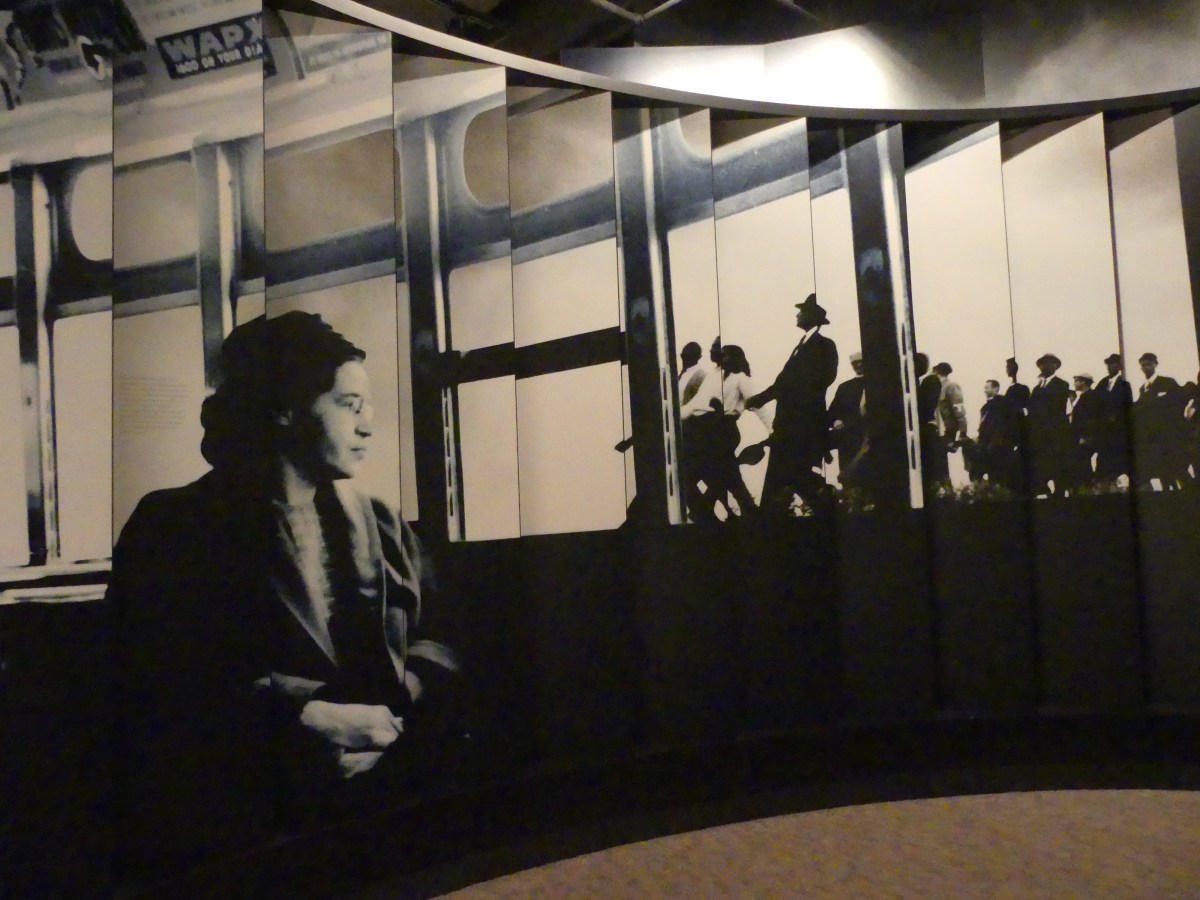
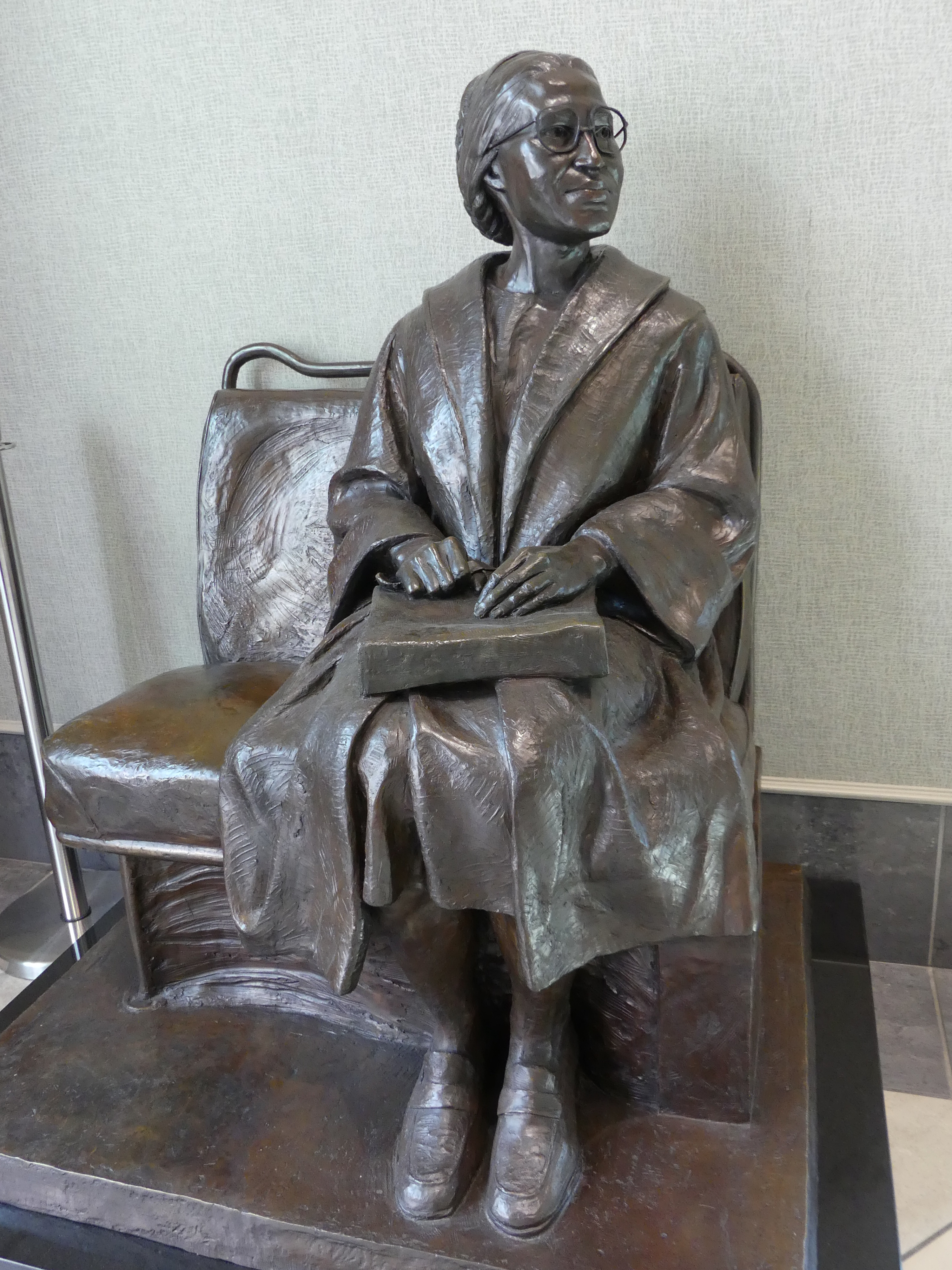


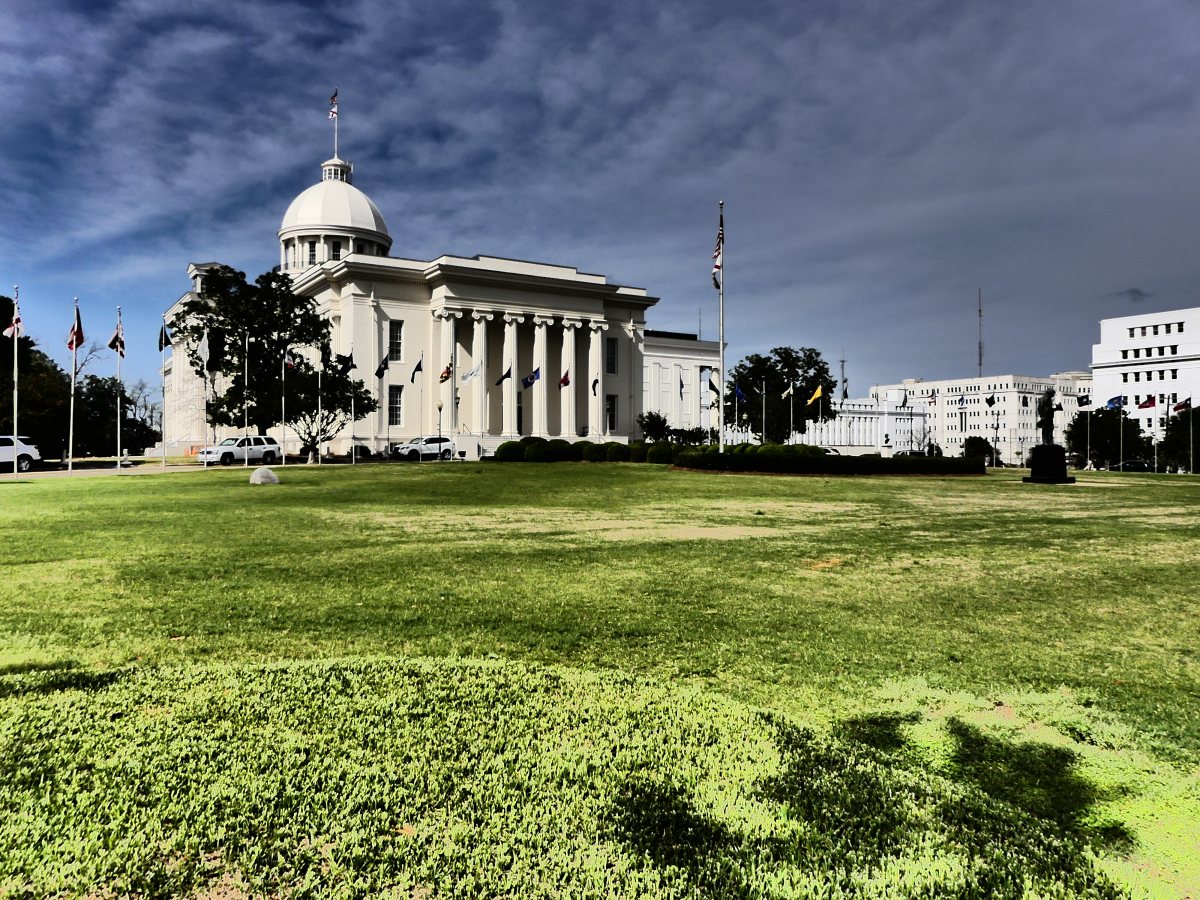
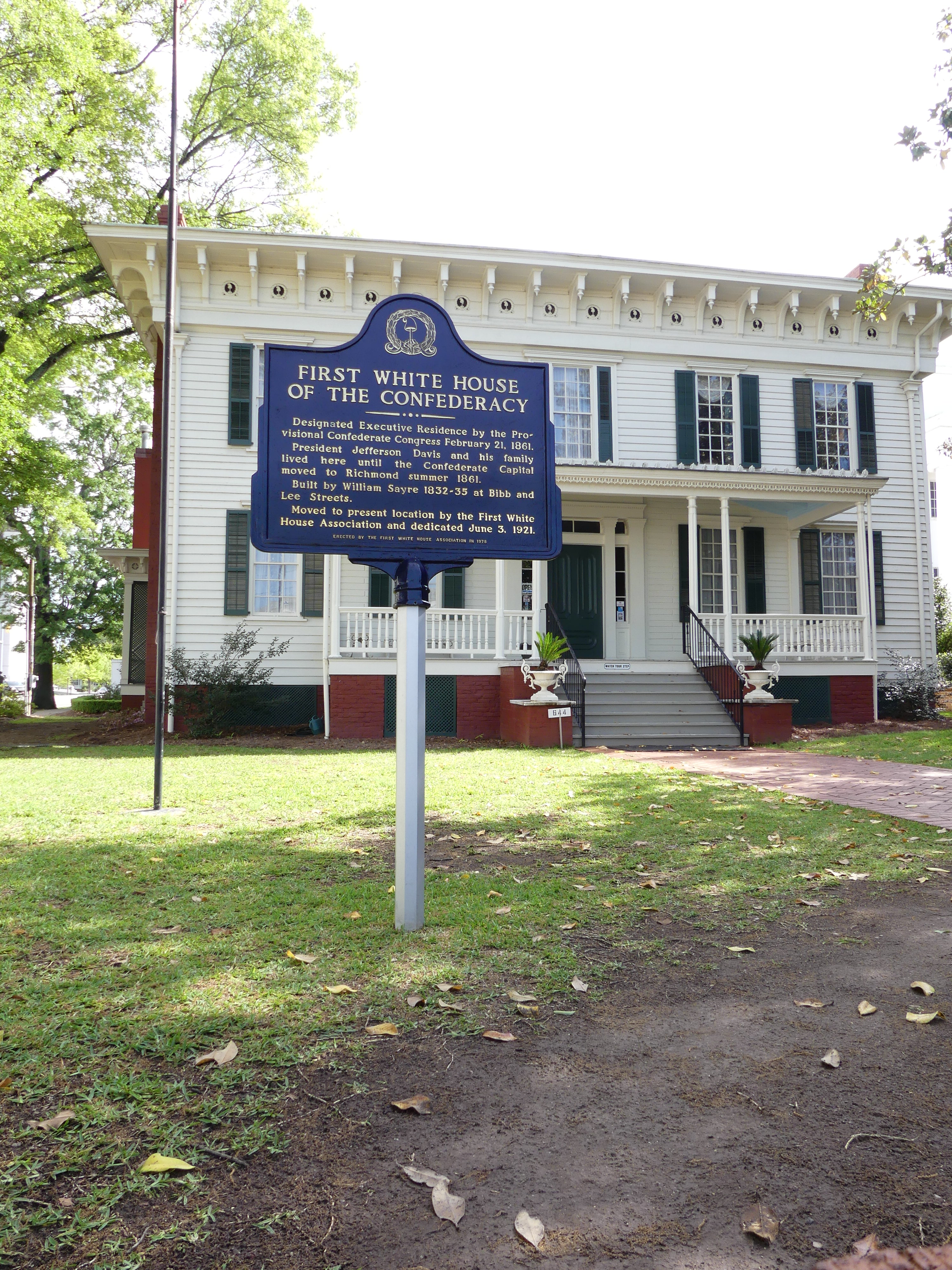
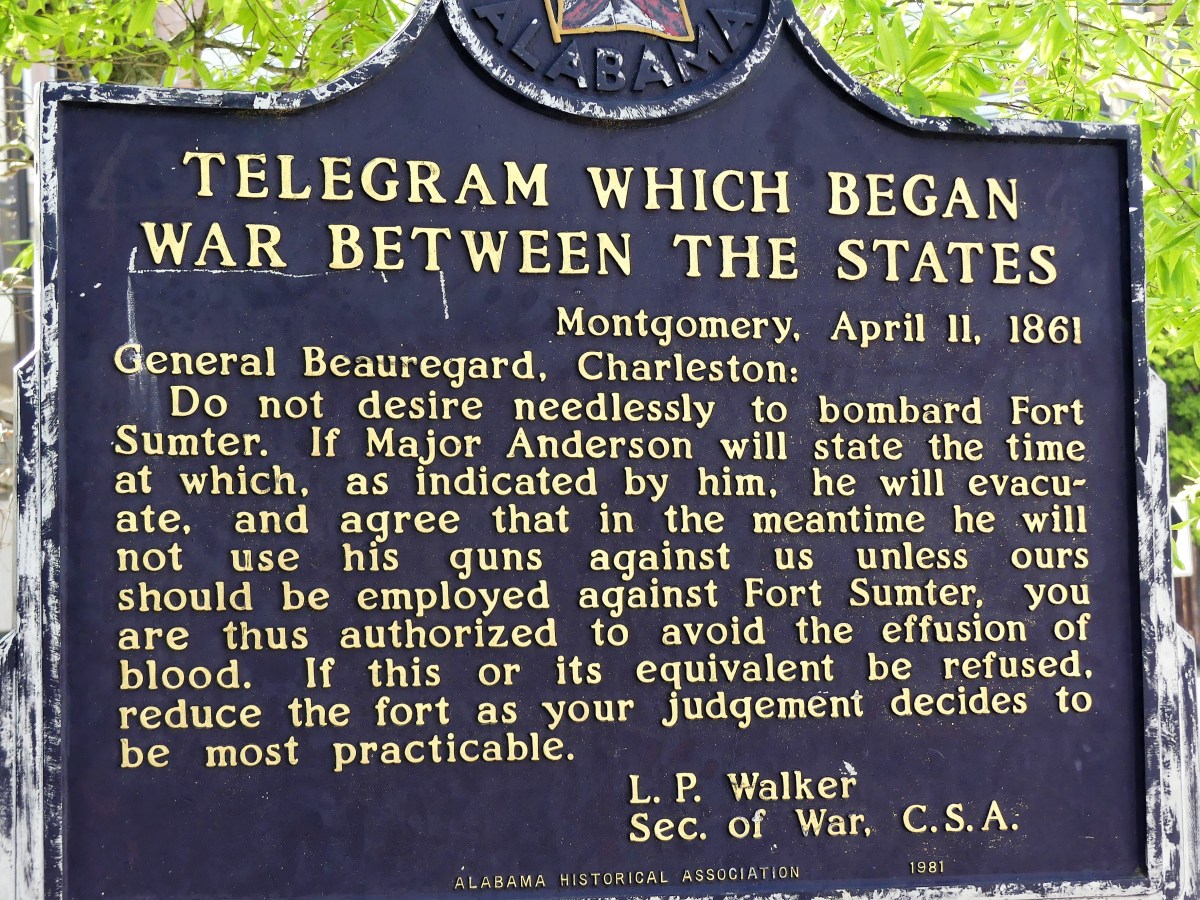


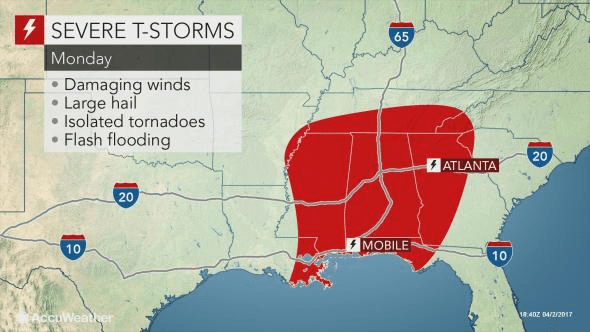
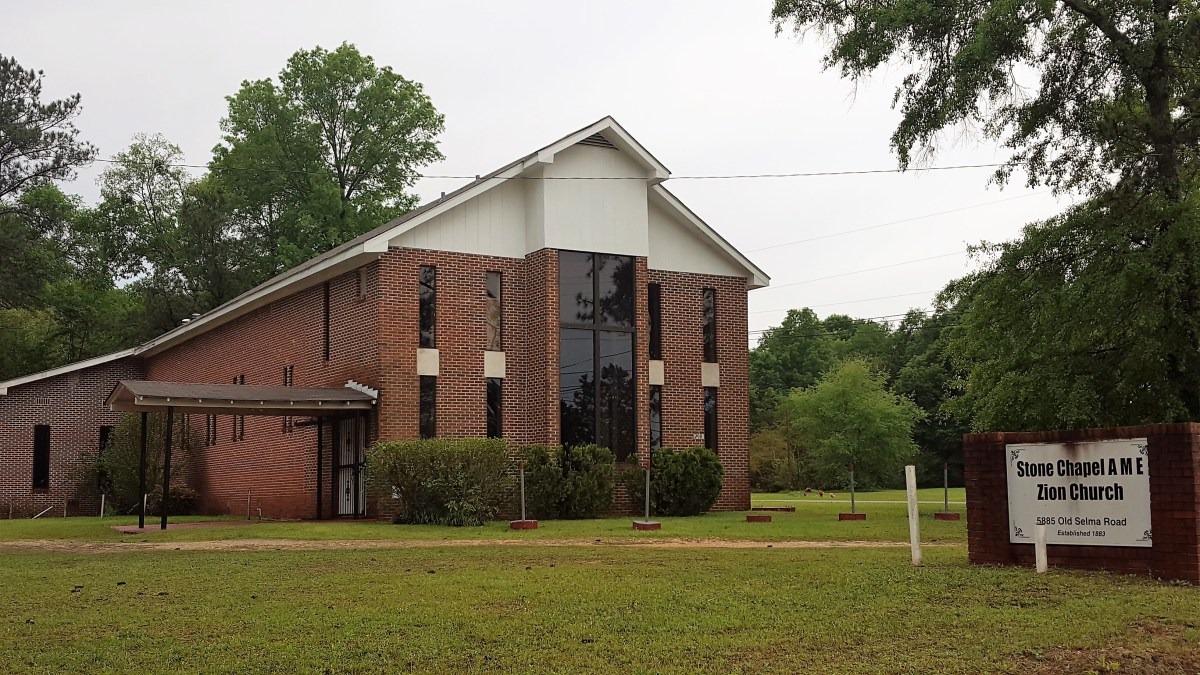
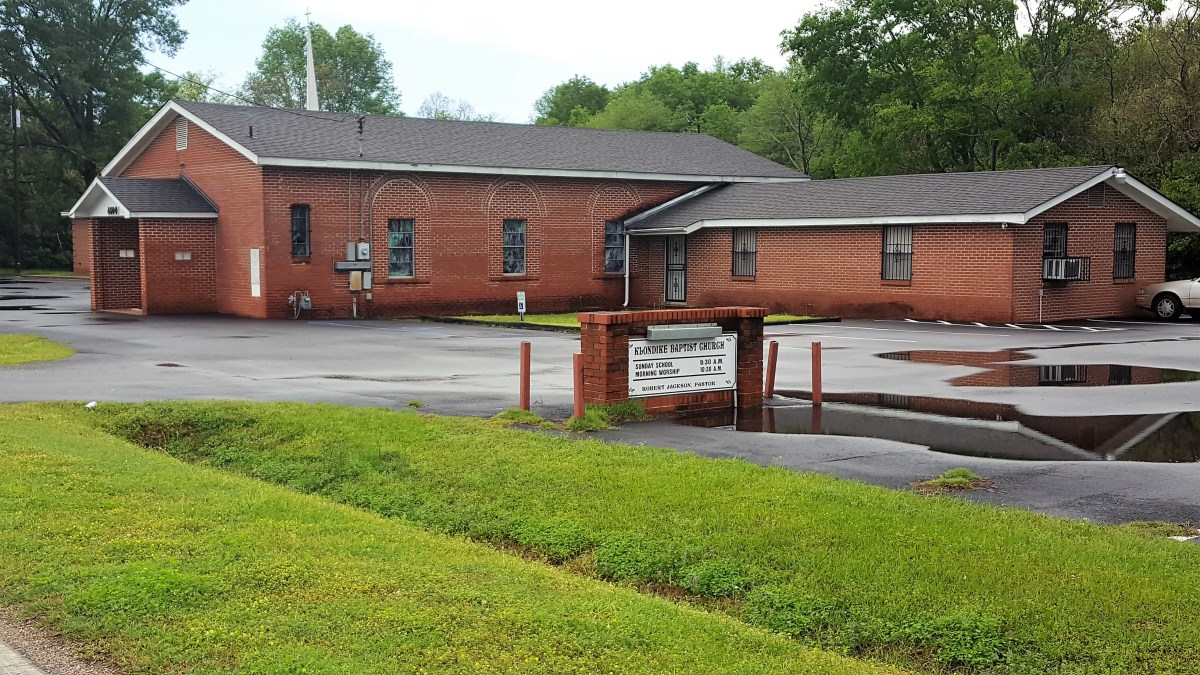
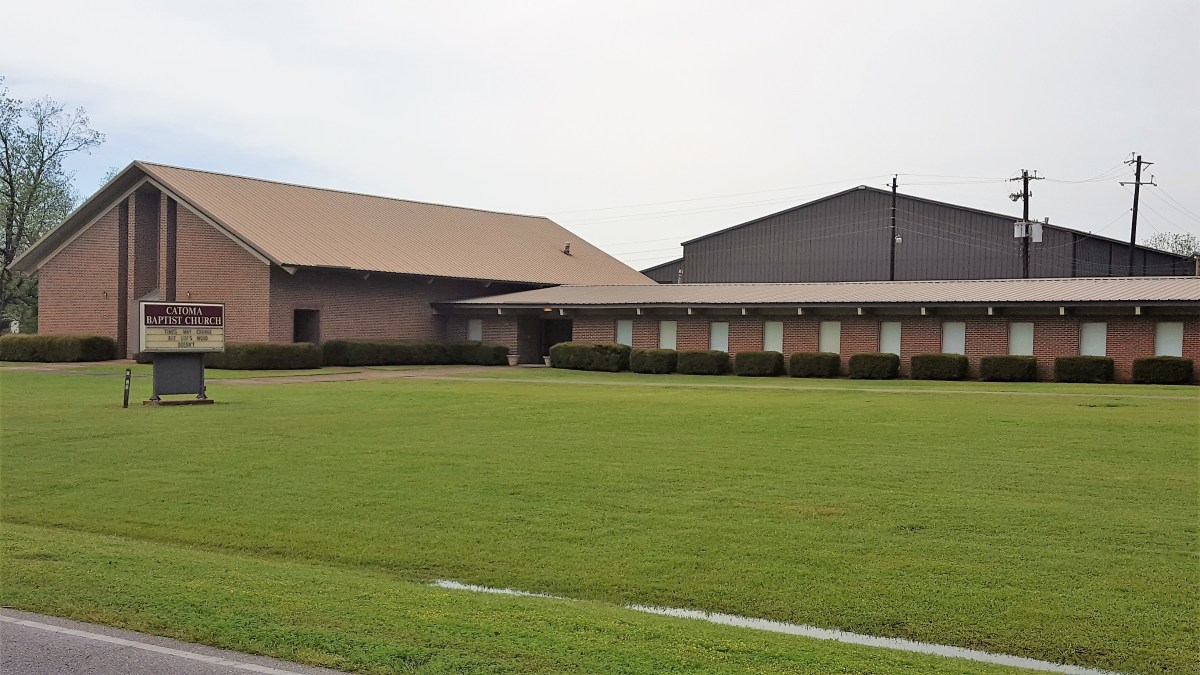


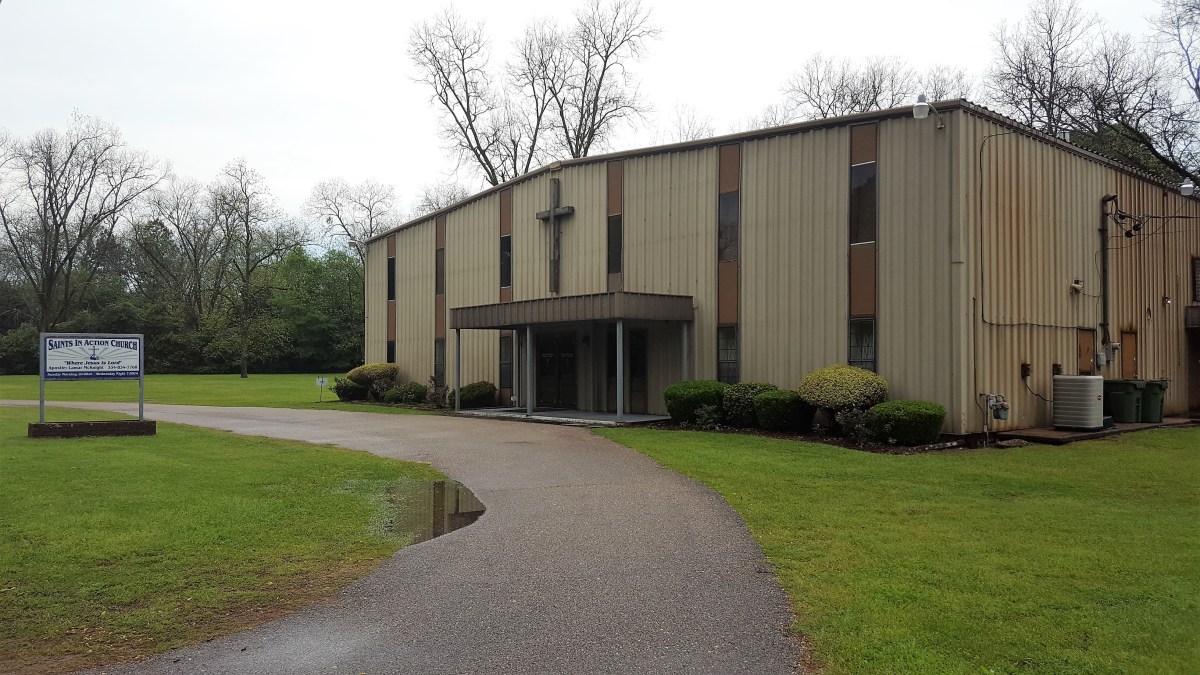

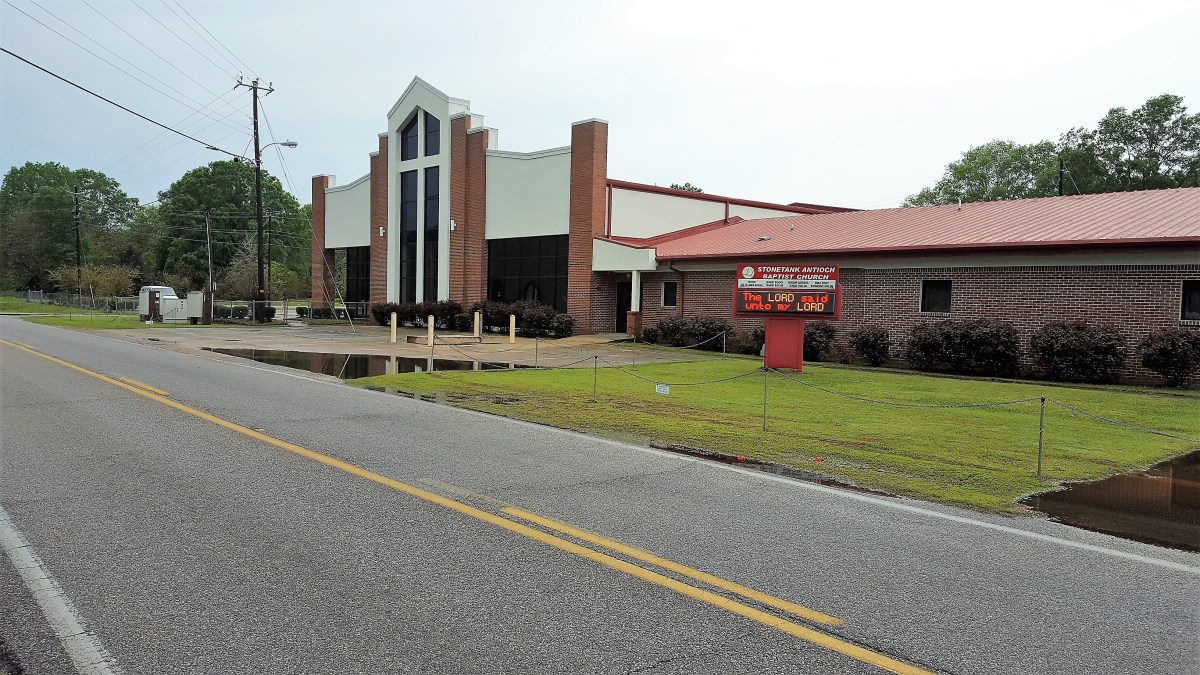 If salvation is part of your endgame, it seems that Old Selma Rd. is one of the most God-fearing stretches of asphalt in all of Montgomery, and the place I know where you should go, to save lives lost at any cost.



 Streaming thru America