No words, just a glimpse of beauty that is Okavango Delta in the center of Botswana.

Finding and reporting what's special across America

No words, just a glimpse of beauty that is Okavango Delta in the center of Botswana.

Much of Cape Town radiates with modern appeal, brandishing its abundance of fashionable and trendy shops, galleries, cafes, restaurants, and hotels throughout the city. However, the crossroads where residents and tourists travel to find it all is Cape Town’s waterfront.
Leah and I took a walk through the waterfront district to see for ourselves, and found that one day was not enough to cover it all.
The heartbeat of the waterfront is the Victoria and Albert Wharf, where the city meets the sea.

Grounded by a two-story mall, the Victoria Wharf Shopping Centre bustles with 450 retail stores, and over 80 restaurants and eateries.

Beyond a swinging bridge and a capsule of specialty malls stands the Clock Tower, where a ferry (calm seas and weather permittting) awaits to shuttle intrepid visitors to Robben Island…

the one-time prison of Nelson Mandela from 1964 to 1982, but now a museum and World Heritage site. Unfortunately, high swells prevented us from visiting.
His importance to the city and country cannot be underestimated, as his name and face is omnipresent throughout the region.
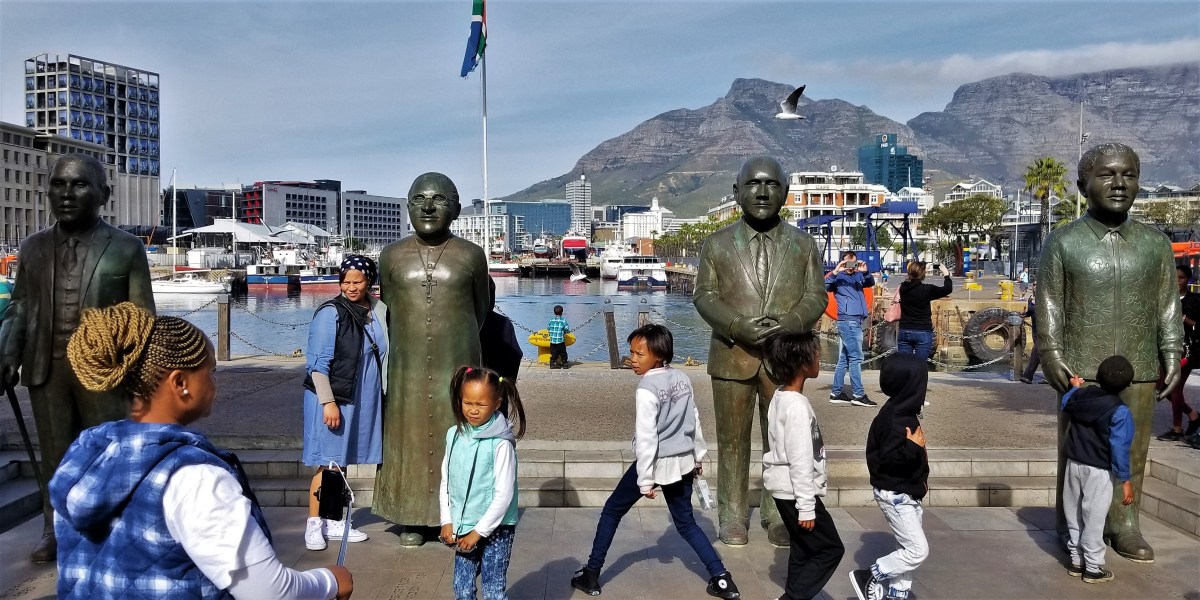
Visible from all points of the city, and looming over the wharf is Table Mountain,

accessible by cable car, with commanding views of the city below. Unfortunately, Leah and I never made it to the top because of gusting winds at the time.
Continuing south, we mounted a set of stairs…
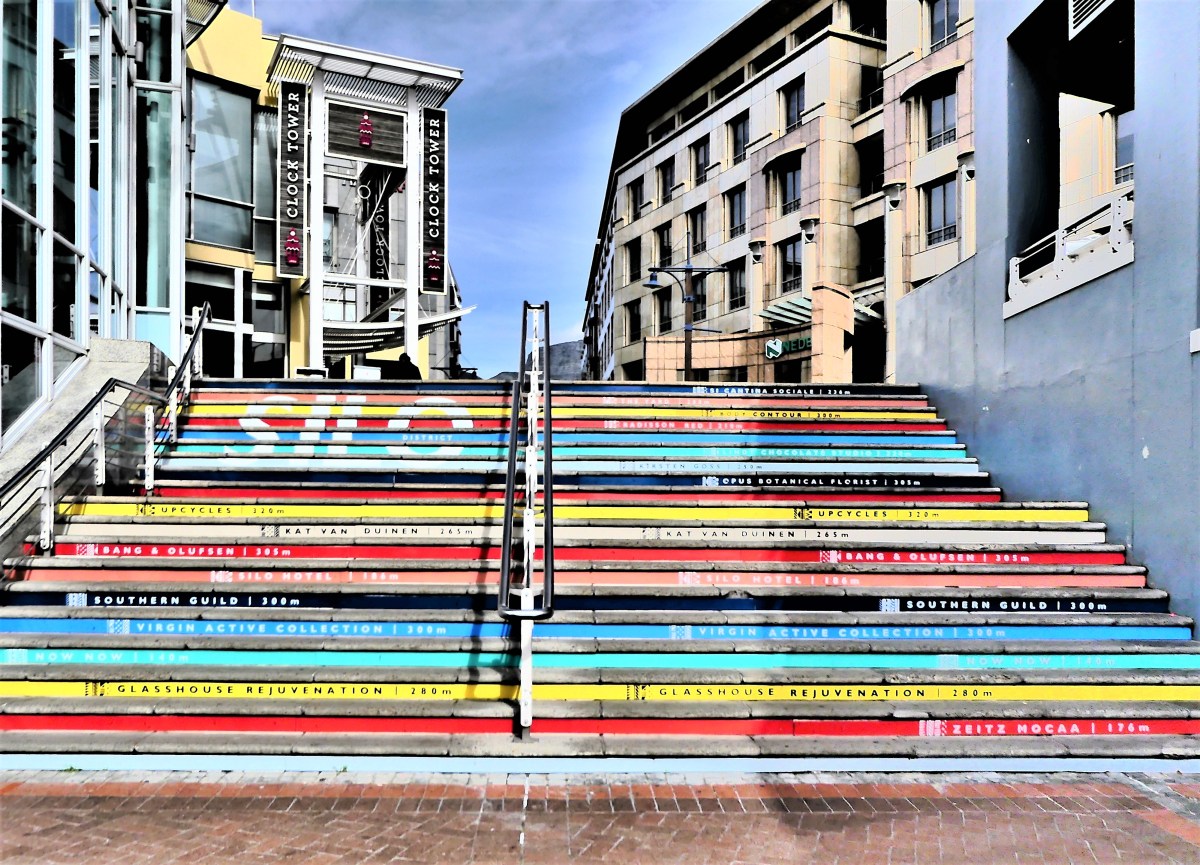
directing us to the Silo District, where a 1920s grain silo…

has been repurposed into the Zeitz Museum of Contemporary African Art,

having opened on September 2017, and boasting the world’s largest collection of African art.
The building also houses the Silo Hotel, occupying the top six floors within the one-time grain elevator. Daily rates during low season range from $900 for a luxury room to $5000 for a 1-Bedroom Penthouse. Leah and I thought we’d have a look around.
The elevator carried us to reception on the sixth floor, where we spoke to an attendant who eagerly escorted us to the eleventh floor open-air restaurant, lounge and pool.
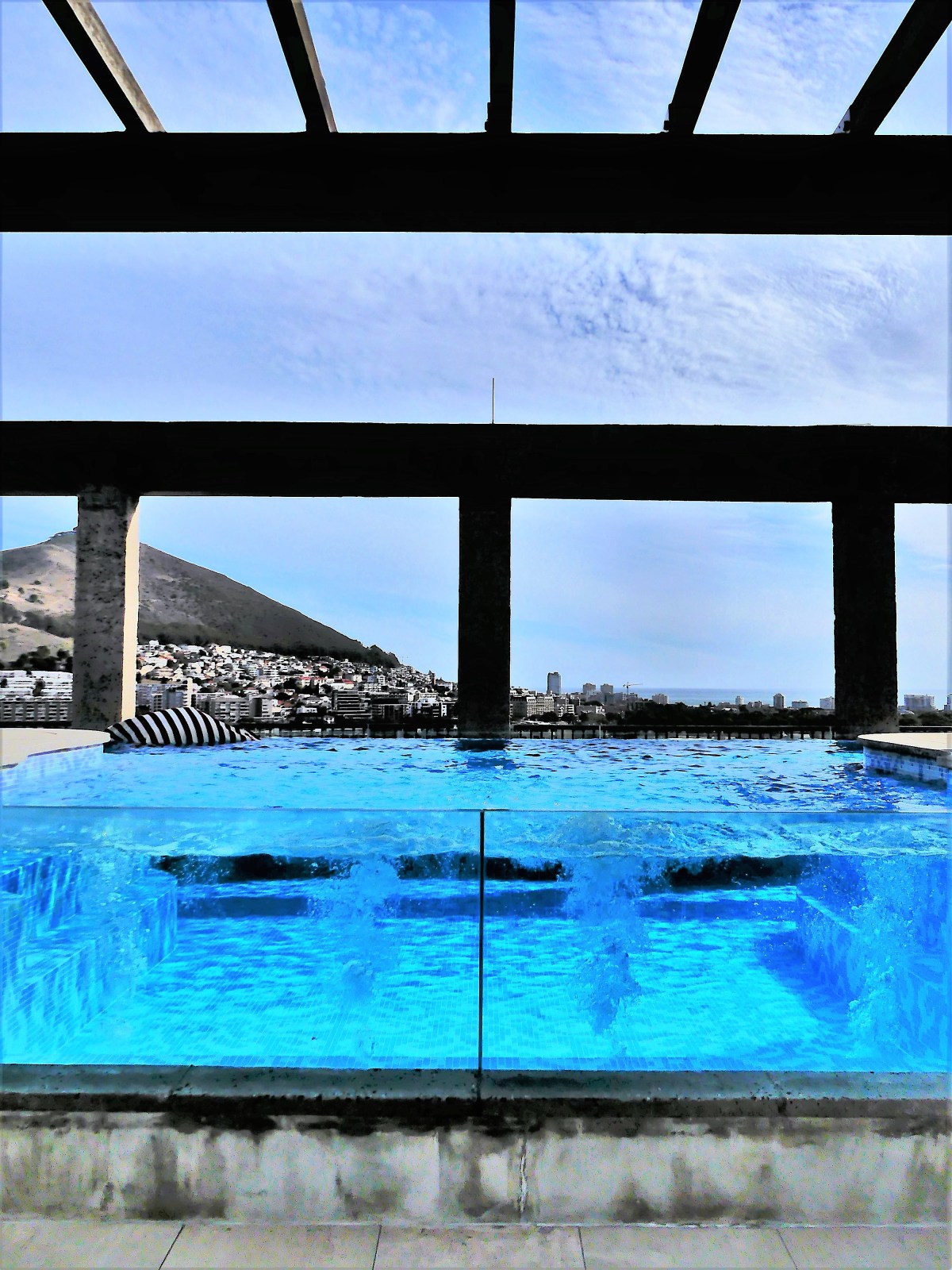
Having missed out on a Table Mountain overlook because of weather, our surrounding views of the stadium,
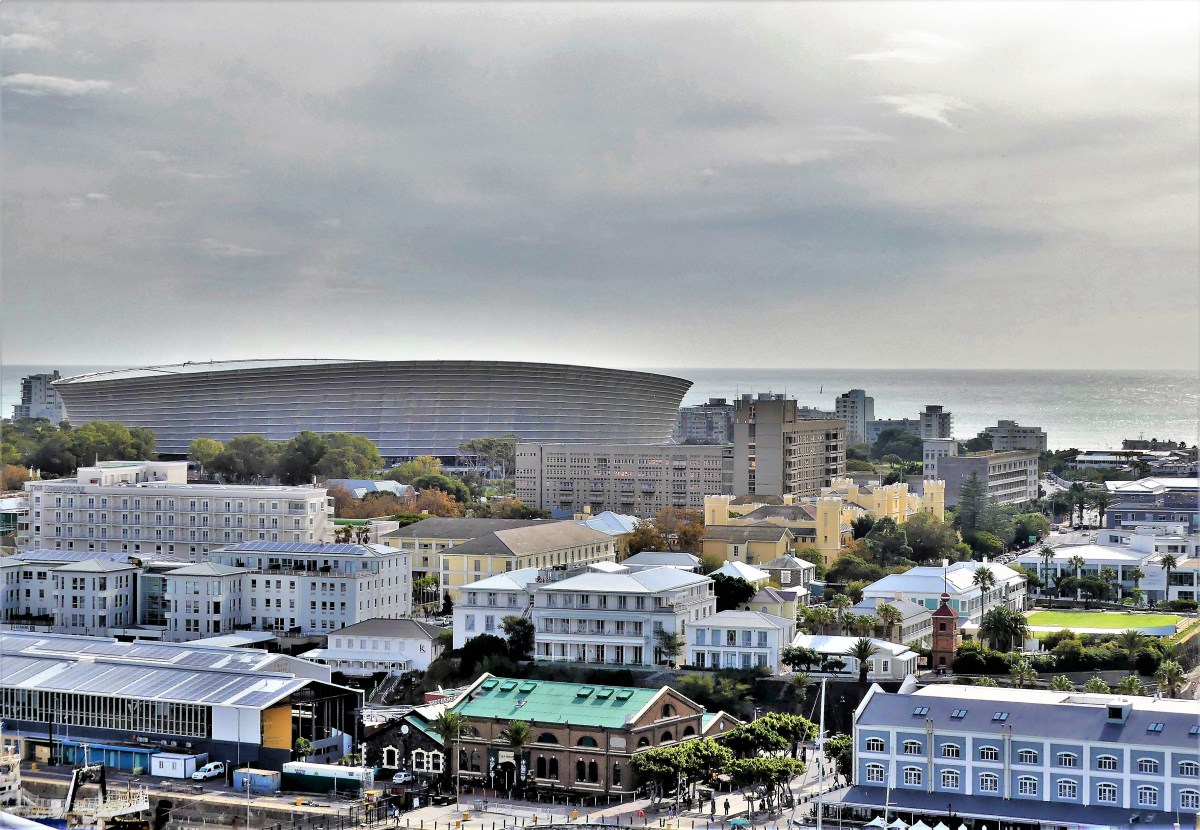
the wharf,

the ship terminal,
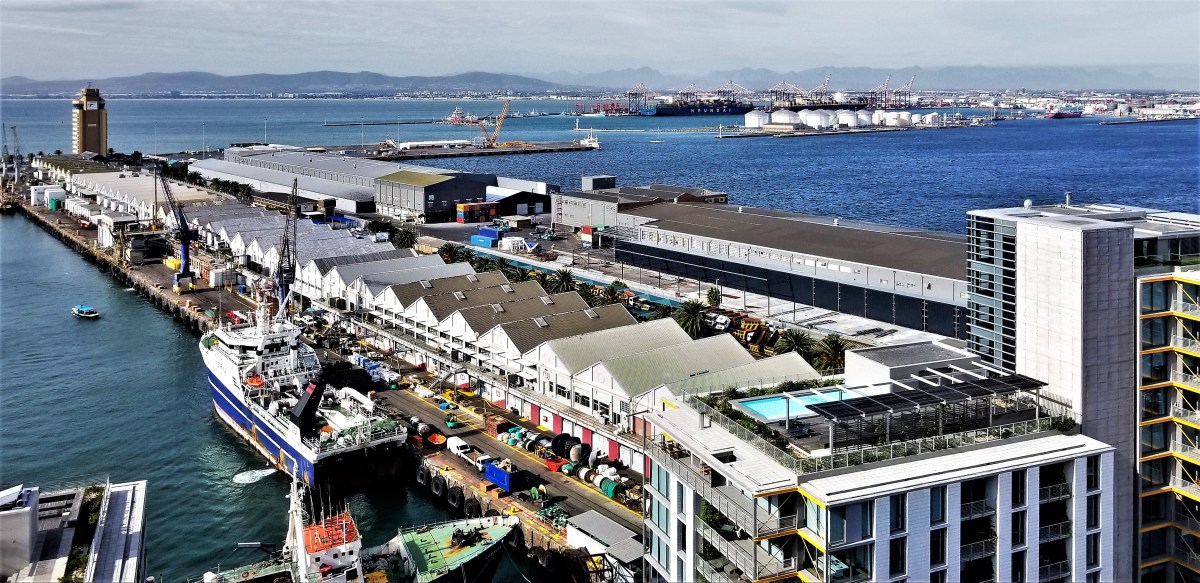
and the courtyard below were spectacular, and made up for our disappointment.
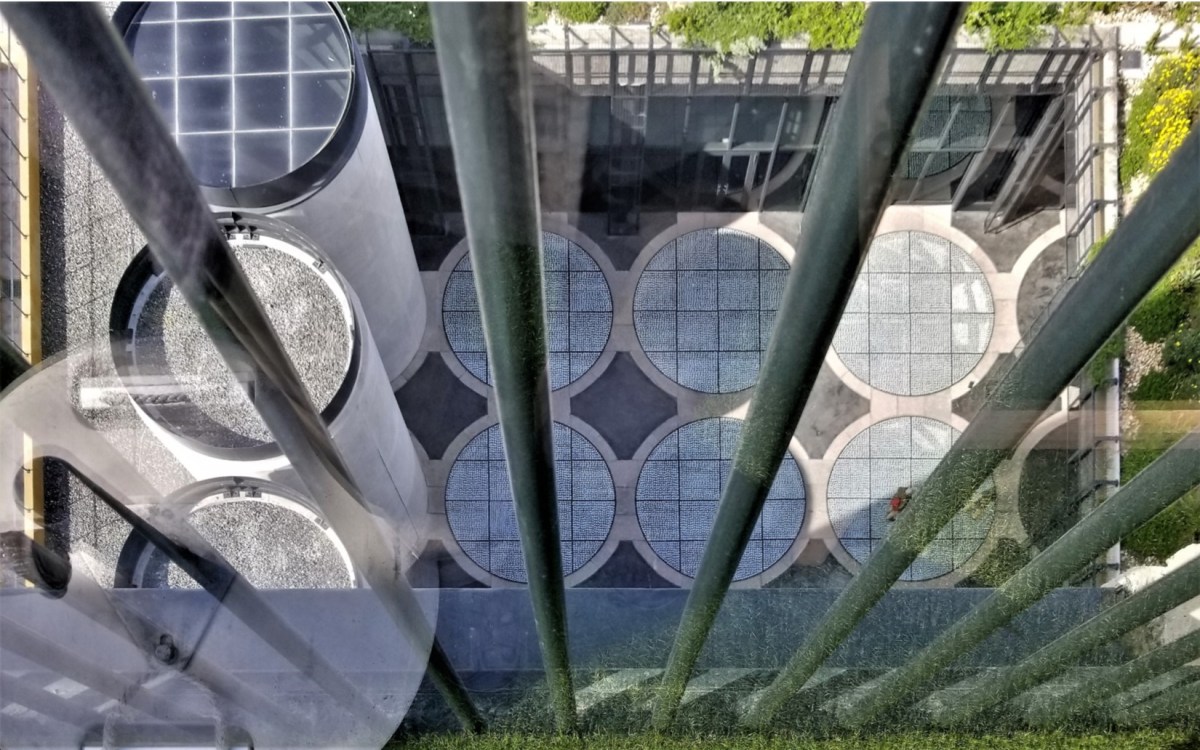
Once back on earth, we headed past the shipyards…

and along the canal…

to Battery Park, a greenspace where families gather to skate and picnic.

After reaching City Hall in the distance, we doubled back to the waterfront, eager to continue the next part of our journey in search of wild animals.
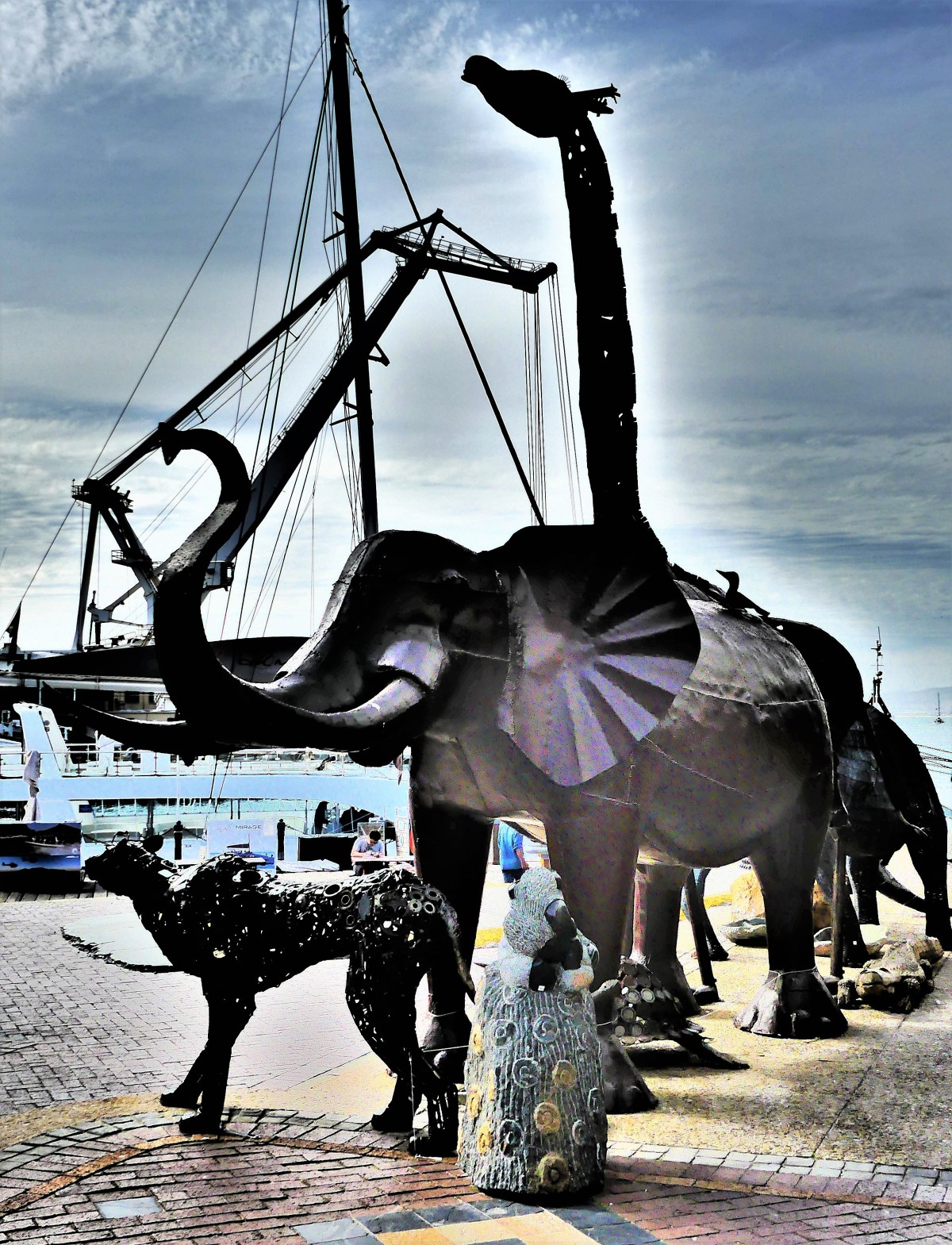
Much more to follow…

At Boulders Beach, on False Bay along the Cape Peninsula of South Africa, within Table Mountain National Park…

stands a boardwalk that showcases a free-roaming colony of African penguins.
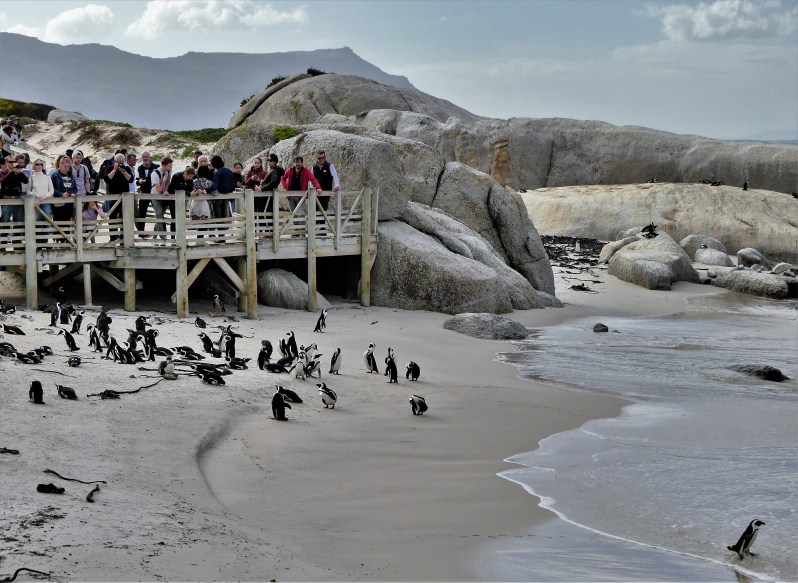
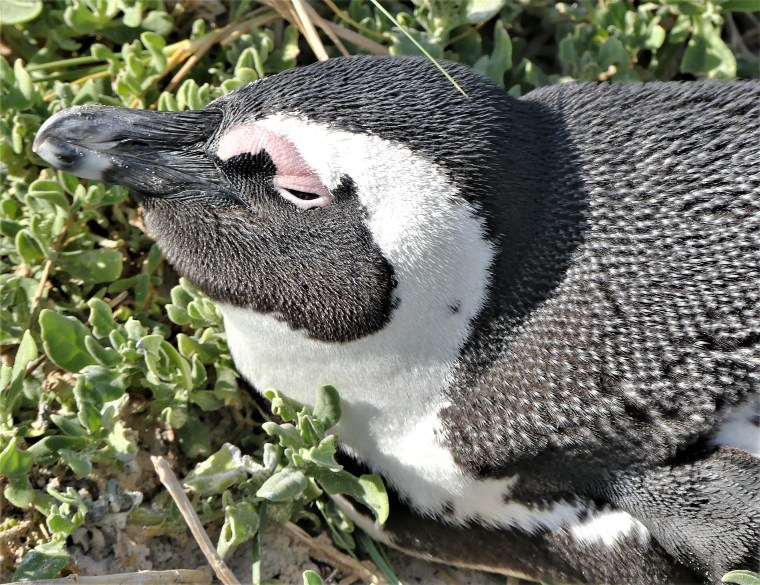
When they are not busy nesting,

or caring for their hatchlings…

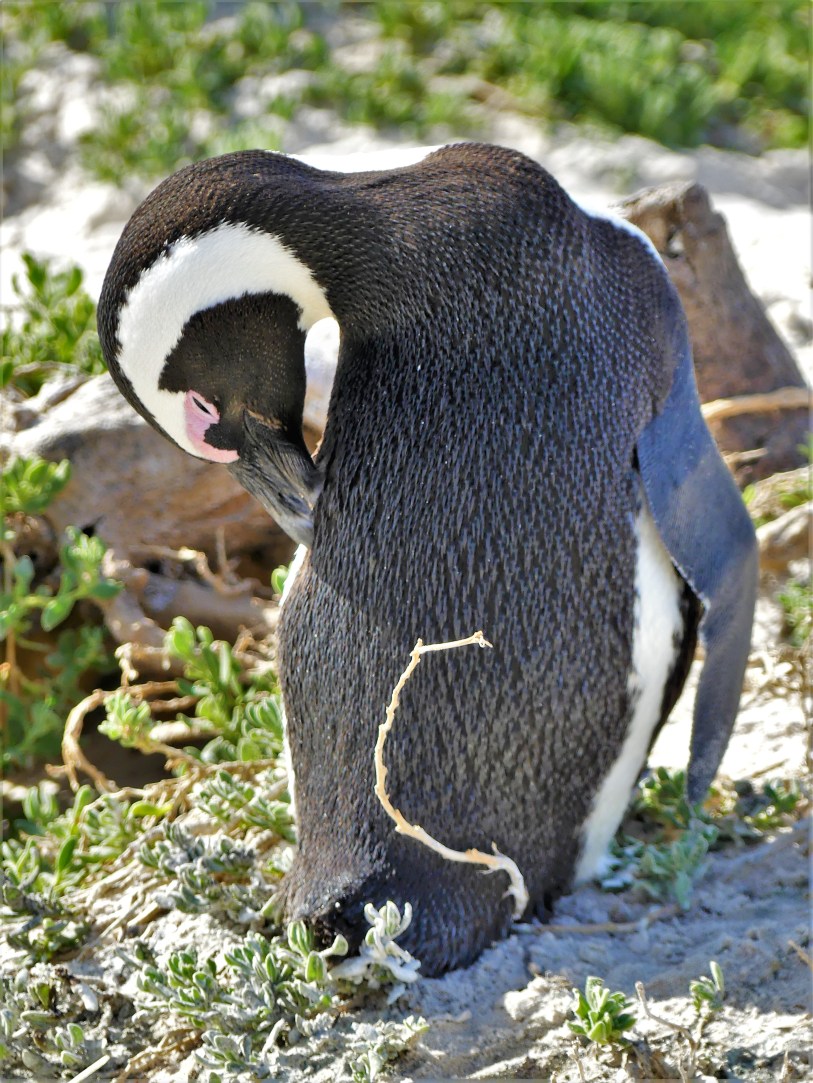
they are preening,
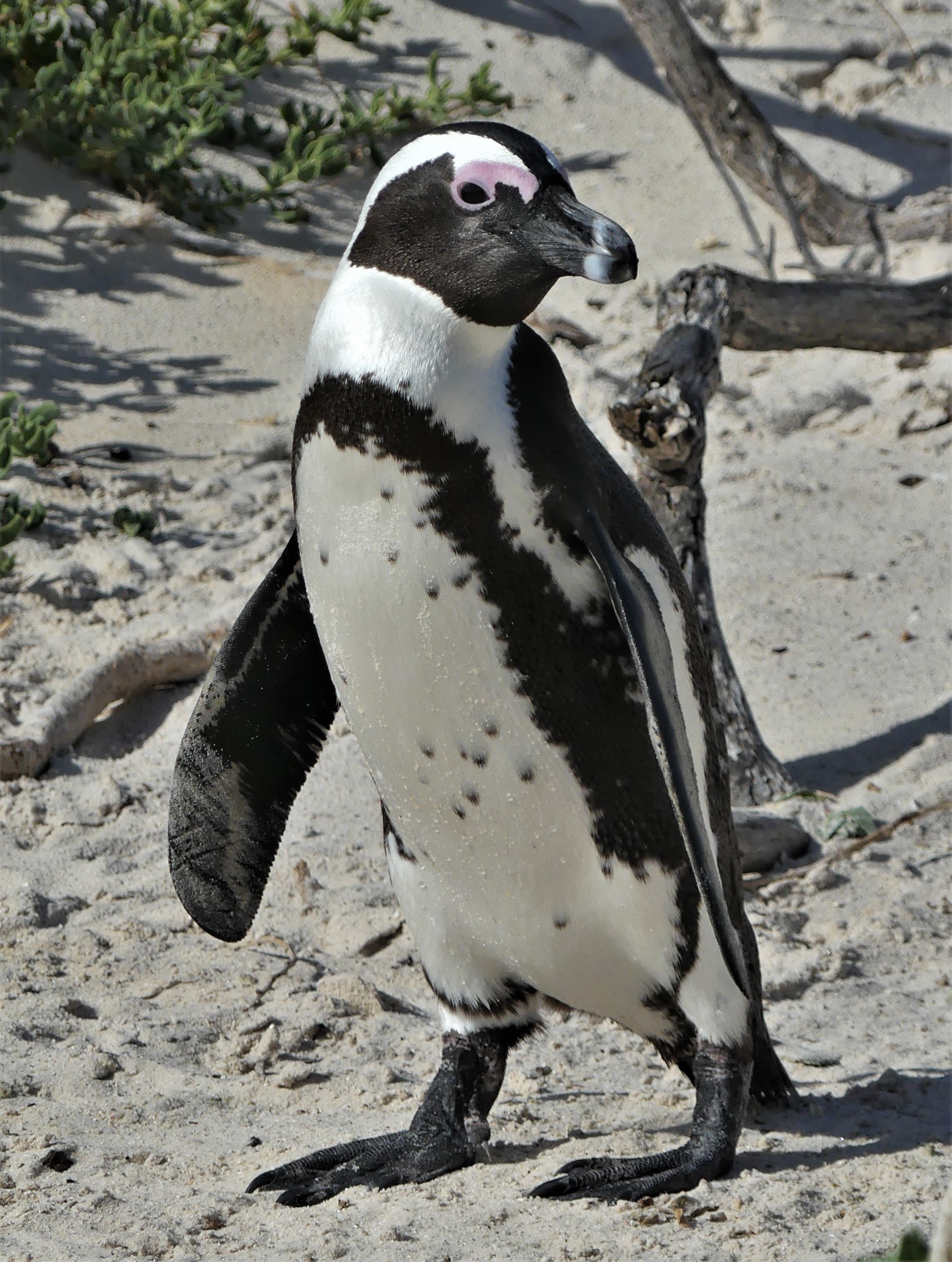
and standing watch…
over the rookery.
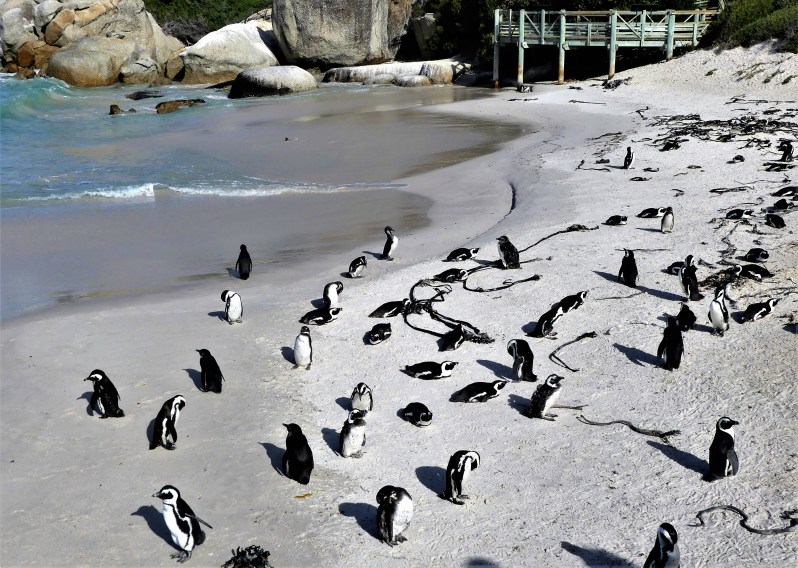
Some African penguins may gather in small groups before setting off to hunt for fish,

while others are content to surf the shoreline,

always wary of hungry seals…

who would easily prey on unsuspecting penguins, ready to rip open their bellies for the fish they have recently swallowed.
Ahh, the abbreviated life of an African penguin…

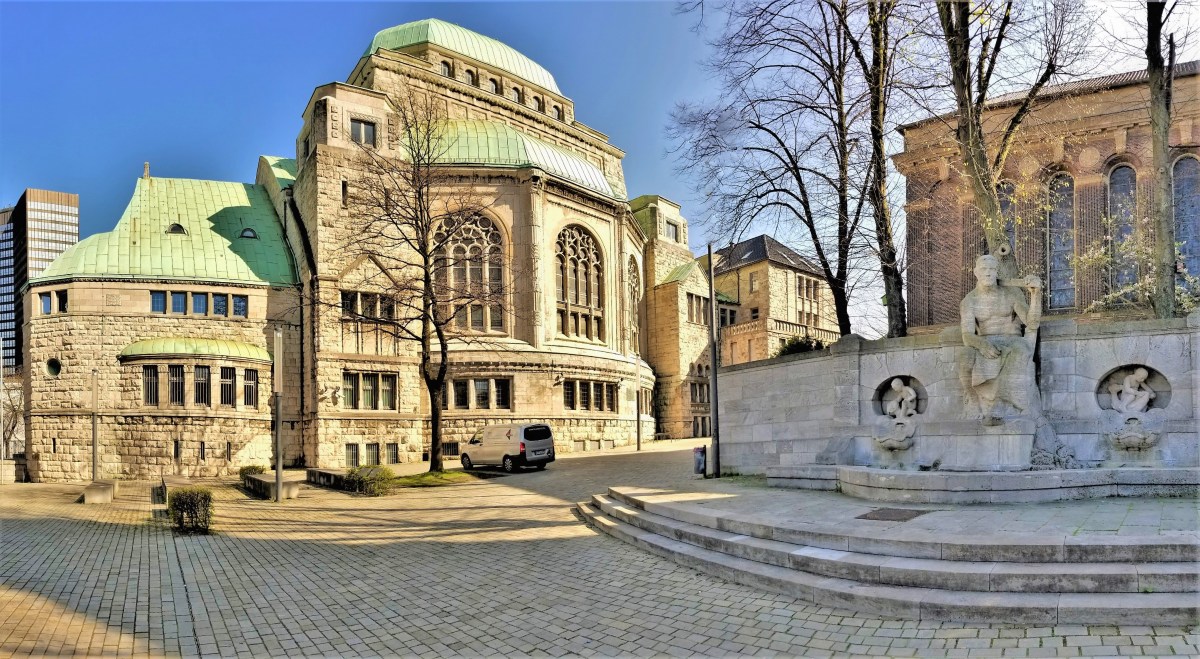
The Neue Synagogue of Stalerstrasse was consecrated in 1913 from Edmund Körner’s designs, and was Essen’s cultural and social epicenter for the 4500 Jews around town. With its four striking copper cupolas,
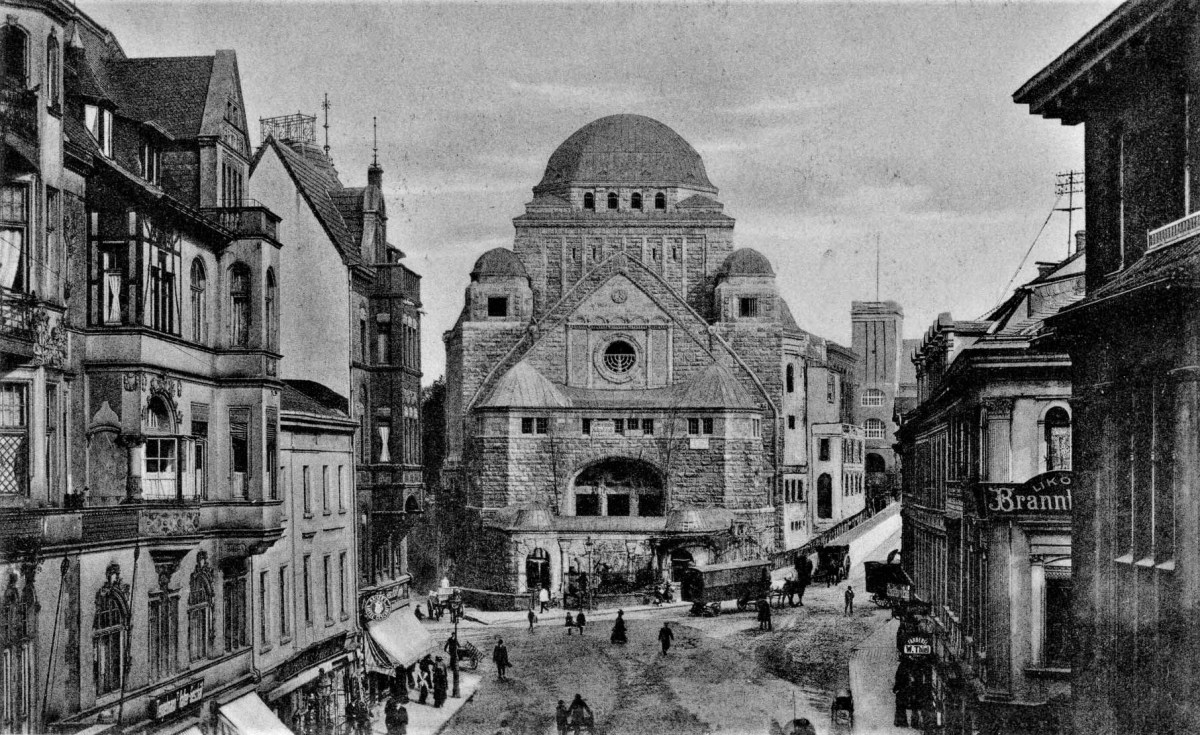
it was considered one of Europe’s largest and architecturally significant synagogues of all time.

Twenty-five years later, the synagogue burned at the hands of Nazis on the eve of Kristallnacht, while onlookers could only watch in horror and dismay.

Fire engines stood guard as a precaution in case adjacent buildings should accidentally catch fire while the synagogue continued to burn.
Although the synagogue’s interior was plundered, vandalized and badly scarred by fire,

and intense Allied bombing scored direct hits on the Krupp artillery and munitions factory nearby,

the exterior of the synagogue miraculously survived against a backdrop of rubble.

My mother’s family worshipped at the Neue Synagogue from the time her parents settled in Essen in 1919. One of her earliest memories was sitting in the chapel listening to her father chant the Sabbath prayers from the bimah.
By 1988, the synagogue had been restored to its original splendor, and to the world, represented a shining memorial of the German resistance.
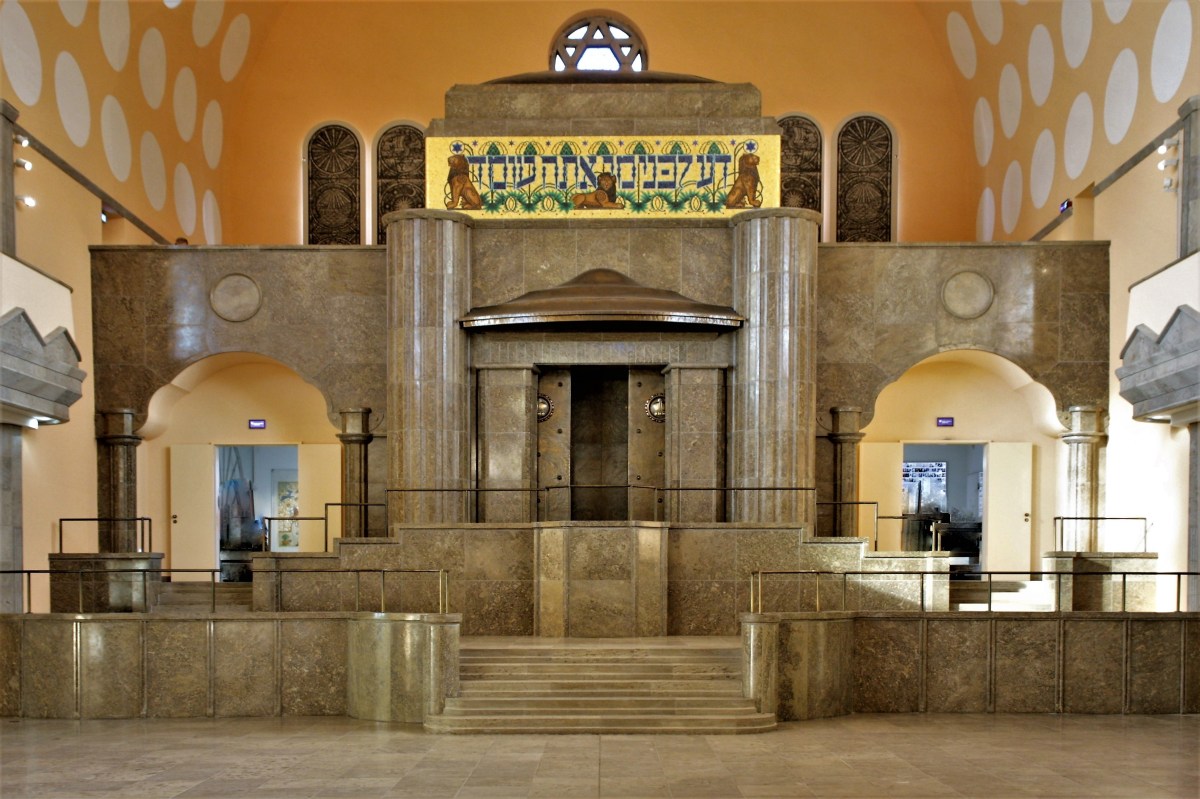
In August, 1999, despite my mother’s solemn vow to never return to Germany, her views were softened by Essen City Council’s olive branch of restitution, and she accepted their invitation to once again visit the synagogue she loved, and reflect on her upbringing.
Twenty years later, Essen City Council officially decreed the Alte Synagogue as a “House of Jewish Culture.”
 Following my visit to Bergen-Belsen, I met with Martina Strehlen, the Deputy Head of Research Collections of the Old Synagogue to experience this cultural landmark, the origin of my mother’s Jewish roots, and to review specific archival materials. Martina clearly recalled my mother’s visit 20 years ago, and eagerly shared copies of artifacts she had donated to the research center’s collection.
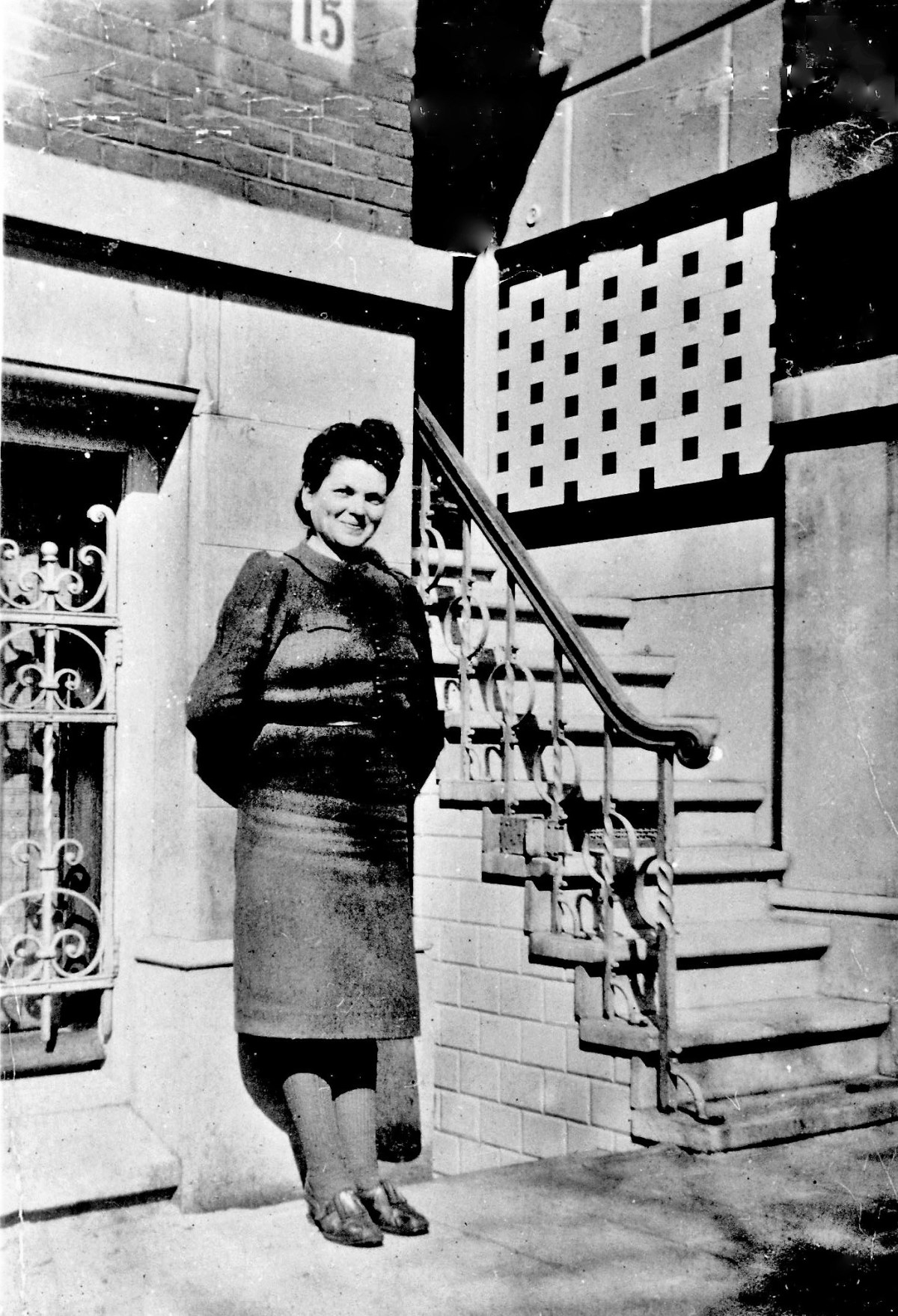

Afterwards, I stood in the warm sun for a time and marveled at the significance of the Old Synagogue sharing a courtyard with the Church of Peace.

I was nearing the end of my journey, but there was one last deed to fulfill. Before returning my rental car to Amsterdam, I would first stop at the Jewish Cemetery of Diemen, located just outside Amsterdam’s city limits, and search for my grandfather’s grave.
Records indicate that Mnil Strawczynski was cremated on September 5, 1943, and his remains were transferred to Field U–a remote and overgrown plot of closely stacked headstones memorializing the 400 urns from Westerbork Transit Camp during Nazi occupation.
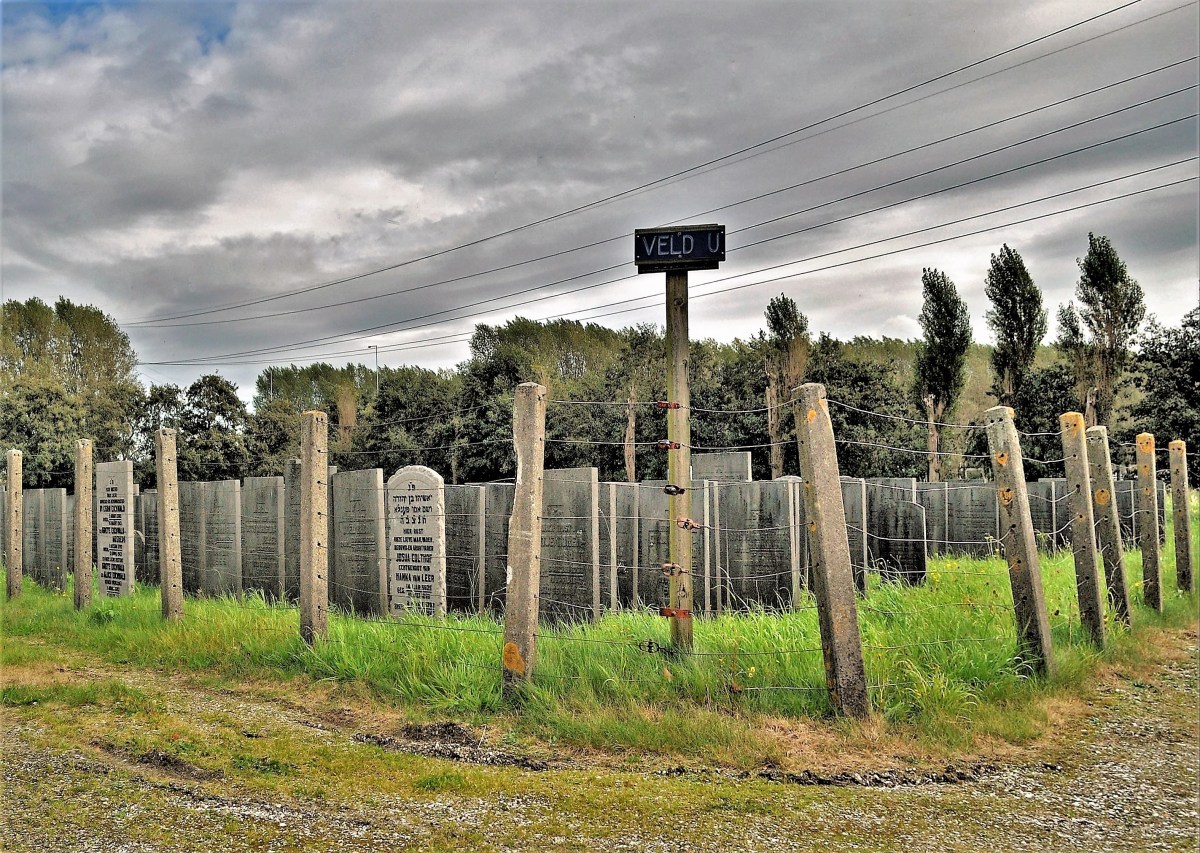
Walking the cemetary alone against a gray souless sky, I felt a odd closeness to someone I had never met, but had come to know through scattered remnants of research.
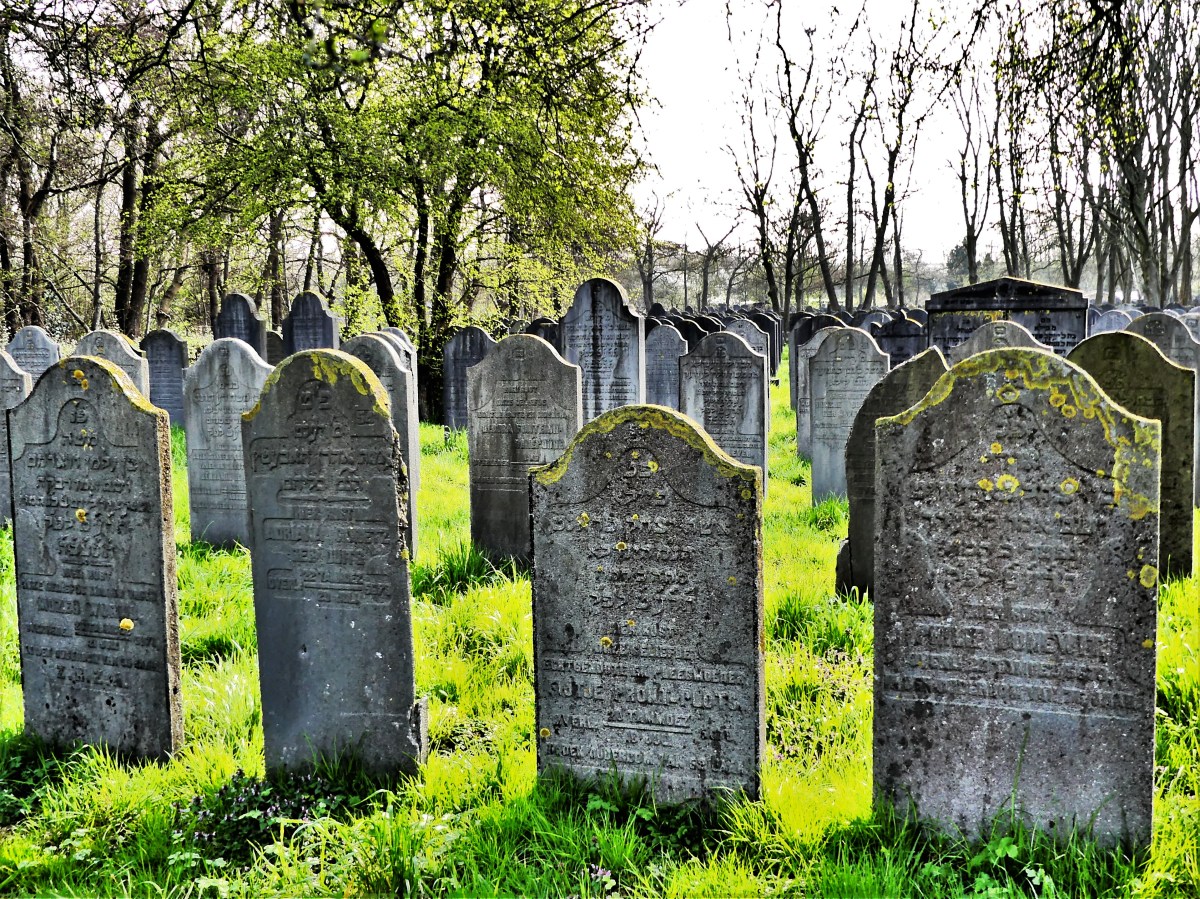
But I was no closer to the closure I was seeking.

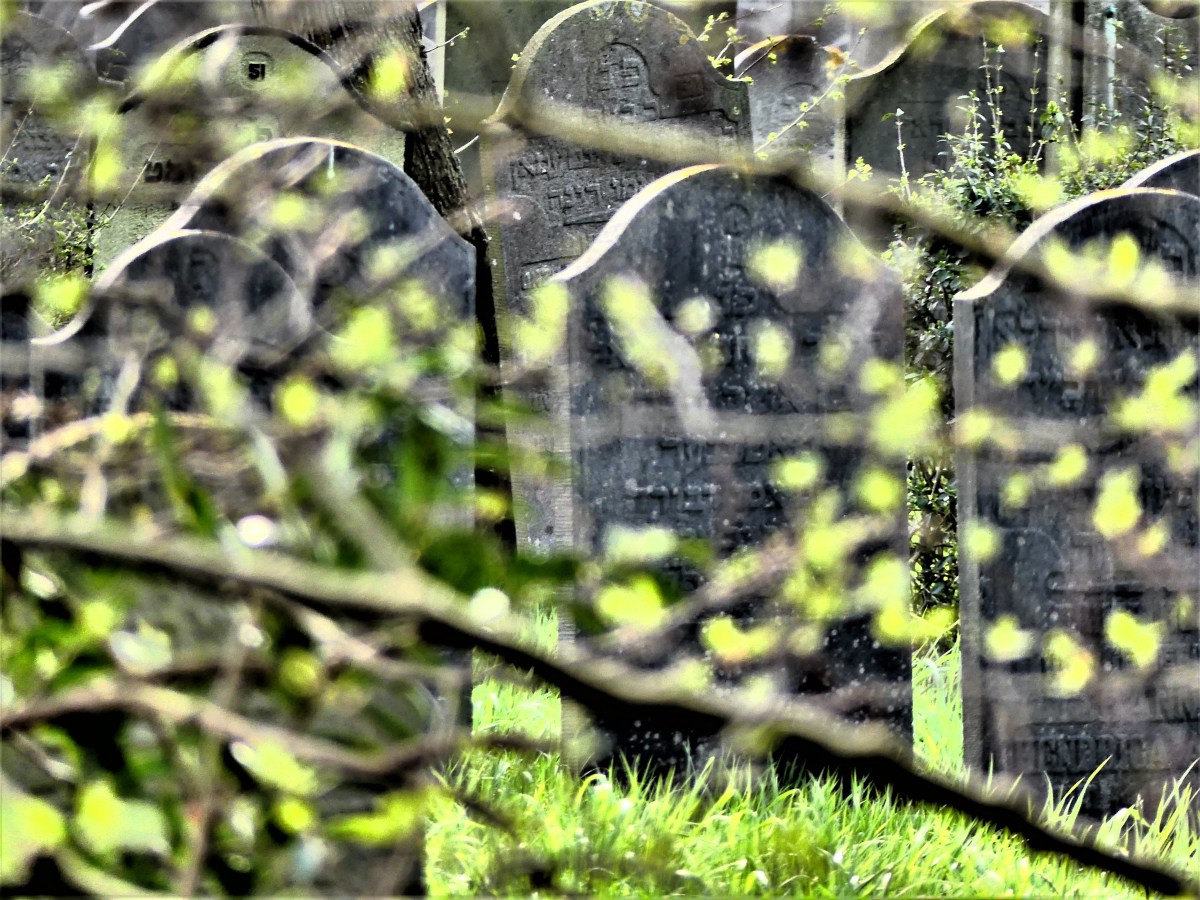
With each stone unturned, a mountain of questions have been unearthed,

yet the answers are as obscure as the inscriptions on these markers.

It was an inauspicious beginning to our summer voyage. We pulled into the “secure” storage facility outside Charlotte, NC to awaken our beloved Airstream–asleep for the past 11 months–only to find a crush of aluminum along the top and bottom quarter deck of the frontside by the awning pillar.
Of course, there was no note–only a clue of “school bus yellow” paint left behind on the stainless steel stone guard. It was a devastating sight to behold that left us angry and bewildered.
The Huntersville police were called…

documentation of the damage was recorded…

and upon arrival, Officers May and Carter, filed the accident report, and attempted to recreate the incident.
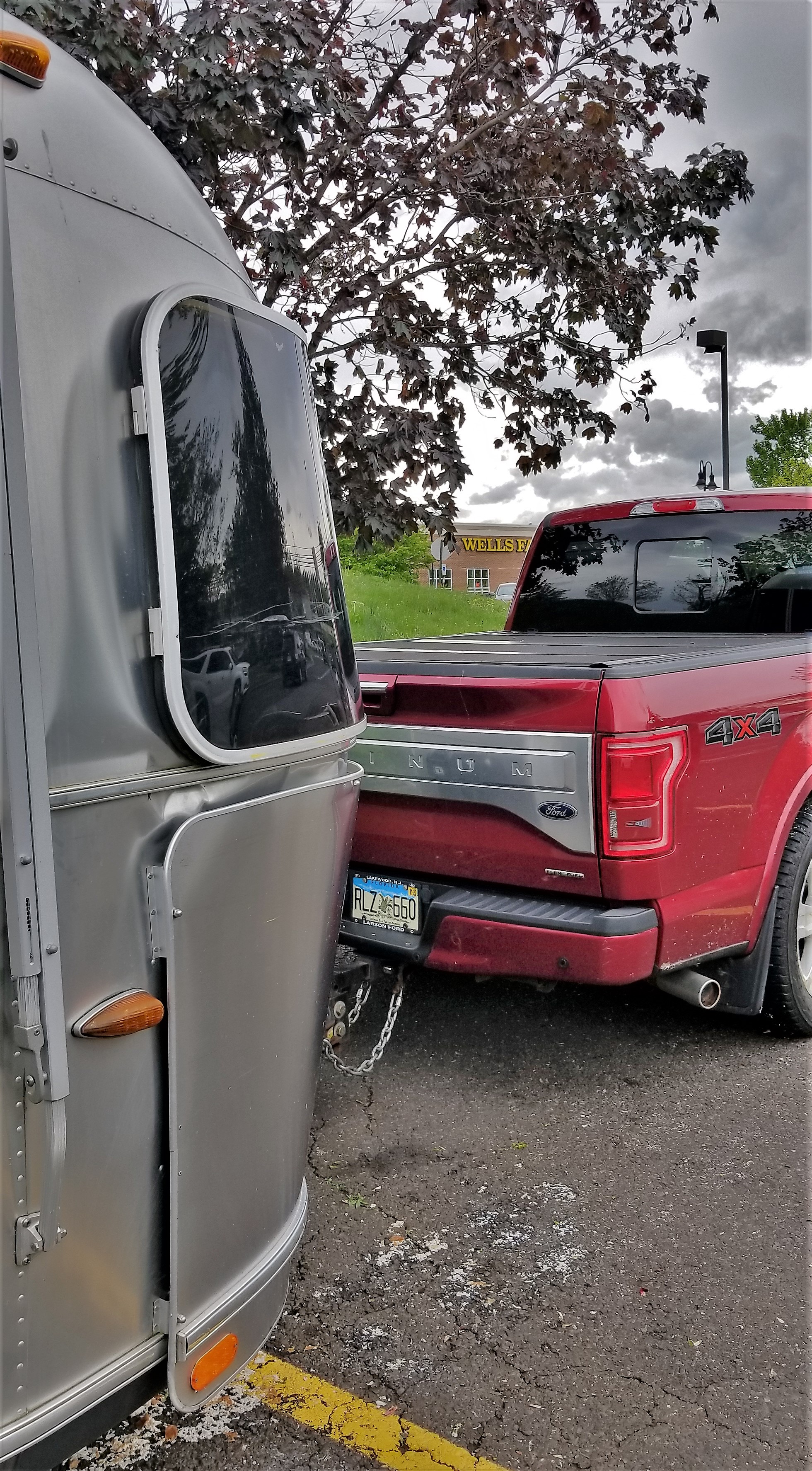
Fortunately, a spot opened for our silver bullet at Colonial Airstream in Lakewood, NJ, where it will spend the next three weeks being body-shaped by the experts for only $8,000. Meanwhile, Leah and I will be touring Capetown, traversing Botswana’s savanna in search of wild animals and photographic trophies, and taking in Victoria Falls at neighboring Zimbabwe.
Today, we are hitched and ready to roll up to Jersey to begin our newest adventure.


Upon our return to the States, we will reunite with our rejuvenated “Streaming 52” and chart a course around the Great Lakes for the following three months–filling a large gap from of our year-long American tour of 2017-2018–before streaming back to Florida.
Here’s where you will find us on the road should you wish to visit and say hello:
May 21: Jim Thorpe, PA
May 25: Cooperstown, NY
May 28: Niagara Falls, ON
May 31: Toronto, ON
June 4: Six Mile Lake Provincial Park, ON
June 8: Manitoulin Island, ON
June 11: Sault Ste Marie, ON and MI
June 15: St Ignacio, MI
June 20: Agawa Bay, ON
June 23: Neys Prov Park, ON
June 26: Thunder Bay, ON
June 30: Duluth, MN
July 5: Apostle Island National Lakeshore, WI
July 8: Munising, MI
July 11: Green Bay, WI
July 14: Wisconsin Dells, WI
July 18: Milwaukee, WI
July 21: Chicago, IL
July 23: Indiana Dunes NP, IN
July 25: Montague, MI
July 28: Traverse City, MI
July 31: Battle Creek/Kalamazoo, MI
Aug 2: Detroit, MI
Aug 6: Cleveland/Cuyahoga Valley NP, OH
August 10: Pittsburgh, PA
August 15: Ligonier, PA
August 19: Jersey Shore, NJ
Happy trails!

I wanted more time in Amsterdam, but time wouldn’t allow it. I still had to reckon with Germany, and Bergen-Belsen was my first test. Google Maps predicted a 4.5 hour drive time, but then again, Google never consulted me about driving on the Autobahn.
I rented a SEAT Leon–a car I knew nothing about–but was assured by the agent that, “SEAT Leon is a useful car to get from point A to point B.”
“Never heard of it before. What kind of car is it…compared to more popular carmakers?” I asked.
“Think of it as a sportier Spanish version of a VW Golf,” he informed.
OK, I thought. That ought to do, and it seemed so appropriate considering how close the concentration camp is to Wolfsburg, home of the VW factory and largest automobile plant in the world.
For a third of the way, I had to watch my speed, before crossing the country border into Germany. But once A1 turned into A 30, I was off to the races.
Ordinarily, 130 kph (81 mph) is the top-posted speed limit on highways, but for many high performance vehicles, that’s akin to standing still. When clear of frequent road repairs, much of the Autobahn carries three lanes of traffic: trucks and turtles in the right lane; quasi-regulation speed in the middle lane; and Mach 1, bat-outta-hell speed in the left lane.
I waited patiently until I reached De Poppe, where I overtook a BMW 3, and throttled the accelerator as I pushed the transmission into top gear. This was life in the fast lane. When the speedometer crossed 170, I set my sights on the next middle-lane creeper, a Fiat 500. My cruising speed topped 190 and flattened.
The Fiat was coming up fast on my right. I checked my mirrors, and suddenly discovered the front end of a Mercedes-AMG GT filling my rearview and flashing its headlights. Seriously?! Within seconds of passing the Fiat?!
I stood my ground–I was committed to passing the Fiat–it was my right! Of course, my tailgater thought the same.
The roadster was so close, I could have been towing him. And now its syncopated horn was blaring. In my fantasy, it probably resembled a Grand Prix pas de deux, but in reality, it was German intimidation.
I sped past the Fiat and quickly crossed back to the middle. The Mercedes effortlessly blew by me doing no less than 240, and in a blink of an eye, my nemesis was beyond my driving horizon. Thereafter, I occasionally found my way back to the rocket lane, but I was content to run, where others were meant to fly.
Nevertheless, I managed to shave a half-hour off my run time as I took my exit. The scenery turned verdant green as I shot down the lonely country lane. Trees were filling in, crops were sprouting, and accents of color from wild flowers popped against a cloudless sky.
I was racing to Bergen-Belsen–not knowing what to expect–but once I sensed the immediacy of my arrival, I purposely down-shifted my anxiety to regain control of my emotions. I sat in the parking lot for a minute with the engine idling, thinking about the history of this place and its connection to my family, and the untold suffering and misery caused to so many others, that I wept. It wasn’t a long cry, but long enough to strengthen my resolve.
I entered the facility, where I met Simone, who sat behind the desk of the documentation center…

and I restated my purpose. She took my grandmother’s name and cross-checked it against the memorial registry. It’s estimated that more than 50,000 people died of starvation, disease, brutality and medical sadism while interned at Bergen-Belsen. When British Allies liberated the camp on April, 15, 1945, they discovered over 60,000 prisoners, most of them sick or dying.
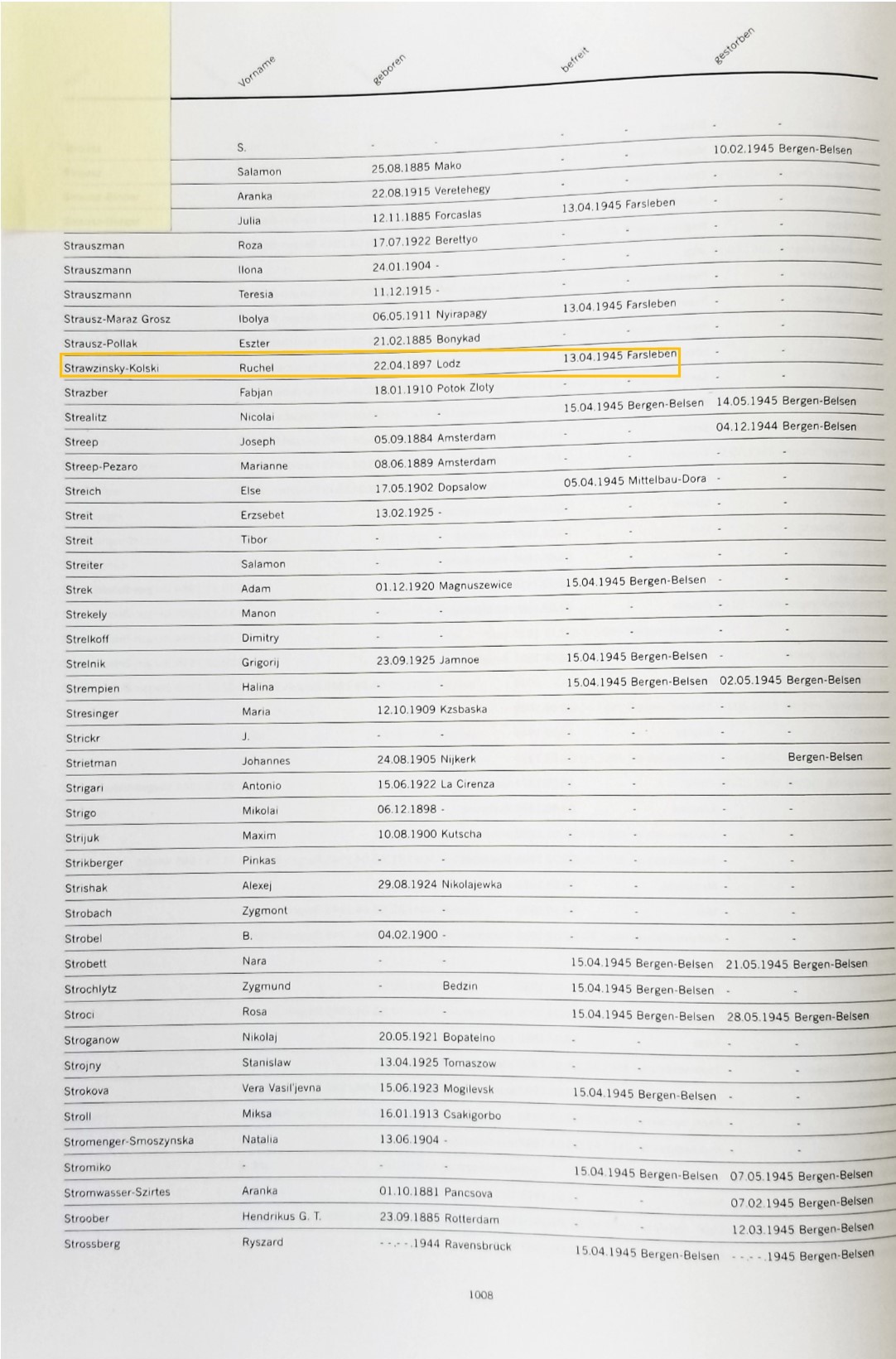
“You are very fortunate. Just before the Liberation, the Nazis destroyed most of their records to hide their crimes. We have records for only half the prisoners held here, but lucky for you, your grandmother’s name is on the list,” she said with excitement.
And then she presented me with twin volumes…
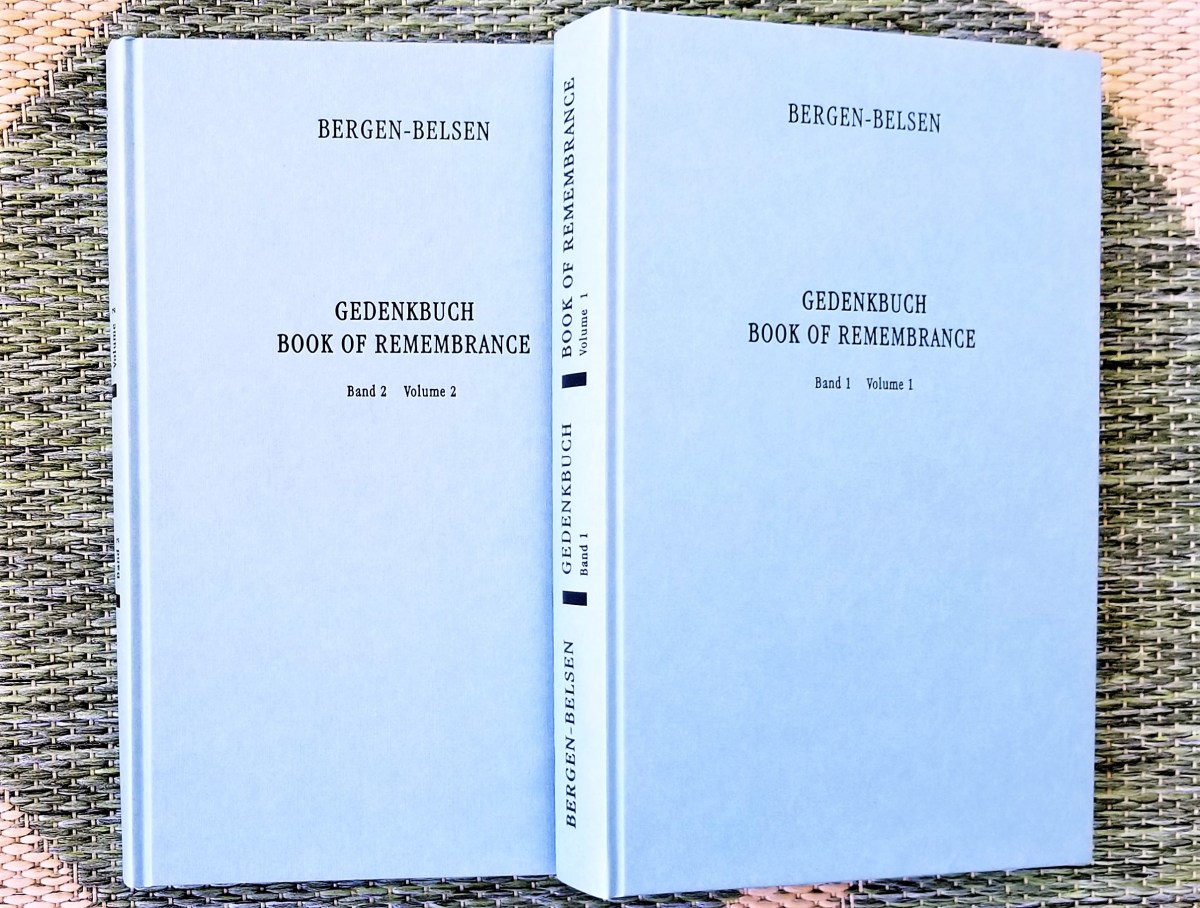
and flagged the most significant page in Volume Two, which caused my heart to race.
Simone offered a map of the museum, and I got started on my quest.

My time was limited and I was feeling overwhelmed by the site of so many artifacts–laid out like a trail of evidence–to narrate a place in time when human beings behaved at their worst.
Standing there, I was seeing the truth stripped bare, and this sensation was getting in my way of collecting clues of my family.

Square window boxes have been dropped into the cement floor, representing the found objects that archealogists have unearthed…


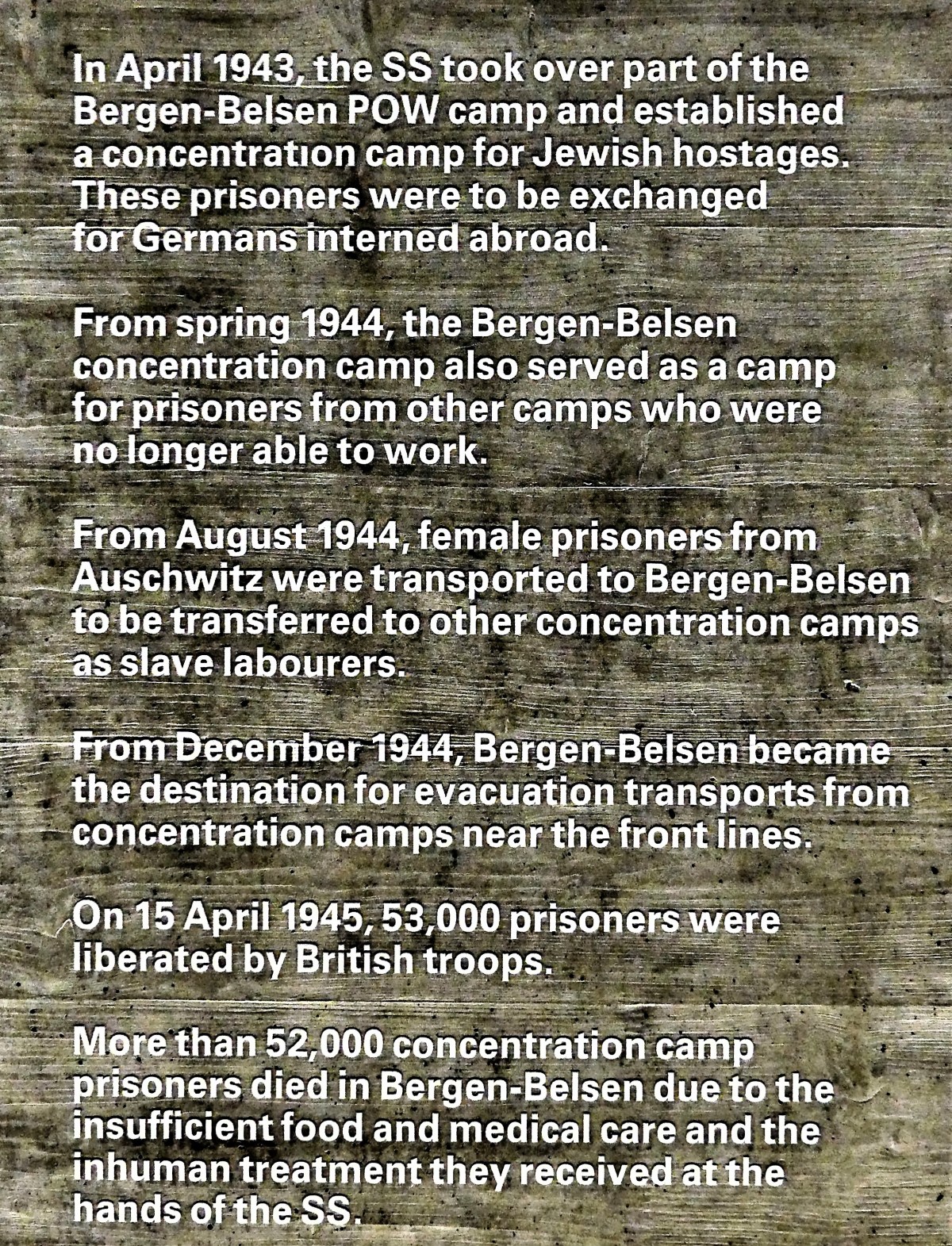
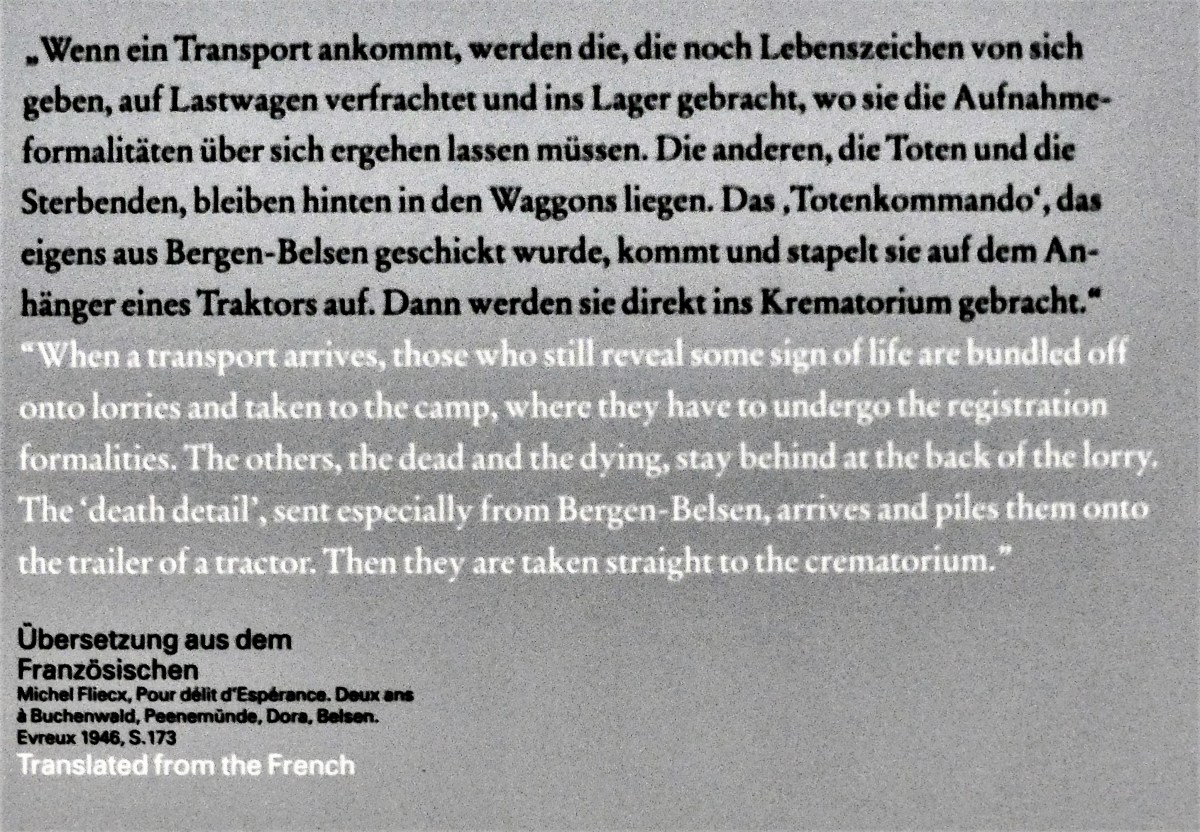
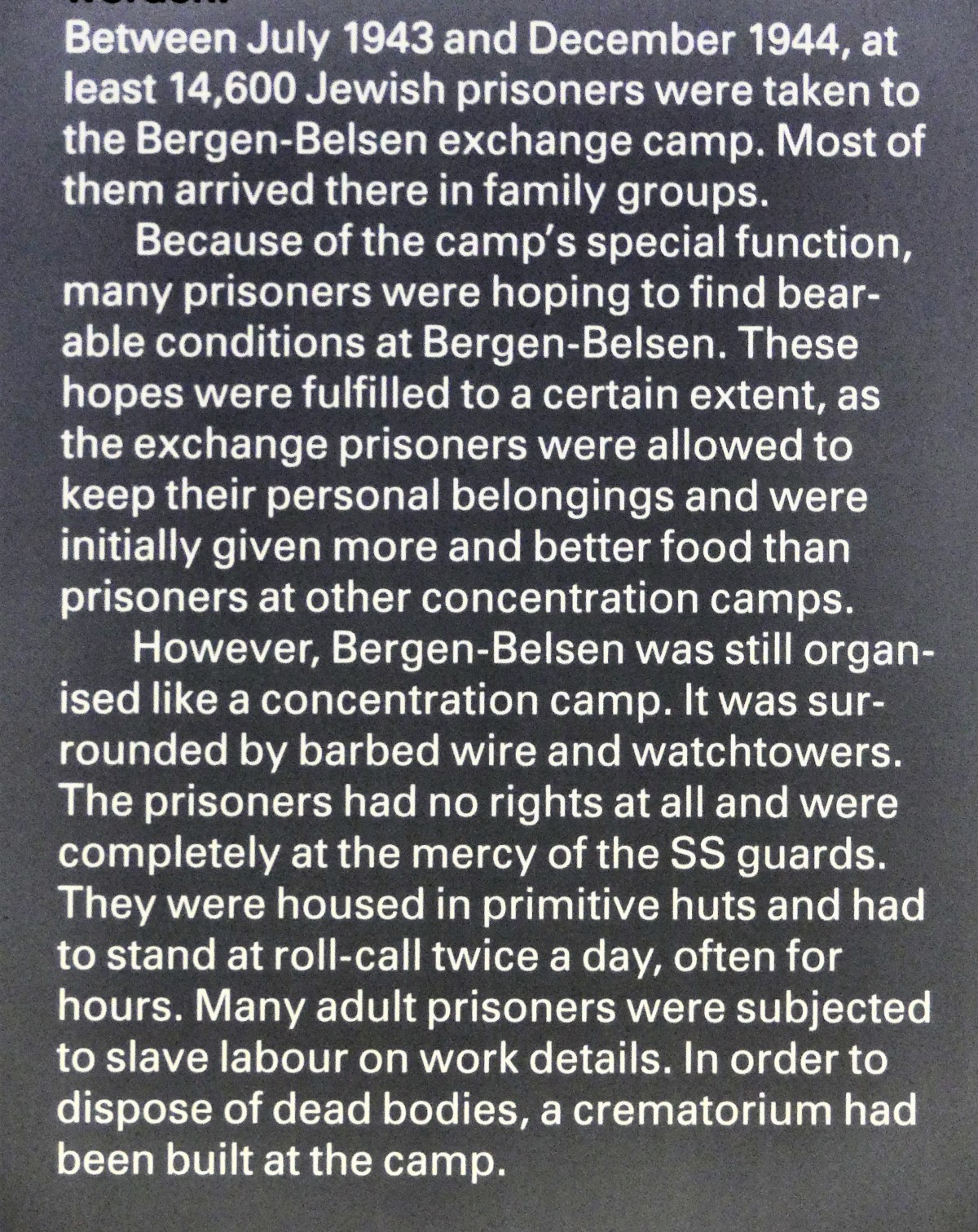
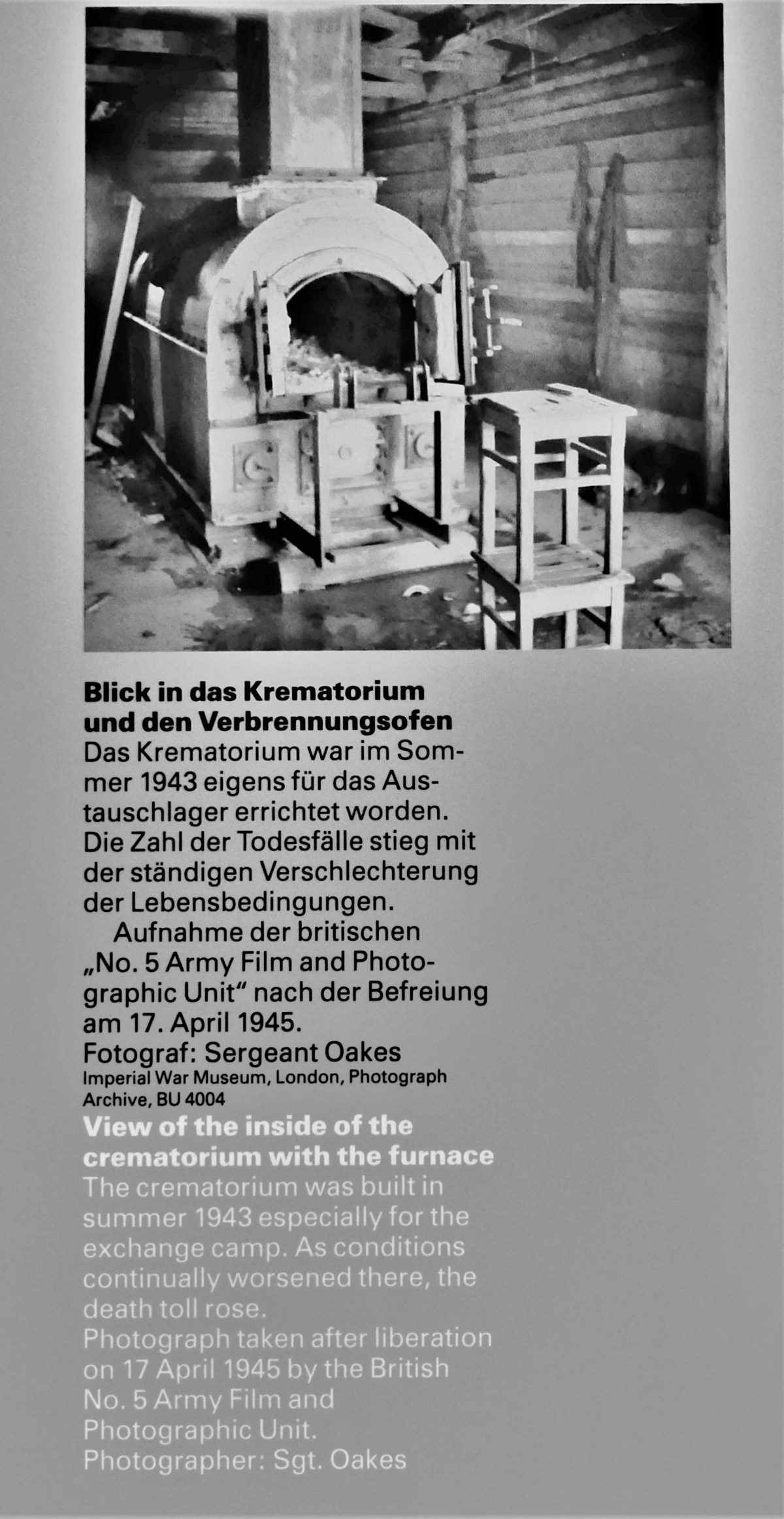
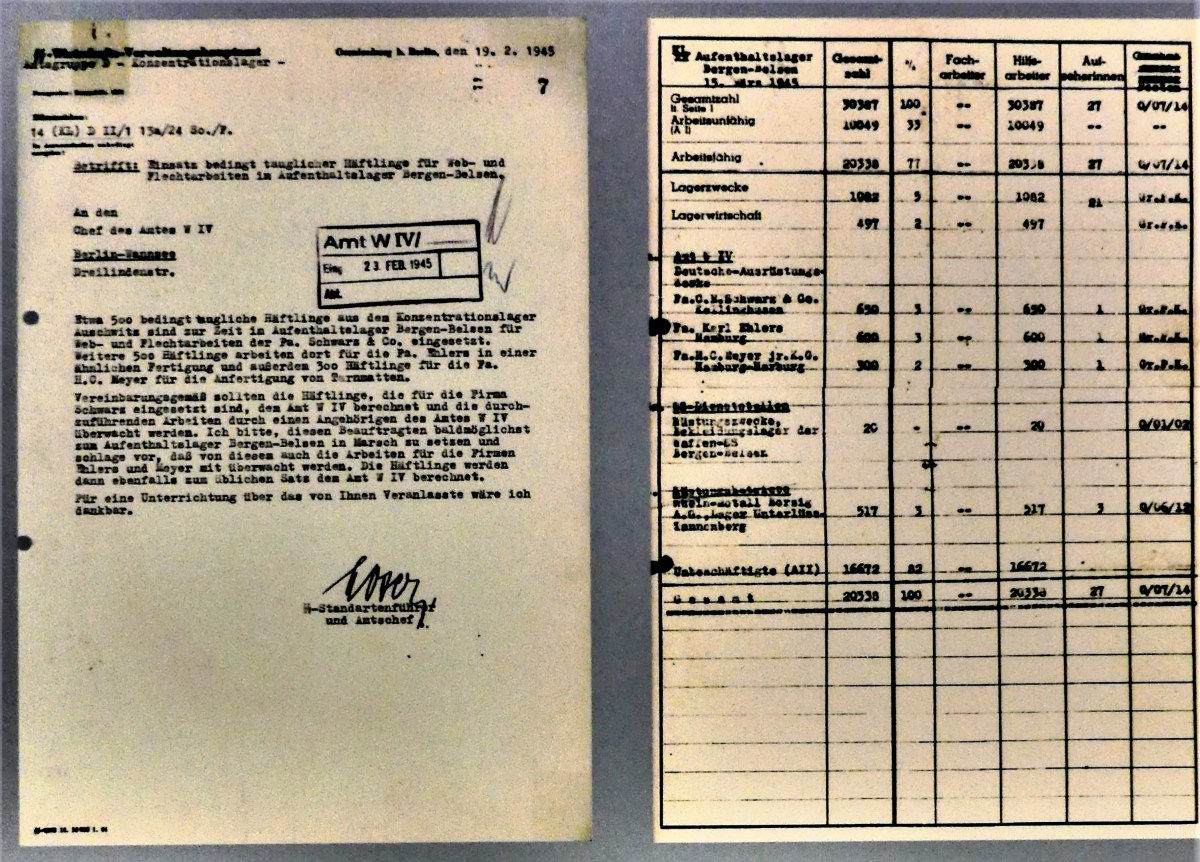

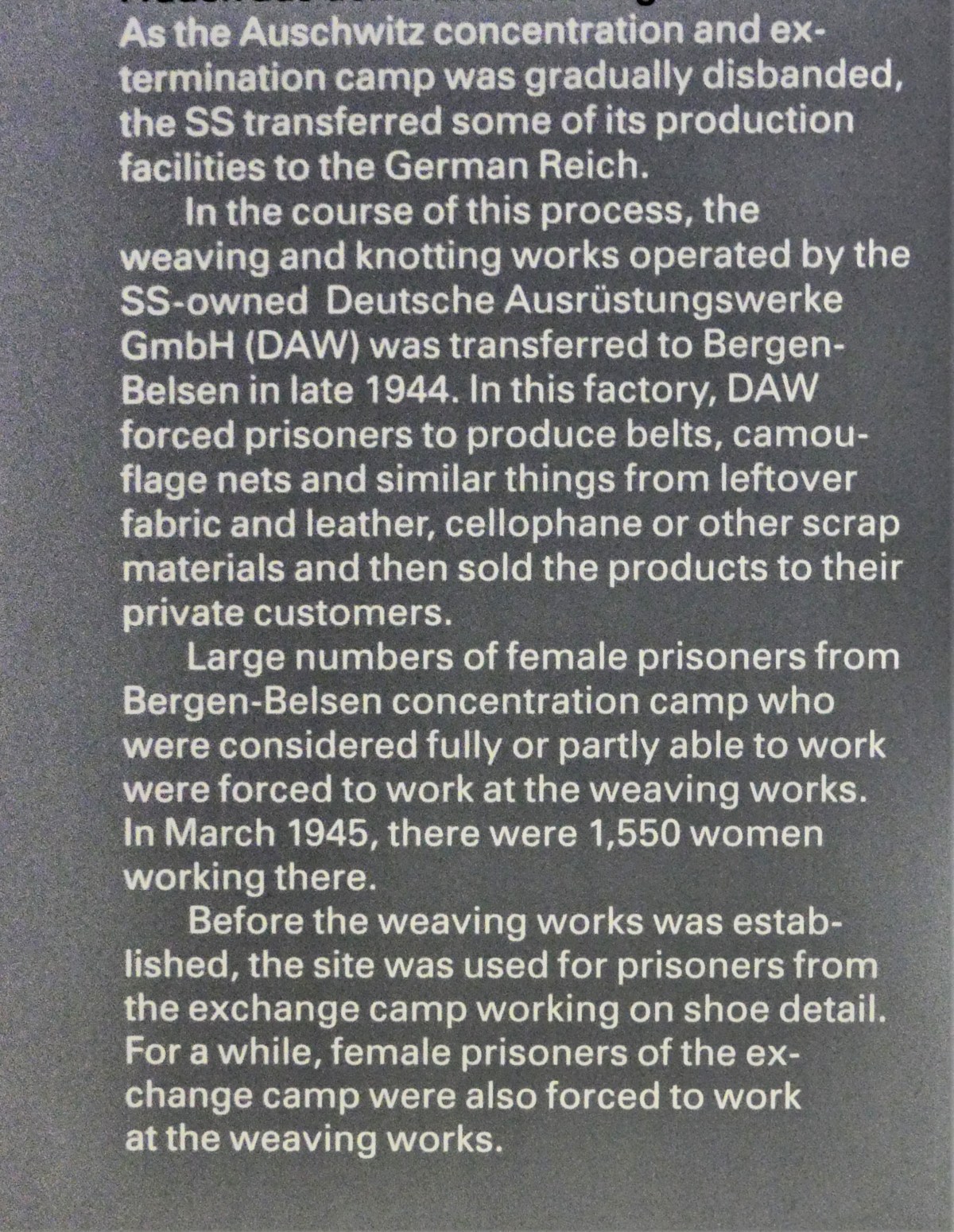


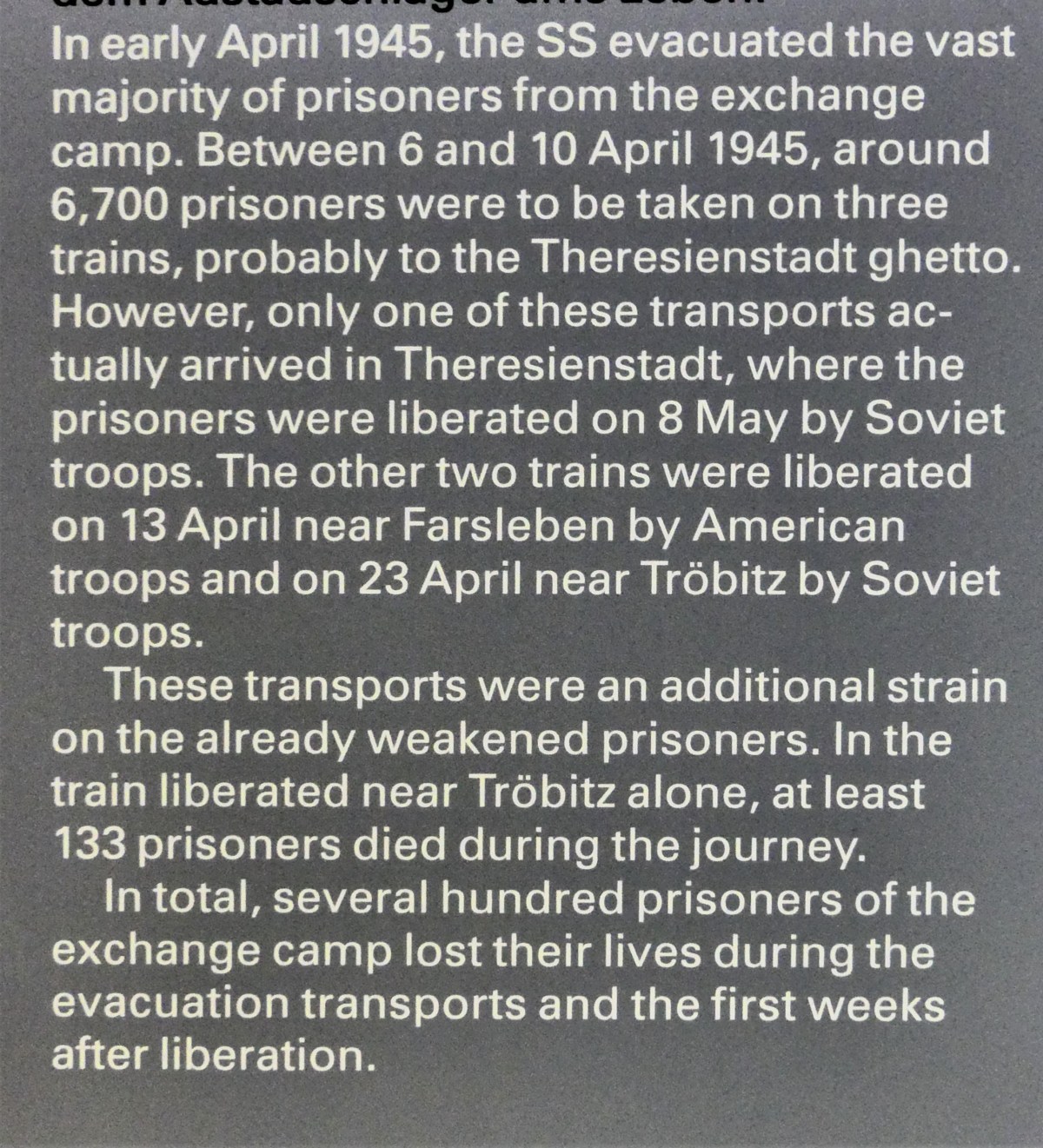
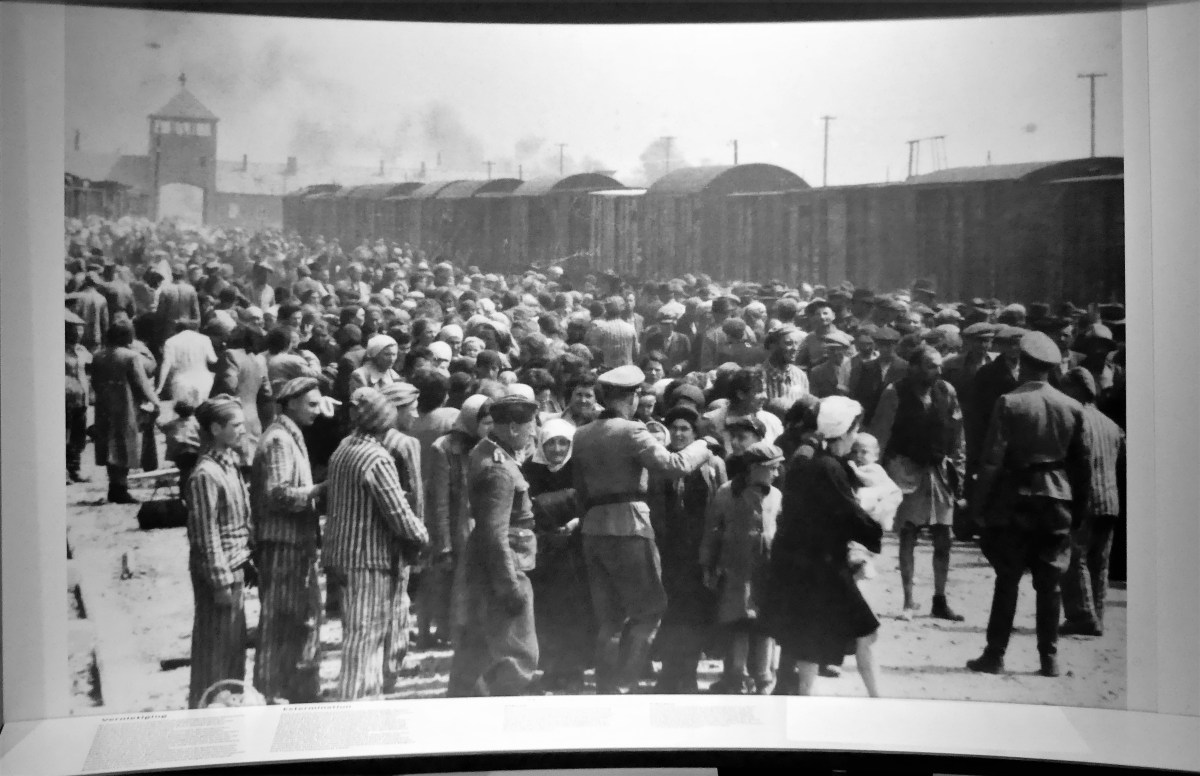
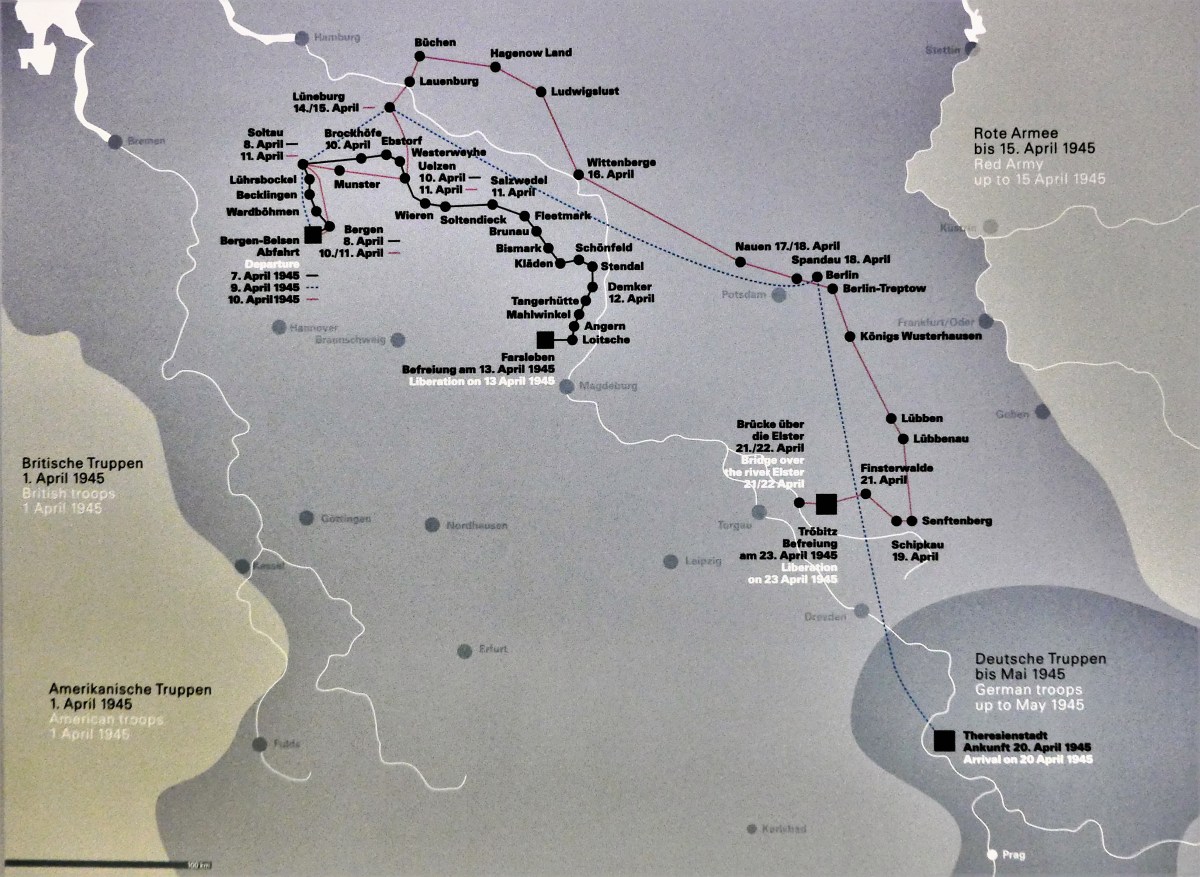


Maj. Frank Towers, who also took part in the liberation, organized the transfer of Grandma Rose and the other 2,500 freed prisoners to a nearby town, Hillersleben, where they received medical treatment from Allied troops. Grandma Rose weighed 90 pounds when she admitted to the field hospital.
I felt I had reached my capacity for absorbing the inhumanity justified by the Nazis in their quest for the “Final Solution”. I didn’t know if I could process any more of it, but there was one last exhibit inside the Film Tower that was impossible to ignore, no matter how difficult to endure.
Eventually, the museum was cleared at 5pm. As many as 10 other patrons filed through the exit and into their cars, leaving me with another couple to roam the cemetery grounds on a beautiful Spring afternoon.

There are no tombstones on the grounds, but there are government memorials…

and government tributes…
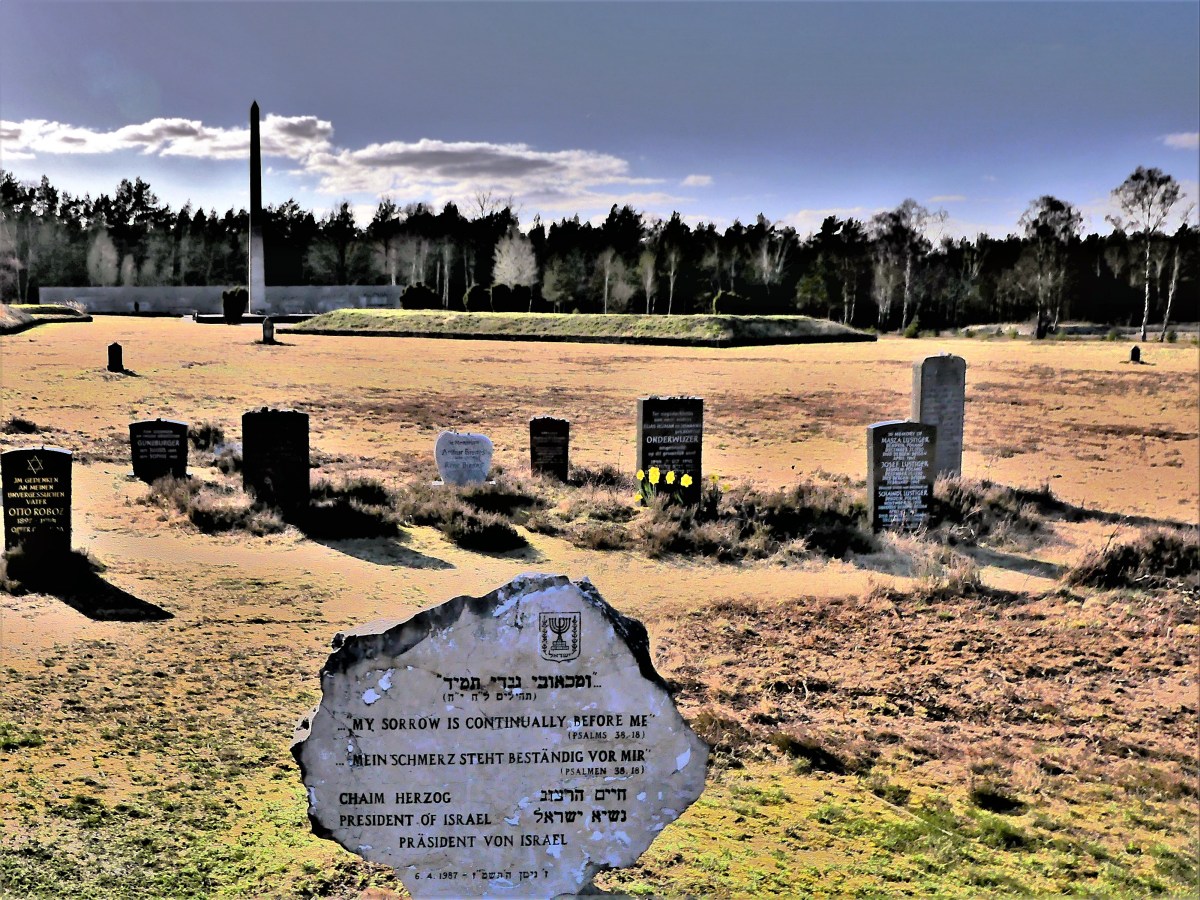
and personal markers.

scattered among a cluster of memorial mounds…
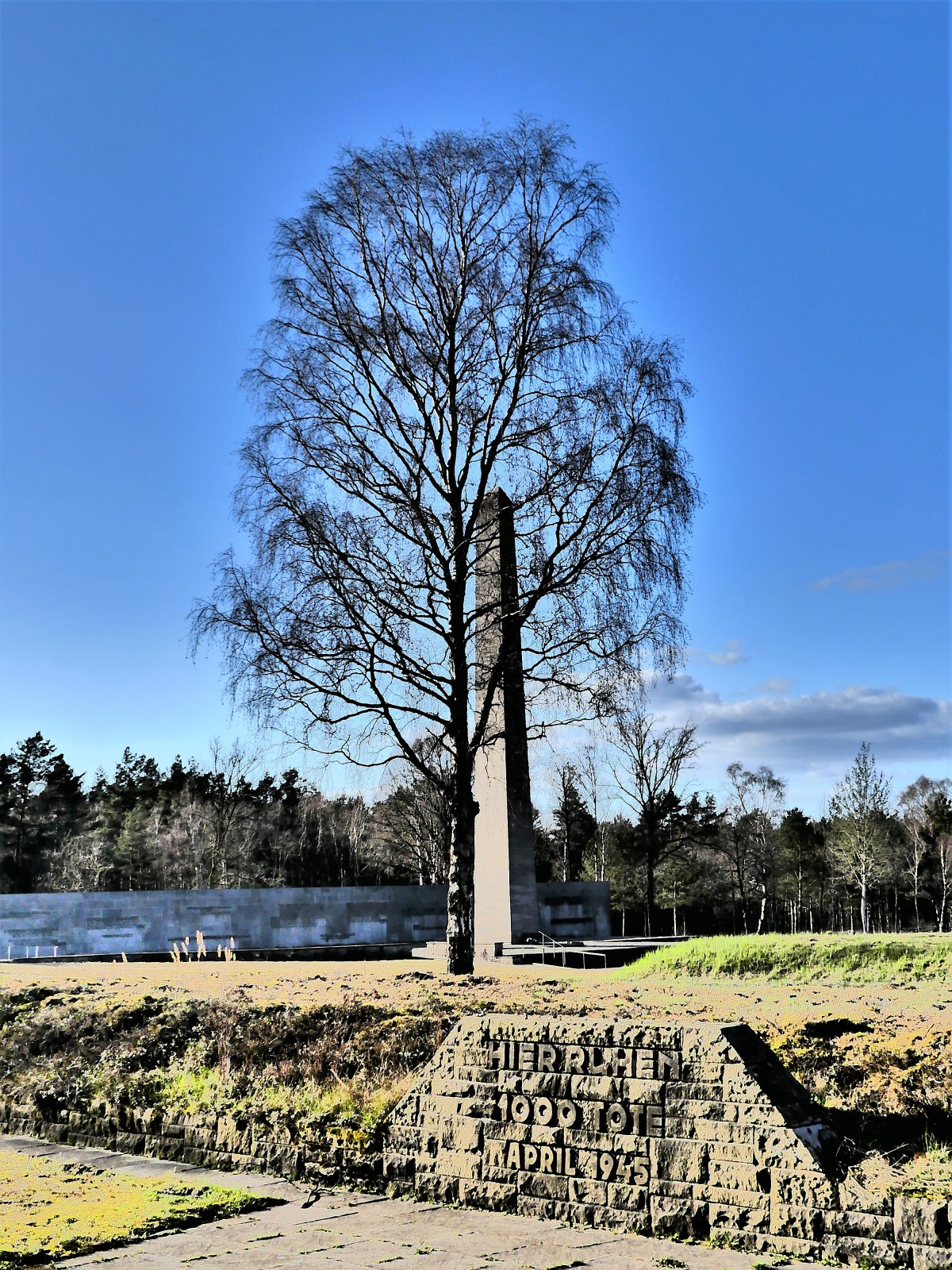
where the unknown remains of tens of thousands of victims share a mass grave beneath the berm.
(please be advised of extremely graphic content)
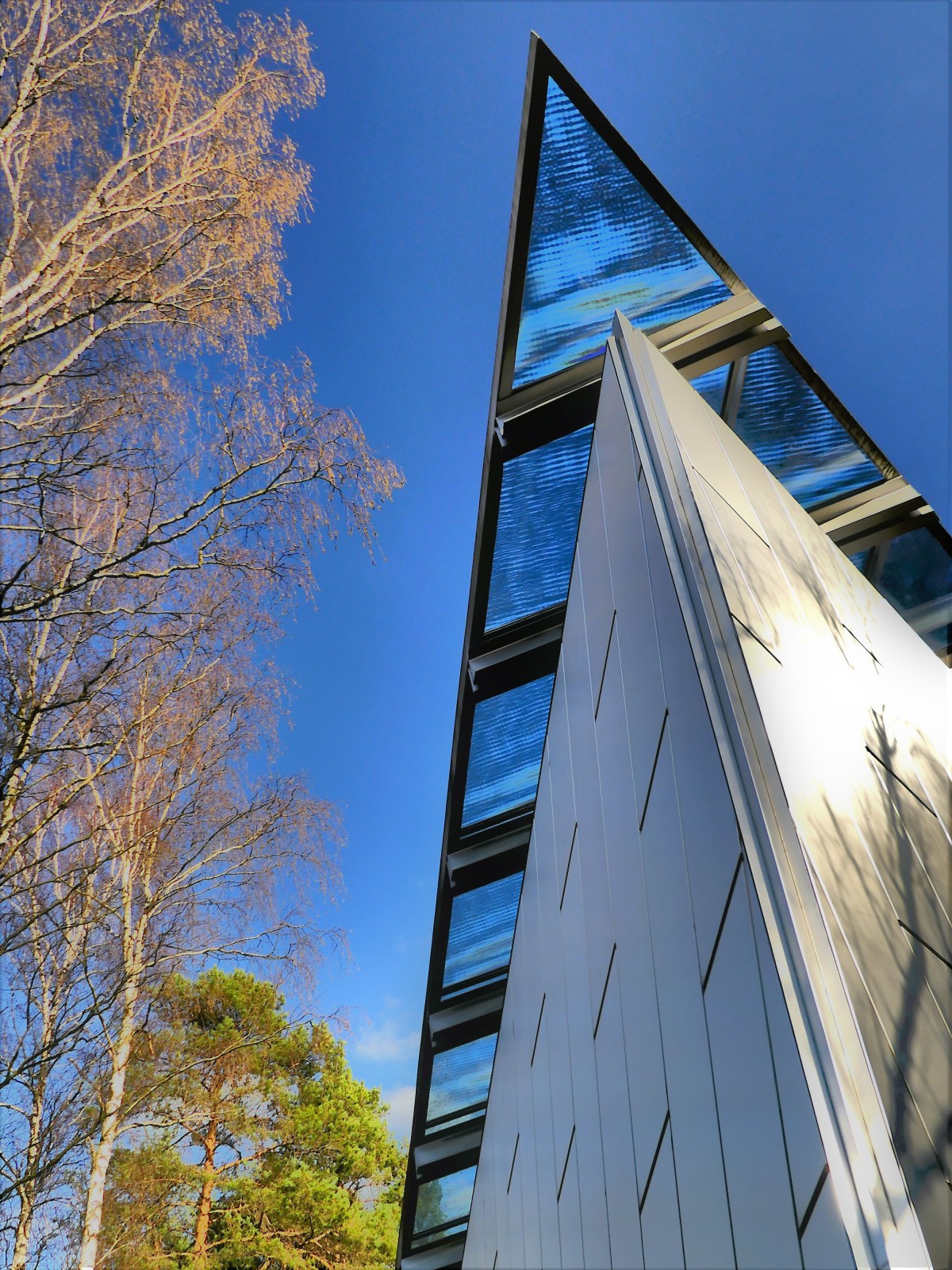
I found solace inside the House of Silence, an outlying metal and glass edifice on the edge of camp, in the midst of a grove of birch trees…

where a soaring meditation room offers space for personal reflection,

and an altar for hundreds of tokens of healing and prayer.

Bergen-Belsen is a sad place that offers little redemption beyond the nagging reminder that people have the capacity for immeasurable cruelty toward each other–as if it’s in our DNA–and this is our scar for future reference.Surely, a solemn oath from each of us to “never forget,” brings us one step closer to “never again.”
But this memorial also challenges us to check our speed. We need to slow down and be mindful of the world around us in order to listen closely for the pulse of hatred that still beats among us, lest we drive down this familiar road again, ignoring the vital signs of tolerance, freedom, and understanding.
A “Search for Closure” concludes with Part 3.
A recent two-week trip abroad was much more than a European romp through a handful of city centers. My mission was ambitious: to gather relevant data on my mother’s ancestry that has thus far proved elusive, and reconnect with family across the Atlantic whom I haven’t seen in nearly 48 years.
My itinerary took me through the highlands of Scotland, to the canals of Holland, to the Rhineland of Germany,

with travel hubs in Edinburgh,

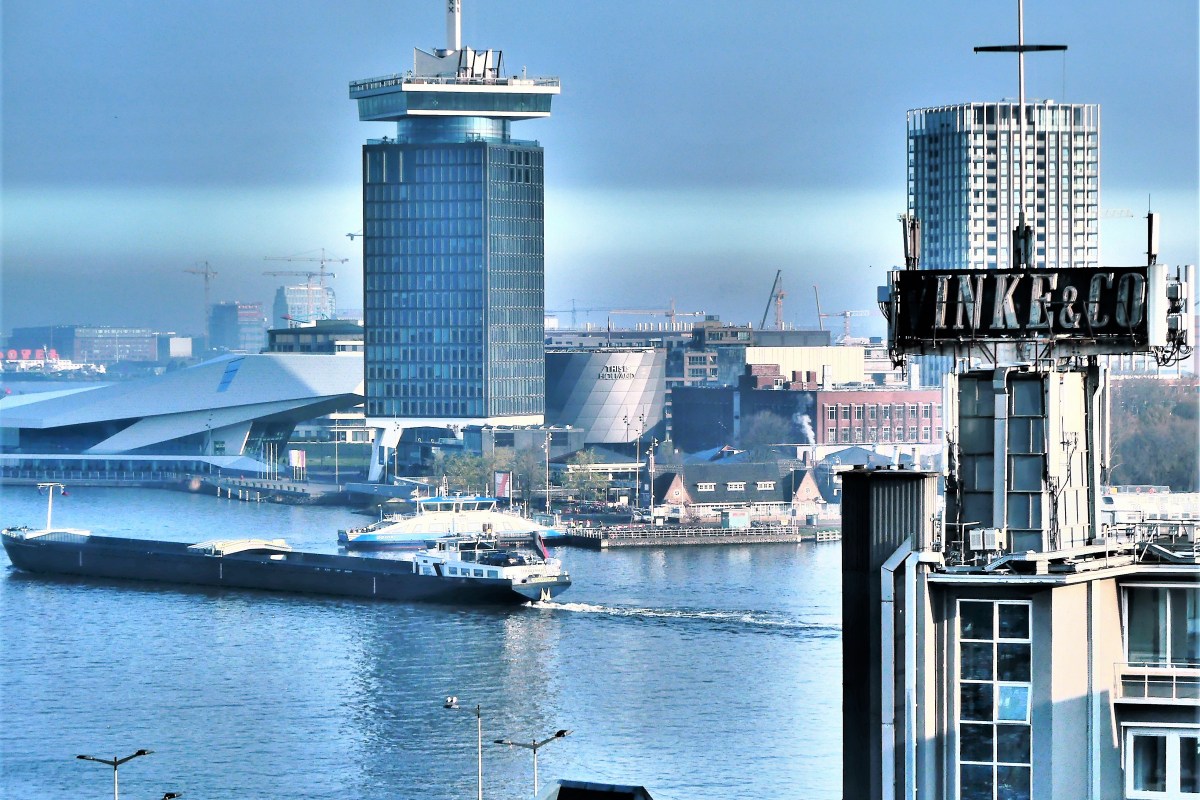
Amsterdam,
and Essen,
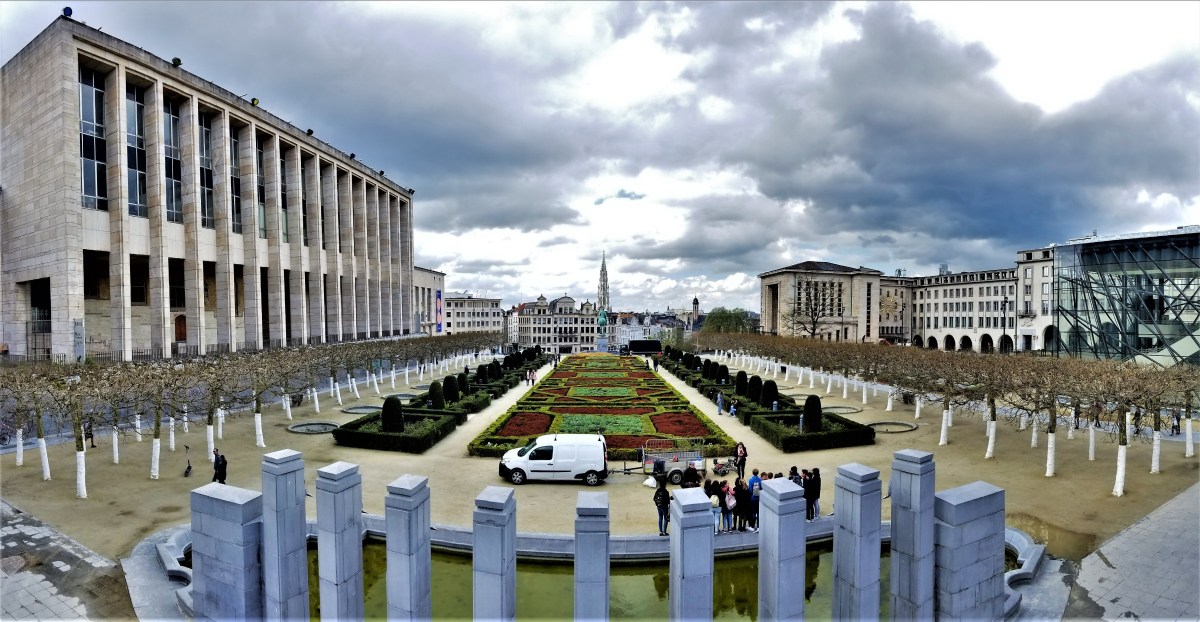
before taking a breath, and finishing strong as a tourist in Brussels,
and Paris.

Each stop was consequential in my quest to uncover vital research of my mother’s epic escape from Nazi Germany, and the endless road taken to reunite her broken family.
This was not an easy trip, but I could sense that during the planning stage. Yet, preparing myself for the inevitable and predictable emotional turmoil was balanced by the prospect of discovery–knowing that every step was taking me closer to connecting the dots.
Starting in the UK, I then worked my way back in time to The Netherlands, and eventually Germany–where it all began–but it was Amsterdam that proved most pivotal in my discovery and the epicenter of my travels, because it was Amsterdam that first offered safe harbor and hope for two young sisters, who until then, only had each other.

It was in Amsterdam that my long-distance cousin Jude and I began to fill in the missing pieces.

It so happened that a landmark exhibit of rare photographs at Amsterdam’s National Holocaust Museum coincided with our visit, and immediately became a must-see.

A large number of photos were taken by professional photographers, mostly commissioned by German authorities for use as propaganda. In addition, there were also countless amateurs who photographed the persecution and deportation of the Jews. The NIOD (Institute for War, Holocaust and Genocide Studies) manages by far the largest photo collection on this theme and conducted extensive research into the visual history of the persecution of the Jews in the Netherlands. Countless archives at home and abroad were consulted; this has led to the discovery of many still unknown photos.
The exhibition shows a large and representative overview of the photographic recording of the persecution of the Jews. The images show in a penetrating and confronting way, the consequences of the anti-Jewish measures in the occupied Netherlands. They bear witness to the merciless behavior of the German occupiers, the cooperation of the Dutch in the deportations, but also the help to people in hiding and to the daily Jewish life during the occupation. In addition, attention is paid to the post-war reception of the few survivors from the camps and those who returned from hiding.
First greeted with a timeline of events,

we proceeded through an open-air corridor and into a subdued chamber, where mostly elderly patrons followed a photographic progression of Holland’s involvement in the war, and its impact on the Jewish population:

Experiencing the exhibit was numbing to my core, but still my senses were on high alert. What were my chances, I wondered, that of the 140,000 remaining Jews in Holland from 1940-1945, I might find a photograph of my grandmother stitching an article of clothing…

for the Jewish Council,
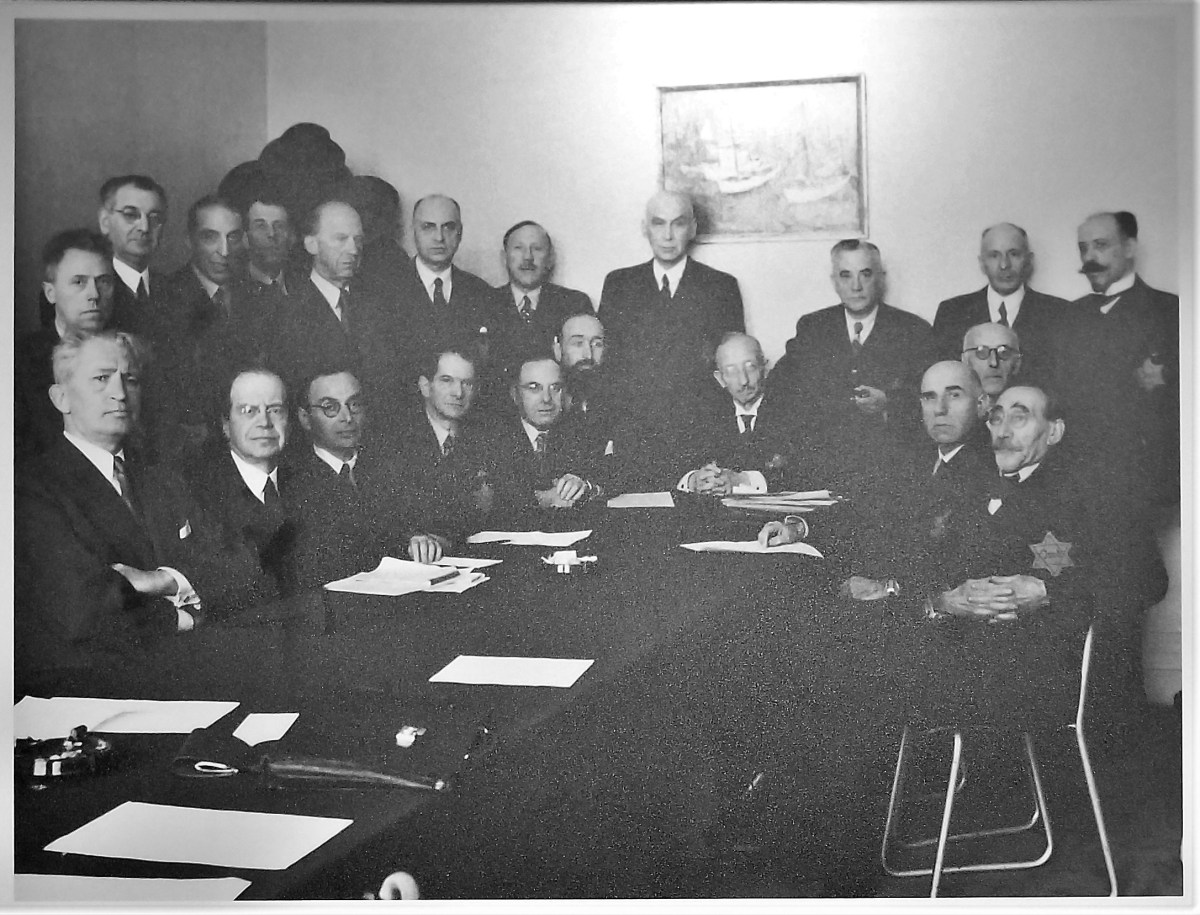
to match up with one of the few yarns she used to tell me when I was so much younger and unappreciative of her travails?
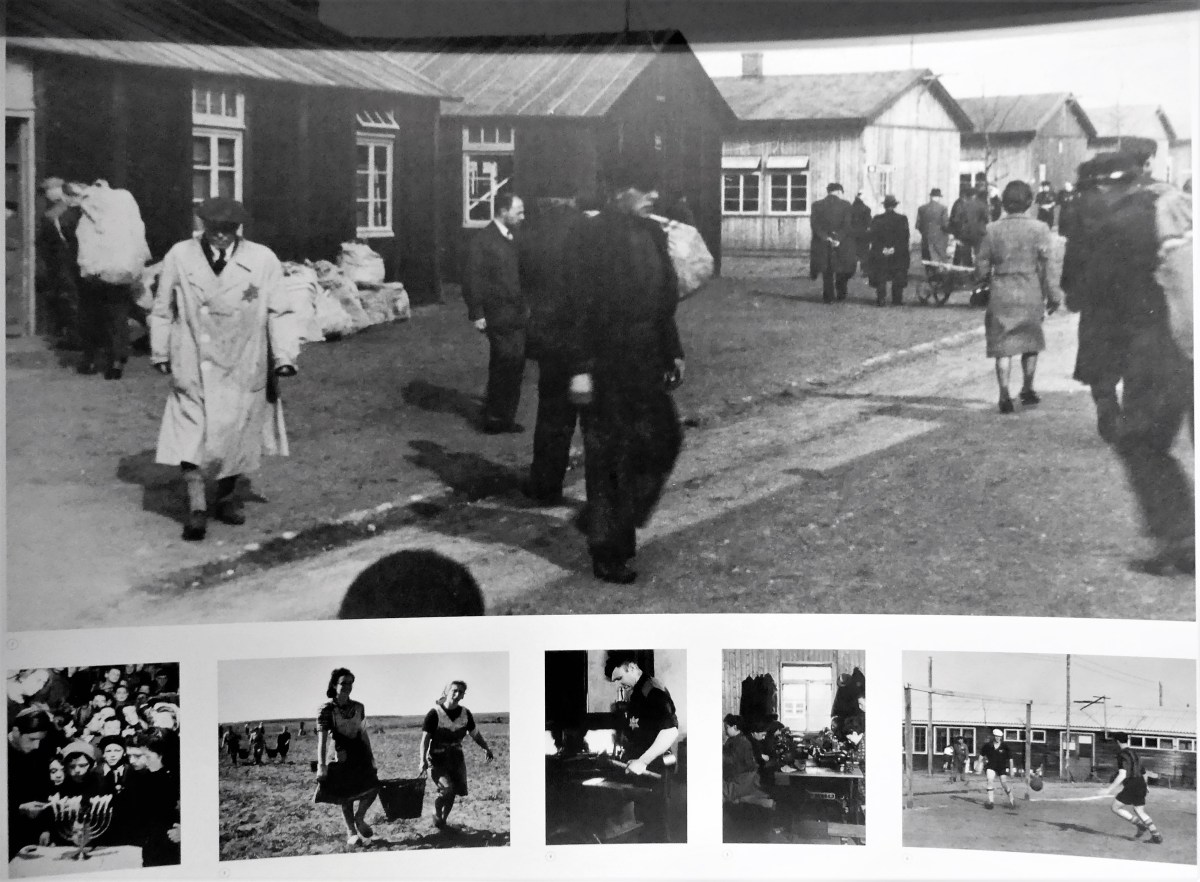
Perhaps, she could be the proper woman in the gray coat with the straight back walking the lane between barracks in Westerbork.
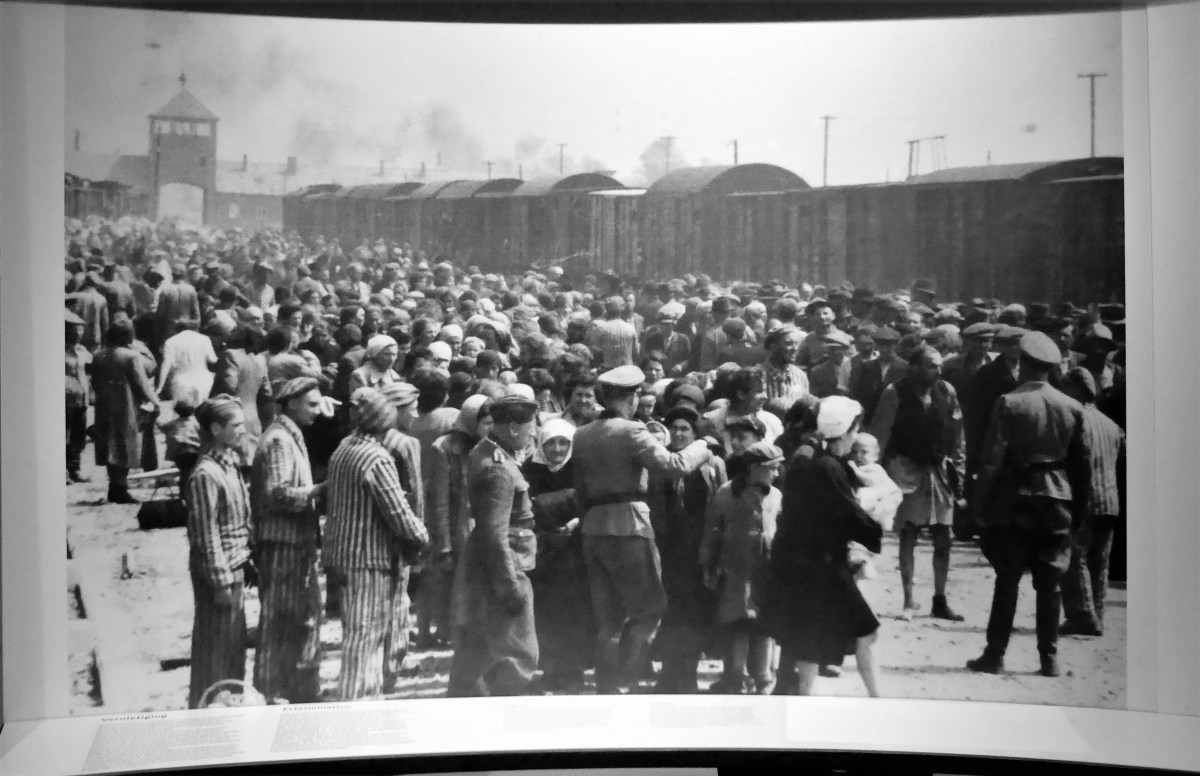
Or might I recognize her in a crowd of 2,500 faces that was awaiting one of three “death trains” to Theresienstadt after the Nazi command realized that the Allies were only days away from liberating Bergen-Belson on April 15, 1945.
At times, I used my camera as a shield to protect me from the full impact of the horror behind the photographs, thinking that if I could position myself as someone who is solely documenting the documents, than I could better insulate myself from the madness that she and so many others must have experienced.
An interactive Remembrance Wall occupied a room by the Museum foyer, encouraging patrons to search its ever-evolving database for the names and dates of Jewish victims who perished in Holland.
As a tribute to my unknown maternal grandfather Mnil…
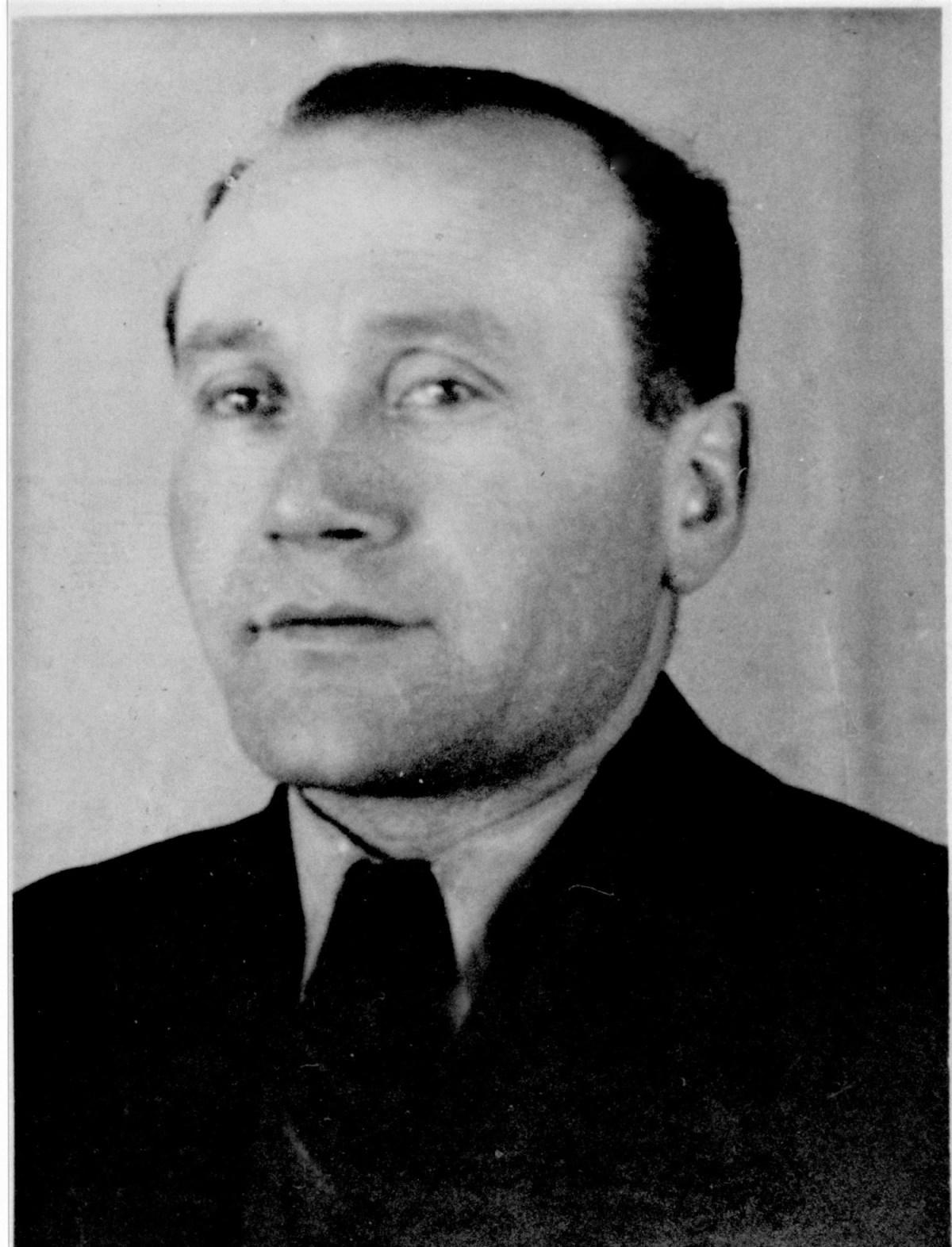
I entered his name into the query window. He never survived Westerbork, and I had a quiet moment of reflection and gratitude for his courage to save his family before himself.

A two-hour drive to Kamp Westerbork with Jude did nothing to assuage my feelings of emptiness and sadness, but the site was ironically enlightening and beautifully serene.
Once at the memorial museum, we were greeted by a train of suitcases, representing the cycle of detainees that the Dutch pushed through Westerbork over the years,

with an emphasis on the plight of 102,000 Jews who sacrified their lives, all for the sake of a twisted manifesto of hatred.

Jude and I met Guido, the senior conservator of the museum at the museum cafe,

where he eagerly shared news and theories of our grandfather’s demise and our grandmother’s salvation through a collection of registration documents.
Two miles away, the hallowed grounds of the memorial can be reached on foot or by bus. Mostly empty space and green fields for an array of radio telescopes,

it nevertheless showcases a collection of iconic relics from the war that survived the Dutch government’s demolition of the camp in the 1960s.
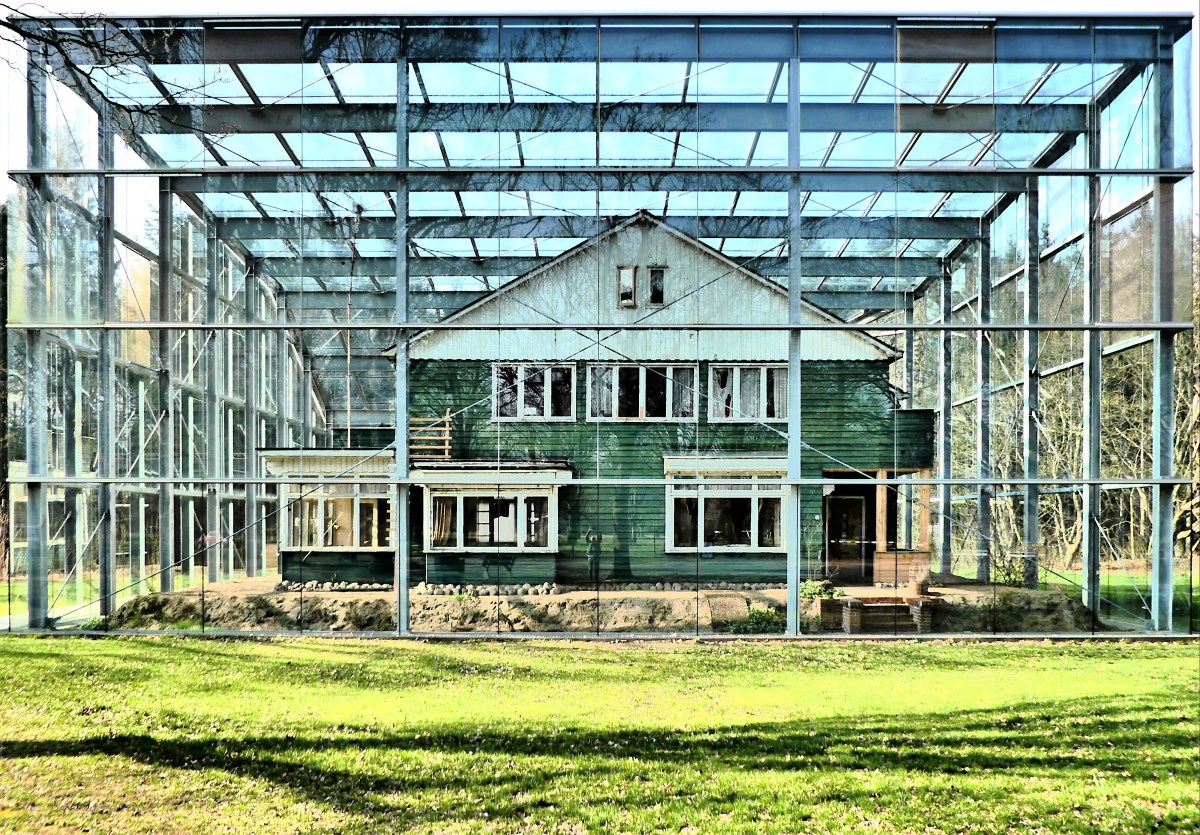
There is a glass enclosure protecting the Commandant’s quarters;
an original boxcar that stands as a testament to the 84 trains that transported Jews to Auschwitz and Sobibor,
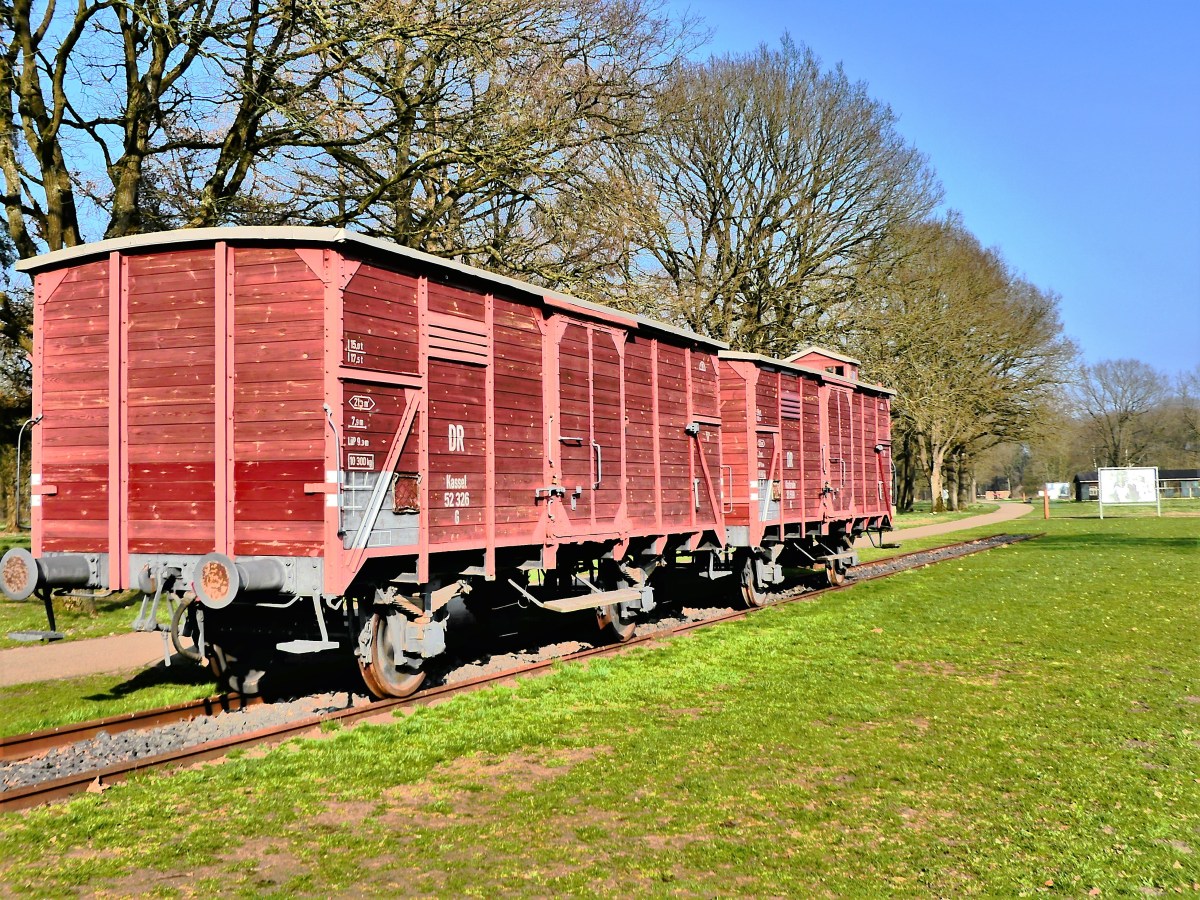
where nearly all of the 94,643 persons deported were killed on arrival;
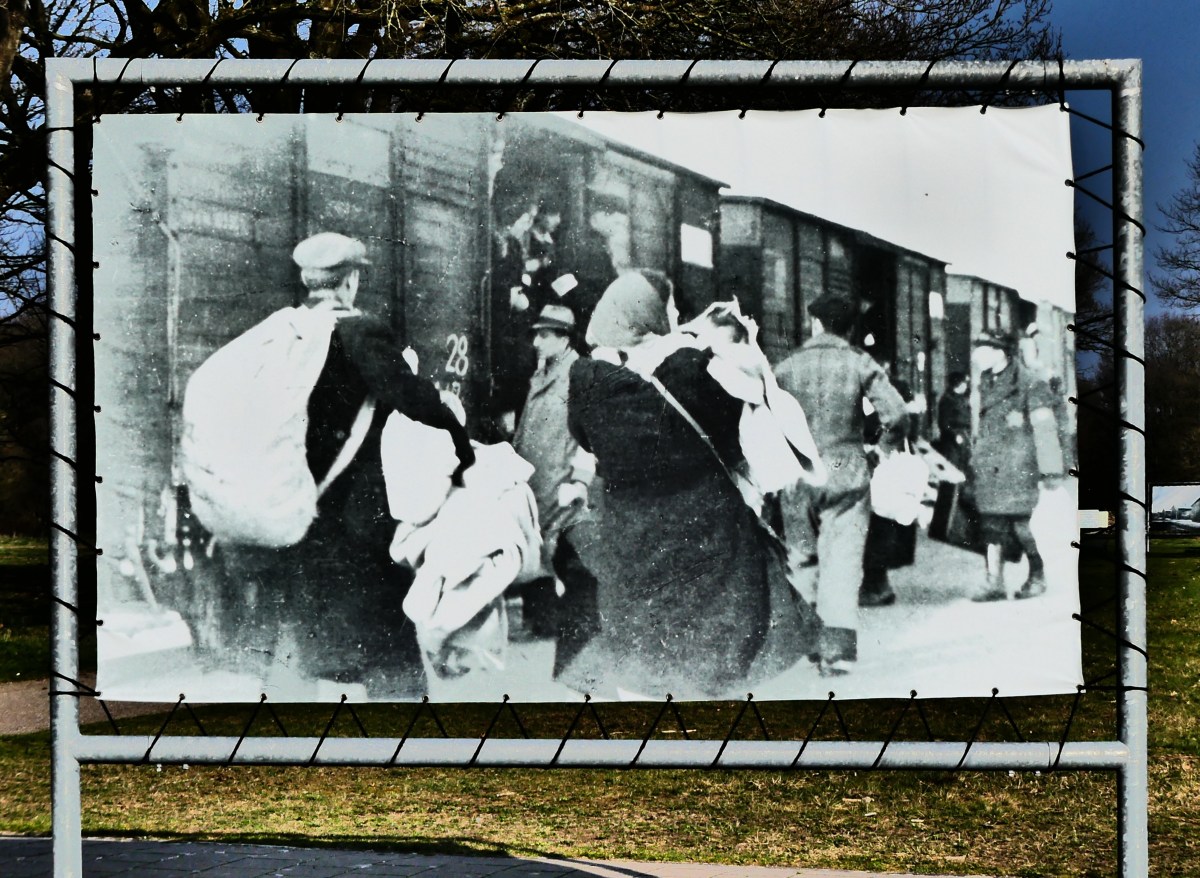
a monument to the 102,000 Jews of The Netherlands who passed through Westerbork…

and lost their lives;

the remnants of a barrack;

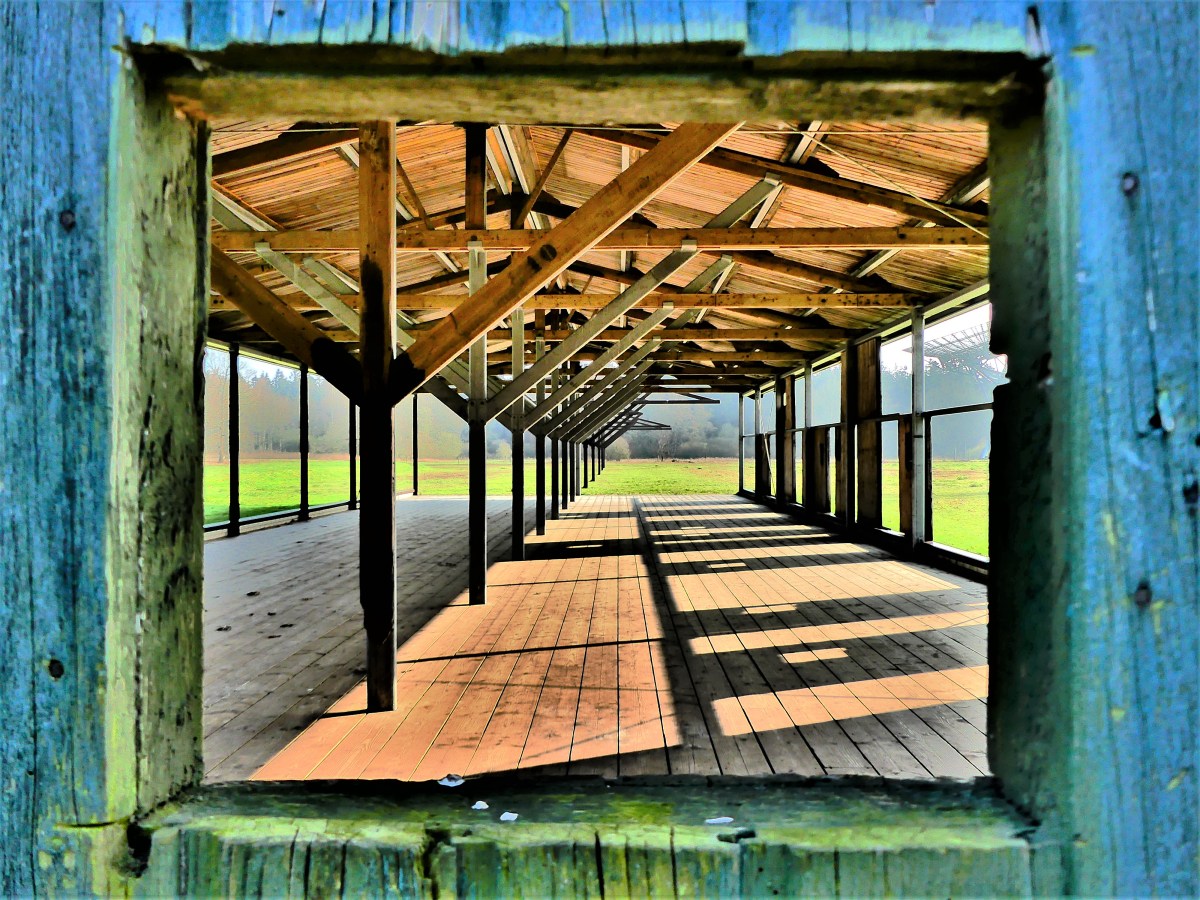
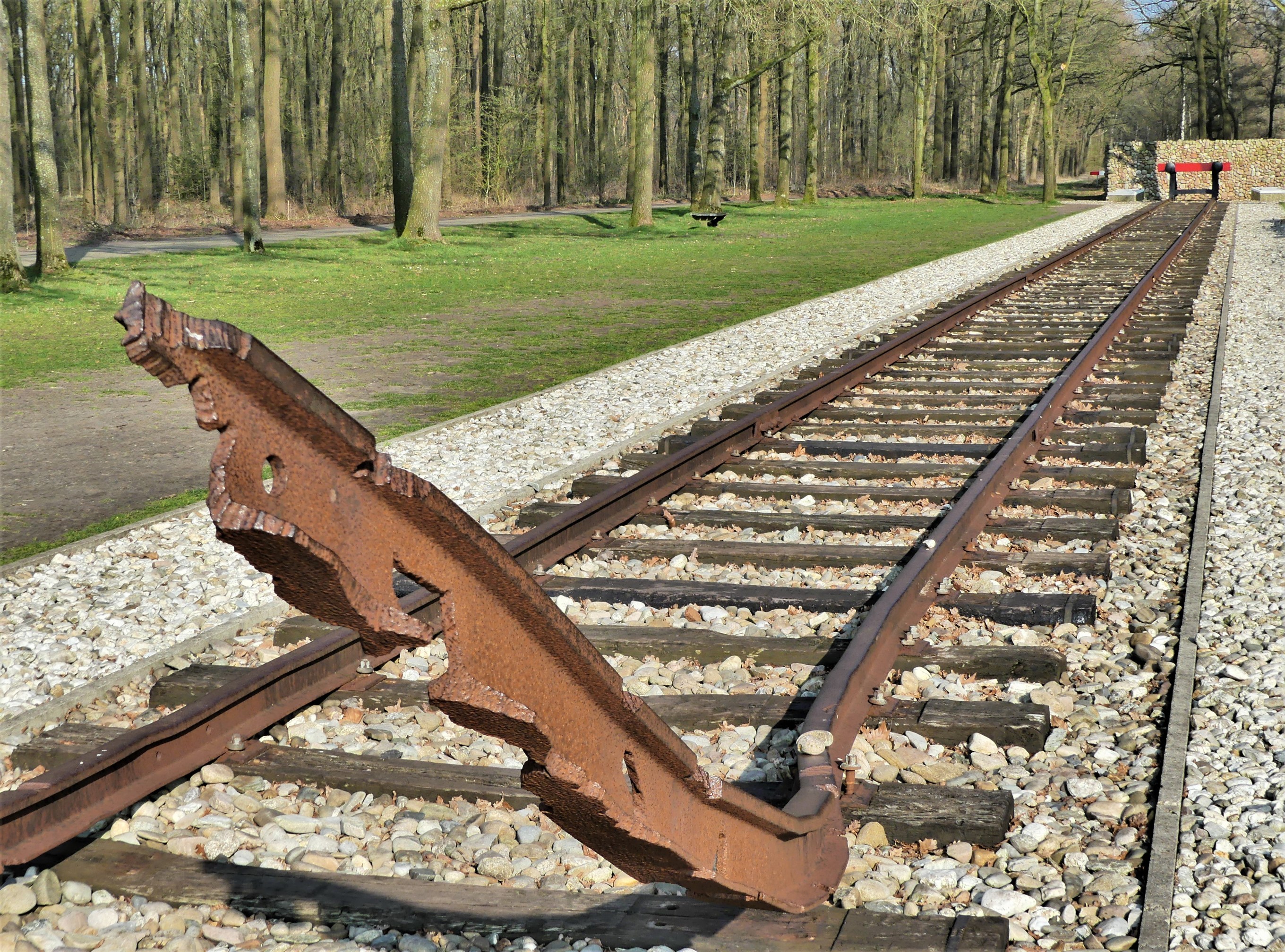
and a guard tower standing beside a metaphoric railbed.

I drifted from display to display, as if being involuntarily directed like a Ouija board peg–believing that I was somehow being programmed to walk in the footsteps of my grandparents.
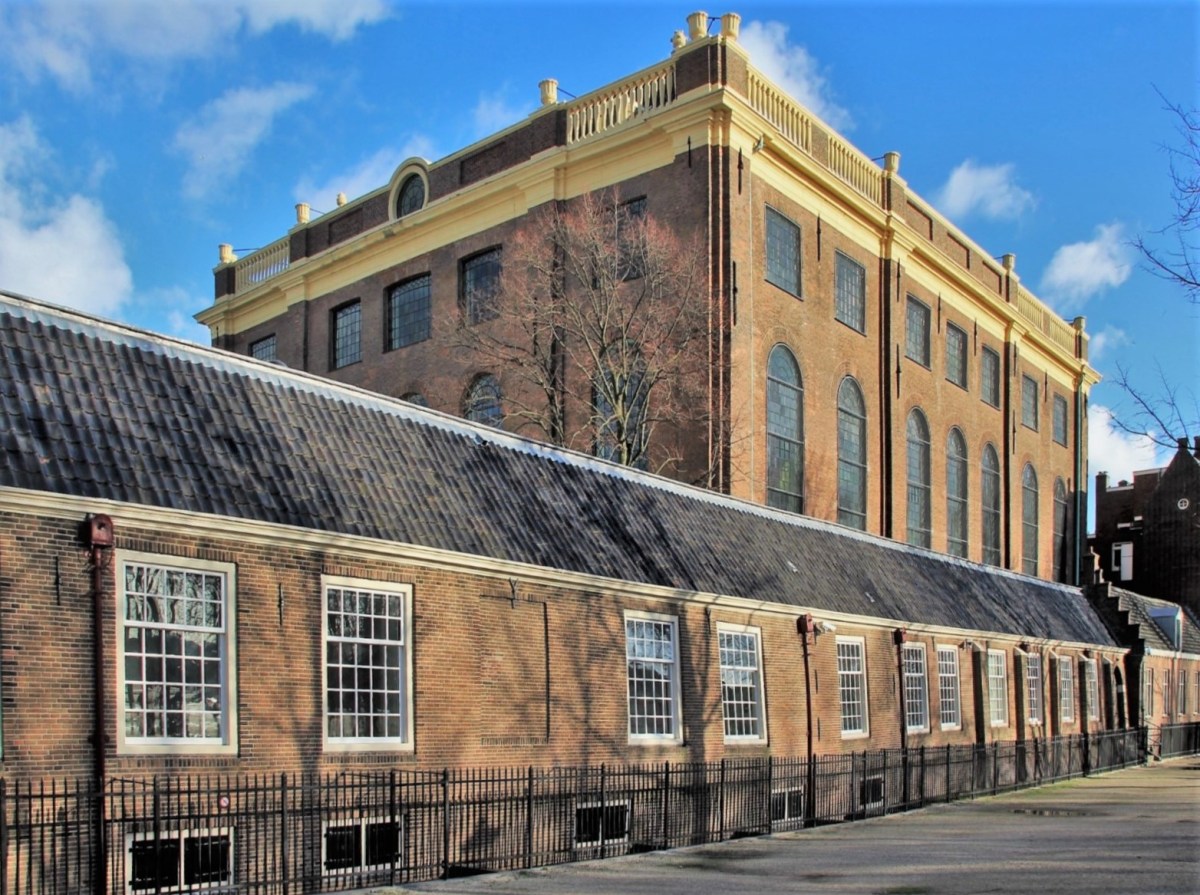
Upon return to Amsterdam, Jude and I strolled through the Jewish District, walking past the Portuguese Synagogue, an imposing Baroque structure completed in 1675, where most certainly, our family would have prayed, but sadly, never as a family;
and along Weesperstraat, past the Monument of Jewish Gratitude,

where a controversial limestone edifice will soon be replaced by Daniel Libeskind’s Shoah Memorial.
From there, we strolled in search of the Burgerweeshius,
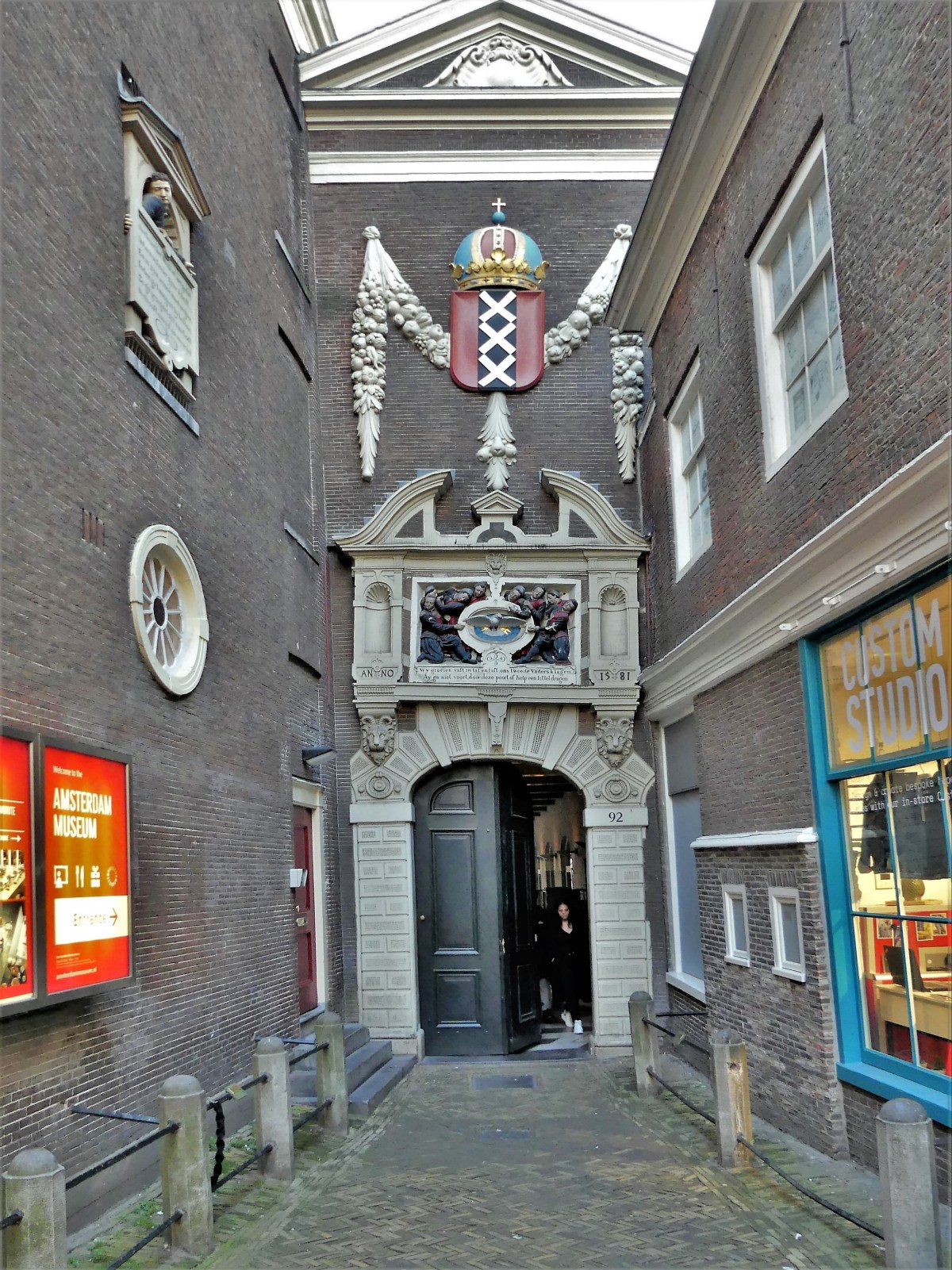
once the landmark orphanage that sheltered our moms after they were transported from Soesterberg…

and now home to the Amsterdam Museum.

For one moment, I thought I could hear the faint and familiar sound of children playing in the courtyard–playing tag around the tree, and playing soccer across the herringbone pavers.
Amsterdam had much to offer. Walking through the city, I felt an eerie sense of belonging–not because of the dissonance of grief–past or present–but the resonance of a shared understanding brought about by reconnecting with my cousin, Jude and the revelation that Amsterdam’s secrets have become an open book of acknowledgement and remembrance.
The journey continues with Part 2…

Peering into shop windows along the streets and canals of Amsterdam…

…presents many an oddity that will surely arouse the senses. Although, considering Amsterdam’s predilection and distinction for legal marijuana and prostitution, it would seem unlikely that there could be any room for other surprises.
Yet oddly enough, despite the merchandising overload of everything cannabis,


and the city’s penchant for 24-hr flesh peddling,
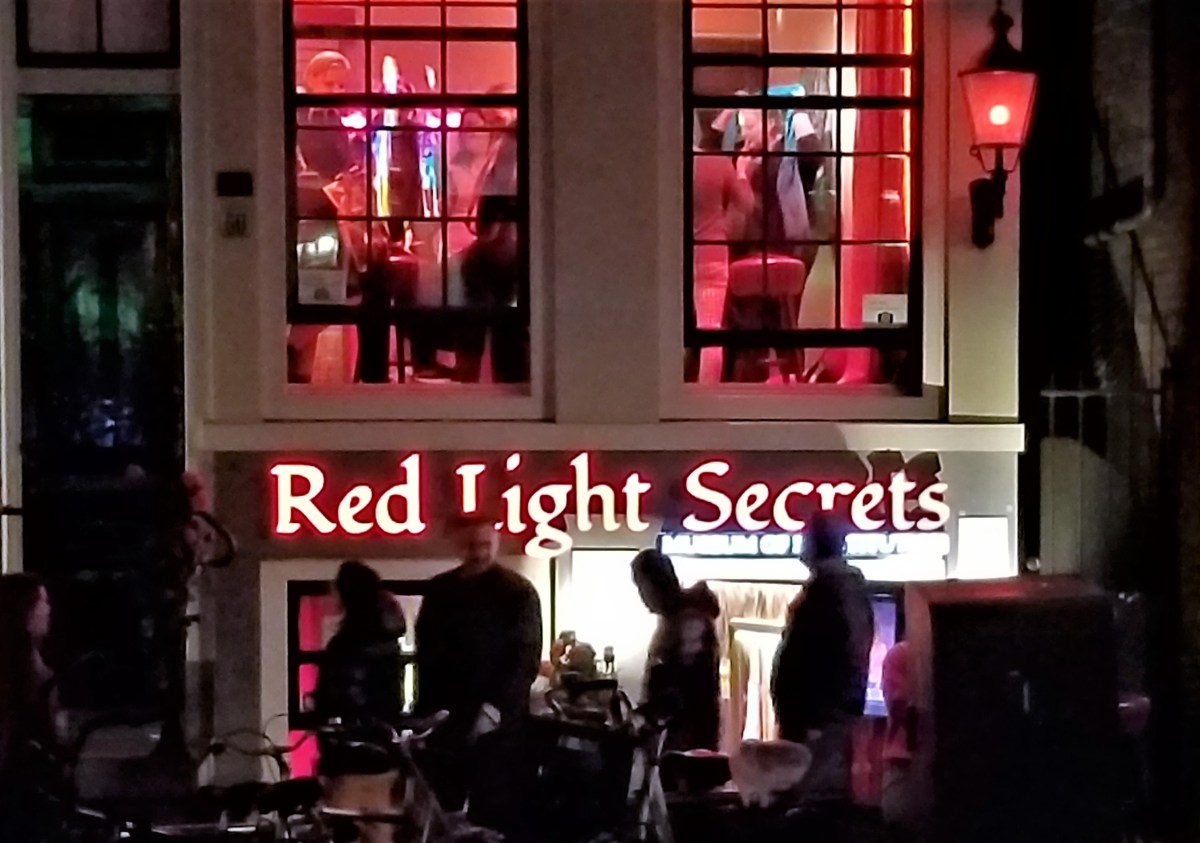
there is more to Amsterdam than just kink and circumstance.
There are also plenty of museums,
and enough al fresco cafés and frites stores to support a cultural and gastronomical battalion.

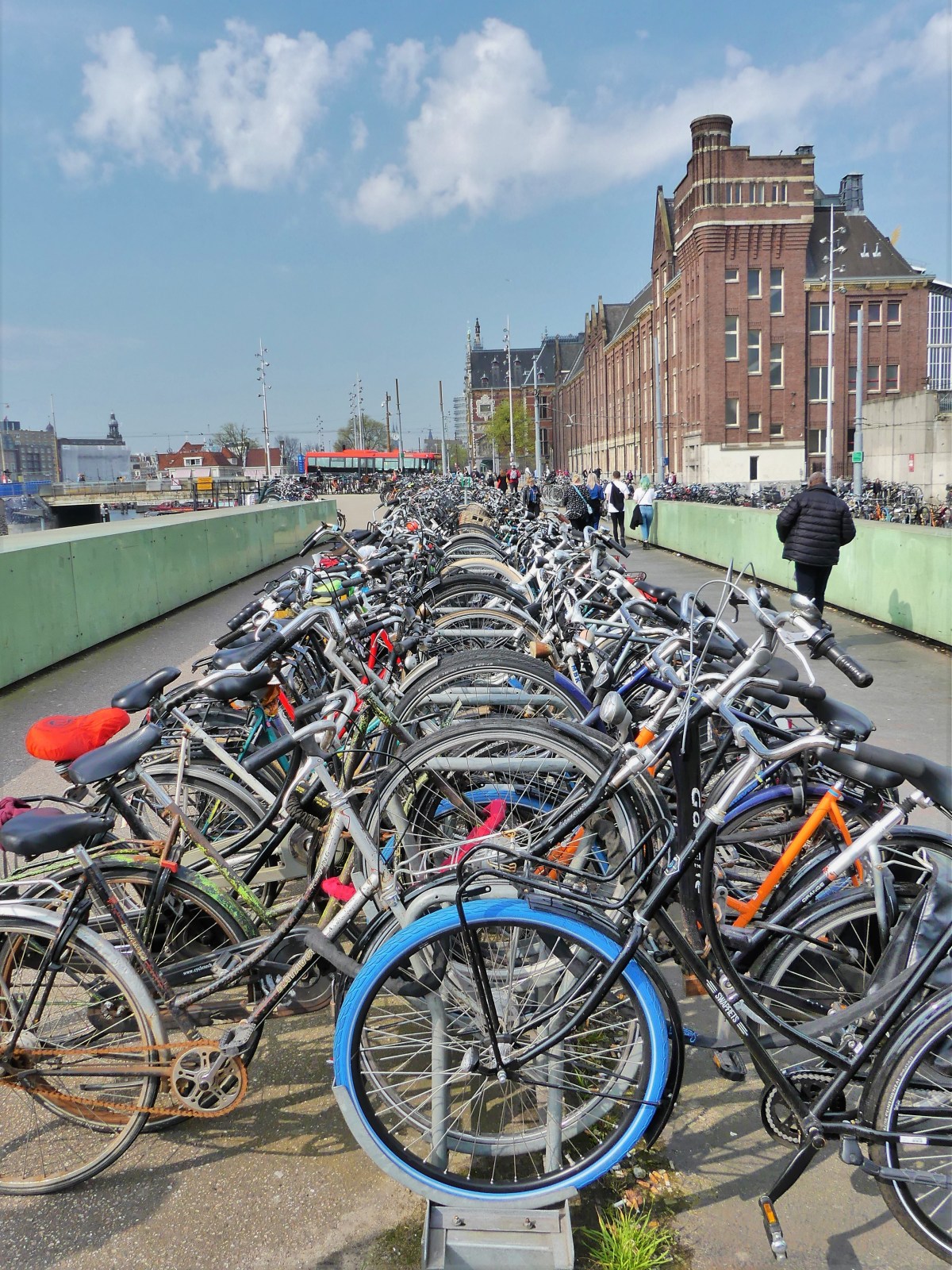
Amsterdam is a place for eyes behind your head, because two eyes in front is not enough to sidestep all the oncoming cyclists coming from every direction,

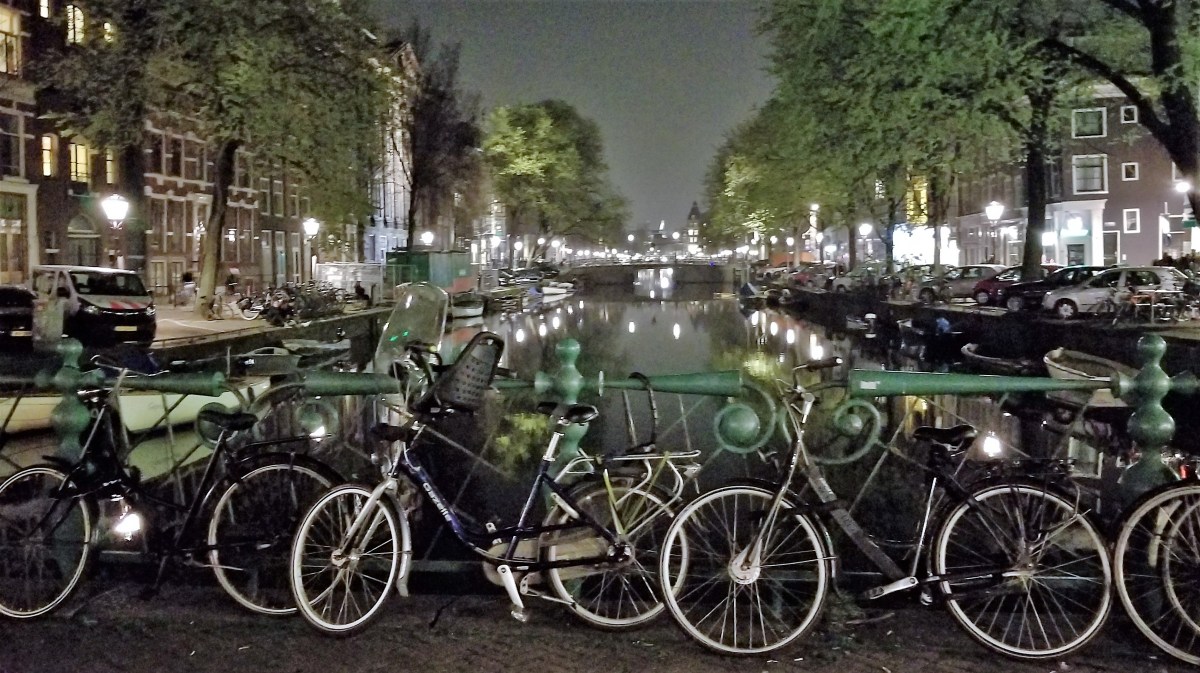
but also to catch all the head-turning outrageousness of an unrepentant town that still embraces Easter.
Amsterdam is a place to relax. Heck, half the population is already stoned, and the pungent waft of weed is a strong reminder to kick back and enjoy the scenery.
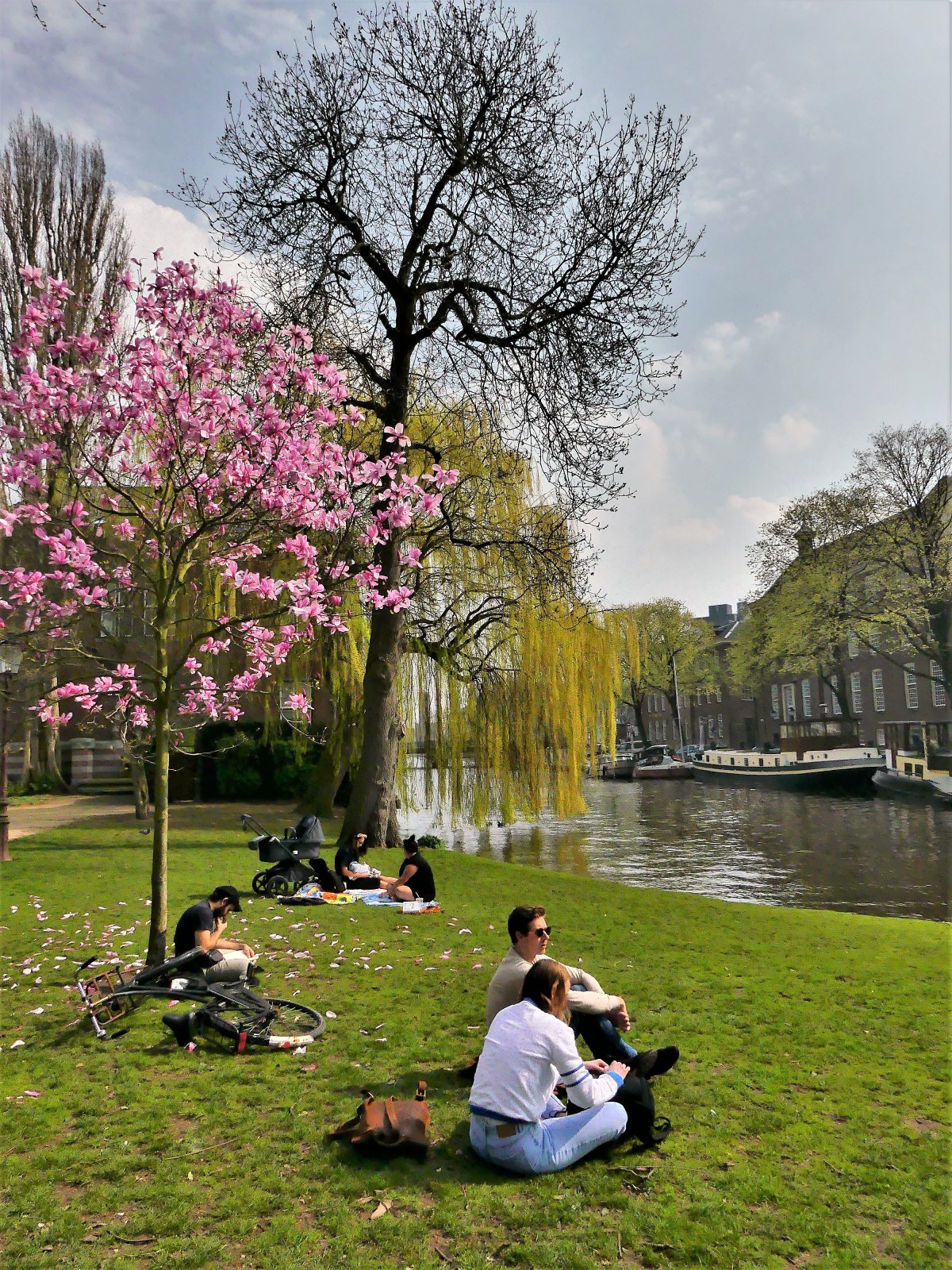

Amsterdam is a tolerant town, where all kinds of people gather and co-exist without judgement or little reservation. Citizens are proud and expressive, at times aggressive, but mostly helpful–although they smoke entirely too much, and regard the street as their personal ashtray.
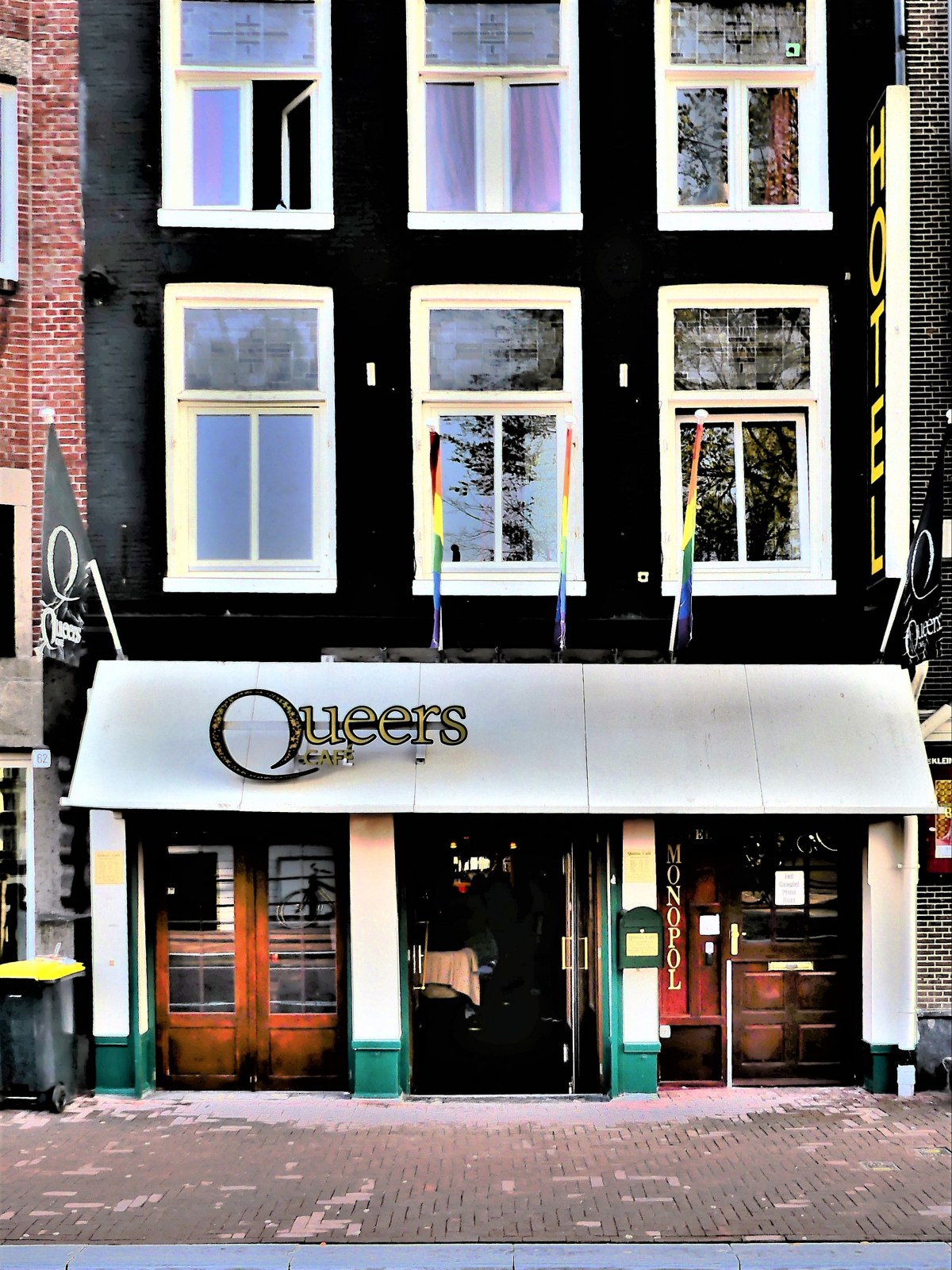
As a laissez-faire society by practice and design, it appears to work. Quite simply, Amsterdam is a libertarian’s delight!
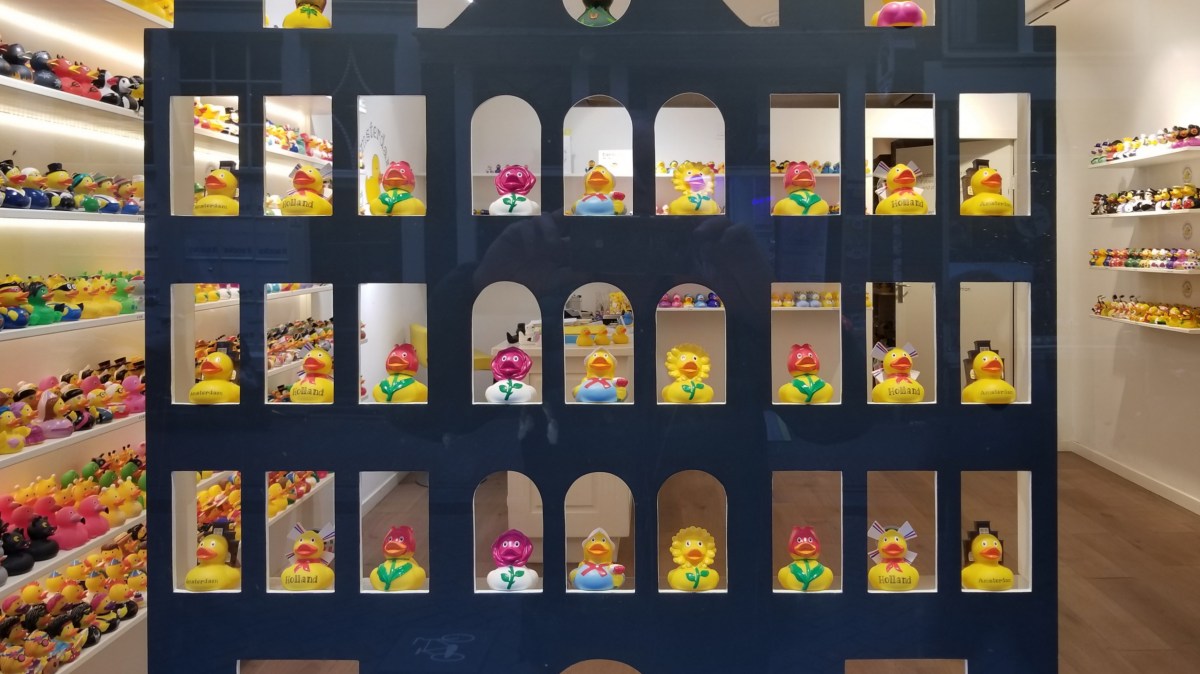
And that leaves plenty of room for rubber duckies and vaginas, and everything between.

Brussels loves its folklore. And its citizens are unabashed about it. They show it off around town, and celebrate it with a flourish.
Belgians are world renown chocolatiers, and proud of their invention. Case in point–Jean Neuhaus…
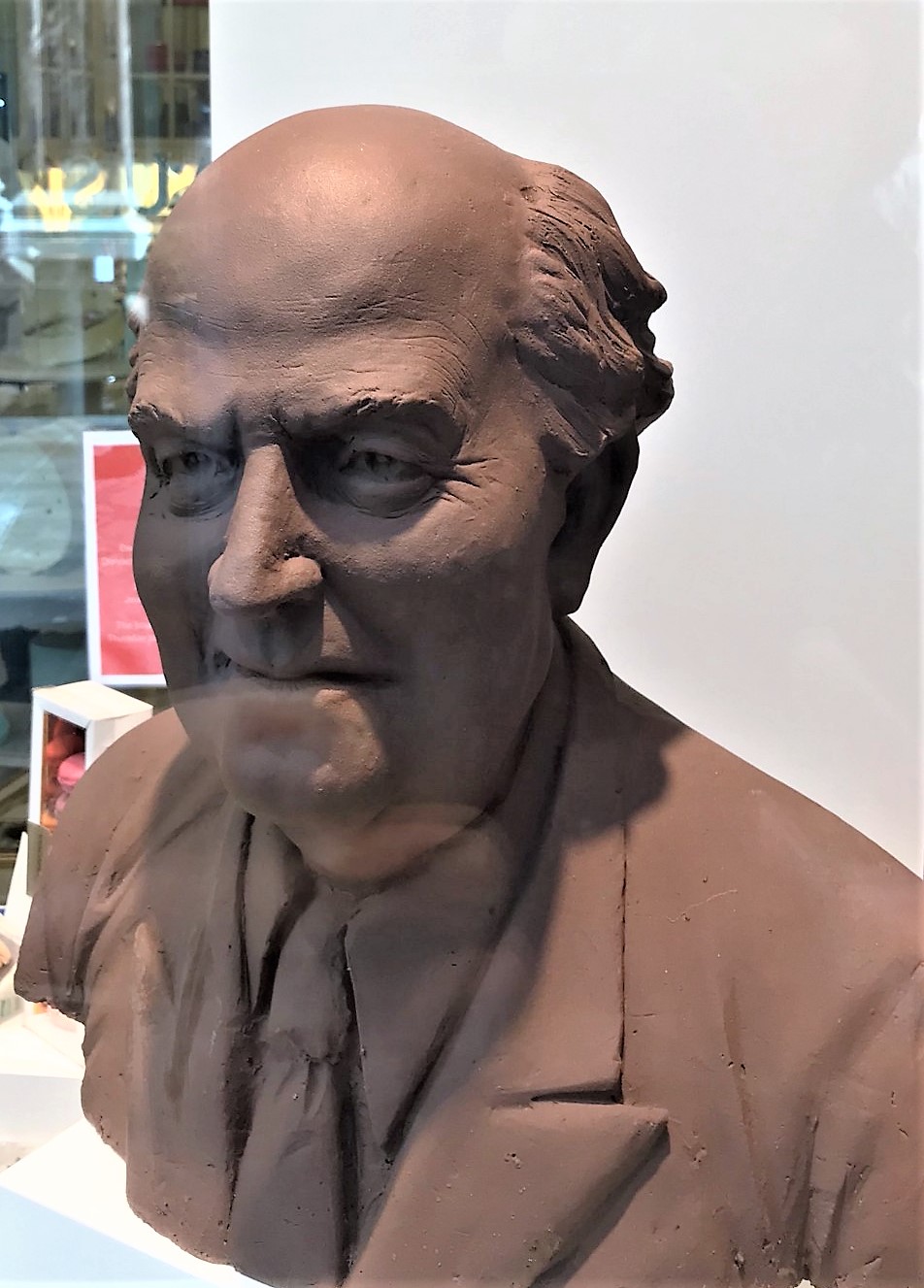
…a one-time chemist who realized that a chocolate coating around a pill helps the medicine go down. His pharmacy in Galerie de la Reine…
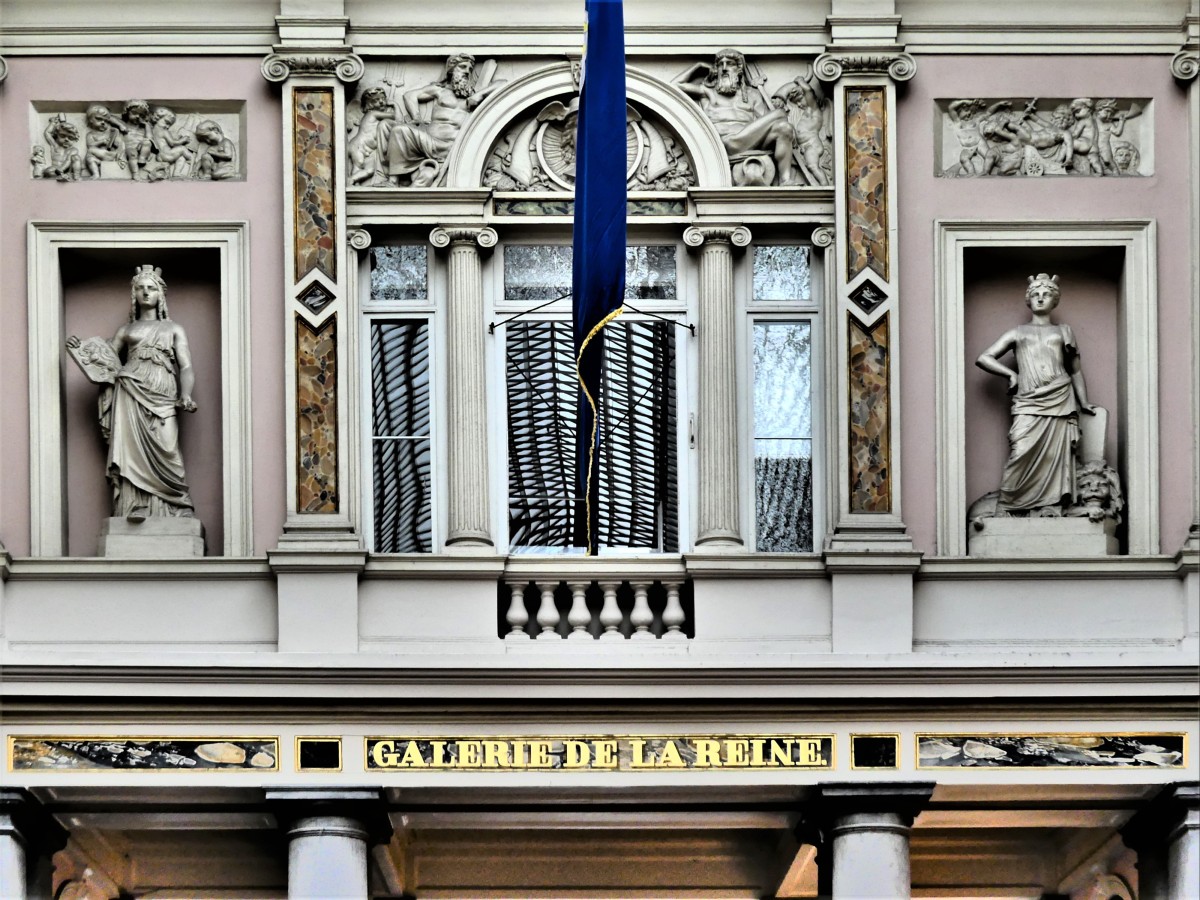
located in a glass-covered mall of pilasters, arches, and windows…
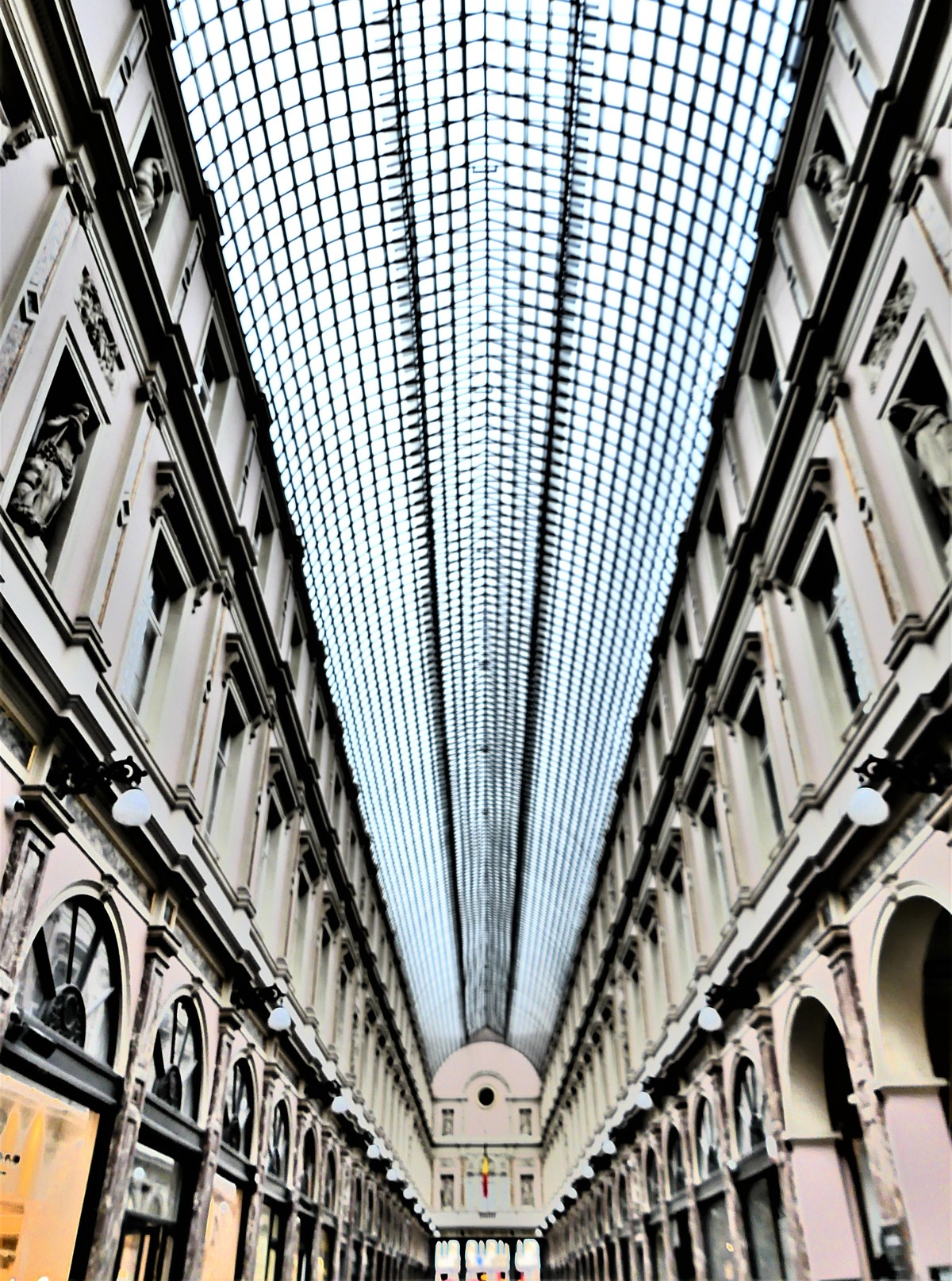
was converted into a chocolate shop in 1912, when he replaced his pills with praline, giving rise to an international addiction, and no doubt, a tooth decay epidemic.
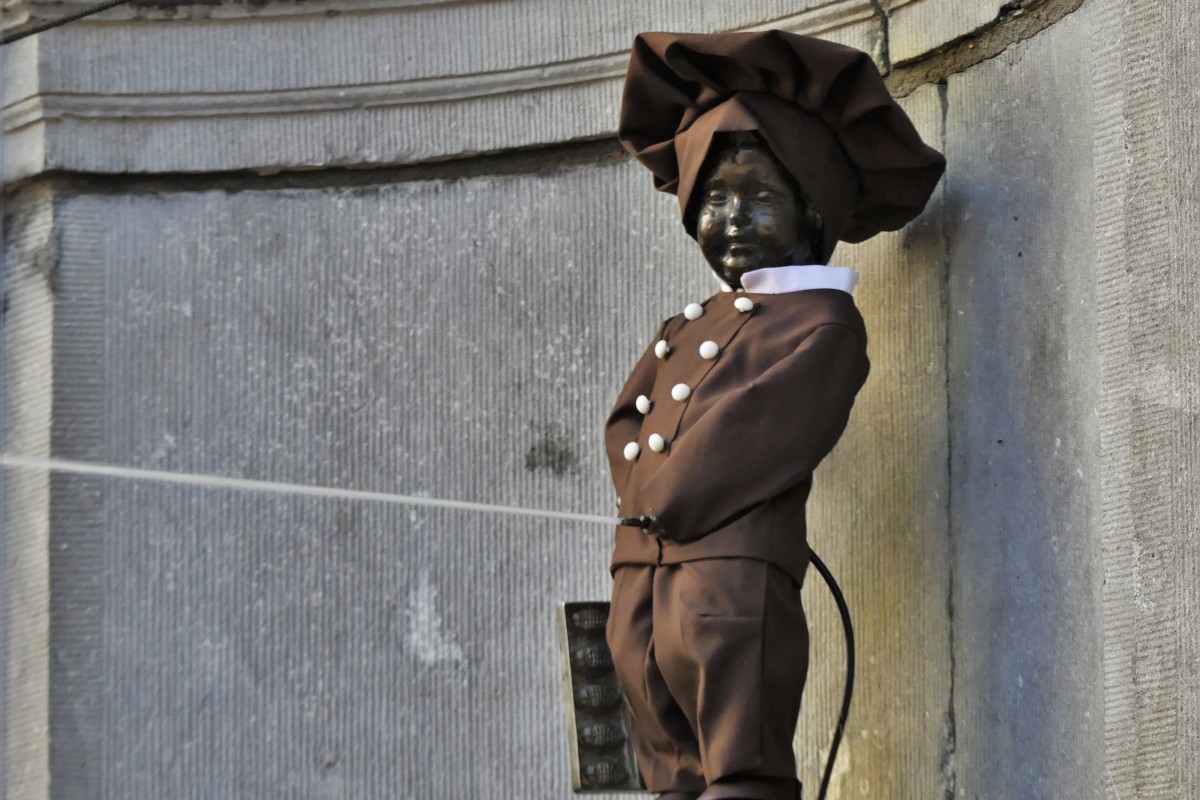
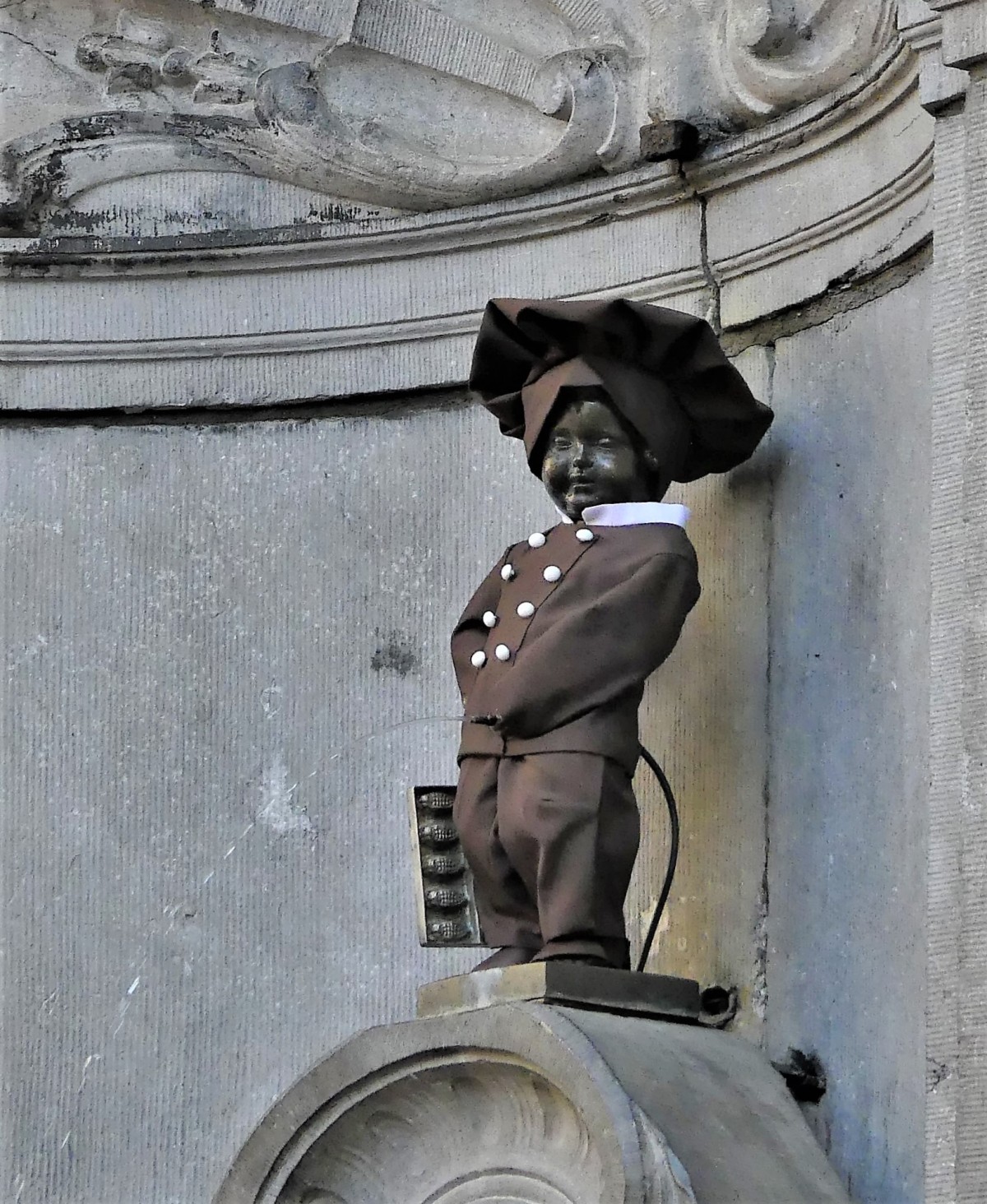
On this particular day, the theme of chocolate carried over to Brussel’s most famous fountain–a 17th century pisser known as Manneken Pis–who was undergoing a celebrated makeover with yet another costume.
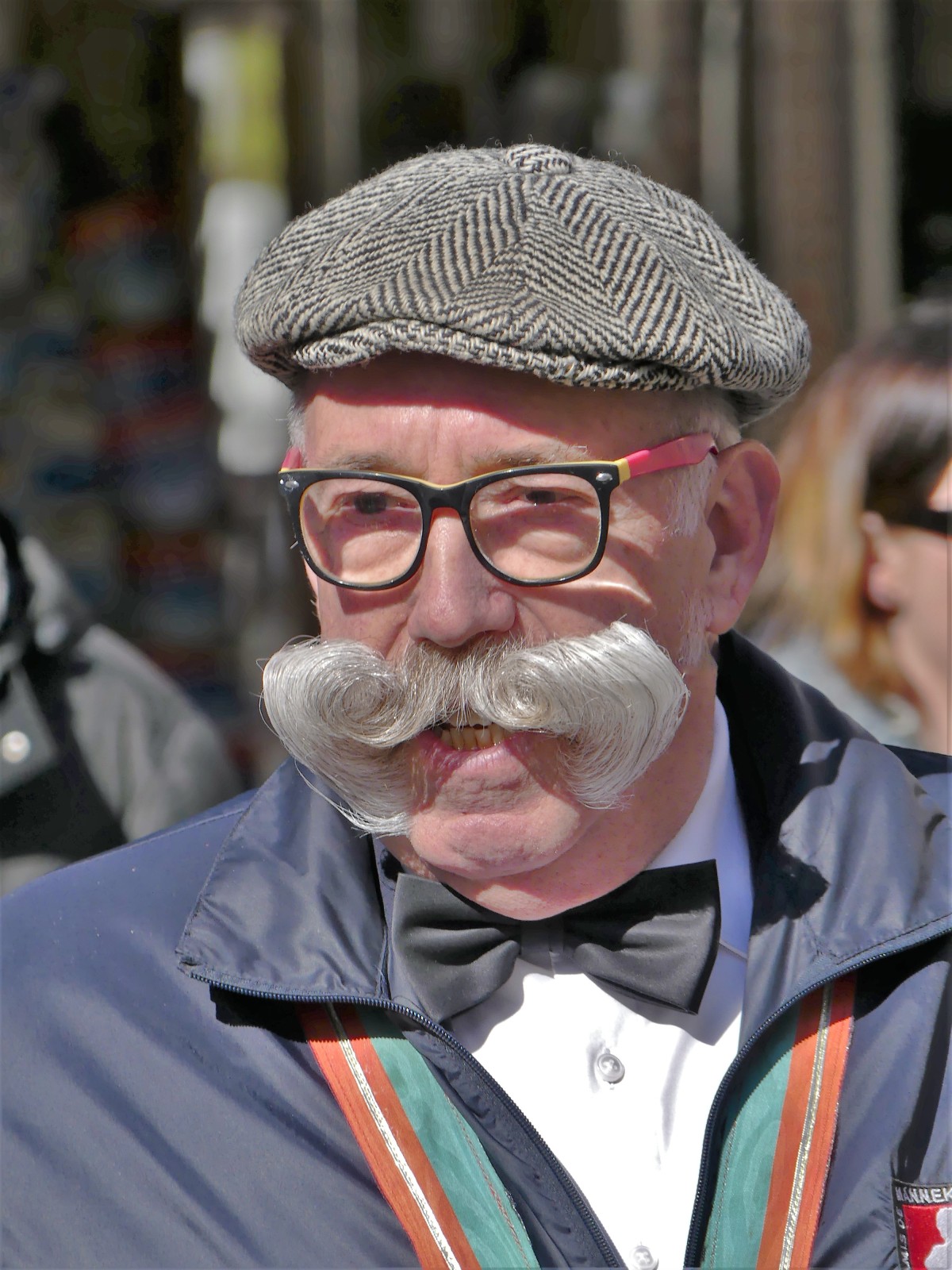
The pomp and circumstance surrounding the event was palpable. A singing society of Manneken Pis enthusiasts had crowded the corner of the Incubator and Oak Street,
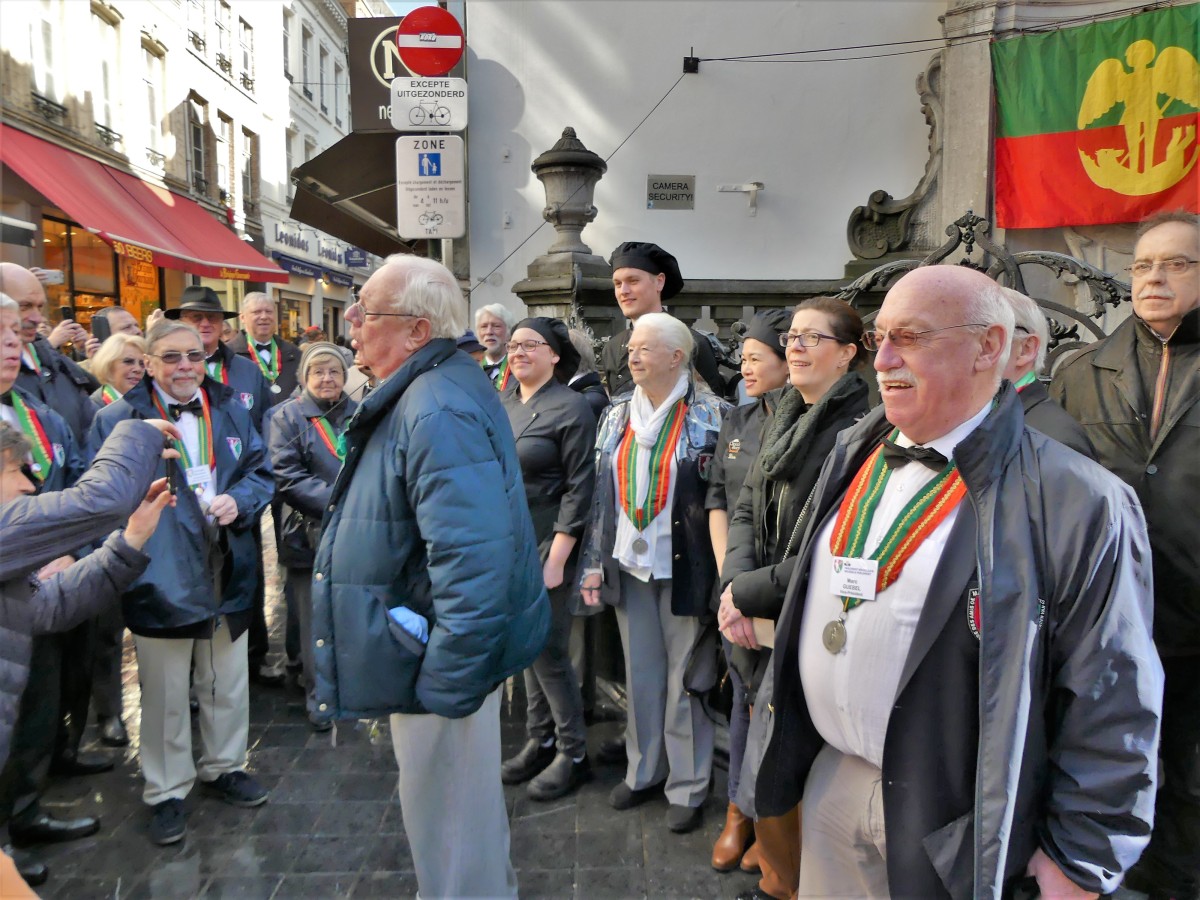
just south of Grand Place…
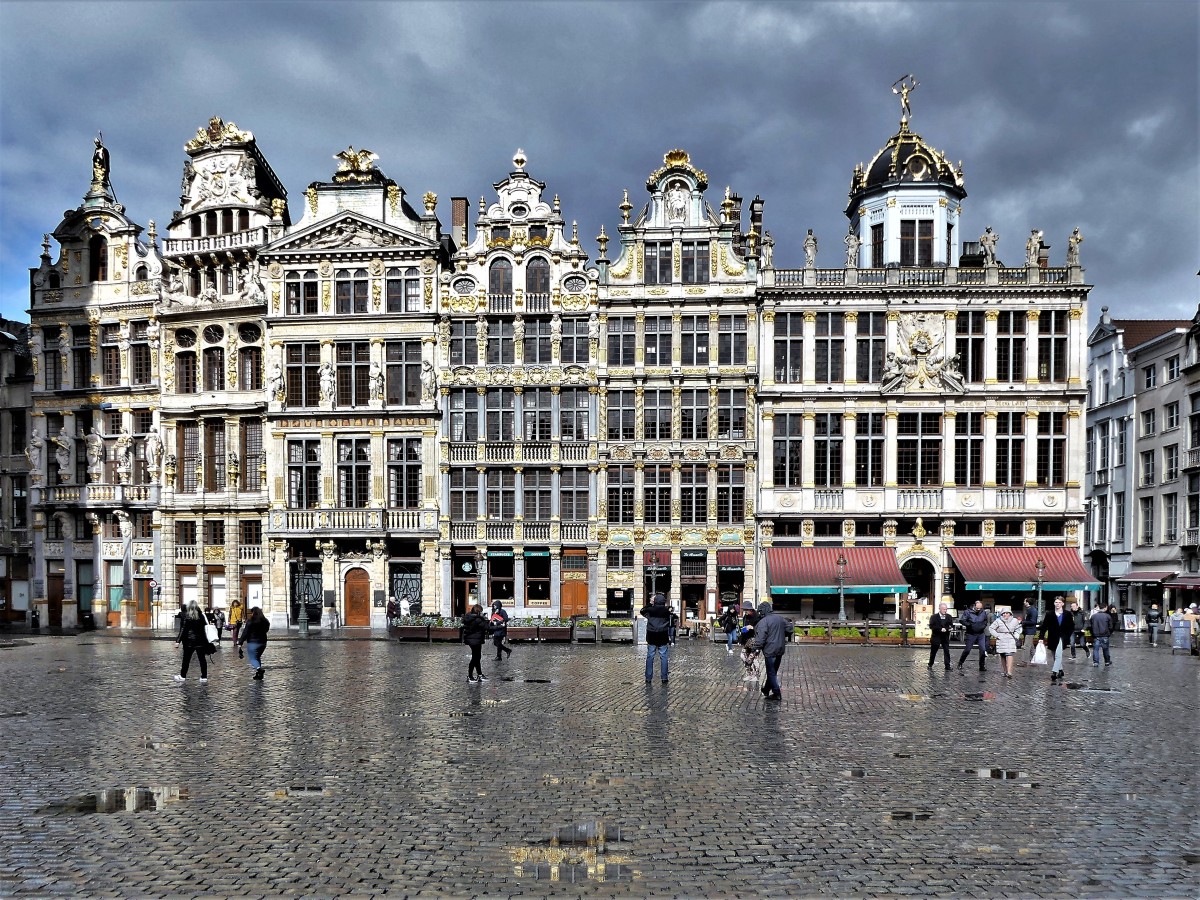
in anticipation of the grand reveal.
Outside the circle of importance, a fringe show delighted the onlookers.
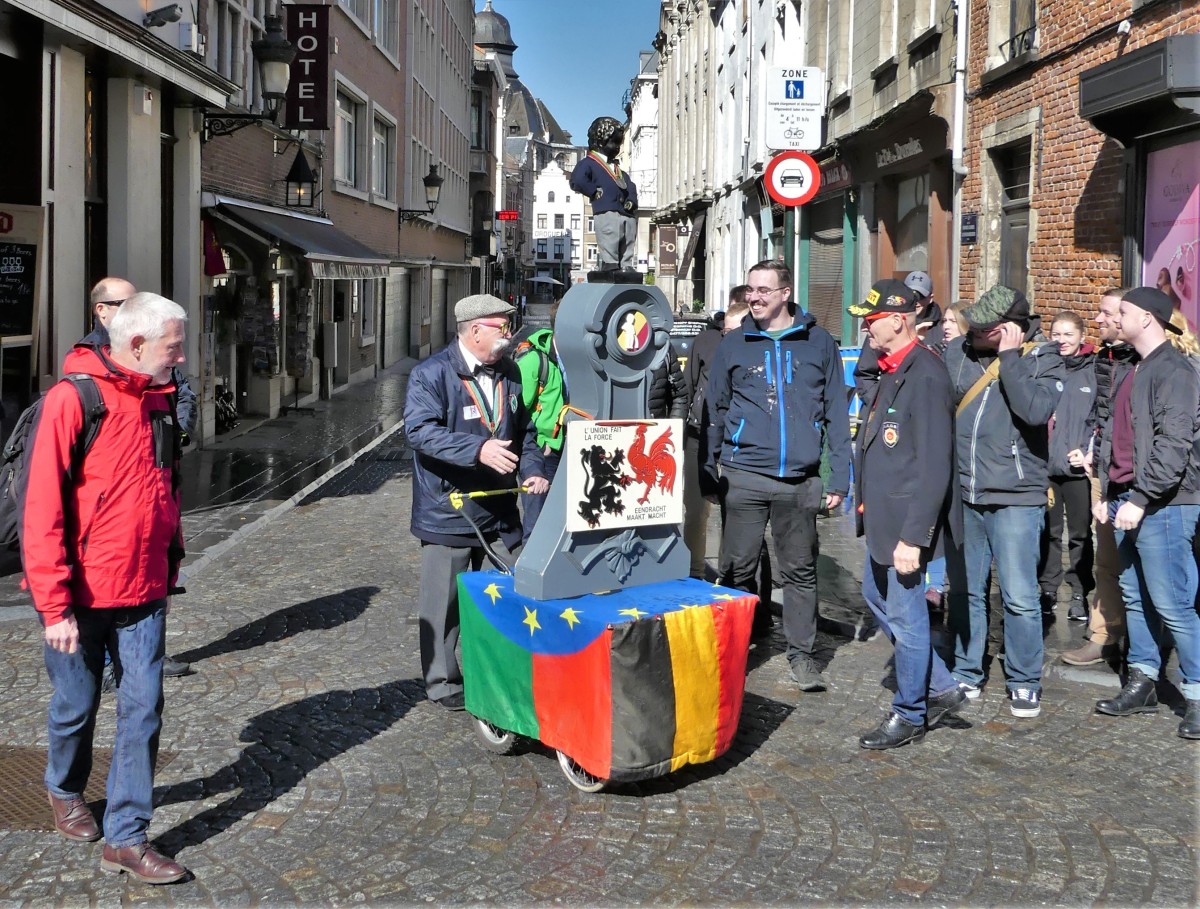
Eventually, the Nation’s colors were pulled away to expose the little exhibitionist dressed as a chocolatier–one of 1000 different costumes he has worn throughout the ages.
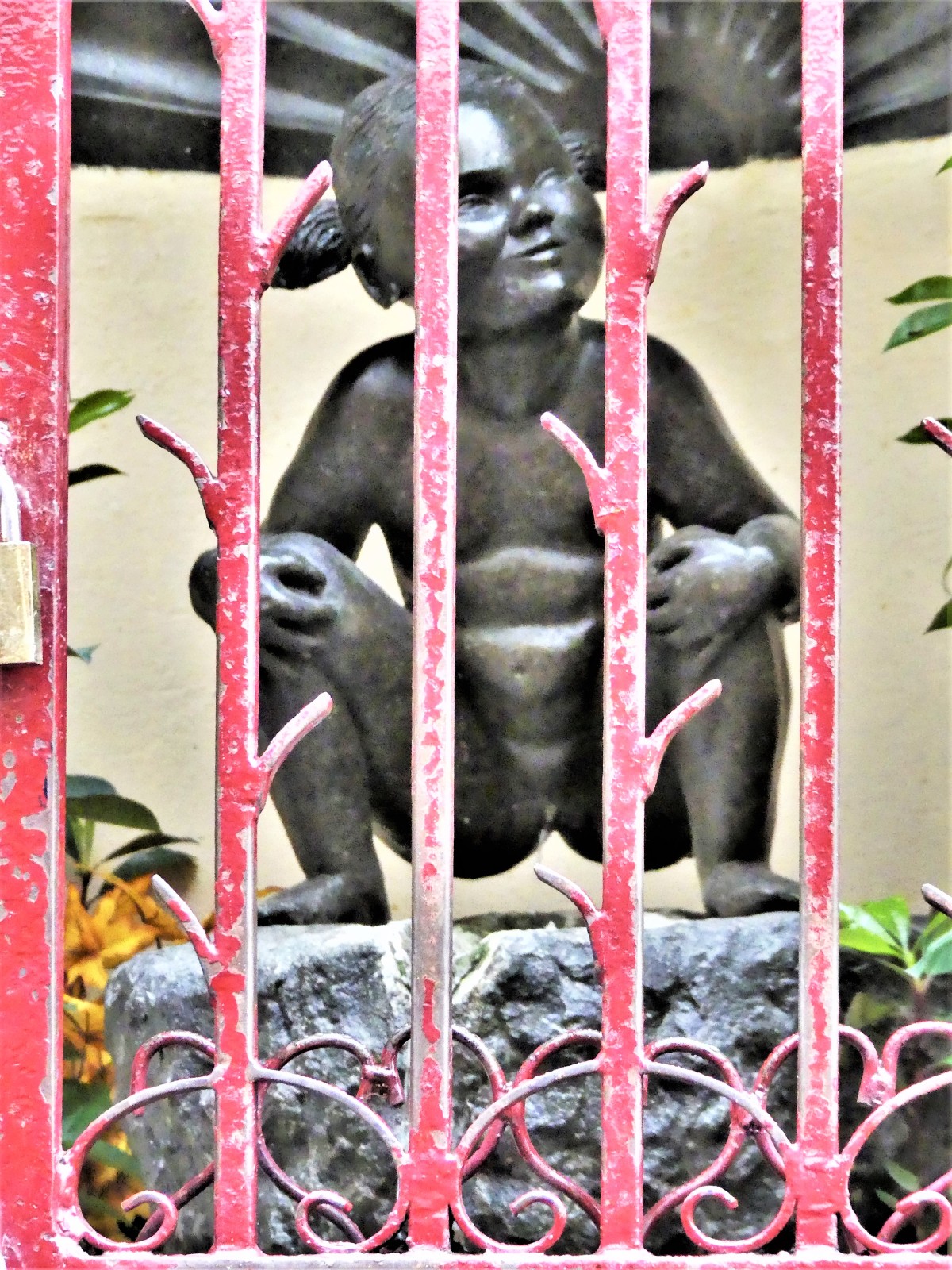
But Manneken Pis has some able-bodied company. Located a short distance away, his counterpart, Jeanneke Pis is a fine squating specimen.
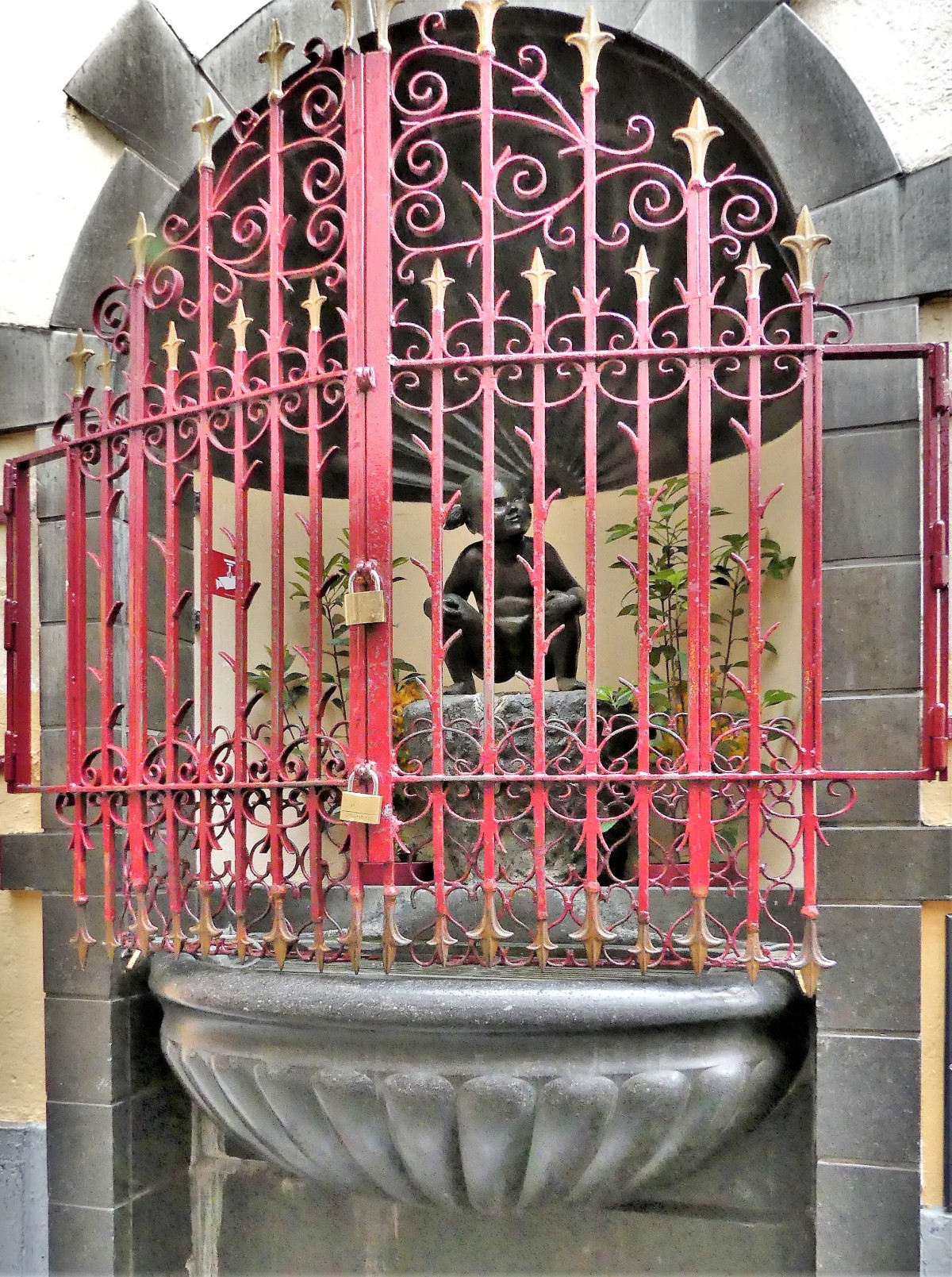
It is believed by Belgians that the fountain was built in honor of loyalty. An old custom states that a coin tossed into the basin will bring good luck and is an expression of fidelity.
Of course, what could be more loyal than man’s best friend, symbolized by Zinneke Pis…
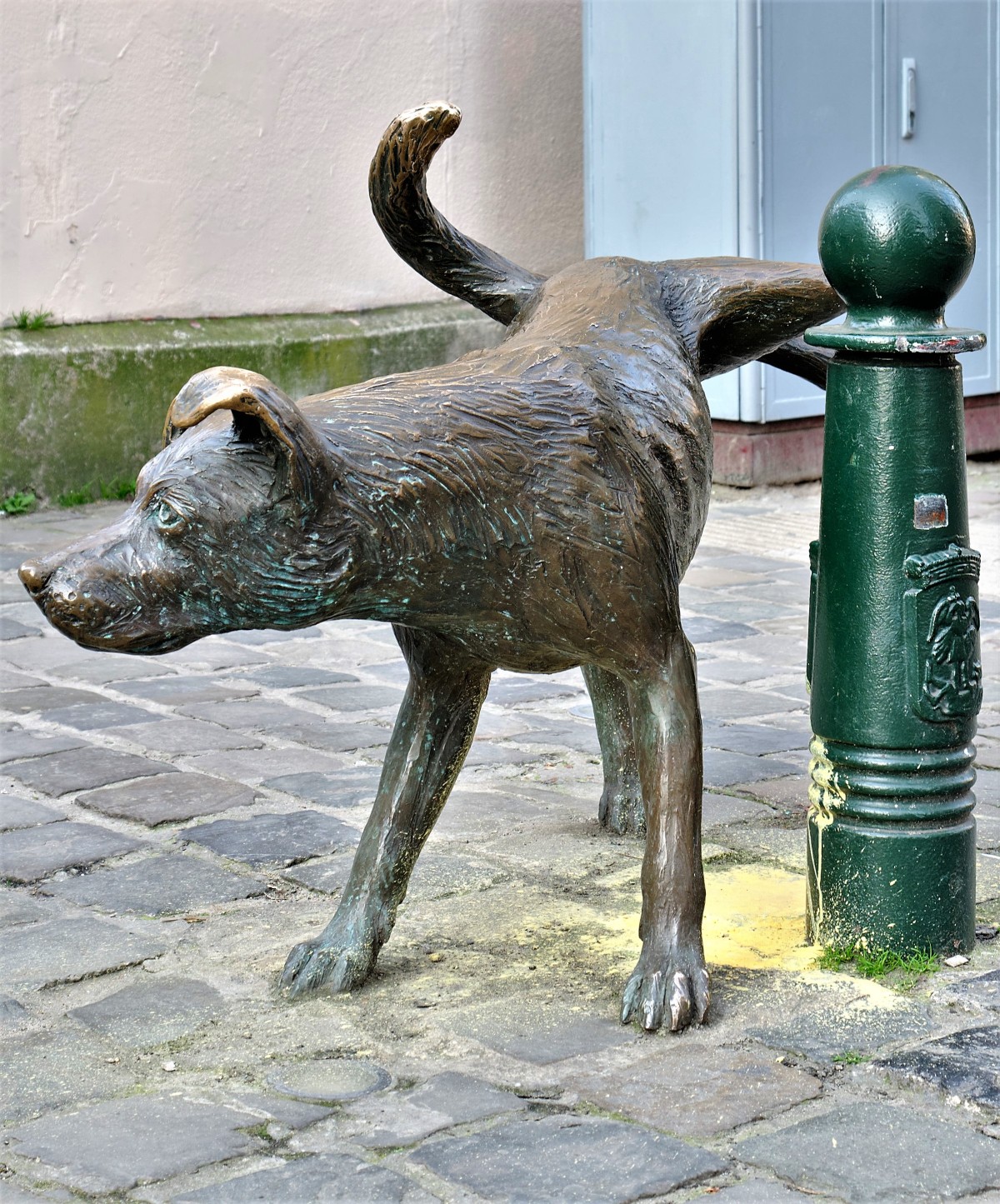
…thus completing the pee pee trilogy.
Dogs are a common site and symbol around Brussels, and represented throughout history, whether at the foot of Everard t’Serclaes, a 14th century legend, embodied in thestatue of his reclining corpse–
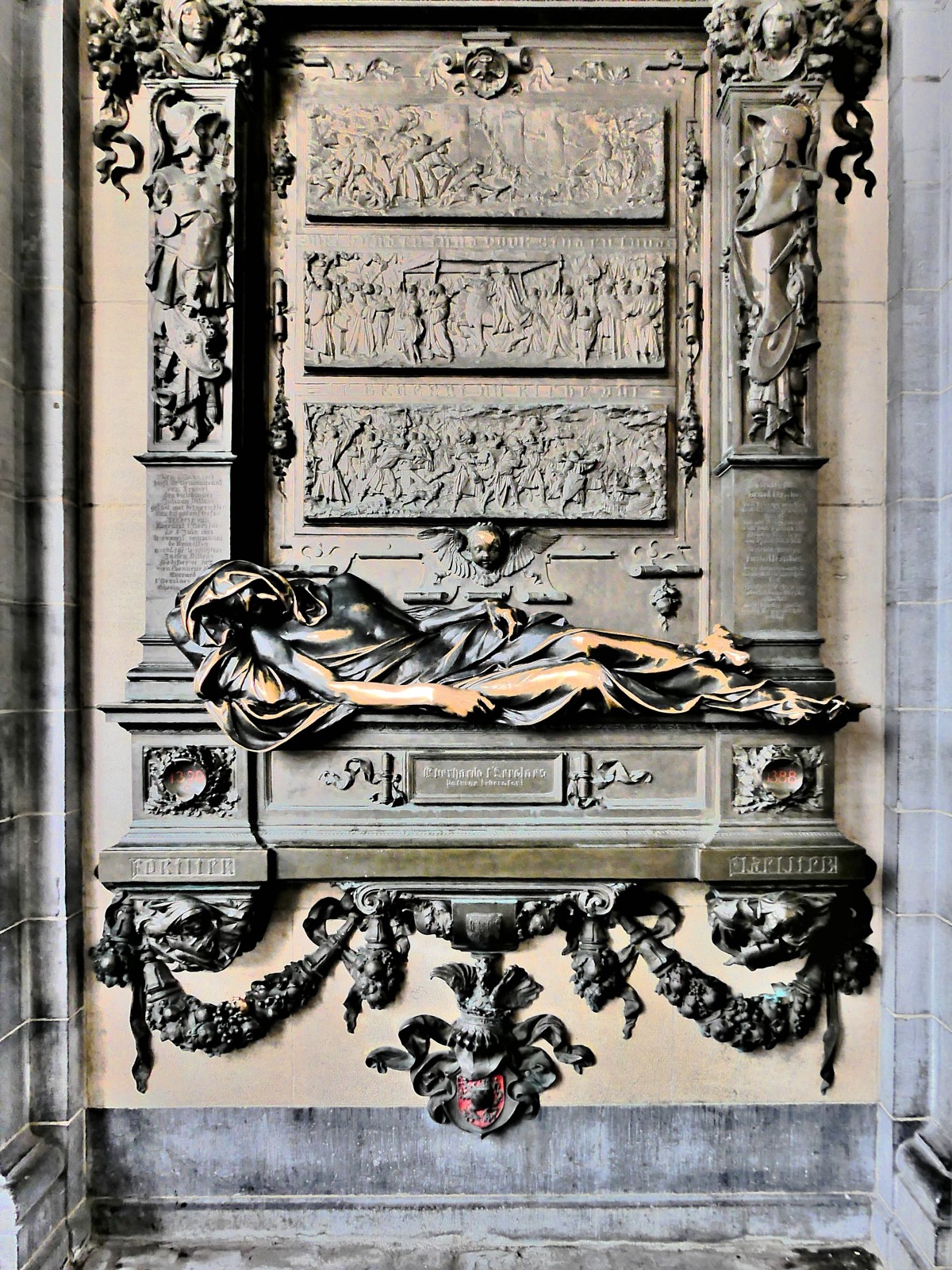
which is believed by locals to bring luck to all passers-by who rub it.
And then there’s Tintin’s dog, Snowy,
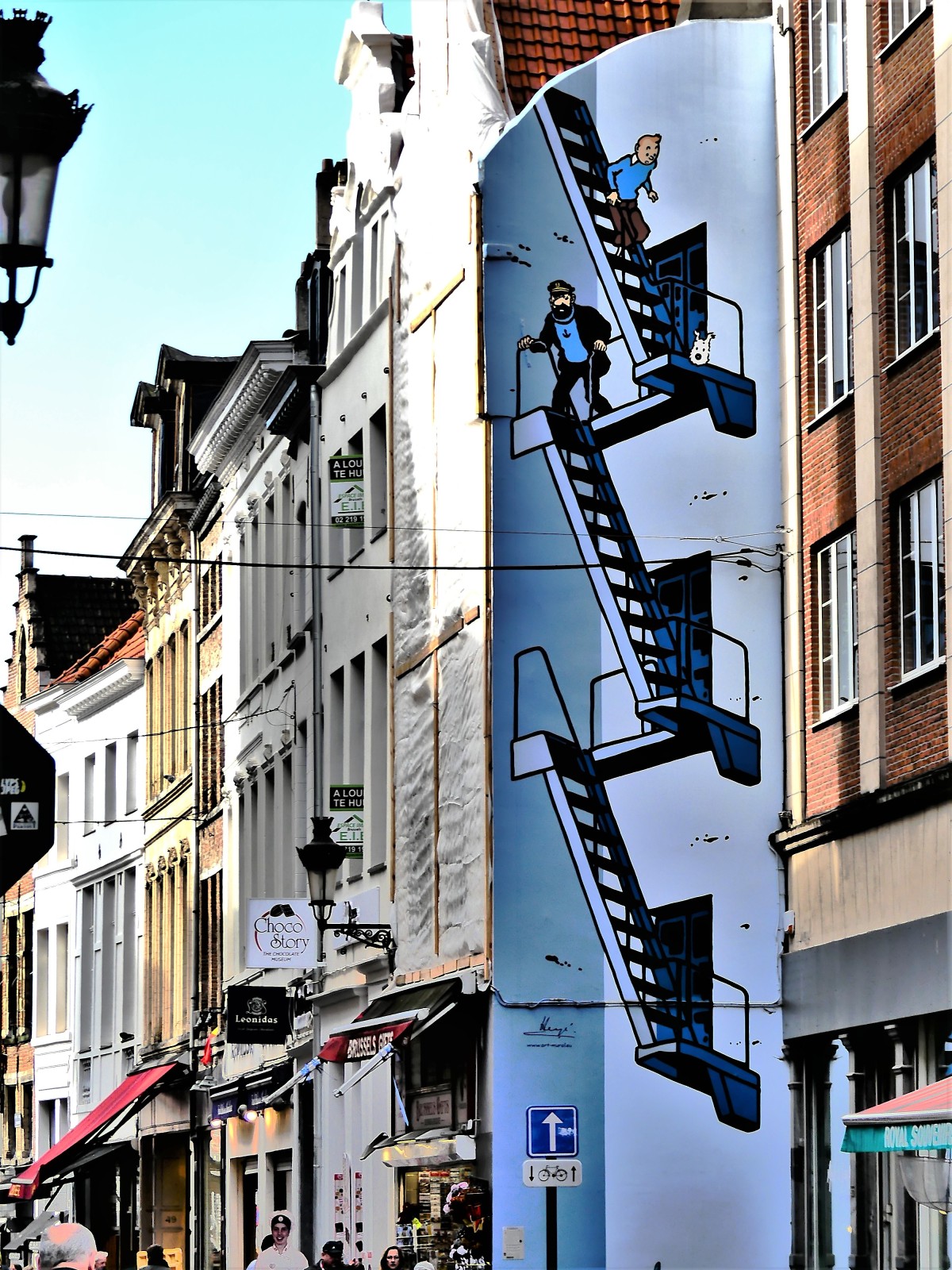
a comic sensation created by Belgian cartoonist Hergé (aka George Remi).
There is a framed beauty and whimsy about the city of Brussels.
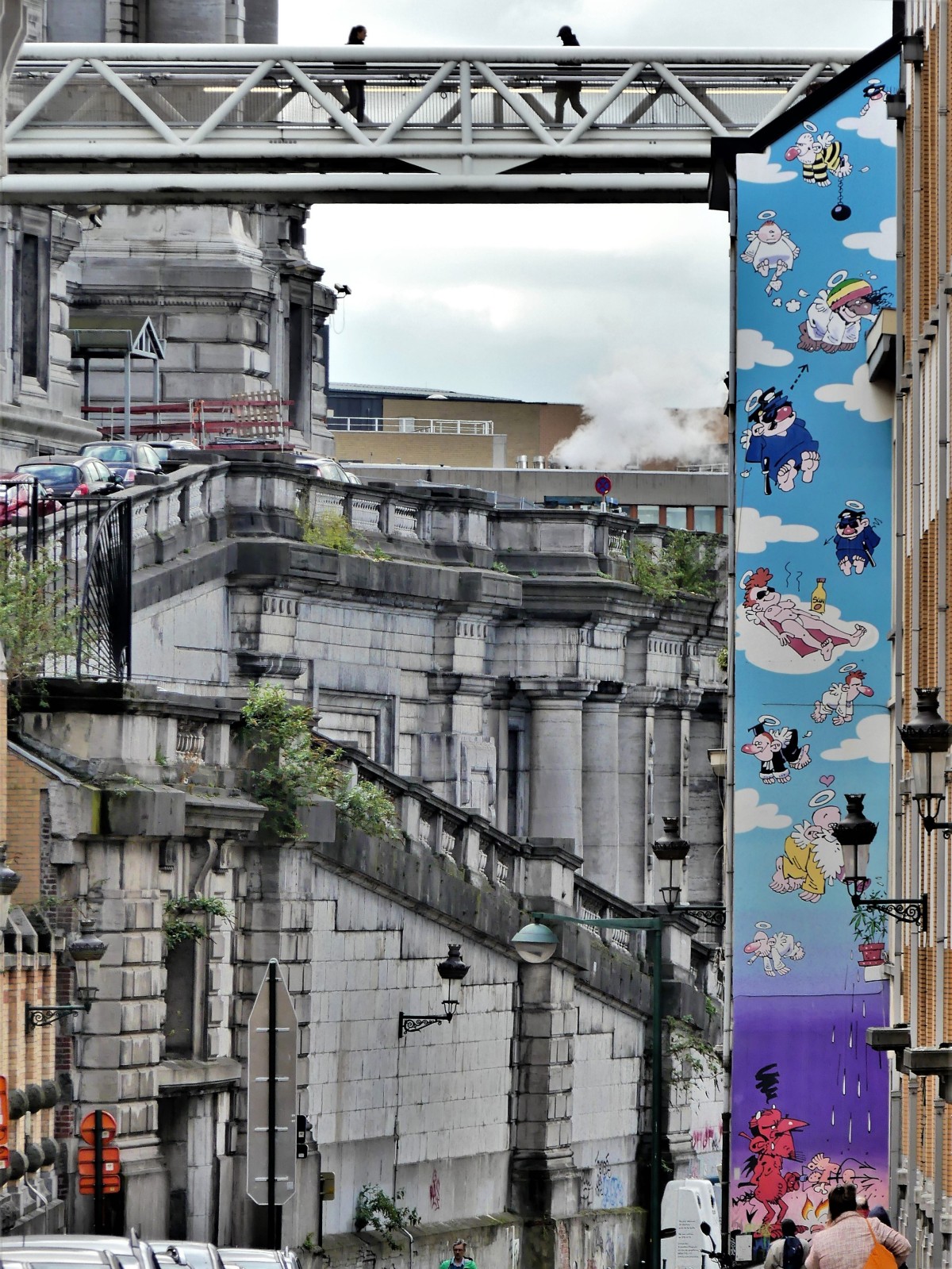
While it never takes itself too seriously,
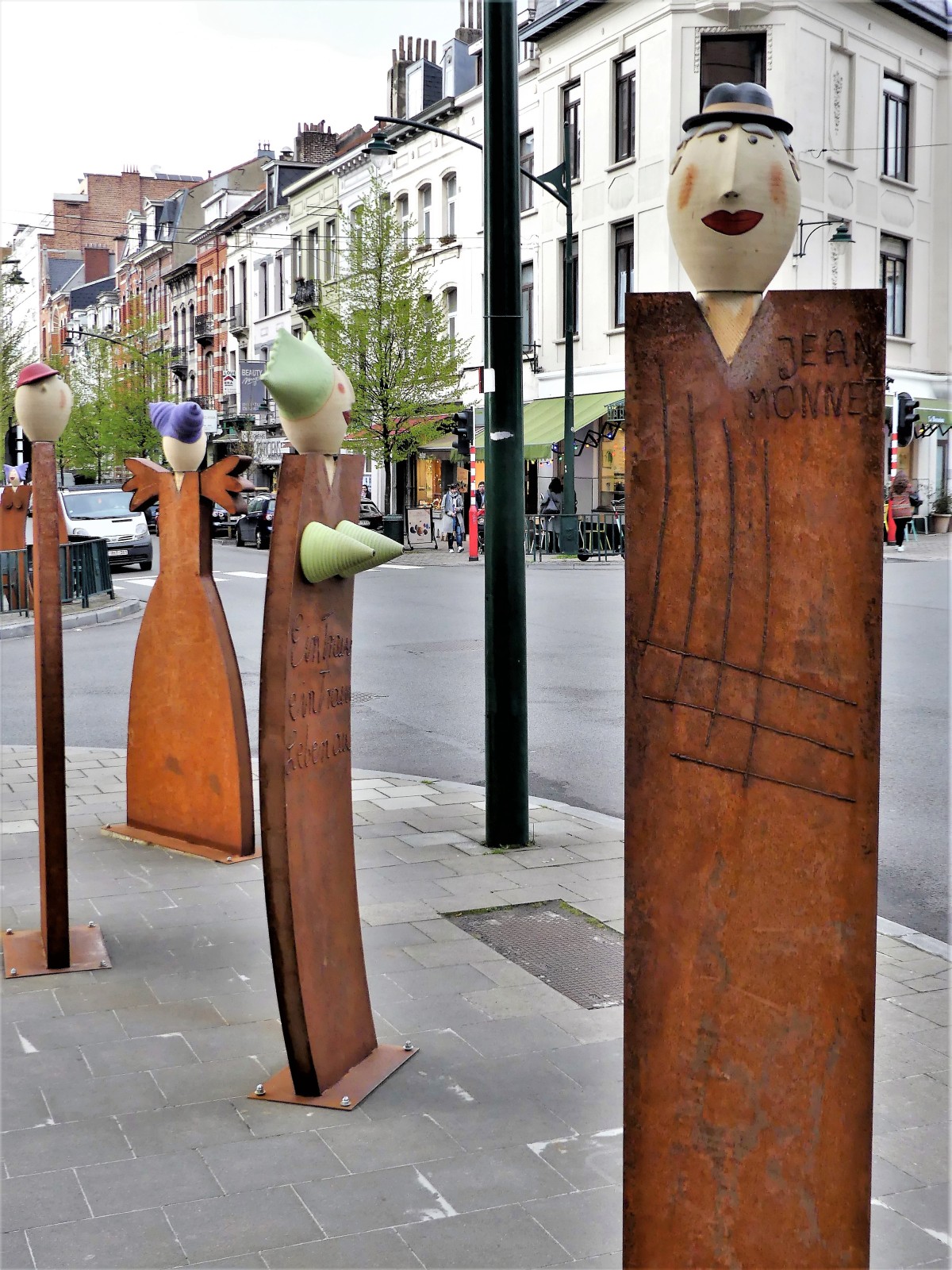
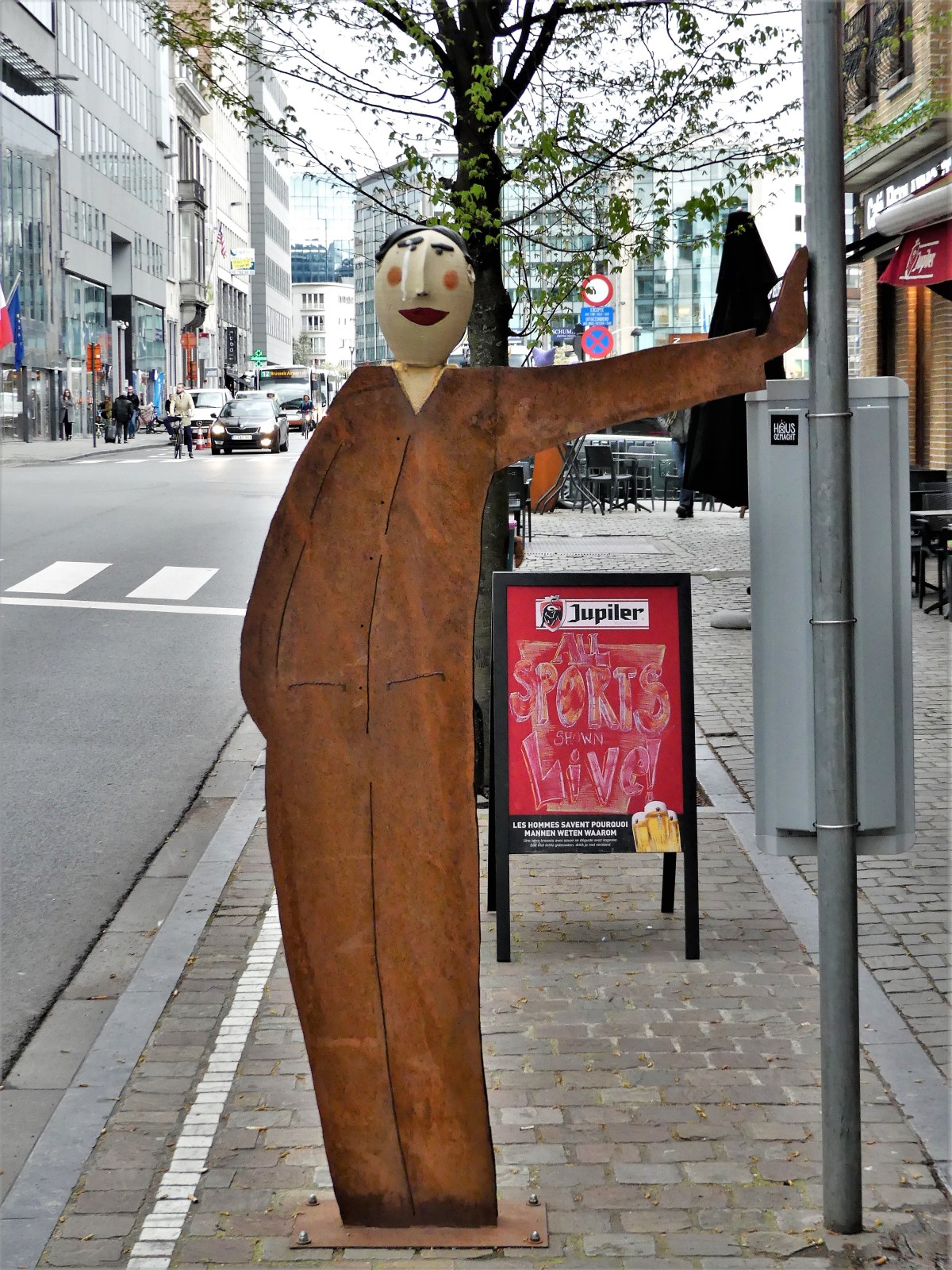
there is just enough richness…
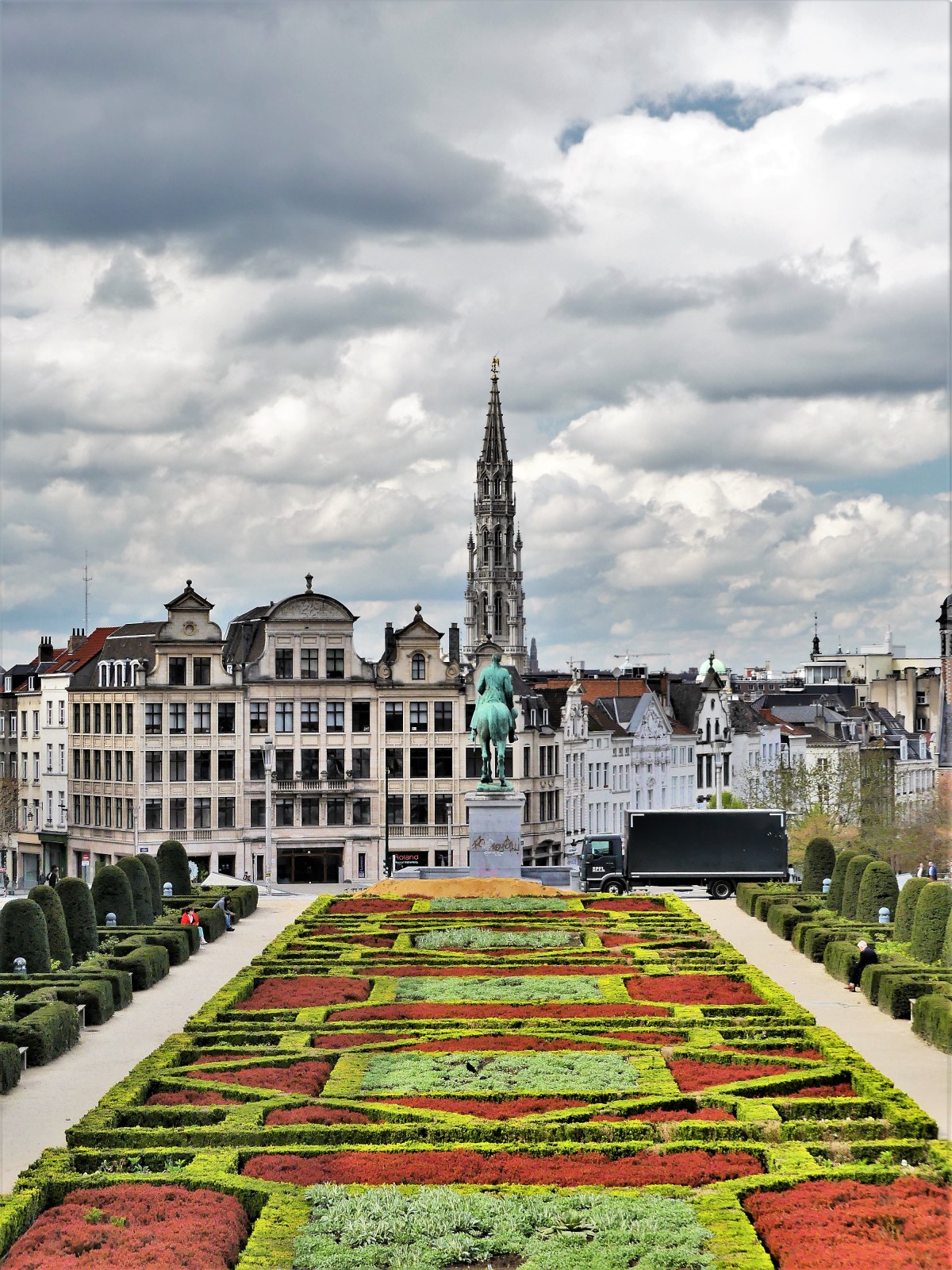
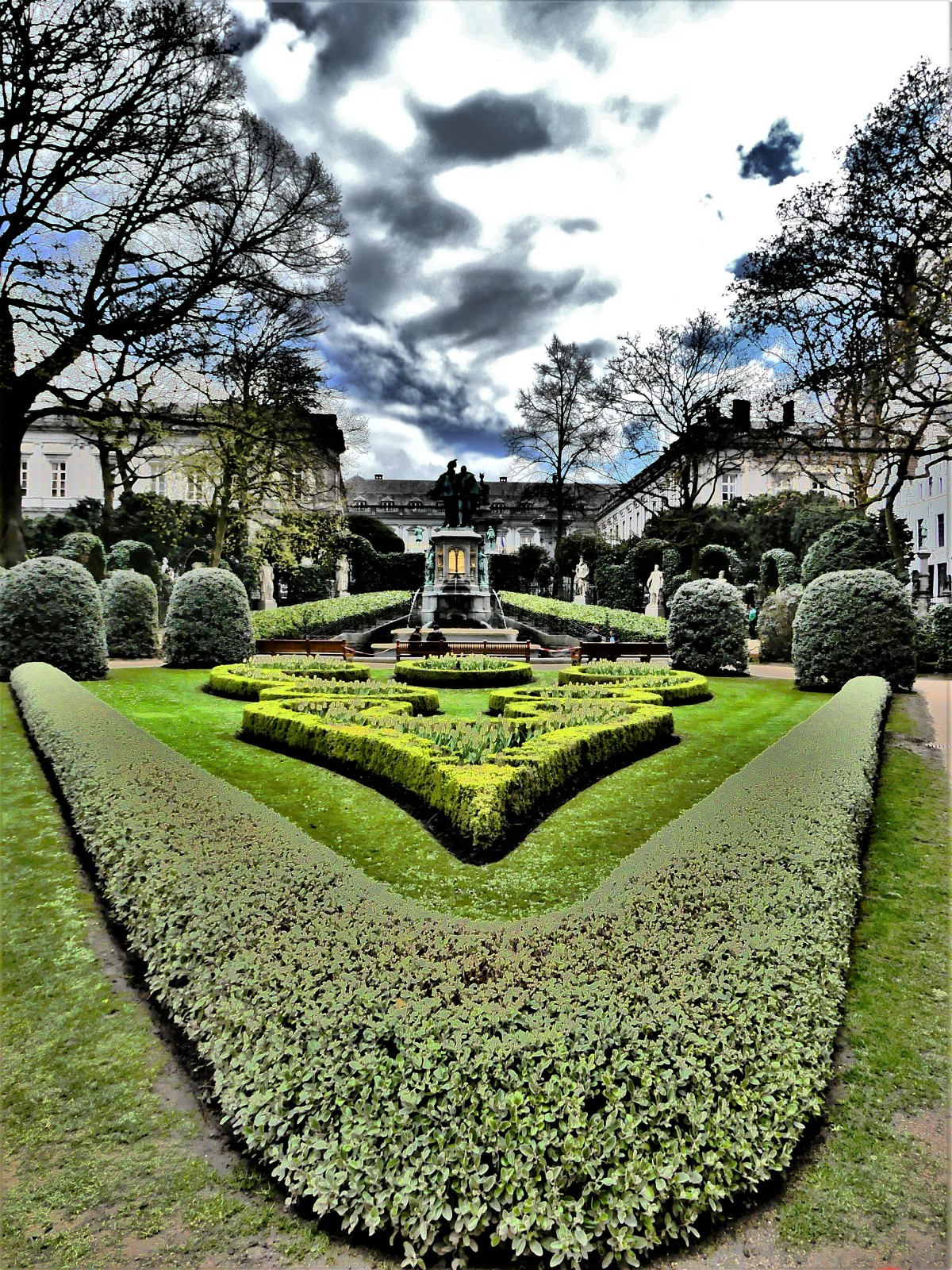
regalness,
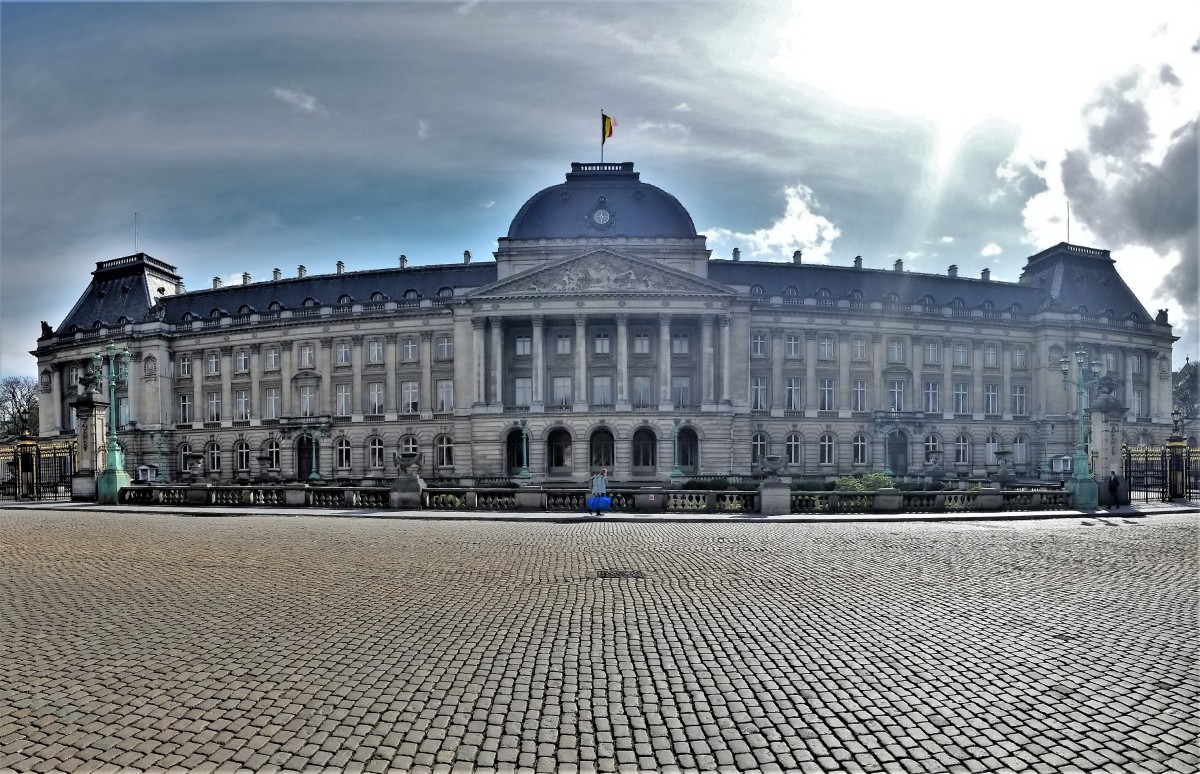
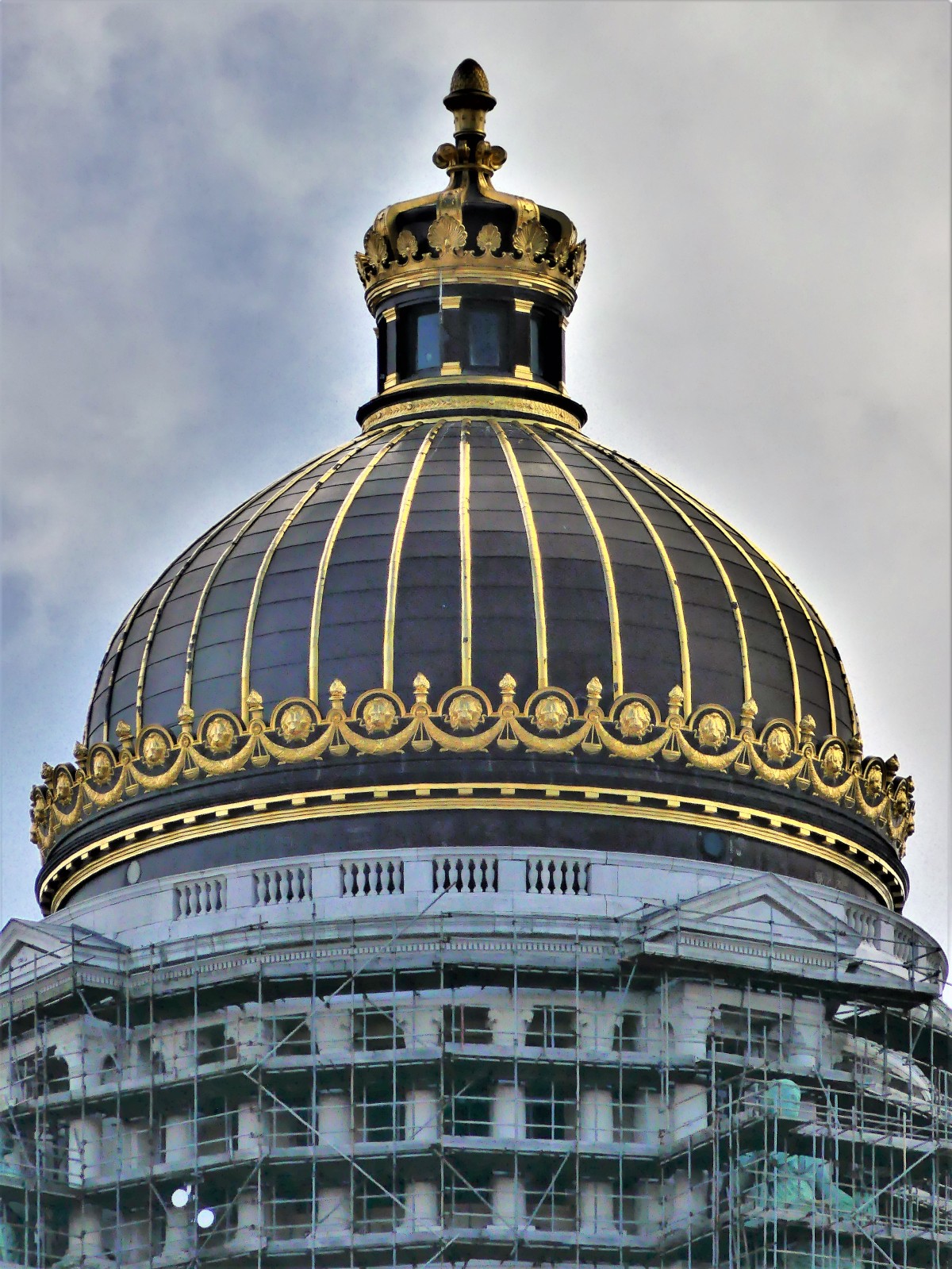
righteousness,
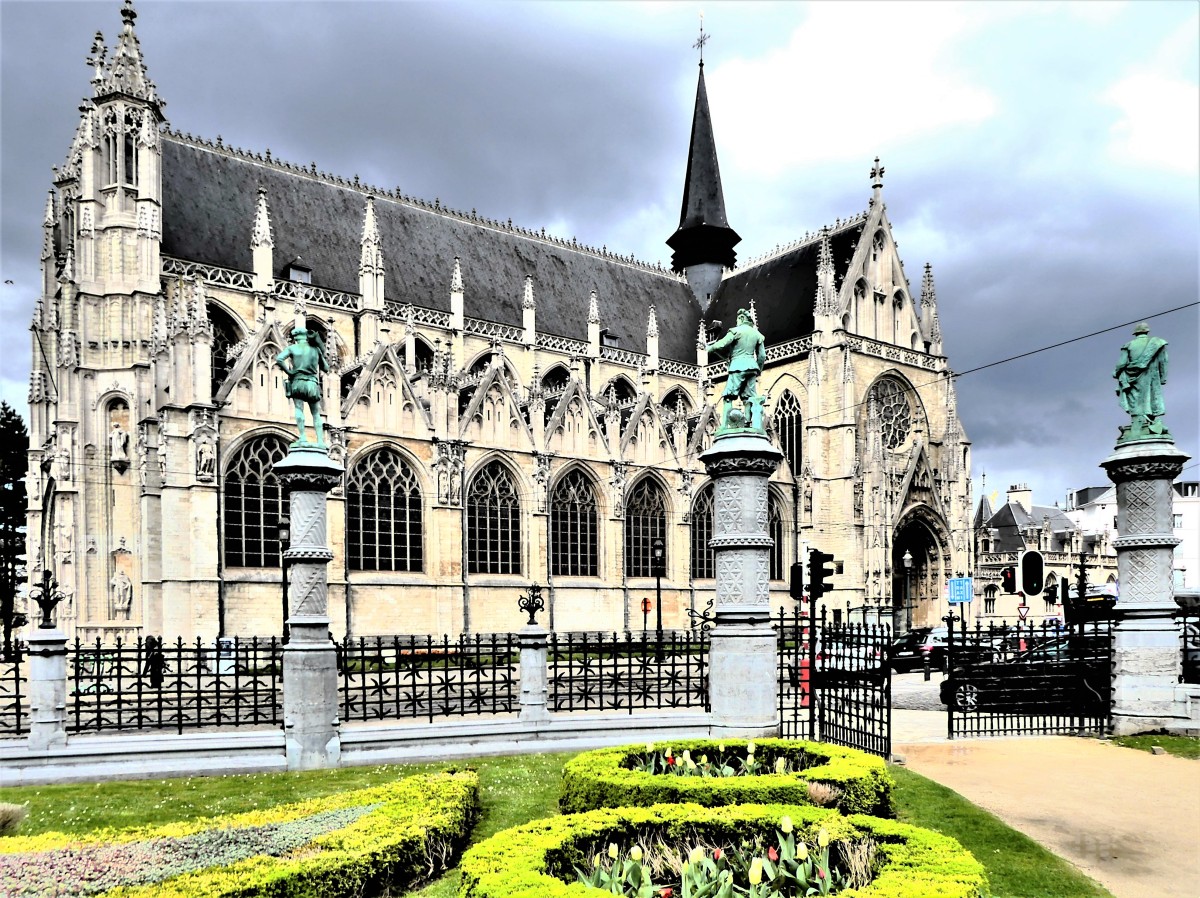
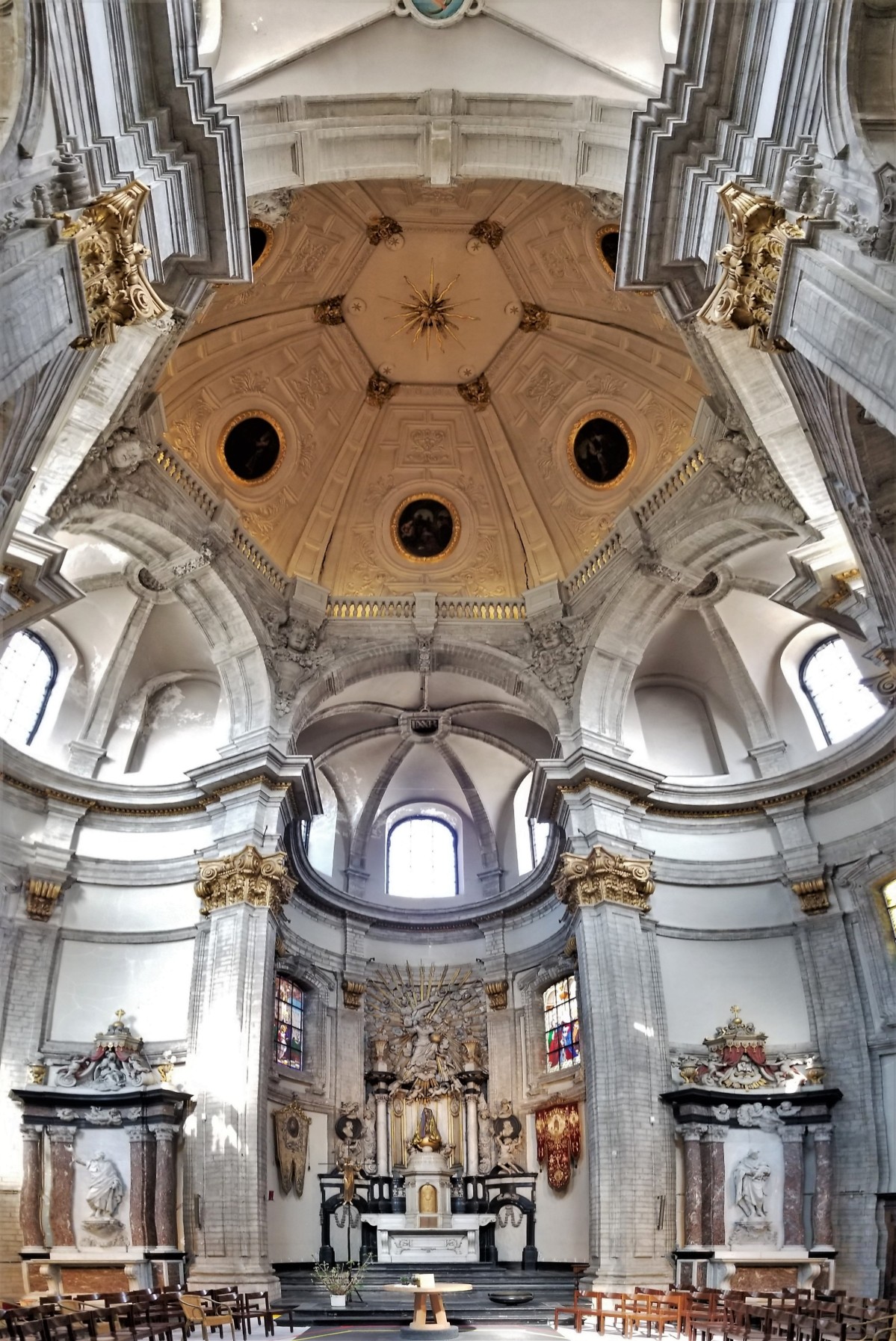
and Old World charm…
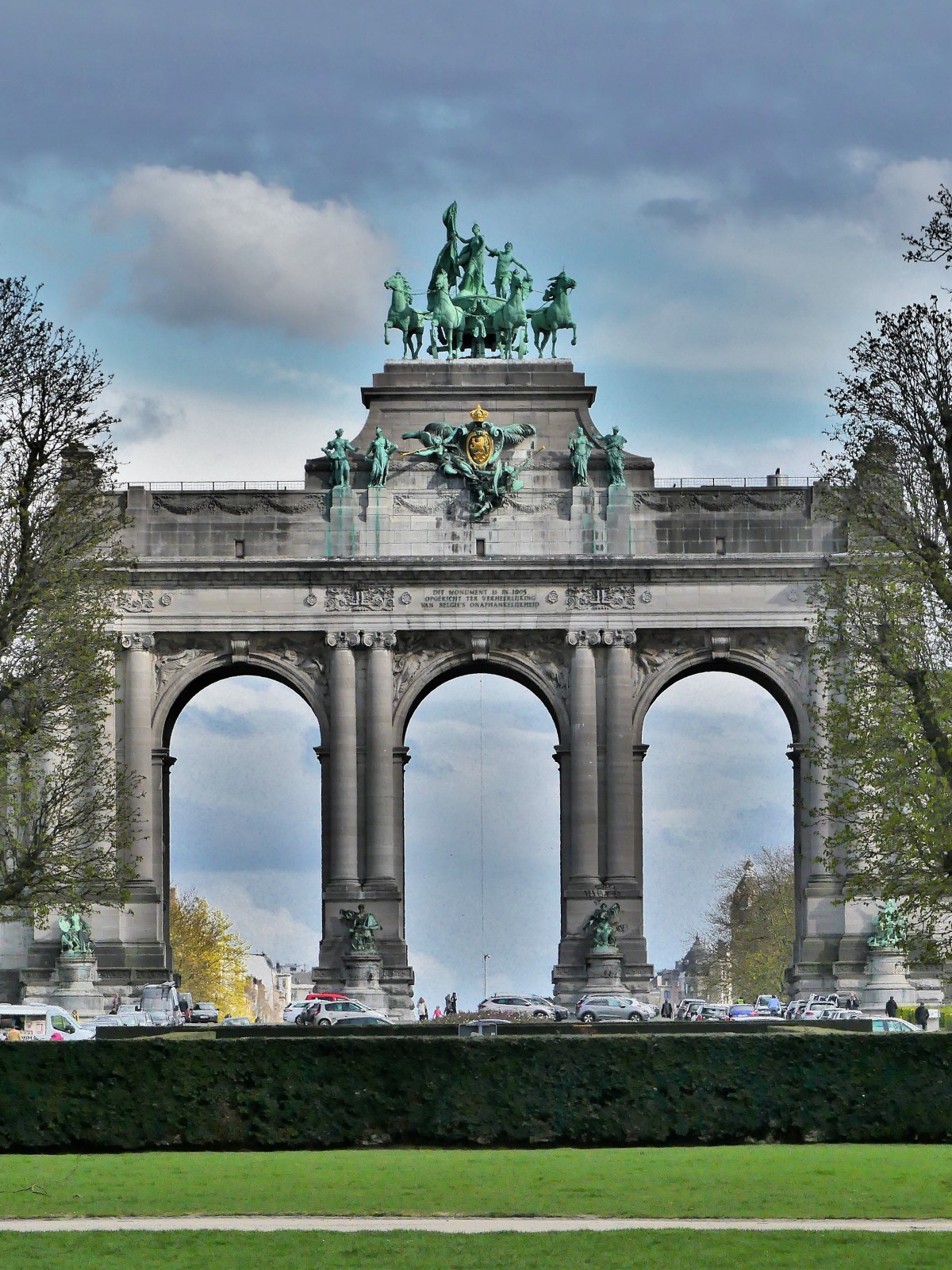
…to compete with any of the other great European capitals, while never forgetting its role as de facto capital of the European Union,
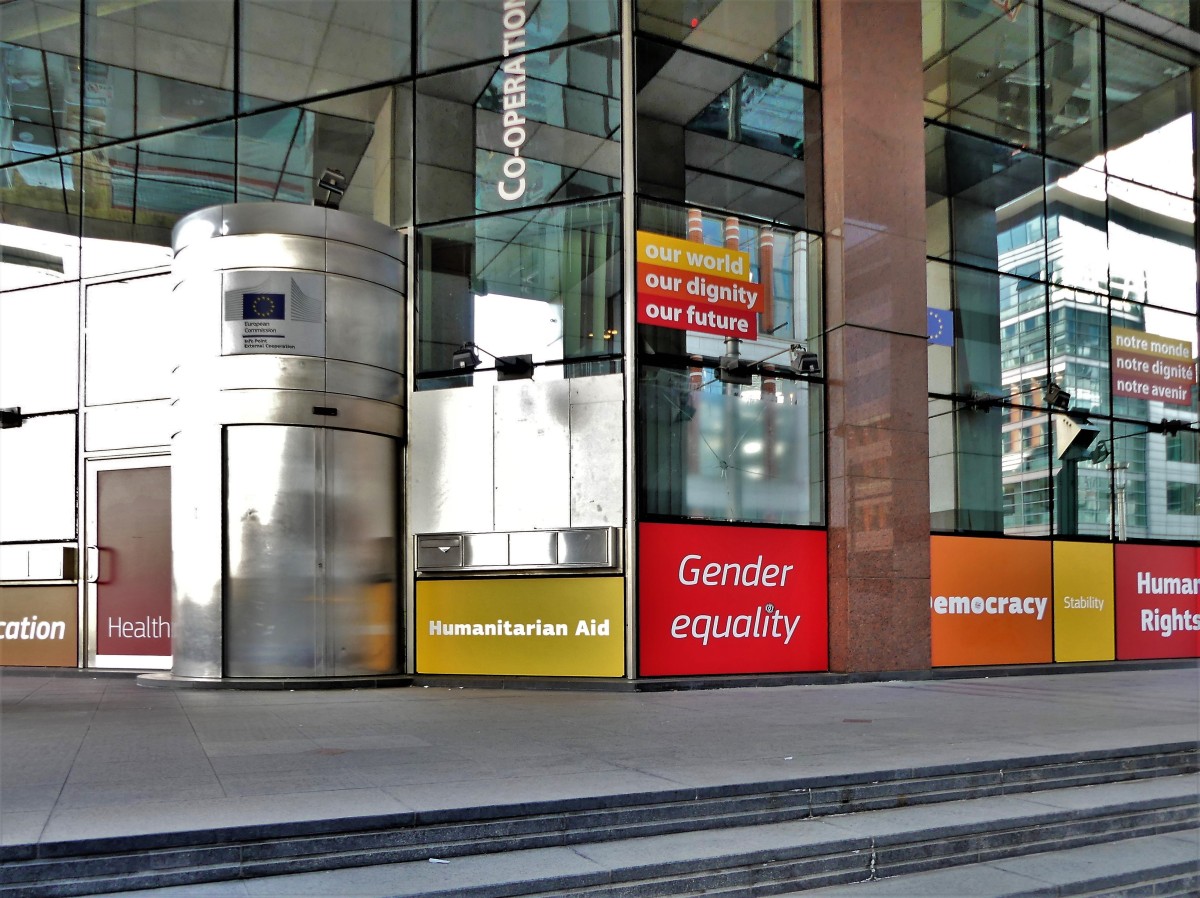
and its advocacy for social justice.

Everyday is Halloween at Les Catacombes de Paris. But, it’s not about dressing up in outrageous costumes, or wearing outlandish make-up. It’s about visiting a subterranean ossuary that radiates miles in all directions beyond the 14th Arrondissement of Paris.
/https://public-media.si-cdn.com/filer/6a/45/6a45ef20-4391-4525-9093-76dc205f0ad7/plan_cata_paris_1857_jms.jpg)
Taking 130 steps into the bowels of time…

…and following a long and winding stoney path…

…through weeping ceilings heavy with humidity,

and sobering humility,

one reaches an imposing gateway, warning: STOP! THIS IS THE EMPIRE OF DEATH!
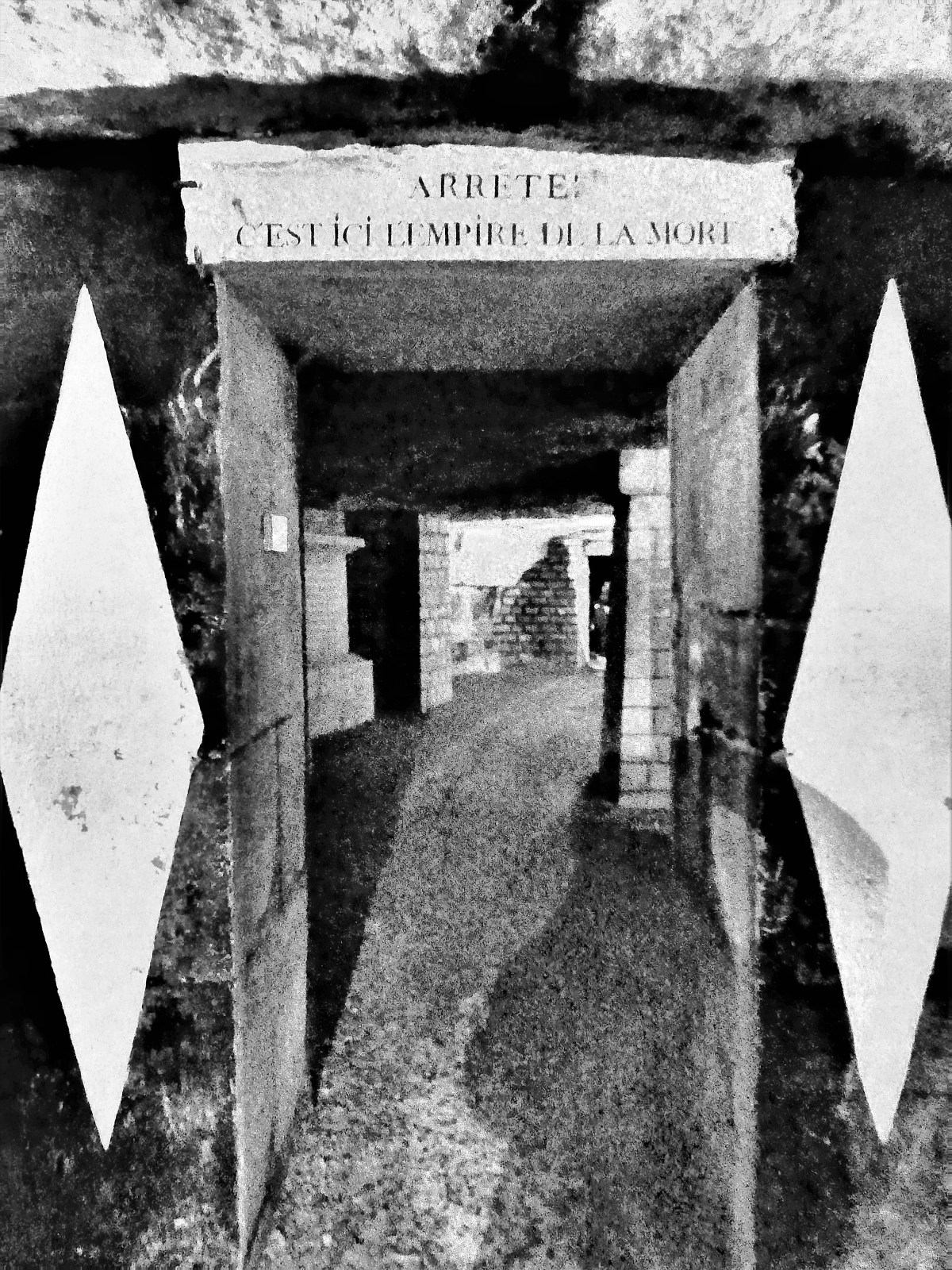
Beyond the entrance exists a daunting surreality that 6 million human remains reside here, integrated into the walls of 8000 year-old limestone tunnels once quarried to build Paris into one of Europe’s brightest beacons–bringing an eerie normalization to the horror and beauty of this place, for the skulls and bones are often arranged in an unnatural state of decoration.

With Parisian cemeteries overflowing their boundaries, Louis XV and Louis XVI crusaded for a ban on future burials within city limits when the insufferable stench of rotting corpses began overwhelming the community. But the Church pushed back, citing that the dominion of God’s holy spirits should never be disturbed.
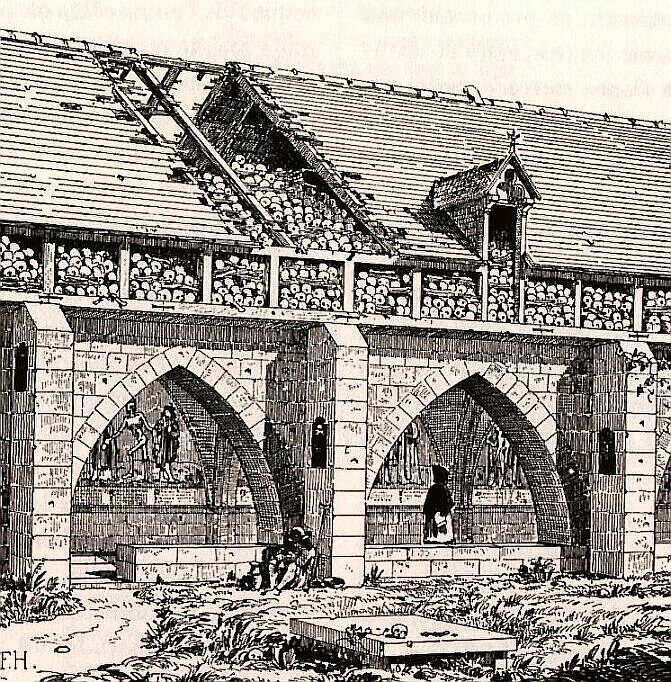
However, in 1780, a rush of Spring rain caused a wall to collapse between a house cellar and the Holy Innocents Cemetery, causing the unsanitary contents of its burial pit to flood the house.

Thereafter, all Parisian cemeteries were exhumed,

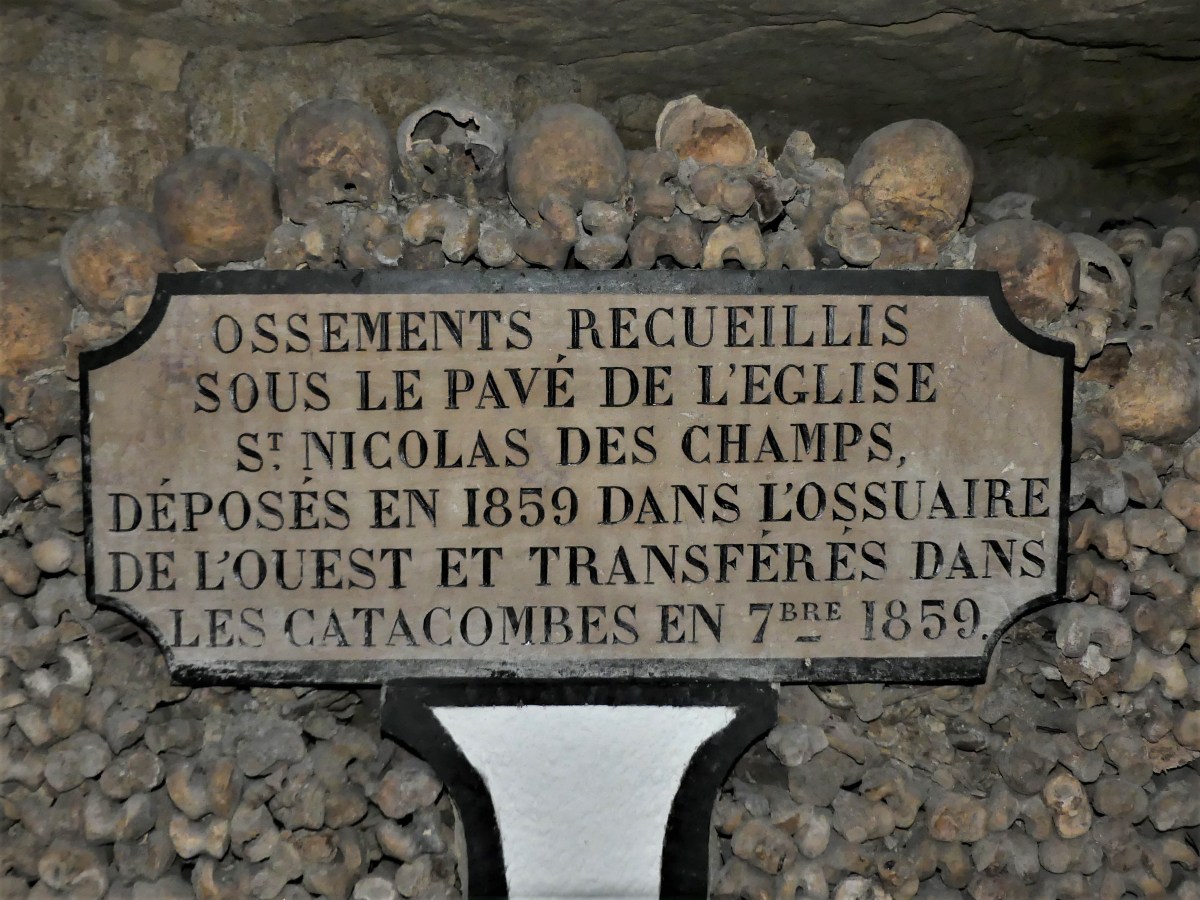
and the bones were transferred into the catacombs–

a practice that continued until 1859.
Yet, it’s the skullpture, first imagined by Hericart de Thury, the inspector of the quarries during 1810 that resonates most among the catacomb’s 300,000 visitors each year.

Although there is a bone to pick: roving security discourages tourists from touching sacred ruins or leaving graffiti behind,

while a final bag check at the conclusion of the one-hour tour prevents tourists from poaching remnants.

But if souvenirs are a must (and who doesn’t enjoy a small memento of their visit), the gift shop at the museum exit does a brisk business–
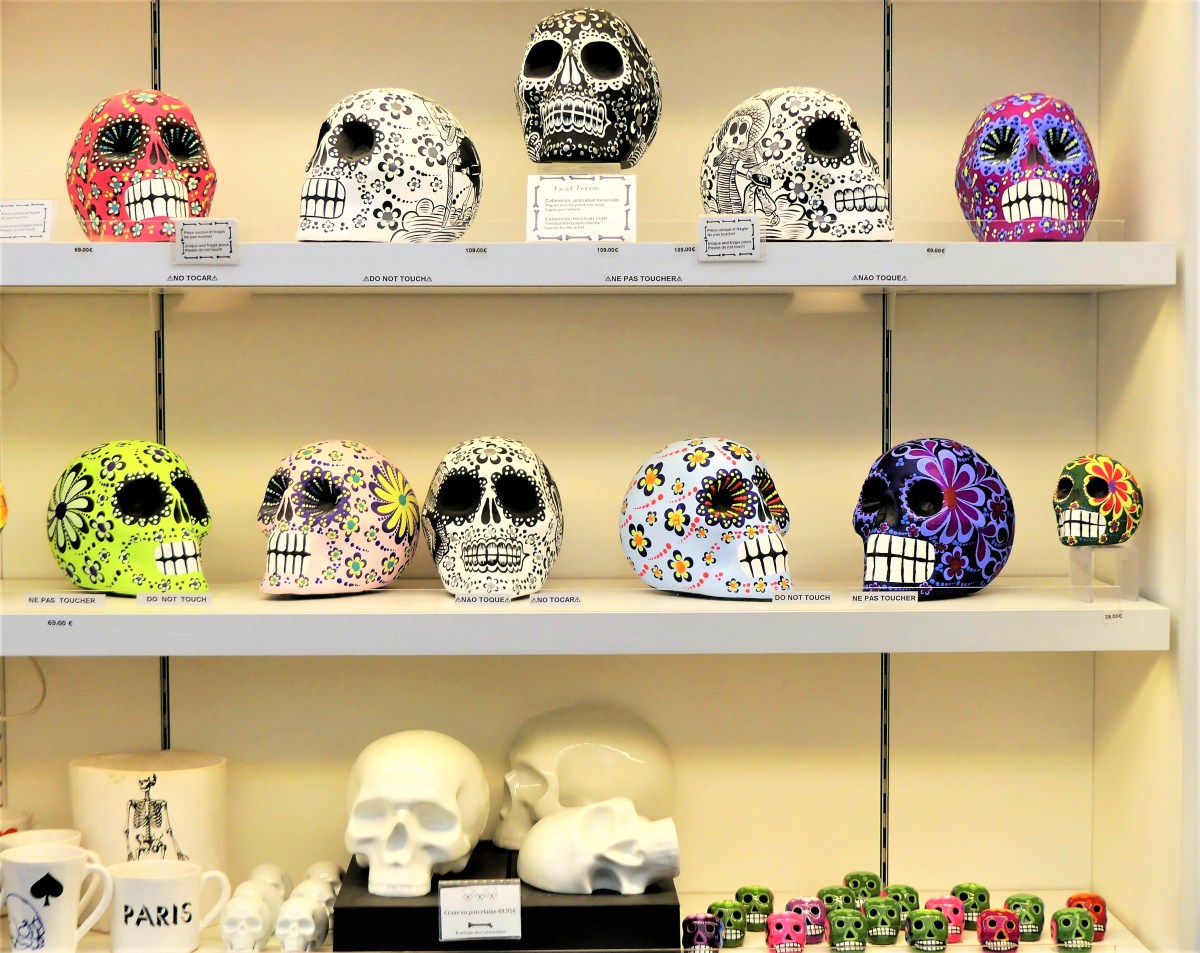
bringing renewed life to the term “head shop”.


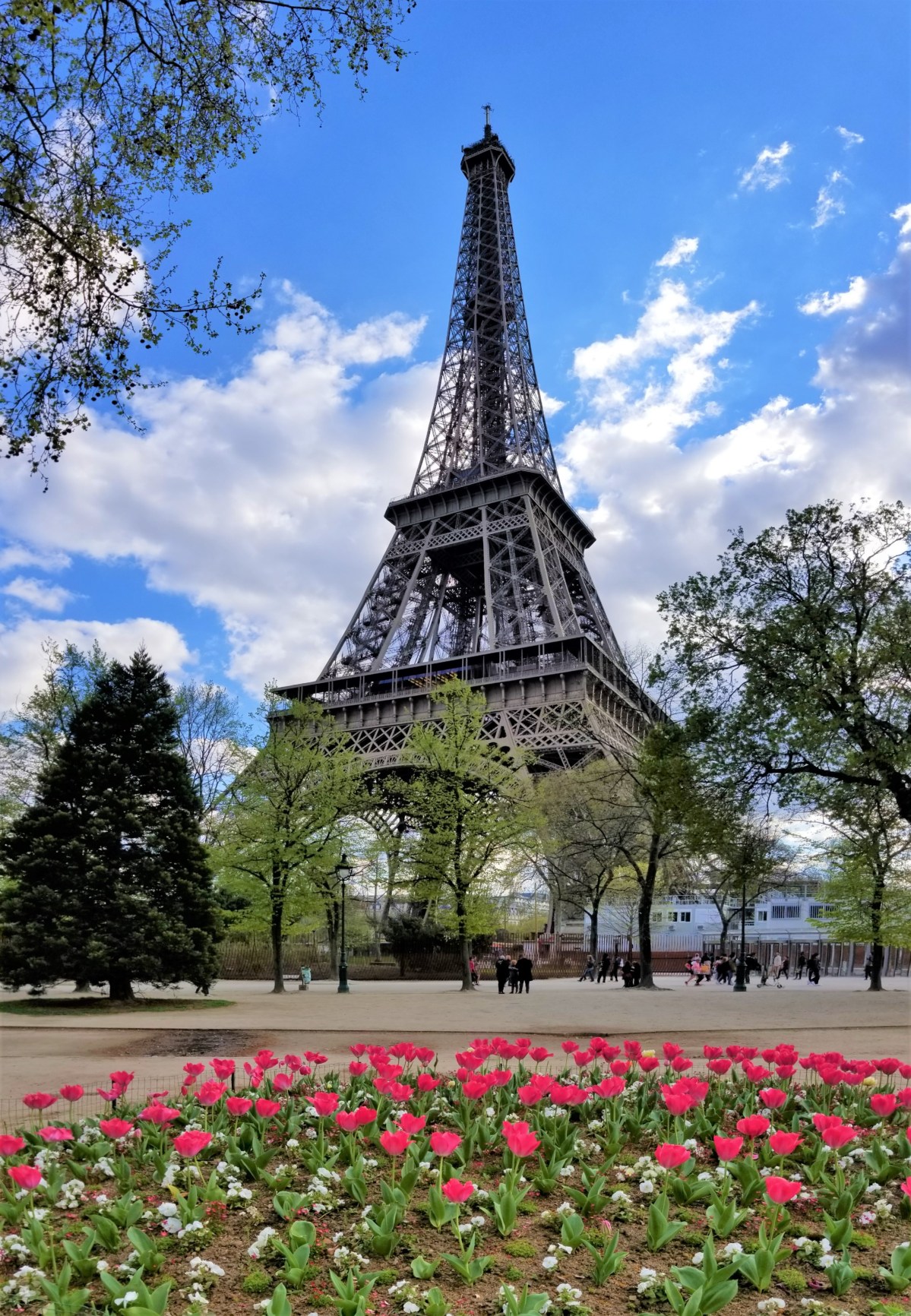
Let’s face it! The Eiffel Tower is one of the most photographed structures in the world. Since celebrating the 130th anniversary of its opening last week, more than 7 million people a year now flock to gawk at it’s imposing presence along the Champ-de-Mars.

I’m certain that it’s been photographed from every imaginable angle, in all sorts of light–day and night–and in all sorts of weather conditions.
But not by me! After arriving in Paris and settling in my hotel in Montparnasse, the first thing I wanted to visit was the Eiffel Tower. To me, it meant that I was in Paris!

There’s security now. Since July 2018, a 3-meter high wall of bullet-proof glass (2.5 inches thick) protects the “Iron Lady” and visitors from vehicle-ramming attacks, while two sentried openings scan personal property. But the inconvenience is minimal compared to the lines that form for stairs and elevators to the top.
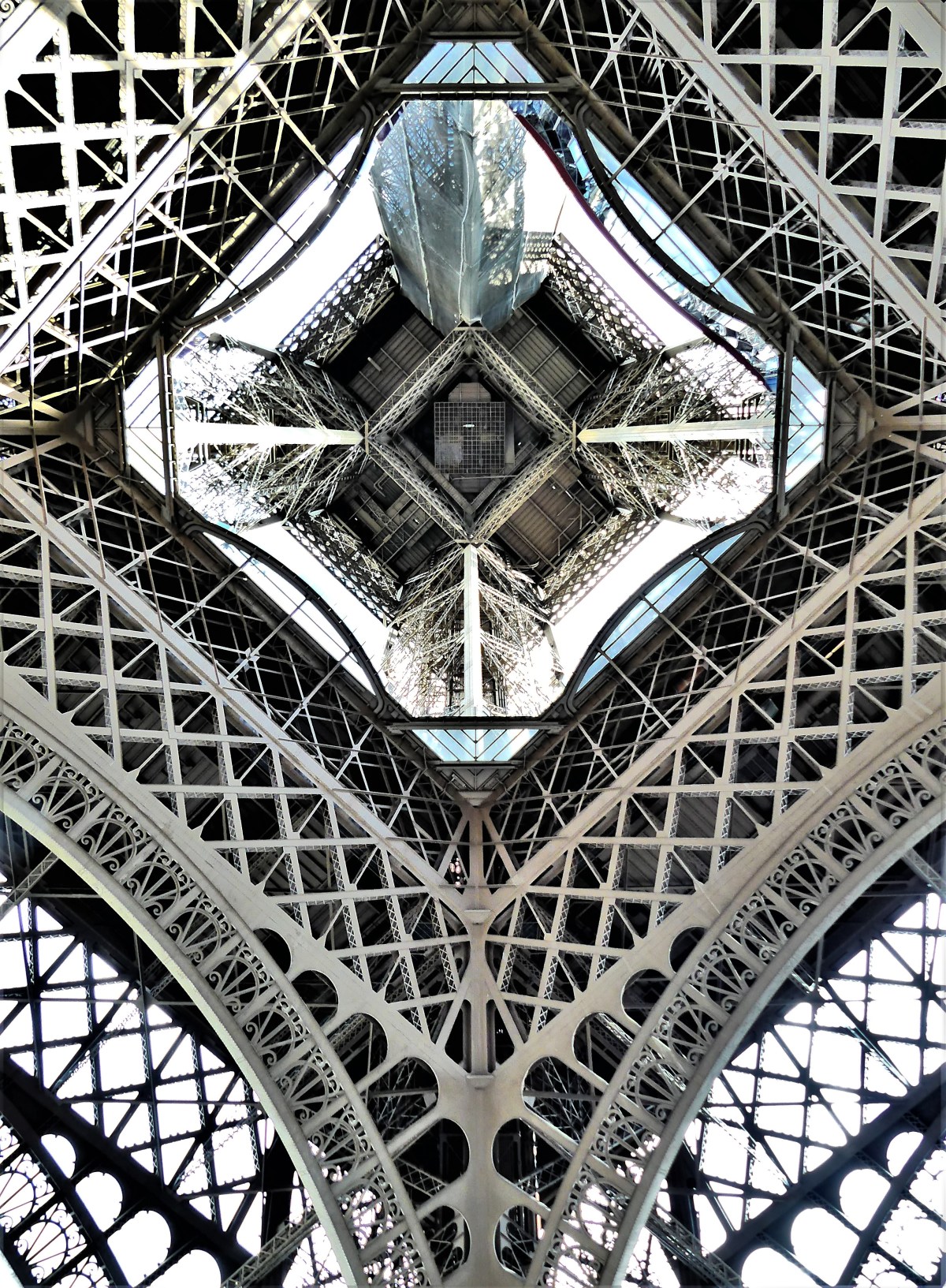
Once inside the enclave, the enormity of the tower is that much more imposing, stretching the length of one football field in all directions from the center to its foundation footings.

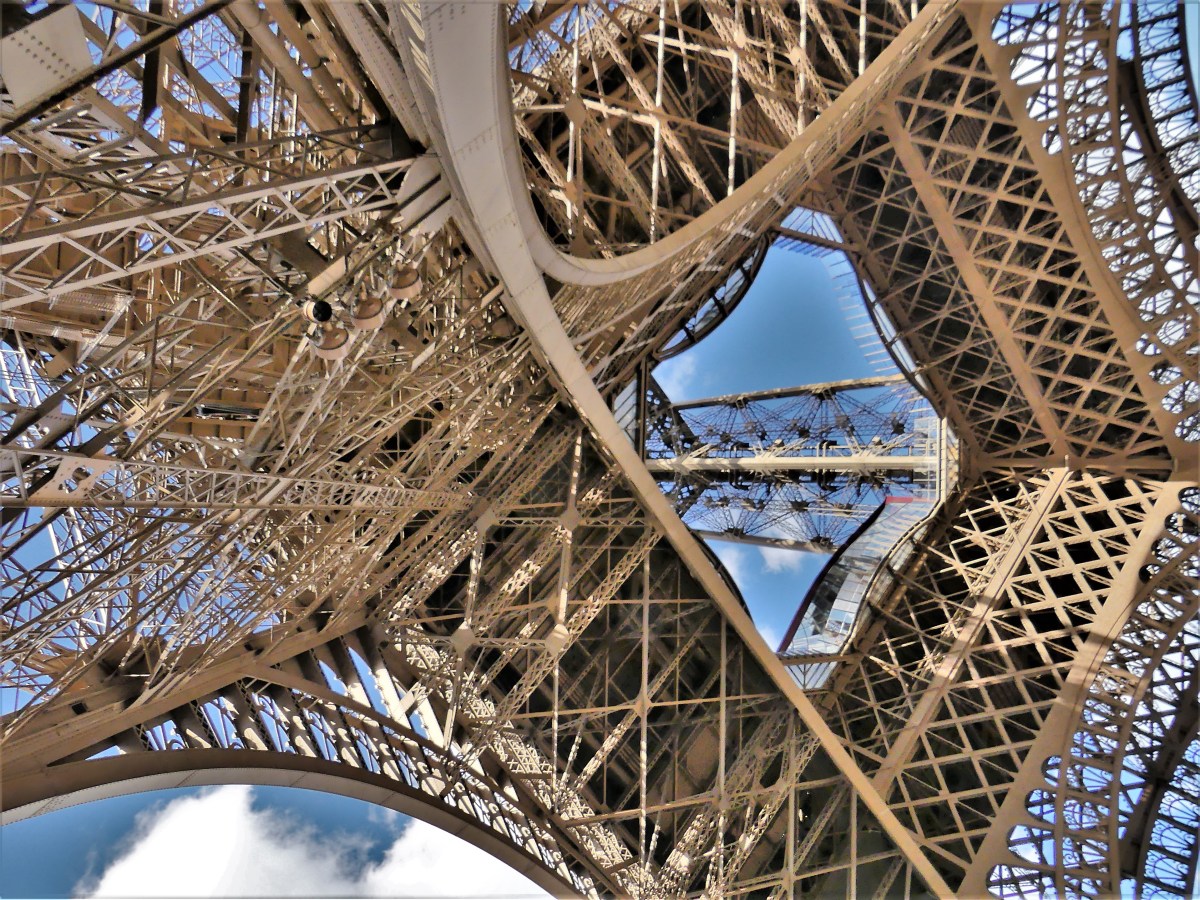
Examining the intricacy of the lattice can be hypnotizing,

when studying the symmetry of shapes,
or it may seem random and haphazard by a clash of metal girders.
But if abstracting the Eiffel Tower appears upsetting or unsettling, a postcard version of this Parisian landmark can always please the senses…
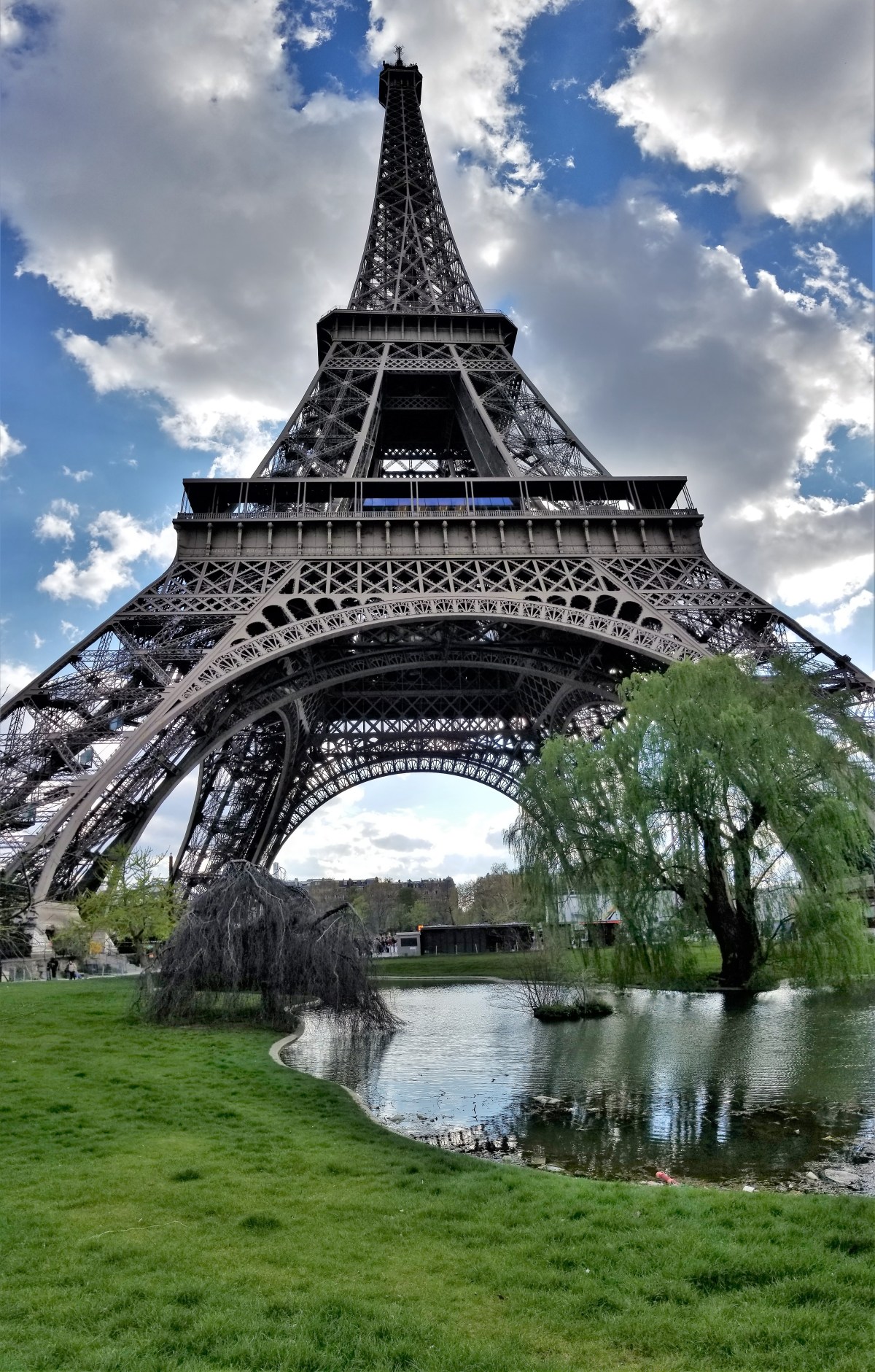
of those who long for the familiar,
or those who are easily pleased.

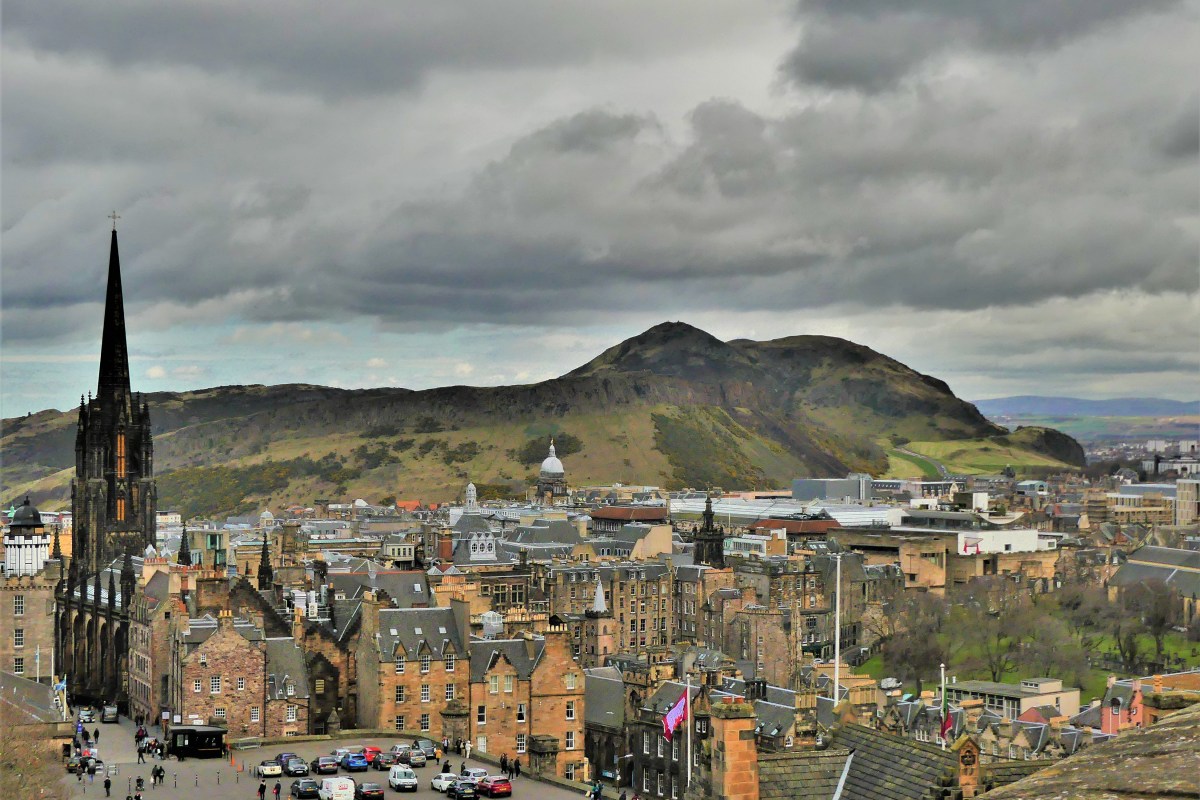
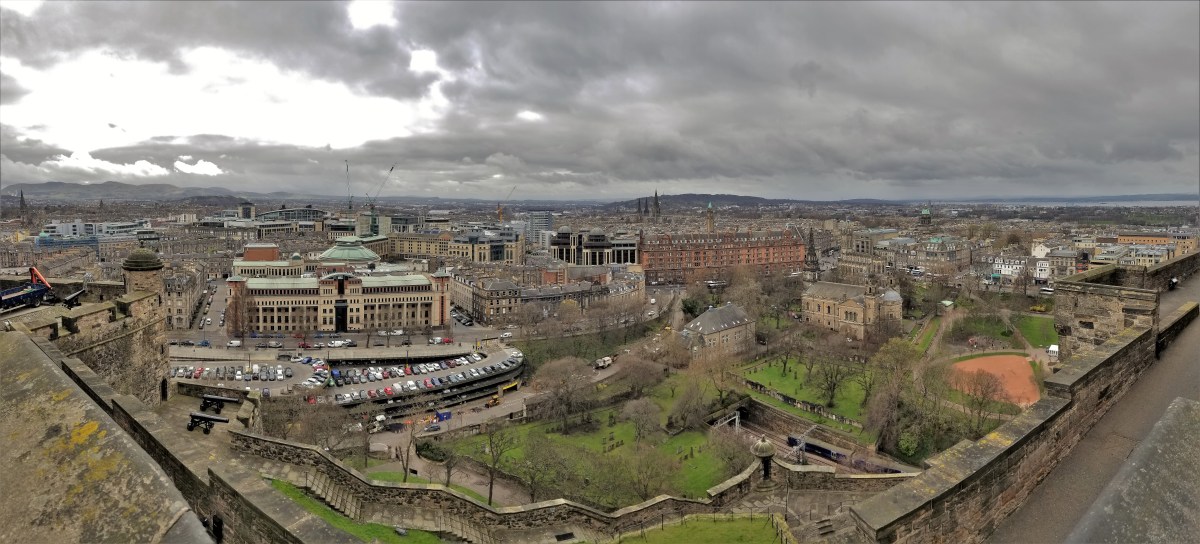
There’s no need searching for fabulous viewpoints in Edinburgh, because the city is chock full of them. And each one delivers the most splendid views of a town steeped in Scottish lore and history. All that’s required is an ability to scale any of the neighboring hills, and the payoff is heavenly.
For instance, a hike up to Castle Rock…

to access the gate to Edinburgh Castle…

provides a fantastic overlook to the south end.

But the bigger reward becomes more apparent after buying an access ticket to the castle for £18,
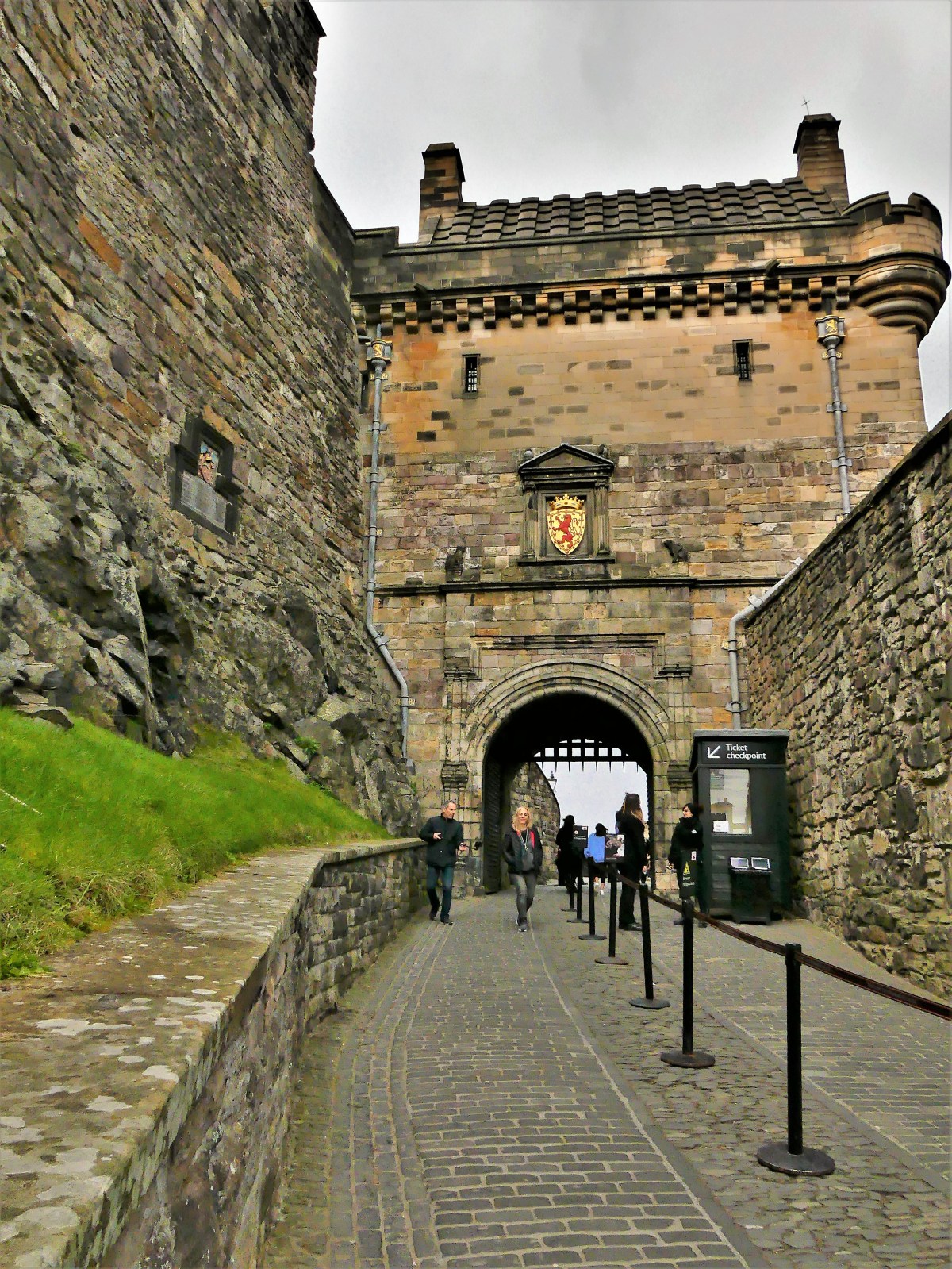
and stepping back through time to follow in the footsteps of Scottish royals who traversed the cobblestone roads since the 12th century.

Once inside Foog’s Gate, one discovers St Margaret’s Chapel–the oldest surviving building in Edinburgh–built around 1130 by David I, and dedicated to his mother Queen Margaret, who was later canonized in 1250 by Pope Innocent IV.
The chapel was designed in a Romanesque style with small, irregular stones fashioned in a simple rectangle, and underwent major reconstruction in 1851 by Queen Victoria,

and was updated with Douglas Strachan’s stained glass windows in 1922.

St Margaret’s Chapel commands a view of north Edinburgh,

looking to Leith.
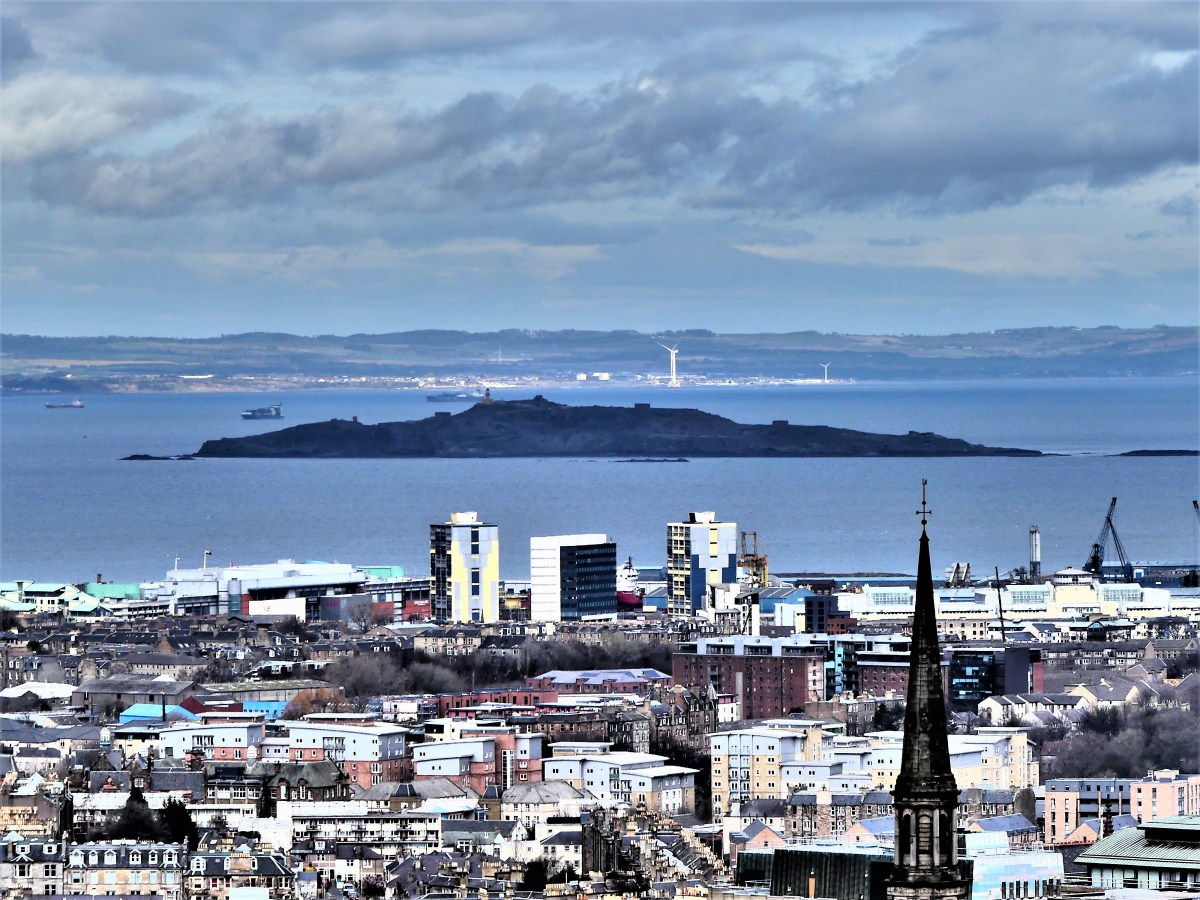
In addition to the best westerly views in the city…
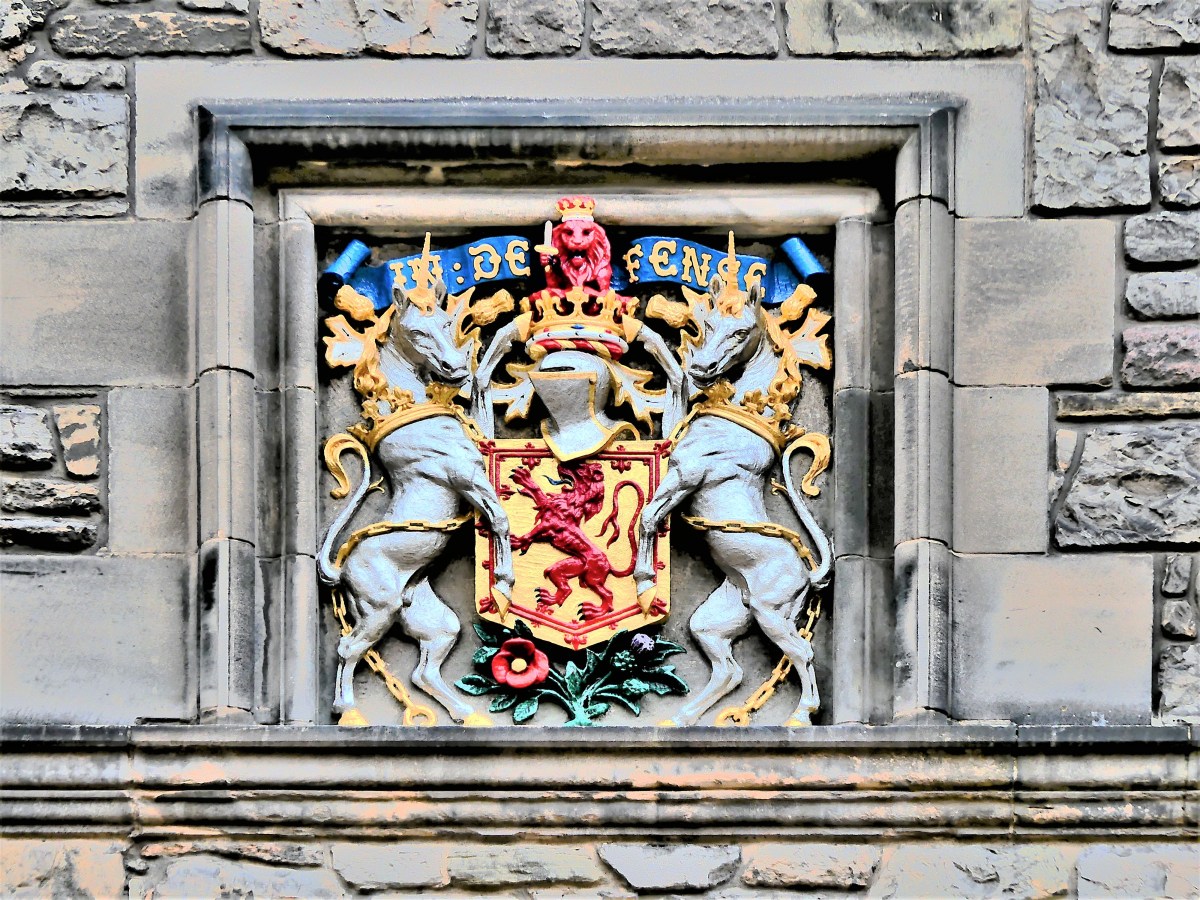
the Castle’s royal palace…

offers a glimpse of the elaborate decoration of the birth chamber of James VI, son of Mary Queen of Scots.

A visit to the Great Hall is also in order…
boasting an interior ceiling constructed without nails–looking much like an upside down hull of a boat–

and housing a variety of vintage weapons displays.
![weapons display[2151].jpg](https://streamingthruamerica.com/wp-content/uploads/2019/04/weapons-display2151.jpg?w=1200)

Several exhibits on the mount recount the many coronations of its kings and queens,
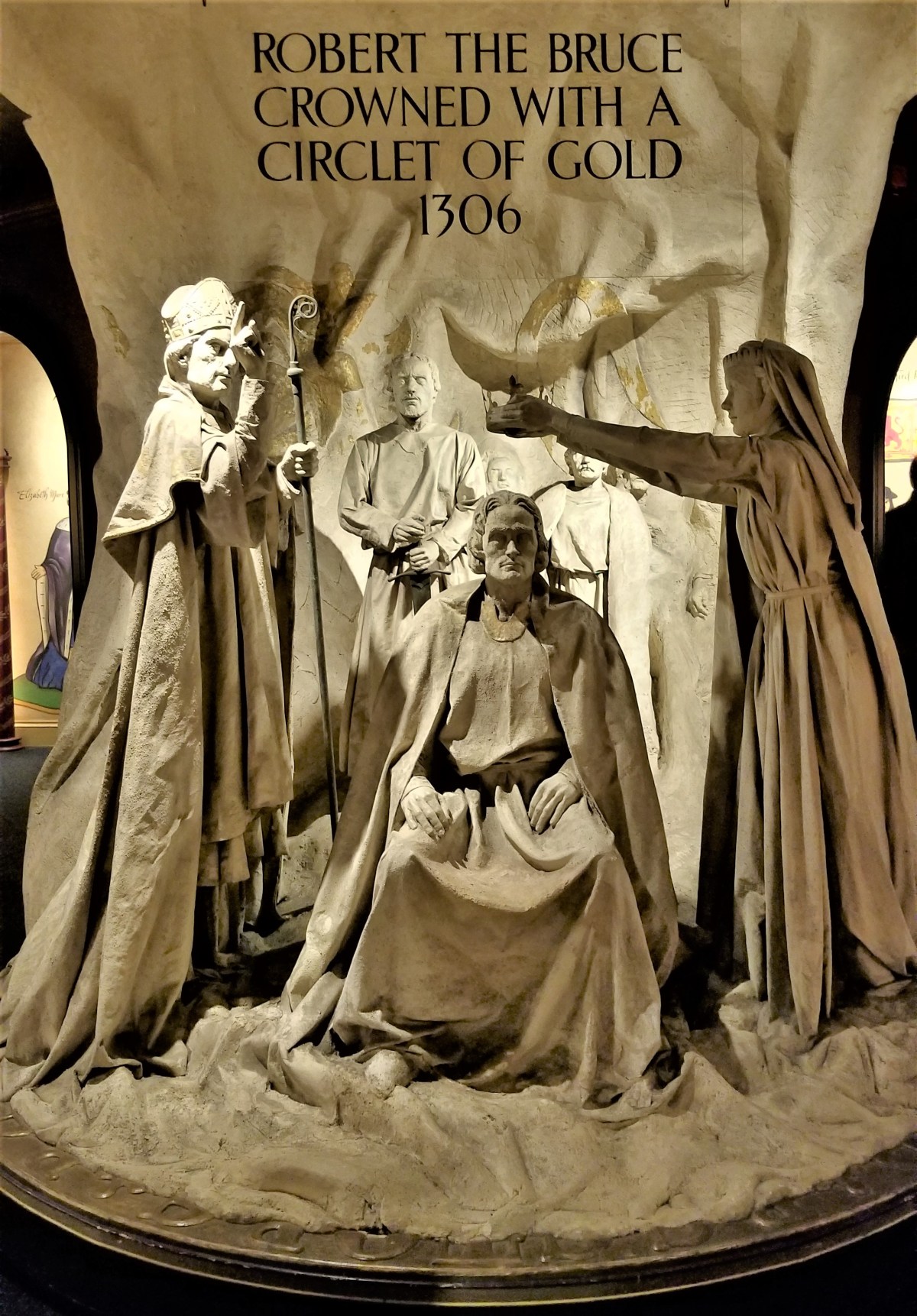
the fighting character of the Scots…

and an active tribute memorial to all of those who have fallen in battle throughout the ages.
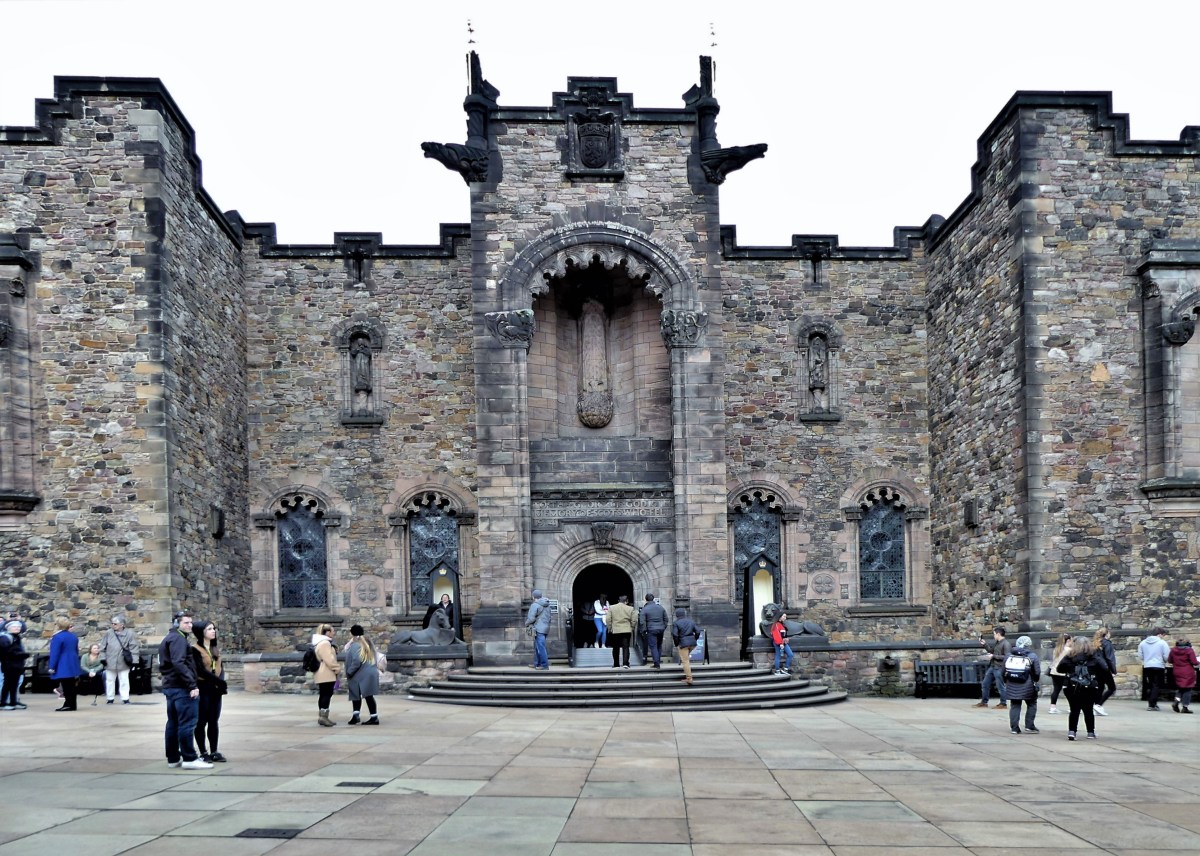


Once outside the castle entrance, a walk down the Royal Mile…

past The Hub (where the famed Fringe Festival headquarters resides)…

will likely lead to an encounter with a bagpipe player…

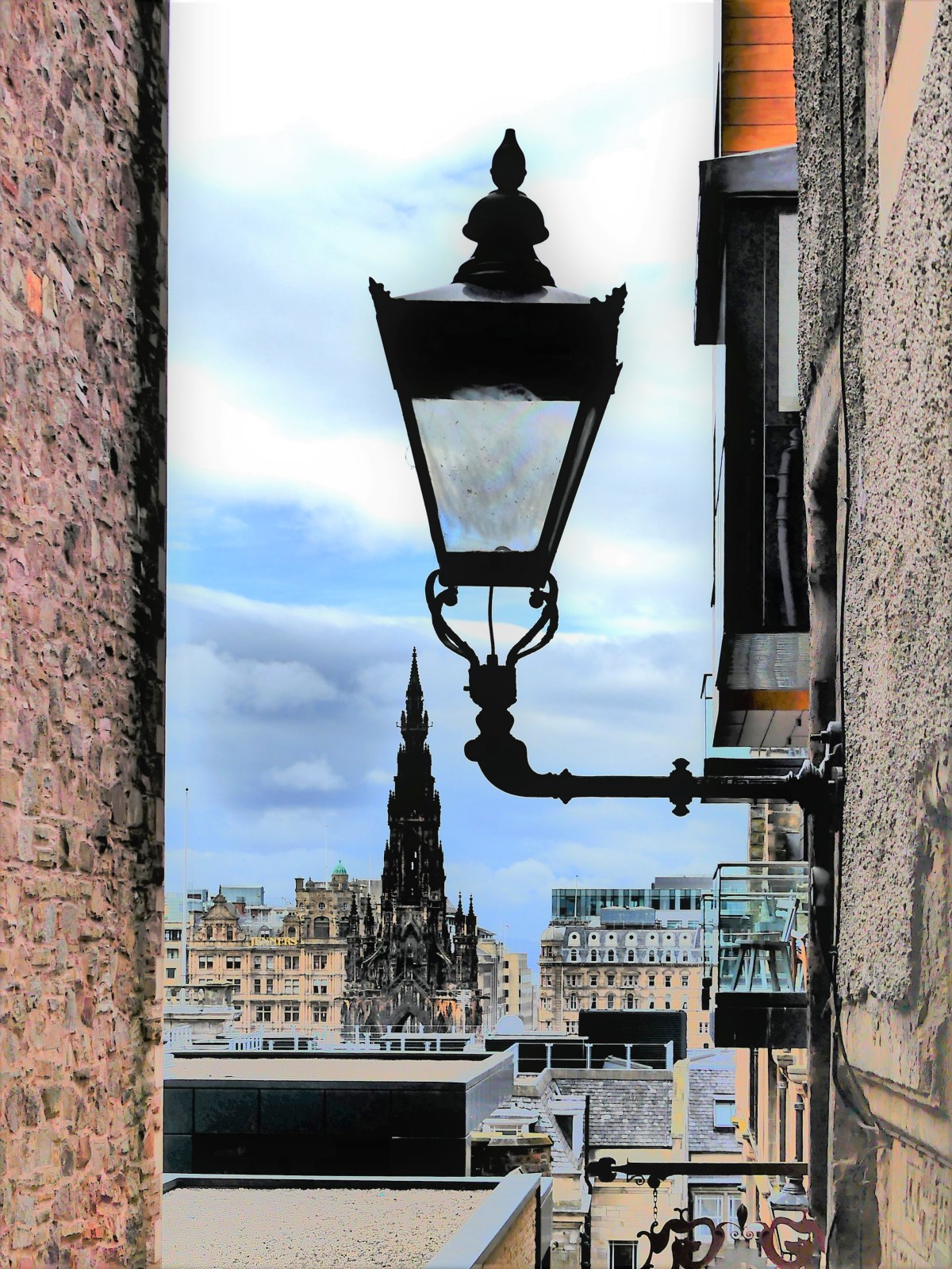
standing by one of the many Closes of Edinburgh which look out to the north and south.
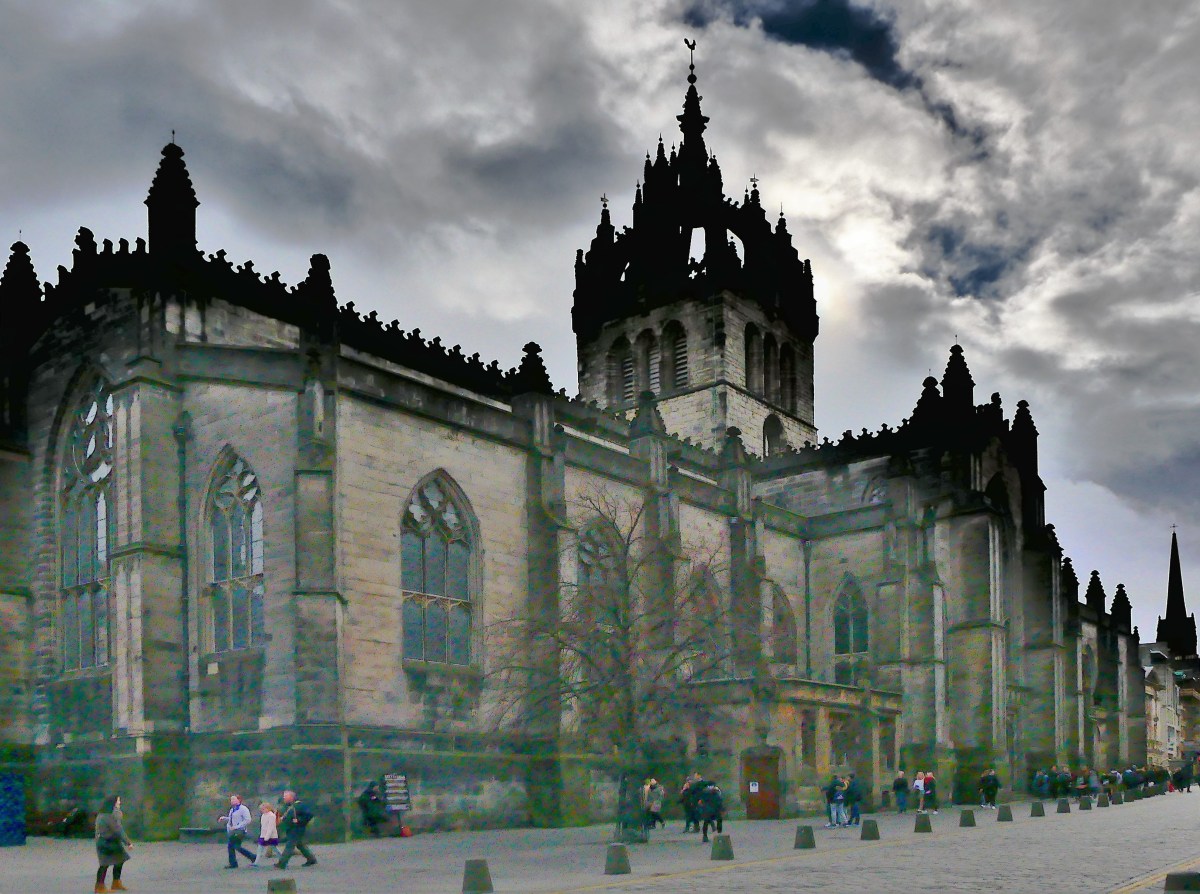
Continuing further east is St. Giles Cathedral, founded in 1124, and the focal point of the Scottish Reformation in the 16th century.
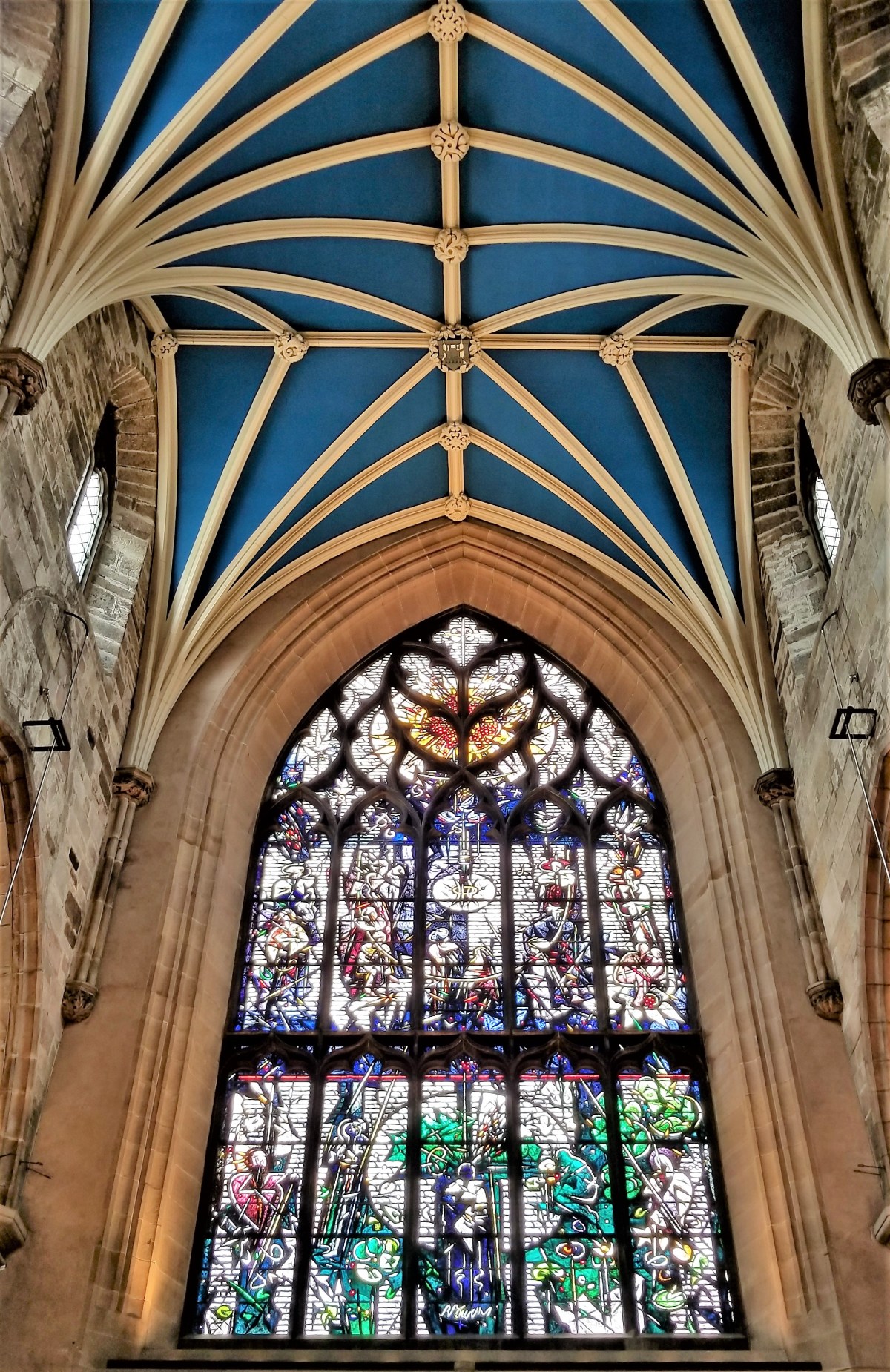
Inside the church are an array of small knaves and chapels enhanced by extraordinary examples of intricately detailed stained glass.
Views of Edinburgh also abound from Calton Hill,

where several monuments dot the landscape, whether it’s to honor Horatio Nelson,

Dugard Stewart,

or the war veterans who lost their lives in the Napoleonic Wars.

Once the site of medieval tournaments and festivities during the 1400s, Calton Hill was also the best place to catch public executions in the 1600s.

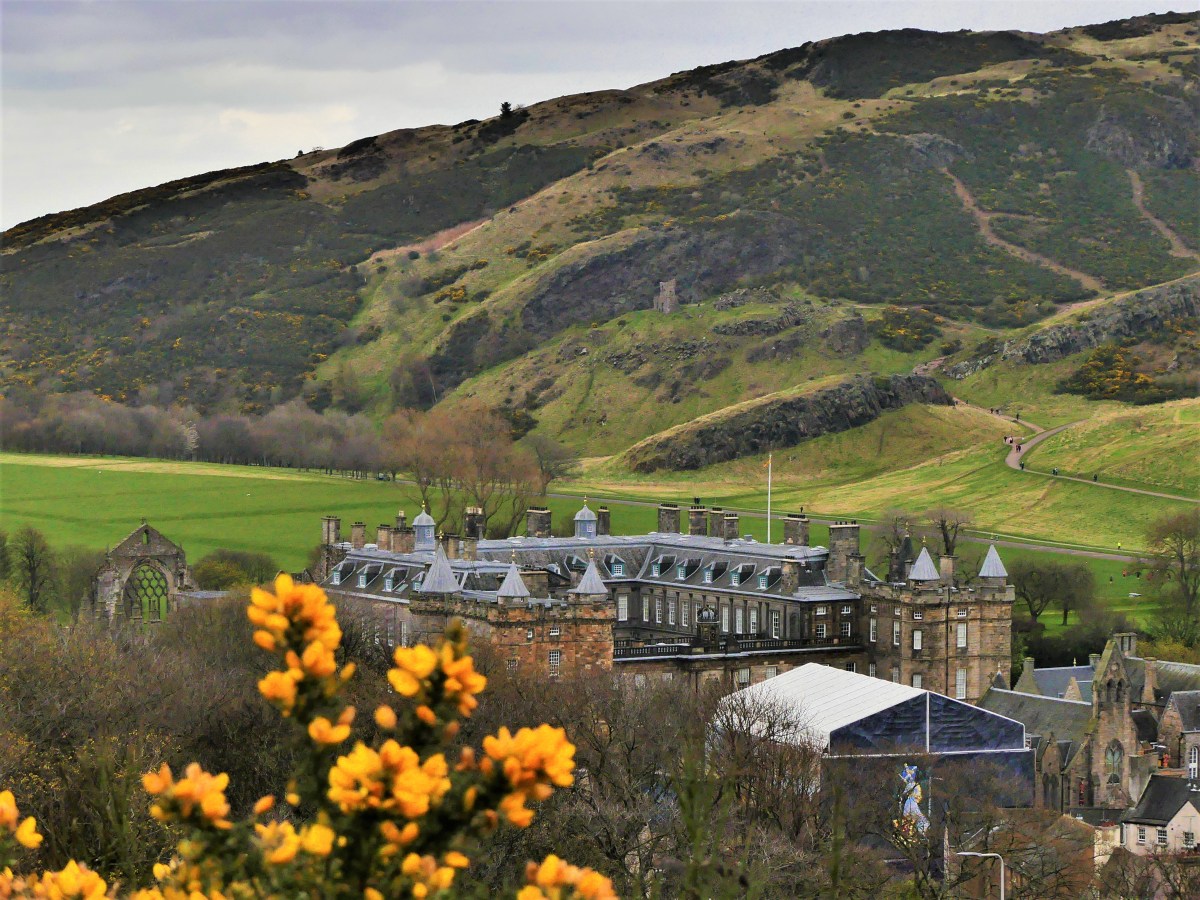
But today, it’s best known for it’s iconic views of the royal residence, Hollyrood Palace positioned beneath Arthur’s Seat,
and a look down Princes Street.
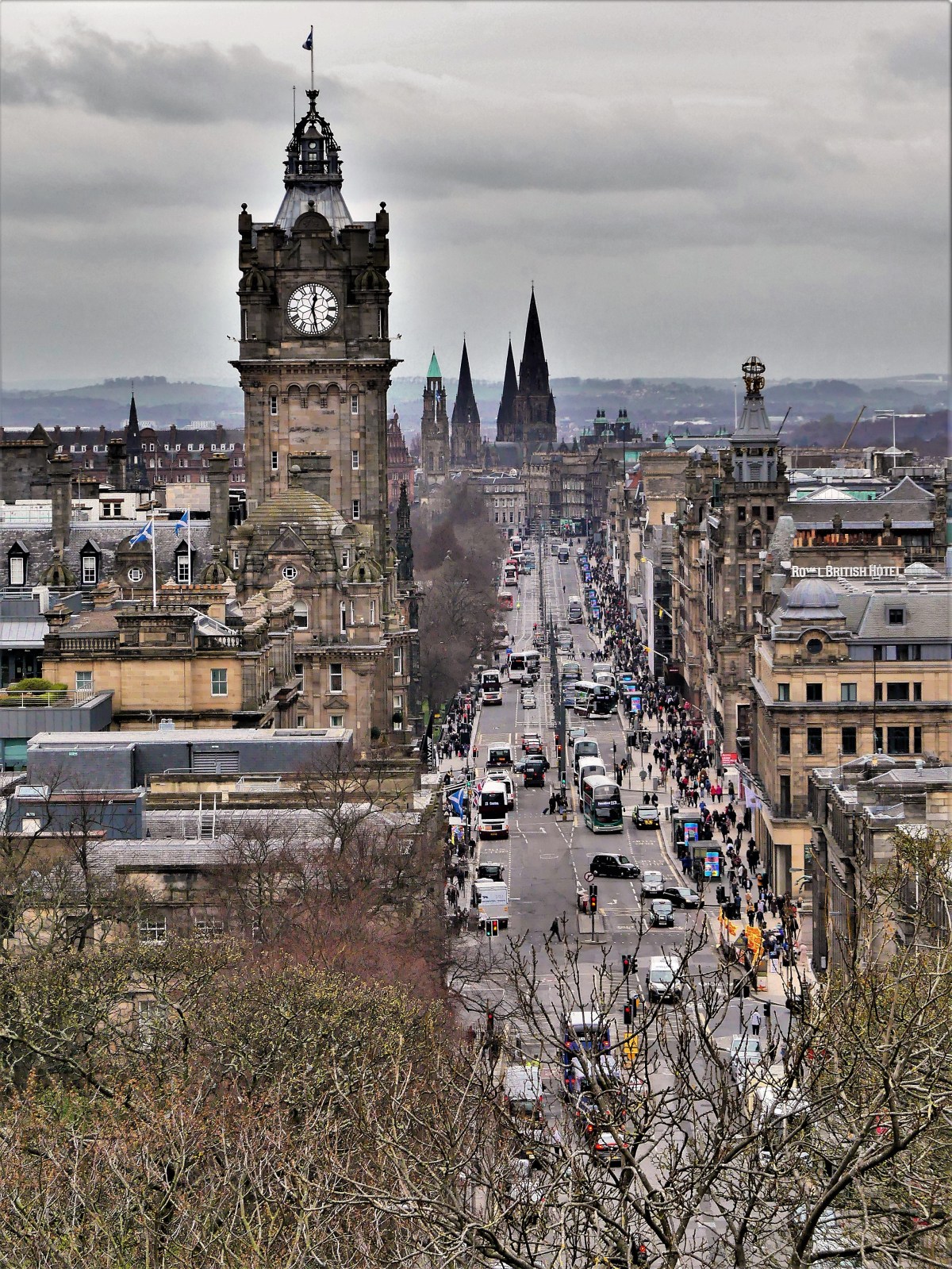
Views notwithstanding,
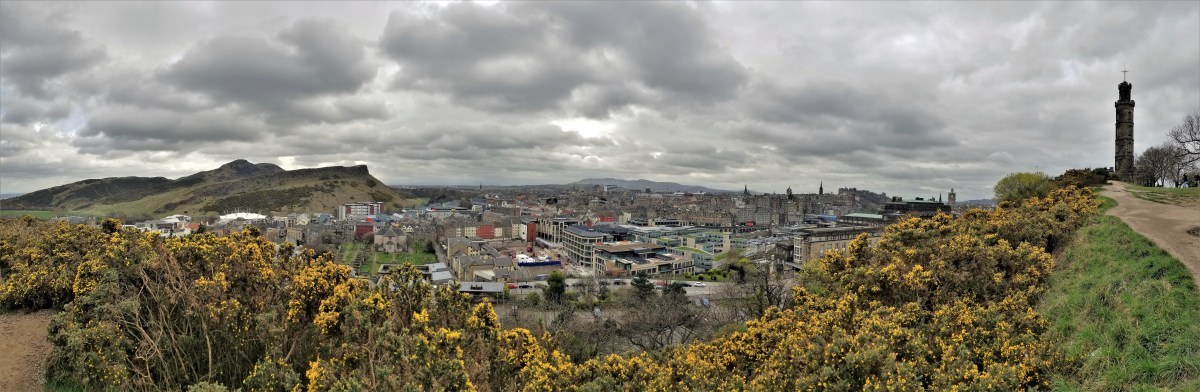
the real appeal of Edinburgh lies in its streetside presence, where it’s never too early (or late) to duck inside a pub or a whiskey bar on Grassmarket…
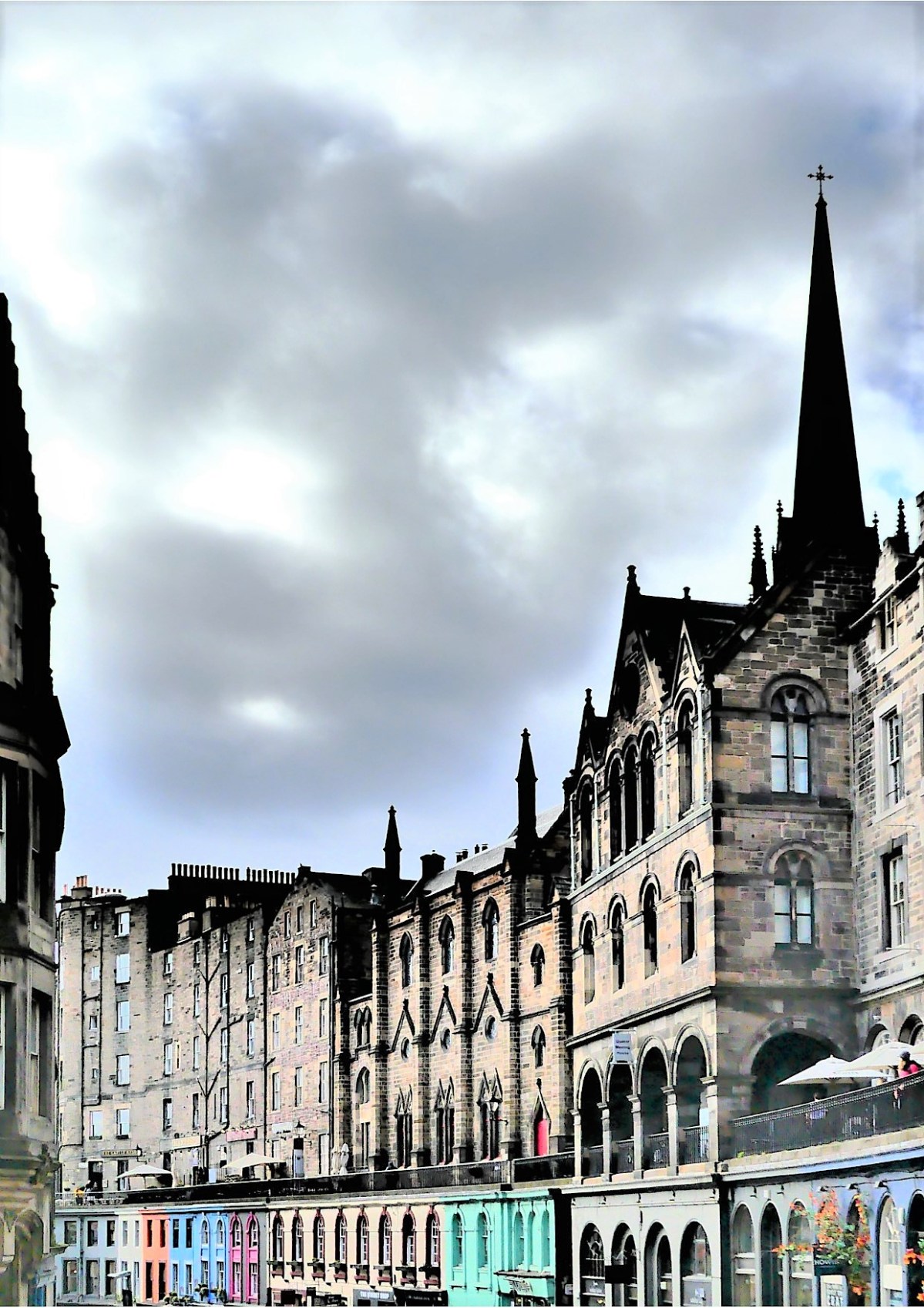
for a pint or a single malt to really put a different spin on the city views.

High up on Hill Street overlooking Glasgow’s valley…
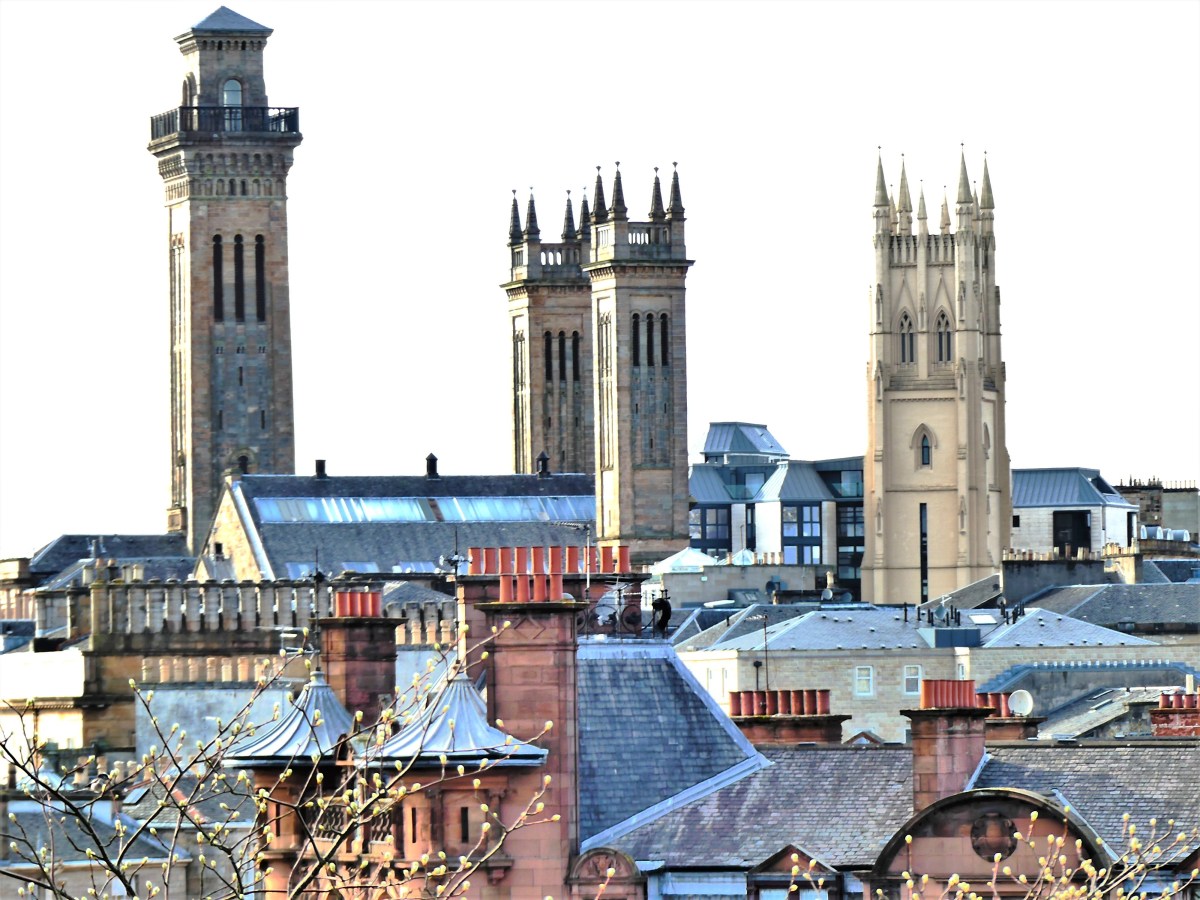
 stands a proper and prominent synagogue, as if telling all concerned, that the Jews of Glasgow are here to stay, and equally deserving of a splendid house of worship to celebrate Shabbat and festivals that can easily compete with a host of surrounding Anglican and Roman churches.
The Garnethill Synagogue is Scotland’s oldest, built between 1879 and 1881 with flourishes of Romanesque Revival on the outside,

and Byzantine Revival architecture on the inside…
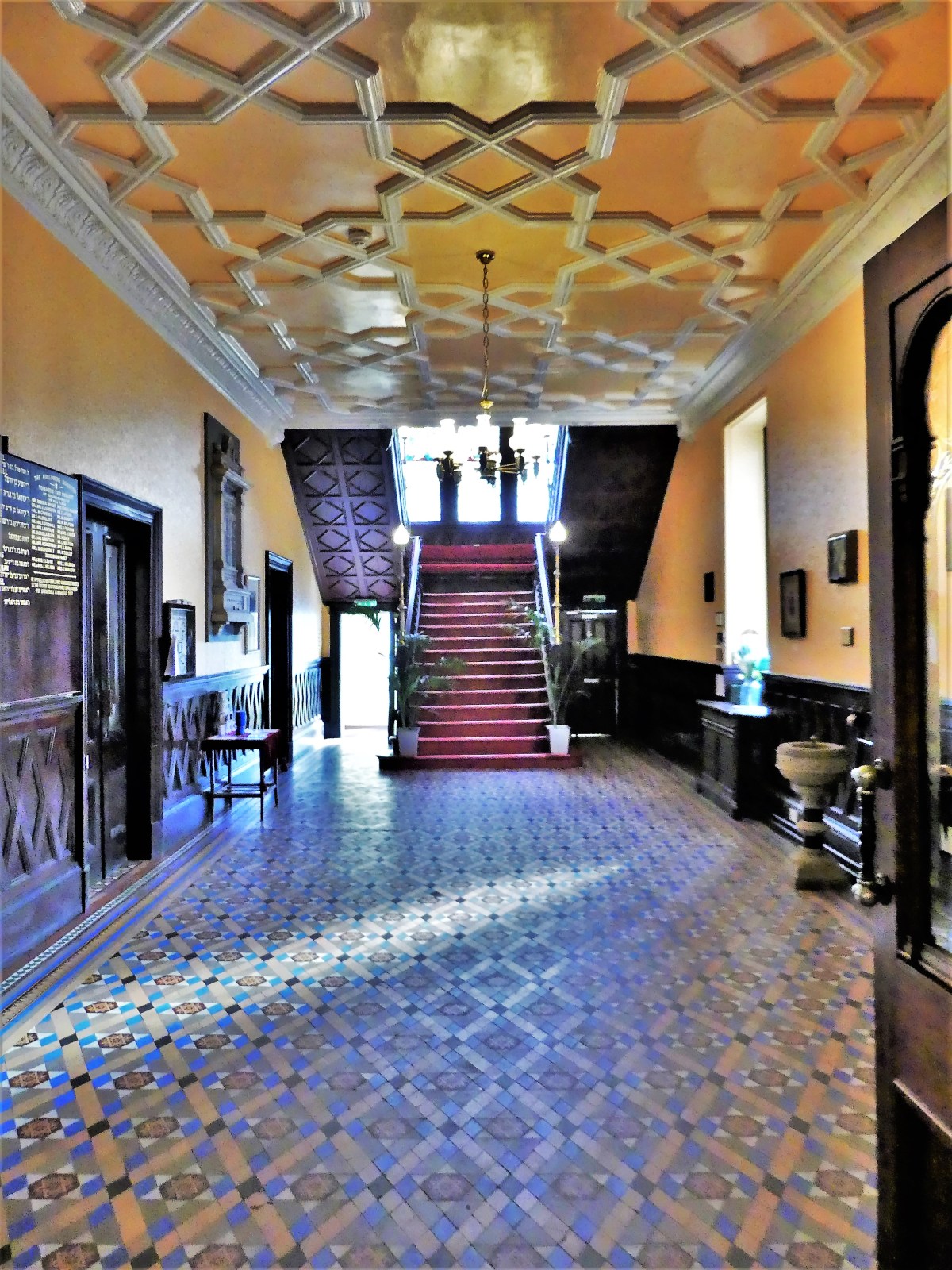
leading to a grand sanctuary…

once defined by an Orthodox tradition of seating women upstairs, apart from men who prayed downstairs.

But that edict has changed at Garnethill Synagogue for a different reason: there’s simply not enough of a remaining congregation to fill the seats. Men and women are now reunited downstairs, but (thank God) still segregated by sitting on opposite sides, gaining entry through separate doors.
Harvey Kaplan delights in telling me the story of Jewish immigration to Scotland.

For the past 11 years, Harvey has actively advocated for the past. He leads the charge as the director of the Scottish Jewish Archives Centre, an adjunct to the Garnethill Synagogue, working to make Scottish Jewish heritage relevant to a shrinking Scottish Jewish community that now favors bigger Jewish population centers in Manchester and London.
His vision will soon reach fruition thanks to a grant and remodel to be finished by 2020.

I had contacted Harvey earlier in anticipation of my efforts to research of my mother’s journey as a girl through Britain during the Holocaust.
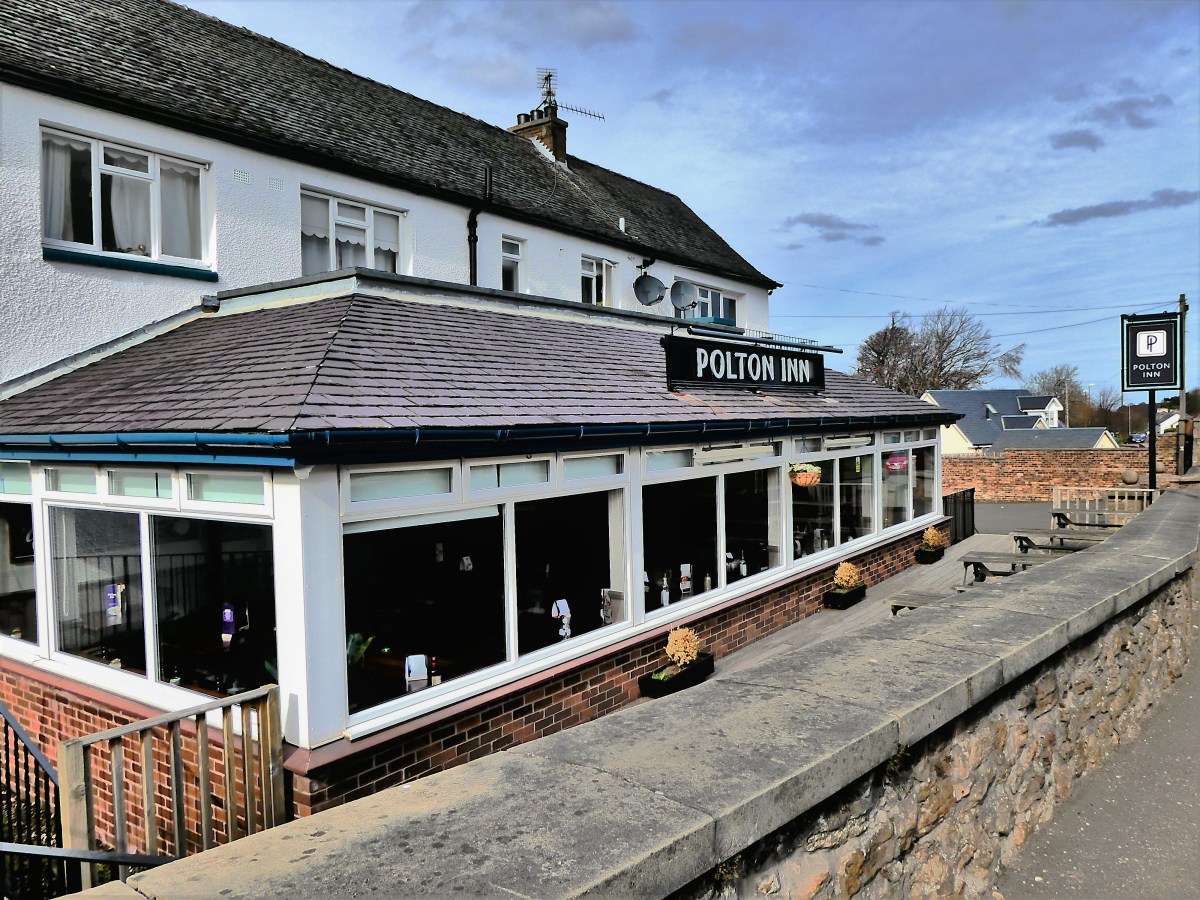
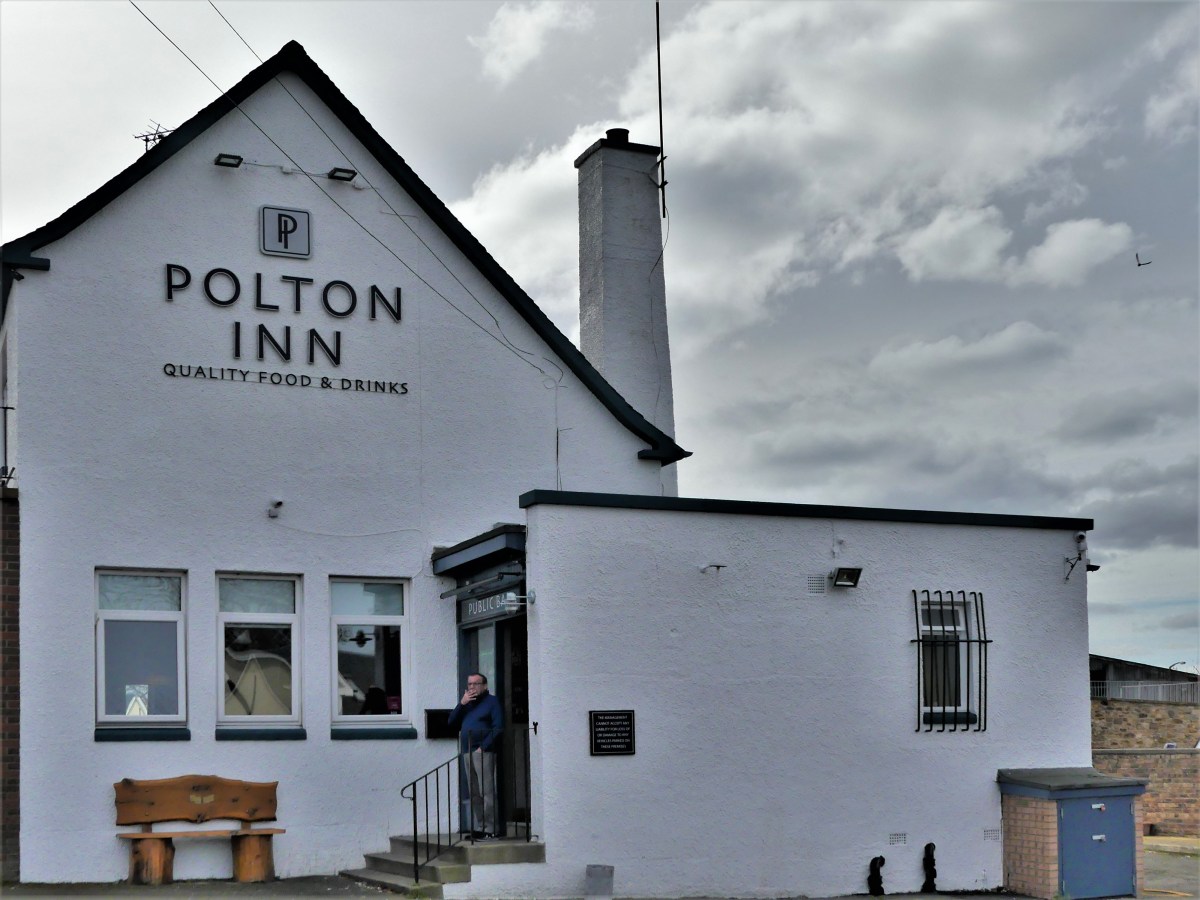
After a tour of the sanctuary, we got down to business. Harvey’s mission to preserve the nation’s Jewish identity became clearer to me as I reflected on my drive to Haddington and Polton earlier in the day.
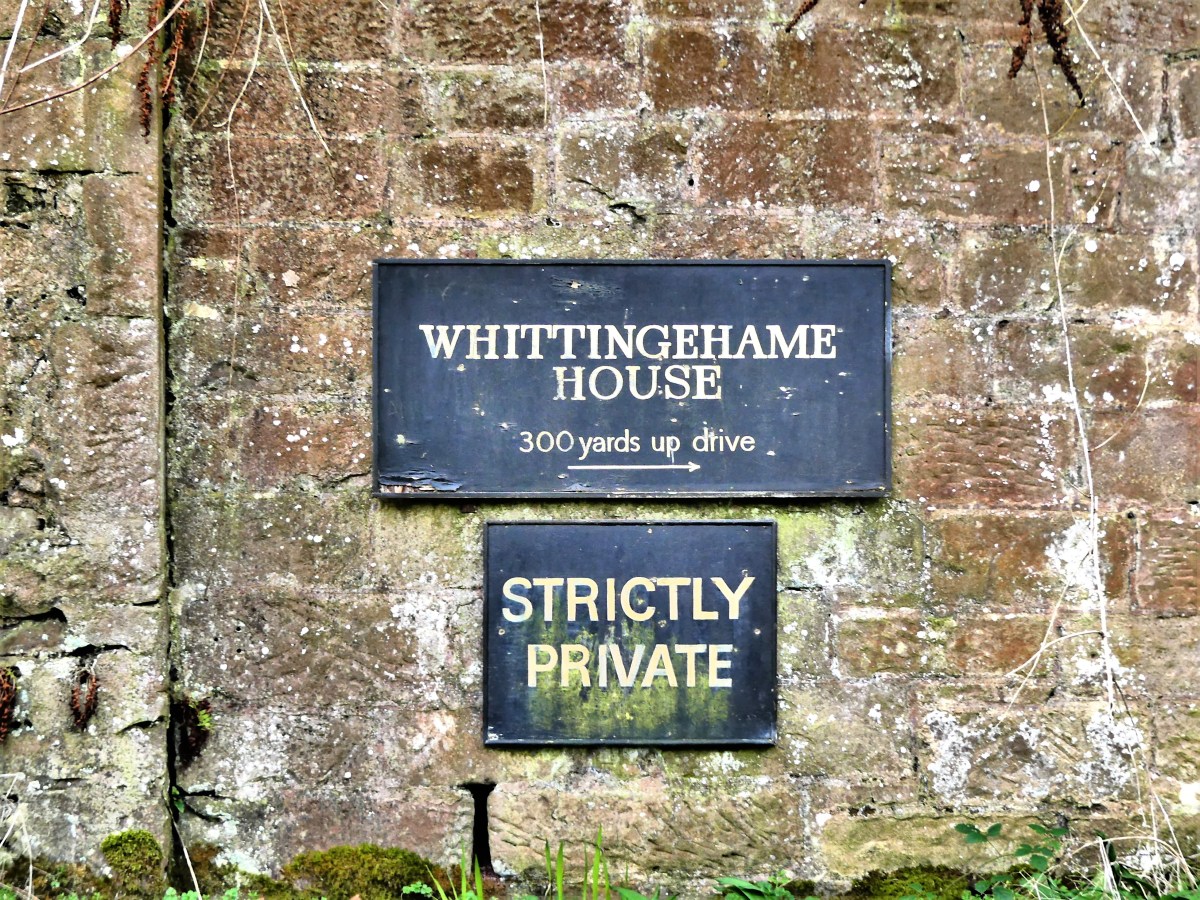
Before my appointment, I first stopped at Whittingehame House–

–one-time residence of Lord Balfour, Prime Minister, statesman,

and architect of the monumental Balfour Declaration, which granted homesteading rights to Jews in Palestine after Middle Eastern maps were redrawn following WW1.
In the wake of Jewish children seeking refuge in Britain to escape the Nazi scourge, Lord Balfour’s nephew and heir, Viscount Traprain, offered his home and its extensive grounds, surrounded by twisted yew trees,

as a farm school from 1939 to 1941 for teenaged refugees interested in making Aliyah to an Israeli kibbutz in the near future.
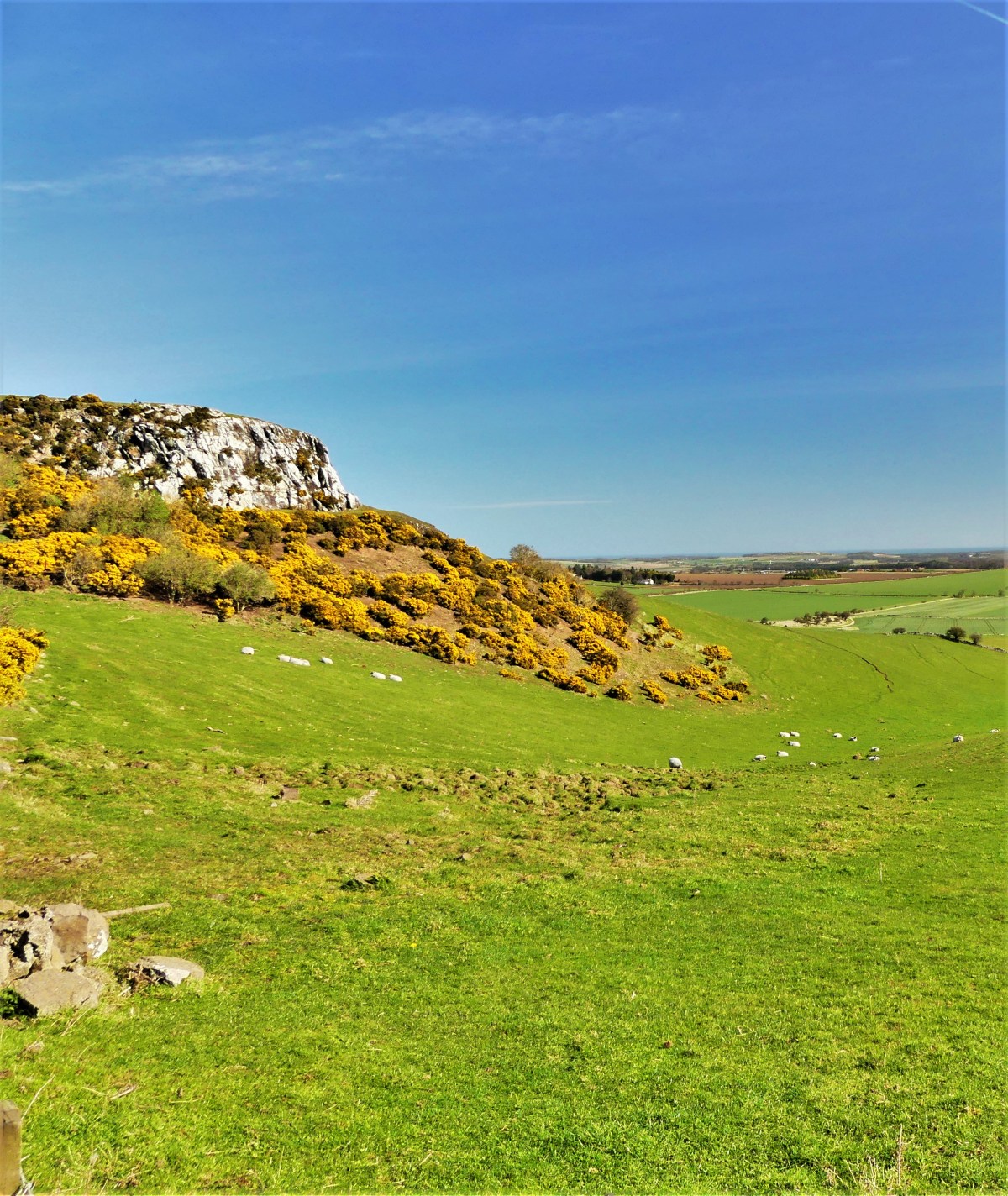
I became aware of the change to the estate when I noticed an online ad (https://www.onthemarket.com/details/3579306) detailing a ground floor, 4-bedroom flat with an asking price of £1,850,000. But still, I had to see it for myself.


I’ve just boarded Thomas Cook Flight #2753 from Orlando to Manchester, UK for a 2-week adventure to conduct ancestry research for a book I’m writing (see Uncertainty) that chronicles my mother’s escape from Essen, Germany following Kristallnacht.
Non-stop flight reservations to Manchester were snapped up from Thomas Cook airline (first I’d heard of them) in February for an unbelievably low, inclusive fare of $129…or so I thought.
Little did I realize that my reservation was TraveLite. I discovered during check-in that the airline was assessing me $120 to check my luggage unless it weighed under 6kg. The suitcase empty probably weighed 1 kg.
After composing myself, I gripped the carry handle tightly and I braced myself against the counter as I listened to a potential work-around by the attendant:
“Why not purchase an upgrade from economy to premium class for $125, which also entitles you to one checked bag…and for the extra five bucks, you can enjoy unlimited alcoholic beverages and snacks, 2 premium meals, a wider seat with extra leg room, and priority boarding and priority luggage retrieval for the extra 5 bucks,” she proposed.
My original seat assignment was 42G, the penultimate row next to the toilets.
“Here’s my credit card,” I quickly offered.
“You will now be in 4D,” she announced.
“A no-brainer,” I surmised.

Somehow, I talked myself into believing that paying double was a great deal; yet I was determined to get my money’s worth. After boarding the plane, I delighted in plying through the travel amenities piled high on seat 4D. In addition to an oversized foam pillow–which added an inch of compressed padding to the existing form-fitted seat–there was also a human-sized microfiber blanket in a sanitary wrap, and a zippered vanity bag with all sorts of goodies:

…none of which I used.
A choice of complimentary champagne or orange juice was served in tiny plastic stemware before take-off (but not mimosas, unless one asked for one of each), and premium dinner arrived 45 minutes into the flight…
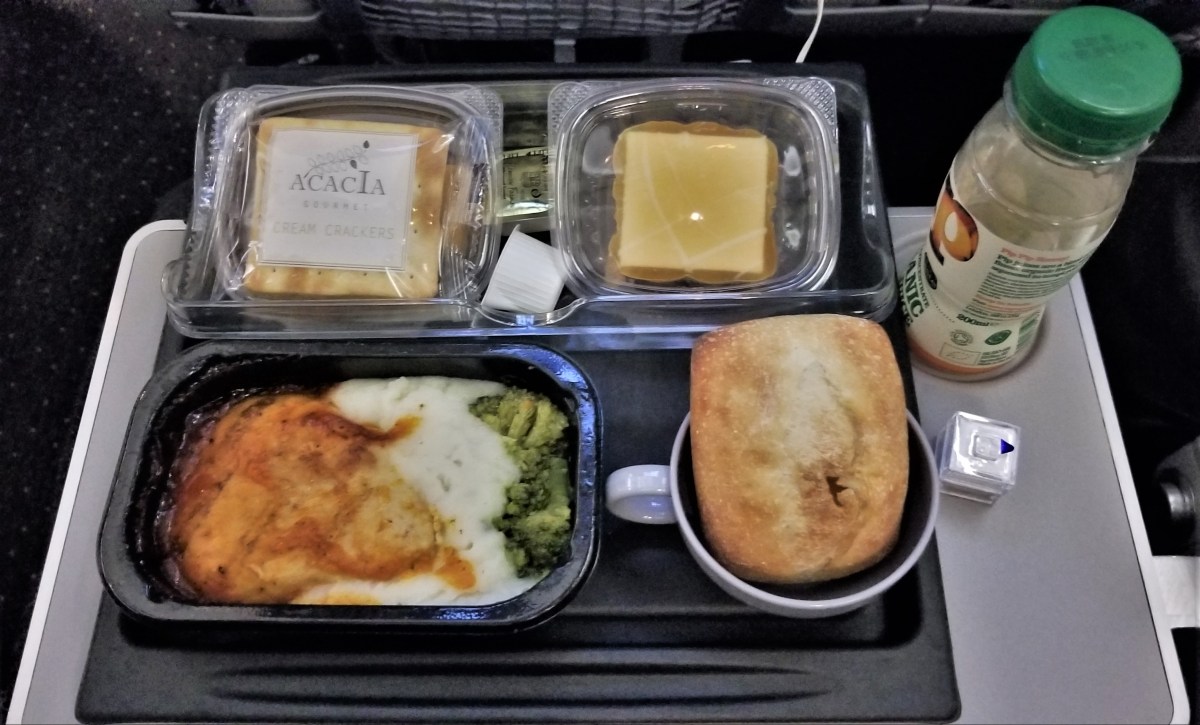
…consisting of tired chicken breast glazed with a gooey berry syrup beside a peppery mash and a sprig of tawdry broccoli. MEH! Not to be confused with Cathy Pacific or Singapore Air cuisine.
Four tiny bottles of Smirnoff vodka made The Man from U.N.C.L.E. watchable on my video screen, and should have sufficiently prepared me for a nap, but the millenial seated in front of me chose to repose in full recliner- mode, which felt more restrictive than my knee-high compression socks.

The plane landed in Manchester ahead of scheduled arrival time, despite a 40-minute delay. Baggage claim was quick as advertised, and NOBODY was waiting in line for an immigration stamp.

Alamo outfitted me with a Renault Kadjar at the off-campus car rental building.

which required a small adjustment in dexterity and right-side brain coordination.
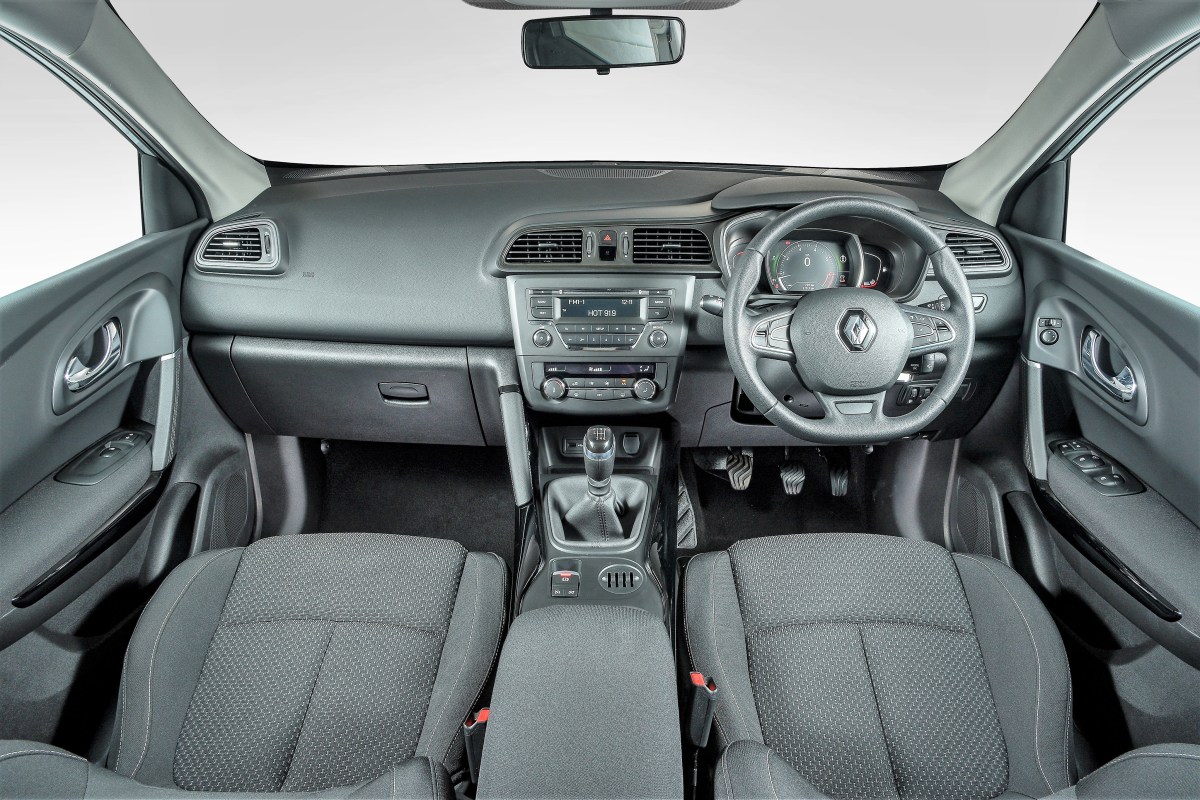
Left-side shifting on a right-side drive was initially challenging, but negotiating a busy urban roundabout was downright harrowing.
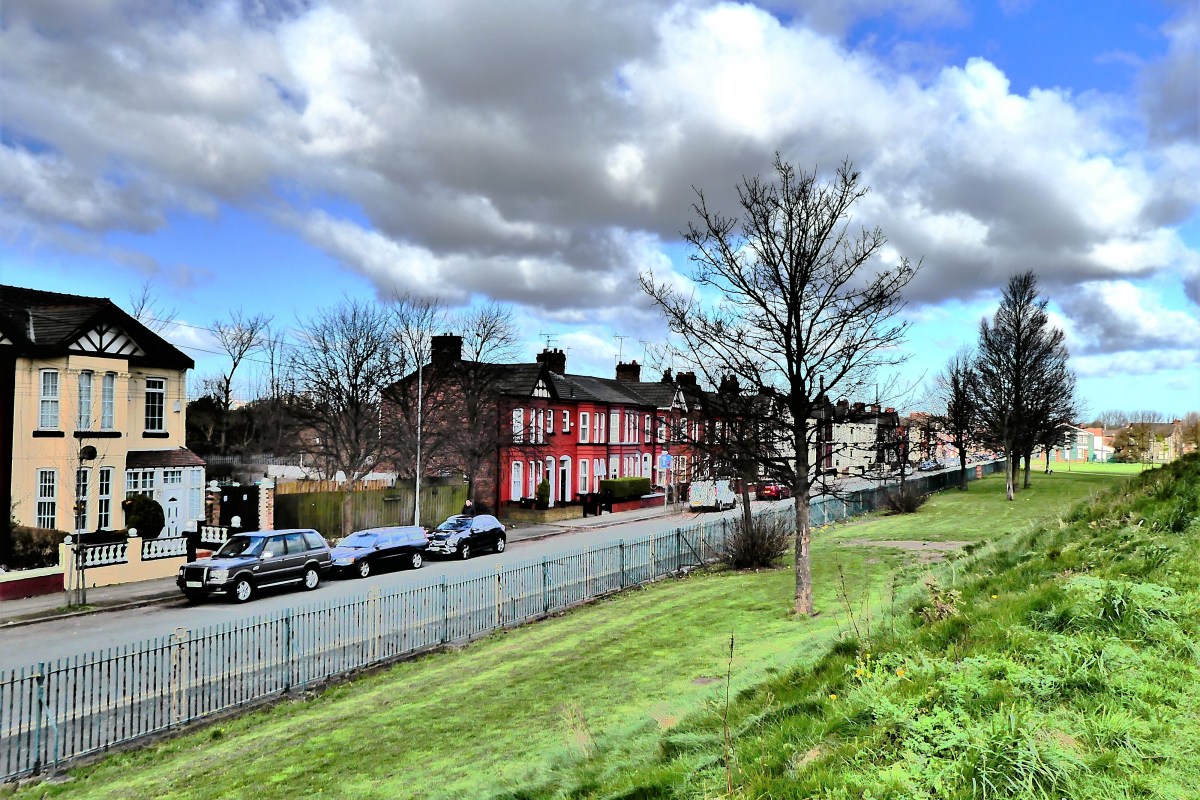
Taking a 1-hour detour to Liverpool’s dockyards…
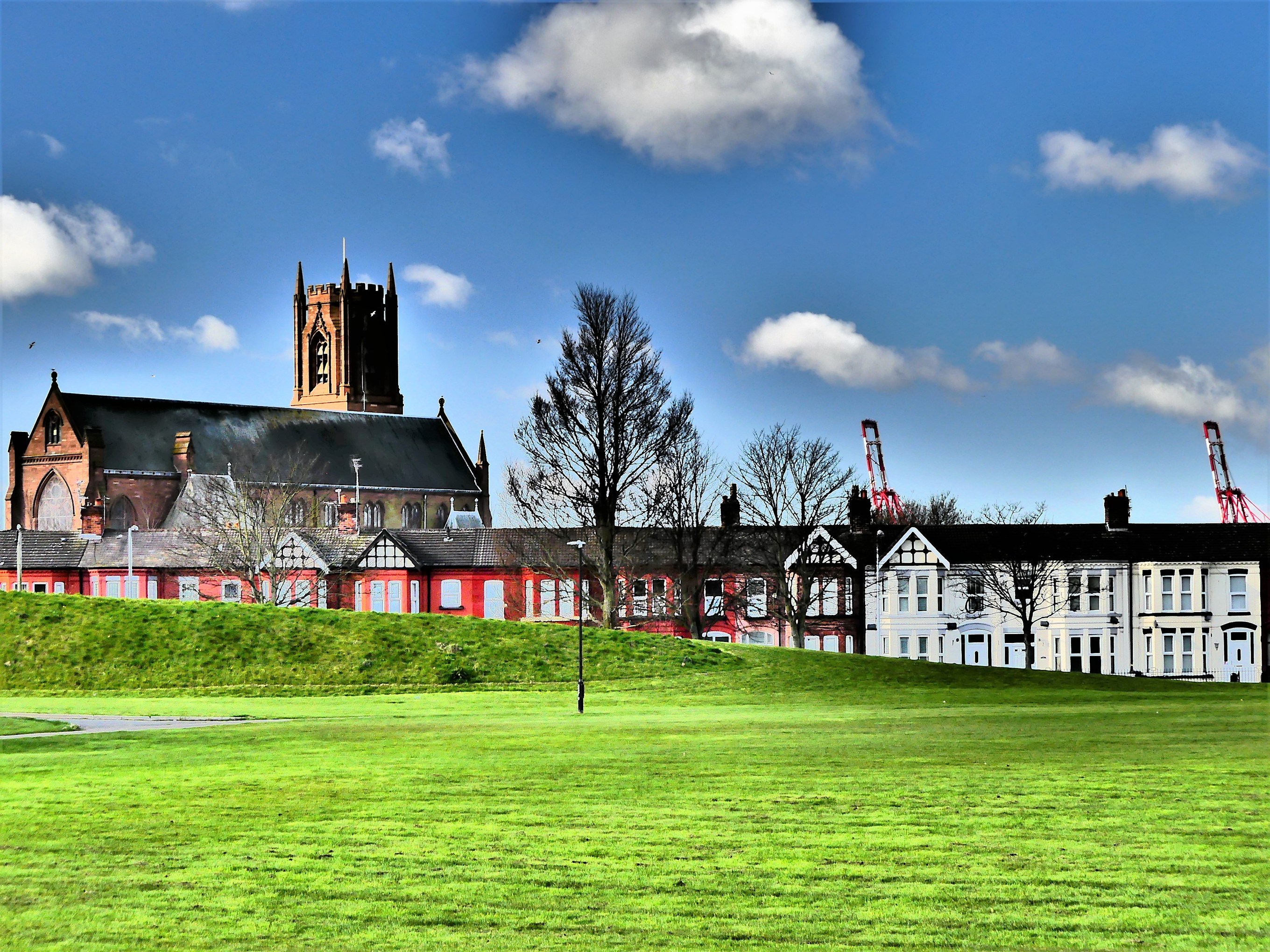
and neighboring North Park…


before driving 4 overcast hours to Edinburgh proved to be beneficial in normalizing the weird sensation of driving on the wrong/right side of the road.
BTW, this post marks the 2-year bloggiversary for me.

There’s plenty of travel ahead for the year, and I can’t wait to see what’s in store for the future.
Let the adventure continue!

There’s a wall of potty talk that circles the public restroom in the center of St. Augustine’s Old Town on St. George St. It follows a chronology of lavatory achievements through the ages as a testament to shitty innovations in evacuations.
So before you make a big stink and turn a blind eye to an issue this pressing, just cut the crap and log into a blog that offers a fulfilling means to an end:


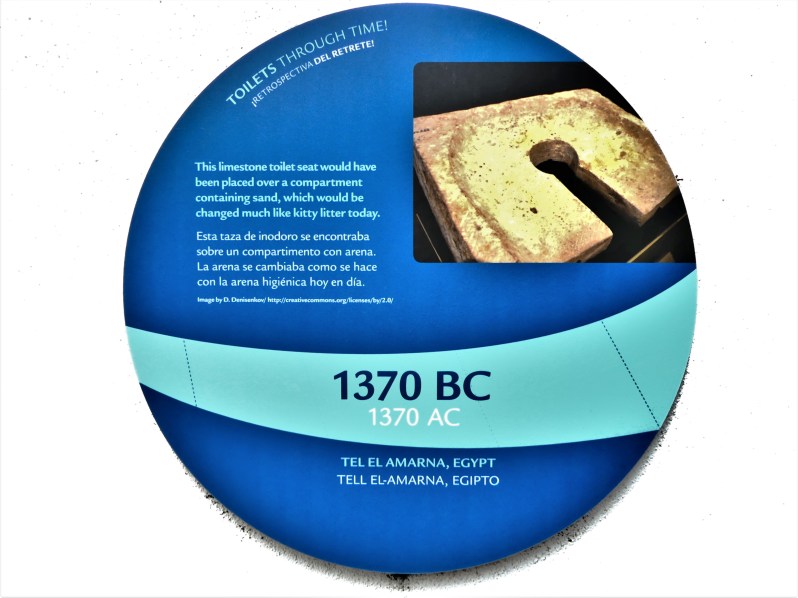

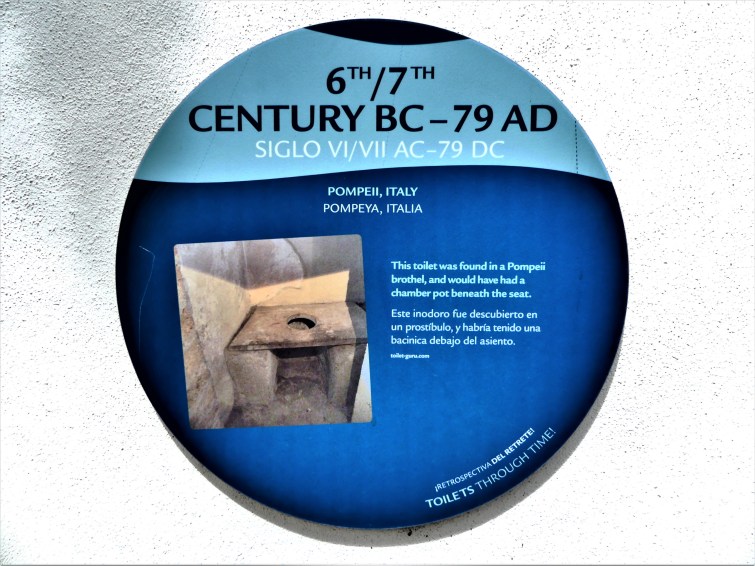


Society has made major advances in personal hygiene, to the extent that there are deco palaces devoted to pepsic discomfort…

while also allowing for targeted political commentary.

All’s well that ends well!

In celebration of Pi-Day, Leah and I scored theater tickets to the national tour of Waitress, presenting at Times-Union Center in downtown Jacksonville. Wanting to take advantage of fair weather, and never having seen Jacksonville during daylight hours, we decided to make an afternoon of it by visiting the Cummer Museum of Arts and Gardens located in Jacksonville’s Riverside neighborhood, a short distance from our evening venue.
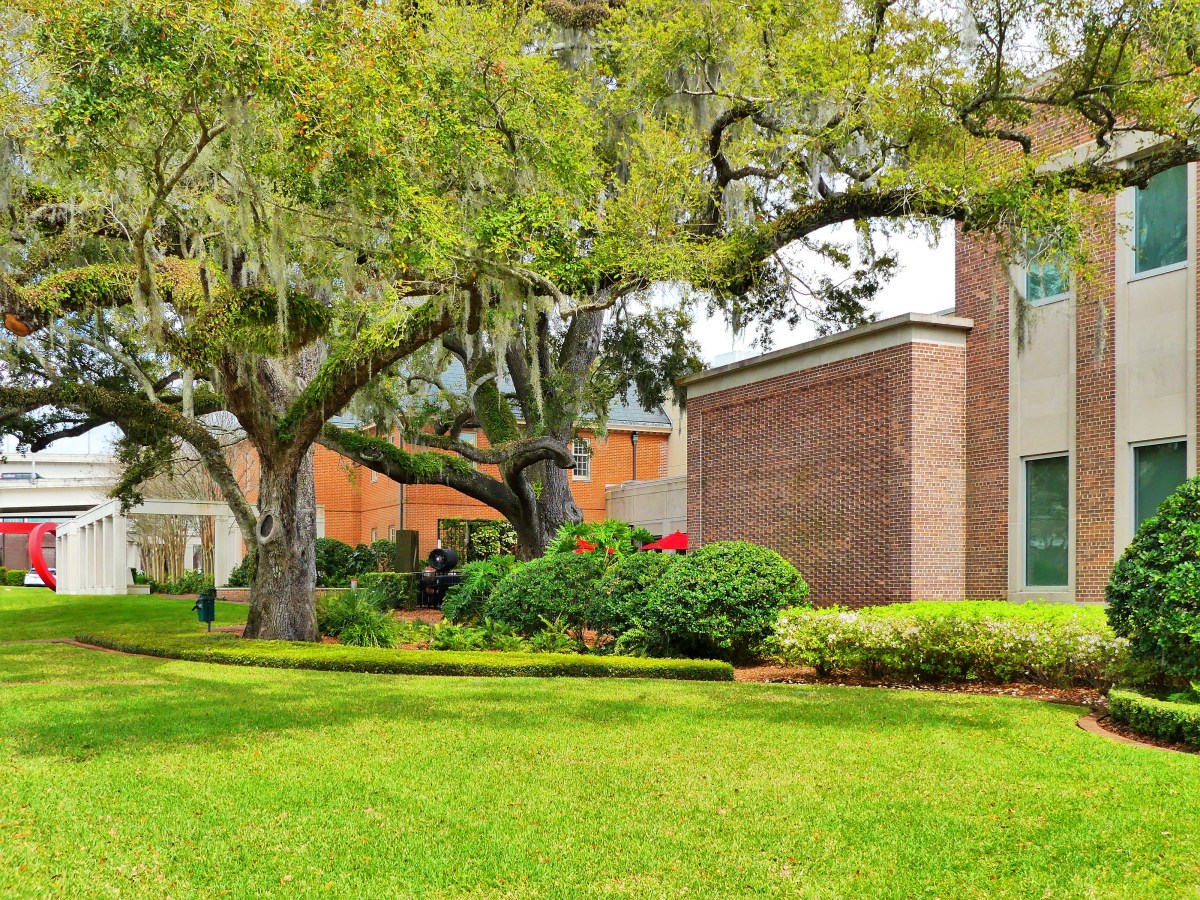
And it was well worth the trip.

In 1902, Arthur Cummer joined his parents, Wellington and Ada at their St. Johns River homestead, and built a half-timber English Tudor style house for Ninah, his bride. Arthur and Ninah began collecting art soon after.
Only the designated Tudor Room remains from the original house, so “the public at large may enjoy some insight into the personality of the owner.”

A series of interconnected museum wings are separated by a courtyard paved with terra-cotta tiles from the Cummer’s old roof.

The original Cummer collection plus acquired collections of paintings, sculptures, and Meissen porcelain fill fourteen galleries, span 3200 years, and range from:
2100 BCE…

to 100 CE…
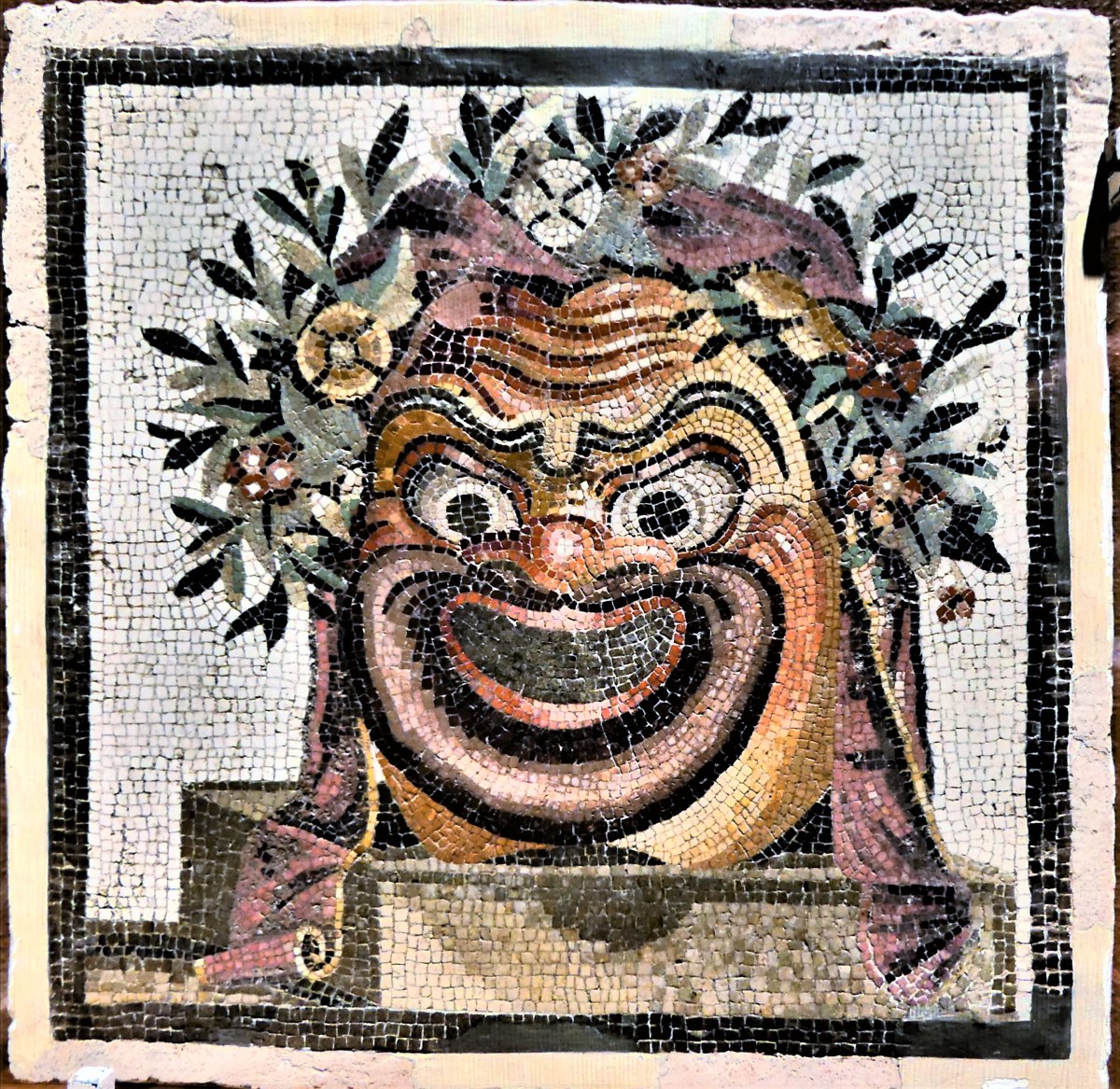
to 13th century…

to 17th century…

to 18th century…

to 19th century…
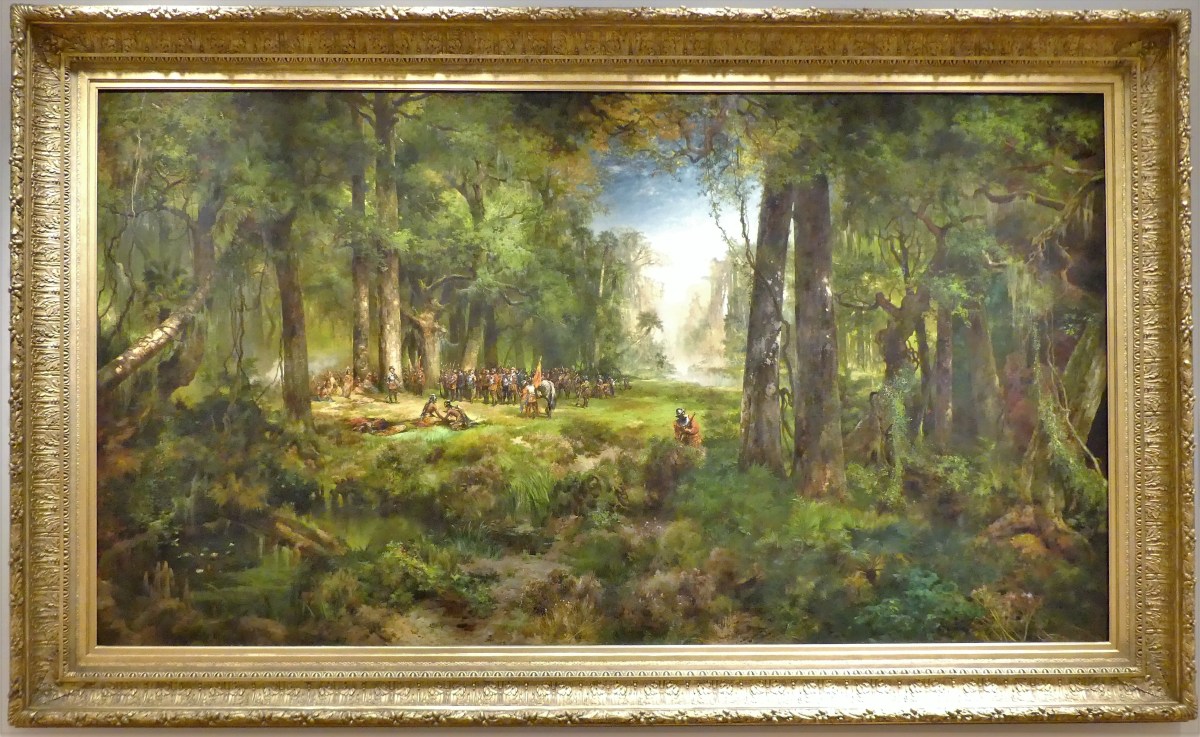
…to contemporary artists like Harlem Renaissance sculptor, Augusta Savage, whose work is currently exhibiting in the Mason Gallery.

Following Arthur Cummer’s death in 1943, Ninah wished to establish a “center for beauty and culture…[for] all of the people” on the residence grounds.
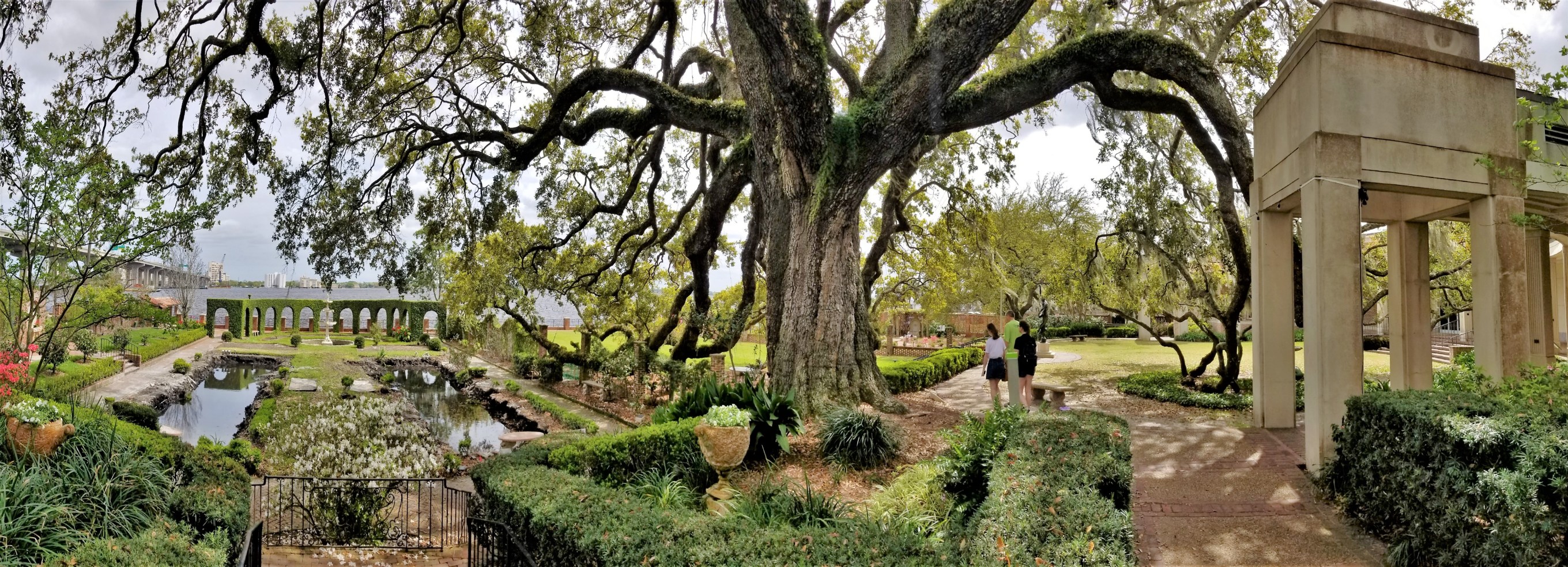
Upon the widow’s death in 1958, the estate and gardens were granted to the DeEtte Holden Cummer Museum Foundation. Soon after, buildings were demolished (with the exception of the Tudor Room) in favor of a state-of-the-art museum that opened in 1961, followed by a detailed restoration of the property’s Italian Garden…

the Olmstead Garden…

and the English Garden–

all of which were added to the National Register of Historic Places in 2010 for outstanding “American landscape design in the first four decades of the twentieth century.”
As northeast Florida’s largest and most significant museum and arts education center housing over 5,000 works of art…

the sky is the limit.
BTW…the show was a tasty morsel about a bittersweet topic.

On the third day of a four-day affair, the 1-mile approach to the Ritz-Carlton Hotel was thoroughly congested. In addition to stand-still traffic, an unbroken chain of cars akimbo were parked on both sides of the grassy shoulder.
A steady stream of walkers of all ages easily out-paced my Ford pickup on the way to the Amelia Island Concours d’Elegance, north Florida’s premier destination for car connoisseurs–and in some cases–car collectors with deep pockets. They have come from around the world to claim bragging rights for owning many of the rarest sporting and cruising motorcars worthy of six to seven-figures.

We mastered the final quarter-mile in 30 minutes. Once past the event entrance, we took a quick right and followed the signs that led us to a string of ad hoc neighborhood parking concessions charging $40 for the day. Fortunately, as I approached the first backyard turn-in, a couple was just claiming their vehicle–leaving an open spot for me.
“Are you kidding?! I’m not paying that kind of money for a parking spot! That’s highway robbery!” announced Leah to me.
“Is it any cheaper down the road?” Leah called out to the attendant/mansion owner.
“It’s the same, but if you’re willing to walk back about 20 minutes, you might be able to park somewhere for half the price,” he offered, “but you need to make up your mind ’cause there’s traffic piling up behind you.
I turned into the lot.
“Location, location, location,” I declared.
The sunny skies were a blessing and a curse. The weather was perfect for strolling along the 1st, 10th, and 18th fairways of the Golf Club of Amelia Island…

to gaze at more than 400 classic and exotic automobiles.
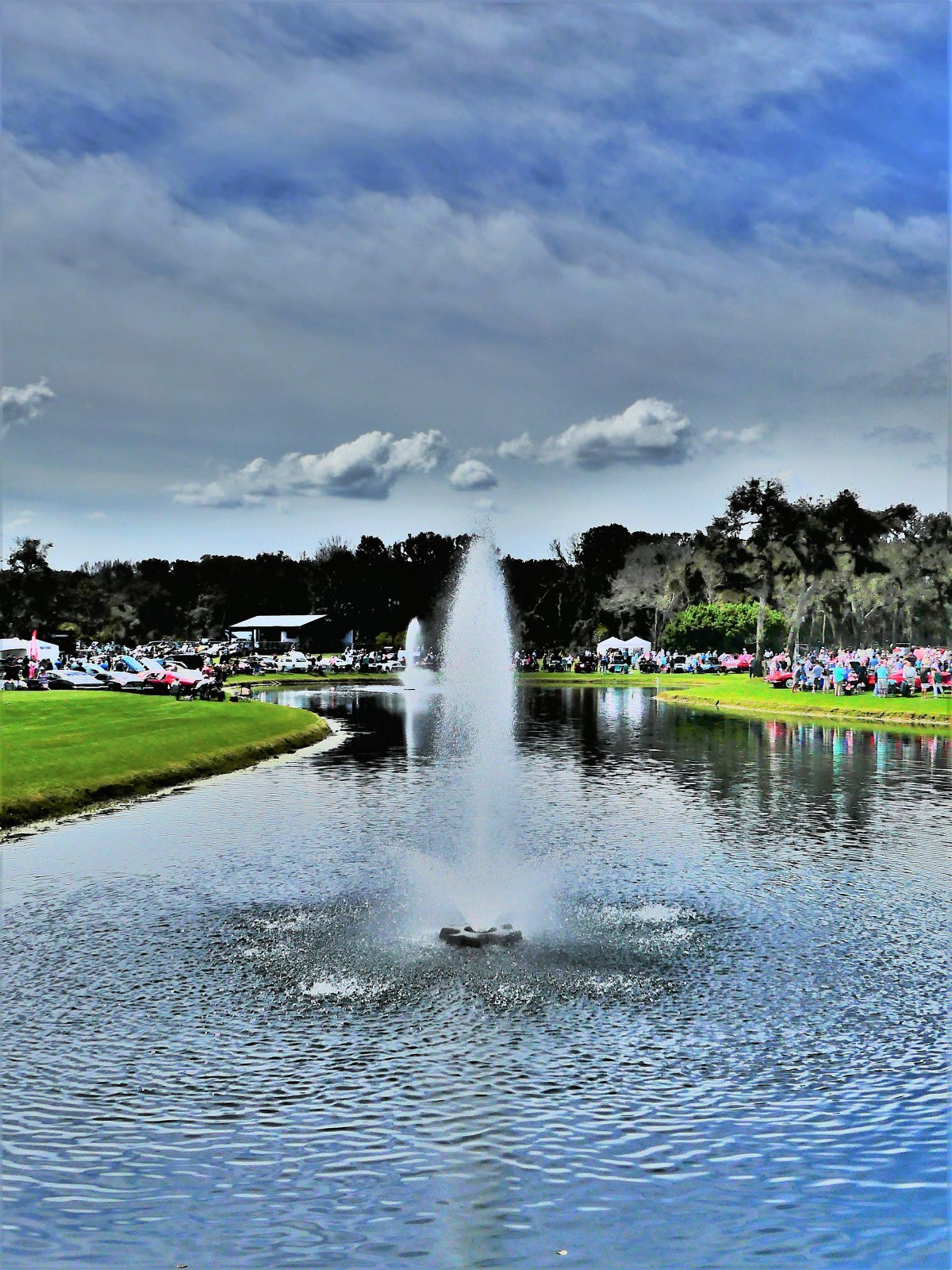
However, the owners who were standing guard over their prized possessions were invariably hard at work, answering questions, overstating their cars’ value, and forever polishing away the glaring fingerprints of so many gawkers-turned-touchers.
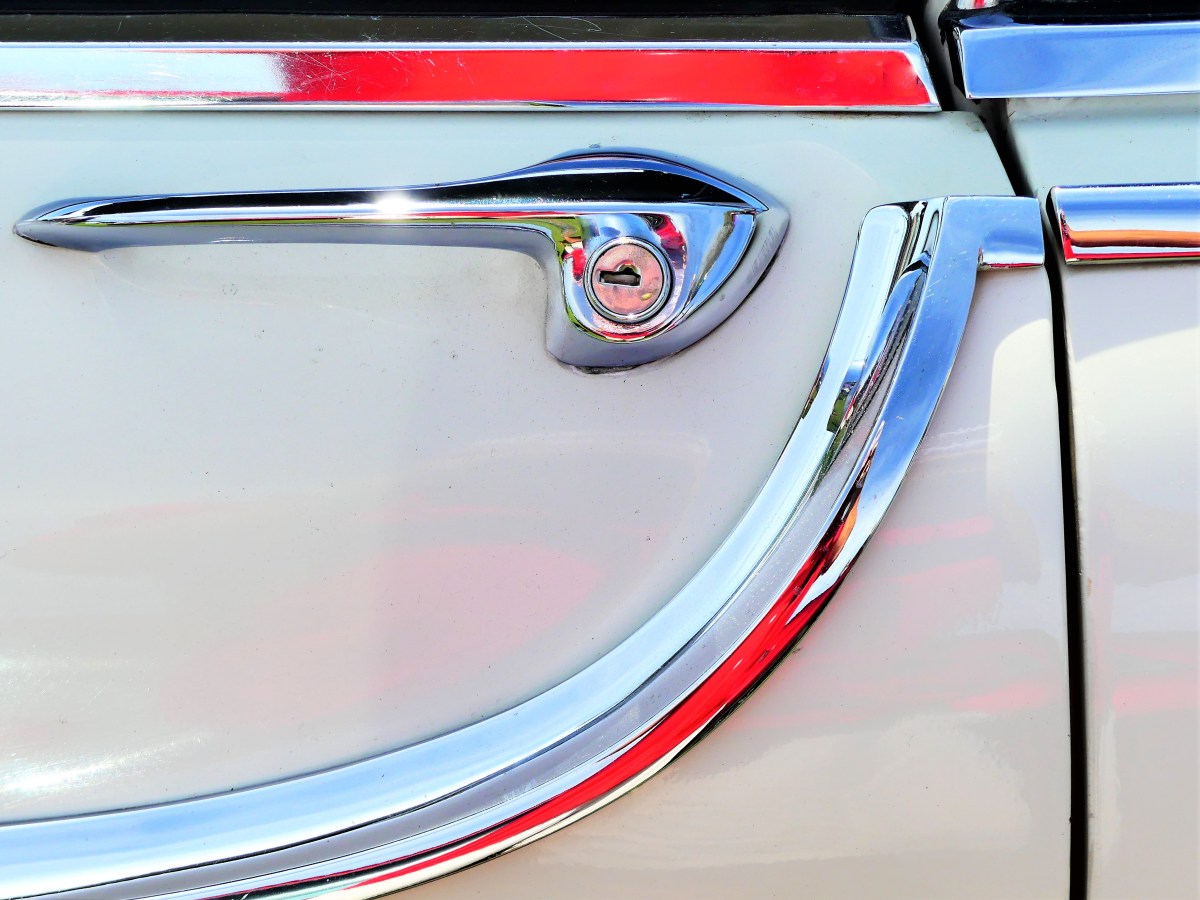
A full representation of cars from every manufacturer was mostly categorized by brand, ranging from Datsuns…

to Porsches…

with occasional support provided by corporate tents and stages…

showcasing concept cars…


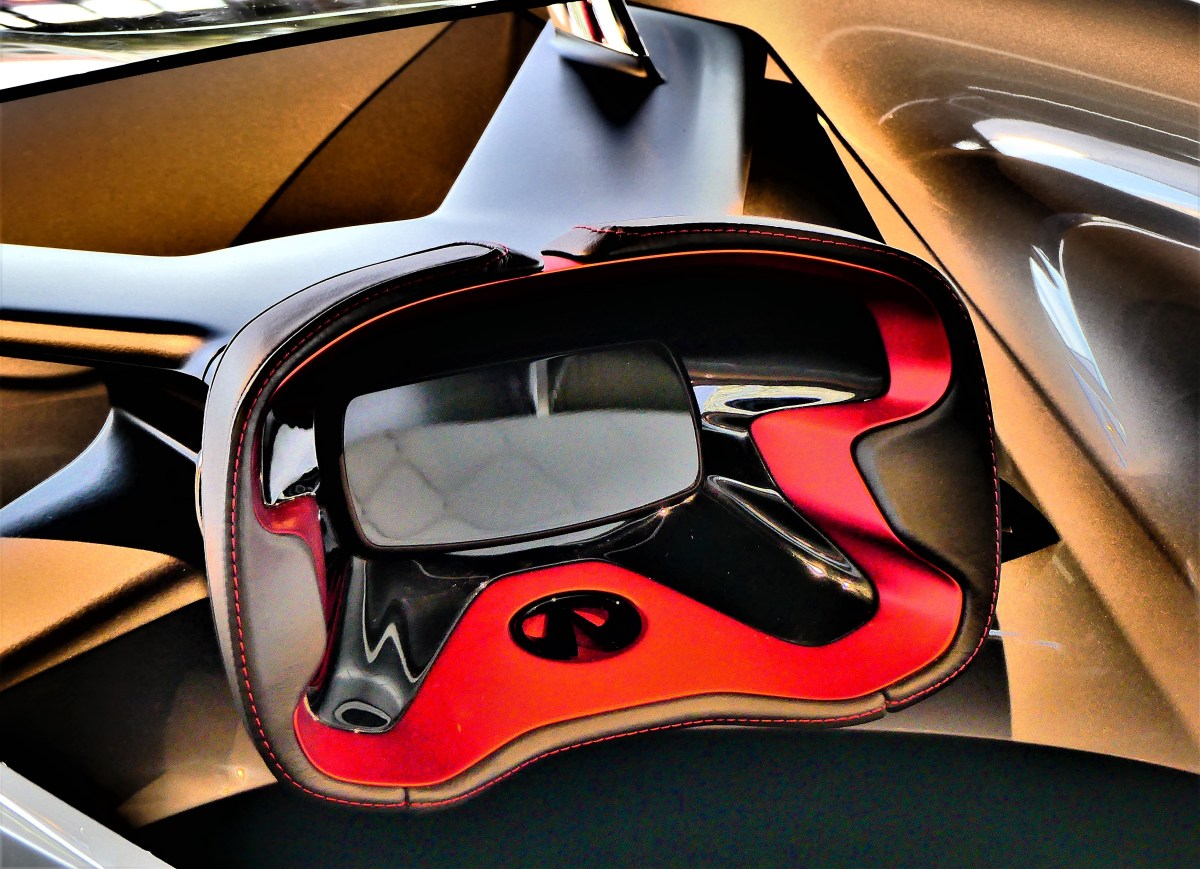
elite production models,


and vintage heirlooms.

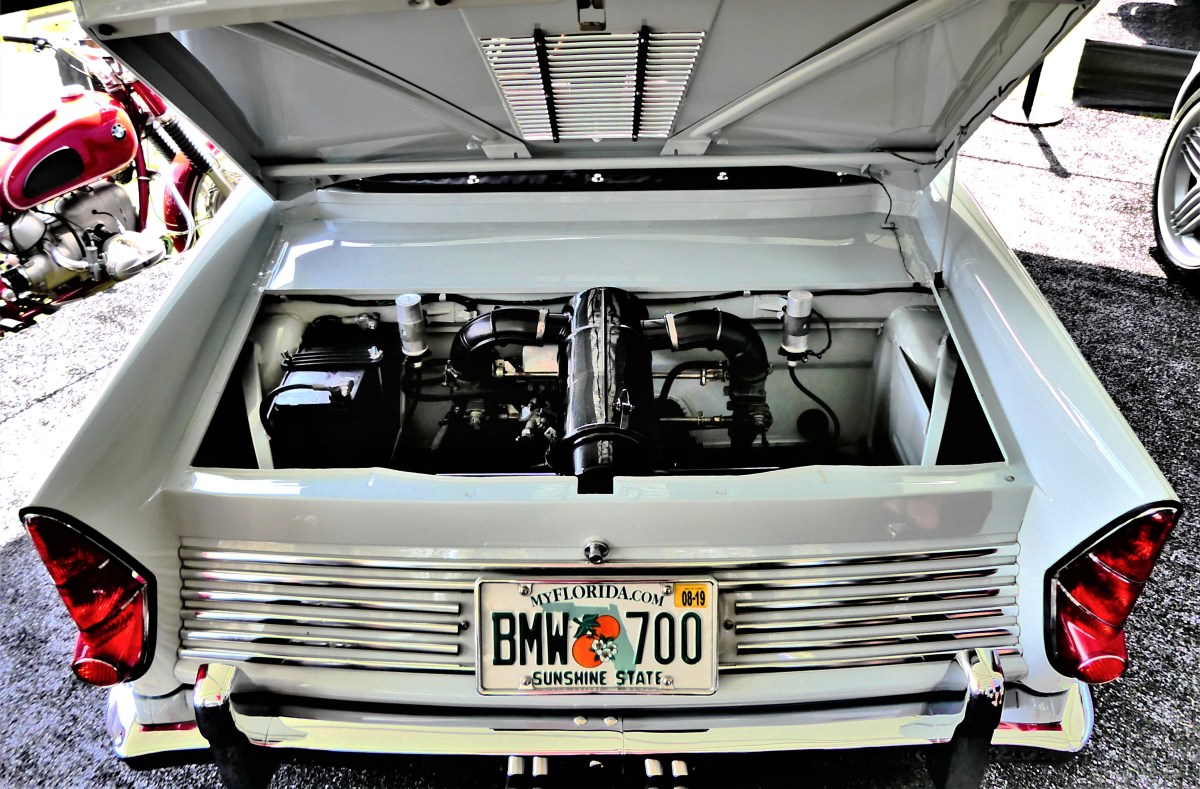
There were novelties…
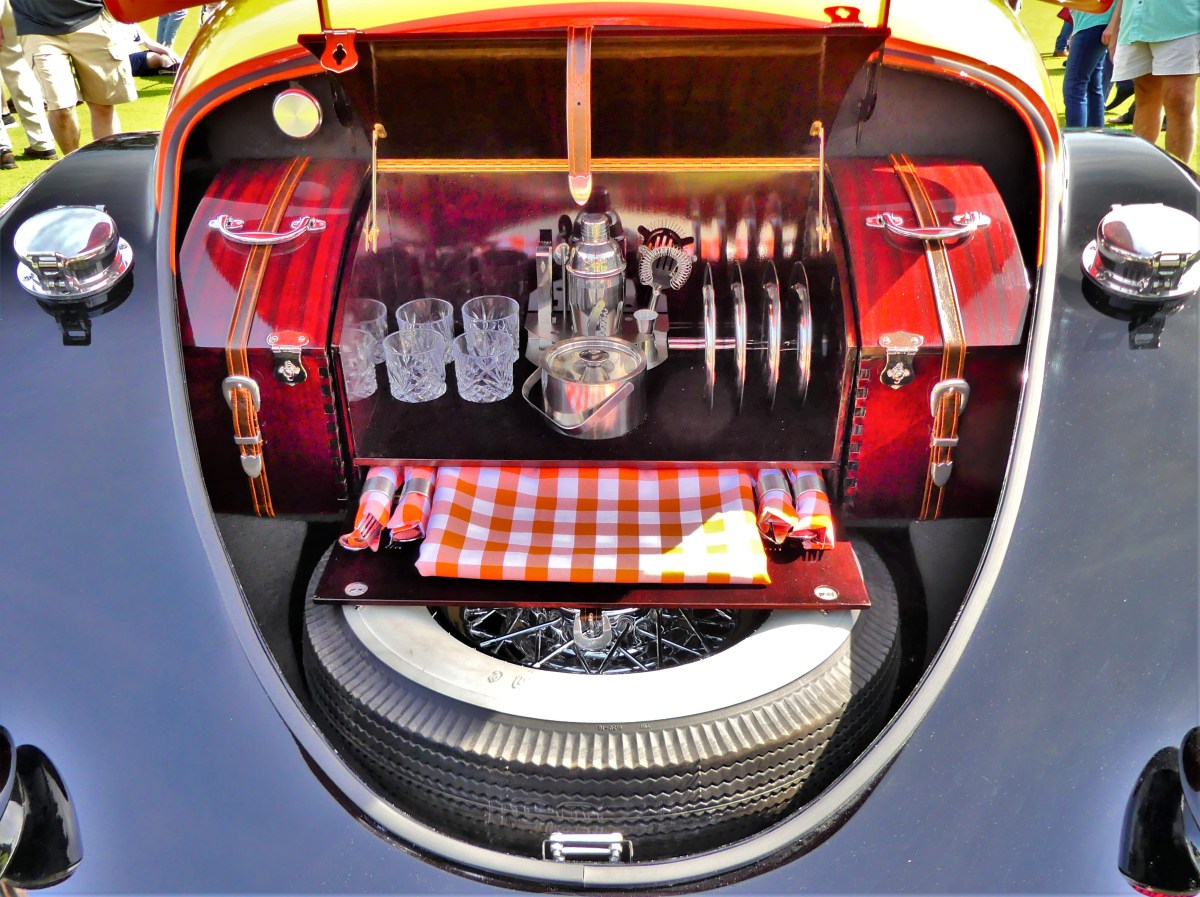
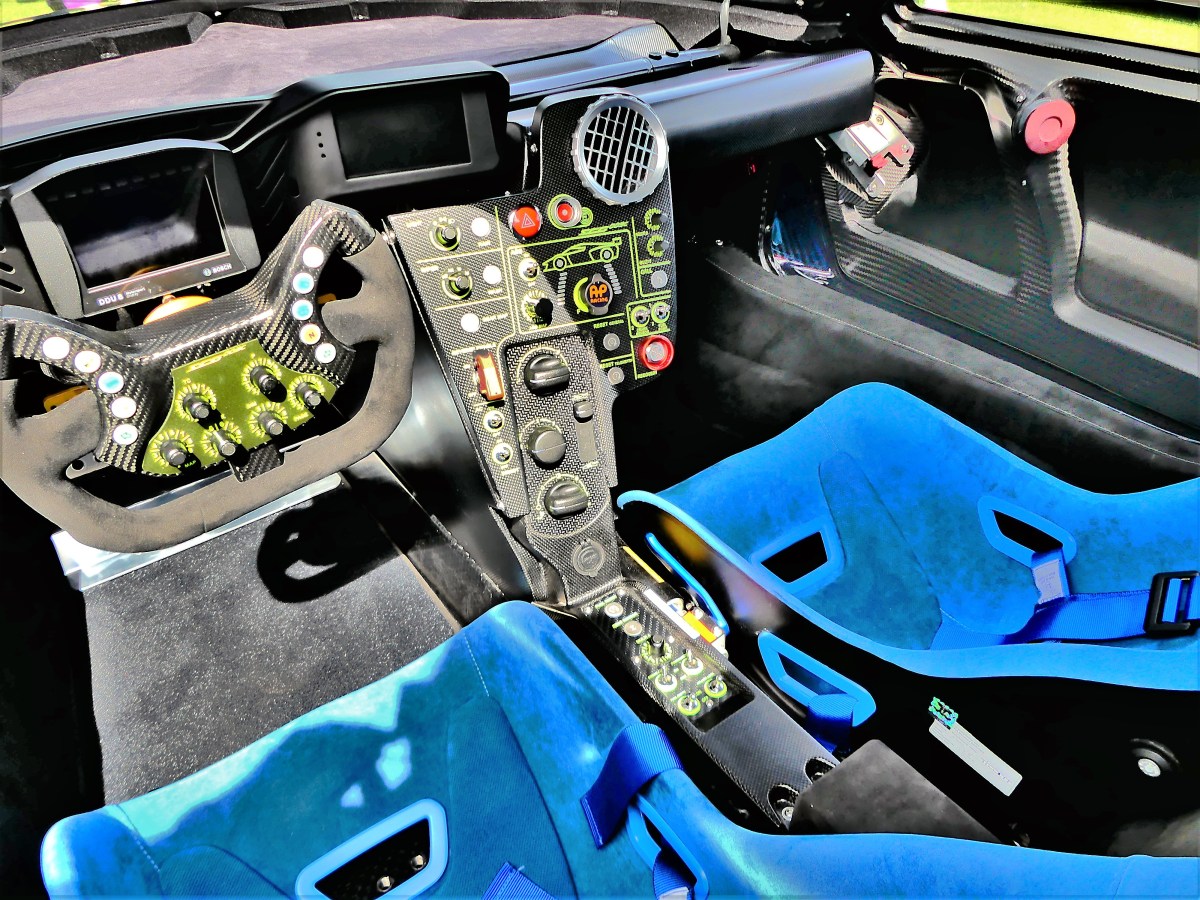

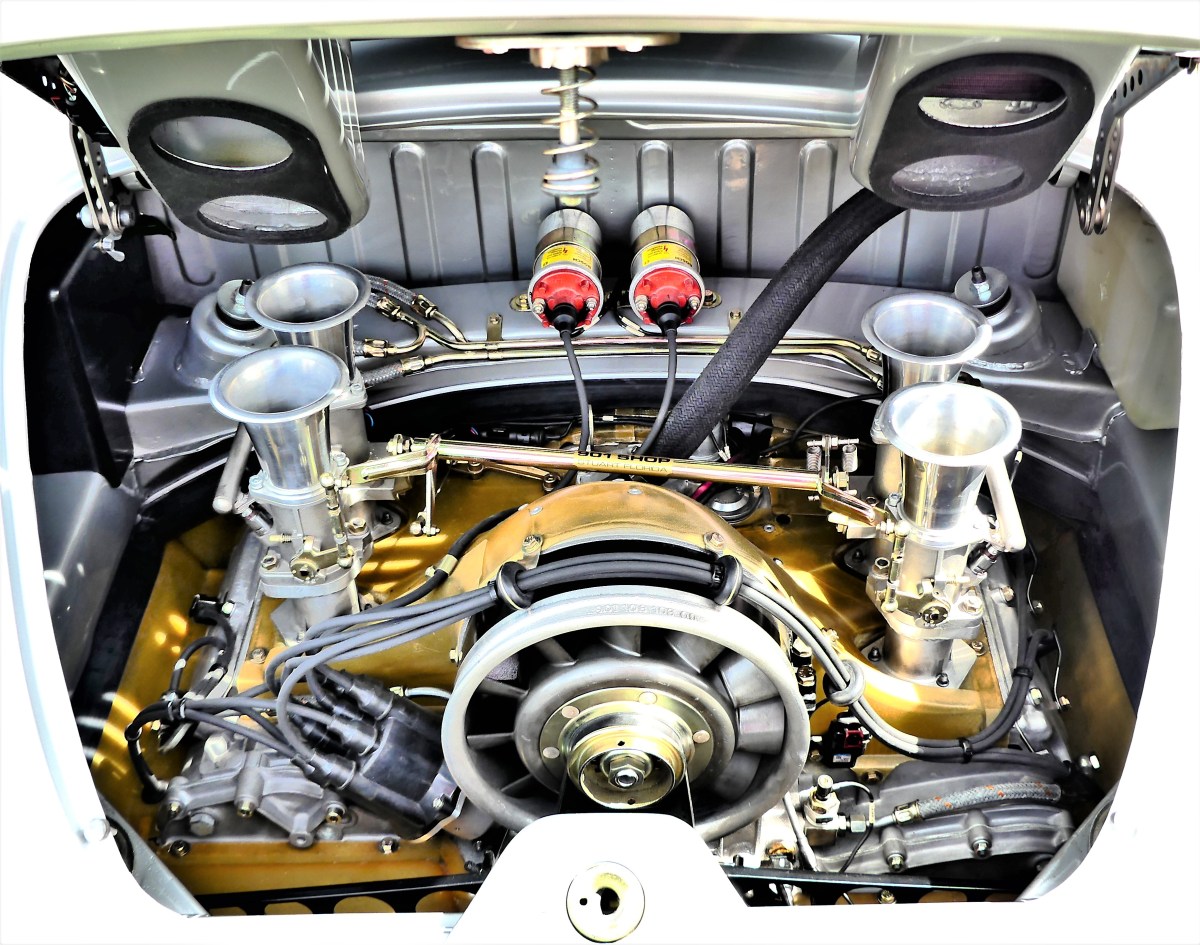
steamed-clean engines to admire…


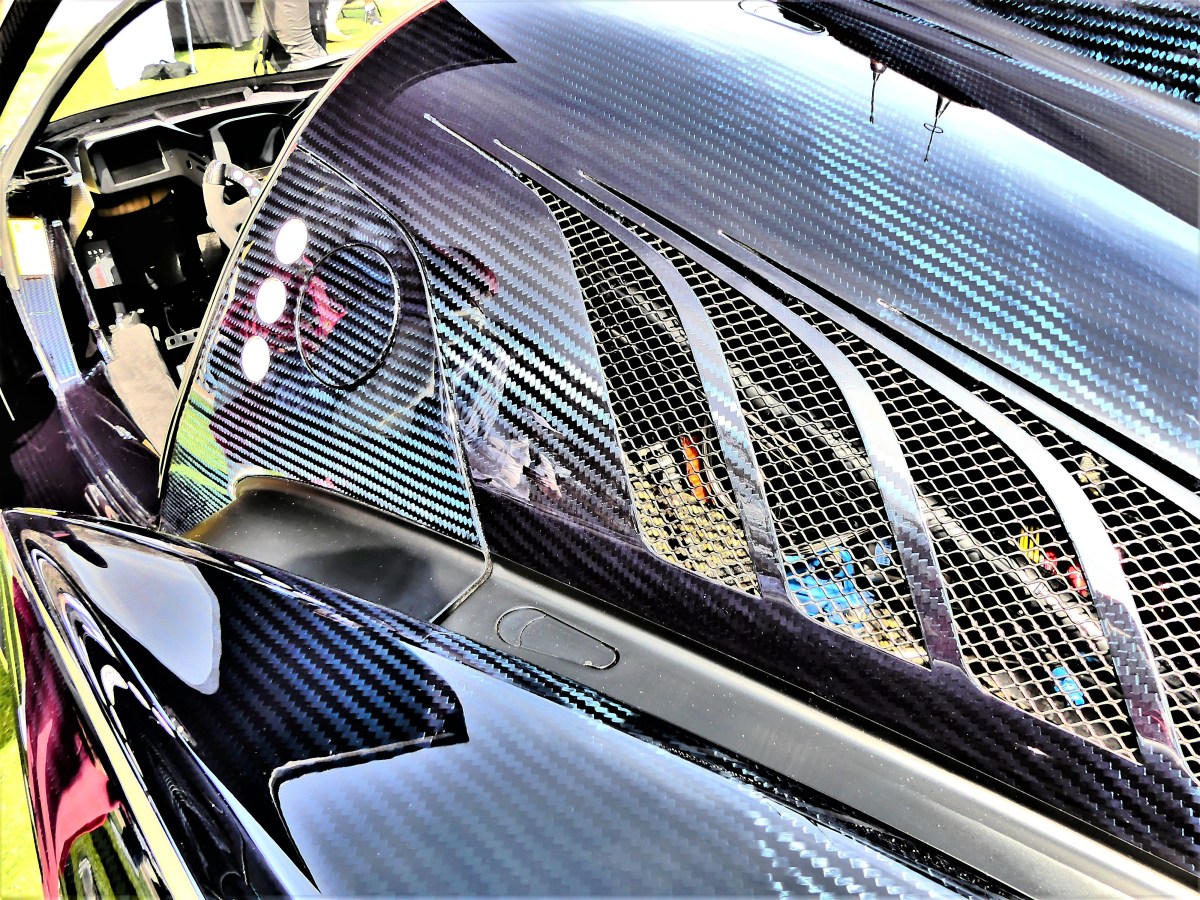
and glorious paint jobs to behold…


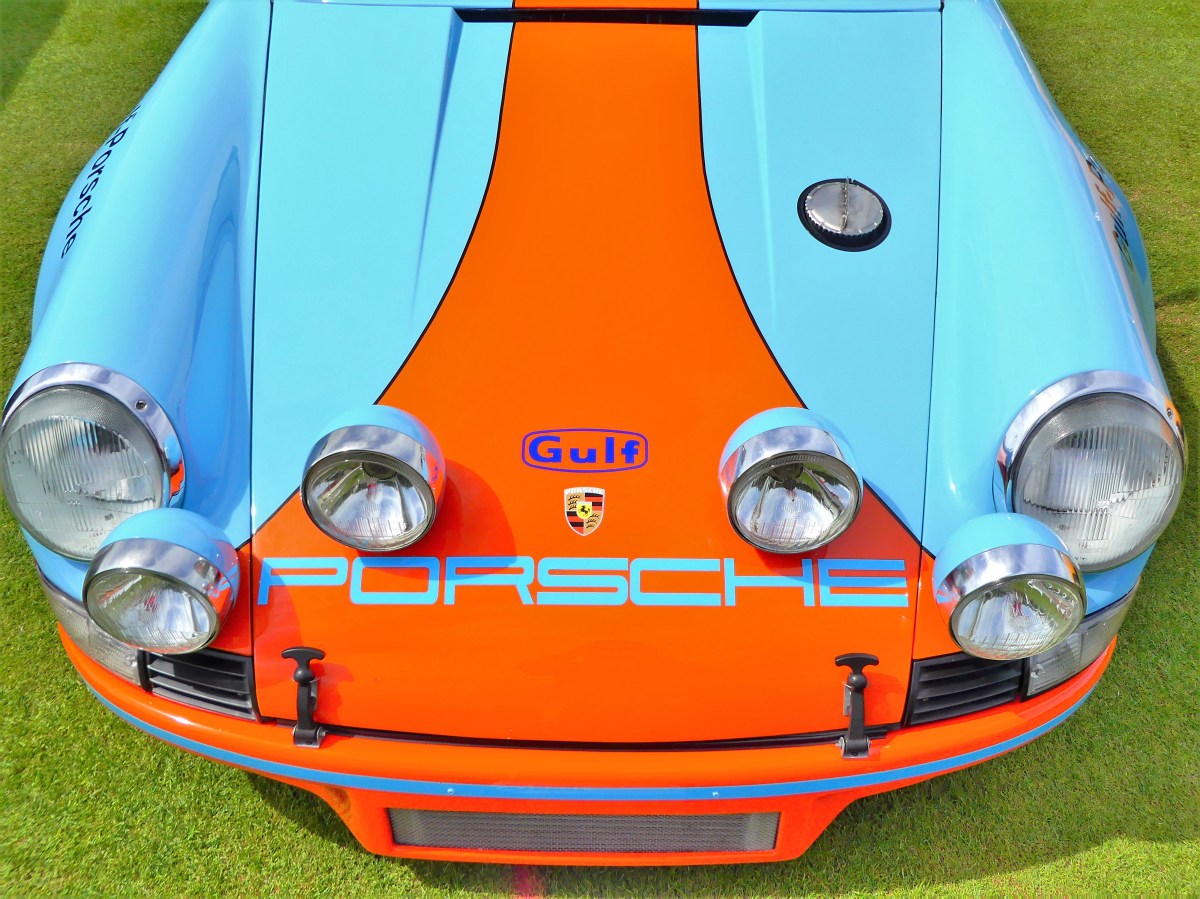
But most enjoyable was sitting on the sidelines watching a parade of auctioned vehicles…

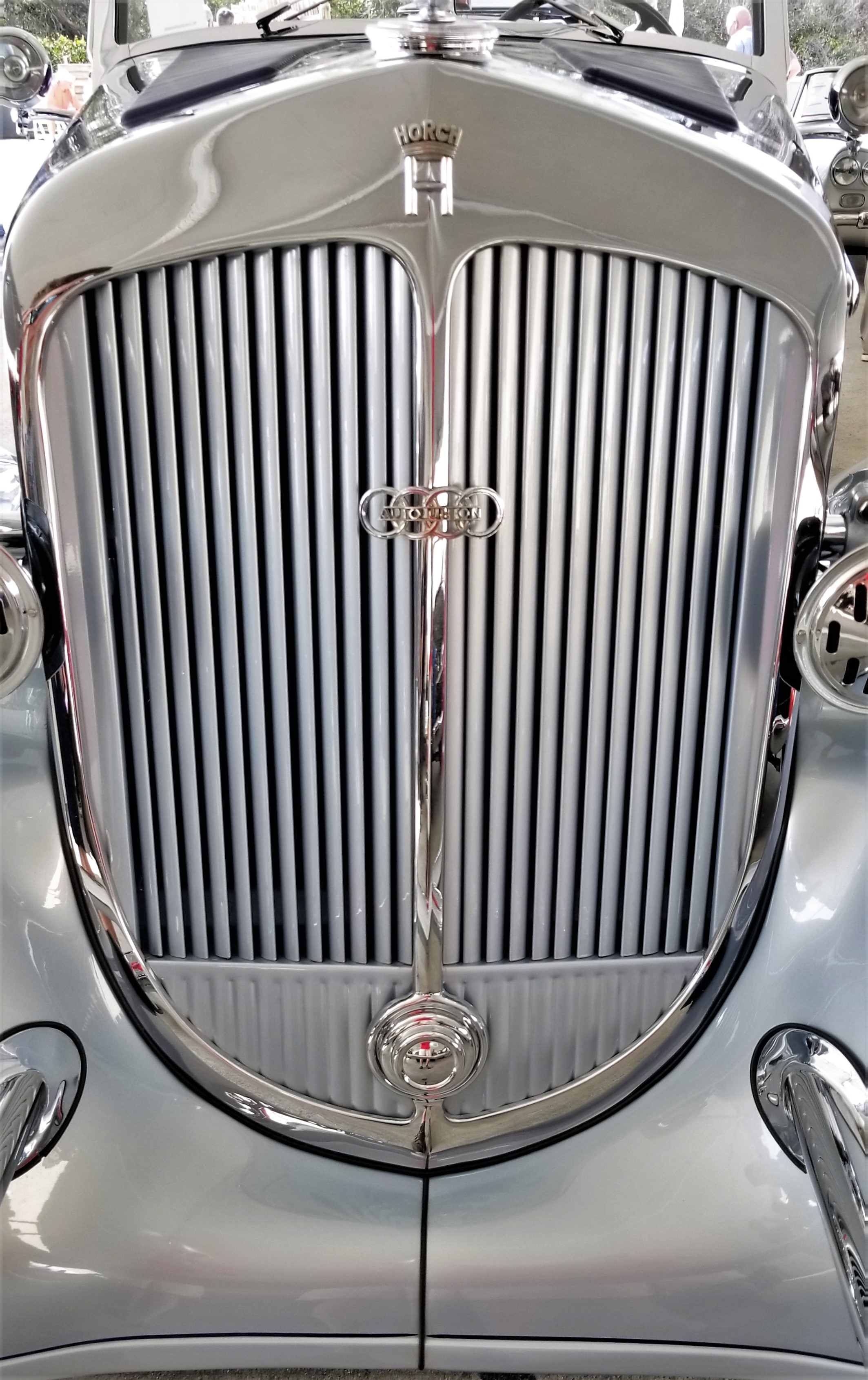
as they were being polished,

and preened…
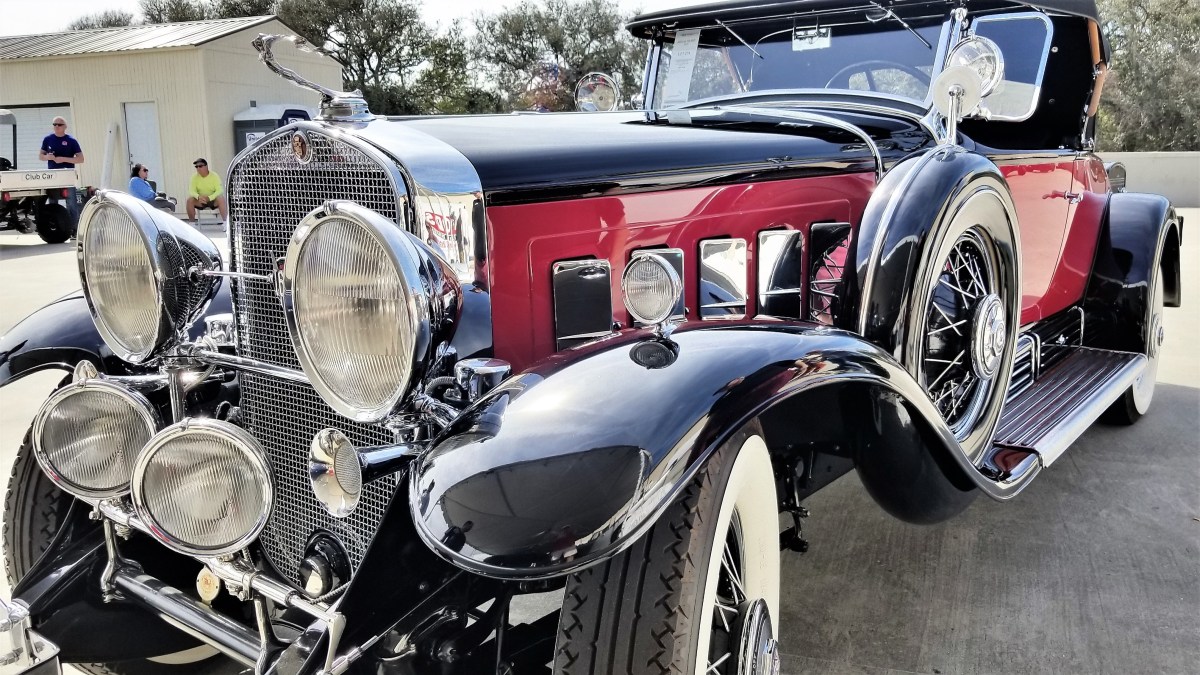
by teams of attentive handlers in white gloves…
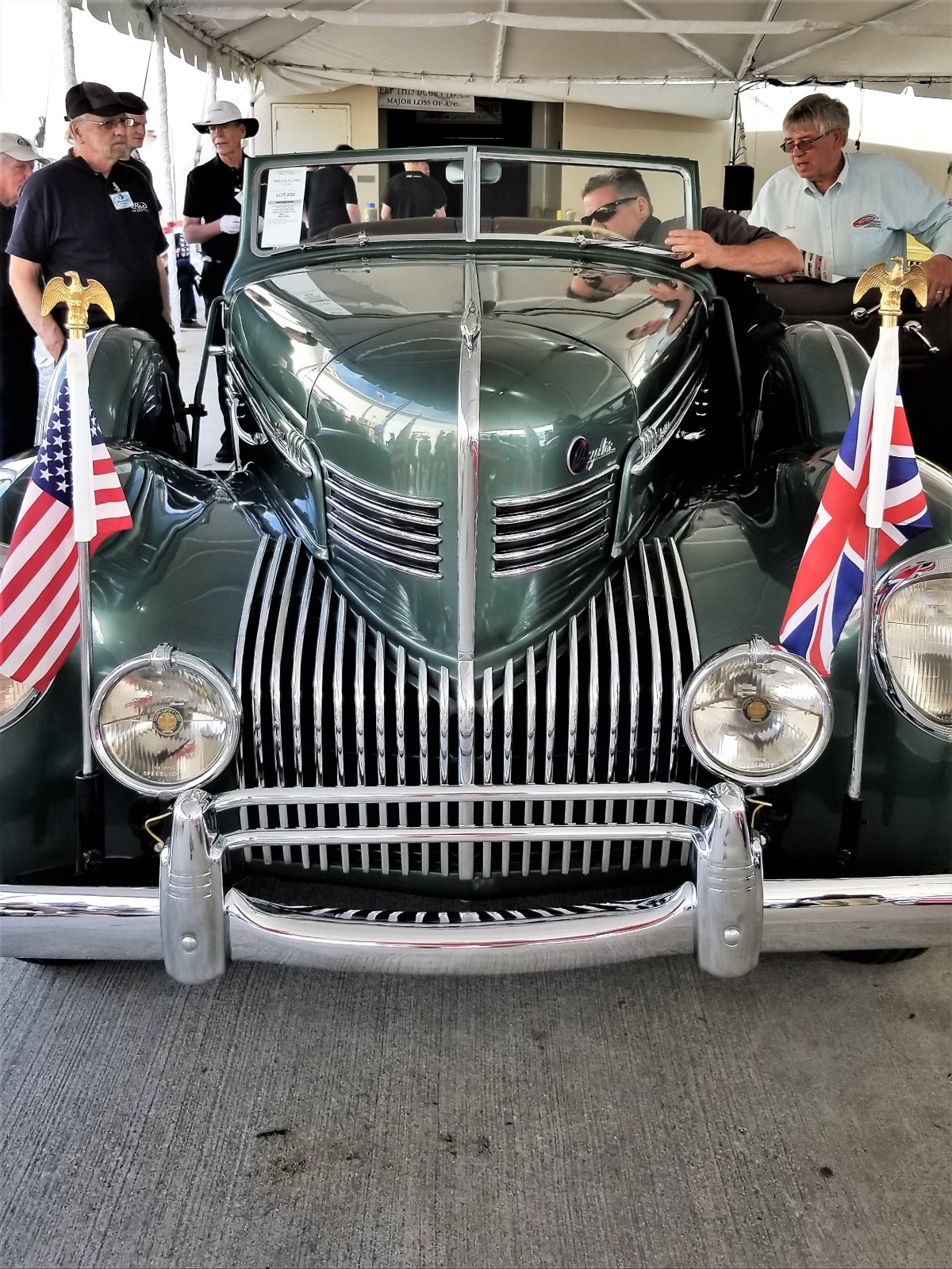
before facing RM Sotheby’s gavel. According to the auctioneer:
Leading RM’s string of 19 individual million-dollar-plus sales and claiming top honors of the 2017 Amelia Island auctions was a striking 1937 Bugatti Type 57S Cabriolet, one of only three examples sporting rare coachwork by Vanvooren of Paris. Offered for public sale for the first time in its 80-year history, the highly original Type 57S sparkled under the auction lights during Saturday’s sale session, commanding $7,700,000. Just moments prior to the Bugatti’s sale, a well-known 1929 Stutz Model M Supercharged Coupe, one of only three supercharged Stutzes in existence, proved demand remains strong for great American Classics at auction, selling for $1,705,000 against a pre-sale estimate of $1/1.2 million. The strong sales price represents a new record for a Stutz at auction.
Friday’s sale session was also one for the books, with the Orin Smith Collection generating $31 million in sales with a 100 percent sell-through. A wonderful showcase of RM Sotheby’s expertise and capabilities in handling private collection auctions, the sale represented the first time RM has hosted a Friday evening sale at Amelia, and provided a fitting tribute to a man beloved by the Amelia crowd, drawing a packed sales room. The group of 63 vehicles was headlined by a stunning 1936 Lancia Astura Cabriolet Series III “Tipo Bocca” at $2,145,000. Other notable sales included:
- the 1956 Bentley S1 Continental Drophead Coupe, just two registered owners from new, shattered both its presale estimate of $700/900,000 and the previous auction record for the model at a final $1,683,000;
- a superbly restored 1933 Rolls-Royce Phantom II Special Newmarket Permanent Sedan soared past its $1,000,000 high estimate at a final $1,237,500; and,
- a 1966 Aston Martin Short-Chassis Volante, the very first example of just 37 built, sold for $1,705,000.
The power of ‘no reserve’ exhibited at Friday’s Orin Smith Collection sale was witnessed again on Saturday with terrific results achieved for a well-known private collection of 10 sporting cars. Highlighting the group, a dramatic two-tone red and black 1956 Maserati A6G/54 Frua Coupe Series III, much-admired by enthusiasts during preview, provided one of the most intense and lively bidding contests of the weekend, eventually selling for $2,365,000 against a pre-sale estimate of $1.6/2.2 million. From the same collection, a 1974 Porsche 911 Carrera RS 3.0 eclipsed its pre-sale estimate of $900,000 – $1.1 million to storm into the record books at a final $1,375,000 (an auction record for the model). Also commanding strong bids were a spectacular 1954 Mercedes-Benz 300 SL Gullwing, which realized $1,358,500, and a stunning 1955 Alfa Romeo 1900C SS Coupe, which brought $1,100,000.
Other noteworthy sales of RM’s 2017 Amelia Island event include:
- the 5,694-mile 1995 Ferrari F50, originally delivered to famed heavyweight Champion boxer, Mike Tyson, sold for an above-estimate $2,640,000;
- a 1938 Graham 97 Supercharged Cabriolet, exquisitely restored by RM Auto Restoration, set a new benchmark for a Graham at auction with its strong $770,000 final price; and,
- ending Saturday’s sale session on a fun note, a 1963 Meyers Manx—the original dune buggy—doubled its pre-sale estimate to sell for a record $68,750.
Collective sales for 135 blue-chip entries generated nearly $71M in sales–producing a record high in the event’s 24-year history…

…and at prices that would make a hood ornament blush.

I fear
that being here…
or being there…
is neither here
nor there.
So where
should I care
to be,
if I never dare
to be?

To be clear–
I declare,
that far or near,
or anywhere
I care
to steer,
I may be unaware
of it,
if I only stare
at it.

Leah and I awoke to an overcast day. The forecast promised more of the same, which was fine with me as long as it didn’t rain. We spent the morning searching for a new destination to stretch our legs–maybe find a bike trail, or at the very least, a walking trail not too far from home.
After a late breakfast, we headed south toward Flagler Beach, a salty seaside community with orange sand from crushed coquina…
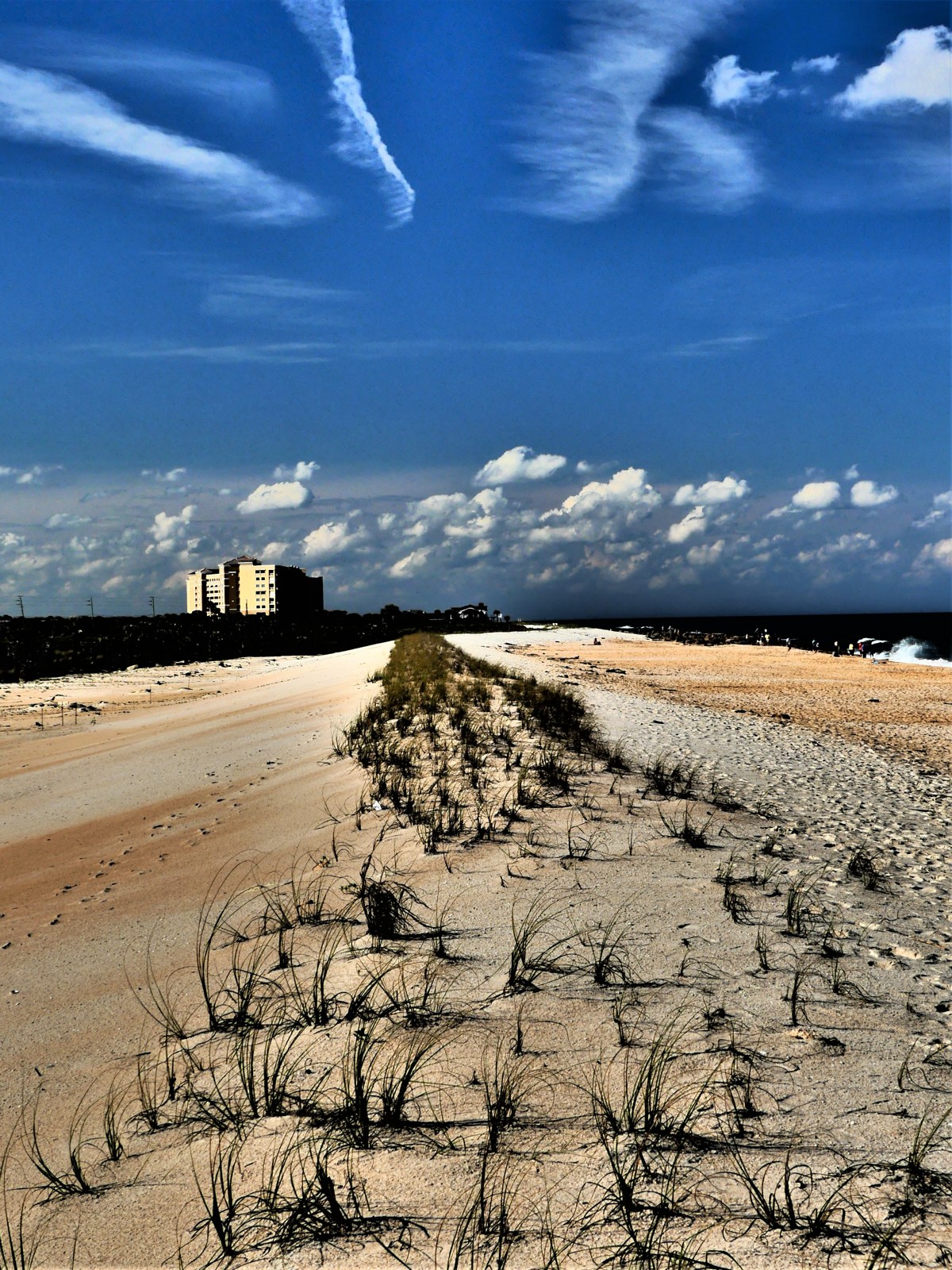
midway between St. Augustine and Daytona. We were in search of Betty Steflik Memorial Preserve, a cache of 217 acres of marsh and mangroves tucked beneath the Highway 100 causeway,

and bordering the Matanzas River.

A mile or so of boardwalking through the salt marsh was pleasant though unremarkable. However, it offered me time to play with my newly acquired 1.7X tele conversion lens (see Zoom!).


Anticipating a loop around the preserve, we were surprised that the trail dropped us at a different parking lot annexed to the town’s public works complex that was surrounded by dilapidated residential trailers planted only blocks from the beach.

And so we continued our tour of all things industrial and commercial, until we returned to the preserve entrance.
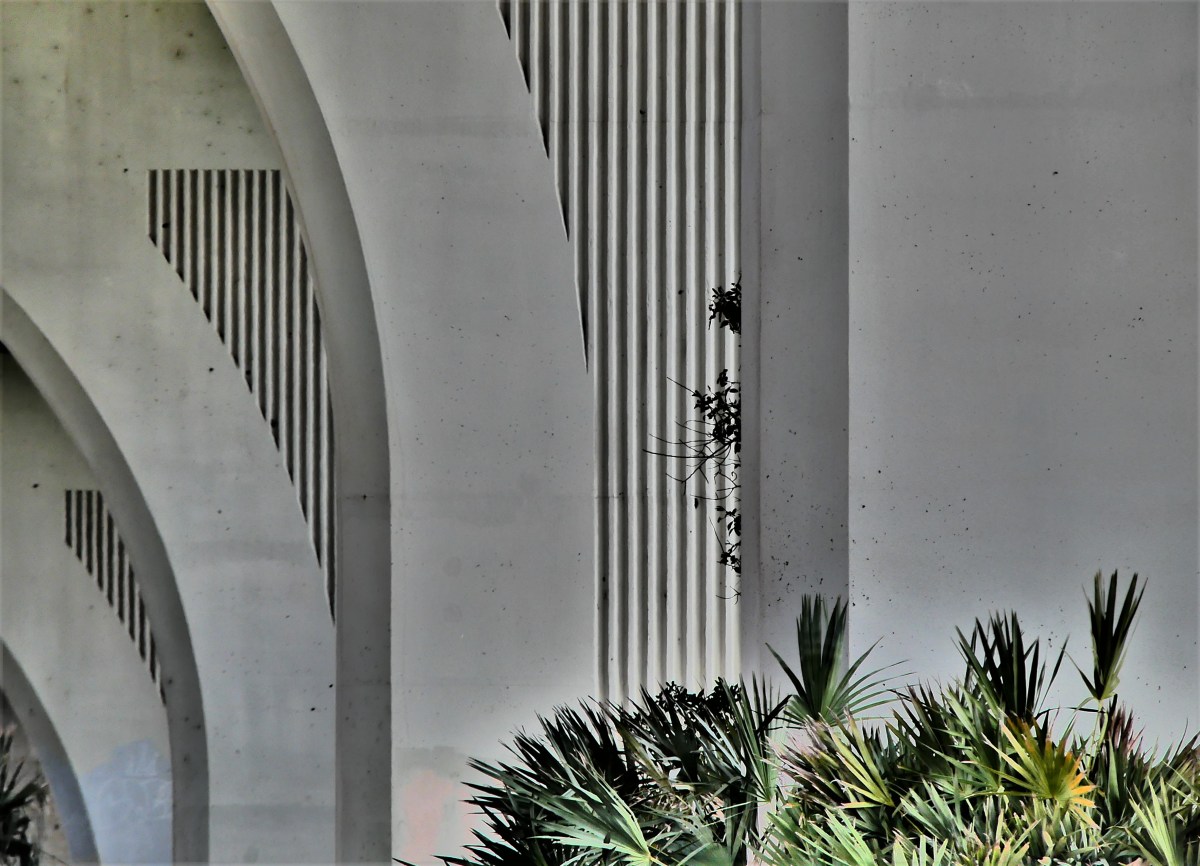
Feeling underwhelmed by our walk-around, I opted for the slow road home, following A1A North on a prayer that the seaside scenery might somehow improve on a somewhat lackluster afternoon.
We passed through nothing of consequence: nondescript shops and eateries, assorted bungalows, big machines for county road repairs, and mainstream subdivisions along the way. But when we reached Palm Coast, the road opened up to a dense maritime hammock of hardwood trees to our left, and I felt compelled to u-turn for a closer look.
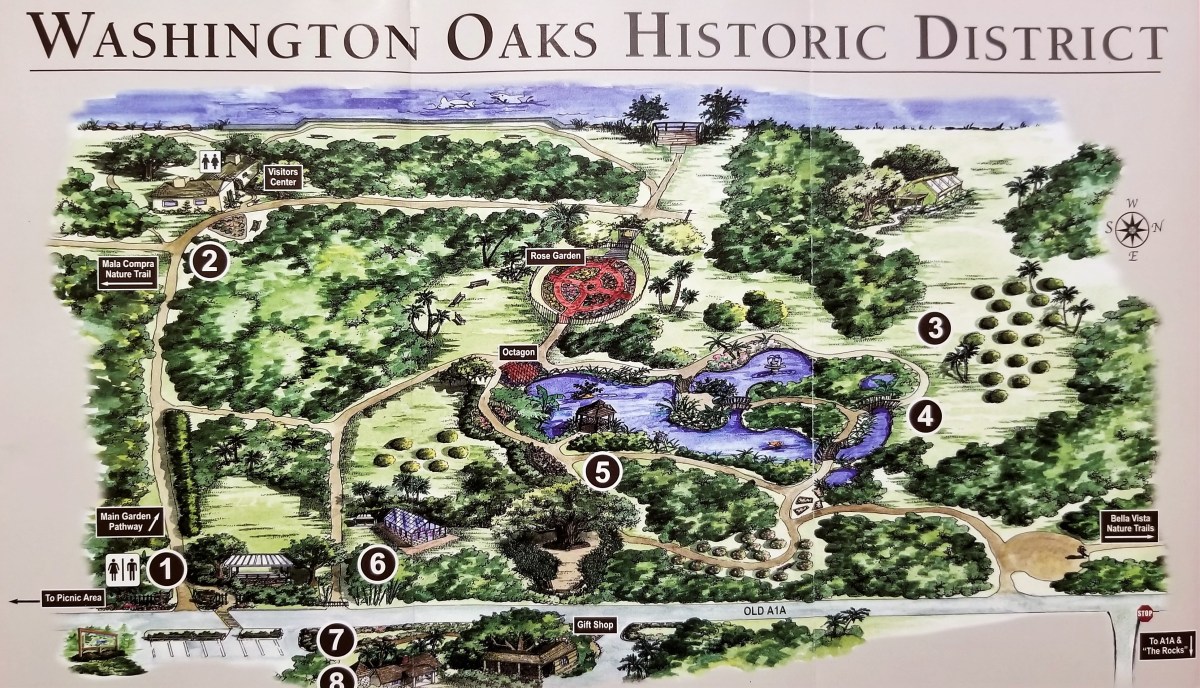
We turned into Washington Oaks Garden State Park,
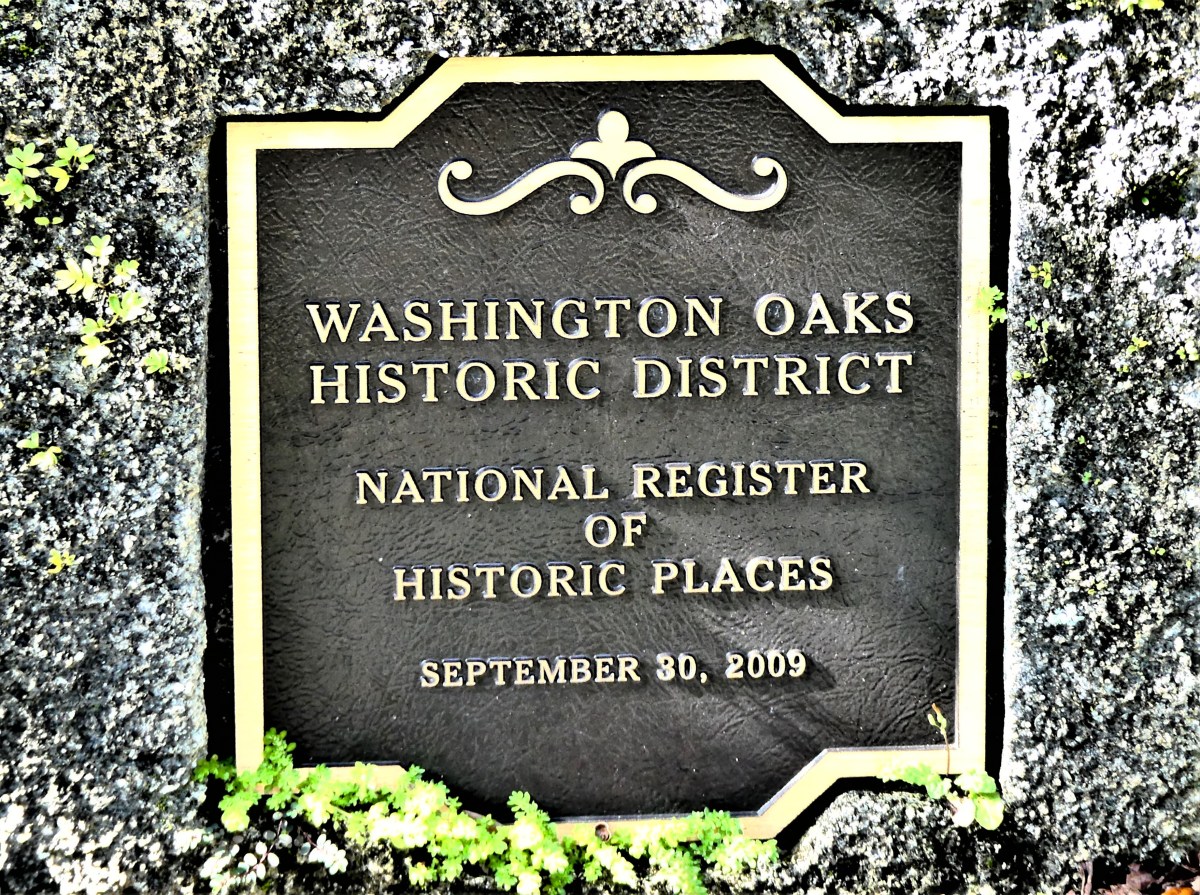
and heard from the gate attendant that the azalea blooms had just reached their peak, and that was enough to pique my interest.
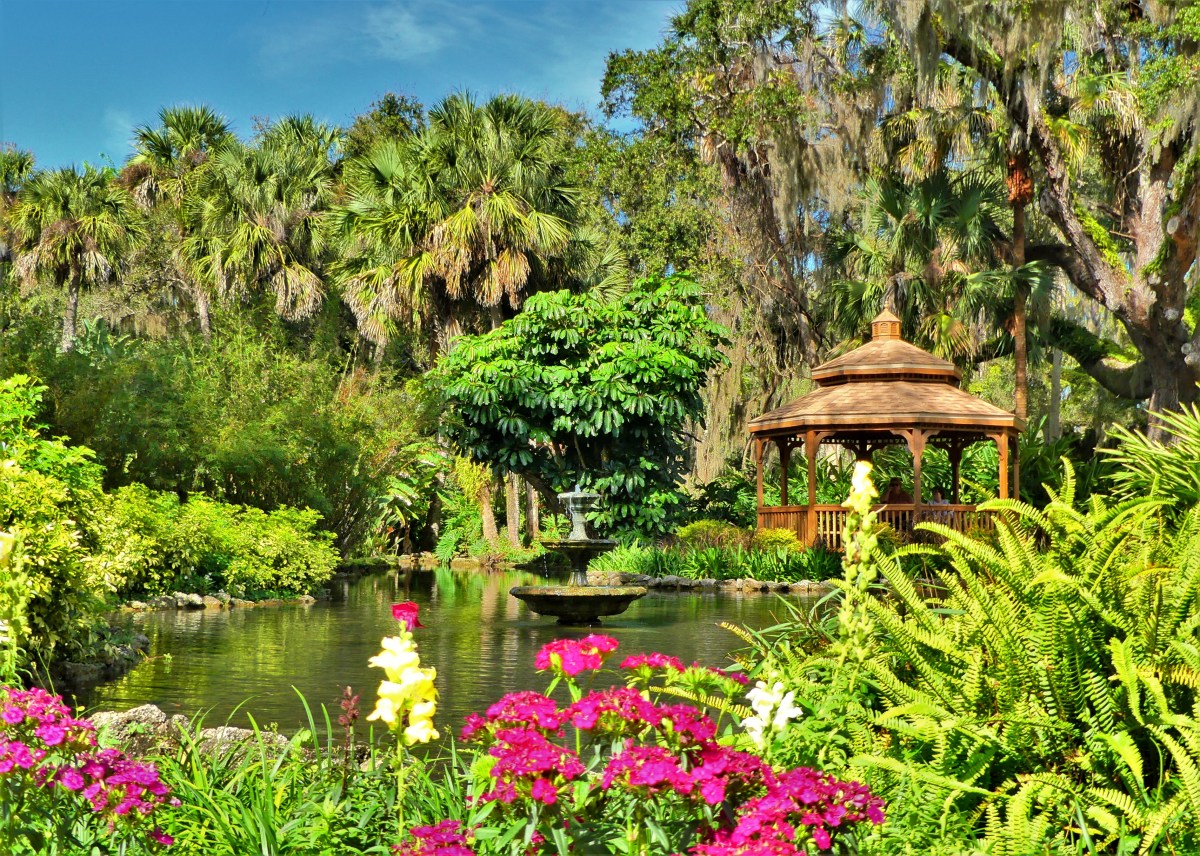
As we completed a self-guided tour of the grounds…
I felt relieved, knowing that our Sunday excursion had been rescued.
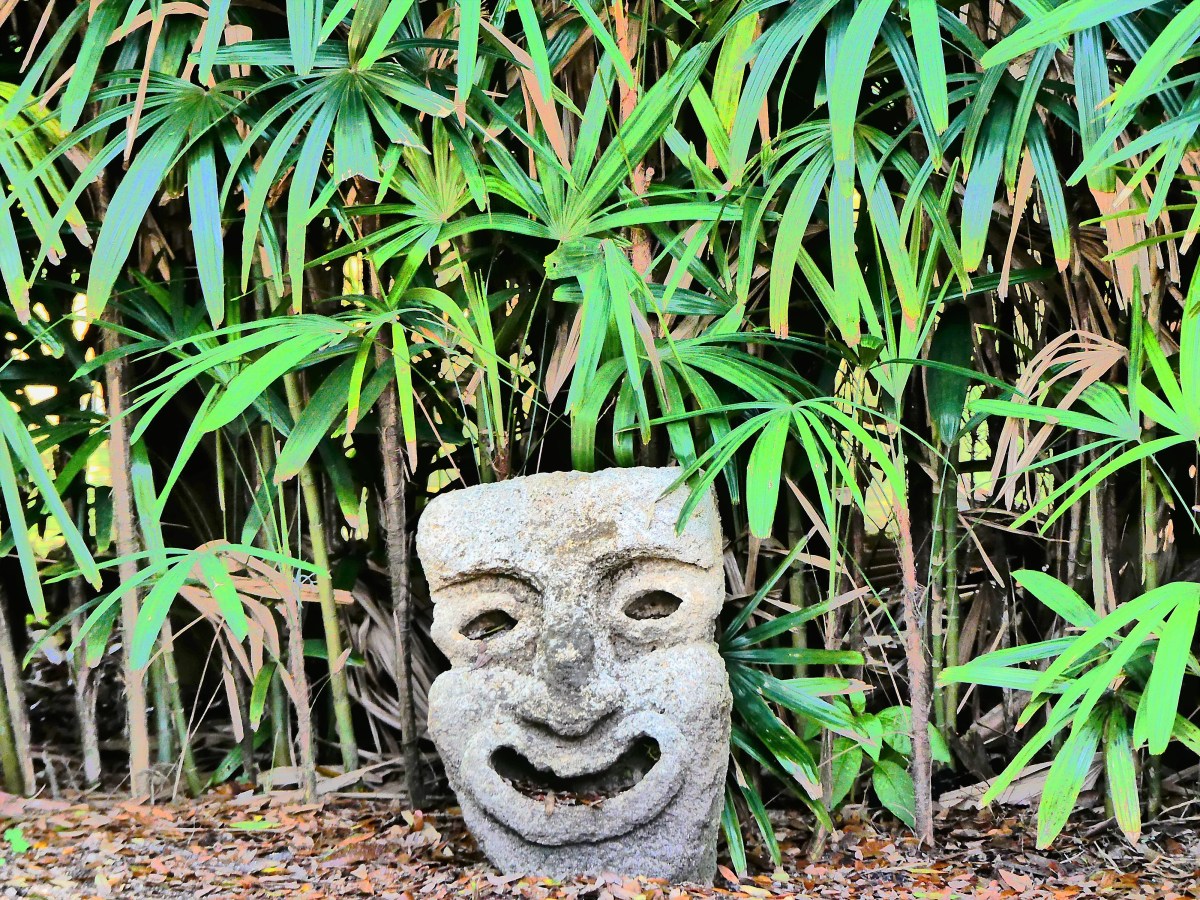
The formal gardens were beautifully unusual,
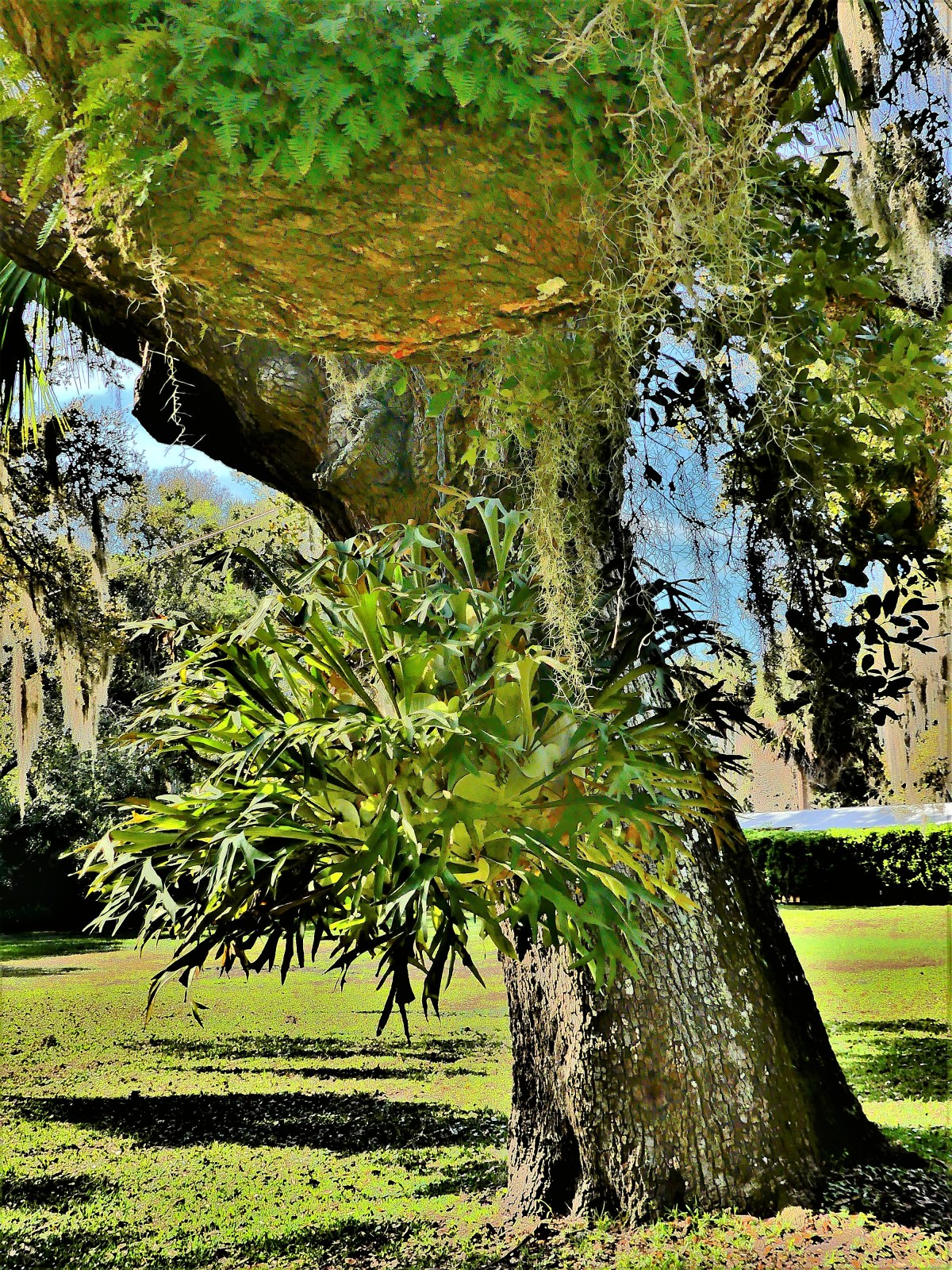
lushly carpeted,

and precisely manicured.
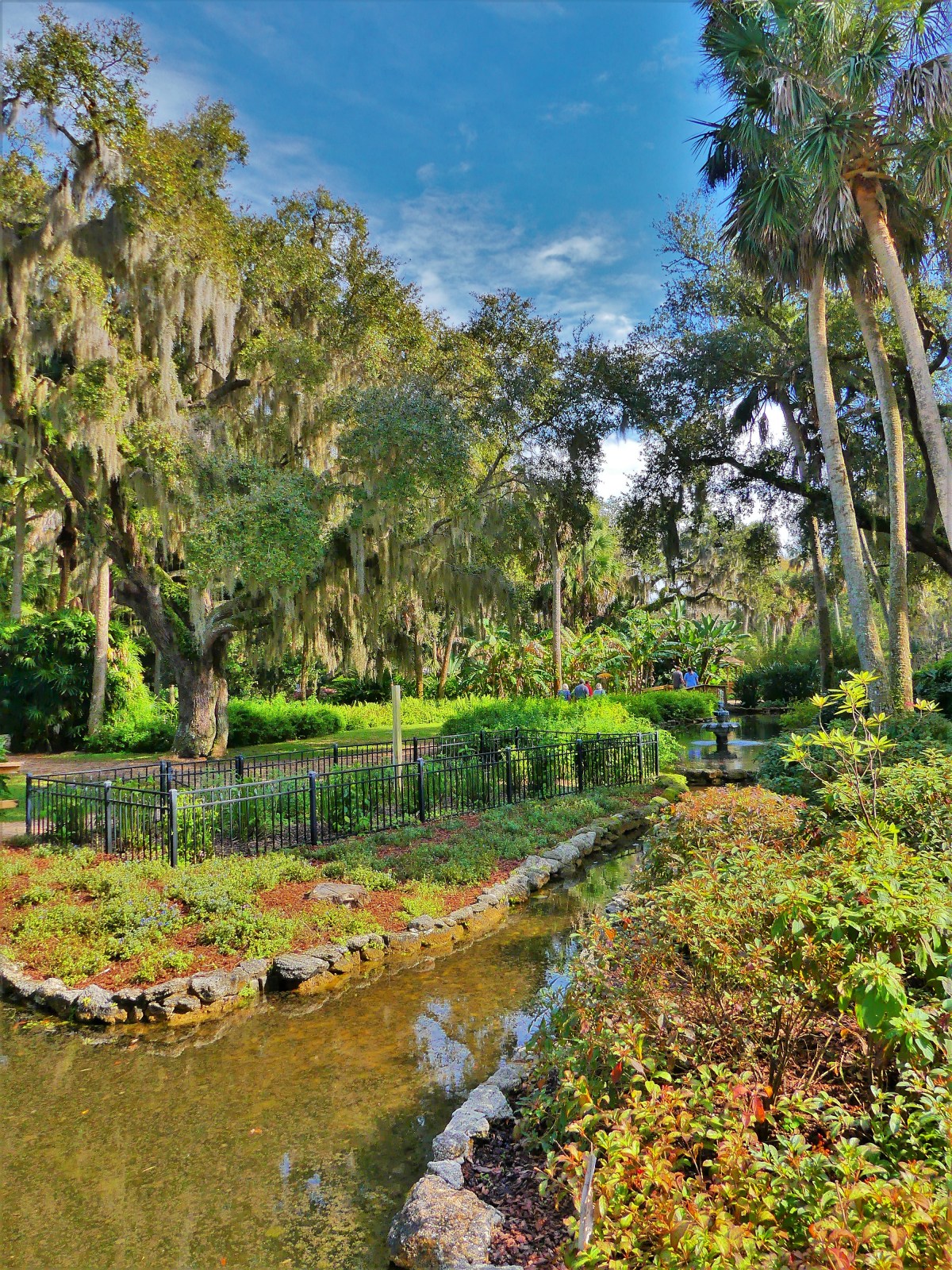
We left the area under partly sunny skies…

knowing that we would return another day to devote more time to the miles of trails through the hammock.
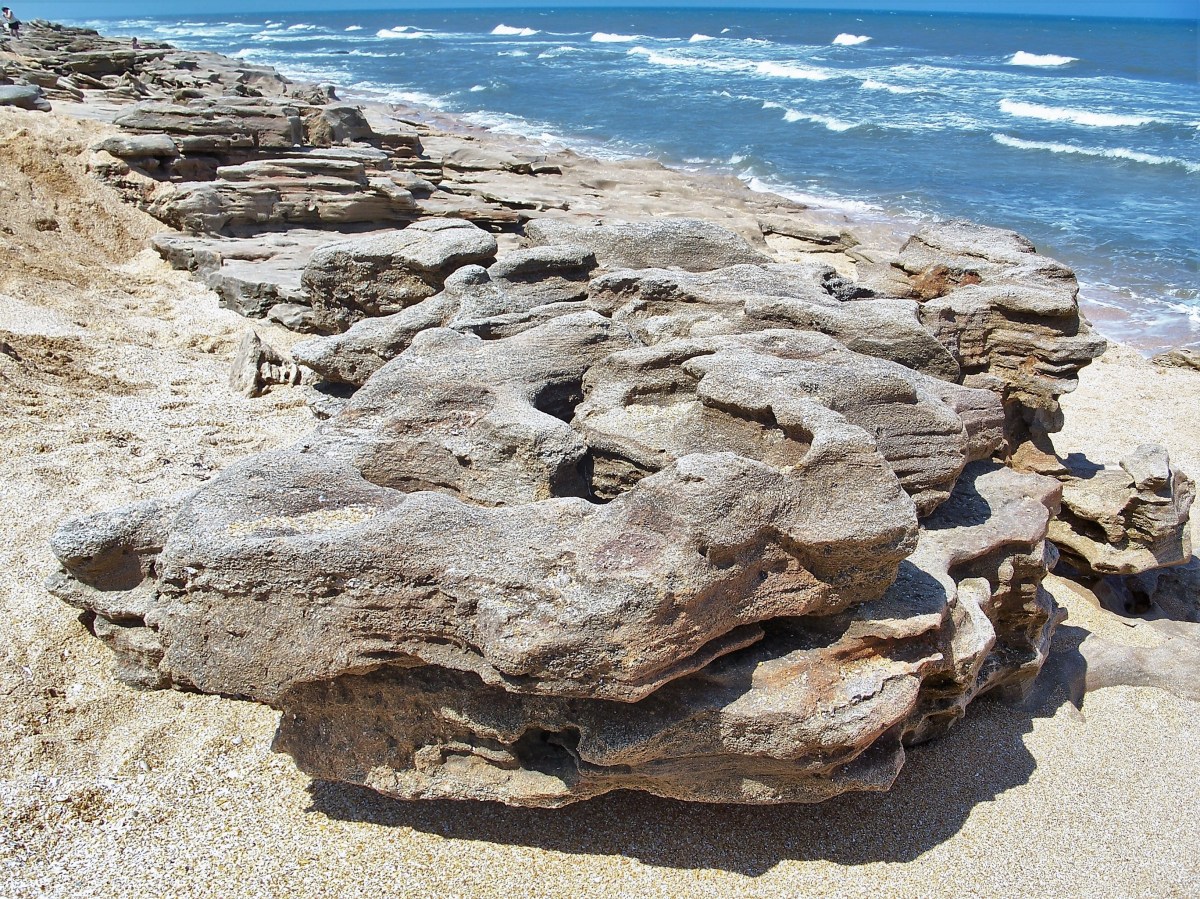
And weather permitting, we will cross the highway to follow the coquina rock formations that line the Atlantic side when the tide is nigh.






 Streaming thru America