Getting to Denver–Part 1

Much has happened since leaving Bonnaroo for Denver. There’s been a long-distance get-together in Rogers, Arkansas with a nursery school buddy from Pittsburgh…

and a long-overdue reunion with family from Pittsburgh, who now reside in Overland Park, Kansas.

We’ve also kept a watchful eye on the weather–always tracking the extreme conditions that have been swirling around us, the likes of tornadoes, hail, flooding, land slides, and record-setting heat streaks–yet with each destination, we’ve mostly managed to dodge a bullet.
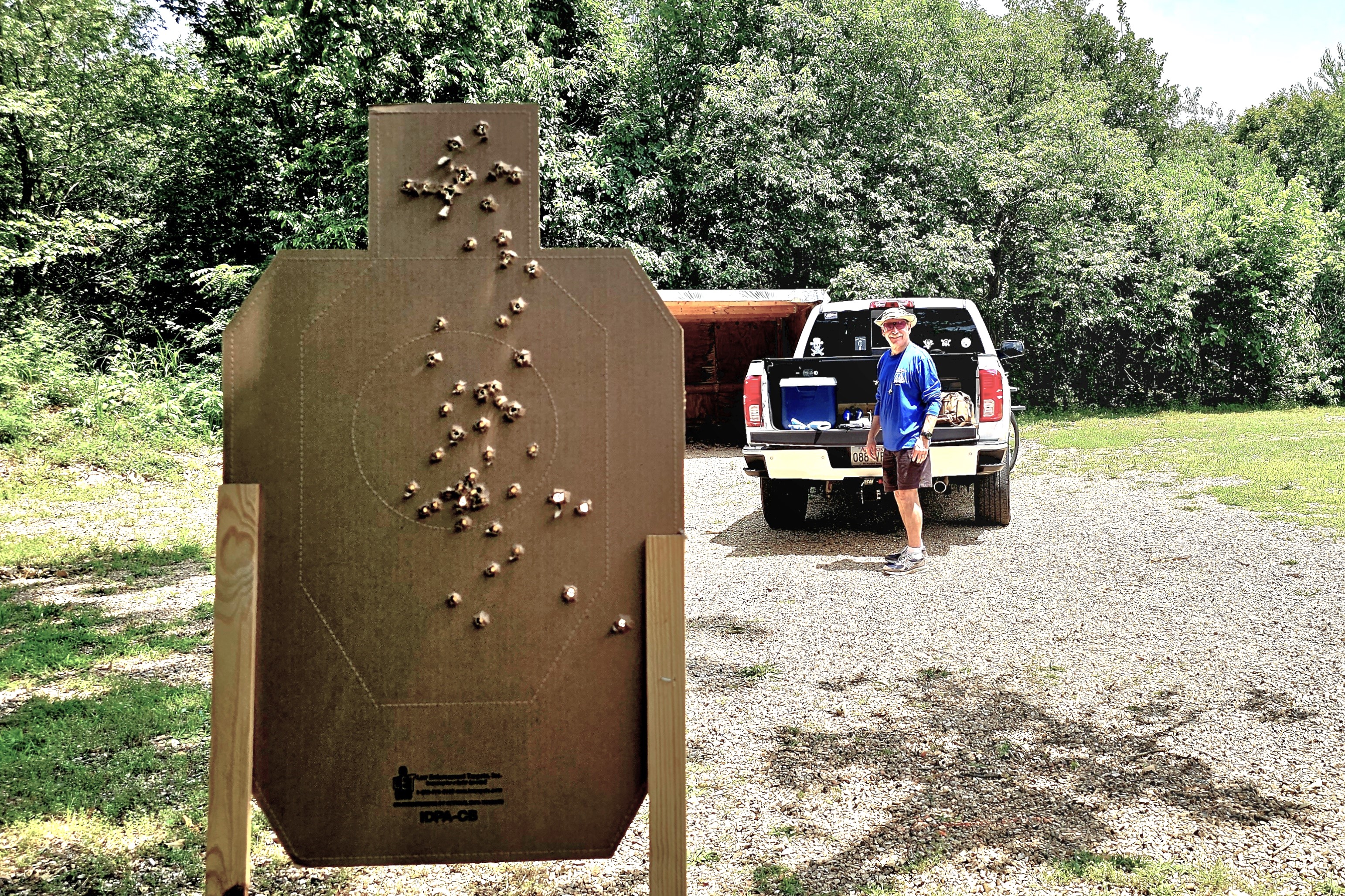
There was also a handful of visits to some iconic sites along the way, and some less familiar, but definitely photo worthy.

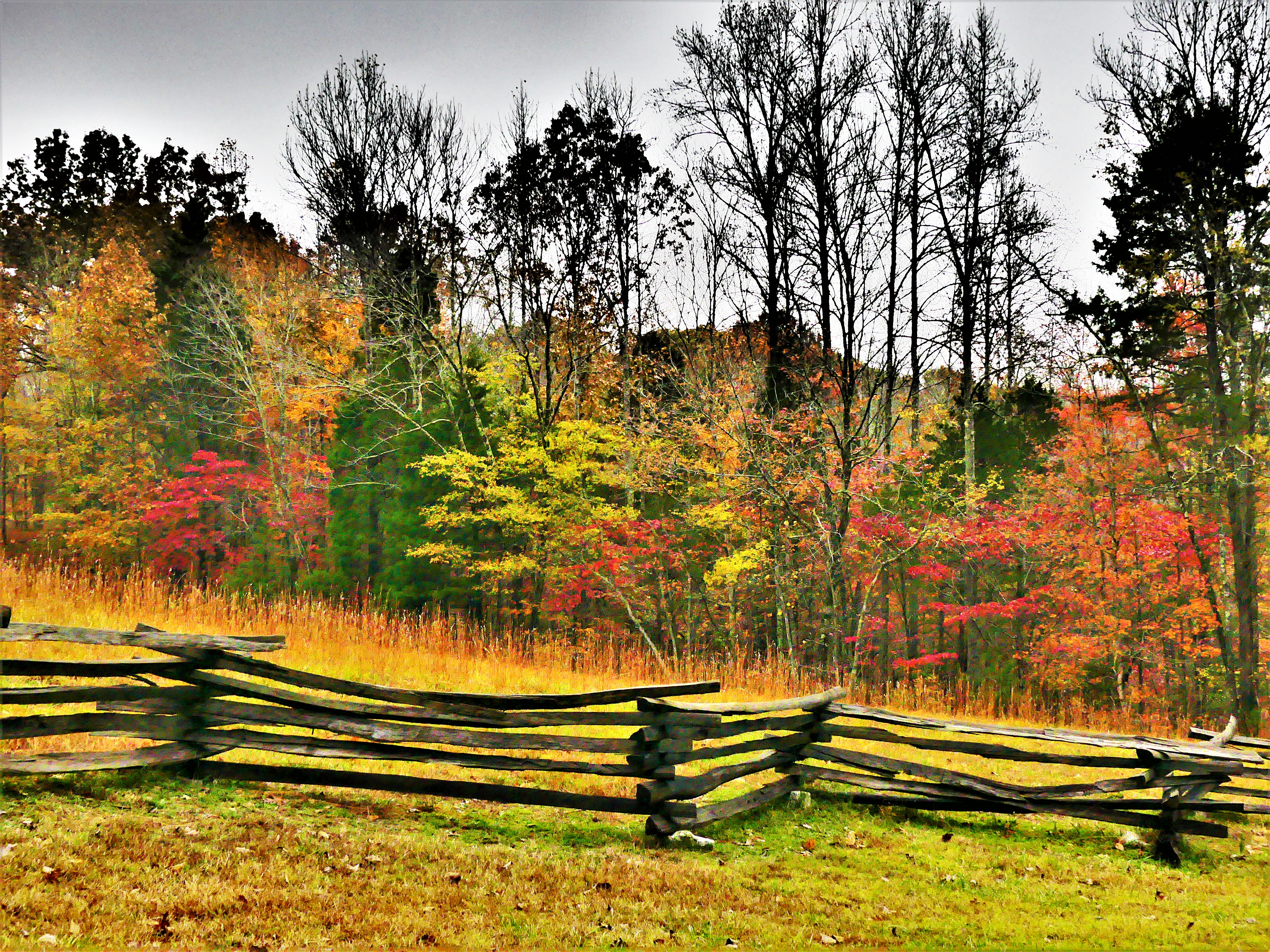
Our first stop took us to Parker’s Crossroads, halfway between Nashville and Memphis, and the site of a celebrated Civil War skirmish in West Tennessee.

It was the final battle for Confederate Brig. Gen. Nathan Bedford Forrest, who managed to outfox the Union brigades of Col. Cyrus L. Dunham and Col. John W. Fuller by escaping with his regiment across the Tennessee River and avoiding certain defeat in the face of an enemy nearly twice the size with two times the artillery.
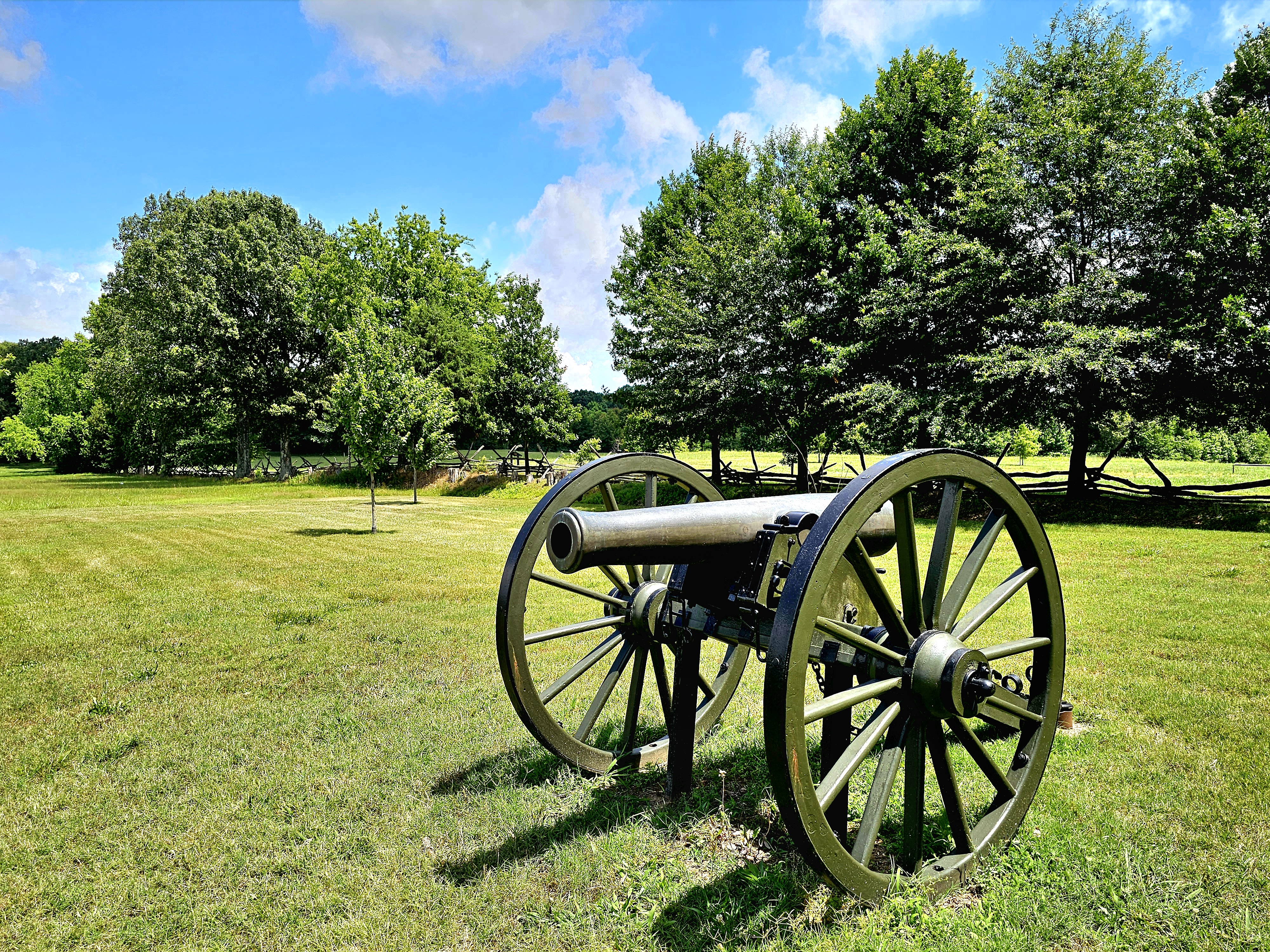
Leah and I took the walking tour past interpretive markers depicting critical moments in the battle, and observed that Parker’s Crossroads battlefield, while a testament to the 737 fallen soldiers,

should also be appreciated for its serenity and pastoral scenes.
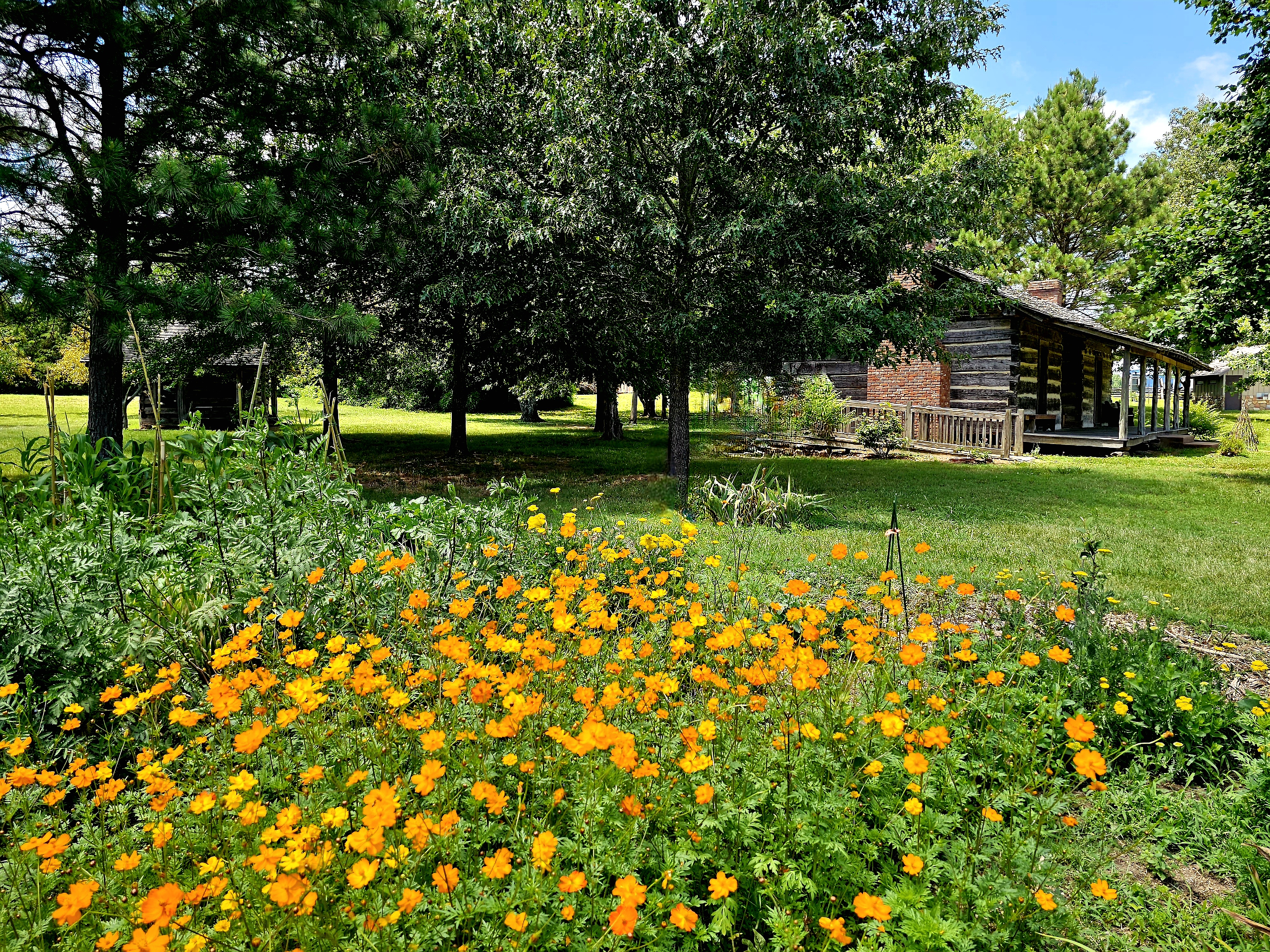
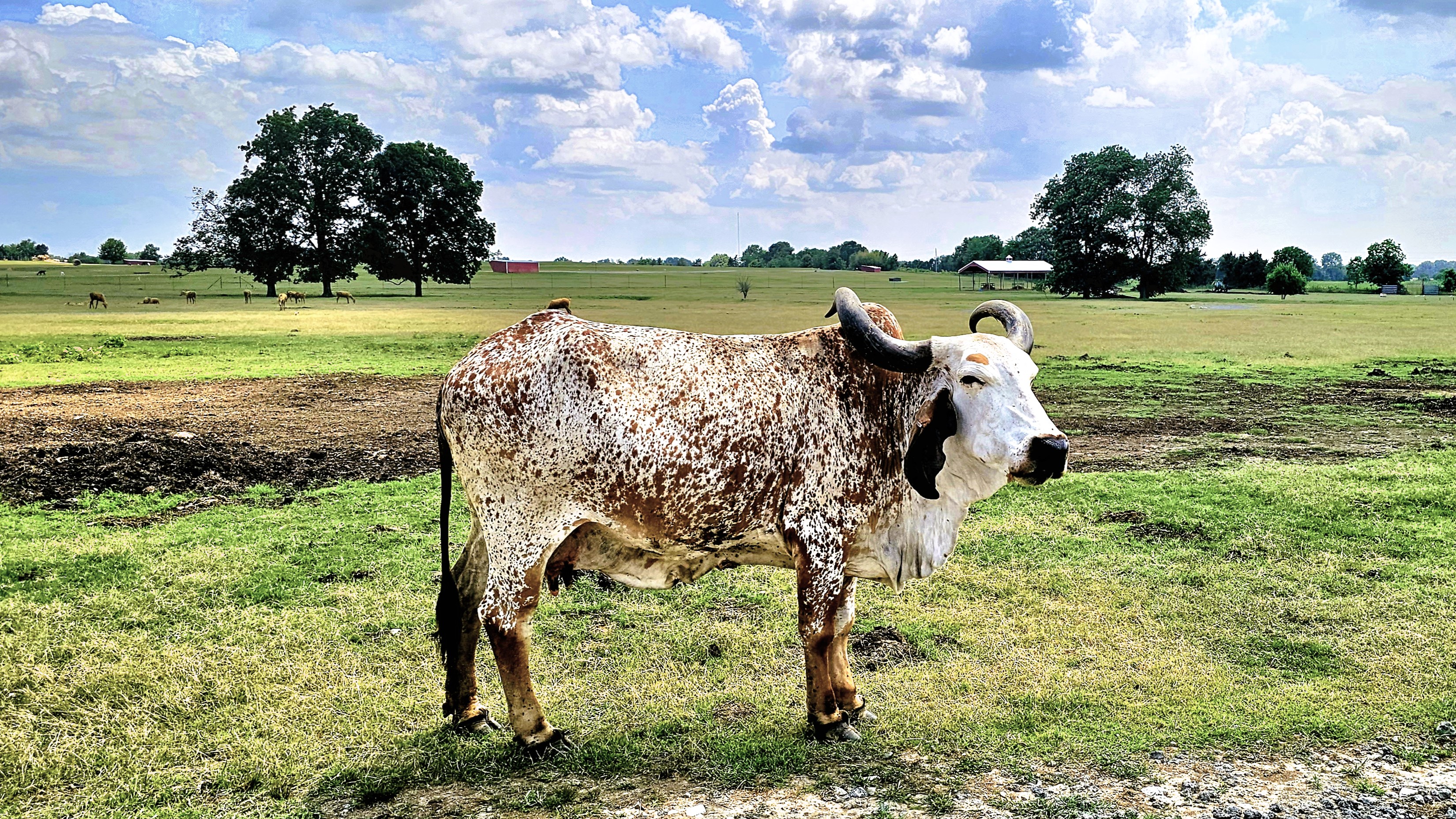
Only 45 miles west of us was Tennessee Safari Park in Alamo,

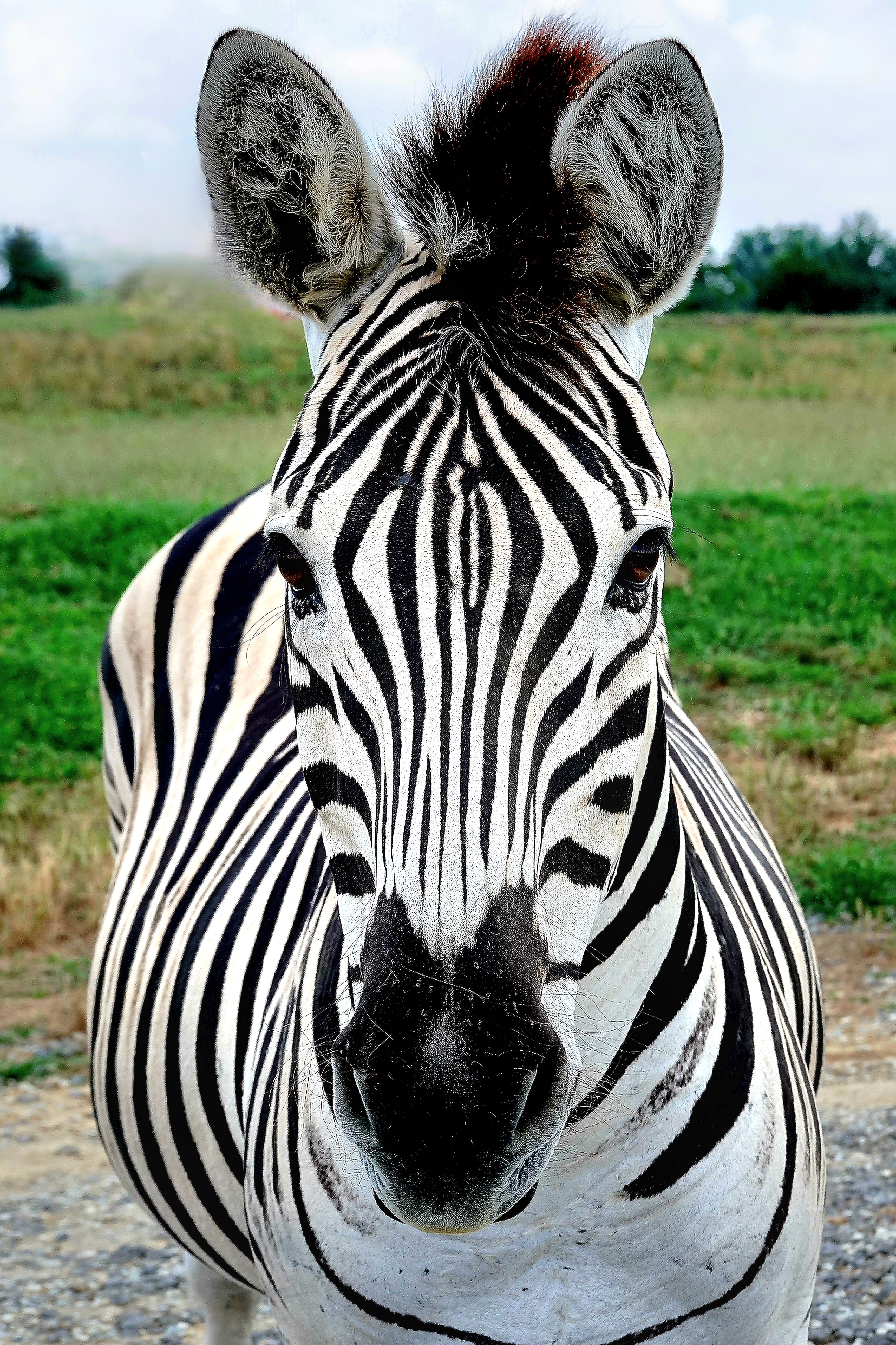
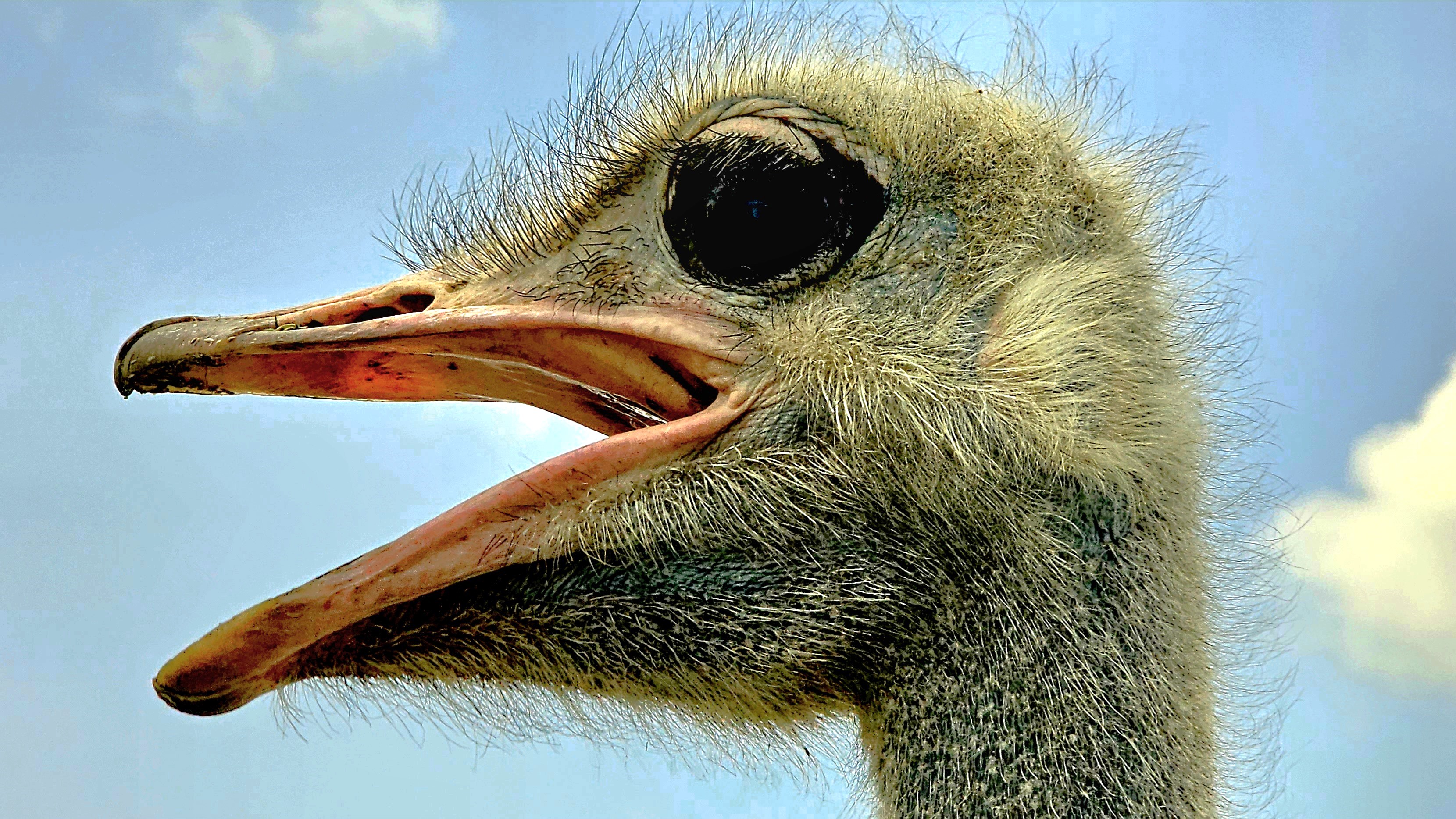
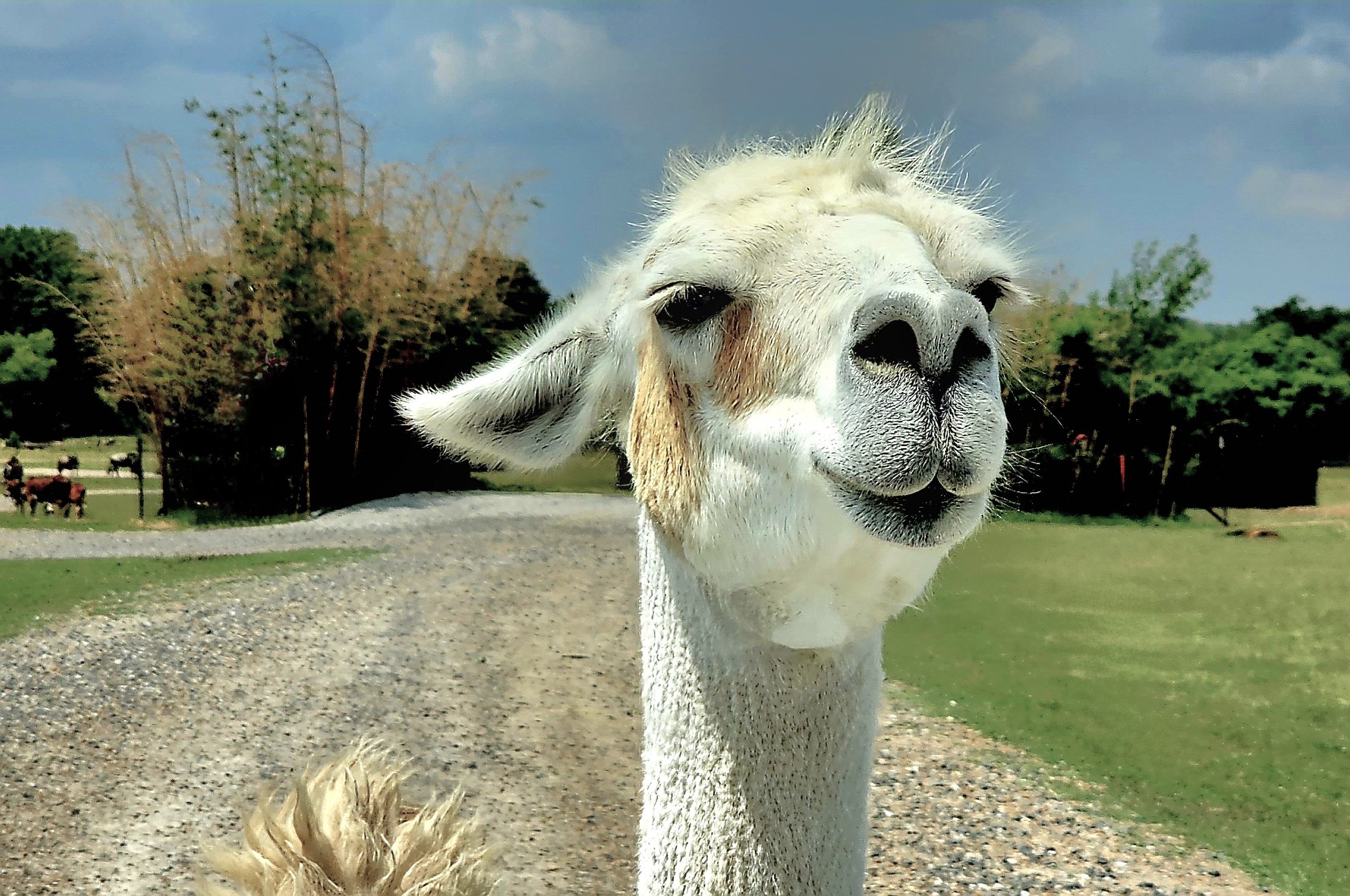
where we looped around a drive-thru zoo for an hour with 4 buckets of animal nachos for hungry wildlife roaming freely throughout the fenced prairie. We were immediately greeted by an aggressive mob of ostriches and camels that descended upon our truck sensing a meal was imminent.

With the passenger window down, Leah tentatively extended the bucket beyond the door, only to have the bucket ripped from her hand by a dromedary with no manners and fewer eating skills.

Kibble went flying everywhere–inside and outside the truck. Even today, I’m still fishing out morsels between the seats. Lesson learned.

However, the lure of food was a perfect ploy for pet portraits…
Continuing west, we traveled to Little Rock, home to the Clinton Presidential Center, dedicated on November 18, 2004.

We parked the Airstream directly across the Arkansas River in North Little Rock by a decommissioned WW II tug and sub…

and cycled the long way around the riverwalk trail (some of it kinda sketchy),

past the Big Dam Bridge…

until we circled back 8 mi. to Clinton’s library–a hulking structure clad in glass screens that cantilevers over the Arkansas River as a symbol of “building a bridge to the 21st century.” And it was air conditioned!
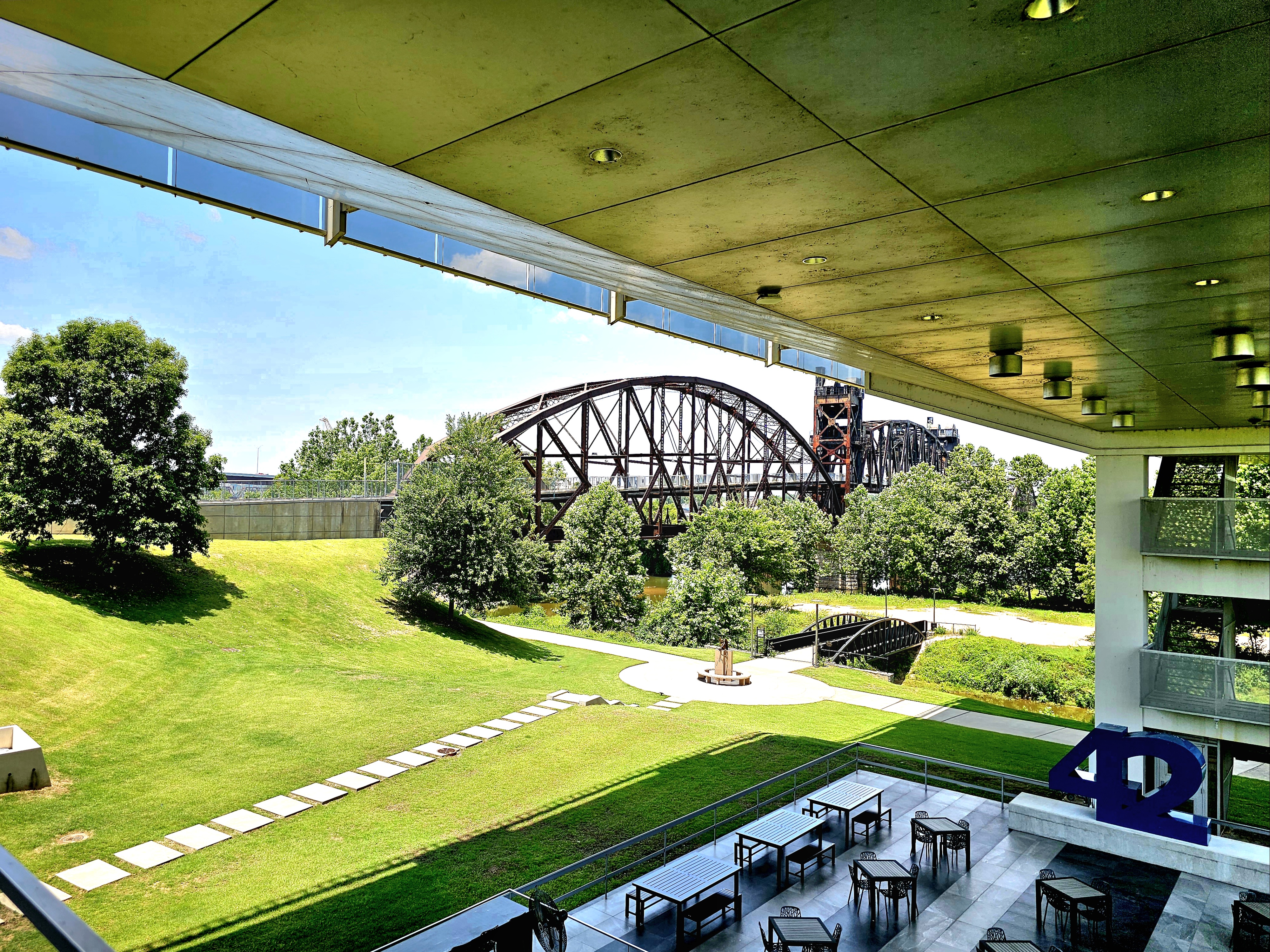
The building that houses Clinton’s legacy is enormous enough to collect and archive 2 million photos, 80 million document pages, 21 million e-mails, and 79,000 artifacts from the Clinton years (1993-2001).

Appealing graphics break down the headlines and the issues of the time: year by year, month by month, surrounded by wings dedicated to domestic policy, diplomacy, economy, education, civil rights, and scandal. It’s all on display throughout the Main Hall, modeled after the Long Room of Trinity College in Dublin.

Exhibits feature Clinton’s campaigns;

Clinton’s security;

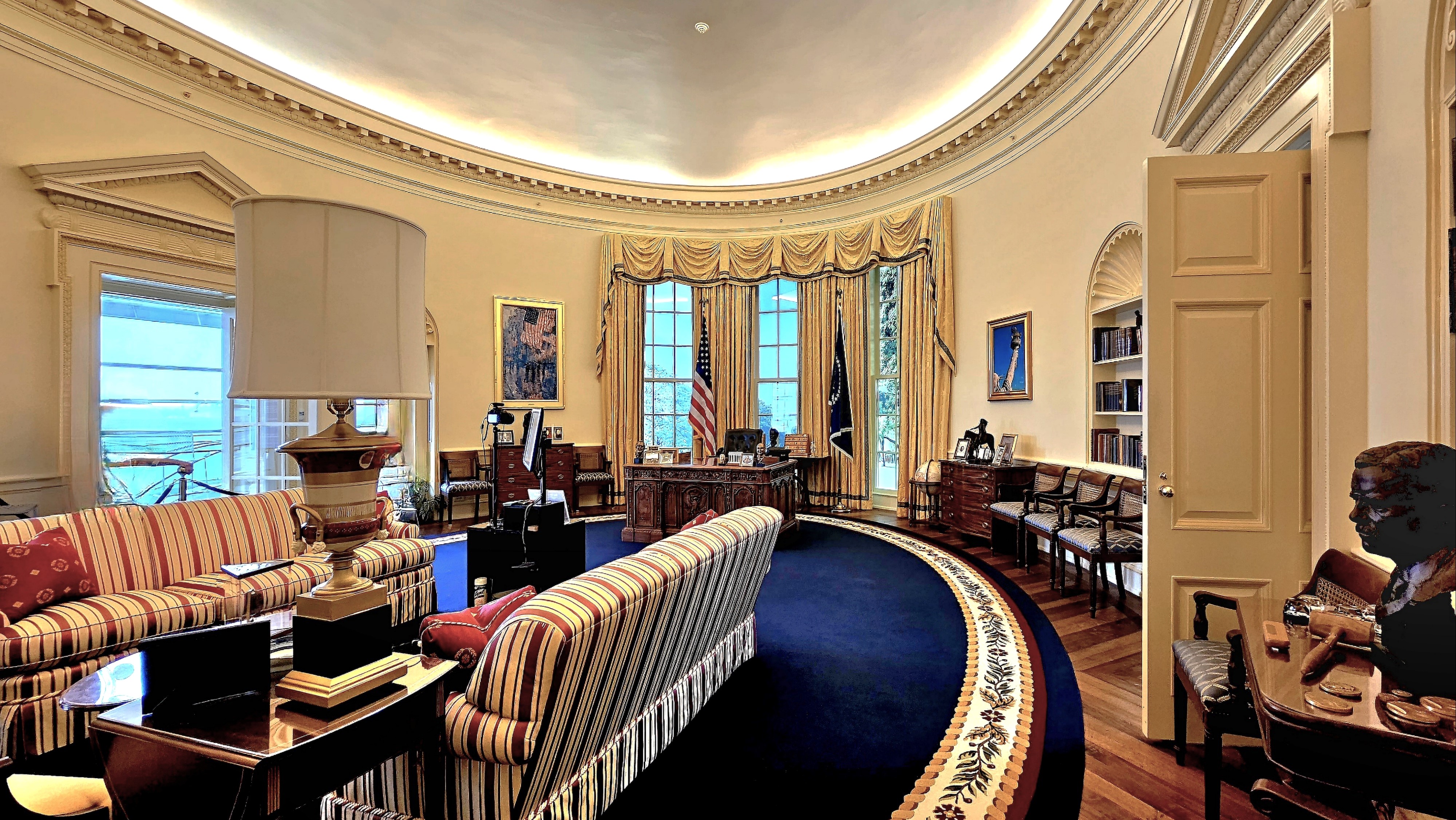
Clinton’s Oval Office;
State dinner receptions under Clinton:

and impressions of Clinton by character experts.
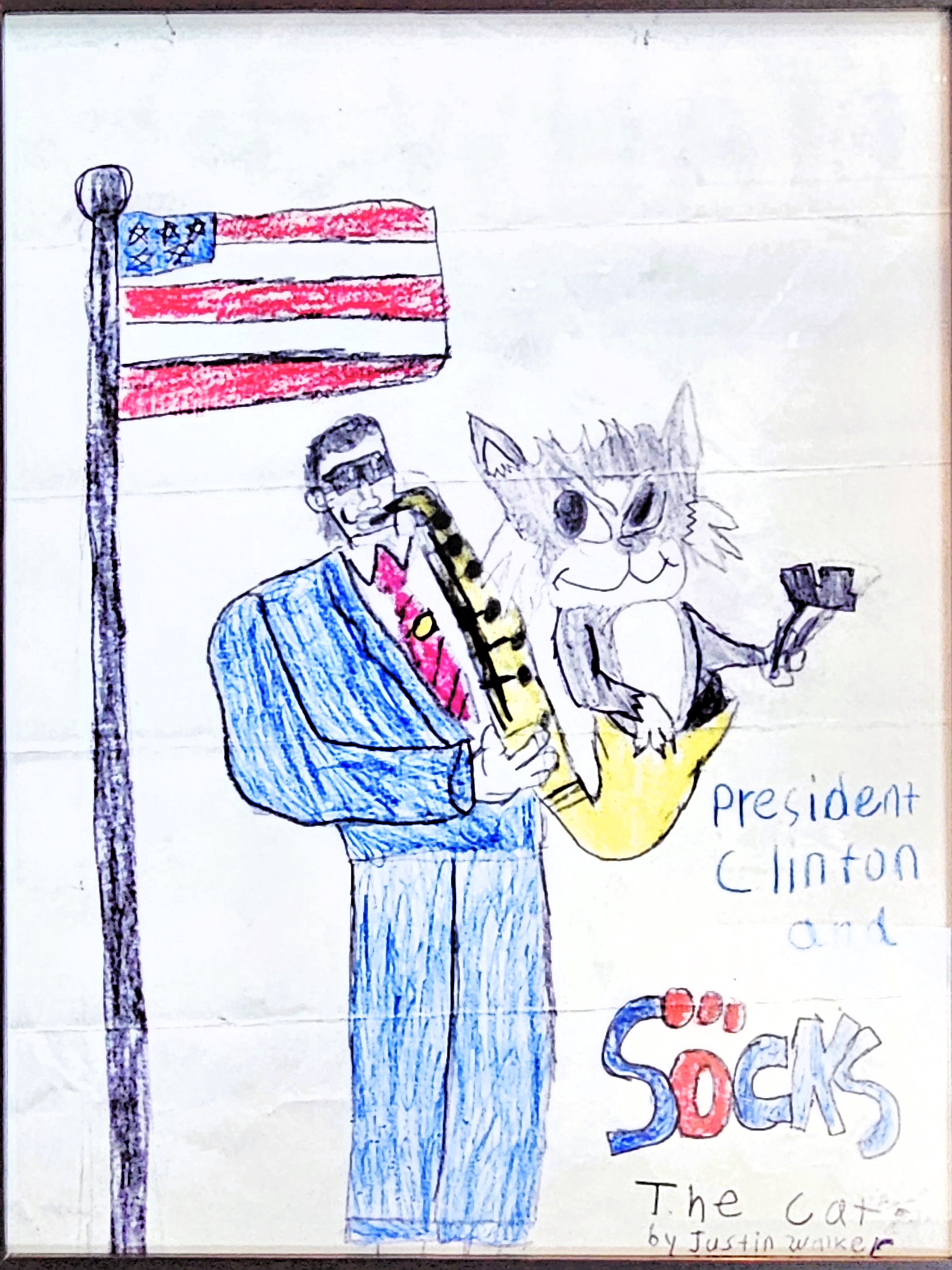
Our journey to Denver continues through Kansas…

Harpers Ferry–Then and Now

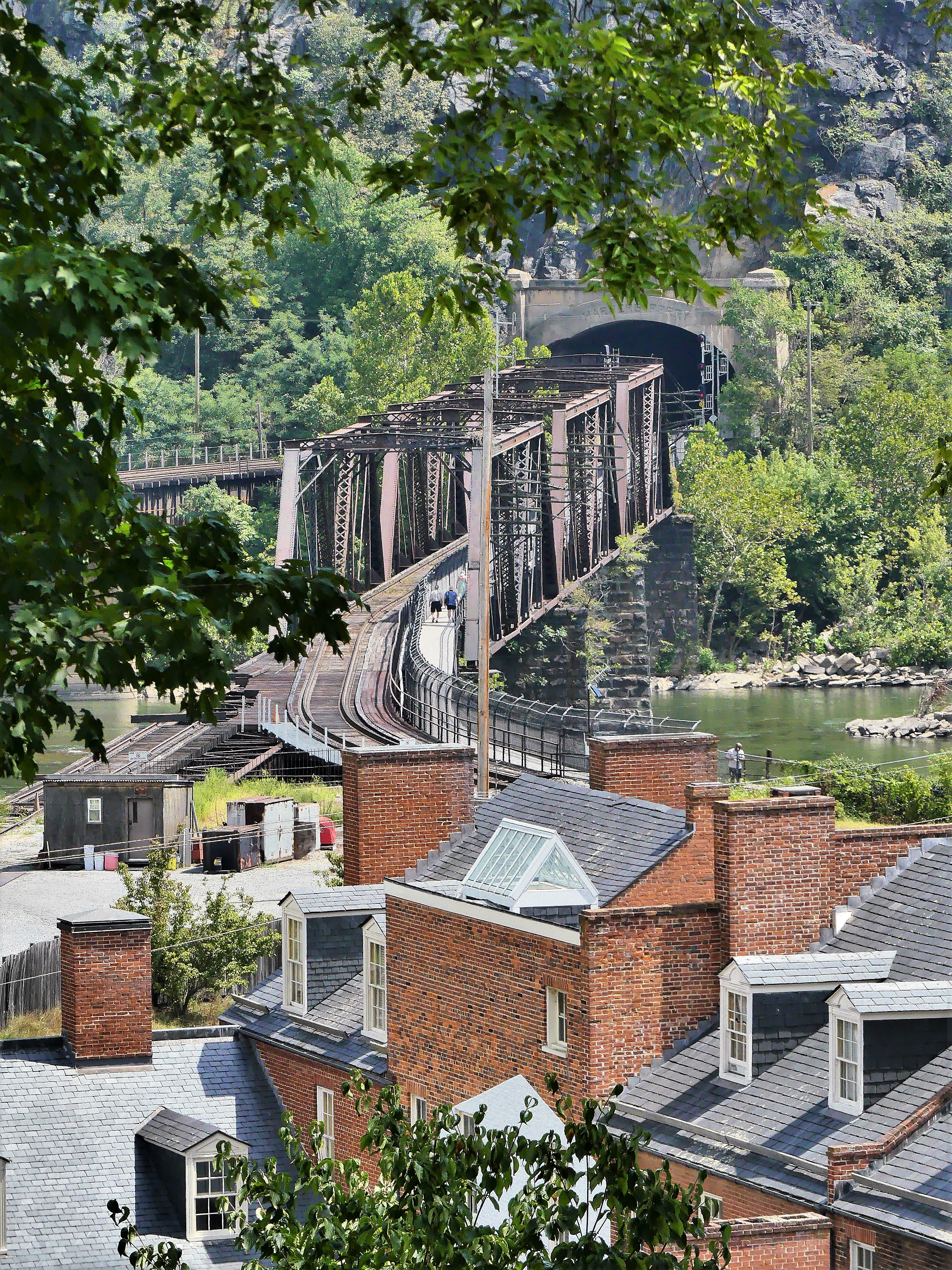
One hundred and sixty years ago, John Brown and his abolitionist brigade played a pivotal role in American history by raiding the South’s largest federal armory in Harpers Ferry with the intention of fueling a rebellion of slaves from Virginia and North Carolina, and envisioning a subsequent society where all people–regardless of color–would be free and equal.

confluence

The initial siege caught U.S. soldiers off guard and the armory and munitions plant were captured with little resistance. Brown’s marauders took sixty townsfolk hostage (including the great grandnephew of George Washington), and slashed the telegraph wires in an attempt to isolate the town from outside communication.

barrels

However, a B&O passenger train, originally detained at the bridge, was allowed to continue its journey to Baltimore, where employees sounded the alarm and troops were immediately dispatched to quell the insurrection.

trestle

In another of Brown’s miscalculations, the local militia pinned down Brown’s insurgents inside the engine house while awaiting reinforcements,

militia

yet newly freed slaves never came to his rescue.

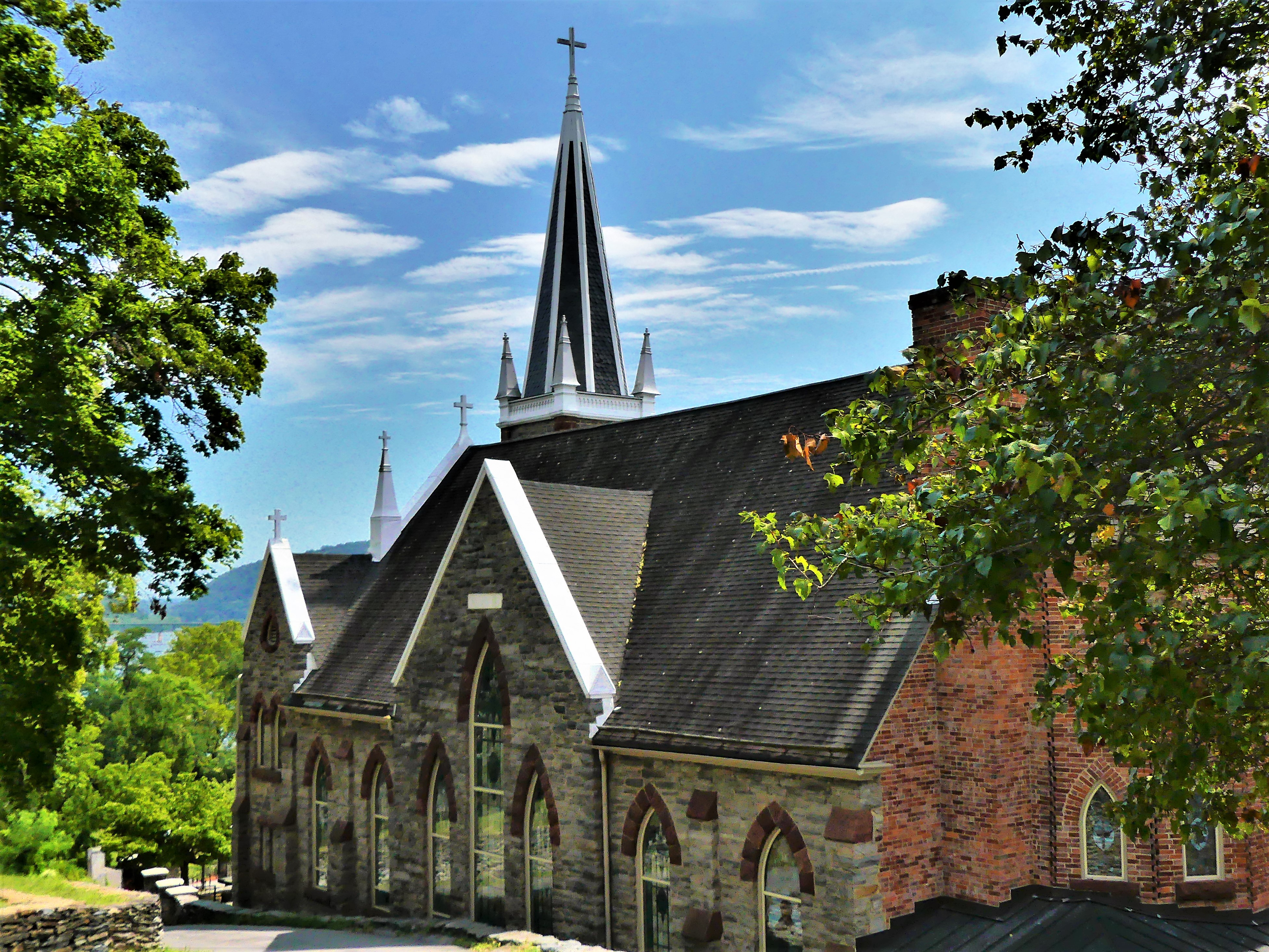
St. Peters

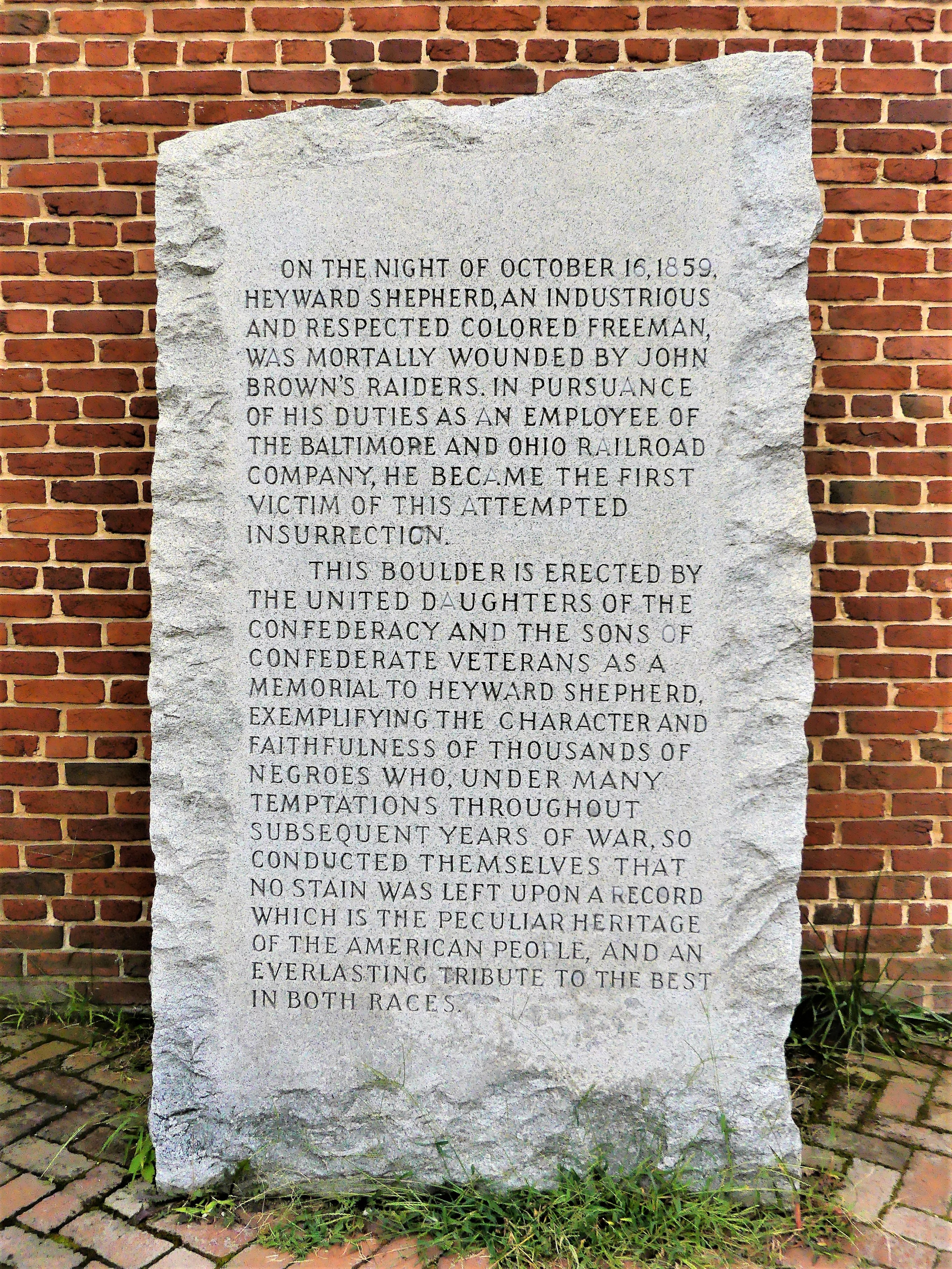
Ninety U.S. Marines under Colonel Robert E. Lee’s command arrived by train the next evening and successfully stormed the stronghold the following day. When the dust had settled, ten of Brown’s raiders were killed (including two of his sons),

Heyward Shepherd memorial.jpg

five had escaped, and seven were captured, including John Brown.

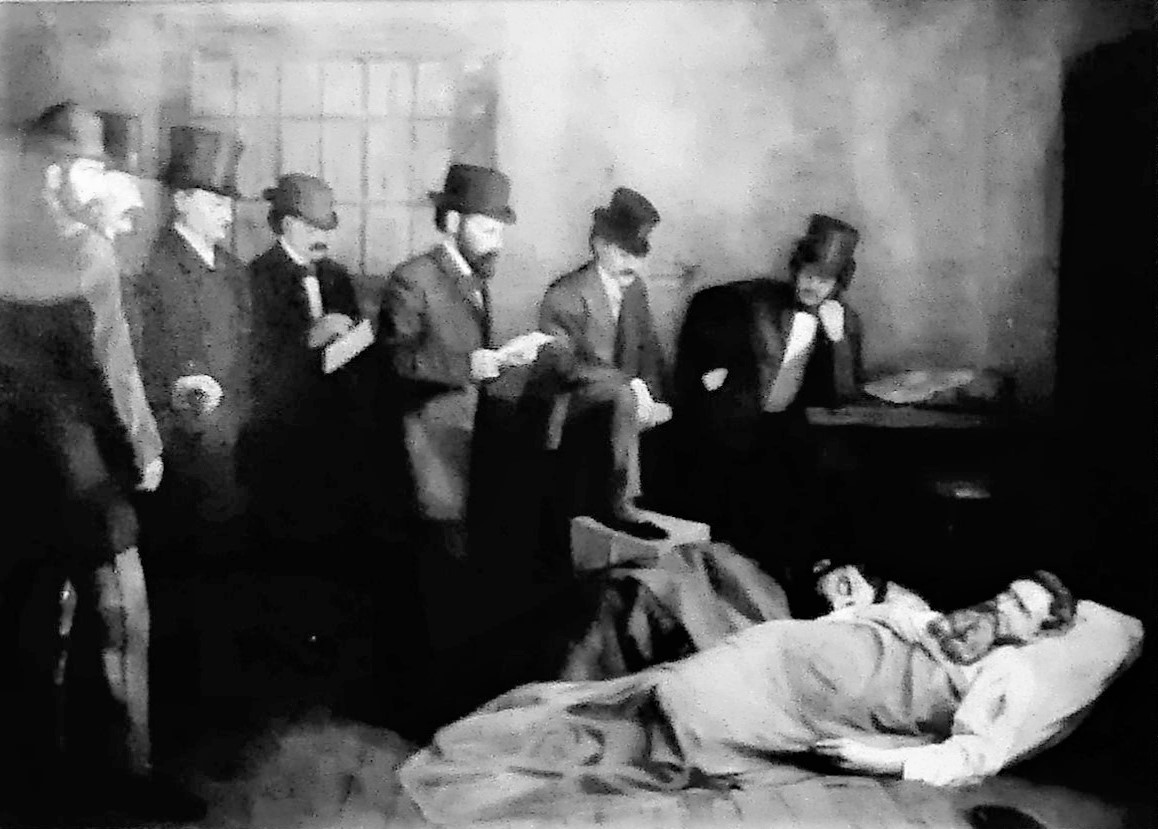
questioning after capture

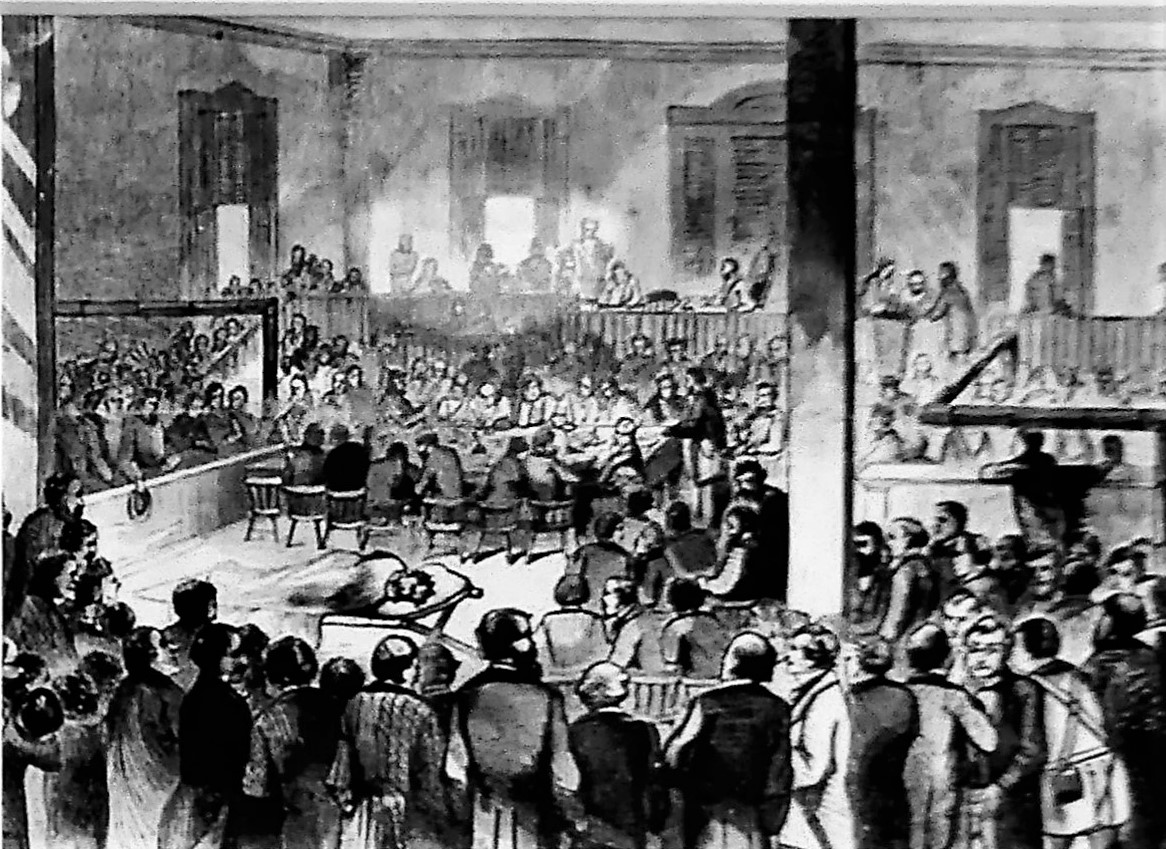
John Brown was quickly tried and convicted of treason against the Commonwealth of Virginia.

trial

Just before his hanging on December 2, 1859, Brown prophesied the coming of civil war: “I, John Brown, am now quite certain that the crimes of this guilty land will never be purged away but with blood.”

hanging

How right he was! To the North, Brown was a martyr; to the South, he was a traitor. To a fractured and fragile country, he was the first American to be sentenced and executed for treason.

John Brown (2)

John Brown’s raid and subsequent trial hardenened the separatism between the country’s abolitionist and pro-slavery factions,

Appalachian Trail

…and advanced the disparate and insurmountable ideologies of the North and the South, until only the Civil War could satisfy the issue and begin healing the nation.

stone stairs to heaven


The term treason has been loosely bandied about of late and with tremendous fanfare, albeit little distinction. It’s become a familiar talking point for Donald Trump, whose insulting language and hyperbolic demagoguery continue to rouse his supporters as it diminishes the civility of our national conversation.

Bold and courageous public servants and patriots who are honor bound to defend democracy have been branded as traitors and accused of treasonous behavior because they dare to speak out against corruption and wrongdoing inside the White House.

white house

And the implications are worrisome, for the stakes are high. In a country that values free speech, treason is not about displaced loyalties; it has nothing to do with political dissent; and it has no standing in speaking truth to power. Treason is about pledging allegiance to power and greed instead of American values, like diversity and unity.

As before, politics continues to polarize the nation,

church nave (2)

while our Legislative Branch of government seeks a constitutional remedy against the Executive Branch through an impeachment process. And once again, ideological differences have fostered veiled threats of civil war.

If history is to be our guide, then John Brown must be our beacon. During his sentencing he lamented, “…had I so interfered in behalf of the rich, the powerful, the intelligent, the so-called great, or in behalf of any of their friends…and suffered and sacrificed what I have in this interference, it would have been all right; and every man in this court would have deemed it an act worthy of reward rather than punishment.”

gravesite

Sounds remarkably familiar.

More than ever, we must steer through political currents, and find our way around deception, obfuscation and misdirection if our democracy is to stay afloat.

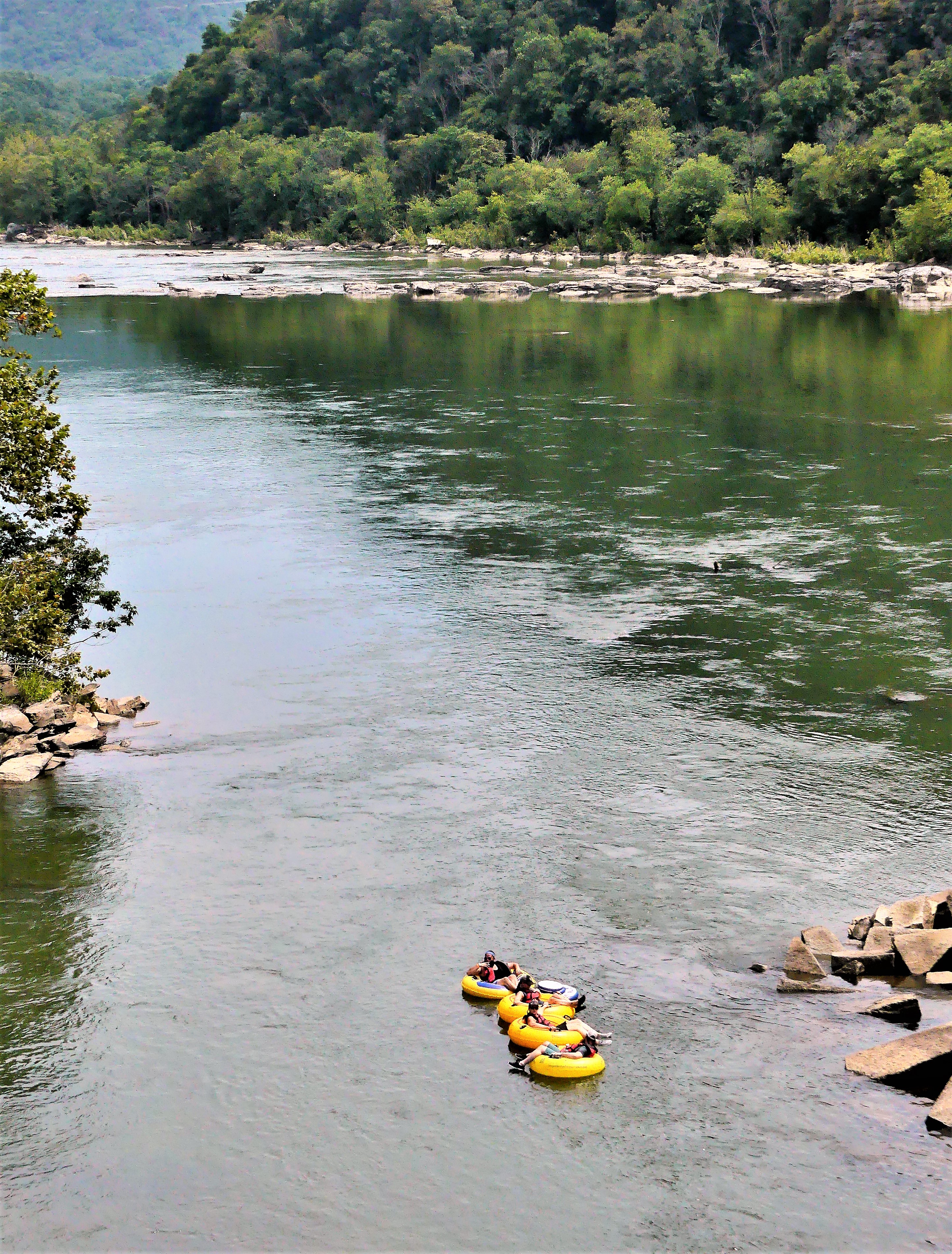
floating

Southern Fortitude

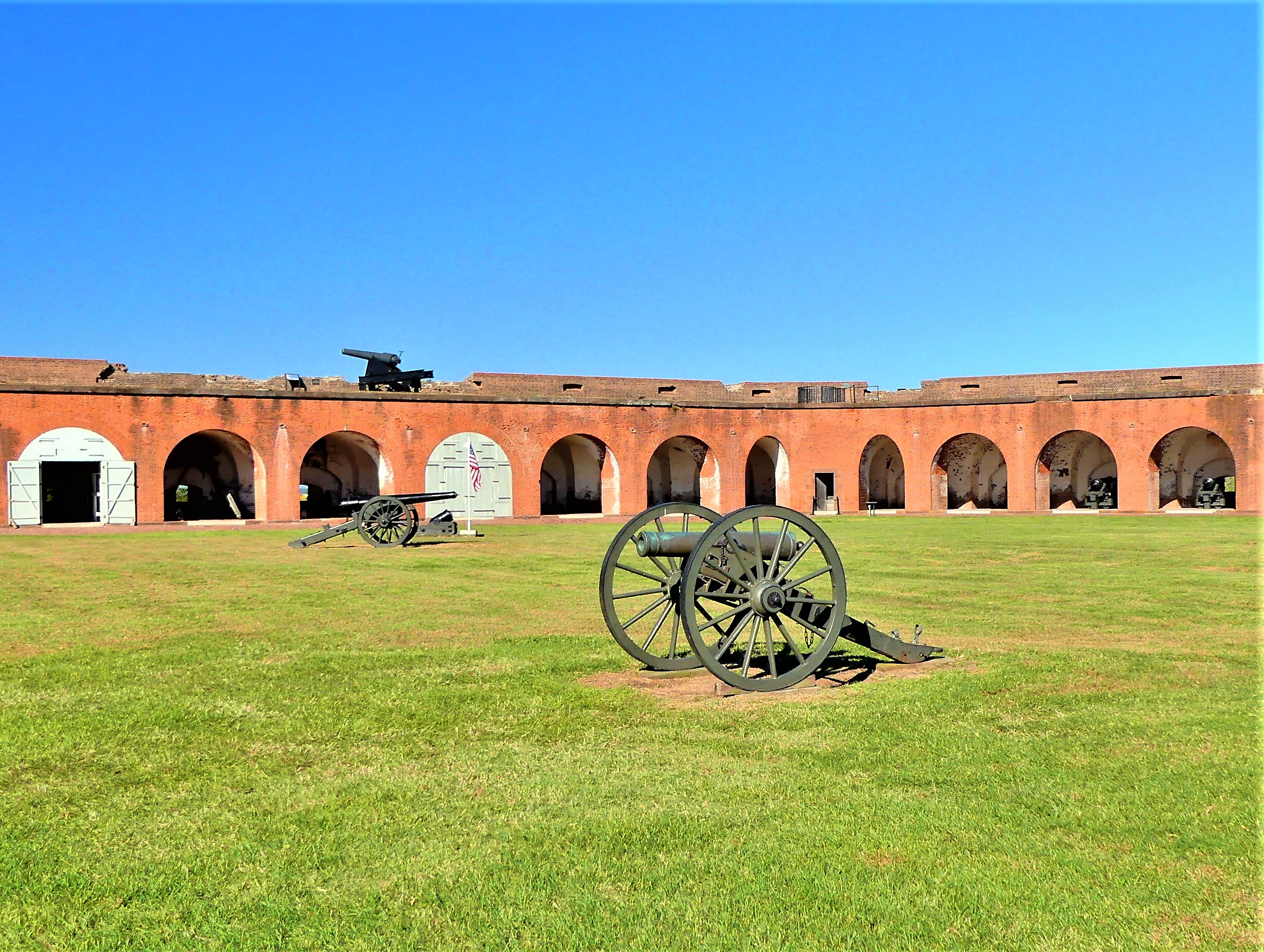
It was a bad day for Col. Charles Olmstead and the Confederate Army on April 10, 1862, when Capt. Quincy Gillmore’s Union artillery attacked Fort Pulaski from the northwest beachhead of Tybee Island, forcing its surrender thirty hours later,

direction dial

and proving that a seemingly invincible coastal fortification that required 25 million bricks, 18 years, and $1 million to build could never catch up to evolving weapons technology.

Overview

Even 7½-inch-thick mortar walls were insufficient to protect the Fort’s garrison from the explosive bombardment of Gillmore’s experimental rifled cannon fire from one mile away.

gate

Construction on Fort Pulaski began in 1829 as part of the Third System–in defense of Savannah’s 20,000 citizens and dynamic seaport–adopted by President Madison in response to the War of 1812.

Gorge Wall

With Fort Sumter under Confederate control by Christmas, 1860, Gov. Joseph Brown ordered state militia to seize Fort Pulaski–still unoccupied by Federal troops–on January 3, 1861…

Demilune

…and transferred ownership to the Confederacy following Georgia’s succession on January 19, 1861.

the yard

It was a controversial gambit that ultimately escalated into eleven States joining the Confederacy–spiraling the South into Civil War by April 12, 1861.

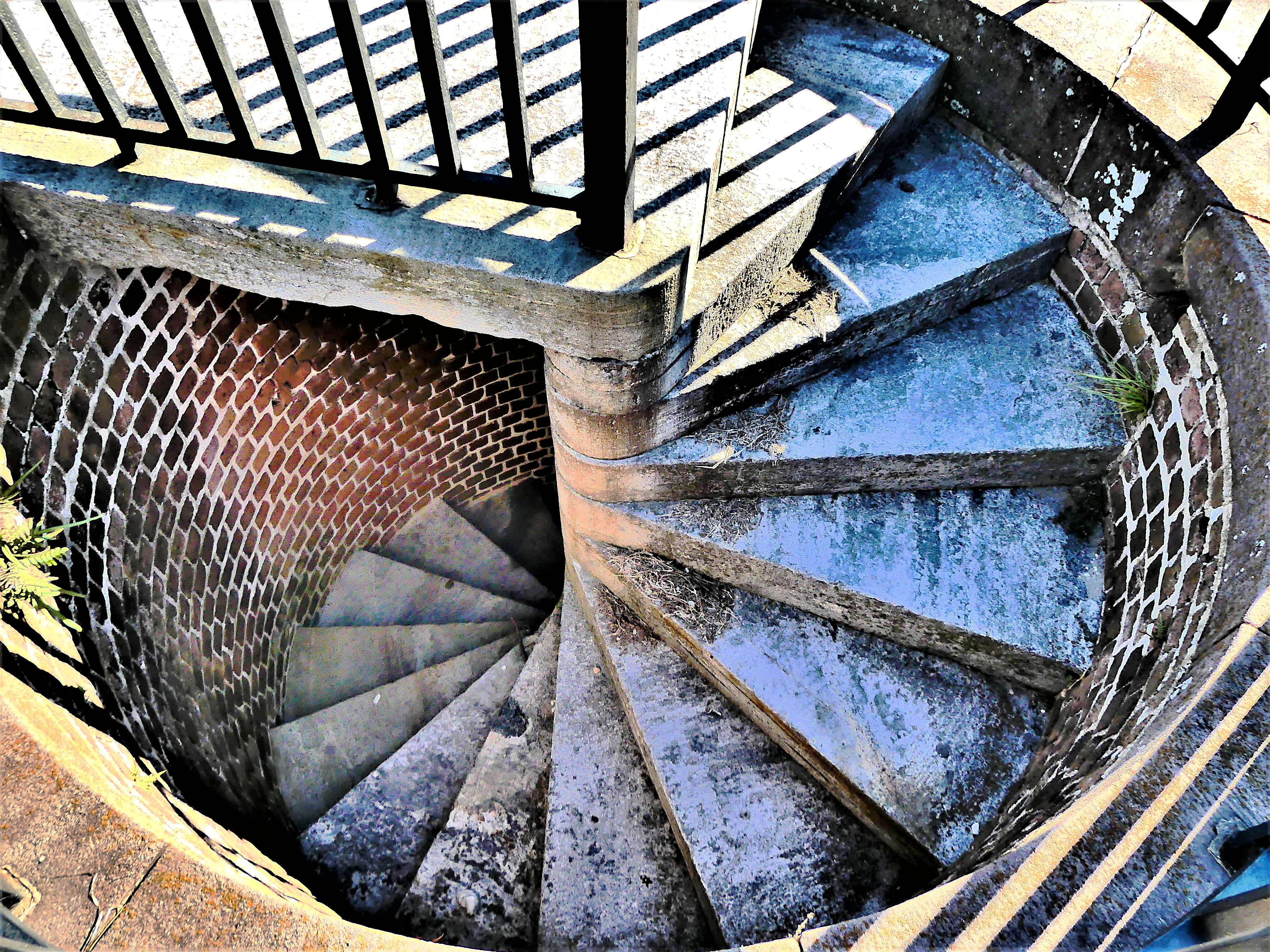
spiral stairs

Rebel Yell

The Civil War has gotten a lot of attention lately.

Politicians, generals, and TV apostates have sought to revise history.

Glory seekers and glory hounds have wrapped themselves in the Confederate flag as a cause célèbre.

White supremacists have co-opted the Black Lives Matters movement to launch a new low in elevating hatred and racism.

Relitigating the reasons behind the Civil War, and embracing the symbols that have inevitably blurred the battle lines continue to divide a nation 150 years later, where civility and social progress seem all but forgotten.

And what of the 620,000 who gave their lives to protect their way of life–to defend the practice of slavery or the belief that freedom belongs to everyone?

Many remain lost yet honored beneath the trenches and earthwork fortifications throughout Dover, Tennessee.

fall leaves

battlefield

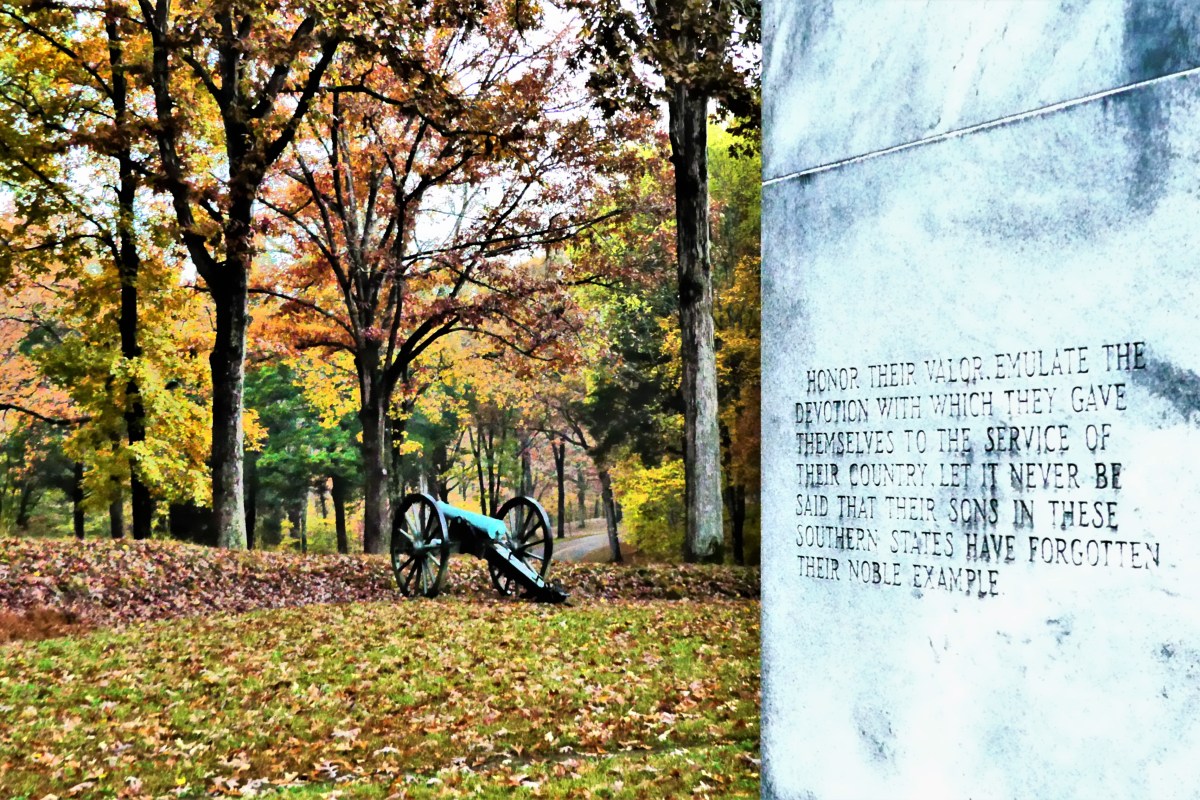
Their sacrifice is memorialized at the Fort Donelson National Battlefield: in its monument to fallen soldiers;

Confederate

Conferate memorial

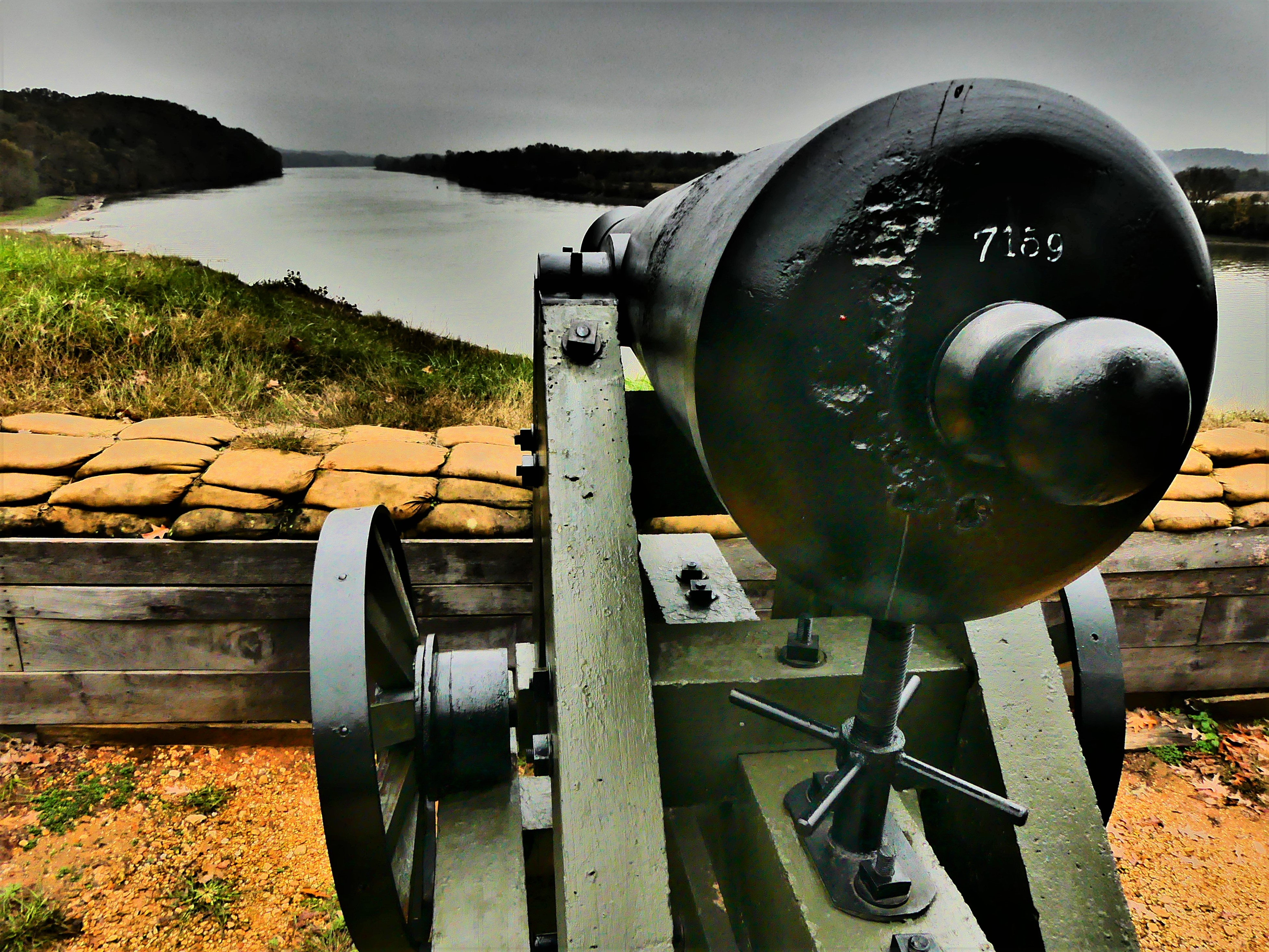
in its ramparts overlooking the Cumberland River;

cannon defense

rampart cannon

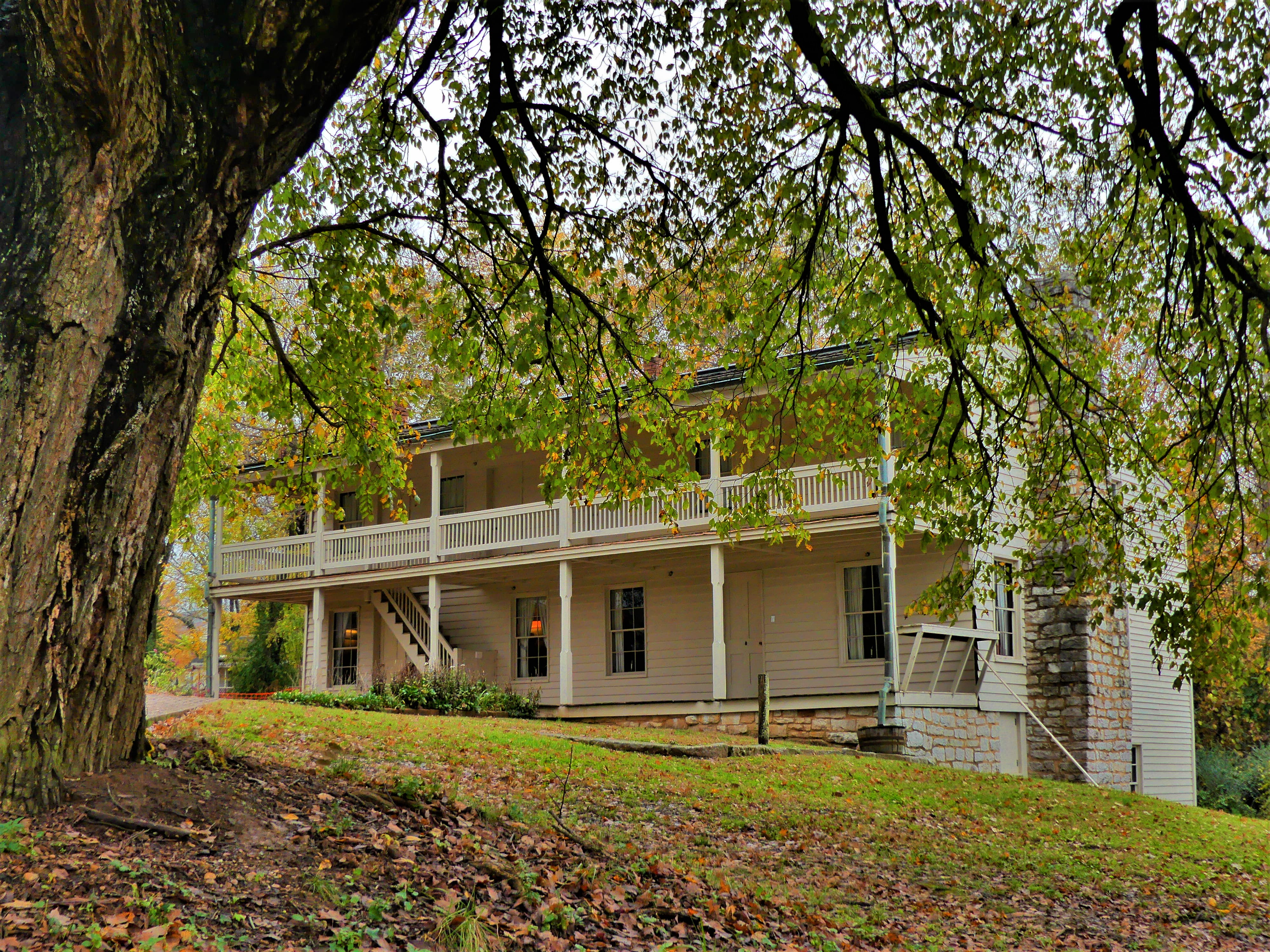
and at the Dover Hotel surrender–which was an important turning point for the Union Army, and the advancing popularity of Brigadier General U.S.S. Grant.

Dover Hotel

History sheds light on the past to give us a direction toward the future. Otherwise, as Winston Churchill has stated,

“If we open a quarrel between the past and the present we shall find that we have lost the future.”