
On January 3, 2025, Blanca Ojanguren Garcia, a 22-year-old Spanish tourist and law student, sustained a life-ending head injury after being shoved by an elephant during a bathing ritual at Koh Yao Elephant Care in Thailand. The mahout (keeper, trainer, companion) in charge of the elephant was charged with “negligence causing death.” Authorities suggested the elephant may have been stressed. (https://www.bbc.com/news/articles/c9wlzz9179do).
Ms. Garcia’s tragedy marked the first fatality of a new year that saw 39 deaths in 2024. In fact, last December 11, a 49-year-old Thai woman was killed by a wild elephant that charged her at Phu Kradueng National Park. (https://www.nationthailand.com/news/general/40044052). She was one of 240 victims of elephant violence over the past 12 years. Consequently, animal rights advocates have renewed efforts to re-examine the ethics behind elephant management in Thailand.
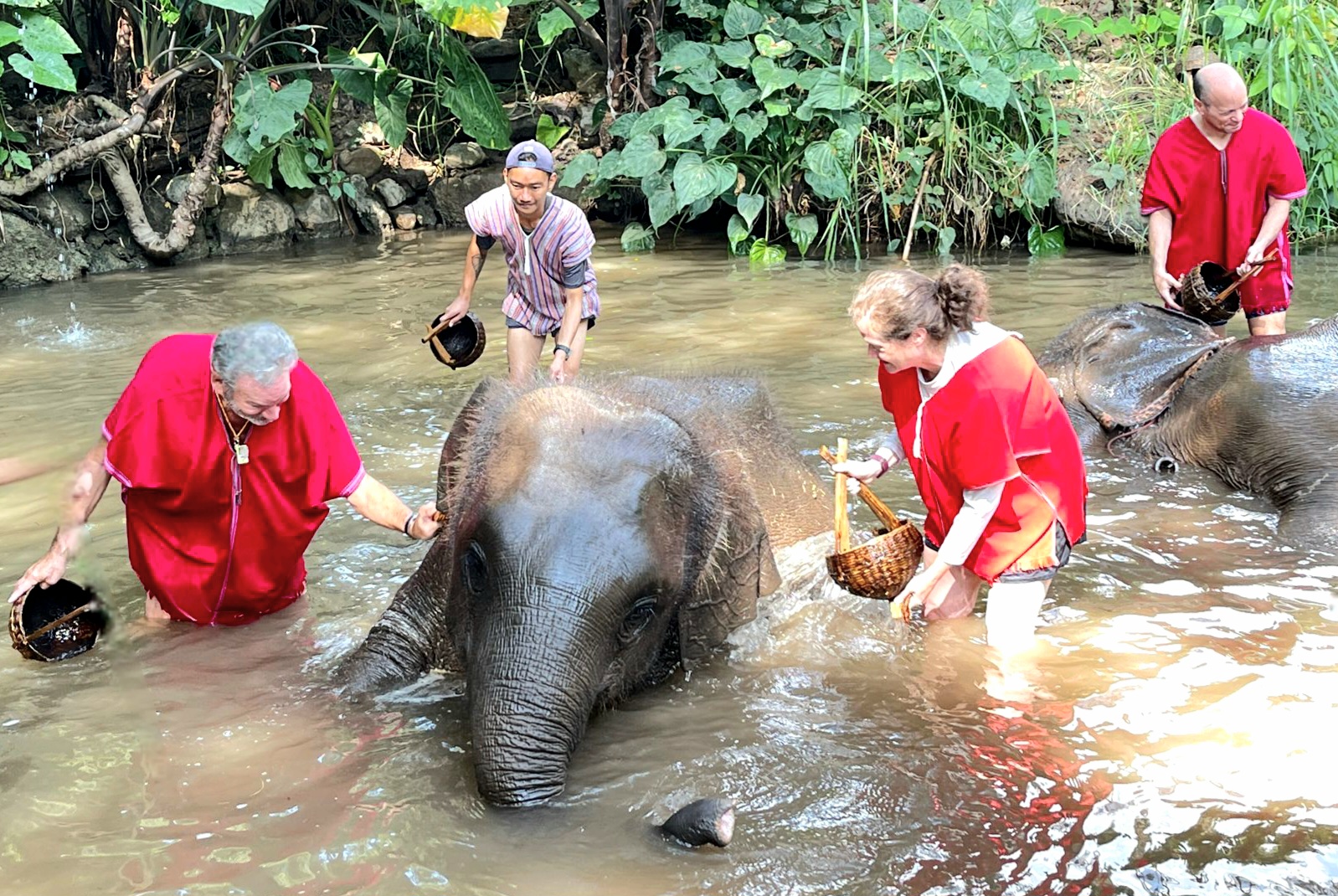
Leah and I were in Hanoi at the time when I first read the headlines, and it immediately carried me back 3 weeks earlier when we were bathing elephants at Elephant EcoVillage–a prearranged activity at an elephant spa selected by Overseas Adventure Travel (OAT)–and it was a glorious time.
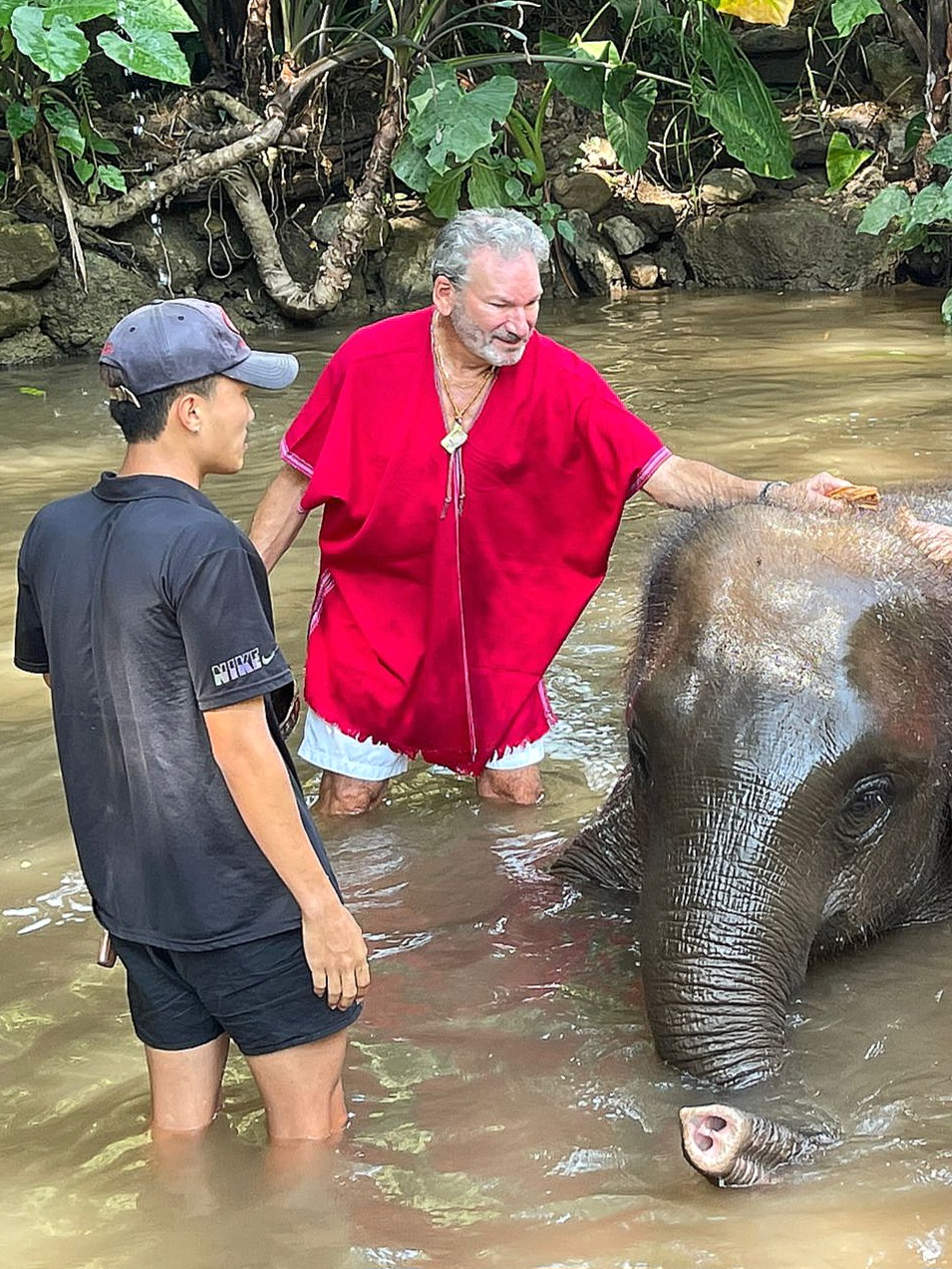
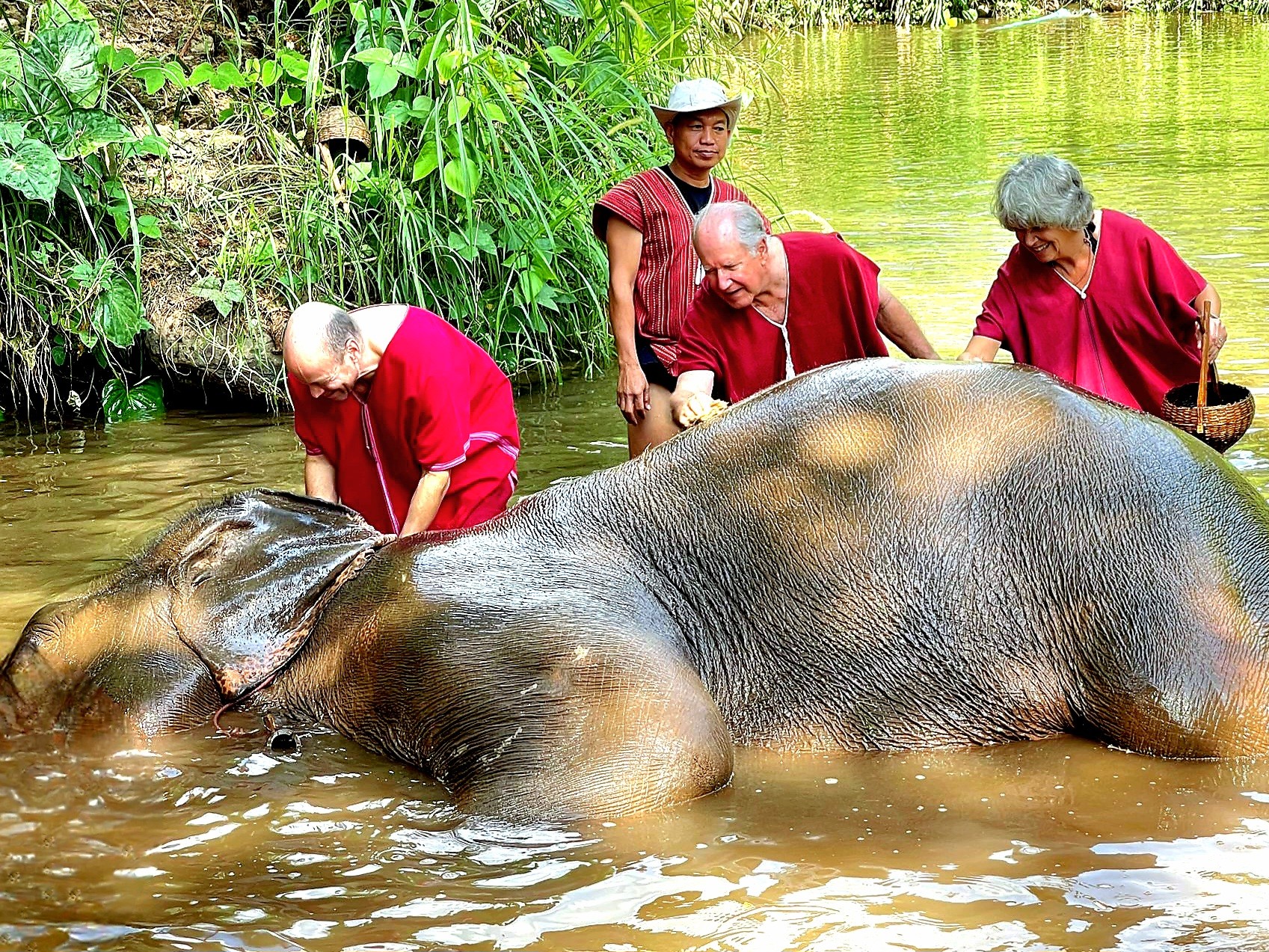
We were totally unaware of any danger during our interaction. Our menagerie was docile and compliant.
Nevertheless, humans have a troublesome history with elephants…
- The first evidence of elephant domestication was discovered along the Indus River Valley in 2000 BCE–at a time when as many as 20 million elephants roamed the forests of Africa and Asia.
- By 700 BCE, Indian elephants were instruments of warfare and combat.
- Two centuries later, elephants were dying for sport and entertainment in Roman amphitheaters.
- After 1600, warrior elephants lost their advantage on the battlefield as the Gunpowder Revolution gave rise to new military weapons and tactics. Elephants transitioned to beasts of burden.
- The 1800s saw the first elephants exploited in circuses.
- In 1989, the Convention on International Trade in Endangered Species (CITES) banned international trade on elephant ivory, citing poaching as the biggest threat to their very existence.
- A 2024 census identified that elephant populations had dwindled to around 450,000 globally, of which only 10% were counted as Asian elephants.
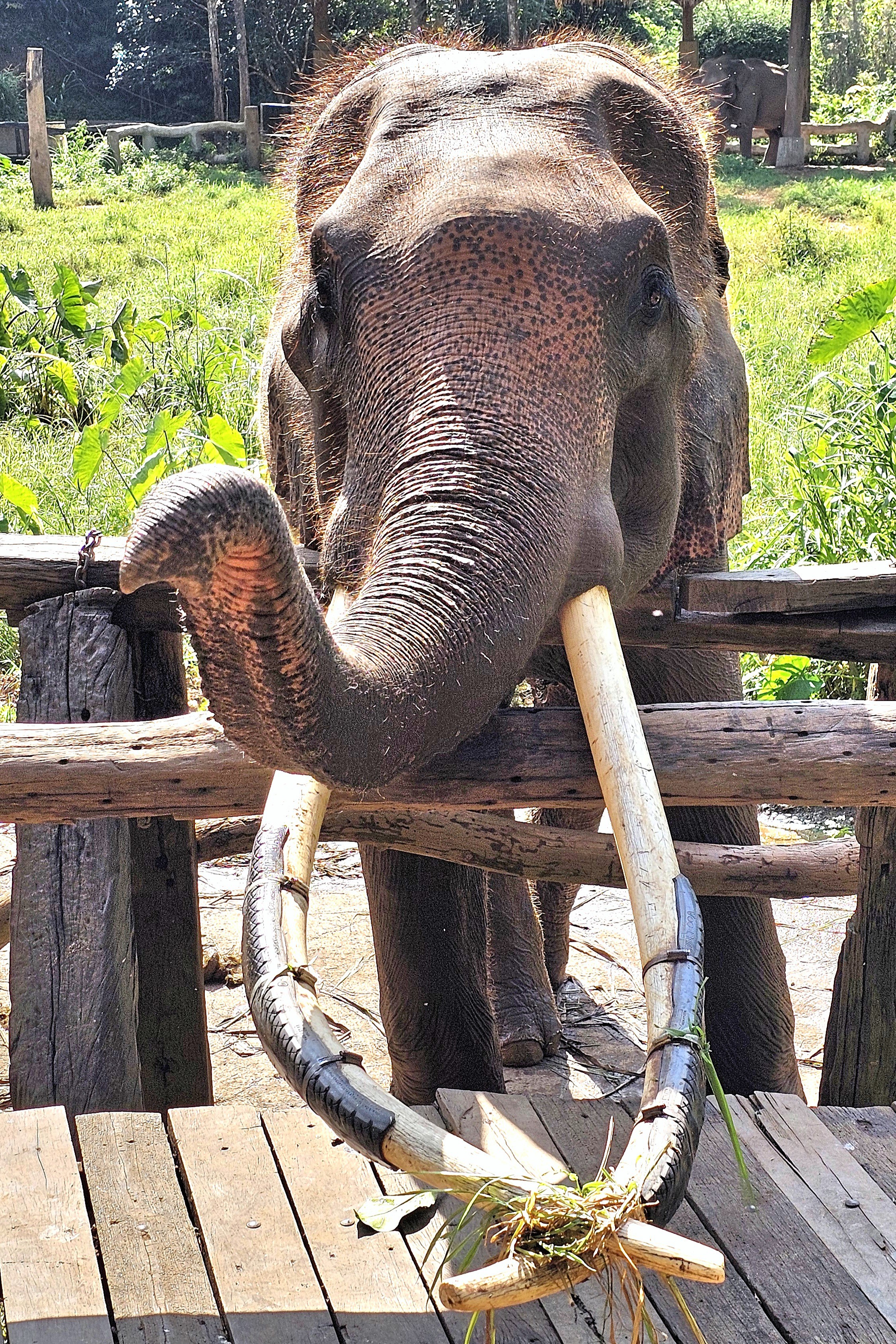
As of 2020, Thailand has tracked 7,300 elephants within its borders,

with up to 3,500 wild elephants occupying 69 forested sanctuaries.

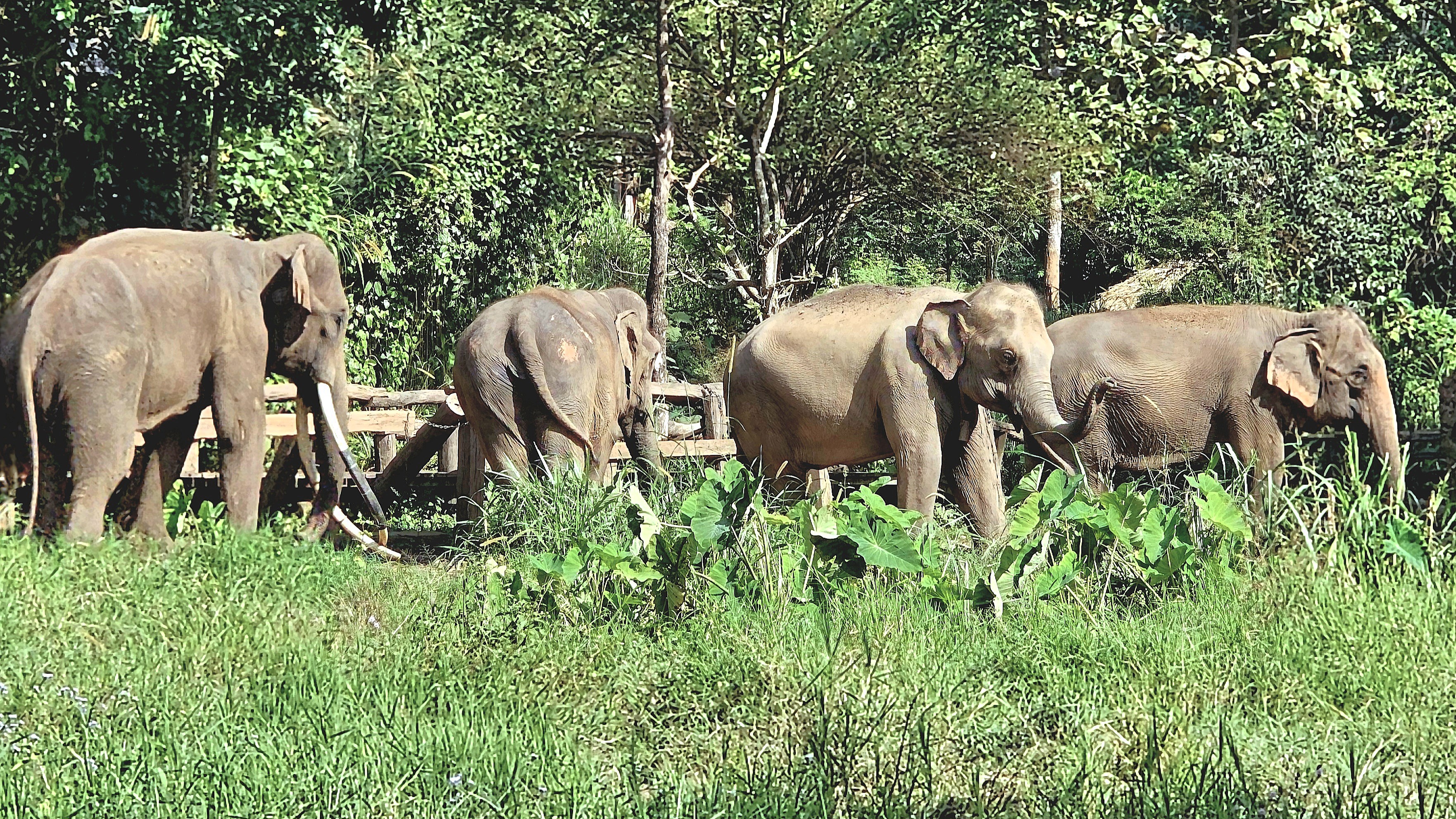
That leaves 3,800 captive elephants who rely on tourism to pay for their continuing support and welfare. Conservation organizations range anywhere from “observation-only” shelters…
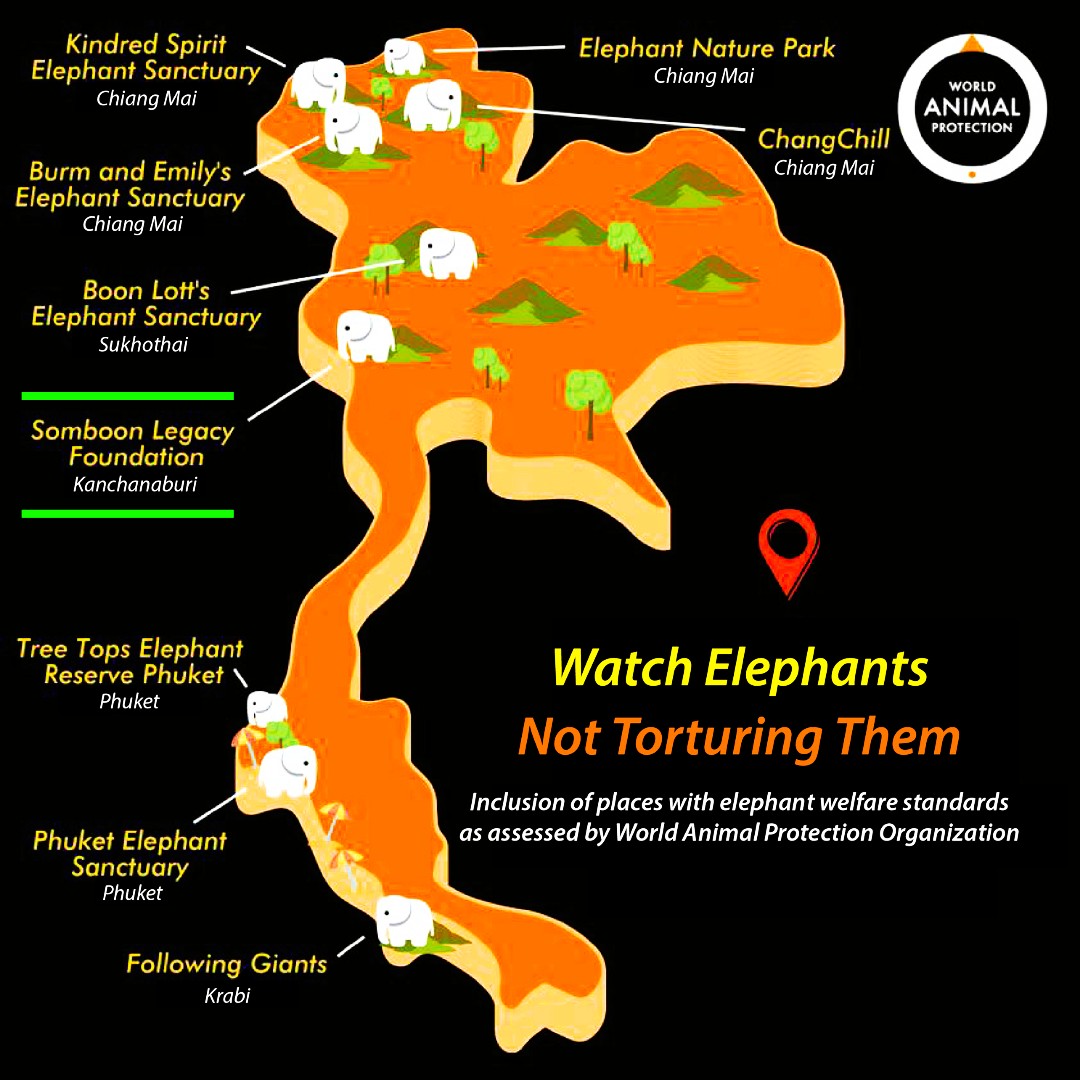
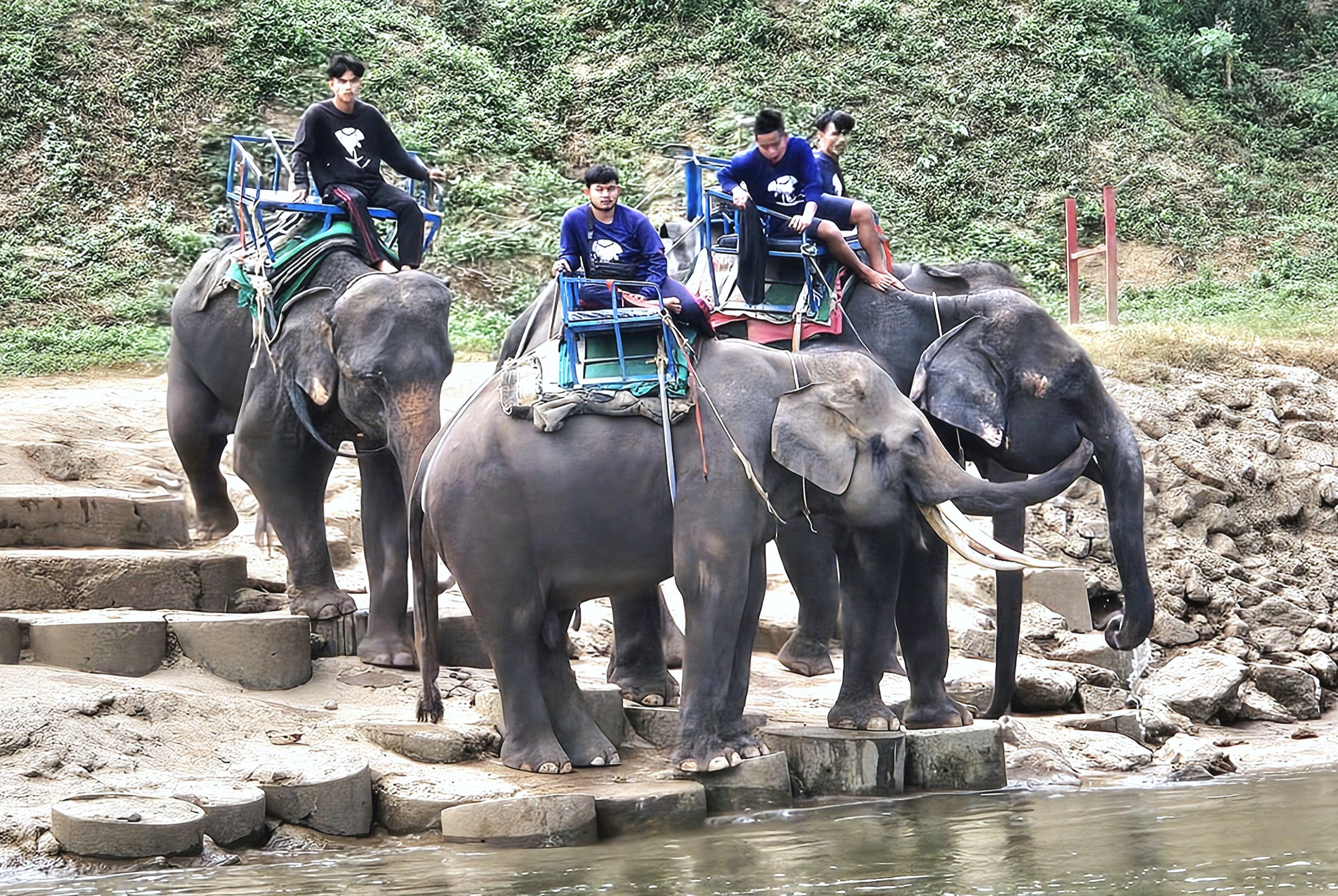
to “rescue centers” that promote elephant riding as a VIP amenity.
Asian Captive Elephant Working Group (ACEWG), a group of regional elephant specialists, veterinarians, researchers, and conservationists acknowledge that:
- Closing all elephant tourism venues is unrealistic if there are no alternative livelihoods for mahouts with elephants.
- Suitable habitats for reintroducing elephants to the wild have been marginalized by a loss of forest from over-logging.
- Elephants are intelligent and mobile animals with a highly developed social structure. Their complex needs require professional management and care protocols.
- Elephants–captive or wild–pose a safety risk to humans and must be managed accordingly.
While there are no easy explanations surrounding Human-Elephant Conflict, our half-day experience at Elephant EcoValley was designed to: “…share the elephants’ history, their culture, their current environment, and their relationship with the human species—compassionately and scientifically. “

Ben, our guide, introduced us to Tata, a 40-year-old female, and her mahout for the past 12 years, who has tirelessly devoted himself to Tata’s daily care, as a parent would care for a child.

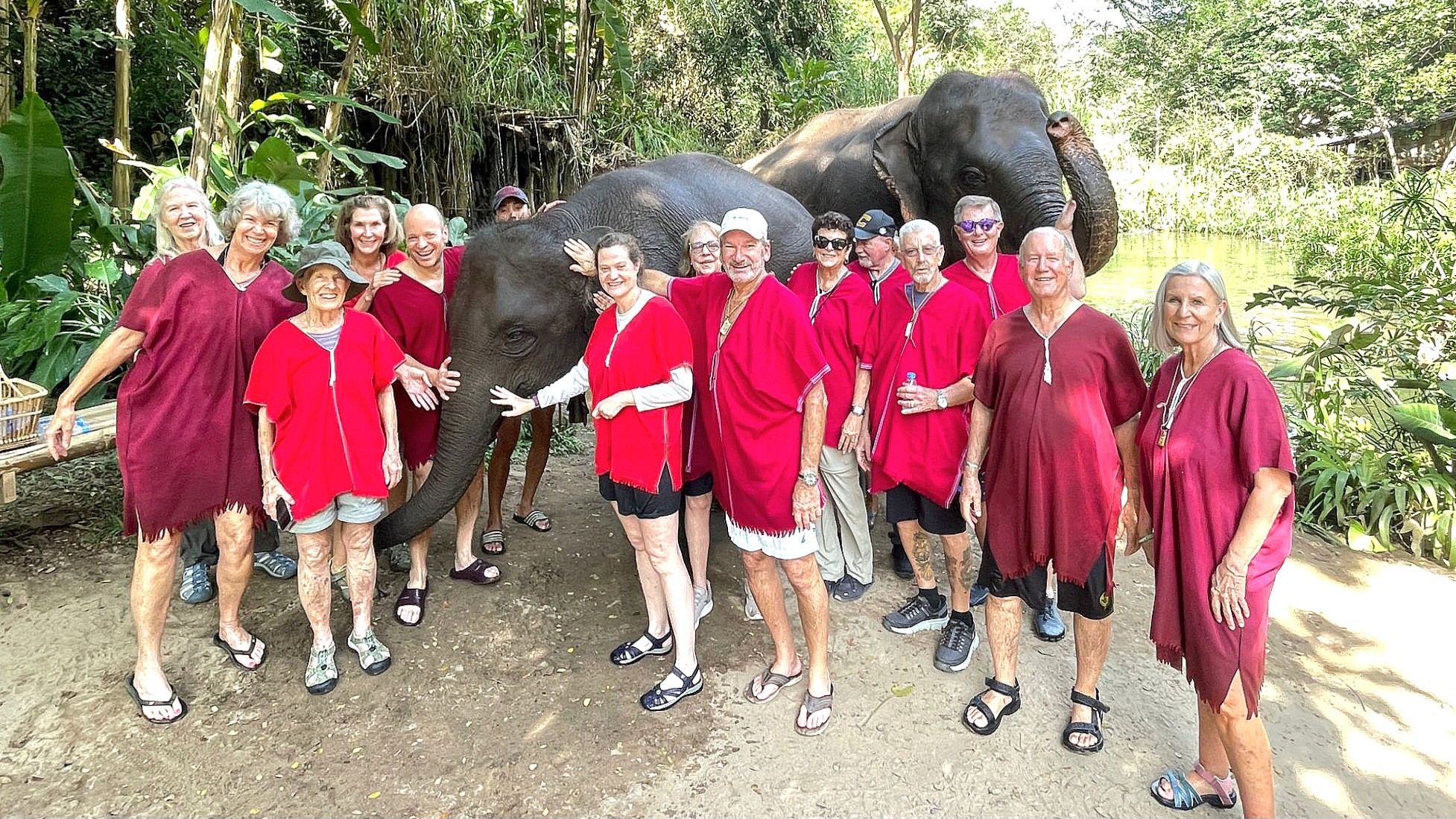
Leah and I became fast friends with Tata,

but so did everyone else in our group, as she obediently posed with each of us.
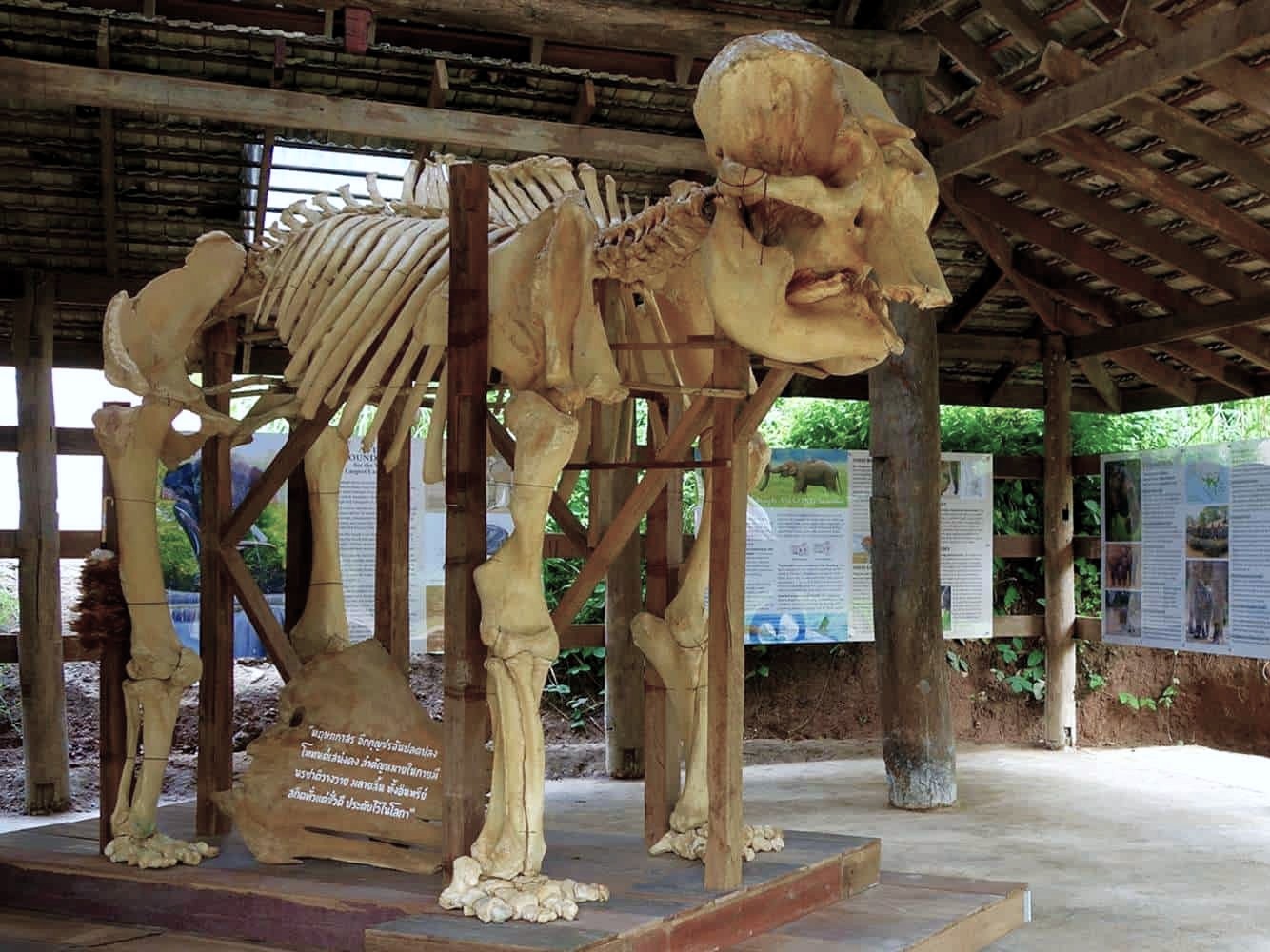
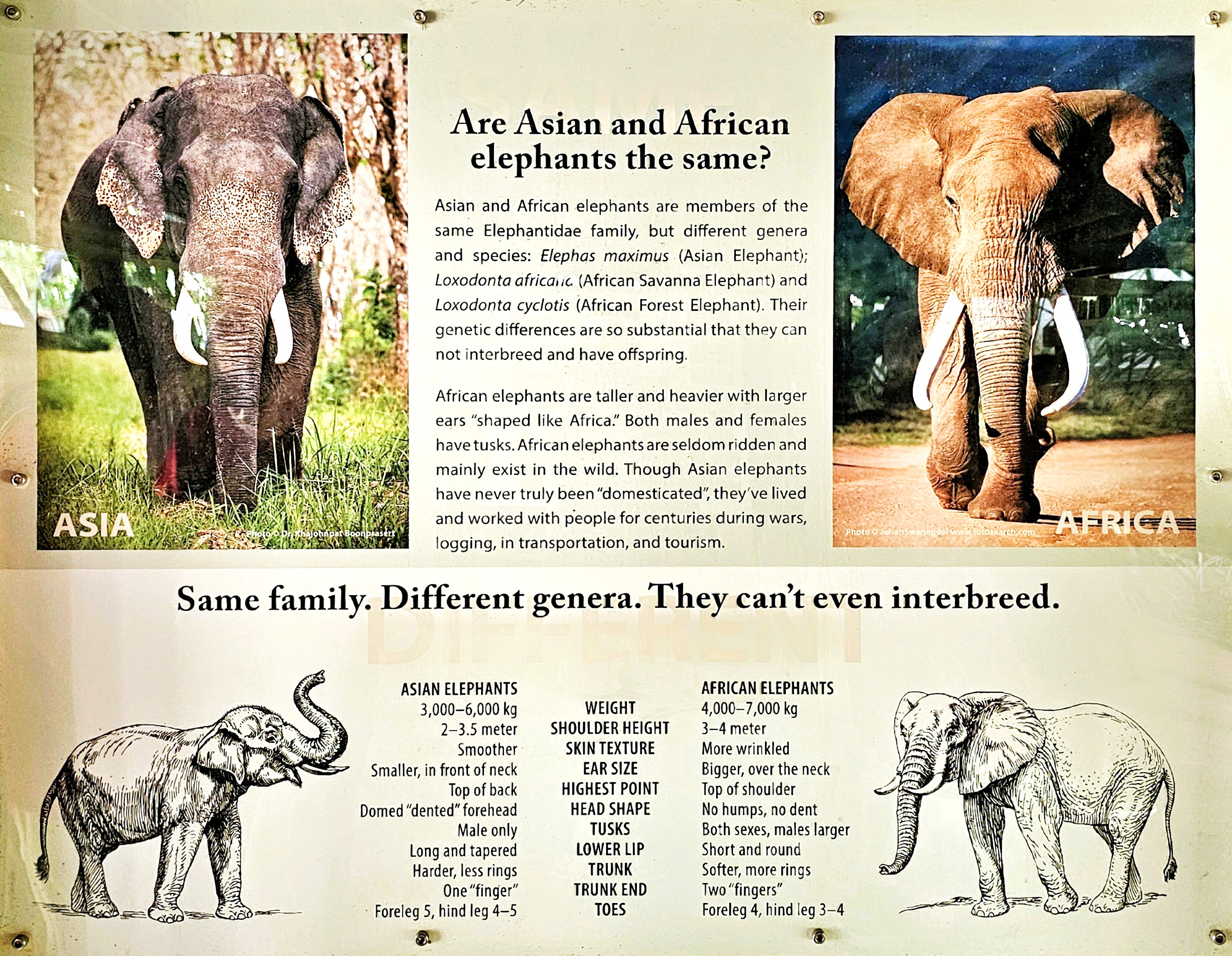
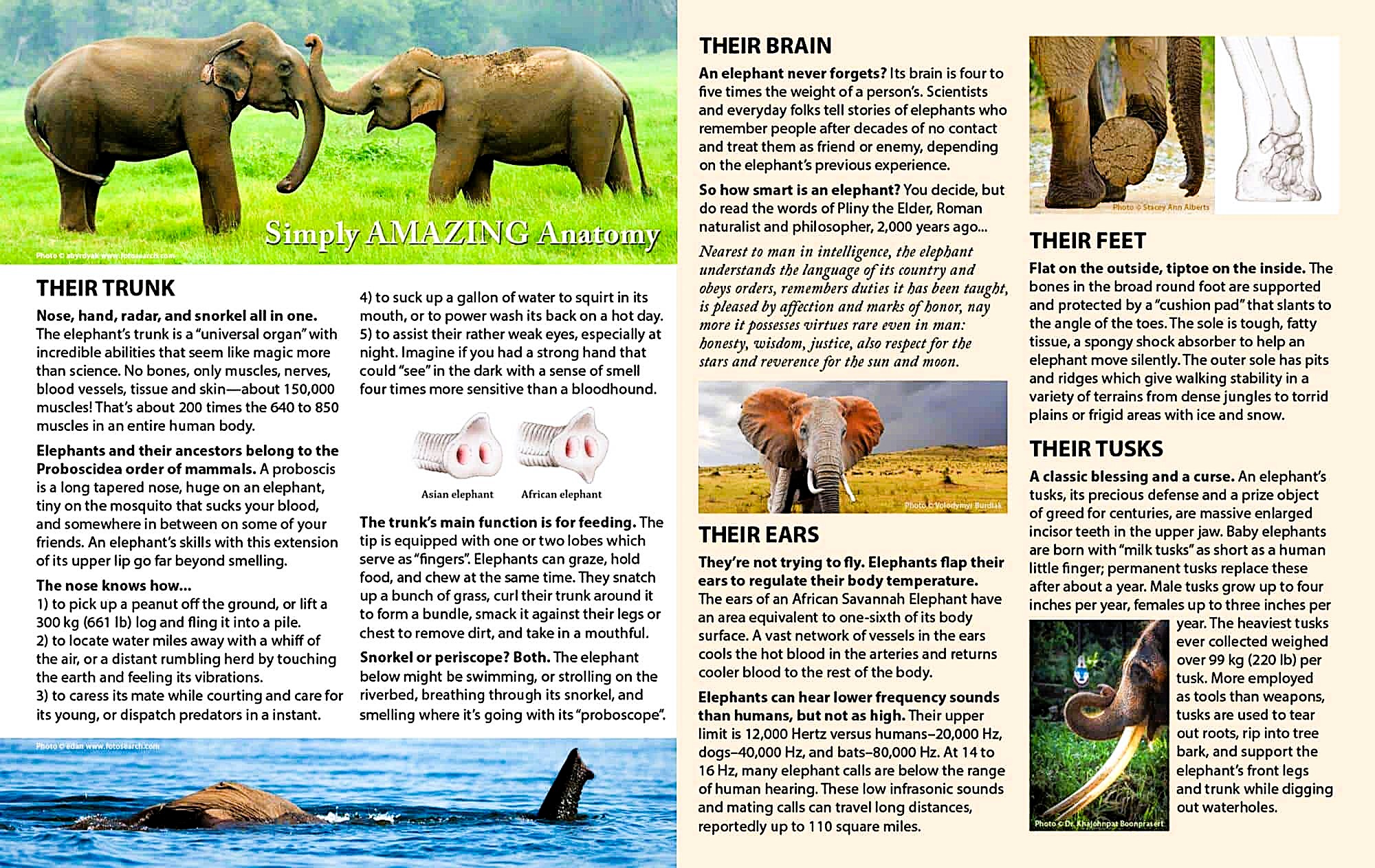
There was also an educational component to our visit. We spent some time in their museum loading up on facts and understanding about elephant evolution, anatomy, behavior and welfare.


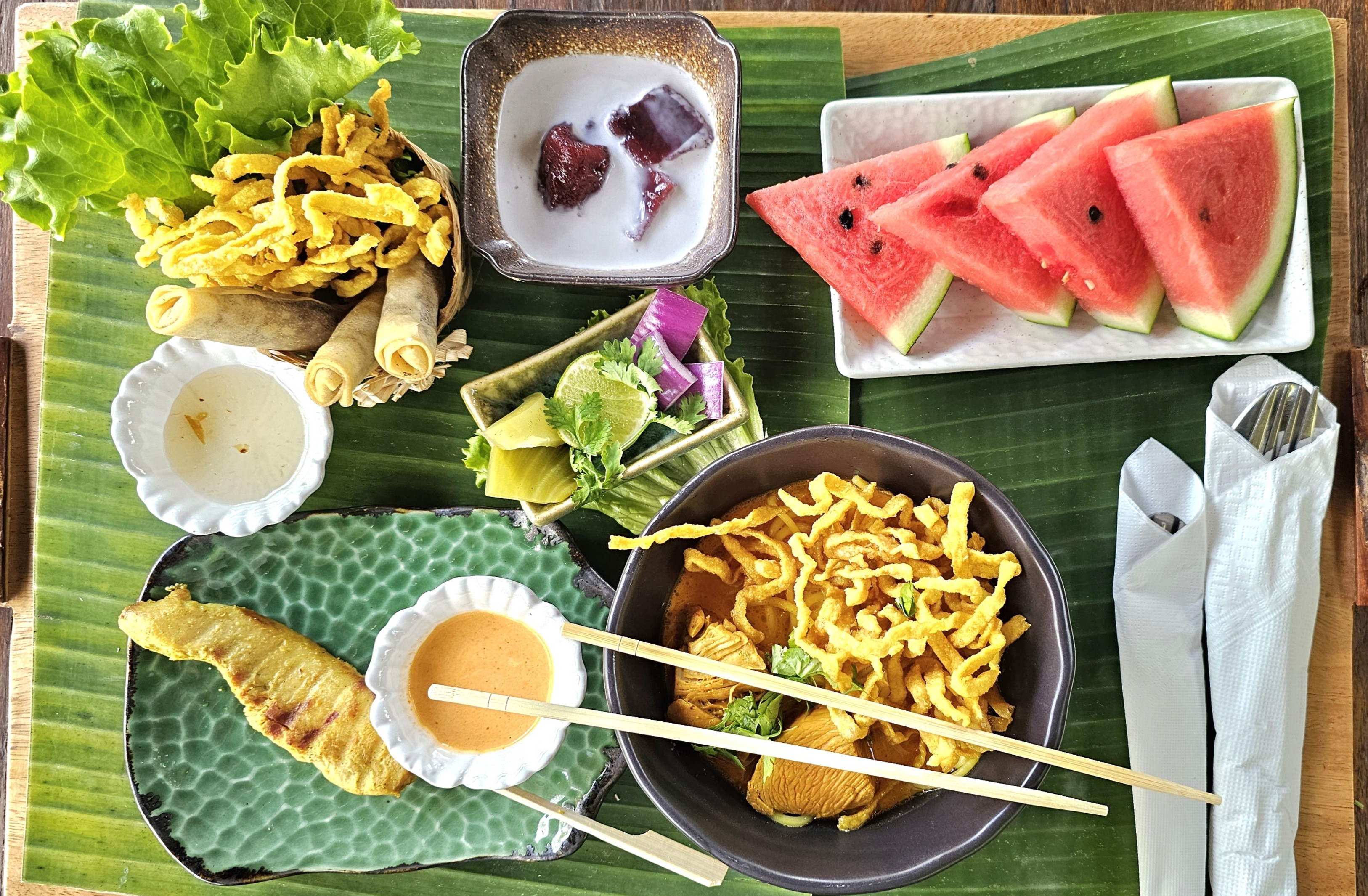
After a satisfying lunch of regional specialties,
we focused our attention on the prodigious appetite and eating habits of these magnificent beasts who typically spend 16 to 18 hours a day foraging for an array of grass, plants, bushes, fruit, twigs, leaves, roots, and tree bark–each vital for providing a mix of essential minerals and nutrients.
But captive elephants don’t always get the nutrition they need that’s necessary for good health. They also require a multi-vitamin to supplement their daily nutritional intake, and it was our job to produce them from a variety of ingredients.

The recipe called for crushing salt and aloe vera together in a mortar. Then cooked rice, tamarind, and bananas were added to the stump. Finally, we combined moonseed, Lasia, sugarcane, sedge, schefflera, Bermuda grass, and fresh pineapple to the mix and mashed it all until gooey and sticky enough to form pills the size of baseballs.

At last, it was time to feed our new friends,

and they couldn’t get enough!

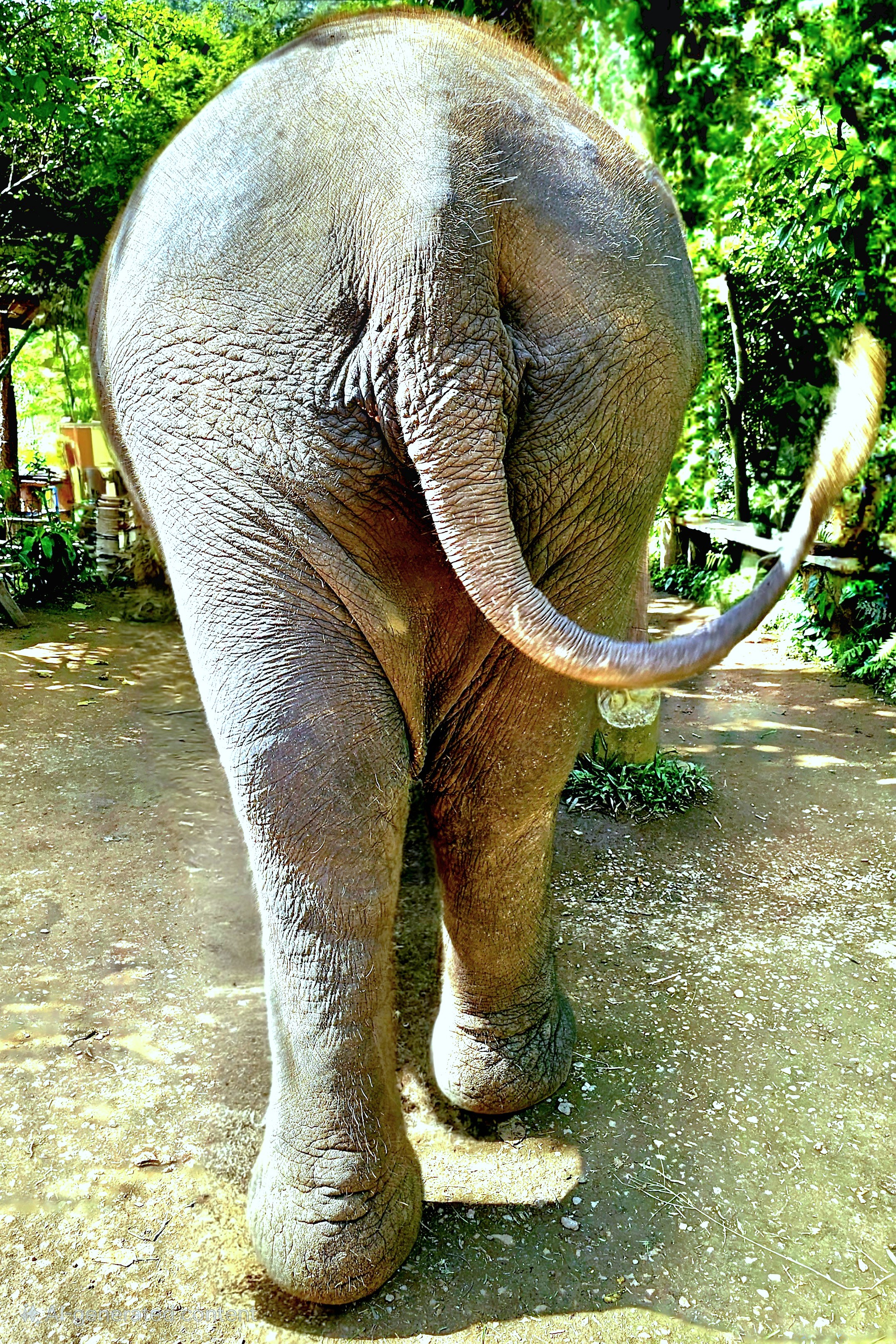
Depending on their size, an Asian elephant can consume up to 300 kilos per day (660 lbs.) or about 18% of their body weight. And that creates a lot of poo. Elephants can defecate between 10-20 times a day, producing 100-150 kilos (220-330 lbs.) of dung per day. But the people at Elephant EcoValley have an answer for that:
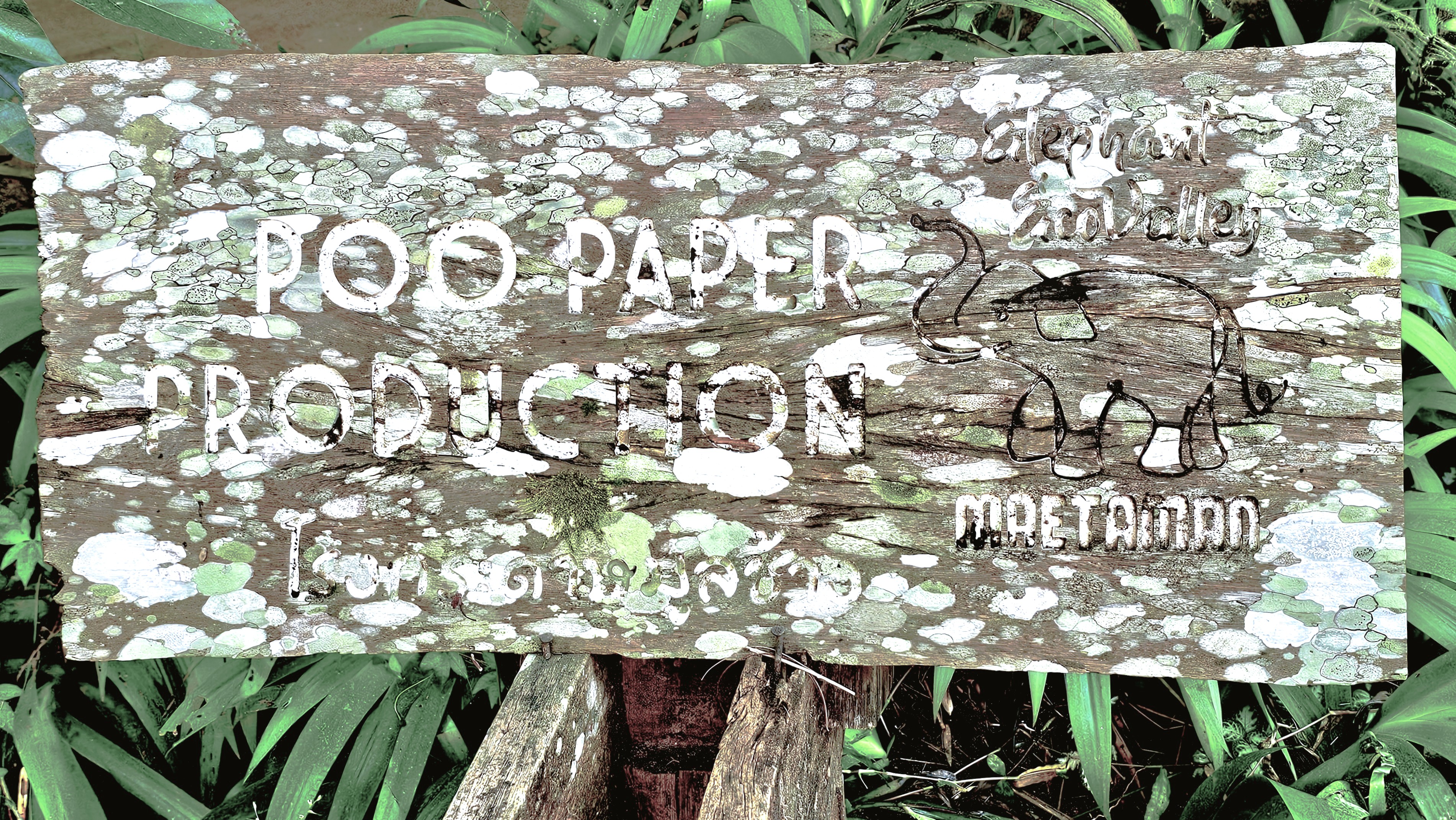
Much of the dung is collected every day;
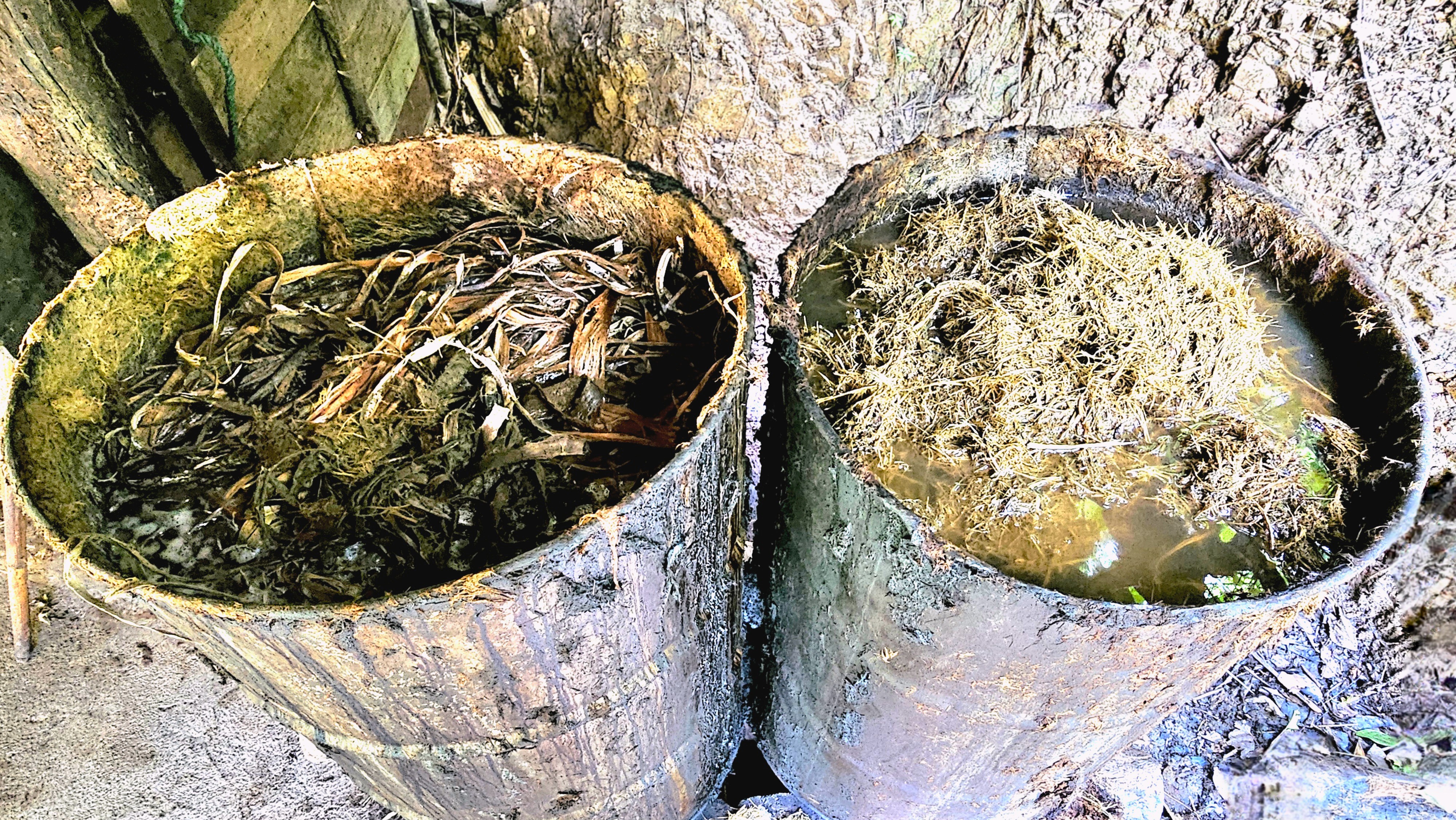
washed to remove the debris;

sent through a thrasher to separate the fibers from the pulp;

and screened through the slurry…
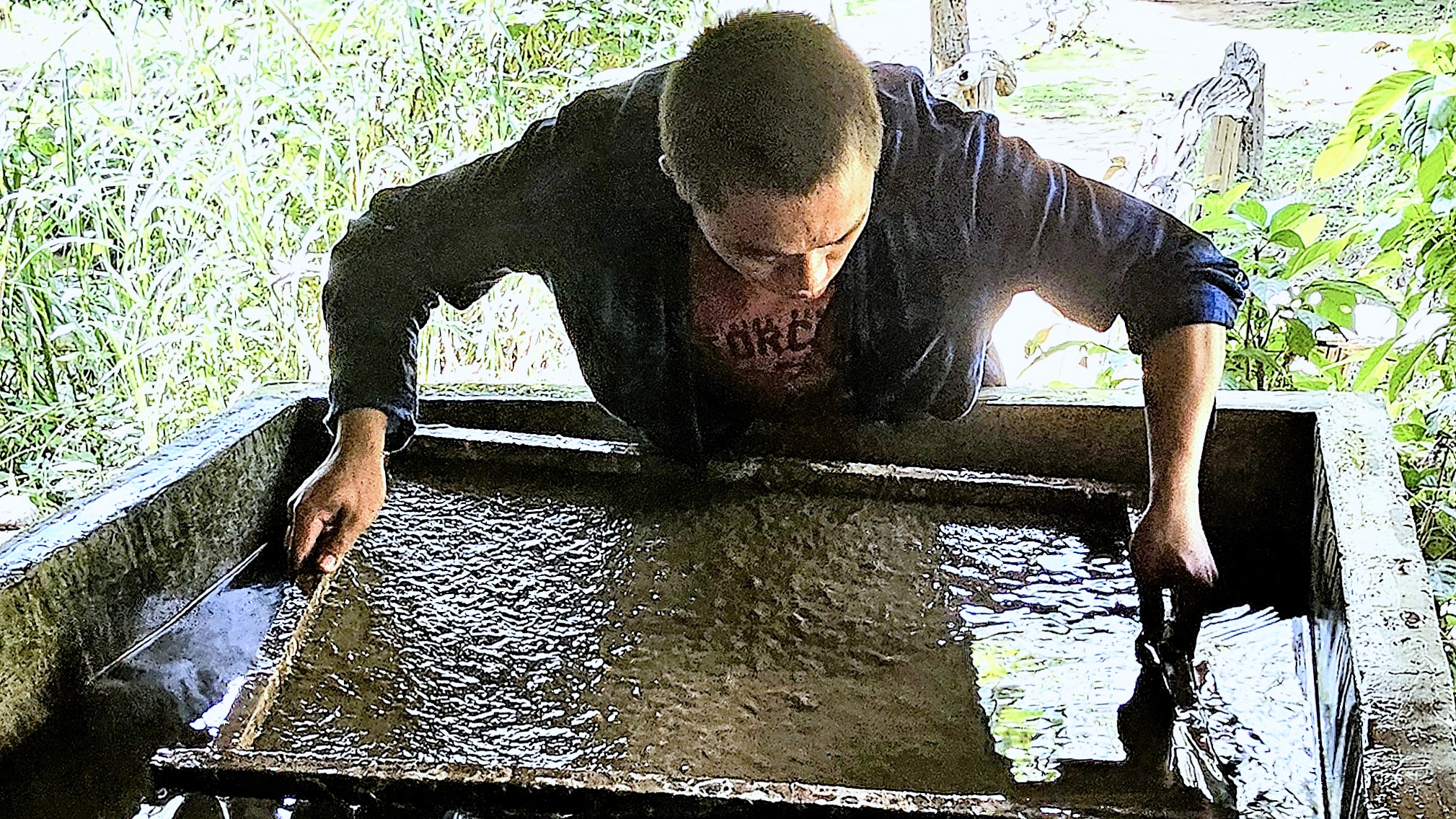
until finally drying into a sheet of poo paper that doesn’t stink!

Our time at Elephant EcoVillage was a delight, and none of us ever felt threatened or considered that we were exploiting the elephants. On the contrary, these were pampered pachyderms.
It’s uncertain if authorities and activists can agree on balancing eco-tourism with elephant protection, but with education and resources, ethical and sustainable practices can be achieved to benefit both elephants and the community in the End.






 Streaming thru America