
Lao People’s Democratic Republic is a poor country by any measure. According to the International Monetary Fund, Laos ranks eighth among 11 ASEAN nations in GDP per capita, with an annual income of $2,000. That’s a $1 per hour!

There are many contributing factors to Laotian poverty:
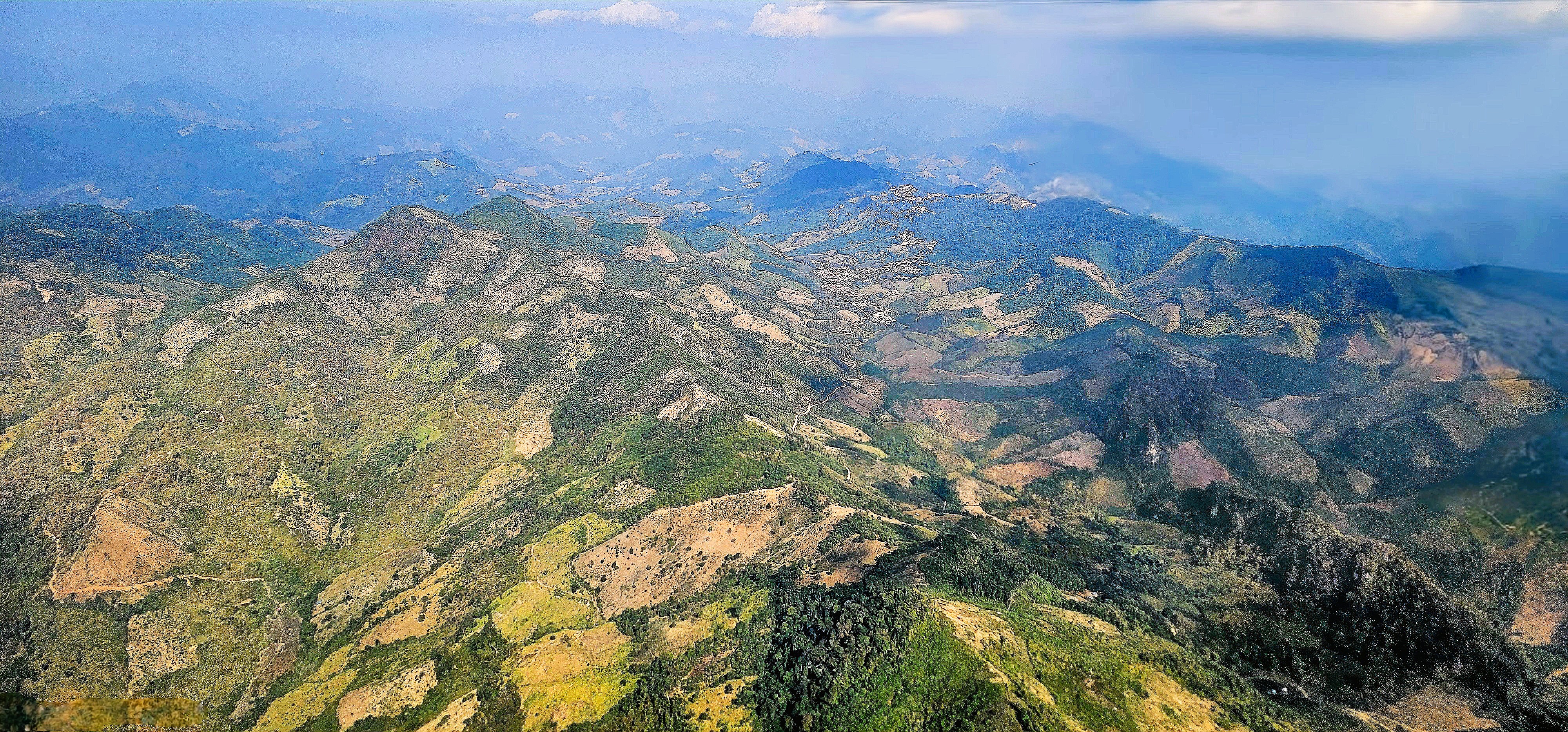
- As the only landlocked country in Southeast Asia, Laos experiences significant logistical challenges due to its lack of direct sea access, which raises transportation costs and hampers trade competitiveness. Additionally, the mountainous terrain and dense forests hinder infrastructure development and access to rural areas, exacerbating poverty rates.
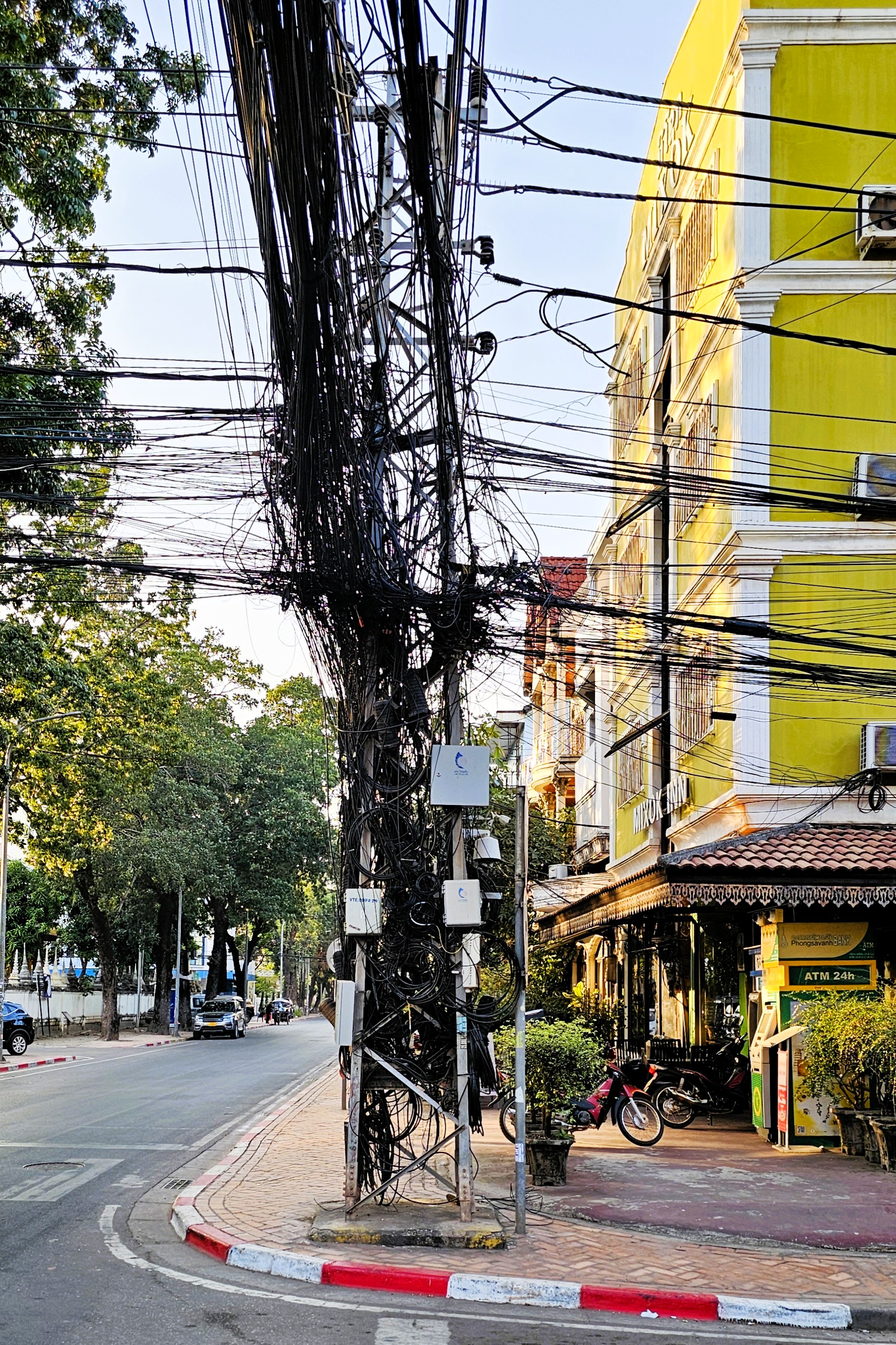
- Laos could benefit from a more robust power grid, a reliable communication network, and improved sanitation system to bolster economic activity and improve the quality of life.
- Inadequate infrastructure is a major barrier to economic development in Laos. The country’s transportation system is poorly developed, with few roads, no national railway, and a heavy reliance on unreliable river transport. This lack of connectivity restricts the movement of goods, people, and services, particularly in rural areas.

However, China saw an opportunity to elevate its status as top trading partner in 2024, surpassing Thailand with bilateral trade totaling $8.23 billion USD. Also notable, Chinese investment in Laos has expanded steadily since the Lao government introduced policies to promote trade and investment.
Since 1989, China has funded 927 projects worth more than $18 billion USD, making it the largest investor in Laos out of 53 countries and regions.
At a cost of $6 billion USD, the Laos–China railway is one investment that’s poised to yield future benefits as a key developmental project in Laos’s national goal to become a “land-linked” economy.

Opened in December 2021, the new high-speed railway snipped 6 hours off the traditional 8-hour journey from Luang Prabang to Vientiane.
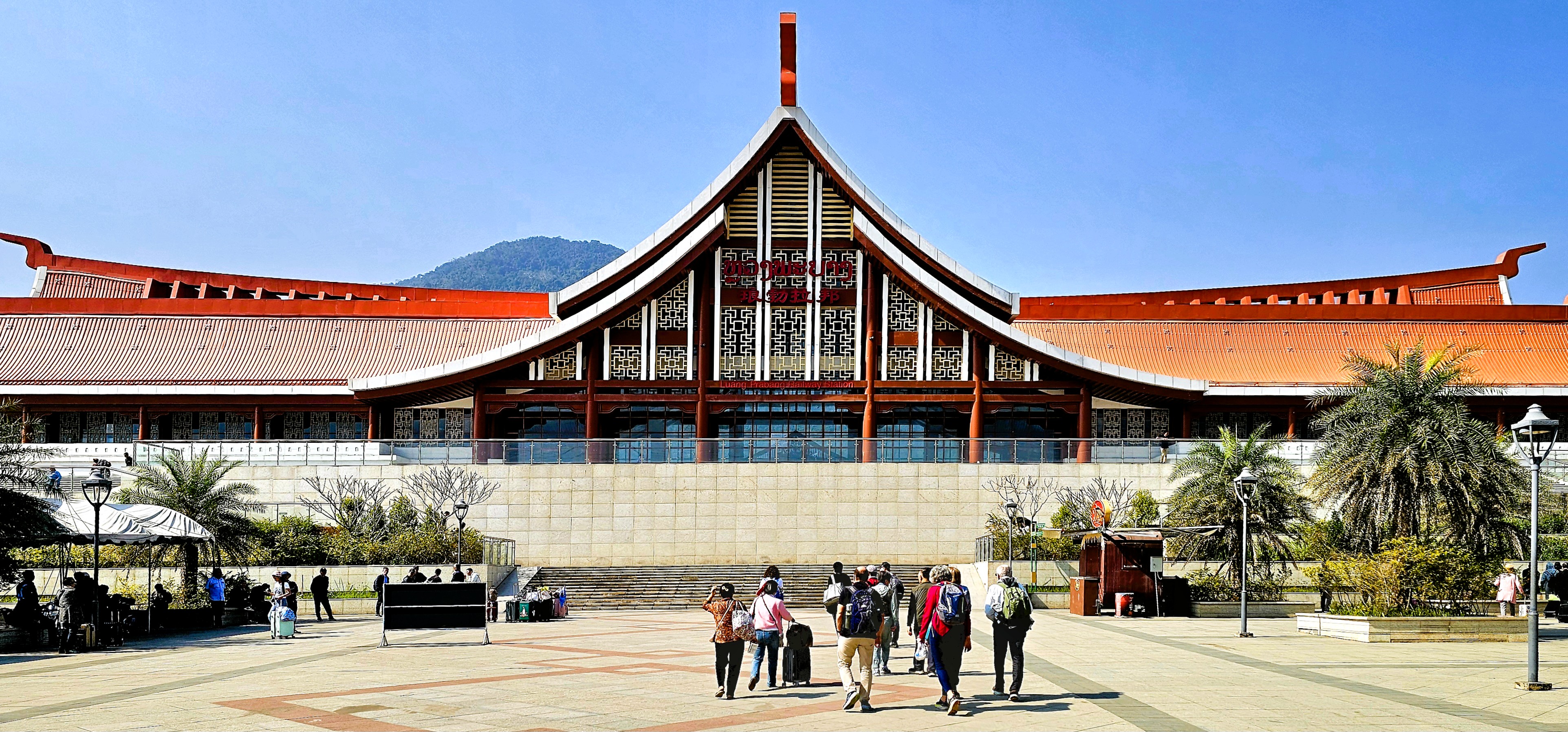
Designed with a fusion of traditional Lao stylings and modern flourishes,
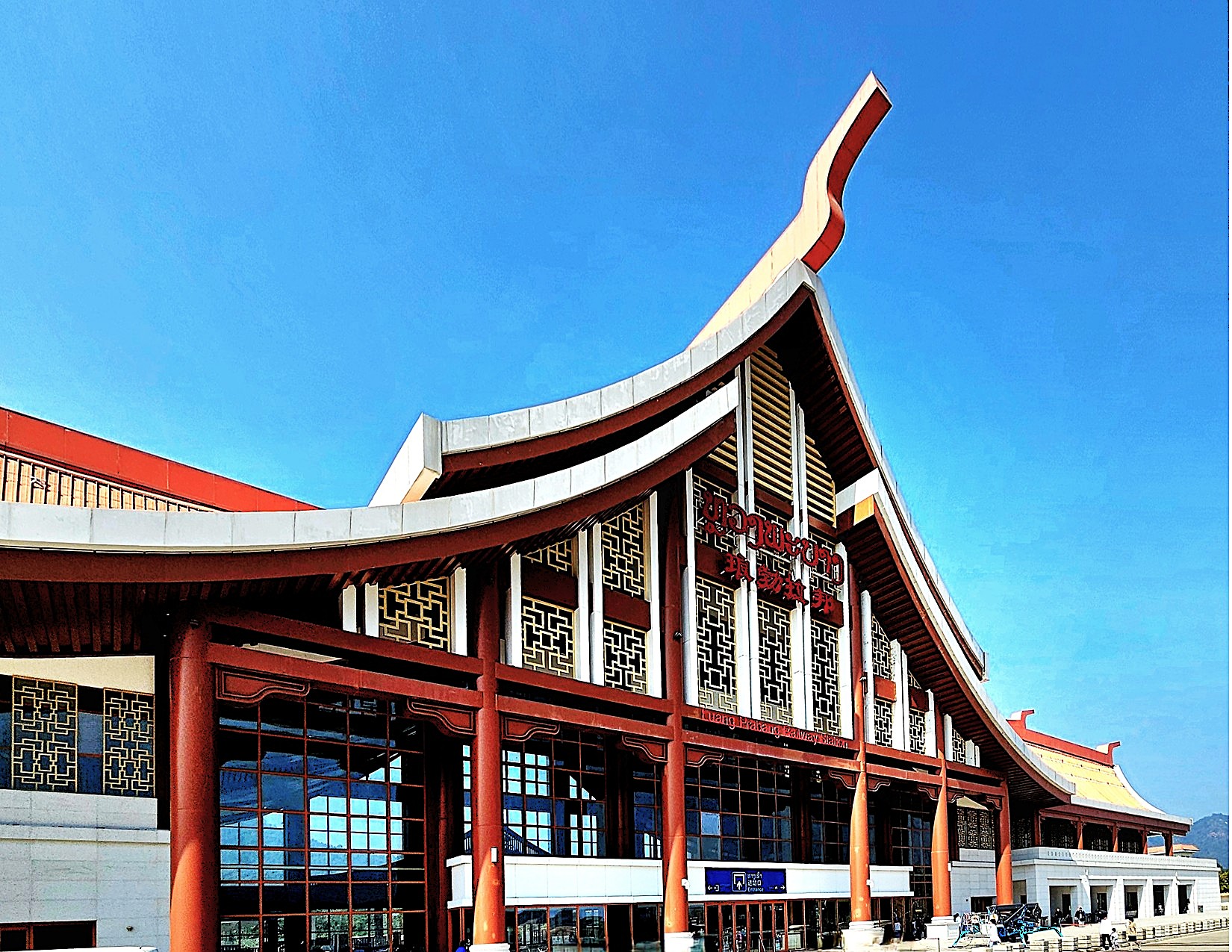
the station hall in Luang Prabang can accommodate 1,200 travelers, although the station was relatively empty while we waited for our departure to Vientiane, the capital and largest city of Laos, and the country’s economic nerve center.

Two hours later, we are admiring lush palaces,
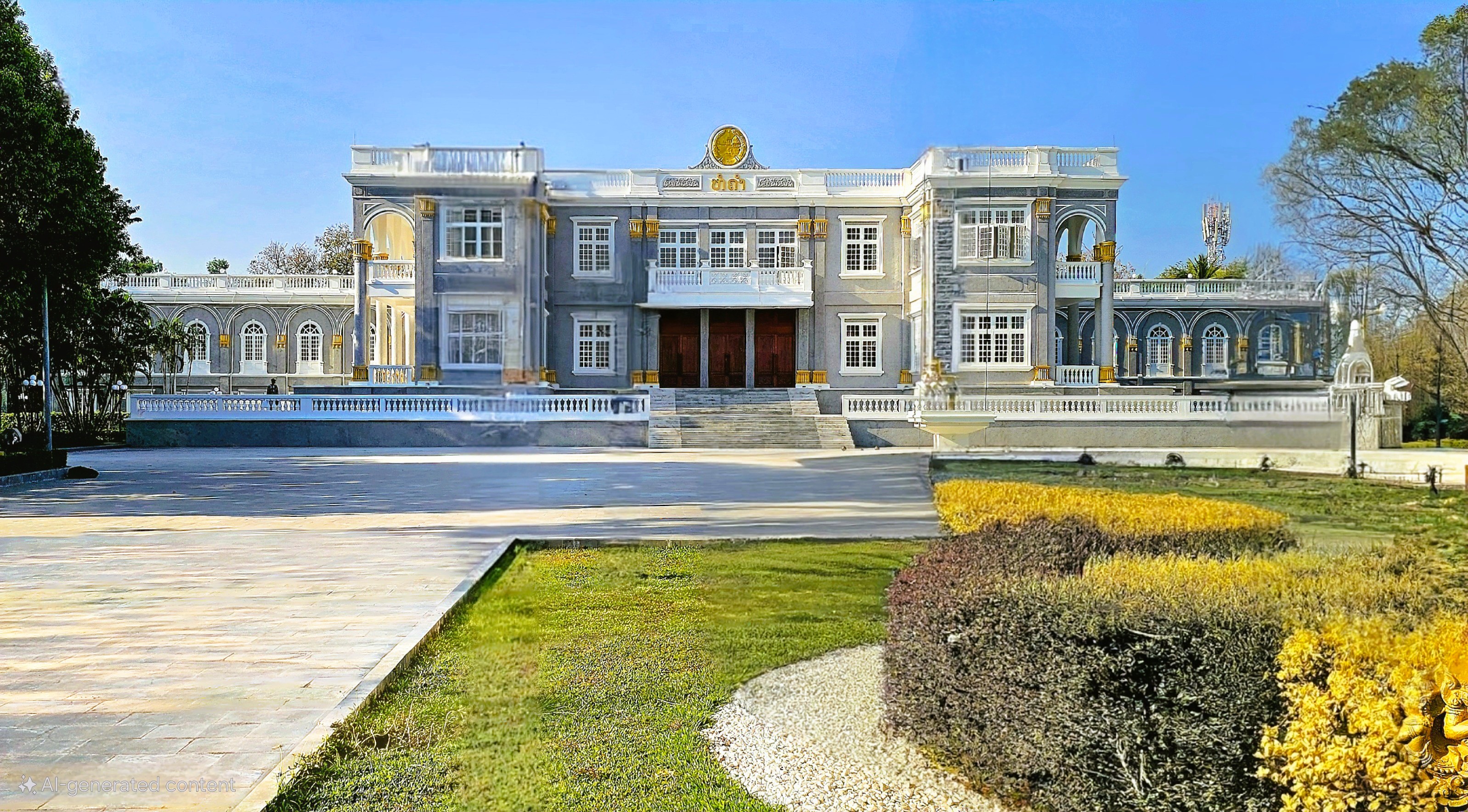
ornate Buddhist temples that bear witness to Laos’s rich cultural heritage,

and imposing government landmarks,

including the Patuxay (Victory Monument), a downtown landmark built between 1957 and 1968 to honor the brave Laotian soldiers who fought against French colonialism, ultimately paving the way for the nation’s full independence in 1953.
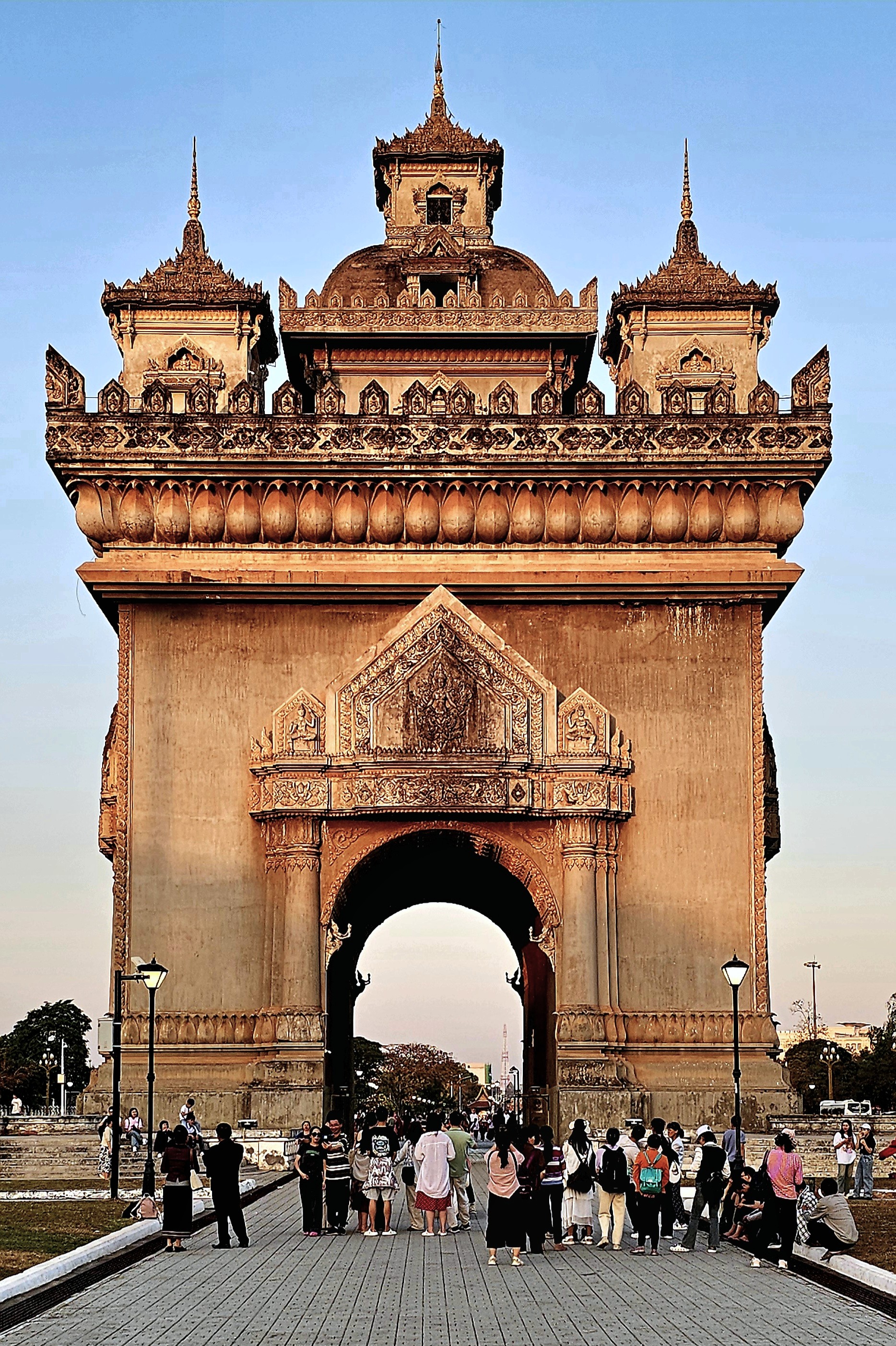
With a wink and a nod toward French colonial architecture, the monument is patterned after the Arc de Triomphe in Paris, and features distinctive, mythological creatures such as the kinnari–part human, part bird–inside the arch.

And the adjacent Patuxay Fountain with dancing water becomes the perfect nighttime complement.

But the jury is still out on the local impact of Chinese investments in Laos and whether the bolstered economy has trickled down to its 7.87 million inhabitants. By the numbers, it’s far from a quick fix, as Laos’s predominant unskilled labor market has limited ability to productively absorb China’s investment, creating a debt crisis that appears insoluble.
According to the United Nations, most of the wealth is concentrated in the Vientiane region, where only about 10 percent of the population lives. This disparity is striking, as the top fifth of population possesses 44% of the country’s wealth, while those at the bottom fifth possess only 8%. Vientiane presents a stark divergence from the economic hardships prevalent in the rest of the country. While urbanites may enjoy satellite TV and lavish meals at fancy restaurants, peasants in rural parts can go hungry, particularly if climate affects their crops or fishing prospects.

To exacerbate the situation, Laos holds the tragic distinction of being the most bombed nation in history due to the 2nd Indochina War (Vietnam War). Between 1964 and 1973, the United States dropped over 2 million tons of munitions (270 million cluster bombs) across Laos during 580,000 bombing missions–much of it focused on the Ho Chi Minh Trail that paralleled the Vietnamese border.
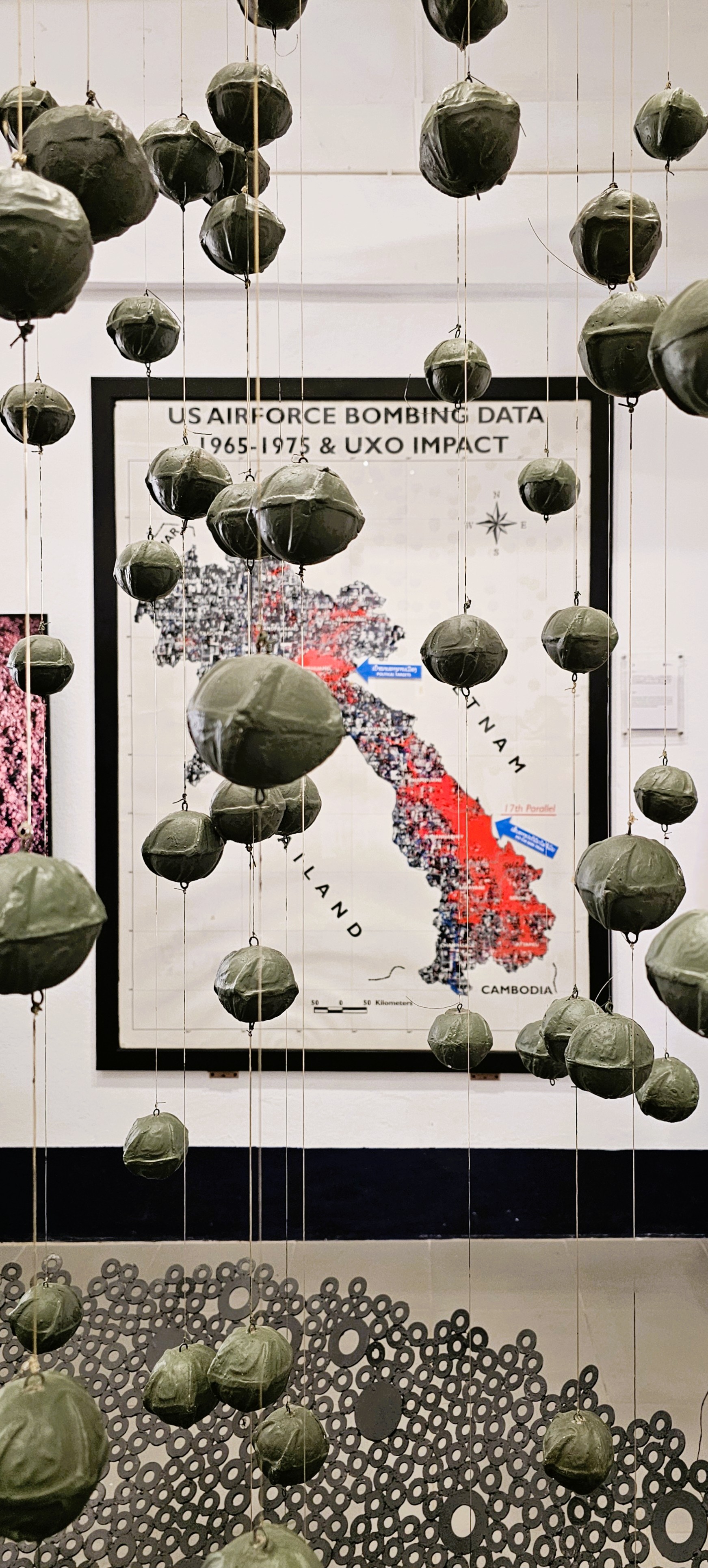
According to the National Regulatory Authority for UXO/Mine Action Sector, an estimated 80 million unexploded devices still litter the country, threatening lives and livelihoods. Since 1964, nearly 51,000 people have been killed or injured, with an average of 100 victims losing their lives each year.

Children often mistake remnant cluster bombs for playthings, leading to 40% of bomb-related fatalities involving minors. Consequently, with 80% of Laotians relying on their land for sustenance, individuals face the dire choice of risking their lives so they may tend fields dangerously littered with unexploded ordnance.
The LAO PDR government has set a bold target to remove all unexploded ordnance by 2030, recognizing the significant threat these remnants of conflict pose to the safety and development of its communities.
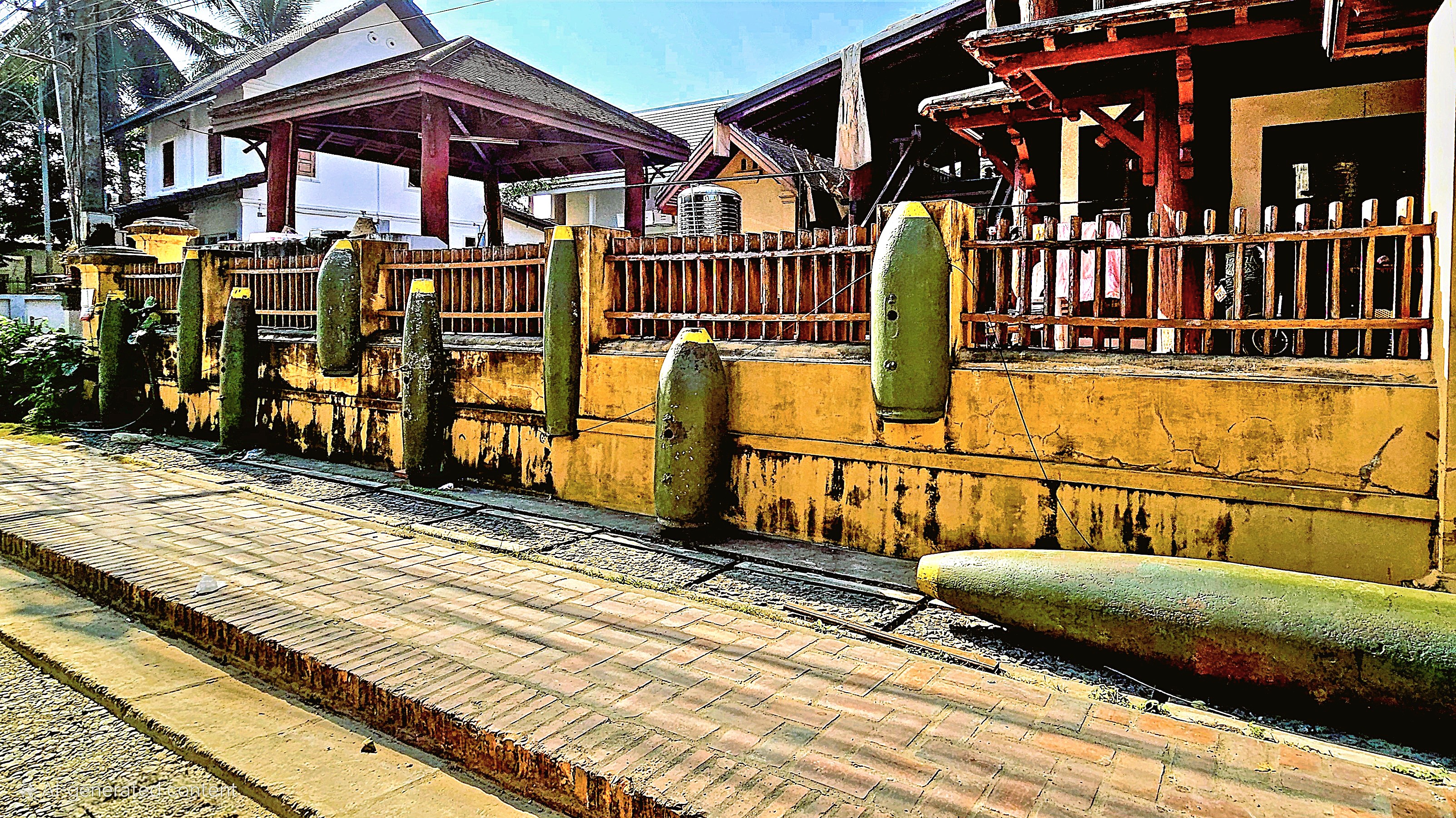
To help fulfill this pressing ambition, the government has received invaluable support from numerous countries (South Korea, United Kingdom, Japan, Russia, Norway, and United States) and international organizations–all committed to providing the necessary resources, expertise, and technology to ensure a comprehensive and effective clearance operation …until now!
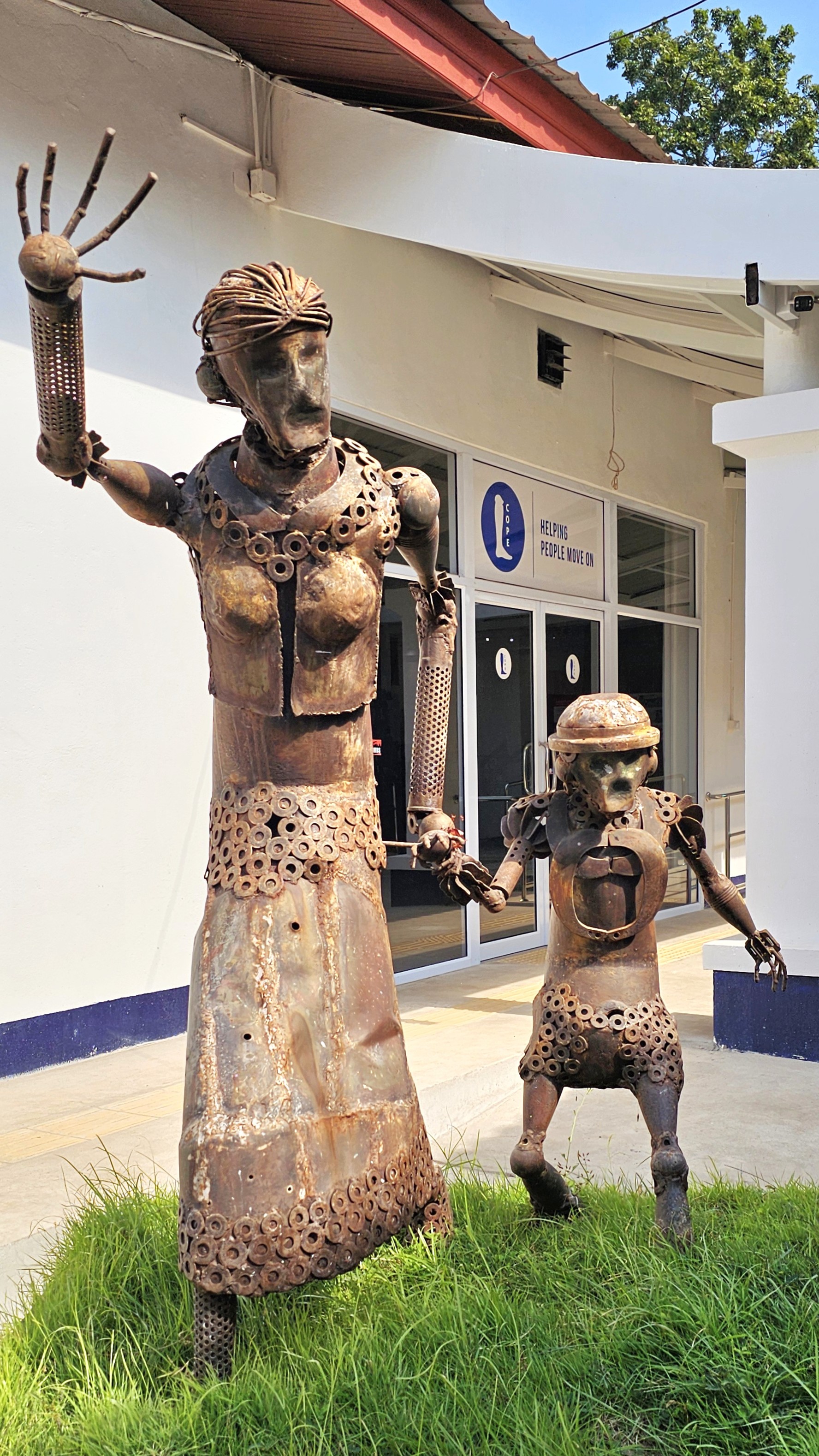
In 2016, President Obama committed $90 million USD on clearing its UXO in Laos, in addition to the $100 million the United States had spent in the previous 20 years, citing a “moral obligation to help Laos heal.” Funding for the effort also continued under President Biden’s watch. All told, the U.S. Bureau of Political-Military Affairs reported a $391 million investment since 1995, working with The Halo Trust, and Mines Advisory Group (MAG).
The U.S. Bureau states:
This life-saving work is making more land safe for agriculture, infrastructure, and tourism, and driving critical economic development across Laos. From FY 2021 through FY 2023, United States support to the UXO program in Laos has achieved the following results:
- Cleared UXO from more than 108 million square meters of land (26,700 acres) across Laos;
- Removed and destroyed more than 155,600 pieces of UXO and 116 landmines;
- Educated over 270,000 Lao PDR citizens about the risk of explosive hazards in their communities; and
- Provided medical assistance to 90 citizens who were victims of UXO accidents.
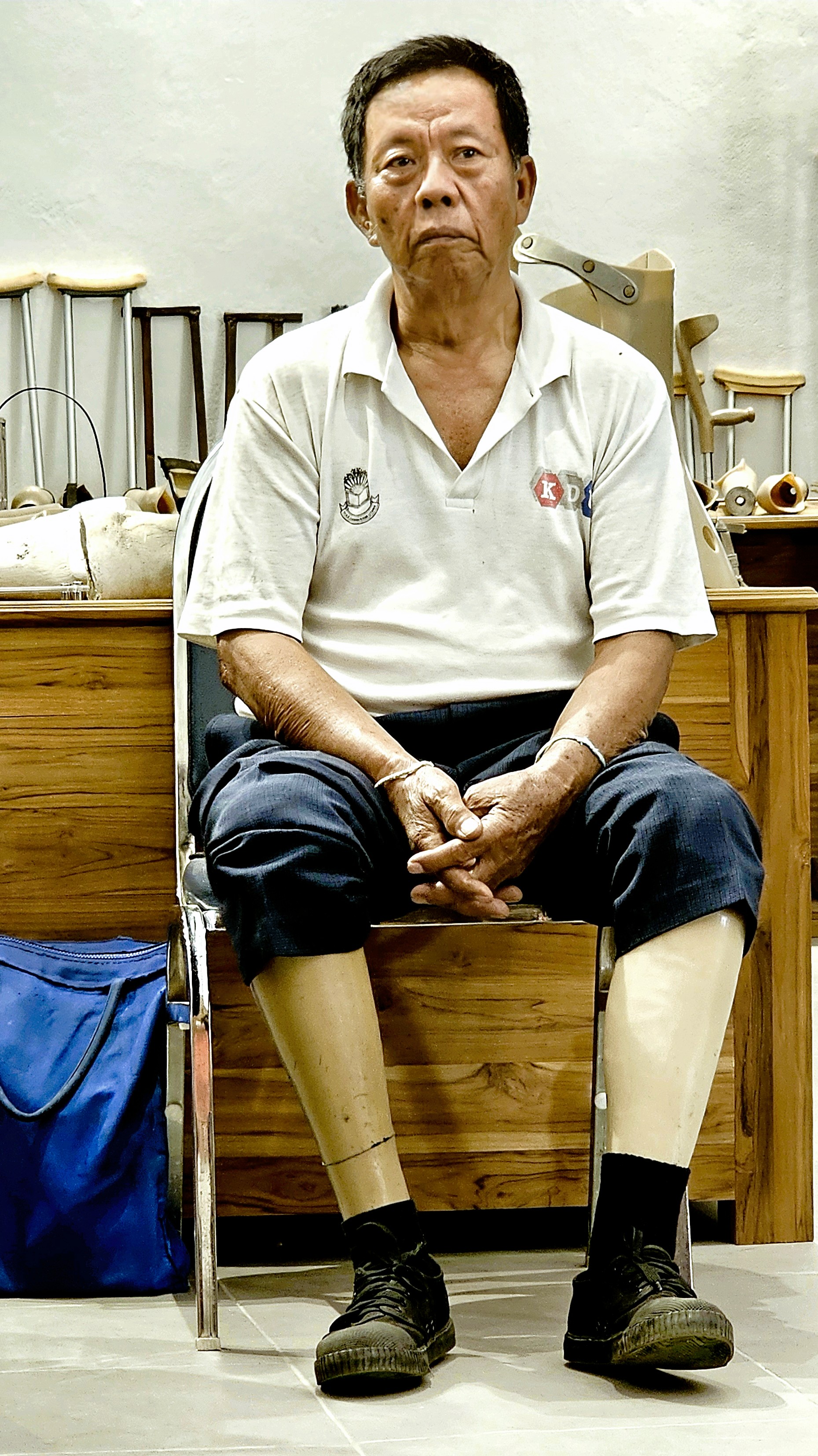
Additionally, the Cooperative Orthotic and Prosthetic Enterprise (COPE), a locally run, non-profit organization supports injured civilians by providing prostheses and physical rehabilitation at no cost.
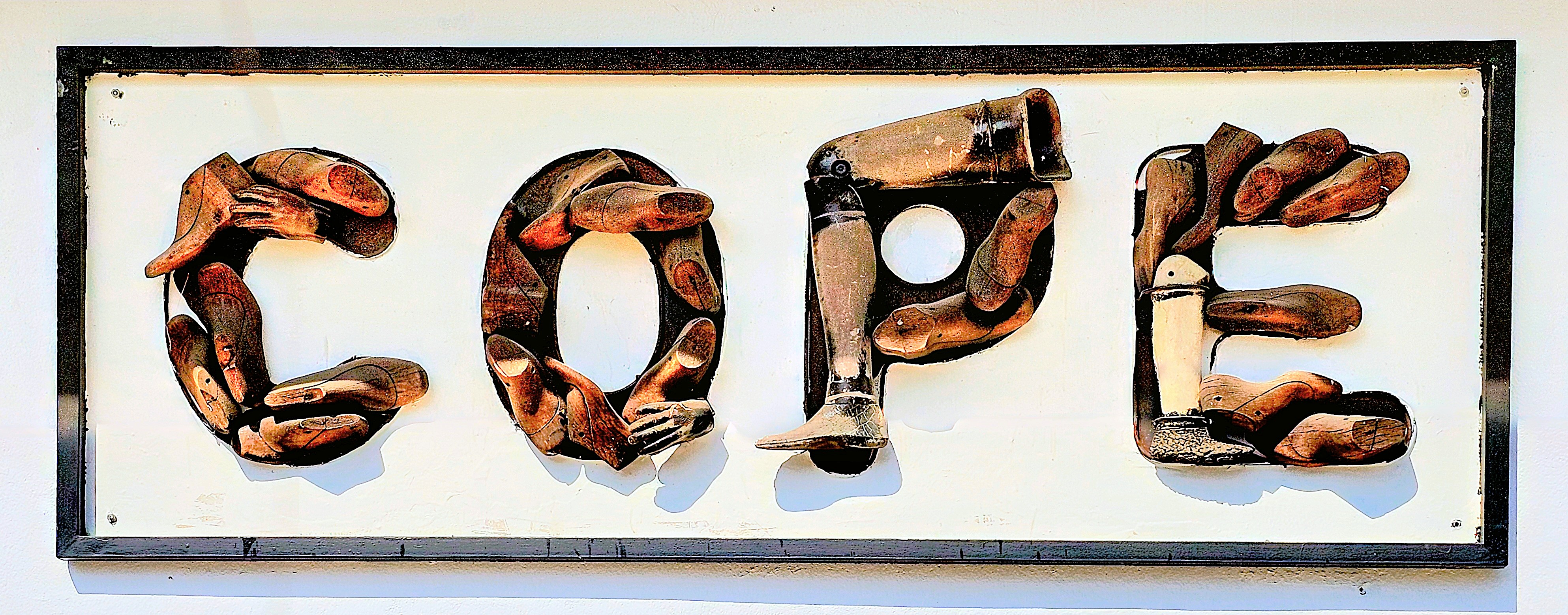
However, the commendable efforts of The Halo Trust, MAG, and COPE have been unceremoniously halted by President Trump, who has recklessly axed all funding to USAID (United States Agency for International Development) programs. This betrayal has robbed UXO survivors, war victims, and individuals with disabilities of crucial support they desperately need to reclaim their lives and dignity.
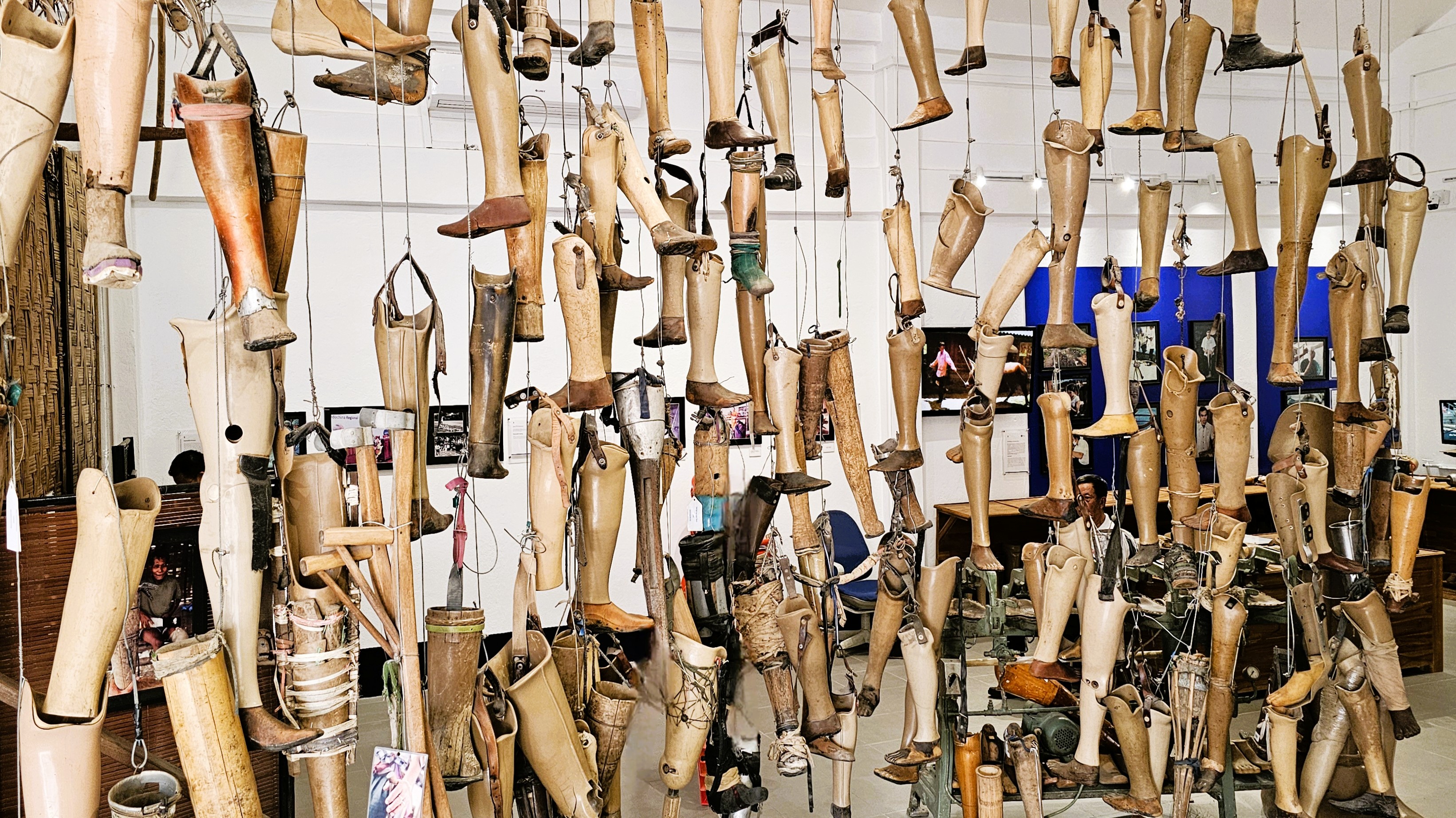
USAID once played a crucial role in U.S. foreign policy, using soft power to promote global development, democracy, and diplomacy. Its closure marks a significant shift, raising concerns about America’s reduced influence, as China and Russia expand their aid programs to fill the vacuum.
It’s crystal clear that funding to USAID must be restored. These collaborative efforts highlight the importance of international solidarity in addressing such a critical humanitarian issue, paving the way for a more peaceful future in Laos.































 Streaming thru America