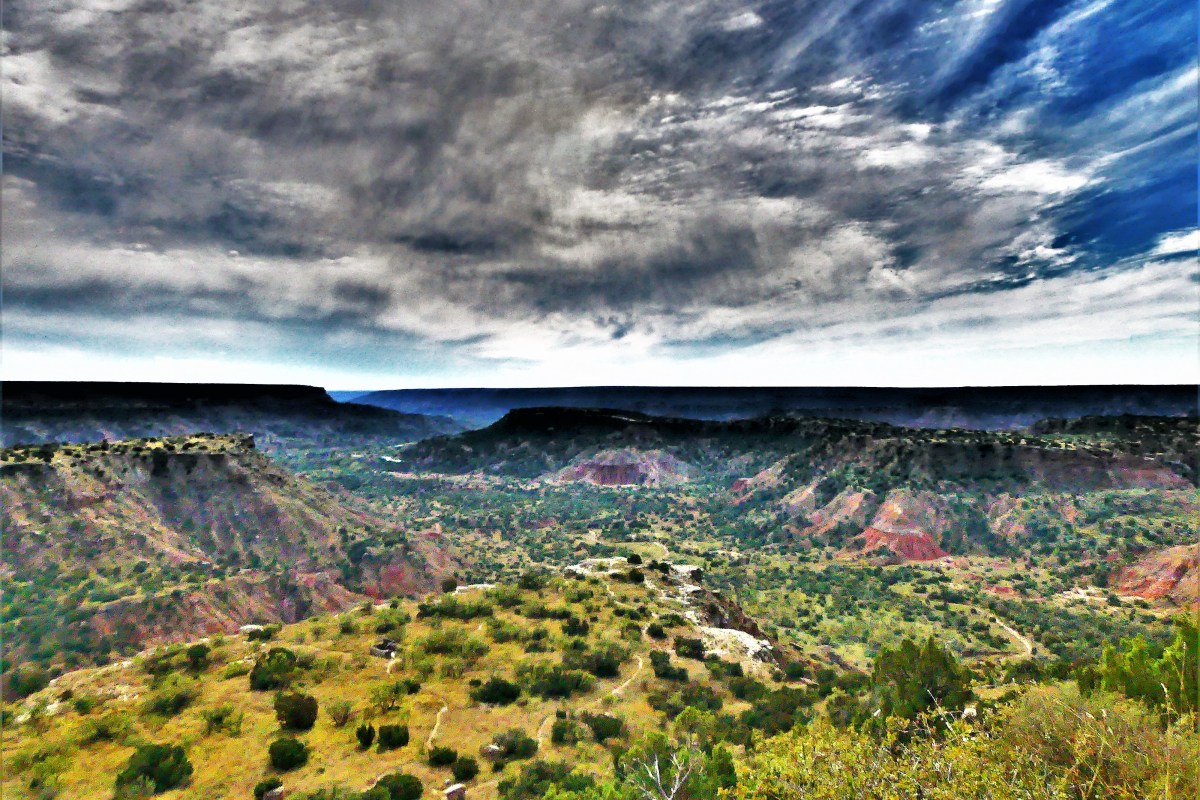
Wouldn’t you know it?! Texas has a Grand Canyon of its own in the middle of its panhandle called Palo Duro. And the best way to see it is from the saddle of a horse while riding at the bottom of the canyon floor.
We’d been wanting to go horseback riding for the past few months, but something always interfered with our plans, or time wouldn’t allow. But Leah was determined.
“If you can ride in a balloon, then I get to ride a horse,” she declared.
And true to her word, reservations made on Thursday got us an early ride time with Jennifer at Old West Stables inside the state park.
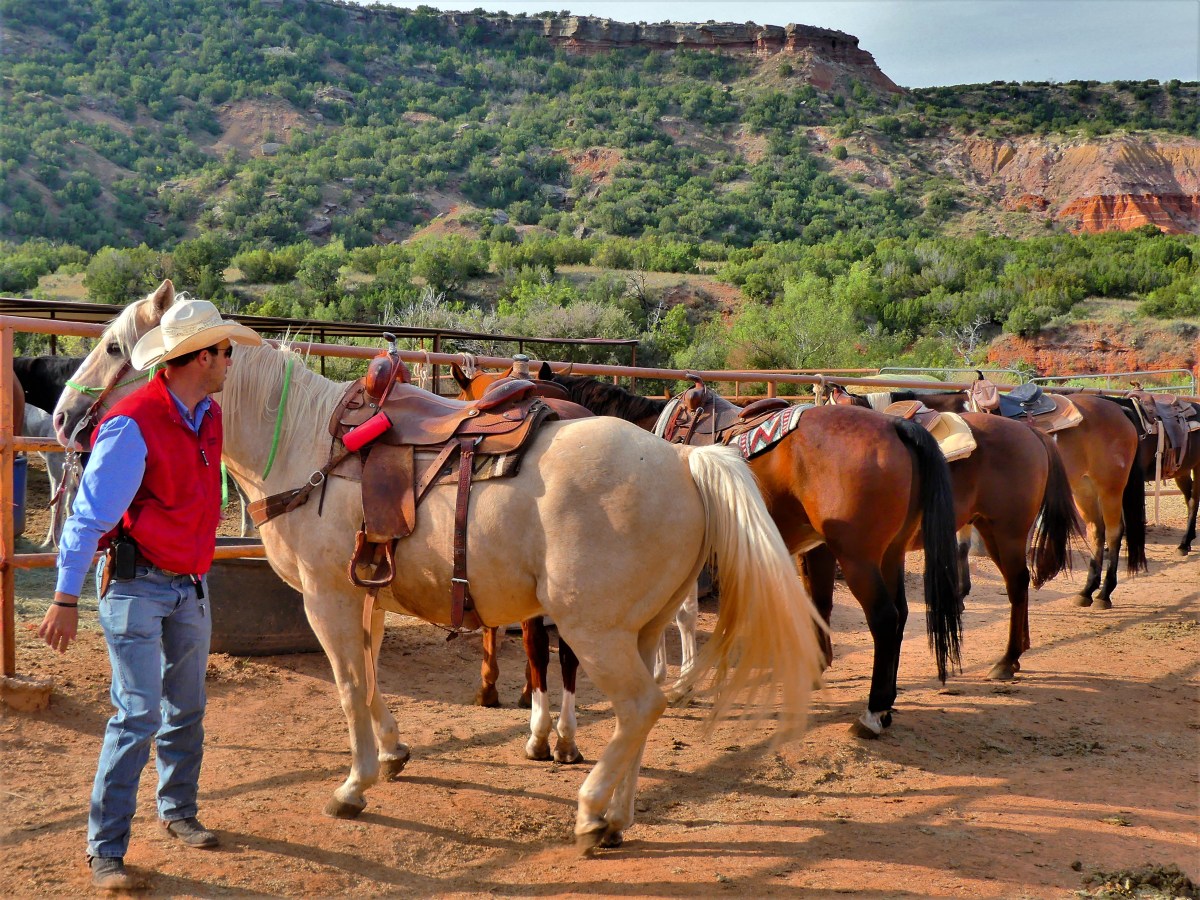
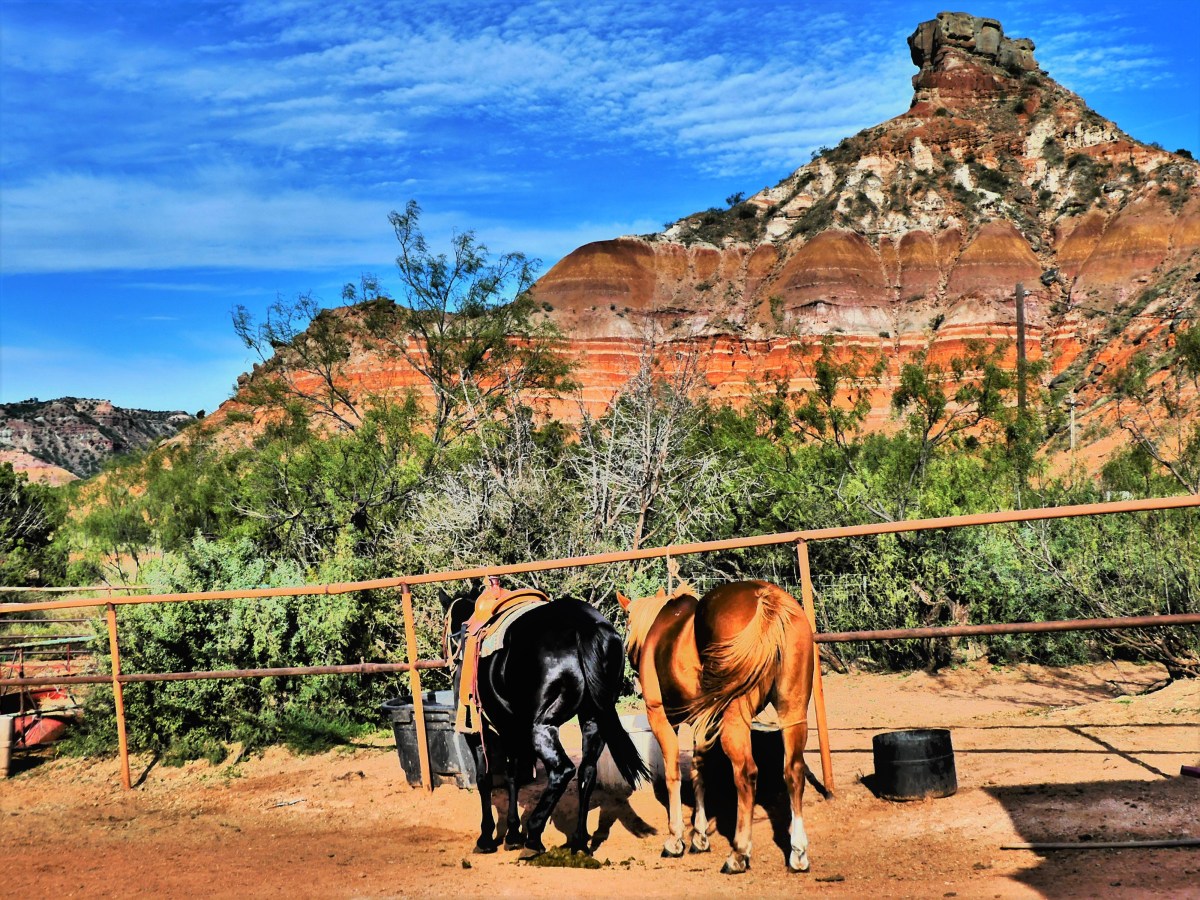
We mounted Buster and Lloyd,
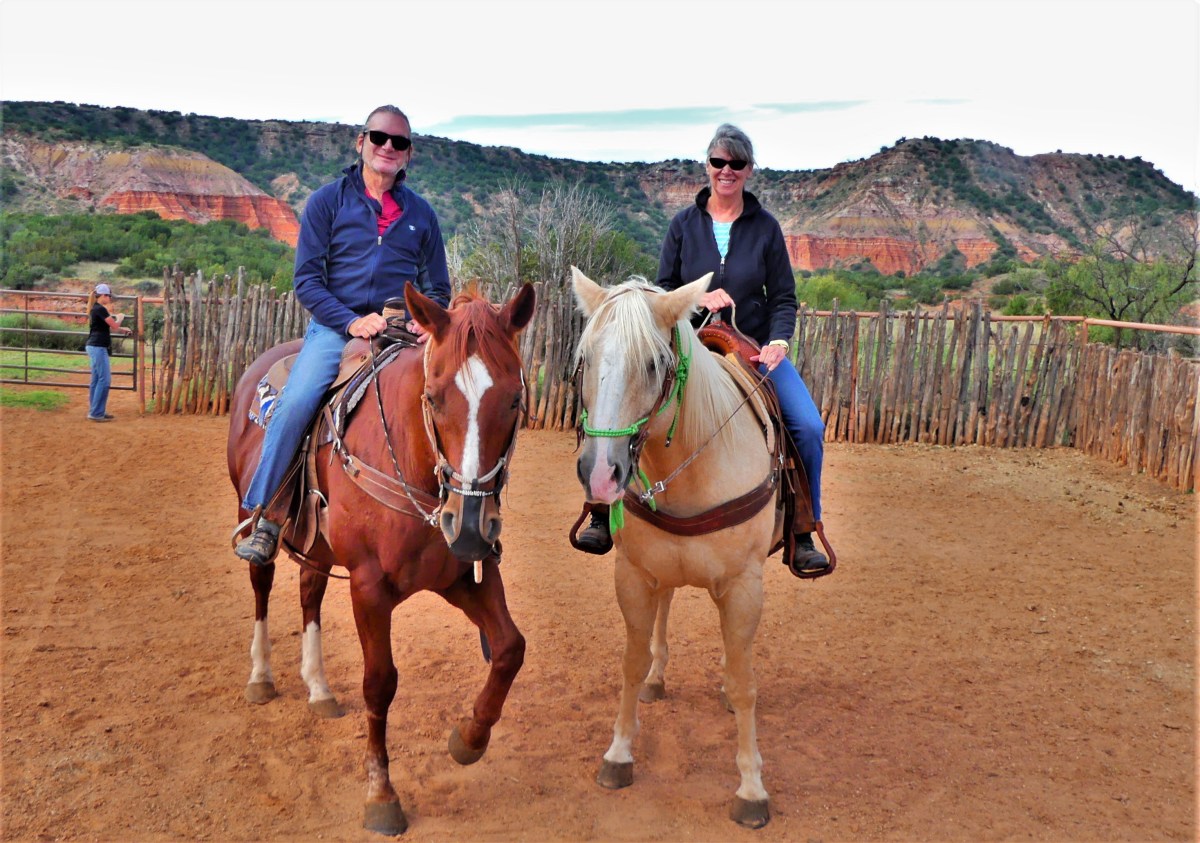
and rode along an unmapped equestrian trail that took us along the foothills of the canyon walls…

and through the hills and ravines of a basin carved by the Prairie Dog Town Fork of the Red River over one million years ago.
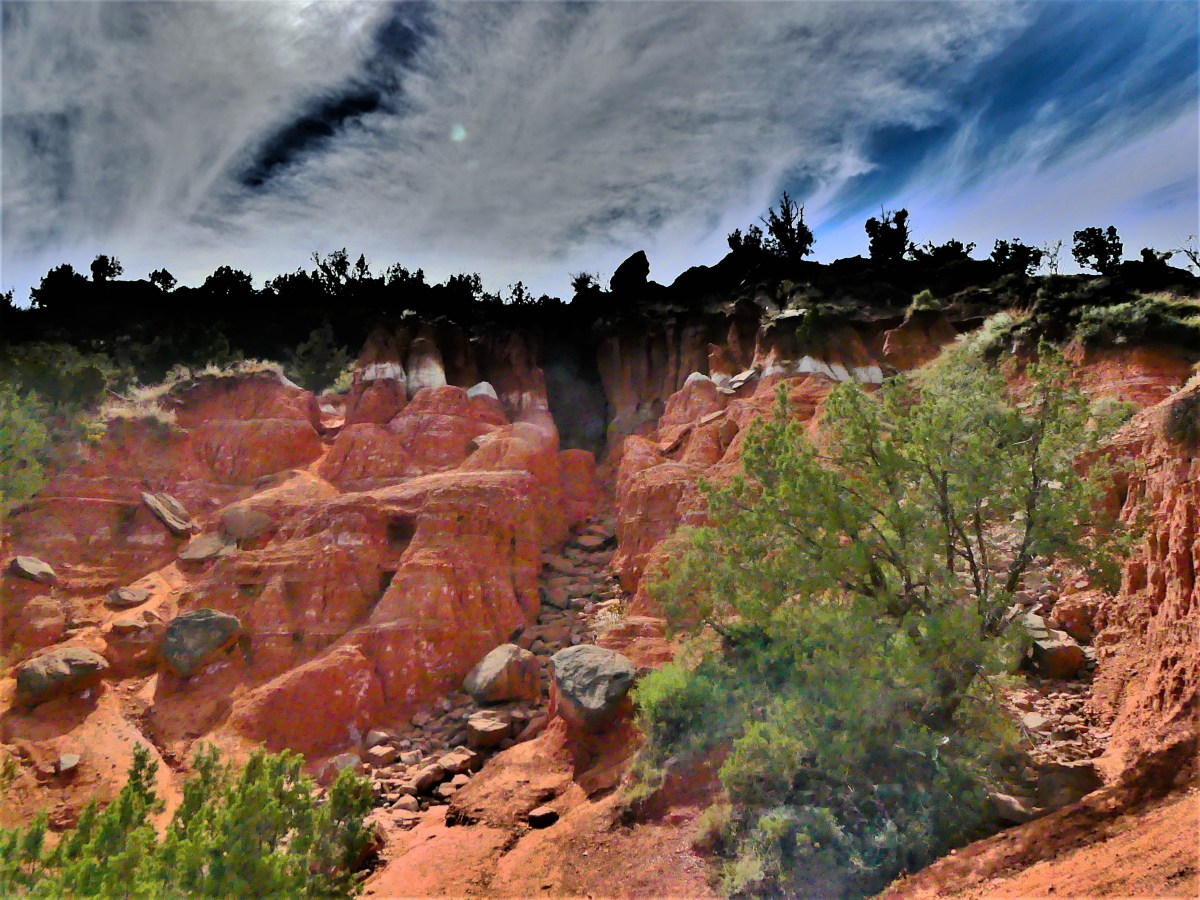
We passed colorful rock formations resulting from a geologic compression of four distinct periods layered over the course of 250 million years.
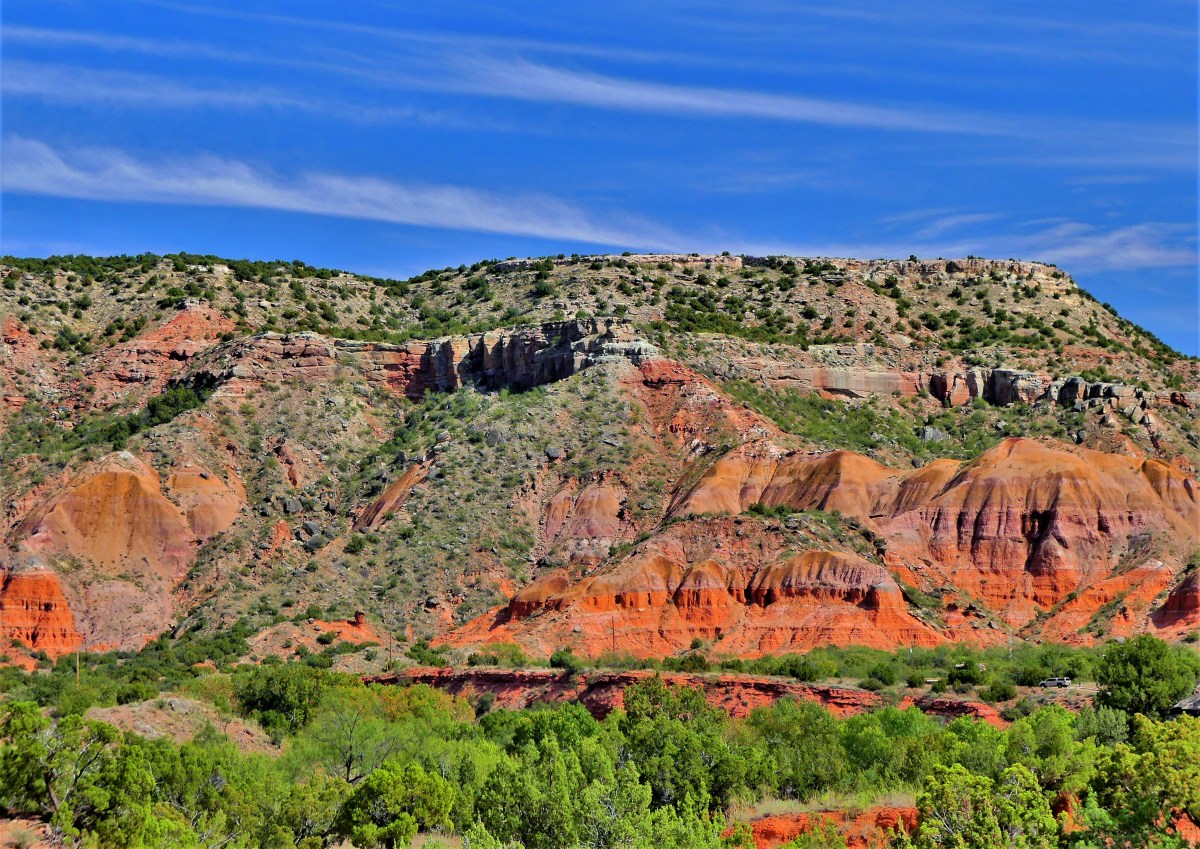
While I enjoyed the scenery, and the quiet of the canyon,
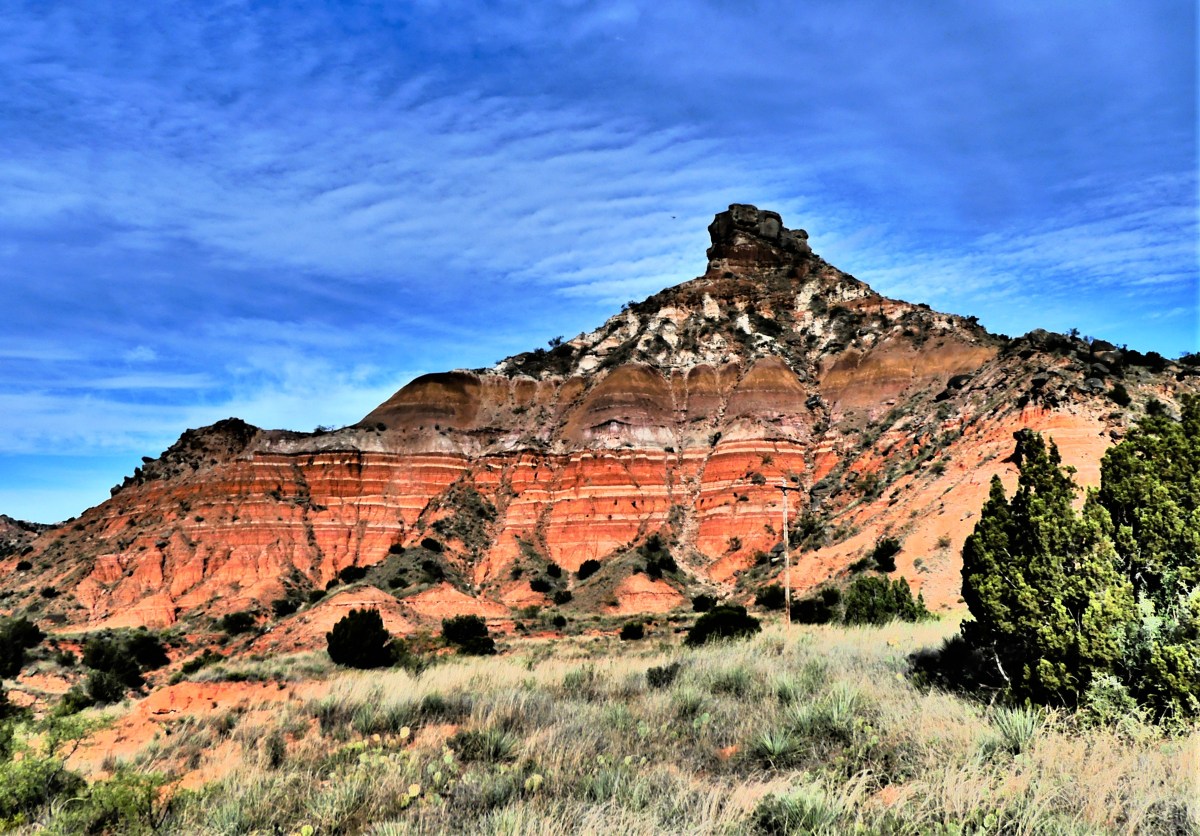

I had the disadvantage of riding behind Leah’s horse, Lloyd.
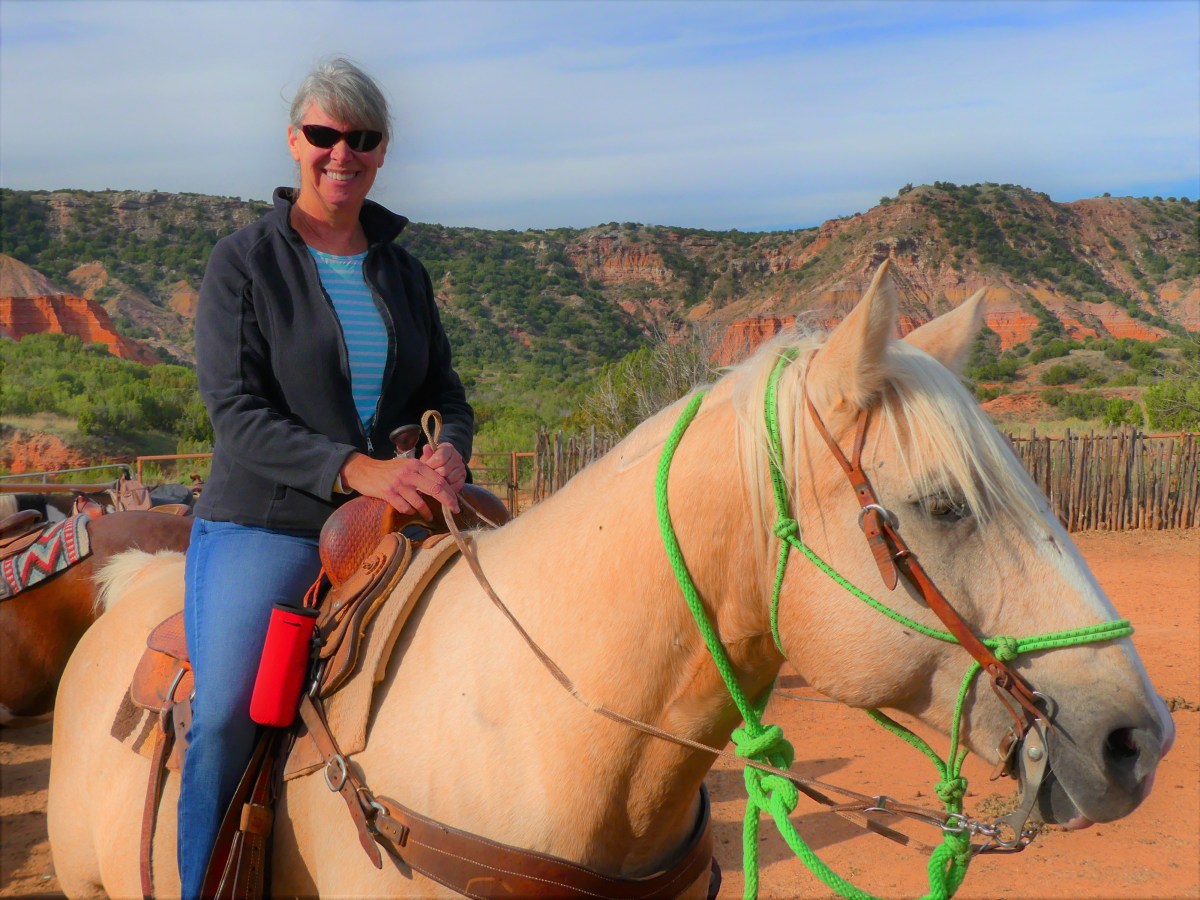
Lloyd was a farter who always positioned himself behind the lead horse.

And no matter how many times I tried to hold Buster back…

…we would always find our way back behind Lloyd’s swishing tail,

where Buster was always greeted with a slow and steady current of foul wind, followed by an evacuation.
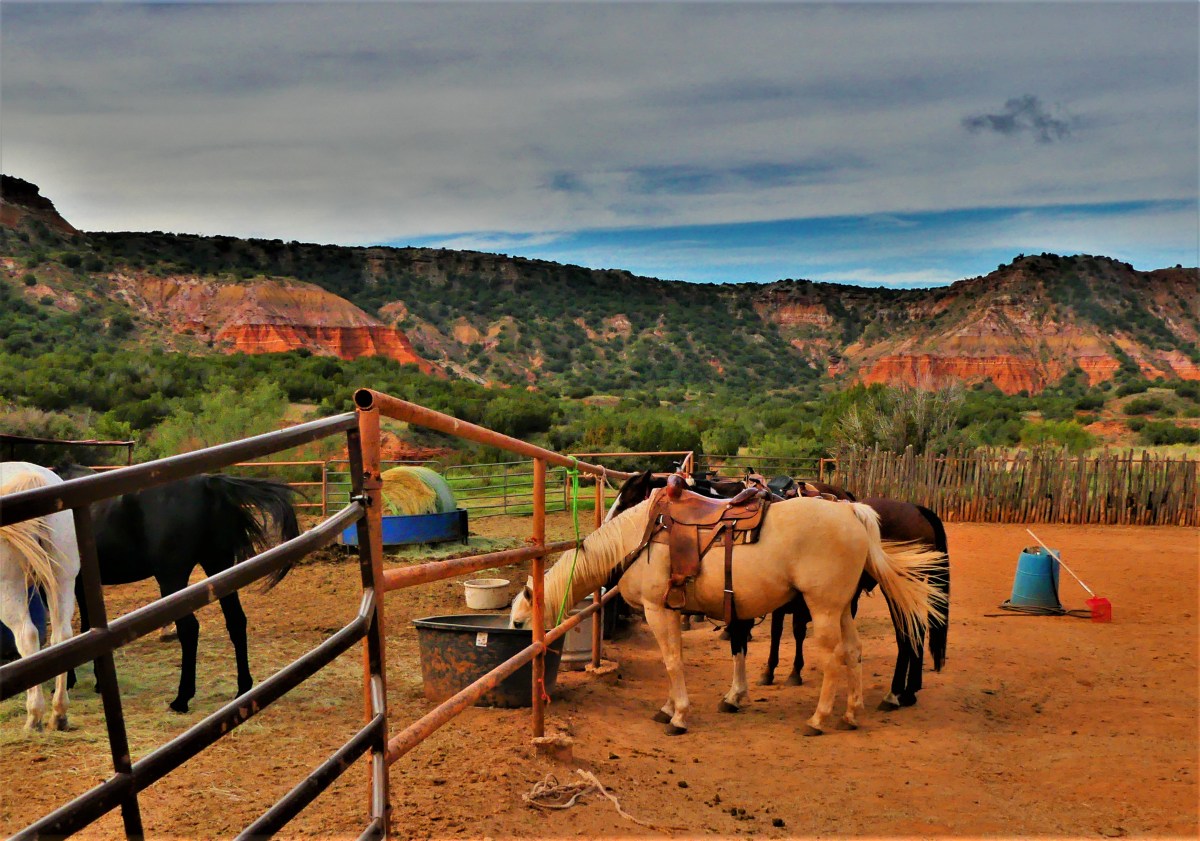
The hour passed as easily as Lloyd’s breakfast, and we found ourselves back at the stable, in time for Lloyd’s lunch.
Once finished, we took a ride back to the lodge at the top of the canyon for a better perspective of the second largest canyon system in America,


before returning to the basin’s scenic road to explore the Big Cave,
an opening in the red rock that’s not as big as it’s unusual.


The Texas panhandle is as flat as a cowpie, and wide as the open sky.

Thankfully, Palo Duro Canyon provides some variety to a linear landscape, and adds some color to a pale prairie palette.

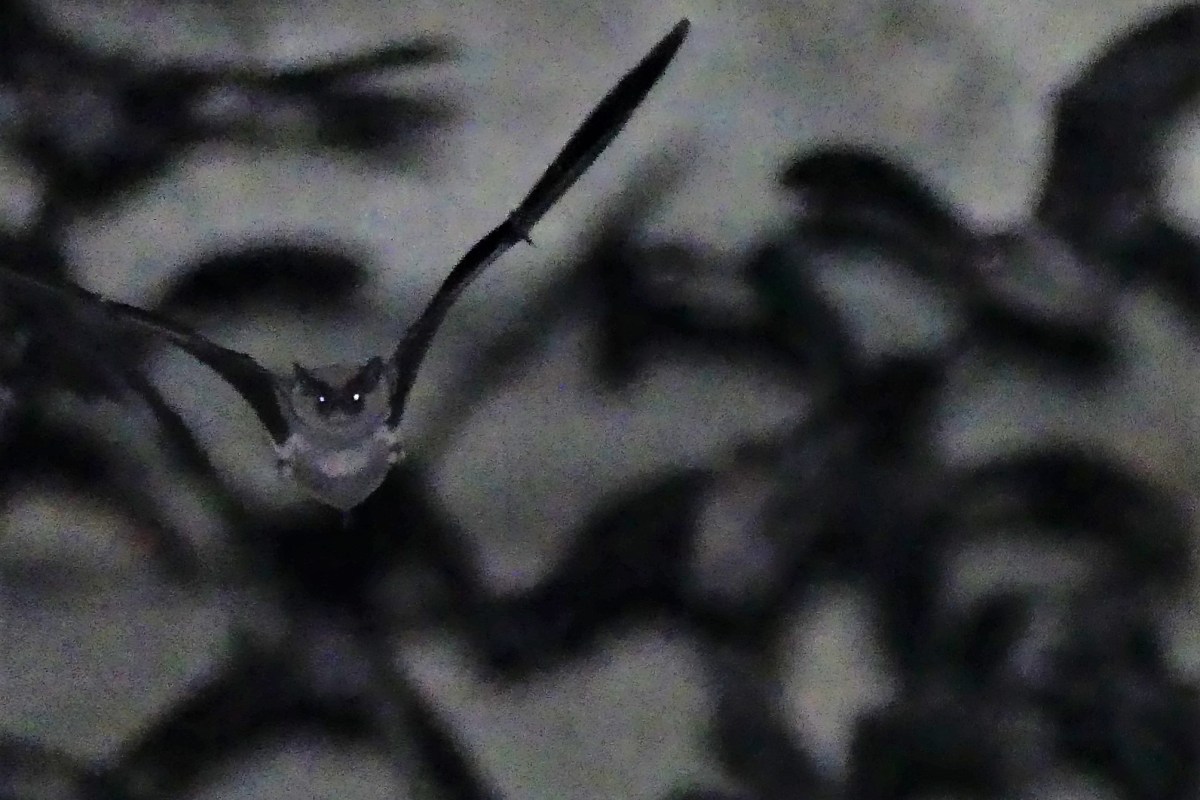
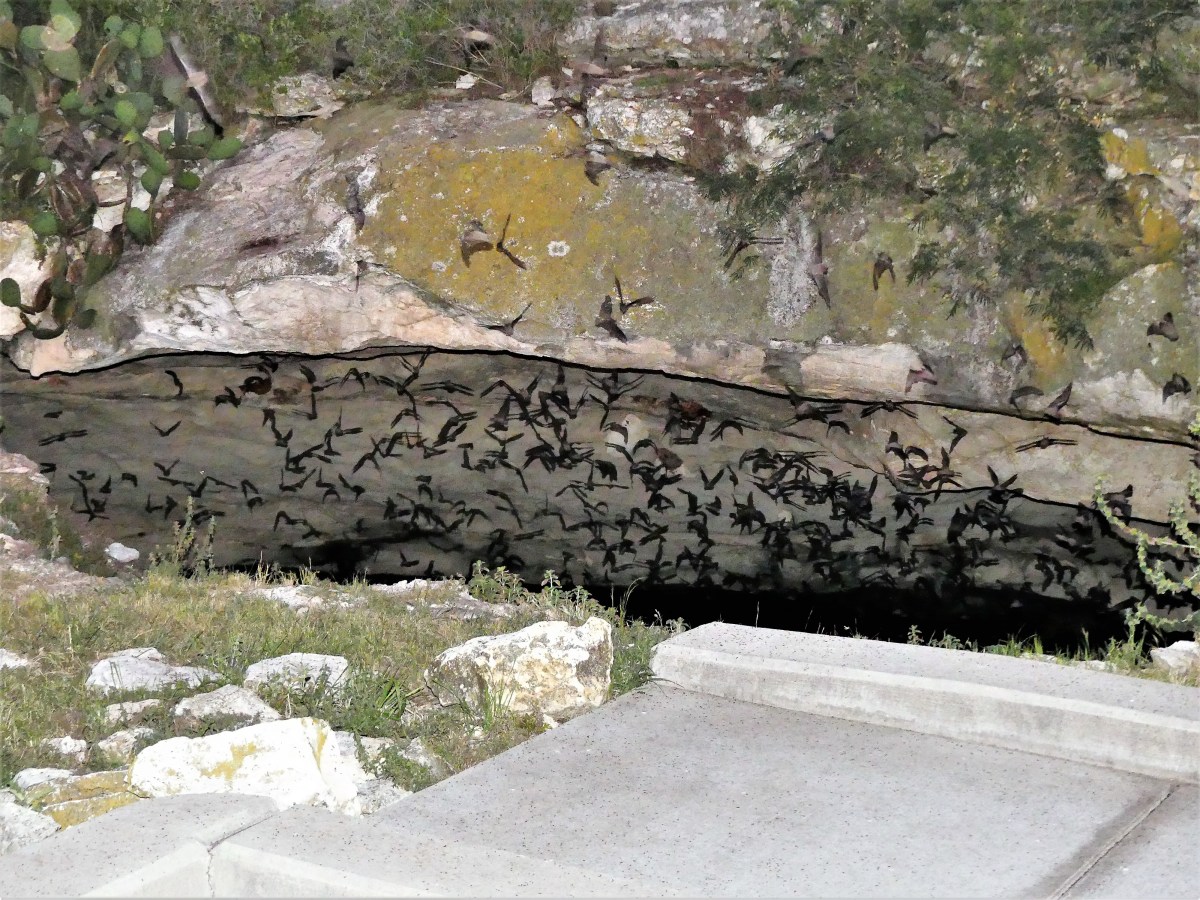

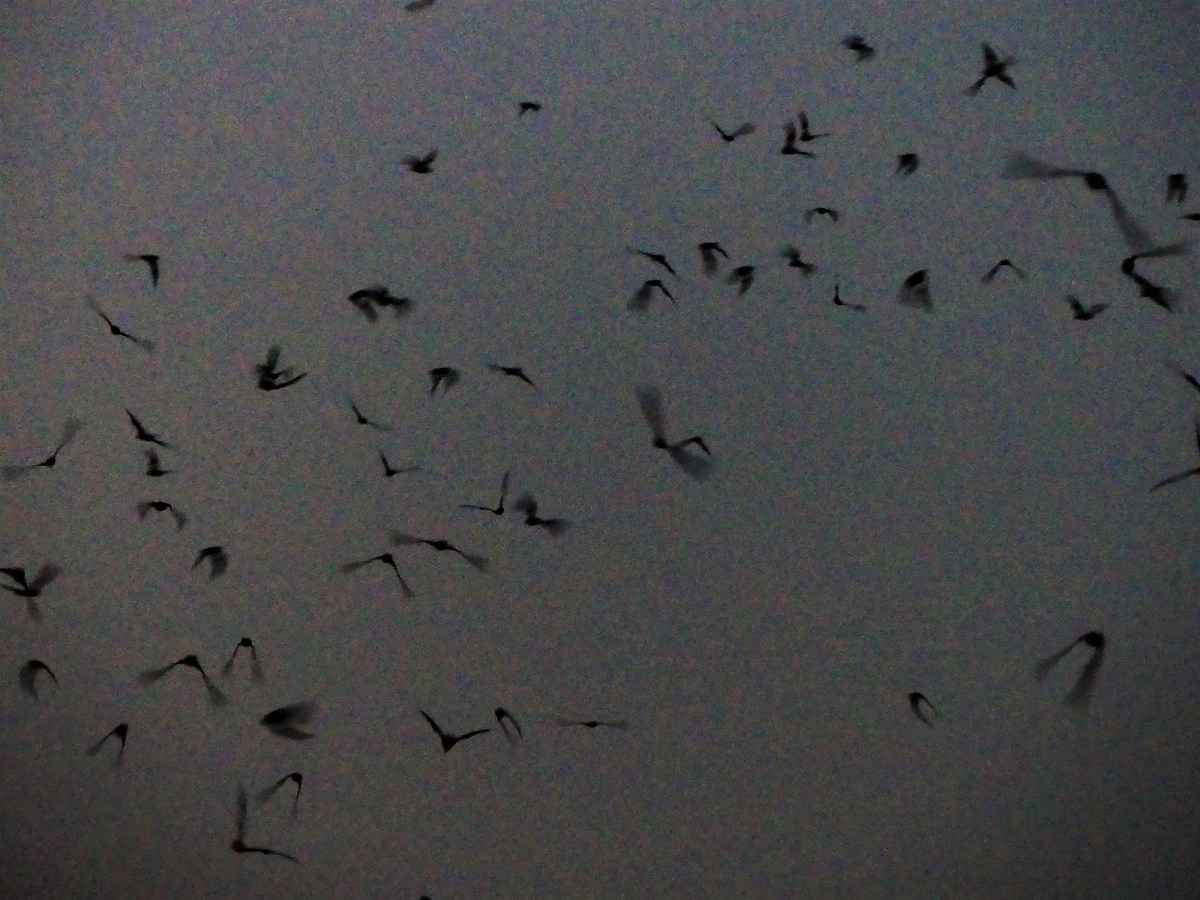
 and into the twilight, fluttering en masse, up and over the trees.
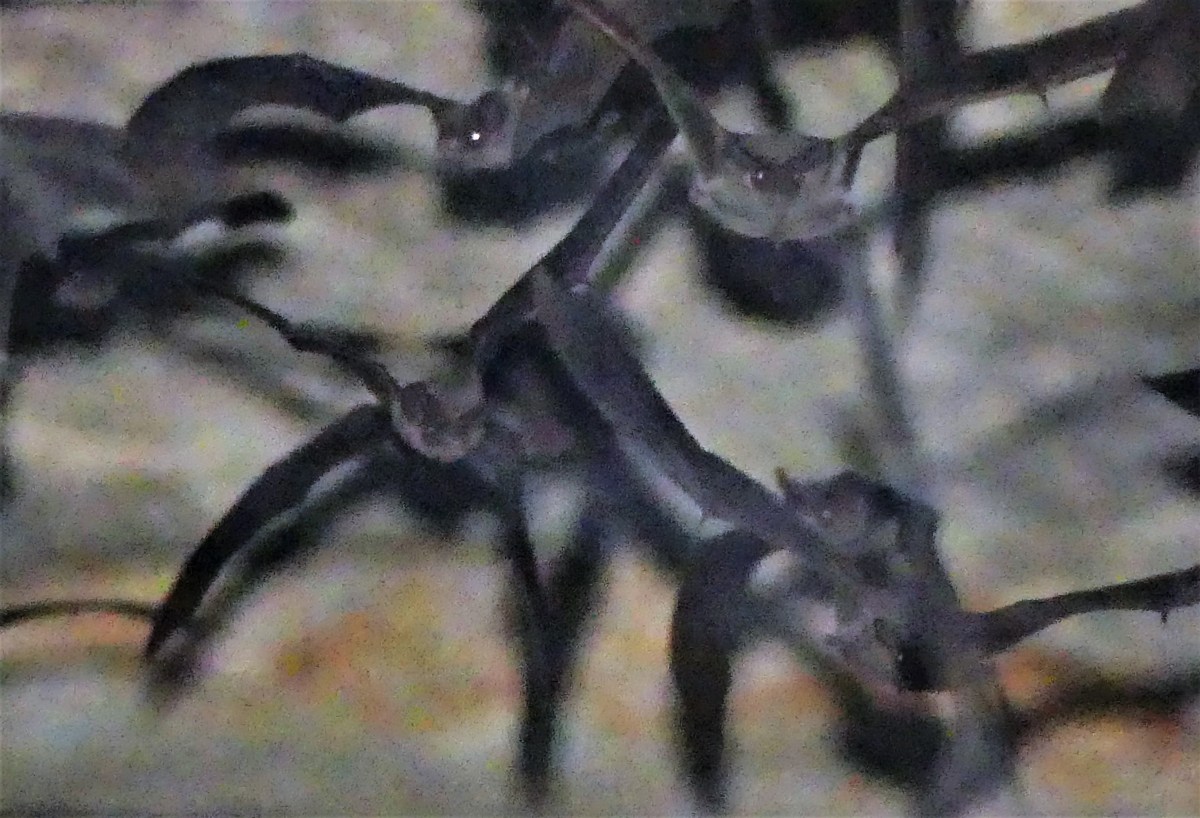
 A continuous and frenzied swarm pours from the cave in a procession that could last up to two hours.
 With the exception of some rogue bats that fly off in scattered directions, the mother lode hooks right and follows a path 50 miles due east to Uvalde in search of mosquitoes and corn earworms, a tasty moth that wreaks havoc on a number of Southern crops.
 Historically, the Sergeant family, who farmed this property from the early 1900’s, protected the cave entrance with fencing in order to mine the accumulated guano, which provided important income to the ranchers until 1957 when sold as premium fertilizer and an explosive constituent.
 Having over-nighted for three days in the park, I can testify that there is no shortage of annoying bugs here. Not to be selfish, but I’d like to propose that some of the bats stay behind and clean up inside the park’s perimeter. If the bats only knew that they could dine closer to home–forsaking the 100-mile round-trip–then I could better enjoy my outdoor dinner plans as well.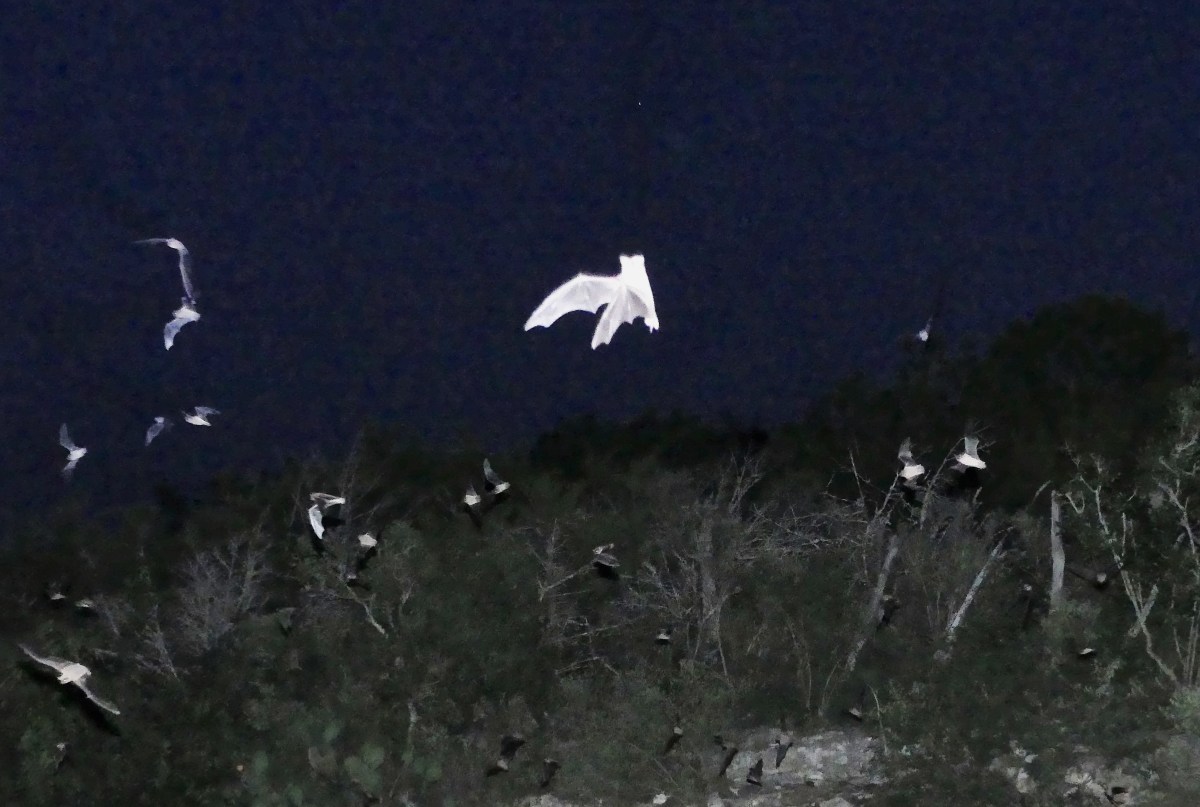



 Streaming thru America