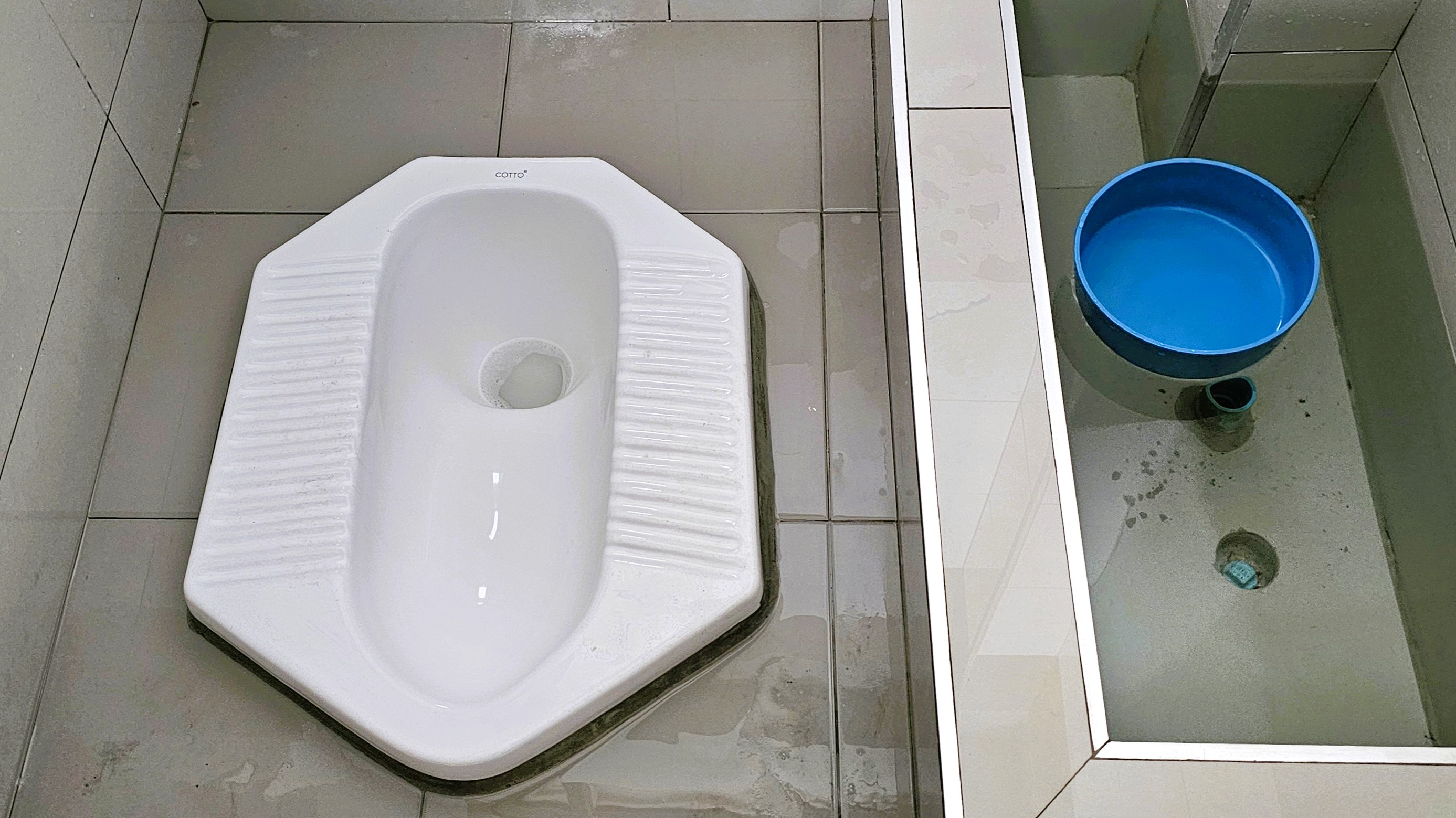
In Thailand, you won’t hear anyone saying they need to use the bathroom. It’s not the WC, the loo, or the potty either. Nope, people are heading to the Happy Room, where the vibe can be a bit cheeky (all puns totally intended)!
By no means is this intended as a definitive and exhaustive chronicle of Happy Rooms we have witnessed, or in some cases, survived. It’s just that some Happy Rooms are more surprising/unusual/gross/etc. than others and are therefore more worthy of notice.
Some Happy Rooms are grand because the surroundings are grand.
Such is the case with the Grand Royal Palace–making for a more elevated experience.
Some Happy Rooms are thematic, such as the blue Happy Room of the Blue Temple, formally known as Wat Rong Suea Ten, or “Temple of the Dancing Tiger.” Planting trees between the urinals is an interesting touch. They give new meaning to pee pee trees.
For those looking for the ultimate bang for their buck, there’s the White Temple’s Happy Room, which assures all users a quintessential gilt trip.
Sometimes Happy Room directions can be explicit for good reasons,
while there are times when directions are self-explanatory.
Nearly all Happy Rooms with commodes have an external hose with sprayer attached to the flush mechanism of the toilet. Is it for use as a functioning bidet…
or is it for general cleanup when directions are ignored, and misses are inevitable? Because in Thailand, sometimes the availability of tissue squares can be a crap shoot!
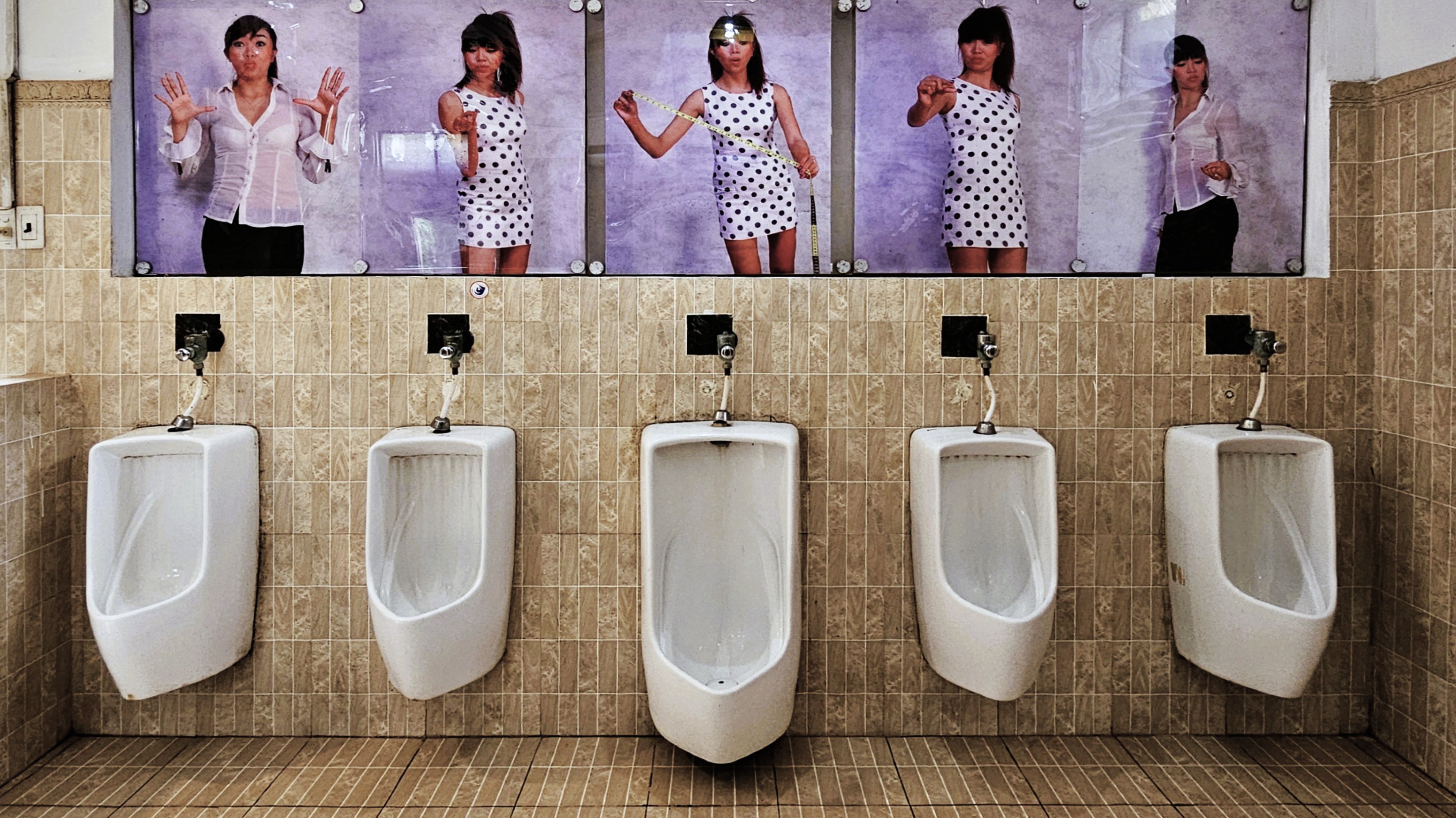
Some Happy Rooms are whimsical; they come with voyeurs…
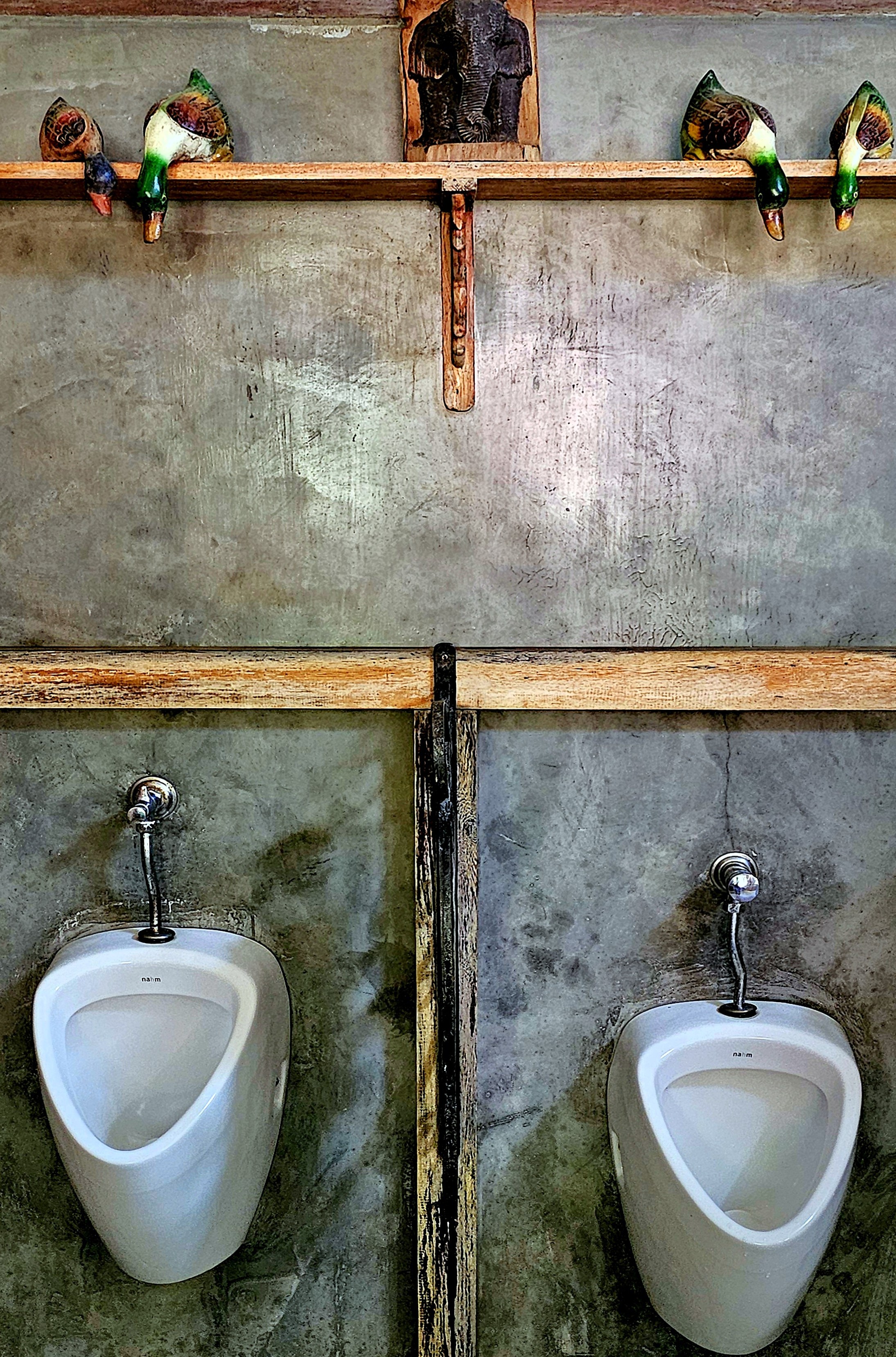
while others come with Peeking [sic] ducks.
Most times, all we need are the bare necessities…
because sometimes there are so many rules, that it makes more sense to sit like a lady, rather than standing on ceremony.
(Yes, the sign is from Hanoi, but it’s still worthy of consideration regardless of the location or the urge!)
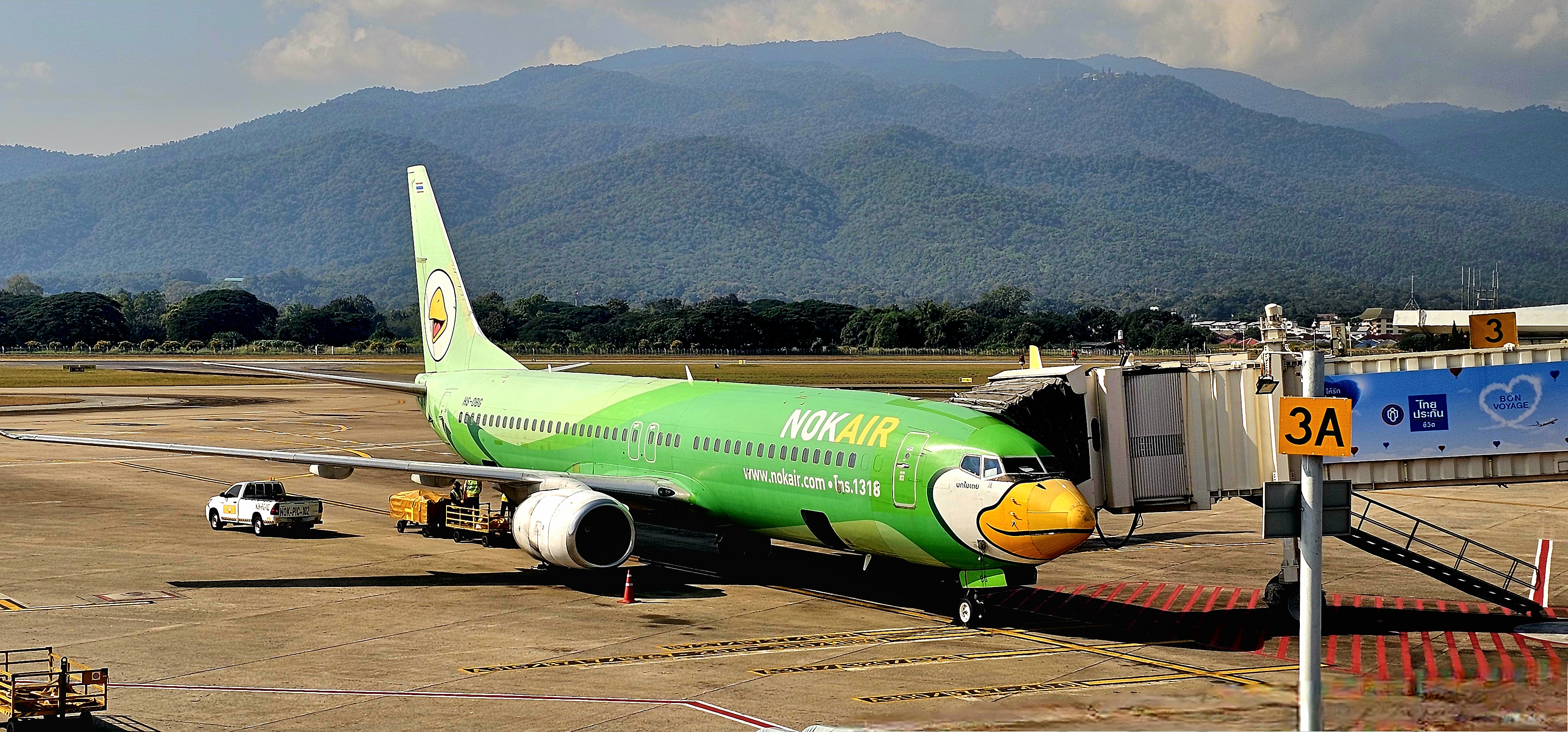
After touching down at Chiang Mai International Airport, the stark contrast to Bangkok was immediately apparent. The air was cooler, humidity was dryer, and the AQI was no longer borderline, breathtaking.
We were at the gateway to the Thai highlands, in sight of Doi Suthep (elev. 5500 ft), and we were trading skylines for landscapes.
Exploring Chiang Mai’s heritage–rich with unique Lanna-style architecture, art, sculptures, handicrafts, and ancient temples–gave us the cultural opium we were all craving, with insightful opportunities to:
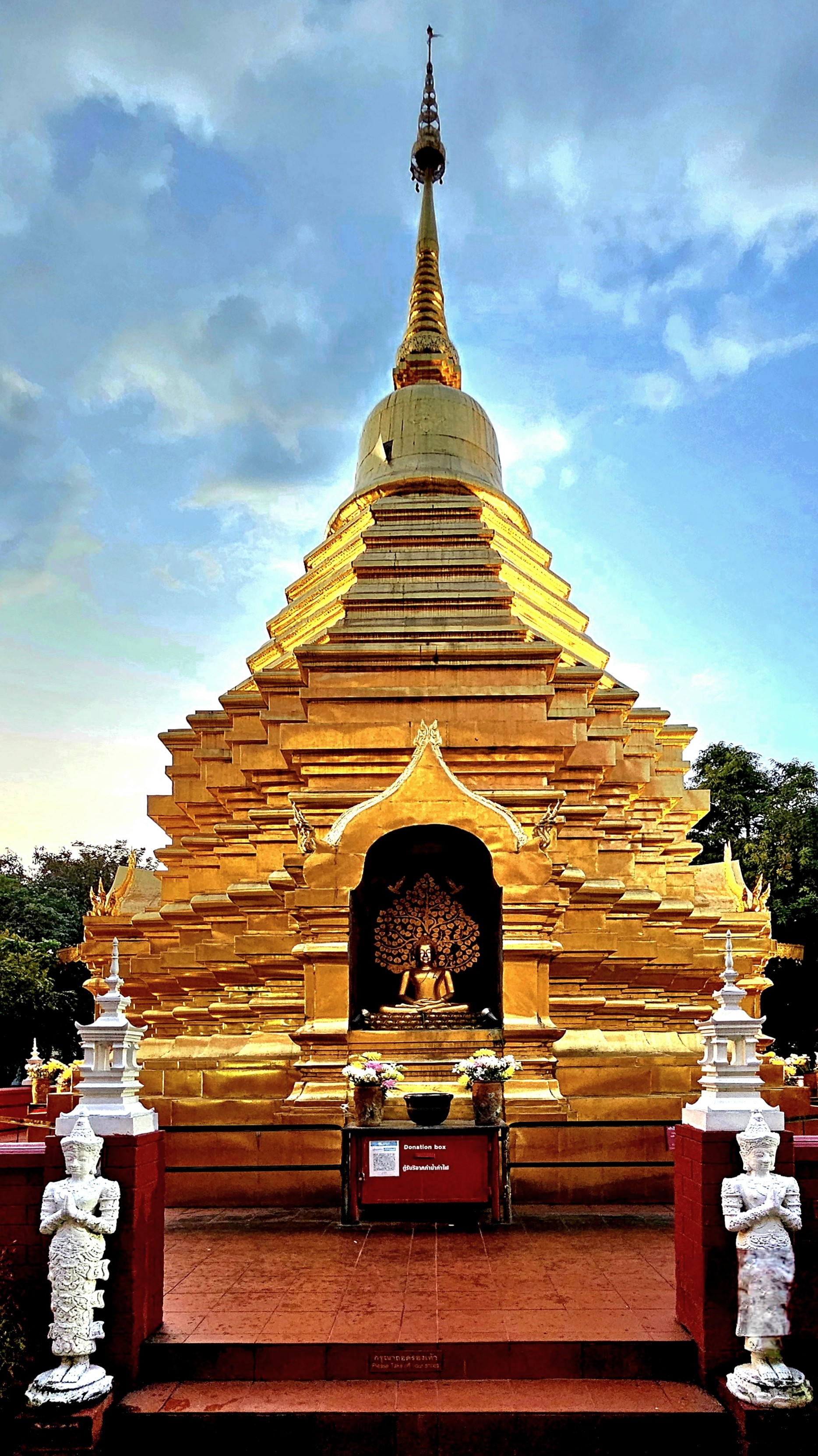
dive deeper into Buddhism (at Wat Phan On, inside the ancient city wall);
experience the folklore (of traditional Lanna Thai dancing);
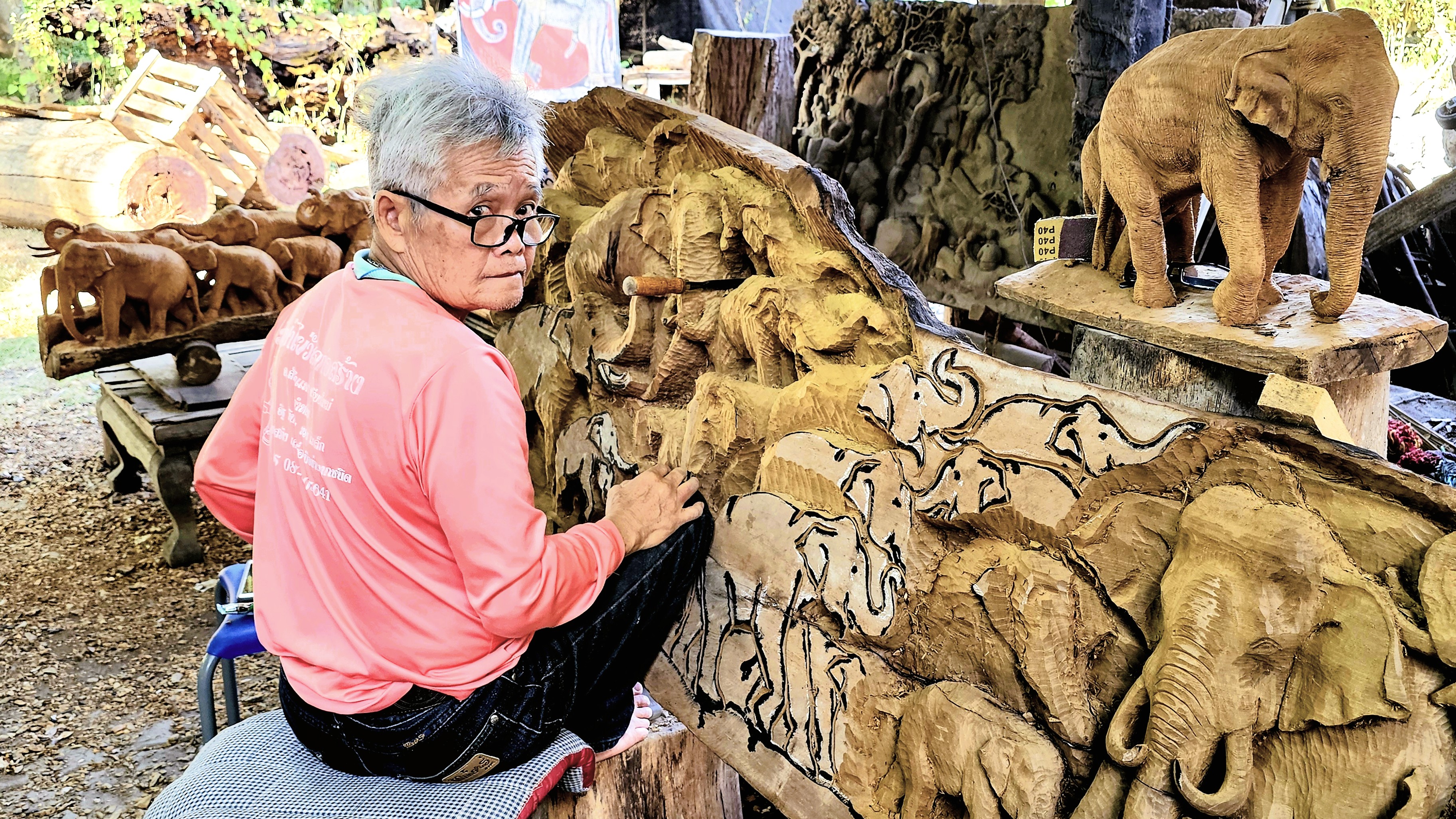
admire the folk art (of a master carver from Baan Jang Nak);
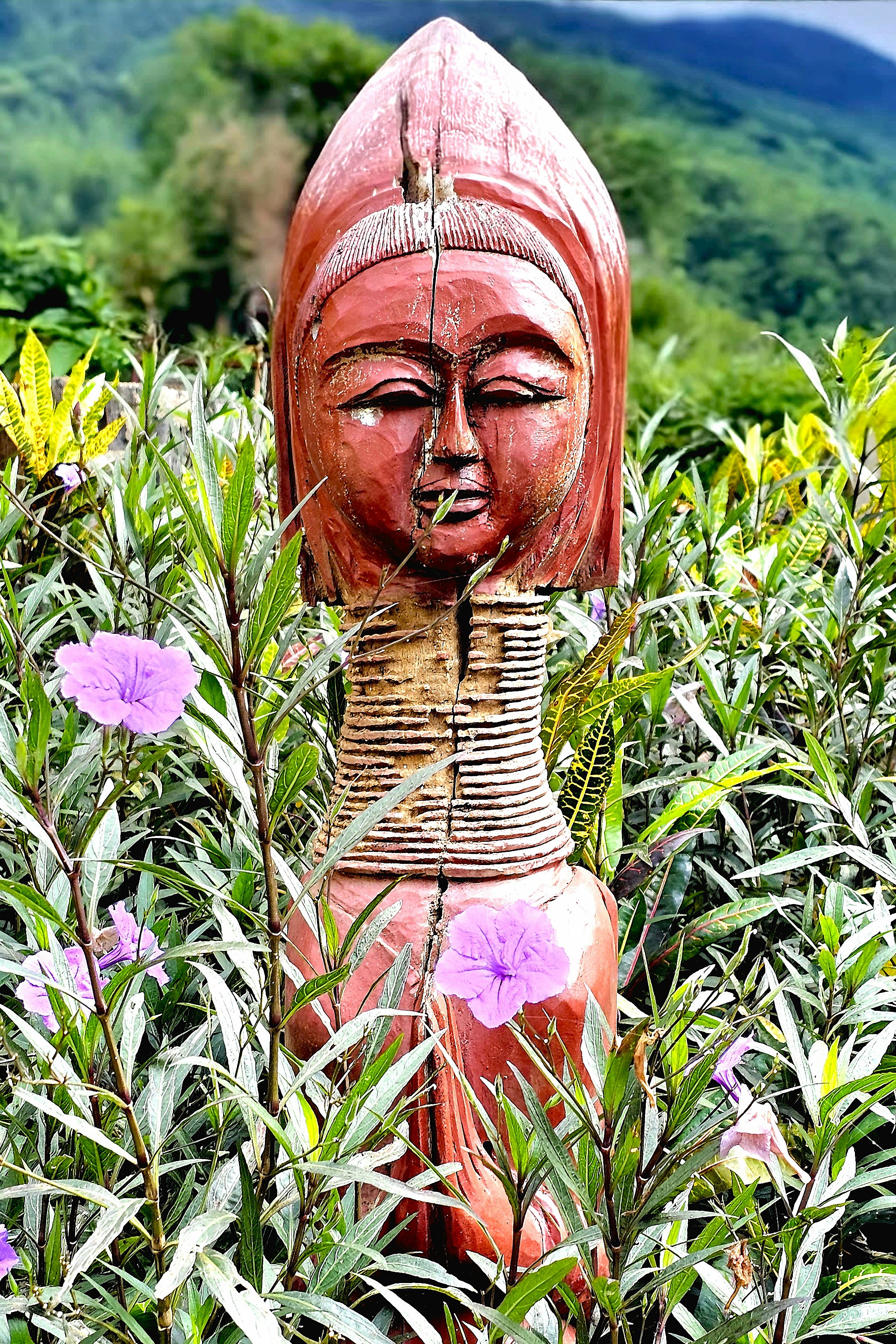
appreciate the artisanship (of a reformed Karen Tribe villager);
savor the Lanna cuisine (of a traditional Khantoke dinner);
and relish the view (from atop an artisanal coffee farm).
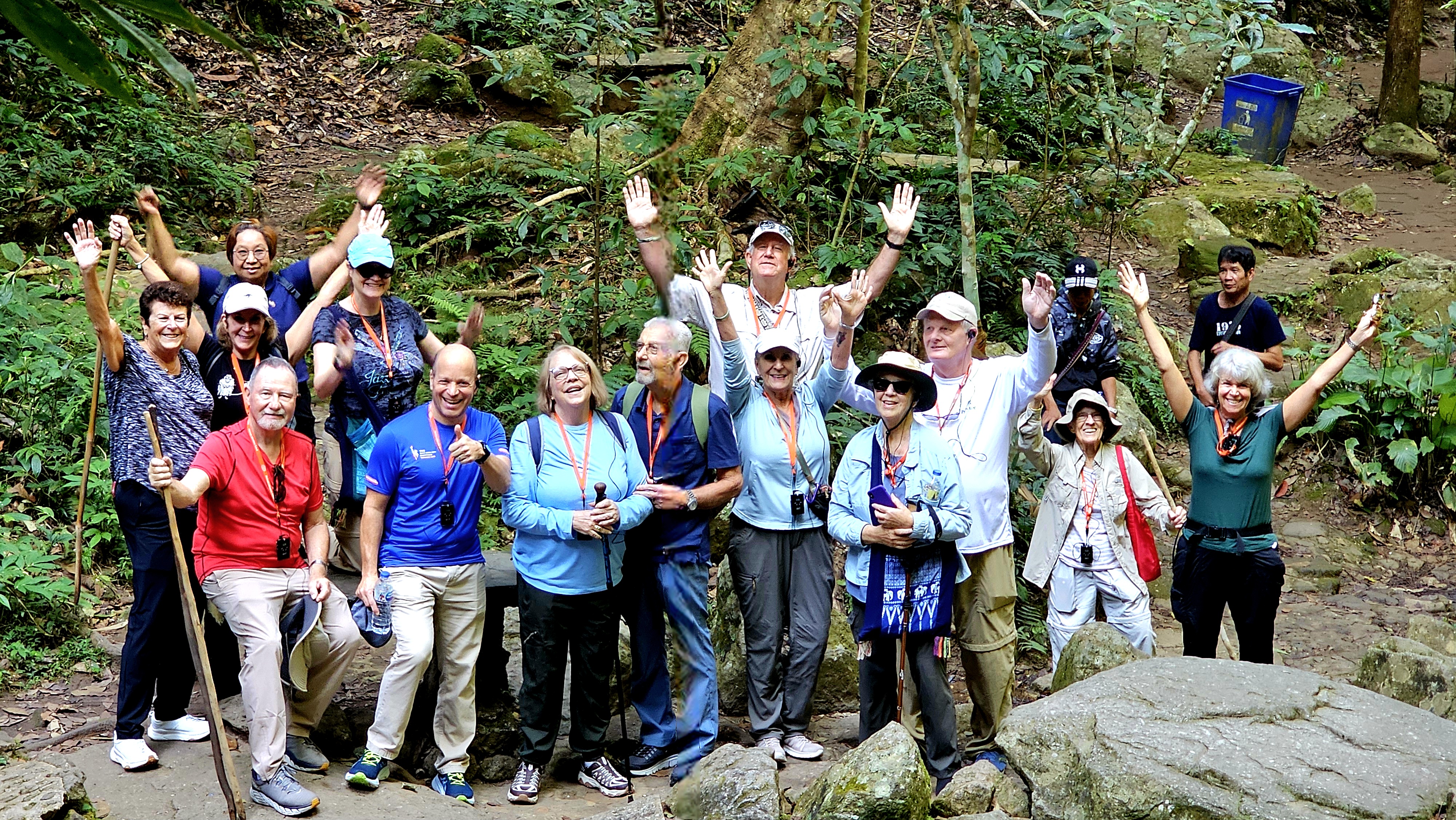
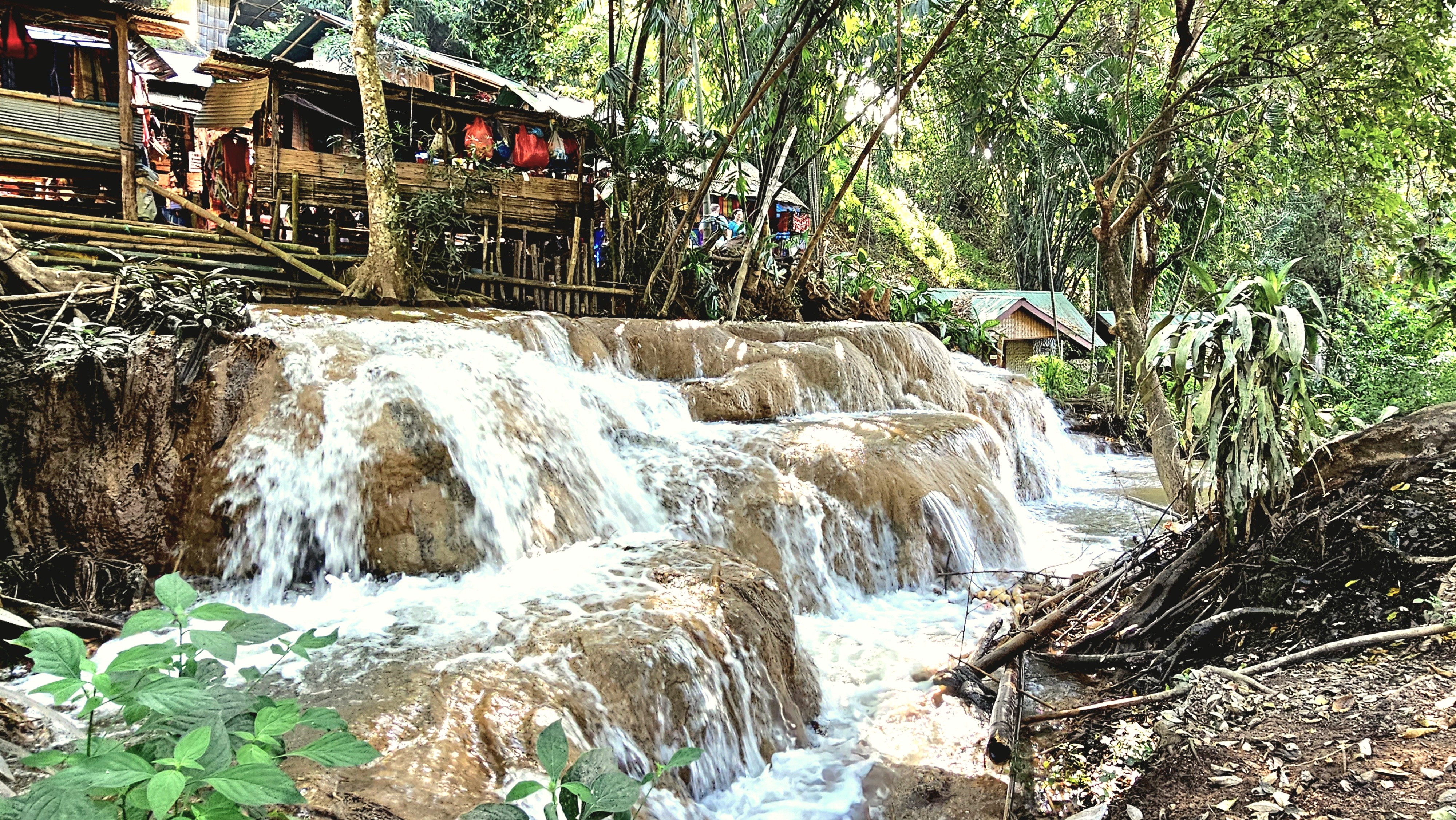
Tour highlights while visiting Chiang Mai included a nature walk through Mae Kampong Village…
which culminated in a hike up Mae Kampong Waterfall’s flume gorge.
Our journey continued to the remote village of Ban Buak Khang, where master carver, Phet Wiriya combined his childhood passion for wood carving with his deep affection for elephants…
culminating in “Baan Jang Nak” (a house full of elephants), a renowned studio that offers Lanna wood carvers an outlet to hone their prodigious fabricating skills.
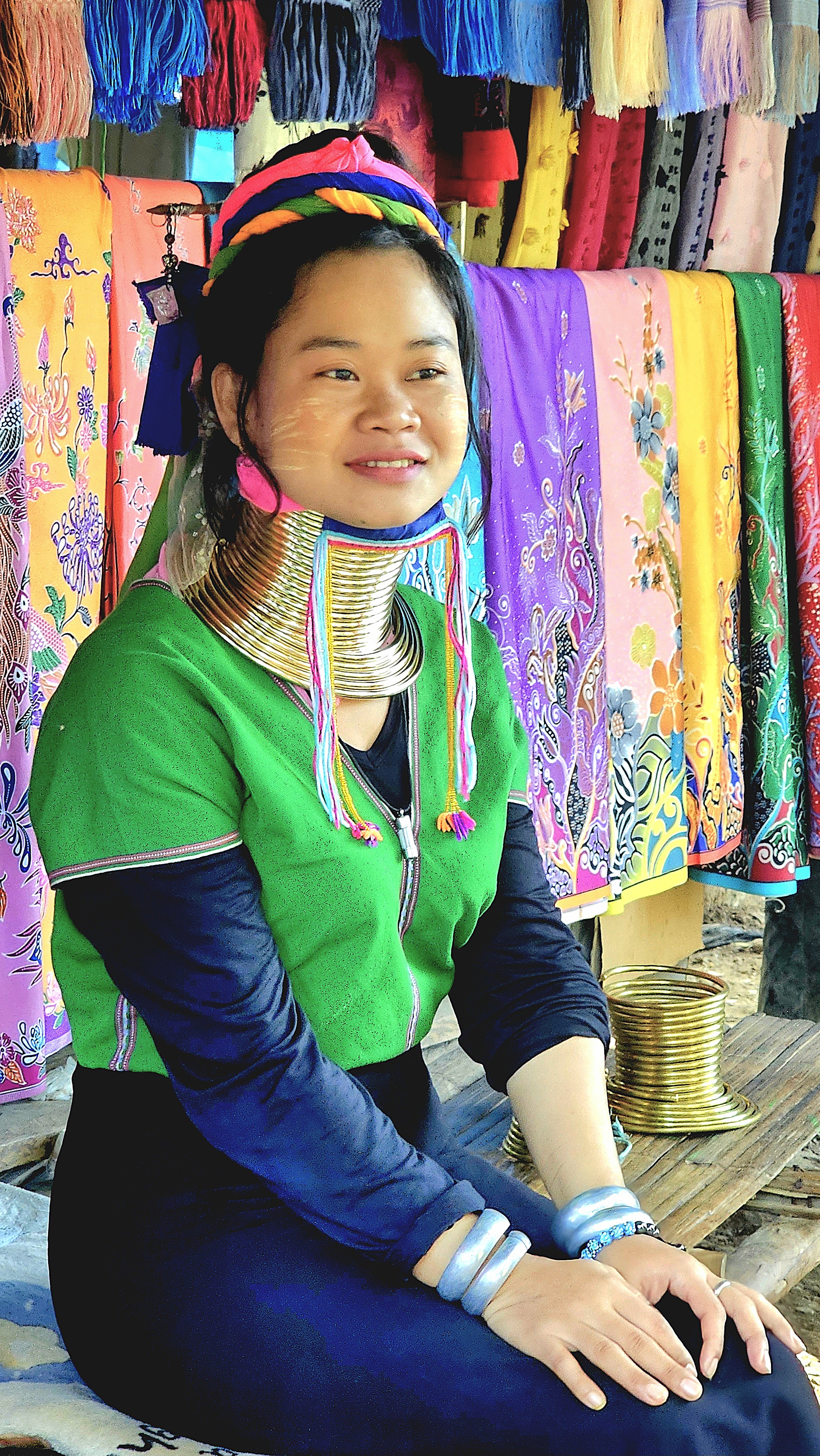
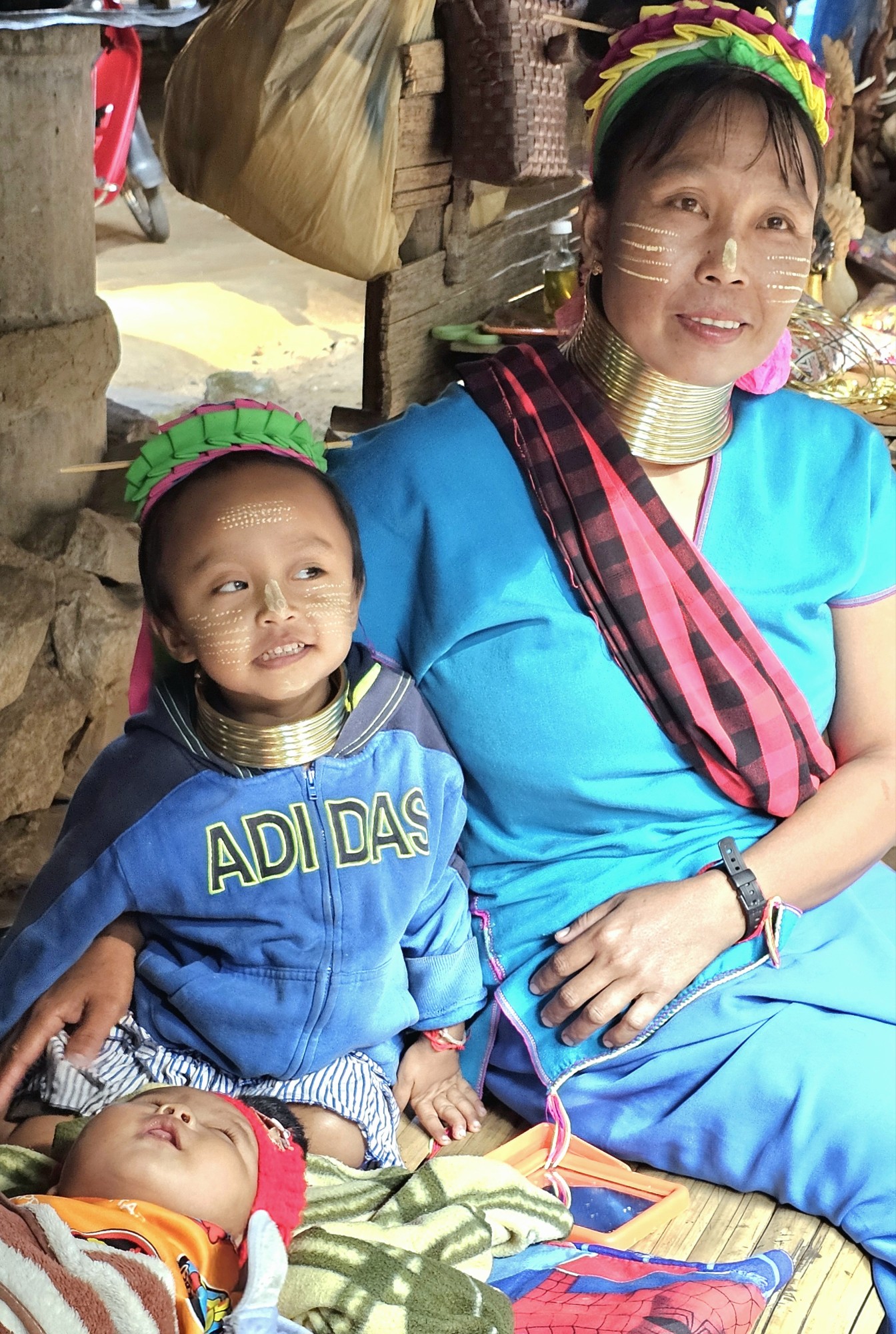
At Baan Nai Soi village, we visited a community of Burmese refugees known as Karen, whose tribe crossed miles of Burmese jungle into Mae Hong Son province during 1985 to avoid Myanmar’s political persecution.
Consequently, Thai authorities designated 3 relocation camps within the Highlands,
which over time and not without controversy have evolved into tourist destinations, where “longneck” women generate income by putting themselves on display–not unlike a “human zoo”–for a $10 admission ticket.
Mothers invite their girls at the age of 5 to begin the process by winding a brass coil across their shoulders, beginning with about 3 1/2 pounds of metal and adding inches until they’ve accrued more than 11 pounds.
Periodically, women will exchange the coil for a longer one, calling for more turns–ultimately reaching 22 pounds of down pressure. But longer necks are actually more of an illusion. The weight of the brass bears down on the clavicle, compressing the rib cage, and pulling up 3 to 4 thoracic vertebrae into the neck. While the neck itself is not lengthened, the appearance of a stretched neck is created by the deformation of the clavicle.
While beauty is indeed in the eye of the beholder, it’s essential to recognize the complex and competing narratives surrounding the beauty of longneck Karen women. Anthropologists have suggested that long necks may have served as a form of protection, perhaps making these women less appealing to other tribes and thus safeguarding them from a future of slavery. Conversely, it’s believed that the coils would embellish a Karenni’s beauty by highlighting the sex appeal of her elongated neck.
Another perspective is that these coils create a striking resemblance to dragons, a significant symbol in Kayan folklore, which adds a layer of cultural richness to their appearance. Additionally, the idea that the coils might offer protection against biting tigers–whether in a literal or symbolic sense–reflects a deep understanding of the challenges these women might face, blending beauty with resilience.
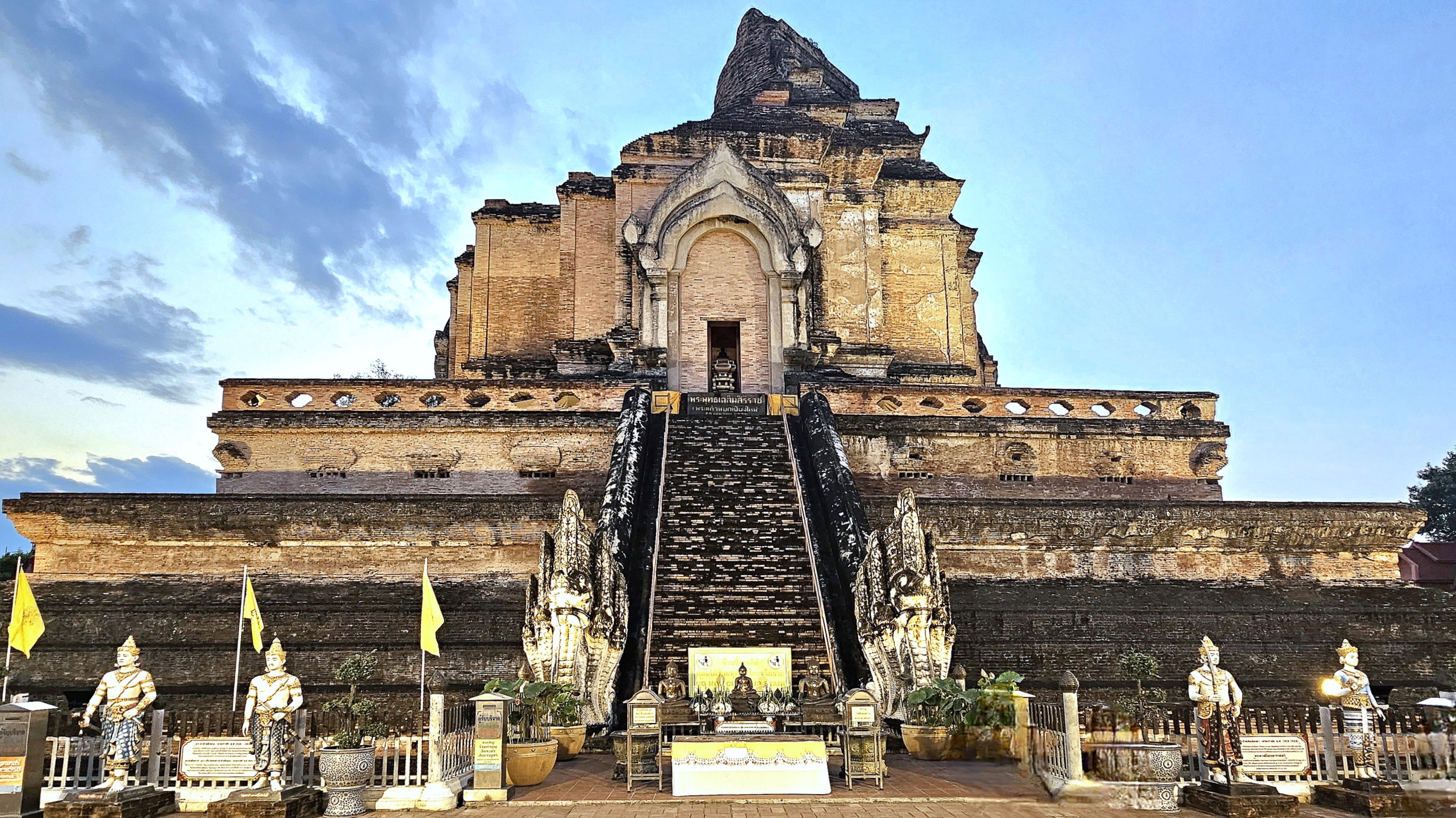
In another instance of culture shock, we visited Wat Chedi Luang, a 600-year-old cultural landmark located in the historic center of Chiang Mai, and once home to the venerated Emerald Buddha (subsequently, relocated to Wat Phra Kaew in Bangkok in 1551).
It’s also home to the Inthakhin city pillar–protected within a nearby shrine,
and accessible for most to view, but with a major caveat!
Women should take note: that Thailand’s guarantee of gender equality comes with red strings attached.
A peaceful area in the Phra Pradaeng district of Bangkok has captured the attention of eco-tourists who are eager for respite from the maddening tumult of city life, and local residents who are concerned about losing their connection to the land.
Bang Krachao’s origin as a forest reserve never fully took root when introduced in 1985. Unfortunately, conservationists and villagers were never given proper authority to dredge the canals or manage the orchard forests they once called home. With villagers locked out, garbage gathered along the orchards, and the canals choked on excessive sediment and debris.
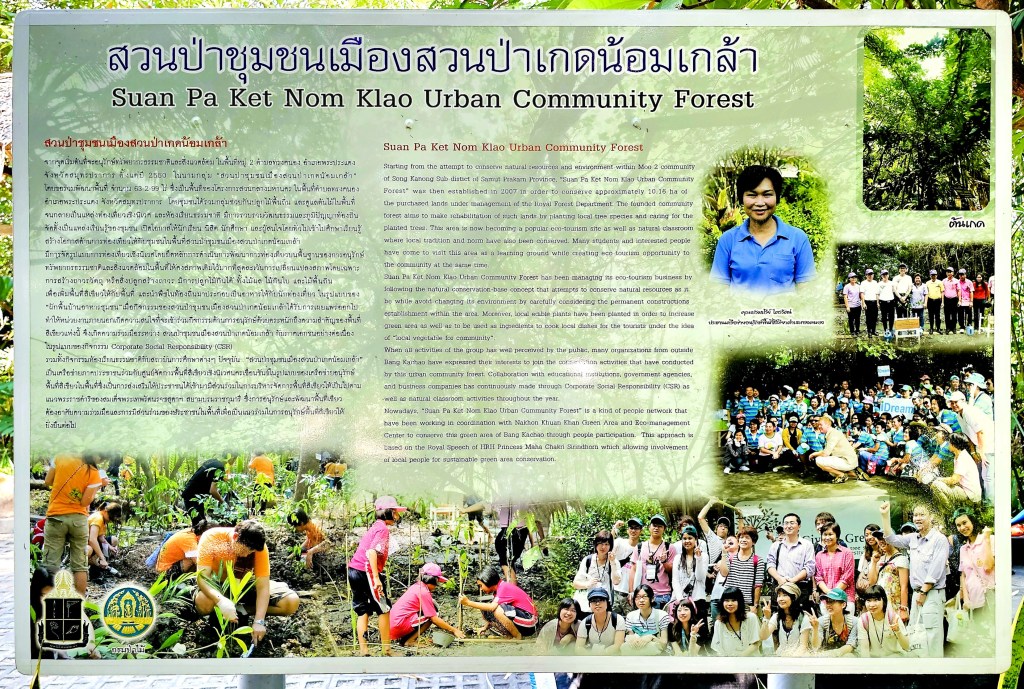
Thankfully, Suan Pa Ket Nom Klao Urban Community Forest project was established by the Royal Forestry Department in 2007…
allowing the villagers to assist in the clean-up of 25 acres of forest and waterways, followed by planting local tree species. Thus, turning the wasteland into a watershed of trees aptly named Bangkok’s “Green Lung.”
Today, the rehabilitation has borne new fruit. The community forest currently doubles as a nature classroom and an organic kitchen for sustainable ingredients.
By conserving natural resources and avoiding growth by limiting permanent construction, the community forest is flourishing with local edible plants intended for cooking local dishes for my tour group and me.
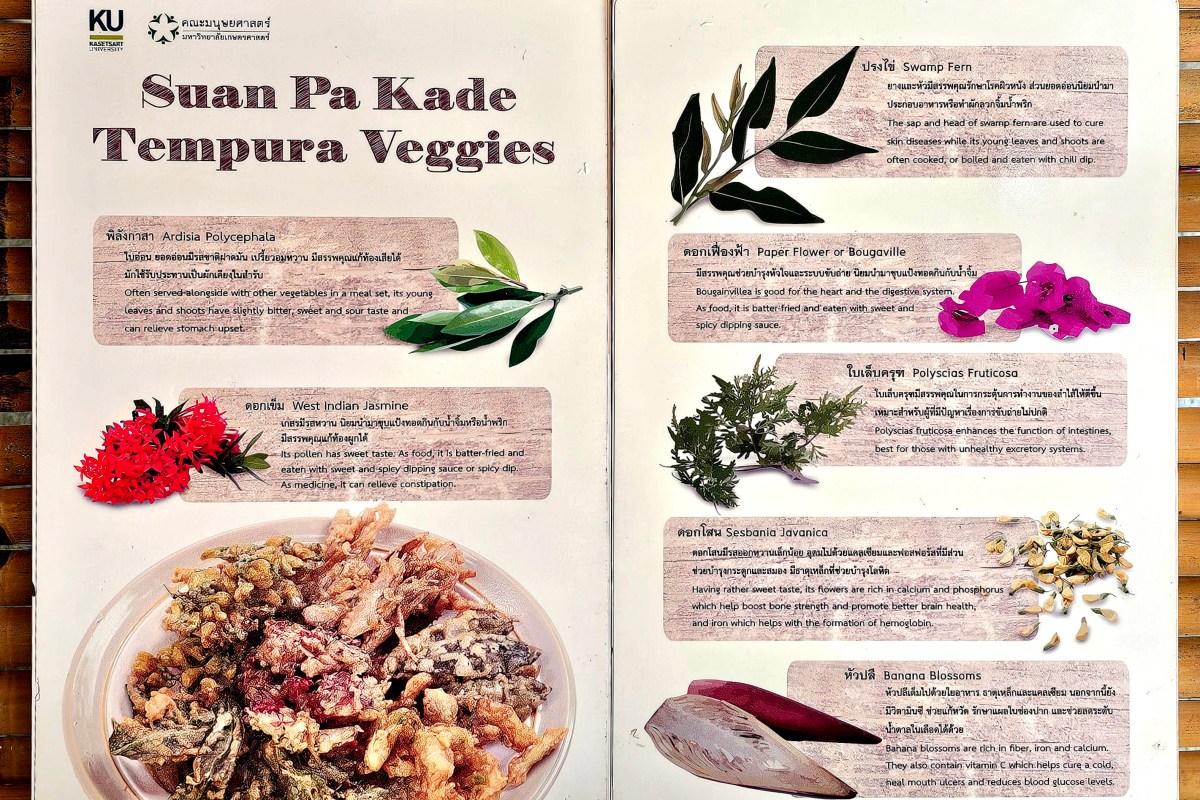
Our hostess, Prempree Trairat received us at the camp with a refreshing, home-brewed, ardisia blossom tea upon our arrival.
The homeopathic properties of the ardisia plant are mind-bending:
Anti-inflammatory properties: Ardisia is traditionally used to reduce inflammation and can help relieve pain and swelling from rheumatism and injuries.
Analgesic effects: The plant has been used to relieve pain, making it a valuable resource in traditional medicine. Whether it’s a headache, toothache, or general body pain, Ardisia is believed to have analgesic properties that can provide relief.
Anti-cancer potential: Some studies suggest that Ardisia may possess anti-cancer properties, particularly in liver cancer. Although more research is needed to fully understand its potential in cancer treatment, this finding is promising.
Respiratory health: Ardisia has long been used to treat respiratory tract infections and coughs. Its expectorant properties can help loosen mucus and relieve congestion, providing relief for common colds and respiratory ailments.
Digestive benefits: Traditional medicine practitioners have used Ardisia to treat digestive issues like diarrhea. Its astringent properties may help reduce excessive bowel movements and provide relief from gastrointestinal discomfort.
Wound healing: Ardisia’s traditional use in treating snake and insect bites suggests its potential in wound healing. The plant’s antimicrobial properties may help prevent infection, while its anti-inflammatory effects can reduce swelling and promote faster healing.
Female health support: Ardisia has been used to alleviate dysmenorrhea (painful menstruation) and other menstrual issues. Its traditional use suggests that it may help regulate menstrual cycles and reduce pain associated with cramps.
General blood circulation: Traditional medicine attributes Ardisia with the ability to improve overall blood circulation. This could potentially benefit individuals with circulatory issues or those looking to enhance their cardiovascular health.
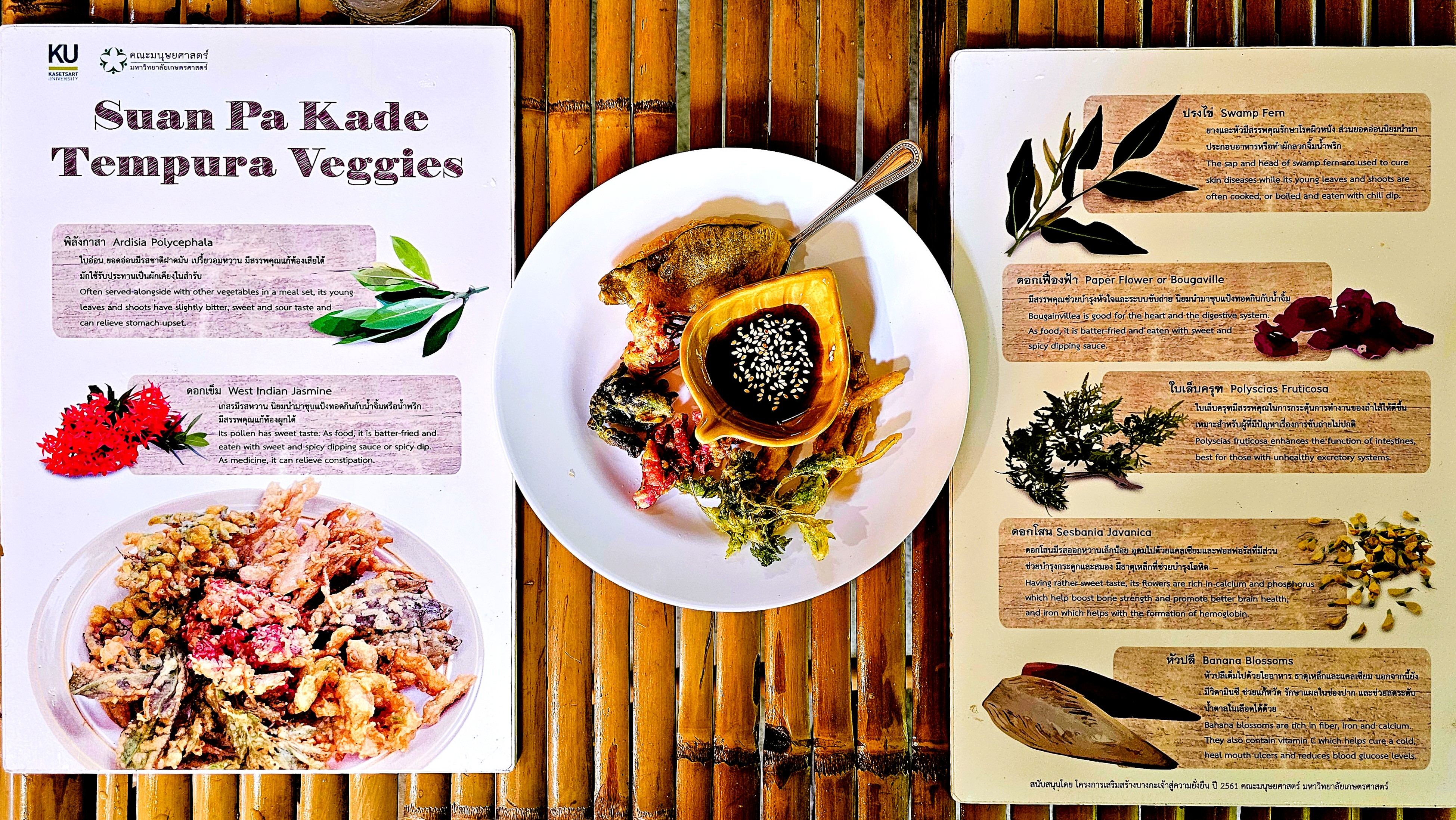
While our group snacked on crispy tempura from locally harvested flora…
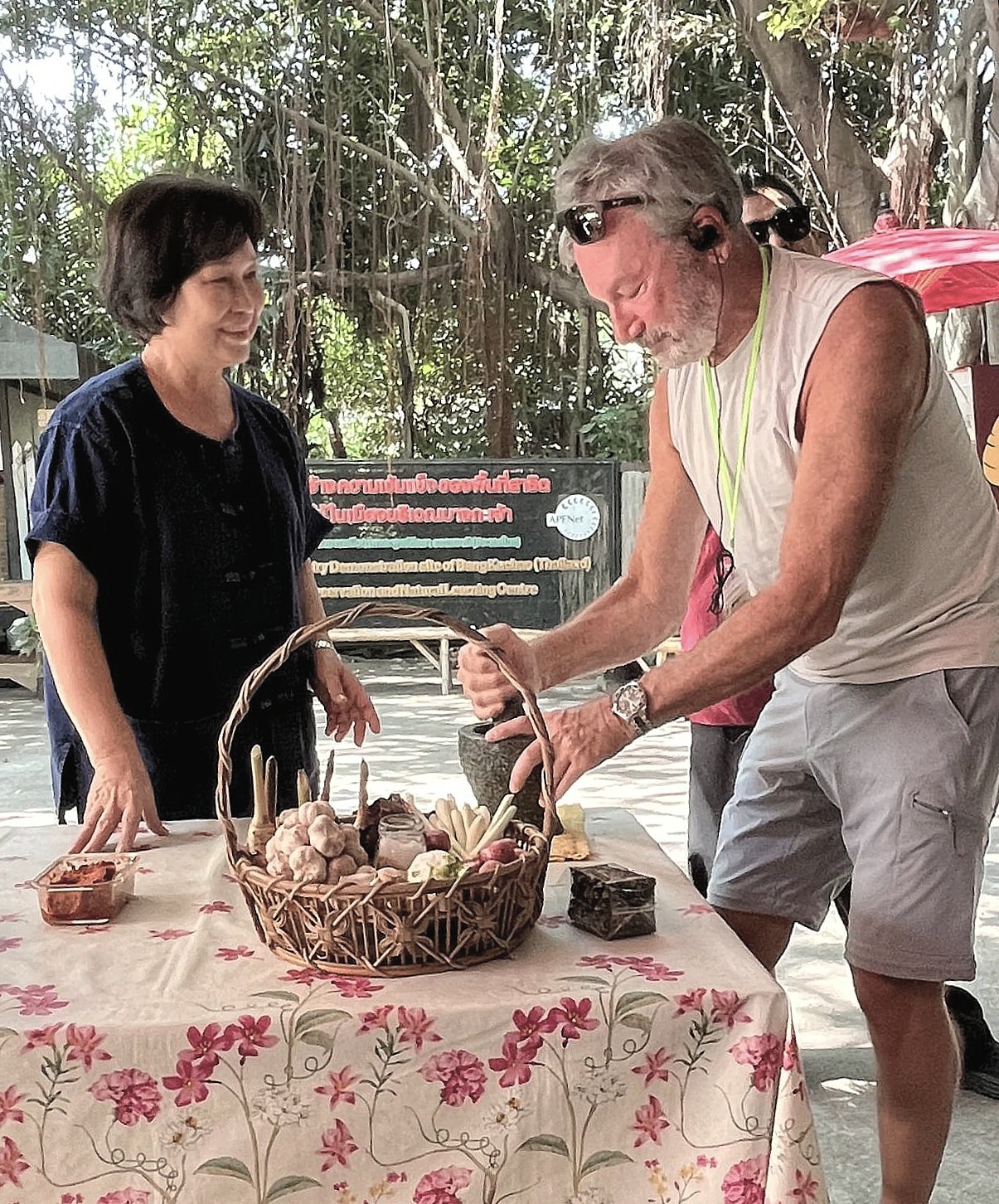
I assisted in crushing a basketful of prepared ingredients (turmeric, lemongrass, garlic, coriander, cumin, chilis, etc.) into a golden curry paste…
to flavor our yellow curry chicken dish…
nobly and ironically prepared by Stephanie, our ardent vegetarian.
Soon, all the elements had come together for an exceptionally, healthy and tasty meal!
Afterwards, some of us took a leisurely nature walk across a slatted boardwalk…
which gave us a personal perspective of our farm to table experience;
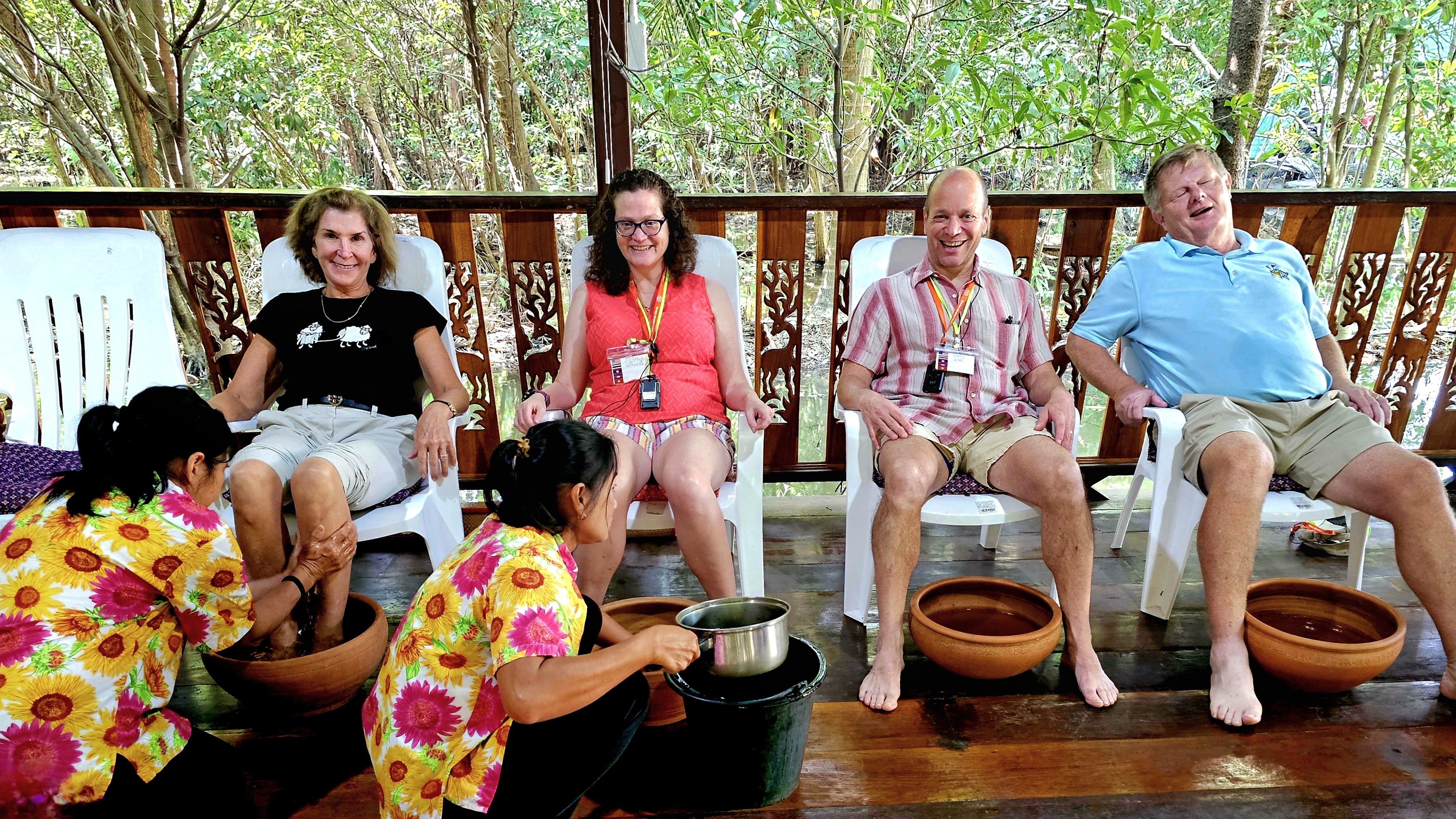
while others indulged in a traditional Thai leg massage–
taking some of us to a blissful state of nirvana.
Needless to say, by the end of our meal and massage, none of us was feeling any pain!
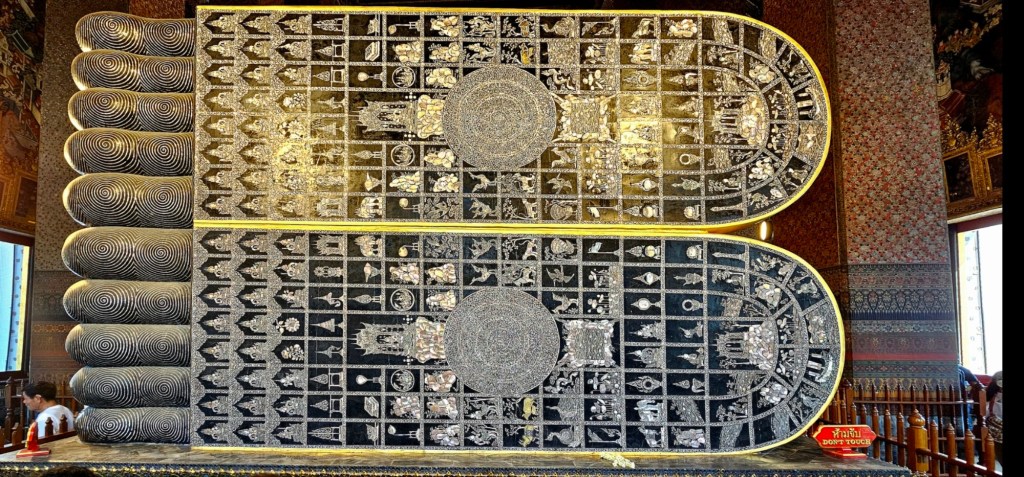
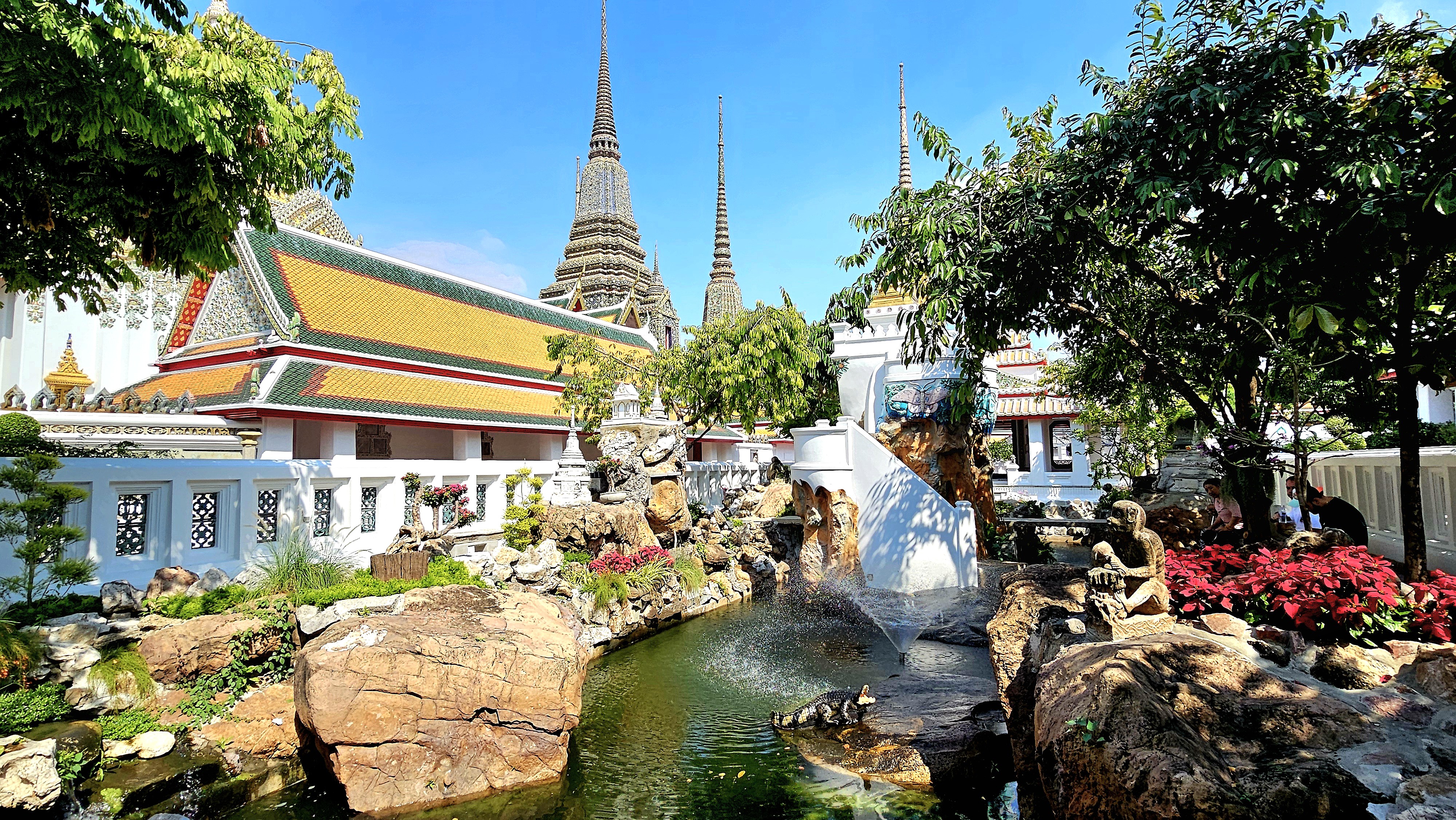
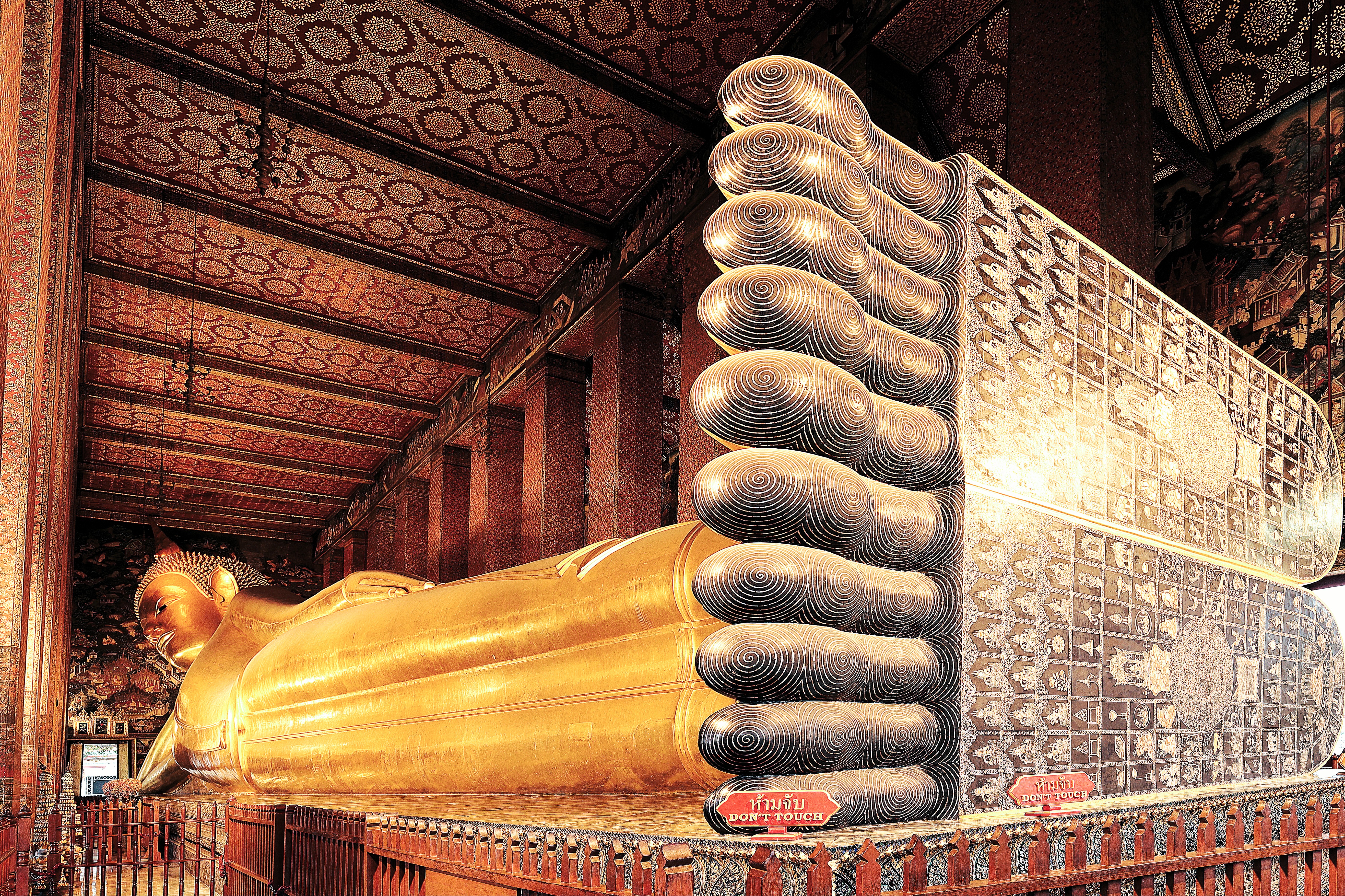
Photographing the entirety of the Reclining Buddha at Wat Pho is no small feat!
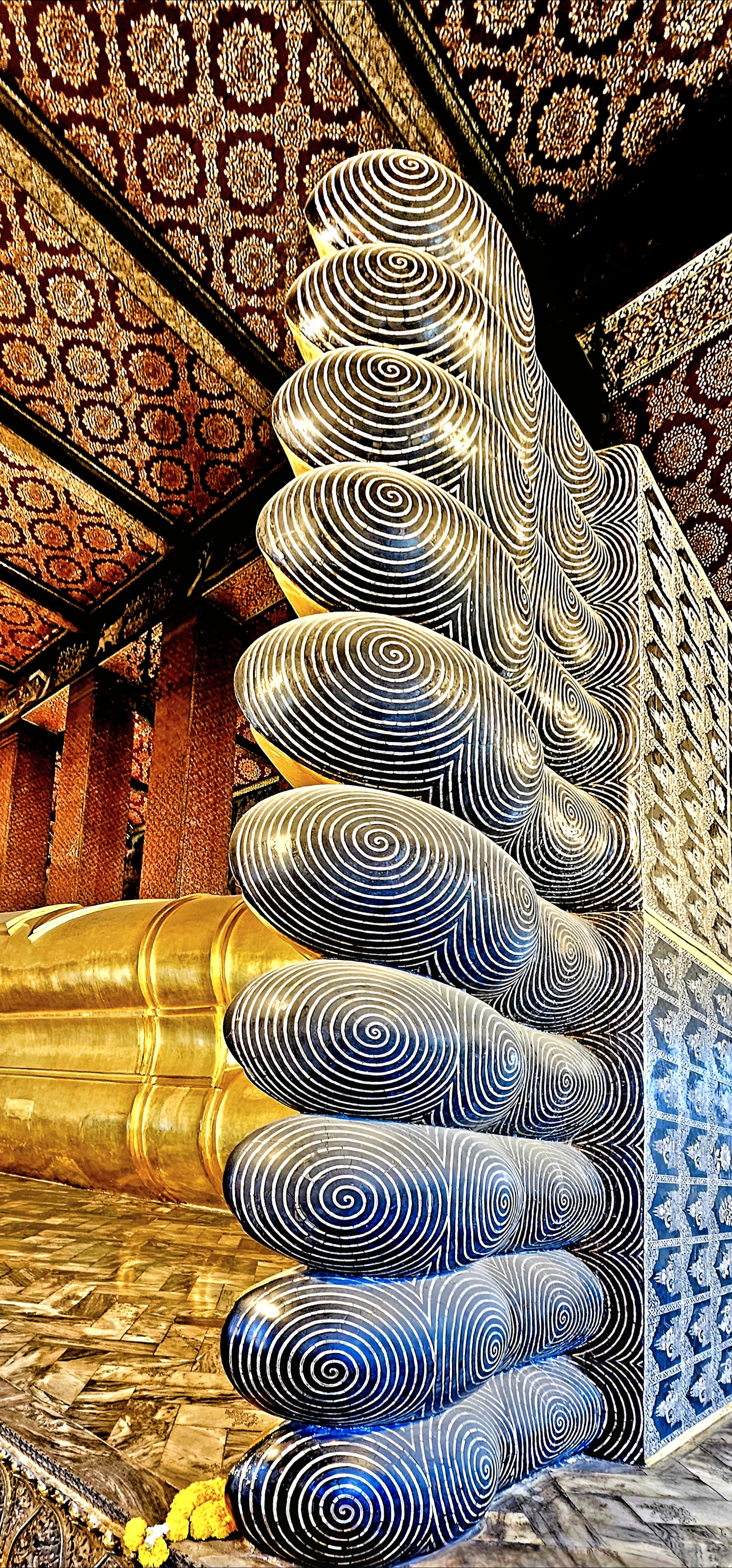
The soles of Buddha’s feet measure 3 meters high and 4.5 meters long. While Paul Simon was singing about “Diamonds on the Soles of her Shoes,” Buddha was “kickin’ it” with mother-of-pearl inlays. Each foot is distinguished by 108 panels featuring icons of flowers, dancers, white elephants, tigers, and altar symbols. A chakra (energy point) has been planted in the middle.
But back to Wat Pho for some historical perspective:
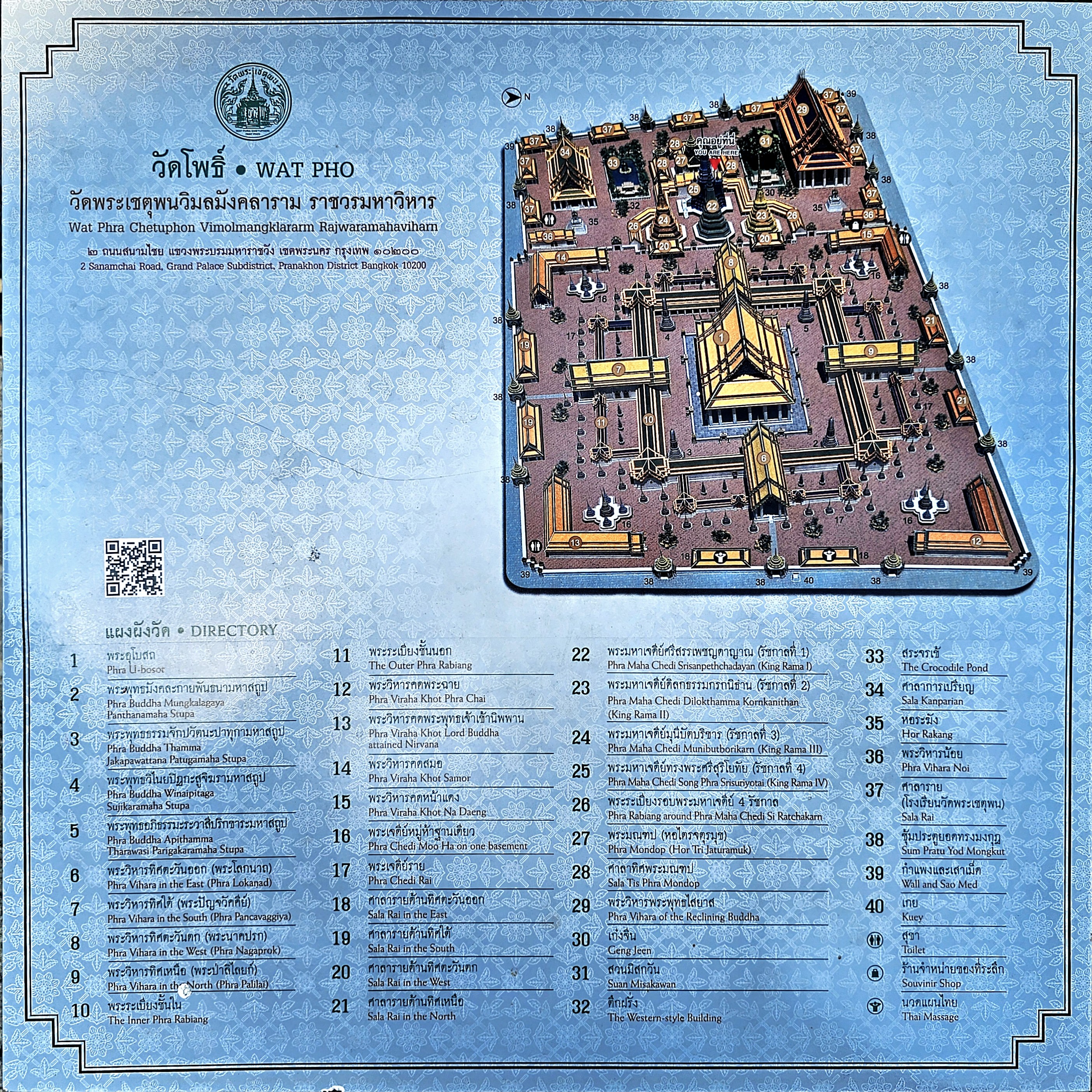
Wat Pho is a temple complex of 40 structures spanning 80,000 sq ft,
It’s rich history dates back to the reign of King Phetracha (1688–1703), who is credited for constructing the first temple of Wat Pho, prior to the collapse of the ancient city of Ayutthaya (1351-1767).
However, it’s King Rama I (1737-1809), who moved the capital city to Bangkok after Ayutthaya fell to the Burmese in 1767, thus assuring the revival and rehabilitation of Wat Pho, and its designation as Bangkok’s most important monastic enclave. His ashes are housed within Phra Ubosot–Wat Pho’s most sacred building–beneath the Buddha, also rescued from Ayutthaya.
Of the 95 chedis scattered throughout the complex, the four tallest rise 42m and contain the ashes of Rama’s 3 successors. Chinese guardians offer protection.
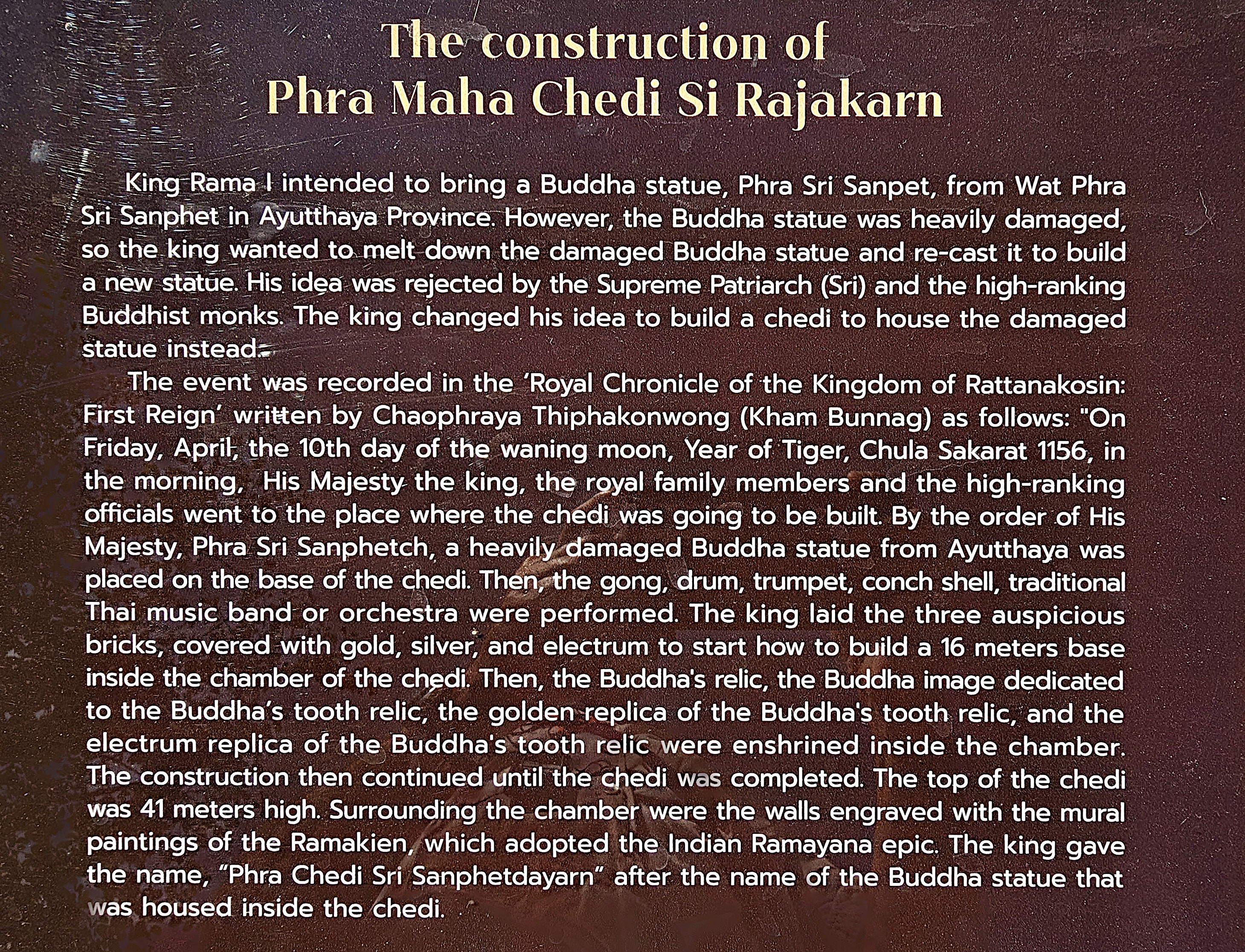
The first chedi to be built by Rama I holds the remnants of the once great Buddha recovered from Ayutthaya, after the Burmese stripped it of its gold. The story goes:
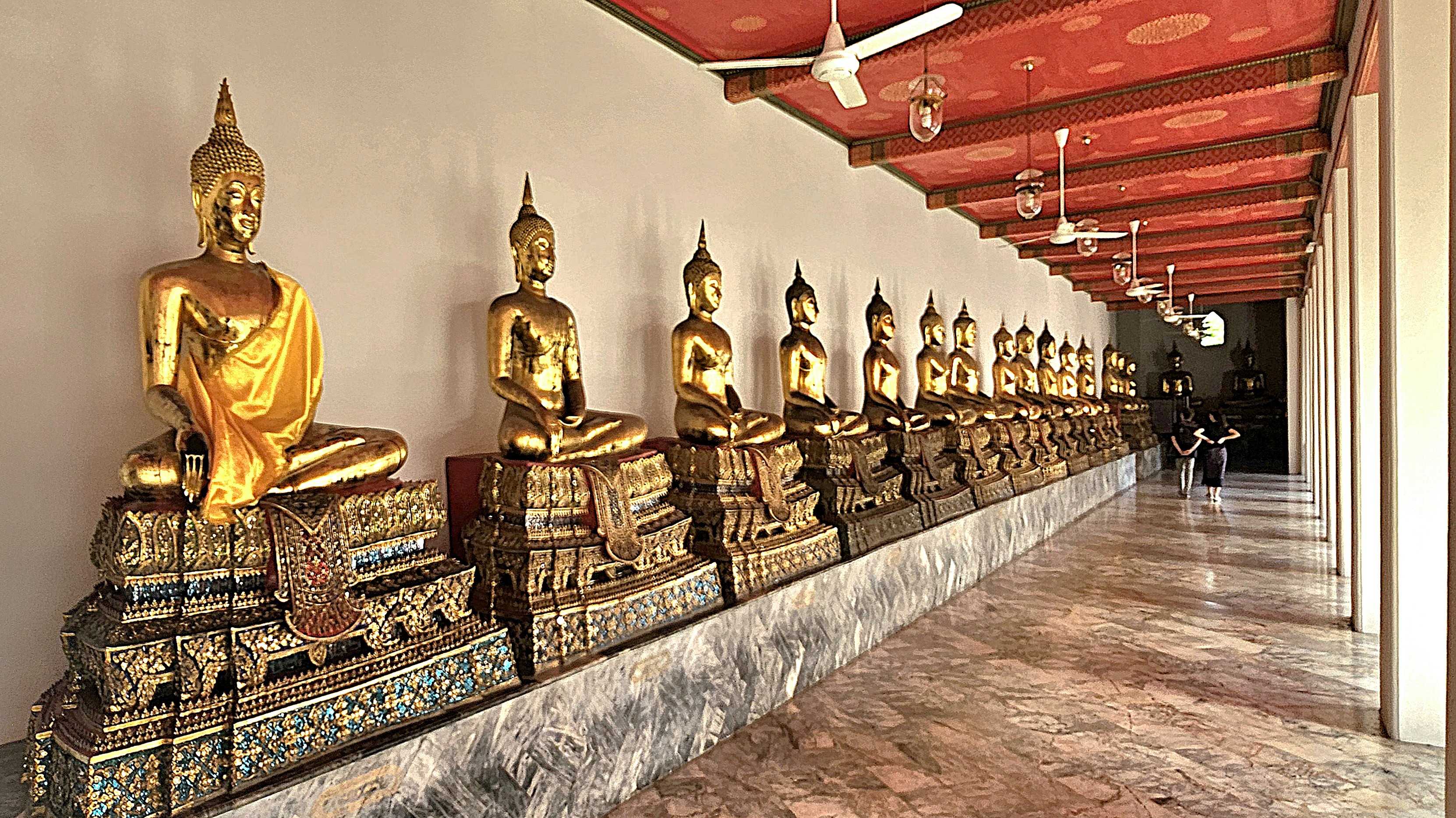
Additionally, 400 Buddha’s were salvaged from northern Thailand and aligned along the cloister walls.
and courtyards–
while 4 other groups of 5 chedis were erected for the ashes of royal family members.
Wat Pho has long been considered a great center for higher education. Phra Mondop contains the Buddhist library, and houses preserved palm leaves inscribed with Buddha’s teaching.
Wat Pho is regarded Thailand’s first public university, training students in religion, science, and literature through its many murals and sculptures. In fact, medical scholars during the reign of Rama III (1824-1851) introduced 60 inscribed plaques to adorn its pavilions–30 each for the front and back of the human form–illustrating therapeutic points and energy pathways used in traditional Thai massage.
Several gardens and ponds also populate the grounds…
making it ideal as a backdrop for posing.
But the star of the show is the Reclining Buddha–not because it reclines (which is a familiar representation of his penultimate hours on Earth before his ascension)
–but because of its stature.
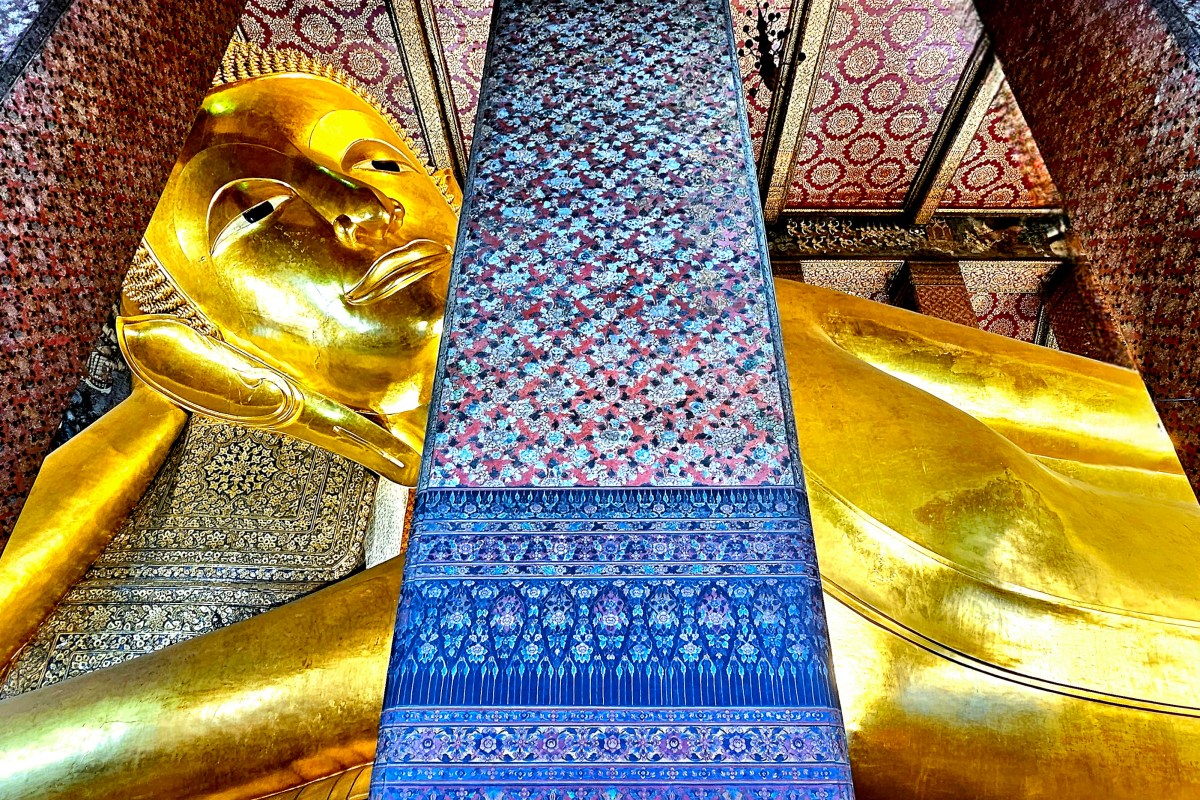
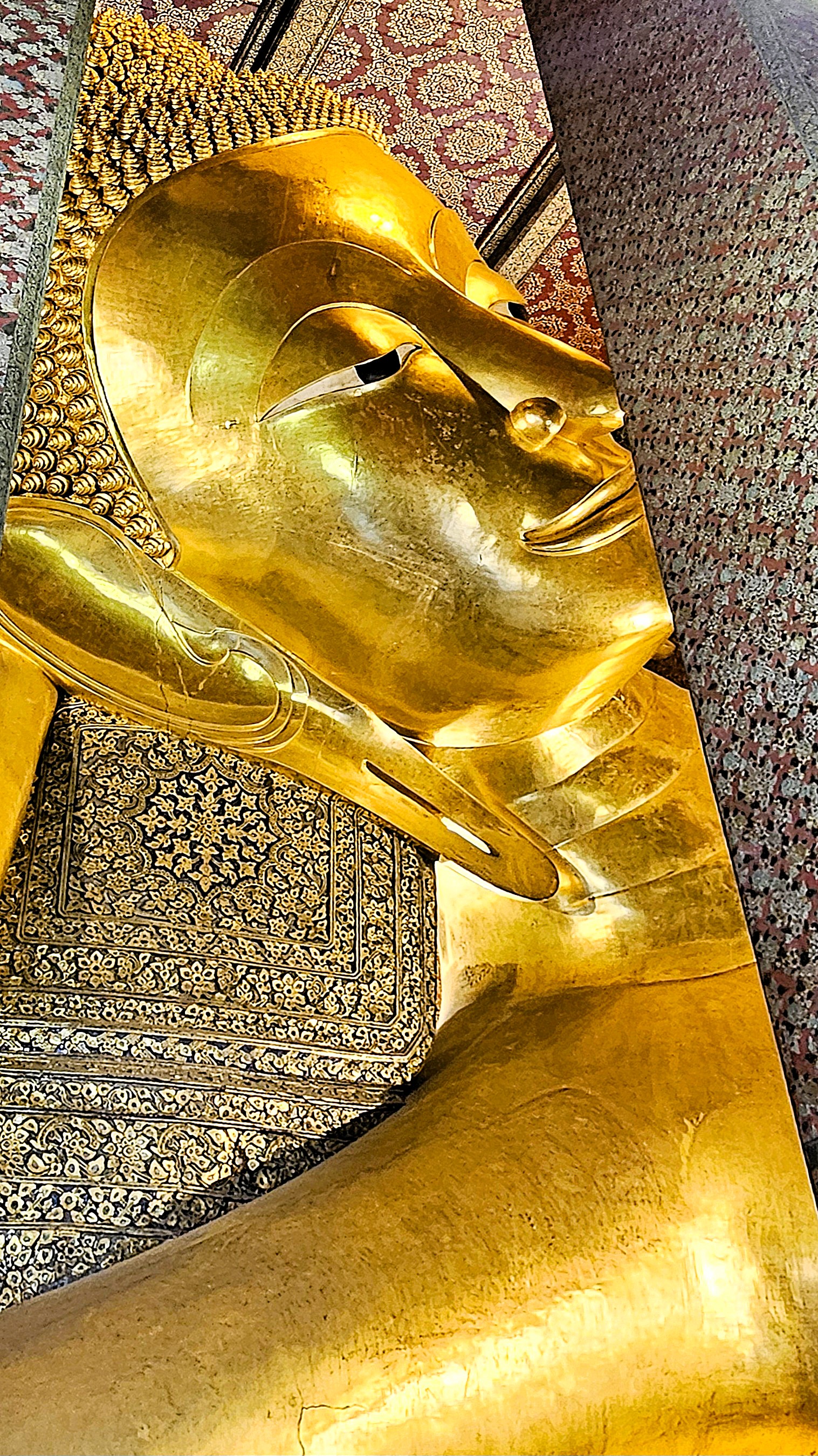
The Reclining Buddha extends 46 meters and stands/reclines 15 meters tall.
The statue and its subsequent enclosure (Building 29) were commissioned by Rama III in 1832.
Buddha’s right arm supports a head embellished with hundreds of chedi tresses, which rests upon two box-pillows encrusted with multi-colored, glass mosaics.
We would have meditated on this marvel forever, until Marc, a fellow traveler on our journey sounded the gong…
signaling our time to move on to our next adventure!
I've been here, there and everywhere;
Far and wide, across divides;
But none compare to a maiden voyage extraordinaire,
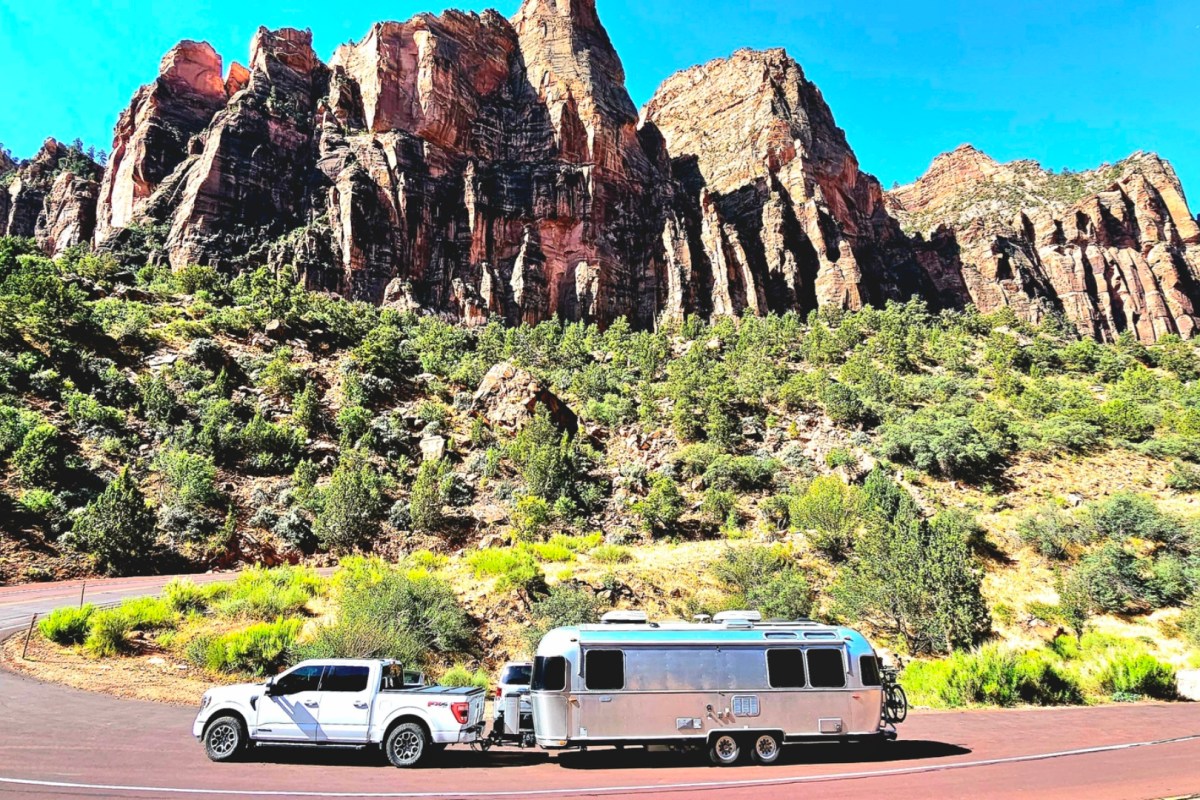
exploring America for one full year...
in my shiny Airstream!
Walking through Bangkok can be challenging. The traffic is relentless; the pedestrians can be pushy; and the “sidewalks” are compromised. But none of this should deter the intrepid tourist.
Our excursion began at the hotel’s spirit house (within the Thanon Phaya Thai district), where we paid our respects…
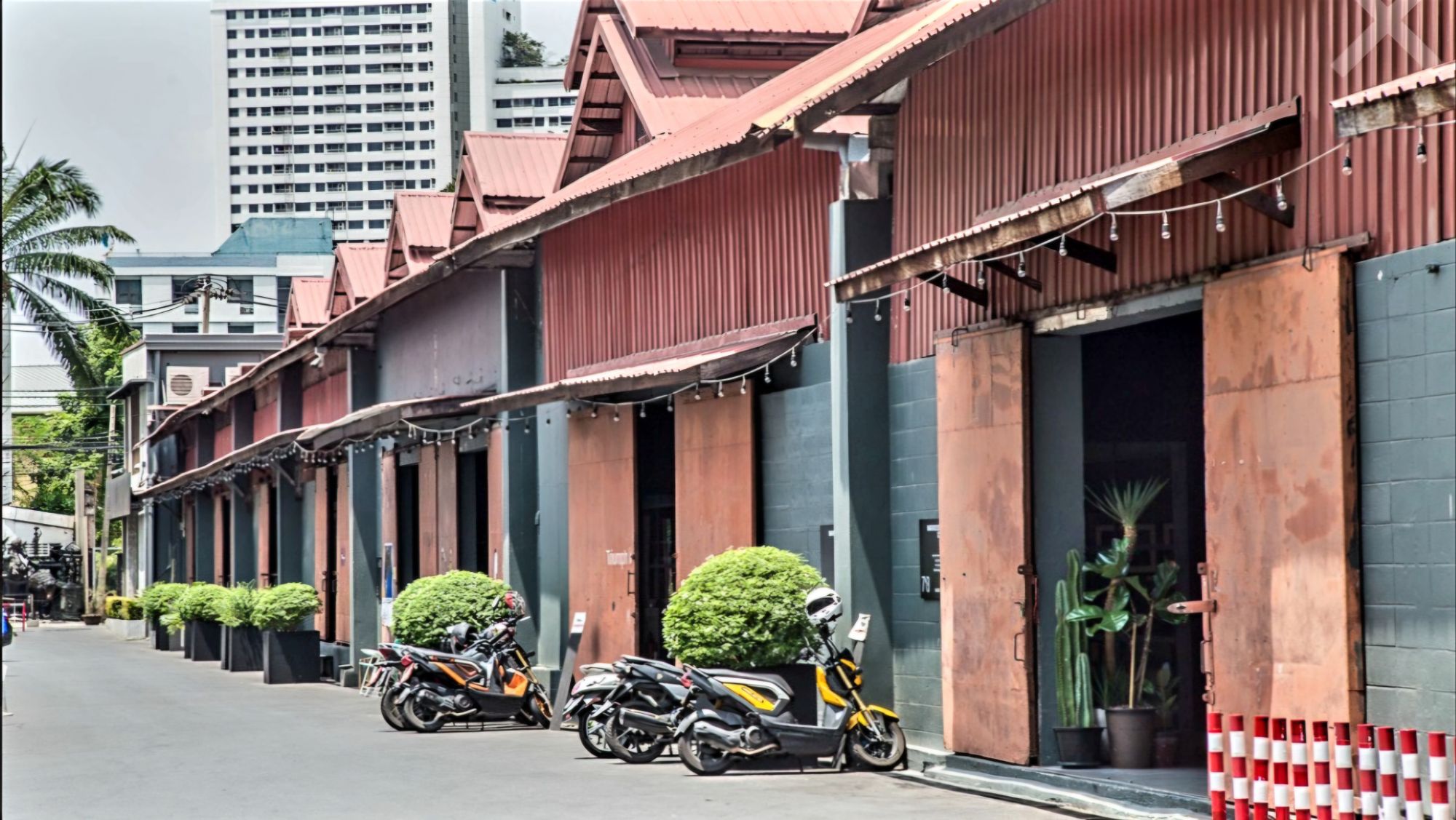
before continuing to Warehouse 30,
an art and design complex just east of the Chao Phraya riverfront,
where we found delightful exhibits and installations, intriguing antiques, and boutique apparel.
Nearby, we discovered Talat Noi–
a resurrected warehousing slum with meandering alleys filled with repurposed auto parts, shabby temples,
and wall art.
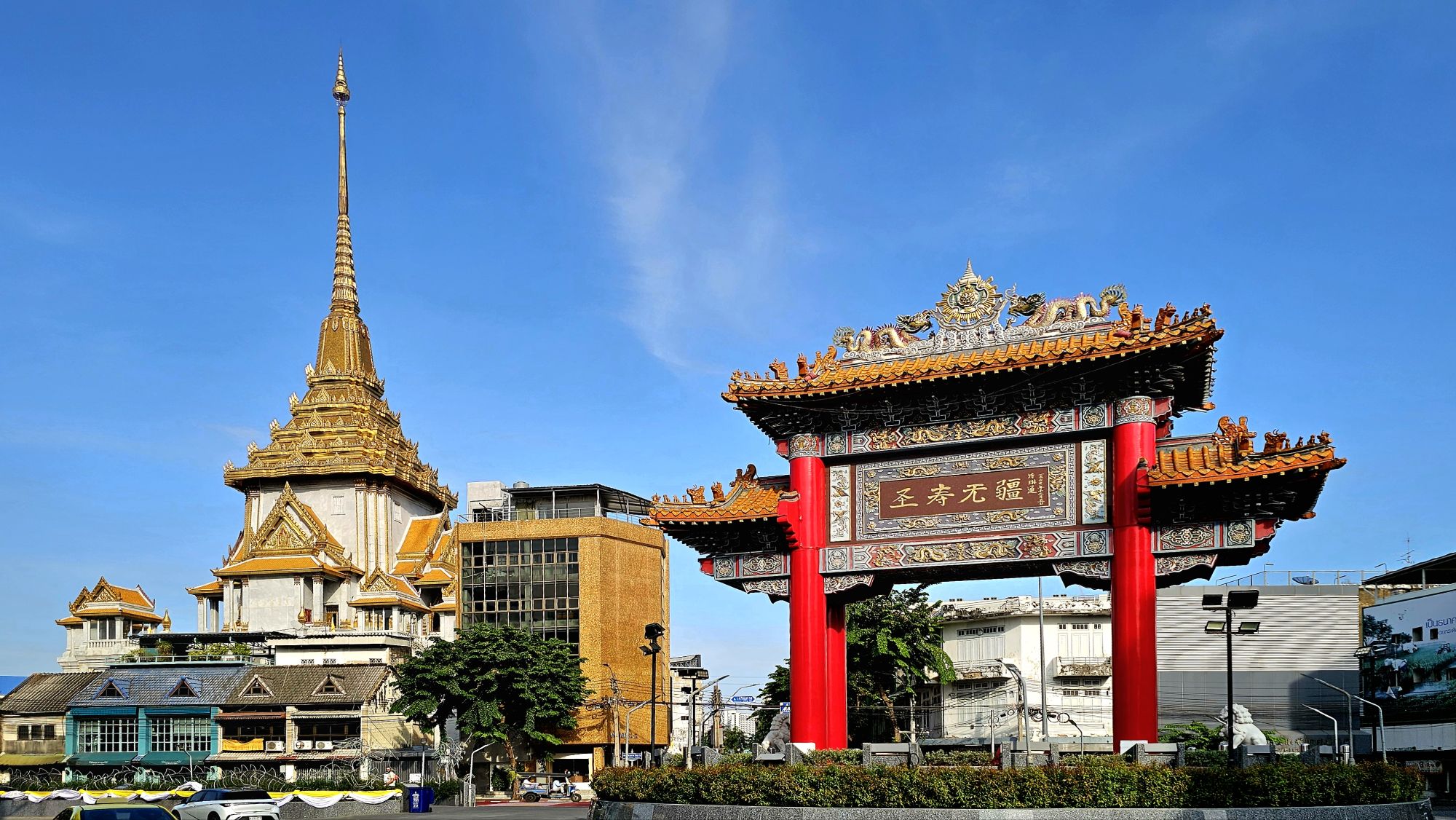
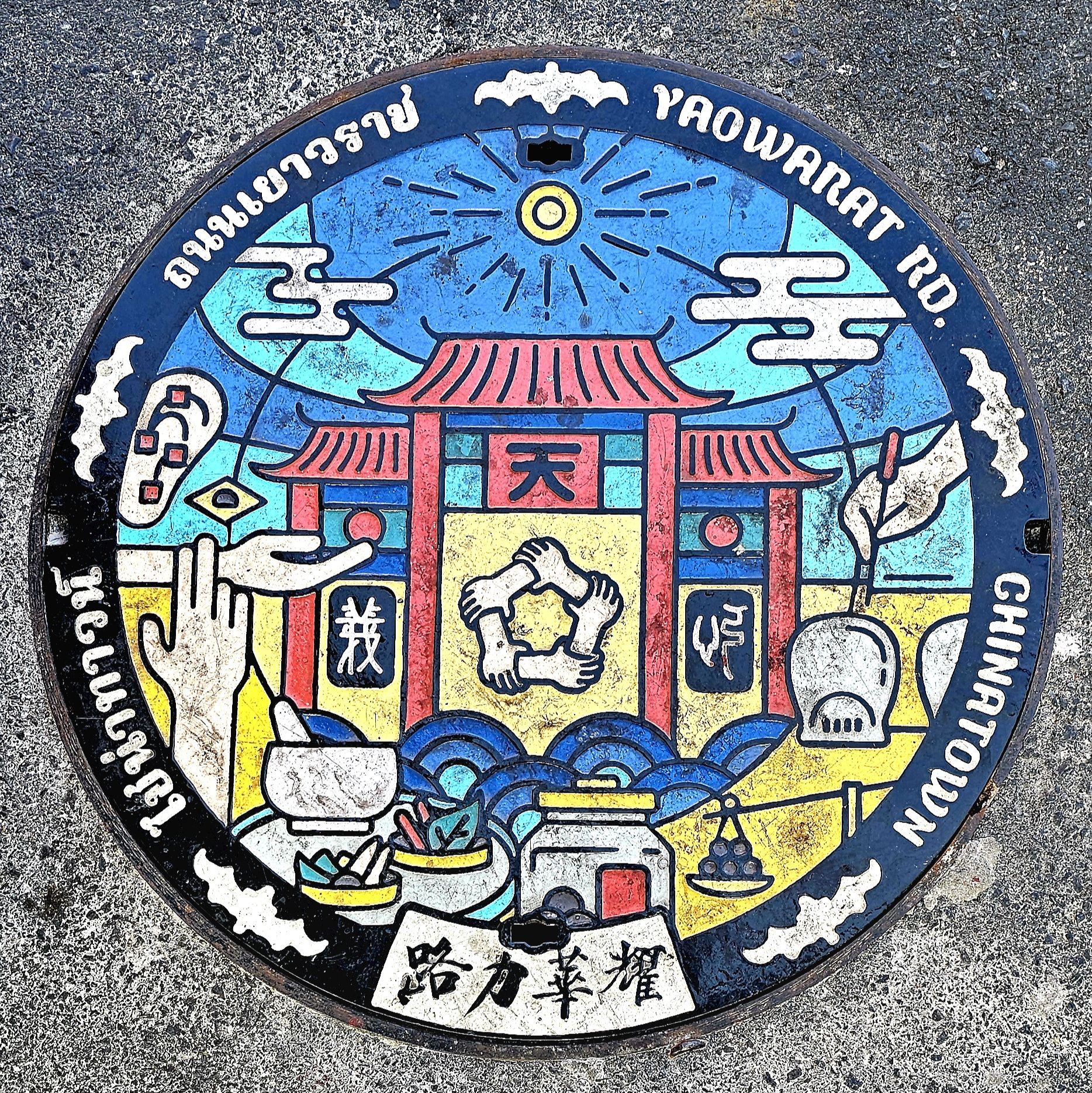
After another 15 minutes of sidestepping aggressive scooters along congested cobbled alleyways, we arrived at the Chinatown Gate, planted in the middle of an enormous traffic circle.
Chinese locals by the scores were making offerings at a local Buddhist Temple.
Chinatown Night Market was to our north,
but we were saving that for an evening stroll, when the street would close for Monday’s celebration of street food–filled with curious selections for adventurous eaters.
Our last stop included a visit to Wat Mangkon Kamalawat just before closing. It’s the largest and most significant Chinese Buddhist Temple in Bangkok. The temple is surrounded by shrines dedicated to a variety of Buddhist, Taoist and Confucian deities and religious figures worshipped by the local Chinese.
Worn out and wrung out, we took a taxi back to the hotel. We had walked nearly 10 km. in 90o heat. It was time to freshen up and consider a new adventure with an eye toward dinner.
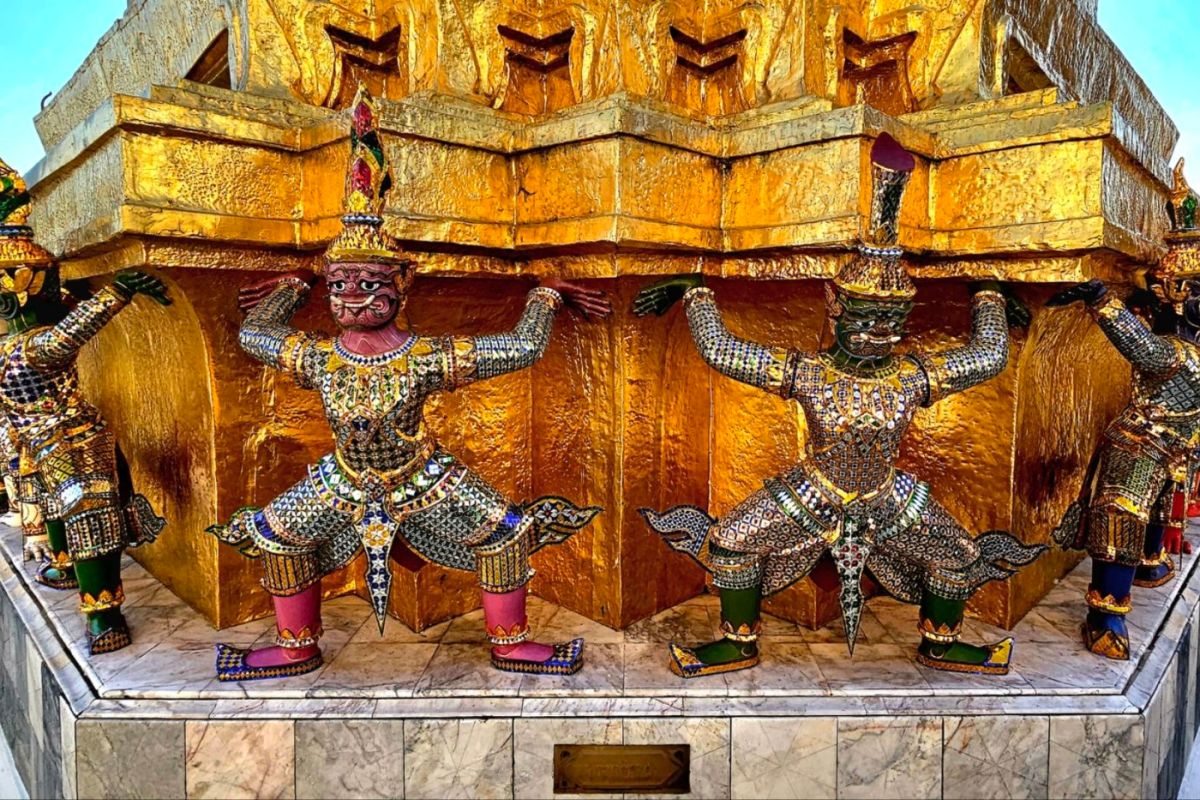
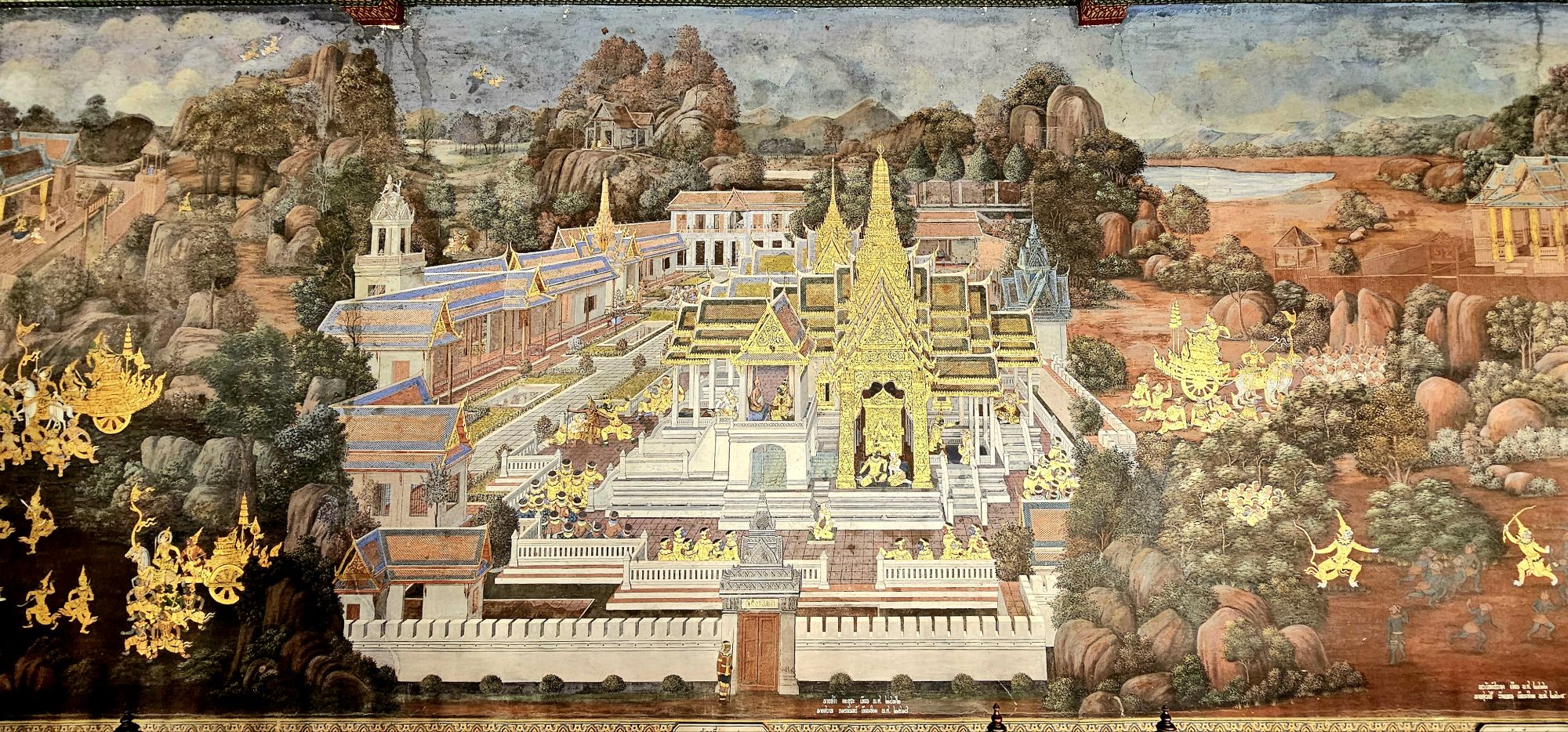
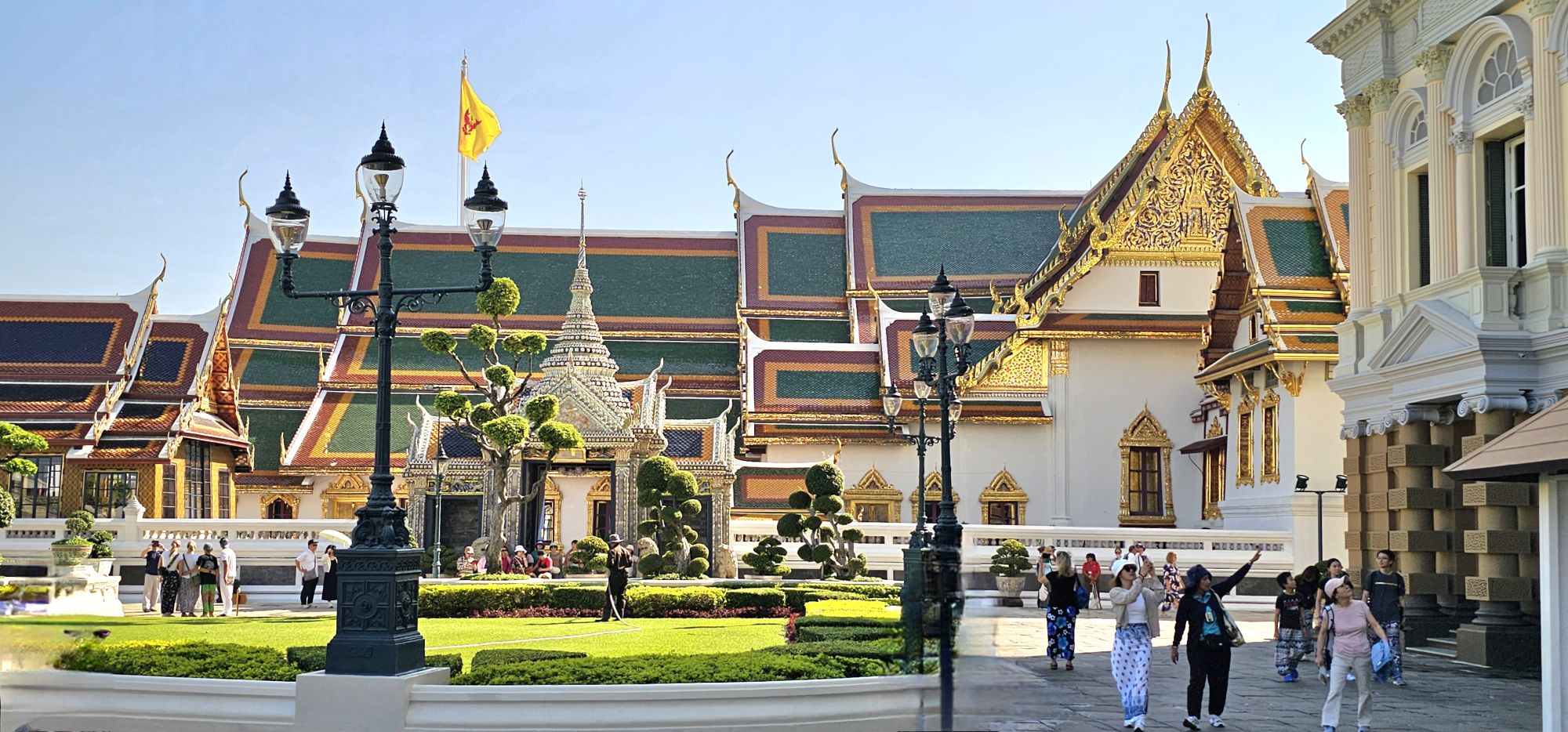
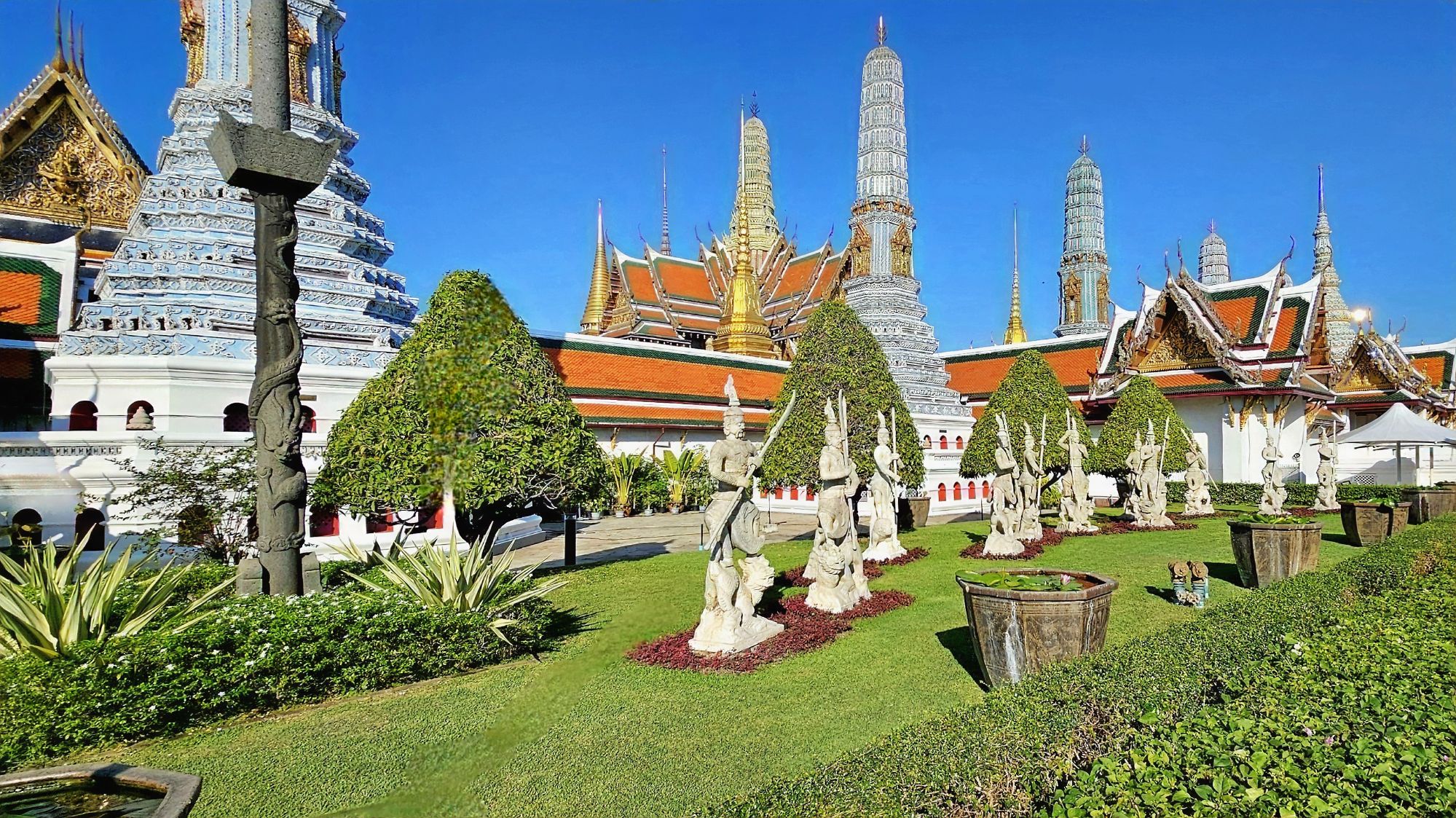
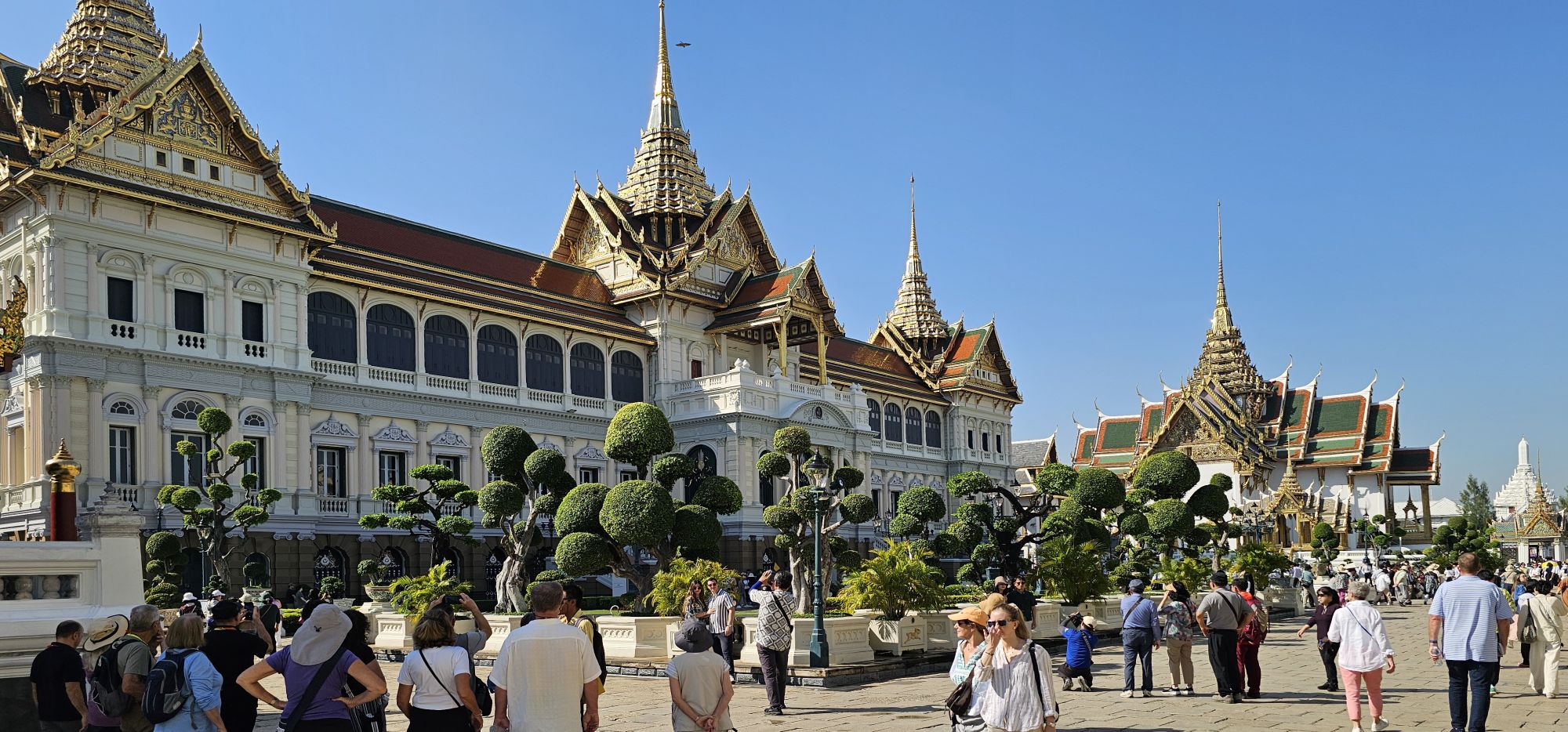
No visit to Bangkok is complete without a tour of The Grand Palace, simply because it’s beyond comparison.
Consider the enormity and scale of the site.
Covering over 2.3 million sq ft, its walled, rectangular space has evolved over the course of 200 years…
into a myriad of ornamental buildings,
grand halls,
and gilded pavilions…
surrounded by manicured lawns,
lavish gardens,
and decorative courtyards.
Much more than a royal residence that has housed generations of the Chaki dynasty, it was also the seat of power and governance until the abolition of Thailand’s monarchy in 1932.
Currently, it’s Bangkok’s largest tourist attraction (8 million visitors a year),
although it continues as an important backdrop for ceremonies and state functions, with royal offices still intact.
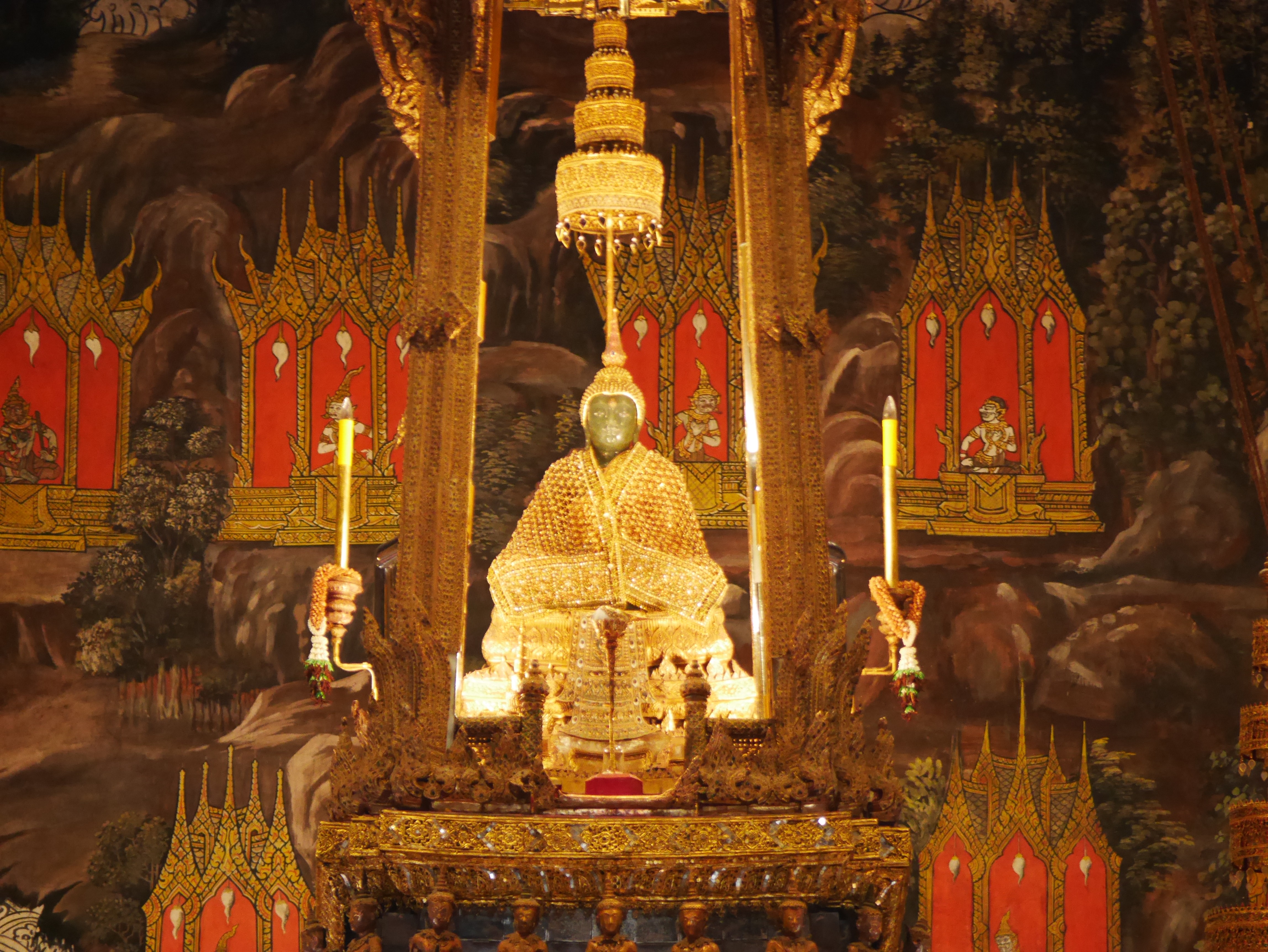
The Grand Palace is also the site of the Royal Chapel–known as Wat Phra Kaew–
which houses the Emerald Buddha–a 26-inch jade statue cloaked in solid gold and diamonds–which is considered Thailand’s most sacred icon and key to its good fortune and prosperity.
Photography within Wat Phra Kaew is absolutely forbidden,
but then, a photograph exists online with attribution.
กสิณธร ราชโอรสt
Only the King of Thailand is permitted to touch the Emerald Buddha (three times a year in order to change its shroud according to the season).
However, Leah was able to pet the nose of the bronze guardian lion protecting the temple.
















































 Streaming thru America