
While Leah and I enjoyed a gourmet buffet lunch aboard Viking Octantis, Captain Bo Joergen Cardestig and crew readied our ship for departure. The gangway was pulled while we were docked across from Celebrity Eclipse with capacity for 5700 guests,
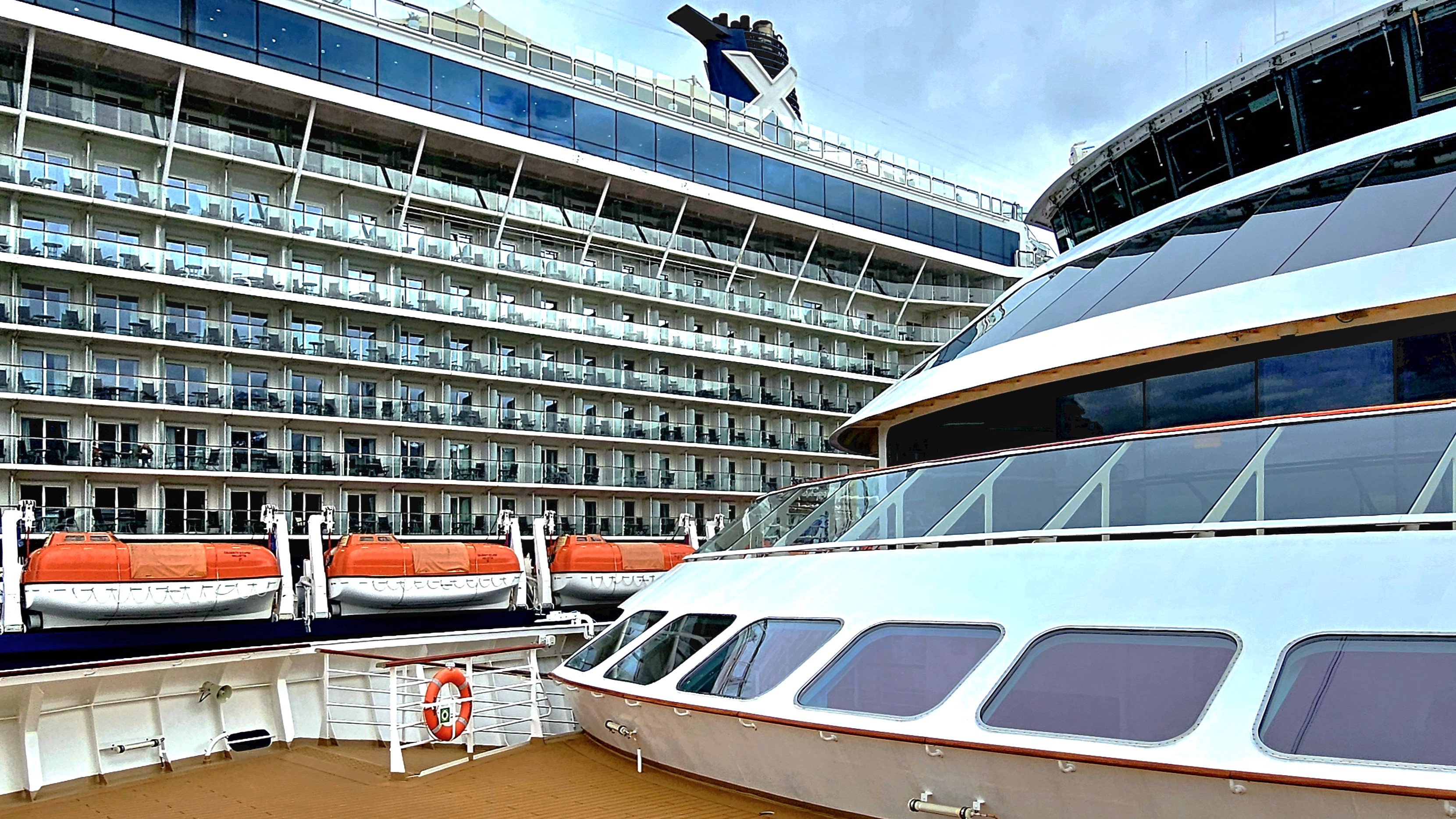
and I was instantly grateful that we’d be cruising with 350 like-minded wanderlusters aboard a Polar Class 6 vessel that was purposely engineered to cut through Antarctica’s summer ice …

replete with a hangar full of aquatic goodies, like a dozen kayaks,
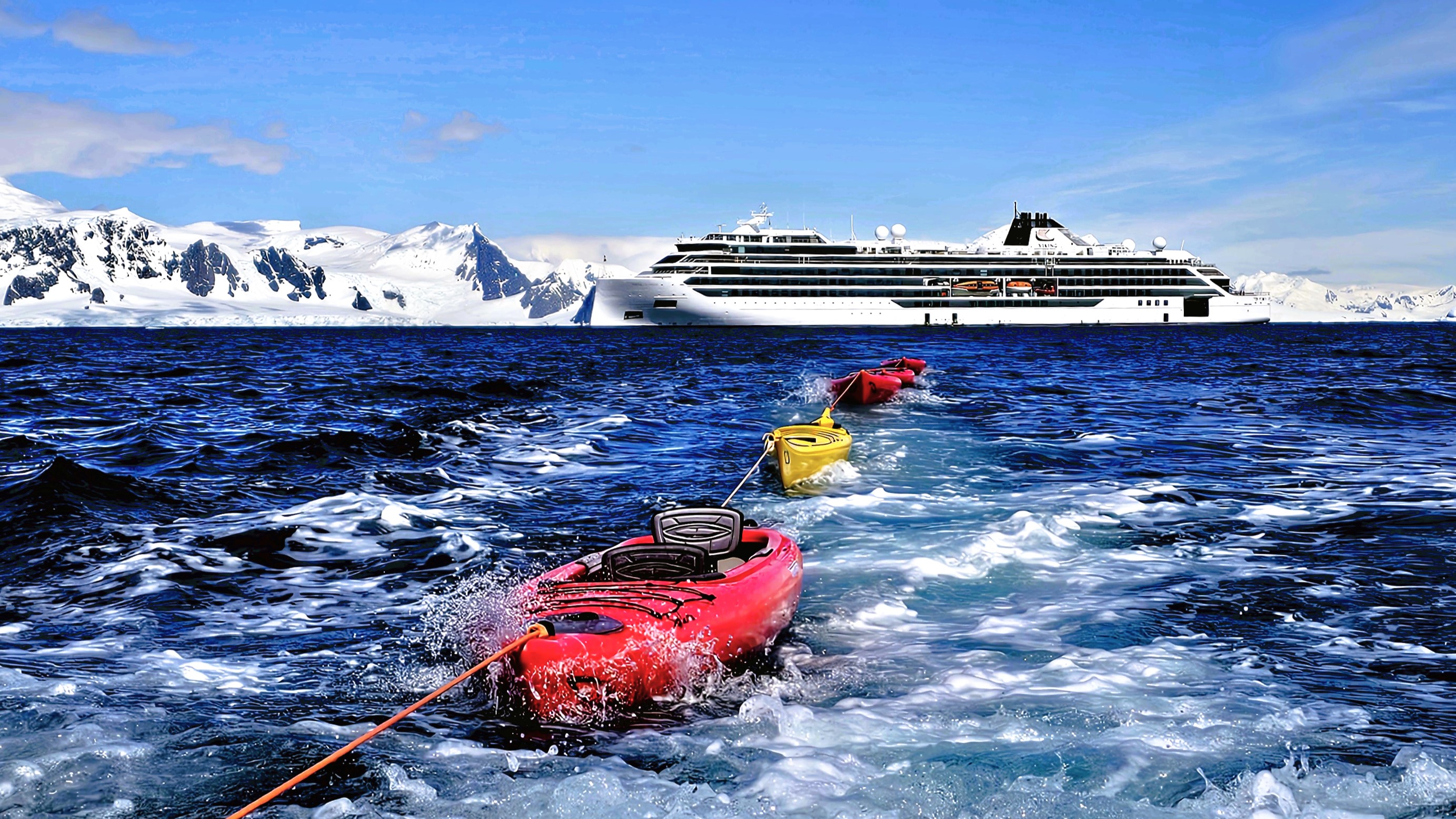
a fleet of Zodiacs,
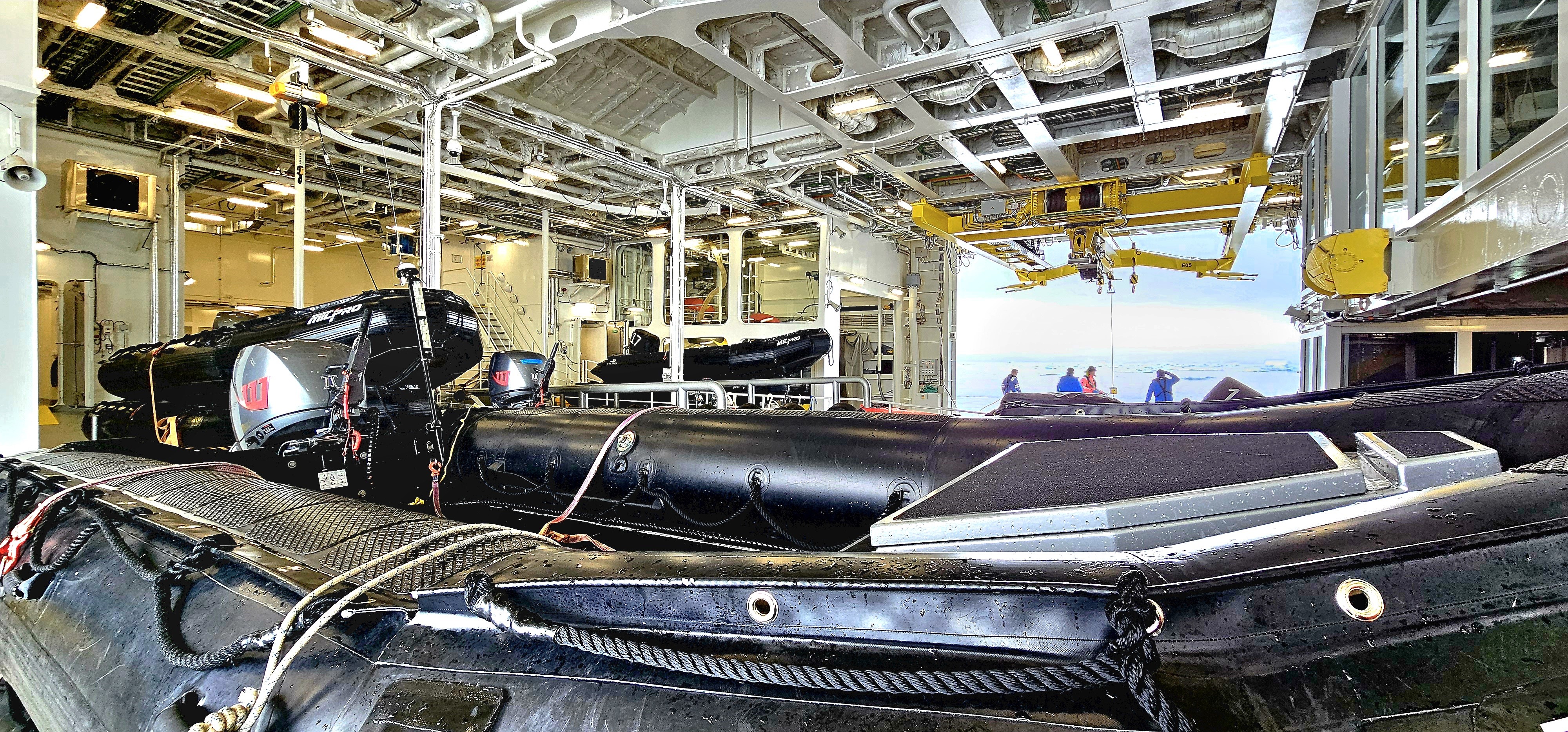
two 12-passenger, high speed special operation boats (SOB’s) with a 26-metre (85 ft) custom stern slipway,

and a dive boat supporting 2 Cruise Sub 7-300 yellow submarines named “John” and “George.”

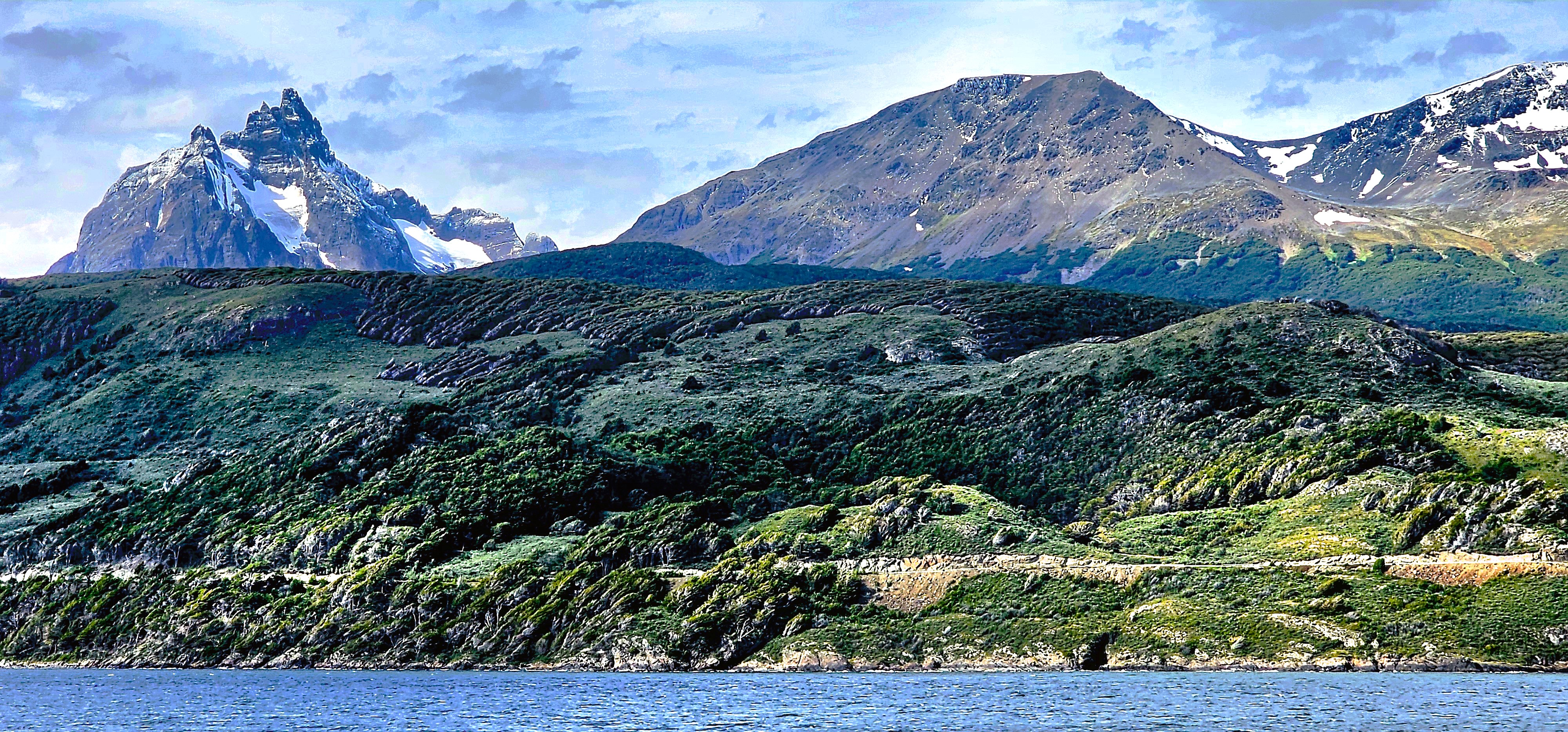
The Octantis quietly slipped out of Ushuaia harbor and into open water, offering pristine views of Argentina from port side,

and Chile from the starboard side, as we glided through the Beagle Channel.
This was also a time for briefings–from safety instruction,

to practical training for many of the aforementioned expedition activities, especially when transferring between watercraft, and executing shore landings.

Once Octantis rounded Cape Horn, we had officially entered the Drake Passage, a dangerous waterway prone to strong ocean currents, huge rogue waves, and violent storms.
The 700-mile voyage to Fournier Bay–our next land mass–would take two sea days.
While we were protected by an expedition vessel intended to improve stability and mobility and lull us to sleep in Nordic luxury inside our 215 sq ft cocoon, it was hard to ignore outside conditions. Beyond our retractable blackout blinds, we were being whipped about by 45 knot winds accompanied by 30-foot swells. This was categorically the “Drake Shake” queasiness that many guests have dreaded but vowed to overcome.
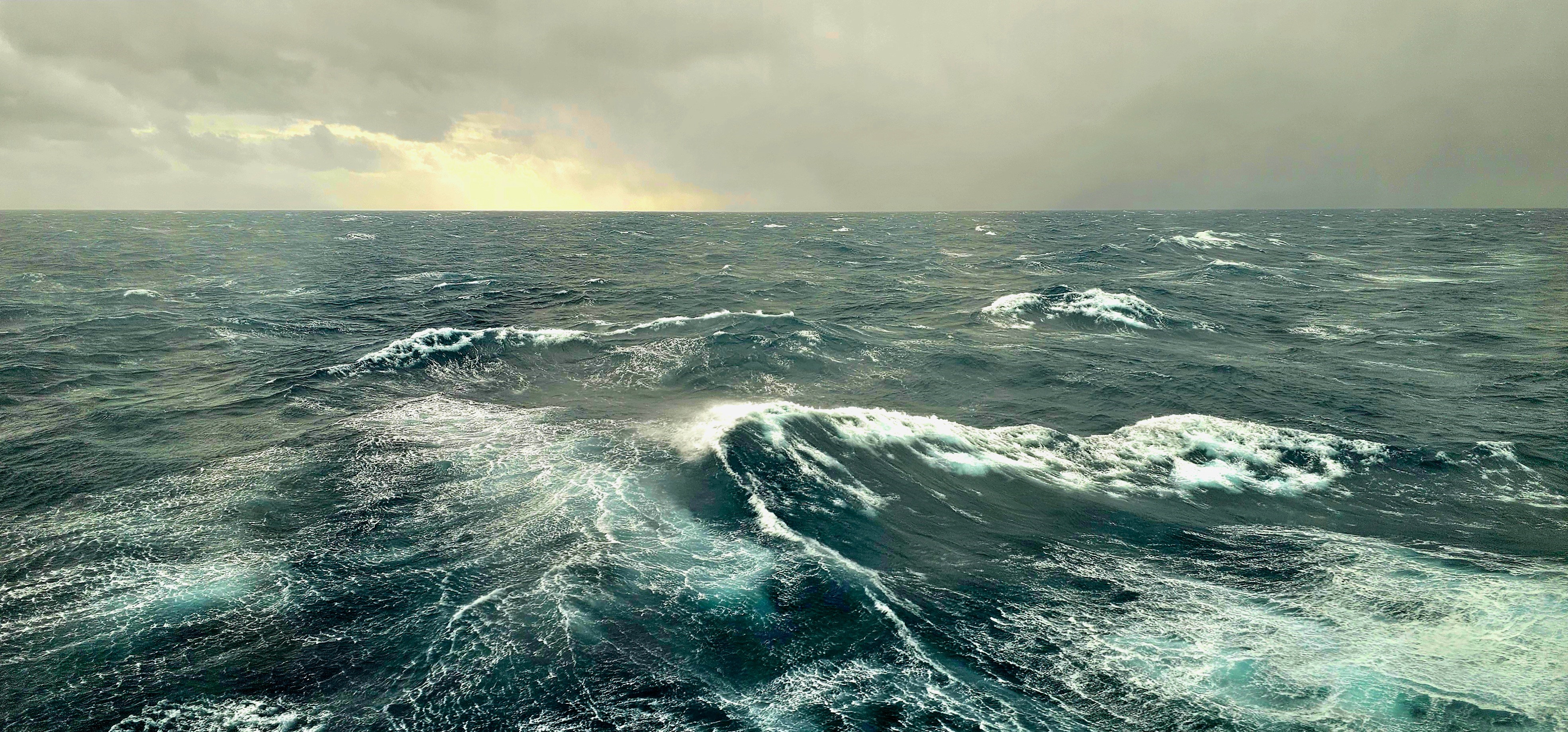
Leah indulged in anti-nausea medication, while other guests relied on motion-sickness patches and pressure-point wristbands. I opted for none of the OTC remedies, and without consequence. Seasickness was not an option. Instead, we kept ourselves hydrated; we took naps; we ordered complimentary room service, and distracted ourselves by keeping busy with lectures, movies, conversation, and ship business.
A ready team of naturalists had assembled to micro-inspect all of our outerwear and camera gear before we’d be permitted to go ashore. A biosecurity check was warranted to rid our belongings of all foreign organic material (e.g. dirt, crumbs, seeds, insects) that might be secreted in our sleeves, seems, cuffs, pockets and hoods, which could potentially sully an Antarctic ecosystem. Our adventure team took their work very seriously, peering through magnifying glasses with high intensity lights. Tweezers, toothbrushes and hand vacuums made worn apparel fresh again.
Afterwards, all of us were outfitted with proper-sized rubber boots, waterproof pants, and a snake-shaped life jacket.
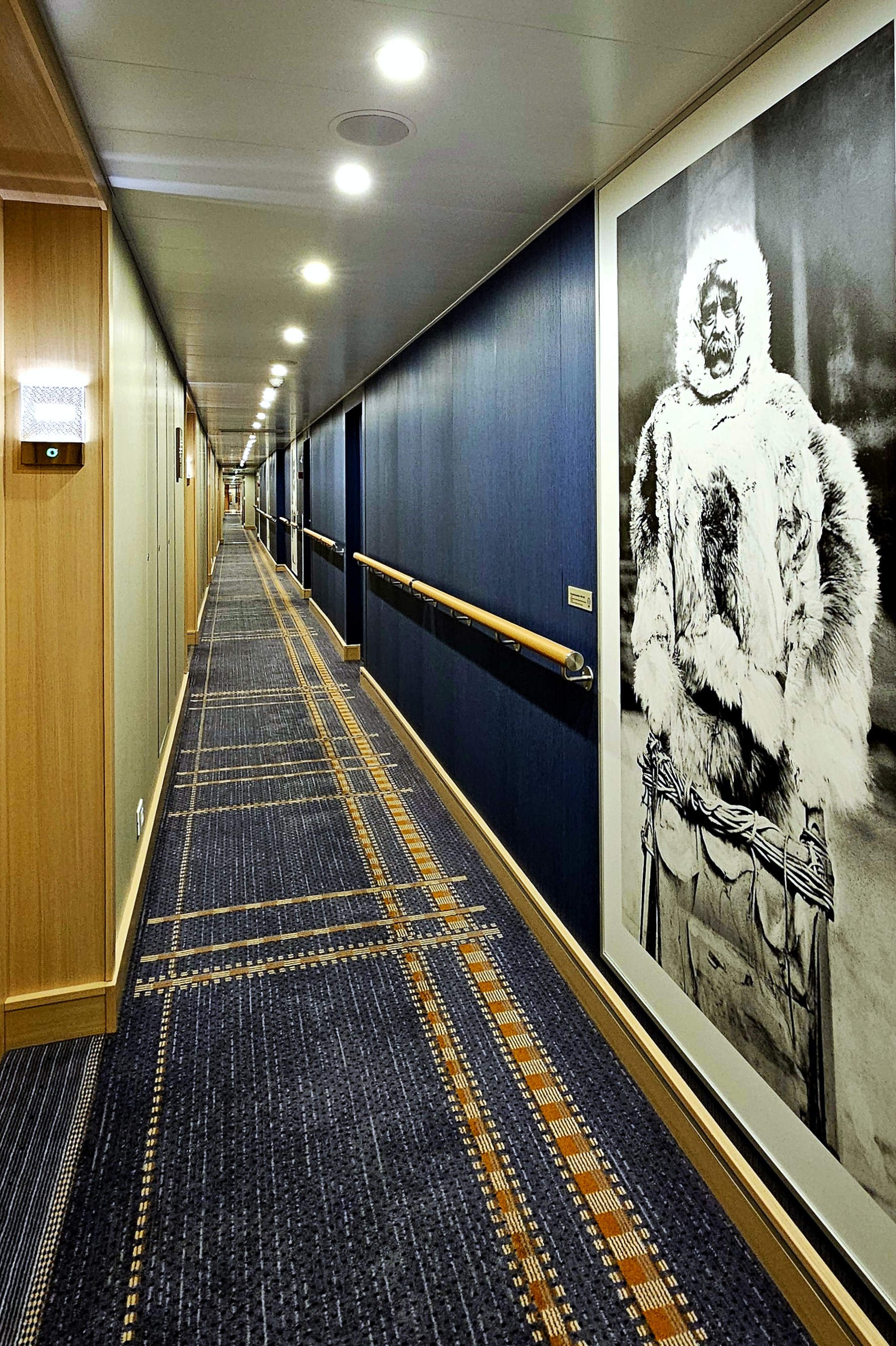
During the crossing, I had managed to overcome my sea legs by sprinting and pausing against the sway in a zigzag pattern as I’d make my way through the ship’s long corridors. It wasn’t pretty, but it was effective.
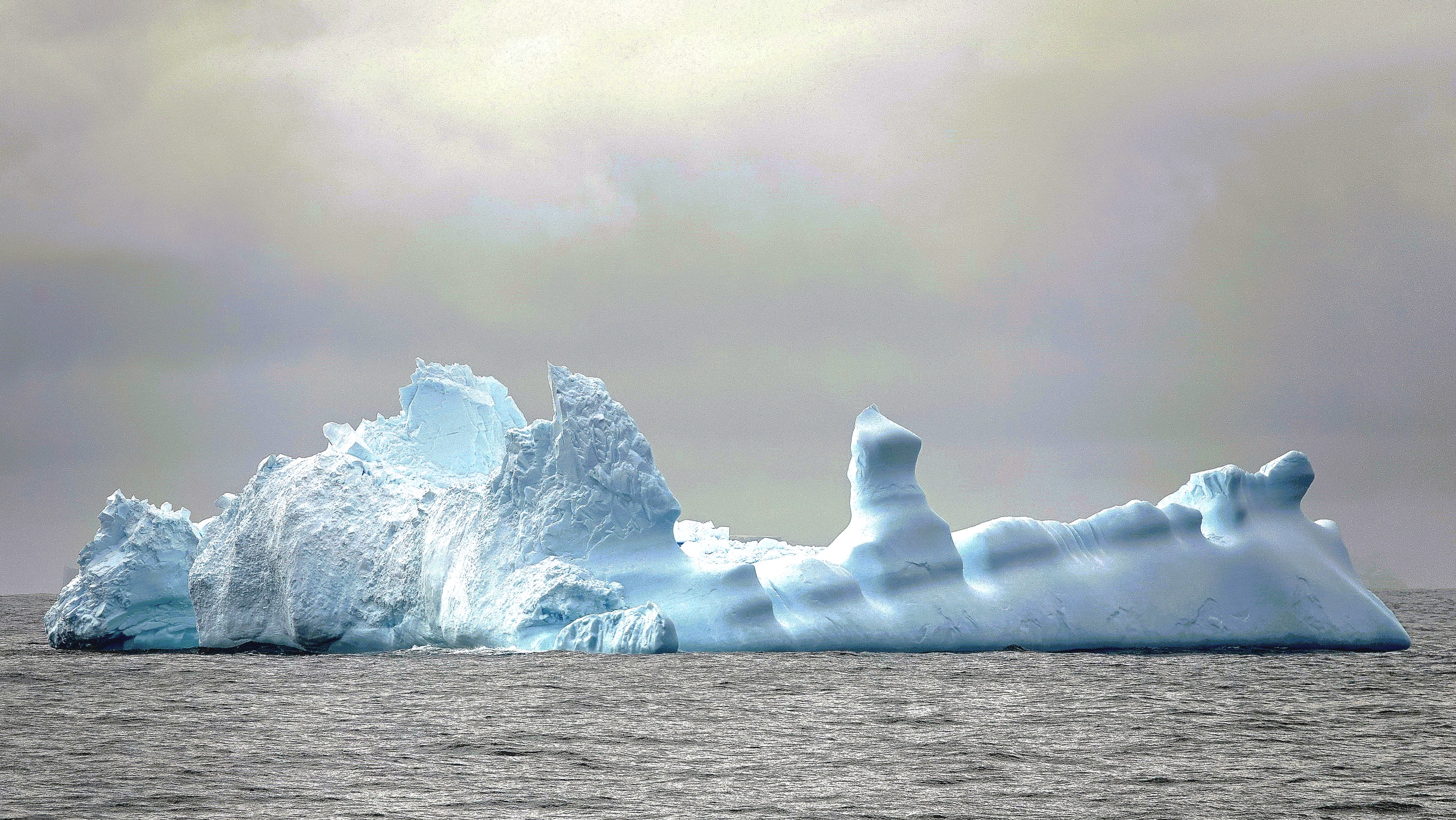
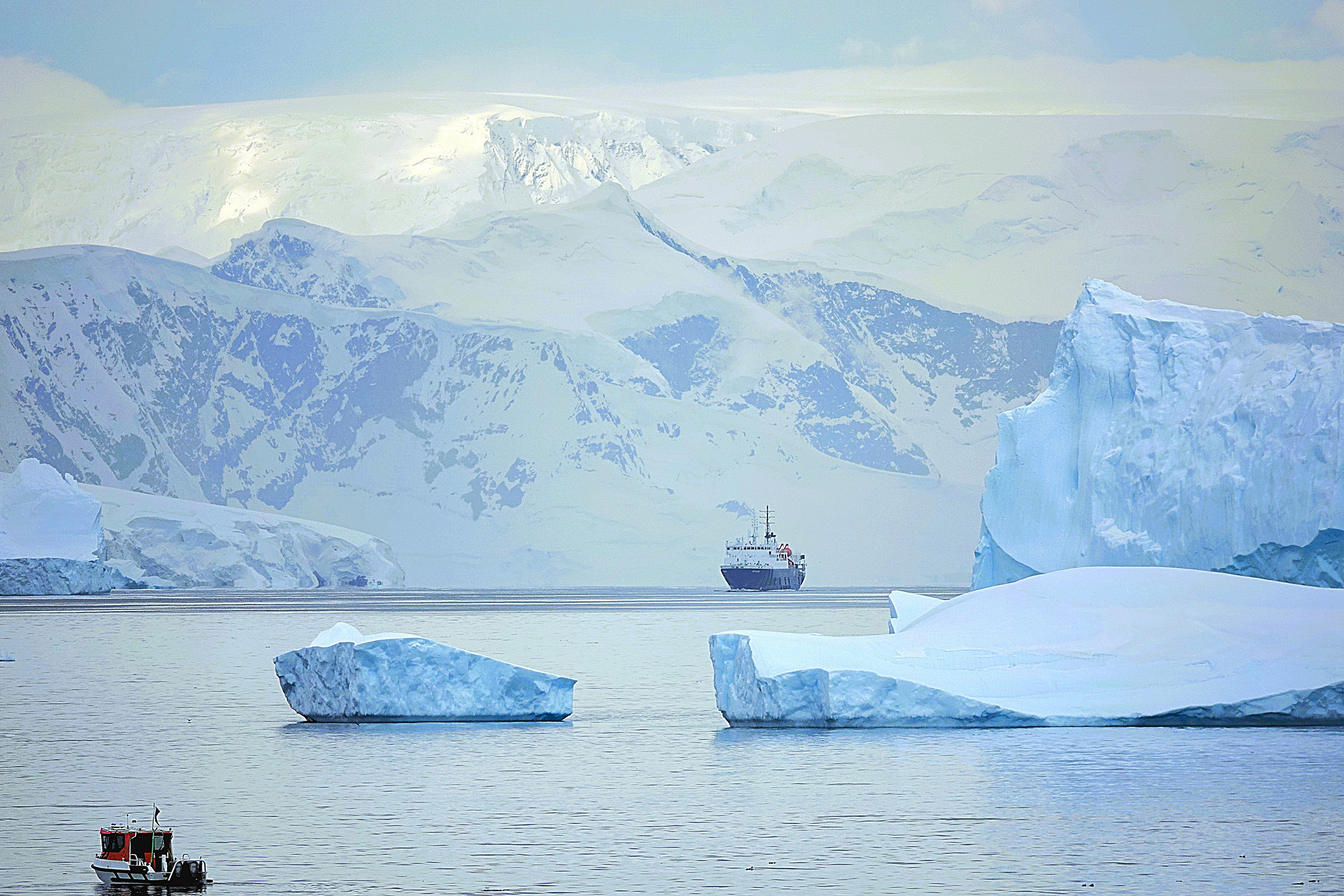
During our second day at sea, Captain Cardestig’s voice bellowed through the P.A. for all to hear, “Ladies and Gentlemen, we are approaching our first ice!” Rather than stagger through the common space with a hundred other camera jockeys, I powered down the Nordic balcony window in my cabin, and welcomed in the blustery snow showers that offered a prismatic backdrop to an ice mass resembling a sinking ship. Not exactly the best of omens!
Two hours later, the hangar toys were lowered into the icy bay and a scouting team was dispatched to assure a successful expedition.
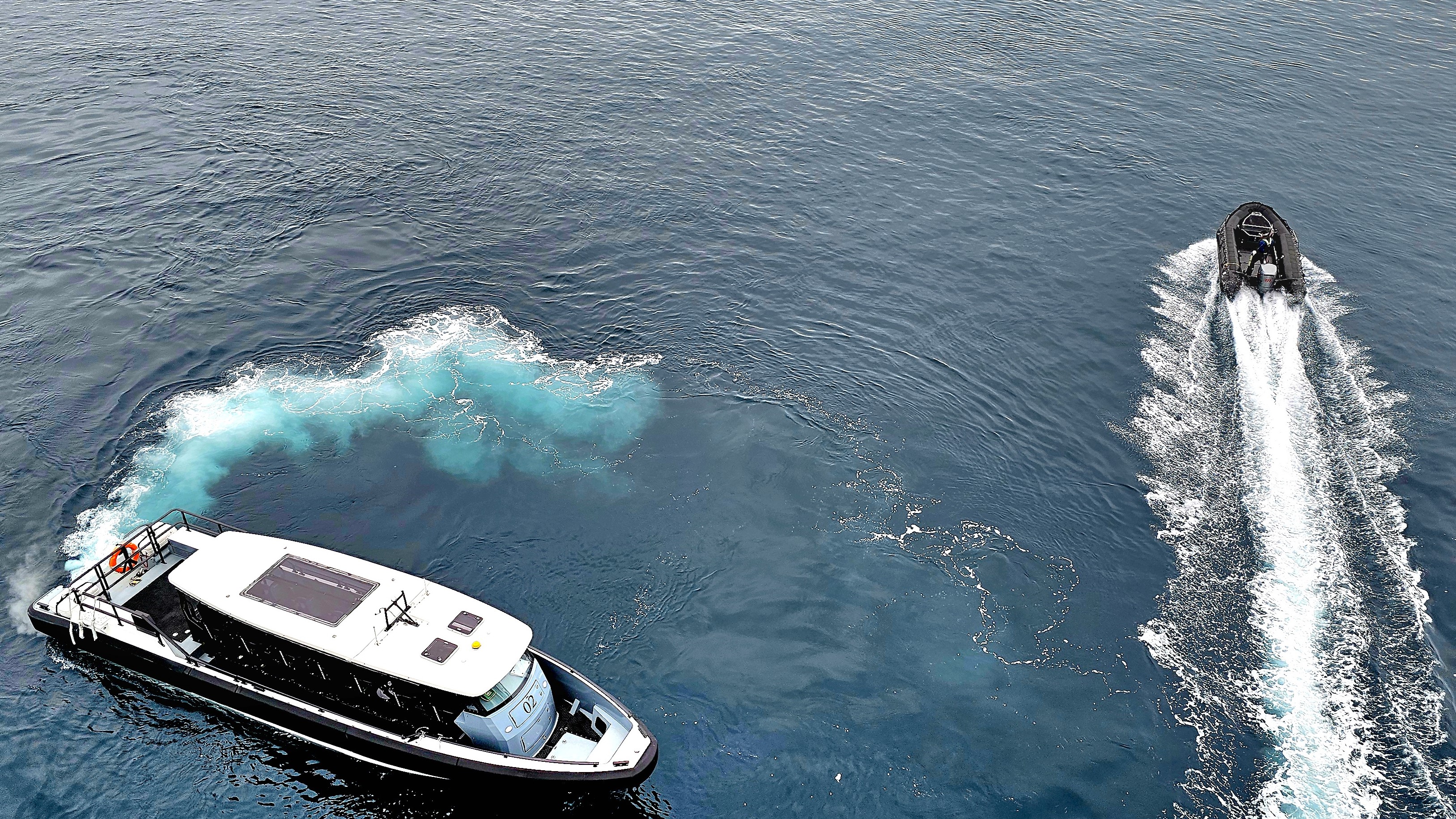
We had made it to Fournier Bay!
The Antarctic adventure continues …

 Streaming thru America
And more details to follow.
LikeLike
WOW! Now that’s an adventure!
LikeLiked by 1 person