
At first glance, Choeung EK is an inviting greenspace on the edge of Phnom Penh,
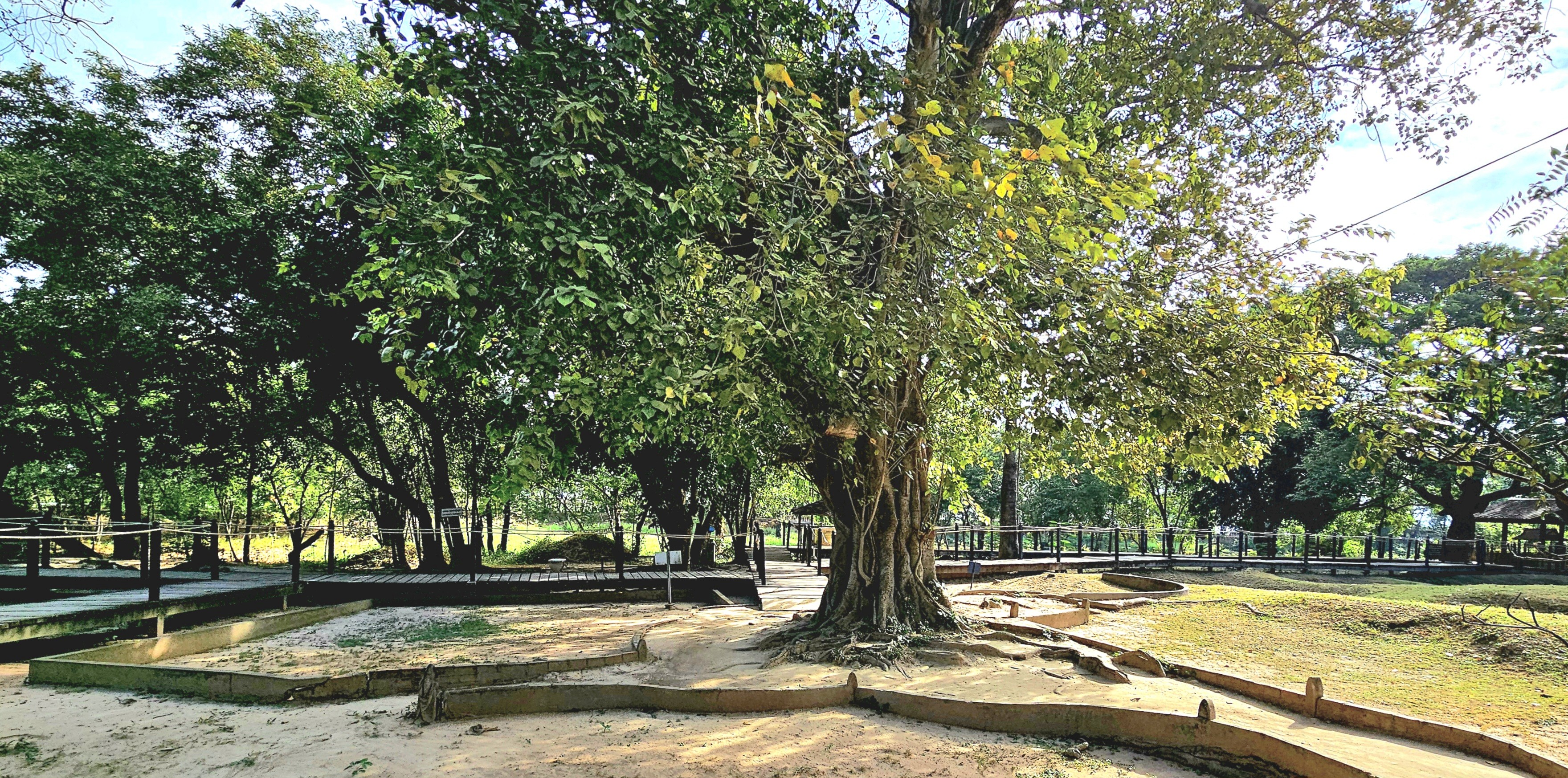
with flowering trees,
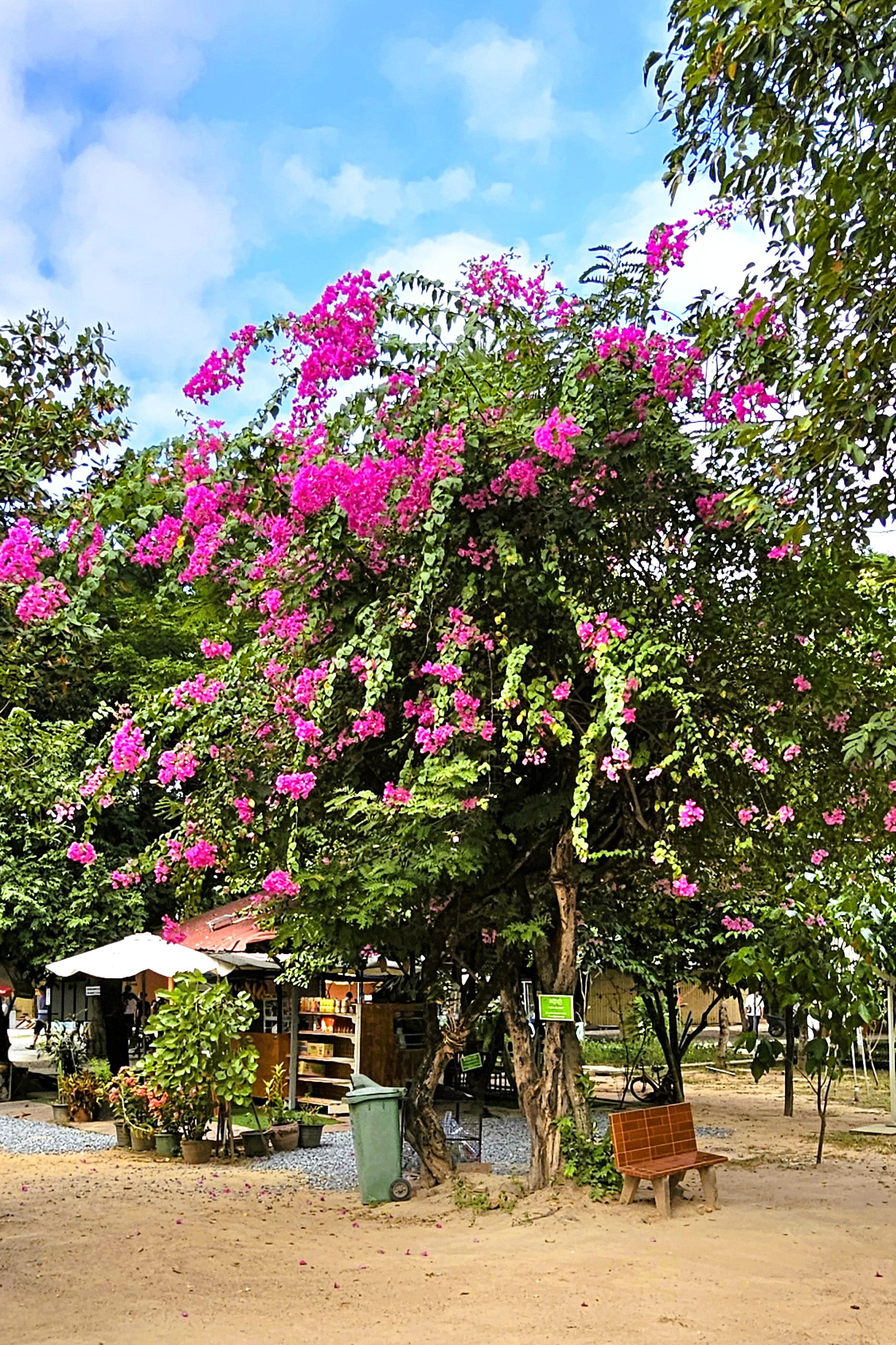
and a peaceful lotus pond stocked with ancient koi.

Located 12 km from City Center, it’s conveniently adjacent to AEON Mean Chey, the city’s trendiest and largest all-purpose shopping center and fashion mall targeting Cambodia’s rising middle class.

Although, from my perspective, the only fashion that’s display-worthy is a collection of fabric remnants protected in a glass box…

once worn by 20,000 prisoners whose remains continue to float to the surface during every rainy season.

On closer inspection, the heritage trees throughout the grounds were once used as tools of brutality by agents of Khmer Rouge: from towers of dissonance,
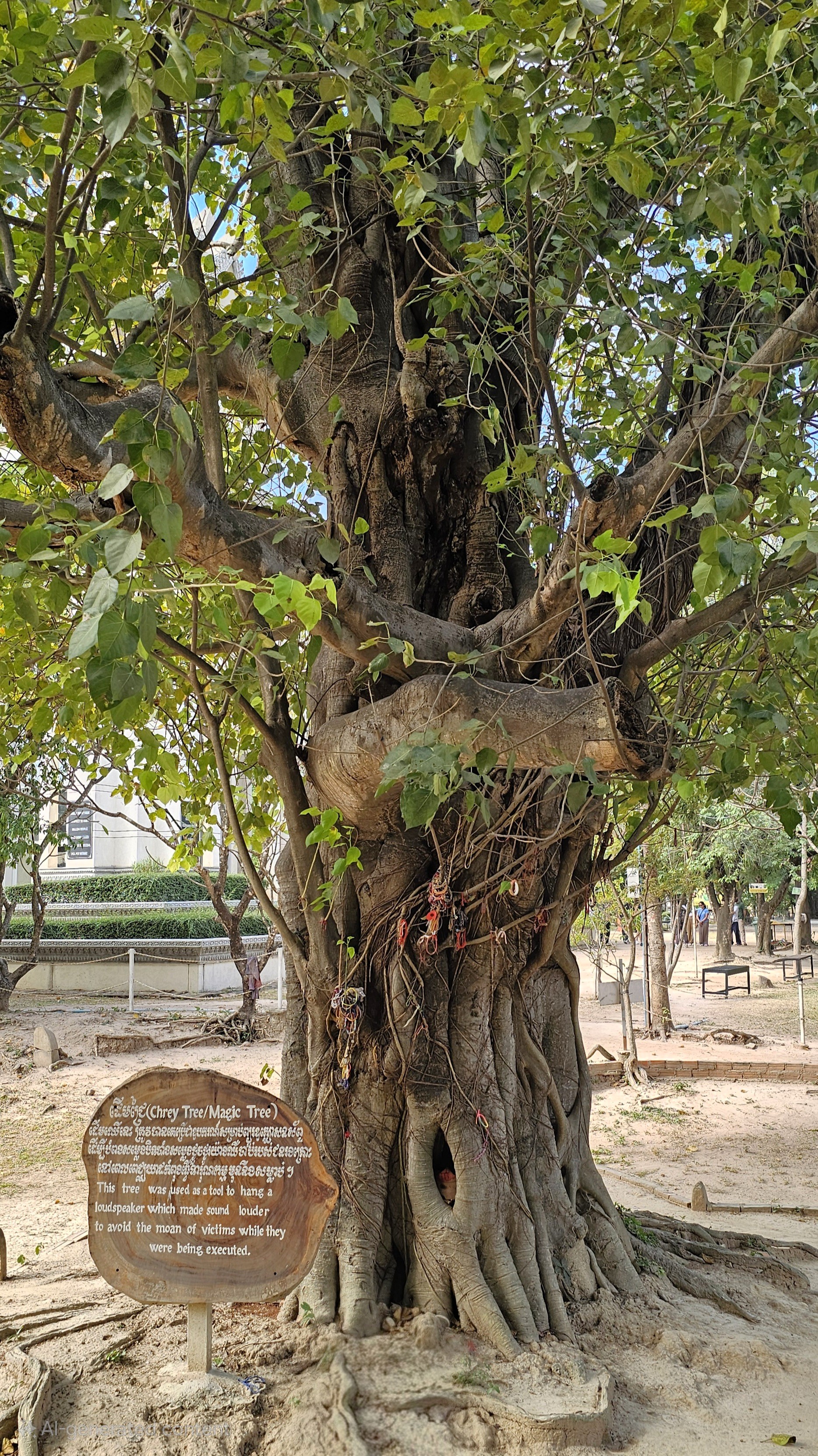
to hardwood battering pillars.
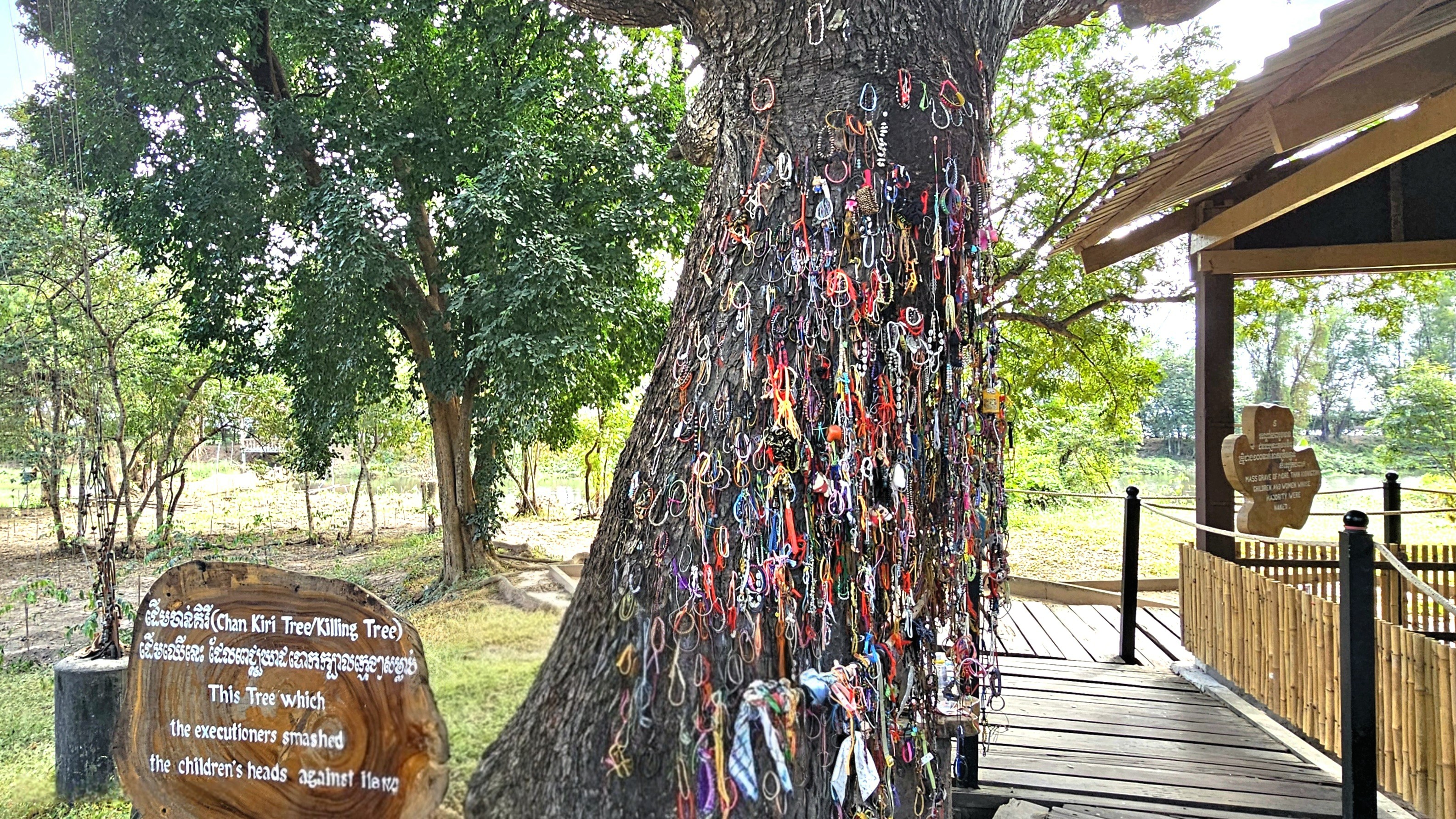
Over the years, visitors to Choeung EK Genocidal Center have rebranded this tree as an ad hoc totem to memorialize the fate of thousands of children whose skulls were bashed against it.
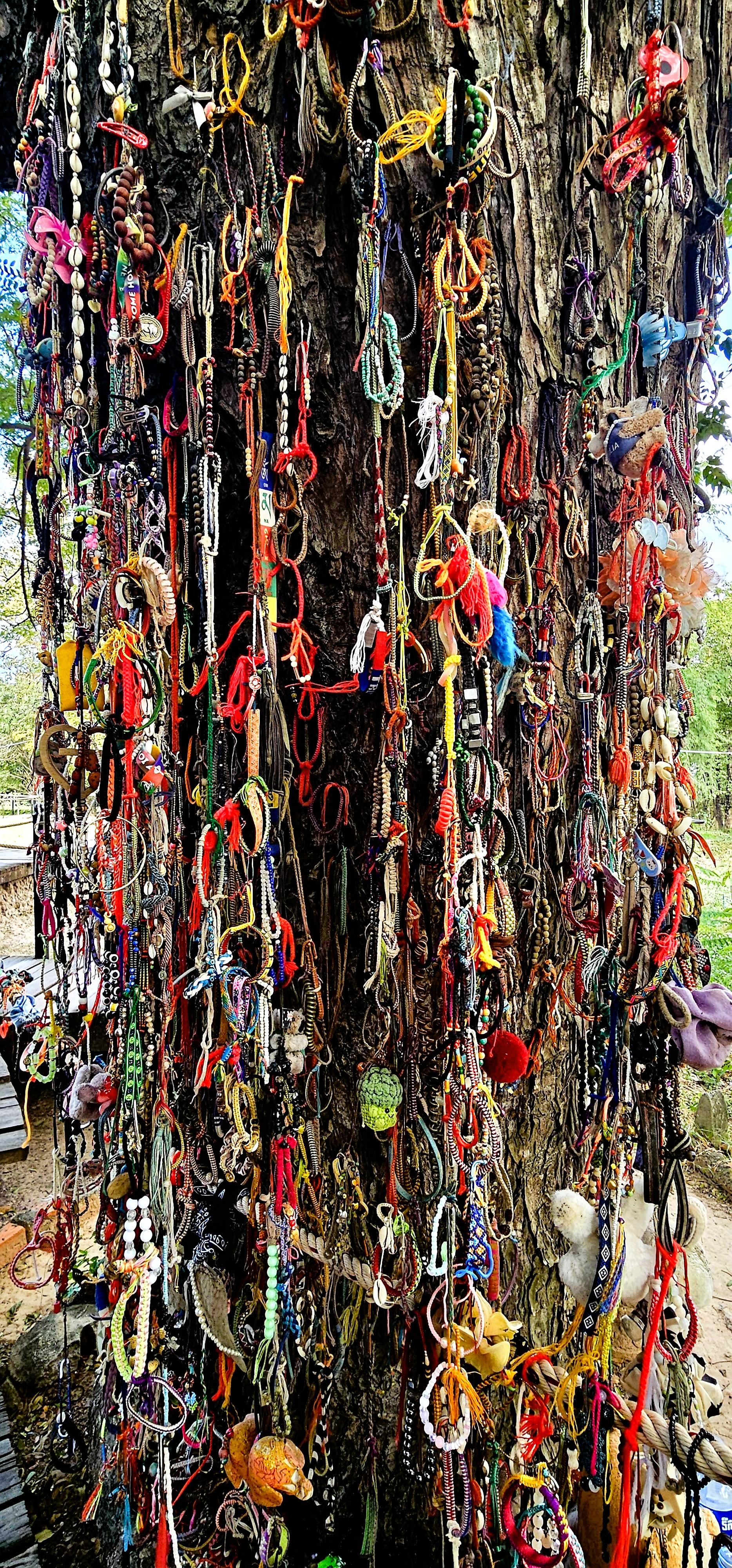
Nearby, a stunning Buddhist stupa rises from the epicenter of the killing field…

housing thousands of adult skulls recovered during a site excavation in the 1980’s.

Between 1995 and 2007, the Documentation Center of Cambodia undertook the most challenging and disheartening task of mapping and documenting Cambodia’s killing fields. Through thousands of interviews and field investigations, DC-Cam identified 19,733 mass graves and 196 prisons that operated during the Democratic Kampuchea (DK) regime.
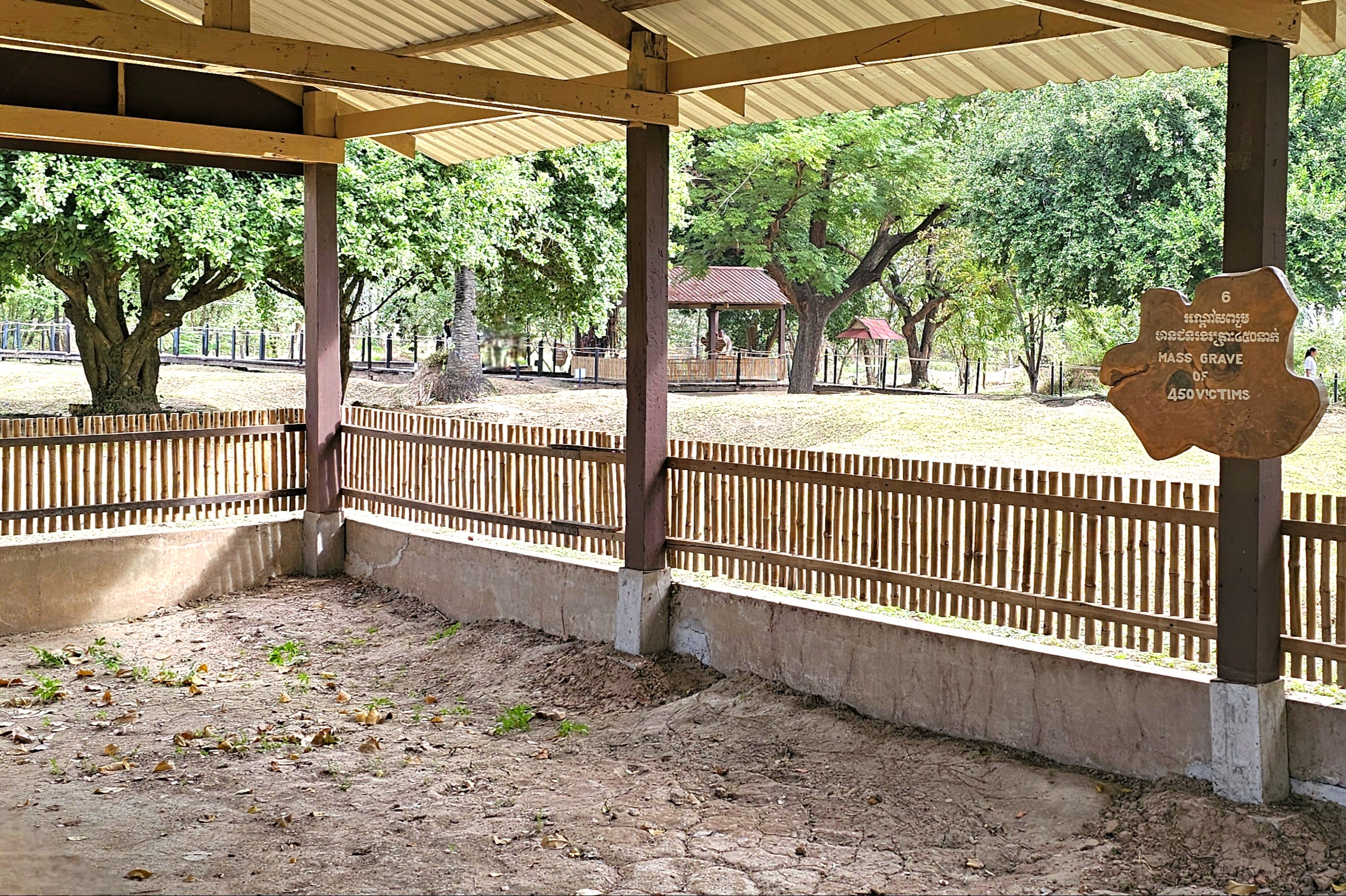
Choeung EK’s conversion from orchard to reeducation center…
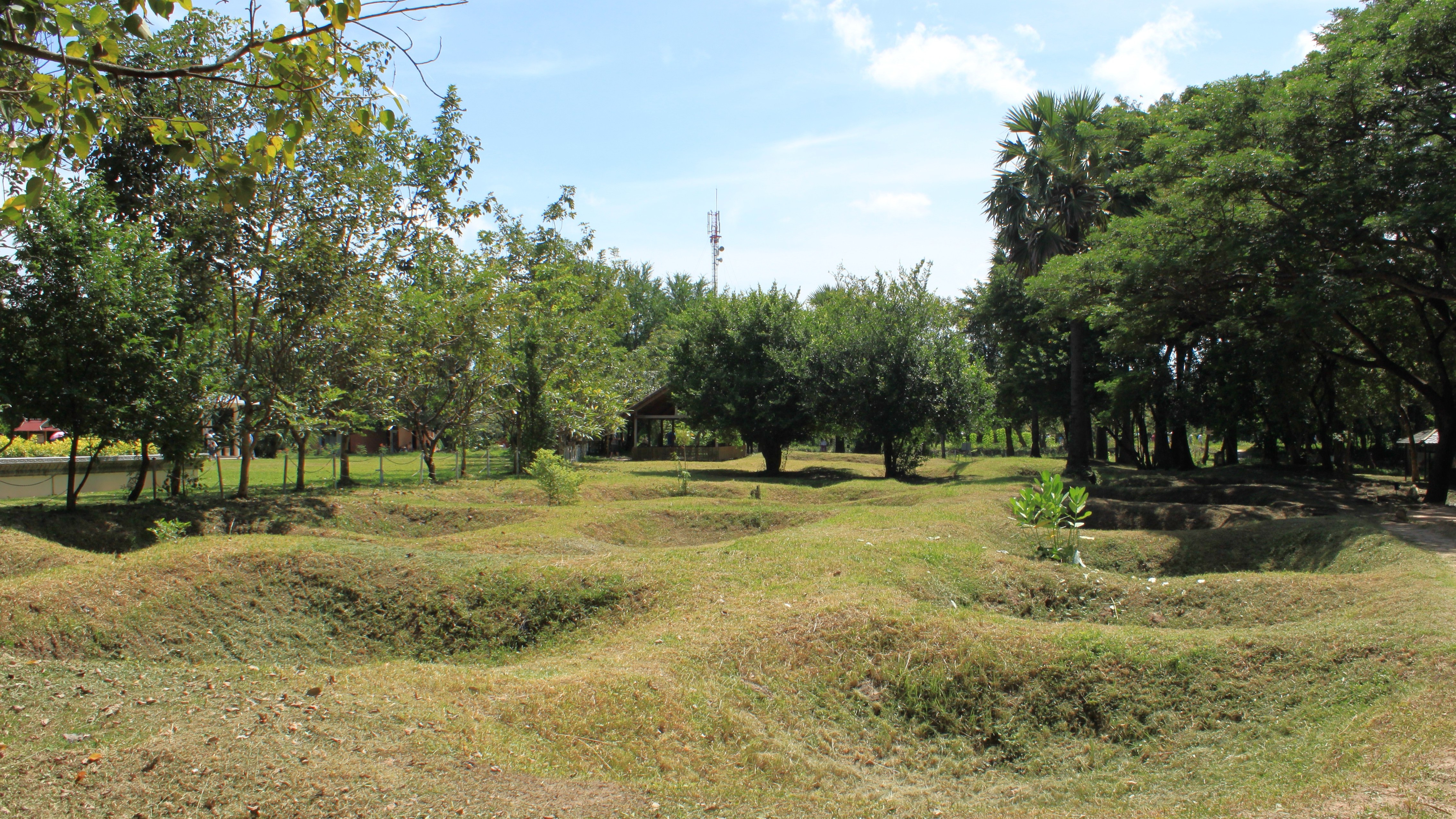
served as a lethal gateway for every soul imprisoned at the notorious Tuol Sleng Detention Center.

All day long, trucks rolled into S-21, herding political enemies into primitive barracks,

where they ultimately met their untimely fate through horrific violence.

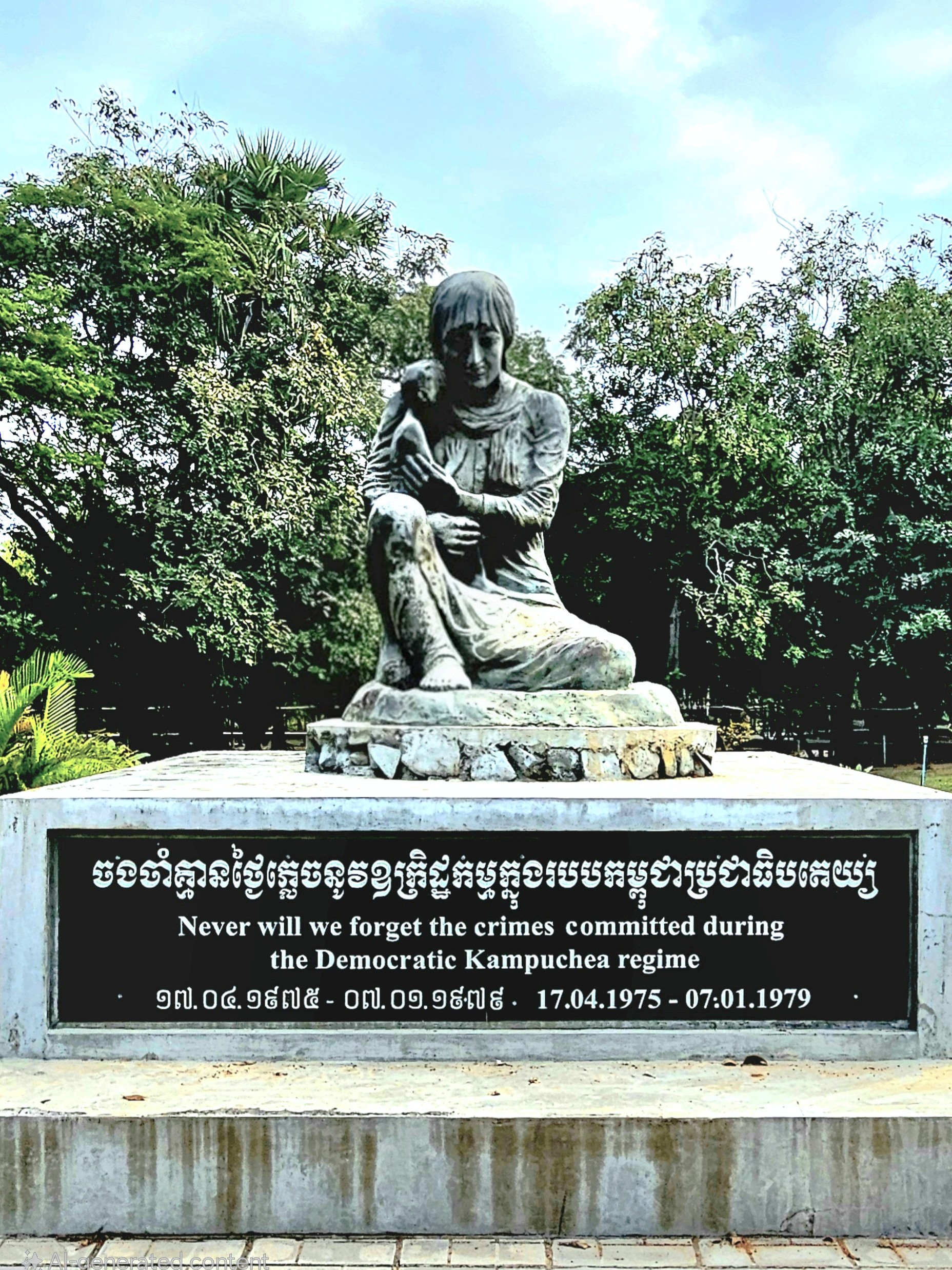
In 5 years, an estimated 2 million Cambodians (men, women, children, and infants) were murdered by Khmer Rouge,

accounting for 25% of the nation’s population.

Choeung EK reopened as a historical museum and learning center on January 7, 1989, with a mission to acknowledge the historical atrocities that occurred, and to remind us that violence against each other can have devastating consequences.
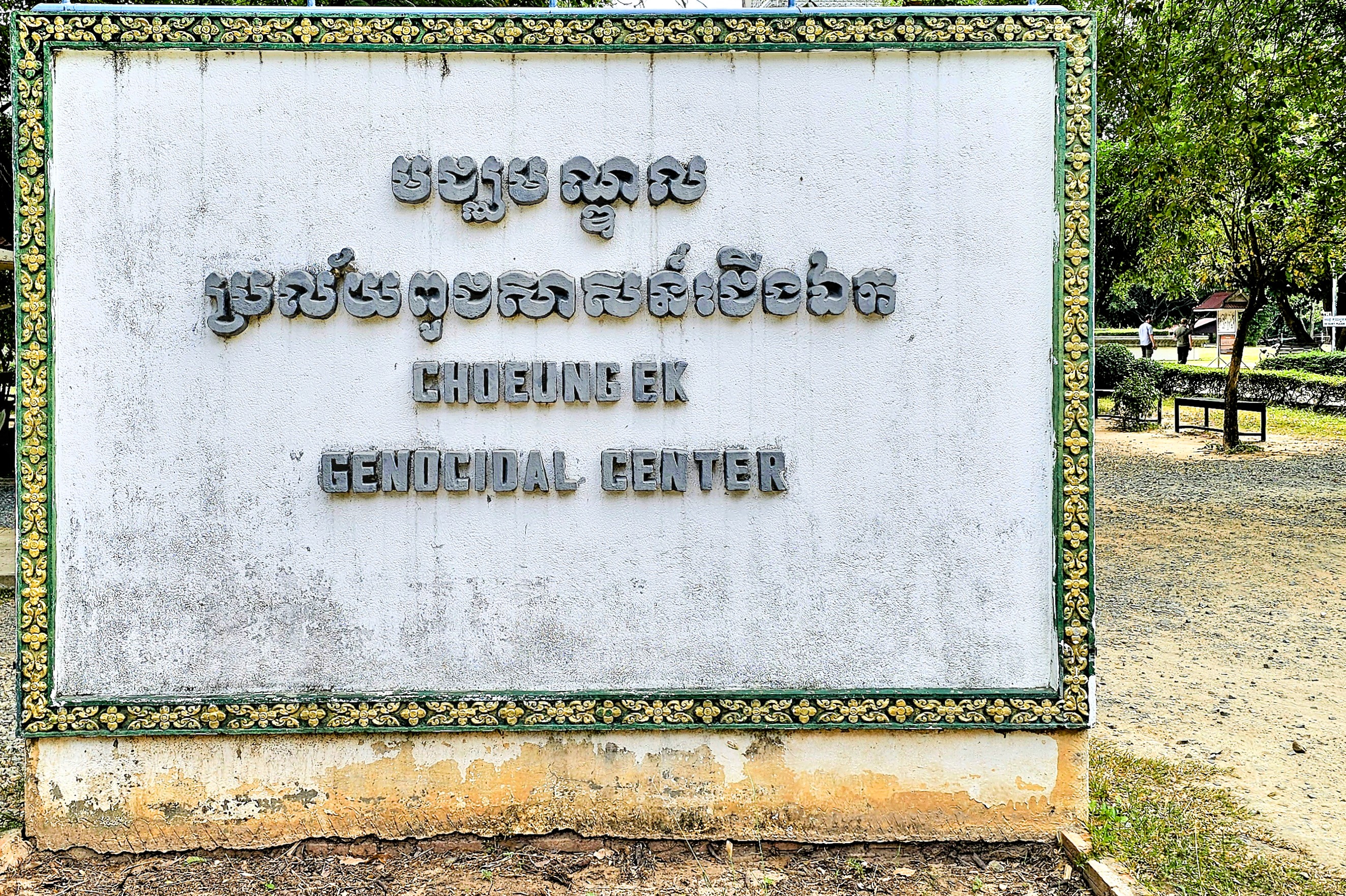
Its exhibits, memorials, and curated educational programs engage visitors in meaningful conversations about human rights and reconciliation.

Cambodians will soon commemorate their loss with a National Day of Remembrance. Every May 20th, students take part in an annual ritual–reenacting the crimes of Khmer Rouge guerillas–that still haunt Cambodian people deep to the bone.
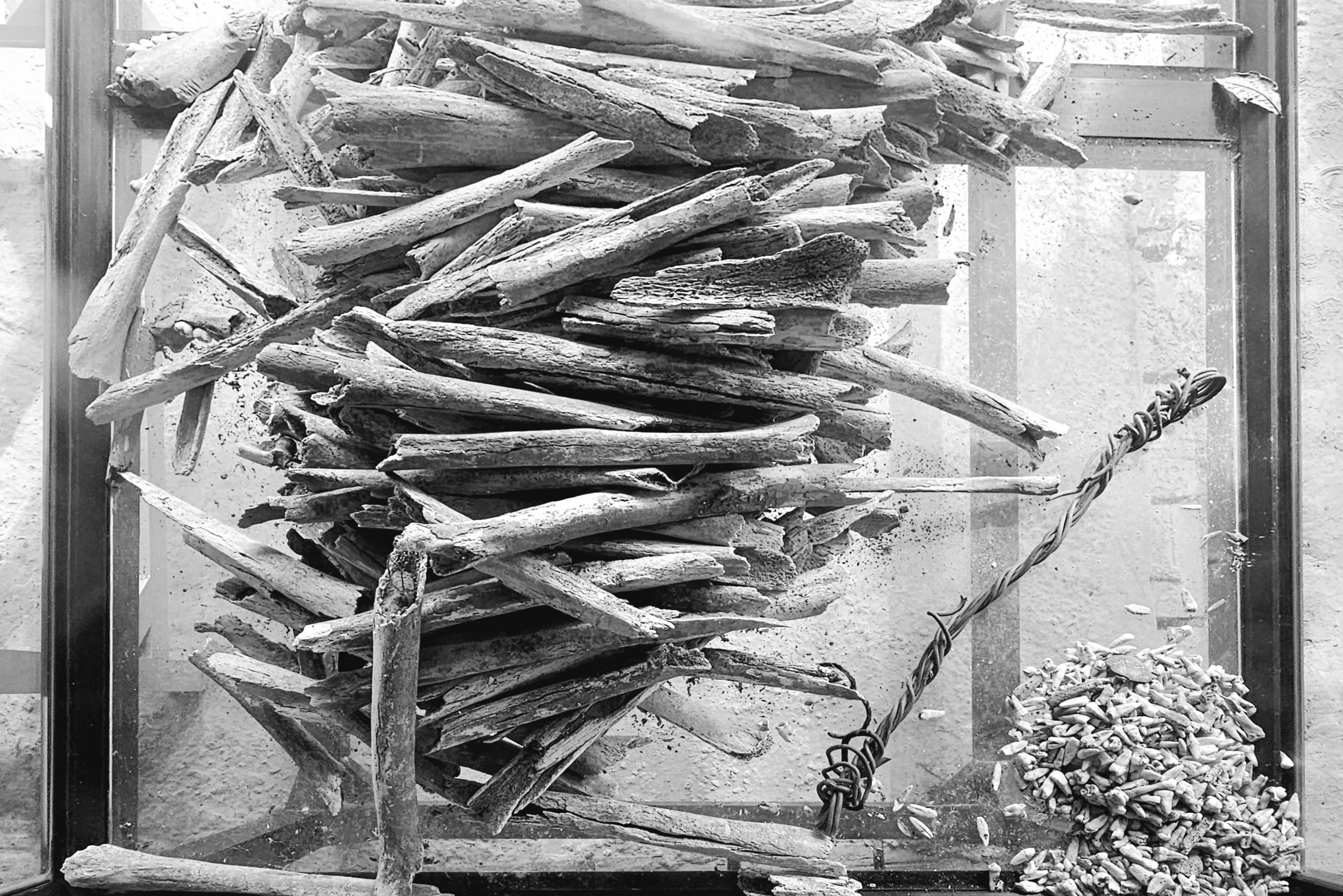
On that day and every day, we pray for healing and understanding, and the realization that confronting past acts of inhumanity will inform and guide the well-being of future generations.

 Streaming thru America