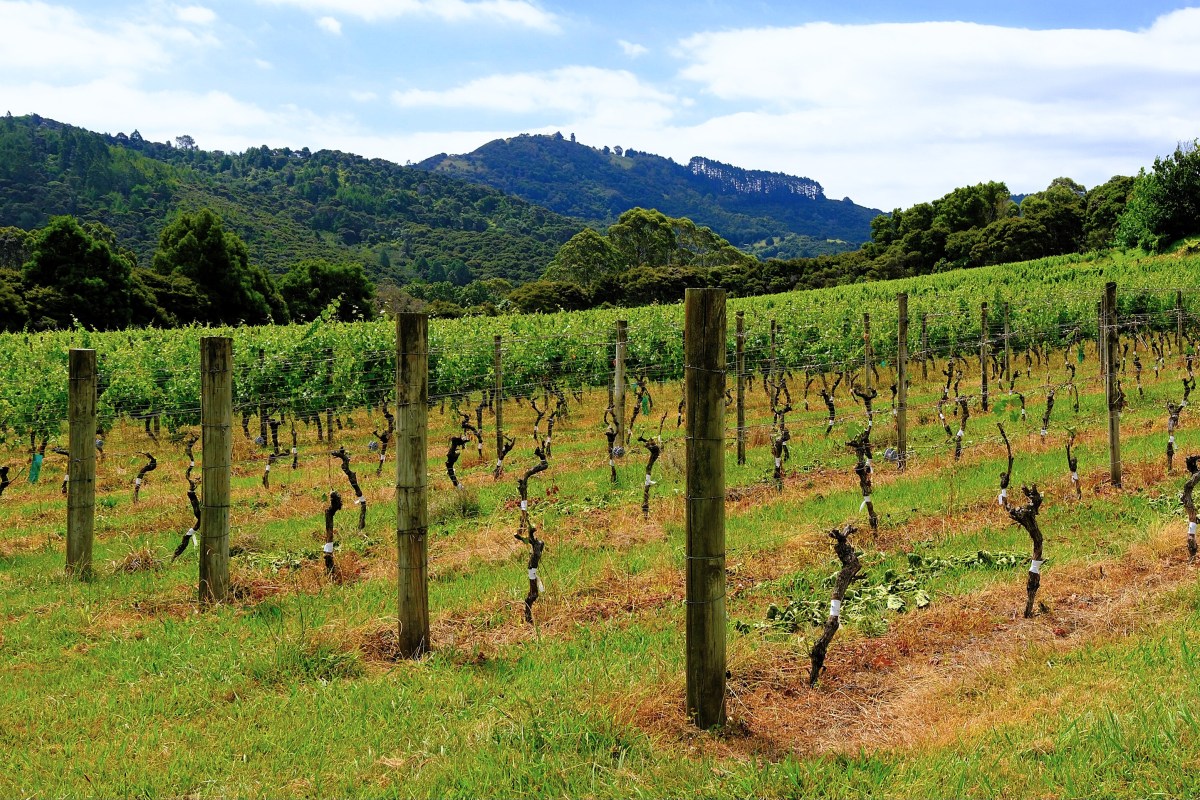
For the curious and familiar with deep pockets who yearn for the Hamptons of New Zealand, a 40-minute ferry ride from Auckland across Hauraki Bay will whisk them to Waiheke Island, where weekend cottages with water views easily appraise at $3 million and more.
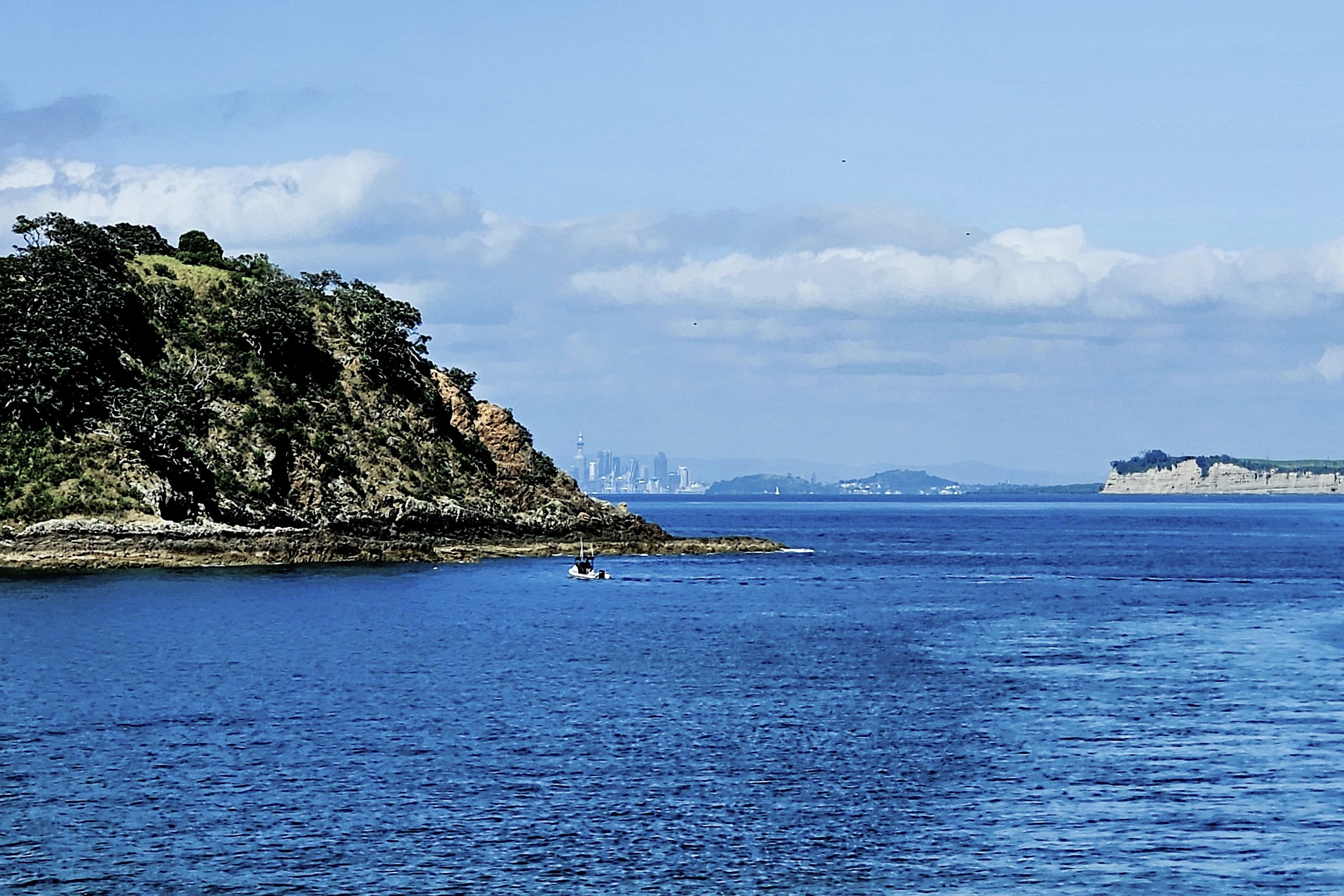
Waiheke Island’s wedding rituals are commonplace, as there is no shortage of scenic vineyards, lush gardens, beautiful beaches, sunset cruises, spas and luxurious accommodations to make every wish come true.
But Leah and I were not there for real estate or romance. We docked at Matiatia Wharf in pursuit of New Zealand’s epicurian trifecta: wine-tasting, olive-pressing and honey-making.
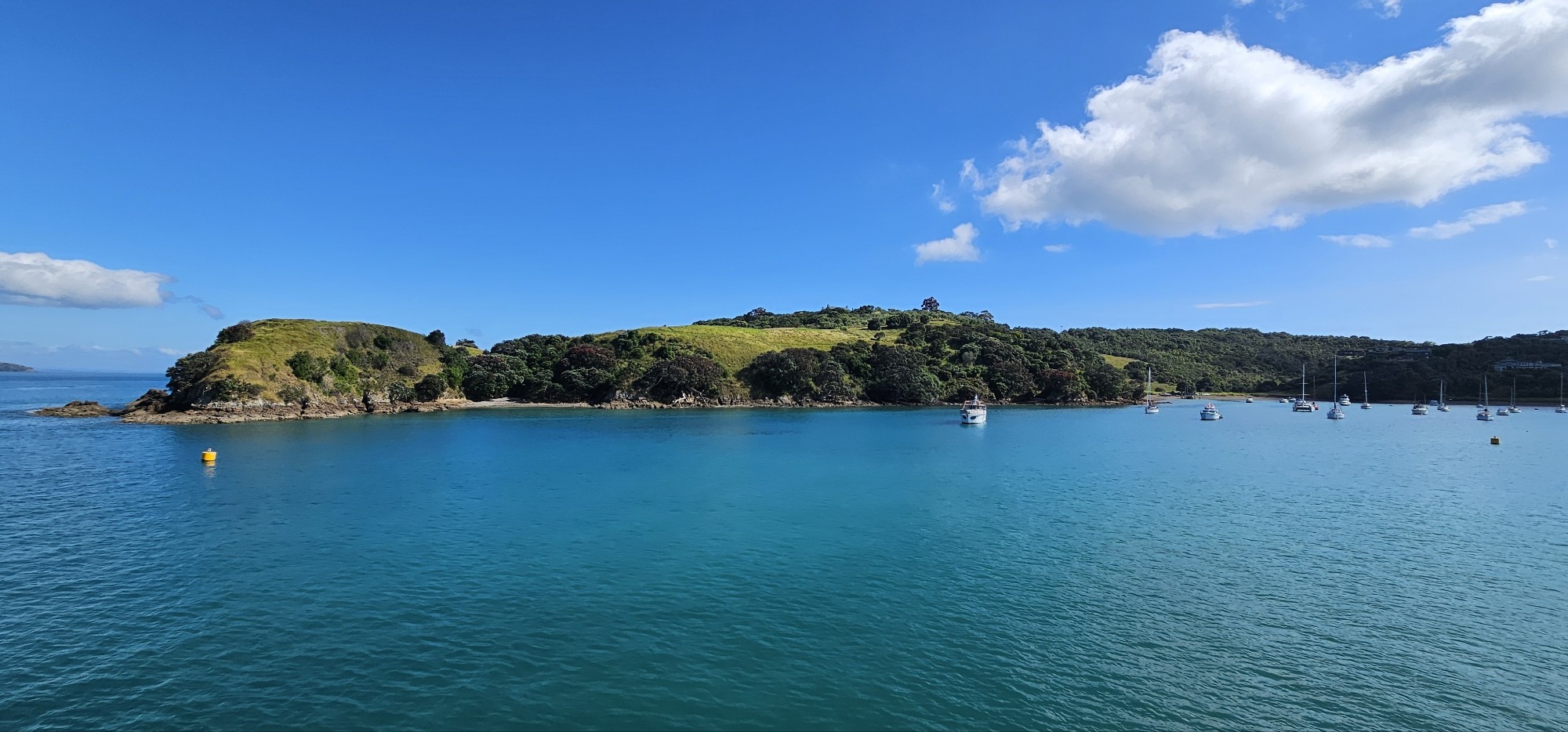
A stroll through Oneroa Village yielded no sightings of A-listers, although the likes of Madonna, Lady Gaga, Beyonce and Taylor Swift with their entourage are sure to turn heads from time to time.
We window-shopped at an appealing array of boutiques, bistros, and galleries, where I found the perfect pair of Ray-bans at the local chemist’s shop in the hopes of improving my detection skills.
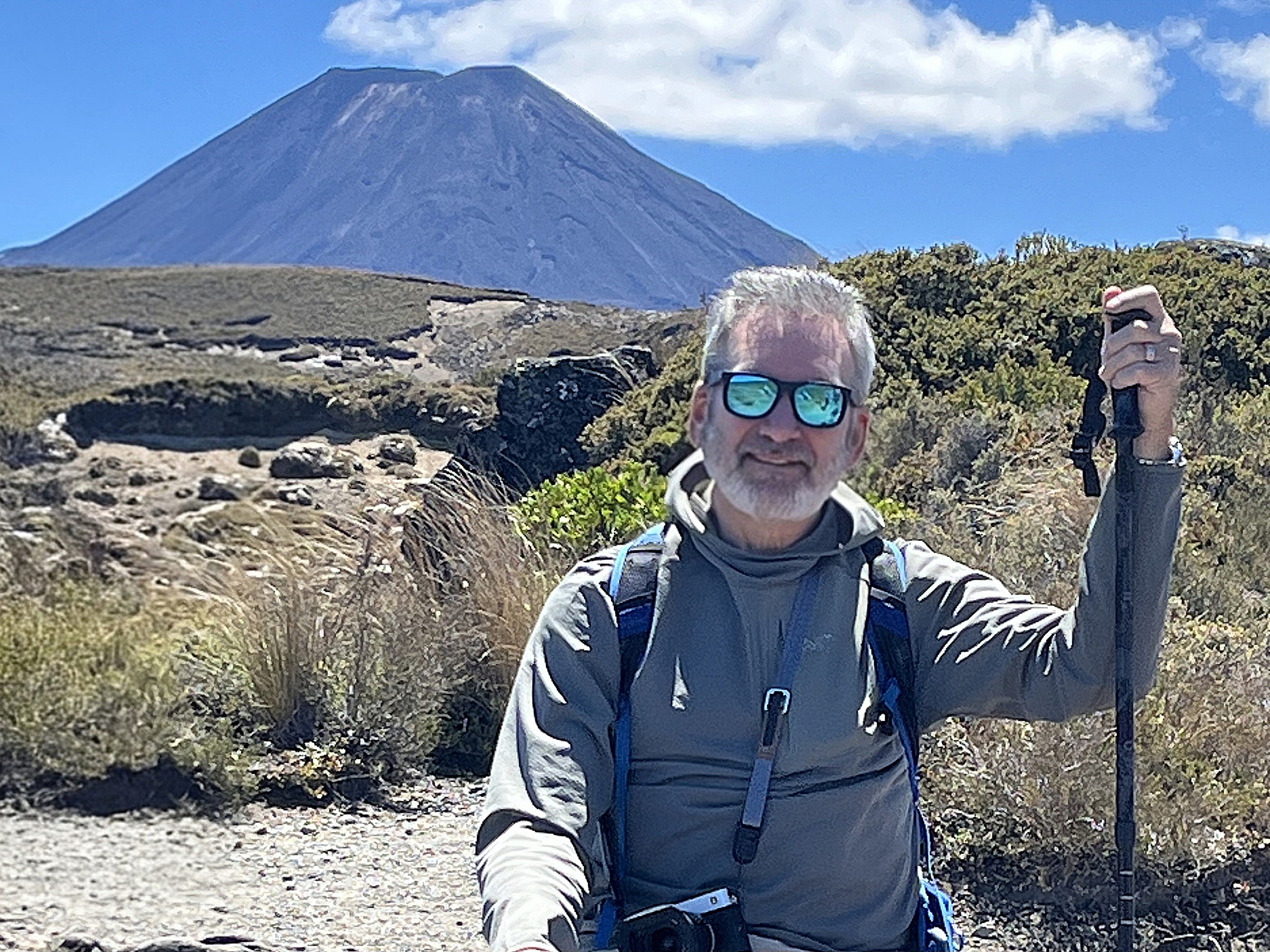
We discovered the town trail that curled through a densely forested dune, leading us to the panoramic cove of Oneroa Bay.
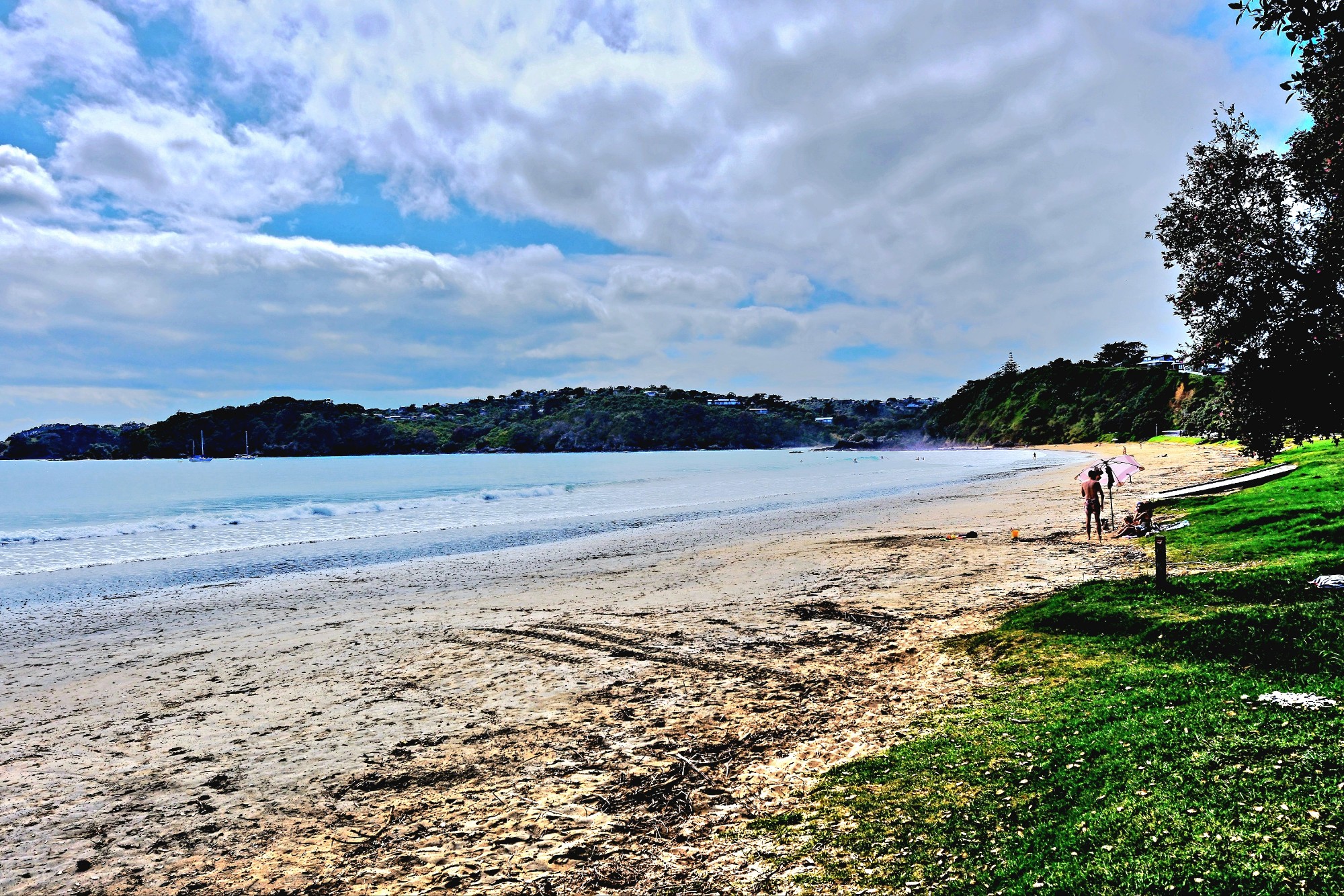
Although the water looked calm and inviting,
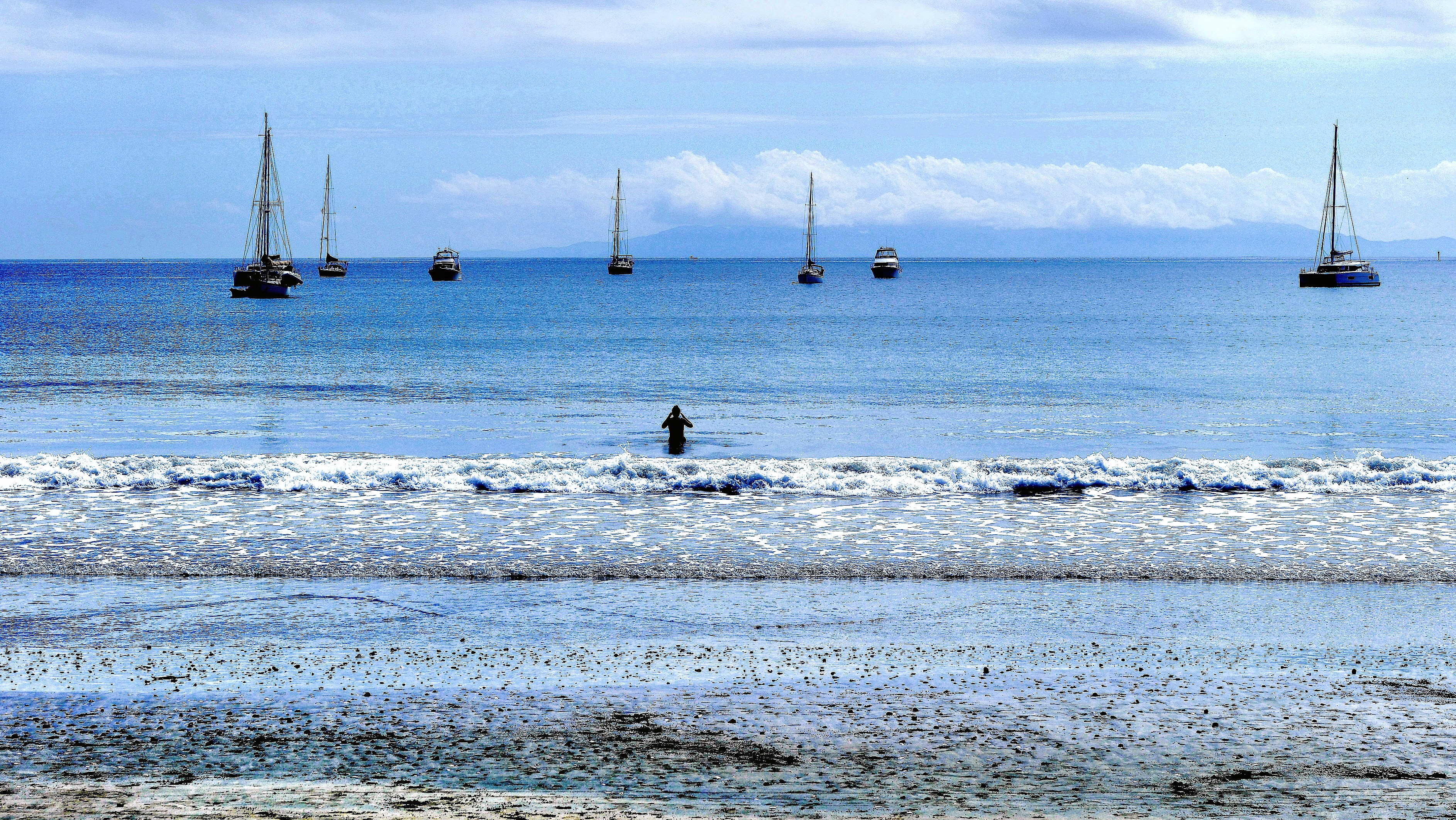
we were pressed for time, as it was time for olive pressing.
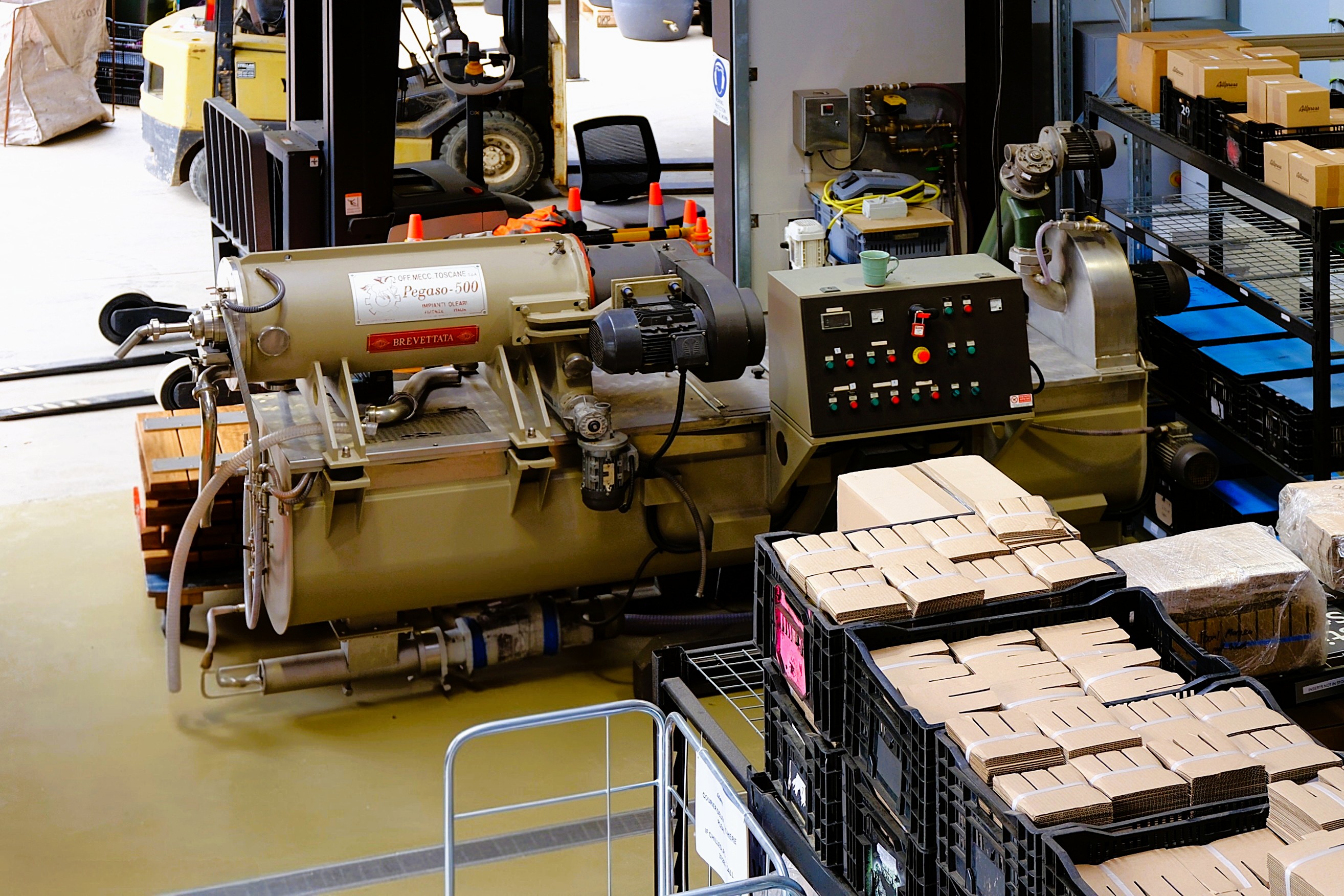
Our stop at Allpress Olive Oil Groves offered tastings of extra virgin olive oil varietals (frantoio, verdale, ascolano, picual and koroneiki) and blends, with herbaceous, grassy and peppery flavor notes. Superb!
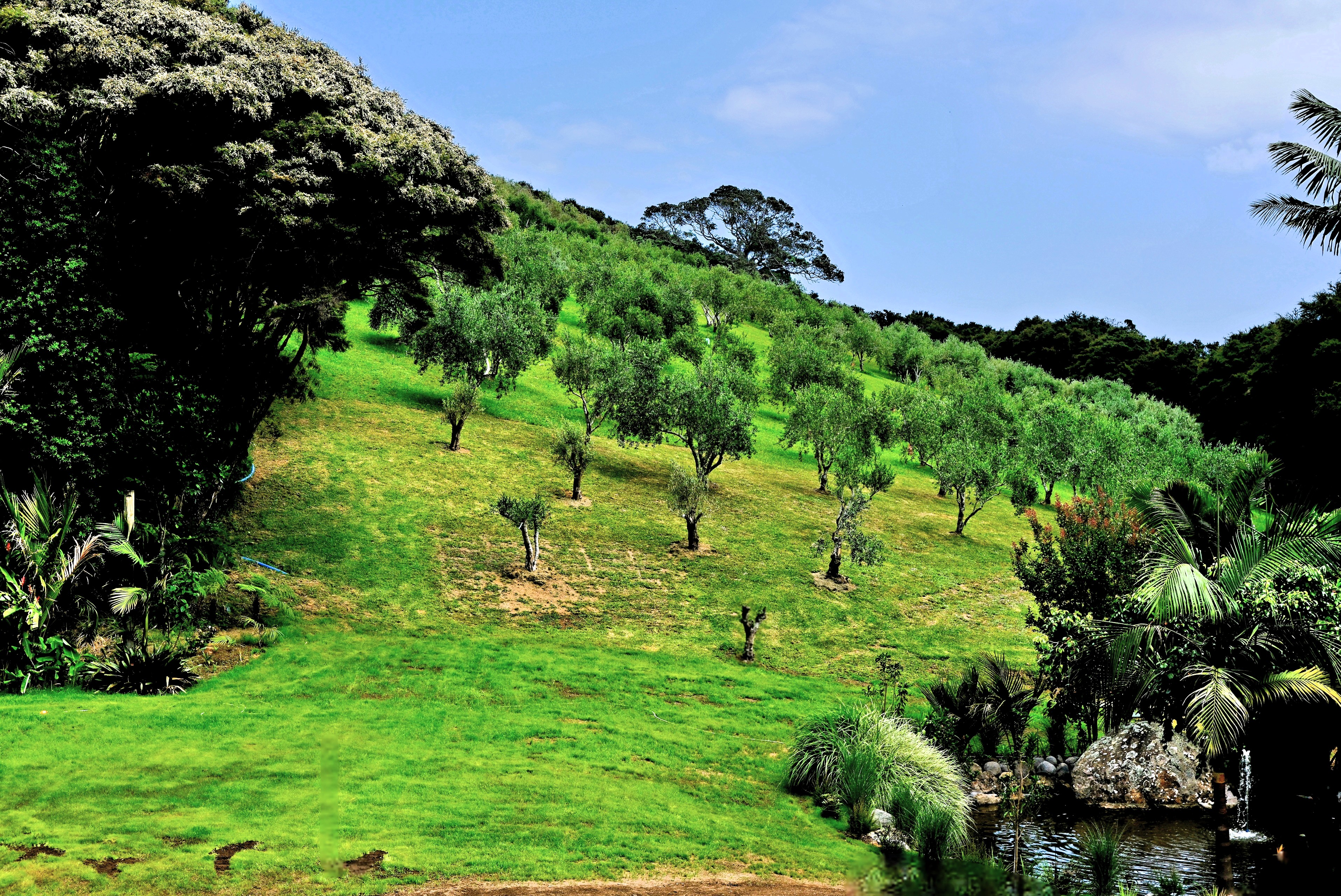
From the terrain, and weather–a mild maritime climate with sunny days and salty breeze–Waiheke’s rolling hills could easily pass for Italy, Spain, or Greece, with its volcanic soil and microclimate making it ideal for growing olives.
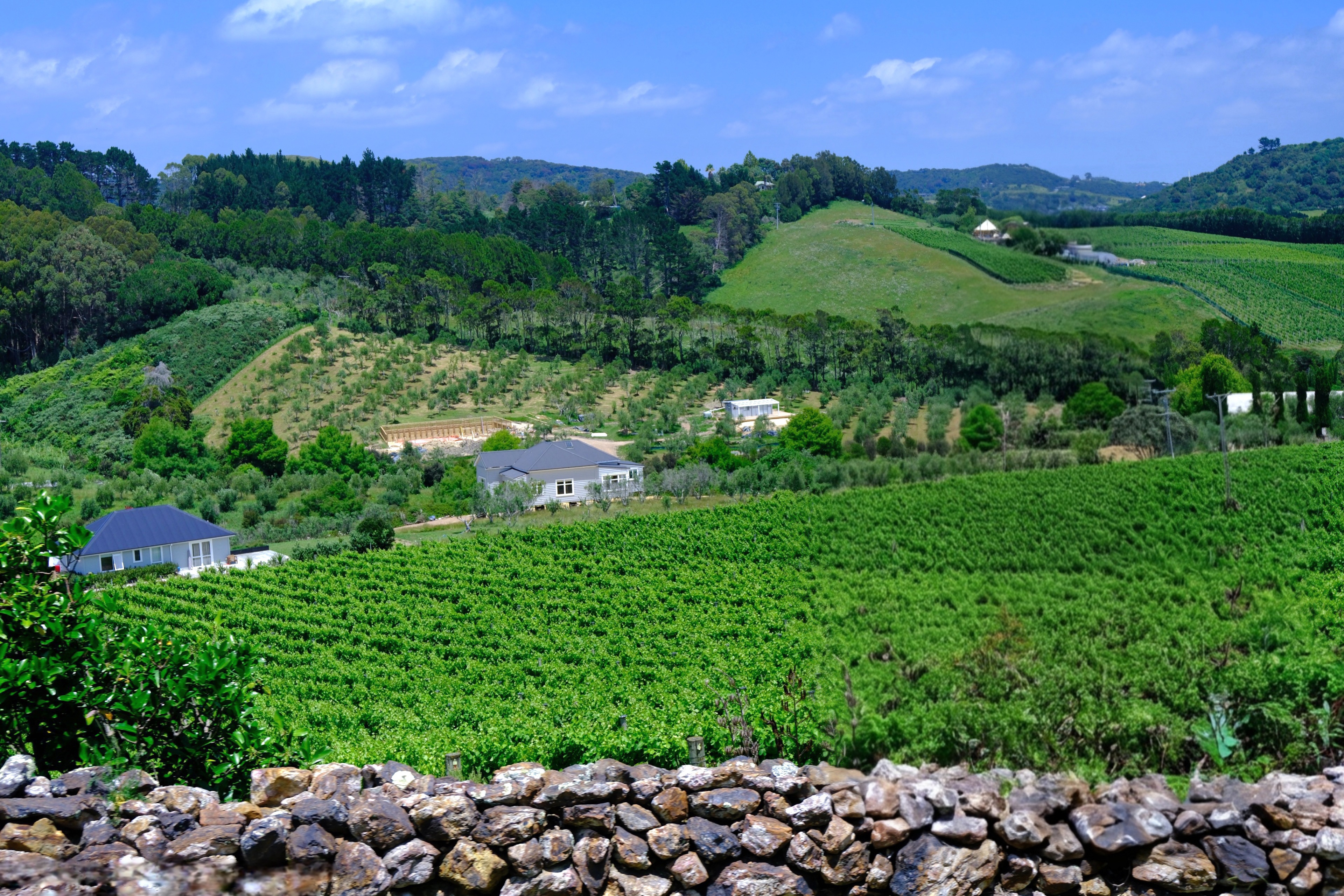
Waiheke’s first olive trees were planted in 1997 by Michael Allpress, who pivoted from coffee roasting to pressing olives for oil–quickly achieving world-class recognition with award-winning results.
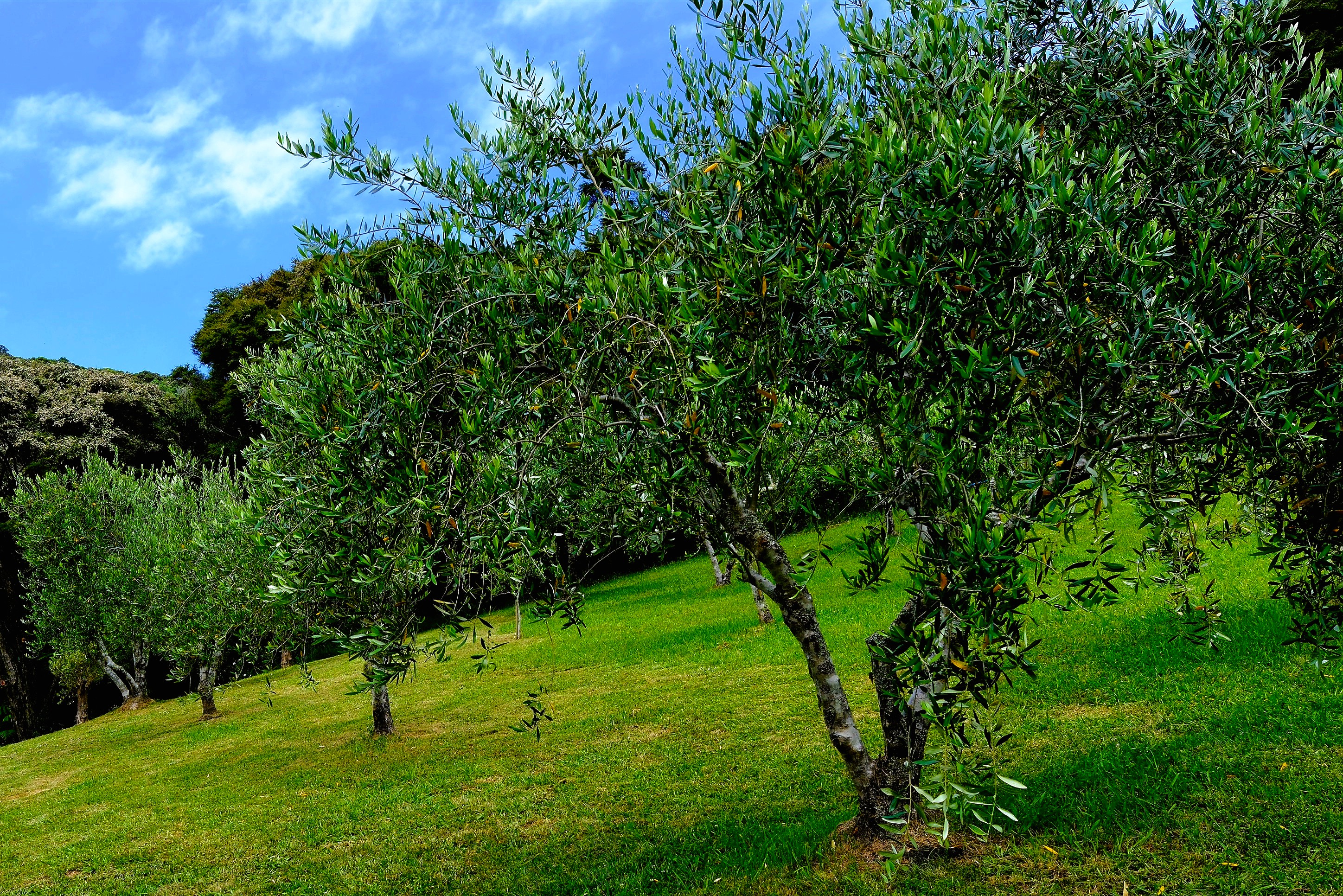
Next, we ventured to Goldie Estate, overlooking Putiki Bay for a tasting at Waiheke’s first commercial winery dedicated to premium reds.
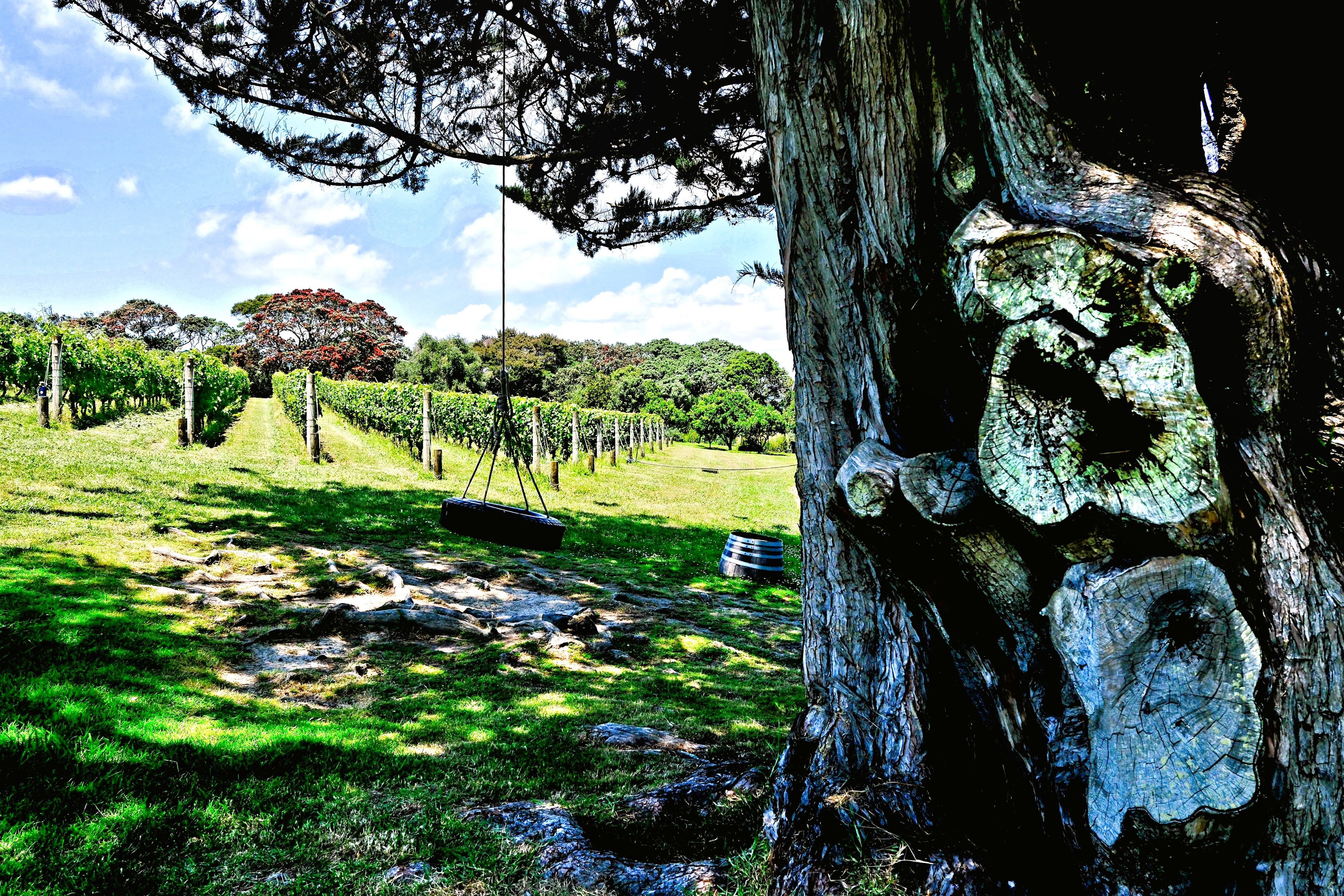
The Goldwaters pioneered winegrowing on Waiheke in 1978, and became successful producers of Cabernet Sauvignon, Merlot, Cabernet Franc, Syrah, Chardonnay and Viognier varieties.
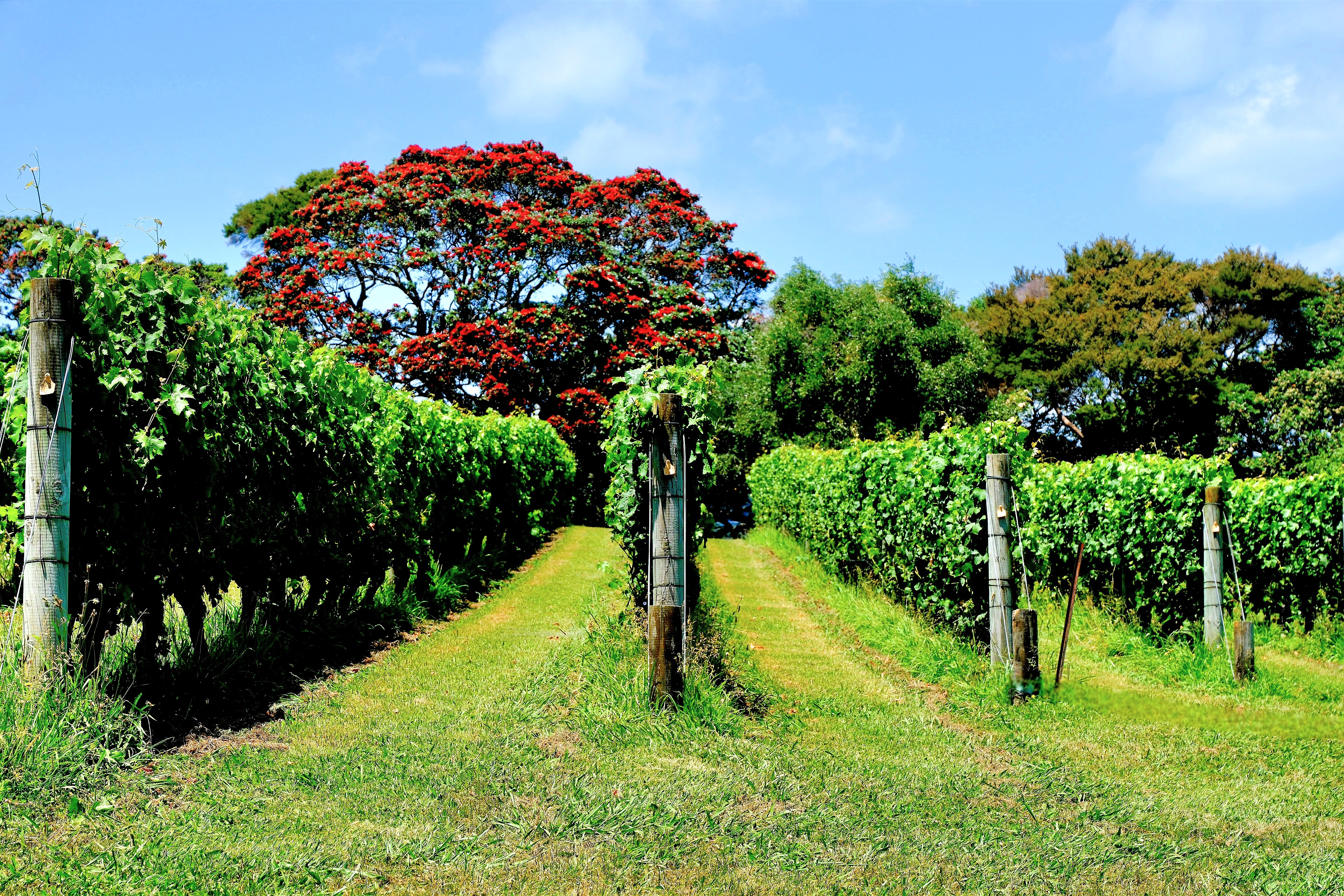
Goldie Estate is also home to University of Auckland’s Wine Science Centre, where students live, study, and work towards a graduate degree in oenology.
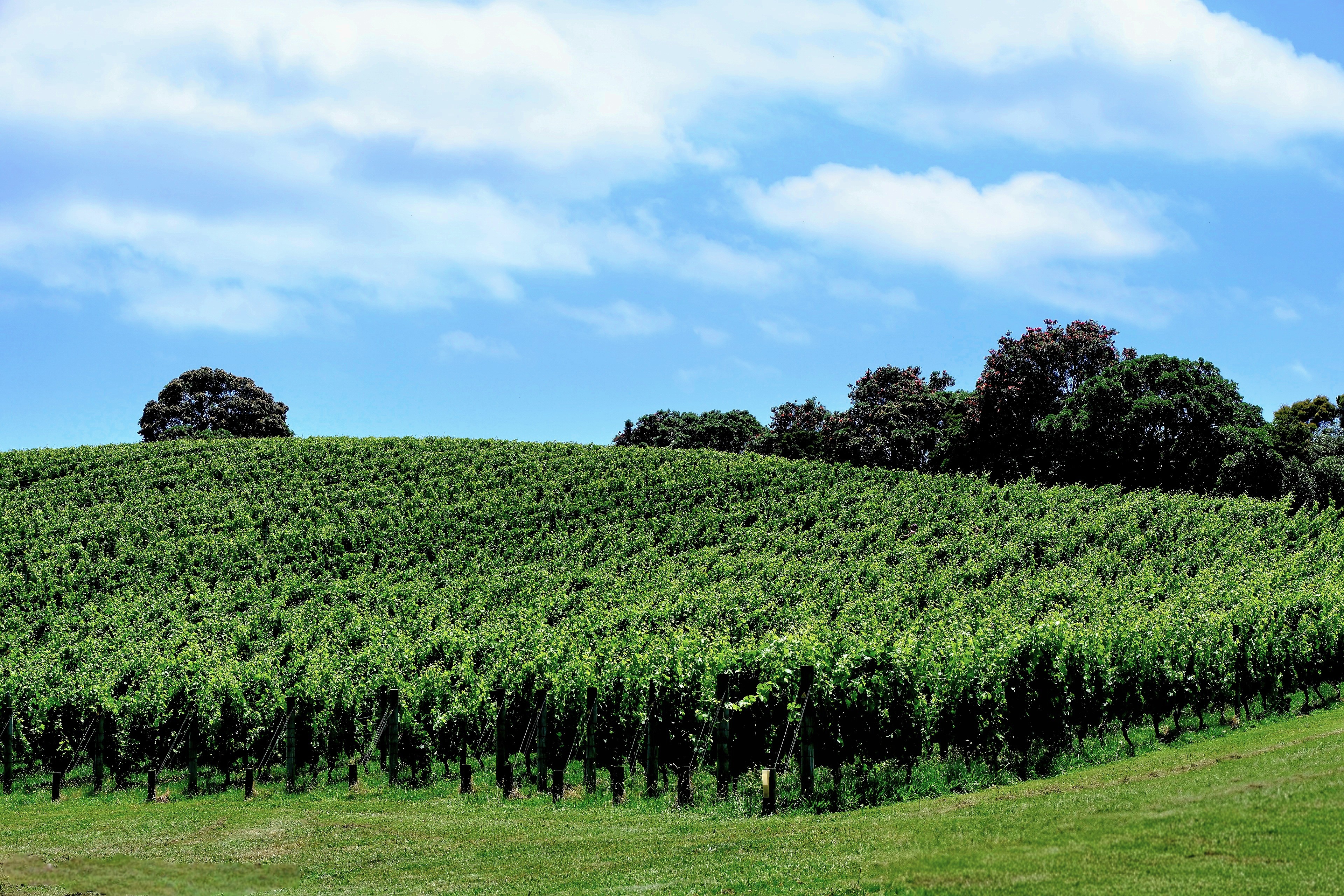
Shortly after, we crossed to the eastern side of the island where a buffet lunch was waiting for us at Passage Rock–the most awarded winery in Waiheke–
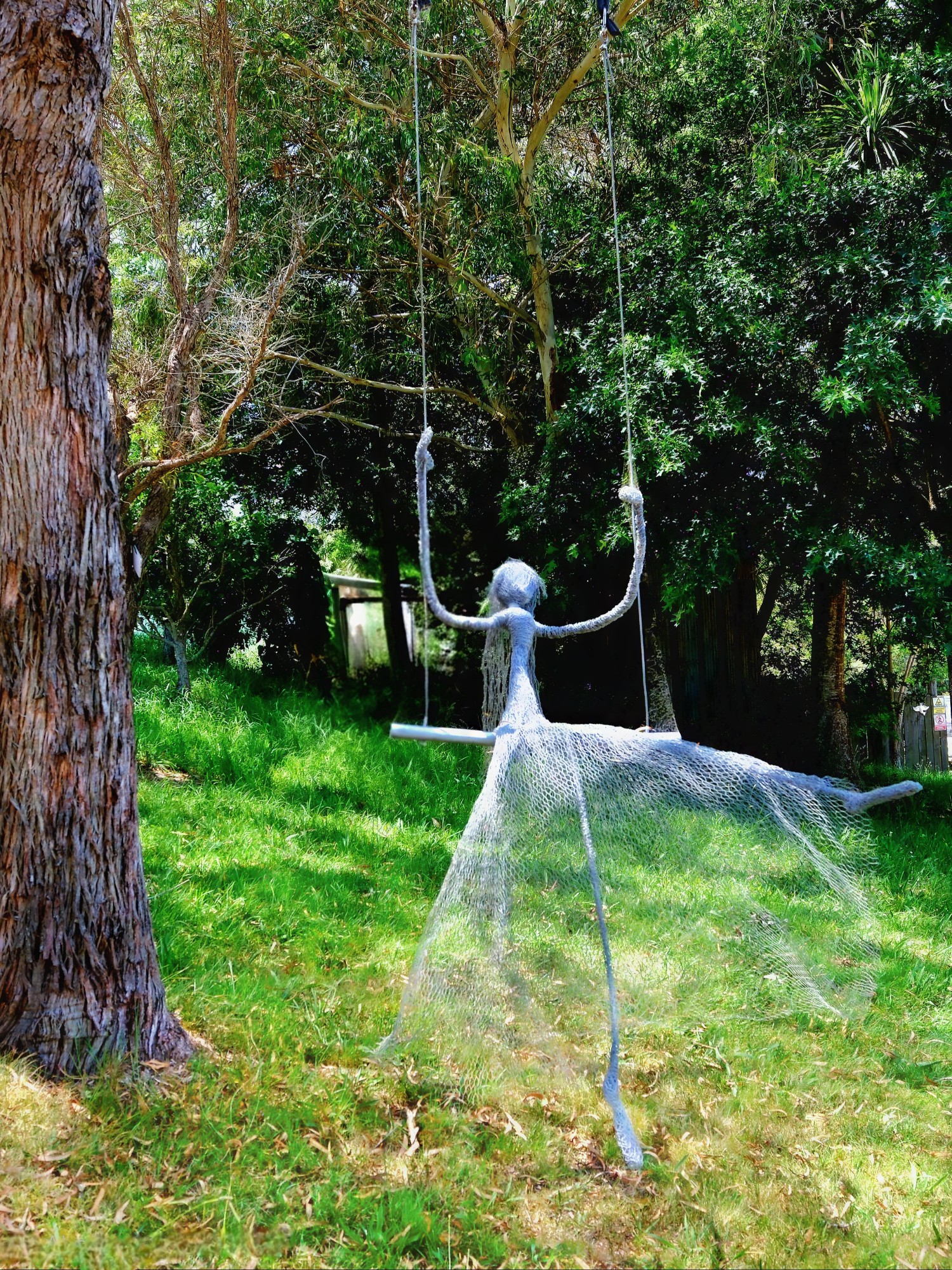
with reserve-level wines taking international gold medals, including a critically acclaimed 2021 Reserve Syrah that improved with every sip.
Waiheke Island is also home to Mānuka honey, an elixir so rich in levels of antibacterial methylglyoxal (MGO) that it benefits the body inside and out. Therapeutic properties support a balanced immune system, regular gut health, and topical applications for wounds and burns.
The unprocessed flavor is earthy and bittersweet with caramel notes.
But it doesn’t come cheap. A 250g jar of highest-potency (2150+ MGO) creamy, silky honey from Manuka South can cost over $1500!
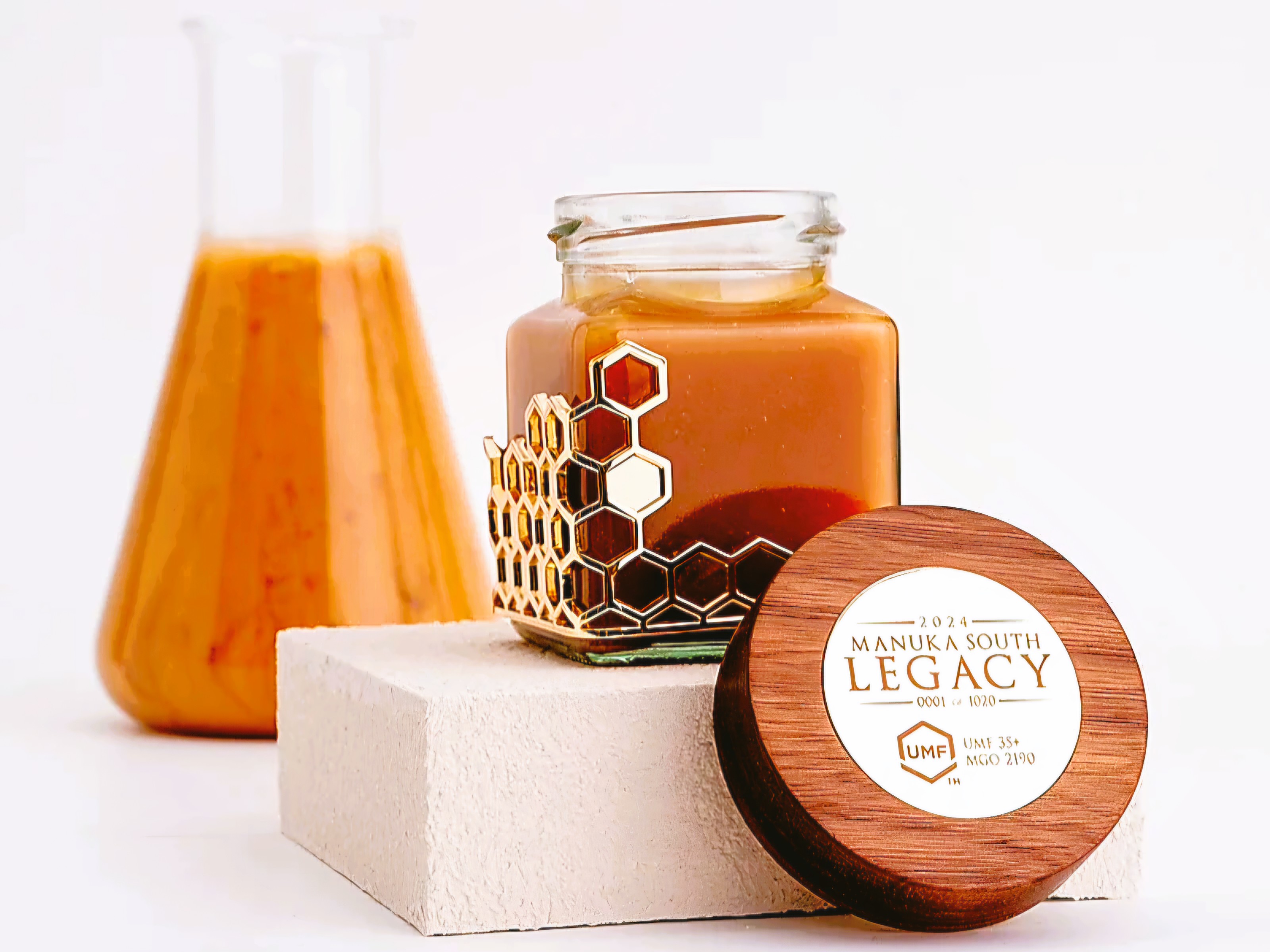
How can ANY honey justify this exorbitant cost?
While this is the most extreme example, consider that Mānuka flowering season lasts a few weeks per year, with trees often blooming in remote locations. Beekeepers have only five days to transport their hives around the tree’s open blossoms to capture the nectar.
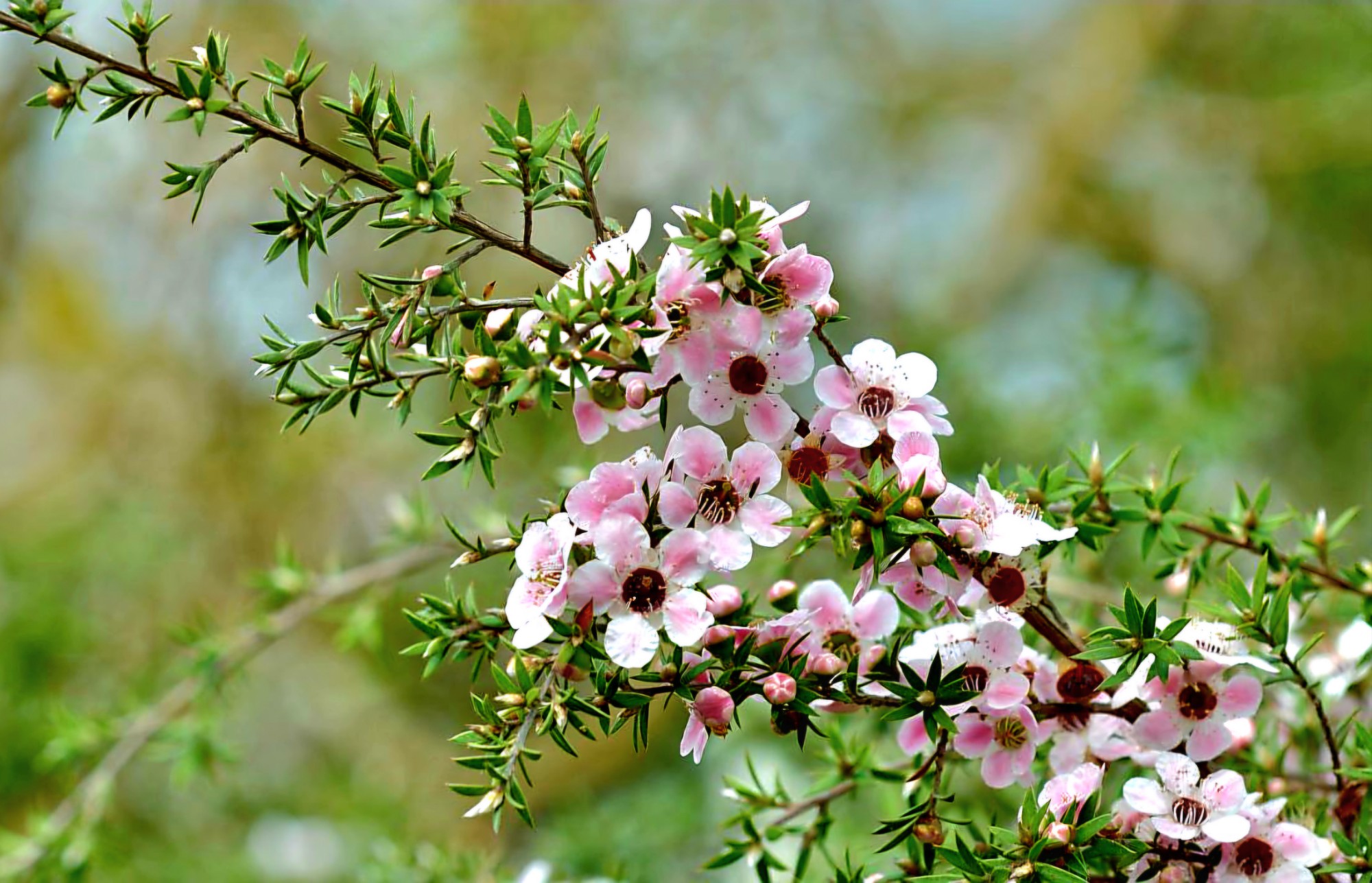
Ultimately, bees will tap thousands of blossoms, with each pollinator producing 1/12th of a teaspoon of honey in its lifetime. That’s equivalent to 11,500 bee visits per 250g jar, and a testament to their work ethic.
It was a tasty day on Waiheke. While we left the island with fuller bellies than expected…
I won’t grape; olive, honey.

 Streaming thru America
A lovely glimpse of a place full of flavor and relaxed vibes – easy to imagine spending time there 🙂
LikeLiked by 1 person
… and return to one day.
LikeLike