
Leah and I bid adieu to Admiralty Bay, with “John and George” (our yellow submarines) safely stowed in the ship’s hangar. We also wished a speedy recovery to our medevacked shipmate.

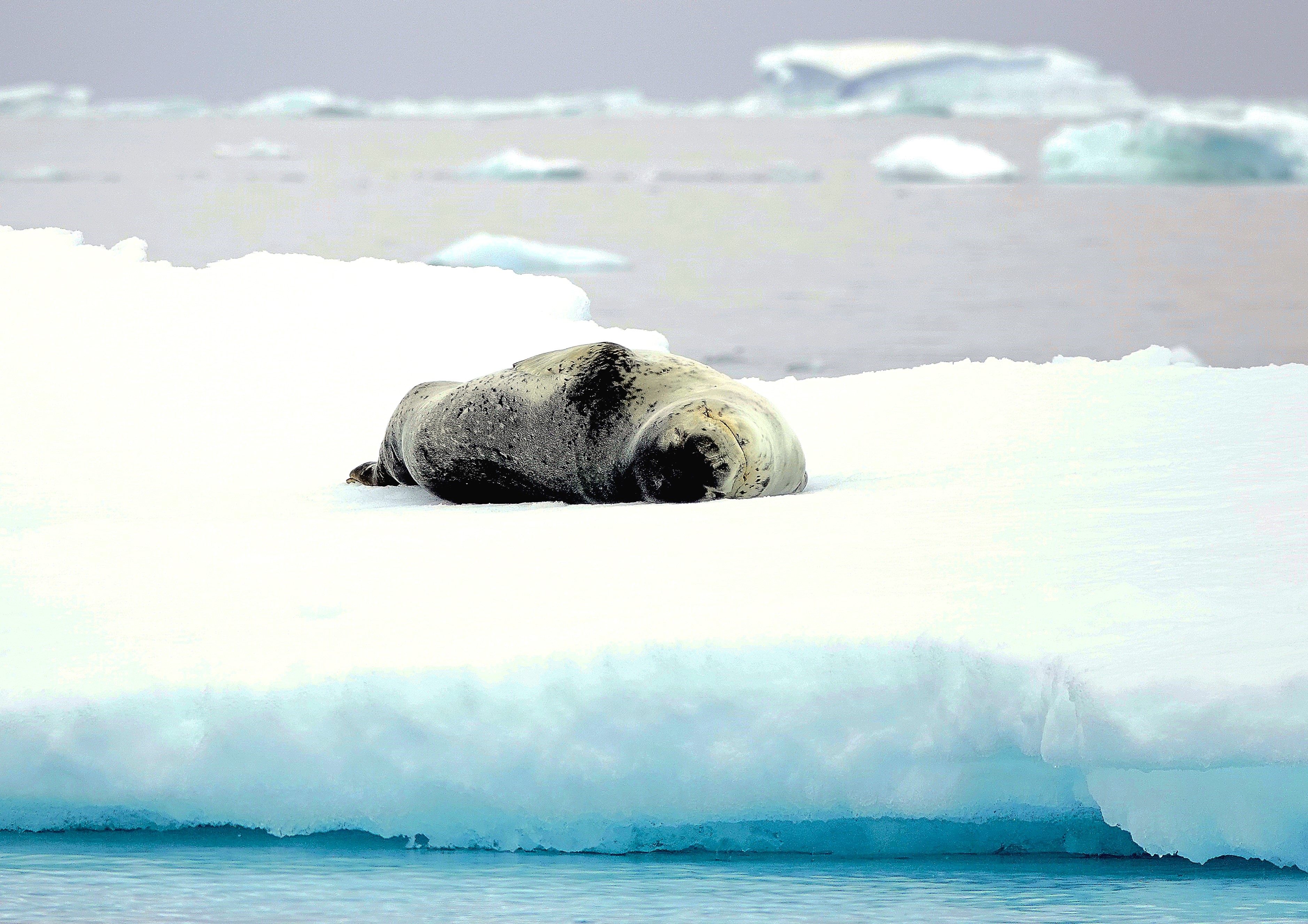
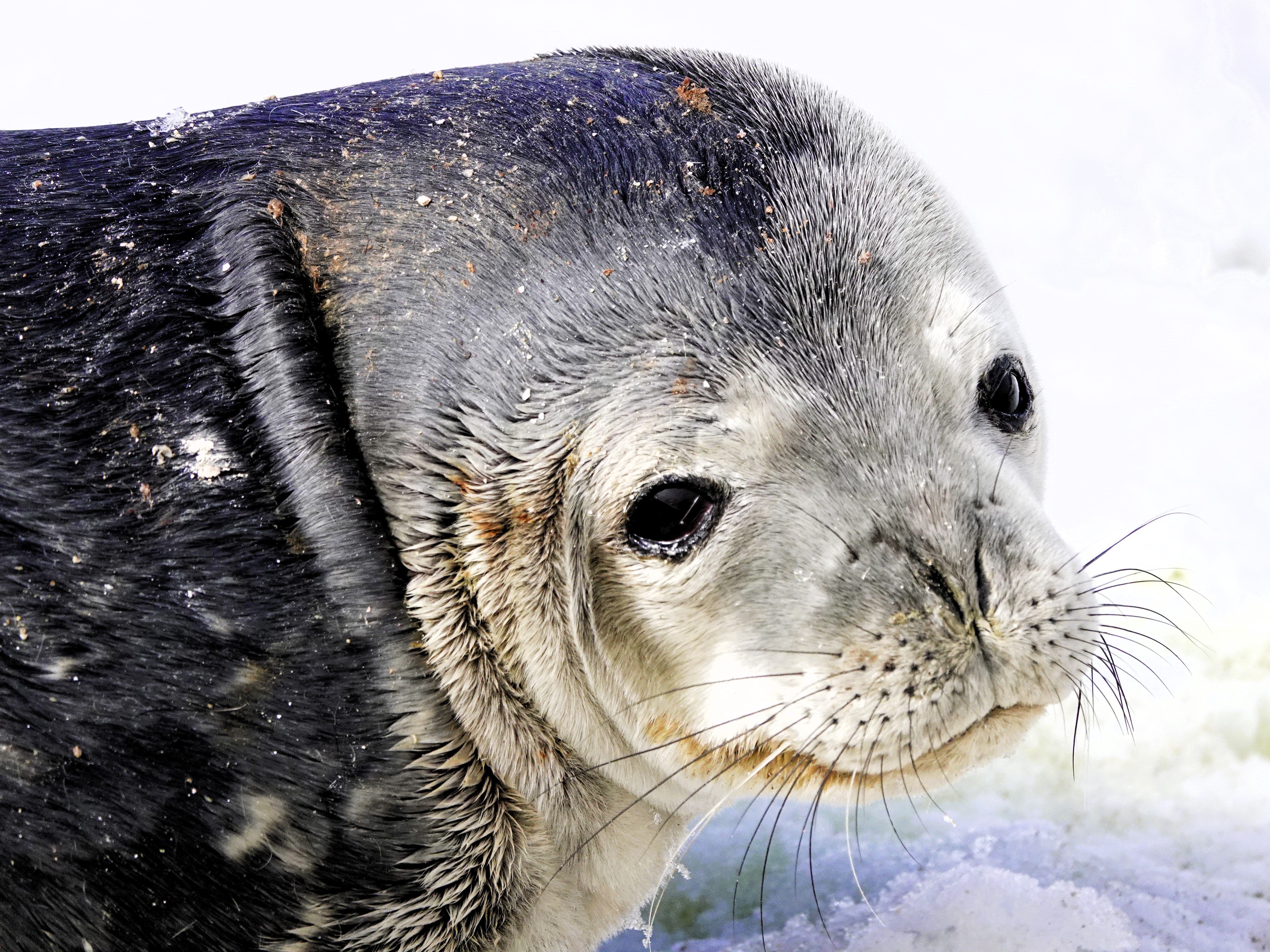
Our journey continued past a leopard seal lounging on an ice floe designed for one, but our heading was uncertain.
Viking Octantis was now operating in uncharted, metaphorical waters. With our predetermined itinerary cast into the Bay of Serendipity, we now had a rare opportunity to explore the tip of Antarctica’s peninsula!
The wheelhouse brass decided that Octantis would complete its Antarctic voyage with a continental landing at Brown Bluff.
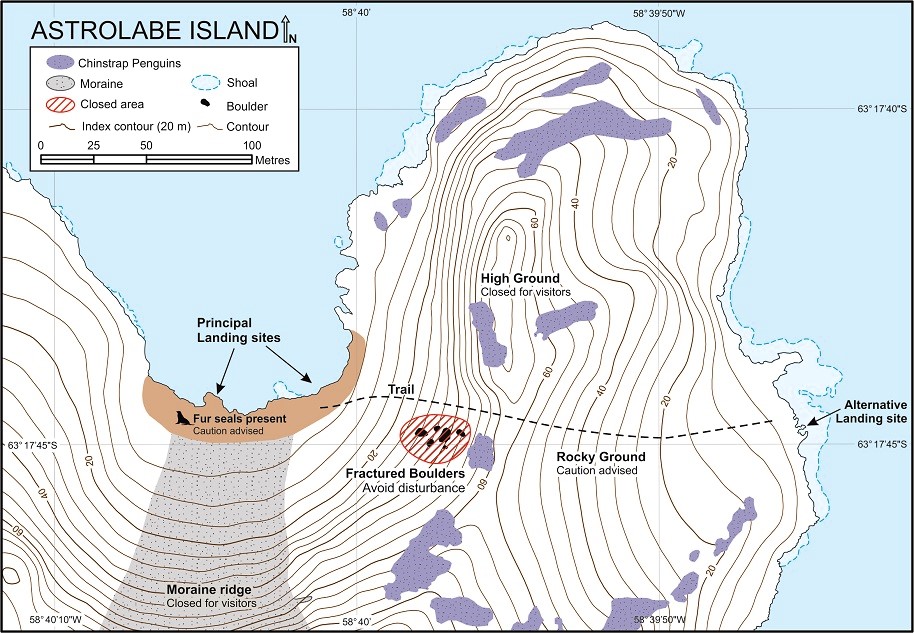
Additionally, resident scientists–supported by Viking’s mission to collaborate with global research networks–lobbied for an interim landing on Astrolabe Island, where penguin monitors from Oceanites were enthusiastic about counting a colony of chinstrap nests that hadn’t been surveyed since 1987.
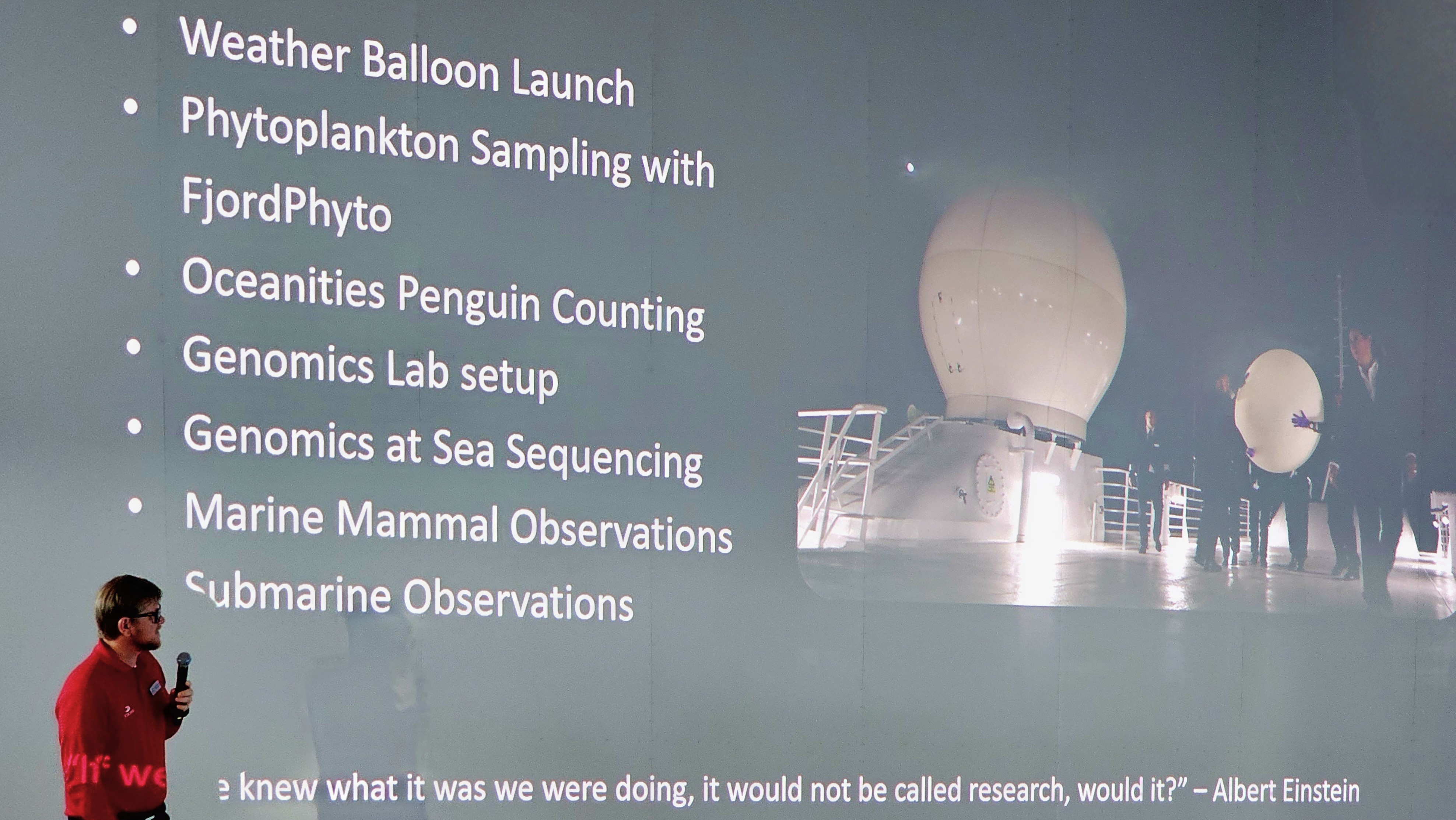
Science certainly set the tone for our Antarctic expedition. Passengers were enlightened and enriched with daily lectures and participation opportunities to complement Viking’s pursuit of marine science.
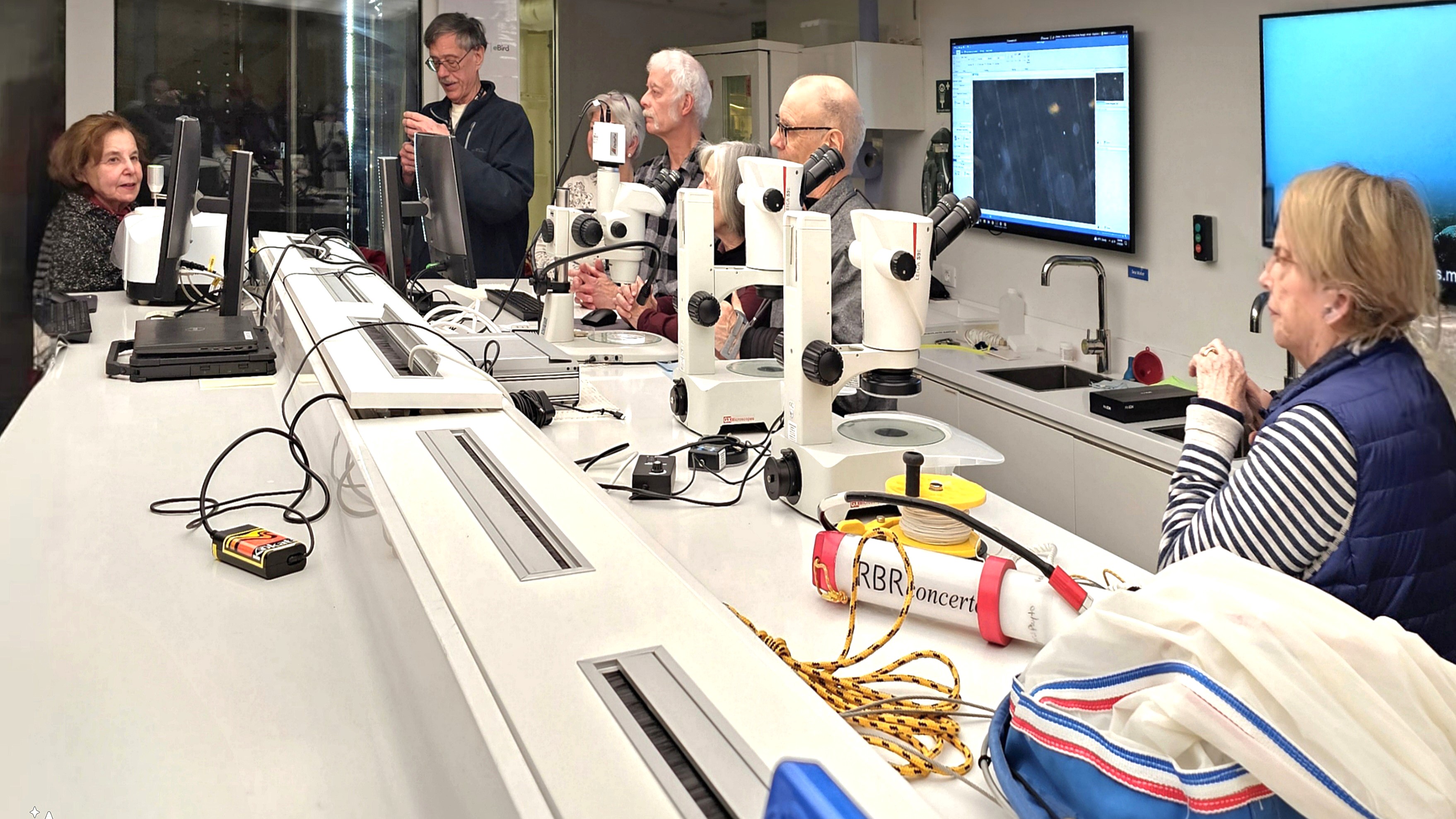
In the name of “Citizen Science,” Leah and I facilitated in collecting phytoplankton, and sampling the water for microplastics,

which was later analyzed in a fully equipped science lab.
Better yet, the entire ship was invited to celebrate the release of a weather balloon…

and monitor the data stream from its high-altitude instruments.

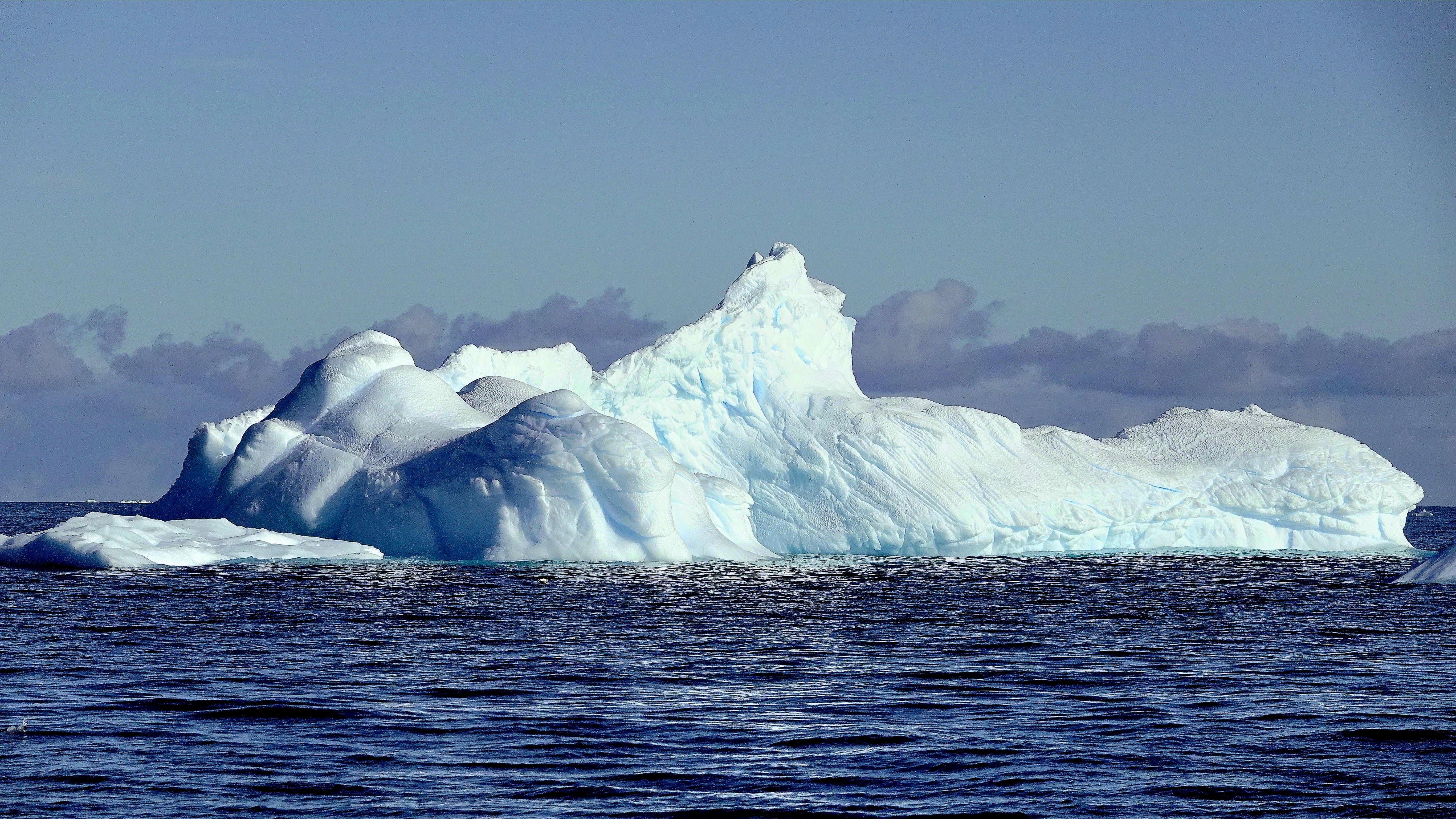
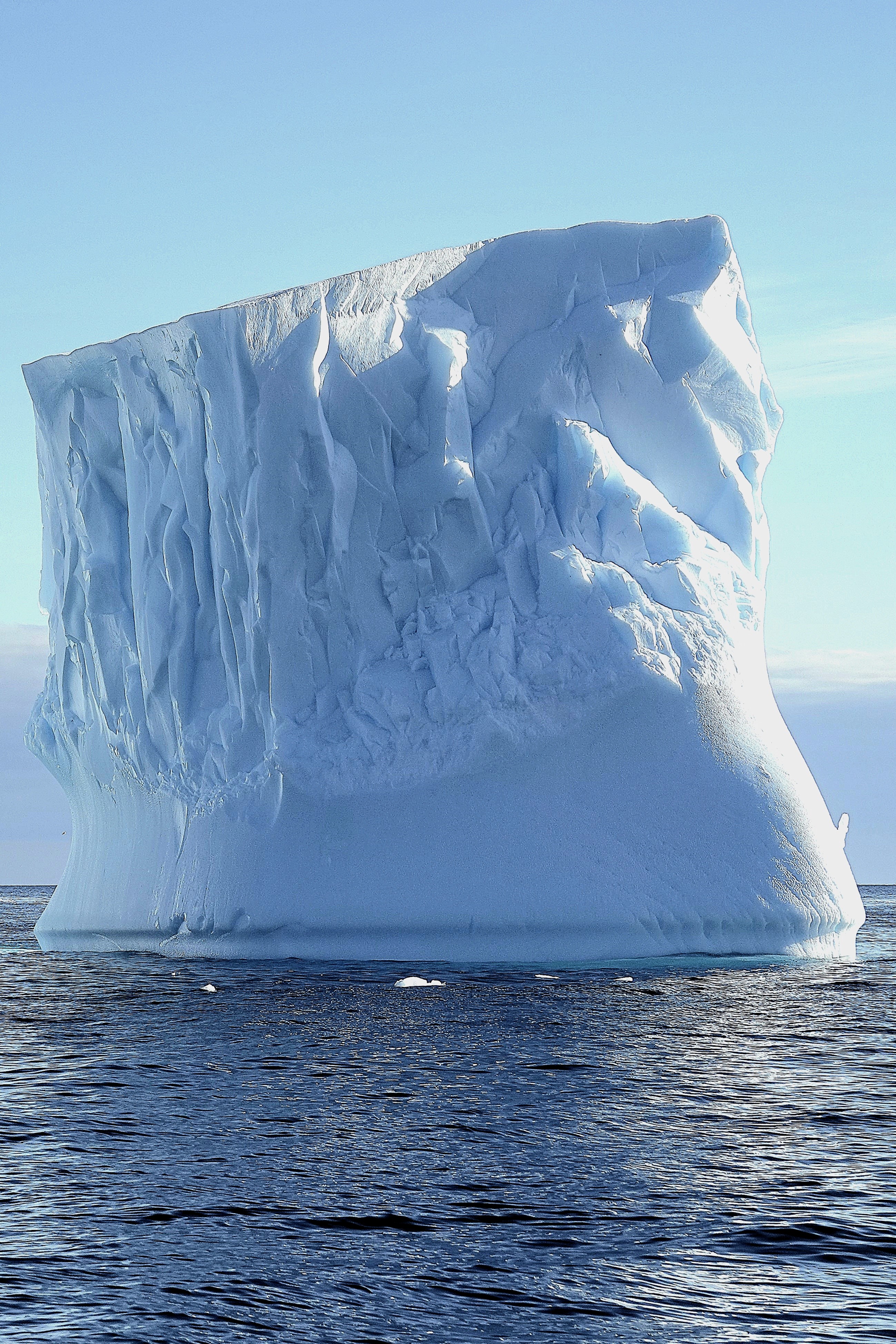
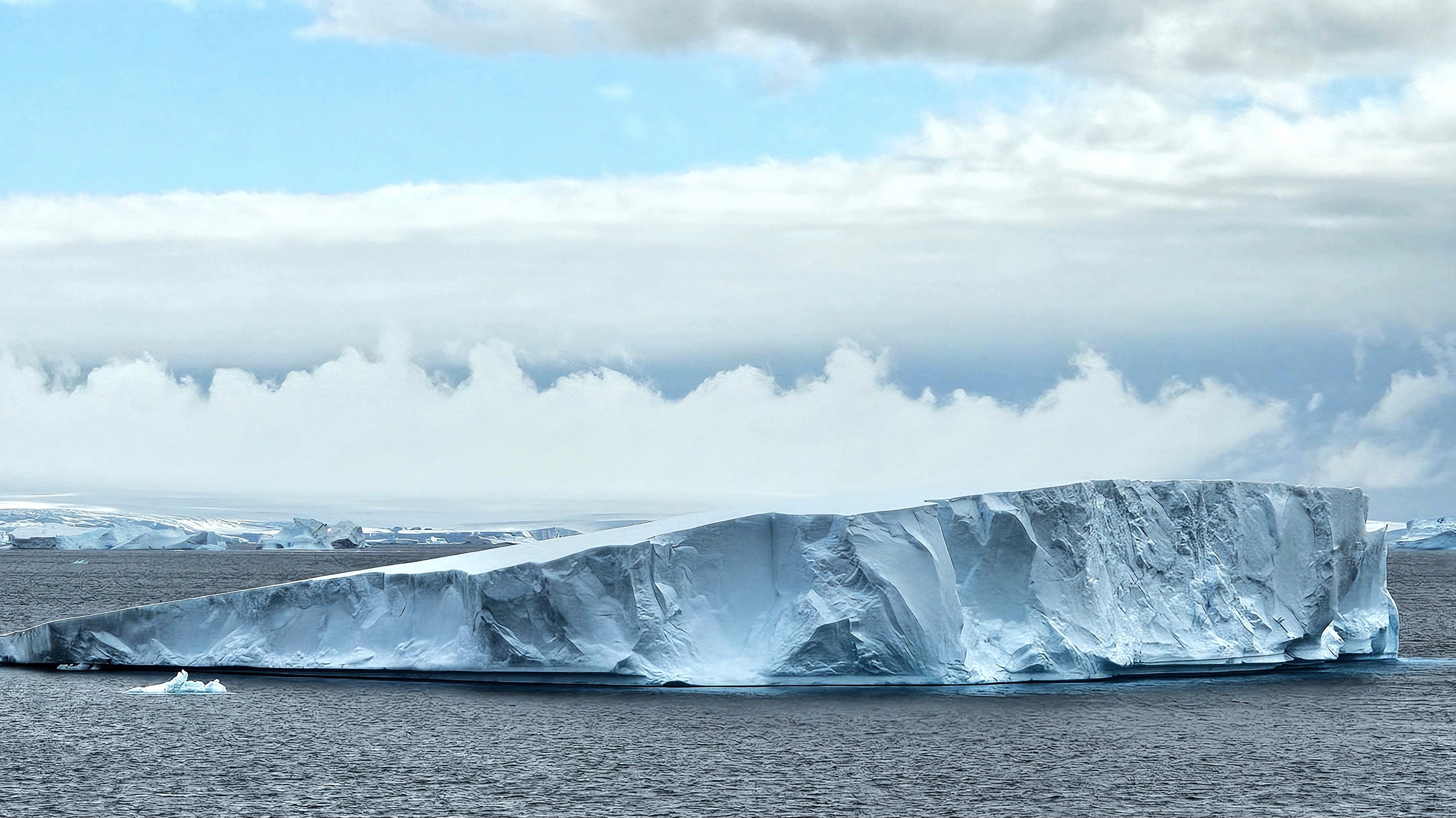
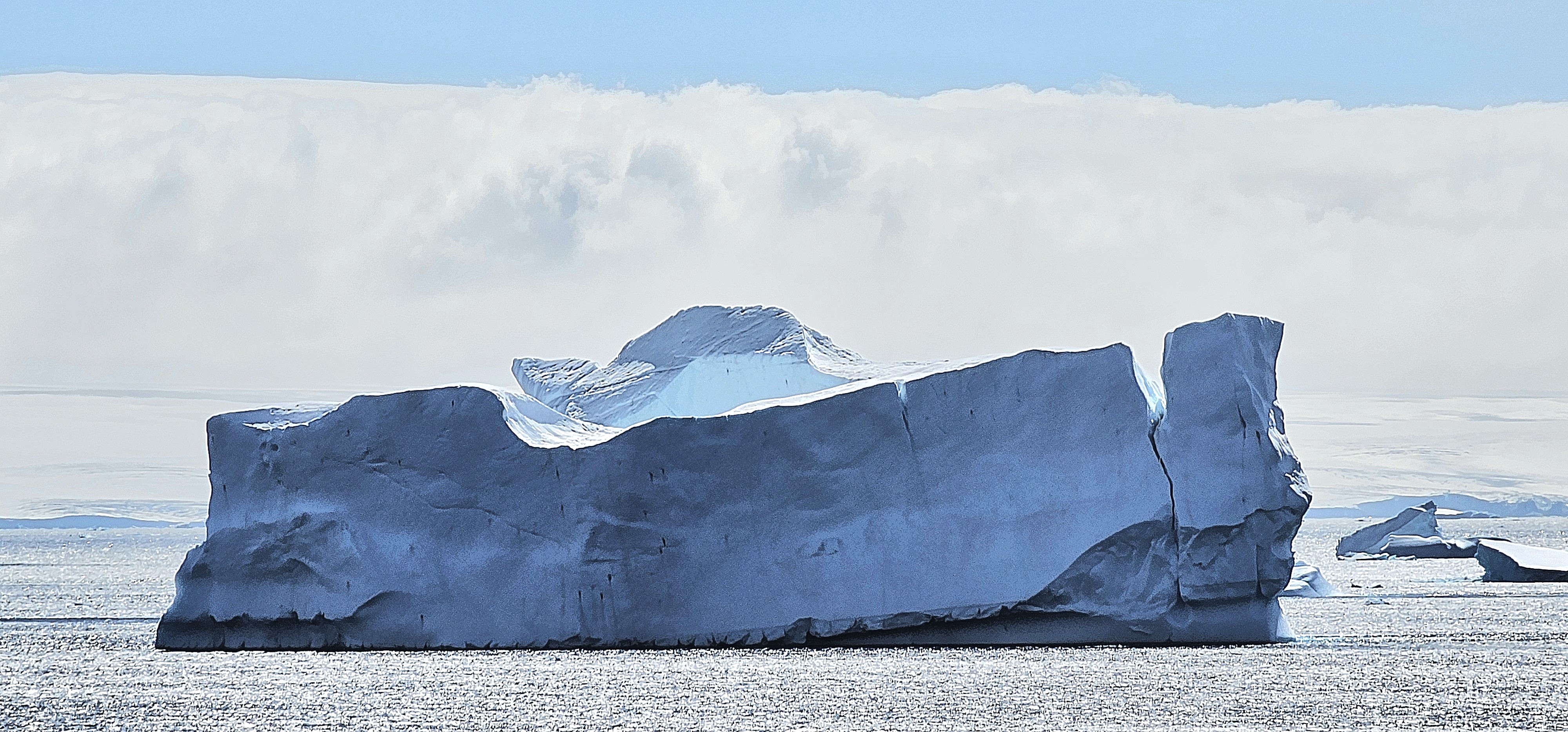
On January 16, we awoke to calm seas and blue skies over Bransfield Strait, with Trinity Peninsula dominating our horizon. The panorama gave the illusion of an expansive sculpture park installation.

Leah and I were scheduled to board a Special Ops Boat (S.O.B.) for a closer look–
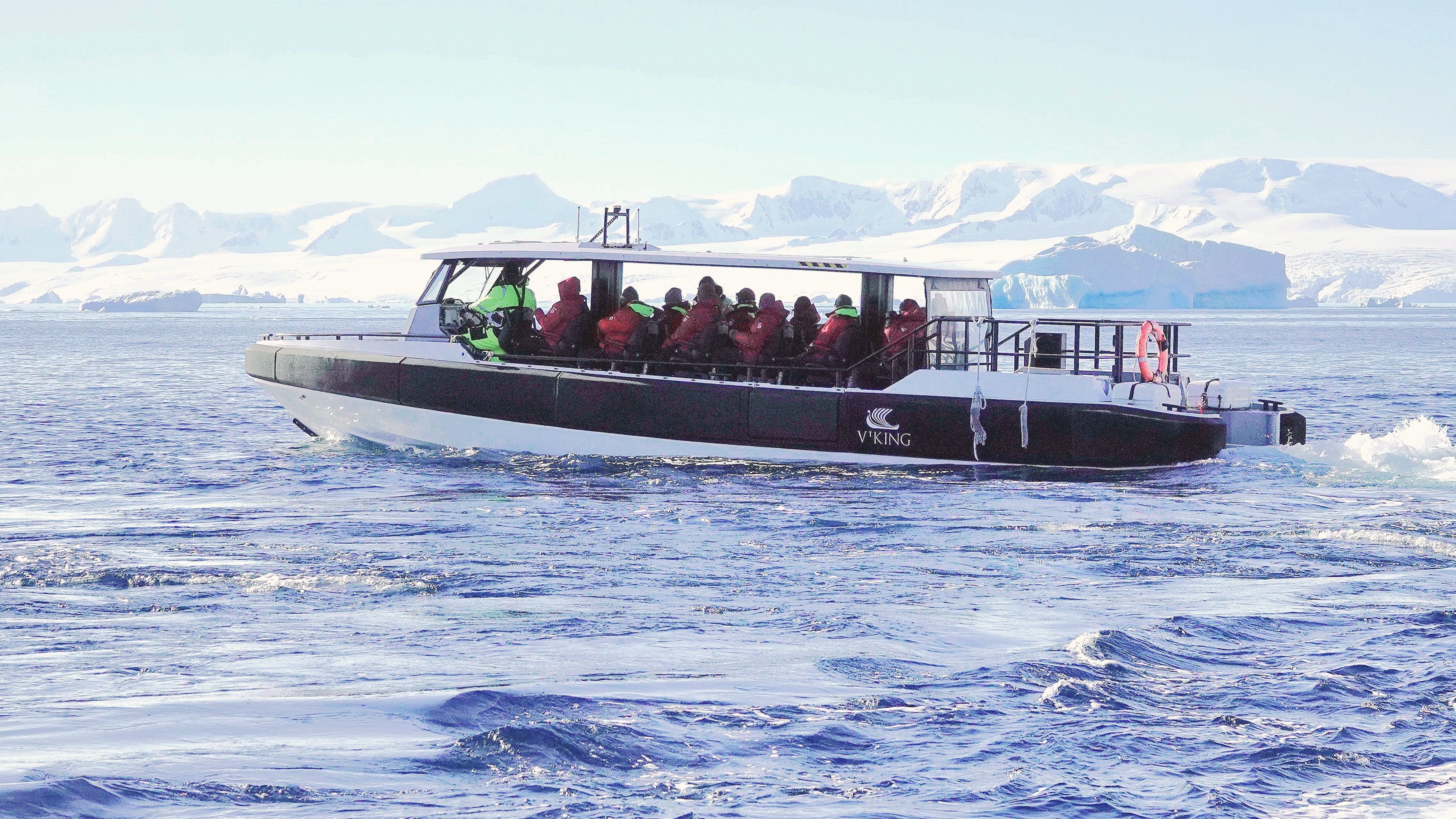
that had us oohing and aahing as we darted through one-of-a-kind carvings.

“That one resembles the Statue of Liberty… and there’s an ice cream cone… and that one could be a mushroom…” were common overheard comparisons.
I marveled at the colossal size of these formations shaped by wind and sun and imagined the volume of ice beneath the surface!



Later that day, we swapped our high-speed vessel for an assigned Zodiac…

to ferry us to Astrolabe Island.

Our pilot cruised past Dragons Teeth–a collection of 100m peaks cutting through the gumline of frigid waters.

We zigzagged through towers of blue ice,

until we beached at a guano-stained snowfield ruled by Antarctic fur seals–

inherently cute but unpredictable predators–
while a rookery of chinstrap penguins preferred the protection of High Ground,

where eggs…

and hatchlings were well-protected.
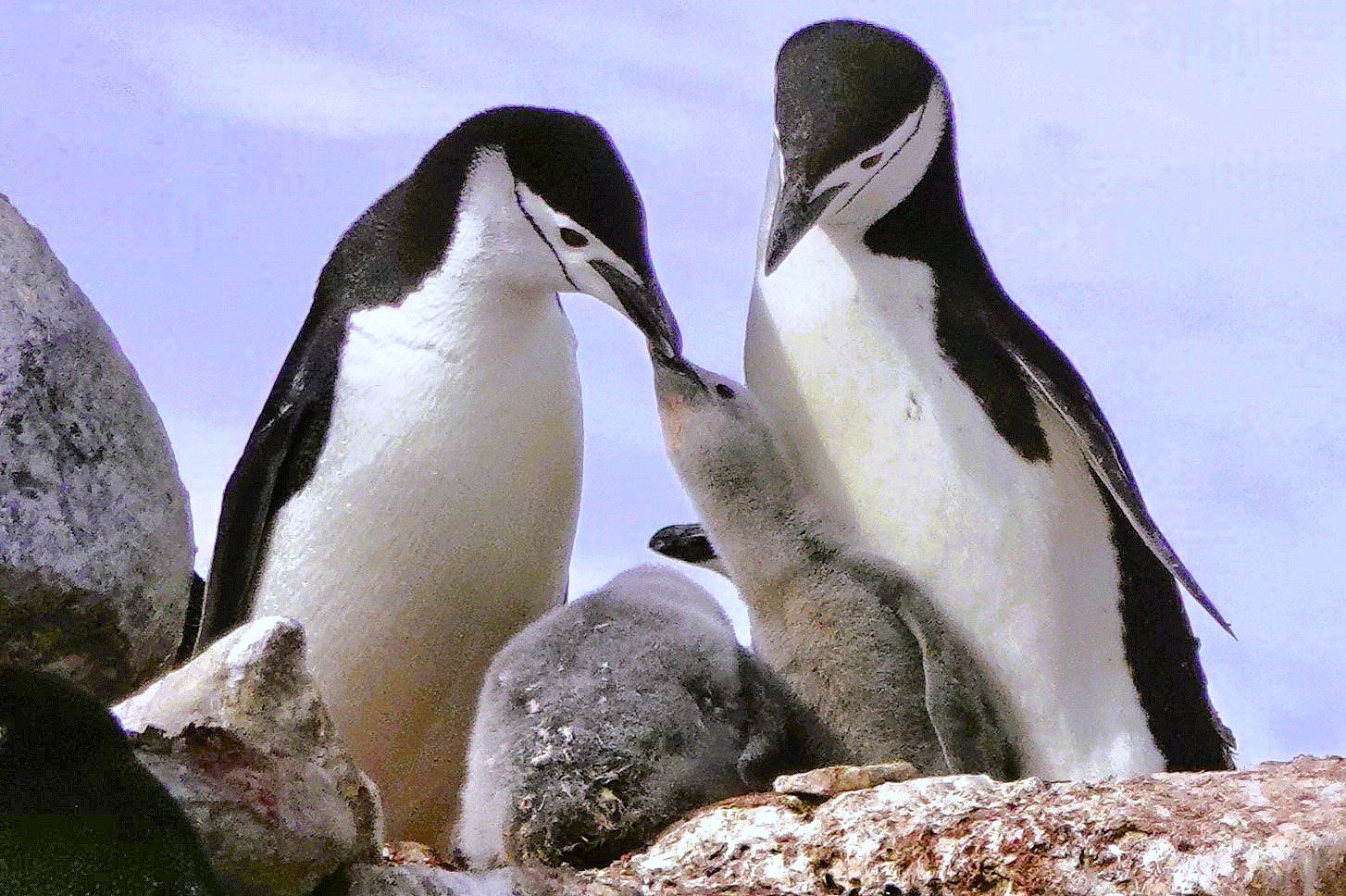
Nevertheless, their paths inevitably intersected en route to the sea.

We closed our day with one last excursion along Hut Cove,
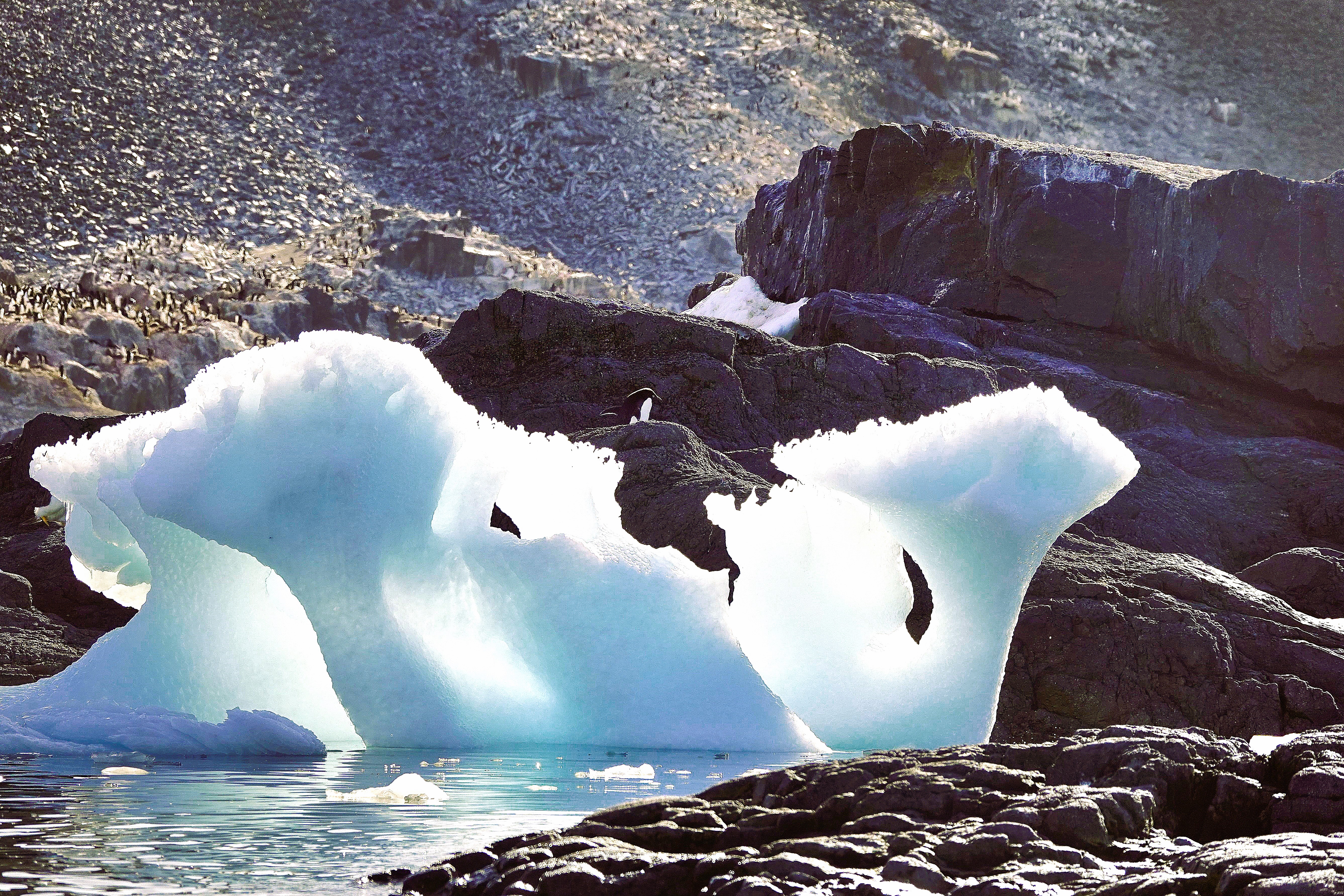
where a thriving colony of gentoo penguins were filling their bellies with krill.
After returning to Octantis, it was announced that the Oceanites team identified an unknown colony of chinstrap penguins on Diaz Rock, using drones equipped with thermal imaging to detect distant splashes of pink poop.
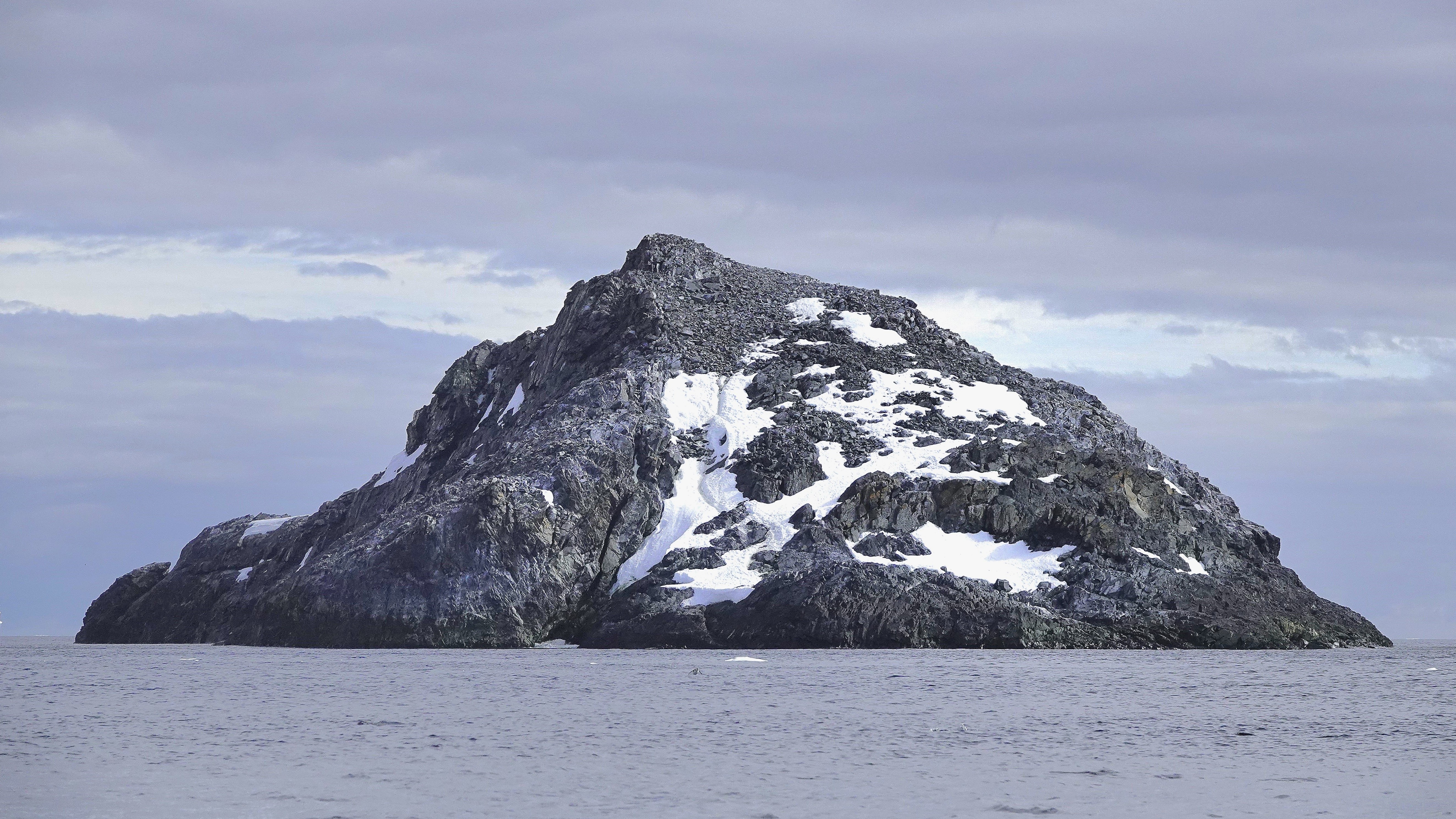
Overall, it was a good day for science, but it was a great day for scenery and seabirds.
Up next: a Brown Bluff bonanza…

 Streaming thru America